
Cannabis Extract Gets Breakthrough Therapy Status From FDA
/By Pat Anson
A German biopharmaceutical company says its cannabis extract has received a Breakthrough Therapy designation from the FDA, which will speed up its development and review as a potential treatment for chronic low back pain.
If approved by the agency, the investigational extract – called VER-01 – would be the first cannabis-based medicine in the U.S. designated for the treatment of chronic pain. The full spectrum extract is derived from THC, CBD and terpenes found in cannabis sativa, a strain of cannabis known for its pain relieving properties.
"The FDA's Breakthrough Therapy Designation for VER-01 is a major recognition of its potential to address the significant unmet need in chronic pain," Dr. Clemens Fischer, Founder of Vertanical, said in a press release.
"Patients have waited far too long for meaningful progress. We believe VER-01 has the potential to change how chronic pain is treated and offer physicians a much-needed non-opioid solution."
If approved, VER-01 would be sold under the brand name Exilby and be taken orally in drops. The company is also studying VER-01 as a pain treatment for patients with osteoarthritis and peripheral neuropathy.
The FDA’s Breakthrough Therapy designation was granted after two Phase 3 clinical trials found that VER-01 provided better pain relief to patients with chronic low back pain than low doses of opioids.
Patients taking VER-01 also reported improvements in nerve pain, sleep quality and physical function, and were less likely to be constipated than those on opioids.
Vertanical plans to launch a third Phase 3 placebo-controlled study in the U.S. to confirm the efficacy and safety of VER-01 in patients with chronic low back pain. The company anticipates the first data from that study in 2027 and, if they are positive, plans to submit a New Drug Application to the FDA in 2028.
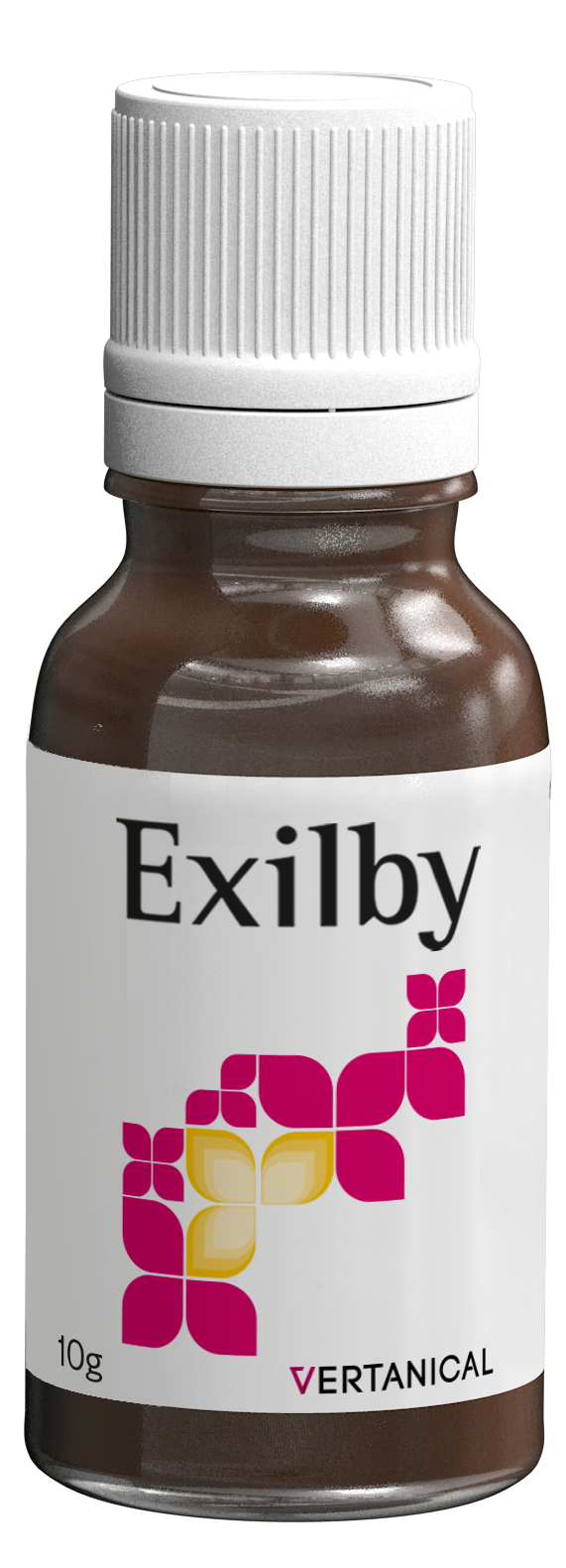
VERTANICAL IMAGE
Vertanical hopes to get marketing authorization for VER-01 from European regulators in the next few weeks.
Research into the pain-relieving properties of cannabis has long been slowed in the U.S. by marijuana’s status as an illegal Schedule 1 controlled substance. The DEA is now allowing more cannabis to be used for research purposes and recently reclassified medical marijuana as a Schedule 3 drug, which allows for medical uses.