Review Finds THC More Effective Than CBD for Chronic Pain

By Pat Anson

An updated systematic review found that cannabis products with relatively high levels of THC (tetrahydrocannabinol) may provide small improvements in chronic pain; while those containing high levels of CBD (cannabidiol) and little or no THC had minimal effect on pain.

Researchers at the Pacific Northwest Evidence-based Practice Center at Oregon Health & Science University reviewed 25 short-term cannabis studies involving over 2,300 patients with chronic pain. Their findings are published in the Annals of Internal Medicine. 

CBD-based gummies, tablets, oils and other products have long been marketed for various health issues, but researchers say they demonstrated almost no improvement in managing pain. 

“This may be surprising to people,” said lead author Roger Chou, MD, in a press release. “Conventional wisdom was that CBD was promising because it doesn’t have euphoric effects like THC and it was thought to have medicinal properties. But, at least in our analysis, it didn’t have an effect on pain.” 

Chou, who was lead author of the controversial 2016 CDC opioid guideline and its 2022 update, said the small improvement in pain was on the order of a half point to a point on the zero-to-10 pain scale. While providing modest pain relief, THC-based products also had a higher risk of side effects, such as dizziness, sedation and nausea.   

There are several caveats to the review which make it unhelpful, at best, in determining whether THC or CBD are effective pain relievers. 

One, many of the clinical trials were deemed to be biased or of low quality. They mostly involved patients with chronic neuropathic pain, which means they don’t necessarily apply to patients with other types of pain.

Second, most of the studies involved pharmaceutical-grade cannabis-based medicines, such as dronabinol and nabilone, which are approved for nausea, vomiting and as an appetite stimulant. None of them are approved for pain relief.  

Third, those pharmaceutical medicines are based on synthetic THC, not plant-derived THC or CBD. So basically, the researchers studied products that most cannabis consumers don’t use, which makes the overall findings misleading.

“This raises critical questions about generalizability: Can findings from standardized formulations inform real-world use of diverse, cannabis-derived, state-regulated products?” asks Ziva Cooper, PhD, from the UCLA Center for Cannabis and Cannabinoids, in an editorial also published in the Annals of Internal Medicine.   

Copper says the review demonstrates the need for better evidence and less reliance on clinical trials. The inclusion of observational studies and patient reviews of products obtained in dispensaries would better capture real-time evidence of current cannabis use and outcomes. 

“There are opportunities for novel approaches to understand cannabis-related health effects. Rigorous randomized controlled trials (RCTs) are the gold standard for determining the safety and efficacy of cannabis and cannabinoids for therapeutic end points,” Cooper wrote. 

“Yet, these studies are resource-intensive, challenging due to federal regulations, and slow to adapt to a rapidly evolving marketplace and patient behavior. Expanding the scope of study designs to consider complementary strategies is urgently needed.”

Chou says the wide variety of cannabis products on the market makes drawing conclusions about their effectiveness difficult.

“It’s complicated because cannabis products are complicated,” he said. “It’s not like taking a standardized dose of ibuprofen, for example. Cannabis is derived from a plant and has multiple chemicals in addition to THC and CBD that may have additional properties depending on where it’s grown, how it’s cultivated and ultimately prepared for sale.”  

Better cannabis research is one of the reasons the Trump Administration is moving to complete the process of reclassifying cannabis from a Schedule I controlled substance to a Schedule III drug with accepted medical uses.

Because cannabis has long been illegal under federal law, it has stifled research into its health benefits, leaving patients and doctors in the dark on its potential uses. This review does nothing to shine a light on the issue.  

Cannabinoids and Pain Care: A Federal Shift That Needs Guardrails

By Dr. Lynn Webster

On December 18, President Trump signed an executive order directing the Department of Justice to expedite completion of the process moving marijuana from an illegal Schedule I controlled substance to Schedule III, a less restrictive category that allows for medical use.

The order also directs federal health agencies to expand research, explicitly including real-world evidence, to better inform patients and clinicians about medical marijuana and hemp-derived cannabidiol (CBD).

For clinicians who treat chronic pain, the significance is simple. Federal policy is starting to align with clinical reality. Cannabinoids are already widely used for pain and related symptoms, yet clinical guidance and product standards have lagged.

What the Order Gets Right

It squarely names the research gap. The order cites FDA’s review finding scientific support for marijuana’s medical use in specific settings (including pain), and it connects the current rescheduling effort to the Department of Health and Human Service’s 2023 recommendation that marijuana be placed in Schedule III.

Whatever one thinks about cannabis politics, Schedule I status did not prevent use — it contributed to widespread use with limited standardization and weak clinical guidance.

It also highlights a practical safety problem that clinicians recognize immediately: non-disclosure by patients. The order cites survey data that only about 56% of older adults using marijuana have discussed it with a healthcare provider.

This is an avoidable risk in a population where polypharmacy is common, and adverse events can be consequential. Normalizing nonjudgmental conversations about cannabinoid use is low-tech harm reduction.

Another constructive element is that the order explicitly calls for a regulatory framework for hemp-derived cannabinoid products, including guidance on an upper limit of THC per serving and considerations such as per-container limits and CBD:THC ratio requirements.

Where the Risks Remain

Rescheduling is not the finish line. Moving marijuana to Schedule III may improve research, but it does not automatically create FDA-approved medications, standardized dosing, or clinically reliable formulations for the products most patients actually use. If the public interprets Schedule III as “safe and proven,” we may inadvertently widen the gap between perception and evidence.

CBD is the other major vulnerability. The order acknowledges that some commercially available CBD products are inaccurately labeled (for example, isolate vs. broad-spectrum vs. full-spectrum), leaving patients and clinicians without adequate safeguards. Independent testing supports this concern. A JAMA analysis of CBD products sold online found substantial labeling inaccuracies and detectable THC in a meaningful share of samples.

In pain care, that matters. Unintended THC exposure can impair cognition, contribute to sedation and increase fall risk, especially in older adults. It can also trigger unexpected positive drug tests with real-world consequences.

Safety signals also deserve more humility than the marketing suggests. FDA warns that CBD can cause liver injury and affect how other drugs work, potentially leading to serious side effects.

A randomized clinical trial in healthy adults reported liver enzyme elevations in a subset receiving CBD 5 mg/kg/day for 28 days, with some meeting protocol criteria for potential drug-induced liver injury.

The takeaway from this is not “CBD is dangerous.” It is that population-level use without dose clarity, interaction guidance, or monitoring invites harm, especially in older adults, medically complex patients, and in people taking anticoagulants, anti-epileptics, sedatives or other CNS-active medications.

Finally, the order hints at regulatory whiplash around “full-spectrum” products, noting that some could be treated as controlled substances — again, depending on statutory THC thresholds.

Shifting definitions and enforcement create confusion for patients, clinicians and legitimate manufacturers, and can favor market consolidation that raises prices and narrows choice.

A Clinician’s Checklist for Doing This Right

If this federal pivot is going to improve pain care, access must be paired with guardrails including:

  1. Product integrity first. Batch testing, contaminant screening, and accurate labeling (including verified CBD and THC per serving, and spectrum classification) for any federally supported access or research model.

  2. Pharmacovigilance at scale. If real-world evidence is the strategy, real-world safety reporting must be built in and transparent.

  3. Routine medication reconciliation. Clinicians should ask about cannabinoid use the way we ask about supplements — calmly, consistently, and without stigma.

  4. Honest messaging. Clear statements about what the evidence supports, what remains uncertain, and what warrants extra caution.

Bottom Line

The executive order is an important acknowledgement that Americans are using cannabinoids for pain while federal research, standards, and safeguards have lagged. If rescheduling accelerates rigorous research and CBD access is paired with product standards and safety monitoring, clinicians and patients could benefit.

But if access expands faster than quality control and pharmacovigilance, we risk repeating a familiar U.S. cycle: adoption first, guardrails later. Cannabinoids give us a chance to do it differently: evidence first, standards always, and patient safety at the center.

Lynn R. Webster, MD, is a physician specializing in pain and addiction medicine, a former president of the American Academy of Pain Medicine, Senior Fellow at the Center for U.S. Policy, and author of “The Painful Truth” and the forthcoming book “Deconstructing Toxic Narratives: Data, Disparities, and a New Path Forward in the Opioid Crisis.”

Lynn has written extensively on drug policy, the opioid crisis, and criminalization of medicine. Webster reports no relevant financial relationships related to cannabis or CBD products. 

Executive Order Rescheduling Cannabis Won’t Help Pain Patients Anytime Soon

By Crystal Lindell

This week, President Donald Trump signed an executive order that aims to reclassify cannabis as a less dangerous drug, but the move stopped short of making it federally legal.

The order directs Attorney General Pam Bondi to complete the process of reclassifying cannabis from an illegal Schedule I controlled substance to a Schedule III drug with lower abuse potential and accepted medical uses, in the same category as codeine and ketamine. President Biden started that process three years ago.

It’s important to note that moving cannabis to Schedule III will not legalize it for recreational use nationwide. And it will be up to the FDA to determine what an “accepted medical use” is for cannabis-based medicines.

The White House specifically mentioned chronic pain as one of the medical conditions that cannabis could help treat, noting that six in 10 people who use medical marijuana in the states where it is legal do so to manage pain.

"We have people begging for me to do this, people that are in great pain for decades," President Trump said. "I'm not gonna be taking it. But a lot of people do want it. A lot of people need it.

"The facts compel the federal government to recognize that marijuana can be legitimate in terms of medical applications when carefully administered. In some cases, this may include the use as a substitute for addictive and potentially lethal opioid painkillers. They cause tremendous problems. [Cannabis] can do it in a much lesser way. It can make people feel much better that are living through tremendous pain and problems." 

In addition to rescheduling, the Trump Administration is trying to expedite medical research so that CBD and hemp-based cannabis products can be legally sold nationwide. Those products are not FDA-approved, putting them in a legal limbo under federal law.

“In short, the current legal landscape leaves American patients and doctors without adequate guidance or product safeguards for CBD,” Trump said in a statement. “It is critical to close the gap between current medical marijuana and CBD use and medical knowledge of risks and benefits, including for specific populations and conditions.”

My hope is that pharmaceutical companies will finally be able to tap into cannabis’ full potential as a medical treatment and develop new drugs. Once they find the best ways to produce it, dose it, conduct clinical trials, and get FDA approval, then cannabis-based drugs could potentially help millions of pain patients. . 

Of course, that process could take years or perhaps even decades, so the odds are that many pain patients will remain reliant on CBD, hemp-based products, and marijuana dispensaries. That’s if cannabis is even legal in their state. 

Plus, whenever we do get pharmaceutical cannabis products, the next barrier will likely be price. Medical and recreational cannabis sold in dispensaries is more expensive than street supply, and I’m sure pharmaceutical companies will mark it up even more. But at least then it could be covered by insurance. 

Looking back, it seems obvious that cannabis should have never been classified as a Schedule I substance to begin with, as there are clearly multiple medical uses for it.

I am old enough to remember a time before any states had even legalized it, when the idea of it even being re-classified federally was a pipe dream.

I remember guys I knew in college in the early 2000s puffing away and going on and on about how one day marijuana would be legal. I would look at them with extreme skepticism. But as it turns out, they were basically right – at least in states like California and Colorado where recreational cannabis is legal. 

The Trump administration still has not made cannabis fully legal, but we are on track to see it happen.

Any time there’s a major change in the U.S. drug policy like this, it is worth noting how arbitrary much of it can be. Very little of it seems based on actual medical reasoning. It’s more about law enforcement and turning substances into villains.  

After all, if the stroke of a pen can move a drug from one controlled substances category to another — suddenly making them legal — perhaps the categories themselves are poorly designed. That logic follows when you see how the federal government handles things like opioids and kratom. You should not accept their reasoning at face value. 

We should all remain skeptical whenever the government tries to say any drug is inherently bad – especially when it tries to enforce such a classification with jail time and fines. Because clearly, their definition of “bad” and a medically-backed definition of “bad” are not the same thing.

Mixed Findings on Effectiveness of Medical Cannabis

By Pat Anson

Some new studies are muddying the water even more on whether medical cannabis is an effective treatment for pain, anxiety, insomnia and other health conditions. 

The first study, a JAMA review of over 120 clinical trials, medical guidelines and meta-analyses (studies of studies), found that there is not enough scientific evidence to support most of the conditions that cannabis is commonly used to treat.

Over one in four (27%) adults in the United State and Canada have used cannabis for medical purposes. And over 10% of people in the U.S. have used products containing cannabidiol (CBD) for therapeutic purposes.

But researchers say that widespread use is driven more by perceptions, anecdotes and promotion than it is by scientific evidence.

"While many people turn to cannabis seeking relief, our review highlights significant gaps between public perception and scientific evidence regarding its effectiveness for most medical conditions," says lead author Michael Hsu, MD, a psychiatrist and health researcher at UCLA Health. “Patients deserve honest conversations about what the science does and doesn't tell us about medical cannabis.”

Hsu and his colleagues found that FDA-approved cannabis-based medications, such as dronabinol and nabilone, are effective for HIV/AIDS-related appetite loss, chemotherapy-induced nausea, and pediatric seizure disorders such as Dravet syndrome and Lennox-Gastaut syndrome.

But for most other conditions, the evidence remains either inconclusive or lacking. Over half of medical cannabis users take it for chronic pain, but current medical guidelines recommend against cannabis as a first-line treatment for either chronic or short-term acute pain.

The researchers also highlighted the potential health risks of cannabis. High-potency cannabis containing over 10% THC has been linked to higher rates of psychotic symptoms and anxiety disorder. Daily use of cannabis, particularly of inhaled or high-potency products, is also associated with higher rates of coronary heart disease, heart attack and stroke compared to non-daily use.

About 29% of people who use medical cannabis also met the criteria for cannabis use disorder.

The review emphasizes that doctors should screen patients for cardiovascular disease and psychotic disorders, and evaluate them for potential drug interactions, before recommending THC-containing products for medical purposes.

Medical Cannabis Reduces Opioid Use

But another study, published in JAMA Internal Medicine, suggests that medical cannabis is an effective treatment for chronic pain because it reduces the use of prescription opioids.

Researchers at Albert Einstein College of Medicine and Montefiore Health System evaluated 204 adults in New York State’s Medical Cannabis Program who were prescribed opioids for chronic pain between 2018 and 2023.  

At the start of the study, most participants reported high levels of pain (an average of 6.6 on the zero to 10 pain scale) and were taking an average daily dose of 73.3 morphine milligram equivalents (MME). By the end of the 18-month study, the average daily dose fell to 57 MME, a 22% reduction.

“Our findings indicate that medical cannabis, when dispensed through a pharmacist-supervised system, can relieve chronic pain while also meaningfully reducing patients’ reliance on prescription opioids,” said lead author Deepika Slawek, MD, an associate professor of medicine at Einstein, and an internal medicine and addiction medicine specialist at Montefiore. 

The reduced use of opioids suggests that chronic pain sufferers can be slowly weaned off opioids with medical cannabis. For example, participants who received a 30-day supply of medical cannabis reduced their opioid use by an average of 3.5 MME compared to non-users.

“Those changes may seem small, but gradual reductions in opioid use are safer and more sustainable for people managing chronic pain than stopping suddenly,” said Slawek.

Since the study occurred during a time period when opioid prescribing overall fell by nearly 50% in the United States, we asked Dr. Slawek if that could have influenced the findings. She said researchers adjusted their modeling data to account for that as best they could.

“The only way that we will be able to get definitive answers on whether medical cannabis reduces opioid use is to conduct randomized trials, which are very difficult to do in the U.S. specific to cannabis,” Slawek told PNN in an email. “We believe that by using causal inference modeling in this study, we were able to add the highest quality evidence possible that cannabis may reduce opioid use in patients with chronic pain.” 

The scientific data for medical cannabis is improving. According to an analysis by the National Organization for the Reform of Marijuana Laws (NORML), the number of cannabis research studies grew for the fifth consecutive year, with over 4,000 scientific papers involving cannabis published so far in 2025.

“Despite the perception that marijuana has yet to be subject to adequate scientific scrutiny, scientists’ interest in studying cannabis has increased exponentially in the past decade, as has our understanding of the plant, its active constituents, their mechanisms of action, and their effects on both the user and upon society,” said NORML Deputy Director Paul Armentano. 

“It is time for politicians and others to stop assessing cannabis through the lens of ‘what we don’t know’ and instead start engaging in evidence-based discussions about marijuana and marijuana reform policies that are indicative of all that we do know.”

According to NORML’s analysis, over 37,000 scientific papers about cannabis have been published since 2015. That means over 70% percent of all peer-reviewed scientific papers about cannabis have been published in the past ten years alone.    

The studies are growing and so is the anecdotal evidence. A recent survey of 1,669 medical cannabis users in the UK found that nearly 89% of those with chronic pain reported somewhat improved or significantly improved quality of life.

Middle-Aged Adults Increasingly Identify as Cannabis Consumers

By Pat Anson

Cannabis use continues to grow among older Americans, according to a new study that found nearly one in five middle-aged adults consumed cannabis within the past year.  

The study by researchers at Columbia University is based on data from the 2022 Health and Retirement Study — a nationwide survey of older adults.

Researchers reported that 18.5% of adults aged 50 to 64, and 5.9% of adults over the age of 65 acknowledged using cannabis products. The findings are consistent with previous studies that found rising percentages of middle-aged and older adults consuming marijuana products. Smoking was the primary way used to consume cannabis in both groups.

About 25% of middle-aged adults and 20% of older adults said they used cannabis for medical purposes. Over 75% of respondents in both age groups supported the medical use of cannabis, but researchers sounded a note of caution about its growing acceptance.

“Cannabis use among both middle-aged and older U.S. adults is higher than previously reported in state and national-level studies, with many engaging in cannabis behaviors associated with increased harm. Greater public health and clinical efforts are needed for tailored prevention and intervention strategies,” Columbia researchers reported in the American Journal of Preventive Medicine.

While cannabis use is growing for therapeutic purposes, most medical organizations still frown on it. The American College of Physicians (ACP) recently released a new guideline that recommends against the use of medical cannabis for most patients with chronic noncancer pain.

The ACP said physicians should warn patients that the harms of cannabis use outweigh their potential benefits. Medical cannabis may produce small improvements in pain, function and disability, but the ACP warns it could lead to addiction and cognitive issues, as well as cardiovascular, gastrointestinal and pulmonary problems.

A large study in the UK recently found that cannabis use may actually benefit older adults by slowing the aging of brains and improving cognitive function. Normal aging typically involves a gradual decline in cognitive abilities, but when researchers compared the cognitive performance of cannabis users and non-users, they found that cannabis users had better cognitive function and had brain characteristics “typically associated with younger brains.“  

“It is not surprising that a growing percentage of adults consider cannabis to be a viable option in their later years,” said Paul Armentano , Deputy Director of NORML, a marijuana advocacy group.

“Many middle-aged and older adults struggle with pain, anxiety, restless sleep, and other conditions that cannabis products can mitigate. Many older adults are also well aware of the litany of adverse side effects associated with available prescription drugs, like opioids or sleep aids, and they see medical cannabis as a practical and potentially safer alternative.”

A recent analysis found that medical cannabis is most effective for managing neuropathic pain, but doesn’t work as well for migraine, headache and acute pain. The report by Green Health Docs, a company that connects patients with licensed medical marijuana doctors, is based in part on a survey of 1,450 patients who use medical cannabis.

The vast majority (86%) of those surveyed reported moderate-to-significant pain improvement. Many patients were able to reduce or stop using opioids and other prescribed analgesics once they started using medical cannabis.

Cannabis Reduces Use of Opioids by Cancer Patients

By Pat Anson

The opening of cannabis dispensaries is associated with a significant decline in opioid prescriptions, according to a large new study that suggests cannabis is effective for cancer pain and reduces the need for opioids.

Researchers analyzed the health records of over 3 million commercially insured patients enrolled in Optum, the health services arm of UnitedHealth Group, and focused on those who had a cancer diagnosis.

Cancer patients who lived in states with medical or recreational cannabis dispensaries had significantly lower rates of opioid prescriptions, a lower daily supply of opioids, and fewer prescriptions per patient.

Although the study did not look at a cause-and-effect relationship between cannabis and relief from cancer pain, researchers say their findings suggest that cannabis can be an effective substitute for opioids.

Cancer pain is one of the most commonly approved conditions for medical cannabis, but there has been limited research on whether cannabis is an effective analgesic for cancer pain.

“Results of this study suggest that cannabis may serve as a substitute for opioids in managing cancer-related pain, underscoring the potential of cannabis policies to impact opioid use,” researchers reported in JAMA Health Forum.

“While opioids remain the recommended treatment for cancer pain, these patients may benefit from cannabis availability for adjuvant therapy. Further, cannabis use may reduce opioid use more among patients with cancer whose pain is not well managed with opioids or who experience negative effects of opioid use.”

Researchers believe cancer patients with lower pain levels are more likely to substitute cannabis for opioids once cannabis becomes an option.

Although opioid use by cancer patients is lower in states where medical and recreational cannabis are legal, the most significant reductions were in states with medical cannabis dispensaries. The rate of patients with opioid prescriptions was over 24% lower where there was access to a medical dispensary, while the daily supply of opioids was nearly 10% lower and the number of prescriptions per patient was over 5% lower.

Smaller reductions in opioid prescribing were associated with recreational cannabis dispensaries.   

Although cancer patients are exempt from most medical guidelines that discourage the use of opioids, many were still cutoff from opioids or had their doses reduced by doctors. A recent study found a 24% decline in opioid prescribing to Medicare patients with cancer after the CDC’s 2016 opioid guideline was released.

Last year, the FDA shutdown a special program that supplied potent fentanyl lozenges and tablets to patients suffering from severe cancer pain. The FDA decision came after it was notified by Teva Pharmaceutical that it would no longer make fentanyl lozenges or tablets.

It could become even harder for some cancer patients to obtain opioids. VA researchers recently proposed that cancer patients no longer be exempt from VA and Department of Defense guidelines that discourage the prescribing of opioids for chronic pain. The researchers said cancer patients were living longer and were at risk of “persistent opioid use.”    

Medical Cannabis Works Best for Neuropathic Pain

By Pat Anson

Medical cannabis is most effective for managing neuropathic pain, but doesn’t work as well for migraine, headache and acute pain, according to a new report that is one of the first to look at the efficacy of cannabis in treating different types of pain conditions.

The comprehensive report by Green Health Docs, a company that connects patients with licensed medical marijuana doctors, is based in part on a recent survey of 1,450 patients who use medical cannabis.

The vast majority (86%) of those surveyed reported moderate-to-significant pain improvement. Nearly 73% said they use cannabis daily and nearly 88% said it was a long-term option for their pain management.  

The survey also found that many patients were able to reduce their use of opioids and other prescribed analgesics once they started using medical cannabis. Over a third (35%) stopped using all prescription pain medications, nearly 15% stopped some medications, and nearly 12% reduced the dosage or frequency. Only 18% reported no change in their use of pharmaceuticals.

Many respondents, especially seniors, also reported better sleep, appetite, mood, mobility and quality of life.

Researchers say medical cannabis works best for neuropathic pain, but further studies are needed to demonstrate its effectiveness in treating other types of pain.

“One of the most important findings across cannabis research is that not all types of chronic pain respond equally to cannabinoid-based therapies,” the Green Health Docs report found.

“Neuropathic pain -- caused by damage or dysfunction in the nervous system -- is one of the most studied and responsive categories for cannabis treatment. Conditions such as diabetic neuropathy, postherpetic neuralgia, and multiple sclerosis-related pain fall into this category.”

The evidence is either mixed or lacking for cannabis relieving cancer-related pain and musculoskeletal pain, which includes back pain, arthritis, fibromyalgia, and pain involving bones, joints, and connective tissue.  

Cannabis also appears to be less effective for headache or migraine pain, visceral pain in the internal organs, and surgical or acute pain.

“Taken together, these findings suggest that while medical cannabis is not a universal solution, it holds promise as a viable component of multimodal pain management—especially when other treatments prove inadequate or intolerable,” the report concluded.

38 states and Washington, D.C. have legalized medical marijuana, and “chronic pain” or “intractable pain” are two of the top qualifying conditions.

Many patients use different methods to consume medical cannabis. Tinctures, edibles and capsules are often used for steady symptom control; vapes and smoking provide faster relief from breakthrough pain; and patches and topical creams are popular for localized musculoskeletal pain.

The "entourage effect" is also an important consideration. Medical cannabis products seem to work best when they combine THC and other cannabinoids with terpenes and other compounds found in cannabis. This supports the use of full-spectrum cannabis for managing chronic pain.

Cannabis Extract Provides ‘Superior Pain Relief’ Compared to Opioids

By Pat Anson

A German pharmaceutical company has released the results of two late-stage clinical trials, showing that a cannabis extract called VER-01 significantly reduces chronic lower back pain. The full spectrum extract, derived from cannabis sativa, provided better pain relief to patients in a head-to-head comparison with low doses of opioids.

Vertanical hopes to get regulatory approval of VER-01 in Europe and with UK regulators in 2026. If granted, VER-01 would be the first cannabis-based medicine approved for use in treating chronic pain. Another study of VER-01 is planned in the U.S. next year, which would be a step towards getting FDA approval.

Findings from the two Phase 3 studies were published separately in the journals Nature Medicine and Pain & Therapy.

“These findings provide powerful evidence that VER-01 could in the future transform how we care for patients with chronic lower back pain,” co-author Charles Argoff, MD, Professor of Neurology at Albany Medical College and past president of the American Academy of Pain Medicine, said in a press release.

“The results of the Phase 3 studies bring hope to millions living with chronic pain that VER-01, once approved, may provide effective pain relief without the risks and harms associated with existing therapies.”

Chronic lower back pain (CLBP) affects more than half a billion people worldwide and is the leading cause of disability. Current treatment options for CLBP are typically limited to physical therapy and non-steroidal anti-inflammatory drugs (NSAIDs), which often don’t work.

In the Phase 3 study, 820 patients with CLBP were given either a placebo or VER-01 over 12 weeks. Those who received the extract had an average pain reduction of 1.9 points on a zero-to-ten pain scale. After six months, pain intensity decreased by 2.9 points, which was sustained over 12 months. Participants also reported improvements in neuropathic pain, sleep quality and physical function.

The other Phase 3 study involved 384 patients with CLBP, who received either VER-01 or opioids for six months. Opioid doses started with a mean daily average of nearly 27 morphine milligram equivalents (MME) and were titrated up to an average of nearly 32 MME, a dosage range that would be considered low or moderate. Opioid options included tramadol, oxycodone, hydromorphone, morphine, and transdermal fentanyl or buprenorphine.

VER-01 was more effective in relieving pain than opioids, especially for patients with severe pain. The average pain reduction with VER-01 was 2.5 points on the pain scale, compared to 2.16 points with opioids. Patients taking VER-01 also had better sleep quality and were less likely to be constipated.

VER-01 was generally well tolerated in both studies, with no evidence of dependence or withdrawal. Side effects such as dizziness and nausea were mild and short-term. Although it contains THC, the main psychoactive substance in cannabis, patients did not become “high” or intoxicated. Each dose of VER-01 contained 2.5 mg of THC, as well as cannabinoids, terpenes and other bioactive compounds that were administered twice daily.

“This study provides robust evidence that VER-01 offers better tolerability, as well as superior pain relief and sleep quality compared to opioids in patients with CLBP. These findings highlight its potential as a promising new pharmacological option within a multimodal treatment approach that could fundamentally shift the paradigm in the treatment of chronic pain,” researchers concluded.

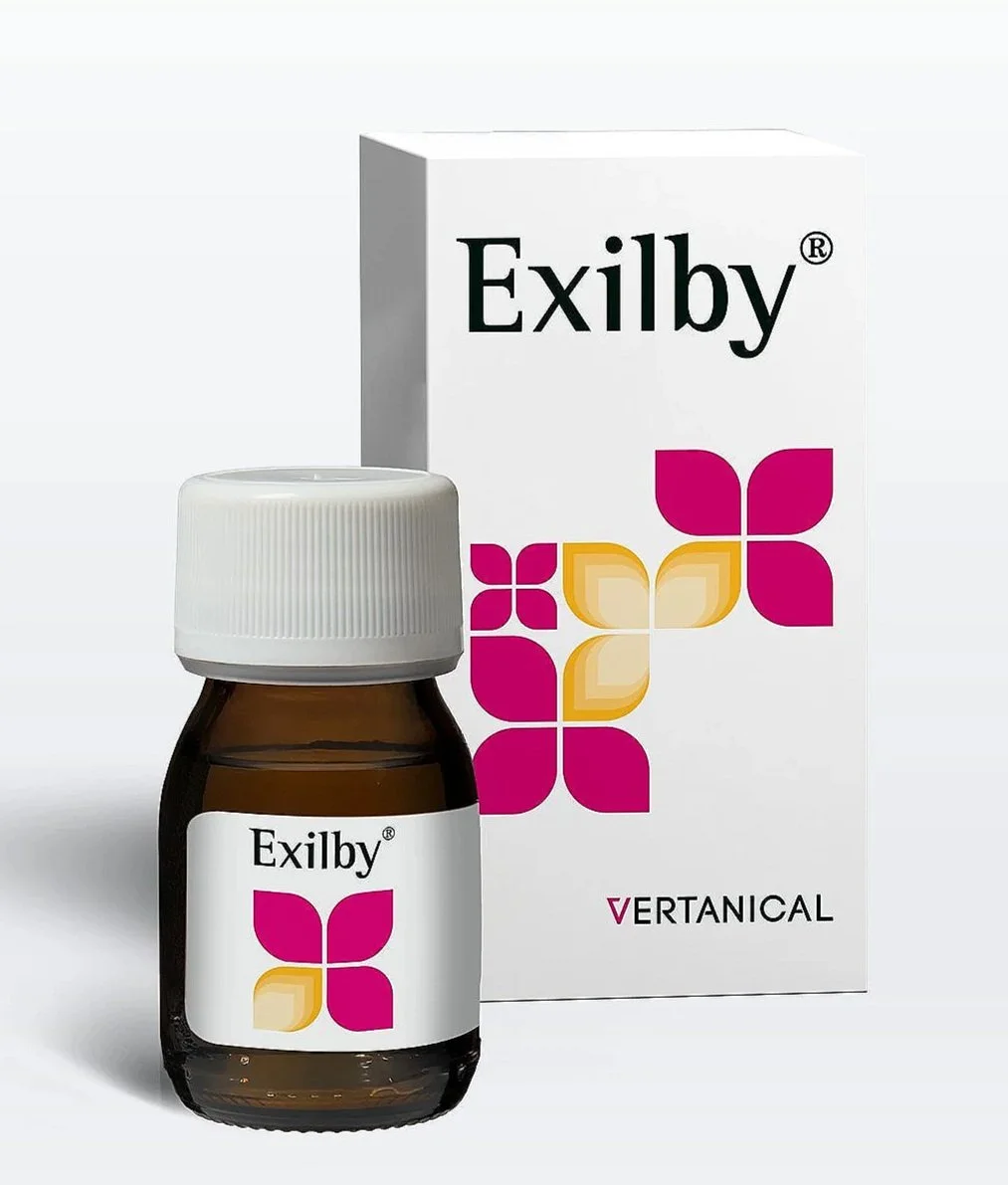
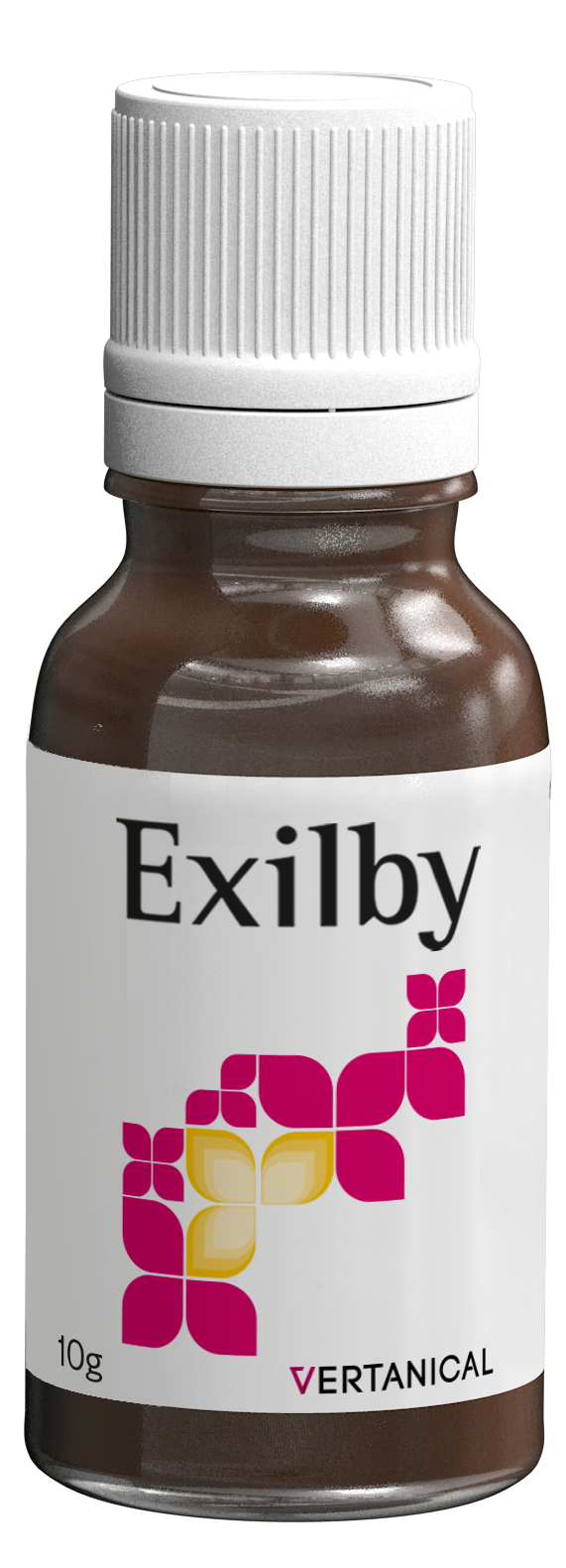
It approved, VER-01 would be sold under the brand name Exilby and be taken orally in drops. Vertanical is also studying VER-01 as a pain treatment for patients with osteoarthritis and peripheral neuropathy.

Research into the pain-relieving properties of cannabis has been slow in the U.S., in large part because of marijuana’s status as an illegal Schedule 1 controlled substance. Although the DEA allows more cannabis to be used for research purposes, the agency has dragged its feet about reclassifying marijuana as a Schedule 3 substance that could be used for medical purposes. Until marijuana is rescheduled, VER-01 is unlikely to get FDA approval. 

Medical Cannabis Helps Insomnia Patients Sleep and Reduces Pain

By Pat Anson

Insomnia patients taking medical cannabis reported better sleep quality, as well as less anxiety, depression and pain, according to a new study published in PLOS Mental Health.

The study is notable because it showed sustained improvement in symptoms over 18 months of treatment with medical cannabis. Most previous studies are much shorter.

Researchers at Imperial College London followed 125 patients diagnosed with an insomnia disorder who were prescribed medical cannabis and enrolled in the UK Medical Cannabis Registry. Participants either ingested cannabis oil, smoked dried flower, or a combination of the two. Improvements in sleep and other symptoms were observed after one month of treatment and continued over the 18-month course of the study.

However, the magnitude of improvement declined over time, suggesting that some patients developed tolerance to cannabis. Less than 10% of patients reported mild side effects, such as dry mouth, insomnia and fatigue.

“Over an 18-month period, our study showed that treatment for insomnia with cannabis-based medicinal products was associated with sustained improvements in subjective sleep quality and anxiety symptoms. These findings support the potential role of medical cannabis as a medical option where conventional treatments have proven ineffective,” said co-author Simon Erridge, a PhD candidate at Imperial College and Research Director at Curaleaf Clinic, a cannabis dispensary.

“Conducting this long-term study provided valuable real-world evidence on patient outcomes that go beyond what we typically see in short-term trials. It was particularly interesting to observe signs of potential tolerance over time, which highlights the importance of continued monitoring and individualised treatment plans.”

The researchers say larger clinical trials are needed to confirm their finding of long-term efficacy. Most of the researchers are either employees or medical practitioners at Curaleaf Clinic.

A previous study conducted in Israel also found that cannabis helps with sleep, but regular use lead to drug tolerance and even more sleep problems. Over time, the benefits of cannabis were reversed, with frequent users finding it harder to fall asleep and waking up more often during the night.  

Most Pain Patients Stop Using Medical Cannabis Within a Year

By Crystal Lindell

A small new study found that most pain patients taking medical cannabis stopped using it within one year. 

The research – which was published in PLOS One  – looked at 76 patients diagnosed with chronic musculoskeletal pain, such as back, shoulder and knee pain. The patients were all certified for medical cannabis use at the Rothman Orthopaedic Institute in Pennsylvania between 2022 and 2024

By the first 3-month check-in, 44.7% (34 patients) had already stopped using medical cannabis, which researchers described as “a considerable early drop-off.” 

“This early discontinuation could point to initial expectations not being met, potential side effects, or insufficient symptom relief, which are common reasons for discontinuation in medical treatments,” wrote lead author Sina Ramtin, MD, who was a Research Fellow at the Rothman Institute. 

“Despite the growing acceptance of MC (medical cannabis) as a therapeutic option for chronic musculoskeletal pain, significant gaps remain in understanding its long-term efficacy. While some patients report significant pain relief, others experience dissatisfaction, intolerance, or prefer more definitive treatments, such as surgery or joint injections.” 

By one year, another 10 patients stopped using medical cannabis, which resulted in a total discontinuation rate of 57.9% (44 patients).  

Age was the biggest factor researchers found that separated those who continued using medical cannabis from those who didn’t. The patients who discontinued cannabis tended to be older (mean age of 71.5 years) than those who continued with cannabis therapy (64.5 years).

The researchers think age-related concerns about cognitive side effects, dizziness, or drug interactions may have played a role in decisions to stop using cannabis. Another possible explanation for the high discontinuation rate in elderly patients is that they are more likely to have more advanced pain conditions, such as degenerative disc disease and osteoarthritis, which are more difficult to treat.

The origin of pain, health insurance, and a patient’s race did not seem to have a significant impact on cannabis use, although a higher proportion of patients in the discontinued group reported low back pain. The research team attributed this to “the complexity of managing chronic pain conditions with medical cannabis alone.” 

Interestingly, the researchers did not find much difference in the health outcomes between those who continued using medical cannabis and those who didn’t. They looked at physical and mental health scores for patients, and found that there were no significant differences between the two groups.

“These findings suggest that while MC may offer benefits for some patients, further research is needed to better understand the long-term effects of MC on pain management and patient satisfaction, as well as the factors influencing treatment adherence,” the authors said. 

There has been a strong push over the last decade to reduce the use of prescription opioids, leaving patients little choice but to experiment with “alternative” pain treatments such as medical cannabis. Research like this reinforces the idea that cannabis is not always a perfect option for treating chronic pain.

“The relatively high early discontinuation rate indicates that MC may not provide immediate or sustained relief for all patients and highlights the need for better patient selection and management strategies in the early stages of treatment,” said Ramtin.

Also, while the study doesn’t delve into this, the cost of medical cannabis is often a huge barrier for pain patients. Medical cannabis can be much more expensive than the cash price of generic opioids, and is usually not covered by insurance.

Many of the patients in the study may have found more relief with opioids, but it’s unclear how many were given that option. 

At the end of the day, patients deserve a real choice when it comes to how they treat their pain. That means having access to different medications and therapies. Only then will people truly be able to find what works best for them.  

Cannabis Use by Older Adults Linked to ‘Younger Brains’ and Improved Cognition

By Crystal Lindell

A new study suggests that cannabis use by older adults slows the aging of their brains and may even improve cognitive function.  

An international research team analyzed extensive health data on over 25,000 adults in the UK, looking at the relationship between cannabis use, aging, and cognitive function. They found that cannabis users had brain characteristics “typically associated with younger brains “ and “enhanced cognitive abilities.” 

“Cannabis users exhibited superior performance across multiple cognitive domains, and interestingly, the effects of cannabis and cognition are presented concurrently across a range of brain systems,” the authors said.

“These findings suggest that cannabis use may be associated with a deceleration of neural aging processes and the preservation of cognitive function in older adults.”

It’s important to note that the study is a preprint, published in Research Square, which means the findings have not yet been peer-reviewed by a medical journal and may undergo changes. 

While it’s common knowledge that cannabis can alter mood, cognition and perception, researchers wanted to look at other potential impacts, particularly in older adults. Most previous studies investigating the effects of cannabis on brain function focused on adolescents and young adults.

Due to legalization, cannabis is increasingly being used by older adults and there’s a growing recognition that cannabis can be used therapeutically to treat pain, insomnia, depression and other conditions associated with old age.  

Normal aging typically involves a gradual decline in cognitive abilities, but when researchers compared the cognitive performance of cannabis users and non-users, they found that  cannabis use had positive effects on most cognitive functions compared to normal aging.

Cannabis users performed better in various cognitive tasks, including problem solving, planning skills, numeric memory, intelligence, and vocabulary. The effects — where cannabis users outperform non-users — were evident across different age groups, starting in middle age (45–55 years) and continuing into old age (66 + years)

Researchers think cannabis enhanaces cognitive performance by improving how different parts of the brain communicate with each other, a process known as functional network connectivity (FNC).

“Our findings reveal that cannabis usage and healthy aging are associated with overlapping brain network configurations, particularly within the FNC between subcortical and sensorimotor regions, as well as between subcortical and cerebellar areas, albeit with significantly reversed effects,” they said.

The enhanced performance of these brain regions may be due to higher concentrations of cannabinoid receptors in brain tissue, which makes them more responsive to cannabinoids such as tetrahydrocannabinol (THC) and cannabidiol (CBD).

Researchers say their findings could lead to further research into whether cannabinoids and endocannabinoids could be used to treat multiple sclerosis, Parkinson's disease, Alzheimer's disease, and other neurodegeneration diseases.

Large Study Finds Medical Cannabis ‘Effective Treatment’ for Chronic Pain

By Pat Anson

Medical cannabis is an “effective treatment option” for chronic pain and significantly improves quality of life in long-term users, according to a large new study.

Researchers at George Mason University and the medical cannabis telehealth company Leafwell analyzed healthcare trends for over 5,200 chronic pain patients. Those who had used medical marijuana for at least one year reported fewer unhealthy days and significantly better quality of life. They also had slightly fewer emergency department and urgent care visits than non-users.

“The findings of this study suggest, in line with existing research, that medical cannabis is likely an effective treatment option for patients with chronic pain. Moreover, we found that, in addition to an increase in QoL (quality of life), medical cannabis exposure is associated with lower risk of urgent care and ED visits, when comparing patients who used medical cannabis for at least one year to cannabis-naïve patients,” researchers reported in the journal Pharmacy.

“This underscores the potential for not only QoL gains associated with medical cannabis use, but also positive downstream effects on the healthcare system resulting from treatment.”

The study did not distinguish between the types of medical cannabis consumed or what kind of chronic pain conditions that participants had. Most of the researchers work for Leafwell, which helps patients get medical marijuana cards in states where it is legal. The company does not manufacture or sell cannabis products.

Pain Relief #1 Reason for Use 

Pain relief is the most likely reason for people to use cannabis for medical reasons, followed by those seeking help with sleep, anxiety and stress, according to a new survey of over 4,000 cannabis users in California.

There were distinct differences between participants who used cannabis solely for medical reasons and those who used it for both medical and recreational purposes.

Medical users were more likely to be female, and to live in households with children. Their average age at first use was 34, compared to 23 among combined users, who were more likely to be male.

Medical users spent less money on cannabis, about $127 per month, compared to combined users ($186), and used it far less frequently (1-3 times a week vs. multiple times a day).

Medical users also had less desire to “feel the high” from cannabis (42% vs. 75%).

Medical/recreational users were more likely to smoke dried flower (65%), while medical users preferred edibles (48%), topical ointments (28%) and oils (18%).

“Cannabis use is growing with expanding legalization, necessitating more research to understand the ramifications of increased access, and better understand the factors influencing the choices and options available to users. Special attention should be given to medicinal users, who may represent a vulnerable group seeking symptom relief,” researchers at UC San Diego reported in the Journal of Cannabis Research.

While medical cannabis is gaining in acceptance, many healthcare providers still take a dim view of it. The American College of Physicians (ACP) recently released a cautious new guideline that recommends against the use of medical cannabis for most patients with chronic noncancer pain. Medical cannabis may produce small improvements in pain, function and disability, according to the ACP, but potential harms include addiction and cognitive issues, as well as cardiovascular, gastrointestinal and pulmonary problems.

THC-Dominant Cannabis Effective in Treating Anxiety and Depression

By Pat Anson

As many pain sufferers already know, anxiety and depression are common when you live with poorly treated chronic pain.

A recent study found that 40% of adults with chronic pain have clinical symptoms of depression or anxiety. Pain sufferers with fibromyalgia were particularly vulnerable to emotional stress, along with those who are younger and female.   

New research suggests that medical cannabis could be an alternative to antidepressants and anti-anxiety drugs like Xanax. The small observational study, recently published in the Journal of Affective Disorders, found that adults with and without pain experienced significant and sustained relief from anxiety and depression after they started using medicinal cannabis.

Researchers at Johns Hopkins University School of Medicine and La Trobe University followed 33 volunteers in Maryland over a six-month period. Participants completed assessments of their anxiety and depression at the start of treatment, and at one, three, and six months after beginning cannabis use.

Most participants selected cannabis products containing tetrahydrocannabinol (THC), the psychoactive ingredient in cannabis, and experienced clinically significant reductions in anxiety and depression within three months. Acute or immediate relief was dose-dependent, with participants who ingested 10–15 mg of oral THC or at least 3 puffs of vaporized cannabis reporting the most relief from anxiety and depression.

There are some caveats about using higher doses. Participants reported feeling “high” using THC-dominant cannabis, and some were so impaired it affected their driving abilities. But overall, the results were positive.

“Initiation of THC-dominant medicinal cannabis was associated with acute reductions in anxiety and depression, and sustained reductions in overall symptom severity over a 6-month period. Controlled clinical trials are needed to further investigate the efficacy and safety of medicinal cannabis for acute anxiety and depression symptom management,” researchers reported.

Previous studies have also suggested that medical cannabis is most effective when it also contains THC.

A recent study of 64 patients in Germany with inadequately treated chronic pain found that a cannabis extract with equal parts THC and CBD (cannabidiol) substantially reduced their self-reported pain intensity.

“Our findings indicate that treatment with medicinal cannabis improves both physical and mental health in patients with chronic pain,” researchers reported in the journal Advances in Therapy. “The results suggest that medicinal cannabis might be a safe alternative for patients who are inadequately treated with conventional therapies.”

In a 2019 analysis of self-reported health data from over 3,300 cannabis users, researchers reported that THC was more effective than CBD alone in treating chronic pain, insomnia and other medical conditions. Cannabis products containing higher doses of THC provided the most relief.

Another small study conducted in Israel found that “microdosing” small amounts of THC significantly reduced pain levels in patients suffering from neuropathy, without the risks of impairment and other cognitive issues.

Seniors Should Be Cautious Using Gummies and Other Cannabis Products

By Paula Span, KFF Health News

Benjamin Han, a geriatrician and addiction medicine specialist at the University of California-San Diego, tells his students a cautionary tale about a 76-year-old patient who, like many older people, struggled with insomnia.

“She had problems falling asleep, and she’d wake up in the middle of the night,” he said. “So her daughter brought her some sleep gummies” — edible cannabis candies.

“She tried a gummy after dinner and waited half an hour,” Han said.

Feeling no effects, she took another gummy, then one more — a total of four over several hours.

Han advises patients who are trying cannabis to “start low; go slow,” beginning with products that contain just 1 or 2.5 milligrams of tetrahydrocannabinol, or THC, the psychoactive ingredient that many cannabis products contain. Each of the four gummies this patient took, however, contained 10 milligrams.

The woman started experiencing intense anxiety and heart palpitations. A young person might have shrugged off such symptoms, but this patient had high blood pressure and atrial fibrillation, a heart arrhythmia. Frightened, she went to an emergency room.

Lab tests and a cardiac work-up determined the woman wasn’t having a heart attack, and the staff sent her home. Her only lingering symptom was embarrassment, Han said. But what if she’d grown dizzy or lightheaded and was hurt in a fall? He said he has had patients injured in falls or while driving after using cannabis. What if the cannabis had interacted with the prescription drugs she took?

“As a geriatrician, it gives me pause,” Han said. “Our brains are more sensitive to psychoactive substances as we age.”

Unclear Benefits

Thirty-nine states and the District of Columbia now allow cannabis use for medical reasons, and in 24 of those states, as well as the district, recreational use is also legal. As older adults’ use climbs, “the benefits are still unclear,” Han said. “But we’re seeing more evidence of potential harms.”

A wave of recent research points to reasons for concern for older users, with cannabis-related emergency room visits and hospitalizations rising, and a Canadian study finding an association between such acute care and subsequent dementia.

Older people are more apt than younger ones to try cannabis for therapeutic reasons: to relieve chronic pain, insomnia, or mental health issues, though evidence of its effectiveness in addressing those conditions remains thin, experts said.

In an analysis of national survey data published June 2 in the medical journal JAMA, Han and his colleagues reported that “current” cannabis use (defined as use within the previous month) had jumped among adults age 65 or older to 7% of respondents in 2023, from 4.8% in 2021. In 2005, he pointed out, fewer than 1% of older adults reported using cannabis in the previous year.

What’s driving the increase? Experts cite the steady march of state legalization — use by older people is highest in those states — while surveys show that the perceived risk of cannabis use has declined.

One national survey found that a growing proportion of American adults — 44% in 2021 — erroneously thought it safer to smoke cannabis daily than cigarettes. The authors of the study, in JAMA Network Open, noted that “these views do not reflect the existing science on cannabis and tobacco smoke.”

The cannabis industry also markets its products to older adults. The Trulieve chain gives a 10% discount, both in stores and online, to those it calls “wisdom” customers, 55 or older. Rise Dispensaries ran a yearlong cannabis education and empowerment program for two senior centers in Paterson, New Jersey, including field trips to its dispensary.

The industry has many satisfied older customers. Liz Logan, 67, a freelance writer in Bronxville, New York, had grappled with sleep problems and anxiety for years, but the conditions grew particularly debilitating two years ago, as her husband was dying of Parkinson’s disease. “I’d frequently be awake until 5 or 6 in the morning,” she said. “It makes you crazy.”

Looking online for edible cannabis products, Logan found that gummies containing cannabidiol, known as CBD, alone didn’t help, but those with 10 milligrams of THC did the trick without noticeable side effects. “I don’t worry about sleep anymore,” she said. “I’ve solved a lifelong problem.”

But studies in the United States and Canada, which legalized nonmedical cannabis use for adults nationally in 2018, show climbing rates of cannabis-related health care use among older people, both in outpatient settings and in hospitals.

In California, for instance, cannabis-related emergency room visits by those 65 or older rose, to 395 per 100,000 visits in 2019 from about 21 in 2005. In Ontario, acute care (meaning emergency visits or hospital admissions) resulting from cannabis use increased fivefold in middle-aged adults from 2008 to 2021, and more than 26 times among those 65 and up.

“It’s not reflective of everyone who’s using cannabis,” cautioned Daniel Myran, an investigator at the Bruyère Health Research Institute in Ottawa and lead author of the Ontario study. “It’s capturing people with more severe patterns.”

But since other studies have shown increased cardiac risk among some cannabis users with heart disease or diabetes, “there’s a number of warning signals,” he said.

For example, a disturbing proportion of older veterans who currently use cannabis screen positive for cannabis use disorder, a recent JAMA Network Open study found.

As with other substance use disorders, such patients “can tolerate high amounts,” said the lead author, Vira Pravosud, a cannabis researcher at the Northern California Institute for Research and Education. “They continue using even if it interferes with their social or work or family obligations” and may experience withdrawal if they stop.

Among 4,500 older veterans (with an average age of 73) seeking care at Department of Veterans Affairs health facilities, researchers found that more than 10% had reported cannabis use within the previous 30 days. Of those, 36% fit the criteria for mild, moderate, or severe cannabis use disorder, as established in the Diagnostic and Statistical Manual of Mental Disorders.

VA patients differ from the general population, Pravosud noted. They are much more likely to report substance misuse and have “higher rates of chronic diseases and disabilities, and mental health conditions like PTSD” that could lead to self-medication, she said.

Current VA policies don’t require clinicians to ask patients about cannabis use. Pravosud thinks that they should.

Moreover, “there’s increasing evidence of a potential effect on memory and cognition,” said Myran, citing his team’s study of Ontario patients with cannabis-related conditions going to emergency departments or being admitted to hospitals.

Compared with others of the same age and sex who were seeking care for other reasons, research shows these patients (ages 45 to 105) had 1.5 times the risk of a dementia diagnosis within five years, and 3.9 times the risk of that for the general population.

Even after adjusting for chronic health conditions and sociodemographic factors, those seeking acute care resulting from cannabis use had a 23% higher dementia risk than patients with noncannabis-related ailments, and a 72% higher risk than the general population.

None of these studies were randomized clinical trials, the researchers pointed out; they were observational and could not ascertain causality. Some cannabis research doesn’t specify whether users are smoking, vaping, ingesting or rubbing topical cannabis on aching joints; other studies lack relevant demographic information.

“It’s very frustrating that we’re not able to provide more individual guidance on safer modes of consumption, and on amounts of use that seem lower-risk,” Myran said. “It just highlights that the rapid expansion of regular cannabis use in North America is outpacing our knowledge.”

Still, given the health vulnerabilities of older people, and the far greater potency of current cannabis products compared with the weed of their youth, he and other researchers urge caution.

“If you view cannabis as a medicine, you should be open to the idea that there are groups who probably shouldn’t use it and that there are potential adverse effects from it,” he said. “Because that is true of all medicines.”

KFF Health News is a national newsroom that produces in-depth journalism about health issues.

More Australians Are Trying Medical Cannabis for Chronic Pain

By Suzanne Nielsen and Myfanwy Graham  

More Australians than ever are being prescribed medicinal cannabis.

Medicinal cannabis refers to legally prescribed cannabis products. These are either the plant itself, or naturally occurring ingredients extracted from the plant. These ingredients, such as THC (tetrahydrocannabinol) and CBD (cannabidiol), are called cannabinoids. Some cannabinoids are also made in labs to act like the ones in the plant.

Medicinal cannabis comes in different forms, such as oils, capsules, dried flower, sprays and edible forms such as gummies.

Since regulatory changes in 2016 made medicinal cannabis more accessible, Australia’s regulator has issued more than 700,000 approvals. Around half of the approvals have been for chronic pain that isn’t caused by cancer.

In Australia, chronic pain affects around one in five Australians aged 45 and over, with an enormous impact on people’s lives.

So what does the current evidence tell us about the effectiveness of medicinal cannabis for chronic pain?

Limited Benefits

A 2021 review of 32 randomised controlled trials involving nearly 5,200 people with chronic pain, examined the effects of medicinal cannabis or cannabinoids. The study found a small improvements in pain and physical functioning compared with a placebo.

A previous review found that to achieve a 30% reduction in pain for one person, 24 people would need to be treated with medicinal cannabis.

The 2021 review also found small improvements in sleep, and no consistent benefits for other quality of life measures, consistent with previous reviews.

This doesn’t mean medicinal cannabis doesn’t help anyone. But it suggests that, on average, the benefits are limited to a smaller number of people.

Many pain specialists have questioned if the evidence for medicinal cannabis is sufficient to support its use for pain.

The Faculty of Pain Medicine, the professional body dedicated to the training and education of specialist pain physicians, recommends medical cannabis should be limited to clinical trials.

Guidance from Australia’s regulator, the Therapeutic Goods Administration (TGA), on medicinal cannabis for chronic non-cancer pain reflects these uncertainties. The TGA states there is limited evidence medicinal cannabis provides clinically significant pain relief for many pain conditions. Therefore, the potential benefits versus harms should be considered patient-by-patient.

The TGA says medicinal cannabis should only be trialled when other standard therapies have been tried and did not provide enough pain relief.

In terms of which type of medical cannabis product to use, due to concerns about the safety of inhaled cannabis, the TGA considers pharmaceutical-grade products (such as nabiximols or extracts containing THC and/or CBD) to be safer.

This evidence may feel at odds with the experiences of people who report relief from medicinal cannabis.

In clinical practice, it’s common for individuals to respond differently based on their health conditions, beliefs and many other factors. What works well for one person may not work for another.

Research helps us understand what outcomes are typical or expected for most people, but there is variation. Some people may find medicinal cannabis improves their pain, sleep or general well-being – especially if other treatments haven’t helped.

Side Effects and Risks

Like any medicine, medicinal cannabis has potential side effects. These are usually mild to moderate, including drowsiness or sedation, dizziness, impaired concentration, a dry mouth, nausea and cognitive slowing.

These side effects are often greater with higher-potency THC products. These are becoming more common on the Australian market. High-potency THC products represent more than half of approvals in 2025. In research studies, generally more people experience side effects than report benefits from medical cannabis.

Medical cannabis can also interact with other medications, especially those that cause drowsiness (such as opioids), medicines for mental illness, anti-epileptics, blood thinners and immunosuppressants. Even cannabidiol (CBD), which isn’t considered intoxicating like THC, has been linked to serious drug interactions.

These risks are greater when cannabis is prescribed by a doctor who doesn’t regularly manage the patient’s chronic pain or isn’t in contact with their other health-care providers. Since medicinal cannabis is often prescribed through separate telehealth clinics, this fragmented care may increase the risk of harmful interactions.

Another concern is developing cannabis use disorder (commonly understood as “addiction”). A 2024 study found one in four people using medical cannabis develop a cannabis use disorder. Withdrawal symptoms – such as irritability, sleep problems, or cravings – can occur with frequent and heavy use.

For some people, tolerance can also develop with long-term use, meaning you need to take higher doses to get the same effect. This can increase the risk of developing a cannabis use disorder.

Like many medicines for chronic pain, the effectiveness of medicinal cannabis is modest, and is not recommended as a sole treatment.

There’s good evidence that, for conditions like back pain, interventions such as exercise, cognitive behavioural therapy and pain self-management education can help and may have fewer risks than many medicines. But there are challenges with how accessible and affordable these treatments are for many Australians, especially outside major cities.

The growing use of medicinal cannabis for chronic pain reflects both a high burden of pain in the community and gaps in access to effective care. While some patients report benefits, the current evidence suggests these are likely to be small for most people, and must be weighed against the risks.

If you are considering medicinal cannabis, it’s important to talk to your usual health-care provider, ideally one familiar with your full medical history, to help you decide the best approaches to help manage your pain.

Suzanne Nielsen, PhD, is a Professor and Deputy Director of the Monash Addiction Research Centre at Monash University in Melbourne, Australia.  Suzanne has been a registered pharmacist for over 20 years. Her clinical experience in the treatment of substance use disorders includes working in specialist drug treatment and community-based alcohol and drug treatment settings in Australia and the United Kingdom.

Myfanwy Graham is a Postgraduate Scholar and Researcher at the Monash Addiction Research Centre. She has been a registered pharmacist for over 17 years and was a consultant to the United Nations Office on Drugs and Crime, the World Health Organization, and the National Academy of Sciences, Engineering and Medicine.

This article originally appeared in The Conversation and is republished with permission.