
South Korea Stops Sales of Trader Joe’s Seasoning Due to Opioid Contamination
/By Pat Anson
A popular seasoning blend sold at Trader Joe’s is a bit too spicy as far as police in South Korea are concerned.
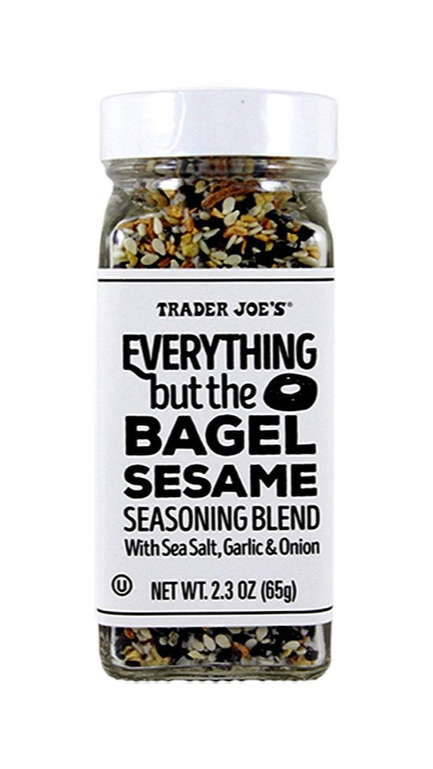
“Everything but the Bagel Sesame Seasoning Blend” is made with sesame seeds, dried garlic and onion, sea salt, and poppy seeds.
Those poppy seeds come with “trace amounts of morphine and codeine” according to forensics tests, which is a violation of South Korea’s Narcotics Control Act. When not washed thoroughly, the seeds can become contaminated with opium alkaloids from the sap of poppy plants during harvesting.
While the amount of opium is minuscule, it’s enough to worry South Korean police, who recently warned the online marketplace Karrot to stop reselling the Trader Joe’s seasoning.
The seasoning blend was banned in South Korea in 2022, but some South Korean tourists visiting the U.S. buy it as a souvenir and when they get home list the seasoning for sale on Karrot, often at inflated prices due to its notoriety.
“Even if a product is legally sold overseas, it may be classified as a narcotic substance or a prohibited import in Korea, so particular caution is required,” a Seoul police official told The Korea Herald. "Not only sellers but also buyers can be subject to criminal punishment."
Karrot agreed to remove all listings for the seasoning blend on July 27, and its website now displays warning pop-ups when users try to list it for sale.
In 2019, the U.S. Drug Enforcement Administration classified unwashed poppy seeds as Schedule II controlled substances, claiming they were “qualitatively similar” to opioid pain medications.
Poppy seeds that are properly washed and used as food are legal in the United States, but contaminated seeds occasionally slip through and cause trouble.
Eating a muffin or bagel with poppy seeds is risky for someone about to take a drug test, since it takes only a few poorly washed seeds to result in a positive drug test for opiates. That could lead to a patient being dismissed by their doctor or an employer refusing to hire someone.
Some patients with poorly treated pain grow their own poppies and make a tea from the seeds to use as an analgesic. It’s a risky process, since it's hard to control the opioid strength of the tea – which has led to addiction and even some fatal overdoses. Potentially lethal doses of morphine have been found in some poppy seed teas.
The Center for Science and Public Interest (CSPI) has been urging the FDA for years to more tightly regulate poppy seeds by setting a limit for opiate contamination, but so far the agency has yet to set any guidelines.
“FDA is not advising consumers to avoid consuming poppy seed-containing foods. Although FDA is aware of some reports of consumption of poppy seed-containing foods being associated with negative health effects, FDA is particularly concerned about the misuse of poppy seeds,” the agency says on its website. “To date, FDA has received 11 reports of deaths purportedly associated with the consumption of homemade poppy seed tea.”