
Chronic Pain Made Kathie Lee Gifford Suicidal
/By Crystal Lindell
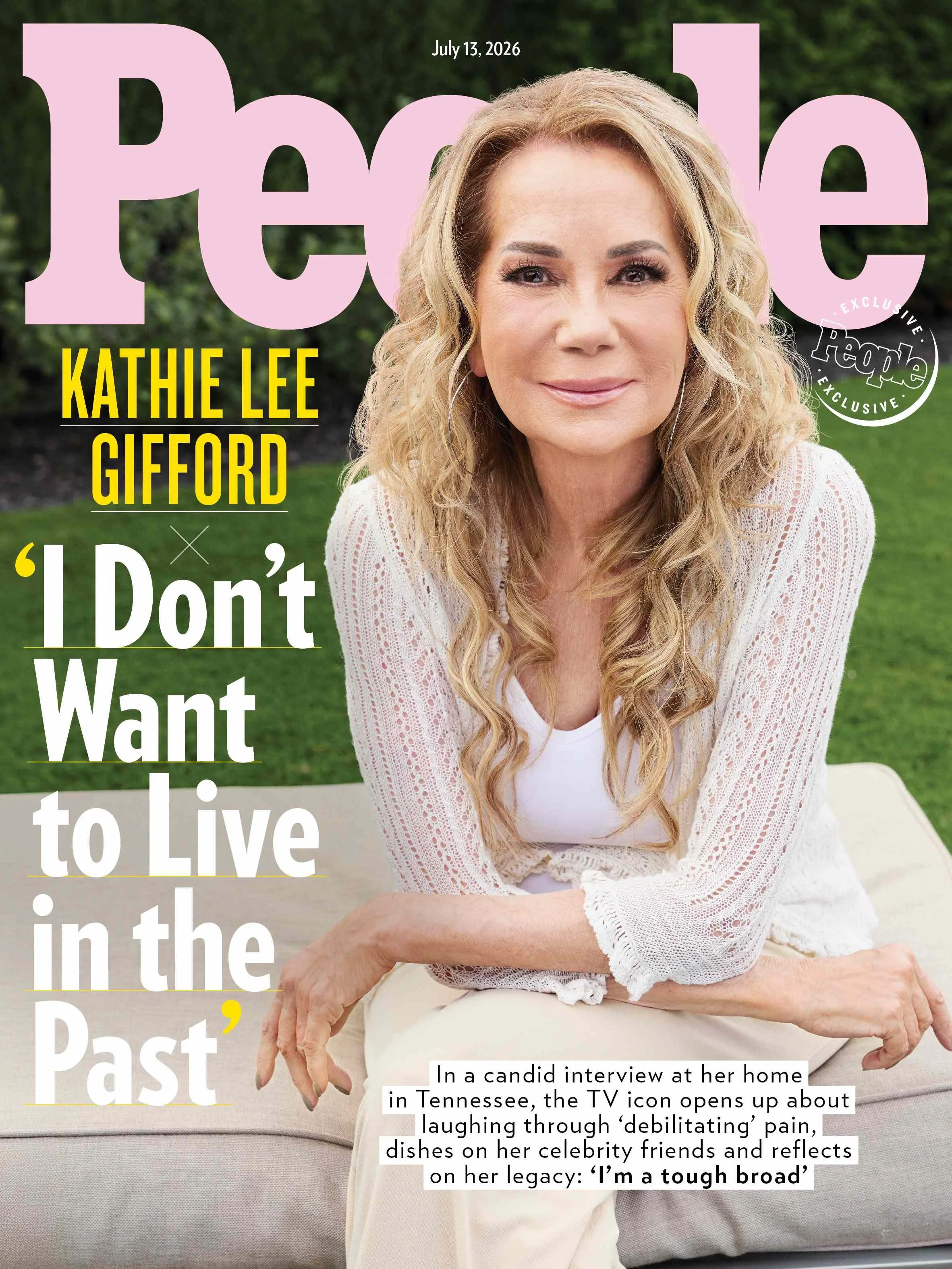
Kathie Lee Gifford has revealed to People that while struggling with chronic pain, she wanted to die.
The retired singer and talk show host told the magazine that she remembers praying: "Lord, if this is all you have left for me, I want to go home.”
“I wanted to die a few times. I wasn't going to hurt myself. I wasn't going to kill myself. I just didn't want to be here — as blessed as I am," she said.
The 72-year old Gifford struggled with chronic pain due to a slew of health issues over the last couple years, including a total hip replacement.
After that procedure, she then had to have another surgery after she fractured her hip again trying to play with her grandchildren.
There’s more. Gifford also broke her arm after rolling over it awkwardly one night. She had yet another bone break when she fell on uneven pavement. Then she realized her depth perception was off, so she had cataract surgery on her eyes.
Based on the types of injuries she had — including multiple broken bones — it sounds like she may have been struggling with accepting her aging body’s limitations.
It is crushing to realize that as our bodies age and deteriorate, we can’t do all the things we used to do when we were healthy.
Gifford said her pain made her self-isolate by staying home more, which made her remember something her late husband, NFL and broadcasting legend Frank Gifford, said before he died at age 84 in 2015.
"Frank said to me before he passed, 'When I go somewhere, I know what people are expecting from me. I want to be Frank Gifford when I go out,'" she recalled. "I want to be Kathie Lee, the person they expect. I don't want to disappoint people. But when you're in pain, it's so debilitating, and everything's a grimace.”
Indeed, as many chronic pain patients can relate, pain will turn you into a different person. It will chip away at your personality, and all the things that you assumed made you who you were. Deciding it’s easier to just stay home and isolate themselves is an all too common reaction.
“I've had emotional pain many times in my life, but never this chronic physical pain where you literally want to go home to Jesus," Gifford said about her darkest days.
That comparison of emotional pain to physical pain was especially interesting to read, and something I have definitely thought myself multiple times over the years. There is something about never ending physical pain that will make suicide feel almost welcome.
The way Gifford described her suicidal thoughts as a desire to “go home to Jesus” makes it seem like she gave it serious thought.
Gifford also talked about how chronic pain impacted her ability to be a grandmother, after she welcomed five grandchildren in three years.
"I couldn't carry them, I couldn't love on them, I couldn't run and play with them," she explained. "All I could do was sit there and sing and write silly songs with them."
As a chronic pain sufferer myself, it’s validating to hear that even the rich and famous are no match for the absolute hell that comes with daily pain.
You would think that having a net worth of tens of millions of dollars, as well as access to any treatment possible, would be enough to insulate them. But chronic pain will humble anyone it touches.
Gifford did say she was doing better these days, thanks to her surgeries, 6 days-a-week physical therapy, and stem cell therapy. She’s now able to run "all over the place" with her grandkids.
"They're all fantastic," she says. "I'm hoping, Lord willing, that I have many, many years with them."
Of course, many of us don’t have access to things like stem cells, physical therapy, or joint replacement surgery. Aside from how expensive all of those things are, they also require the ability to take time off work and lots of support from loved ones.
That’s why it is so inhumane for doctors and the government to withhold the one inexpensive treatment that works for many of us: opioids.
Part of the thought process for refusing to prescribe opioids is basically that pain patients should just suck it up and deal with their pain. But even rich and famous celebrities -- with all the advantages in the world -- struggle with chronic pain.
We need to remember that chronic pain can have life-threatening consequences to our health, and it should be treated with the same urgency as heart disease, cancer or any other potentially fatal condition.
Gifford is fortunate that she didn’t succumb to suicidal thoughts, but she also had endless resources to help her through it. The rest of us are not so lucky. Which is why we need access to treatments that actually work.