
The Lifesaving Legacy of Dr. Forest Tennant
/By Pat Anson
Humanitarian. Philanthropist. Author. Historian. Friend.
Those are some of the words that come to mind when I think of Dr. Forest Tennant, who died Thursday from complications of kidney failure. He was 85.
Here are a few other words that describe him: Real estate investor. Mayor. Professor. Civic Leader. Veteran.
Forest Tennant was many things to many people, but he is best known for his long career as a doctor, which made him one of the world’s leading experts in pain management and substance abuse treatment. His commitment to thousands of chronic pain sufferers – including many who were turned away by other doctors – made Forest a beloved figure in the pain community.
“I will be forever grateful to Dr. Tennant,” says Anne Fuqua, who lives with adhesive arachnoiditis (AA) and other painful conditions. “I wouldn't be here today without the treatment I received from Dr. Tennant. Beyond prescribing opioids, he was able to find the cause for things that other doctors had not and then treat them successfully. Dr. Tennant will always be a hero in my eyes.”
AA is a progressive inflammatory spinal disease that causes severe intractable pain and profound functional decline. Without effective treatment, patients face a lifetime of disability, with very little quality of life.
But thanks to Tennant’s willingness to prescribe opioids and his innovative therapies using hormones and neurosteroids, many AA patients are now able to live happy, productive lives.
In that sense, Tennant really was a lifesaver. Becoming his patient was a seminal moment for AA patients, who often traveled long distances to his small pain clinic in West Covina, California, which Forest and his wife Miriam essentially operated as a charity.
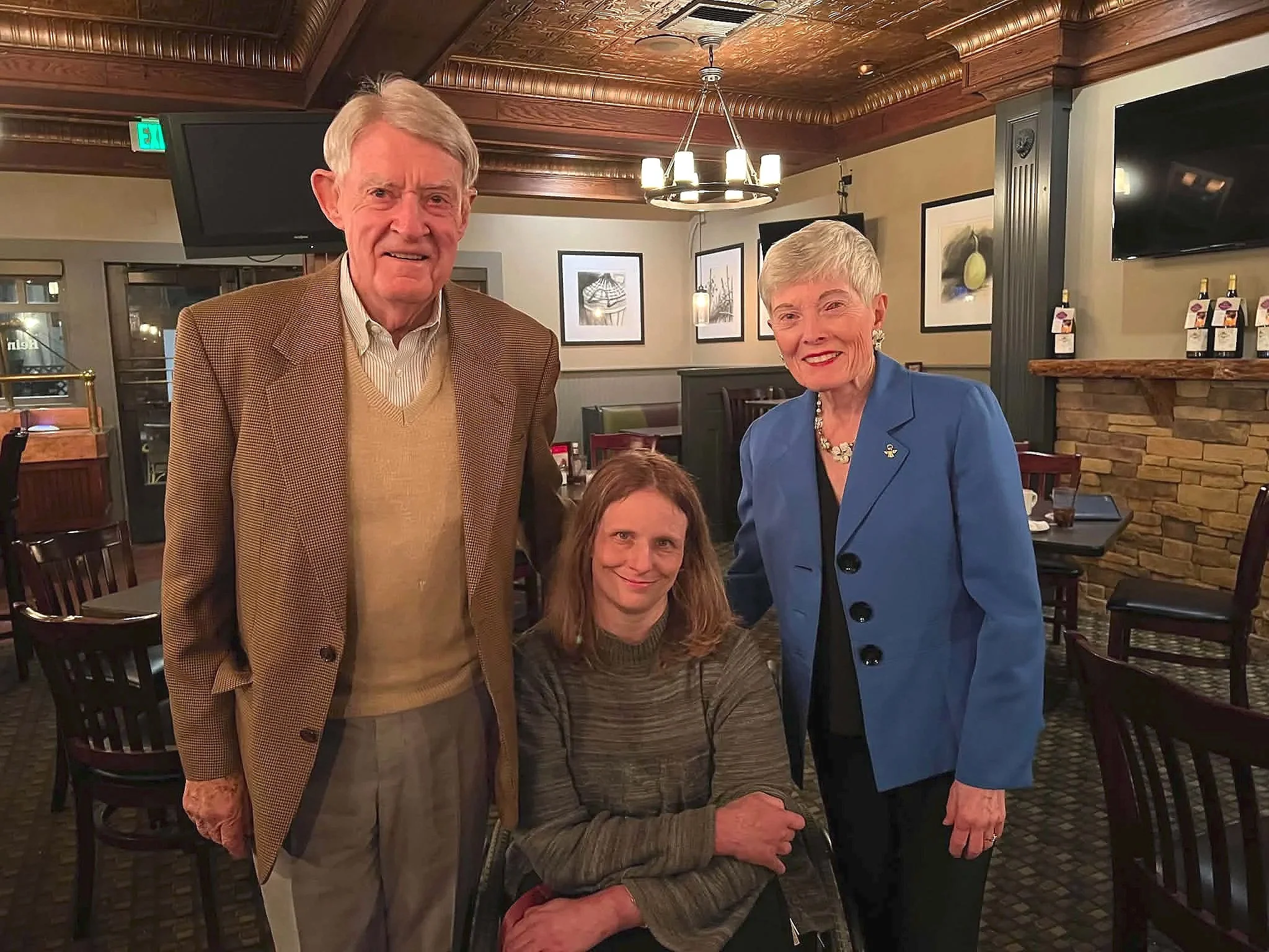
Forest, Anne and miriam
“It is difficult to fully express our deep gratitude to Dr. Forest Tennant, whose exceptional care saved my son’s life along with many others,” said Ingrid Hollis, who collaborated with Tennant on many projects. “We are profoundly grateful for the hope and healing provided our son at a time when we had exhausted all other options.
“Over this past decade, his support and expertise were a constant presence in our lives, and we tried to give back by offering him support and guidance in his research and writing endeavors. We will miss his almost daily phone calls to discuss projects and ideas. What a delight and honor this was all these years. Collaborating with him on numerous writing projects and conferences throughout the years was such a privilege and responsibility we didn’t take lightly.”
Tennant’s compassion for patients turned him into a target. In 2018, he retired from clinical practice after his clinic and home were raided by DEA agents who were suspicious about his prescribing and the distances patients traveled to see him. Tennant was accused of running a “drug trafficking organization” by a rookie DEA investigator, but was never charged with a crime. On the advice of counsel and his doctors, Tennant thought it best to retire.
“It’s hard to continue operating when they never closed my case, and so I’m going to retire and move on,” Tennant said at the time. ““We very much regret this situation as the clinic is filled with patients we consider beloved family and friends.”
Tennant stopped practicing medicine, but continued his groundbreaking research into AA and other intractable pain conditions. He wrote several books on diverse topics such as Elvis Presley and John F. Kennedy, and was a PNN columnist. Forest and Miriam also redoubled the efforts of their foundation, renaming it Arachnoiditis Hope.
Although he was in poor health over the last few months, Tennant continued to write, appear in podcasts and counsel pain patients, sometimes from his hospital bed.
One of his proudest achievements came a few weeks ago, when he was able to get the first study of a successful arachnoiditis treatment published in a peer-reviewed medical journal.
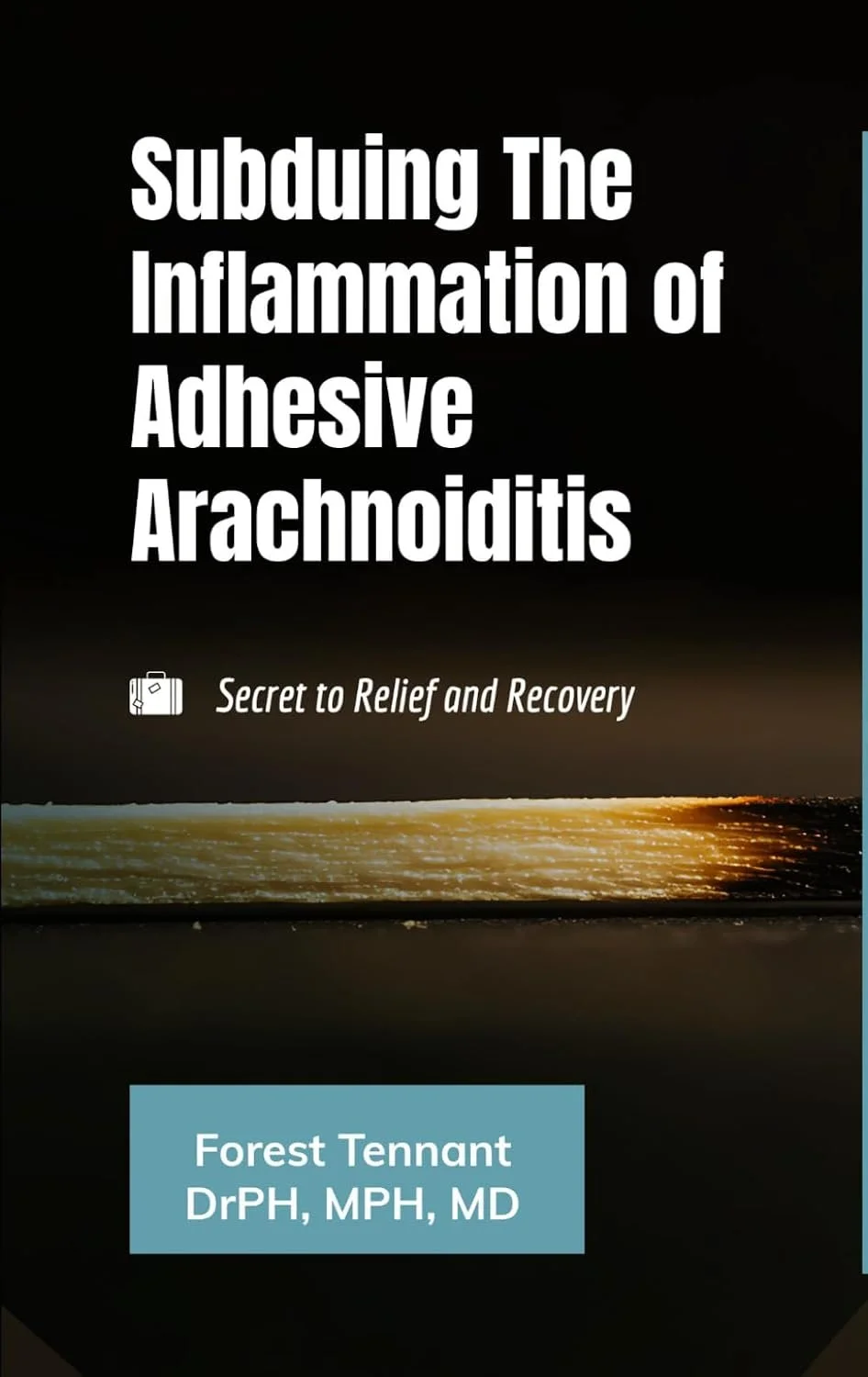
Remarkably, Tennant also wrote another book, “Subduing the Inflammation of Adhesive Arachnoidtis: Secret to Relief and Recovery.” The handbook is designed to educate doctors and patients about the benefits of using hormones to restore damaged nerve tissue.
Even in his final days, Tennant was sharing his knowledge and compassion for the sickest among us.
“This humble physician from Kansas devoted his career to alleviating the pain and suffering of people all over the world (65 countries). He lovingly answered several hundred emails a month personally. Treating each person as a special individual worthy of respect and the best care and advice he could offer,” the Arachnoiditis Hope staff said in a statement.
“All of us at Arachnoiditis Hope feel privileged to have known and worked with this great man. Dr. Forest Tennant set an example not only for all of us, but for medical practitioners everywhere to do their utmost best to help relieve the suffering of those in pain in their community.”
‘He Gave Us All Hope’
There are many wonderful tributes online to Forest and Miriam, posted by the patients they helped save.
“He gave us all hope when we could not find it anywhere. When our own doctors either didn’t care or wouldn’t listen, Dr. Tennant gave us a voice. Without Dr. Tennant, many of us would not be alive today, me included,” wrote Denise Domnick-Molohon. “The day he accepted me as his patient was one of the very best days of my entire life.”
“I was one of his patients for about 10 years and he profoundly changed my life. Because of him, I am able to be a very active person again — a social worker with a relatively normal life these days. His care was a miracle to me at a time when it felt like nobody gave a damn if I lived or died,” said Heather Grace.
“Dr. Forest Tennant was a mentor, my friend, and someone I loved like a grandfather. What I will remember most is that he listened,” wrote Sarah Lewis, a registered nurse who lives with AA.
“He never dismissed me or made me feel my voice mattered less. He listened, encouraged me to think bigger… But what Forest left me was more than knowledge. He left me ambition. The ambition to keep asking questions, keep challenging old assumptions, and keep pushing until adhesive arachnoiditis is understood in mainstream medicine.”
Forest Tennant was indeed a good listener. He was also non-judgemental, inquisitive and generous to a fault. If it wasn’t for his encouragement and financial support, Pain News Network probably would have stopped publishing years ago. It was a privilege to be called his friend.
Do you have a story to share about Dr. Tennant? Please leave a comment below.