
A Non-Corticosteroid Treatment for Arachnoiditis
/By Dr. Forest Tennant
Methylprednisolone and other corticosteroids have been the mainstay of adhesive arachnoiditis (AA) treatment for many years. AA is a progressive inflammatory spinal disease that causes severe intractable pain, neurologic impairment, and profound functional decline.
Understandably, there has been great resistance by AA patients and physicians to use corticosteroids due to their notorious complications. Corticosteroids are known to cause osteoporosis, hyperglycemia, weight gain, and adrenal suppression.
Arachnoiditis Hope has been pursuing an alternative treatment for years and we are pleased to report we have discovered one. Patients and physicians now have a choice.
The New Alternative
Pregnenolone, 200 mg twice a day
Dehydroepiandrosterone, 200 mg twice a day
Palmitoylethanolamide, 600 to 1200 mg twice a day
Origin of the Treatment
Pregnenolone is a natural hormone made from cholesterol, primarily in the adrenal glands and the brain. Interestingly, pregnenolone was used as the main treatment for rheumatoid arthritis and lupus before corticosteroids were invented.
Pregnenolone and dehydroepiandrosterone (DHEA) are in the same class of natural hormones. They are called “neurosteroids” since they have a similar chemical structure to corticosteroids. However, they do not have the complications of corticosteroids.
These neurosteroids are naturally produced in the central nervous system (CNS) to suppress inflammation, promote tissue restoration, and relieve pain.
Palmitoylethanolamide (PEA) is another natural biochemical produced by the body to control inflammation, restore tissue, and provide pain relief.
This new AA treatment can be initiated at any time. When taken together, these 3 medicinals have a potent anti-inflammatory, healing, and pain relieving effect. They can be used separately, but the three together are much more effective.
DHEA may cause hair loss or bleeding irregularities in pre-menopausal women. Reduce the dosage in these cases. Overall, there are far fewer side effects than corticosteroids.
New Handbook
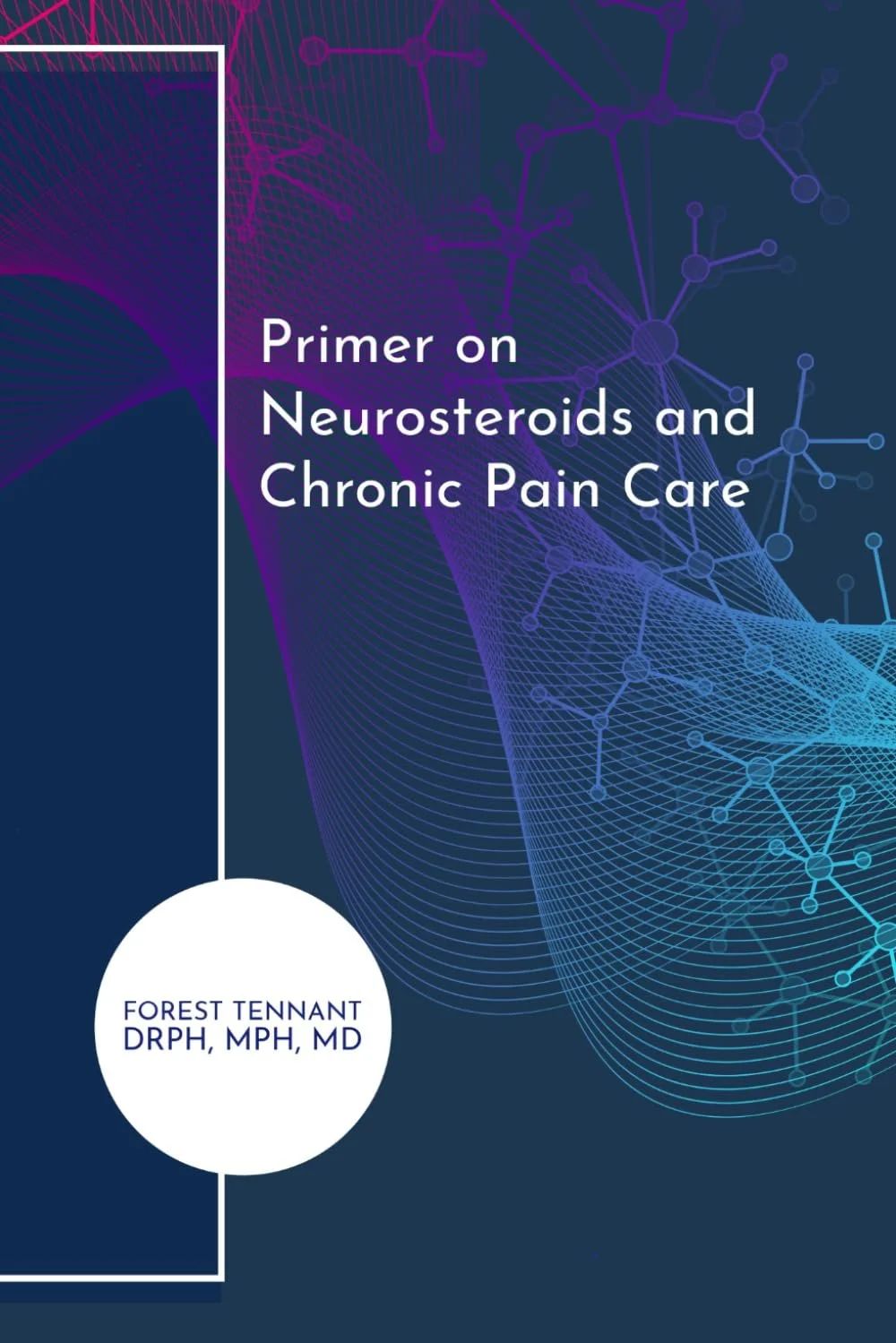
To learn more about neurosteroids, please see my new handbook, “Primer on Neurosteroids and Chronic Pain Care.”
Neurosteroids are beneficial not just for AA patients, but for anyone with chronic pain, as they help heal damaged tissues, protect and regenerate nerves, and provide pain relief.
There is a plethora of laboratory and human studies that pave the way to use neurosteroids in chronic pain care.
Their use in pain care improves pain control and lessens the need for opioids.
Forest Tennant, MD, DrPH, is retired from clinical practice but continues his research on the treatment of intractable pain and arachnoiditis. Readers interested in learning more about his research should visit the Tennant Foundation’s website, Arachnoiditis Hope. You can subscribe to its bulletins here.
The Tennant Foundation gives financial support to Pain News Network and sponsors PNN’s Patient Resources section.