
From CRPS Patient to Triathlete
/By Madora Pennington
“It’s called the ‘suicide disease’ because the pain is so bad people cannot live with it,” Susie Ruvalcaba tells me about Complex Regional Pain Syndrome (CRPS), a severe pain condition she’s had for about eight years.
“It was really bad, but I am much better now,” Ruvalcaba adds.
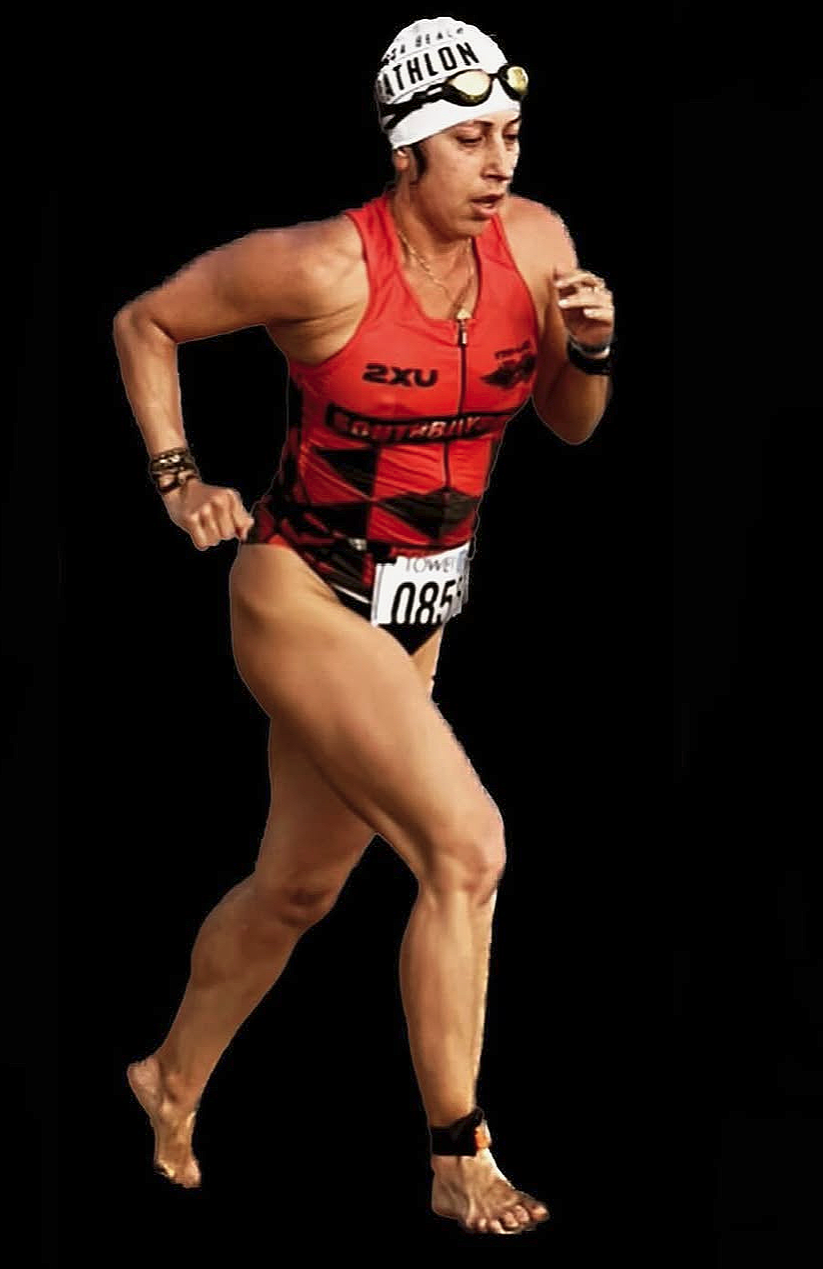
Tanned and amazingly fit, she is training for a double triathlon: an ultra-endurance multi-day race that includes a 4.8 mile swim, 224 mile bike ride, and 52.4-mile run. She is 48 years old.
Her recovery from CRPS is astounding. For many, it is a lifelong disability.
CRPS usually starts with an injury that triggers — for reasons not well-understood — inflammatory and immune dysfunction, resulting in extreme, difficult-to-treat nerve pain and musculoskeletal problems. About 26 out of 100,000 people get this mysterious condition every year.
For Ruvalcaba, it started with a chiropractic adjustment to her neck. Past chiropractic visits always made her feel relaxed. But this time, things just didn’t feel right. She was in pain immediately. That pain turned into more pain as weeks went by.
The pain was also weirdly different. It ran down one arm, skipped her torso, then continued down her leg. It was maddening in how it made no sense.
“Did you just stick your hand in hot water?” a doctor asked because one of her hands was sweaty and red, a telltale sign of CRPS. Ruvalcaba was referred to a neurologist.
“I don’t remember how many doctors I saw, but I think they were afraid to tell me this might be CRPS,” she recalls.
Susie Ruvalcaba
Early intensive treatment for CRPS with physical therapy, pain medication, and modalities such as nerve blocks has a better chance of stopping CRPS and reversing it. But Ruvalcaba was not lucky enough to get diagnosed quickly.
A year and a half later, a doctor finally leveled with her that she had CRPS. He advised her to quit her job and go on disability. Ruvalcaba was horrified. She was young and had kids to raise. She refused his disability paperwork, but eventually lost her job as coping with CRPS interfered with work.
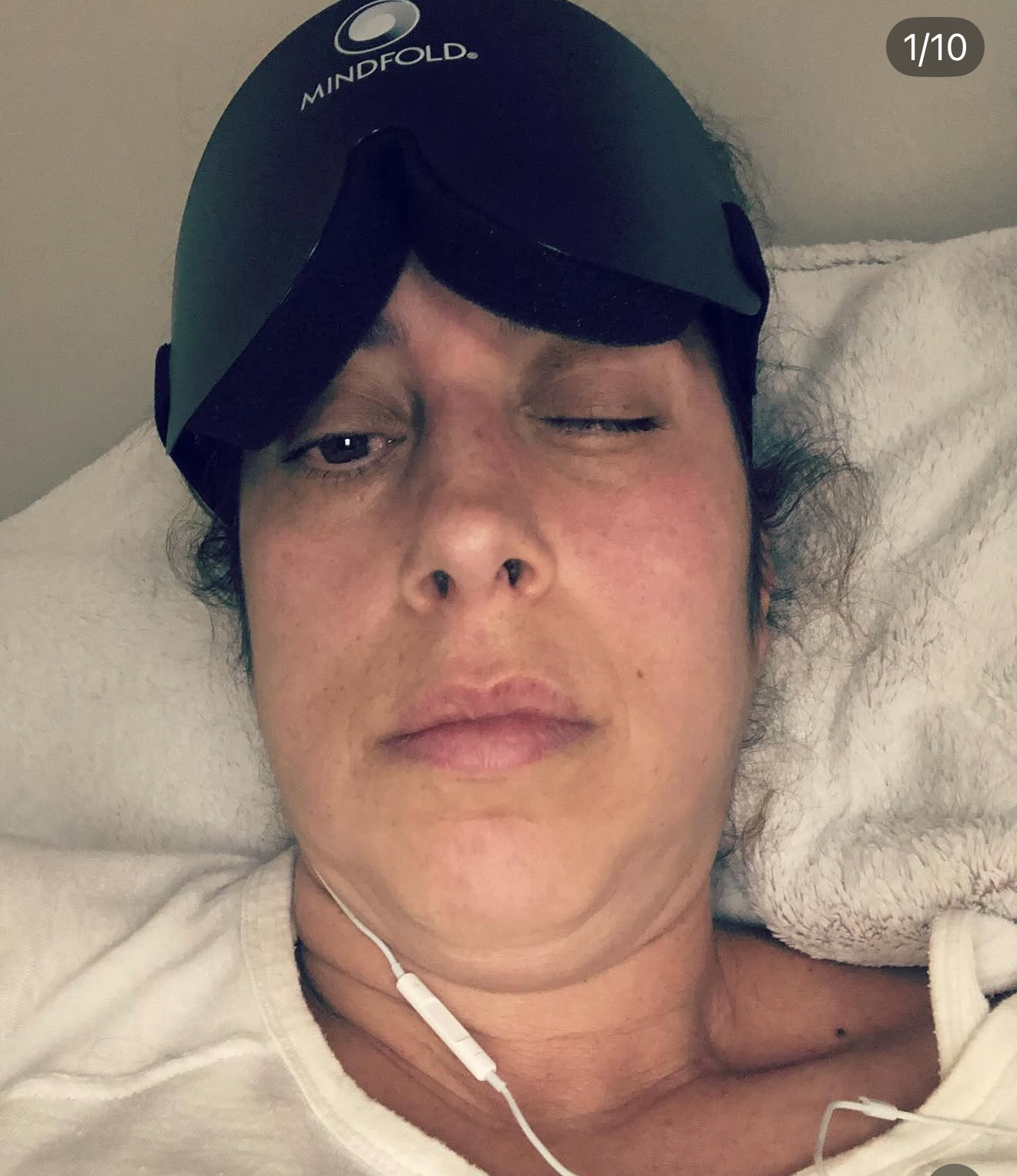
Ruvalcaba’s “crazy pain that would not stop” would fluctuate but wouldn’t go away. Often, it was triggered by touch. During bad flares, she had to lie in bed unclothed, her body feeling like it was on fire.
The sensation of clothing made the pain sensations worse. She had to keep her hair tied up and off her neck for the same reason -- the slight touch of her own hair was too much to bear.
“Doctors gave me pain meds. They didn’t do enough. I became physically dependent on them. Then I had to take them just to prevent withdrawal symptoms,” she says.
Some CRPS patients are helped by opioids, but for others, opioids can increase pain sensitivity and suppress hormones and the immune system, making CPRS worse.
‘Doctors Didn’t Believe Me’
Ruvalcaba kept trying to find better treatment.
“Some doctors didn’t believe me. I often left appointments in tears. Pharmacists looked at me like I was a drug addict. I didn’t look like someone who was sick,” she recalls.
A CRPS specialist gave Ruvalcaba high-dose ketamine infusions, which lessened her pain. She also tried a nerve block, which seemed to irritate her nervous system and make her pain worse. She was too afraid to try an implanted stimulator.
Throughout her illness, Ruvalcaba was advised to limit exercise to gentle walking. She was spending most of her days in bed. It was a good day if she could do some chores.
“It was a dark time. I felt like I was withering away.”
Depressed and hopeless about her circumstances, she got the idea to try the CrossFit gym nearby because she had enjoyed being an athlete as a teenager.
“I loved it. I got to feel alive for one hour per day," she says. "Doctors, friends, and family begged me to stop, telling me I would hurt myself. I didn’t care. I would come home after, take a pain pill and lie down.”
She kept at it, and her body became stronger and able to tolerate more.
Ruvalcaba's instinct to exercise was spot on. High intensity exercise can boost immunity, lower stress hormones, reduce inflammation and re-set pain sensitivity.
A recent, large European study showed that intense exercise is more protective from immune-mediated inflammatory diseases than more gentle exercise done with more frequency.
The isolation of Covid gave Ruvalcaba extra time and space to take care of herself. She switched from opioids to cannabis edibles, which provided better pain relief with fewer side-effects.
The THC in cannabis is known to be more effective than opioids for the nerve pain common to CRPS. In 2025, a survey of CRPS patients using THC found that THC improved pain, sleep quality, and overall health while reducing anxiety.
"Covid was the perfect storm, but in a good way. I avoided stress and took care of myself like this for eight months. This gave my nervous system a break,” Ruvalcaba says.
She did CrossFit everyday, meditated, and pursued healthy diets. She also went to psychotherapy. This focused regimen seemed to give her body the opportunity and support to heal.
"Before I knew it, I was signing up for a triathlon, wondering where all my pain and gone.”
Ruvalcaba is working on a documentary about her recovery from CRPS called “Double the Distance, Beyond the Pain.” You can follow her journey on Instagram @susythesoulreader