
How to be Healthy When You're Sick

By Crystal Lindell, Columnist

I’m trying to find ways to be healthy despite the fact that I constantly feel like I’m dying.

Having chronic pain is like waking up every single day feeling like you’ve just been mugged, then hit by a semi-truck, and simultaneously come into contact with the plague.

And when it first hits you, you’re like, “I can’t be expected to function under these conditions. Nobody could function under these conditions. I must call in sick to life.”

But after a month of laying on the couch watching every episode of Burn Notice three times, you suddenly realize you’re probably not going to be getting better any time soon, so maybe you should try to, you know, shower or something.

That’s where the drugs come in. And suddenly, you wake up one day and you’re literally taking six different medications before you even get out of bed in the morning. But hey! At least you’re getting out of bed.

And over the next few months or years or whatever it takes for you, you just sort of live in this drugged-up state of barely existing. It’s how I would imagine high school pot heads hope their life turns out, except without all the stupid stabbing pain in my ribs (or wherever yours may be). 

Aside from being high daily, you find all the shortcuts you can. For me, I ended up working from home. I moved in with my mom because doing my own laundry and washing my own dishes is literally too difficult. I shower once a week to save my energy. I shop online. And I never, ever, ever wear high heels. Ever!

On one level, I’m just happy that I’m no longer in so much pain that I literally hope I don’t wake up alive in the morning. But on another, I don’t really like what I see when I look down the long, dark road that’s probably going to be my life for, what? Another 50? Or even 60 years if I’m terribly unlucky?

Which brings me to the yoga. Yes, it’s true. I have started doing yoga. I’m hoping this is the next stage in the chronic pain life cycle, which will be followed quickly by, “Find a cure, and live happily ever after.”

While I’m here though, barely living, I figure I might as well get really good at downward dog. I started with a 30-minute PM yoga session for beginners on DVD. The hardest part is when I had to take two deep breaths in a plank pose. And, guess what? It didn’t suck.

I mean, I can admit when I’m wrong. And I was totally wrong about yoga. I really, really thought that bending my body in new, crazy ways would only make things worse. It’s just the human intuition in me, saying, “You’re in pain, stop doing stuff.” But, with chronic pain, you have to learn to override that voice.

And so, I’ve even done the 30-minute AM session, and I didn’t even die from that either. Plus, I also found another DVD by the same soothing instructor that’s 51-mintues long, and I did that one too, all without any trips to the hospital or anything! I’m pretty excited about the whole situation.

After each session I feel really relaxed, and it seems like I’m going through fewer pain pills when I do the yoga as opposed to when I don’t.

I’ve also started drinking tea. Back in the day, when my body didn’t hate me, I used to say things like, “Tea is literally just dirty water. Ick.”  But now, I’m sicker and wiser -- and I need to find ways to bring a sense of peace to my wounded body.

So, yeah, tea. It’s got to be better than Coke, right?

There’s a morning tea that seems to ward off the overwhelming feeling of being high that the meds give me. And then there’s a night tea that helps me poop — something I’ve really missed doing ever since my prescription pills took that seemingly natural bodily function away from me.

Truth be told, I am secretly hoping all these new changes will help me lose some of the 50 stupid pounds I’ve gained since getting sick. But if they even help me do more than shower or something, I’d be cool with that too.

Crystal Lindell is a journalist who lives in Illinois. She loves Taco Bell, watching "Burn Notice" episodes on Netflix and Snicker's Bites. She has had intercostal neuralgia since February 2013.

Crystal writes about it on her blog, “The Only Certainty is Bad Grammar.”

The information in this column should not be considered as professional medical advice, diagnosis or treatment. It is for informational purposes only and represent the author’s opinions alone. It does not inherently express or reflect the views, opinions and/or positions of Pain News Network.
 

Nerve Stimulation Effective in Treating Cluster Headache (VIDEO)

By Pat Anson, Editor

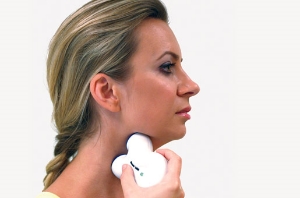
A neuromodulation device that stimulates a nerve in the neck substantially reduced the number and frequency of attacks in patients suffering from cluster headache, according to small study published in the journal Neurology

Image courtesy of electrocore

Image courtesy of electrocore

Seventy-nine percent of patients who completed the study (15 out of 19) reported an overall improvement in their condition after using gammaCore, a nerve stimulator that sends electrical signals along the vagus nerve, which runs through the neck to the brain. Eleven of the patients had chronic cluster headaches, and eight were classified as episodic.

“Cluster headache is a dreadful, extremely painful and disabling condition that can be very complex to manage. Given the unmet need for effective and safe treatments, we were excited to see the outcomes in these patients of an approach offering very considerable promise for future development.” said Peter Goadsby, PhD, who led the research at the Royal Free Hospital in London and the Beaumont Hospital in Dublin.

Cluster headache is a neurological disorder characterized by recurring, severe headaches on one side of the head, often around the eye. Attacks occur suddenly and can range from 15 minutes to three hours. Recommended treatments for cluster headaches include oxygen or triptan. 

Nearly half (47%) of the acute attacks treated with gammaCore ended in an average of 11 minutes.  Ten patients reduced their use of oxygen by 55% and nine patients reduced their triptan use by 48%. Preventative use of the gammaCore device resulted in a substantial reduction in the frequency of attacks, from 4.5 attacks every 24 hours to 2.6 after treatment. 

The treatment, which is self-administered by the patient for two minutes, involves placing the hand-held gammaCore device on the skin of the neck over the vagus nerve. In the study, patients administered two to three rounds of neurostimulation twice per day. Acute attacks were treated with up to six doses at the onset of the attack. Patients reported no serious side events.

GammaCore, which is manufactured by New Jersey based electroCore, is not currently approved by the Food and Drug Administration and is not available in the United States. 

The company is seeking FDA approval for gammaCore in the treatment and prevention of cluster headache. The device currently has regulatory approval for the acute and/or prophylactic treatment of cluster headache, migraine and medication overuse headache in the European Union, South Africa, India, New Zealand, Australia, Colombia, Brazil, Malaysia, and Canada. 

“It is not certain how vagus nerve stimulation treats and prevents migraines and cluster headaches, but data suggest that it may work by sending signals into the brain that reduce the amount of a substance, called glutamate, that has been associated with headache symptoms,” the company says in a statement on its website.

ElectroCore is developing Vagus Nerve Stimulation (nVNS) therapies for the treatment of multiple conditions in neurology, psychiatry, gastroenterology and respiratory fields. The company’s initial focus is on the treatment of primary headaches (migraine and cluster headache), and the associated chronic co-morbidities of gastric motility, psychiatric, sleep, and pain disorders.

ElectroCore has raised more than $80 million from investors including Merck’s Global Healthcare Innovation fund.

Gene Therapy Lessens Pain of Diabetic Neuropathy (VIDEO)

By Pat Anson, Editor

An experimental gene therapy reduces pain and other symptoms by over 50 percent in patients with diabetic peripheral neuropathy, according to a new study at Northwestern University.

Nearly 26 million people in the United States have diabetes and about half have some form of neuropathy, according to the American Diabetes Association.  Diabetic peripheral neuropathy (DPN) causes nerves to send out abnormal signals. Patients feel pain or loss of feeling in their toes, feet, legs, hands and arms. It may also include a persistent burning, tingling or prickling sensation. The condition can lead to injuries, chronic foot ulcers and even amputations.

Keith Wenckowski, who has type-one diabetes, says it felt “like walking on glass” when he walked barefoot in sand.   

Wenckowski and 83 other participants in the Northwestern study received two low doses of a non-viral gene therapy called VM202. They went to a clinic twice in a two-week period for a series of injections into their calf muscles and lower legs. Some received injections of a saline placebo, others a low dose of the therapy and others a higher dose.

"Those who received the therapy reported more than a 50 percent reduction in their symptoms and virtually no side effects," said Dr. Jack Kessler, lead author of the study. "Not only did it improve their pain, it also improved their ability to perceive a very, very light touch."

After three months, patients in the low-dose group experienced a significant reduction in pain compared to the placebo group. The effect persisted at six and nine months in the low-dose group.

"I can now go to a beach and walk on the sand without feeling like I am walking on glass," says Wenckowski, more than a year after receiving the therapy. "I am hoping the effects I am feeling do not cease."

VM202 contains the human hepatocyte growth factor (HGF) gene. Growth factor is a naturally occurring protein in the body that acts on nerve cell to keep them alive, healthy and functioning. Future studies will investigate if the therapy can actually regenerate damaged nerves and reverse the neuropathy.

Patients with the most extreme form of the DPN feel intense pain with a slight graze or touch. The pain can interfere with daily activities, sleep, mood and can diminish quality of life. Many drugs used to treat DPN, such as Neurontin and Lyrica, either don’t work or have unpleasant side effects.

"We are hoping that the treatment will increase the local production of hepatocyte growth factor to help regenerate nerves and grow new blood vessels and therefore reduce the pain," said Senda Ajroud-Driss, MD, an attending physician at Northwestern Memorial Hospital and an author of the study.

"We found that the patients who received the low dose had a better reduction in pain than the people who received the high dose or the placebo. Side effects were limited to injection site reaction."

The results of this Phase II, double-blind, placebo-controlled study are being published in the journal Annals of Clinical and Translation Neurology.A future, much larger Phase III study will soon be underway.

"Right now there is no medication that can reverse neuropathy," Kessler said. "Our goal is to develop a treatment. If we can show with more patients that this is a very real phenomenon, then we can show we have not only improved the symptoms of the disease, namely the pain, but we have actually improved function."

New Drugs Show Promise in Treating Neuropathy

By Pat Anson, Editor

Drugs that selectively target the melatonin MT2 receptor in the brain could be used to develop a new class of pain medication to treat patients with neuropathy, according to an international team of scientists.

Neuropathic pain is characterized by tingling pain that develops as result of nerve damage caused by conditions such as shingles, diabetes, amputation, inflammation, and cancer. About 8% of adults worldwide suffer from neuropathy. Many drugs used to treat neuropathic pain, such as Neurontin and Lyrica, often don’t work or have unpleasant side effects.

"There are very limited treatments available for neuropathic pain, and a lot of patients use opioids," said Dr. Gabriella Gobbi, an associate professor in the Department of Psychiatry at McGill University in Montreal.  "In the long term, these (opioids) can lead to addiction and severe side effects, including dependence and tolerance, opioid-induced hyperalgesia , and risk of death. For these reasons, identifying novel analgesics is of keen interest in the medical field today."

Melatonin, a hormone present in mammals and some plants, acts on the brain by activating two receptors called "MT1" and "MT2" that are responsible for regulating sleep, depression and anxiety.  Melatonin is sold over-the-counter as a sleep aid and in the treatment of sleep disorders such as jet lag and insomnia. However, there have been few long-term clinical studies on the use of melatonin in humans.

In experiments on animals, Gobbi and her colleagues demonstrated that UCM924, a melatonin MT2 receptor drug, can relieve chronic pain. They also identified the drug's mechanism of action in the brain. UCM924 activates MT2 receptors in the periaqueductal grey area of the brain, switching off the neurons that trigger pain and switching on the ones that “turn off” pain.

Previous studies have shown that over-the-counter melatonin has very limited effect. Gobbi and her team demonstrated that this is because melatonin activates both the MT1 and MT2 receptors, which have conflicting and opposite effects.

In the course of their work to investigate the efficacy of MT2 receptor drugs, the researchers discovered that UCM924 also soothes neuropathic pain at lower doses. This suggests the drugs could offer relief both to people who suffer from pain during the day, using low doses, and from insomnia at night, using higher doses.

Over half of patients with neuropathy complain of significant sleep disturbance, and this new study unveils how the mechanisms of pain and sleep are closely related.

The research team is now looking for partners interested in pursuing clinical development and eventual commercialization of these novel drugs.

Scientists in Mexico and Italy also contributed to the study, which are reported in the journal PAIN.

Spider Venom Could Take the Sting Out of Chronic Pain

By Pat Anson, Editor

Black widow spiders are well known for their dangerous, painful and sometimes even lethal bites. The venom of a female black widow is 15 times as toxic as a rattlesnake’s.

But that venom also contains an ingredient that could be developed into a new class of potent painkilllers.

Researchers in Australia have identified seven compounds in the venom of spiders that block the body's ability to send signals to the brain through what is called the pain pathway – also known as Nav 1.7 channels.

"A compound that blocks Nav 1.7 channels is of particular interest for us. Previous research shows indifference to pain among people who lack Nav 1.7 channels due to a naturally-occurring genetic mutation - so blocking these channels has the potential of turning off pain in people with normal pain pathways," said study leader Glenn King, PhD, of The University of Queensland's Institute for Molecular Bioscience.

King and his colleagues built a system that can rapidly analyze the protein molecules in spider venoms. They studied the venom of over 200 spider species and found that 40% of the venoms contained at least one compound that blocked human Nav 1.7 channels. Of the seven promising compounds identified so far, one is particularly potent and has a chemical structure that suggests it has a high level of chemical, thermal, and biological stability, which would be essential for administering in a new medicine.

"Untapping this natural source of new medicines brings a distinct hope of accelerating the development of a new class of painkillers that can help people who suffer from chronic pain that cannot be treated with current treatment options," said researcher Julie Kaae Klint, PhD.

Researchers have only scratched the surface. There are over 45,000 species of spiders, many of which kill their prey with venoms that contain hundreds - or even thousands - of protein molecules that block nerve activity.

"A conservative estimate indicates that there are nine million spider-venom peptides, and only 0.01% of this vast pharmacological landscape has been explored so far," says Klint.

The study is published in the British Journal of Pharmacology.

Researchers are also studying the potential of venom in cone snails for its potential for blocking pain signals in humans. German scientists at the Pharmaceutical Institute of the University of Bonn say one advantage of the peptides found in snail venom is that they decompose quickly and are unlikely to cause dependency.

A pharmaceutical drug derived from cone snail neurotoxins has already been developed and marketed under the brand name Prialt. The drug is injected in spinal cord fluid to treat severe pain caused by failed back surgery, injury, AIDS, and cancer.


New Opioid ‘Film’ Nears FDA Approval

By Pat Anson, Editor

The Food and Drug Administration has accepted a new drug application (NDA) for a new opioid film patch that could give chronic pain patients an alternative to hydrocodone and other painkillers that have become harder to get prescriptions for.

Image courtesy of biodelivery sciences

Image courtesy of biodelivery sciences

The buprenorphine film – to be sold under the brand name Belbuca -- was developed by Endo International (NASDAQ: ENDP) and BioDelivery Sciences (NASDAQ: BDSI) for the management of chronic pain requiring daily, long-term opioid treatment. The companies are hoping for final FDA approval by October, 2015.

Buprenorphine is an opioid that has long been used as an addiction treatment drug sold under the brand name Suboxone, but it can also be used to treat chronic pain.

"NDA acceptance represents an important step forward in our commitment to bringing to patients new therapeutic options for the treatment of chronic pain. We believe that Belbuca is a significant advancement in pain care, and an important extension to Endo's portfolio of products," said Rajiv De Silva, President and CEO of Endo.

Buprenorphine is a Schedule III controlled substance, meaning that it has been designated as having lower abuse potential than Schedule II drugs, a category which includes hydrocodone and most opioid painkillers. Many pain patients are having difficulty getting prescriptions for hydrocodone and other Schedule II drugs filled.

"The FDA's acceptance of our Belbuca NDA is a significant milestone for BDSI and in our partnership with Endo," said Dr. Mark Sirgo, President and CEO of BDSI. "We believe that Belbuca can offer those suffering with chronic pain with a novel treatment approach.”

Belbuca contains one-tenth to one-twentieth the amount of buprenorphine as Suboxone and other products that are used to treat opioid addiction.  Although the dose of buprenorphine is smaller, Sirgo says Belbuca film is effective in treating pain because the drug is absorbed through the inside lining of the cheek and enters the blood stream faster. In a Phase III study, he said the film was effective in treating patients who were taking a “hefty dose” of opioids equivalent to 160 mgs of morphine a day.

Belbuca is also less likely to be abused, according to Sirgo, because the patches are difficult to grind or liquefy for snorting or injecting.

Buprenorphine is already used to treat pain in transdermal skin patches made by Purdue Pharma under the brand name Butrans.


Finding Meaning in Chronic Illness

By Jennifer Martin, Columnist

I have never known life without chronic illness and pain.  I was diagnosed with juvenile rheumatoid arthritis (JRA) when I was 18 months old, so the life of a healthy person is foreign to me.  I don’t remember much about my early childhood with JRA other than daily medications, physical therapy and endless doctor’s appointments. 

When I was 6, my arthritis went into remission.  I took full advantage of that and began taking gymnastics, played street hockey with the neighborhood kids, and later joined the swim team.  Life was good. 

jennifer martin

jennifer martin

Then one cold, rainy day before swim practice, I noticed that my knee was aching.  I shrugged it off and went to practice.  Later that night, the pain had increased and my knee was swollen.  I just knew my arthritis was back.  I was 15 years old at the time. 

A visit to the rheumatologist confirmed my fear.  Just like that I was back on multiple medications, forced to give up gymnastics and swimming, and was living again with daily pain. 

I was trying to find a balance between normal teenage life and dealing with chronic pain that none of my friends or family could relate to.  None of my friends had to give up activities they loved.  None of my friends had to have their knee drained when medication wasn’t keeping the swelling down.  None of my friends had to deal with taking pills for breakfast, lunch and dinner. 

So why did I have to do all these things? 

I remember one day when I was a senior in high school, I was in so much pain that I just sat home on the couch in tears all day instead of going to school.  It wasn’t too long after that that I had my first knee surgery due to my arthritis.

Fast forward several years to one day when I was 25 years old.  It is a day I will never forget.  I was at my mom’s house when I began feeling a little bloated.  I used the bathroom and when I looked down I saw bright red blood in the toilet.  My heart began pounding, my breath quickened and my hands began to shake. 

“What the heck is going on with me?” I remember thinking.  I took a few moments to calm myself down and then I convinced myself it must be nothing.  I went back downstairs and joined in the conversation without telling my family what happened. 

Several days later however, my symptoms had worsened and there was still blood in the toilet.  I knew I had no choice but to tell my family.  That began months of doctor’s appointments and tests that no human should have to be subjected to.  When I was finally diagnosed with ulcerative colitis, I was relieved to have a name for what was going on and at the same time frustrated that this meant another chronic diagnosis, more medication and more uncertainty.

The next two years were a roller coaster.  I had flares, felt horrible, and then went into remission. 

February 2009 began the biggest challenge of my life.  It was six months after I got married.  I began having a flare and quickly knew that this flare was different than any I had experienced before.  The pain was more intense, the medications weren’t working, and I was quickly losing weight from my already thin 108 pound frame.  By April, I was admitted to the hospital 30 pounds lighter and experiencing constant, excruciating pain so intense that I literally could not stand up straight. 

Every time I was forced by my family to eat and any time I used the bathroom it felt like a thousand knifes slicing through my intestines.  I remember many nights in the bathroom covering my mouth to suppress screams because I didn’t want to worry my husband. 

The day after my hospital admission, I had a colonoscopy.  While coming out of anesthesia I heard my gastroenterologist say to one of her colleagues, “This is the worst case of ulcerative colitis I have ever seen.”

The next day, I was transferred to UC Irvine Medical Center where I was to have three surgeries.  Surgery one consisted of removing my colon and constructing an ileostomy.  Surgery two involved constructing an internal j-pouch which essentially acts as a pseudo colon.  Surgery three involved removing my ileostomy and connecting my j-pouch.  After my third surgery I experienced complications, due to the amount of weight I had lost and scar tissue which required further hospitalization.

While my third surgery was supposed to be my last, that was not the case.  Since then I have had three more surgeries due to my j-pouch twisting.  The last surgery was as recent as 11 months ago.  I’m hoping that was my last.

In the midst of all this craziness I managed to complete my doctoral degree in psychology and I now specialize in counseling individuals with chronic pain and chronic illness.  It has become my passion. 

Because of my own experiences, I understand the emotional issues that arise from living with chronic pain and chronic illness.  I understand the depression, the anxiety, and the feeling of being so sick and in so much pain that maybe it would be easier to end it. 

But I also understand how important it is to work through those feelings, to find meaning in your situation, and to find a way to live life despite your diagnosis.  That is what I try to instill in my patients.

I have also beaten the odds and had a son.  I was told that due to my surgeries I would only have a 20% chance of conceiving on my own.  I look at my son every day and know that he is my miracle.  I hope and pray that he will never know the pain of chronic illness and chronic pain, but if he does, I will be there for him and I will understand.

Jennifer Martin, PsyD, is a licensed psychologist in Newport Beach, California. In her blog “Your Color Looks Good” Jennifer writes about the psychological aspects of dealing with chronic pain and illness. 

Jennifer is a professional member of the Crohn’s and Colitis Foundation of America and has a Facebook page dedicated to providing support and information to people with Crohn’s, Colitis and Digestive Diseases.

The information in this column should not be considered as professional medical advice, diagnosis or treatment. It is for informational purposes only and represents the author’s opinions alone. It does not inherently express or reflect the views, opinions and/or positions of Pain News Network.


Mornings Worst for Lower Back Pain

By Pat Anson, Editor

People who suffer from lower back pain are significantly more likely to feel their first aches and pains after waking up in the morning, according to researchers in Australia.

Their study, which was published in the journal Arthritis Care & Research, found a variety of physical and psychosocial triggers that increase the risk of low back pain. People engaged in manual tasks involving awkward positions are eight times more likely to suffer from back pain, while people who are distracted or fatigued during activities were about four times more likely.

"Understanding which risk factors contribute to back pain and controlling exposure to these risks is an important first step in prevention," explains Manuela Ferreira, PhD, an associate professor at Sydney Medical School at The University of Sydney in New South Wales, Australia. "Our study is the first to examine brief exposure to a range of modifiable triggers for an acute episode of low back pain."

Researchers recruited nearly 1,000 participants from 300 primary care clinics in Sydney, Australia, who had acute low back pain. They were asked to self-report on a dozen physical or psychosocial factors in the 96 hours prior to the onset of their back pain.

The risk of a new episode of low back pain varied significantly depending on a range of triggers. Moderate to vigorous physical activity nearly tripled the risk of low back pain, while being distracted during an activity made participants 25 times more likely to have back pain.

Researchers recruited nearly 1,000 participants from 300 primary care clinics in Sydney, Australia, who had acute low back pain. They were asked to self-report on a dozen physical or psychosocial factors in the 96 hours prior to the onset of their back pain.

The risk of a new episode of low back pain varied significantly depending on a range of triggers. Moderate to vigorous physical activity nearly tripled the risk of low back pain, while being distracted during an activity made participants 25 times more likely to have back pain.

One finding not reported previously was that back pain risk was highest between 7:00 a.m. and noon. Ferreira believes that may be because people are not fully alert and discs in the spine may be more susceptible to damage in the morning.

One surprise finding is that growing older appears to moderate the risk of back pain caused by lifting heavy loads. The risk was 13.6 times higher for people at age 20. At age 40 it was 6.0 and at 60 years of age the risk was only 2.7 times higher.

Alcohol and sex appeared to have no association lower back pain.

"Understanding which modifiable risk factors lead to low back pain is an important step toward controlling a condition that affects so many worldwide," said Ferreira. "Our findings enhance knowledge of low back pain triggers and will assist the development of new prevention programs that can reduce suffering from this potentially disabling condition."

Lower back pain is the leading cause of disability worldwide, with nearly 10% of the world's population experiencing back pain at some point in their lives. Low back pain has a greater impact on global health than malaria, diabetes, or lung cancer; yet little progress has been made to identify effective prevention strategies.

Lower back pain is not usually linked to a serious disease. It can be triggered by everyday activities, including bad posture, bending awkwardly, lifting incorrectly or standing for long periods of time.


A Pained Life: ER Protocols

By Carol Levy, Columnist

When I read about people going to the emergency room to be treated for breakthrough pain, it is rare for anyone to say they felt they were well-treated. They tend to say they were disbelieved, looked at as a drug seeker, or the ER doctor did not give them enough meds to last until they could see their pain management doctor.

I have almost always replied, “Ask your doctor to send a protocol letter to the ER. Then if you have to go they will know what you have and how your doctor wants it treated.”

It occurred to me that it would be a good idea for me to query some ER's and see if this was in fact good advice.

After talking with one nurse, I did not feel it necessary to talk with any others.

She told me too often patients come in who are known to be drug addicts or drug seekers. Often they come in complaining about chronic pain.

This can make it hard to distinguish who is truly in pain vs. someone feigning pain merely to get narcotics. 

I asked if a letter from a doctor explaining what the patient has and what could be done for them would help.

"That won't work," she said.  I asked why not.

"Very simply, the doctor would have to constantly be updating the letter,” she explained. “A letter written 6 months ago would be ignored. Things change, the patient may change, and we could not rely on something written that long ago. If a doctor sent us a protocol letter it would have to be updated every month or so and no doctor is going to go to the trouble to do that."

That made a lot of sense. Both that a doctor would not be willing to take the time and that the protocol letter would have to be a recent one.

“What if a patient called their doctor's office and then the doctor called the ER with instructions about what to do for the patient?” I asked.

“That would work. And is probably the best thing for someone to do,” the nurse told me.

I know it is hard to wait when you are in pain. I know the idea of giving the doctor time to call back -- say in an hour -- would seem like the longest hour in the world, especially when the pain feels insurmountable.

Most ER physicians don’t know us when we come in. We are just another stranger, saying we are in pain and often asking for narcotics. If we give our doctors the time to call them, the chances are much greater that an ER visit will have a better outcome – instead of leaving us feeling disrespected, mistreated, or not treated at all.

Carol Levy

Carol Jay Levy has lived with trigeminal neuralgia, a chronic facial pain disorder, for over 30 years. She is the author of “A Pained Life, A Chronic Pain Journey.”  Carol is the moderator of the Facebook support group “Women in Pain Awareness.” Her blog “The Pained Life” can be found here.

The information in this column should not be considered as professional medical advice, diagnosis or treatment. It is for informational purposes only and represent the author’s opinions alone. It does not inherently express or reflect the views, opinions and/or positions of Pain News Network.

Study Finds Acupuncture Has Placebo Effect

By Pat Anson, Editor

When it comes to acupuncture, perception apparently does matter.

British researchers found in a new study that people with back pain who believe acupuncture will not help or do little to relieve their symptoms will gain less benefit from treatment than people who believe it works.

And people who feel they can manage their back pain have less disability as a result of acupuncture treatment.

“They experienced less disability over the course of treatment when they came to see their back pain as more controllable, when they felt they had better understanding of their back pain, when they felt better able to cope with it, were less emotional about it, and when they felt their back pain was going to have less of an impact on their lives," said Felicity Bishop, PhD, an Arthritis Research UK career development fellow.

Bishop and her colleagues at the University of Southampton wanted to find out why some people with back pain gain more benefit from acupuncture than others. They recruited 485 people with back pain and asked them to complete questionnaires before they saw an acupuncturist; as well as two weeks, three months and six months after starting treatment. The questions measured psychological factors, clinical and demographic characteristics, and back-related disability.

The study, which was funded by Arthritis Research UK, is being published in The Journal of Clinical Pain.

"The analysis showed that psychological factors were consistently associated with back-related disability," said Bishop, who believes acupuncturists should consider helping patients think more positively about their back pain as part of their treatment.

"People who started out with very low expectations of acupuncture -- who thought it probably would not help them -- were more likely to report less benefit as treatment went on,” she said.

Previous research has shown that many factors -- other than the insertion of needles – can play a role in the effectiveness of acupuncture, such as the relationship that the patient develops with the acupuncturist and the patient's belief about acupuncture.

"This study emphasises the influence of the placebo effect on pain. The process whereby the brain's processing of different emotions in relation to their treatment can influence outcome is a really important area for research,” said Dr. Stephen Simpson, director of research at Arthritis Research UK.

Acupuncture, which was originally developed as part of traditional Chinese medicine, is one of the most widely practiced forms of alternative medicine. As many as 3 million Americans receive acupuncture treatments, most often for relief of chronic pain.

While there is little consensus in the medical community about acupuncture’s value, a study in the Archives of Internal Medicine found that relief offered by acupuncture is real and should be considered a viable form of treatment .

Focusing on patients who reported chronic back and neck pain, osteoarthritis, chronic headache and shoulder pain, researchers at Memorial Sloan-Kettering Cancer Center in New York conducted a meta-analysis (a study of studies) of 29 studies involving nearly 18,000 adults.

“Acupuncture is effective for the treatment of chronic pain and is therefore a reasonable referral option. Significant differences between true and sham acupuncture indicate that acupuncture is more than a placebo,” the study concluded. “However, these differences are relatively modest, suggesting that factors in addition to the specific effects of needling are important contributors to the therapeutic effects of acupuncture.

Hysingla & Zohydro: Same Church, Different Pew?

By Dr. Jeffrey Fudin

Same church different pew you ponder?  It’s not that simple. 

Almost a year to the day since the availability of Zohydro ER (hydrocodone extended release, manufactured by Zogenix), there is now another kid on the block; Hysingla ER (hydrocodone extended release, manufactured by Purdue). Nobody can deny that Zogenix paved a pretty hefty path to bring and keep this on the market.

Along the way was a pretty disheartening road.  But no matter how many unearthed faults were found in the path, they were minuscule compared to the faulted rhetoric among media sensationalists and politicians. With one road block after another, it became clear that politicians were more interested in saying something (anything) for the attention than they were about the truth. In fact, their futility and sensationalistic journalism promulgated numerous blogs here.  

On the one hand I suppose that was cultivating for this site and our readers, but unfortunately it was on the backs (perhaps literally) of legitimate pain sufferers that might otherwise benefit from an extended release formulation of hydrocodone.  Rehb.com provides some interesting infographics that break down nationally and by state, various permutations of how “Admissions to treatment facilities has been steady or rising for the past 20 years, yet it seems elected officials spend less and less of their time on the floor of the House and Senate talking about it.”

The indisputable facts are that since Zohydro ER release in March 2014, there have been over 50,000 prescriptions filled (almost 3 million capsules dispensed) yet an extremely low incidence of abuse, misuse, and diversion reported in the surveillance databases. 

Do note however that because schedule II drugs are not allowed automatic refills, each Rx is considered an initial fill, so the 50,000 prescriptions does not equate to 50,000 patients. I imagine we will see similar safety and surveillance data for Hysingla ER in the months ahead.


So, you ask, what are the differences?  On the surface it seems simple; 1 ) Hysingla ER is once daily dosing and Zohydro ER is twice daily dosing; 2 ) Hysingla ER has an FDA label as “abuse deterrent” and Zohydro ER does not (yet); and 3 ) Hysingla ER is a tablet and Zohydro ER is a capsule.

Let’s break this down, because ultimately it really should be about the patient.

History tells us that once daily or twice daily intended dosage forms sometimes require twice or three times daily dosing respectively.  Third party payers have notoriously used this as an excuse not to pay. By way of example, OxyContin (oxycodone extended release) is indicated for every 12 hour dosing, but it is not uncommon to see it appropriately prescribed every 8 hours instead of every 12 hours. The same is true for Avinza (morphine extended release).  Avinza is indicated for every 24 hour dosing, but it is not uncommon to see it prescribed every 12 hours instead of once daily. The best example where reality, practicality, and just plain good medicine flew in the face of the original package insert is brand name Duragesic, fentanyl transdermal (TD).   

The original package insert required every 72 hour changes of the patch.  Some patients didn’t receive adequate analgesia for that period of time – the manufacturer recommendation therefore was to raise the patch dosage to the next highest strength.  Sure, this would therefore raise the overall serum levels thus extending the therapeutic blood levels perhaps into the third day, but was it clinically the best thing for the patients and did it adhere to basic therapeutic principals?  The answer is no!  We always want to give the lowest effective dose.  If that could be achieved by remaining on the same fentanyl dose and changing it more frequently, then that is the proper approach.  See Medscape, Can Fentanyl Patches Be Replaced Sooner to Improve Pain Control?

To address point #1 above, the once daily practicality and convenience of Hysingla ER is of course a wonderful thing.  For a caregiver that can only get to the home once daily, it is a Godsend.  But, although it is a nice option for many, some patients might be better off on a lower overall 24 hour dose by using the every 12 hour dosage form of Zohydro ER.

To address point #2, abuse deterrent technology (ADT) is a wonderful thing too (kudos to Purdue), but ADT is not the be all and end all of substance abuse; it is simply another option.  To read more about that, see the Pharmacy Times article Abuse-Deterrent Opioid Formulations: Purpose, Practicality, and Paradigms. For the record, Zogenix ER has received FDA approval for their new abuse deterrent formulation.

Hysingla-Bottles-40s-CMYK-318x500.jpg

And finally to address point #3, Hysingla ER is a tablet and Zohydro ER is a capsule.  From experience, it is clear that some patients are better able to swallow one compared to the other.  For some, the fear of swallowing a tablet (a form of phagophobia) is insurmountable.  For those that cannot swallow a tablet, I do prefer a capsule and the patient is told to sit or stand straight, place the capsule in their mouth, sip a mouthful of water, and look down towards the table or floor.  The capsule floats to the back of the throat – now swallow.  Although this often works, some might do better with a small tablet.

Hysingla ER is available by tablet in milligram strengths of 20, 30, 40, 60, 80, 100, and 120.

Zohydro ER is available by capsule in milligram strengths of 10, 15, 20, 30, 40, and 50.

For the benefit of media sensationalists and political mouthpieces, let me save you the trouble and embarrassment this time around, because if tempted, I will call you out publically again.  Hysingla ER 120mg is not 3 times more potent than Zohydro ER 40mg. They are equipotent because hydrocodone is hydrocodone is hydrocodone as explained in the previous post here, ZOHYDRO: What weighs more – A pound of feathers or a pound of hydrocodone?

Kudos to the two companies that fought to bring these new options to market for patients that can truly benefit from a single entity extended release dosage form of hydrocodone. 

Fudin-J-03.jpg

Jeffrey Fudin, PharmD, is a Diplomate to the American Academy of Pain Management. 

Dr. Fudin practices as a Clinical Pharmacy Specialist and Director at the Stratton Veterans Administration Medical Center in Albany, NY.  

This column is republished with permission from Dr. Fudin’s blog.
