
Nerivio: What’s All the Buzz About?

By Mia Maysack, PNN Columnist

If you have migraines and are open to more holistic approaches to treating them, I’d like to share my experience with Nerivio. It’s the first smartphone-controlled neuromodulation device for the treatment of migraine, with or without aura. I was provided one of the devices, which is worn on the arm, at no cost by the manufacturer, Theranica Bio-Electronics.

Nerivio requires a prescription from a doctor. I was able to be seen via telemedicine through Cove for my appointment, which was convenient. A script was written for 12 treatments, which are thought to be most beneficial within the first 30 minutes of experiencing aura or the onset of pain.

Given that my head hurts 24/7/365, I was hesitant to even try Nerivio, but ultimately decided it was worthwhile due to the low risk of side effects. I've tried different types of neuromodulation devices before, without success, and went into this with an open mind and minimal expectations.

Nerivio didn't take any of my discomfort away, but it did cultivate a decent enough distraction. Despite my blaring head pain, I love loud music. I realize that could seem odd, but I figure since it hurts anyway, turn it up! Anything to switch up the frequency of this migraine that's stuck on repeat. 

I view Nerivio similarly. You have to chill out for the treatments, which are 45 minutes in length. Though it is possible to go about daily activities during treatments, I found it more comfortable not to. I'd take deep breaths and visualize the armband just like music, disrupting the head pain and transmitting restorative waves.   

Much like the beloved 12" subwoofer in Ophelia (my car), I controlled the volume, using my smartphone to dictate the intensity of Nerivio.

When it’s on, Nerivio delivers small electric impulses into the upper arm that disrupt pain signals in the brain. I first compared the feeling of neuromodulation to that of a tingle or itch, but after becoming more familiar, I'd label it as vibrational. It doesn't hurt, and the sensation is a welcome change of pace for anyone experiencing head pain 

It's important to remember there is a weak current of electricity, so fingers shouldn't be directly placed on the device when it's on, nor should it be used in any place other than your arm. 

The device costs about $100. That can be a significant amount of money, especially for those of us unable to maintain any sense of normalcy regarding employment or income. But I’ve paid out of pocket far more than that, regularly, for co-pays and uncovered treatments, not to mention pills that demanded Benjamin Franklin’s face for not even a week’s worth of treatment.   

What I appreciate about Nerivio is that it’s something I can do on my own. I altered the arms I used it on and always incorporated relaxation with my experiences to whatever extent I could.  It worked nicely in conjunction with mindfulness breaks, as well as first thing upon waking up or last thing before bed. 
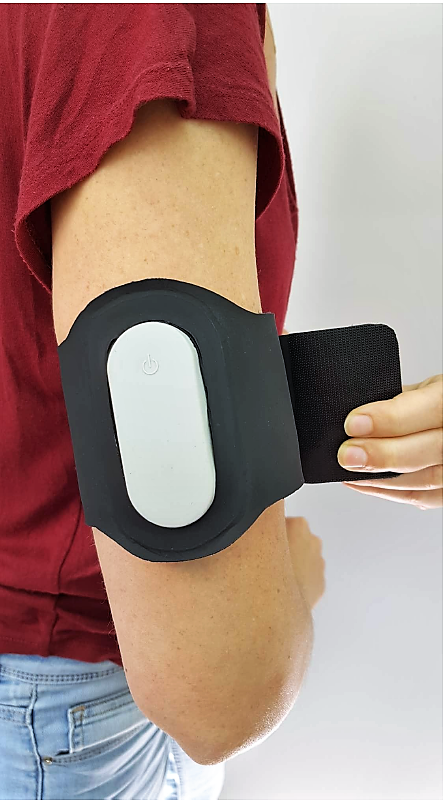
IMAGES COURTESY OF THERANICA

IMAGES COURTESY OF THERANICA

It’s also relieving to literally be holding the “power” in the palm of my hands. If there’s a need to halt a session, there is a pause button. Although I didn’t get around to utilizing it, Nerivio also has a feature that assists in promoting guided imagery and meditation as a further enhancement.   

For each treatment, all that’s necessary is to hit the power button on the armband and ensure it has synced up to your device. Within the first few moments when starting, a questionnaire pops up on the screen asking how you’re feeling. This acts similarly to a virtual diary to track symptoms and hopefully improvement. This step isn’t necessary, although never a bad idea to monitor or check in as to where you’re at.

All in all, I’d have to say if you’re curious enough and able to, go ahead and give Nerivio a try.  I believe it could be beneficial for other migraine conditions not as complex as mine.  

I haven’t been paid or endorsed at all for this review and offer these words solely as a resource for those who are considering it.  Feel free to follow up with questions, as I’m honored to help navigate the Nerivio process with you in any way I am able.

Mia Maysack lives with chronic migraine, cluster headache and fibromyalgia. Mia is the founder of Keepin’ Our Heads Up, a Facebook advocacy and support group, and Peace & Love, a wellness and life coaching practice for the chronically ill.

Nearly Half of Americans Delayed Medical Care Due to Pandemic

By Elizabeth Lawrence, Kaiser Health News

As the coronavirus threat ramped up in March, hospitals, health systems and private practices dramatically reduced inpatient, nonemergency services to prepare for an influx of COVID-19 patients. A poll released Wednesday reveals that the emptiness of medical care centers may also reflect the choices patients made to delay care.

The Kaiser Family Foundation (KFF) poll found that 48% of Americans said they or a family member has skipped or delayed medical care because of the pandemic, and 11% of them said the person’s condition worsened as a result of the delayed care.

Medical groups have noted a sharp drop-off in emergency patients across the country. Some, including the American College of Emergency Physicians, American College of Cardiology and American Heart Association, have publicly urged people concerned about their health to seek care.

Dr. William Jaquis, president of the American College of Emergency Physicians, said the anecdotes he’s heard of people delaying care have been troubling, with patients suffering heart attacks or strokes at home. He urged people not to skip going to the emergency room, and pointed out the many safety precautions hospitals are taking to curb the spread of the coronavirus.

“Don’t sit at home and have a bad outcome,” Jaquis said. “We’re certainly there and in many ways very safe, and, especially with low volumes in some places, we’re able to see people quickly. Come on in, please.”

According to the poll, nearly 7 in 10 of those who had skipped seeing a medical professional expect to get care in the next three months.

Despite a significant number of adults saying they delayed care, 86% of adults said their physical health has “stayed about the same” since the onset of the outbreak in the U.S.

Nearly 40% of Americans, however, said stress related to the coronavirus has negatively affected their mental health. Women were more likely than men to say the coronavirus has had a negative impact on their mental health, and those living in urban and suburban areas were more likely to say this than those living in rural areas. Nearly half of those living in households that have experienced income or job loss said the pandemic had a negative effect on their mental health.

The findings are similar to those from a PNN survey of over 2,200 people with chronic pain or chronic illness conducted in April. Forty-two percent in that poll said they were worried about their mental health due to the pandemic. Over 70 percent say they had cancelled or postponed a medical appointment. (See “Chronic Pain Patients ‘Hanging on by a Thread’ During Coronavirus Lockdown”).

ezgif-6-b15132665e8a.jpg

The KFF poll further reports on some of the economic consequences of the pandemic. It found that about 3 in 10 adults have had trouble paying household expenses, with 13% expressing difficulty paying for food and 11% paying medical bills. Nearly 1 in 4 adults said they or a family member in the next year will likely turn to Medicaid, the federal-state health insurance program for low-income residents.

Medicaid continues to show strong support among Americans. About three-quarters said they would oppose efforts by their states to cut the program as part of cost reductions.

The poll was conducted May 13-18 among 1,189 adults. The margin of sampling error is +/-3 percentage points for the full sample.

Kaiser Health News is a nonprofit news service covering health issues. It is an editorially independent program of the Kaiser Family Foundation, which is not affiliated with Kaiser Permanente.

Sex Bias Persists in Pain Research

By Pat Anson, PNN Editor

It’s long been known that women are more likely than men to have chronic pain conditions such as fibromyalgia, rheumatoid arthritis, irritable bowel syndrome (IBS) and migraine. Women are also more likely to feel more severe, recurring and longer lasting pain.

Why then are women less likely to receive pain treatment? And why are some treatments less effective for women?

One obvious reason is that men and women have different biology and process pain differently. Another is a “blind spot” in pain research, which is more focused on studying males than females, according to a new review published in the journal Nature Reviews Neuroscience.

"The pain literature is biased such that, because of the overwhelming use of male animals in experiments, we are increasingly learning about the biology of pain in males. And wrongly concluding that this is the biology of pain. It's only the biology of pain in males," says author Jeffrey Mogil, PhD, a Professor of Psychology and Anesthesia at McGill University in Montreal.

Mogil reviewed over 1,000 research articles published in the journal Pain between 2015 and 2019, and found a distinct change in the sex of laboratory animals used in research. In 2015, for example, 80 percent of the studies only used male rodents. By 2019, half of studies were male-only.

SOURCE: Nature Reviews Neuroscience.

SOURCE: Nature Reviews Neuroscience.

The trend towards using both male and female animals may sound like a promising change in research design. But when Mogil looked more closely at sex differences in pain literature, he found clear evidence that a male bias still exists in pain research.

"The very ideas we come up with for experiments, are based on experiments in males and therefore they work in males and not in females,” says Mogil.

Even in studies that included both male and female rodents, Mogil found that the research was often geared toward the males’ response. In experiments that “worked out” -- meaning the scientific hypothesis being tested was found to be true -- over 72% of the male rodents had a positive response, while only about 28% of the female rodents did. That strongly suggests the research was biased even before the experiments began.

"If there were no bias in the literature and there were a number of papers where the experiment worked in one sex and not the other, it should work in females just as often as in males,” explained Mogil. “Why has this happened? Because the hypothesis that that experiment tested out was generated based on prior data from experiments on only males. So, of course, it only worked in males."

The bias in research can have lasting effects on pain treatment and may help explain why some analgesic medications are more effective when taken by men.

"This research suggests that lots of what's in the pipeline right now, if it works in anyone at all, will largely be men. Whereas the clear majority of chronic pain patients have been and continue to be women," Mogil said.

Steps have been taken to reduce bias in pain research. If they want to get government funding, researchers in the United States, Canada and several European countries are now required to evaluate both sexes in their research. Mogil is optimistic those policies will eventually make a difference, but it may take awhile to undo decades of research that focused primarily on male animals.

“Performing biomedical experiments in both sexes is not only the ethically correct thing to do but also the scientifically correct thing to do, especially if we wish to reverse the particularly unimpressive track record of clinical trial success in the past few decades,” Mogil wrote.

Pain Warriors: A Civil Rights Movement for Our Time

By Pat Anson, PNN Editor

A long-awaited documentary about chronic pain in North America is shining a light on the other side of the opioid crisis – how chronic pain patients and their doctors have been marginalized and persecuted in the name of fighting opioid addiction.

“Pain Warriors” is being released by Gravitas Ventures. It is available for streaming on Vimeo, iTunes and Amazon Prime or on DVD.

The 80-minute film takes an intimate look at the lives of four chronic pain patients and their loved ones, including an 11-year old boy living with cancer pain and a doctor who nearly lost his medical license due to allegations he overprescribed opioids.

Two of the “pain warriors” featured in the documentary commit suicide after losing all hope that their pain will be properly treated.   

“That captures the essence of our film -- invisible, shunned and disbelieved. This is the story of their fight. Pain Warriors is a civil rights movement for our time,” says Tina Petrova, who produced and directed the documentary along with filmmaker Eugene Weis.  

“Doctors have been incarcerated, committed suicide, gone broke standing up for appropriate treatments for intractable pain. Families have lost loved ones due to suicides from chronic pain and medical complications such as spinal leaks. This is no small disease. It steals husbands and wives, sons and daughters.”

Pain Warriors is dedicated to Sherri Little, a California woman who took her life at the age of 53 after a last desperate attempt to get treatment for her fibromyalgia and colitis pain. (See Sherri’s Story: A Final Plea for Help”). Sherri was a good friend of Petrova, who is well-acquainted with the issues faced by chronic pain patients – because she’s one herself.

“I began pre-interviews for the film around 2014, gathering collections of heartbreaking, compelling stories. A pain patient struggling with her own pain demons donated money to the cause, wanting her story told alongside others, and we began making the film in earnest,” she told PNN.

“Has it been easy? I’d say it’s been a hell of a lot of painstaking work by all involved, including the cast, who bravely offered up their vulnerability and very intimate stories. Has it been worth it? Absolutely.”

You can see a preview of Pain Warriors here:

The release of Pain Warriors was initially delayed due to funding problems, and then because Petrova suffered a severe back injury during physical therapy. She was bedridden and housebound for over a year.

“I’m hopeful that I’m on the mend at long last, and will be able to take the film across North America, once COVID restrictions are lifted, and lead in-person screenings with the people the film was made for -- chronic pain patients and the healthcare professionals that sometimes risk everything fighting for their rights,” says Petrova.

Dr. Mark Ibsen plays a prominent role in the film. The Montana Board of Medicine suspended Ibsen’s medical license in 2016, a decision that was reversed two years later when a judge ruled the board made numerous procedural errors.

Ibsen’s legal battles have not ended. The Board of Medicine has refused to formally close his case, leaving Ibsen in professional limbo. Pharmacists won’t fill his opioid prescriptions and he was forced to close his urgent care clinic in Helena. Now he travels the back roads of Montana writing prescriptions for medical marijuana.

“I’ve been marginalized,” says Ibsen, who plans to sue the Board of Medicine for monetary damages. “Anything the board would say would not completely clear me. I need the judge to say, ‘This is bogus. Stop it. Dismiss the case.’”   

Pain Warriors is featured in PNN’s Suggested Reading section, where you can buy the DVD through Amazon.

Poor Data and Politics Plague U.S. Response to Pandemic

By Roger Chriss, PNN Columnist

The United States’ response to Covid-19 is now more focused on partisan politics and reopening the economy than it is on public health. Before the end of this holiday weekend, the nation will likely surpass more than 100,000 coronavirus deaths – nearly three times more than any other country.

Back when Covid-19 was still the “novel” coronavirus, there was cause for optimism. In late January, Dr. Ashish Jha, Professor of Global Health at Harvard University,  wrote in Health Affairs that "our health care system has capacity and expertise to handle a meaningfully larger caseload if necessary.”

Unfortunately, this is not what happened. Instead, Dr. David Shlaes writes in the American Council on Science and Health that the federal Department of Health and Human Services was "completely dysfunctional” and that the CDC guidelines for dealing with COVID-19 “defy logic and science.”

The article aptly carried this headline: “The Keystone Cops Vs. Coronavirus.”

Screwy Data

The state response has also been inept in places. Georgia was among the first states to reopen, based on what appeared to be a strong downward trend in new cases. But the Atlanta Journal Constitution reported that Georgia public health officials were using a misleading chart that appeared to show infections declining when they had actually only plateaued. There were also serious lags in data collection and processing.

In Florida, state scientist Rebekah Jones was apparently fired for refusing to manipulate data, according to USA Today. Jones reportedly refused to "manually change data to drum up support for the plan to reopen."

Virginia is also suspected of manipulating its Covid-19 data. The Atlantic reports that Virginia combined the results from viral and antibody tests into a single statistic, making it appear the state had a “more robust infrastructure for tracking and containing the coronavirus than its actually does.”

Other states are also massaging their data. Texas and Vermont have been combining the viral test results that show an active infection with antibody tests that show a past infection. The results may look impressive, but experts say they do not give an accurate picture of how the virus is spreading.

The Atlantic reports the CDC is also combining the data, “distorting several important metrics and providing the country with an inaccurate picture of the state of the pandemic.”

“It is terrible. It messes up everything,” Dr. Jha told The Atlantic.   

‘Archaic’ Tracking System

Another reason the CDC’s coronavirus data is bad, according to Business Insider, is that it has to depend on states to collect and submit their findings. CDC Director Robert Redfield described his agency’s tracking system as “archaic” at a Senate hearing.

Some of the CDC’s coronavirus data is weeks old, according to CNN, “causing senior leaders at the agency to believe the current death count in the U.S. could be significantly higher."

Worse, the federal and state data do not match up. The Atlantic found that in 22 states, the CDC’s reported number of tests diverges from the number reported by the states by more than 10 percent. In 13 states, it diverges by more than 25 percent. In some cases, the CDC’s tallies “are much higher than what states are reporting; in others, much lower."

Poor data and the resulting policies may already be having consequences. Texas reopened quickly and has since seen a “massive jump” in new cases, particularly in the state’s panhandle. Similarly, cities in the Midwest are experiencing spikes.

The Hill reports that almost 80 percent of Americans live in counties where the virus is spreading widely, according to an analysis by the Brookings Institution.

The U.S. now risks losing the ground it gained in late March and April. May has seen little if any progress, and a second wave of the coronavirus is a virtual certainty in the fall.

We need timely, accurate data about the pandemic and a willingness to accept the data and respond quickly and effectively. Otherwise we’re just feeding the virus.

Roger Chriss lives with Ehlers Danlos syndrome and is a proud member of the Ehlers-Danlos Society. Roger is a technical consultant in Washington state, where he specializes in mathematics and research. 

Why We Need Connections

By Dr. Lynn Webster, PNN Columnist

On a recent "Hidden Brain" podcast, Shankar Vedantam interviewed former U.S. Surgeon General Dr. Vivek Murthy about the need for human connection.

Dr. Murthy is promoting his book, Together: The Healing Power of Human Connection in a Sometimes Lonely World,” which is especially timely given the fact that so many people are currently experiencing social isolation.

I encourage everyone to listen to the podcast and, perhaps, to buy the book. Murthy comes across as a sensitive, intelligent physician who offers an empathetic perspective.

To state the obvious, the COVID-19 pandemic has created distance between most of us and isolation for many of us. To some degree, it has traumatized nearly all of us.

It is important to recognize many people will be seeking ways to heal from the experience. A desire to feel connected is primordial. To have a sense of belonging is on our hierarchy of basic needs. It is also important to healing.

Rachel’s Story

I want to share a short, true story to illustrate the power that connection plays in wellness and healing. 

Debra Hobbins was a nurse practitioner who worked with me in our clinic. She had a unique capacity to connect with patients and make them feel they were important. It was genuine; she was a compassionate and empathetic clinician. 

Debra and I had a patient, whom I will call "Rachel," who had developed an opioid addiction. After several years of fighting the addiction, Rachel tried to get help, but the barriers and rules created by treatment centers and the government prevented Rachel from seeking the care she needed. One day, Rachel found her way to our clinic, where Debra became her primary provider.

Since we were treating Rachel with Suboxone for an opioid addiction, I was included in Rachel’s treatment team. (This happened at a time before nurse practitioners could prescribe Suboxone for addiction.) However, it was Debra who took the lead role in offering a powerful sense of caring and connection for Rachel.

Debra was uniquely qualified to understand Rachel's pain, because she had lost her son to a heroin overdose many years earlier. She knew what Rachel needed to begin healing. Debra gave her what no one had given her before: understanding, compassion and nonjudgmental, unconditional love.

The connection Debra offered Rachel was essential to Rachel’s healing. But there are all sorts of support, and people in pain need various types of help at different times.

Religion and Spirituality Can Help Us Heal

Sometimes, people need help that no human can provide, and they seek healing and comfort from the divine or through spiritual practices.

Researchers are especially interested in how effective religion and spirituality are in helping people deal with physical or emotional pain. Time and again, studies have shown a correlation between a religious or spiritual orientation and improvements in pain or health.

In a 2011 study of 60 depressed patients, researchers found that “hopelessness and suicidal intent correlated negatively with the level of religiosity." In other words, people in pain who are religious or spiritual tend to feel better than those without belief. They are more likely to have "better psychological well-being."

Seeking Connections During the Pandemic

For many of us, our sense of isolation has been heightened by the pandemic. Some people who typically feel connected to others may have temporarily lost the ability to participate in activities that provided them with a sense of belonging, such as going to church or the gym.

There are alternatives, such as using Zoom to visit with friends and family, but all forms of connection are not equal. Some options work better for some people than for others. Those who are lucky enough to be able to participate in video calls may find them inadequate. According to Psychology Today, the technology may leave some people feeling exhausted and depleted rather than satisfied.

Tapping into their faith or joining video conferences may help some people feel connected. But for others, that may barely scratch the surface of their loneliness.

As Murthy points out, a "dark thread of loneliness" can cause physical health problems, including drug abuse. Physical distancing may keep many of us safe from the coronavirus—but without human connections, the richness of life can be elusive.

Lynn R. Webster, MD, is a vice president of scientific affairs for PRA Health Sciences and consults with the pharmaceutical industry. He is author of the award-winning book, “The Painful Truth,” and co-producer of the documentary, “It Hurts Until You Die.” You can find Lynn on Twitter: @LynnRWebsterMD.

Study Debunks Use of Hydroxychloroquine for COVID-19

By Pat Anson, PNN Editor

A large international study on the use of hydroxychloroquine and chloroquine for treating COVID-19 has found the antimalarial drugs offer no benefit for hospitalized coronavirus patients and appear to significantly raise the risk of death, particularly when taken with antibiotics.

The study, published in the peer-reviewed journal The Lancet, looked at data from nearly 15,000 patients with COVID-19 who received hydroxychloroquine or chloroquine, with or without the use of antibiotics. They were compared to a control group of over 81,000 patients who did not take the drugs. The study included patients being treated at 671 hospitals in North America, Europe, Asia, Africa, South America and Australia.

(Update: On June 4, The Lancet retracted this study after the authors said were unable to complete an independent audit of their research and concluded they “can no longer vouch for the veracity of the primary data sources.”)

“We found no evidence of benefit of hydroxychloroquine or chloroquine when used either alone or with a macrolide (antibiotic),” researchers said. “Our study included a large number of patients across multiple geographic regions and provides the most robust real-world evidence to date on the usefulness of these treatment regimens. Although observational studies cannot fully account for unmeasured confounding factors, our findings suggest not only an absence of therapeutic benefit but also potential harm.”

The study found that 9.3% of patients in the control group died in the hospital. Of those treated with chloroquine or hydroxychloroquine alone, 16.4% died. The outcomes were even worse for patients who used chloroquine with an antibiotic (22.2%) or hydroxychloroquine with an antibiotic (23.8%).

Researchers also found that serious cardiac arrhythmias, which cause the lower chamber of the heart to beat rapidly and irregularly, were more common in the groups that took hydroxychloroquine or chloroquine.

“This is the first large scale study to find statistically robust evidence that treatment with chloroquine or hydroxychloroquine does not benefit patients with COVID-19. Instead, our findings suggest it may be associated with an increased risk of serious heart problems and increased risk of death,” said lead author Mandeep Mehra, MD, Executive Director of the Brigham and Women’s Hospital Center for Advanced Heart Disease.

“Randomised clinical trials are essential to confirm any harms or benefits associated with these agents. In the meantime, we suggest these drugs should not be used as treatments for COVID-19 outside of clinical trials.”

President Trump disclosed this week that he has been taking hydroxychloroquine as a preventative treatment for COVID-19, even though there is only anecdotal evidence the drug may work against the virus. The president said he was prescribed the drug by his physician after two White House staff members were diagnosed with the virus. Trump said he would only take hydroxychloroquine for about two weeks.

The Food and Drug Administration has said hydroxychloroquine or chloroquine should not be used as frontline treatments for COVID-19 outside of hospitals and clinical trials.

The FDA has only approved chloroquine to treat malaria and hydroxychloquine as a treatment for lupus and rheumatoid arthritis. Both drugs have good safety profiles for those conditions.

Chloroquine and hydroxychloquine have been shown to have antiviral effects in laboratory tests, which has sparked interest in their use as potential treatments for COVID-19. Some countries have been stockpiling the drugs. In March, the FDA added hydroxychloquine and chloroquine to its list of drug shortages. Chloroquine was recently taken off the list.

“Several countries have advocated use of chloroquine and hydroxychloroquine, either alone or in combination, as potential treatments for COVID-19,” said co-author Frank Ruschitzka, MD, Director of the Heart Center at University Hospital Zurich.

“Justification for repurposing these medicines in this way is based on a small number of anecdotal experiences that suggest they may have beneficial effects for people infected with the SARS-CoV-2 virus. However, previous small-scale studies have failed to identify robust evidence of a benefit and larger, randomised controlled trials are not yet completed. However, we now know from our study that the chance that these medications improve outcomes in COVID-19 is quite low.”

In addition to their findings on chloroquine and hydroxychloroquine, researchers also noted that obesity, heart disease, diabetes and smoking raise the risk of death for hospitalized COVID-19 patients. Interestingly, patients being treated with statins or ACE inhibitors for high blood pressure had a lower risk of mortality, suggesting that medications that stabilize the cardiovascular system may be beneficial.

9 Best Practices for Telehealth

By Barby Ingle, PNN Columnist

Telehealth can make life easier for chronic pain patients. We spend so much of our time and energy traveling to and from provider appointments, paying for gas or public transportation, and then sitting in waiting rooms for our appointments to begin.

Being able to talk with providers over the phone or online without leaving home is not only more convenient, the “virtual” visits greatly reduce the risk of exposure to COVID-19 and other communicable diseases – an important point for patients with compromised immune systems.

If you’re new to telehealth or wondering how to make use of it, here are nine best practices I’ve learned.

  1. Be strategic in your appointment time slot. It is best if you can schedule it earlier in the day because providers are often less rushed and can spend more time with you.

  2. Before your appointment, you should take time to assess your needs. Should a loved one or caregiver participate in the call? They could have some significant information about your health or have a question you didn’t think of.

  3. If your appointment is online, your provider will send you a login link or they will call you through their online platform. Some doctors work with telehealth companies that provide their patients with health monitoring tools, such as blood pressure checks. Practice using the technology before your appointment.

  4. If you will be on camera with your provider, do a test with a family member or friend. Make sure that you are in a well-lit, quiet location, and there is nothing in the background that is distracting or inappropriate.

  5. Telehealth may seem a little less formal, but remember to stay focused on what your needs are, just as you would when visiting a doctor in their office.

  6. Patients may benefit if they have access to their online patient portal information. I utilize this feature often with my primary care provider and his staff. During my last appointment, he said that he prefers that I text him directly if the situation is more urgent.

  7. I have a thick case file and keep my health records organized. You should too. Make sure to keep track of your telehealth appointments, billing and insurance payments, just as you do with in-person visits.

  8. If you struggle with new technology or this type of communication, be sure to let the provider know. Maybe your internet is not fast enough, your wi-fi not strong enough, or you don’t have the right app on your phone. Ask for help or other options.

  9. Just in case the technology fails, have a backup plan. One of my providers was a little late and called me two minutes after our scheduled time. He apologized and said his last appointment went longer than expected. In those two minutes I realized I didn’t know what to do. Was I supposed to call him? Was he going to call me? Did he give me a link? Having that information on hand will save you some stress in an already stressful moment.

Not all healthcare needs can be addressed via telehealth. Some prescriptions, such as opioids, may require a visit to the office. So will some medical exams. A combination of in-person, phone and online appointments may be best for you.

Barby Ingle lives with reflex sympathetic dystrophy (RSD), migralepsy and endometriosis. Barby is a chronic pain educator, patient advocate, and president of the International Pain Foundation. She is also a motivational speaker and best-selling author on pain topics. More information about Barby can be found at her website.  

Controversy Grows Over Trump's Use of Hydroxychloroquine

By Pat Anson, PNN Editor

President Trump on Tuesday defended his use of hydroxychloroquine (Plaquenil) as a preventative treatment for COVID-19, even though there is only anecdotal evidence the drug may work against the virus and it may be harmful to some patients. Hydroxychloroquine has been linked to at least 48 deaths in the U.S. so far this year, according to an FDA database.

The president first disclosed his use of hydroxychloquine on Monday, claiming that White House physician Sean Conley said it was okay for him to take the drug.

“I asked him, ‘What do you think?’ He said, ‘Well, if you’d like it.’ I said, ‘Yeah, I’d like it. I’d like to take it,’” Trump said.

Dr. Conley confirmed that account in a statement.

“After numerous discussions (Trump) and I had regarding the evidence for and against the use of hydroxychloroquine, we concluded the potential benefit from treatment outweighed the relative risk," Conley said.

The Food and Drug Administration has only approved hydroxychloquine for the treatment of malaria, lupus and rheumatoid arthritis. However, nothing prevents a doctor from prescribing a drug "off-label" to treat another condition.

In recent months, Trump has touted hydroxychloquine as a possible "game changer" in the treatment of COVID-19. He said he started taking the drug as a preventative measure a week and a half ago, at about the same time two White House staff members tested positive for coronavirus.

“I’m not going to get hurt by it. It’s been around for 40 years,” Trump said. “For malaria, for lupus, for other things. I take it. Front-line workers take it. A lot of doctors take it."

Last month, the FDA warned against using hydroxychloroquine as a treatment for COVID-19 outside of a hospital or clinical study because of “serious and potentially life-threatening heart rhythm problems.” Patients with heart and kidney disease are especially at risk, the agency said.

The FDA's Adverse Events Reporting System lists over 10,000 reported cases involving hydroxychloroquine in the past decade, most of them serious, life threatening or resulting in hospitalizations. Nearly 600 people have died since 2010, including 48 deaths so far this year.

The number of adverse events involving hydroxychloroquine has soared in recent years, from less than a hundred cases in 2010 to over 4,500 in 2019

SOURCE: FDA ADVERSE EVENTS REPORTING SYSTEM

SOURCE: FDA ADVERSE EVENTS REPORTING SYSTEM

'Reckless Action'

"President Trump’s use of hydroxychloroquine to prevent Covid-19 infection without any clinical evidence of its utility is dangerous and will cause untoward toxicities, likely including death, in some people following his lead," Dr. Michael Polis, a fellow at the Infectious Diseases Society of America, told The New York Times.

"He needs to be strongly criticized by the medical community for this reckless action."

A recent study funded by the National Institutes of Health looked at patients at VA hospitals who were given hydroxychloroquine to treat COVID-19. They concluded the drug was ineffective and raised the risk of patients dying.

“In this study, we found no evidence that use of hydroxychloroquine, either with or without azithromycin, reduced the risk of mechanical ventilation in patients hospitalized with Covid-19. An association of increased overall mortality was identified in patients treated with hydroxychloroquine alone. These findings highlight the importance of awaiting the results of ongoing prospective, randomized, controlled studies before widespread adoption of these drugs,” researchers found.

Trump dismissed the research as a "phony study" by his political enemies.

“There was a false study done where they gave it to very sick people, extremely sick people, people that were ready to die,” he said Tuesday. “It was given by obviously not friends of the administration.” 

Several patients who are prescribed hydroxychloroquine for rheumatoid arthritis or lupus have told PNN they are worried about possible shortages due to Trump's touting of the drug.

“I have been on hydroxychloroquine for five years for my autoimmune disease and had never had an issue getting the medication until the virus. In March, I had to check 3 different pharmacies before I found one that had any in stock,” one patient said. “My usual pharmacy said that not a single one of their local chains had it in stock and that they were back-ordered. The pharmacy that did have it, was only able to do a partial refill.” 

“I am currently on Plaquenil for lupus and having Trump declare it is the cure for COVID-19 has limited my access to my medication. I am worried there won’t be enough,” another patient said.  

“I am in a horrible RA flare at this moment. I have no doubt that the stress of being concerned about getting my needed medication has helped to bring this flare on," said another. "I am really concerned about being able to get my much-needed hydroxychloroquine. There is no reasonable explanation for drug shortages in this country other than ignorance.” 

Former Vice-President Joe Biden said Trump was “absolutely irresponsible” for taking hydroxychloroquine, which could encourage others to take it to prevent COVID-19 infections.

"It's like saying maybe if you injected Clorox into your blood, maybe it'll cure you. What is he doing? What in God's name is he doing?" said the presumptive Democratic 2020 nominee. “Look, this is absolutely irresponsible. There's no serious medical personnel out there saying to use that drug. It's counterproductive. It's not going to help."

UK Study Finds Weather Can Worsen Chronic Pain

By Pat Anson, PNN Editor

Do you feel “under the weather” when its rainy and cold outside? About 75% of chronic pain sufferers believe certain weather conditions can aggravate their pain. Some even think they can predict a storm coming because they “can feel it in their bones.”

A new analysis of weather patterns in the United Kingdom suggests there may be some truth to those old clichés.

For 15 months, researchers at the University Manchester collected data from over 10,500 UK residents, who recorded their daily pain levels on a smartphone app. The GPS location of their phones was then compared to local weather conditions.

The study found a modest association between weather and pain, with people more likely to feel pain on days with low barometric pressure – and the wet and windy weather that usually comes with it.

The key appears to be the upper level jet stream – a narrow band of air currents that circle the globe several miles above the earth. On days when the jet stream was aimed right at the UK, with above normal wind, humidity and precipitation, about 23% of people reported more pain.

But when the jet stream blew north of the UK, and pressure was above normal with less humidity and precipitation, only 10% of people reported higher pain levels.

“Although the weather may not be the primary cause of people’s pain, our results through multiple independent methodologies demonstrate that weather does modulate pain in at least some individuals,” lead author David Schultz reported in the Bulletin of the American Meteorological Society.

“The results of this project should give comfort and support to those who have claimed that the weather affects their pain, but have been dismissed by their friends, their coworkers, and even their doctors.“

The new analysis builds on earlier research from the Cloudy With a Chance of Pain study, which is the largest in both duration and number of participants to examine the link between weather and pain.  Previous studies have found little or no association between the two.

A 2014 Australian study, for example, found that acute low back pain was not associated with variations in temperature, humidity and rain.  And a 2013 Dutch study concluded that weather had no impact on fibromyalgia symptoms in women.

“Part of the reason for this lack of consensus is that previous researchers have treated the different measures of the weather such as pressure, temperature, humidity separately, which assumes that one could vary the temperature while holding all of the other weather measures fixed. Of course, the real atmosphere does not behave like this, as all the variables are changing simultaneously,” says Schultz.

Schultz and his colleagues plan to further study the data to see how environmental conditions modulate pain, insight that could be used to develop better treatments and individualized pain forecasts.

The Importance of Slowing the Pandemic

By Roger Chriss, PNN Columnist

The U.S. economy is starting to reopen amid the coronavirus pandemic. It’s still early, but Health and Human Service Secretary Alex Azar told CNN’s “State of the Nation” on Sunday that there has not been an increase in new infections in states that have reopened.

“We are seeing that in places that are opening, we’re not seeing this spike in cases,” Azar said. “We still see spikes in some areas that are, in fact, closed.”

However, over the weekend Texas reported its highest single-day increase in new cases, and Wisconsin saw a record number of new infections.

The coronavirus has become entrenched. CDC Director Dr. Robert Redfield tweeted Friday that all 12 forecasting models used by the agency forecast over 100,000 deaths by month’s end.

The Institute for Health Metrics and Evaluation predicts over 147,000 American will die by early August. Infectious-disease researchers estimate over a quarter million fatalities by year’s end.

Dr. Michael Osterholm, director of the Center for Infectious Disease Research and Policy at the University of Minnesota, told USA Today that “this damn virus is going to keep going until it infects everybody it possibly can.”

Epidemiologist Dr. Johan Giesecke wrote in The Lancet  that "measures to flatten the curve might have an effect, but a lockdown only pushes the severe cases into the future — it will not prevent them."

But even if everyone will eventually be infected, there is little sense in rushing headlong into that future.

Covid-19 is deadly and damaging. The mortality rate of Covid-19 is still uncertain, but an estimate of 1% is common. So a rush toward infecting most people in the U.S. means at least 200 million sick people, the number associated with herd immunity. This means two million deaths, possibly more if the healthcare system is overwhelmed or the virus is more virulent than now believed.

Even if the mortality rate is much lower, there is still considerable disease burden. The Guardian reports that about 1 in 20 people with Covid-19 have a chronic course of illness that lasts for months.

And Covid-19 is more than a respiratory virus impacting only vulnerable adults. CNN reports that it is also causing blood clots and multiple organ failure in young adults, and multi-system inflammatory syndrome in children.  

All of this will cost a lot. The Kaiser Family Foundation estimates that the average cost of COVID-19 treatment for someone with employer insurance is $9,763. Someone whose treatment has complications may see bills about double that. Hospitals are spending between $6,000 and $8,000 a day on coronavirus patients, meaning an extended hospitalization could cost well over $100,000.  

Slowing the pandemic will buy time to better understand the virus and develop more effective responses to make the future less risky and costly. We already have tools and technologies to make that happen.

First and foremost, social distancing. A new study in Health Affairs reports on the success of strong social distancing measures. Based an analysis from April, government-imposed social distancing reduced the daily infection rate by 5.4% after 1-5 days, 6.8% after 6-10 days, 8.2% after 11-15 days, and 9.1% after 16-20 days. That translates to millions of fewer cases of Covid-19.

Second, hygiene. Yale University researchers looked at the impact of face masks in mitigating the spread of Covid-19. They conservatively estimate the value of each additional mask worn by the public at $3,000 to $6,000.

Third, systematic tracing and tracking of cases. This includes state and federal health measures to identify new cases, track chains of transmission, and alert people who have potentially been exposed. Washington state will require restaurants that reopen to keep customer logs, a simple measure that may help slow the spread of Covid-19.

Last, planning. Society needs to function but cannot just go back to pre-pandemic ways. Instead, staggered work schedules, flextime and telework can lower transmission. Some cities are closing streets to vehicles to make more space for people, who can then dine and shop. Schools are looking at part-time programs and adaptive scheduling to promote safer educational environments. And medical facilities are offering more telehealth and remote services.

There are many ways to slow the spread of Covid-19 and a myriad of benefits to doing so. Society does not need to be sacrificed in the process. Instead, we can adapt. The virus adapted to people, but people can be clever and cooperative enough to outcompete it.

Roger Chriss lives with Ehlers Danlos syndrome and is a proud member of the Ehlers-Danlos Society. Roger is a technical consultant in Washington state, where he specializes in mathematics and research. 

Where Are You Most Likely to Contract COVID-19?

By Dr. Lynn Webster, PNN Columnist

As the country reopens, some people may be at greater risk of contracting COVID-19 due to a lack of understanding about how the virus is transmitted. Having too little information (or too much misinformation) about how the coronavirus spreads and how we can protect ourselves can cause people to feel a false sense of security and unnecessarily place themselves in harm's way.

It may also lead to poor outcomes for those who fail to seek medical care for heart attacks, strokes and other urgent conditions. They may believe that going to a hospital where COVID-19 patients are present is dangerous, but their exaggerated fear may cost them their lives.

While panic is counterproductive, we do need to be realistic. Recent projections suggest the United States will see more than 140,000 deaths before September. If there is a second wave of the virus this fall, the number of deaths by Christmas may be staggering.

How We Transmit the Coronavirus

Initially, COVID-19 was thought to target elderly people with co-morbid health conditions. But many younger, healthy people have also died. Children with Pediatric Multi-System Inflammatory Syndrome and women who have miscarried because of a SARS-CoV-2 infection are awakening scientists to new horrors and challenges.

Erin Bromage, PhD, an Associate Professor of Biology at the University of Massachusetts Dartmouth, recently posted one of the most informative articles that I have read on how the virus is transmitted. It is worth reading.

We know that transmission most commonly occurs in dense gatherings and at home. Bromage explains that inhaling 1,000 viral particles can infect you with COVID-19 -- and that a single sneeze spews as many as 200,000,000 virus particles, moving at a speed of 200 miles per hour.  

Engaging in a conversation with a carrier can expose you to hundreds of thousands of virus particles with each exhalation. A single breath can expel 100 or so virus particles. Assuming we each exhale 16 times per minute, it takes less than one minute of conversation to exceed the 1,000 particles necessary to cause an infection.

The droplets released via a conversation can be aerosolized into a fine spray that remains suspended in the air for several minutes. That means people standing more than 6 feet away who walk through the virus mist within 5 to 10 minutes after the carrier has left the scene are also at risk of becoming infected.

Bathrooms, according to Bromage, are cesspools of transmissible virus particles. Even flushing a toilet can aerosolize droplets. 

Restaurants are common sites of transmission. Airflow from heating and air conditioning systems circulates viral particles through closed environments. As an asymptomatic carrier enjoys dinner, viral particles from breathing travel through the ventilation system of the restaurant to reach far beyond 6 feet.

If there are ceiling or standing fans, it is even easier for an infected person who is only talking to seed the air with viral particles from a distance. If the carrier stays at the restaurant for an hour or more, there could be enough virus particles circulating through the dining area to infect people at tables throughout a small restaurant.

Workplaces, choirs, church services, weddings, funerals, birthdays, and indoor sports gather people in close proximity and are responsible for a large portion of transmissions. Bromage points out that these venues, along with public transportation, are responsible for 90 percent of all transmissions. 

Calculating the Risk of Infection

We can calculate the risk of acquiring the contagion. As Bromage states, dose and time determine the risk: the amount of virus a person is exposed to and the length of time they are exposed to that dose. 

Runners or bicyclists may spew large amounts of virus as they breathe heavily. But, because they are outdoors, the exhaled particles can be quickly diluted in the air if people are separated by several feet. Runners' and bicyclists' diluted virus particles are less likely to pose a threat because of the limited amount of time people are exposed to them.

People who are less mobile, like the elderly or many people with advanced illness, are generally indoors, either at home or in hospitals. These people are at the greatest risk when they are exposed due to the dose and time factors. Small doses over long intervals of exposure in a home, nursing home, or hospital greatly increase the chances of contracting the disease.

As our communities adapt to the changing needs of society, we need to understand how this deadly virus can penetrate our barriers. Knowledge about how the virus spreads can help minimize our risk of contracting and spreading COVID-19. This may require us to rethink the wisdom of many of our traditions for the next year or more.

Lynn R. Webster, MD, is a vice president of scientific affairs for PRA Health Sciences and consults with the pharmaceutical industry. He is author of the award-winning book, “The Painful Truth,” and co-producer of the documentary, “It Hurts Until You Die.” You can find Lynn on Twitter: @LynnRWebsterMD.

The opinions expressed in this column are those of the author alone and do not inherently reflect the views, opinions and/or positions of Pain News Network.

The Unnerving Impact of COVID-19 on the Chronically Ill

By Pat Akerberg, Guest Columnist

Let’s face it. Living with a debilitating chronic health condition and a global pandemic at the same time are a “double whammy” with unthinkable impacts. Trigeminal Neuralgia (TN) happens to be my medical vulnerability. Yours may be a different one putting you at risk.

Known as the “suicide disease,” TN is an excruciating facial pain disorder that is considered the worst pain known to medicine. With a tenuous prognosis, TN significantly compromises life quality and puts its sufferers at risk both medically and psychologically.

Covid-19 needs no introduction as it continues to hold a worldwide population hostage -- isolating, living in fear and starved for hopeful news.  Add living with a serious co-morbidity like mine or yours, and the stress of getting hit with the double whammy increases.

Destabilizing factors shared by TN (or your condition) and Covid-19 are several. TN patients, already vulnerable with compromised neurological and immune systems, have to be hyper-vigilant now about staying safe to avoid the scary risks Covid-19 can bring. The effects of this fear, stress and worry loom large when considering the possibility of our chronic conditions being compounded by Covid-19. 

“In my field, we have conducted a lot of work to look at what predicts who gets colds and different forms of respiratory illnesses, and who is more susceptible to getting sick,” says Christopher Fagundes, PhD, a psychological scientist at Rice University.  

“We’ve found that stress, loneliness and lack of sleep are three factors that can seriously compromise aspects of the immune system that make people more susceptible to viruses if exposed. Also, stress, loneliness and disrupted sleep promote other aspects of the immune system responsible for the production of proinflammatory cytokines to over-respond. Elevated proinflammatory cytokine production can generate sustained upper respiratory infection symptoms.”

With intractable pain, sensitized nervous systems are already compromised. Add prolonged anxiety and exhaustion to the isolation, loneliness and a loss of physical connections necessitated by social distancing, and the ground is fertile for hopelessness and depression to take root.

A form of medical neglect is taking shape too, making it harder to cope as important medical, ER or clinic visits and medication refills have been pushed aside by Covid-19.  Yet they remain urgent needs for those afflicted with ongoing conditions.

Caring families and friends are rendered helpless as they witness previously healthy, vibrant loved ones reduced by the chronic conditions that take them over.  Like Covid-19, the life altering stories of TN sufferers are hard to take in. Listen to what some are dealing with:

“I’ve had two surgeries for TN after medications were unable to stop the pain… recently, after 15 years, the pain has come roaring back!  The stress in my life caused by my inability to work during the Covid-19 isolation has triggered the TN pain… it has made it enormously worse… and I can’t even reach my doctor… sometimes I feel like giving up.”

“Things are ridiculously difficult right now. Everyone in our family is feeling it.  My husband and I feel defeated and my Mom feels stressed and overwhelmed. The kids are struggling, flip-flopping between difficult emotions. For nearly 5 years we have been telling ourselves that things will get better as we do our best to live in ‘survival mode.’ But we feel extreme failure as we are starting to see the damage survival mode has done. We aren't sure how to fix it or keep this ship afloat. It feels like we’re the Titanic after it hit the iceberg.” 

“When newly diagnosed, TN patients and their loved ones are worried sick when they discover its’ reputation as the suicide disease.  In searching for answers, they come up against gut punches instead – the discouraging lack of research historically, the poor performance of medications, and/or the disappointing impermanence or complications of risky treatments. Yet, the drive for relief is so great, they’re forced to roll the dice and choose among shortfalls.  Familiar with horror stories of what can go wrong, like a recurring nightmare they are haunted by what might happen to them, fearing their capacity to endure.” 

While we may all share the threat of this pandemic together, the truth is those of us deemed “at risk” can also feel alone as we cope with our personal medical plights. To counter such destabilizing vulnerabilities, we must recognize that the potential for this double whammy fuels an urgent need for HOPE and concrete progress now that can change lives for the better.

Hope and progress – in the forms of more research funding, lasting treatments, promising prognoses and encouraging scientific breakthroughs – can’t come soon enough! 

Pat Akerberg is a member of the TNA Facial Pain Association and serves as a moderator for their online support forum. She is also a supporter of the Trigeminal Neuralgia Research Foundation.

Former CEO of U.S. Pain Foundation Released Early from Prison

By Pat Anson, PNN Editor

The founder and former CEO of the U.S. Pain Foundation will spend the next six months in home confinement after being given “compassionate release” from a federal prison due to COVID-19 concerns. Paul Gileno suffers from asthma and other health issues, which puts him at high risk from the coronavirus.

Gileno abruptly resigned from U.S. Pain in 2018 and was later charged with embezzling millions of dollars from the Connecticut-based charity, which at one time claimed to be the largest advocacy group for pain patients. Gileno cut a deal with prosecutors, pleaded guilty to fraud and tax evasion, and in January began serving a one-year sentence at a minimum-security prison in Minersville, Pennsylvania.  

In correspondence with this reporter from prison, Gileno complained about conditions at the facility and said he was worried about becoming infected with COVID-19.

“Basically 100 of us are locked in one building, all sharing the same bathrooms and common areas. I sleep on a top bunk in a room of 30 people which is all open,” said Gileno.

“The CO's (correctional officers) and staff do not wear masks and they come from the outside world. They say they test them, but that consists of taking their temperature. They won’t let us out to get fresh air, only to go eat and come back which is less than 10 minutes.”

PAUL GILENO

PAUL GILENO

In March, Gileno’s attorney filed a motion asking that the remainder of his sentence be modified to home confinement.  A judge rejected that request, but on April 17 a second motion was submitted and Gileno’s release was approved.

“Mr. Gileno has demonstrated that he suffers from asthma and respiratory conditions that place him at greater risk from COVID-19, and that he is unable to properly guard against infection while incarcerated,” Judge Victor Bolden said in his order. “Undue delay in his release could result in catastrophic health consequences for him.”

Prisons and jails around the country have become hot spots for COVID-19. Over 3,000 federal inmates and prison staff have been infected with the virus, with 51 inmate deaths to date. Last month, Attorney General William Barr ordered the federal Bureau of Prisons to identify low-risk inmates who could be released to home confinement. Over 2,500 have been released so far.

Gileno’s sentence has been reduced to time served and he was released from prison April 20. He will remain in home confinement until November 12, and then begin a two-year period of supervised parole. Under another court order, Gileno is required to pay over $3.1 million in restitution to the U.S. Pain Foundation.

Permanent CEO Named

This month U.S. Pain announced the appointment of two new members to its board of directors: Edward Bilsky, PhD, an academic administrator and professor at Pacific Northwest University of Health Sciences, and Jessica Begley, a marriage and family therapist from Texas.

They join board members Ellen Lenox Smith, a retired teacher; Marv Turner, a producer and filmmaker; and Shawn Dickens, a government defense contractor. Dickens was elected Chairman and Treasurer.

The revamped board also voted to appoint Nicole Hemmenway as permanent CEO. Hemmenway had been acting CEO of U.S. Pain in the two years since Gileno’s departure. She had previously served as vice-president and board chair while working with Gileno.

Gileno’s misuse of donated funds allegedly went undetected for three years due to poor oversight by the board, which apparently held no annual meetings or elections as required by Connecticut state law.

“I still find it difficult to believe that nobody else who’d been in upper management of the foundation for several years, knew anything regarding the going out and coming in of money/funds,” former board member Suzanne Stewart wrote in her blog. Stewart resigned in frustration in 2018 because she felt the board was “left in the dark” about how money was being spent.

At one time, U.S. Pain claimed to have over 90,000 members and nearly a quarter of a million social media followers. The non-profit later admitted having only 15,000 people on an email subscriber list.  

According to an audit and U.S. Pain’s 2018 tax return, the charity spent over $1.2 million that year on salaries, employee benefits, lawyers, accountants, tax penalties and business losses – including a failed attempt to operate a bakery. The foundation’s 2019 tax return has not yet been filed.

Hospitals ‘Ready to Get Back to Work’ After First Wave of COVID-19

By Pat Anson, PNN Editor

One of the biggest ironies of the coronavirus pandemic is that – in the middle of a healthcare crisis -- many hospital emergency rooms, surgery centers and waiting rooms sat empty. Elective surgeries and non-essential medical tests were cancelled to clear the decks for the first wave of COVID-19 patients.

In PNN’s recent survey of over 2,200 patients with chronic pain or chronic illness, over 71 percent said they had a medical appointment cancelled or postponed.   

“My surgery for a tumor has been postponed because of the pandemic, yet there are more than enough hospital beds to provide for my needs. I am angry and disappointed,” one cancer patient told us.

“I am very upset to have had my shoulder surgery delayed again. I have already waited over 2 years and now this! My pain level is something terrible,” another patient said.

“I need to have surgery for my hernia but I'm not sure when I can get the surgery now. It's frustrating because it hurts every day,” said another.

It’s not just doctors cancelling appointments. Many patients in life-threatening situations, with chest pain or stroke symptoms, are staying home rather than go the ER and risk exposure to the virus.

“In the past, people went to the ER maybe a little bit too often for minor conditions. And now we’re seeing a complete swing of the pendulum to another dangerous level where people are not going when they should,” says Mary Dale Peterson, MD, a hospital administrator in Corpus Christi, Texas who is President of the American Society of Anesthesiologists (ASA).

In March, many hospitals were forced to cancel elective surgeries because of chronic shortages of surgical gowns, face masks and other personal protective equipment (PPE) that were needed for the care of COVID-19 patients.

The ASA recently joined in a campaign to reassure patients that it’s safe to reschedule those surgeries. Peterson say the supply chain is “still somewhat fragile,” but most hospitals are well-equipped to perform surgeries again.

“We’re ready to get back to work,” she told PNN. “I understand people’s concerns and we want people to shelter in place, but at the same time, they should be confident that the healthcare facilities have worked really hard to make the environment as safe as possible. A lot safer than going to your local grocery store.”

Pent-Up Patient Demand

The ASA recently joined with medical societies representing nurses and surgeons in adopting new guidelines for healthcare facilities to resume elective surgeries when the following conditions are met:

  • Sustained reduction of at least 14 days in new COVID-19 cases in a geographic area

  • Regular testing of patients and hospital staff for the virus

  • Adequate supplies of anesthesia drugs and PPE, including an emergency supply for a potential second wave of cases

  • Prioritize surgery scheduling based on medical need and availability of staff.

“When the first wave of this pandemic is behind us, the pent-up patient demand for surgical and procedural care may be immense, and health care organizations, physicians and nurses must be prepared to meet this demand,” the guideline warns.

Peterson says patients should expect to be tested for COVID-19 and to self-isolate before their surgeries. She’s also encouraging patients to ask questions.

“I think patients are free to ask, ‘What have you done to make your hospital safe?’ I think that’s a fair question,“ Peterson says. “We’ve worked really hard to do that. We’re testing patients before they come in for coronavirus and asking them to isolate themselves after the test to protect themselves and others.”