Medical Cannabis Saved My Life

By Tammy Malone, Guest Columnist

People are talking about the addicts who are overdosing due to the opioid epidemic. Maybe we should start talking about the people who take opioids just to be able to function in life. 

Chronic intractable pain is a terrible way to live.  I know from experience that when you live in that much pain, you get to a point where all you can see is the ultimate way out.  Chronic pain is blinding.  It blinds you from life, family, joy and happiness.  It robs you of your hopes and dreams, until you are left withering, suffering and asking yourself, "Is this all my life is ever going to consist of? Living in so much pain?"

Too many of us are forced to live this way. For some, it is just too much to bear and suicide is our only way out.  

I can honestly say I have thought of this.  I was in so much pain I was contemplating suicide. Then I found a compassionate, caring group of doctors at a Tennessee pain clinic and my life was spared.  I was given shots, acupuncture, and massage.  I started an anti-inflammatory diet that helps slow down the destruction of Lyme disease, which is breaking down the joints and bones in my body. 

I was also put on a manageable dose of the opioid medication Demerol.  For 6 years, I had my  dreams back. I could see a future filled with family, friends,  joy and happiness. 

My body is still breaking down and nothing is going to change that.  I'm 53 and have the spine of a 90 year old.  I've shrunk over half an inch due to the discs deteriorating in my back. I've had 3 discs removed and my spine fused. Both knees are bone on bone.  My hip joints have deteriorated and my shoulders are blown out. I have fluid pockets in many of the joints, so it's not only painful but difficult to move. 

This destruction is not going to stop or get better, and I don't care how many Tylenol you throw at it,  it won't touch the pain.  But the pain management clinic helped me exist.  The opioids helped me function  and have a life beyond the blinding pain.  It gave me another 2,372 days with my family and friends. 

TAMMY MALONE

Then came the War on Opioids. My doctor discussed the issues this war was having on his practice and what it meant for his patients. What it was going to ultimately mean for me.  To say I was in a panic is an understatement.  The thought of returning to a life in that much pain was unfathomable. 

I knew I had about 6 months before the do-gooders and Big Brother were going to push my doctor to start tapering me down. We discussed the other options, which we had or were already doing, and I cried.  I knew what was coming.  An unacceptable existence. 

This was the same time my parents had talked about getting me and my husband a plane ticket to Montana for a mini-vacation at our family cabin in the Rockies.  I really thought it was going to be my last family vacation. Because in a year,  I wouldn't be around. Suicide was already in my forethought. 

Although the stress of it all had begun to increase my pain levels, I agreed to go.  The night I stepped off the plane, my ankles swelled to the size of my calves and I couldn't walk. In 11 days at the family cabin, I lost 22 pounds due to inflammation,  elevation and the dryness of the mountain air. But I enjoyed the vacation and was happy I went. 

I also learned that Montana was a medical marijuana state.

Over the next couple of weeks back home in Tennessee, I asked my entire team of doctors, seven in all, what they thought about medical cannabis. With the exception of my neurologist, they all agreed it might be an option.  So we sold our dream property, got rid of our horses, sold everything in Tennessee and moved to Montana.  

Starting Medical Cannabis

I'd like to say everything is 100% better, but that wouldn't be accurate.  Moving to Montana and starting medical cannabis has been a challenge.  After an incredibly stressful time of trying to find doctors who would even look at my medical records, I was able to find a compassionate doctor in Helena named Dr. Mark Ibsen.  He went over my medical history, looked at my extensive list of medications, and reviewed my medical folders, MRI's and x-rays. After an hour of discussion, he agreed to take me on.  I cried with relief.  He was my lifeline.

It took 6 months to taper me off my pain meds and reduce the other 44 pills I took everyday down to 7.  Trying to find the right strain of medical cannabis hasn't been easy. I don't like to feel high or drugged (Demerol never made me feel that way), and finding the proper dosage of cannabis has been a challenge. 

Cannabis doesn't relieve the pain completely. While Demerol kept the pain manageable at a 3-4 level, cannabis keeps me at a level 6, which is uncomfortable most days.  Occasionally,  when I overdo things,  I can spend 24 to 36 hours at a level 8.5. Those are the days I wish I was still taking the opioids or at least had them as an option.

All in all, I was lucky.  I was lucky my parents thought to give me a vacation that unexpectedly showed me there was another medical option. I was lucky my husband agreed that we should sell everything and try Montana.  I was also lucky to find a compassionate doctor. It saved my life. 

But I also think about all the other pain patients who do not have options.  The "War on Opioids" has become a "War on Pain Patients."  I did some research and found the opioid overdose numbers being publicized include all overdoses from heroin.  These are addicts who are dying, not pain patients.

Not too long ago, I had a supposed friend call me an addict because she had preconceived idea of how I was living my life.  That taking pain meds to function made me the same as her opioid-addicted son, someone who did whatever it took to get his fix.  She hurt me and it cost a friendship, but it also made me see that too many of us are getting labeled.

Things need to change.  We need to be heard and we need to tell our stories.  We don't need to have people in Washington, DC leave us with suicide as the only option of living a pain free life. Too many of us are dying as it is.  Please leave our pain management doctors alone as they are our lifeline to the future. 

Tammy Malone lives with complex late-stage Lyme disease and Bartonella, a bacterial infection of the blood vessels. Both are spread by ticks. Tammy was first bitten by a tick in 2008.

The information in this column should not be considered as professional medical advice, diagnosis or treatment. It is for informational purposes only and represents the author’s opinions alone. It does not inherently express or reflect the views, opinions and/or positions of Pain News Network.

Australian Study Finds Cannabis Does Little for Pain

By Roger Chriss, PNN Columnist

A controversial study recently published in The Lancet Public Health followed over 1,500 Australian adults with chronic non-cancer pain for four years – one of the longest studies of its kind. All used prescription opioids and about half tried using cannabis for pain, some occasionally and others daily or near daily.

Advocates of medical marijuana as a treatment for pain may be surprised by the findings.

In the Pain and Opioids IN Treatment (POINT) study, Gabrielle Campbell, PhD, and colleagues at the University of New South Wales found "no evidence that cannabis use improved patient outcomes.”

"At each assessment, participants who were using cannabis reported greater pain and anxiety, were coping less well with their pain, and reported that pain was interfering more in their life, compared to those not using cannabis," said Campbell, who was lead author of the study. "There was no clear evidence that cannabis led to reduced pain severity or pain interference or led participants to reduce their opioid use or dose."

These findings are not unique. Campbell was co-author of a recent review in the journal Pain that found that “evidence for effectiveness of cannabinoids in chronic non-cancer pain is limited.”  Cochrane reviews came to similar conclusions about cannabis for treating fibromyalgia and neuropathic pain.

In short, cannabis helps, but maybe not that much.

The POINT study would seem to contradict the 2017 National Academies of Sciences (NAS) report, which found “substantial evidence” that cannabis is an effective treatment for chronic pain, but in only five good-to-fair quality studies. Overall, the NAS report found that “cannabinoids demonstrate a modest effect on pain.”

About a third of the cannabis users in the POINT study reported reduced opioid use, but the prescription data showed that there was actually no difference.

The study also found that most cannabis users believed they were benefiting from cannabis, but there was no objective improvement in their pain scores.

“It is really difficult to disentangle the reasons for this,” Campbell told Cosmos. “One hypothesis is that it may improve sleep and subjective well-being.”

This is consistent with other findings that cannabis doesn’t reduce pain, but helps people feel better. The book “A New Leaf: The End of Cannabis Prohibition” states that “patients often say that cannabis mostly disassociates them from the pain, like it’s placed in another room instead of eliminated.”

Similar results were obtained in an Oxford study, which found that “an oral tablet of THC, the psychoactive ingredient in cannabis, tended to make the experience of pain more bearable, rather than actually reduce the intensity of the pain.”

Masking pain may seem like a good thing. But as Grant Brenner, MD, points out in Psychology Today, believing that there is a benefit when there isn't one is problematic. Making pain more bearable may improve mood and sleep, but it could also lead patients to underestimate the significance of a serious health issue. This problem applies to many forms of pain management and requires further research.

“The illusion that a drug is helping with a condition when it is not can get in the way of seeking effective treatment and obtaining real relief,” said Brenner. “Rather than helping with actual pain, difficulty from pain, and need for opioid medication, cannabis consumption may lead people to believe they are improving when in reality they are not.”

The POINT study found what many other studies have been finding about cannabis and chronic pain: Some people experience some benefits some of the time. But the study also has limitations. Participants had chronic pain severe enough to merit opioid therapy, so they may not be representative of people with chronic conditions in general. They also only had access to illicit cannabis that was not part of structured pain management program.

Still, as an editorial in The Age points out: "The findings do not mean medical cannabis does not merit a place in the treatment of various other ailments."

Cannabis and cannabis-derived pharmaceuticals like Epidiolex are proving useful for managing seizures, reducing chemotherapy side effects, and treating multiple sclerosis. There may yet be other uses to be discovered. For instance, cannabis may be effective for more rare disorders. And cannabis may be a viable add-on therapy or alternative for people who cannot tolerate or do not do well with conventional therapies.

The POINT study shows that cannabis is not a panacea for pain. Instead, cannabis is a drug, and we have to treat it with the respect we give any drug if we're going to learn how to use it effectively.

Roger Chriss lives with Ehlers Danlos syndrome and is a proud member of the Ehlers-Danlos Society. Roger is a technical consultant in Washington state, where he specializes in mathematics and research.

The information in this column should not be considered as professional medical advice, diagnosis or treatment. It is for informational purposes only and represents the author’s opinions alone. It does not inherently express or reflect the views, opinions and/or positions of Pain News Network.
FDA Approves First Marijuana-Based Prescription Drug

By Pat Anson, Editor

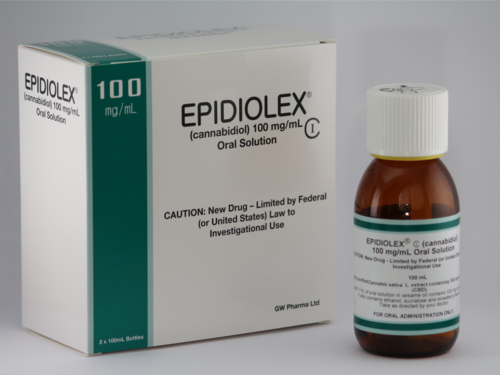
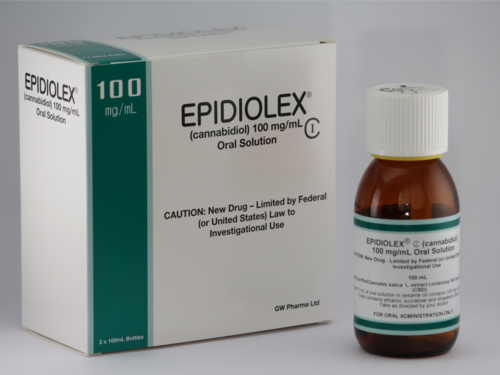
The U.S. Food and Drug Administration has approved the use of Epidiolex, the first drug derived directly from marijuana, to treat seizures caused by two rare and severe forms of childhood epilepsy, Lennox-Gastaut syndrome and Dravet syndrome.

Epidiolex is the first FDA-approved medication that contains cannabidiol (CBD), one of the active ingredients in marijuana. It does not contain tetrahydrocannabinol (THC), the chemical compound in marijuana that makes people high.

“This is an important medical advance. But it’s also important to note that this is not an approval of marijuana or all of its components. This is the approval of one specific CBD medication for a specific use. And it was based on well-controlled clinical trials evaluating the use of this compound in the treatment of a specific condition,” FDA commissioner Scott Gottlieb, MD, said in a statement.

FDA approval of Epidiolex is a major milestone for GW Pharmaceuticals, a British company focused on developing CBD-based medications. The company said Epidiolex would be available in the fall, but did not disclose the price. Some analysts have predicted it could cost as much as $25,000 a year.

Many oils and tinctures containing CBD are already sold online and in states were medical marijuana is legal, but the FDA has not approved any of them. The agency has only approved a handful of synthetic cannabinoids such as Marinol (dronabinol) to treat loss of appetite and nausea.

“We’ll continue to support rigorous scientific research on the potential medical uses of marijuana-derived products and work with product developers who are interested in bringing patients safe and effective, high quality products,” Gottlieb said.

“But, at the same time, we are prepared to take action when we see the illegal marketing of CBD-containing products with serious, unproven medical claims. Marketing unapproved products, with uncertain dosages and formulations can keep patients from accessing appropriate, recognized therapies to treat serious and even fatal diseases.”

Some children in clinical trials experienced side effects from Epidiolex such as liver toxicity, anemia and drowsiness, but an FDA staff report said the risks were “mild to moderate” and could be managed with warning labels. The staff report also found there was low risk of the strawberry flavored Epidiolex being abused.

“Today’s approval of Epidiolex is a historic milestone, offering patients and their families the first and only FDA-approved CBD medicine to treat two severe, childhood-onset epilepsies,” Justin Gover, GW Pharmaceutical’s CEO, said in a statement.

“This approval is the culmination of GW’s many years of partnership with patients, their families, and physicians in the epilepsy community to develop a much needed, novel medicine. These patients deserve and will soon have access to a cannabinoid medicine that has been thoroughly studied in clinical trials, manufactured to assure quality and consistency, and available by prescription under a physician’s care.”

While Epidiolex is only approved for the treatment of Lennox-Gastaut syndrome and Dravet syndrome, doctors will presumably be able to prescribe it “off label” for other conditions such as chronic pain.  

GW Pharmaceuticals also makes Sativex, an oral spray that contains both CBD and THC. Sativex has been approved in Europe, Canada, Australia, New Zealand and several other countries for the treatment of muscle spasticity caused by multiple sclerosis. In Israel, Sativex is also approved for the treatment of pain and chronic non-cancer pain.  

5 Myths About Cannabis and the Opioid Crisis


By Roger Chriss, PNN Columnist

Cannabis has a glowing halo of health around it. Claims of medical efficacy abound, including a recent article in The Street that asks, “Can Legal Cannabis Help Slow the Opioid Drug Epidemic in the U.S.?”

Another article in The Charlotte Observer is more of a plea than a question:  "What’s it going to take for us to recognize the value of cannabis in combating the opioid epidemic?"

These articles perpetuate five key myths about cannabis. The opioid crisis requires a significant response, but enthusiasm needs to be tempered by fact.

“I think we need to be very circumspect in what we are expecting from cannabis with respect to the opioid epidemic,” Dr. Susan Weiss of the National Institute on Drug Abuse (NIDA) said at a recent forum at the Center for the Study of Cannabis at the University of California, Irvine.

We also need to be accurate. Cannabis has significant medical potential, but if we lose sight of facts, we may fall into one or more risky myths. 

Myth 1: Cannabis is Not Addictive

According to NIDA, 30 percent of those who use marijuana may have some degree of marijuana use disorder. In current parlance, a “use disorder” is a broad term that includes all forms of misuse, abuse and addiction. 

The World Health Organization estimates that about one of every eight cannabis users is dependent in some way. Since the U.S. has about twice the world average for cannabis use disorder, this puts the U.S. rate at an estimated 25%, close to the number from NIDA.  

“There should be no controversy about the existence of marijuana addiction,” Dr. David Smith, who has been treating drug addiction in San Francisco for 50 years, told The Pew Charitable Trusts. “We see it every day. The controversy should be why it appears to be affecting more people.”

Myth 2: There Has Never Been a Fatal Cannabis Overdose

In May, the Journal of Forensic Science reported on two fatal cases of chronic nausea and vomiting, apparently caused by persistent cannabis use.

Although cannabis has a very wide therapeutic window, it is not infinite. And cumulative effects become significant for regular users, including medical cannabis patients. There is extensive literature on non-fatal cannabis toxicity, along with increasing rates of unintentional cannabis intoxication among children.

In addition, Israeli pharmacists have been cautioning that “for older patients who suffer from cardiovascular diseases, use of the drug can lead to increased risks of blood pressure fluctuations, heart attacks, ongoing cardiac distress and even sudden cardiac death.”  

Myth 3: Cannabis Can Treat Chronic Pain

In the wake of the 2017 National Academies report on cannabis, a number of major reviews and meta-analyses have been performed. A recent review in the journal Pain concluded that “it appears unlikely that cannabinoids are highly effective medicines" for chronic non-cancer pain. 

Cochrane came to similar conclusions in two recent reviews, one on cannabis for fibromyalgia and the other on cannabis for chronic neuropathic pain in adults.

In other words, cannabis may not be quite the panacea that some people hope. Instead, it may be like most other medications, effective in some people for certain conditions but not for others.

Myth 4: Medical Cannabis Reduces Prescription Opioid Use

A recent study by the RAND Corporation found little evidence that states with medical marijuana laws have reduced prescribing of opioid pain medication.

"If anything, states that adopt medical marijuana laws... experience a relative increase in the legal distribution of prescription opioids,” said Rosalie Liccardo Pacula, co-director of the RAND Drug Policy Research Center.

And rather than reducing opioid abuse, statistical analyses of drug databases found that people who use medical marijuana may be at higher risk for misusing or abusing prescription drugs.

Many studies on medical cannabis look at people in state medical cannabis programs. But such programs act as biased filters that select people who are most likely to benefit from medical cannabis or believe they already have. These patient self-reports are often inaccurate and have to be interpreted with caution.

Myth 5: Cannabis Helps Recovering Drug Addicts

Pain Medicine News reported on a study that found many people undergoing addiction treatment self-medicate with cannabis to relieve their pain, anxiety, depression and poor sleeping habits.  The researchers cast doubt on the effectiveness of that strategy, saying “cannabis may have an odd but unproductive effect on symptoms in some people.” 

Similarly, a new study in the Journal of Clinical Psychiatry found that: "cannabis use was associated with negative long-term symptomatic and treatment outcomes” for anxiety and mood disorders.

There are plenty of anecdotal success stories about cannabis treating chronic pain, addiction and other conditions, but the plural of anecdote is not data. That hasn’t stopped 29 states and the District of Columbia from legalizing the medical use of cannabis.

“Public policy is light years ahead of the science right now,” Ziva Cooper, a professor of clinical neurobiology at Columbia University told The State Journal Register.  “There seems to be this nationwide experiment on the effects of cannabis that is happening in the absence of rigorous studies.”

We have to treat cannabis with the same respect we give to any medication. Cannabis can be used medically, but we should be aware of the risks involved. And it is vital that myths be dispelled so that people who benefit from medical cannabis can use it safely and effectively. 

Roger Chriss lives with Ehlers Danlos syndrome and is a proud member of the Ehlers-Danlos Society. Roger is a technical consultant in Washington state, where he specializes in mathematics and research.

The information in this column should not be considered as professional medical advice, diagnosis or treatment. It is for informational purposes only and represents the author’s opinions alone. It does not inherently express or reflect the views, opinions and/or positions of Pain News Network.

Medical Marijuana Reduces Opioid Use in Older Adults

By Pat Anson, Editor

Medical marijuana can significantly reduce pain levels in older adults and reduce their need for opioid pain medication, according to a small study of cannabis users. The findings add to growing -- and sometimes conflicting evidence -- that medical marijuana reduces demand for prescription opioids.

To gauge how effective medical marijuana is at managing chronic pain and reducing opioid use, researchers at Northwell Health, a healthcare network based in New York State, surveyed 138 patients who started using medical marijuana in the previous month. The patients have chronic conditions such as osteoarthritis, spinal stenosis, and chronic hip and knee pain.

The 20-question survey focused on how often they used marijuana, in what form they took it, how much it reduced pain and whether they were able to cut back their use of painkillers.

A month after they started using medical marijuana, most patients reported that their average pain score dropped from 9 (on a scale of 0-10) to a more moderate pain level of 5.6.

Nearly two-thirds said they were able to reduce or stop their use of painkillers, with 27% saying they were able to stop completely. Over 90% said they would recommend medical marijuana to others.

DRUG POLICY ALLIANCE

"My quality of life has increased considerably since starting medical marijuana," one patient said. "I was on opiates for 15 years."

"It (medical marijuana) is extremely effective and has allowed me to function in my work and life again. It has not completely taken away the pain, but allows me to manage it," another patient said.

About 45% of patients said they ingested marijuana using vaporized oil, 28% used pills and 17% used marijuana-laced oil. Most said they used marijuana daily, with 39% using it more than twice a day.

"What I'm seeing in my practice, and what I'm hearing from other providers who are participating in medical marijuana programs, is that their patients are using less opioids," said Diana Martins-Welch, MD, co-author of the study and a physician in the Division of Geriatric and Palliative Medicine at Northwell Health. "I've even gotten some patients completely off opioids."

Research in Israel also found that cannabis can significantly reduce chronic pain in elderly patients. But the evidence is less certain that it reduces opioid use.   

A recent study of Medicare and Medicaid patients found that prescriptions for morphine, hydrocodone and fentanyl dropped in states with medical marijuana laws, but daily doses for oxycodone increased. A second study found nearly a 6% decline in opioid prescribing to Medicaid patients in states with medical marijuana laws.  Both studies were conducted during a period when nationwide opioid prescribing was in decline.

A recent study by the RAND corporation found little evidence that states with medical marijuana laws experience reductions in the volume of legally prescribed opioids. RAND researchers believe some pain patients may be experimenting with marijuana, but their numbers are not large enough to have a significant impact on prescribing. 

Despite the uncertainty of the evidence, the Illinois Senate recently passed legislation that would expand the state’s medical marijuana program by allowing doctors to prescribe marijuana to any patient who is prescribed opioid medication.  The idea is to get patients off opioids before they become addicted or dependent on the drugs.

"We know that medical cannabis is a safe alternative treatment for the same conditions for which opioids are prescribed," said Sen. Don Harmon, the bills’ sponsor. "This legislation aims to stop dependence before it begins by providing an immediate alternative."

Although 29 states and the District of Columbia have legalized medical marijuana and a handful of states allow its recreational use, marijuana remains illegal under federal law.

Medical Marijuana Offers Little Benefit for Acute Pain

By Roger Chriss, Columnist

Colorado lawmakers are considering a bill that would let doctors recommend cannabis for short-lived acute pain. According to the Denver Post, the bill would allow doctors to recommend marijuana for any condition “for which a physician could prescribe an opiate for pain.”

State law currently allows Colorado doctors to recommend marijuana for nine long term medical conditions, including severe chronic pain. But Dr. Larry Wolk, the executive director of the Colorado Department of Public Health and Environment, cautioned that there isn’t enough evidence to support marijuana’s use for acute pain.

“We’re not set up … for this acute pain situation,” Wolk said at a hearing. “This would last maybe three days to a week. But, when you receive a (medical marijuana) card, it’s good for a year.”

Cannabis is one of the most studied substances in the world, but many basic questions about its medical use remain unexplored. Research has found that cannabis doesn’t work well for acute pain.

In 2008, Dr. Birgit Kraft led a small study of cannabis for acute inflammatory pain. Kraft used a double-blind, crossover protocol on 18 healthy female volunteers, evoking pain in several ways and treating it orally with a cannabis extract. It did nothing to reduce acute pain and may have increased it in some subjects.

"The surprising result of our study was the absence of any kind of analgesic activity of THC-standardized cannabis extract on experimentally induced pain using well-established human model procedures,” Kraft said in an interview with Science Daily. “Our results also seem to support the impression that high doses of cannabinoids may even cause increased sensitivity in certain pain conditions.”

A similar study with a more limited scope was performed in 2007 using smoked cannabis. In a randomized, double-blind, placebo-controlled, crossover study with 15 healthy volunteers, researchers tested sensitivity to capsaicin-induced pain. They concluded that there was a "window of modest analgesia for smoked cannabis, with lower doses decreasing pain and higher doses increasing pain.”

In other words, the best cannabis could muster was a mild benefit if a person could manage to hit a sweet spot between too little and too much.

A clinical study in 2006 on cannabis for post-surgical pain did not go so well. Researchers in Berlin used Cannador (a cannabis plant extract) on patients after surgery. None of the patients was able to achieve sufficient pain relief at any dose of Cannador. Several experienced significant side effects, including sedation and nausea. Importantly, the study had to be halted because of a severe adverse event in one patient.

And a 2018 study on “the good, the bad, and the ugly” about medical cannabis came to this conclusion: “Cannabinoids appear to be most effective in controlling neuropathic pain, allodynia, medication-rebound headache, and chronic noncancer pain, but do not seem to offer any advantage over nonopioid analgesics for acute pain.”

There is thus little evidence to suggest that cannabis may be useful for acute, short-lived pain. Instead, the available research points to nontrivial risks, including the possibility of increased pain and adverse reactions.

Better Options Available

Moreover, there are a wide variety of options for treating acute pain, from ibuprofen and other NSAIDs to acetaminophen, topical analgesics, lidocaine and other local anesthetics, and ultrasound therapy. It is more than a bit puzzling that Colorado would be seeking to replace opioids with cannabis when so many well-established options are readily available for acute pain.

For instance, the Journal of the American Dental Association published an analysis of the benefits and risks of analgesic medications in the management of acute dental pain. Results showed that ibuprofen plus acetaminophen offered the best outcome, with acetaminophen with oxycodone and diclofenac, ketoprofen, and difunisal also giving good results. The article concludes that the risks of opioid analgesics, in particular for children and adolescents, can be minimized by medically appropriate use of NSAIDs and acetaminophen.

Furthermore, cannabis does have side effects and risks. Some people do not tolerate it well, and cannabis use disorder reportedly develops in 9% or more of people who use it. Even CBD oil, arguably the safest form of cannabis, has side effects that include fatigue, diarrhea, and possible effects on liver enzymes.

Untreated or undertreated pain has significant clinical consequences, from impeding appropriate diagnostic testing and evaluation to impacting follow-up care and recovery. There are already reliable and effective options for acute and short-term pain management, with fewer risks and side effects than cannabis, few issues with misuse or abuse, and no legal conflicts between federal and state law.

Cannabis has important medical benefits, from controlling chemotherapy-induced nausea and reducing seizures in childhood epilepsy to helping with some chronic pain conditions. But the available evidence does not support cannabis for the management of short-lived acute pain.

Roger Chriss lives with Ehlers Danlos syndrome and is a proud member of the Ehlers-Danlos Society. Roger is a technical consultant in Washington state, where he specializes in mathematics and research.

The information in this column should not be considered as professional medical advice, diagnosis or treatment. It is for informational purposes only and represents the author’s opinions alone. It does not inherently express or reflect the views, opinions and/or positions of Pain News Network.

FDA Staff Recommends Approval of Marijuana Drug

By Pat Anson, Editor

The U.S. Food and Drug Administration may be on the verge of approving its first prescription drug derived directly from marijuana.

In a report posted online, FDA staff said there was “substantial evidence” that Epidiolex, a liquid formula containing cannabidiol (CBD), was effective in reducing seizures in children with Lennox-Gastaut syndrome (LGS) and Dravet syndrome (DS), two severe forms of childhood epilepsy.

GW PHARMACEUTICALS IMAGE

Epidiolex is made by GW Pharmaceuticals, a British drug maker that specializes in developing drugs from marijuana.

“The applicant has provided positive results from three randomized, double-blind, placebo-controlled studies conducted in patients with LGS and DS,” FDA staff reported.

“The studies are adequate and well-controlled. The statistically significant and clinically meaningful results from these three studies provide substantial evidence of the effectiveness of CBD for the treatment of seizures associated with LGS and DS.”  

CBD is one of the active ingredients in marijuana. It does not contain THC (tetrahydrocannabinol), the chemical compound in marijuana that makes people high. Many oils and tinctures containing CBD are already sold online and in states were medical marijuana is legal, but the FDA has not approved any of them.  The agency has only approved a handful of synthetic cannabinoids such as Marinol (dronabinol) to treat loss of appetite and nausea.

Although some children in the clinical trials experienced side effects from Epidiolex such as liver toxicity, anemia and drowsiness, the FDA staff report said the risks were “mild to moderate” and could be managed with warning labels. The report also found there was low risk of the strawberry flavored Epidiolex being abused.

“Although the review is still ongoing, the risk-benefit profile established by the data in the application appears to support approval of cannabidiol for the treatment of seizures associated with LGS and DS,” the report concludes.

(4/18/18 Update: An FDA advisory committee unanimously recommended that the FDA accept the staff findings and approve Epidiolex) 

In a briefing paper for the committee, GW Pharmaceuticals said there were few effective treatment options for children with LGS and DS, who often have severe intellectual and developmental disabilities and a high risk of mortality.

A final decision by the FDA is expected this summer. There is no guarantee the agency will follow the advice of its staff or advisory committee. If Epidiolex is approved, it would only be for the treatment of childhood epilepsy. However, doctors would presumably be able to prescribe it “off label” for other conditions such as chronic pain.  

GW Pharmaceuticals also makes Sativex, an oral spray that contains both CBD and THC. Sativex has been approved in Europe, Canada, Australia, New Zealand and several other countries for the treatment of muscle spasticity caused by multiple sclerosis. In Israel, Sativex is also approved for the treatment of pain and chronic non-cancer pain.  

Medical Marijuana’s Catch-22: Policy Before Science

By Marisa Taylor and Melissa Bailey, Kaiser Health News

By the time Ann Marie Owen turned to marijuana to treat her pain, she was struggling to walk and talk. She also hallucinated.

For four years, her doctor prescribed the 61-year-old a wide range of opioids for her transverse myelitis, a debilitating disease that caused pain, muscle weakness and paralysis.

The drugs not only failed to ease her symptoms, they hooked her.

When her home state of New York legalized marijuana for the treatment of select medical ailments, Owens decided it was time to swap pills for pot. But her doctors refused to help.

“Even though medical marijuana is legal, none of my doctors were willing to talk to me about it,” she said. “They just kept telling me to take opioids.”

While 29 states have legalized marijuana to treat pain and other ailments, the growing number of Americans like Owen who use marijuana and the doctors who treat them are caught in the middle of a conflict in federal and state laws — a predicament that is only worsened by thin scientific data.

ANN MARIE OWEN (ALLYSE PULLIAM FOR KHN)

Because the federal government classifies marijuana a Schedule 1 drug — by definition a substance with no currently accepted medical use and a high potential for abuse — research on marijuana or its active ingredients is highly restricted and even discouraged in some cases.

Underscoring the federal government’s position, Health and Human Services Secretary Alex Azar recently pronounced that there was “no such thing as medical marijuana.”

Scientists say that stance prevents them from conducting the high-quality research required for FDA approval, even as some early research indicates marijuana might be a promising alterative to opioids or other medicines.

Patients and physicians, meanwhile, lack guidance when making decisions about medical treatment for an array of serious conditions.

“We have the federal government and the state governments driving a hundred miles an hour in the opposite direction when they should be coming together to obtain more scientific data,” said Dr. Orrin Devinsky, who is researching the effects of cannabidiol, an active ingredient of marijuana, on epilepsy. “It’s like saying in 1960, ‘We’re not going to the moon because no one agrees how to get there.’”

The problem stems partly from the fact that the federal government’s restrictive marijuana research policies have not been overhauled in more than 40 years, researchers say.

Only one federal government contractor grows marijuana for federally funded research. Researchers complain the pot grown by the contractor at the University of Mississippi is inadequate for high-quality studies.

The marijuana, which comes in a micronized powder form, is less potent than the pot offered at dispensaries, researchers say. It also differs from other products offered at dispensaries, such as so-called edibles that are eaten like snacks. The difference makes it difficult to compare the real-life effects of the marijuana compounds.

Researchers also face time-consuming and costly hurdles in completing the complicated federal application process for using marijuana in long-term clinical trials.

“It’s public policy before science,” said Dr. Chinazo Cunningham, a primary care doctor who is the lead investigator on one of the few federally funded studies exploring marijuana as a treatment for pain. “The federal government’s policies really make it much more difficult.”

Cunningham, who received a five-year, $3.8 million federal grant, will not be administering marijuana directly to participants. Instead, she will follow 250 HIV-positive and HIV-negative adults with chronic pain who use opioids and have been certified to get medical marijuana from a dispensary.

“It’s a catch-22,” said Cunningham, who is with the Albert Einstein College of Medicine. “We’re going to be looking at all of these issues — age, disease, level of pain — but when we’re done, there’s the danger that people are going to say ‘Oh, it’s anecdotal’ or that it’s inherently flawed because it’s not a randomized trial.’’

Don’t Ask, Don’t Tell

Without clear answers, hospitals, doctors and patients are left to their own devices, which can result in poor treatment and needless suffering.

Hospitals and other medical facilities have to decide what to do with newly hospitalized patients who normally take medical marijuana at home.

Some have a “don’t ask, don’t tell” approach, said Devinsky, who sometimes advises his patients to use it. Others ban its use and substitute opioids or other prescriptions.

Young adults, for instance, have had to stop taking cannabidiol compounds for their epilepsy because they’re in federally funded group homes, said Devinsky, the director of NYU Langone’s Comprehensive Epilepsy Center.

“These kids end up getting seizures again,” he said. “This whole situation has created a hodgepodge of insanity.”

The Trump administration, however, has resisted policy changes.

Last year, the Drug Enforcement Administration had been gearing up to allow facilities other than the University of Mississippi to grow pot for research. But after the DEA received 26 applications from other growers, Attorney General Jeff Sessions halted the initiative.

The Department of Veterans Affairs also recently announced it would not fund studies of using marijuana compounds to treat ailments such as pain.

The DEA and HHS have cited concerns about medical supervision, addiction and a lack of “well-controlled studies proving efficacy.”

Patients, meanwhile, forge ahead.

While experts say they don’t know exactly how many older Americans rely on marijuana for medicinal purposes, the number of Americans 65 and older who say they are using the drug skyrocketed 250 percent from 2006 to 2013.

Some patients turn to friends, patient advocacy groups or online support groups for information.

Owen, for one, kept searching for a doctor and eventually found a neurologist willing to certify her to use marijuana and advise her on what to take.

“It’s saved my life,” said the retired university administrative assistant who credited marijuana for weaning her off opioids. “It not only helps my pain, but I can think, walk and talk again.”

Mary Jo, a Minnesotan, was afraid of being identified as a medical marijuana user, even though she now helps friends navigate the process and it’s legal in her home state.

“There’s still a stigma,” said Mary Jo, who found it effective for treating her pain from a nerve condition. “Nobody helps you figure it out, so you kind of play around with it on your own.”

Still, doctors and scientists worry about the implications of such experimentation.

In a sweeping report last year, the National Academies of Sciences, Engineering and Medicine called on the federal government to support better research, decrying the “lack of definitive evidence on using medical marijuana.”

The national academies’ committee reviewed more than 10,000 scientific abstracts related to the topic. It made 100 conclusions based on its review, including finding evidence that marijuana relieves pain and chemotherapy-induced nausea. But it found “inadequate information” to support or refute effects on Parkinson’s disease.

‘I Broke Federal Law’

Yet those who find that medical marijuana helps them can become fierce advocates no matter what their doctors say.

Caryl Barrett, a 54-year-old who lives in Georgia, said she decided to travel out of state to Colorado to treat her pain from her transverse myelitis and the autoimmune disease neurosarcoidosis.

“I realized it worked and I decided to bring it back with me,” she said. “I broke federal law.”

Georgia, meanwhile, permitted limited medicinal use of marijuana but did not set up dispensaries. As a result, patients resort to ordering it online or driving to another state to get it.

The conflict in the law makes her uneasy. But Barrett, who had been on opioids for a decade, said she feels so strongly about it working that “if someone wants to arrest me, bring it on.”

Others experience mixed results.

Melodie Beckham, who had metastatic lung cancer, tried medical marijuana for 13 days in a clinical trial at Connecticut Hospice before deciding to quit.

 “She was hopeful that it would help her relax and just kind of enjoy those days,” said her daughter, Laura Beckham.

Instead, it seemed to make her mother, who died in July at age 69, “a little more agitated or more paranoid.”

The marijuana “didn’t seem effective,” nor did it keep her mother from hitting her pain pump to get extra doses of an opioid, her daughter said.

The researchers running the trial at Connecticut Hospice spent two years getting necessary approvals from the Food and Drug Administration, the National Institute on Drug Abuse (NIDA) and the DEA.

Started in May, the trial has enrolled only seven of the 66 patients it plans to sign up because many patients were too sick, too close to death or simply couldn’t swallow the pills. So far, the trial has shown “mixed results,” said James Prota, director of pharmacy for the hospice.

Researchers point out they are still exploring the basics when it comes to marijuana’s effects on older adults or the terminally ill.

“We just have no data on how many older adults are using medical marijuana, what they are using it for and most importantly what are the outcomes,” said Brian Kaskie, a professor at the University of Iowa’s College of Public Health. “It’s all anecdotal.”

Kaskie, who specializes in public policy and the aging, received grants from the state of Colorado and the Chicago-based Retirement Research Foundation to survey the use of medical marijuana by older Americans.

In many quarters, there’s a growing appetite for solid information, he said.

“When I first started this, my colleagues joked we were going to find all the aging hippies who listen to the Grateful Dead,” said Kaskie, who has been studying medicinal marijuana for years. “Now, they’re starting to realize this is a legitimate area of research.”

drug policy alliance

Twenty researchers received marijuana from the federal program last year, which was more than any previous year since 2010, according to NIDA statistics.

In a recent funding announcement, the National Institutes of Health requested grant applications to study the effects of marijuana and other drugs on older adults and pain.

NIH, however, continues to funnel much of its funding into studying the adverse effects of marijuana, researchers said.

Although NIH acknowledged in one of the announcements that some research supports “possible benefits” of marijuana, it emphasized “there have not been adequate large controlled trials to support these claims.”

Kaiser Health News (KHN) is a national health policy news service. It is an editorially independent program of the Henry J. Kaiser Family Foundation which is not affiliated with Kaiser Permanente. KHN’s coverage of end-of-life and serious illness issues is supported in part by the Gordon and Betty Moore Foundation.

A Pained Life: My Medical Marijuana Experiment

By Carol Levy, Columnist

I just got my medical marijuana ID card.

I never tried marijuana as a teen. The one time someone gave me a sample of their medical marijuana, it made me feel terrible, as though I had taken a large dose of opioid medication -- fuzzy mouthed and cloudy brained.

It made me leery, but once it became legal in Pennsylvania there was no way I would not try it.

First thing you have to do is find a state certified doctor. There are only a few, so you are pretty much stuck with whomever is nearby. Before I could see the doctor, I had to give a urine sample. I have never been asked before to do this. All patients are required to – so they can weed out those who may be abusers.

That does not make it any less uncomfortable. I felt, as many do, as though I had been convicted of something and now had to prove my innocence.

The expense seems to be created to make it very hard to access. I am on a fixed disability income. The first visit with the doctor cost $125. This fee was required at the time of the appointment. The doctor told me that I would have to come in once a month for the first six months of use. This would cost $50 per visit, again payable at the time of the appointment.

Next you must send in $50 to get the state ID card.

Once that arrived, I had to find a dispensary. There was one about a half an hour from my home.  I called first to make sure they were open. They were very nice, but the feeling of doing something untoward was hard to ignore. I watch Law and Order. The drug dealers invariable say they have “product.”

“Are you open yet?” I asked the receptionist at the dispensary. “Yes. But we are out of product at this time.” Product? But this is supposed to be a legitimate medical medication, not something clandestine.

Product? But this is supposed to be a legitimate medical medication, not something clandestine.

I went as soon as they had “product.” When I arrived, another person was waiting outside at the entrance, where there was a security guard. He looked at me and said, “Sorry you have to wait outside. We're only allowed to let one person in at a time.”

A security guard? I get that. You never know who might try to worm their way in. But I had the ID card. Why did we have to wait outside before each person was cleared?

Inside was lovely. Nice personnel, a waterfall, plants, real wood tables, coffee, tea and cookies waiting for us on a sideboard. It almost puts you off balance. A security guard at the door. Only one customer inside a time. Is something nefarious going on? But once inside it is warm, embracing and inviting.

I was escorted to a private room, where I spoke with the dispensary pharmacist. She explained how the medication works and what would be best for me, at least to start with. After the consultation I went back to the dispensary room.

The cost was less than I expected. Again, the fee was required at the time of purchase. It was cash only, no checks and no credit cards. Just like with a drug dealer. Apparently, banks are not able to accept checks or credit card charges because of the federal prohibition against marijuana.

Aside from feeling like I was doing something wrong, because of the urine test, security guard, “product” and cash up front, I am glad I tried it. The product I bought has not helped my pain, but the good thing is there are other concentrates and combinations I can try.

It is ironic that there is this war on opioids, yet marijuana remains a Schedule I controlled substance, making it very hard for researchers to get permission to study it. Studies that are available show it helps many disorders, including some forms of chronic pain  If the government truly wanted to help us get off opioids, they should make marijuana readily available for study and for patients..

Then, for many of us, there would be one more avenue of hope.

Carol Jay Levy has lived with trigeminal neuralgia, a chronic facial pain disorder, for over 30 years. She is the author of “A Pained Life, A Chronic Pain Journey.” Carol is the moderator of the Facebook support group “Women in Pain Awareness.” Her blog “The Pained Life” can be found here.

The information in this column should not be considered as professional medical advice, diagnosis or treatment. It is for informational purposes only and represent the author’s opinions alone. It does not inherently express or reflect the views, opinions and/or positions of Pain News Network.

Fewer Opioids Prescribed in Medical Marijuana States

By Pat Anson, Editor

The availability of medical marijuana has significantly reduced opioid prescribing for Medicaid and Medicare patients, according to two large studies published in the Journal of the American Medical Association (JAMA).

In one study, researchers at the University of Georgia looked at Medicare Part D prescription drug data from 2010 to 2015. They found that the number of daily doses prescribed for morphine (-14%), hydrocodone (-10.5%) and fentanyl (-8.5%) declined in states with medical marijuana laws. However, daily doses for oxycodone increased (+4.4%) in those same states.

The drop in opioid prescribing was most pronounced in states that have medical marijuana dispensaries, as opposed to those that only allow home cultivation of cannabis for medical purposes.

“We found that prescriptions for hydrocodone and morphine had statistically significant negative associations with medical cannabis access via dispensaries,” wrote lead author W. David Bradford, PhD, Department of Public Administration and Policy at the University of Georgia.

“Combined with previously published studies suggesting cannabis laws are associated with lower opioid mortality, these findings further strengthen arguments in favor of considering medical applications of cannabis as one tool in the policy arsenal that can be used to diminish the harm of prescription opioids.”

The second study, by researchers at the University of Kentucky, looked at Medicaid prescriptions from 2011 to 2016, and found a 5.88% decline in opioid prescribing in states with medical marijuana laws.  Opioid prescribing for Medicaid patients fell even more -- by 6.38% -- in states where the recreational use of marijuana is legal.

“These findings suggest that medical and adult-use marijuana laws have the potential to reduce opioid prescribing for Medicaid enrollees, a segment of population with disproportionately high risk for chronic pain, opioid use disorder, and opioid overdose,” wrote lead author Hefei Wen, PhD, University of Kentucky College of Public Health.

One weakness of both studies is that they did not determine if Medicaid and Medicare patients reduced their use of opioid medication because they were using cannabis.  They also only included patients that were elderly, poor or disabled. And they were conducted during a period when nationwide opioid prescribing was in decline.

A recent study by the RAND corporation found little evidence that states with medical marijuana laws experience reductions in the volume of legally prescribed opioid medication. RAND researchers believe some pain patients may be experimenting with marijuana, but their numbers are not large enough to have a significant impact on prescribing. 

"If anything, states that adopt medical marijuana laws... experience a relative increase in the legal distribution of prescription opioids," the RAND study found. "Either the patients are continuing to use their opioid pain medications in addition to marijuana, or this patient group represents a small share of the overall medical opioid using population." 

Although 29 states and the District of Columbia have legalized medical marijuana and a handful of states allow its recreational use, marijuana remains illegal under federal law.

Medical Cannabis Effective for Elderly Pain Patients

By Pat Anson, Editor

Medical marijuana can significantly reduce chronic pain in elderly patients without adverse effects, according to a new study by Israeli researchers that found many patients were also able stop or reduce their use of opioid medication.

Researchers at the Ben-Gurion University of the Negev (BGU) surveyed over 2,700 patients 65 years or older who received medical cannabis. Over 60 percent of the patients were prescribed cannabis for chronic pain due to cancer, Parkinson's disease, post-traumatic stress disorder, ulcerative colitis, Crohn's disease, multiple sclerosis or other medical issues.

drug policy alliance image

After six months of treatment, more than 93 percent of respondents reported their pain dropped from a median of eight to four on a 10-point pain scale. Nearly 60 percent who originally reported "bad" or "very bad" quality of life said their lives had improved to "good" or "very good." And over 70 percent reported moderate to significant improvement in their medical condition.

About a third of the patients used cannabis-infused oil, about 24 percent smoked marijuana, and about six percent used a vaporizer. The most common side effects from cannabis use were dizziness and dry mouth, researchers reported in The European Journal of Internal Medicine .

"We found medical cannabis treatment significantly relieves pain and improves quality of life for seniors with minimal side effects reported," said Victor Novack, MD, a professor of medicine at BGU and head of the Soroka Cannabis Clinical Research Institute.

"While older patients represent a large and growing population of medical cannabis users, few studies have addressed how it affects this particular group, which also suffers from dementia, frequent falls, mobility problems, and hearing and visual impairments."

The survey found that nearly one in five patients stopped using opioid medication or reduced their dose. The findings are at odds with a recent study by the RAND Corporation, which found that medical marijuana laws in the U.S. have not reduced demand for prescription opioids.

Medical marijuana has been legal in Israel since the early 1990s. Israel’s Ministry of Health still considers cannabis a “dangerous drug,” but adds “there is evidence that cannabis could help patients suffering from certain medical conditions and alleviate their suffering.”

A recent survey found about 27 percent of Israeli adults have used cannabis in the past year, one of the highest rates in the world.

Medical Marijuana Not Reducing Demand for Rx Opioids

By Pat Anson, Editor

A new study by the RAND Corporation is throwing some shade on theories that medical marijuana reduces demand for prescription opioids and saves lives by lowering rates of opioid overdoses.

RAND researchers analyzed data from 1999 to 2010 and found a 20 percent decline in opioid overdose deaths associated with the passage of state medical marijuana laws. That is in line with previous studies. However, when researchers extended their analysis through 2013, they found that the association between medical marijuana and lower rates of opioid deaths completely disappeared.

Researchers say there are two possible explanations for this. First, states that recently adopted medical marijuana laws are more tightly regulating dispensaries -- which may have reduced access to cannabis. Second, beginning in 2010, the primary driver of the overdose crisis became illicit opioids such as heroin and fentanyl, not prescription opioids.

“This is a sign that medical marijuana, by itself, will not be the solution to the nation's opioid crisis," said Rosalie Liccardo Pacula, co-director of the RAND Drug Policy Research Center and co-author of the study published in the Journal of Health Economics.

"Before we embrace marijuana as a strategy to combat the opioid epidemic, we need to fully understand the mechanism through which these laws may be helping and see if that mechanism still matters in today's changing opioid crisis."

The RAND study also found little evidence that states with medical marijuana laws experience reductions in the volume of legally prescribed opioid medication.

"If anything, states that adopt medical marijuana laws... experience a relative increase in the legal distribution of prescription opioids. This result suggests that our findings are not driven by a decrease in the legal supply of opiioids," researchers found.

While many patients are using medical marijuana products to treat their pain, researchers say they do not represent a significant part of the opioid analgesic market.

"Either the patients are continuing to use their opioid pain medications in addition to marijuana, or this patient group represents a small share of the overall medical opioid using population," said Pacula.

Although 29 states and the District of Columbia have legalized medical marijuana and a handful of states allow its recreational use, marijuana remains illegal under federal law. Attorney General Jeff Sessions recently ordered U.S. Attorneys to resume enforcing federal laws that outlaw the cultivation, distribution and possession of marijuana. Session rescinded the Cole memo, a lenient policy adopted by the Justice Department in 2013 that instructed U.S. Attorneys not to investigate or prosecute marijuana cases in states that have legalized cannabis..

Lawmakers Ask Trump to Restore Marijuana Policy

By Pat Anson, Editor

A bipartisan group of lawmakers led by Sen. Elizabeth Warren (D-MA) and Rep. Jared Polis (D-CO) has urged President Trump to reinstate an Obama-era policy that instructed U.S. Attorneys not to investigate or prosecute marijuana cases in states that have legalized cannabis.

Earlier this month, Attorney General Jeff Sessions rescinded the so-called Cole memo, the lenient marijuana policy adopted by the Justice Department in 2013.  Sessions, who is a longtime critic of marijuana legalization, said the Colo memo was “unnecessary” and “undermines the rule of law.” He authorized U.S. Attorneys to use their own discretion in investigating and prosecuting marijuana cases.

In a letter to President Trump signed by 54 members of Congress (51 Democrats and 3 Republicans), the lawmakers said Sessions’ order will “have a chilling effect” in states where medical or recreational marijuana has been legalized.

“This action has the potential to unravel efforts to build sensible drug policies that encourage economic development as we are finally moving away from antiquated practices that have hurt disadvantaged communities. These new policies have instead helped eliminate the black market sale of marijuana and allowed law enforcement to focus on real threats to public health and safety,” the letter said.

The letter also pointed out that Trump promised during the 2016 campaign that he would not change the federal enforcement policy on marijuana.

“I wouldn’t do that, no,” Trump said in an interview. “I think it’s up to the states. I’m a states’ person. I think it’s up to the states, absolutely.”

“We trust that you still hold that belief, and we request that you urge the Attorney General to reinstate the Cole Memorandum. This step would create a pathway to a more comprehensive marijuana policy that respects state interests and prerogatives,” the letter from lawmakers said.

Although 29 states and the District of Columbia have legalized marijuana in some form, federal law still prohibits its sale or possession under the Controlled Substances Act.

According to a recent Gallup Poll, 64% of Americans believe marijuana should be legalized. The issue has broad bipartisan support, with 51% of Republicans and 72% of Democrats supporting legalization.

New Jersey Gov. Philip Murphy (D) signed an executive order this week instructing the state health department to expand access to medical marijuana. Although cannabis has been legal in the state since 2010, New Jersey’s medical marijuana law was so rigid that only 15,000 patients qualified for it in a state with 9 million people.

Murphy’s order directs the health department to lift restrictions on doctors that can prescribe cannabis, review the number of medical conditions for which it can be prescribed, allow more dispensaries to open, and consider the sale of edible marijuana products.

Medical Cannabis Laws Cause Confusion for Travelers

By Roger Chriss, Columnist

Health problems do not care about maps. But the patchwork of medical marijuana laws in different states does make a map handy for anyone who travels and uses cannabis for a medical condition.

The recent decision by Attorney General Jeff Sessions to resume enforcing federal marijuana law further muddies this already complicated landscape. Even if medical cannabis remains insulated from prosecution by the Rohrabacher-Blumenauer Amendment, there is one important issue for people with chronic pain and related disorders that remains unaddressed.

What happens when someone who is using medical cannabis lawfully for an approved use in their own state has to travel to another state for diagnosis or treatment?

The rarer a medical condition is, the more likely local healthcare providers will prove inadequate and travel will be necessary. A wide range of disorders, including inborn errors of metabolism like porphyria, muscle diseases like nemaline myopathy, and hereditary neuropathies like Charcot-Marie-Tooth disease, require visits to specialists for evaluation and diagnosis. These specialists are often not nearby, making travel an essential step in medical care.

But state rulings on the approved uses for medical cannabis vary significantly and are changing rapidly.

In Colorado, for example, a person simply has to have “severe pain” to be considered for medical cannabis. By contrast, Connecticut and Illinois maintain extensive and detailed lists of dozens of qualifying medical conditions, from rheumatoid arthritis to Hepatitis C to Tourette syndrome.

Oregon compromises by giving examples of what it calls “debilitating medical conditions” and allows for specific symptoms such as cachexia and severe pain.

Moreover, states like Minnesota, Pennsylvania and Washington define intractable pain as pain unrelieved by standard medical treatments or medications. But they do not agree on what constitutes standard care, with Pennsylvania including “opiate therapy” while Minnesota does not.

Thus, a person could be in full compliance with his or her own state’s laws and regulations, but be unable to qualify for medical cannabis in another state. This would impact out-of-state travel for medical care.

In general, traveling with medical cannabis is very challenging. State governments can only pass laws within their borders. This means that air travel is effectively out of the question, because federal law says that it is illegal to carry marijuana in airline baggage or transport it across state lines.

Obtaining medical cannabis outside of one’s home state is similarly problematic. Some states accept out-of-state medical cannabis cards, but the number remains small and acceptance is at the discretion of the dispensary owner. Each such state has its own rules about medical cannabis possession as well, and these rules change frequently.

All of this creates a difficult landscape for people trying to navigate the U.S. healthcare system outside their home state. As state laws now stand, people with chronic pain disorders could end up breaking both federal and state law while seeking medically recommended cannabis products.

Further, a person who is on a stable regimen of medical cannabis in one state may not be able to visit or relocate to another state without losing that regimen. This may impact education and professional opportunities in a way presumably not intended by state laws.

Medical science and clinical practice should not change with state boundaries. State laws and accepted indications for medical cannabis need to be revised in order to create an environment that benefits people in need and does not inadvertently create legal conflicts or pitfalls. At present, there is simply too much room for error and harm.

Roger Chriss lives with Ehlers Danlos syndrome and is a proud member of the Ehlers-Danlos Society. Roger is a technical consultant in Washington state, where he specializes in mathematics and research.

The information in this column should not be considered as professional medical advice, diagnosis or treatment. It is for informational purposes only and represents the author’s opinions alone. It does not inherently express or reflect the views, opinions and/or positions of Pain News Network.

Little Evidence Cannabis Can Treat Chronic Pain

By Roger Chriss, Columnist

There is an abundance of research on medical cannabis. Everything from basic science to clinical trials and even major reviews have been conducted on the effectiveness of cannabis in treating chronic pain and other conditions. But the results don’t necessarily say what people want to hear.

As Leafly shows in a comprehensive list, most states in the U.S. that have legalized medical cannabis include chronic pain or painful conditions among the accepted indications for use. But these same states also note that research supporting medical cannabis for chronic pain is thin.

Minnesota, for example, accepts “intractable pain” but then says that “the literature assessing the effects of medical cannabis treatments for non-cancer chronic pain is sparse and patchy.”

Similarly, the California Medical Association’s “Physician Recommendation of Medical Cannabis” states that the approved list of 12 serious medical conditions that cannabis can be used for “is broad, and in most cases not supported by solid clinical research.”

In other words, medical cannabis has been approved for use, despite having not been rigorously demonstrated to be useful.

The existing research supports this view. A recent systematic review of two dozen clinical trials published in the journal Pain Physician found that “the majority of studies did not show an effect.” The review concludes that cannabis-based medications “might be effective for chronic pain treatment, based on limited evidence, primarily for neuropathic pain (NP) patients.”

Another recent review of randomized placebo-controlled studies of smoked cannabis published in the journal Pharmacotherapy found that “cannabis did not outperform placebo on experimentally evoked pain.”

And a systematic review of the efficacy of cannabis in patients with neuropathic pain, multiple sclerosis or receiving  chemotherapy concluded that “there is incomplete evidence of the efficacy and safety of medical use of cannabis” and that “confidence in the estimate of the effect was again low or very low.”

Even reviews of medical cannabis for disorders that involve a chronic pain component are lackluster. A 2017 systematic review looked at randomized controlled trials of cannabis and its derivatives in treating psychiatric, movement, and neuro-degenerative disorders. The review found that "definitive conclusion on its efficacy could not be drawn” because the trials were low quality and had methodological limitations.

These results run contrary to the public perception of cannabis efficacy and the exuberance of media coverage about marijuana in any form. This has not escaped the notice of researchers. A 2017 study from Europe found that “public perception of the efficacy, tolerability, and safety of cannabis-based medicines in pain management and palliative medicine conflicts with the findings of systematic reviews and prospective observational studies conducted according to the standards of evidence-based medicine.”

Moreover, the Pain Physician study notes another significant trend: More recent studies tend to report more favorable results. It is not clear why this is happening, though a shift in cultural attitudes, ongoing advocacy in favor or cannabis legalization, and changes in the available strains of cannabis have been suggested. In particular, an increasingly positive attitude toward cannabis among study participants may be augmenting the placebo effect.

There are other limitations to the existing research -- from problems with blinding, lack of a good placebo and small study size – that make it open to criticism. Much of the commentary on cannabis research seems to have less to do with a close reading of the literature than with a desire for cannabis to gain widespread acceptance.

There is, of course, growing evidence for the use of cannabis in the treatment of some disorders, such as epilepsy and chronic neuropathic pain.  Medical cannabis may also have some value for people who are not benefiting from or cannot tolerate pharmaceutical drugs and other established therapies. So cannabis should remain an option -- intractable pain is sufficiently horrible that we need as many options as possible.

Medical research is about accumulating evidence through clinical trials and laboratory study. One trial is rarely ever enough to demonstrate efficacy. Even one major review is not sufficient. But an abundance of reviews all pointing in one direction should not go ignored.

Medical cannabis certainly merits further study. But the above reviews clearly show that efficacy is limited in many cases. Cannabis may well prove useful in treating certain disorders, but it is not a panacea and not likely to outperform existing treatments.

Roger Chriss lives with Ehlers Danlos syndrome and is a proud member of the Ehlers-Danlos Society. Roger is a technical consultant in Washington state, where he specializes in mathematics and research.

The information in this column should not be considered as professional medical advice, diagnosis or treatment. It is for informational purposes only and represents the author’s opinions alone. It does not inherently express or reflect the views, opinions and/or positions of Pain News Network.