Pain Education Improves Opioid Prescribing

By Pat Anson, Editor

A safe opioid prescribing course --- aimed at filling in gaps in pain education at many medical schools -- can help reduce the abuse and misuse of opioids, according to a new study published in the journal Pain Medicine.

Boston University School of Medicine launched its Safe and Competent Opioid Prescribing Education (SCOPE) program in 2013, offering live or online courses in chronic pain and safe opioid prescribing practices.

A survey of over 10,000 doctors who took the SCOPE program found that two months after the training about two-thirds of participants reported greater confidence in their prescribing practices, and 86 percent improved how they prescribed opioids and monitored patients.

"Our program improved knowledge, attitudes, confidence and clinical practice in safe opioid prescribing," said corresponding author Daniel Alford, MD, associate professor of medicine at Boston University School of Medicine and course director of the SCOPE of Pain program.

SCOPE was the first program to receive funding from the Food and Drug Administration’s Risk Evaluation and Mitigation Strategy (REMS), which requires opioid manufacturers to fund continuing education programs in pain management.

"While education cannot be the only strategy to combat this national crisis, it can help improve clinician behaviors and be a major part of the solution,” said Alford.

An earlier survey of physicians by Boston University found that many lacked confidence in managing patients on opioids. Over a quarter (28%) said they had not completed certified medical education (CME) in safe opioid prescribing. Many also said they lacked the time or staff to implement an opioid monitoring system for patients, such as drug testing and pill counts.

Only a quarter of the doctors surveyed said they were very confident about their ability to safely manage chronic pain with opioids.

Pain education for doctors – or the lack of it – is such a concern that the National Pain Strategy considers it a top priority.

“Many health professionals, especially physicians, are not adequately prepared and require greater knowledge and skills to contribute to the cultural transformation in the perception and treatment of people with pain,” a draft version of the report states. “Core competencies in pain care are not fully developed and generally do not inform undergraduate curricula in health professions schools or graduate training programs, even those in pain medicine.”

A 2012 study published in the Journal of Pain  called pain education in the U.S. and Canada “lackluster” and warned that unless steps were taken to improve the training of pain physicians, “the crisis in pain care and resultant deaths from opioid abuse will only spiral upwards.”

The study of 117 U.S. and Canadian medical schools found that less than 4% required a course in pain education and only one in six schools offered a pain elective. A large number of U.S. medical schools do not have any pain courses and many of those that do have less than five hours of classes.

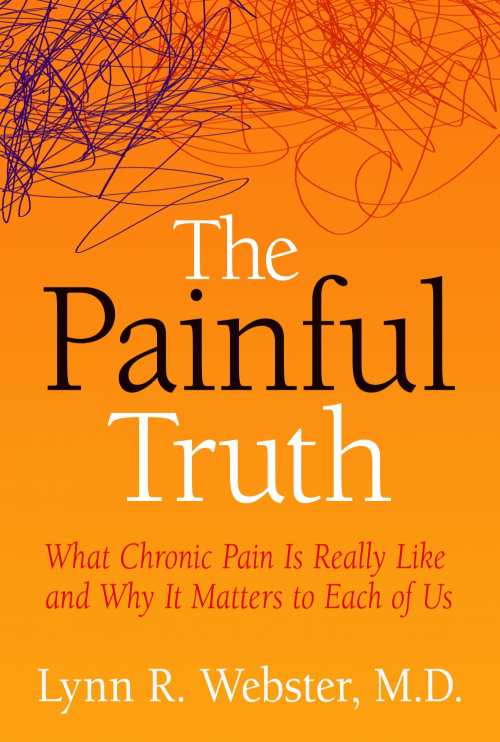
The Painful Truth: How Patients Are Treated Shamefully

Lynn Webster, MD, is past President of the American Academy of Pain Medicine, vice president of scientific affairs at PRA Health Sciences, and one the world’s leading experts on pain management. He treated people with chronic pain for more than 30 years in the Salt Lake City, Utah area.

Dr. Webster’s new book, “The Painful Truth,” is a collection of stories involving several of his former patients, who struggled with the physical, emotional and financial toll that many chronic pain sufferers experience.  

Pain News Network editor Pat Anson recently spoke with Dr. Webster about his book.

The interview has been edited for content and clarity.

Dr. Lynn webster

Dr. Lynn webster

Anson: Dr. Webster, you’re no longer practicing medicine, but you’re still very involved in the pain community and in research. Why write this book now at this stage of your career?

Webster: It takes a lot of time to write a book, as you can imagine, and it’s taken me four years to get to this point.  I think that at this stage in my career I can look back and put together a story about the people who I’ve taken care of for most of my career that I’m not sure I could’ve done in the middle of it. I think that’s given me the ability to look back and reflect and feel the heartache that patients have, and my inability to deliver to them everything that I wanted to deliver to them, because of all of the barriers and obstacles in healthcare.

I’m hoping that my book is going to be a seed that will contribute to a cultural change, a social movement that will bring some dignity and humanity to a large population of our country.

Anson: In your book you said the painful truth is that people in pain are treated shamefully. What did you mean by that?

Webster: When I was growing up on a farm I observed something as a young boy that always puzzled me and that was watching the injured or sick animals. We had all sorts of animals; cows, pigs, sheep, and chickens, and I could see that the injured somehow were always separated from the healthy ones. It wasn’t that the sick separated themselves from the healthy, but the healthy separated themselves from the injured or the ill.

I see that to some degree in people and I wonder if this hasn’t been a biological aspect of survival for man from the beginning. We as humans are better than that; we’re better than we may have been thousands of years ago.

Today, I think that it is shameful that people are stigmatized because they have pain, they’re isolated, and they’re denigrated often. Because of our healthcare system, at least in this country, they’re viewed as addicts, lowlife’s, and druggies. That’s rarely true and it absolutely prevents, it really contributes to the harm that pain sufferers feel towards themselves and their inability to get the type of care they need. I think that it hurts our society in so many different ways, but most importantly the people in pain.

Anson: A lot of your book is dedicated to telling the stories of some of the pain patients that you treated. Virtually every one went through what you just described, where they had trouble getting proper treatment, they had trouble with their jobs, with their families, and with their friends. Is that why you write the book in this way, so that their stories get across the point you’re trying to make?

Webster: Absolutely. It’s less important that a physician tells a story than a patient tells their story. I wanted this book to be felt by the readers, to understand what people in pain experience and the struggles they have.

Anson: You wrote that, “People in pain need to be both treated by medical professionals and supported by all the important people in their lives.” Is that happening?

Webster: No, of course not. There are some patients that have pain who have great support structures in their personal life. For example Alison, she is an individual who had what I thought was the quintessential family support. Were it not for her mother, father and sister, she could’ve gone down the path that too many others take, which would be resignation rather than resilience. It’s one where drugs are used to cope and to escape the pain, physical but also the emotional.

Too many people are separated and too few have the structure of the support system that Alison had.  Our healthcare system is abominable. It shamelessly abandons them with limited resources, limited access and actually a labeling of the individual as if they’re a leper; they have a disease that is contagious.

Anson: Is the average physician in U.S. prepared to treat chronic pain?

Webster: No. I think it’s been reported that medical schools average less than 10 hours of education on pain and even less for addiction. Yet this is the number one public health problem in America and it’s not recognized by the CDC like many other disease states have been.

And so very few physicians understand what pain is. In fact, many think that it’s just a symptom and you never die from pain which is categorically wrong. As I write in my book, pain can be as malignant as any cancer and it can be just as devastating. It can take the soul but it also takes the life of some individuals when we ignore it and when we’re unable to provide them the relief that they deserve.

Anson: If you were a young man again in medical school and trying to decide what specialty to go into, knowing what you know today, would you go into pain medicine?

Webster: Without a doubt, there is no hesitancy in this response; I love the field that I’ve been in. As an anesthesiologist I could’ve stayed in the operating room and honestly the compensation of doing that would have been far better than the path that I chose. But the rewards I’ve received from trying to make a difference and the thank you’s that I’ve received will never be matched by any kind of financial or professional recognition in any other areas.

The most rewarding part of life is really to be able to make a difference in someone else’s life. And I think I’ve been able to do that with hundreds, if not thousands of individuals. That actually is the reason for the book. I’m hoping the book is going to make a difference for more people than I could physically touch in my clinic.

Most of the people that I saw as patients were already experiencing a large amount of pain, they’ve been through the mill and many had their chronic pain for years before they came to see me. We are basically going to be taking care of them the rest of their life. We do get to know them, much like a primary care person does to a family they’ve been caring for, and so we get to know them well. They get to know us. We also begin to see the struggles that they have in the system and with the rejection of their families sometimes, their friends, the isolation. And we become the only source that’s grounded, that gives them potential hope. I took that very seriously and I think that’s why it was so rewarding for me.

Anson: You wrote that you’re neither pro-opioid or anti-opioid. What do you mean by that?

Webster: My focus has never been about making opioids available or that they should be used. In fact ten years ago I started the first national campaign about the risk of opioids. My campaign was called Zero Unintentional Overdose Deaths and you can still find that on the Internet. I did a lot of work at trying to understand the potential risks and mitigate those risks so we can prevent people from harm because I knew one day that if we couldn’t prevent people from being harmed from opioids that there would be political response to this that could be very harmful to a large number of people who are not harmed by opioids.

I think the focus should always be about what’s best for a patient and not about whether a drug or a certain treatment is good or bad. All treatments have potential risks and complications, and we need to evaluate whether or not the potential benefit outweighs the potential risk or harm and it has to be patient centered. So my focus has never been about really any treatment, but it’s always been about what’s best for the patient. I’m more anti-pain than I am pro or anti-opioid.

Anson: You prefer a multi-disciplinary approach to pain treatment?

Webster: Yes, it’s been demonstrated that for people with moderate to severe chronic pain, the type that’s not likely to be resolved, it is best managed in a multi-disciplinary, integrative approach. I see the need for more cognitive behavioral therapy. We should always tap into the different treatments that have low risk associated with them before we ever tap into something that has more risk, for example opioids or even interventional treatments we as anesthesiologists and some of the other pain specialists can provide.

Much about pain is really learning how to cope, how to deal with it from day to day and how to manage the stress that’s associated with it because stress augments all pain. And so it’s really important that we use all of the resources that we have to manage the pain and not just a single modality, certainly not opioids or spinal cord stimulators, but look at how we can manage this in a more mindful way, even as clinicians. I use that word intentionally because mindfulness is really what the doctor needs to use as much as the patient in order to optimize the treatment with the lowest risk.

Anson: Has the pendulum swung too far against use of opioids?

Webster: I think there’s too much focus on opioids by almost everyone. And what it has done is it’s forgotten about people. Opioids can cause a great deal of harm, we see way too many people harmed from opioids. But certainly a vast majority of people who have been exposed to opioids are not harmed by them and there are countless number of people, a huge number of individuals who have been on opioids for decades, that believe very strongly that they’ve improved their lives and they could not live without them.

I think the focus is in the wrong place. Our focus should not be on opioids and whether they should or should not be prescribed, but what is the best treatment for the patient? And if opioids are inappropriate as a pain treatment, then I say all of the anti-opioid people as well as the individuals who are interested in helping people with pain should come together and demand that we have more money invested in research so we can replace opioids entirely.

We cannot always know who’s going to have an addiction triggered by exposure. As I pointed out in my book, Rachel just went in for an appendectomy and that initial opioid that she received lead her down a serious, dreadful path because she didn’t have the social support to keep her from taking that path.

I think that the anti-opioid people and those of us who are interested in bringing some dignity and humanity to a large population of people in pain need to come together and insist that we have a Manhattan Project basically and to discover safer and more effective therapies that are not addictive.

Anson: The final version of National Pain Strategy will soon be released, with the goal of advancing pain research, healthcare and education in the U.S.  From what you’ve seen and heard so far about it, are they on the right track?

Webster: Yes, I think it’s an important step forward. I think that it brings most importantly the government into the picture, recognizing the need that we do something on a national scale and that alone is a big step forward.


It’s kind of like in my book there are three important words, “I believe you.” This is really the way the government can say, “I believe you.”  There is a problem in this country with the way in which we treat pain and the National Pain Strategy is about how they’re going to address that. Having the federal government say I believe you, there is a problem, let’s see if we can change the way pain is treated in this country is a huge step forward.

Anson: Thank you, Doctor Webster.

You can follow Dr. Webster on his blog, and on Twitter @LynnRWebsterMD, Facebook and LinkedIn.

Purdue Pharma's 'Misleading' Websites

By Pat Anson, Editor

Days after launching a new website promoting abuse deterrent technology, drug maker Purdue Pharma has reached a settlement with New York’s Attorney General in which the company agreed to be more transparent about how it promotes itself in “unbranded” websites.

The maker of OxyContin also admitted its sales representatives contacted doctors who were on a “No Call List” -- even after they were red flagged for possible abuse and diversion of opioids.

“Over the past two decades, New York has experienced a sharp increase in opioid addiction,” said Attorney General Eric Scheiderman. My office will work to ensure that prescription drugs are marketed and prescribed responsibly.”

The Attorney General’s investigation found that one of Purdue’s websites, In the Face of Pain, could “mislead consumers” by suggesting that its content was neutral and unbiased, when in fact nearly a dozen “advocates” who appeared on the site and in YouTube videos were paid nearly a quarter of a million dollars by Purdue.

“The website failed to disclose that from 2008 to 2013, Purdue made payments totaling almost $231,000, for speaker programs, advisory meetings and travel costs, to 11 of the Advocates whose testimonials appeared on the site. The videos on YouTube also fail to disclose Purdue’s payments to the Advocates. Purdue’s failure to disclose its financial connections with certain Advocates has the potential to mislead consumers by failing to disclose the potential bias of these individuals,” the settlement states.

The agreement calls on Purdue to disclose financial relationships with any individuals, including doctors and other healthcare professionals, that endorse the benefits of pain treatment.

Purdue removed the profiles of the paid “Advocates” from In the Face of Pain in April 2015, after the attorney general’s investigation was well underway.

The settlement also takes Purdue to task for its sales practices. Purdue admits that its sales representatives on at least three occasions contacted doctors on a “No Call List” of 103 physicians in New York state who the company suspected may have been involved in the abuse and diversion of opioids. The calls were made to promote OxyContin.

Purdue sales representatives, who amazingly were not required to check the company's No Call List, made about 1,800 sales calls to doctors on the list over a six year period, “some quite extensively,” even buying meals for about a third of them.  It's not clear if the sales calls were made before or after the doctors were added to the list. Some of those doctors were later arrested or convicted for illegal prescribing of opioids.

A company spokesman told Pain News Network that sales calls could have also been made to doctors on No Call Lists outside of New York.

Under the terms of the settlement, Purdue agreed to adopt more “red flags” to identify doctors who may be prescribing opioids inappropriately or illegally. Sales representatives will also be required to check the No Call List before contacting a provider and will be disciplined if they don’t

As part of the settlement, Purdue Pharma will also pay $75,000 in fines and costs.

“Rather than pursuing an expensive, lengthy and uncertain litigation-based approach, the Attorney General’s initiatives will yield immediate and improved efforts to address issues designed to enhance public health,” said Robin Abrams, Vice President and Associate General Counsel for Purdue Pharma.

“For more than a decade we’ve implemented industry-leading programs designed to reduce the abuse and diversion of prescription medicine. We’ve relied on the input and encouragement of law enforcement officials, like the Attorney General, to continually upgrade and improve our programs.”

Purdue’s New Website

Early this week, Purdue introduced Team Against Opioid Abuse, a new website designed to help healthcare providers and laypeople learn about different abuse-deterrent technologies that make opioid medications harder to misuse and abuse.

Like In the Face of Pain, Team Against Opioid Abuse is not clearly identified as a Purdue Pharma website, except by a small copyright notice at the bottom.

“Using clear graphics and easy to understand language, the website features sections about why it's critical to deter abuse and how all the members on the healthcare team can make a difference,” Purdue said in a press release announcing its newest website.

In the wake of the New York settlement, the company said it would review the website, listen to feedback and incorporate any necessary modifications. 

Purdue was also in the news recently after the U.S. Food and Drug Administration quietly approved OxyContin for use by children aged 11 to 16 who suffer from chronic pain and who are already being treated with opioids.

The FDA’s move angered many anti-addiction advocates because the agency did not consult with an outside advisory panel or hold any public hearings before making its decision.

“We've known for a long time how immoral this company is.  As far as Purdue's role, this comes as no surprise; they have had this idea for some time now, as it represents a very lucrative market for them.  We've also known for a long time how unethical the FDA is.  This brings both truths out in the open,” said Pete Jackson, president of Advocates for the Reform of Prescription Opioids, who lost his 18-year-old daughter Emily to a single dose of OxyContin in 2006.

OxyContin was introduced to the U.S. in 1996 and soon became a blockbuster drug for Purdue,  reportedly generating profits in excess of $10 billion. Many believe it also helped fuel an “epidemic” of opioid addiction and overdoses, leading to the deaths of thousands of people.

In 2007, a class action lawsuit against Purdue for deceptive marketing ended when several company executives pleaded guilty to a felony count of misbranding OxyContin, by playing down its addictive and abusive side effects. The company and its executives were fined $634 million.

Florida’s ‘Modest’ Reduction in Opioid Prescribing

By Pat Anson, Editor

Florida was one the first states in the country to get serious about fighting the “epidemic” of prescription drug abuse.

In 2010, a year when eight Floridians were dying every day from drug overdoses, the state started cracking down on rogue pain clinics – “pill mills” -- and began to closely monitor the number of opioid prescriptions written and filled by physicians and pharmacies.

By most accounts, the crackdown has been a success – overdose deaths dropped and over 250 pain clinics were closed. But legitimate pain patients also began to complain that they couldn’t get their prescriptions filled. Their search for a pharmacy willing to dispense opioids – a search that could take hours or days – even got a name: Florida’s “Pharmacy Crawl.”

Which makes a new study in JAMA Internal Medicine all the more surprising.

Researchers analyzed an extensive database of prescription claims and found that there was only a “modest” decline of 1.4 percent in the number of opioid prescriptions in Florida from 2010 to 2012.

The reductions were generally limited to prescribers and patients with the highest rates of opioid prescribing and use – meaning the average pain patient shouldn’t have been affected at all.

That 1.4% reduction, researchers say, was a “statistically significant” decline by some measures. But they also acknowledge that Florida’s crackdown on opioids “had no apparent effect on days’ supply per transaction or on total number of opioid prescriptions dispensed.”

That less than overwhelming finding raises questions about the effectiveness of the crackdown and, in particular, prescription drug monitoring programs (PDMPs). Almost every state has implemented a PDMP in the last few years, spending millions of dollars to track patients with electronic databases that have yet to be proven effective. 

“Our findings highlight the need for more evidence demonstrating the effect of PDMP and pill mill laws,” wrote lead author Caleb Alexander, MD, of the Johns Hopkins Bloomberg School of Public Health.

Effect on Pain Patients

So if the number of opioid prescriptions in Florida barely budged, what about all those pain patients who claim they couldn’t get a prescription filled?

"The opioid lobby and media they've influenced portray Florida's efforts as draconian. We keep hearing that pain patients in Florida have lost access to opioids.  The study's findings refute these claims," said Andrew Kolodny, MD, a prominent critic of opioid prescribing practices who is President of Physicians for Responsible Opioid Prescribing.

“Dr. Kolodny can't see the whole picture just by looking at this short term study,” says Donna Ratliff, a chronic pain patient who founded the Fight for Pain Care Action Network, a non-profit group lobbying for adequate pain care in Florida.

“Things did get draconian after the DEA fined the distributors and chain pharmacies. The media headlines stigmatized the pharmacies and doctors early on into not treating legitimate pain patients out of fear.” 

It was in 2012 that Cardinal Health, one of the nation’s largest drug wholesalers, was fined $34 million by the DEA after it failed to report suspicious orders for hydrocodone at a distribution facility in Lakeland, Florida. Shipments of controlled substances from that facility were suspended for two years.

Walgreens and CVS Pharmacy were also fined tens of millions of dollars for violating rules and regulations for dispensing controlled substances. Afterwards, both pharmacy chains began to screen patients with opioid prescriptions more carefully, and told their pharmacists not to fill them if anything appeared suspicious.

Those developments, according to Ratliff, were not fully covered during the opioid prescription study, which ended in September 2012.

“This induced the pharmacy crawl, that got worse as time went by,” she told Pain News Network.

In a recent survey of hundreds of pharmacies, drug wholesalers and physicians by the General Accounting Office (GAO), over half said DEA enforcement actions had limited their ability to supply drugs to patients. Many said they were fearful of being fined or having their licenses revoked by the DEA.

“Some pharmacies may be inappropriately delaying or denying filling prescriptions for patients with legitimate medical needs,” the GAO report states.  


FDA Approves OxyContin for Kids

By Pat Anson, Editor

In a controversial move, the U.S. Food and Drug Administration has approved OxyContin for use by children aged 11 to 16 who suffer from severe, long-term pain.

OxyContin is a potent, extended release opioid painkiller that has been blamed for fueling an “epidemic” of prescription drug abuse and addiction in the U.S.

One critic, whose teenage daughter died after a single dose of OxyContin, called the FDA’s decision “beyond disgusting.”

The agency did not make a formal announcement about its decision, issue a news release, or consult with an outside advisory panel about the risks and benefits of making OxyContin available to pediatric patients.

Instead, the news was revealed in an FDA blog posting, an interview with Sharon Hertz, MD, a Director in the FDA’s Center for Drug Evaluation and Research.

“OxyContin is not intended to be the first opioid drug used in pediatric patients, but the data show that changing from another opioid drug to OxyContin is safe if done properly,” Hertz said.

“In pediatric patients who require opioid treatment to manage pain, extended-release opioids may be a useful alternative because they are taken only once or twice per day rather than every 4 to 6 hours. Fewer daily doses may free patients for physical therapy appointments, allow them to go home from the hospital sooner, and may help them to sleep through the night without waking up from pain. So from that perspective it's very useful.”

Hertz said the FDA decision was a "team effort" involving physicians, pediatricians, clinical pharmacologists, statisticians, ethicists and opioid experts. It came after the safety and efficacy of OxyContin was studied in children who were prescribed the drug after extensive trauma or major surgery. 

“Prior to this action, doctors had to rely on adult clinical data to shape their decision-making in treating pediatric patients. This program was intended to fill a knowledge gap and provide experienced health care practitioners with the specific information they need to use OxyContin safely in pediatric patients,” said Hertz.

She said OxyContin should only be prescribed to pediatric patients when they have shown they can tolerate a 20 mg daily dose of oxycodone, an immediate release opioid.  

The Duragesic patch, which contains fentanyl, is the only other extended release opioid product approved for use by children.

Hertz hinted the FDA would be approving more opioids for pediatric patients in the future.

“Quite a few of the newer opioid drugs have pediatric studies underway to gather the data that will help prescribers use them safely. I expect that our teams will be working together a lot more in future to make sure that new pediatric pain management options continue to be safe for children in the U.S.,” Hertz said.

OxyContin has a controversial history. It was introduced to the U.S. in 1996 and soon became a blockbuster drug for Purdue Pharma, reportedly generating profits in excess of $10 billion.

In 2007, Purdue and three of its top executives pleaded guilty to felony criminal charges for the off-label marketing of OxyContin – falsely telling doctors it had low potential for addiction.

Critics, who blame Purdue for thousands of fatal OxyContin overdoses, are angry about the FDA's decision to approve the drug for children.

“We've known for a long time how immoral this company is.  As far as Purdue's role, this comes as no surprise; they have had this idea for some time now, as it represents a very lucrative market for them,” said Pete Jackson, president of Advocates for the Reform of Prescription Opioids.

Jackson lost his 18-year-old daughter Emily to a single dose of OxyContin in 2006.

“We've also known for a long time how unethical the FDA is,” Jackson said in an email to Pain News Network.  “This brings both truths out in the open.  This is the pinnacle of dysfunction in our federal government: that a federal agency would openly sanction the use of a deadly narcotic on kids without even an advisory committee meeting to hear from the experts and the public is beyond disgusting.”

By 2010, nearly half the patients entering drug treatment facilities for opioid abuse said they had used OxyContin to get high at least once in the previous 30 days. That same year Purdue introduced a reformulated version of OxyContin to discourage patients from crushing the tablets for snorting or injection.

As a condition of its approval for use in pediatric patients, Purdue is required to conduct a follow-up study examining rates of injury, overdose, accidents and medication errors involving OxyContin in pediatric patients.

What Pain Patients Can Learn from JFK

By Crystal Lindell, Columnist

I’ve recently become kind of obsessed with the fact John F. Kennedy had health issues. Like major health issues. Like Addison’s disease, ulcers, colitis, and back pain issues, among others.

It’s one of the few things most people don’t seem to know about JFK. He was sick. Really sick. And he was often dealing with his health while running the country.

The Atlantic detailed some of Kennedy’s health issues in “The Medical Ordeals of JFK” back in 2013. They talked about how while JFK was in the White House he routinely saw an allergist, an endocrinologist, a gastroenterologist, an orthopedist and an urologist. JFK also regularly took amphetamines and had painkillers injected into his back.

In other words, he went through the same things a lot of us with chronic pain go through. Except, you know, he managed to run the Free World between steroid injections.

There’s a part of me that wishes he hadn’t hid his aliments. The article details how his campaign flat-out denied he had Addison’s disease. The day after his election, in response to a reporter’s question, JFK “declared himself in ‘excellent’ shape and dismissed the rumors of Addison’s disease as false.”

Personally, I had no idea that JFK struggled with so many health issues until I stumbled upon the information while researching chronic pain. And from what I can tell, most people in America don’t realize just how sick he was either.

I can’t help but wonder what he may have been able to do for the stigma associated with chronic illness if he had ever admitted to his aliments publicly though. Imagine if the stereotype of someone with chronic illness was JFK.  Sure, it’s a lot to live up to, but it’s better than what we face now, which is usually something along the lines of, “a lazy, druggie who probably brought it on themselves.”

And maybe he could have even helped people understand that cancer isn’t the only bad thing that can happen to you. And that sometimes, you don’t get better and you don’t die — you just stay sick.

But, there’s probably a good chance he would have never been elected if the American public knew he was seeing Max Jacobson, an émigré doctor from Germany who had made a reputation treating celebrities with “pep pills” (amphetamines).

The thing that really strikes me though is just how much JFK was able to accomplish despite his health. Most days, I’m in too much pain to drive to the grocery store, much less run for president.

From what I’ve read, it seems as though JKF was totally cool with popping as many pills as he needed to in order to keep going. As The Atlantic details, “[He didn’t] believe that the many medications he took would reduce his ability to work effectively; on the contrary, he saw them as ensuring his competence to deal with the demands of the office.”

In other words, he was all for medication if it meant he would be able to endure a press conference.

And I’m also guessing he was the type of sick person who had access to any and all medications that he thought would help him. Something most of us can only dream of.

There was definitely a point in my life when I would have loved taking hundreds of Norco each month so that I could have kept pace with my previous lifestyle. I mean, I probably wouldn’t have a liver anymore, but at least I’d still have my own apartment.

Even on my current doses, my main reason for taking drugs is so that I can do as much as possible. Sometimes that means a work trip to Arizona, and other times it means having the strength to sit up on the couch and type out a column.

So I can completely understand why JFK felt like he did about the pills. But I don’t think most people would.

Heck, the number one comment I get from anyone who finds out how many drugs I take on the daily is, “You need to get off all those medications.” I usually explain that if I “got off all those medications” then I also wouldn’t be able to get off the couch. 

I also assume that when JFK said he was in pain, at least one of the like 23 specialists he was seeing believed him and responded accordingly. Again, something most of us can only dream of.

He also probably had no issues paying for his medications or getting to doctors’ appointments. And I’m sure he was able to see the very best doctors in the country whenever he wanted.

Even knowing that he had all sorts of advantages as a sick person though, there’s still a huge part of me that feels really inadequate thinking about how much JFK got done. I mean, I have literally had to scale back every aspect of my life since getting sick. I quit my side job as a youth leader, which I loved with all my heart. I moved in with my mom. I started working from home. And I even stopped going to the mall as much as I used to.

For me, a big part of being sick has been losing so many of the things I love, and then figuring out how to cope with those losses.

But then, there’s another part of me that thinks of JFK and is kind of inspired. Maybe there is hope for me yet. Maybe I can still live in Brazil one day, or become a best-selling author, or heck, run for office just like JFK did. 

I just need to find that German doctor and get some of those “pep pills.”

Crystal Lindell is a journalist who lives in Illinois. She loves Taco Bell, watching "Burn Notice" episodes on Netflix and Snicker's Bites. She has had intercostal neuralgia since February 2013.

Crystal writes about it on her blog, The Only Certainty is Bad Grammar.”

The information in this column should not be considered as professional medical advice, diagnosis or treatment. It is for informational purposes only and represent the author’s opinions alone. It does not inherently express or reflect the views, opinions and/or positions of Pain News Network.

Fed Report Sparks New Debate over Steroid Injections

By Pat Anson, Editor

A government report on epidural steroid injections is sparking a new debate on the safety and effectiveness of the procedure, which is used to treat back pain in millions of people.

A coalition of spine and pain management doctors is calling the report’s conclusion that steroid injections have little value  “fundamentally false.”

But critics of the procedure say the injections are risky, overused, and often a waste of money.

The report by the Agency for Healthcare Research and Quality (AHRQ), which is part of the Department of Health and Human Services, said there is little evidence that epidural steroid injections were effective in treating low back pain.

“Epidural corticosteroid injections for radiculopathy were associated with immediate improvements in pain and might be associated with immediate improvements in function, but benefits were small and not sustained, and there was no effect on long-term risk of surgery,” the report states.

Epidural injections have been used for many years to relieve pain during childbirth, but they are increasingly being used to treat back pain.

An estimated 9 million epidural steroid injections are performed in the U.S. annually, and the shots have become a common procedure at many pain management clinics. Costs vary from as little as $445 to $2,000 per injection.

A coalition of 14 different societies representing anesthesiologists, surgeons and pain management doctors is lobbying the AHRQ to tone down its report, saying it has raised “significant concerns for physicians who utilize injection procedures.”

“We are fully cognizant of the issues of overutilization and inappropriate utilization, and therefore also wish to bring into focus which interventions are effective when treating the various causes of back pain,” wrote Belinda Duszynski, senior director of Policy and Practice for the International Spine Society, in a lengthy letter to the AHRQ on behalf of the Multisociety Pain Workgroup.

Duszynski’s letter, which is also being sent to a number of medical journals, claims the authors of the AHRQ report used “flawed” and “absurd” analysis on the effectiveness of the injections. She warned the report “may lead to egregious denial of access to these procedures for many patients suffering from low back pain.”

But critics say "interventionalist" doctors are simply trying to preserve a lucrative part of their practice.

“These professional medical societies are worked up because this study basically states that epidural steroid injections have small benefit, the improvements in function are not sustained, and they do not prevent surgery,” said Terri Anderson, a Montana woman whose spine was permanently damaged after receiving about 20 steroid injections for a ruptured disc in her back.

Anderson now suffers from arachnoiditis, an inflammation in the spinal membrane that causes severe chronic pain and disability.

“From my personal perspective, these spinal injections are wasting billions of dollars on the front end, plus there is no estimate high enough to account for the human suffering that this industry has brought upon the American public,” Anderson wrote in an email to Pain News Network.  “When the injections go south and the steroids are misplaced in the spinal cord, this results in life-long disabilities and suffering that cannot be described.” 

The AHRQ report is not the first to raise questions about the safety and effectiveness of epidural steroid injections. Several recent studies have found the injections raise the risk of spinal fractures and do little to control back pain. Questions about their safety also led to an order from the Food and Drug Administration last year that requires drug makers to put warning labels on injectable steroids.

“Injection of corticosteroids into the epidural space of the spine may result in rare but serious adverse events, including loss of vision, stroke, paralysis, and death,” the FDA said in a statement.

The agency has never formally approved the use of steroid injections to treat back pain. However, the procedure can still be used “off label” to treat back pain.

Many patients who were injured by spinal injections say they were never warned about the risks involved.

“The fact of the matter remains that there is no solid evidence that these injections are of any lasting benefit,” said Dawn Gonzalez, who developed arachnoiditis after a botched epidural during childbirth. “There is just no sound supporting evidence of the efficacy of corticosteroid injections in the spine, and more evidence of the contrary. Epidural steroid injections are bad science.”

A study funded by the AHRQ and published last year in the New England Journal of Medicine found that epidural steroid injections do not relieve pain in patients with lumbar spinal stenosis, a common cause of lower back and leg pain.

The Choosing Wisely campaign of the ABIM Foundation, which seeks to reduce or eliminate unnecessary medical procedures, does not oppose the use of steroid injections for back pain. But it does urge doctors not to repeat the procedure if a patient shows no improvement from a previous injection. 

Lower back pain is the world's leading cause of disability, causing more health loss than diabetes, chronic obstructive pulmonary disease, and asthma combined. Over 80 percent of adults have low back pain at some point in their lives.

Sedatives or Opioids: Which is the Bigger Problem?

By Pat Anson, Editor

New research shows that the prescribing of opioid pain medications is declining in United States, but the co-prescribing of sedatives with opioids remains a serious problem that raises the risk of an overdose.

In a study of over 35,000 patient visits for acute and chronic pain from 2001 to 2010, researchers found that the prescribing of benzodiazepines was three to four times more likely when opioids were prescribed.

Over a third of the patients prescribed opioids for chronic musculoskeletal pain were given a sedative. And patients with a history of psychiatric and substance abuse disorders were even more likely to be co-prescribed opioids and sedatives.

"Multidrug use is the trailing edge of the opioid epidemic," said Mark Sullivan, MD, a professor of psychiatry and behavioral sciences at the University of Washington School of Medicine. "We are making progress on decreasing opioid prescribing, but co-prescribing of opioids and sedatives has not decreased."

The study, published in the journal Pharmacoepidemiology and Drug Safety, estimates that opioid prescribing peaked in 2007. It’s the latest indication there has been a reversal in the growth of opioid prescribing – which has long been blamed for the so-called “epidemic” of prescription drug abuse.

In April, another study was released showing that the painkiller hydrocodone was no longer the most-widely prescribed drug in the U.S.

While opioid prescribing is in decline, researchers found no evidence that the co-prescribing of opioids and sedatives is also dropping. Opioids, benzodiazepines and muscle relaxants are all central nervous system depressants. Mixing the drugs is potentially dangerous because their interaction can slow breathing and raise the risk of an overdose death.

"Patients who are on long-term combined opioid and benzodiazepine therapy are often on a treadmill," said Sullivan. "They feel relief when they take their medications and withdrawal when they stop, so they continue this combined therapy, even though many function poorly and some will die as a result."

A study by the Centers for Disease Control and Prevention found that as much as 80 percent of unintentional overdose deaths associated with opioids may also involve benzodiazepines. Nearly 6,500 people died from overdoses involving benzodiazepines in 2010.

“We are seeing a disturbing increase in the use of benzodiazepines, mostly Xanax and Klonopin and Adderall. I call this the evil trifecta,” said Percy Menzies, president of Assisted Recovery Centers of America, which operates four addiction treatment clinics in the St. Louis, Missouri area. “To make matters worse, the use of heroin continues to grow as Mexican farmers are switching to growing the opium poppy.”

While fewer opioids are being prescribed for pain, Menzies says there has been explosion in the use of buprenorphine – a weaker opioid – to treat addiction. For many years, buprenorphine was only available under the brand name Suboxone, but now there are several other buprenorphine brands competing in the lucrative addiction treatment market. 

“We have reduced the number of prescriptions for opioids but the use of opioids (primarily buprenorphine) are growing. Never in the history of drug treatment, has the sale of a medication exceeded $2 billion,” said Menzies in an email to Pain News Network.

Recent studies by the Substance Abuse and Mental Health Services Administration (SAMHSA)  found a ten-fold increase in the number of emergency room visits involving buprenorphine. Over half of the hospitalizations were for non-medical use of buprenorphine – meaning  many users took the drug to get high.

Over 50,000 visits to ER’s in 2011 involved a combination of benzodiazepines and opioids, according to SAMHSA.


Media Coverage of Pain Meds Often Unfair

By Emily Ullrich, Guest Columnist

As a chronic pain patient, I see a number of damaging political and social obstacles being added to the already desperate, often isolated and depressed lives of chronic pain patients.

Those of us who live with constant pain are too often disregarded by friends and family, who become frustrated that we haven’t gotten better, and/or begin to suspect that we are feigning or exaggerating our illness. In addition, doctors often label chronic pain patients as “drug seekers” and “malingerers.” Patients who need their help the most are often thrown by the wayside.

On top of these devastating blows, chronic pain patients face political, medical, social, and media scrutiny, and are often shamed out of seeking or pressing for the help they so desperately need. Some glaring mistakes are being reported in the media about drug use, overdose, and abuse. These mistakes are being repeated on a national level, and have created a culture of misinformation and stigma.

There is no doubt that addiction and overdose are serious issues which deserve our attention, but the media is manipulating the minds of consumers about the origin and nature of these issues, beginning with the subtle engineering and general processing of words. By that I mean the simple diction and placement of words used in articles regarding pain medication and illegal drugs.

For example, while an article discussing diabetes or blood pressure medication will refer to them as “medicine,” an article about pain medications will often refer to them as “drugs.” That places a negative connotation on the reader's perception of ALL pain medications as being categorically the same as street drugs.

I also read articles on a daily basis which pair pain medications and illegal drugs together in broad general statements, implying that the two are synonymous. In addition, the terms and implications about the use and abuse of pain medications are being used interchangeably; again reiterating in the minds of readers that if one takes pain medications, he or she is an addict, and that by simply taking pain medications he or she is abusing them.

These implications are untrue, unfair, and misrepresent chronic pain patients, misinform the public, and create unnecessary fear and sensationalism.

Like thousands of other chronically ill, legitimate pain patients in Kentucky and throughout the United States, I have been taking pain medication for many years. Without it, I cannot get out of bed and function. I have never once been "high" on them, and I've NEVER considered heroin use.

The real correlation between the two is that pain patients are being forced to fend for themselves and find relief on the streets with drugs like heroin. The government has scared doctors out of doing their jobs when it comes to addressing pain, and because of the media's continued manipulation and sensationalism in regard to pain medication, society now shames pain patients out of seeking medications they need.

There is an essential truth being conveniently omitted from most current articles regarding pain medication, street drugs and overdose, and that is that there is a direct correlation to the increase in heroin use and the implementation of growing numbers of laws that restrict prescription pain medications.

People are suffering, but instead of being treated with compassion, they are being treated like criminals and worthless members of society. Legitimate pain patients deserve access to the medications which allow them to operate, and doctors should not be afraid to help them. Patients should also not be made to feel they are illicit members of society for seeking a remedy to their medical conditions.

It is time that the media clearly differentiate between addicts who abuse pain medication and legitimate pain patients who use their medications as directed. Also, lines between pain medication use and the use of street drugs must be drawn.

Most importantly, politicians across the country must accept their role in the influx of heroin usage, and its direct correlation to the “War on Drugs.” Laws that limit the availability of pain medication are not based on truth (according to the U.S. National Library of Medicine, the real rate of addiction among chronic pain patients is a mere 3.27%), but are adjusted to fit the motives of politicians and scare the public.

Lastly, as chronic pain patients we must ensure that our voices are heard. We must educate and inform others and, most of all, demand our human right to adequate pain control.

Emily Ullrich suffers from CRPS/RSD, Sphincter of Oddi Dysfunction/Papillary stenosis, carpal tunnel syndrome, endometriosis, chronic gastritis, Interstitial Cystitis, uterine fibroid tumors, migraines, fibromyalgia, osteoarthritis, Periodic Limb Movement Disorder (PLMD), Restless Leg Syndrome (RLS), Myoclonic episodes, generalized anxiety disorder, insomnia, bursitis, depression, multiple chemical sensitivity, and IBS.

Emily is a writer, artist, filmmaker, activist, and has even been an occasional stand-up comedian. She now focuses mainly on pain patient advocacy as a delegate for Power of Pain Foundation, as she is able.

The information in this column should not be considered as professional medical advice, diagnosis or treatment. It is for informational purposes only and represents the author’s opinions alone. It does not inherently express or reflect the views, opinions and/or positions of Pain News Network.

A Pained Life: When There is No Cure

By Carol Levy, Columnist

There tends to be a misunderstanding in the minds of many, including doctors, that people who take opioids for their chronic pain believe it will “cure" their pain.

The idea behind a narcotic is the dulling of pain, or if you're lucky, stopping it in its tracks. It is not designed to “cure” anything.

Patients with kidney stones, as an example, are often given morphine, not because it will dissolve the stone, but because it will help reduce the pain.

When there is no cure, when the ultimate biological mechanism behind the pain is unknown, and when the patient is in pain, what is a doctor to do? What is a patient to do?

To me the answer is simple. They work together to find a drug(s) that will help relieve the pain. Often that means an opioid..

Trigeminal neuralgia (TN) is a good example.

Although theories abound as to the cause of TN, even the most long lived school of thought; that a blood vessel is pressing against the nerve, is not accepted by many in the neurosurgical community.

Some patients are helped by surgery, but a large portion do not and get little or no relief. In addition, many develop phantom pain -- called Anesthesia Dolorosa -- which is truly awful and life destroying in its own way. Does that mean a doctor should offer nothing to try and help? Or is this the time to offer an opioid?

Sometimes my Anesthesia Dolorosa pain is helped when I take my prescribed narcotic (codeine). On a really good day, which is very rare, it even helps my eye movement and usage pain.

Is it enough to make me "able"? No. The pain is still there.

Then how can I say it is helping?

It encases me in a layer of numbness, the pain somewhat outside of me.

Do I enjoy it? (A question asked by way too many) Absolutely not. The codeine swathes me in a net of sticky cotton, a sensation of suffocation and a loss of boundary. But the pain is farther away from me and I can breathe.

We have chronic pain. We know, for most of us, there is no cure.

But too many are trying to take away the one thing that helps some of us get freedom from the pain, even if only a fingertip full.

Please, those who say since there is no cure in a narcotic they should not be given; please, please understand. Even a soupcon of relief is acceptable when that is all there is.

And often, all there is is a narcotic.

Carol Jay Levy has lived with trigeminal neuralgia, a chronic facial pain disorder, for over 30 years. She is the author of “A Pained Life, A Chronic Pain Journey.”  Carol is the moderator of the Facebook support group “Women in Pain Awareness.” Her blog “The Pained Life” can be found here.

The information in this column should not be considered as professional medical advice, diagnosis or treatment. It is for informational purposes only and represent the author’s opinions alone. It does not inherently express or reflect the views, opinions and/or positions of Pain News Network.

Fear of DEA Causing Drug Shortages

By Pat Anson, Editor

Millions of dollars in fines and thousands of investigations by the U.S. Drug Enforcement Agency have had a chilling effect on the nation’s drug supply chain, leading to quotas, shortages and legitimate prescriptions going unfilled, according to a new government report.

Pain patients have complained for years that it was becoming difficult to get opioid prescriptions filled, but the DEA called the evidence of that “anecdotal” and said it was not responsibility for any shortages.

In a survey of hundreds of pharmacies, drug wholesalers and physicians by the General Accounting Office (GAO), over half said DEA enforcement actions had limited their ability to supply drugs to patients. Many said they were fearful of being fined or having their licenses revoked by the DEA. Others blamed the agency for poor communication and unclear rules.

“In the absence of clear guidance from DEA some pharmacies may be inappropriately delaying or denying filling prescriptions for patients with legitimate medical needs,” the GAO report states.  

In recent years the DEA has fined distributors, pharmacies and practitioners over $94 million for violations of the Controlled Substances Act. Over 4,500 criminal investigations were also launched.

The crackdown helped lead to a reduction in prescription drug abuse and diversion, but it has also disrupted the drug supply chain. The GOA estimates that over half the distributors have placed a strict quota system on the amount of controlled substances that pharmacists and physicians can order.

“A distributor reported it refuses to distribute large volumes of controlled substances to prescribers or pharmacies that specialize in pain management, even if it has no evidence that the prescribers or pharmacies are engaged in diversion,” the GAO said.

One pharmacy chain told the GAO they were “afraid of being the target of DEA enforcement action even if they fill a prescription in good faith.”

Another small pharmacy chain said “we take things to the extreme to the point where we have received complaints from providers for turning away legitimate patients.”

“The DEA has NO communication out to pharmacies at all. The DEA is not preventative, it is all reactive,” one pharmacist complained. “The only experience we get with the DEA is hearing when they investigate and levy fines against a pharmacy for common pharmacy practices.”

The GAO recommended that the DEA improve its communication with distributors, pharmacists and practitioners so they would have a better understanding of what’s expected of them.

In response to the GAO report, a top DEA administrator wrote a letter stating there was only “anecdotal data that patient care is being compromised.”  

“The DEA would like to emphasize that it has no authority to control otherwise legitimate business decisions of registrants,” wrote Joseph Rannazzisi, deputy assistant administrator of the DEA’s Office of Diversion Control. “DEA and state partners have repeatedly and emphatically informed distributors that arbitrary thresholds are inappropriate, negatively impact legitimate patients, and are an inadequate substitute for fulfilling their obligations under the CSA (Controlled Substances ACT).”

The GAO report is the second this year to criticize the DEA for its management and policies. In March, we reported the GAO had faulted the DEA for "weak internal controls" and poor management of the system under which controlled substances are produced and distributed. The GAO said there were 87 “critical” shortages of drugs containing controlled substances, over half of them pain relievers.

The shortages have grown worse in recent years, according to many pain patients, who say controlled substances such as hydrocodone are increasingly difficult to obtain in some parts of the country.

Under federal rules, the manufacture and distribution of controlled substances is regulated by the DEA, while the Food and Drug Administration regulates what conditions the medications can be taken for. The two agencies are supposed to work together when shortages develop, but according to the GAO they do not have a “sufficiently collaborative relationship” and even “disagree about what constitutes a shortage.”

Major Study Underway for New Fibromyalgia Drug

By Pat Anson, Editor

Lyrica, Cymbalta, and Savella -- the only drugs approved by the U.S. Food and Drug Administration to treat fibromyalgia -- may be getting some competition.

A Japanese drug company, Daiichi Sankyo, is conducting clinical trials on mirogabalin, a new drug that could finally give fibromyalgia sufferers an alternative to the three approved medications -- which often don’t work or have too many side effects.

Daiichi Sankyo is currently enrolling patients in the “ALDAY” study, a large Phase III clinical trial evaluating the safety and efficacy of mirogabalin in treating pain from fibromyalgia. About 4,000 patients will be studied at 800 clinical centers in 40 different countries.

“We need men and women, 18 and older, who have been suffering from fibromyalgia pain for the last 3 months to participate in the ALDAY research study. If you qualify, you will be seen by a study doctor and receive all study-related medications at no cost. Compensation for study-related time and travel may also be available,” the company says on a website promoting the study.

A unique aspect of the ALDAY study is that it pits mirogabalin head to head against Lyrica (pregabalin), the top-selling fibromyalgia medication.  Both drugs bind to calcium channels that are believed to cause neuropathic pain. An earlier Phase II study suggested that mirogabalin may be 17 times more effective than Lyrica, although some critics questioned whether the design of the study was fair.

Advanced trials are also underway in Asia evaluating mirogabalin in the treatment of pain from diabetic peripheral neuralgia and postherpetic neuralgia (shingles).

“Pain associated with the neurologic conditions of diabetic peripheral neuropathic pain, postherpetic neuralgia and fibromyalgia can be debilitating,” said Lesley Arnold, MD, Professor of Psychiatry and Behavioral Neuroscience and Director of the Women’s Health Research Program, University of Cincinnati and lead investigator of the ALDAY program. “New treatment options are needed to help people living with these neurologic conditions relieve and manage their chronic pain and hopefully, improve their function and quality of life.”

The National Institutes of Health estimates that 5 million Americans suffer from fibromyalgia, a poorly understood disorder characterized by deep tissue pain, fatigue, headaches, depression, mood swings, and insomnia. There is no known cure and the disorder is difficult to treat.

Many fibromyalgia sufferers have complained that Lyrica, Cymbalta and Savella – which were originally developed to treat other disorders like epilepsy, anxiety, and depression – are ineffective for fibromyalgia.

“There are far too many off-label prescriptions written. These two classifications, anti-seizure and antidepressant, are frequently prescribed for pain on and off label. They come with far more side effects than opioids, but physicians feel, (and) are told, they are doing the right thing, when we are lacking statistics on after-market deaths associated with them,” said Celeste Cooper, a retired nurse, fibromyalgia sufferer and patient advocate.

“They completely reorder the brain and it is my opinion that these drugs should only be prescribed by physicians who specialize in brain chemistry (psychiatrist and neurologist) and know what interactions and side effects to alert patients, which is not being done currently.”

Dozens of patients wrote to Pain News Network with complaints of side effects from Lyrica and Cymbalta after a recent story about lawsuits involving the drugs.

“I took Cymbalta for a while. It didn't stop the pain of fibromyalgia, it just put 30 lbs. on me. I had my doctor wean me off. I got horrible Brain Zaps for a long time and felt terrible. Never take Cymbalta!” wrote Carol Fruzzetti.

“When I was on Lyrica I was literally walking into walls in my house or holding onto the wall for fear I was going to pass out I would get so dizzy. It made me feel like I was drunk all the time. I did not drive for fear I would kill myself or someone else. I will never take this drug again,” wrote Lana Straten.

Lyrica is one of Pfizer’s top selling drugs, generating $5.1 billion in revenue in 2014.  

Cymbalta generated annual sales of $5 billion for Eli Lilly until its patent expired in 2013 and cheaper generic versions of Doluxetine became available.

Savella generated sales of “only” $105 million for Forest Laboratories in 2013.

Pain Patients Should Come First

By Janice Reynolds, Guest Columnist

In the media, the persistent pain patient should always come first -- before the stories of addiction, overdoses and the inferences of poorly done studies linking the two with pain treatment. 

Most important is the professional relationship between provider and pain patient.  There needs to be therapeutic discussion between the two as to the nature of the pain, how it affects the person’s life, as well as what’s been tried and worked, and what has not worked. The goal should be a multimodal pain plan which works for the patient as well as being affordable.

The risk of addiction should be a concern, but not at the forefront.  Those seeing addiction as an “epidemic” linked with pain management have no valid research on which to base their concerns, only the media and addiction specialist hysteria. 

Unfortunately, many professionals as well as the general public are not only influenced by the media but learn from it as well. The yellow press of today is comprised of articles full of lies, half-truths, and prejudice.  This behavior is seen in professional articles as well.  Many times the basis for an article is some piece of research which is interpreted by the authors to conform to their point of view.

Not all research gives us proof or even a good indication of the truth.  Some studies are flawed and others are inherently bad.  An example of this is the CDC’s opioid overdose study, which is often cited to make the claim that over 16,000 American die every year from opioid overdoses. 

The CDC study is based on a review of death certificates and didn’t sort out legitimate opioid prescriptions, illegal use of opioids, suicide, deaths caused by alcohol or other medications, or even if the death was truly from opioids and not from some other disease process. Did the patient die from lung cancer or opioid toxicity?  Sometimes the latter is entered as the cause of death when it is not the case.  

Unfortunately this study is quoted by many.  If you say a tale often enough, it becomes a version of the truth.

Many times reporters get their information from questionable sources.  Their experts are frequently addiction doctors and occasionally others who are experts in their own minds.  Someone who is expert in pain management is seldom interviewed or quoted and when they are, their message is greatly outweighed by the others or taken out of context.  Selectively presenting “expert” testimony is at best a half truth. 

Reporters need to learn how to read and understand studies, especially if they are going to quote them. In order to know how valid a study is, the size, method, and strength of evidence all needs to be evaluated as well as any weaknesses.  Is this ever done by the media?

There are many fictions. Sometimes pharmaceutical companies are charged with trying to increase their sales by marketing pain medication.  One article said the Institute of Medicine’s report on chronic pain was influenced by the pharmaceutical companies. Another article claimed “our pain was greatly exaggerated” and severe pain really not that common. An article even stated hydromorphone was a long acting form of morphine, an outright untruth but never corrected. There are way too many fabrications to repeat.

One of the biggest challenges for people with persistent pain is the linking of addiction with treatment for pain. Not only the media does it, but even medical organizations geared towards pain such as PainWeek do it.  Yet a Cochrane Review on the available research shows only 4 to 5 percent of people taking opioids for pain become addicted, much less than the 17% in the general population who have addictive personalities. 

I realize there is an irrational fear of addiction (e.g. as a nurse, it was not unusual to have family members of a dying patient worried the patient would become addicted!), but the media should be educating more about pain, pain management, and the true reality of addiction rather than the dangers of addiction and the so-called “epidemic.”

In 1968 Margo McCaffery wrote, “Pain is what the person says it is, existing when he says it does.”  She was heavily ridiculed at the time.  Where Margo once said she would rather be fooled by ten people than let even one person suffer with pain, so many now would rather have 1,000 people suffer with pain than let one person fool them. 

In so many places now, the quality of pain care is measured by the number of prescriptions for opioids written (less is better). Compassion is a forgotten term. I heard a physician recently say only patients dying with cancer should be allowed opioids.

We need to see more accountability by providers and the media for understanding pain, learning about persistent pain syndromes, and about interventions both pharmaceutical and non-pharmaceutical.  There has to be education that not all interventions work the same for everyone; some work better, others may not work at all.

They need to learn if an intervention is affordable or doable. Some medications and many non-pharmacological interventions are not covered by insurance or covered minimally (6 physical therapy treatments a year won’t cut it), making effective therapies too expensive to pay out of pocket. 

Providers continue to get minimal education on persistent pain and treatment options in school.  But when it comes to continuing education they are required to get education on Risk Evaluation and Mitigation Strategies (REMS) for opioids, as well as identifying the addict, yet little about pain treatment.  This lack of edification hinders providers’ ability to care for patients and makes the provider more susceptible to the myths related to addiction.

Providers and the media need to realize the person with persistent pain “owns” their pain. They alone know what it is like, how severe it is, what it prevents them from doing, and most importantly, what works for them and what doesn’t. 

Ethics demand that persistent pain be treated. It is a human right.

Janice Reynolds is a retired nurse who specialized in pain management, oncology, and palliative care. She has lectured across the country at medical conferences on different aspects of pain and pain management, and is co-author of several articles in peer reviewed journals. 

Janice has lived with persistent post craniotomy pain since 2009.  She is active with The Pain Community and writes several blogs for them, including a regular one on cooking with pain. 

The information in this column should not be considered as professional medical advice, diagnosis or treatment. It is for informational purposes only and represents the author’s opinions alone. It does not inherently express or reflect the views, opinions and/or positions of Pain News Network.

CDC Reports on Opioids Appear Biased

By Lynn Webster, MD, Guest Columnist

Like most people, I respect the opinion of the Centers for Disease Control and Prevention (CDC). It is our first and last line of defense against everything from chronic disease to full-fledged pandemics. That said, I am perplexed why the CDC would sound an alarm, while at the same time acknowledging that the fire doesn’t actually exist.

That’s more or less what the CDC did in a report finding that approximately a quarter of privately insured and a third of Medicaid-enrolled women of reproductive age (15-44 years) filled a prescription for an opioid each year from 2008 to 2012. The report went on to say that the trend of opioid prescriptions among childbearing women places unborn children at risk for birth defects. On this point, the report does not address how many of the women actually became pregnant and otherwise has a glaring absence of empirical data to support its claims.

If you are a clinician or scientist, the CDC report appears incomplete and biased against people in pain. If you are a patient or consumer of the news, the report is alarming. Neither of these outcomes advances medicine, nor do they help people who abuse prescription medication or those who experience chronic pain.

Without question, opioids must be replaced as a primary method of pain treatment in favor of safer and more effective therapies. It is clear that in many instances, the risks of opioid therapy far outweigh the benefits. However, many patients with pain have no other options, so until patients have access to effective alternatives, this type of reporting is counterproductive.

Because the report does not clarify the actual risks, nor compare them with the risks of continued pain in the absence of treatment, the CDC wades into dangerous territory of conjecture. Moreover, an overreliance on retrospective observational studies makes it difficult to evaluate the true impact of opioid use on the incidence of birth defects or whether other factors, such as the mother’s health status and co-occurring tobacco or alcohol use, were greater contributors. Although neonatal abstinence syndrome can definitely be traced to opioid use, the CDC investigators did not examine why the majority of infants born to opioid-consuming mothers do not develop it.

In addition to fuzzy reporting of the science, ethical issues are apparent in considering all women of childbearing age as fundamentally “prepregnant” when it comes to clinical decision making regarding opioid analgesia. These concerns were well delineated by Kristen Gwynne in an online article at RH Reality Check. Clinicians must always weigh potential benefits against potential harm before prescribing opioid therapy. But this has always been true of opioids and all medications, including nonsteroidal anti-inflammatory drugs, antidepressants and anticonvulsants.

The result of incomplete reporting could be the withholding of opioids from people based on gender and age, regardless of pregnancy status, even when strong pain-killing medications are indicated or when safer alternatives are not available. In fact, according to the American Congress of Obstetricians and Gynecologists, “Abrupt discontinuation of opioids in an opioid-dependent pregnant woman can result in preterm labor, fetal distress, or fetal demise.”

To be viable, alternatives to opioids must be effective and be covered by public and private insurance payers. Commentators who suggest opioids should not be prescribed often fail to present this important perspective and also imply that harm from opioids is inevitable, an error that contributes to the stigma and isolation felt by those whose lives would be crippled without their legally prescribed medications.

And yet, slanted reporting continues. In February, another CDC report appeared, endorsing scientifically vague opioid classifications of “stronger vs. weaker” than morphine. In analyzing the February report, June Dahl, PhD, properly pointed out the error in failing to consider the differing pharmacologic factors, mechanisms of action, formulations and the clinical relevance of relative effectiveness when comparing the medications.

Given the concerns with accuracy of scientific reporting, is it reasonable to increase federal funding to the CDC to battle prescription opioid abuse, as requested? Only with an understanding of the real reasons for the current opioid problem can we solve the problem. Perhaps more dollars should instead go to the National Institutes of Health, which is in desperate need of more funding for pain research and to develop safer alternatives to opioids.

Regardless, solutions cannot succeed in the absence of recognition that uncontrolled chronic pain is a major public health problem, worthy of focus similar to efforts to battle cancer, HIV/AIDS and other life-threatening diseases. Education of clinicians is good but cannot create treatment options or adequate insurance coverage where none exist. CDC officials and others must think about the problem differently and with less prejudice against people with chronic pain. Often the focus is on cutting supply alone; but in reality, this is difficult to accomplish without harming people with genuine pain when the payor system does not adequately cover evidence-based alternative therapies, including multidisciplinary integrative programs.

Instead payors, particularly government programs such as the Centers for Medicare & Medicaid Services and workers’ compensation, prefer the less costly opioid methadone, associated with more fatalities per prescription than any other.

Although a majority of opioid-prescribed patients do not abuse or become addicted, it is undoubtedly true that some people have contraindications for long-term prescribed opioids. These are potentially dangerous medications, which can be fatal. But effective solutions require a multifaceted approach and cannot ignore the needs of people in pain. Opioids formulated with abuse deterrents are needed as is greater funding and less stigmatization of people with the disease of addiction. Certainly, payors should cover safer and more effective therapies.

As I’ve said before, I hope opioids will one day not be needed, and commentaries like this one will be unnecessary. If the public health problem from opioids is too great, then it is the purview of the CDC to report on access to safer and more effective therapies in the interest of the other great public health problem: chronic pain. It is not an option to deny people in pain access to opioids if alternatives are nonexistent or unavailable.

Lynn Webster, MD, is Past President of the American Academy of Pain Medicine, and vice president of scientific affairs at PRA Health Sciences. He is a Pain Medicine News editorial board member and author of a forthcoming book, “The Painful Truth.”

This column is republished with permission from Pain Medicine News.

You can follow Dr. Webster on his blog, and on Twitter @LynnRWebsterMD, Facebook and LinkedIn.

The information in this column should not be considered as professional medical advice, diagnosis or treatment. It is for informational purposes only and represent the author’s opinions alone. It does not inherently express or reflect the views, opinions and/or positions of Pain News Network.

Study: Opioid Overdoses Occur Even at Low Doses

By Pat Anson, Editor

Overdoses from opioid painkillers occur frequently in people who are taking relatively small doses over a short period of time, according to a new study that has some experts calling for more restrictions on opioid prescribing.

Researchers at the University of Washington School of Public Health analyzed Medicaid data on over 2,200 opioid overdoses in Washington State between 2006 and 2010 – and found that many patients didn’t fit the usual profile of a long term opioid user taking high doses of pain medication.

The study, published in the journal Medical Care, found that less than half of the patients were “chronic users” who had been prescribed opioids for more than 90 days.

Only 17% percent of the overdoses involved patients taking a high morphine-equivalent dose of over 120 mg per day -- what is considered a "yellow flag" in Washington State for possible opioid abuse.

Surprisingly, nearly three out of ten (28%) patients who overdosed were taking a relatively low opioid dose of just 50 mg per day.

Sedatives were involved in nearly half of the overdoses and methadone in about a third of them.

In 2007, Washington State adopted some of the toughest regulations in the country on opioid prescribing -- guidelines that the researchers believe should be even more restrictive.

"It may be prudent to revise guidelines to also address opioid poisonings occurring at relatively low prescribed doses and with acute and intermittent opioid use, in addition to chronic, high-dose use," said lead author Deborah Fulton-Kehoe, PhD, a research scientist in the Department of Environmental and Occupational Health Sciences at the University of Washington School of Public Health in Seattle.

Based on the recommendations of this and other studies, Washington State’s Interagency Guideline on Prescribing Opioids for Pain was recently revised to caution doctors about prescribing opioids at any dose. The new guidelines extend to the treatment of acute pain, not just chronic pain. Physicians are also advised not to continue prescribing opioids to a patient if they don't show “clinically meaningful improvement” in physical function, in addition to pain relief.

While the overdose study focused on only one state, one expert says it has national and even global implications.

“The article notes that many overdoses occur when patients are prescribed medications at low doses. This has important implications for national policy and debate,” said  Dr. Jeroan Allison of University of Massachusetts Medical School, who is co-editor-in-chief of Medical Care. "The statistics are quite overwhelming and dramatic, and this problem affects every state in our nation."

According to the Centers for Disease Control, over 16,500 deaths in the U.S. were linked to opioid overdoses in 2010.

More recent data suggest that the “epidemic” of painkiller abuse is abating.

Hydrocodone prescriptions fell by 8% last year and it is no longer the most widely prescribed medication in the U.S.

A recent report by a large national health insurer found that total opioid dispensing declined by 19% from 2010 to 2012 and the overdose rate dropped by 20 percent.

According to the National Institutes of Health, only about 5% of patients taking opioids as directed for a year end up with an addiction problem.