CDC Guidelines Urge Doctors Not to Test for Marijuana

By Pat Anson, Editor

One of the less publicized provisions in the Centers for Disease Control and Prevention’s opioid prescribing guidelines is a recommendation that doctors stop urine drug testing of patients for tetrahyrdocannabinol (THC), the psychoactive ingredient that causes the “high” for some marijuana users. The guidelines also discourage doctors from dropping patients if marijuana is detected.

Urine drug screens are conducted almost routinely by pain management physicians and other opioid prescribers for a variety of drugs, both legal and illegal.

Some doctors use a positive result for THC as an excuse to discharge patients from their practices, even in states where medical marijuana is legal.

While the CDC guidelines encourage physicians to conduct urine drug tests before starting opioid therapy and at least annually afterwards, they draw the line at THC.

bigstock-Concerned-Doctor-With-Sample-5032694.jpg

Clinicians should not test for substances for which results would not affect patient management or for which implications for patient management are unclear. For example, experts noted that there might be uncertainty about the clinical implications of a positive urine drug test for tetrahyrdocannabinol (THC).” the guidelines state.

"Clinicians should not dismiss patients from care based on a urine drug test result because this could constitute patient abandonment and could have adverse consequences for patient safety, potentially including the patient obtaining opioids from alternative sources and the clinician missing opportunities to facilitate treatment for substance use disorder."

As Pain News Network has reported, “point-of care” (POC) urine drug tests, the kind widely used in doctor’s offices, frequently giving false positive or false negative results for drugs like marijuana, oxycodone and methadone. One study found that 21% of POC tests for marijuana produced a false positive result. The test was also wrong 21% of the time when marijuana is not detected in a urine sample.

Not mentioned in the CDC guidelines is evidence that opioid overdose rates declined by nearly 25 percent in states where medical marijuana was legalized.

"We applaud the CDC's reasoned approach to the use of urine testing and its drawbacks when used on pain patients," said Ellen Komp, Deputy Director of California NORML. "Considering that opioid overdose deaths are significantly lower in states with medical marijuana programs, we are sorry the agency apparently didn't read the letter Elizabeth Warren recently sent to its chief calling for marijuana legalization as a means of dealing with the problem of opiate overdose."

That letter by Sen. Warren encouraged the CDC to adopt the guidelines and its restrictive approach to opioids “as soon as possible,” but also encouraged the agency to further study the impact legalization of medical and recreational marijuana could have on opioid overdose deaths.

The annual cost of drug testing in pain management is estimated at $2 billion per year. While POC tests are relatively cheap, more expensive laboratory testing can cost thousands of dollars and is often not covered by insurance.


New Warning About Over-the-Counter Pain Relievers

By Pat Anson, Editor

At a time when the U.S. Centers for Disease Control and Prevention is recommending that non-opioid pain relievers such as non-steroidal anti-inflammatory drugs (NSAIDs) be used to treat chronic and acute pain, European researchers are warning about health risks associated with those same over-the-counter pain medications.

In guidelines for primary care physicians released on Tuesday, the CDC said "nonopioid pharmacologic therapy" such as acetaminophen and NSAIDs are "preferred" treatments for chronic pain.

Only briefly do the CDC guidelines even mention that NSAIDs “have been associated with hepatic, gastrointestinal, renal, and cardiovascular risks” and that acetaminophen may cause liver failure. The 52-page guideline instead focus on the risks of addiction and abuse associated with opioids.

But in a major new study published this week in the European Heart Journal, researchers at 14 European universities and hospitals, including a number of leading heart specialists, warn that some NSAID’s raise cardiovascular risk and that there is no "solid evidence" the drugs are safe.

"When doctors issue prescriptions for NSAIDs, they must in each individual case carry out a thorough assessment of the risk of heart complications and bleeding. NSAIDs should only be sold over the counter when it comes with an adequate warning about the associated cardiovascular risks. In general, NSAIDs are not be used in patients who have or are at high-risk of cardiovascular diseases," said co-author Christian Torp-Pedersen, a professor in cardiology at Aalborg University in Denmark.

Some of the greatest cardiovascular risk comes from a class of NSAIDs known as COX-2 inhibitors. A COX-2 inhibitor called Vioxx was voluntarily pulled from the market by Merck in 2004, but many other COX-2 inhibitors, such as Diclofenac, are still widely used around the world for pain relief.   

"It's been well-known for a number of years that newer types of NSAIDs - what are known as COX-2 inhibitors, increase the risk of heart attacks. For this reason, a number of these newer types of NSAIDs have been taken off the market again. We can now see that some of the older NSAID types, particularly Diclofenac, are also associated with an increased risk of heart attack and apparently to the same extent as several of the types that were taken off the market," said Morten Schmidt, MD, a postdoctoral research fellow at Aarhus University in Denmark.

Diclofenac is the most widely used NSAID in the world. It is sold under a number of different brand names, including Cambia, Voltaren and Zorvolex.

A second study of NSAIDs, published this week in the New England Journal of Medicine, found that emergency room admissions can be significantly reduced if doctors stopped the “high-risk prescribing” of NSAIDs.

Researchers enrolled a group of primary care physicians in Scotland in an educational program aimed at reducing the exposure of patients with heart or kidney problems to NSAIDs like ibuprofen and aspirin, especially if the patients were taking anticoagulant drugs like warfarin. The study involved over 33,000 high risk patients.

After 48 weeks, the rate of hospital admissions for gastrointestinal ulcers or bleeding was significantly reduced, as was the rate of admissions for heart failure.

"Our previous work has shown that high-risk prescribing is common and often causes important harm. This new study shows that relatively simple interventions can significantly reduce high-risk prescribing in a lasting way, and are associated with reductions in emergency hospital admission for related complications,” said Professor Bruce Guthrie of the University of Dundee in Scotland.

High-risk prescribing and preventable drug-related complications are major concerns for healthcare providers around the world. Up to 4 per cent of emergency hospital admissions are caused by preventable adverse drug events, and in the United States the avoidable cost of drug-related hospital admissions was estimated at $19.6 billion in 2013.

The majority of drug-related emergency admissions to hospitals are caused by commonly prescribed drugs such as NSAIDs and acetaminophen.  Over 50 million people in the U.S. use acetaminophen each week for pain and fever – many not knowing the medication has long been associated with liver injury and allergic reactions such as skin rash. Over 50,000 emergency room visits each year in the U.S. are blamed on acetaminophen overdoses.

A recent study in the British Medical Journal  found that acetaminophen was ineffective in treating low back pain and provides little benefit to people with osteoarthritis. And in a survey of over 2,000 pain patients by Pain News Network and the International Pain Foundation, 76 percent said that over-the-counter pain relievers “did not help at all” in relieving their pain.

Study May Explain How Meditation Relieves Pain

By Pat Anson, Editor

Some pain sufferers report success using cognitive behavioral therapy and mindfulness mediation to reduce their pain. But how those techniques work is a bit of mystery and has led to speculation that they have a placebo effect on pain.

But a new study by researchers at Wake Forest University suggests that meditation really does provide pain relief – but not by utilizing the body’s natural endogenous opioid system.

“Our finding was surprising and could be important for the millions of chronic pain sufferers who are seeking a fast-acting, non-opiate-based therapy to alleviate their pain,” said Fadel Zeidan, PhD, assistant professor of neurobiology and anatomy at Wake Forest Baptist Medical Center.

Zeidan and his colleagues enrolled 75 healthy, pain free volunteers in a study. Some were injected with naloxone, which blocks the pain reducing effects of opioids, while others were injected with a placebo saline solution.

Participants were then divided into four groups: meditation plus naloxone; no meditation plus naloxone; meditation plus placebo; or no meditation plus placebo.

Pain was induced in all four groups with a thermal probe that heated their skin to over 120 degrees Fahrenheit (49 degrees Centigrade), a level of heat that most people find very painful.

The group that meditated and was injected with naloxone had a 24 percent reduction in their pain ratings, showing that even when the body’s opioid receptors were chemically blocked, meditation still was able to significantly reduce pain. Pain ratings were also reduced by 21 percent in the meditation group that received the placebo injection.

By comparison, the two control groups that did not meditate  reported increases in pain regardless of whether they got the naloxone or placebo-saline injection.

“Our team has demonstrated across four separate studies that meditation, after a short training period, can reduce experimentally induced pain,” said Zeidan. “And now this study shows that meditation doesn’t work through the body’s opioid system.

“This study adds to the growing body of evidence that something unique is happening with how meditation reduces pain. These findings are especially significant to those who have built up a tolerance to opiate-based drugs and are looking for a non-addictive way to reduce their pain.”

The next step for researchers is to determine how mindfulness meditation can affect a spectrum of chronic pain conditions.

“At the very least, we believe that meditation could be used in conjunction with other traditional drug therapies to enhance pain relief without it producing the addictive side effects and other consequences that may arise from opiate drugs,” Zeidan said.

An earlier study by Zeidan found that mindfulness meditation activates parts of the brain (orbitofrontal and anterior cingulate cortex) associated with pain control, while it deactivated another brain region (the thalamus) that regulates sensory information. By deactivating the thalamus, meditation may cause signals about pain to simply fade away.

In addition to relieving pain, there is increasing evidence that mindfulness meditation is effective in treating a broad range of mental health issues, including anxiety, depression and stress. One study, published in the British Medical Journal, found that online mindfulness courses were often just as effective as face-to-face meetings with a therapist.

You can sample a relaxing online pain management meditation at Meditainment.com (click here to see it). The initial course is free.

Studies Say Opioids Overprescribed After Surgery

By Pat Anson, Editor

Two new studies are adding evidence to claims that opioids are routinely over-prescribed for acute pain after dental and other types of low-risk surgery.

In a large study of over 2.7 million Medicaid patients published in JAMA, 42 percent filled a prescription for an opioid pain medication within 7 days of a tooth extraction. Opioids were dispensed even more often (61%) for teens aged 14 to 17.

"This common dental procedure may represent an important area of excessive opioid prescribing in the United States,” wrote lead author Brian Bateman, MD, of Brigham and Women’s Hospital in Boston.

"Although a limited supply of opioids may be required for some patients following tooth extraction, these data suggest that disproportionally large amounts of opioids are frequently prescribed given the expected intensity and duration of post-extraction pain.”

Three out of four opioid prescriptions were for a hydrocodone combination drug such as Vicodin. The study was conducted using data from 2000 to 2010, before hydrocodone was reclassified as a Schedule II controlled substance and became harder to obtain.   

Bateman and his colleagues said a combination of nonsteroidal medications and acetaminophen “may provide more effective analgesia” than opioids after dental surgery.

A similar study also published in JAMA looked at opioid prescription rates for about 14 million patients who had surgery for carpal tunnel syndrome, gall bladder removal, hernia repair or knee arthroscopy. Eighty percent of those patients filled a prescription for an opioid pain medication within 7 days of being discharged from the hospital.   

As Pain News Network has reported, efforts at targeting opioid abuse and addiction are increasingly focused not just on limiting opioid treatment for chronic pain, but acute pain as well.

Prescribing guidelines released Monday by the Centers for Disease Control and Prevention (CDC) state that acute pain “can often be managed without opioids.” When opioids are prescribed, the guidelines call on primary care physicians to prescribe “three days or less” for acute pain.

“Long-term opioid use often begins with treatment of acute pain. When opioids are used for acute pain, clinicians should prescribe the lowest effective dose of immediate-release opioids and should prescribe no greater quantity than needed for the expected duration of pain severe enough to require opioids. Three days or less will often be sufficient; more than 7 days will rarely be needed,” the CDC guideline states.

The guidelines also caution doctors not to prescribe opioids “just in case” pain continues longer than expected.

Legislation recently introduced in Congress calls on the CDC to develop opioid prescribing guidelines for acute pain within two years.

Last month the American Pain Society released its own set of guidelines, which recommend that non-opioid medications such as acetaminophen, non-steroidal anti-inflammatory drugs (NSAIDs), gabapentin (Neurotin) and pregabalin (Lyrica) be used along with opioids for post-operative pain.

Changing Attitudes about Doctors

By Emily Ullrich, Columnist

Over the six years I've dealt with chronic pain, doctors' attitudes toward me have changed. My attitude toward them has also changed, unfortunately, for the worse.

It changed because my experiences with doctors changed. Those of you who have been dealing with chronic illness for a significant time will likely know exactly what I mean. At first, we are a challenge. They want to see if they can figure out what the last doctor could not. They want to help us.

But, when they see that we are not getting better and that the only thing that they can do is manage our symptoms, their attitude changes. This is particularly true for those of us with multiple diagnoses.

I started with pelvic pain. I had a compassionate primary care doctor and, at the time, there was not such hysteria surrounding opioid pain medicine. He did his best to manage my pain and sent me to a pelvic pain specialist.

The pelvic pain specialist gave me hope. He let me know that it was not all in my head and that he felt we could make progress. He was honest and told me that we may not be able to eliminate the pain, but he was confident that we could get it down to a level with which I could live.

He tried many different treatments over the years and things only got worse. Finally, I suggested something. And it worked. He isn't happy to see me anymore.

As time progressed, I began to develop more symptoms and more potential diagnoses. I read about six books on fibromyalgia and knew that I had it. I brought this information to my primary care doctor, who laughed at me. He told me he “did not believe in fibro.” I argued that clearly it was something that affected enough people that it was worth considering.

Reluctantly, he referred me to a neurologist, who confirmed my suspicions. I later read in my primary care doctor's notes that “she is convinced she has 'fibromyalgia.'” This made me furious. I could feel his condescending tone.

Almost every visit with my doctor, he would prescribe some new medicine (which I now know he was getting kickbacks from, because they were always the meds he had samples of). I was on a constant roller coaster of side effects, systemic agitation, and withdrawal. He changed or suddenly took me off different antidepressants, benzodiazepines, and other meds regularly. When I complained that the meds where making things worse, he became increasingly frustrated with me.

As my new ailments continued to pile up, the help I was getting began to taper down. I was angry, depressed, confused, and losing hope by the minute. Then, I read this letter from a doctor and this article by another doctor, both expressing frustration in dealing with pain patients. They made sense. Although they weren’t helpful to my health, they did explain what was happening to me with doctors.

I am a very strong-willed woman. I have a booming voice, I am confident in my intelligence and research. I come to doctor's appointments prepared and I ask questions until I get an answer I am satisfied with. I thought that most of these things were characteristics of a “good patient.” It turns out, they're not. They are things that intimidate and annoy doctors.

So, I tried to tone it down a bit. I still came prepared and well-informed about my ailments, but tried to soften by voice and approach. Instead of forging forward with my thoughts, I started to try to make doctors feel they were the ones who came up with ideas for treatment.

I felt like a phony. And it really wasn't helping in the overall picture. Doctors “liked” me better, but I didn't get what I wanted out of them.

My multitude of ailments has continued to accumulate for years. All of it seems to have been kicked off by episodes of malaria, amoebiasis (a parasite infection) and typhoid fever when I was in Kenya. I returned to the U.S. and my health hasn't been the same since. I and many of my healthcare providers suspected a connection, but I've never been able to get too far with that theory.

What I have realized is that fighting to get diagnosed with fibromyalgia was not the answer I had hoped for. In fact, it was an excuse for doctors who can't find an answer of their own. Lately, no matter what I'm suffering from, there are three possible diagnoses: fibromyalgia, irritable bowel syndrome or the fact that I take opioids.

I can almost count on it. After a doctor tries one or two treatment approaches, and I don't respond in the way they hoped or within a time frame that is considered “normal” (which, by the way, I NEVER do), it's because I take pain medicine, have IBS or fibromyalgia.

Most recently, after multiple hospital admissions with acute upper abdominal pain and vomiting (and even after a test showed ampullary stenosis, scarring of the pancreas, and reoccurring episodes of pancreatitis) the doctor still did not want to “label” me with chronic pancreatitis. Instead, he decided it is because I have IBS or fibromyalgia. After I argued about those diagnoses, the doctor settled on “narcotic bowel syndrome.”

Once you reach a certain number of diagnoses, it's like they check out. I can feel it. When they see me coming, they begin to put off a vibe of annoyance and distrust. It's heartbreaking. I need them. I need to be given a fair shot. But they don't want to deal with me. I'm too complicated.

On top of it all, I’m told I read too much. More than one doctor has said, “Stop reading.”

It’s as though they want me to just trust everything they say and never challenge it. That would be nice. I wish I could. But how can I, when they use my need for pain medicine or my pre-existing diagnoses as a crutch?

Emily Ullrich suffers from CRPS/RSD, Sphincter of Oddi Dysfunction/Papillary stenosis, carpal tunnel syndrome, endometriosis, chronic gastritis, Interstitial Cystitis, uterine fibroid tumors, migraines, fibromyalgia, osteoarthritis, Periodic Limb Movement Disorder (PLMD), Restless Leg Syndrome (RLS), Myoclonic episodes, generalized anxiety disorder, insomnia, bursitis, depression, multiple chemical sensitivity, and IBS.

Emily is a writer, artist, filmmaker, activist, and has even been an occasional stand-up comedian. She now focuses mainly on pain patient advocacy as a delegate for the International Pain Foundation, as she is able.

The information in this column should not be considered as professional medical advice, diagnosis or treatment. It is for informational purposes only and represents the author’s opinions alone. It does not inherently express or reflect the views, opinions and/or positions of Pain News Network.

Few Changes as CDC Releases Opioid Guidelines

By Pat Anson, Editor

After months of controversy, the Centers for Disease Control and Prevention (CDC) has released the final version of its opioid prescribing guidelines, which discourage primary care physicians from prescribing opioid medication for chronic pain. The dozen guidelines are largely unchanged from a draft version that was released last September.

You can see the guidelines yourself by clicking here.

“Management of chronic pain is an art and a science. The science of opioids for chronic pain is clear: for the vast majority of patients, the known, serious, and too-often-fatal risks far outweigh the unproven and transient benefits,” CDC director Thomas Frieden, MD, wrote in article published in the New England Journal of Medicine.

Although voluntary and intended only for primary care physicians, many experts believe the guidelines will quickly be adopted by other doctors who treat pain, as well as regulatory agencies, local governments,  and professional medical organizations. Many pain patients fear losing access to opioids as a result.

The guidelines state that “nonpharmacologic therapy and nonopioid pharmacologic therapy” are the preferred treatments for chronic pain, and that doctors should only consider opioids if the benefits in pain relief and function outweigh the risks of addiction and abuse. Even if opioids are prescribed, the CDC recommends that they be used in combination with other therapies.

The guidelines also recommend the use of immediate release opioids instead of extended release opioid medication and that doctors be cautious about prescribing doses higher than 50 morphine milligram equivalents (MME) per day. Doctors are strongly advised to avoid increasing doses over 90 MME per day.

For acute pain from injuries or medical procedures such as surgery, the CDC states that three days or less supply of opioids “often will be sufficient” and that 7 days supply “will rarely be needed.”

Doctors are also advised to consult prescription drug monitoring programs (PDMP) to determine if patients are abusing opioids or using dangerous combinations of medications. Urine drug testing is also recommended before starting opioid therapy and at least annually afterwards. The guidelines also discourage doctors from dropping patients if they fail to pass a drug test as that "could constitute patient abandonment and could have adverse consequences for patient safety."

The guidelines state that opioid pain medication and benzodiazepines should not be prescribed concurrently, and addiction treatment should be offered to patients who show signs of drug abuse.

The new CDC guideline emphasizes both patient care and safety. We developed the guideline using a rigorous process that included a systematic review of the scientific evidence and input from hundreds of leading experts and practitioners, other federal agencies, more than 150 professional and advocacy organizations, a wide range of key patient and provider groups, a federal advisory committee, peer reviewers, and more than 4000 public comments.” Frieden wrote, without mentioning that the CDC initially sought very little input from the public or healthcare providers.

The CDC's own experts also admitted much of the evidence to support the guidelines was weak. The agency planned to implement the guidelines in January, but was forced to delay them after widespread criticism about its secrecy and lack of transparency during the drafting of the guidelines.

In response to critics, a new advisory committee was formed to review the guidelines, but after a handful of private meetings the committee endorsed the guidelines with few changes.  A potential legal problem for the CDC is that none of its advisory committees' meetings were open to the public. The committees also reviewed the guidelines with outside consultants without publicly disclosing who they were.

Last year the Washington Legal Foundation (WLF) threatened to sue the agency for its “culture of secrecy” and “blatant violations” of the Federal Advisory Committee Act (FACA), which requires all such meetings to be open to the public.

"From the beginning we have been very disappointed in the manner CDC has conducted itself. We explained in detail last fall why we thought CDC had not acted in compliance with FACA. And while at first I was encouraged when CDC took steps to open up the process and perhaps try to compensate for some of its previous errors, I've seen nothing to suggest that it has really done so and in fact has just replaced one secret committee with another secret committee," said Richard Samp, WLF chief counsel. "I find it disappointing that a federal agency would not think it was incumbent to comply with federal law."

Samp told Pain News Network he was unsure if WLF would follow through on its threat to sue the agency and block the guidelines from being implemented.

"I can't say what if anything we plan to do from here or what anybody else plans to do," said Samp. "I just want to express our disappointment with the agency's procedural handling of this issue."

"We believe that this final version of the CDC guidelines leaves much to be desired," said Bob Twillman, PhD, Executive Director of the American Academy of Pain Management. "Looking across the two preliminary drafts and the final version, we see virtually no evidence that comments submitted by thousands of people with pain, patient advocacy organizations, and pain management societies resulted in any changes to the 12 recommendations in the guideline."

Twillman said he was concerned the "soft limits" on opioid dosages in the guidelines would be adopted as a rule by physicians, leaving some patients untreated or undertreated.

"Our concern is that, based on experience when states have implemented similar guidelines, some clinicians will interpret these 'soft limits' and thresholds as absolute ceiling doses, and that people with pain will suffer needlessly as a result," Twillman said.

"I don't see how they will contribute much to improved outcomes for people in pain," said Lynn Webster, MD, past president of the American Academy of Pain Medicine and Vice President of scientific affairs at PRA Health Sciences. " I wish the CDC would have advocated for the millions of Americans with chronic pain while also trying to curb the opioid crisis.  We will never solve the opioid problem if we don't do a better job of treating pain.

"The CDC should have called upon Congress to insist payers be part of the solution and not continue to be the major barrier to improved outcomes for people in pain and with opioid addiction."

Many of the non-opioid treatments and therapies the CDC recommends -- such as cognitive behavioral therapy, massage and physical therapy -- are not covered by insurers. 

"The CDC’s recommendations are very sound. They're pointing out that when opioids are used long term for chronic conditions they are more likely to harm patients than help. If you continue to take opioids daily for months and months, the opioids don’t work very well," said Andrew Kolodny, Executive Director and founder of Physicians for Responsible Opioid Prescribing (PROP), in an interview with KPCC Radio in Los Angeles.

PROP, which was heavily involved in the initial drafting of the guidelines, is funded by Phoenix House, a chain of addiction treatment centers that stand to benefit from the guidelines' recommendations.

"Opioids don't work well long-term. That's the CDC's message. That's what the evidence tells us. Its the industry and groups that get funding from industry that are promoting this inappropriate treatment," said Kolodny, who is chief medical officer of Phoenix House.

In a survey of over 2,000 pain patients by Pain News Network and the International Pain Foundation, many predicted the guidelines will lead to more opioid abuse and addiction, not less.  Nearly 93% said they would be harmful to pain patients. Most also said that non-opioid treatments and therapies provide very little pain relief or none at all.

Pain Companion: Talking About Pain

By Sarah Anne Shockley, Columnist

A lot of us don’t like to talk about our pain, understandably. It often seems easier just to live with it in silence than to discuss it with anyone. Ever.

If others have never experienced long-term pain or are pain-avoidant, it can be nearly impossible for them to understand what we’re talking about. We may be answered with blank stares or outright disbelief.

Or, what often happens is that others feel they must try to fix us. We are offered all kinds of medical advice, given the business card of a favorite massage therapist, or web address for the latest miracle supplement. Or we’re told exactly what we don't need to hear: buck up, carry on, be more positive, grin and bear it. Fending off the well-meaning fixers can be exhausting, so we just keep quiet.

And, when we do talk honestly and openly about our pain, sometimes it feels like we’re walking right into the center of it. We become very present to it, and if it also feels like we’re not really heard or validated, we’ve added another level of emotional pain and disappointment to our physical pain. So why bother?

These are all perfectly understandable reasons for not talking about pain.

So why would we talk about it?

Because the alternative - never fully expressing to anyone what we are going through at the deepest levels - is much harder in the long run.  As you probably know quite well, living with pain can be extremely isolating. We are alone in our unique and deeply intimate experience of pain.

While we have very good reasons not to talk about our pain with everyone, if we never talk about it we can feel increasingly disconnected from others, from life, and from ourselves. And I know from personal experience that this can be a very difficult way to live.

For eight years, the only person who understood the full extent of the pain I was in was my neurologist. For all of the reasons listed above, I simply never told anyone else how bad it really was. And I can say at this point that living with pain doesn't get easier and life doesn’t get better by not talking about it. That choice only increases the feelings of invisibility, isolation, and disconnection.

However, talking openly about pain is a tricky business. Finding someone who can be with us and just listen is challenging because so many think they are being helpful by trying to distract us from our pain, or help us overcome, avoid, or downplay it.

People are so geared toward ending pain that they are not always prepared to just be with us and be a compassionate witness. And some people are living with their own unexpressed pain, whether physical or emotional, and they just don’t have the capacity to hear about ours.

So, I would not advocate talking about your pain to just anyone.  It requires a somewhat selective process. There are friends and family that you would like to be able to share with who will not be willing or able. Think about the people in your life that you consider good listeners and who you can trust to truly have your best interests at heart.

Even if there is no one you know who has experienced physical pain in the way that you have, there will most likely be someone who has experienced a deep loss or had to face very trying circumstances that will give them a deeper sense of compassion for what you are going through. They may have been dealing with their own private pains and you may be surprised to find out that they understand about hiding, isolation and loneliness. If you feel there is no one like that in your life, then a trained therapist can be a good choice.

Once you’ve ascertained that this person is an appropriate choice and they are agreeable, then help them understand that what you need is a pair of receptive ears and a receptive heart, and that talking about your pain won’t make it worse, but will actually help you.

Tell them that what you are going to share may be difficult for them to hear, but that you really need them to just be there and hear it without offering anything back for now. Ask them to please hear you out without trying to change anything, fix anything, offer advice, or console you.

Before you have your talk, see if they are willing to agree to the following ground rules:

  • Listen to your story without interrupting
  • Be present with you in your pain without pity and without fixing
  • To not offer advice, just witness

Let them know that the most supportive thing they can do for you right now is not to try to make it all better or make it all go away, but to just be present with you and let you have your pain and not try to change anything for now.

You may want to tell several people, but you may also find that one trusted person who can see you, hear you, and be with you in it is enough. Then, of course, express your gratitude in whatever way you feel is appropriate and let them know what a great gift they have given to you.

And, perhaps when you are done telling your story to this person, on another day, you can offer receptive ears and a receptive heart to them.

Sarah Anne Shockley suffers from Thoracic Outlet Syndrome, a painful condition that affects the nerves and arteries in the upper chest. Sarah is the author of The Pain Companion: Everyday Wisdom for Living With and Moving Beyond Chronic Pain.

 Sarah also writes for her blog, The Pain Companion.

The information in this column should not be considered as professional medical advice, diagnosis or treatment. It is for informational purposes only and represent the author’s opinions alone. It does not inherently express or reflect the views, opinions and/or positions of Pain News Network.

Results of Cannabis Drug Study Cause Market Frenzy

By Pat Anson, Editor

A British pharmaceutical company has reported positive results from a Phase 3 clinical study of a marijuana-based medication for Dravet syndrome, a severe form of children’s epilepsy.

The study found that Epidiolex, a liquid formula containing a plant-derived cannabinoid (CBD), significantly reduced the number of seizures in children with Dravet syndrome. CBD is a compound in cannabis that does not produce the “high” caused by marijuana.

The study findings caused shares of GW Pharmaceuticals (NASDAQ: GWPH) to more than double in trading Monday, much of it fueled by speculation that the company’s cannabinoid products would eventually be approved by the Food and Drug Administration for pain relief.

“If they get this, doctors will say, here’s a cannabinoid prescription,” said CNBC’s Jim Cramer. “This will be the pure cannabis that a lot of people who have been waiting for, an actual painkiller that is not addictive. This will replace, I believe, the terrible, terrible wave of death that oxycodone has caused.

image courtesy gw pharmaceuticals

image courtesy gw pharmaceuticals

“If you want to prescribe actual medical marijuana, a real doctor is reluctant to do it because there are no uniform standards, and what you really want is the pure cannabinoid. There will be use of this galore.”

In a statement to CNBC, GW said it was not investigating Epidiolex for pain relief.

"Today's Phase 3 results of Epidiolex (cannabidiol) were not studying the medicine as a possible treatment for pain. Epidiolex is being investigated for Dravet syndrome, Lennox-Gastaut syndrome and Tuberous Sclerosis Complex (TSC), three rare, extremely debilitating epilepsy syndromes that begin in infancy or early childhood," the company said.

The Phase 3 placebo controlled study involved 120 children with Dravet syndrome, who were averaging about 13 seizures a month before the trial began. Seizures declined by over a third in patients treated with Epidiolex, with few side effects.

“The results of this Epidiolex pivotal trial are important and exciting as they represent the first placebo-controlled evidence to support the safety and efficacy of pharmaceutical cannabidiol in children with Dravet syndrome, one of the most severe and difficult-to-treat types of epilepsy,” said Orrin Devinsky, MD, of New York University Langone Medical Center’s Comprehensive Epilepsy Center.

“These data demonstrate that Epidiolex delivers clinically important reductions in seizure frequency together with an acceptable safety and tolerability profile, providing the epilepsy community with the prospect of an appropriately standardized and tested pharmaceutical formulation of cannabidiol being made available by prescription in the future.”

Epidiolex has both Orphan Drug Designation and Fast Track Designation from the U.S. Food and Drug Administration. There are currently no approved treatments for Dravet syndrome in the U.S.

“We are excited about the potential for Epidiolex to become the first FDA approved treatment option specifically for Dravet syndrome patients and their families,” said Justin Gover, GW’s CEO. “In light of this positive data, we will now request a pre-NDA (new drug application) meeting with the FDA to discuss our proposed regulatory submission.”

GW is recruiting 150 patients for a second Phase 3 trial of Epidiolex for Dravet syndrome and is currently conducting a Phase 3 study for Lennox-Gastaut syndrome. Another study of Epidiolex is scheduled to begin soon for a third form of epilepsy, Tuberous Sclerosis Complex.

The company is already marketing a marijuana-based oral spray called Sativex that is being sold in Europe, Canada and Mexico to treat muscle tightness and contractions caused by multiple sclerosis. Canada also allows Sativex to be used for the treatment of neuropathic pain and advanced cancer pain.

Sativex is not currently approved for use in the U.S. for any condition. It is estimated that over 400,000 cancer patients in the U.S. suffer from pain that is not well controlled by opioid pain medications. Two recent Phase 3 studies found that Sativex worked no better than a placebo in treating cancer pain.

Study: Opioids Not Always in Patient’s Best Interest

By Pat Anson, Editor

An industry funded report is calling for greater use of non-opioid medication for post-surgical pain to combat what it calls the “frightening reality” of the opioid epidemic.

The report by an expert panel convened at the Jefferson College of Population Health in Philadelphia claims that relieving a patient’s acute pain with opioids is expensive and “not always in their best interest” because it could lead to addiction.

“The added costs attributable to misuse and abuse of opioid prescriptions originating in the acute care setting are considerable. With steadily increasing numbers of surgical procedures being performed, even small increments in the percentage of chronic opioid users will create an unsustainable societal burden,” wrote lead author Janice Clark, RN, Jefferson College of Population Health.

The report also endorsed efforts to have Medicare eliminate a requirement that hospitals ask patients about the quality of their pain care in patient satisfaction surveys.

“Patient satisfaction has been associated with greater inpatient use, higher health care and prescription drug use and expenditures, and increased mortality. Clearly, giving patients what they want, or think they need, is not always in their best interest,” wrote Clark and her two co-authors.  

“There is so much wrong with this article it is hard to know where to start,” says Janice Reynolds, a patient advocate and retired nurse who specialized in pain management and oncology. She called the report “opiophobic” and unethical.

“It is unconscionable these people say the person in pain cannot say whether his pain was well managed or not,” said Reynolds. “Pain is what the person says it is, existing when he says it does.  It is subjective.  Only the person experiencing it knows if treatment was effective or not, as well as whether he was treated in a compassionate, empathic manor. “

The report’s recommendations -- which are being published in the journal of Population Health Management -- are very similar to guidelines released last month by the American Pain Society, which also promote the use of non-opioid medication for post-surgical pain.

“A wide variety of effective alternatives to opioids for pain management are available and patients need to be educated on what strategies are most appropriate for their procedure,” wrote Clark, who said in an email to Pain News Network the Jefferson College report did undergo peer review prior to publication.

The report calls for greater use of acetaminophen, non-steroidal anti-inflammatory drugs (NSAID’s) and preglabin (Lyrica) for post-surgical pain, as well as an injectable bupivacaine delivery system called Exparel that was developed by Pacira Pharmaceuticals, a New Jersey drug maker. 

The report was sponsored by Pacira and the company’s vice-president of medical health sciences, Richard Scranton, MD, was one of its co-authors.

At times the report reads like a promotion for Exparel, calling it an “innovative delivery system” that achieves “effective pain relief at substantially smaller doses.”

“In the acute pain space, where patients now ask for drugs by name, there is unprecedented risk of overprescribing, overuse, and misuse—particularly of opioid drugs. Exparel is an opioid alternative with equivalent pain control that reduces the need for postsurgical opioids and devices,” the report says.

“There should have been a disclosure up front that the company sponsoring the study makes Exparel,” said Reynolds.   

There is an acknowledgement on Page 2 of the 12-page report that Pacira Pharmaceuticals sponsored it, but the company is not identified as the maker of Exparel, which accounts for virtually all of the company's revenue.

Pacira Pharmaceuticals received a warning letter from the Food and Drug Administration in 2014 for its off-label promotion of Exparel, which was initially only approved for pain caused by bunion or hemorrhoid surgery. The U.S. Justice Department also subpoenaed the company for documents related to its marketing and sales of Exparel. 

“These additional materials suggest an extensive promotional campaign by Pacira to promote the use of Exparel in surgical procedures other than those for which the drug has been shown safe and effective,” the FDA letter states.

Pacira filed a lawsuit against the FDA claiming its first amendment rights were being violated. In an out-of-court settlement late last year, the FDA withdrew the warning letter and Exparel’s label was updated to state that it can be used for other types of postsurgical pain. The case was widely seen as a defeat for the FDA that could greatly expand the use of off-label marketing by drug companies.

A recent story by Stat questioned whether a $285 vial of Exparel provided any better pain relief than a $3 dose of bupivacaine after knee surgery.  The article also points out that other post-operative pain studies were conducted by researchers who received funding from Pacira.

Hummingbirds: A Poem About Pain

"Hummingbirds"

By Connie Dyste Tucker

I have one of my own,

a hummingbird, bright of feather,

light of wing. She fits into my day,

sipping my sugar, hardly hovering, always

sparkling.


Bird dogs, I have one of those, too.

Keen of sight, smart of nose.

He lays at my feet

dreaming of birds, not hummingbirds,

birds of substance – quail, grouse.

Birds he can present to us, his tiny, sad gifts.


And a spooky cat, a small black blanket

who sits in a chair, scared of the world.

For good reason.

So when I see him stroll out the kitchen door,

past the dogs,

boldly, unafraid, to a lovely spot in the garden,

I think, there goes a cat who can pull it off

when he needs to, you know, the confidence

thing.


I can take my pain and put it in my pocket,

walk out the door and say to the scary world,

I am light of feather, swift of wing.

I am not this sad heavy body,

I am dreaming of birds, I can fly away from this,

I can sip sugar. I can eat my words.


Editor’s note: Connie Dyste Tucker is a family friend who passed away last year after a long struggle with lung cancer and chronic pain.

Pain News Network invites other readers to share their stories (and poems) with us. 

Send them to:  editor@PainNewsNetwork.org


Opioid Battle Shifting from Chronic to Acute Pain

By Pat Anson, Editor

Efforts to limit prescribing of opioid pain medication are no longer confined to just chronic pain.

New York Sen. Kirsten Gillibrand (D) has introduced legislation that would require the Centers for Disease Control and Prevention (CDC) to issue guidelines for the safe prescribing of opioids for acute pain – generally pain that lasts for three months or less.

“When someone gets a tooth out and only needs medication for three days - why are they sent home from the doctor’s office with 30 Percocet?” asked Sen. Gillibrand.

The Preventing Overprescribing for Pain Act calls on the Secretary of Health and Human Services and the CDC to issue new guidelines for the use of opioids for acute pain within two years. New York Rep. Louise Slaughter (D) will introduce the bill in the House.

“We need to ensure these powerful medications are used safely while cutting down on the risk that extra pills could lead to possible abuse,” said Rep. Slaughter.

The CDC is currently focused on guidelines for primary care physicians to use when prescribing opioids for chronic pain -- which is pain that lasts for three months or more. 

Plans to implement the guidelines in January were delayed by the CDC after widespread criticism about its secrecy and lack of transparency during the drafting of the guidelines.

As many as 11 million Americans use opioids for chronic pain and many fear losing access to them if the guidelines are adopted. The CDC is currently reviewing the guidelines and no timetable has been set for their adoption.

“As the opioid epidemic continues to grow in New York and across the country, we can’t wait any longer to take action and curb this growing crisis,” said Gillibrand. “We have introduced bipartisan legislation that will help fix this problem by requiring the CDC to issue clear guidelines to help medical providers safely prescribe opioids for these common types of acute pain. I am urging my colleagues in Congress to pass this measure to help curb the growing opioid crisis.”

Gillibrand and Slaughter’s offices issued a joint news release citing a recent CDC report which found that in 2014 nearly 19,000 people died in the U.S. from overdose related to opioid pain relievers. Those statistics are somewhat muddied, however, because some overdose deaths may have been counted twice and some heroin deaths may have been misclassified as morphine deaths, according to CDC researchers.

With opioid prescriptions in decline for several years, many experts believe the still rising number of opioid deaths is attributable to a growing number of heroin and fentanyl overdoses, not from pain medication.

How to Advocate for Medical Marijuana Legalization

By Ellen Lenox Smith, Columnist

I wish everyone in the U.S. had safe and affordable access to medical marijuana. Although legal in 23 states and the District of Columbia, many of you still live in states where cannabis is illegal and may want to know what you can do to help expedite the process of legalization.

I thought it might be helpful to share our experience with you to help you turn your state into a more compassionate state.  My husband and I are the co-directors of medical marijuana advocacy for the U.S. Pain Foundation. We are very proud of the foundation for supporting the use of this medication and for taking a positive stand.

So here are our suggestions:

1) Google your state’s medical marijuana laws and become familiar with where your state stands.

2) If a bill has been submitted, find the names of the legislators that submitted it. Contact them and request a meeting, leave a phone message, write a letter or offer to testify. The goal is to begin establishing a relationship with this person, to let them know of your willingness to help get their legislation passed.  

3) Remember that you are in an illegal state, so you want to share the success you had while living or visiting a legal state. You do not want to take any chance getting arrested!

4) You will find that telling your story is the key. Try to find others who will also be able to share how this medication helped them too.  Share your medical condition, how it affects your daily life, and how using medical marijuana made a difference.

5) If you are able to attend a hearing, be sure to dress like you are going to work. Keep the language clean and show them that you are an everyday person trying to live life with major medical difficulties. You do not want to be perceived as a recreational drug user, so dress and act with a serious demeanor.

6) Along with sharing your story, you also need to discuss the qualifying conditions for treatment in the bill. Some states where marijuana is legal do not allow cannabis to be prescribed for chronic pain. If you don’t get the correct wording in there now for chronic pain, it may never qualify. Therefore, it is very important to include the following language in your bill:

A chronic or debilitating disease or medical condition or its treatment that produces one or more of the following:

  • Cachexia or wasting syndrome
  • Severe, debilitating, chronic pain
  • Severe nausea
  • Seizures, including but not limited to those characteristic of epilepsy
  • Severe and persistent muscle spasms, including but not limited to those characteristic of multiple sclerosis or Crohn's disease
  • Agitation related to Alzheimer's Disease

If they want you to testify, prepare your speech before your arrive. Consider putting your main points on a card to talk from, instead of just reading from a paper out loud. Eye contact can really help.

Stay on point. Time is limited and you must respect this or they will shut you off to allow others time to speak. Share details about your medical condition, what effect it has on your daily living and how medical marijuana has made life more tolerable for you. Ask them to have a heart and help you and all the others in your state.

I always end with: “You never know what life might bring you next. I didn’t ask to have to cope with this condition. Please show your compassion.”

If there is no bill under consideration, then your work will be a bit different. You need find out if a bill had been submitted in the past and locate the sponsor. You should contact that person or persons and tell them you are ready to advocate and ask what they need from you to help get the bill reintroduced.

Whether you have a bill submitted or are working to get one started, you want to keep the topic alive in the media, so write letters to the editor, send a written story to news and radio stations, telling them you would like to share your story and why you want to see this legalized. You will be surprised how they can respond!

Another thing you can do is also contact us via the U.S. Pain Foundation to see if we have any ambassadors in your state that have expressed interest in advocating. We are happy to connect you if we have them listed. Email us at ellen@uspainfoundation.org or stu@uspainfoundation.org

Good luck and may medical marijuana soon be legal for all.

Ellen Lenox Smith suffers from Ehlers Danlos syndrome and sarcoidosis. Ellen and her husband Stuart live in Rhode Island. They are co-directors for medical marijuana advocacy for the U.S. Pain Foundation and serve as board members for the Rhode Island Patient Advocacy Coalition.

For more information about medical marijuana, visit their website.

The information in this column should not be considered as professional medical advice, diagnosis or treatment. It is for informational purposes only and represents the author’s opinions alone. It does not inherently express or reflect the views, opinions and/or positions of Pain News Network.

Sneeze Alert: What It’s Like to Taper off Opioids

By Crystal Lindell, Columnist

As a result of feeling a bit better lately, I have been trying to go off all of my opioid pain medications, which at one point totaled as much as 60 mg a day — three, 8-hour time release 15 mg morphine pills and then as many as three, short-acting, 5 mg hydrocodone as needed.

I worked my way down from 60 mg a day to 15 mg a day over the course of a month, and then tried to drop down to zero. It did not go well. You can read more about that here.

A little over a week after trying to go cold turkey, for various reasons involving a fresh pain flare and horrific withdrawal symptoms, I ended up back on the drugs. And I have spent the last few months working with a team of doctors trying to figure all this out and attempting to slowly taper off those last 15 mg. 

This is what it’s been like:

Withdrawal is sneezing. Every three or four minutes. As soon as the opioids wear off at all — I’m sneezing.

And it’s anxiety. And waking up drenched in sweat. And it’s the kind of diarrhea that you have to learn to accept as a part of your life now. The kind that fills the toilet multiple times a day and leaves your legs weak. 

It’s calling your high school boyfriend at 2 p.m. on a Friday because you’re in Target having an anxiety attack for no reason and you need to talk to someone, anyone, or you might actually die right there between the fitting room and the yoga pants display. It’s immediately regretting that phone call and then having anxiety about why you made it in the first place.

It’s not sleeping. God is withdrawal not sleeping. You’re lucky if you get four hours in one night. And waking up at 3 a.m.   

It’s giving up, and then trying again tomorrow.

It’s realizing that cutting your pills in half and taking them in a different time configuration actually helps a lot. And it’s tracking every dose and every symptom in Google Keep.

It’s deciding that maybe dating isn’t the greatest idea when your fight or flight response is literally kicking in every time it takes a guy more than seven minutes to respond to a text message. It’s giving in and going out with a guy on a Tuesday night anyway because the escape is worth it.  

It’s doing a lot of things you aren’t proud of.

It’s your primary care doctor telling you that other people have no problems at all going off these drugs, then qualifying his statement with, “But, I mean, I believe you,” which somehow implies he doesn’t.

It’s reaching out to your old psychologist and pleading for help, and then getting referred to a psychiatrist who specializes in this sort of thing and finally finding one person on the whole entire Earth who actually has some idea of what you’re going through.

It’s a glass of wine, and a handful of Advil, and lots of sugar candy, as you try to find anything to help manage the symptoms.

It’s slow. Withdrawal is maddeningly slow. It’s going down 1.25 mg in a day and feeling like the world is ending and waking up more anxious than you’ve ever been. And wondering if you can actually do this.

And then it’s a post anxiety-crash four hours later, and being so tired that you can’t even move your arm to check your phone.

Withdrawal is multiple people calling you a drug addict to your face because your body is physically dependent on a medication you were given by a doctor. It’s multiple people saying you just need more willpower and more prayer and more desire to get off the drugs.

It’s wondering if maybe you are a drug addict.

It’s trying to eat Taco Bell because Taco Bell usually solves everything and then realizing that you can’t even stomach a cheesy gordita crunch because the withdrawal has destroyed your appetite. 

It’s working out to help the anxiety, and using the stupid Calm App for meditations that never work, and texting your best friend 72 times an hour so that you know you’re not alone. And then texting her again. And it’s breathing her oxygen for awhile because you don’t seem to have any of your own.

It’s intestinal cramping so severe that you’re literally doubled over in pain on the couch, crying out in pain, wondering if this is the end.

It’s deciding to go back to church because for some reason, for that hour each week, you feel maybe a little bit of peace.

Withdrawal is feeling weak.

It’s wondering if you’ll ever feel normal again. It’s wondering that over and over and over and trying to convince yourself that someday you will get a full night's sleep and you won’t wake up covered in sweat and you won’t have diarrhea first thing in the morning and you won’t have the crushing feeling of anxiety as you greet the day.

Withdrawal is trying to live a normal life while your body goes through hell every day. It’s trying to work and be a good friend and a decent human being when all you want to do is die. It’s trying to figure out how much information, exactly, you should give your boss about your opioid dependence.

It’s having a pain flare and thinking that maybe the drugs were doing more than you thought, and wondering if you’re even doing the right thing.

It’s saying that John Green quote about survival to yourself 59 times a day. The one that goes, “I'm not saying that everything is survivable. Just that everything except the last thing is.” And then it’s reminding yourself that this is probably not the last thing. 

And it’s reaching out to your Facebook friend who has the same chronic pain you have and him telling you that you have to do this — it’s important that you do this — because if you don’t the next best option is in-patient treatment and you don’t want that.

It’s trying to distract yourself with The Hobbit, and Spotlight and Downtown Abbey, and Facebook.

Withdrawal is still happening. It’s ongoing. It’s a long-term goal. A hope that one day you’ll be clean — whatever that means. 

It’s praying, and crying, and giving up, and trying again.

And it’s sneezing.

Crystal Lindell is a journalist who lives in Illinois. She loves Taco Bell, watching "Burn Notice" episodes on Netflix and Snicker's Bites. She has had intercostal neuralgia since February 2013.

Crystal writes about it on her blog, “The Only Certainty is Bad Grammar.”

The information in this column should not be considered as professional medical advice, diagnosis or treatment. It is for informational purposes only and represent the author’s opinions alone. It does not inherently express or reflect the views, opinions and/or positions of Pain News Network.

A Pained Life: Change in Pain Care Policy Overdue

By Carol Levy, Columnist

In 2003, the National Pain Care Policy Act was first introduced in the U.S. Congress, calling for “adequate pain care research, education, and treatment as national public health priorities.”

At the time, information about chronic pain and the effect it has on lost productivity and economy was important enough that Rep. Mike Rogers (R-Michigan) wanted to try and do something about it.

While the House approved his bill, the Senate refused to take any action. Three more times it was introduced. Each time the House passed it and the Senate wouldn’t even consider it.

In the last few years there has been the gigantic hue and cry about the “opioid epidemic.” More often than not, the chronic pain community is named as culprit number one.

Just imagine if the Senate had listened in 2003 when Rogers first introduced his legislation.

Nearly 13 years have passed. How many new drugs? How many new treatments and procedures might have been developed by now? Would opioids still be one of the first weapons doctors arm their patients with? Would they still be telling patients, “You just need to learn to live with it.”

I often hear this from many in the pain community: “My doctor will not continue giving me the narcotic he has had me on for years. He no longer commiserates with me and says he will do all he can to help. Now he says ‘Sorry, I have decided to no longer write those prescriptions.’”

The patient looks at him, beseechingly. “What am I supposed to do? Do you have anything else to give me, to do for me? Please.”

He shakes his head, maybe ruefully, maybe not. “Sorry. Nothing else I can do for you.”

Many of us know the next step personally. We call other physicians’ offices. “Are you accepting new patients?” Too often the answer is no.

If they say yes and you add, “I am looking for a doctor to prescribe medication for my chronic pain,” the door is slammed shut in our ear. “We do not take patients who want narcotics.”

Now we are seen as a drug seeker. All because we want to stop or at the least reduce the pain.

If we were diabetic and said, “I am looking for a doctor to prescribe my insulin,” the reception would most probably be quite different. At worst they’d say, “The doctor will decide if that's right for you or if a different form of treatment is better.”

Patients should not have to search high and low for a doctor to treat them. And a patient saying upfront what they feel they need is not a sign they are fakers, drug seekers or malingerers.

I get it. When a patient says they want oxycodone, hydrocodone or Vicodin, I can understand it being heard as “I want opiates.” Instead of a discussion about working together to figure out what to do, it is easier to dismiss the patient.

When the Affordable Care Act (ACA) passed, it included amendments that were part of the National Pain Care Policy Act of 2003.

President Obama recently said, “If we go to doctors right now and say 'Don't overprescribe' without providing some mechanisms for people in these communities to deal with the pain that they have or the issues that they have, then we're not going to solve the problem.”

It is wonderful that he recognizes this. But it is way past time to see action on the ACA's call to arms against chronic pain.

As it now stands, many in Congress want to become the third person in the consulting room, trying to proscribe what doctors prescribe if it is in the form of an opioid.

Research and development of new treatments -- including non-opioid drugs -- is what we have needed and continue to need. Opioids should be the last “go to” measure, not the first or only one.

Carol Jay Levy has lived with trigeminal neuralgia, a chronic facial pain disorder, for over 30 years. She is the author of “A Pained Life, A Chronic Pain Journey.” 

Carol is the moderator of the Facebook support group “Women in Pain Awareness.” Her blog “The Pained Life” can be found here.

The information in this column should not be considered as professional medical advice, diagnosis or treatment. It is for informational purposes only and represent the author’s opinions alone. It does not inherently express or reflect the views, opinions and/or positions of Pain News Network.

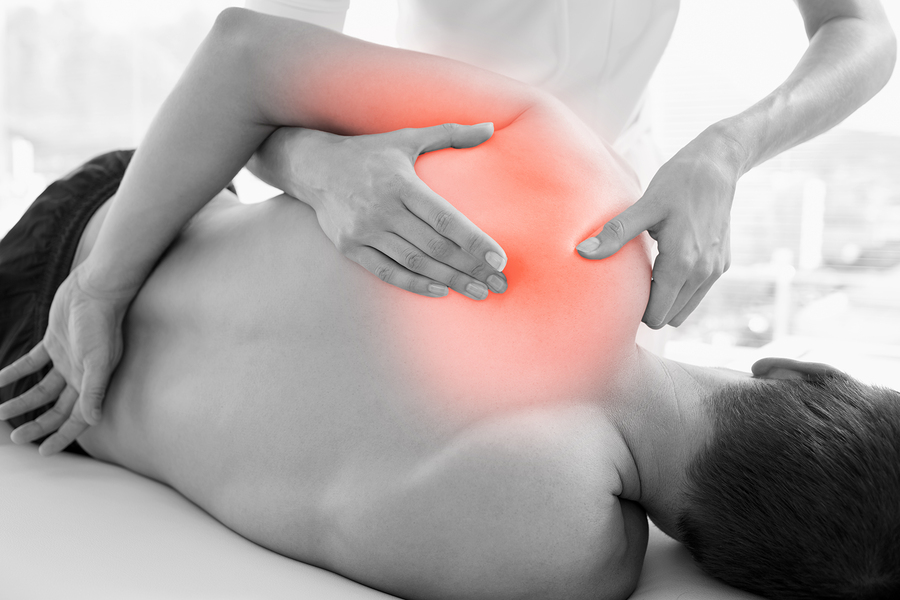
Plasma Therapy Helps Rotator Cuff Injuries Heal

By Pat Anson, Editor

Kobe Bryant, Peyton Manning and Alex Rodriguez have used it to treat chronic injuries and extend their athletic careers. But does platelet-rich plasma therapy (PRP) work for amateur athletes and weekend warriors?

According to a small pilot study published in PLOS ONE, a single PRP injection helps reduce pain and heal injured tissue.in patients with chronically sore shoulders caused by rotator cuff tears. 

"We studied patients 35 to 60 years old with rotator cuff tendinopathy due to normal aging. For the first time, we were able to not only find reported improvements in pain and mobility, but also in the tissue - the MRI before and after showed structural change and a decrease in the size of tears," says lead author Marni Wesner, sports medicine physician at the University of Alberta’s Glen Sather Sports Medicine Clinic.

PRP therapy is an emerging therapeutic procedure for the treatment of both acute and chronic soft tissue injuries. The procedure involves withdrawing blood from the patient and then spinning it to produce a high concentration of platelet cells. The plasma is then injected back into the patient at the injury site, speeding up the natural healing process.

The pilot study involved only a small number of participants – 7 patients with rotator cuff tendinopathy received a PRP injection and 2 received a placebo injection. All participants then took part in a 3-month home-based daily exercise program.

"Based on MRI findings before and after the injections, we saw improvements in the tissue six months later in five of seven patients undergoing PRP and an appropriate rehabilitation program. The healing in the tissue appeared to correspond with the reported improvement of the pain and also with the clinical assessment of function," explains Doug Gross, interim chair of physical therapy at the Faculty of Rehabilitation Medicine.

One of the patients who benefitted from the treatment was Debbie Brown, a retired police officer.

"For the past two years, I have tried everything for my right shoulder. Physio would help for a bit but then the problem would still be there. I tried acupuncture, Kinesio tape, cortisol injections - you name it, I've tried it," says Brown. "Once I did the PRP, it really did fix everything!"

At age 58, Brown says her injured shoulder feels like new.

"I can shoulder-check now and brush my hair. I can work out and be active again," she says.

Researchers admit the small size of the study and other factors may have affected the results.

“Patients considered for this study had very high expectations of PRP treatment, with 70% willing to pay out-of-pocket for the therapy to avoid the possibility of receiving a placebo injection. This presented a serious challenge for recruitment and will likely limit the ability of future investigators to enroll sufficiently large and representative samples of patients for PRP trials. High patient expectations and the placebo effect on clinical outcomes also cannot be discounted,” said Wesner.

In fact, one of the patients who received placebo treatment reported improvements in both pain and physical function – which could have been a placebo response to the injection or because of the home exercise program they participated in.

Los Angeles Lakers star Kobe Bryant was one of the first professional athletes to receive PRP therapy, traveling to Düsseldorf, Germany for a more refined version known as the Regenokine treatment.  Peyton Manning, Alex Rodriquez, Vijay Singh and other professional athletes soon followed.

Only a few small clinical trials have been conducted on the effectiveness of PRP therapy. Patients with knee osteoarthritis showed significant improvements as long as two years after PRP injections, according to a study published in The Journal of the American Osteopathic Association.