It's Time for Chronic Pain Patients to Act

By Alessio Ventura, Guest Columnist

I am a chronic pain sufferer who recently had multiple emergency surgeries due to sepsis infection after a shoulder replacement.

I have had 17 surgeries since 2008, including major back surgery, rotator cuff repair, biceps tendonitis, knee surgery and hernia surgery. Bottom line: my body is now wracked with arthritis and post-surgical pain.

I have tried several pain treatment modalities over the years, including Lyrica, Cymbalta, chiropractic, injections, NSAIDs, and acupuncture. The only effective treatment in my case has been the legitimate, professional application of opioid medicine by pain management physicians.

I have severe allergic reactions to NSAIDs, which kill 15,000 per year and send 100,000 to the hospital.  A friend of mine died from a stroke because of NSAIDs.

After my recent surgeries related to the shoulder replacement and subsequent infection, my wife had to travel to 25 different pharmacies before she finally found someone willing to fill my scripts for Oxycontin and Percocet.

This is not unusual though. Each month is a long trek to find pain medicine. What has happened due to government restrictions on opioids is a reduction in the supply of opioid medicine. The drug companies see the writing on the wall and are slowly trying to get out of the business.
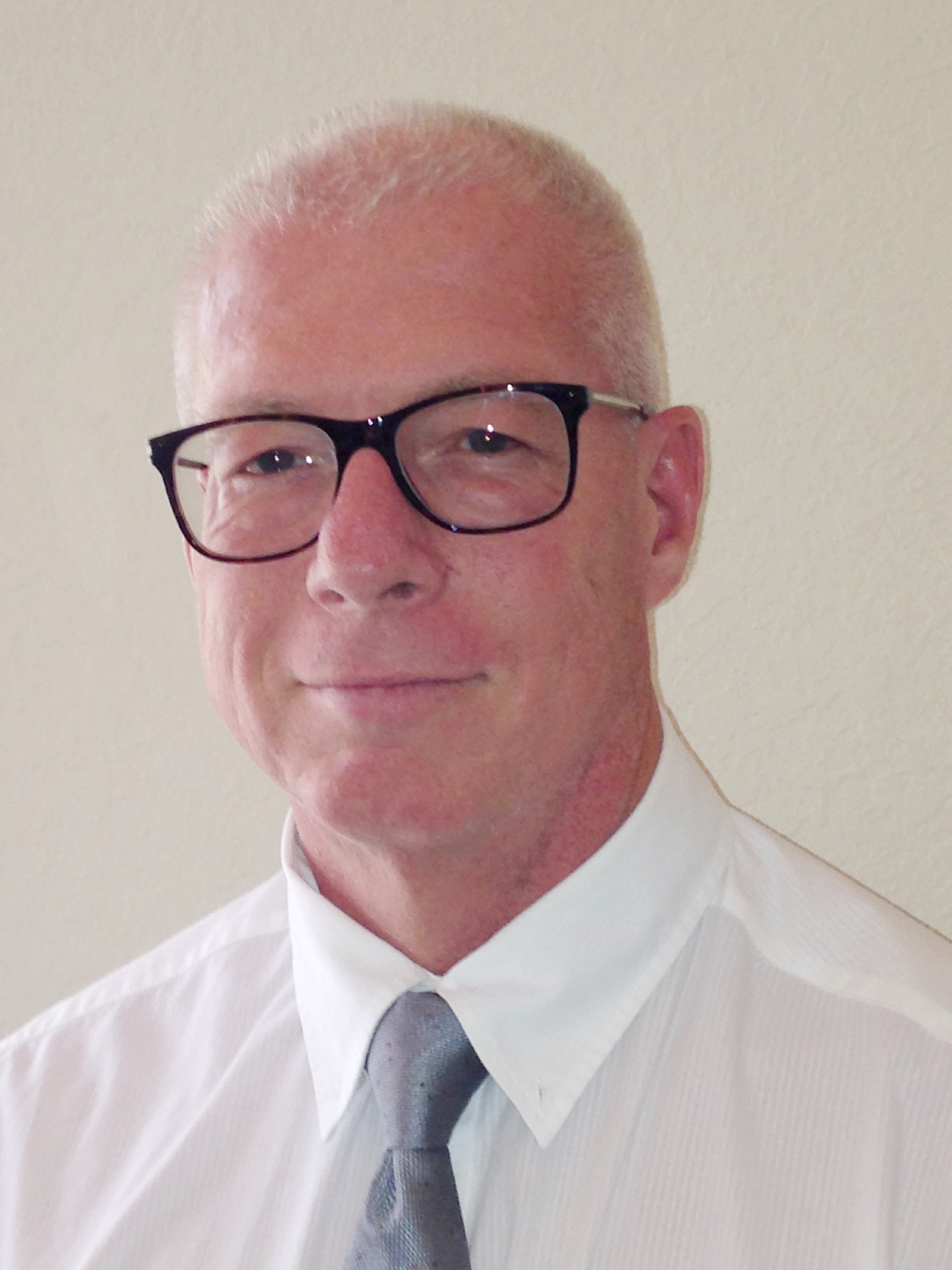
ALESSIO VENTURA

At the same time, the government sets limits on how much a pharmacy can stock. That is according to pharmacists I have spoken to, but is denied by the DEA and FDA in response to letters I have written.

It truly is a nightmare. Each month, you have to go to pharmacy after pharmacy before you find a pharmacist willing to dispense the medicine, which pharmacists are under no legal obligation to provide. Many pain patients go into withdrawal each month as they search, while at the same time enduring intractable pain.

Most of us have tried every single alternative to opioids, but the anti-opioid hysteria paints a picture that there are better and safer therapies. That simply is not true. The only thing that works for many of us is an opioid-based medicine.

The madness is spreading. New Jersey governor Chris Christie has signed into law a bill that limits the first script for opioids to 5 days. After the four surgeries I’ve had since August, I was bedridden and could not visit a doctor after 5 days. They could not identify the infectious agent as they were unable to grow it in cultures. Eventually I was treated with 3 broad spectrum antibiotics, which in addition to killing the infection, also killed the "good" bacteria in my system, which caused severe fatigue and gastrointestinal side effects.

Many acute traumas, like when someone is shot or in a horrible car accident, will not provide for easy travel to visit a doctor to refill an opioid after 5 days, and it is currently illegal for a doctor to call in a script for controlled substances. This caused a run on opioid medicine in New Jersey as hospitals and surgery centers accumulated as much as they could, and with the cutback by drug companies, many people could not get their scripts filled.

My 85 year old mother in New Jersey had back surgery recently. My sister drove to 30 pharmacies -- starting in Bridgewater and working her way along Route 22 toward Newark -- and she was unable to get our mother’s scripts filled. My mother was in horrible pain and my sister had to rush her back to the ER. It was horrible. My sister broke down in tears at the ER as she explained her plight and the suffering of my mother.

There is a reason why army medics carry morphine to the battlefield. It is the only thing that has a chance to address severe acute pain.

In addition to supply limits, there is the prescription drug monitoring system. The government now tracks every single opioid that you legally acquire. If for whatever reason you find yourself away from home and cannot see your physician and you attempt to refill or get new pain medicine because of an injury, surgery or chronic pain, you will not be able to do it legally without first getting in touch with your doctor so they can coordinate care. Often this is not possible.

If you do get pain medicine while away without coordinating, you will be investigated and may be subject to arrest. Your doctor may also drop you from their practice. Your rights as a patient, especially your privacy rights and your right to seek pain relief, are now severely trampled.

Politicians are playing with fire as the opioid hysteria grows. More people will commit suicide rather than live with intractable pain, because politicians think they know more than doctors treating patients.

Who is going to listen to us? Politicians and some in the medical community conveniently conflate overdose data from the illegal use of opioids with legitimate use for intractable pain. They are also dismissive and try to tell us that we should try alternatives. For example, Lyrica is now being pushed by many, but it was developed only for a specific class of nerve pain, and possible side effects include suicide, weight gain, and a host of other things.

I almost committed suicide myself after being prescribed Lyrica and Cymbalta. I went from 190 pounds to 300 pounds, and had suicidal thoughts almost from the outset. When I told my doctors, they said, "Give it more time, the side effects will subside".

After the Lyrica and Cymbalta were stopped, I stayed on OxyContin and had bi-weekly testosterone shots. I lost all of the weight and the suicidal thoughts went away. It was a miracle.

There is a literal civil war occurring now between physicians who understand pain, and others who refuse to admit the truth about the efficacy of legitimate pain management via the use of opioids. Unless we all collectively speak up and scream loudly, meaning writing formal, respectful, but firm and forceful letters to our representatives, they will continue to step on us and cause our lives to be living hell.

It is time. Find out who your state and federal representatives are. Find out who your local, state, and federal health organization leaders are. Write formal letters, not emails or phone calls, to your representatives. After you write your letters, request meetings with your representatives and go to that meeting. Do whatever you can in a professional, respectful, but aggressive way in order to bring attention to our plight.

The time is now. Failure to act most assuredly means an end to our rights, a lifetime of pain, more illegal use of drugs, and in many cases, death.

Alessio Ventura was born in Italy, came to the U.S. at 17, and finished high school in Newark, New Jersey. He worked for Bell Laboratories for 35 years as a network and software engineer. Alessio has been married for 35 years and has 4 adult children, including triplets.

Pain News Network invites other readers to share their stories with us.  Send them to:  editor@PainNewsNetwork.org

The information in this column should not be considered as professional medical advice, diagnosis or treatment. It is for informational purposes only and represents the author’s opinions alone. It does not inherently express or reflect the views, opinions and/or positions of Pain News Network.

Mediterranean Diet May Reduce Pain Caused by Obesity

By Pat Anson, Editor

Eating a Mediterranean diet rich in anti-inflammatory foods could decrease the chances an overweight person will develop chronic pain, according to a small study at The Ohio State University.

“We found that a healthy diet explained the link between weight and pain and specifically that seafood and plant proteins such as peas and nuts and beans were key,” said Charles Emery, a professor of psychology at Ohio State’s Institute for Behavioral Medicine Research.

“It appears to be telling us that it’s not just the quantity of the food you eat that plays a role in pain for heavier individuals, but the quality of food as well.”

Emery and his colleagues developed a model to help determine which foods in a Mediterranean diet play a role in the likelihood a person’s weight would contribute to pain.

They found a clear pattern: eating more fish and plant-based proteins such as nuts and beans was linked with less pain, regardless of body weight.

The study, published in the journal Pain, also upheld previous research showing that people who are overweight or obese are more likely to experience pain.

“Obesity and pain are significant public health problems. This was an attempt to take a very detailed snapshot of how they might be related,” Emery said. “We were interested in the possibility of an inflammatory mechanism explaining the connection because we know there’s a high degree of inflammation associated with obesity and with pain.”

Emery’s research team asked 98 men and women between the ages of 20 and 78 detailed questions about their diet and pain levels while visiting them in their homes. They also measured their body mass index, waist circumference and body fat percentage.

Participants who consumed more anti-inflammatory proteins had lower pain levels.

“For people with obesity, it’s kind of like a cloud hanging over them because they experience high levels of pain and inflammation,” Emery said.

Potential weaknesses of the study include the lack of blood samples that would allow the researchers to look at inflammatory markers. Participants were also only asked about their pain  during the previous month, which does not account for chronic pain of a longer duration.

Emery said his next step is to examine body fat and pain using biomarkers associated with inflammation.

“I’m interested in how our work can contribute to effective treatments for overweight and obese individuals,” he said.

A previous study at Ohio State found that anti-inflammatory diets can boost bone health, prevent fractures and lower the risk of osteoporosis in women.

9 Stupid Things People Say About My Health

By Crystal Lindell, Columnist

Below is a list of 9 things that are not helpful to hear when you are in the midst of debilitating chronic pain (and 11 things that are).

Fair warning, the language is strong — like my pain. Sorry about that.

1. Have you tried pot?

Piss off. First of all, I’m not allowed to. My doctor makes me take drug tests and if they find any trace of marijuana, they could cut off my opioids.

Second, it’s not like I can get Mary Jane at the CVS. Do I just randomly trust the local teen drug dealer to get me my medicine? For my body? That already hates me? That sounds like a great plan.

Third, pot is not a magical cure for everything wrong with everyone. It’s a plant. Not a potion.

2. You should lose some weight.

Fuck you. Losing weight is also not a magical cure all. And also, have you ever been on sleeping pills, pain pills and antidepressants, all at once? Because not only do those drugs make it hard to lose weight, they make you gain weight.

And OK, let’s pretend losing weight would magically cure me. I’m in pain right now, and I can only really lose a pound a week. So what am I supposed to do? Wait this out for a year or two until I get to the weight you suggest?

Oh, and also, screw you for telling someone who literally feels like they are dying that they should also give up one of the last good things in their life — delicious food.

Also, now I’m sick AND worried that you think I’m fat. Thanks a lot, asshole.

3. Just go to a chiropractor

I judge people who say this to me.

First, are you going to pay for it? Because my insurance sure as hell won’t. Also, it doesn't work for me. I don’t have a crick my neck, I have real issues. Issues chiropractors can’t solve. And personally, every single one I have ever been to has charged me hundreds of dollars for what basically amounts to the placebo effect.

4. What about acupuncture?

Screw you and your stupid needles. It doesn’t work. It’s the placebo effect. And again, my insurance company is not on board.

5. This is all part of God’s plan for you. You’re going through this so you can write about it and help others.

As the saying goes, Lord give me patience because if you give me strength I’m going to have to kill the next person who says this crap to me.

Okay, so assuming there is a God, He did not do this to me. Surviving constant debilitating pain is not part of some Almighty plan. And if it is part of God’s plan, then, well, I’m just going to say it — that is some bullshit.

6. You should give up gluten.

Boy bye. You want me to give up bread now too? Does it make you feel better to offer me this advice? Because if so, the only person it’s helping here is you.

Would you go up to someone who just had their foot cut off and condescendingly suggest that perhaps the solution to the blood coming out of their ankle is to just give up bread? No, because that would be insane. And asking me to give up bread is equally insane.

Gluten-free is also not a magic cure-all. On the other hand, the bread sticks at Olive Garden might be.

7. You really need to get off those pain meds. They’re so bad for you.

Sorry, but that’s bullshit darling. You know what’s bad for me? Being is so much pain that I literally can’t get out of bed for days on end. Being in so much pain that I can’t shower. Being in so much pain that I can’t work and lose my job. Being in so much pain that I want to kill myself. Those things are bad for me. Not the pain pills that help me live.

8. I’m praying for you.

Oh for God’s sake. And mine. Can you not? I mean, I get it, it makes you feel better. But let me just chill here DYING while I wait for your prayers to magically take effect. You think I haven’t been pleading with God for the last four years straight to make me better? Of course I have. Trust me, HE KNOWS.

And you telling Him isn’t going to change that. And it isn’t going to help me in any practical way. I mean, feel free to pray for me, just don’t let it be the only thing you do.

9. Well at least it’s not cancer.

Fuck you. Cancer sucks. But so does what I have. Asshole.

Some things you should say instead:

1.  I love you.

2.  I made you dinner. I’m bringing it over right now.

3.  I am driving you to your doctor’s appointment today. I know it’s two hours away. I’ll even pay for gas.

4.  I’m going to sit in on the doctor’s appointment and take notes and ask questions because I know you’re too sick to fully pay attention.

5.  Let me get that $50 co-pay for your prescription.

6.  I am coming over to clean your bathroom and do your laundry so you don’t have to constantly ask your mom to do it.

7.  Here’s some Taco Bell.

8.  I am coming over and we are just going to sit on the couch for hours, while you vent about how shitty it is to be sick every fucking day.

9.  I believe you.

10.  I know it sucks. I know it’s hard, but this world would be a much worse place without you and I really don’t want you to kill yourself.

11.  Here are two tickets to Paris.

The main difference between the first list and the second list? Most of the first list asks the sick person to do something, and most of the second list makes you do the something for the sick person.

It's harder, but much more effective. 

Crystal Lindell is a journalist who lives in Illinois. She loves Taco Bell, watching "Burn Notice" episodes on Netflix and Snicker's Bites. She has had intercostal neuralgia since February 2013.

Crystal writes about it on her blog, “The Only Certainty is Bad Grammar.”

The information in this column should not be considered as professional medical advice, diagnosis or treatment. It is for informational purposes only and represent the author’s opinions alone. It does not inherently express or reflect the views, opinions and/or positions of Pain News Network.
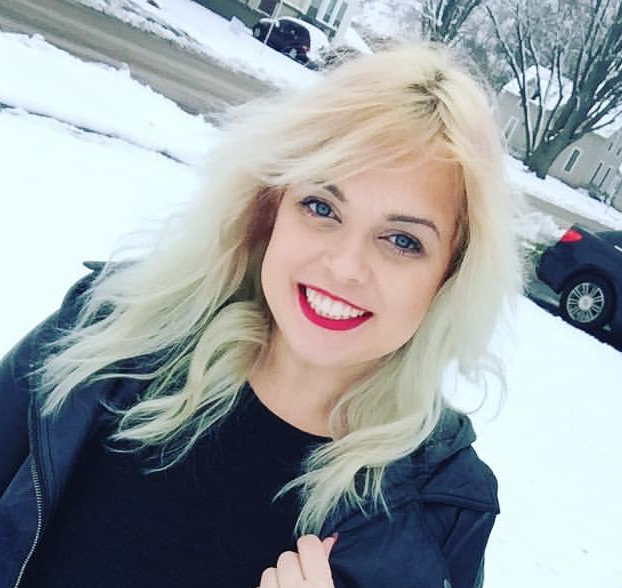
FDA Nominee Called for DEA to Stop Policing Pain Care

By Pat Anson, Editor

President Trump has nominated a doctor who has proposed radical changes in the regulation of opioid pain medication as the next head of the Food and Drug Administration.

Scott Gottlieb, MD, is a former deputy FDA commissioner and has worked as a consultant to several drug companies. He is currently a fellow at the conservative American Enterprise Institute.

If confirmed by the U.S. Senate as FDA commissioner, The Washington Post reports the 44-year old Gottlieb is “likely to try shaking it up in significant ways,” by speeding up the agency’s approval of new drugs – what President Trump has called a “slow and burdensome” process.

Also of note to pain patients, pharmacists and doctors is that Gottlieb may seek to reduce the role of the U.S. Drug Enforcement Administration in regulating and policing opioid pain medication.

In a column published in The Wall Street Journal in 2012 – which carried the headline -- "The DEA’s War on Pharmacies – and Pain Patients” – Gottlieb wrote that patients would suffer less if medical regulators, not law enforcement agencies, monitored the dispensing and consumption of opioid medication.

scott gottlieb, md

“What can be done? We should free the DEA from the dual mandate to be both regulator and cop,” Gottlieb said. “This approach is burdening a lot of innocent patients, including those with legitimate prescriptions who may be profiled at the pharmacy counter and turned away. Others have in effect lost access to care, because their doctors became too wary to prescribe what their patients need. But the DEA tactics aren’t stemming the illegal activity.”

At the time the DEA had just slapped severe penalties on drug wholesaler Cardinal Health for shipping large amounts of opioids to four Florida pharmacies that were essentially operating as pill mills. The backlash from that case led pharmacies across the country to start turning away pain patients with legitimate opioid prescriptions.

“Cardinal has suspended sales to hundreds of pharmacies that it deems ‘suspicious,’ even those in good standing that retain their DEA license to sell narcotics,” wrote Gottlieb. “Pharmacies, in turn, are closely scrutinizing which prescriptions they will fill, making things like baggy pants and a tattoo a liability if you need medicine.”

Calling the DEA the “wrong enforcer” for the job, Gottlieb proposed a radical move: Have the DEA concentrate on street drugs and drug cartels, while the Department of Health and Human Services regulates doctors, pharmacies and others involved in dispensing pain medication.

“Public-health agencies inside the Department of Health and Human Services (HHS) would have more expertise in making the distinctions between illicit diversion and the legitimate practice of medicine. Regulating these activities requires close knowledge of how medical-practice decisions are made, as well as the ability to collaborate with provider groups to enlist them in achieving regulatory goals. Some of the DEA’s resources and mission could be statutorily given to HHS,” Gottlieb wrote.

“A good line of demarcation would be at the point of care. Doctors prescribing narcotics, drug distributors and pharmacies could come under the supervision of HHS. The department would also take responsibility for apportioning active ingredients to manufacturers of narcotics, educating doctors on proper prescribing, and investigating pharmacies and providers who appear to have gone rogue.”

Gottlieb wrote that column five years ago and it is not known if he still holds those beliefs. The current political atmosphere in Washington about opioids may also cool his enthusiasm for stripping the DEA of one of its primary jobs. But it is interesting that he proposed it.

Gottlieb’s ties to the pharmaceutical industry may come under scrutiny during confirmation hearings. Activists are already lining up in opposition to his expected nomination, calling some of Gottlieb's ideas about deregulation “dangerous.”

“Scott Gottlieb is entangled in an unprecedented web of Big Pharma ties. He has spent most of his career dedicated to promoting the financial interests of the pharmaceutical industry and the U.S. Senate must reject him,” said Dr. Michael Carome, Director of Public Citizen’s Health Research Group

“Gottlieb’s appointment would accelerate a decades-long trend in which agency leadership too often makes decisions that are aligned more with the interests of industry than those of patients. The Senate must reject the nomination and demand a nominee who is better suited to protect public health.”

When Life Doesn't Turn Out Like We Planned

By Barby Ingle, Columnist

Most of my conscious thoughts start when I was 4 years old. I knew then who I was going to be when I was an adult, or at least thought I did.

My parents thought I would change my mind. My dad even told me, “No, you can’t be a cheerleader the rest of your life.”

They were sure I would have children that would pester me, like I did them. They were sure that we all grow up and become the adult that society makes us into. I am over-simplifying life, but that is what we do to stay happy, positive and lighthearted.

I knew I was made to motivate and inspire others for as long as I can remember. I knew I would be a cheerleader for life, that I wouldn’t have children of my own, and that I would be organized and hardworking. Those beliefs I held as a child, I still hold today, for the most part. I knew all of this at age 4 and all of it came true and more.

The “more” is the life I live in the present, at age 44. The road of life that brings changes, roadblocks, boulders, mountains, and stoplights is constantly changing and unpredictable. I didn’t know what tomorrow will bring.

One day, all the roadblocks hit at once. I was 29 and never imagined anything like the life I have now. It was devastating for a while. I eventually realized that this is just life. I have the power and choice to make mine happy and productive. Things are going to happen that are great, devastating, happy, sad, and every level in between.

It shouldn’t take 3 years and 43 providers to get a proper diagnosis. But it did. Everyone should be able to live the life that they want. But most of us can’t. According to one survey, only 1 in 11 people are working in their childhood dream job.

So, what do we make of life when chronic illness strikes? Is life over?  I think not. I found a way to change my new realities so that -- even in pain -- I was living my dreams.

I think it would be even easier if you are among the 10 of 11 people who didn’t realize your destiny. Maybe you have been doing it all along. No matter if you know your destiny or are making it up as you choose, in each moment the core of you is the same.

Let’s face the challenges of living with chronic pain with more positivity, optimism and motivation. When the world gives us lemonade, we make margaritas. When it takes away the chocolate, we find new ways to make dessert.

I know my message may be hard to hear if you are a pain patient. So I will share a few tips on how I keep myself moving, keep being ME, and hopefully inspire you to look at life in a new way, when it’s not turning out as planned.

First, I realized that I can’t control all the things that happen to me, but I can decide how I will react to what happens. I can plan and counter-plan, and then make the best of the new reality.

We all have our stories. That is what we are creating here on earth. Stories should be shared. Sharing them can be a decisive action. Some are mere ripples and others can be tsunamis, meant to teach us and those with whom we share a new life lesson.

No one story is sadder or happier than anyone else’s. Life and how we react to it is what matters. You can choose your path, make a new one, or follow others. It really is up to you.

Developing a chronic illness changes how we see life. Pain changes everything about life. When a roadblock comes your way, take a step back, look around to explore the whole picture, and decide how you’d like to respond.

We must learn to be brave facing our new reality. When something does shake us to our core, we must take the time to face it, understand the emotions of the situation, and realize that tomorrow can be a better day. Being honest with myself, especially when things don’t go my way, reminds me to hold on for one more day. Things will change, even in the darkest of moments. Hold on and you can make it through.

Take the time to understand yourself, learn your new boundaries, test those boundaries, and know that it’s not your fault. Life just is what it is. What can you do to make it better for yourself?

It is important to be open to new treatment options, new health discoveries, and new life experiences (or old ones being done in a new way). Hanging on to what could have been would make me bitter and resentful.

Finally, remind yourself constantly that pain won’t get you down forever. It takes work to create the life that you want, and you may fail at times. It doesn’t mean that you are worth less, that you are not going to be successful, or that you can’t change the outcome to something more positive.

How you choose to respond is what matters and that is what life’s all about.

Barby Ingle lives with reflex sympathetic dystrophy (RSD), migralepsy and endometriosis. Barby is a chronic pain educator, patient advocate, and president of the International Pain FoundationShe is also a motivational speaker and best-selling author on pain topics.

More information about Barby can be found at her website. 

The information in this column should not be considered as professional medical advice, diagnosis or treatment. It is for informational purposes only and represents the author’s opinions alone. It does not inherently express or reflect the views, opinions and/or positions of Pain News Network.
Bacteria Studies Give New Hope to IBD Patients

By Pat Anson, Editor

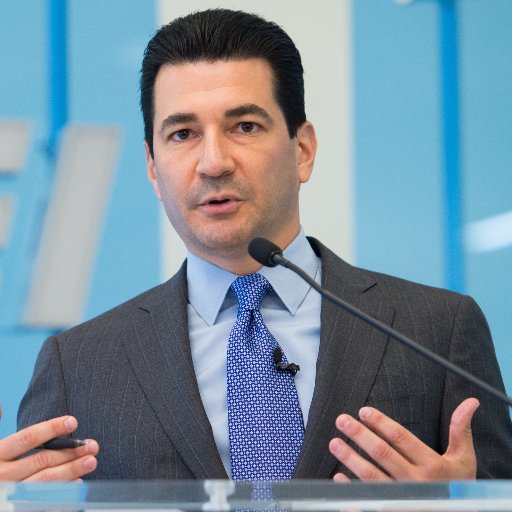
A new study is adding to the growing body of evidence linking gut bacteria to autoimmune and gastrointestinal diseases – research that could lead to new and more effective treatments.

Researchers at the University of Utah used animal studies to show that a certain type of yeast can aggravate symptoms of Inflammatory Bowel Disease (IBD). Their findings, published in the journal Science Translational Medicine, also suggest that allopurinol, a generic drug already on the market, could offer some relief.

IBD is an autoimmune disease characterized by chronic inflammation of the gastrointestinal tract, causing diarrhea, pain, fatigue and weight loss.

For years doctors have used the presence of yeast antibodies, specifically antibodies in the yeast Saccharomyces cerevisiae, to differentiate between Crohn’s disease and ulcerative colitis, two variations of IBD. But it was unclear the role that yeast played in relation to IBD.

“To me this was a huge hole in our understanding of the role of yeast in IBD and our health,” said June Round, PhD, an associate professor in pathology at the University of Utah School of Medicine.

Round and her research team studied two types of yeast that are common in healthy people and IBD patients. Saccharomyces cerevisiae, also called Baker’s yeast, is a prominent organism in the environment and in our food. Rhodotorula aurantiaca is also commonly found in the environment, as well as milk and fruit juice.

Scientists gave each type of yeast to laboratory mice that had been treated with chemicals to induce IBD-like symptoms. The symptoms worsened in mice fed S. cerevisiae, but not in those fed R aurantiaca.

“The mice fed S. cerevisiae experienced significant weight loss, diarrhea, bloody stool, just like a person with IBD,” said Tyson Chiaro, graduate student in Round’s lab.

Further study revealed that the mice fed S. cerevisiae had a higher concentration of nitrogen-rich compounds, called purines, than the mice fed R. aurantiaca. Unlike other yeasts, S. cerevisiae cannot break down purines that accumulate in the intestinal tract and produce uric acid. Uric acid exacerbates inflammation, which may worsen IBD symptoms.

When the mice were treated with allopurinol, a medication used to block the production of uric acid in gout patients, the drug significantly reduced their intestinal inflammation.

“Our work suggests that if we can block the mechanism leading to the production of uric acid, perhaps with allopurinol, IBD patients with a high concentration of S. cerevisiae antibodies may have a new treatment option to reduce inflammation, which could allow the intestine time to heal,” said Round.

E. Coli linked to IBD and spondyloarthritis

Another recent study has helped researchers identify E. coli bacteria found in people with Crohn's disease that can trigger inflammation associated with spondyloarthritis, a painful arthritic condition that affects the spine and joints.

Researchers used fecal samples from IBD patients to identify bacteria in the gut that were coated with antibodies called immunoglobulin-A (IgA) that fight infection. Using flow cytometry, in which fluorescent probes are used to detect IgA-coated bacteria, the researchers found the E. coli bacteria were abundant in fecal samples from patients with both Crohn's disease and spondyloarthritis.

"Our findings may allow us to develop diagnostic tools to stratify Crohn's patients with spondyloarthritis symptoms as well as patients at risk," said senior author Dr. Randy Longman, an assistant professor of medicine and director of the Jill Roberts Institute Longman Lab at Weill Cornell Medicine.

Longman and his research team found that patients with Crohn's disease and spondyloarthritis had high levels of Th17 cells, which help fight inflammation. The finding may help physicians select therapies that target inflammation in both the bowels and the joints.

"We knew there was smoke but we didn't know where the fire was," said Dr. Kenneth Simpson, a professor of small animal medicine at Cornell's College of Veterinary Medicine. "If we can block the ability of bacteria to induce inflammation, we may be able to kick Crohn's disease and spondyloarthritis into remission."

The study findings are also published in Science Translational Medicine

9 Lessons From 9 Years of Living with Chronic Pain

By Lana Barhum, Columnist

In September 2008, I was 32 years old, married, with a newborn and a nine year old, when I learned I had fibromyalgia and rheumatoid arthritis. Chronic pain and illness suddenly dominated my world.

That was almost nine years ago and I have learned a lot from this often unfair experience. It seems chronic pain and illness have much to teach us. Here are 9 lessons I’ve learned:

1) I am Stronger than I Ever Imagined

There was a time when I didn’t think I could ever meet the challenges imposed by pain and illness. But you don’t know how strong you are until your world comes crashing down and you are left to deal with the aftermath.

The human spirit and body have a high tolerance for pain.  Just when you think you cannot possibly live with it, you find you can.  I have had some pretty painful experiences – some so bad I wished for death.

But I am still here – alive and well. Because no matter what, I am stronger than this. And guess what? So are you.

2) Acceptance is Vital

I spent the first few years of being sick and in pain living in denial.  That choice took its toll on my physical and emotional health.  It was not until I truly accepted my health challenges that I was able to move past them and focus on having a somewhat normal life.

Acceptance also means you are an active participant in your health.  Take your medications and your doctor's advice, keep moving, and focus on bettering your mental and physical health.

I still have days where acceptance is a struggle, but I choose to remind myself what I am feeling isn't permanent.  

3) Don't Take Life So Seriously

As it turns out, there is more to life than being healthy.  You can still have a good, happy life even though you hurt and feel awful. 

There will be good days, bad ones, and even downright ugly ones. But you can still experience moments of happiness, enjoy life, and have meaningful relationships.  Illness and pain don’t define you or dictate your life.

Even at my sickest, I managed fill my life and my children's lives with joy and laughter.  Focusing on the good stuff, not taking life so seriously, and letting go of what you cannot control keeps you from shedding unnecessary tears.

4) Give Grief a Limit

The grief we often feel from chronic illness comes and goes. Like many of you, I have endured plenty of grief-filled moments.  I have been angry, sad, and even clinically depressed.

Grief is normal and natural, especially when your life is continually dominated by pain, sickness, and losses.  Give yourself permission to be angry about your pain, but don’t let those emotions take on a life of their own.

5) Life Can Be Unfair – Let Go

I know all too well that chronic illness and pain are unfair. If I could I have protected my health, I would have, but I couldn't.  And I couldn’t control the snowball effect that continued for several years after my diagnosis. All of it just simply goes back to life being unfair. It has nothing to do with health challenges.

I am learning to let go of what I wanted my life to be and to just focus on what it is now.  Things just happen – like a permanent injury or a chronic disease – that don’t have an explanation.   You can either focus your energy on dwelling on the unfairness or you can move on, let go and learn.

6) People Sometimes Let Us Down

I used to think chronic pain and illness were the worst things that happened to me, but it turns out they weren't.  Finding out that people don’t stick around when the going gets tough is far worse.

Some of my friends walked away.  My family didn’t understand.  And my marriage ended.  Before I got sick, I loved sharing my life with others.  But now that I am not sick and in pain daily, I don’t. People don’t always get that.  That makes maintaining relationships harder.

These days, I place my focus on creating a positive family life for my children and giving us the best life possible.  I don’t have a lot of time and energy to worry about others who don’t understand.   After all, this is MY life – pain, sickness and all - and I get to decide who is in it and who isn't.

7) This is Your Journey – No One Else's

After nine years, I am finally confident in my ability to manage this roller coaster ride alone.  Yes, I can sometimes rely on others to help and provide support, but at the end of the day, I decide the kind of person this life with pain and illness makes of me.

You may have all the support in the world, but you are the only one who can decide the direction this journey goes. Chronic pain can take so much if you let it.

Choose to make the best experience of this journey even when it hurts, and even it feels like you have got nothing left in you. Trust me when I say, “You have got this.”

8) Let Go of Your Fears

I was once afraid of what my life would become, but here I am nine years later and my fears were nothing but wasted time.  Interestingly, my health challenges took my life in directions I never anticipated and most of them have been good.

Don't miss out on the blessings of the present and future because you are dwelling on the past.  Stop being afraid because you can still have a bright future.

9) Never Give Up on Your Health and Happiness

My life changed the day my doctor said, "You have rheumatoid arthritis and fibromyalgia."  I went from being a healthy young mother to someone with an uncertain future.  I don’t take anything in my life for granted anymore and I treasure each day as the gift it truly is.

And the things that I thought I had to give up on – my dreams, watching my children succeed and grow into amazing human beings, and even finding love again – I was so wrong about.  All these things were possible despite chronic pain and illness. And they continue to be.

Lana Barhum is a freelance medical writer, patient advocate, legal assistant and mother. Having lived with rheumatoid arthritis and fibromyalgia since 2008, Lana uses her experiences to share expert advice on living successfully with chronic illness. She has written for several online health communities, including Alliance Health, Upwell, Mango Health, and The Mighty.

To learn more about Lana, visit her website.

The information in this column should not be considered as professional medical advice, diagnosis or treatment. It is for informational purposes only and represent the author’s opinions alone. It does not inherently express or reflect the views, opinions and/or positions of Pain News Network.

Waiting for Effective Pain Care at the VA

By Steve Pitkin, Guest Columnist

As a veteran of Vietnam and as a chronic pain sufferer, I am so glad that Pain News Network has been a consistent voice for 100 million Americans who are basically being told to "go off and die somewhere" by the DEA, CDC and other government agencies who are supposed to be protecting us.

I started on morphine, clonazepam and temazepam in 2001, and was constantly monitored by a team of psychiatrists, psychologists and my primary care physician at the VA Medical Center in West Palm Beach, Florida. I did not get "high" from the treatment, but it gave me a quality of life that I could not have with other medications.

I was in a car wreck after I retired from the military in 1997. In September of that year, I was taking my youngest daughter to an orthodontist appointment when our vehicle was hit by a truck right after a rain storm.

The crash seriously injured my daughter, who was clinically dead for over 6 minutes before being brought back to life by a helicopter rescue team. She still suffers from a traumatic brain injury, as well as pain issues herself.

The accident worsened the already extensive injuries to my cervical spine and lower back area. I started to lose strength in both arms, and a civilian doctor attempted an ulnar nerve release. That worked for about a week, before the pain and numbness came back.

STEVE PITKIN

I eventually moved to Montana and was treated by a new primary care physician at the VA clinic in Missoula. He and his nursing team were not very helpful, so I asked to be transferred to a new doctor last year.

I was called back to the clinic and was introduced to my new physician. He took one look at my medical records and said, “The amount of painkillers you are on is borderline medical malpractice and we're going to have to get you off of them as soon as possible."

I nearly hit the roof when he said that. I had three failed right knee procedures, my cervical and spinal pain had grown worse, and here he's telling me that I was a victim of too many painkillers?

I have been pretty much bedridden since my dosage of morphine and the other medications were reduced. I have also been told I need to have both knees and both shoulders replaced. However, I was refused surgery on my neck by a neurologist who said, “If I were to operate on you, the amount of painkillers you’d need would kill you. You need to get off the morphine and benzodiazepines first, then come see me."

I told the neurosurgeon that I was an ex-Green Beret medic and had already gone through surgery several times with no serious side effects. But I was talking to a blank wall.

I went to see another primary care physician about the problems I was having with the lower dosage. He laughed at me when I asked if he could raise the dose. “You signed this paper saying you agreed to it," he said while waving the paper at me.

I didn't have any choice in the matter. I was told either to sign it or be cut off altogether.

I have written to both the House and the Senate Veterans Affairs Committees and was told there was nothing they could do to help me. When I found out that Montana Sen. John Tester was on the Senate Committee that helped the VA pass these measures, I was livid and told him so.

I even emailed President Obama and received a reply from him, saying something to the effect that it was important to keep heroin off the streets and to stop illegal sales of prescription pain meds.

There’s no doubt about that, but we who need those medications are being lumped into the same pile with drug abusers. The veteran suicide rate is estimated 20 a day and many vets, as well as civilian chronic pain patients, have been forced into buying illegal drugs and are dying from them.

I have always been a patriotic American and didn't hesitate to volunteer for the draft when I was 18. But if I knew that the government I served for so long would declare me an enemy, I think I never would have gone into the military. If not for my strong faith as a Christian, I would have killed myself long before writing this.

I can only hope that President Trump realizes that waiting in line for healthcare is not the only problem with the VA, and that wars injure and maim people for life.

Was it all really for nothing?

Steven Pitkin lives in Montana.

Pain News Network invites other readers to share their stories with us.  Send them to:  editor@PainNewsNetwork.org

The information in this column should not be considered as professional medical advice, diagnosis or treatment. It is for informational purposes only and represents the author’s opinions alone. It does not inherently express or reflect the views, opinions and/or positions of Pain News Network.
What Cavemen Used for Pain Relief

By Pat Anson, Editor

Neanderthals may be a lot smarter than we give them credit for. Especially when it comes to finding pain relief.

Ancient DNA extracted from the dental plaque of Neanderthals has revealed new insights into their behavior and diet, including their use of plant-based medicine to treat pain and illness.

An international team of researchers compared dental plaque from the jawbones of four Neanderthals found at ancient cave sites in Belgium (Spy Cave) and Spain (El Sidrón Cave). The four samples range from 42,000 to around 50,000 years old and are the oldest dental plaque ever to be genetically analyzed.

“Dental plaque traps microorganisms that lived in the mouth and pathogens found in the respiratory and gastrointestinal tract, as well as bits of food stuck in the teeth – preserving the DNA for thousands of years,” says Dr. Laura Weyrich, a research fellow at the University of Adelaide’s Australian Centre for Ancient DNA (ACAD), who was lead author of the groundbreaking study reported in the journal Nature.

RESEARCHERS IN EL SIDRON CAVE

“Genetic analysis of that DNA ‘locked-up’ in plaque, represents a unique window into Neanderthal lifestyle – revealing new details of what they ate, what their health was like and how the environment impacted their behavior.”

The researchers found that Neanderthals from Spy Cave were mostly meat eaters who consumed wooly rhinoceros and wild sheep, and supplemented their diet with wild mushrooms.

“Those from El Sidrón Cave on the other hand showed no evidence for meat consumption, but appeared instead to have a largely vegetarian diet, comprising pine nuts, moss, mushrooms and tree bark – showing quite different lifestyles between the two groups,” said professor Alan Cooper, Director of ACAD.

The analysis of one Neanderthal found at El Sidrón revealed another surprise. He probably had pain from a dental abscess on his jawbone, and also had signs of an intestinal parasite that causes acute diarrhea.

“Clearly he was quite sick. He was eating poplar, which contains the pain killer salicylic acid, and we could also detect a natural antibiotic mold not seen in the other specimens,” said Cooper. “Apparently, Neanderthals possessed a good knowledge of medicinal plants and their various anti-inflammatory and pain-relieving properties, and seem to be self-medicating.”

Salicylic acid is the active ingredient in aspirin; while certain types of mold – such as Penicillium – help the body fight off infections.

JAWBONE OF NEANDERTHAL FOUND IN EL SIDRON CAVE

“The use of antibiotics would be very surprising, as this is more than 40,000 years before we developed penicillin. Certainly our findings contrast markedly with the rather simplistic view of our ancient relatives in popular imagination,” says Cooper.

The researchers also found that Neanderthals and modern humans shared several disease-causing microbes, including the bacteria that cause dental cavities and gum disease.

Types of bacteria were closely associated with the amount of meat in the diet, with the Spanish Neanderthals grouping with ancient human ancestors in Africa. In contrast, the Belgian Neanderthal bacteria were similar to early hunter gatherers, and quite close to modern humans and early farmers.

“Not only can we now access direct evidence of what our ancestors were eating, but differences in diet and lifestyle also seem to be reflected in the commensal bacteria that lived in the mouths of both Neanderthals and modern humans,” said Professor Keith Dobney of the University of Liverpool.

“Major changes in what we eat have, however, significantly altered the balance of these microbial communities over thousands of years, which in turn continue to have fundamental consequences for our own health and well-being. This extraordinary window on the past is providing us with new ways to explore and understand our evolutionary history through the microorganisms that lived in us and with us.”

Are We Near an Opioid Tipping Point?

By Roger Chriss, Columnist

We are fast approaching a tipping point in the opioid medication crisis.

Consider all that is happening:

The Centers for Medicare and Medicaid Research (CMS) wants to adopt the CDC guidelines as mandatory rules for prescribing opioids to Medicare recipients. CMS has proposed a daily ceiling on opioid medication as low as 90 milligrams morphine equivalent dose (MED) for millions of people.

The National Committee for Quality Assurance (NCQA) has proposed a daily limit on opioids of 120 MED for no more than 90 consecutive days.

The Pentagon and the Department of Veterans Affairs are also seeking greater restrictions on opioids, including a recommendation not to prescribe them for chronic pain to anyone under the age of 30.

States are clamping down on the dose and duration of opioid prescriptions. Maine has passed legislation severely restricting opioid prescribing, joining states like New Jersey, Virginia and Washington in tightly regulating opioids. Although there are exceptions for cancer pain and end-of-life care, people with chronic or intractable pain are being forced to taper their dose or replace opioids with less effective options.

Taxes on opioids are under consideration in New York and in California, which is also looking at prohibiting people under 21 from receiving oxycodone.

Rhetoric is reaching propaganda-like levels of hyperbole in the so-called war on opioids. The Hill recently ran a blog post with the headline “Chemical weapons of mass destruction on US soil.” It opens with the statement that “America is under attack. Chemical weapons of mass destruction are now in every city nationwide in the form of opioid drugs.”

The Huffington Post Canada has a similarly alarmist post claiming that “fully one-third of Americans who are given prescription opioids become addicted within two months.” It also claims that "pharmaceutical companies in Brazil and China are bucking the trend by running training seminars urging doctors to prescribe more painkillers rather than less.”

In an interview in MedPageToday, Dr. Daniel Clauw states that "I haven't prescribed an opioid for chronic pain in at least a decade," without ever clarifying what the outcomes were for his patients.

Predictions about the crisis are more dire. A recent article in MarketWatch headlined “America’s battle with drugs: Fatal overdoses spike among white, middle-aged men” said researchers at Columbia University have predicted that fatal drug overdoses “will peak at 50,000 annual deaths in 2017 before declining to ‘a non-epidemic state’ of 6,000 deaths in 2035.”

We are on the verge of an opioid tipping point, approaching the kind of prohibition the U.S. tried with alcohol almost 100 years ago. But rather than a Constitutional amendment, state governments and federal regulatory agencies are coming together like a swarm of angry bees to attack opioid substance abuse by clamping down on people who receive opioid therapy.

This is like trying to stop car thieves from driving recklessly by imposing new rules and regulations on safe drivers in their own cars.

The consequences of these restrictions are easy to see. People forced into rapid tapering to get their opioid dose into compliance with CDC guidelines are enduring dangerous side effects. People abruptly cut off from their pain medication are so overwhelmed by the pain of debilitating medical conditions that they contemplate or even commit suicide.

A column in STAT News recently discussed the “inhumane treatment” of pain patients, which Dr. Lynn Webster anticipated in his 2014 article, “Pain and Suicide: The Other Side of the Opioid Story.”

So why the race to restrict opioid medication? Is it so policymakers and legislators can say they did something? Are they playing defense and trying to pre-empt addiction? Does the rhetoric insulate them from facing the consequences for people with chronic or intractable pain?

Maybe the goal is to prevent addiction no matter the cost. But the cost is being born by the many people currently being successfully treated with opioid therapy.

This tipping point is a misguided step in a pointless direction. Even if it does help prevent a single case of substance abuse, it requires sacrificing the quality of life of thousands of people enduring the pain of chronic illness.

Worse, tipping points can happen very fast. But recovering from a tipping point and restoring balance in a system takes time. Which leads to a final question: How long will chronic and intractable pain patients have to suffer before policymakers and politicians see the harm restrictive opioid prescribing is causing?

Roger Chriss suffers from Ehlers Danlos syndrome and is a proud member of the Ehlers-Danlos Society. Roger is from Washington state, where he works as a technical consultant who specializes in mathematics and research.

Pain News Network invites other readers to share their stories with us.  Send them to:  editor@PainNewsNetwork.org

The information in this column should not be considered as professional medical advice, diagnosis or treatment. It is for informational purposes only and represents the author’s opinions alone. It does not inherently express or reflect the views, opinions and/or positions of Pain News Network.
Little Known Committee Setting New Rules for Opioids

By Pat Anson, Editor

You can add the NCQA to the alphabet soup of agencies and organizations trying to rein in opioid prescribing.

Like the CDC, FDA, DEA and CMS, the National Committee for Quality Assurance (NCQA) is targeting high doses of opioid pain medication, as well as patients who see multiple prescribers and use multiple pharmacies.

NCQA is a little known non-profit organization that plays a big role in determining the standard of care expected of healthcare providers. It manages accreditation programs for physicians, medical groups and health insurance plans by measuring and ranking their performance against a set of standards known as the Healthcare Effectiveness Data and Information Set (HEDIS).

In other words, NCQA decides who is doing a good job and who is not, based on guidelines that it sets for the healthcare industry. That makes it a very powerful and influential organization.

In a proposed new HEDIS standard for opioid prescribing, NCQA will set a daily ceiling on opioid medication at 120 milligrams morphine equivalent dose (MED) when prescribed for 90 consecutive days or longer. The number of prescribers would also be limited to no more than four, as would the number of pharmacies.

Any insurer or provider in violation of these standards would be red flagged, and if too many violations are found they risk losing their accreditation, a heavy price to pay for anyone in the healthcare industry.

In a statement explaining the proposal, NCQA said opioids may be prescribed for acute conditions such as post-surgical pain and for chronic pain conditions “such as sickle cell disease or late stage cancer.”

“The appropriate use of opioids can be vital to pain management, but there is limited evidence for the long-term beneficial effects of opioid use for chronic pain management for nonterminal conditions. In addition, long-term daily use of opioids can lead to increased tolerance (higher doses are needed to feel the effects). Taking excessive amounts of opioids can result in overdose, which may lead to death. Long term opioid use can lead to addiction or dependence; therefore, patients prescribed opioids should receive regular, rigorous monitoring and screening.”

Critics says the proposal makes no allowance for patients who are currently stable on high doses of opioids above 120 MED, who may be involuntarily tapered to a lower dose under the new HEDIS standard.

"HEDIS measures typically seek to advance improvements in care quality by incentivizing health care systems to focus on particular procedures or outcomes. Historically there have been occasional challenges with promotion of health quality measures that made sense at the system level, but turned out not to be very good when routinely applied to individual patients across the board,” said Stefan Kertesz, MD, a primary care physician and Associate Professor at the University of Alabama at Birmingham School of Medicine. 

“What seems desirable at the system level (overall lower opioid prescribing) may put patient-centered care at risk. Most importantly, the impact of this proposed quality metric might be to push providers to engage in involuntary opioid discontinuation on currently stable patients, a course of action that the CDC Guideline did not recommend."

The CDC guidelines released last year are voluntary recommendations intended only for primary care physicians. However, they are being implemented as mandatory rules for all prescribers by many insurance companies and in several states.

NCQA is seeking public comment on its opioid proposal, not only from physicians, but patients as well. To post a comment, click here (a detailed registration is required). Comments will be accepted until March 22.

CMS Public Comments End

Meanwhile, the Centers for Medicare and Medicaid Services (CMS) has ended its public comment period on new rules for opioids under Medicare’s Part D prescription drug plans. CMS wants to adopt the CDC’s guidelines as official Medicare policy, but make them mandatory for all prescribers and patients. Punitive action could be taken against providers and patients who don’t follow them.

A CMS ceiling on opioid doses would be set as low as 90 MED. Patients who receive opioids from more than 3 prescribers or more than 3 pharmacies during a 6 month period could potentially be dropped from Medicare coverage. Doctors and pharmacists could also be dropped from the Medicare network.

“These changes pose serious risks to some patients who currently receive opioids,” said Kertesz in a letter to CMS signed by 82 other physicians, including some who helped draft the CDC guidelines.

The letter warns that pain patients are already being involuntarily tapered by doctors off high opioid doses, causing some to stop working and become bedridden.

“While some small studies do report favorable outcomes from voluntary opioid tapers carried out by experts, there exist no data to justify involuntary dose tapering carried out by clinicians lacking expertise. And worse, there are a rising number of reports of patient harms, including suicide and death,” the letter states. “CMS mandates will cause previously stable patients to suffer acute withdrawal with or without medical complications, including death.”

To see a full copy of the letter, click here.

As PNN has reported, the insurance industry appears to have played a major role in drafting the CMS plan, which closely follows a 62-page “white paper” prepared by the Healthcare Fraud Prevention Partnership, a coalition of private insurers, law enforcement agencies, and federal and state regulators formed in 2013 to combat healthcare fraud. 

The white paper goes far beyond fraud prevention, however, by recommending policies that will determine how a patient is treated by their doctor, including what medications should be prescribed.  The white paper was drafted largely by insurance companies, including Aetna, Anthem, Blue Cross Blue Shield, Cigna, Highmark, Humana, Kaiser Permanente and the Centene Corporation.

CMS only accepted public comment on its opioid proposals that were emailed, instead of using the Federal Register, where all comments become official public record and are easily available for public inspection. The agency routinely uses the Federal Register for other rule and policy changes.

Asked by PNN why the Federal Register was not used this time, a CMS spokesman said the agency would have no comment. The agency plans to publish its final rules on April 3. Posting the rules in the Federal Register and asking for public comment would have delayed their implementation.

Why Women Feel Chronic Pain More Than Men

By Pat Anson, Editor

A new study may help explain why women are more likely to have chronic pain and are more sensitive to painful sensations than men.

It’s because their brains work differently.

In experiments on laboratory animals, researchers at Georgia State University found that immune cells in female rats are more active in regions of the brain involved in pain processing. Their study, published in the Journal of Neuroscience, found that when microglia cells in the brain were blocked, the female rats responded better to opioid pain medication and matched the levels of pain relief normally seen in males.

Women suffer from a higher incidence of chronic pain conditions such as fibromyalgia and osteoarthritis. And studies have found that they often have to take more morphine than men to get the same level of analgesia.

“Indeed, both clinical and preclinical studies report that females require almost twice as much morphine as males to produce comparable pain relief,” says Hillary Doyle, a graduate student in the Neuroscience Institute of Georgia State. “Our research team examined a potential explanation for this phenomenon, the sex differences in brain microglia.”

In healthy people, microglia cells survey the brain, looking for signs of infection or pathogens like bacteria. Morphine is perceived as a pathogen and activates the cells, causing the release of inflammatory chemicals such as cytokines. Researchers say this causes "a neuroinflammatory response that directly opposes the analgesic effects of morphine."

To test their theory, researchers gave male and female rats naloxone, a drug that reverses the effects of an opioid overdose, and found that it inhibits the microglia activation triggered by morphine.

“The results of the study have important implications for the treatment of pain, and suggests that microglia may be an important drug target to improve opioid pain relief in women,” said Dr. Anne Murphy, PhD, co-author of the study and associate professor in the Neuroscience Institute at Georgia State.

Murphy says her team’s finding may also help explain why women are significantly more likely to experience chronic pain conditions than men.

A recent study at UCLA and UC Irvine found that microglial cells in both female and male rats can be activated by chronic pain.  The researchers found that brain inflammation in rodents caused by chronic nerve pain led to accelerated growth of microglia. The cells triggered chemical signals in the brain that restricted the release of dopamine, a neurotransmitter that helps control the brain's reward and pleasure centers.

PBS Documentary Brings Chronic Pain Out of Shadows

By Pat Anson, Editor

Many chronic pain sufferers are frustrated with how they are depicted in the media – often as lazy, whining, drug seeking addicts.

A new documentary that's begun airing on local PBS stations is trying to change that narrative.

“I wanted to give a voice to people who live in the shadows. People in pain are often ignored and treated as outcasts or druggies,” says Lynn Webster, MD, a leading expert on pain management, past President of the American Academy of Pain Medicine, and co-producer of “The Painful Truth”

LYNN WEBSTER, MD

“The film tries to demonstrate the lack of humanity that exists today towards people in pain. It also reveals some of flaws in our public policy that has contributed to the current pain and addiction crisis. I hope that the film will be a seed for a cultural transformation in attitudes and respect for the most hurting among us.”

The hour-long documentary is a sequel to Webster’s 2015 award-winning book, The Painful Truth, in which he shares the personal stories of chronic pain patients he treated for over 30 years in the Salt Lake City, Utah area. 

Webster may be retired now as a practicing physician, but he’s determined to have pain sufferers treated with more compassion and respect, not only by the media, but by government, regulators, insurers and their own doctors.

“I've had patients who begged me for alternatives to opioids when their insurance wouldn't cover anything else that would give them relief,” says Webster. “I've had patients who could not find a respite from their pain and chose to end their suffering by taking their own life. I've cried with, and comforted, the caregivers of my patients, people who are on the front lines every single day doing everything they can to help their loved ones regain the life they once knew.”

Webster and co-producer Craig Worth traveled over 70,000 miles gathering stories from patients and documenting their daily struggles. They also interviewed caretakers, doctors, patient advocates, addiction specialists and law enforcement officers.

The Painful Truth has already aired in a number of markets. For a listing of PBS stations and air dates, click here.  

The documentary can also be watched online, courtesy of PBS in Montana, by clicking here.

Webster is encouraging pain sufferers to reach out to their local PBS stations and ask them to broadcast The Painful Truth. He says when documentaries air on local public television, it is common for the host station to include a panel discussion with community members.

“If your local public station decides to air this documentary and you would be willing to make yourself available for a panel discussion, I would encourage you to reach out to your station to offer your participation. It could be a great opportunity to discuss how important it is to transform the way pain is perceived, judge and treated,” Webster says.

“I am realistic about the film. It won't be the solution, but it may open some eyes and more importantly some hearts that could result in better pain care in America.”

For a preview of The Painful Truth, watch the clip below:

3 Things You Need to Know About Opioid Pain Meds

By Janice Reynolds, RN, Guest Columnist

A recent guest column on PNN suggested that we need to admit opioid medications are dangerous.  Yes, they can be dangerous, but the bigger question is why are they singled out for “special” treatment? 

All medications have the potential to be dangerous, yet opioids are the only class of medication being treated as if they are the gateway to Armageddon.  Due to “fake news” and “alternative facts,” many see opioids as bad for acute pain, as well as persistent pain.

This hysteria has even affected the use of opioids to treat non-pain medical conditions -- one being as a first line therapy for potential heart attack or heart failure. Opioids cause blood vessels to dilate and lower blood pressure; getting more oxygen to the heart, decreasing anxiety, and reducing the risk of a heart attack. 

Chemotherapy drugs and bio-therapies are all very dangerous medications, causing a variety of injurious side effects, as well as secondary cancers in some cases.  Generally, when given in a hospital setting, precautions are needed to prevent others from being exposed to them. Typically, these are used for cancer, but they also have non-cancer uses and for some pain syndromes; such as methotrexate for rheumatoid arthritis. 

After a cancer is cured or in remission, many patients are left with pain disorders caused by the cancer or medication.  Because they no longer are seeing an oncologist, many recovering cancer patients are not able to get their “chronic pain” treated, especially with opioids.

Non-steroidal anti-inflammatory drugs (NSAIDs) such as ibuprofen have long been known to be dangerous. They are black boxed by the FDA for cardiac events and gastrointestinal bleeding. Nephrologists will tell you they are the leading cause of chronic kidney failure. They can also potentiate heart failure. 

These side effects are not from overdosing, but can occur even when taken as prescribed.  Most side effects are not even included on the label of over-the-counter ibuprofen. It has been estimated 20,000 people a year die from ibuprofen. 

As a colleague said to me years ago, “If I prescribe an NSAID and the person dies, nothing will happen to me.  If I prescribe an opioid and they die I will be investigated.”

Safety is a huge issue with any medication, especially in older adults. As we age, our metabolic and elimination systems become less effective, and there is an increase in comorbid conditions that frequently results in more medications. 

The Beers Criteria has been around since 1991, with the last revision in 2012.  It lists medications which should not be used or rarely used by older adults.  These are medications that are inappropriate, potentially dangerous, and can worsen serious health conditions.  The list is evidenced based. NSAIDs are on it (and have been for a long time) while opioids, except for Demerol and Darvon (no longer on the market), are not. A few other medications used for pain, such tricyclic antidepressants (TCAs) are on the list as well. 

Taken in excess, acetaminophen (Tylenol) can damage the liver, heart medications can permanently damage the heart, and blood pressure medication or any drug which causes sedation can lead to death.  

Drug Interactions

Overdose deaths involving opioids are nearly always in someone who is opioid naïve or taken in combination with other medications or alcohol. Interactions between alcohol and other medications can frequently cause problems and may even be fatal.  

If alcohol and opioids are taken together and a problem develops, why is the opioid held at fault? Medications which cause sedation are the likeliest culprits to cause a fatal interaction with opioids. Alcohol interacts with nearly all medications, some worse than others. 

Other medication interactions can increase how a drug works or decrease its effectiveness.  NSAIDs and many other non-opioid pain medications have a higher risk profile for interacting with other drugs. TCA and anti-arrhythmics have a fatal interaction potential, for example.  Pregablin (Lyrica) has 26 potential major interactions.  NSAIDs interact with several medications, including antidepressants (SSRIs) and anticoagulants.

Opioids do not by themselves cause addiction. However, some people have the potential to become addicted to them, especially if they have an addictive personality.  Many other medications can also lead to addiction, such as benzodiazepines, barbiturates, amphetamines (e.g. Adderall), and caffeine.  Alcohol and nicotine are the leading potentially addictive drugs.

Physical dependence should never be confused with addiction, as they are two separate issues.  This misunderstanding about opioids and addiction has been long standing.  Many of us who have cared for dying patients have had a family member worry about their loved one becoming addicted, even when days away from death.

Opioids have a long history of relieving pain and it is untrue there is a lack of evidence concerning their use.  One of the difficult things with any medication, including opioids, is the fact that not everyone responds to them the same way or at the same dose.  For example, while some will respond to opioids for fibromyalgia or migraines, most do not.

The most insulting, cruel, demeaning and wrong thing someone can say to a person in pain is “You only think it works for you.”

There is no pain syndrome called “chronic pain.” And separating non-cancer pain from cancer-related pain is irresponsible and morally wrong. 

From the Journal of Pain Research:

"These claims are primarily philosophical, rather than medical or physiologic. As mentioned, pain mechanisms do not discriminate between cancer and noncancer pathophysiology. Patients with cancer or those without cancer have essentially identical pain-generating physiologies, and thus the same mechanisms for the development of their pain (eg, inflammatory pain in a cancer patient will be the same physiological process as in a noncancer patient). Further, cancer patients are living longer and their original pain generators become chronic pain in and of themselves, little different from patients without cancer."

So why should we have this discussion? Three reasons:

  1. It is said we should accept erroneous beliefs and statements because this is what “everyone” believes based on opioid phobia, and to not do so would make us appear stupid. But who is being stupid here?
  2. To emphasize the fact that no other medication is being restricted and villainized the way opioids are. This is based on opioid phobia, and the prejudice and bigotry shown towards people in pain.  Benefits and risks are a discussion between the patient and a knowledgeable provider, and should not be the purview of regulators, the media, politicians or opioid-phobics. 
  3. Everyone needs to be knowledgeable about the dangers associated with medications. Few providers do a good job catching potentially dangerous interactions.

The worst case scenario is that people in pain are dying and some are being arrested after being denied effective treatment in emergency rooms.

I repeat: The benefits and risks of opioids need to be left to the patient and their doctor.

Janice Reynolds is a retired nurse who specialized in pain management, oncology, and palliative care. She has lectured across the country at medical conferences on different aspects of pain and pain management, and is co-author of several articles in peer reviewed journals. 

Janice has lived with persistent post craniotomy pain since 2009.  She is active with The Pain Community and writes several blogs for them, including one on cooking with pain. 

The information in this column should not be considered as professional medical advice, diagnosis or treatment. It is for informational purposes only and represents the author’s opinions alone. It does not inherently express or reflect the views, opinions and/or positions of Pain News Network.

Finding Meaning and Purpose While Living with Pain

By Pat Akerberg, Columnist

Have you ever wondered if your life still has meaning and purpose?

Who makes that call, you or someone else for you?  It’s an important question to consider. 

Until a recent column, I had never experienced someone else (especially in the pain community) questioning my value and purpose in life. Or challenge what I do to provide meaning to it.

The column was about freedoms I’ve lost and the alternative ones I’ve had to find since my entry into a life dominated by debilitating pain.  A reader judged my acceptance about how I’d redistribute my limited energy capacity as my being a “selfish wanker avoiding life.”

Initially, I dismissed the uninformed judgment as just that.  But since then, I’ve chosen to write about it because judging a person’s journey in life, especially someone with pain, is such an easy way out compared to working to understand the serious impact pain has on the thousands of us living with it. 

Of course, everyone is entitled to their opinion and we can agree to disagree.  However, making the choice to turn a person’s personal pain experience into a judgment designed to diminish that person is the difference between being harmful or helpful.

So even though it’s not new for pain patients to be prematurely misjudged or undeservedly labeled by those who don’t understand what they deal with, that doesn’t grant that behavior acceptability. 

From experience, I know the kind of confusion and identity questions that can happen around value and purpose when a medical issue forever changes your life, plans and dreams.   

Seven years ago, when I had brain surgery for intractable trigeminal neuralgia I became one of the rare 1% to experience the most damaging, painful and devastating irreversible complication. 

Being abruptly sidelined from my professional work and all that I thought was essential to who I was had me wrestling with the value of my altered life. When that niggling question about meaning and purpose eventually rears its head (and it surely does), most people afflicted by chronic pain tend to be hard on themselves when pain levels dictate what they can accomplish.

What I’m describing isn’t unique to me.  Hundreds of thousands of us have life changing stories to tell.  The kind of stories that typically evoke empathy and compassion, stories that catapult us into a rude awakening that nothing in life is permanent.   

During various stages of my earlier life, any questions about life’s meaning or purpose seemed to have plausible answers.  That’s probably because I was engaged in what I was supposed to be “doing” then in my socialized roles. Those earlier stages of life tend to be about identity building.  It’s a process centered on exploring, defining, and constructing ones’ direction and purpose in life.

The importance of finding direction in life is stressed early on as part of what gives our lives purpose.  In a variety of ways, our achievement-oriented culture telegraphs messages that "doing" is king, trumps "being" and determines our value, worth, and success.

It’s not always a balanced approach to the whole of our lives though.

Still, we make a concerted effort to prepare ourselves for autonomy by working hard to carve out our niches in the world. Like many of you, I pursued my goals and checked many of the boxes that spell success. But external success in business or any other endeavor doesn’t comprise the whole of our lives or all of who we are.

In mid-life when trigeminal neuralgia hit, I wasn’t ready to stop working or give up that identity.  Nor was I prepared for all the other losses that would continue to follow. Being prematurely thrust into taking stock of the meaning and purpose of life carries unusual significance.

Having to whittle down your life and reconstruct your identity is a blow. So are the losses that follow.  It can be demoralizing to admit that there’s much we can no longer “do” or handle in the same way.

Learning to befriend and value the “being” aspects of who we are takes time, encouragement, supportive people, and inner fortitude. You need to work through the internal inventory taking and conflicting dialogue that surrounds the shift in focus.

Internal hard work like that isn’t always visible or discernible to someone on the outside looking in. That’s why careless judgments or erroneous inferences often miss the mark.

Thankfully, I have been fortunate to experience the positive impact that encouragement, support, and understanding can bring at a time when it’s sorely needed. I’ve also watched hope rise, albeit a revised version, within others when they receive support from family, friends and like-minded, compassionate pain counterparts. 

That kind of unconditional human regard has solidified my belief that who we are as human beings, not just human doings, is the nucleus of what cultivates meaning and purpose in our lives. 

We become our best selves when we become aware of the kind of person we want to be and act accordingly.  Those thoughtful behavioral choices and values determine the quality of our relationships with our selves and others in our wider human circle. 

Otherwise, our unconscious choices and actions can carry unfortunate blind spots with many unintended consequences. 

What matters most to one person may matter little to another.  There’s no one-size-fits-all answer that can possibly address the personal interpretation each of us has about what’s meaningful or purposeful.  

Given that reality, whether your life holds meaning or purpose can only be your call to make.

The misplaced judgment that any one of us altered by pain is lazy or selfish is beautifully countered by poet David Whyte (in Sweet Darkness) when he writes, “Anyone or anything that does not bring you alive is too small for you.” 

Pat Akerberg suffers from trigeminal neuralgia, a rare facial pain disorder. Pat is a member of the TNA Facial Pain Association and is a supporter of the Trigeminal Neuralgia Research Foundation.

Pat draws from her extensive background as an organizational effectiveness consultant who coached and developed top executives, mobilized change initiatives, and directed communications.

The information in this column should not be considered as professional medical advice, diagnosis or treatment. It is for informational purposes only and represents the author’s opinions alone. It does not inherently express or reflect the views, opinions and/or positions of Pain News Network.