New Opioid Relieves Pain Without the ‘High’

By Pat Anson, Editor

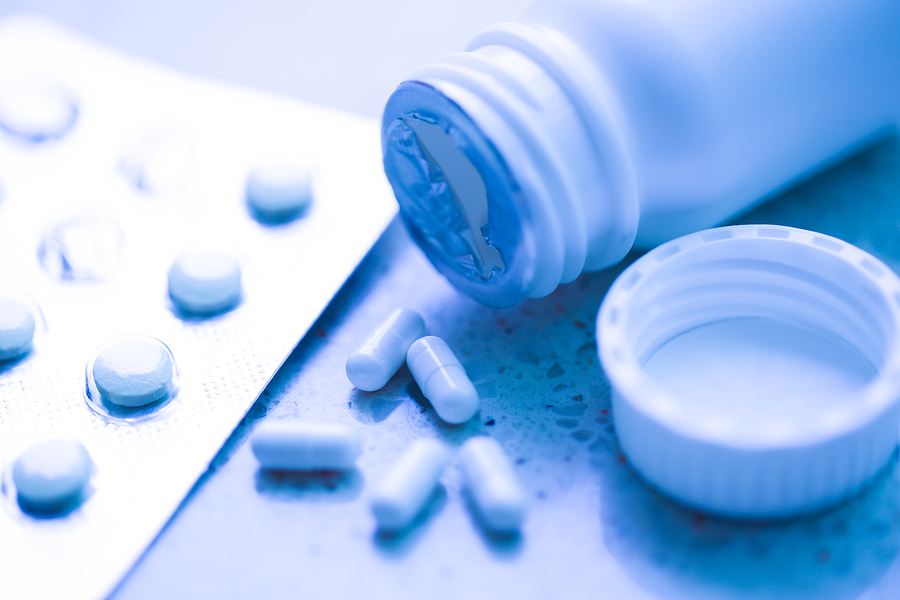
Nektar Therapeutics has announced positive results from Phase III study showing that a new opioid medication significantly reduces pain without the high levels of euphoria that can lead to abuse and addiction.

The company also said the Food and Drug Administration has given the medication – known as NKTR-181 – “fast track” designation for the treatment of moderate to severe chronic pain, a status that allows for an expedited review of the drug.

Many pain sufferers say they do not get "high" or experience euphoria from opioid pain medication. But drug makers and government regulators are seeking to develop painkillers with less risk of abuse and addiction.  

"The data from this efficacy study are extremely important because they demonstrate that NKTR-181 produces strong analgesia in patients suffering from chronic pain while NKTR-181 has also demonstrated significantly lower abuse potential than oxycodone in a human abuse potential study," said clinical investigator Martin Hale, MD, medical director of Gold Coast Research.
"While standard opioid analgesics, including abuse-deterrent formulations, have been the most effective way to treat chronic pain, they are associated with serious safety concerns and many opioid-naïve patients fear taking them because of the potential for abuse and addiction.  The data for NKTR-181 suggest that it is a transformational pain medicine that could fundamentally change how we treat patients with chronic pain conditions."

The placebo controlled study involved 610 patients with moderate to severe chronic low back pain who had not taken opioids before. During the open-label phase of the study, pain scores dropped by an average of 65% in patients taking NKTR-181 twice daily.

The company said over half the patients (51.5%) on NKTR-181 reported their general overall status and quality of life "improved" or "very much improved" compared to patients taking a placebo. 

They also reported better overall quality of sleep, with less sleep disturbance and fewer sleep problems. There were no differences in daytime sleepiness on NKTR-181 versus placebo. The drug was generally well-tolerated, although some patients reported nausea, constipation and somnolence.

Nektar is currently conducting another Phase III study to evaluate the safety and tolerability of NKTR-181 in 638 patients with chronic low back pain or chronic non-cancer pain.

The company says NKTR-181 is the first opioid molecule to provide pain relief without high levels of euphoria and sedation. The molecular structure of NKTR-181 is designed to have low permeability across the blood-brain barrier in order to slow its rate of entry into the brain.

Nektar is a research-based biopharmaceutical company that discovers and develops new drugs for which there is a high unmet medical need. It has a pipeline of new investigational drugs to treat cancer, auto-immune disease and chronic pain.

How to Successfully Use Manual Therapy with EDS

By Ellen Lenox Smith, Columnist

There are two types of physical therapy to consider. The traditional type includes ice, hot packs, ultrasound and exercises. With this type, the physical therapist is not touching you.

But for those of us living with Ehlers-Danlos syndrome (EDS), the second type of physical therapy, called manual therapy, is much safer. You lie on a table for a hands-on approach, and the physical therapist has specific techniques to reduce the muscles spasms and realign the bones through touching the patient. It’s similar, but not the same as massage or a chiropractic adjustment.

In EDS sufferers, when our muscles go into spasm, we feel a lot of discomfort and pain, and our joints can shift out of position, causing what is called subluxations.

Even simple tasks like sleeping in a bad position or picking up groceries can cause this. Our poor muscles spasm easily because they are overworked from taking on the job of our ligaments and tendons, which are weakened by our collagen disorder.

We need to realign the joints and return them to their correct position, which then reduces the muscle spasms.

When this is done by a manual physical therapist or chiropractor, then exercising will not hurt so much. Treatment of the muscles repositions the joints and calms the muscle spasms down.

But you also need to understand that your muscles will return to those spasms if another step is not taken after manual therapy.

You need to do specific exercises to strengthen the muscles that were causing the problem. If you just put the joint back into position without strengthening the muscles around it, you will leave the joints weak and susceptible to the same forces that could pull them back out again. If you strengthen the muscles, the joints will not shift out of position so easily. The exercises should begin as soon as the manual therapy appointment is over.

Also, when you have any cranial or myofascial release work done, the process literally puts your muscles into a calmer, sleeping mode. Before leaving the office, you need to reactivate and wake those muscles back up or you will find your joints will potentially slip back out again.

I went to manual therapy for years and never understood why I kept slipping right apart. I would walk out feeling so relaxed and calm and then, sometimes in the car ride home, things would start to shift out of position. Now I take a few minutes to wake up and reactivate the muscles and find the body will hold much longer.

This is a simple procedure that your provider should be able to show you how to do. It makes all the difference in the world. I recommend Kevin Muldowney’s book, Living Life to the Fullest with Ehlers-Danlos Syndrome for proper guidance on these exercises.

Strengthening the muscles is a must after manual therapy or the spasms will return. If you fail to discipline yourself and do your exercises, you can’t expect your provider to develop and assist you in executing a successful treatment plan.

It reminds me of the time my neck was fused. On day three in the hospital, I received an email of instructions from my surgeon. He clearly stated that he had now accomplished his job with the surgery and it was up to me to get out of bed, start walking, and take on the responsibility of helping myself heal and strengthen. It is often difficult for us to accept that we bear the lion's share of the responsibility in any successful treatment plan, but we do!

Ellen Lenox Smith suffers from Ehlers Danlos syndrome and sarcoidosis. Ellen and her husband Stuart live in Rhode Island. They are co-directors for medical marijuana advocacy for the U.S. Pain Foundation and serve as board members for the Rhode Island Patient Advocacy Coalition.

For more information about medical marijuana, visit their website.

The information in this column should not be considered as professional medical advice, diagnosis or treatment. It is for informational purposes only and represents the author’s opinions alone. It does not inherently express or reflect the views, opinions and/or positions of Pain News Network.

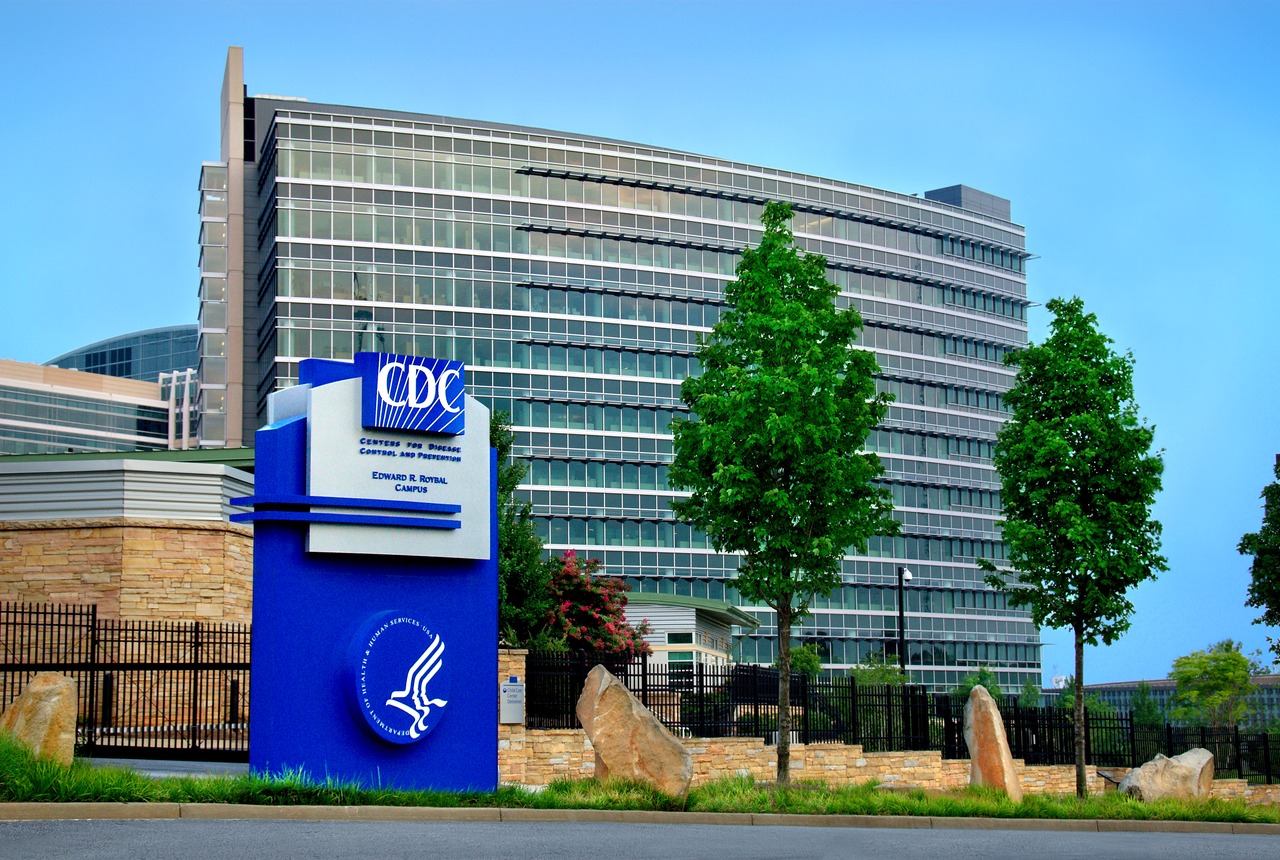
Should CDC’s Opioid Guidelines Be Revised?

By Pat Anson, Editor

Suicidal patients. Illegal drug use. Hoarding of pain pills. Pharmacists refusing to fill prescriptions. Doctors worried about going to jail. Chronic pain going untreated.

Those are some of the many problems uncovered in a PNN survey of nearly 3,400 pain patients, doctors and healthcare providers, one year after the release of opioid prescribing guidelines by the Centers for Disease Control and Prevention (see "Survey Finds CDC Opioid Guidelines Harming Patients"). The guidelines were meant to be voluntary and are only intended for primary care doctors, but they're being widely implemented throughout the U.S. healthcare system – often with negative consequences for the patients they were intended to help.

Over 70 percent of patients say doctors have either reduced or stopped their opioid medication. Eight out of ten say their pain and quality of life are worse. Nearly half are having suicidal thoughts and some are hoarding opioids or turning to the black market for pain relief.

And hardly anyone believes the guideline has been successful in reducing opioid abuse and overdoses.

“This is astounding, but not surprising,” says Lynn Webster, MD, a leading expert in pain management and a longtime critic of the CDC guideline. “It may be time for the CDC to consider inviting the pain community to help revise the guideline to more align with a public health policy that finds a better balance of avoiding opioid related problems, while also allowing opioids to be used in a responsible way.  

“The CDC should not have issued the guideline without a plan to measure its possible benefits and unintended consequences.”

Does the CDC even have such a plan? PNN asked the agency if one exists and also for a comment on the survey findings. We have yet to get a response. 

The founder and Executive Director of Physicians for Responsible Opioid Prescribing (PROP), an anti-opioid group that helped draft the guidelines, also declined to comment on the survey findings.

“I’m not going to want to comment either way,” said Andrew Kolodny, MD, before launching into a defense of the guideline.

“Since the CDC guideline came out, the bad news on opioids for chronic pain continues to increase. The evidence keeps getting stronger and stronger that opioids are lousy drugs for most people with chronic pain,” said Kolodny, who is Co-Director of the Opioid Policy Research Collaborative at Brandeis University.

“Opioids for chronic pain should be a rare treatment. And unfortunately the practice is widespread. Millions of people like your readers are victims of this aggressive prescribing,” he told PNN.

CDC Pledged to Revise Guideline if Needed

The closing words of the CDC guideline say the agency is “committed” to revising it if evidence is found that it's not helping patients or doctors.

“CDC will revisit this guideline as new evidence becomes available,” the agency pledged last year. “CDC is committed to evaluating the guideline to identify the impact of the recommendations on clinician and patient outcomes, both intended and unintended, and revising the recommendations in future updates when warranted.”

Some critics are skeptical that CDC has any intention to revise the guideline.

“I am not aware of any actions which would demonstrate that the CDC is actually open to revising their guideline, especially when they knew of the problems in advance of its release,” said Stephen Ziegler, PhD, a Professor Emeritus of Public Policy at Indiana University-Purdue University.

Instead of revising, did they instead opt to hire a PR firm? The negative outcomes, while unintended, were nevertheless foreseeable.”

Ziegler is referring to a contract the CDC signed last year with PRR – a Seattle-based public relations firm – to provide research and analysis for the agency. The research wasn’t focused on the “intended and unintended” impact of the guidelines, but on why they were received so poorly in the pain community.   

“They’ve heard a lot of outrage about this,” a source at PRR told us. “And so they hired our firm to gauge those perceptions and talk to people and come back to them with an analysis of what those perceptions are.”

Lynn Webster thinks the CDC needs to do more than hire a public relations consultant.

“I think it is time for Congress to ask the CDC to provide them a detailed report on the impact the opioid prescribing guideline has had on access to appropriate pain management, quality of care for people in pain, access to insurance coverage of alternative and complementary therapies recommended by the guideline, impact on the number of opioid related overdoses, rate of change reported in treatment for opioid use disorder, and change in possible suicide rate with people in pain due to inadequately treated pain,” said Webster, a former President of the American Academy of Pain Medicine.

Voluntary Recommendations Become Mandatory

Some believe the problem isn’t so much the wording of the guideline as the way it is being implemented by physicians, states, insurers and other federal agencies like the Department of Veterans Affairs (VA) and the Centers for Medicare and Medicaid Services (CMS). They’ve turned the CDC’s voluntary recommendations for primary care doctors into mandatory rules that all prescribers have to follow. 

“I've said about both the CDC guideline and the Washington state guidelines from years ago, that what they actually say isn't so bad. I can live with most of it. The problem is that people take what is there and turn it into something it shouldn't be,” said Bob Twillman, PhD, Executive Director of the Academy of Integrative Pain Management.

“With respect to the CDC guideline, the problem is that everyone is trying to turn it into laws, rules, and criteria for prior authorization for payment, and those things absolutely shouldn't be done. If everyone treated it as what it is -- a series of expert-drafted suggestions -- we'd be doing OK. It might even have helped a lot of people.”

Millions of veterans and Medicare beneficiaries are about to learn what Twillman means about the guideline being turned “into something it shouldn’t be.”  

CMS is planning to adopt new rules to “better align” its policies with the CDC’s.  Medicare’s “Opioid Misuse Strategy” not only makes the guidelines mandatory, it allows insurance companies to take punitive action against doctors, pharmacists and patients who don’t follow them.

The VA and Pentagon have also released new guidelines that take the CDC’s recommendations a big step further. They strongly recommend against prescribing opioids long-term to anyone under the age of 30, and urge VA and military doctors to taper or discontinue opioids for any patients currently receiving high doses.

“You should take a look at the VA guideline that just came out, if you don’t like the CDC guideline,” says Andrew Kolodny. “The VA guideline is even stronger. It says don’t give opioids. Opioids are not preferred. Don’t do it.”

Lost in the shuffle of all these new rules and regulations is the voice of pain patients. Many who responded to our survey are fearful of becoming disabled or bedridden if opioids are taken away from them. And some believe the government has an ulterior motive.

“This is a silent genocide aimed squarely at Baby Boomers. An expedited way to avoid paying Social Security benefits to those who are approaching retirement or are receiving benefits. I am ashamed of our country,” wrote one patient.

“Completely wrong approach which will, I believe, result in more addiction as patients experiencing intolerable suffering are forced to look outside the medical system for relief,” said another.

“This is going to backfire on the CDC, Medicare, Medicaid, etc. The CDC is punishing every single person on pain medications,” wrote another patient. “People will die because of this, but they don't seem to care about any of the consequences of these guidelines. Being in pain is a terrible thing, I know from experience. I wouldn't even be able to work if it weren't for my pain medication. This is all very stressing, and I only see bad results coming out of this.”

The online survey of 3,108 pain patients, 43 doctors and 235 other healthcare providers was conducted between February 15 and March 11 by Pain News Network and the International Pain Foundation (iPain).

To see the complete survey results, click here.

Survey Shows Doctors Shunning Chronic Pain Patients

By Pat Anson, Editor

Chronic pain patients are not only having problems getting opioid medication, most are finding it hard just finding a doctor willing to treat their pain, according to a new survey.

Nearly 3,400 patients, doctors and healthcare providers responded to the online survey by Pain News Network and the International Pain Foundation, which was designed to assess the impact of the CDC’s opioid prescribing guidelines after one year.

The guidelines are voluntary and only intended for primary care physicians, but are being implemented throughout the U.S. healthcare system, often with negative consequences for patients. Over 70 percent of patients said they are no longer being prescribed opioid medication or are getting a lower dose. 

Asked if it has become easier or harder to find a doctor willing to treat their chronic pain, nearly half of patients said it was harder and 11% said they were not able to find a doctor. 

“I have been unable to find a doctor to treat my pain. I was going to a pain doctor but she suddenly dropped all her chronic pain patients to focus on surgery,” said a patient who added that he is now buying pain medication on the black market.

“I have found a new primary care doctor that is OK with prescribing Valium but stated she won't treat chronic pain because ‘the DEA is watching all of us,’” wrote another patient.

"I have been told by more than one doctor that they cannot legally prescribe over the guidelines. They are very concerned about being investigated and as a result refuse to treat pain with an appropriate dose of opioids," said another patient.

HAS IT BECOME EASIER OR HARDER TO FIND A DOCTOR TO TREAT YOUR CHRONIC PAIN?

"I was weaned off opiates last summer," said a patient. "My lower back and head are now in constant pain. I tried to hang myself last December but failed and spent a few days in hospital. Everyone thinks it was bad fall. Next time I won't fail."

"You have taken away my life. I am no longer a member of society, but more importantly, I can no longer function as a mother to two disabled children. I have exhausted all alternative methods of treatment. What do I do now? Illicit drugs or suicide?" asked one mother.

Doctors and healthcare providers are well aware that pain patients are losing access to treatment. Over two-thirds (67%) acknowledge that it is harder for patients to find a doctor.  A small number (9%) admit they’ve stopped treating chronic pain patients.

“I feel a standard of care for pain management has been needed, but the chronic pain patient is being lost in the process,” wrote a pain management provider. “For the first time in 5 years, I had to tell a patient I did not know what to do to help them. Pain management needs regulations, but should not cause the quality of life of chronic pain patients to suffer.”

"The manner in which (the guideline) was issued and received seemed to cause a response in which patients were basically titrated off all medication. Over half of my patients were treated this way," said a psychologist.

"Further, there appeared to be little or no assistance or cooperation in this process of removing a patient's analgesic medication. Overall, I believe that the response to CDC guidelines has harmed legitimate pain patients."

Doctors Worried About Prosecution

Why are some doctors shunning pain patients? They’re not worth the risk or hassle may be the simplest way to explain it. Consider some of the problems healthcare providers say they've dealt with in the past year:

  • 59% say a pharmacy refused to fill an opioid prescription for a patient
  • 57% say insurance refused to pay for a pain treatment they thought necessary
  • 36% are worried about being prosecuted or sanctioned for prescribing opioids
  • 20% have discharged a patient for failing a drug test
  • 15% are referring more patients to addiction treatment
  • 10% have lost a pain patient to suicide

Only 12 percent said their patients were better off without opioids and just 16% said their patients were getting safer and more effective treatment since the guidelines were released. Over a third (38%) believe their patients have more pain and a reduced quality of life.

The survey also found a sizeable number of doctors and providers who mistakenly believe the CDC guidelines are mandatory for everyone. While 70% correctly recognize them as voluntary, 20% think they are mandatory and 10% of healthcare professionals admit they simply don’t know.

"When a government agency suggests treatment guidelines, they will become the law. That is currently happening. We have reduced the number of pain patients and are no longer accepting new pain patients. The fear of prosecution is very real," wrote one pain management doctor.

"They are being interpreted as mandates and creating fear about ever using opioids to treat pain appropriately," said a provider who treats geriatric patients.

“(They) need to make it even more clear that these guidelines are geared for primary care and not experienced board certified pain doctors. Creating hysteria is what this is doing,” said a pain management doctor.

“While well meaning, the guidelines are incredibly biased and my colleagues are using them as an excuse to arbitrarily exclude patients from opioids when they clearly need them,” wrote an emergency room doctor.

ARE THE CDC GUIDELINES VOLUNTARY OR MANDATORY RULES EVERYONE HAS TO FOLLOW?

There is a strong divergence between patients and providers about the safety and effectiveness of opioids. Nearly two-thirds of doctors and providers (64%) think there are safer and better alternatives than opioids, while only about 7 percent of patients think so.    

Another area of disagreement is whether the guidelines are causing more harm than good. The vast majority of patients -- over 95 percent -- believe they have been harmful, while only 40 percent of doctors and providers think so. Nearly one in four healthcare professionals (22%) believe the guidelines have been helpful to patients, while only about 1% of patients think so.

"We have two problems in the U.S. A drug addiction problem and a chronic pain problem. We should not be attempting to treat one problem if that will also create a worsening problem in those that suffer from the other," wrote a primary care doctor. "We need to work on a solution to the addiction problem while still allowing those with chronic pain that need the opioids in order to sustain an acceptable quality of life."

The online survey of 3,108 pain patients, 43 doctors and 235 other healthcare providers was conducted between February 15 and March 11. For more on how the guidelines are affecting patients, click here.

To see the complete survey results, click here.

Survey Finds CDC Opioid Guidelines Harming Patients

By Pat Anson, Editor

The CDC’s opioid prescribing guidelines have harmed chronic pain patients, reduced access to pain care, and failed to reduce drug abuse and overdoses, according to a large new survey of patients, doctors and healthcare providers. The survey also found signs of a dramatic shift away from opioid prescribing over the past year.

Today marks the one-year anniversary of the guidelines, which discourage the prescribing of opioid medication for chronic pain. The guidelines are meant to be voluntary and only intended for primary care physicians, but are being widely implemented throughout the U.S. healthcare system and having many unintended consequences.

According to the survey, over 70 percent of pain patients say they are no longer prescribed opioid medication or are getting a lower dose. While reducing opioid prescriptions may have been the ultimate goal of the guidelines, it came with a heavy price: Eight out of ten patients say their pain and quality of life are worse. Many are having suicidal thoughts, and some are hoarding opioids or turning to illegal drugs for pain relief.

“I had a doctor pull me off methadone cold turkey after taking it successfully for 15 years for no reason other than the CDC's guidelines. I was in the worst pain of my life,” said one patient.

"The CDC needs to stop practicing medicine without a license. They are hurting more chronic pain patients than they are helping," said another.

"These guidelines are so incredibly wrong. People are already suffering, myself included. And it's going to get so much worse," predicted one patient.

“The ‘War on Drugs’ has devolved into a war on patients,” wrote a primary care doctor. “The government should spend its time, effort, and money on research to find a pain treatment with fewer harmful effects than narcotics and butt out of the doctor-patient relationship.”

HOW HAVE THE CDC GUIDELINES AFFECTED YOUR OPIOID PRESCRIPTIONS?

The online survey of 3,108 pain patients, 43 doctors and 235 other healthcare providers was conducted between February 15 and March 11 by Pain News Network and the International Pain Foundation (iPain).

“This survey shows that patients and providers are in agreement about the harm the guidelines have caused since their release last year,” said Barby Ingle, president of iPain. “When we have government agencies or insurance companies impose poor practices on the pain community, we see failure. A failure to stop abuse and overdoses, hoarding behaviors by well-intentioned patients, increased use of illegal drugs and, worst of all, suicides increase.”

There was broad agreement between patients, doctors and healthcare providers that the guidelines have been harmful to patients. When asked if the guidelines had improved the quality of pain care in the United States, over 90 percent said no.

"I have been on a high dose of opioids for twenty years. I was having a quality of life and enjoyed living. Now I want to die every day. I am in excruciating pain and have no quality of life. I am on more drugs than ever and all I want is to die," said a patient..

“Not only do I have less pain relief but I am not able to be as active and am sad and frustrated about that. Something has to change, what’s happening is not sane or humane,” wrote a fibromyalgia sufferer.

HAVE THE CDC GUIDELINES IMPROVED THE QUALITY OF PAIN CARE?

Eight out of ten respondents said the guidelines have not been successful in reducing opioid abuse and overdoses. That view is supported by recent reports showing that opioid overdoses are soaring around the country, and are now being driven primarily by heroin and illicit fentanyl, not prescription painkillers. 

Some patients admit they are turning to the black market for pain relief.

"Eleven of the 36 people in my support group have admitted using illegally obtained pain medication. Three of those have resorted to heroin because it is cheaper," one patient said.

“I was able to find illegal sources of medication. However, the prices are high. I have been trying to avoid heroin but I may have to make a switch in the future if I don't find another doctor to manage my pain,” said another patient.

"My pain clinic sent a letter to all of their patients stating they would no longer prescribe opiates,” said a patient. “No other practice would accept me in the area so I have been able to obtain my former meds through the black market. The prices are high and I am tempted to move to heroin as it's much less expensive.”

HAVE THE CDC GUIDELINES BEEN SUCCESSFUL IN REDUCING OPIOID ABUSE AND OVERDOSES?

"I have found a source of illegal hydrocodone that I have been testing (making sure not laced with fentanyl) in extremely small does. If that turns out clean I will move to the black market for my drugs since it will end up cheaper," another patient wrote.

Over the past year, patients reported many negative consequences from the guidelines, with very few positive outcomes – such as finding safer and more effective treatments.

  • 84% say they have more pain and worse quality of life
  • 42% have considered suicide because their pain is poorly treated
  • 22% are hoarding opioids because they’re not sure of future access
  • 20% say insurance refused to pay for a pain treatment they needed
  • 19% say a pharmacy refused to fill their opioid prescription
  • 11% have obtained opioids illegally for pain relief
  •   4% found better and safer treatment than opioids
  •   4% were given a referral for addiction treatment
  •   4% were discharged by a doctor for failing a drug test
  •   1% found that they don’t really need opioids

Suicidal thoughts and an increasing sense of desperation were common in many of the patient’s answers.

“My neighbor poured gasoline over her head and set herself on fire and died because she could not get any pain relief. To me it’s the same as taking chemo and radiation away from a cancer patient," said one patient.

"Should be very careful who they kick off meds. A friend hung himself in the bathroom, another lost his job and went homeless. I live in fear," said another.

"People are killing themselves because their chronic pain isn't being treated, and I become closer and closer to being one of those people," wrote another patient.

"So far I have lost three friends with chronic pain to suicide. I bet the CDC sees that as a win. Three less people to deal with. Bullets are cheaper than dealing with their chronic pain. It’s become a joke," a patient said.

To see a story on the impact the guidelines are having on doctors, providers and the availability of pain care, click here.

To see the complete survey results, click here.

Doctors and Pain Patients Often Disagree on Goals

By Pat Anson, Editor

If you’ve ever felt that you and your doctor are not on the same page when it comes to treating your chronic pain, you’re not alone.

A small study published in The Clinical Journal of Pain found that disagreements between primary care physicians and patients over priorities in pain management are common. Patients generally hope to reduce pain intensity and identify the pain’s cause, while physicians aim to improve physical function and reduce the side effects of opioid pain medication, such as dependency.

"We wanted to understand why discussions about pain between patients and doctors are often contentious and unproductive," said lead author Stephen Henry, MD, an assistant professor of internal medicine at University of California Davis.

"Primary care physicians treat the majority of patients with chronic pain, but they aren't always equipped to establish clear, shared treatment goals with their patients."

The study involved 87 patients receiving opioid prescriptions for chronic musculoskeletal pain and 49 internal or family medicine physicians at two UC Davis Medical Center clinics in Sacramento, California. In most cases, the patients were seeing their regular physicians. Patients receiving pain treatment as part of cancer or palliative care were excluded from the study.

Immediately following clinic visits between November 2014 and January 2016, the patients completed questionnaires to rate their experiences and rank their goals for pain management. The physicians also completed questionnaires about the level of visit difficulty, along with their own rankings of goals for the patient's pain management.

Nearly half of patients (48%) ranked reducing pain intensity as their top priority, while 22% said finding a diagnosis was most important to them. In contrast, physicians ranked improving physical function as the top priority for 41% of patients, while reducing medication side effects was most important for 26 percent of them.

Physicians also rated 41% of the visits with pain patients as "difficult" -- meaning their interactions were challenging or emotionally taxing. Primary care physicians usually rate about 15% of patient visits as difficult.

One surprise finding was that patients rated their office visits as fairly positive, even when their doctor did not. That may reflect the fact that patients tend to have positive relationships with their regular physicians, even though they don't always agree with them..

“Another possibility is that patients and physicians may not have realized that they prioritized different goals, because goals were not explicitly discussed during the visit. Some patients may assume that their treatment priority and their physicians’ treatment priority are the same, even when they are not,” Henry wrote. “Disagreements about goals may only become relevant during visits where patients and physicians disagree about treatment plans (e.g., whether to prescribe opioids).”

Henry says primary care physicians may have adapted to recommendations such as the CDC opioid guidelines, which emphasize functional goals and avoidance of long-term opioid therapy. Patients have yet to adapt to the guidelines and are still primarily interested in pain relief.

What can be done to help doctors communicate more effectively with their pain patients?

Henry recommends communication training for primary care physicians to ensure that patients are more aware of their goals. "It is critical for doctors and patients to be on the same page and not working at cross purposes," he said.

It's Time for Chronic Pain Patients to Act

By Alessio Ventura, Guest Columnist

I am a chronic pain sufferer who recently had multiple emergency surgeries due to sepsis infection after a shoulder replacement.

I have had 17 surgeries since 2008, including major back surgery, rotator cuff repair, biceps tendonitis, knee surgery and hernia surgery. Bottom line: my body is now wracked with arthritis and post-surgical pain.

I have tried several pain treatment modalities over the years, including Lyrica, Cymbalta, chiropractic, injections, NSAIDs, and acupuncture. The only effective treatment in my case has been the legitimate, professional application of opioid medicine by pain management physicians.

I have severe allergic reactions to NSAIDs, which kill 15,000 per year and send 100,000 to the hospital.  A friend of mine died from a stroke because of NSAIDs.

After my recent surgeries related to the shoulder replacement and subsequent infection, my wife had to travel to 25 different pharmacies before she finally found someone willing to fill my scripts for Oxycontin and Percocet.

This is not unusual though. Each month is a long trek to find pain medicine. What has happened due to government restrictions on opioids is a reduction in the supply of opioid medicine. The drug companies see the writing on the wall and are slowly trying to get out of the business.

ALESSIO VENTURA

At the same time, the government sets limits on how much a pharmacy can stock. That is according to pharmacists I have spoken to, but is denied by the DEA and FDA in response to letters I have written.

It truly is a nightmare. Each month, you have to go to pharmacy after pharmacy before you find a pharmacist willing to dispense the medicine, which pharmacists are under no legal obligation to provide. Many pain patients go into withdrawal each month as they search, while at the same time enduring intractable pain.

Most of us have tried every single alternative to opioids, but the anti-opioid hysteria paints a picture that there are better and safer therapies. That simply is not true. The only thing that works for many of us is an opioid-based medicine.

The madness is spreading. New Jersey governor Chris Christie has signed into law a bill that limits the first script for opioids to 5 days. After the four surgeries I’ve had since August, I was bedridden and could not visit a doctor after 5 days. They could not identify the infectious agent as they were unable to grow it in cultures. Eventually I was treated with 3 broad spectrum antibiotics, which in addition to killing the infection, also killed the "good" bacteria in my system, which caused severe fatigue and gastrointestinal side effects.

Many acute traumas, like when someone is shot or in a horrible car accident, will not provide for easy travel to visit a doctor to refill an opioid after 5 days, and it is currently illegal for a doctor to call in a script for controlled substances. This caused a run on opioid medicine in New Jersey as hospitals and surgery centers accumulated as much as they could, and with the cutback by drug companies, many people could not get their scripts filled.

My 85 year old mother in New Jersey had back surgery recently. My sister drove to 30 pharmacies -- starting in Bridgewater and working her way along Route 22 toward Newark -- and she was unable to get our mother’s scripts filled. My mother was in horrible pain and my sister had to rush her back to the ER. It was horrible. My sister broke down in tears at the ER as she explained her plight and the suffering of my mother.

There is a reason why army medics carry morphine to the battlefield. It is the only thing that has a chance to address severe acute pain.

In addition to supply limits, there is the prescription drug monitoring system. The government now tracks every single opioid that you legally acquire. If for whatever reason you find yourself away from home and cannot see your physician and you attempt to refill or get new pain medicine because of an injury, surgery or chronic pain, you will not be able to do it legally without first getting in touch with your doctor so they can coordinate care. Often this is not possible.

If you do get pain medicine while away without coordinating, you will be investigated and may be subject to arrest. Your doctor may also drop you from their practice. Your rights as a patient, especially your privacy rights and your right to seek pain relief, are now severely trampled.

Politicians are playing with fire as the opioid hysteria grows. More people will commit suicide rather than live with intractable pain, because politicians think they know more than doctors treating patients.

Who is going to listen to us? Politicians and some in the medical community conveniently conflate overdose data from the illegal use of opioids with legitimate use for intractable pain. They are also dismissive and try to tell us that we should try alternatives. For example, Lyrica is now being pushed by many, but it was developed only for a specific class of nerve pain, and possible side effects include suicide, weight gain, and a host of other things.

I almost committed suicide myself after being prescribed Lyrica and Cymbalta. I went from 190 pounds to 300 pounds, and had suicidal thoughts almost from the outset. When I told my doctors, they said, "Give it more time, the side effects will subside".

After the Lyrica and Cymbalta were stopped, I stayed on OxyContin and had bi-weekly testosterone shots. I lost all of the weight and the suicidal thoughts went away. It was a miracle.

There is a literal civil war occurring now between physicians who understand pain, and others who refuse to admit the truth about the efficacy of legitimate pain management via the use of opioids. Unless we all collectively speak up and scream loudly, meaning writing formal, respectful, but firm and forceful letters to our representatives, they will continue to step on us and cause our lives to be living hell.

It is time. Find out who your state and federal representatives are. Find out who your local, state, and federal health organization leaders are. Write formal letters, not emails or phone calls, to your representatives. After you write your letters, request meetings with your representatives and go to that meeting. Do whatever you can in a professional, respectful, but aggressive way in order to bring attention to our plight.

The time is now. Failure to act most assuredly means an end to our rights, a lifetime of pain, more illegal use of drugs, and in many cases, death.

Alessio Ventura was born in Italy, came to the U.S. at 17, and finished high school in Newark, New Jersey. He worked for Bell Laboratories for 35 years as a network and software engineer. Alessio has been married for 35 years and has 4 adult children, including triplets.

Pain News Network invites other readers to share their stories with us.  Send them to:  editor@PainNewsNetwork.org

The information in this column should not be considered as professional medical advice, diagnosis or treatment. It is for informational purposes only and represents the author’s opinions alone. It does not inherently express or reflect the views, opinions and/or positions of Pain News Network.

Mediterranean Diet May Reduce Pain Caused by Obesity

By Pat Anson, Editor

Eating a Mediterranean diet rich in anti-inflammatory foods could decrease the chances an overweight person will develop chronic pain, according to a small study at The Ohio State University.

“We found that a healthy diet explained the link between weight and pain and specifically that seafood and plant proteins such as peas and nuts and beans were key,” said Charles Emery, a professor of psychology at Ohio State’s Institute for Behavioral Medicine Research.

“It appears to be telling us that it’s not just the quantity of the food you eat that plays a role in pain for heavier individuals, but the quality of food as well.”

Emery and his colleagues developed a model to help determine which foods in a Mediterranean diet play a role in the likelihood a person’s weight would contribute to pain.

They found a clear pattern: eating more fish and plant-based proteins such as nuts and beans was linked with less pain, regardless of body weight.

The study, published in the journal Pain, also upheld previous research showing that people who are overweight or obese are more likely to experience pain.

“Obesity and pain are significant public health problems. This was an attempt to take a very detailed snapshot of how they might be related,” Emery said. “We were interested in the possibility of an inflammatory mechanism explaining the connection because we know there’s a high degree of inflammation associated with obesity and with pain.”

Emery’s research team asked 98 men and women between the ages of 20 and 78 detailed questions about their diet and pain levels while visiting them in their homes. They also measured their body mass index, waist circumference and body fat percentage.

Participants who consumed more anti-inflammatory proteins had lower pain levels.

“For people with obesity, it’s kind of like a cloud hanging over them because they experience high levels of pain and inflammation,” Emery said.

Potential weaknesses of the study include the lack of blood samples that would allow the researchers to look at inflammatory markers. Participants were also only asked about their pain  during the previous month, which does not account for chronic pain of a longer duration.

Emery said his next step is to examine body fat and pain using biomarkers associated with inflammation.

“I’m interested in how our work can contribute to effective treatments for overweight and obese individuals,” he said.

A previous study at Ohio State found that anti-inflammatory diets can boost bone health, prevent fractures and lower the risk of osteoporosis in women.

9 Stupid Things People Say About My Health

By Crystal Lindell, Columnist

Below is a list of 9 things that are not helpful to hear when you are in the midst of debilitating chronic pain (and 11 things that are).

Fair warning, the language is strong — like my pain. Sorry about that.

1. Have you tried pot?

Piss off. First of all, I’m not allowed to. My doctor makes me take drug tests and if they find any trace of marijuana, they could cut off my opioids.

Second, it’s not like I can get Mary Jane at the CVS. Do I just randomly trust the local teen drug dealer to get me my medicine? For my body? That already hates me? That sounds like a great plan.

Third, pot is not a magical cure for everything wrong with everyone. It’s a plant. Not a potion.

2. You should lose some weight.

Fuck you. Losing weight is also not a magical cure all. And also, have you ever been on sleeping pills, pain pills and antidepressants, all at once? Because not only do those drugs make it hard to lose weight, they make you gain weight.

And OK, let’s pretend losing weight would magically cure me. I’m in pain right now, and I can only really lose a pound a week. So what am I supposed to do? Wait this out for a year or two until I get to the weight you suggest?

Oh, and also, screw you for telling someone who literally feels like they are dying that they should also give up one of the last good things in their life — delicious food.

Also, now I’m sick AND worried that you think I’m fat. Thanks a lot, asshole.

3. Just go to a chiropractor

I judge people who say this to me.

First, are you going to pay for it? Because my insurance sure as hell won’t. Also, it doesn't work for me. I don’t have a crick my neck, I have real issues. Issues chiropractors can’t solve. And personally, every single one I have ever been to has charged me hundreds of dollars for what basically amounts to the placebo effect.

4. What about acupuncture?

Screw you and your stupid needles. It doesn’t work. It’s the placebo effect. And again, my insurance company is not on board.

5. This is all part of God’s plan for you. You’re going through this so you can write about it and help others.

As the saying goes, Lord give me patience because if you give me strength I’m going to have to kill the next person who says this crap to me.

Okay, so assuming there is a God, He did not do this to me. Surviving constant debilitating pain is not part of some Almighty plan. And if it is part of God’s plan, then, well, I’m just going to say it — that is some bullshit.

6. You should give up gluten.

Boy bye. You want me to give up bread now too? Does it make you feel better to offer me this advice? Because if so, the only person it’s helping here is you.

Would you go up to someone who just had their foot cut off and condescendingly suggest that perhaps the solution to the blood coming out of their ankle is to just give up bread? No, because that would be insane. And asking me to give up bread is equally insane.

Gluten-free is also not a magic cure-all. On the other hand, the bread sticks at Olive Garden might be.

7. You really need to get off those pain meds. They’re so bad for you.

Sorry, but that’s bullshit darling. You know what’s bad for me? Being is so much pain that I literally can’t get out of bed for days on end. Being in so much pain that I can’t shower. Being in so much pain that I can’t work and lose my job. Being in so much pain that I want to kill myself. Those things are bad for me. Not the pain pills that help me live.

8. I’m praying for you.

Oh for God’s sake. And mine. Can you not? I mean, I get it, it makes you feel better. But let me just chill here DYING while I wait for your prayers to magically take effect. You think I haven’t been pleading with God for the last four years straight to make me better? Of course I have. Trust me, HE KNOWS.

And you telling Him isn’t going to change that. And it isn’t going to help me in any practical way. I mean, feel free to pray for me, just don’t let it be the only thing you do.

9. Well at least it’s not cancer.

Fuck you. Cancer sucks. But so does what I have. Asshole.

Some things you should say instead:

1.  I love you.

2.  I made you dinner. I’m bringing it over right now.

3.  I am driving you to your doctor’s appointment today. I know it’s two hours away. I’ll even pay for gas.

4.  I’m going to sit in on the doctor’s appointment and take notes and ask questions because I know you’re too sick to fully pay attention.

5.  Let me get that $50 co-pay for your prescription.

6.  I am coming over to clean your bathroom and do your laundry so you don’t have to constantly ask your mom to do it.

7.  Here’s some Taco Bell.

8.  I am coming over and we are just going to sit on the couch for hours, while you vent about how shitty it is to be sick every fucking day.

9.  I believe you.

10.  I know it sucks. I know it’s hard, but this world would be a much worse place without you and I really don’t want you to kill yourself.

11.  Here are two tickets to Paris.

The main difference between the first list and the second list? Most of the first list asks the sick person to do something, and most of the second list makes you do the something for the sick person.

It's harder, but much more effective. 

Crystal Lindell is a journalist who lives in Illinois. She loves Taco Bell, watching "Burn Notice" episodes on Netflix and Snicker's Bites. She has had intercostal neuralgia since February 2013.

Crystal writes about it on her blog, “The Only Certainty is Bad Grammar.”

The information in this column should not be considered as professional medical advice, diagnosis or treatment. It is for informational purposes only and represent the author’s opinions alone. It does not inherently express or reflect the views, opinions and/or positions of Pain News Network.

FDA Nominee Called for DEA to Stop Policing Pain Care

By Pat Anson, Editor

President Trump has nominated a doctor who has proposed radical changes in the regulation of opioid pain medication as the next head of the Food and Drug Administration.

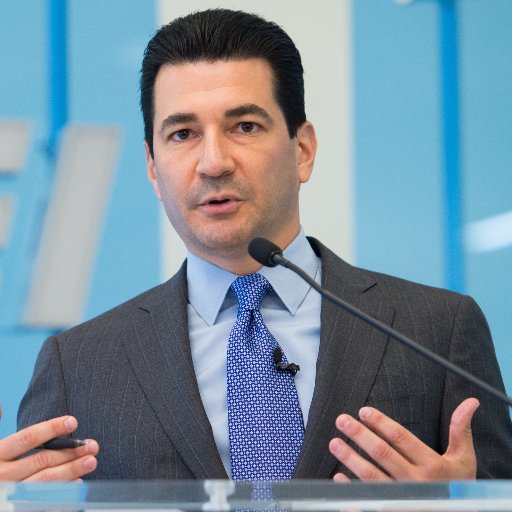
Scott Gottlieb, MD, is a former deputy FDA commissioner and has worked as a consultant to several drug companies. He is currently a fellow at the conservative American Enterprise Institute.

If confirmed by the U.S. Senate as FDA commissioner, The Washington Post reports the 44-year old Gottlieb is “likely to try shaking it up in significant ways,” by speeding up the agency’s approval of new drugs – what President Trump has called a “slow and burdensome” process.

Also of note to pain patients, pharmacists and doctors is that Gottlieb may seek to reduce the role of the U.S. Drug Enforcement Administration in regulating and policing opioid pain medication.

In a column published in The Wall Street Journal in 2012 – which carried the headline -- "The DEA’s War on Pharmacies – and Pain Patients” – Gottlieb wrote that patients would suffer less if medical regulators, not law enforcement agencies, monitored the dispensing and consumption of opioid medication.

scott gottlieb, md

“What can be done? We should free the DEA from the dual mandate to be both regulator and cop,” Gottlieb said. “This approach is burdening a lot of innocent patients, including those with legitimate prescriptions who may be profiled at the pharmacy counter and turned away. Others have in effect lost access to care, because their doctors became too wary to prescribe what their patients need. But the DEA tactics aren’t stemming the illegal activity.”

At the time the DEA had just slapped severe penalties on drug wholesaler Cardinal Health for shipping large amounts of opioids to four Florida pharmacies that were essentially operating as pill mills. The backlash from that case led pharmacies across the country to start turning away pain patients with legitimate opioid prescriptions.

“Cardinal has suspended sales to hundreds of pharmacies that it deems ‘suspicious,’ even those in good standing that retain their DEA license to sell narcotics,” wrote Gottlieb. “Pharmacies, in turn, are closely scrutinizing which prescriptions they will fill, making things like baggy pants and a tattoo a liability if you need medicine.”

Calling the DEA the “wrong enforcer” for the job, Gottlieb proposed a radical move: Have the DEA concentrate on street drugs and drug cartels, while the Department of Health and Human Services regulates doctors, pharmacies and others involved in dispensing pain medication.

“Public-health agencies inside the Department of Health and Human Services (HHS) would have more expertise in making the distinctions between illicit diversion and the legitimate practice of medicine. Regulating these activities requires close knowledge of how medical-practice decisions are made, as well as the ability to collaborate with provider groups to enlist them in achieving regulatory goals. Some of the DEA’s resources and mission could be statutorily given to HHS,” Gottlieb wrote.

“A good line of demarcation would be at the point of care. Doctors prescribing narcotics, drug distributors and pharmacies could come under the supervision of HHS. The department would also take responsibility for apportioning active ingredients to manufacturers of narcotics, educating doctors on proper prescribing, and investigating pharmacies and providers who appear to have gone rogue.”

Gottlieb wrote that column five years ago and it is not known if he still holds those beliefs. The current political atmosphere in Washington about opioids may also cool his enthusiasm for stripping the DEA of one of its primary jobs. But it is interesting that he proposed it.

Gottlieb’s ties to the pharmaceutical industry may come under scrutiny during confirmation hearings. Activists are already lining up in opposition to his expected nomination, calling some of Gottlieb's ideas about deregulation “dangerous.”

“Scott Gottlieb is entangled in an unprecedented web of Big Pharma ties. He has spent most of his career dedicated to promoting the financial interests of the pharmaceutical industry and the U.S. Senate must reject him,” said Dr. Michael Carome, Director of Public Citizen’s Health Research Group

“Gottlieb’s appointment would accelerate a decades-long trend in which agency leadership too often makes decisions that are aligned more with the interests of industry than those of patients. The Senate must reject the nomination and demand a nominee who is better suited to protect public health.”

When Life Doesn't Turn Out Like We Planned

By Barby Ingle, Columnist

Most of my conscious thoughts start when I was 4 years old. I knew then who I was going to be when I was an adult, or at least thought I did.

My parents thought I would change my mind. My dad even told me, “No, you can’t be a cheerleader the rest of your life.”

They were sure I would have children that would pester me, like I did them. They were sure that we all grow up and become the adult that society makes us into. I am over-simplifying life, but that is what we do to stay happy, positive and lighthearted.

I knew I was made to motivate and inspire others for as long as I can remember. I knew I would be a cheerleader for life, that I wouldn’t have children of my own, and that I would be organized and hardworking. Those beliefs I held as a child, I still hold today, for the most part. I knew all of this at age 4 and all of it came true and more.

The “more” is the life I live in the present, at age 44. The road of life that brings changes, roadblocks, boulders, mountains, and stoplights is constantly changing and unpredictable. I didn’t know what tomorrow will bring.

One day, all the roadblocks hit at once. I was 29 and never imagined anything like the life I have now. It was devastating for a while. I eventually realized that this is just life. I have the power and choice to make mine happy and productive. Things are going to happen that are great, devastating, happy, sad, and every level in between.

It shouldn’t take 3 years and 43 providers to get a proper diagnosis. But it did. Everyone should be able to live the life that they want. But most of us can’t. According to one survey, only 1 in 11 people are working in their childhood dream job.

So, what do we make of life when chronic illness strikes? Is life over?  I think not. I found a way to change my new realities so that -- even in pain -- I was living my dreams.

I think it would be even easier if you are among the 10 of 11 people who didn’t realize your destiny. Maybe you have been doing it all along. No matter if you know your destiny or are making it up as you choose, in each moment the core of you is the same.

Let’s face the challenges of living with chronic pain with more positivity, optimism and motivation. When the world gives us lemonade, we make margaritas. When it takes away the chocolate, we find new ways to make dessert.

I know my message may be hard to hear if you are a pain patient. So I will share a few tips on how I keep myself moving, keep being ME, and hopefully inspire you to look at life in a new way, when it’s not turning out as planned.

First, I realized that I can’t control all the things that happen to me, but I can decide how I will react to what happens. I can plan and counter-plan, and then make the best of the new reality.

We all have our stories. That is what we are creating here on earth. Stories should be shared. Sharing them can be a decisive action. Some are mere ripples and others can be tsunamis, meant to teach us and those with whom we share a new life lesson.

No one story is sadder or happier than anyone else’s. Life and how we react to it is what matters. You can choose your path, make a new one, or follow others. It really is up to you.

Developing a chronic illness changes how we see life. Pain changes everything about life. When a roadblock comes your way, take a step back, look around to explore the whole picture, and decide how you’d like to respond.

We must learn to be brave facing our new reality. When something does shake us to our core, we must take the time to face it, understand the emotions of the situation, and realize that tomorrow can be a better day. Being honest with myself, especially when things don’t go my way, reminds me to hold on for one more day. Things will change, even in the darkest of moments. Hold on and you can make it through.

Take the time to understand yourself, learn your new boundaries, test those boundaries, and know that it’s not your fault. Life just is what it is. What can you do to make it better for yourself?

It is important to be open to new treatment options, new health discoveries, and new life experiences (or old ones being done in a new way). Hanging on to what could have been would make me bitter and resentful.

Finally, remind yourself constantly that pain won’t get you down forever. It takes work to create the life that you want, and you may fail at times. It doesn’t mean that you are worth less, that you are not going to be successful, or that you can’t change the outcome to something more positive.

How you choose to respond is what matters and that is what life’s all about.

Barby Ingle lives with reflex sympathetic dystrophy (RSD), migralepsy and endometriosis. Barby is a chronic pain educator, patient advocate, and president of the International Pain FoundationShe is also a motivational speaker and best-selling author on pain topics.

More information about Barby can be found at her website. 

The information in this column should not be considered as professional medical advice, diagnosis or treatment. It is for informational purposes only and represents the author’s opinions alone. It does not inherently express or reflect the views, opinions and/or positions of Pain News Network.

Bacteria Studies Give New Hope to IBD Patients

By Pat Anson, Editor

A new study is adding to the growing body of evidence linking gut bacteria to autoimmune and gastrointestinal diseases – research that could lead to new and more effective treatments.

Researchers at the University of Utah used animal studies to show that a certain type of yeast can aggravate symptoms of Inflammatory Bowel Disease (IBD). Their findings, published in the journal Science Translational Medicine, also suggest that allopurinol, a generic drug already on the market, could offer some relief.

IBD is an autoimmune disease characterized by chronic inflammation of the gastrointestinal tract, causing diarrhea, pain, fatigue and weight loss.

For years doctors have used the presence of yeast antibodies, specifically antibodies in the yeast Saccharomyces cerevisiae, to differentiate between Crohn’s disease and ulcerative colitis, two variations of IBD. But it was unclear the role that yeast played in relation to IBD.

“To me this was a huge hole in our understanding of the role of yeast in IBD and our health,” said June Round, PhD, an associate professor in pathology at the University of Utah School of Medicine.

Round and her research team studied two types of yeast that are common in healthy people and IBD patients. Saccharomyces cerevisiae, also called Baker’s yeast, is a prominent organism in the environment and in our food. Rhodotorula aurantiaca is also commonly found in the environment, as well as milk and fruit juice.

Scientists gave each type of yeast to laboratory mice that had been treated with chemicals to induce IBD-like symptoms. The symptoms worsened in mice fed S. cerevisiae, but not in those fed R aurantiaca.

“The mice fed S. cerevisiae experienced significant weight loss, diarrhea, bloody stool, just like a person with IBD,” said Tyson Chiaro, graduate student in Round’s lab.

Further study revealed that the mice fed S. cerevisiae had a higher concentration of nitrogen-rich compounds, called purines, than the mice fed R. aurantiaca. Unlike other yeasts, S. cerevisiae cannot break down purines that accumulate in the intestinal tract and produce uric acid. Uric acid exacerbates inflammation, which may worsen IBD symptoms.

When the mice were treated with allopurinol, a medication used to block the production of uric acid in gout patients, the drug significantly reduced their intestinal inflammation.

“Our work suggests that if we can block the mechanism leading to the production of uric acid, perhaps with allopurinol, IBD patients with a high concentration of S. cerevisiae antibodies may have a new treatment option to reduce inflammation, which could allow the intestine time to heal,” said Round.

E. Coli linked to IBD and spondyloarthritis

Another recent study has helped researchers identify E. coli bacteria found in people with Crohn's disease that can trigger inflammation associated with spondyloarthritis, a painful arthritic condition that affects the spine and joints.

Researchers used fecal samples from IBD patients to identify bacteria in the gut that were coated with antibodies called immunoglobulin-A (IgA) that fight infection. Using flow cytometry, in which fluorescent probes are used to detect IgA-coated bacteria, the researchers found the E. coli bacteria were abundant in fecal samples from patients with both Crohn's disease and spondyloarthritis.

"Our findings may allow us to develop diagnostic tools to stratify Crohn's patients with spondyloarthritis symptoms as well as patients at risk," said senior author Dr. Randy Longman, an assistant professor of medicine and director of the Jill Roberts Institute Longman Lab at Weill Cornell Medicine.

Longman and his research team found that patients with Crohn's disease and spondyloarthritis had high levels of Th17 cells, which help fight inflammation. The finding may help physicians select therapies that target inflammation in both the bowels and the joints.

"We knew there was smoke but we didn't know where the fire was," said Dr. Kenneth Simpson, a professor of small animal medicine at Cornell's College of Veterinary Medicine. "If we can block the ability of bacteria to induce inflammation, we may be able to kick Crohn's disease and spondyloarthritis into remission."

The study findings are also published in Science Translational Medicine

9 Lessons From 9 Years of Living with Chronic Pain

By Lana Barhum, Columnist

In September 2008, I was 32 years old, married, with a newborn and a nine year old, when I learned I had fibromyalgia and rheumatoid arthritis. Chronic pain and illness suddenly dominated my world.

That was almost nine years ago and I have learned a lot from this often unfair experience. It seems chronic pain and illness have much to teach us. Here are 9 lessons I’ve learned:

1) I am Stronger than I Ever Imagined

There was a time when I didn’t think I could ever meet the challenges imposed by pain and illness. But you don’t know how strong you are until your world comes crashing down and you are left to deal with the aftermath.

The human spirit and body have a high tolerance for pain.  Just when you think you cannot possibly live with it, you find you can.  I have had some pretty painful experiences – some so bad I wished for death.

But I am still here – alive and well. Because no matter what, I am stronger than this. And guess what? So are you.

2) Acceptance is Vital

I spent the first few years of being sick and in pain living in denial.  That choice took its toll on my physical and emotional health.  It was not until I truly accepted my health challenges that I was able to move past them and focus on having a somewhat normal life.

Acceptance also means you are an active participant in your health.  Take your medications and your doctor's advice, keep moving, and focus on bettering your mental and physical health.

I still have days where acceptance is a struggle, but I choose to remind myself what I am feeling isn't permanent.  

3) Don't Take Life So Seriously

As it turns out, there is more to life than being healthy.  You can still have a good, happy life even though you hurt and feel awful. 

There will be good days, bad ones, and even downright ugly ones. But you can still experience moments of happiness, enjoy life, and have meaningful relationships.  Illness and pain don’t define you or dictate your life.

Even at my sickest, I managed fill my life and my children's lives with joy and laughter.  Focusing on the good stuff, not taking life so seriously, and letting go of what you cannot control keeps you from shedding unnecessary tears.

4) Give Grief a Limit

The grief we often feel from chronic illness comes and goes. Like many of you, I have endured plenty of grief-filled moments.  I have been angry, sad, and even clinically depressed.

Grief is normal and natural, especially when your life is continually dominated by pain, sickness, and losses.  Give yourself permission to be angry about your pain, but don’t let those emotions take on a life of their own.

5) Life Can Be Unfair – Let Go

I know all too well that chronic illness and pain are unfair. If I could I have protected my health, I would have, but I couldn't.  And I couldn’t control the snowball effect that continued for several years after my diagnosis. All of it just simply goes back to life being unfair. It has nothing to do with health challenges.

I am learning to let go of what I wanted my life to be and to just focus on what it is now.  Things just happen – like a permanent injury or a chronic disease – that don’t have an explanation.   You can either focus your energy on dwelling on the unfairness or you can move on, let go and learn.

6) People Sometimes Let Us Down

I used to think chronic pain and illness were the worst things that happened to me, but it turns out they weren't.  Finding out that people don’t stick around when the going gets tough is far worse.

Some of my friends walked away.  My family didn’t understand.  And my marriage ended.  Before I got sick, I loved sharing my life with others.  But now that I am not sick and in pain daily, I don’t. People don’t always get that.  That makes maintaining relationships harder.

These days, I place my focus on creating a positive family life for my children and giving us the best life possible.  I don’t have a lot of time and energy to worry about others who don’t understand.   After all, this is MY life – pain, sickness and all - and I get to decide who is in it and who isn't.

7) This is Your Journey – No One Else's

After nine years, I am finally confident in my ability to manage this roller coaster ride alone.  Yes, I can sometimes rely on others to help and provide support, but at the end of the day, I decide the kind of person this life with pain and illness makes of me.

You may have all the support in the world, but you are the only one who can decide the direction this journey goes. Chronic pain can take so much if you let it.

Choose to make the best experience of this journey even when it hurts, and even it feels like you have got nothing left in you. Trust me when I say, “You have got this.”

8) Let Go of Your Fears

I was once afraid of what my life would become, but here I am nine years later and my fears were nothing but wasted time.  Interestingly, my health challenges took my life in directions I never anticipated and most of them have been good.

Don't miss out on the blessings of the present and future because you are dwelling on the past.  Stop being afraid because you can still have a bright future.

9) Never Give Up on Your Health and Happiness

My life changed the day my doctor said, "You have rheumatoid arthritis and fibromyalgia."  I went from being a healthy young mother to someone with an uncertain future.  I don’t take anything in my life for granted anymore and I treasure each day as the gift it truly is.

And the things that I thought I had to give up on – my dreams, watching my children succeed and grow into amazing human beings, and even finding love again – I was so wrong about.  All these things were possible despite chronic pain and illness. And they continue to be.

Lana Barhum is a freelance medical writer, patient advocate, legal assistant and mother. Having lived with rheumatoid arthritis and fibromyalgia since 2008, Lana uses her experiences to share expert advice on living successfully with chronic illness. She has written for several online health communities, including Alliance Health, Upwell, Mango Health, and The Mighty.

To learn more about Lana, visit her website.

The information in this column should not be considered as professional medical advice, diagnosis or treatment. It is for informational purposes only and represent the author’s opinions alone. It does not inherently express or reflect the views, opinions and/or positions of Pain News Network.

Waiting for Effective Pain Care at the VA

By Steve Pitkin, Guest Columnist

As a veteran of Vietnam and as a chronic pain sufferer, I am so glad that Pain News Network has been a consistent voice for 100 million Americans who are basically being told to "go off and die somewhere" by the DEA, CDC and other government agencies who are supposed to be protecting us.

I started on morphine, clonazepam and temazepam in 2001, and was constantly monitored by a team of psychiatrists, psychologists and my primary care physician at the VA Medical Center in West Palm Beach, Florida. I did not get "high" from the treatment, but it gave me a quality of life that I could not have with other medications.

I was in a car wreck after I retired from the military in 1997. In September of that year, I was taking my youngest daughter to an orthodontist appointment when our vehicle was hit by a truck right after a rain storm.

The crash seriously injured my daughter, who was clinically dead for over 6 minutes before being brought back to life by a helicopter rescue team. She still suffers from a traumatic brain injury, as well as pain issues herself.

The accident worsened the already extensive injuries to my cervical spine and lower back area. I started to lose strength in both arms, and a civilian doctor attempted an ulnar nerve release. That worked for about a week, before the pain and numbness came back.

STEVE PITKIN

I eventually moved to Montana and was treated by a new primary care physician at the VA clinic in Missoula. He and his nursing team were not very helpful, so I asked to be transferred to a new doctor last year.

I was called back to the clinic and was introduced to my new physician. He took one look at my medical records and said, “The amount of painkillers you are on is borderline medical malpractice and we're going to have to get you off of them as soon as possible."

I nearly hit the roof when he said that. I had three failed right knee procedures, my cervical and spinal pain had grown worse, and here he's telling me that I was a victim of too many painkillers?

I have been pretty much bedridden since my dosage of morphine and the other medications were reduced. I have also been told I need to have both knees and both shoulders replaced. However, I was refused surgery on my neck by a neurologist who said, “If I were to operate on you, the amount of painkillers you’d need would kill you. You need to get off the morphine and benzodiazepines first, then come see me."

I told the neurosurgeon that I was an ex-Green Beret medic and had already gone through surgery several times with no serious side effects. But I was talking to a blank wall.

I went to see another primary care physician about the problems I was having with the lower dosage. He laughed at me when I asked if he could raise the dose. “You signed this paper saying you agreed to it," he said while waving the paper at me.

I didn't have any choice in the matter. I was told either to sign it or be cut off altogether.

I have written to both the House and the Senate Veterans Affairs Committees and was told there was nothing they could do to help me. When I found out that Montana Sen. John Tester was on the Senate Committee that helped the VA pass these measures, I was livid and told him so.

I even emailed President Obama and received a reply from him, saying something to the effect that it was important to keep heroin off the streets and to stop illegal sales of prescription pain meds.

There’s no doubt about that, but we who need those medications are being lumped into the same pile with drug abusers. The veteran suicide rate is estimated 20 a day and many vets, as well as civilian chronic pain patients, have been forced into buying illegal drugs and are dying from them.

I have always been a patriotic American and didn't hesitate to volunteer for the draft when I was 18. But if I knew that the government I served for so long would declare me an enemy, I think I never would have gone into the military. If not for my strong faith as a Christian, I would have killed myself long before writing this.

I can only hope that President Trump realizes that waiting in line for healthcare is not the only problem with the VA, and that wars injure and maim people for life.

Was it all really for nothing?

Steven Pitkin lives in Montana.

Pain News Network invites other readers to share their stories with us.  Send them to:  editor@PainNewsNetwork.org

The information in this column should not be considered as professional medical advice, diagnosis or treatment. It is for informational purposes only and represents the author’s opinions alone. It does not inherently express or reflect the views, opinions and/or positions of Pain News Network.

What Cavemen Used for Pain Relief

By Pat Anson, Editor

Neanderthals may be a lot smarter than we give them credit for. Especially when it comes to finding pain relief.

Ancient DNA extracted from the dental plaque of Neanderthals has revealed new insights into their behavior and diet, including their use of plant-based medicine to treat pain and illness.

An international team of researchers compared dental plaque from the jawbones of four Neanderthals found at ancient cave sites in Belgium (Spy Cave) and Spain (El Sidrón Cave). The four samples range from 42,000 to around 50,000 years old and are the oldest dental plaque ever to be genetically analyzed.

“Dental plaque traps microorganisms that lived in the mouth and pathogens found in the respiratory and gastrointestinal tract, as well as bits of food stuck in the teeth – preserving the DNA for thousands of years,” says Dr. Laura Weyrich, a research fellow at the University of Adelaide’s Australian Centre for Ancient DNA (ACAD), who was lead author of the groundbreaking study reported in the journal Nature.

RESEARCHERS IN EL SIDRON CAVE

“Genetic analysis of that DNA ‘locked-up’ in plaque, represents a unique window into Neanderthal lifestyle – revealing new details of what they ate, what their health was like and how the environment impacted their behavior.”

The researchers found that Neanderthals from Spy Cave were mostly meat eaters who consumed wooly rhinoceros and wild sheep, and supplemented their diet with wild mushrooms.

“Those from El Sidrón Cave on the other hand showed no evidence for meat consumption, but appeared instead to have a largely vegetarian diet, comprising pine nuts, moss, mushrooms and tree bark – showing quite different lifestyles between the two groups,” said professor Alan Cooper, Director of ACAD.

The analysis of one Neanderthal found at El Sidrón revealed another surprise. He probably had pain from a dental abscess on his jawbone, and also had signs of an intestinal parasite that causes acute diarrhea.

“Clearly he was quite sick. He was eating poplar, which contains the pain killer salicylic acid, and we could also detect a natural antibiotic mold not seen in the other specimens,” said Cooper. “Apparently, Neanderthals possessed a good knowledge of medicinal plants and their various anti-inflammatory and pain-relieving properties, and seem to be self-medicating.”

Salicylic acid is the active ingredient in aspirin; while certain types of mold – such as Penicillium – help the body fight off infections.

JAWBONE OF NEANDERTHAL FOUND IN EL SIDRON CAVE

“The use of antibiotics would be very surprising, as this is more than 40,000 years before we developed penicillin. Certainly our findings contrast markedly with the rather simplistic view of our ancient relatives in popular imagination,” says Cooper.

The researchers also found that Neanderthals and modern humans shared several disease-causing microbes, including the bacteria that cause dental cavities and gum disease.

Types of bacteria were closely associated with the amount of meat in the diet, with the Spanish Neanderthals grouping with ancient human ancestors in Africa. In contrast, the Belgian Neanderthal bacteria were similar to early hunter gatherers, and quite close to modern humans and early farmers.

“Not only can we now access direct evidence of what our ancestors were eating, but differences in diet and lifestyle also seem to be reflected in the commensal bacteria that lived in the mouths of both Neanderthals and modern humans,” said Professor Keith Dobney of the University of Liverpool.

“Major changes in what we eat have, however, significantly altered the balance of these microbial communities over thousands of years, which in turn continue to have fundamental consequences for our own health and well-being. This extraordinary window on the past is providing us with new ways to explore and understand our evolutionary history through the microorganisms that lived in us and with us.”