
A Holiday Reading Guide for People Living with Chronic Pain

By Pat Anson

Is kratom really as dangerous as public health officials say it is? What foods can help reduce pain and inflammation? Why do some people get Long Haul Covid and others don’t? How can I manage pain flares from Ehlers-Danlos syndrome? What is percutaneous hydrotomy and why is it growing in popularity with injured athletes?

The answers to these and other questions can be found in PNN’s annual holiday reading guide. If you live with chronic pain and illness or have a friend or family member who does, here are 12 books that would make great gifts over the holidays. Or you can “gift” one to yourself. Click on the book cover or title to see price and ordering information.
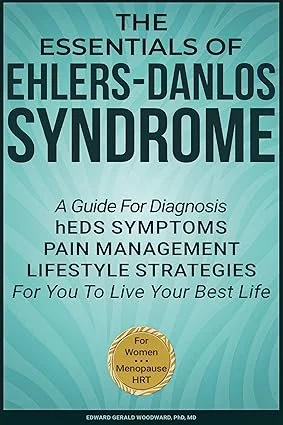
The Essentials of Ehlers-Danlos Syndrome

This book is intended to help people understand and manage Ehlers-Danlos syndrome (EDS), a genetic and painful disorder that presents as a confusing set of symptoms that are often misdiagnosed. Topics covered include the 7 sub-types of EDS, what specialists to see, and how to create a personalized care plan to manage pain flares and fatigue.
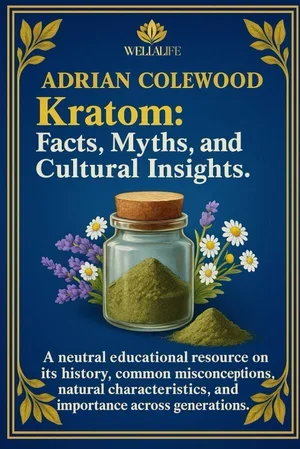
Kratom: Facts, Myths, and Cultural Insights

This is one in a series of books by Adrian Colewood that seeks to present a balanced and neutral view on kratom, a controversial supplement used by millions to relieve pain, anxiety, depression and withdrawal. With kratom facing new regulations and outright bans due to its opioid-like effects, the book explores the myths and misinformation about a medicinal plant that’s been used for centuries in southeast Asia.
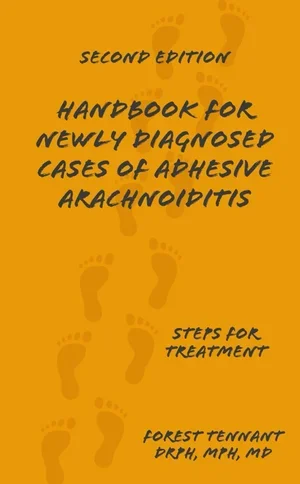
Handbook for Newly Diagnosed Cases of Adhesive Arachnoiditis

This second edition of Dr. Forest Tennant’s book for new cases of Adhesive Arachnoiditis (AA) explores the treatments that can reduce the symptoms of this debilitating spinal nerve disease. Left untreated, AA can result in intractable pain, a bed-bound state, and premature death. This handbook summarizes Dr. Tennant’s 3-step protocol to suppress inflammation and autoimmunity, regenerate damaged tissue, and control pain caused by AA.
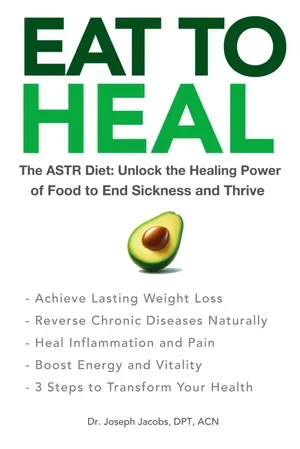
Eat to Heal: Unlock the Healing Power of Food

After years of suffering from chronic migraine, fatigue and cancer pain, Dr. Joseph Jacobs turned to nutrition, developing the Advanced Soft Tissue Release (ASTR) diet to reduce inflammation, relieve pain and restore energy. In this book, he shares how eating the right foods helped him beat chronic pain from the inside out, while debunking the myths of so-called “healthy diets” that have left millions of people chronically sick and fatigued.
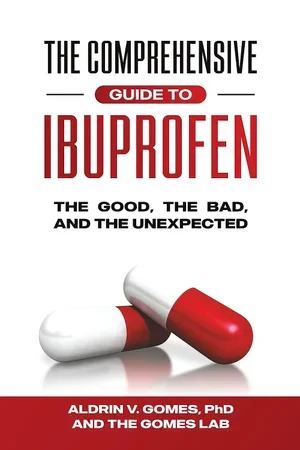
The Comprehensive Guide to Ibuprofen

Aldrin Gomes, PhD, and his team of researchers at UC Davis look at the benefits and risks of ibuprofen, one of the world’s most widely used pain relievers. Like many NSAIDs, ibuprofen increases the risk of heart attack, stroke and stomach ulcers — even at regular doses — and may interact with hundreds of medications. Studies suggest ibuprofen may also have some surprising health benefits, such as lowering the risk of dementia.
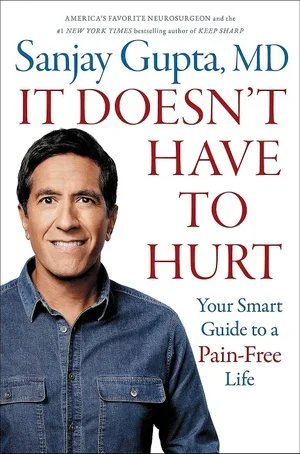
It Doesn’t Have to Hurt: Your Smart Guide to a Pain-Free Life

CNN medical correspondent Dr. Sanjay Gupta is a neurosurgeon by trade who believes all pain starts in the brain, and chronic pain “comes with baggage attached.” Gupta is not a fan of opioid medication, and thinks the body’s own pain relief system can be primed through meditation, sleep, nutrition, acupuncture and physical therapy such as foam rolling. He calls pain “the most mysterious of all human sensations.”

Hip Pain Relief For Seniors

This book is designed for older adults who want to overcome hip pain and limited mobility without surgery or medication. Simple and gentle exercises can be done at home to regain flexibility, strength and movement. These “senior-friendly routines” will help you stay active and independent, including older adults recovering from hip replacement or arthritis.
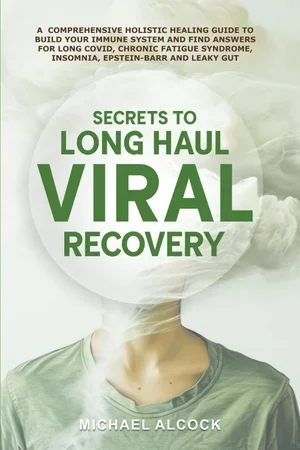
Secrets to Long Haul Viral Recovery

Author Michael Alcock is a “long-hauler” from Covid-19 and the Epstein-Barr virus, who spent a decade researching why some people are more prone to long-haul viral infections, while others recover easily. This book explains how to recover holistically from viral infections like long Covid by strengthening the immune system through better nutrition, vitamins and supplements.
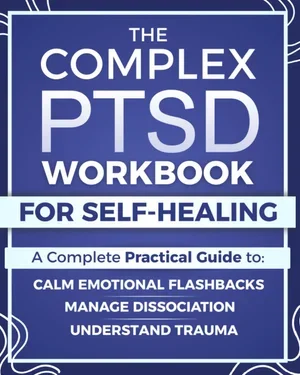
The Complex PTSD Workbook for Self-Healing

Has chronic pain or a chronic illness left you exhausted — physically and emotionally? Do you live in dread of another pain flare or sleepless night? Alex Carter wrote this self-help handbook to guide you on a 6-week action plan to overcome Post Traumatic Stress Disorder (PTSD) with practical ways to help quiet your mind and nervous system.
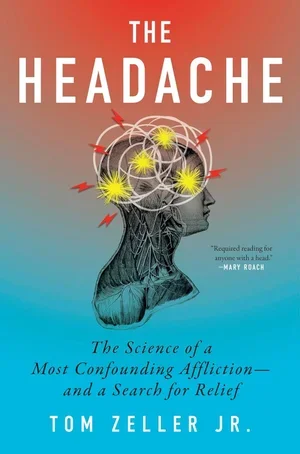
The Headache: The Science of a Most Confounding Affliction

Over 3 billion people worldwide suffer from a headache disorder, including author Tom Zeller Jr., who suffers from cluster headaches. Zeller wrote this book to better understand what causes migraines and headaches, and why there are few effective treatments for such a common condition. Zeller looks at the inner workings of the human nervous system and provides a vivid account of the disabling pain that headache sufferers endure.  
Complex Regional Pain Syndrome

Complex Regional Pain Syndrome (CRPS) is a debilitating chronic nerve disease that is usually caused by trauma and can strike any part of the body. This book, edited by Drs. Lynn Webster and Jijun Xu, is part of the "What Do I Do Now? Pain Medicine" series. It looks at 11 clinical cases of CRPS and how they were treated with conventional analgesics and novel therapies, including neuromodulation and ketamine infusions.
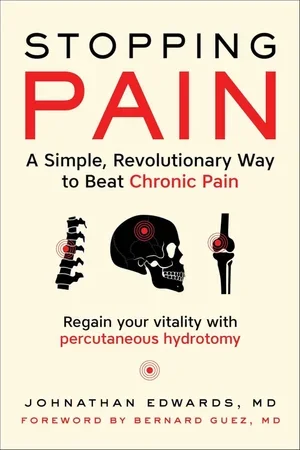
Stopping Pain: A Simple, Revolutionary Way to Stop Chronic Pain

Chances are you’ve never heard of percutaneous hydrotomy, a minimally invasive regenerative treatment in which a sterile saline solution is injected into the body to relieve musculoskeletal pain and “flush out” inflammatory substances. Percutaneous hydrotomy has been used in Europe for 30 years and is gaining popularity with amateur and professional athletes who want to stop pain, heal nagging injuries, and boost performance.

These and other books about living with chronic pain and illness can be found in PNN’s Suggested Reading page.  PNN receives a small amount of the proceeds -- at no additional cost to you -- for orders placed through Amazon.

12 Holiday Gifts for People Living with Chronic Pain and Illness

By Pat Anson, PNN Editor

Should opioids and other controlled substances be deregulated? Are health insurers and regulators interfering with the practice of medicine? What kind of pain care did President Kennedy get? Will cannabis help you sleep better? And whatever happened to Patient Z?

The answers to these and other questions can be found in PNN’s annual holiday gift guide. If you live with chronic pain and illness or have a friend or family member who does, here are 12 books that would make great gifts over the holidays. Or you can always “gift” one to yourself. Click on the book cover to see price and ordering information.

Doctor Bison’s Fables: An Allegory of the American Pain Refugee Crisis

Dr. Mark Ibsen uses animals as lead characters in a series of fables to convey the crisis faced by many pain sufferers in the U.S. Doctor Bison and his patient (an otter) are joined in a crowded exam room by a menagerie of other animals representing insurers, hospitals, regulators and law enforcement. All want to have a say in what Dr. Bison prescribes to his sick patient — resulting in little actual treatment for the otter.

The Silver Bullet Solution: Is It Time to End the War on Drugs?

Author James Gierach is a former Illinois prosecutor who believes the War on Drugs is the “worst public policy in the history of mankind.” Drug prohibition helped fuel the overdose crisis, caused mass incarceration, eroded civil liberties, and made healthcare unaffordable. Gierach’s solution is to end the regulation of controlled substances and change public opinion about drugs, much like what happened with the legalization of cannabis.

Chronic Pain Reset

Psychologist Afton Hassett, PysD, has compiled a list of 30 simple activities that people in pain can do to improve their lives — from mindfulness walking and paced breathing to healthy sleep habits and random acts of kindness. Perform one activity each day (in 15 minutes or less) and select the ones you like to develop a personalized pain management plan that may lessen your pain, and give your life more joy and a better sense of purpose.

Z’s Odyssey

In his sequel to “Patient Z,” author Stefan Franzen updates the personal story of a loved one with intractable pain who was unable to find effective treatment due to the crackdown on prescription opioids. Patient Z eventually found relief by taking buprenorphine, a widely misunderstood opioid that, when used in its purest form, can be just as potent as morphine.

The Chronic Pain Couple

Author Karra Eloff knows firsthand what chronic pain can do to a relationship. Pain disrupted her romantic and social life, and held her back from personal joy and professional success. To save their marriage, Karra and her husband made simple changes to improve their intimacy and agreed not let illness sidetrack their relationship. If you live with pain or love someone with a chronic illness, this book could help save or restore your relationship.

Burden of Pain: A Physician's Journey through the Opioid Epidemic

Dr. Jay Joshi went to prison for prescribing opioids to an undercover DEA patient posing as a patient. Now a free man and practicing medicine again, Joshi wrote this book as a cautionary tale for both physicians and patients, explaining how he fell victim to DEA misconduct and public health policies that portray doctors as drug dealers.

The Strange Medical Saga of John F. Kennedy

Dr. Forest Tennant looks at the life-threatening medical problems faced by President John F. Kennedy — which the public knew little about until long after his death 60 years ago. Kennedy nearly died as an infant from scarlet fever, and as an adult suffered from adrenal failure, failed back surgeries and autoimmune problems. Tennant says JFK would never have become president without high-dose opioids and a controversial drug cocktail.

CRPS: Learning About the Different Aspects of a Painful Syndrome

This is the fourth volume of a book series by Eric Phillips on Complex Regional Pain Syndrome (CRPS), a complex neurological disease that affects millions of people. The causes and symptoms of CRPS vary from person to person, making its diagnosis and treatment more difficult. After four decades of living with CRPS, Phillips says the biggest problem remains a lack of understanding about the disease by medical professionals. 

Cannabis Lullaby: A Painsomniac’s Quest for a Good Night’s Sleep

Health journalist David Sharp struggled for years with chronic pain and poor sleep caused by “painsomnia.” Then he ate a brownie made with cannabis and slept like a baby. In this book, Sharp shares what he’s learned about cannabis, how to shop for it, what strains work best, how to find the right dose, and who should — or shouldn’t — use cannabis.

8 Steps to Conquer Chronic Pain: A Doctor’s Guide to Lifelong Relief

Dr. Andrea Furlan takes a holistic approach to treating chronic pain, recommending changes in lifestyle, diet, sleep and mindset. Instead of taking opioids and becoming dependent on them, she believes pain sufferers can learn how to “rewire” their brains by controlling their emotions, recharging their bodies and educating themselves about the nature of pain.

Not Weakness: Navigating the Culture of Chronic Pain

After 20 years of coping with Crohn’s disease and autoimmune conditions, author Francesca Grossman finally realized she wasn’t alone after speaking with other women who also suffer silently from chronic pain. In this memoir, Grossman shares what she learned about living and loving with chronic pain while managing work, motherhood, friendships, sexual intimacy and medical gaslighting.

Heal Your Disc, End Your Pain

Dr. Gregory Lutz believes degenerative disc disease can be treated without drugs or surgery through the use of regenerative medicine — using a specialized concentration of a patient’s own stem cells to help heal tears inside the disc. Unlike other treatments for chronic lower back pain, which only provide temporary relief, Lutz says stem cells give long-term results.

These and other books about living with chronic pain and illness can be found in PNN’s Suggested Reading section.  PNN receives a small amount of the proceeds -- at no additional cost to you -- for orders placed through Amazon.

12 Gifts of Knowledge About Chronic Pain

By Pat Anson, PNN Editor

Are you looking for a special gift for a loved one over the holidays? How about a gift to yourself? If you live with chronic pain -- or want to have a friend or family member have a better understanding of what you're going through -- here are 12 books that would make great gifts.

These and other books can be found in PNN’s Suggested Reading section. I recently added new books on kratom, stem cell therapy and medical cannabis, along with books on the history of pain and the opioid crisis.

There’s even a book that might make you laugh out loud. Who knew chronic pain could be funny?

Click on the book's cover to see price and ordering information. Pain News Network receives a small amount of the proceeds -- at no additional cost to you -- for orders placed through Amazon.

Backbone: Living With Chronic Pain Without Turning Into One by Karen Duffy

If you believe laughter is the best medicine, then “Backbone” is for you. In this funny and inspirational book, Karen Duffy recounts her struggles with chronic pain from sarcoidosis and how she learned to cope with it through perseverance and spunk. Duffy also offers tips to healthy people on how to be supportive to loved ones who live with chronic pain.

The Kratom Cure: Potent Plant for Pain, Anxiety, Addiction by Joanne Hillyer

In this beginner’s guide to kratom, Joanne Hillyer examines both the benefits and drawbacks of kratom and how it’s been used for centuries in southeast Asia as a natural stimulant and pain reliever. Hillyer also explores the various strains of kratom, where to get them, and the growing controversy over its use. Is kratom a dangerous narcotic that should be banned or a helpful and healing herb?

Real Food Heals by Seamus Mullen

“Iron Chef” star Seamus Mullen thought his career as a chef was over when he developed chronic joint pain and was diagnosed with rheumatoid arthritis. Mullen restored his health by changing his diet — and now avoids foods that are processed or inflammatory. In this cookbook, the celebrity chef shares his recipes for healthy eating with natural ingredients.

The Story of Pain: From Prayers to Painkillers by Joanna Burke

This book examines the history of pain since the 18th century, when many people believed that pain was a message from God and submission to pain was seen as redemptive. Today, pain is seen more as an evil that needs to be fought with painkillers and other therapies. Joanna Burke says knowing the history of pain can help us understand our own suffering and that of those around us.

Living Pain Free: Healing Chronic Pain with Myofascial Release by Amanda Oswald

Myofascial release expert Amanda Oswald explains how fascia — the main connective tissue in the body — is the key to restoring pain-free health and motion. She explains how stretches, exercises and other self-care techniques can relieve migraines, headaches, jaw pain, frozen shoulder, neck and back pain, pelvic pain and conditions such as fibromyalgia.

Heal Me: In Search of a Cure by Julia Buckley

Travel writer Julia Buckley went a a global quest to find an alternative treatment for Ehlers-Danlos syndrome. Buckley underwent a voodoo exorcism in Haiti, was doused with chicken blood in South Africa, and met a California masseur who believes he is guided by angels. Buckley says the best advice came from a Brazilian faith healer who taught her how meditation can help relieve pain.

American Overdose by Chris McGreal

Chris McGreal traces the history of the opioid crisis in the United States — starting with Purdue Pharma and OxyContin — and how it spread from Appalachia to the rest of the country. Purdue is not the only bad actor in the opioid crisis, as McGreal is also critical of the healthcare industry, law enforcement, politicians and regulators who adopted opioid policies based on greed, ignorance and political agendas.

The Medicalization of Marijuana by Michelle Newhart and William Dolphin

This book explores changing public attitudes about marijuana and its transformation from a stigmatized illegal drug to a promising new medical treatment. Individual stories capture how patients are using cannabis to treat chronic pain and other medical conditions, and how doctors are slowly accepting it as a form of medicine.

Stem Cells: The Healing Revolution by Dr. Raj Banerjee

This book answers some of the most basic questions about stem cell therapy and regenerative medicine. Dr. Raj Banerjee, who founded a clinic in St. Louis nearly two decades ago, shares the testimonials of his patients while exploring the history, challenges and benefits of stem cell therapy and how it can be used to treat a wide range of chronic pain conditions, including arthritis and degenerative disc disease.

Dopesick by Beth Macy

Journalist Beth Macy looks at the opioid crisis from multiple perspectives, including physicians and pharmacists, law enforcement and attorneys, community leaders and drug dealers. Macy examines opioid addiction with compassion and concern, but perpetuates many media-driven myths about pain patients and prescription opioids.

Unlearn Your Pain by Dr. Howard Schubiner

This is the third edition of Dr. Howard Schubiner’s book on the “Mind Body Syndrome” — the theory that many chronic pain conditions are the result of unresolved stress and emotional issues. Schubiner explains how to rid yourself of pain without drugs, surgery or psychotherapy by “unlearning” your pain.

The Furnace of Fire by Elaine Ballard

Elaine Ballard suffered a severe back injury when she was 22 years old. Fifty years later, she is confined mostly to bed and recently learned she has arachnoiditis. Ballard wrote this book to help educate other pain sufferers about arachnoiditis and to share how her Christian faith helped her through many difficult times and pain flares.

If there is a book or publication that's helped you manage chronic pain and might help others, let us know.

12 Great Gifts of Knowledge About Chronic Pain

By Pat Anson, Editor

Still looking for a special gift for a loved one over the holidays? If they live with chronic pain -- or if you have pain and want a friend or relative to have a better understanding of what you're going through -- here are 12 books that would make great gifts.

These and other books can be found in our Suggested Reading section. I recently added new books about kratom and medical cannabis, along with a novel based on a true story about a pain physician whose reputation and practice were ruined by prosecutors.

Click on the book's cover to see price and ordering information. Pain News Network receives a small amount of the proceeds -- at no additional cost to you -- for orders placed through Amazon.

Kratom Book by Katharine Gideon

In this beginner's guide to kratom, Katharine Gideon explains how the leaves of a tree that grows in southeast Asia have been used for centuries as a natural remedy to manage pain and depression. She explains the different strains of kratom and how they can be used in capsules, extracts, teas and powders to treat a variety of medical conditions.


Cannabis for Chronic Pain by Rav Ivker, DO

Dr. Rav Ivker is a family physician and holistic healer who learned about the pain relieving benefits of medical marijuana while treating his own severe case of shingles. He offers step by step instructions on the benefits and appropriate use of medical marijuana to treat arthritis, back pain, migraines, fibromyalgia and other chronic pain conditions.

Back in Control by David Hanscom, MD

Spine surgeon Dr. David Hanscom has helped hundreds of back pain sufferers by teaching them how to calm their central nervous systems without the use of drugs or surgery. Hanscom shares the latest developments in neuroscience research and his own personal history with pain, which at one point led him to consider suicide.


Pain on Trial by J.Z. Gassko

J.Z. Gassko bases this novel on the true story of a well-respected doctor whose reputation and practice were ruined by overzealous prosecutors. The book describes the complex world of pain management and how the "relentless war" against opioid addiction impacts both patients and medical professionals.


Crooked: Outwitting the Back Pain Industry by Cathryn Jakobson Ramin

Investigative journalist and back pain sufferer Cathryn Jakobson Ramin spent six years looking at the pros and cons of surgery, opioids, chiropractic care, epidural steroid injections and other types of treatment for back pain. Her conclusion? You're better off with a structured exercise program. 


The Painful Truth by Lynn Webster, MD

Pain specialist Dr. Lynn Webster shares the inspirational stories of patients struggling with chronic pain, and examines the benefits and risks of opioid medication, the importance of caregivers, and how patients can have fulfilling lives even in the worst pain situations. The Painful Truth offers a path toward awareness, hope and healing.


A Nation in Pain by Judy Foreman

Award-winning health journalist Judy Foreman spoke with doctors, scientists, policy makers and patients for her sweeping account of the chronic pain crisis in America. Foreman examines possible solutions -- such as better pain education in medical schools -- and the misguided demonization of opioid medication and pain sufferers.


Drug Dealer, MD by Anna Lembke, MD

Stanford psychiatrist Anna Lembke -- a board member of Physicians for Responsible Opioid Prescribing (PROP) -- looks at the origins of the opioid epidemic and the role played by drug makers in promoting the use of opioid pain medication. Lembke says the healthcare system is broken and focuses too much on pills, procedures and patient satisfaction over wellness.


The Opioid-Free Pain Relief Kit by Beth Darnall, PhD

Pain psychologist Beth Darnall offers ten simple steps to relieve pain without the use of opioids, including ways to "quiet" pain through meditation and stress reduction. The book includes an innovative 20-minute CD that uses binaural sound technology to help listeners relax and "deamplify" pain signals.


No Grain, No Pain by Peter Osborne

An expert on gluten sensitivity and food allergies, Dr. Peter Osborne explores how a grain-heavy diet can cause chronic pain by triggering an autoimmune system response. He offers a 30-day, grain-free diet plan to help readers "heal yourself from the inside out."


Noah the Narwhal by Judith Klausner

Author Judith Klausner, who grew up with chronic migraines, wrote this children's book to help kids cope with headache pain. It tells the story of Noah, a narwhal whale, who suffers from daily bouts of chronic pain. “My head feels like it’s full of sea urchins," Noah says.


Paindemic by Melissa Cady, DO

Osteopathic physician Melissa Cady believes opioids should not be a first-line treatment for chronic pain, and that there are many other unnecessary and risky interventions that provide little benefit. She advocates an "antiPAIN lifetstyle" that focuses initially on physical therapy and exercise.