7 Gift Ideas for People with Chronic Illness

By Crystal Lindell

Black Friday marks the unofficial start of the holiday shopping season, and that means hunting for the perfect gifts for those we love.

Below are some gift ideas for loved ones with chronic pain and illness. It’s a gift list you can trust because it’s all based on my own experiences of living with daily pain myself for over a decade.

All of these items also make a great addition to your own holiday wish lists, if you have chronic condition yourself. 

1. Comfy Clothes

The #1 must-have fashion item for people with chronic pain is any clothes that are super comfortable. 

When you have chronic pain, clothing comfort just takes precedent over the latest trends. 

I personally have re-purchased these comfy pants more than 7 times over the last few years. I love how soft they are, and I love that they have pockets! 

But any comfy clothes, from sweat shirts to pajama pants, make a great gift for those with chronic pain. 

Find Women’s Jogger Pants on Amazon 

2. Heated Blanket

There’s nothing better than getting under a cozy heated blanket when you’re dealing with chronic pain. Even if someone already owns one, there’s always a need for one more! 

This heated blanket is my favorite and not only do I own two myself, I’ve also purchased it as a gift for loved ones over the years. And all of them always come back to tell me how much they love it! 

Find this Heated Blanket on Amazon

3. Reminders of Your Love

Little trinkets like a keychain can be a great way to give a constant reminder of your love for someone. Every time they see it, they can think of how much you care about them. 

This keychain features the phrase, “May you always have one more spoon.” It’s a reference to the Spoon Theory, which uses spoons to illustrate the limited energy that people with chronic pain and illness often have. 

It doesn’t have to be a key chain though. A special coffee mug or a bracelet can also make great gifts! 

Find the Spoon Theory keychain on Amazon 

4. Lego

Of course, it doesn’t have to be Lego specifically, but any sort of home-based hobby activities are great for people with chronic pain. 

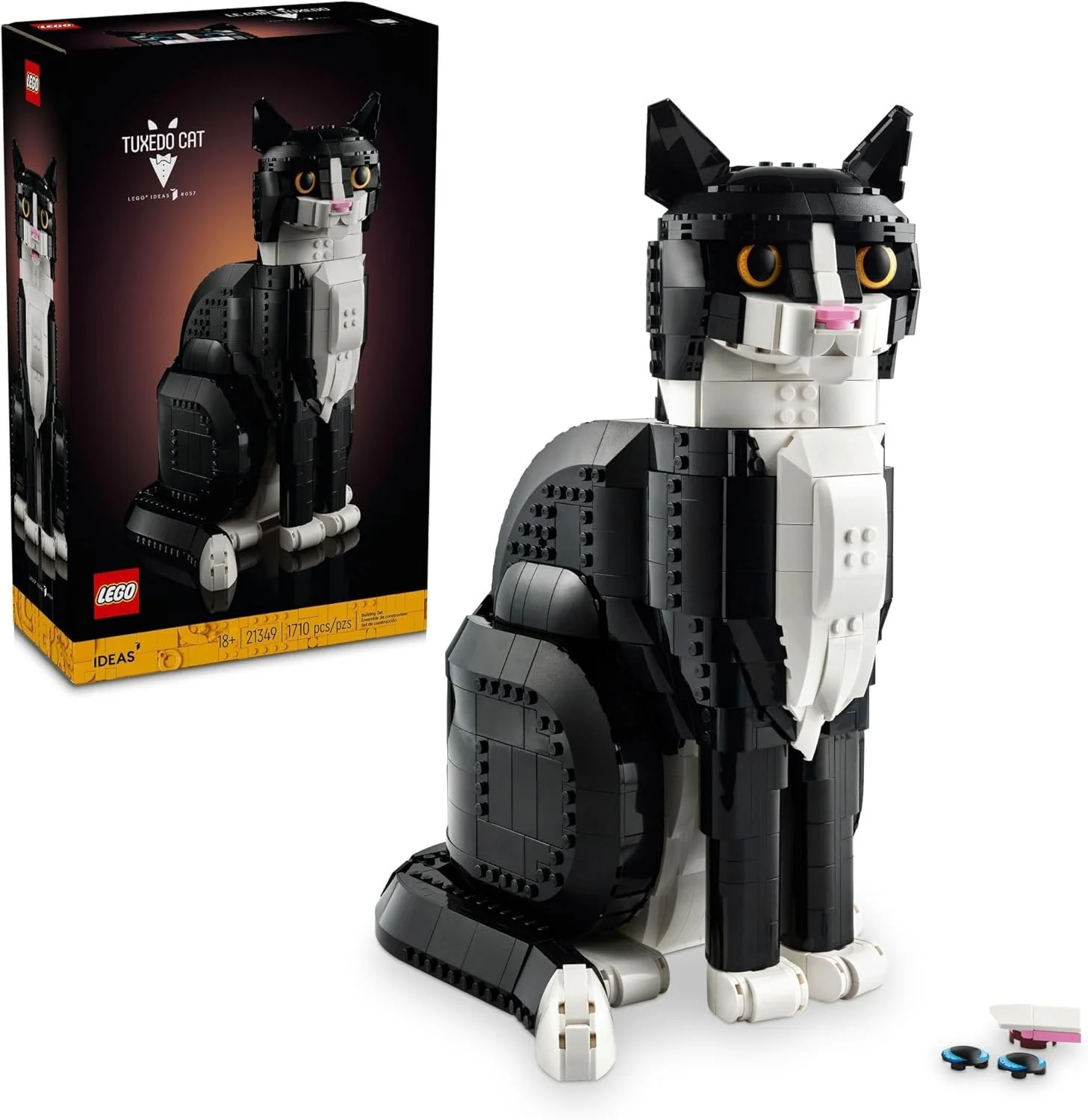
I personally love this Lego Cat because I’m a huge cat person as well as a huge Lego fan. 

But you can also get your loved ones art supplies, crafting tools, or any other projects they can work on at home.

And bonus points if they can do it from the couch on bad pain days. 
Find the Lego Tuxedo Cat on Amazon 

5. A Good Book

Some days, a pain flare means I don’t have the energy to do anything other than read a book. So having good ones around that I know a loved one recommends is always welcome! 

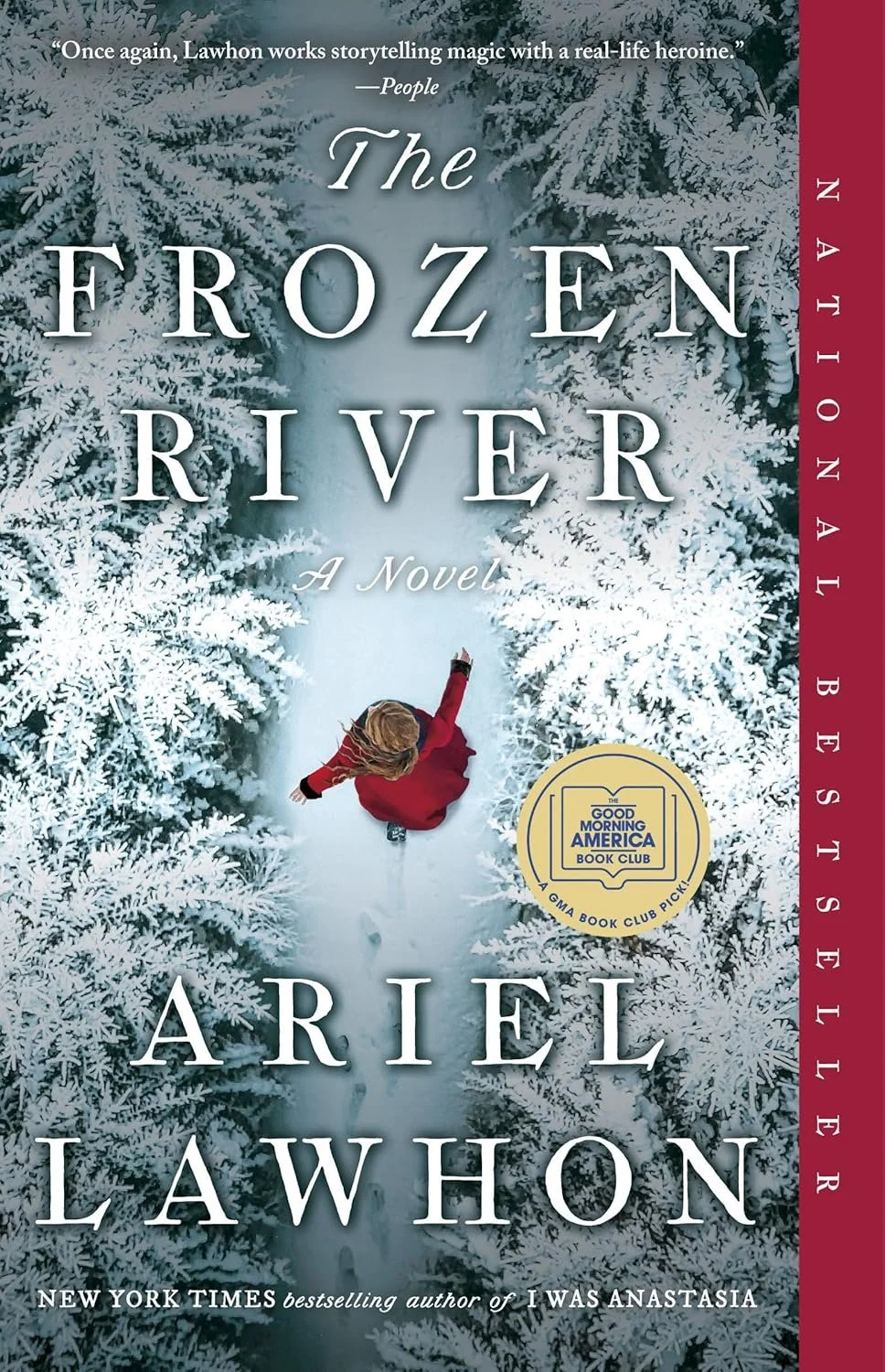
I recently read The Frozen River by Arial Lawhon, and I really enjoyed the cozy winter setting and completely immersive 1700s plot. 

But you can really buy any book that you’d recommend to share as a gift with your loved ones. 

Also be sure to check out PNN’s holiday reading guide, which has books to help you better understand and treat many chronic pain conditions.  
Find The Frozen River on Amazon 

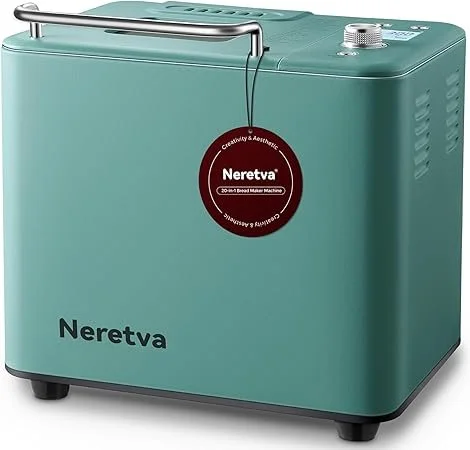
6. Bread Machine

While a bread machine may not seem like a gift typically associated with chronic pain, it’s actually perfect.

A good bread machine makes it super easy to whip up homemade bread, even when you’re also dealing with a pain flare. You just toss the ingredients in, hit start and presto! A perfect loaf of homemade bread!

It’s also great for anyone on a restrictive diet, since you can easily customize the ingredients. There’s even a setting for a gluten-free loaf! 
Find the Bread Machine on Amazon 

7. Gift Cards

Of course, when in doubt, it’s always a good idea to go with a gift card, especially if you’re shopping at the last minute — because the cards can be instantly delivered via text. 

That way your loved one is guaranteed to get the perfect holiday gift, because they pick it out themselves!

Happy shopping this holiday season!

Find Gift Cards on Amazon

We hope you have happy holidays, and many low pain days in the year ahead! 

PNN makes a small commission, at not additional cost to you, on items purchased through Amazon. 
A Holiday Reading Guide for People Living with Chronic Pain

By Pat Anson

Is kratom really as dangerous as public health officials say it is? What foods can help reduce pain and inflammation? Why do some people get Long Haul Covid and others don’t? How can I manage pain flares from Ehlers-Danlos syndrome? What is percutaneous hydrotomy and why is it growing in popularity with injured athletes?

The answers to these and other questions can be found in PNN’s annual holiday reading guide. If you live with chronic pain and illness or have a friend or family member who does, here are 12 books that would make great gifts over the holidays. Or you can “gift” one to yourself. Click on the book cover or title to see price and ordering information.

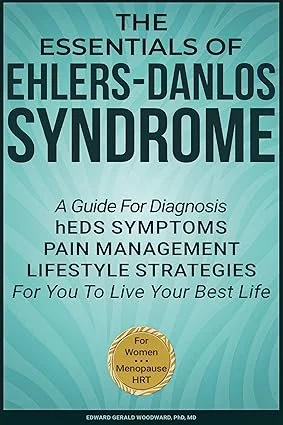
The Essentials of Ehlers-Danlos Syndrome

This book is intended to help people understand and manage Ehlers-Danlos syndrome (EDS), a genetic and painful disorder that presents as a confusing set of symptoms that are often misdiagnosed. Topics covered include the 7 sub-types of EDS, what specialists to see, and how to create a personalized care plan to manage pain flares and fatigue.

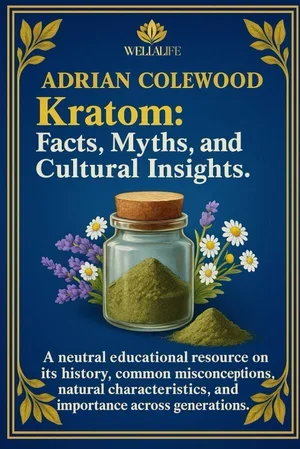
Kratom: Facts, Myths, and Cultural Insights

This is one in a series of books by Adrian Colewood that seeks to present a balanced and neutral view on kratom, a controversial supplement used by millions to relieve pain, anxiety, depression and withdrawal. With kratom facing new regulations and outright bans due to its opioid-like effects, the book explores the myths and misinformation about a medicinal plant that’s been used for centuries in southeast Asia.

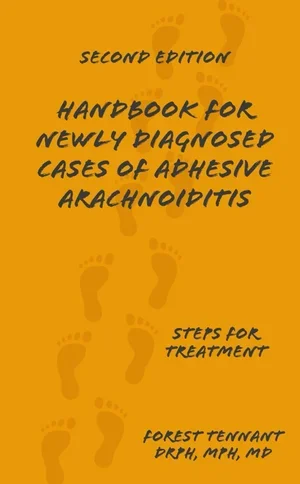
Handbook for Newly Diagnosed Cases of Adhesive Arachnoiditis

This second edition of Dr. Forest Tennant’s book for new cases of Adhesive Arachnoiditis (AA) explores the treatments that can reduce the symptoms of this debilitating spinal nerve disease. Left untreated, AA can result in intractable pain, a bed-bound state, and premature death. This handbook summarizes Dr. Tennant’s 3-step protocol to suppress inflammation and autoimmunity, regenerate damaged tissue, and control pain caused by AA.

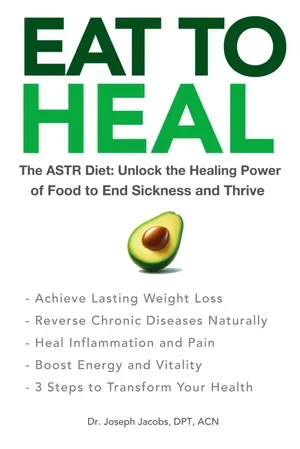
Eat to Heal: Unlock the Healing Power of Food

After years of suffering from chronic migraine, fatigue and cancer pain, Dr. Joseph Jacobs turned to nutrition, developing the Advanced Soft Tissue Release (ASTR) diet to reduce inflammation, relieve pain and restore energy. In this book, he shares how eating the right foods helped him beat chronic pain from the inside out, while debunking the myths of so-called “healthy diets” that have left millions of people chronically sick and fatigued.

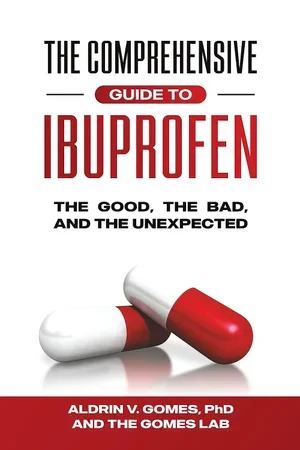
The Comprehensive Guide to Ibuprofen

Aldrin Gomes, PhD, and his team of researchers at UC Davis look at the benefits and risks of ibuprofen, one of the world’s most widely used pain relievers. Like many NSAIDs, ibuprofen increases the risk of heart attack, stroke and stomach ulcers — even at regular doses — and may interact with hundreds of medications. Studies suggest ibuprofen may also have some surprising health benefits, such as lowering the risk of dementia.

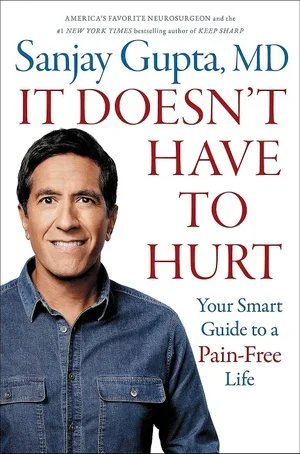
It Doesn’t Have to Hurt: Your Smart Guide to a Pain-Free Life

CNN medical correspondent Dr. Sanjay Gupta is a neurosurgeon by trade who believes all pain starts in the brain, and chronic pain “comes with baggage attached.” Gupta is not a fan of opioid medication, and thinks the body’s own pain relief system can be primed through meditation, sleep, nutrition, acupuncture and physical therapy such as foam rolling. He calls pain “the most mysterious of all human sensations.”

Hip Pain Relief For Seniors

This book is designed for older adults who want to overcome hip pain and limited mobility without surgery or medication. Simple and gentle exercises can be done at home to regain flexibility, strength and movement. These “senior-friendly routines” will help you stay active and independent, including older adults recovering from hip replacement or arthritis.

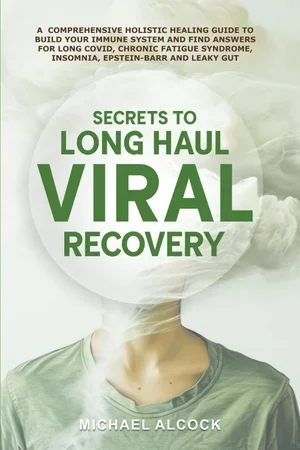
Secrets to Long Haul Viral Recovery

Author Michael Alcock is a “long-hauler” from Covid-19 and the Epstein-Barr virus, who spent a decade researching why some people are more prone to long-haul viral infections, while others recover easily. This book explains how to recover holistically from viral infections like long Covid by strengthening the immune system through better nutrition, vitamins and supplements.

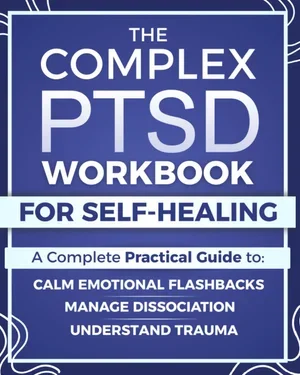
The Complex PTSD Workbook for Self-Healing

Has chronic pain or a chronic illness left you exhausted — physically and emotionally? Do you live in dread of another pain flare or sleepless night? Alex Carter wrote this self-help handbook to guide you on a 6-week action plan to overcome Post Traumatic Stress Disorder (PTSD) with practical ways to help quiet your mind and nervous system.

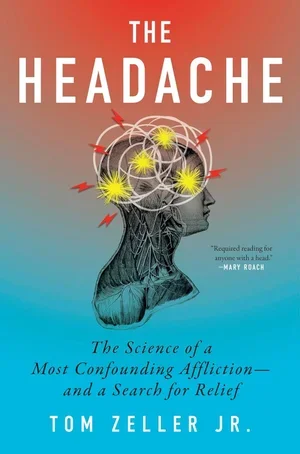
The Headache: The Science of a Most Confounding Affliction

Over 3 billion people worldwide suffer from a headache disorder, including author Tom Zeller Jr., who suffers from cluster headaches. Zeller wrote this book to better understand what causes migraines and headaches, and why there are few effective treatments for such a common condition. Zeller looks at the inner workings of the human nervous system and provides a vivid account of the disabling pain that headache sufferers endure.  

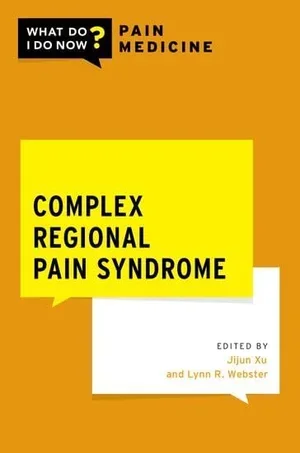
Complex Regional Pain Syndrome

Complex Regional Pain Syndrome (CRPS) is a debilitating chronic nerve disease that is usually caused by trauma and can strike any part of the body. This book, edited by Drs. Lynn Webster and Jijun Xu, is part of the "What Do I Do Now? Pain Medicine" series. It looks at 11 clinical cases of CRPS and how they were treated with conventional analgesics and novel therapies, including neuromodulation and ketamine infusions.

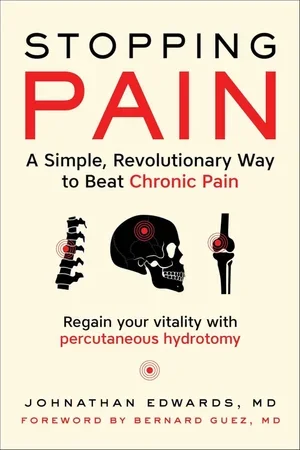
Stopping Pain: A Simple, Revolutionary Way to Stop Chronic Pain

Chances are you’ve never heard of percutaneous hydrotomy, a minimally invasive regenerative treatment in which a sterile saline solution is injected into the body to relieve musculoskeletal pain and “flush out” inflammatory substances. Percutaneous hydrotomy has been used in Europe for 30 years and is gaining popularity with amateur and professional athletes who want to stop pain, heal nagging injuries, and boost performance.

These and other books about living with chronic pain and illness can be found in PNN’s Suggested Reading page.  PNN receives a small amount of the proceeds -- at no additional cost to you -- for orders placed through Amazon.

7 Practical Gift Ideas for People with Chronic Pain

By Crystal Lindell

Whether you’re looking for gift ideas for a loved one with chronic pain, or you’re looking for some ideas for your own wish list, we’ve got you covered. 

I’ve been living with chronic pain for more than 10 years now, and below is a list of some of my favorite things that would also make great gifts for the person in pain in your life. 

And don’t worry, it’s not a bunch of medicinal stuff. Being in pain doesn’t represent our entire identities. The list below is a lot of fun items that would be great for anyone on your list, but that also are especially great for people with chronic pain.

There’s also stuff for every price range, so you’re sure to find the perfect holiday gift! 

Note that Pain News Network may receive a small commission from the links provided below. 

1. Heated Blankets

I put heated blankets first on this list for a reason – they are truly invaluable if you have chronic pain. Even if you live in a warm climate, they can be great to use if people you live with want the AC on the high side. 

There’s just something that’s both cozy and comforting about curling up with a blanket that literally warms you up. I can’t recommend them enough, both as a gift and for yourself. 

I personally loved this Tefici Electric Heated Blanket Throw so much that after getting one for my house, I literally ordered 4 more so I could give them out as Christmas gifts to my family. They all loved them too. And so did their pet cats! 

Find it on Amazon here: Tefici Electric Heated Blanket Throw

The Tefici was actually my intro to heated blankets. After purchasing one for my living room, I was hooked. So I leveled up to this Shavel Micro Flannel Heated Blanket

It was a little more expensive than the heated throw, but I got it in 2021, and it’s still going strong. We use it in the bedroom every single night during our cold Midwest winters, and I can’t imagine sleeping without it. It offers more heat settings than the throw, and it can stay on for up to 9 hours. The heating mechanism is also more steady than the throw, so it doesn’t feel like it gets too hot overnight. 

Find it on Amazon here: Shavel Micro Flannel Heated Blanket

2. Home Coffee Machine

One thing about chronic pain – or really any sort of chronic illness – is that it makes it difficult to leave the house some days. But that doesn’t mean you have to give up your Starbucks-style coffee. 

With a home espresso machine, and a milk frother it’s really easy to create very similar drinks at home – and they’re much cheaper than Starbucks. 

I’ve personally been a fan of Nespresso machines for years now and I recently got my sister into them as well. Assuming the person you’re buying for likes coffee, and that they don’t already have a Nespresso, getting them one or a related accessory like a frother as a gift can be a really fun idea. 

Plus, then they’ll lovingly think of you every morning when they use it! 

Find it on Amazon: Nespresso Vertuo Pop+ Coffee and Espresso Maker by Breville with Milk Frother, Coconut White

3. Sound Machine

A lot of people with chronic pain have trouble sleeping, but both me and my partner have realized that having some white noise in the background can really help our brains relax overnight. 

There are a lot of options out there, but a basic one at a lower price point is all you really need. I got him the EasyHome Sleep Sound Machine last year for Christmas and we both love it! It now has a permanent place on our bedroom dresser. 

It has 30 Soothing Sounds, 12 Adjustable Night Lights, and 32 Levels of Volume. We use it all winter when it’s too cold to sleep with the fan on for background noise. 

Find it on Amazon: EasyHome Sleep Sound Machine

4. Pajama Pants

As someone with chronic pain, I honestly spend more days in pajama pants than I do in regular pants. And not only do I love wearing them, I also love receiving them as a gift – especially novelty ones. 

My partner is a huge fan of Lord of the Rings, so I got him these Lord of The Rings Men's PJ’s last year for his birthday, and he wears them at least once a week. 

And quick note: If you’re purchasing pajamas as a gift, I always recommend sizing up to make sure they’re super comfortable. 

Find it on Amazon: Lord of The Rings Men's Sleepwear

5. Streaming Devices

There are a lot of streaming devices you can use to connect your TV to the internet, but we’ve had Rokus in our house for years now, so I can personally recommend them. 

We specifically love that they offer this really great search feature, where if you search on the Roku homepage for a movie or TV show title, it will tell you which one of your streaming services offer it, and even which ones have it for free! So no more scrolling in an out of each streaming app trying to find the movie you want to watch. 

As an added bonus, you can also use a feature in the Roku App as a remote if you lose yours, which can come up a lot for people who might be dealing with chronic pain-related brain fog. 

Find it on Amazon: Roku Express 4K+

6. Art Supplies

Having chronic pain means I’m always on the lookout for low-key activities I can do at home, so over the years I’ve gotten really into artistic pursuits. But if you’ve ever tried to start a new hobby, you know that getting all the supplies can be half the battle. 

But that also means that art supplies can make a great gift for someone with chronic pain. Plus, they come at a very wide range of price points, so you can find something perfect without having to overspend. 

I personally have the ai-natebok 36 Colored Fineliner Pens linked below, and I love using them for a wide variety of projects. But there’s also sketch pads, watercolor sets and blank canvas, not to mention color books. 

Find it on Amazon: ai-natebok 36 Colored Fineliner Pens

7. Gift Cards

Of course, when all else fails, sometimes the best gift is a gift card, especially if you’re looking for something last-minute since they can usually be sent via e-mail. 

I especially recommend Amazon gift cards, specifically because they can be used to pay for Amazon Prime Service, which offers both streaming services and fast home delivery – two things that people with chronic pain often love. 

Find it on Amazon: Amazon gift cards

12 Holiday Gifts for People Living with Chronic Pain and Illness

By Pat Anson, PNN Editor

Should opioids and other controlled substances be deregulated? Are health insurers and regulators interfering with the practice of medicine? What kind of pain care did President Kennedy get? Will cannabis help you sleep better? And whatever happened to Patient Z?

The answers to these and other questions can be found in PNN’s annual holiday gift guide. If you live with chronic pain and illness or have a friend or family member who does, here are 12 books that would make great gifts over the holidays. Or you can always “gift” one to yourself. Click on the book cover to see price and ordering information.

Doctor Bison’s Fables: An Allegory of the American Pain Refugee Crisis

Dr. Mark Ibsen uses animals as lead characters in a series of fables to convey the crisis faced by many pain sufferers in the U.S. Doctor Bison and his patient (an otter) are joined in a crowded exam room by a menagerie of other animals representing insurers, hospitals, regulators and law enforcement. All want to have a say in what Dr. Bison prescribes to his sick patient — resulting in little actual treatment for the otter.

The Silver Bullet Solution: Is It Time to End the War on Drugs?

Author James Gierach is a former Illinois prosecutor who believes the War on Drugs is the “worst public policy in the history of mankind.” Drug prohibition helped fuel the overdose crisis, caused mass incarceration, eroded civil liberties, and made healthcare unaffordable. Gierach’s solution is to end the regulation of controlled substances and change public opinion about drugs, much like what happened with the legalization of cannabis.

Chronic Pain Reset

Psychologist Afton Hassett, PysD, has compiled a list of 30 simple activities that people in pain can do to improve their lives — from mindfulness walking and paced breathing to healthy sleep habits and random acts of kindness. Perform one activity each day (in 15 minutes or less) and select the ones you like to develop a personalized pain management plan that may lessen your pain, and give your life more joy and a better sense of purpose.

Z’s Odyssey

In his sequel to “Patient Z,” author Stefan Franzen updates the personal story of a loved one with intractable pain who was unable to find effective treatment due to the crackdown on prescription opioids. Patient Z eventually found relief by taking buprenorphine, a widely misunderstood opioid that, when used in its purest form, can be just as potent as morphine.

The Chronic Pain Couple

Author Karra Eloff knows firsthand what chronic pain can do to a relationship. Pain disrupted her romantic and social life, and held her back from personal joy and professional success. To save their marriage, Karra and her husband made simple changes to improve their intimacy and agreed not let illness sidetrack their relationship. If you live with pain or love someone with a chronic illness, this book could help save or restore your relationship.

Burden of Pain: A Physician's Journey through the Opioid Epidemic

Dr. Jay Joshi went to prison for prescribing opioids to an undercover DEA patient posing as a patient. Now a free man and practicing medicine again, Joshi wrote this book as a cautionary tale for both physicians and patients, explaining how he fell victim to DEA misconduct and public health policies that portray doctors as drug dealers.

The Strange Medical Saga of John F. Kennedy

Dr. Forest Tennant looks at the life-threatening medical problems faced by President John F. Kennedy — which the public knew little about until long after his death 60 years ago. Kennedy nearly died as an infant from scarlet fever, and as an adult suffered from adrenal failure, failed back surgeries and autoimmune problems. Tennant says JFK would never have become president without high-dose opioids and a controversial drug cocktail.

CRPS: Learning About the Different Aspects of a Painful Syndrome

This is the fourth volume of a book series by Eric Phillips on Complex Regional Pain Syndrome (CRPS), a complex neurological disease that affects millions of people. The causes and symptoms of CRPS vary from person to person, making its diagnosis and treatment more difficult. After four decades of living with CRPS, Phillips says the biggest problem remains a lack of understanding about the disease by medical professionals. 

Cannabis Lullaby: A Painsomniac’s Quest for a Good Night’s Sleep

Health journalist David Sharp struggled for years with chronic pain and poor sleep caused by “painsomnia.” Then he ate a brownie made with cannabis and slept like a baby. In this book, Sharp shares what he’s learned about cannabis, how to shop for it, what strains work best, how to find the right dose, and who should — or shouldn’t — use cannabis.

8 Steps to Conquer Chronic Pain: A Doctor’s Guide to Lifelong Relief

Dr. Andrea Furlan takes a holistic approach to treating chronic pain, recommending changes in lifestyle, diet, sleep and mindset. Instead of taking opioids and becoming dependent on them, she believes pain sufferers can learn how to “rewire” their brains by controlling their emotions, recharging their bodies and educating themselves about the nature of pain.

Not Weakness: Navigating the Culture of Chronic Pain

After 20 years of coping with Crohn’s disease and autoimmune conditions, author Francesca Grossman finally realized she wasn’t alone after speaking with other women who also suffer silently from chronic pain. In this memoir, Grossman shares what she learned about living and loving with chronic pain while managing work, motherhood, friendships, sexual intimacy and medical gaslighting.

Heal Your Disc, End Your Pain

Dr. Gregory Lutz believes degenerative disc disease can be treated without drugs or surgery through the use of regenerative medicine — using a specialized concentration of a patient’s own stem cells to help heal tears inside the disc. Unlike other treatments for chronic lower back pain, which only provide temporary relief, Lutz says stem cells give long-term results.

These and other books about living with chronic pain and illness can be found in PNN’s Suggested Reading section.  PNN receives a small amount of the proceeds -- at no additional cost to you -- for orders placed through Amazon.

12 Holiday Gifts for Caregivers and the People They Care For

By Pat Anson, PNN Editor

How do you take care of yourself when you feel overwhelmed taking care of someone with a disabling chronic illness? Can an anti-inflammatory diet help prevent migraines? What is “ableism” and how does it harm the disabled? Will they ever find a cure for long covid?

The answers to these and other questions can be found in our annual holiday gift guide. If you’re a healthcare provider, caregiver or you live with chronic pain and illness -- here are 12 books that would make great gifts over the holidays. Or you can always “gift” one to yourself.

Click on the book’s cover to see price and ordering information. PNN receives a small amount of the proceeds -- at no additional cost to you -- for orders placed through Amazon.

The Long Haul: Solving the Puzzle of the Pandemic’s Long Haulers

This timely book by Ryan Prior looks at how the Covid-19 pandemic left millions of people around the world with chronic fatigue, pain and other disabling symptoms. Many of these “long haulers” are now fighting for recognition and treatments for a puzzling new disease that could be challenging the healthcare system for decades to come.

Self-Care for Caregivers

In this handbook for caregivers, Susan White offers tips on how to maintain good physical and mental health, and how to avoid feeling angry, lonely and frustrated. Regular self-care is vital for caregivers, and means finding time to relax, rejuvenate and reconnect with others.

I’m Fine: A Practical Guide to Life with Chronic Pain

After a series of failed spinal fusions, author Toni Woodard has lived with chronic back pain for over 25 years. In this book, she describes how physical and emotional pain can impact work, relationships and mental health, and shares some simple practical lessons on how to manage pain and still enjoy life.

Raising Lazarus

The sequel to Dopesick, Beth Macy’s latest book takes a more nuanced approach to the opioid crisis, briefly acknowledging that many pain patients were harmed by the backlash against opioid medication. But Raising Lazarus primarily deals with Purdue Pharma’s corporate greed and the ongoing struggles of working-class people in Appalachia to overcome addiction and a healthcare system that doesn’t work for them.

The Migraine Relief Plan Cookbook

Author Stephanie Weaver spent years researching and interviewing migraine sufferers and healthcare providers about ways to relieve migraine pain through good nutrition. The result is this cookbook, filled with over 100 anti-inflammatory recipes for meals, snacks and drinks — all designed to help manage migraines, headaches and chronic pain.

Clinical Diagnosis and Treatment of Adhesive Arachnoiditis

It’s fair to say most doctors don’t know what adhesive arachnoiditis (AA) is, much less how treat it, which is why Dr. Forest Tennant wrote this handbook about the chronic and debilitating inflammatory disease of spinal nerves. The book will help clinicians understand the various causes of AA; how to diagnose it through lab tests, MRIs and patient symptoms; and how to treat AA through hormone therapy, good nutrition and medication.

The Nurse Practitioners’ Guide to Autoimmune Medicine

Dr. David Bilstrom wrote this book primarily to help healthcare providers diagnose and treat autoimmune disease — but patients will find it easy to understand. Chapters explore symptoms and diagnostic testing, as well as the stress, toxins, and hormone and vitamin deficiencies that cause autoimmune problems. Bilstrom takes a holistic approach to treatment, emphasizing diet and lifestyle changes over antibiotics and medication.

Wildest Hunger

The fourth in a series of paranormal crime novels by Laura Laasko, who lives with Ehlers-Danlos and Chronic Fatigue Syndrome. Laasko believes chronic illness is poorly represented in fiction, so many of her characters are given invisible illnesses like EDS to help educate readers about what it’s like to have a disability and manage its symptoms.

Year of the Tiger: An Activist’s Life

A collection of essays on living with disability by Alice Wong, founder and director of the Disability Visibility Project. Wong is a fierce critic of “ableism” — systemic discrimination and prejudice against disabled people, who are often defined and devalued by society for what they can’t do, as opposed to what they can.

Tao Calligraphy: To Heal and Rejuvenate Your Back

Dr. Master Zhi Gang Sha introduces readers to the ancient Chinese healing art of calligraphy, which professes to transform health, relationships and all aspects of life through positive energy and spirituality. This book focuses on healing back pain — and comes with QR codes that readers can scan to access videos that will help them rejuvenate their backs. Some reviewers claim just putting the book on their backs gave them pain relief!

The Hard Sell: Crime and Punishment at an Opioid Startup

Journalist Evan Hughes lays bare the inside story of Insys Therapeutics, a pharmaceutical startup that deceived insurers, corrupted doctors, and used brazen sales tactics to market Subsys, a potent and expensive fentanyl spray. The scheme made a fortune for Insys until federal investigators began looking into hundreds of overdose deaths and prosecuted company executives for drug trafficking.

The Song of Our Scars: The Untold Story of Pain

Chronic pain was a “distant, hazy concept” for Dr. Haider Warraich until he began experiencing it himself after a severe back injury. In this book, he explores the cultural and medical history of pain from ancient Greece through modern times — concluding that today’s healthcare system is broken and leaves many patients with chronic pain worse off than they were before.

These and other books and videos about living with chronic pain and illness can be found in PNN’s Suggested Reading section.