Why Smoking is a Pain in the Neck

By Pat Anson, Editor

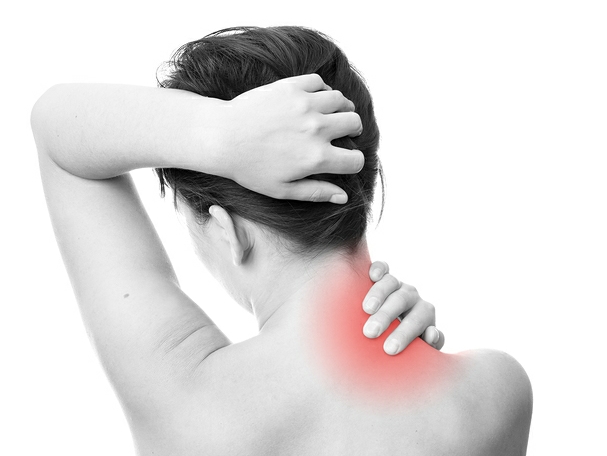
Need another reason to stop smoking? What if you knew it was causing that pain in your neck?

That’s the conclusion of a new study being presented this week at the annual meeting of the Association of Academic Physiatrists. In a study of 182 patients who were given CT scans,  researchers found that smokers were more likely to have cervical degenerative disc disease.

“This is another example of the detrimental effects of smoking. Tobacco abuse is associated with a variety of diseases and death, and there are lifestyle factors associated with chronic neck pain,” says lead investigator Mitchel Leavitt, MD, resident physician at Emory University’s Department of Physical Medicine and Rehabilitation.

“Pain and spine clinics are filled with patients who suffer chronic neck and back pain, and this study provides the physician with more ammunition to use when educating them about their need to quit smoking.”

The cervical spine is located in the neck and is made up of bones called vertebrae. Between these bones are cervical discs that absorb shock to the spine. Through the normal aging process, these discs slowly degenerate, which means they become dehydrated and shrink.

In some cases, the drying of the disc may cause cracks and tears, through which some of the jelly-like central portion of the disc may spill out and irritate local nerves. That can result in pain in the shoulders, arms, hands and fingers.

It isn’t only wear and tear that can damage these discs. Some unhealthy habits, such as smoking, can add to cervical disc degeneration.
“Smoking is not healthy for a person’s intervertebral discs given the risk of developing microvascular disease – a disease of the small blood vessels – due to nicotine abuse,” says Leavitt. “Intervertebral discs receive their nourishment from the microvasculature that line the endplates on either side of each disc; when these blood vessels are damaged, the discs do not receive nourishment and this may speed up the degenerative process.”

While smoking has been associated with degeneration in the lumbar spine, this was one of the first studies to make the association with the cervical spine.  The patients evaluated by Leavitt and his colleagues were mostly female (57 percent), and about a third were smokers. A radiologist and a physiatrist – a physician who specializes in physical medicine and rehabilitation – reviewed their CT scans for signs of cervical degenerative disc disease. The amount of damage was rated on a scale of zero to 15.

Current smokers were found to have more cervical degenerative disc disease and were given a "damage score" that was about one point higher, on average. Not surprisingly, researchers also found that aging was associated with worsening cervical degenerative disc disease, but diabetes, hypertension, high cholesterol and high BMI were not.

Leavitt believes more research is needed on other lifestyle factors, such as high fat diets, alcohol use and obesity to see how they relate to chronic back and neck pain.

“Virtually everyone knows that moderate exercise somewhere around four to five times per week is beneficial, plus other lifestyle factors like avoidance of smoking and a proper diet are equally important. However, these topics are usually geared towards heart health, lowering blood pressure, managing diabetes, or controlling other medical conditions, and not specific to the spine,” Leavitt said. “It is one thing to live to the age of 95, and it is another to live to 95 while retaining one's mobility and being free of pain. Lifestyle medicine will likely play a large role in the future of healthcare, and having plenty of data to support lifestyle management is critical.”

Previous studies have found that smoking increases your chances of having several types of chronic pain conditions.

A study of over 6,000 Kentucky women found that those who smoked had a greater chance of having fibromyalgia, sciatica, chronic neck pain, chronic back pain and joint pain than non-smokers. Women in the study who smoked daily more than doubled their odds of having chronic pain.

A large study in Norway found that smokers and former smokers were more sensitive to pain than non-smokers. Smokers had the lowest tolerance to pain, while men and women who had never smoked had the highest pain tolerance.

In a recent study published in JAMA Neurology, Swedish researchers reported that continuing to smoke after a diagnosis of multiple sclerosis significantly accelerates progression of the disease.
Staying Positive But Still Needing Support

By Ellen Lenox Smith, Columnist

It took over 50 years for me to be diagnosed correctly and to finally understand what I have been suffering from for so many years – sarcoidosis and Ehlers Danlos syndrome. The latter is actually something that I was born with.

Every day of my life, I have to work to get through the day in as positive way as I can muster. Yet, it is clear people still don’t understand how brave I am trying to be.  I am still in need of support. I live with two incurable, painful conditions that will keep progressing.

Despite these diagnoses, last month I was discharged by a nurse from a support organization called Vital Decisions. After taking me on as a client on their own initiative last April, it was stated that their requirements had changed to continue with a client.

Since they believe I am doing a good job, with my husband managing my health and making the necessary decisions one has to face, I no longer qualify for their support.  

ellen lenox smith

ellen lenox smith

Believe me, I knew where this conversation was going, for this was not the first time this has happened to me. You put on a smile, adopt a positive attitude, take on your health conditions, work hard to live life with them; and then someone assumes you must be all set and you are sent off on your own. Something is just wrong with this process.

With long term chronic pain, others need to understand that even those of us presenting positively still need their support. It takes a lot of work to keep the spirits up, act pleasant around you, and act like life is normal. Don’t think we aren’t at times scared, overtired, and overwhelmed from living with pain.

And believe me, even on our good days, you would not want to climb into our bodies. So, we still need you to care about us!

I have had friends disappear since my story is too sad to be around. I have also had to live with judgement due to my smile -- which is seen as a sign that I must be doing just fine. But would you rather have me be that miserable person that is angry, lashing out at others, and giving up on finding purpose and meaning to my life?

And, how is it that in that same week I got discharged from Vital Decisions, another doctor sent me a note that his practice is putting me in their new program called the Specialty Care Center, which will help support me with my cardiac issues? Am I the same person that just got let go by my support nurse?

If you see someone you know coping with a difficult medical issue, please don’t assume that they are just fine if they have a smile on their face. Ask them how they are doing, let them vent, care about them, and be proud of them for trying to get through a difficult journey while being pleasant.

Ellen Lenox Smith suffers from Ehlers Danlos syndrome and sarcoidosis. Ellen and her husband Stuart live in Rhode Island. They are co-directors for medical marijuana advocacy for the U.S. Pain Foundation and serve as board members for the Rhode Island Patient Advocacy Coalition.

For more information about medical marijuana, visit their website.

The information in this column should not be considered as professional medical advice, diagnosis or treatment. It is for informational purposes only and represents the author’s opinions alone. It does not inherently express or reflect the views, opinions and/or positions of Pain News Network.

Acupuncture Lessens Fibromyalgia Pain

By Pat Anson, Editor

Nine weekly sessions of individualized acupuncture significantly lessened pain intensity and improved function and quality of life in people with fibromyalgia, according to researchers in Spain. Their placebo controlled study, published in Acupuncture in Medicine, also found the beneficial effects of acupuncture often continued a year later.

Fibromyalgia is a poorly understood disorder characterized by deep tissue pain, headaches, fatigue, depression and insomnia. It affects about one in 20 people.  The cause is unknown and there is no cure.

About 90% of people who have fibromyalgia try some form of alternative therapy such as massage, hydrotherapy, and acupuncture. But most of the data on the effectiveness of acupuncture have been based on clinical trials of standard, rather than individually tailored, treatment.

To find out if a more personalized approach would be more effective, researchers compared individually tailored acupuncture therapy with sham treatment in 153 adults, all of whom had been diagnosed with fibromyalgia, according to diagnostic criteria set out by the American College of Rheumatology.

Patients continued to take whatever drugs they had been prescribed to alleviate symptoms during the course of the study.

Both the real and simulated treatments were provided in nine weekly sessions, each lasting 20 minutes. Participants were asked about their perceived levels of pain, depression, and health related quality of life (physical and mental) before treatment began; and then again at 10 weeks, 6 months, and 12 months afterwards. The overall impact of their condition was measured by the Fibromyalgia Impact Questionnaire (FIQ).

After 10 weeks, perceived pain intensity was lower among those given real acupuncture. Their pain scores had dropped by an average of 41%, compared with an average of 27% for those given the placebo treatment. Significant differences persisted after a year, with an average fall of 20% in the pain score among those treated with acupuncture compared to about 6% for those given the simulated treatment.

Participants who were given the real treatment also had fewer tender points, and had less fatigue, anxiety and depression. FIQ scores also differed significantly between the two groups.

“Individualized acupuncture treatment in primary care in patients with fibromyalgia proved efficacious in terms of pain relief, compared with placebo treatment. The effect persisted at one year, and its side effects were mild and infrequent. Therefore, the use of individualized acupuncture in patients with fibromyalgia is recommended,” wrote lead author Dr. Jorge Vas, Doña Mercedes Primary Health Centre, in Dos Hermanas, Spain.

Acupuncture was originally developed as part of traditional Chinese medicine and is one of the most widely practiced forms of alternative medicine. As many as 3 million Americans receive acupuncture treatments, most often for relief of chronic pain. While there is little consensus in the medical community about acupuncture’s value, a large study in the Archives of Internal Medicine found that  “acupuncture is effective for the treatment of chronic pain and is therefore a reasonable referral option.”

Shocked by Senators’ Letter on Patient Surveys

By Janice Reynolds, Guest Columnist

Last week I felt like my world had shattered.  Sounds extreme, I know, but someone who I believed in had turned on me both as a professional and someone living with persistent pain. It was not only me that Sen. Susan Collins (R-Maine) denied, but the pain community as a whole. 

An article and editorial in the Portland Press Herald told how Collins and 25 other senators had written a letter to the Secretary of Health and Human Services questioning whether patients should be asked about their pain control in hospital satisfaction surveys. After reading it, I felt sucker punched.  I have always supported and believed in Susan Collins, but how can I now? 

“I believe the pendulum has swung too far in favor of controlling pain, although I am not suggesting that the pain people experience is not real,” Collins said, although the rest of her letter certainly suggests that she does just that. (See “Senators Seek to Silence Pain Patients”)

The comment that I find truly disturbing is, “Currently, there is no objective diagnostic method that can validate or quantify pain. Development of such a measure would surely be a worthwhile endeavor.” 

The pain community has battled this notion forever. In 1968 Margo McCaffery wrote that pain is what the person says it is and exists when the patient says it does.  She was heavily ridiculed for that, although the World Health Organization included it in both their position statements on cancer pain and on chronic pain, and considers pain treatment a human right.

SEN. SUSAN COLLINS (R-MAINE)

SEN. SUSAN COLLINS (R-MAINE)

So much of what Collins said appears to be from the Centers for Disease Control and Prevention (CDC) and Physicians for Responsible Opioid Prescribing (PROP). The comments rather prove my belief that the CDC’s attack on opioids and addiction is really more of an attack on people with pain, no matter the reason. To see the letter and the list of senators who signed it, click here.

The next day the Press Herald had an editorial which proved even worse. “Collins and the other senators question whether it’s wise to put such a high premium on these subjective judgments. Prompt pain relief is appropriate for some patients, but overuse of painkillers can cause harm, and a person in pain will not always be the best judge of whether the care was appropriate,” the paper said.

Please note they are no longer distinguishing between acute pain, pain in a cancer setting, pain in a non-cancer setting, or end of life pain.  They also ignore the fact that “no prompt treatment of pain” causes harm as well (that is why they call it torture). Both articles claim opioids are gateway drugs for heroin. Of course, no acknowledged expert in pain management was even consulted for the articles (because they are all in the pockets of the evil pharmaceutical companies mu-ha-ha-ha).  Interestingly, nobody seems to care that non-opioid pain medication is also brought to us by pharmaceutical companies.

What about these patient satisfaction surveys?  Are they really a problem or is this more hype to discredit people with pain?

As a hospital nurse for over 20 years I cannot think of one time where a provider wrote a prescription for opioid pain medication just to avoid getting a bad patient satisfaction score.  In reality the problem is the exact opposite; doctors and nurses who are bad at pain management, who don’t believe a patient’s report of pain, and who lack the knowledge to effectively relieve pain really don’t give a darn about a bad evaluation. 

There are, unfortunately, still many providers who fit into those categories.  I can’t tell you the number of times I got in trouble with a physician for advocating for a patient. But there are many providers who are good at pain management, knowledgeable, and compassionate as well.  I imagine these are the ones the senators really have a problem with.

Could someone please give me a definition of overprescribe?  It seems, in this case, it would mean prescribing any opioid or making a legitimate effort to manage a patient’s pain. 

In a hospital setting there are many reasons for opioids to be used, as it is the only medication shown to be effective for severe pain.  People can be in pain due to surgical procedures, trauma, intractable pain (pain was out of control at home), broken bones, pain flares, post stoke pain, shingles, gallstones, kidney stones, cellulitis, deep vein thrombosis, myocardial infarctions, cancer metastasis, organ impingement by a tumor, and many more reasons including comorbidities when someone is dying. 

Most times there is a combination of opioids, non-opioids, and non-pharmaceutical interventions (such as warmth or cold, physical therapy; some hospitals even have therapeutic touch and Reiki available).  Many patients’ may have opioids ordered but never need them all. There are also times when opioids are ordered, correctly, for reasons other than pain (gasp).  One thing we know is that untreated or undertreated pain in surgical or trauma cases can lead to persistent chronic pain

The person experiencing the pain knows it best.  Managing it should be a partnership between patient and provider.  There will never be an objective test for most types of pain, partially because it occurs for many different reasons. Someone may have multiple reasons for pain as well, which complicates it even further. 

Pain has a long history of stigma, prejudice and bias.  It may be the stoic nature of many cultures, and partly the bully syndrome that perceives someone in pain as weaker.  People in pain have been seen as malingers, drug seekers, liars, tricksters, and worse.  In women it has been called anxiety or worse. 

The senators want to eliminate two questions used in patient satisfaction surveys: “How often was your pain well-controlled?” and “How often did the hospital staff do everything they could to help you with your pain?”

To say the person experiencing pain is not the best judge of those questions is ludicrous.

Janice Reynolds is a retired nurse who specialized in pain management, oncology, and palliative care. She has lectured across the country at medical conferences on different aspects of pain and pain management, and is co-author of several articles in peer reviewed journals. 

Janice has lived with persistent post craniotomy pain since 2009.  She is active with The Pain Community and writes several blogs for them, including a regular one on cooking with pain. 

The information in this column should not be considered as professional medical advice, diagnosis or treatment. It is for informational purposes only and represents the author’s opinions alone. It does not inherently express or reflect the views, opinions and/or positions of Pain News Network.

PNN Gains Non-Profit Status

By Pat Anson, Editor

This past month marked a couple of important milestones for Pain News Network that I’d like to share with you.

We reached nearly 115,000 readers in January -- our largest monthly audience to date -- and the U.S. Internal Revenue Service approved our application as a 501 (c) (3) non-profit organization. It's always good to see that we're reaching more and more people, but the designation as a non-profit is a significant development that moves PNN closer to financial viability.

When we started PNN almost one year ago, our goal was to raise awareness about the many issues and challenges faced by chronic pain sufferers. We do that through original reporting and commentary about chronic pain and pain management, and our growing network of affiliates has helped spread this reader supported journalism.

None of this would be possible without the work of volunteers, especially the PNN columnists who share their personal stories of struggle and the valuable lessons they’ve learned about living with chronic pain.

I want PNN to continue to grow as a forum where pain sufferers know they can get reliable news and information about their conditions and treatments; not the tidal wave of misinformation and stigmatization pain patients often get from other news sources.

It is your donations, small and large, that will make this possible. All contributions are 100% tax deductible for U.S. taxpayers. Every dollar you donate will be used to support PNN’s mission.

We have partnered with PayPal to provide a safe and secure environment for donations made either by credit or debit card, or directly from your bank. Click on the donate button below to make a contribution.

If you prefer to make a donation by check or money order, please send it to this address:

Pain News Network, Box 261, La Crescenta, California 91214

Thank you for your continued support of independent, balanced reporting about chronic pain and pain management. It was here at PNN that you first read about the CDC’s covert development of opioid prescribing guidelines, Pfizer’s “quiet” recall of Lyrica, how pain patients are often mistreated in hospitals, and many other important stories that are ignored by other media outlets.  

With your help, we can change the dialogue and raise awareness about the real issues and challenges faced by pain sufferers.

How Going Gluten-Free Helps with Fibromyalgia

By Donna Gregory Burch, Columnist

I know some of you probably rolled your eyes when you read the headline of this story. I know that because I used to do the same thing.

Since being diagnosed with fibromyalgia, I've heard countless people talk about how going gluten-free improved their symptoms.

Whenever I'd hear that, I'd always think the same thing: "Fibro can be a living hell of pain and fatigue and everything else. I've already given up part of my life because of this horrible condition. You want me to give up donuts and cake and yeast rolls too? Are you kidding me? My sweet treats are one of the only things that make life bearable!"

But then my new fibromyalgia doctor ordered me to go on a strict anti-inflammatory, gluten-free diet. During the first two months of the diet, I allowed myself one "cheat" meal a week, which usually involved emptying out the complimentary bread basket at my favorite restaurant or shoving half of a pizza down my throat.

My doctor wasn't happy. He said I was just holding up my progress - that by reintroducing gluten every few days, my body didn't have the opportunity to properly cleanse and heal - and that I would never feel the full effects of the anti-inflammatory diet until I cut out gluten for good.

In my gut, I knew he was right. I'd paid good money for his expertise, and here I was not following his protocol. So, on Thanksgiving, I concluded my meal with a slice of pumpkin pie, and I've been gluten free ever since.

After three weeks of no gluten, my daily pain levels had decreased. I was having more low pain days than usual, with my levels falling between 1-3 on the pain scale.

And then I messed up.

I was really tired one night and didn't feel like cooking dinner. I asked my hubby if we could go out to eat at a new restaurant in town. It was the first time I'd dined out since becoming serious about going gluten free. I chose the salmon and veggies with a tarragon sauce. I thought I was making a good choice.

On the way home, I began having stomach cramps. I felt dizzy and nauseous. I knew I'd been exposed to gluten because I'd had these same gastrointestinal symptoms when I'd enjoyed my "cheat" meals previously.

The human body is so incredibly amazing to me. My doctor explained that when someone eats gluten every day, the body compensates as best it can. You may feel bloated or have acid reflux or feel extremely tired, but you'd never connect that to gluten exposure because it's just part of your day-to-day existence. But when you detox from gluten for several weeks, and then reintroduce it, the body will often react strongly to gluten if you have sensitivity to it.

My reaction to that gluten-laden meal reminded me of when I quit smoking years ago. I quit several times before I was finally successful. Sometimes I'd go days without a cigarette, and when I'd resume my bad habit, those first couple of cigarettes would make me sick-as-a-dog nauseous. I recognized that it was my body's way of telling me, "Stop it! I don't like what you're putting in me!"

And here I was, years later, with my body telling me again, "Stop it! I don't like when you eat gluten!"

As a gluten-free newbie, it took me a few minutes to realize the tarragon sauce on the salmon must have been thickened with flour. I figured I would go to bed with a queasy stomach, sleep it off and that would be the end of it.

But two hours after eating that meal, I started to feel a humming, vibrating pain come over my entire body. My arms, back, legs, hips - everything - ached. It was that same old achy fibro pain that I'd been living with on and off for years, and I was completely miserable.

For the first time, I connected what I ate to how I felt, and I was shocked. Logically, I know eating breads, cookies, pastas and other gluten-laden foods aren't good for me. They give me an energy boost, but then I crash, and I feel worse than before. I know they spike my blood sugar and that I shouldn't eat them because I have a family history of diabetes. I know they make me fat and lethargic.

But I didn't know they were increasing my pain. It was a wake-up call for me.

It turns out all of those fibromites who talk up the benefits of going gluten free might be right. Three small Spanish studies support anecdotal accounts from patients that gluten may increase fibromyalgia pain:

  • A 2014 study involving 20 fibromyalgia patients who followed a gluten-free diet for 16 months found that "the level of widespread chronic pain improved dramatically for all patients; for 15 patients, chronic widespread pain was no longer present, indicating remission of fibromyalgia. Fifteen patients returned to work or normal life. In three patients who had been previously treated in pain units with opioids, these drugs were discontinued. Fatigue, gastrointestinal symptoms, migraine and depression also improved together with pain."
  • A larger 2014 study involving 97 fibromyalgia patients with comorbid irritable bowel syndrome had a "slight but significant improvement in all symptoms" after following a gluten-free diet for one year. "Our findings suggest that further studies of this subject are warranted," reads the study.
  • A 2013 study involving seven fibromyalgia patients with comorbid celiac disease found a gluten-free diet "can simultaneously improve celiac disease and irritable bowel disease/fibromyalgia symptoms, and indicate the merit of further research on a larger cohort."

Yes, I know these are small studies, and none of them are double-blind with control groups. But what if? What if giving up cupcakes could reduce your pain, even just by one-third or one-half? That could be life-changing for many of us with fibro!

I've had one other episode where I was accidentally "glutened" at a restaurant. As with the salmon, I again felt gastrointestinal symptoms on the way home, and again, my pain levels increased for a day or two afterwards. I don't think it was a coincidence.

I am a believer now in the benefits of going gluten free, and from here forward, I will be one of those annoying people on Facebook and in the online support groups who, when someone asks if anything helps with fibromyalgia symptoms, will chime in and say, "My pain is much better since going gluten-free."

No one wants to hear that, and I get it! Giving up gluten is really hard. It seems like it's in almost everything! And who wants to envision a life without birthday cake ... without a juicy hamburger on a bun ... without a slice of gooey cheese pizza ... without Grandma's homemade bread? I hate that my body has betrayed me like this - that it now identifies all of my favorite foods as the enemy and makes me pay for it.

But what I hate worse is living every day in increased pain. Knowing that I'm sensitive to gluten gives me a choice. It gives me power, to some degree, over my fibro symptoms. I can still have that slice of pumpkin pie at Thanksgiving, but I know it comes with a price.

Whenever I'm tempted to cheat on my diet, I ask myself, "Is it worth it?" And so far, the answer is no.

Donna Gregory Burch was diagnosed with fibromyalgia in 2014 after several years of unexplained symptoms. Donna writes about fibromyalgia research, treatments and other topics in her blog Fed Up with Fatigue, including a related post entitled “10 Great Websites for Going Gluten Free When You Have Fibromyalgia.”.

Donna is an award-winning journalist whose work has appeared online and in local newspapers and magazines throughout Virginia, Delaware and Pennsylvania. She lives in Delaware with her husband and their many fur babies.

The information in this column should not be considered as professional medical advice, diagnosis or treatment. It is for informational purposes only and represent the author’s opinions alone. It does not inherently express or reflect the views, opinions and/or positions of Pain News Network.

Wear, Tear & Care: Dressing for Comfort and Success

By Jennifer Kain Kilgore, Columnist

Comedian Patton Oswalt once apologized for all the times he made fun of sweatpants. 

“I thought the pinnacle of mankind would be Mars colony or teleportation. Nope! Sweatpants! That was it. Sweatpants!” he said. “We started with fire and the wheel and writing, agriculture, penicillin, sweatpants. Everything else, we’re just on the downward slope. We did it. We’re all done.”

Oswalt went on to say how one never puts sweatpants on after showering; they’re always worn over “deodorized flesh,” with which I disagree. Why? Because I just took a shower and then put my sweatpants back on. (That’s not the point of this post.)

If you are one of the approximately 60 million people in the world with chronic pain, you know that regular clothes can just hurt. It becomes a burden to wear something as regular as jeans. We operate by feel alone.

What is comfortable? What doesn’t compound our pain? What feels good against our tortured skin?

Sweatpants!

This obviously was a problem for me when I was in the working force. An attorney cannot wear sweatpants to court or when meeting with clients……. or can she?

Behold:

That’s me. This outfit was actually remarkably comfortable. Want to know why? Those are Clarks Kearns Blush boots (literally one of three pairs of shoes I can wear that provide support for my back) and Betabrand’s Dress Pant Yoga Pants.

They work better than, say, black sweatpants or regular yoga pants, because they have fake buttons and pockets. They look like real pants. They are deceptive. It’s a genius idea that fools both court officials and other attorneys into thinking that I am appropriately dressed.

They’re a bit pricey, but they are totally worth it. I own three pairs because regular pants just hurt when my sciatica runs down my legs or my low back starts firing off. I want to be as comfortable as possible, and even well-worn jeans cannot make that happen.

Bonus point for the Dress Pant Yoga Pants: They are one of very few styles that can hide the Quell device.

The jacket is also the same kind of sweatshirt-ish material and was found at H&M.

Betabrand makes a number of products designed for office comfort like the Work-It Skort and the Travel Dress Suit, as well as a zip-up suit "onesie" for men. Not quite sure what I think about that one, but you have to admit it looks pretty convincing.

These can be lifesavers for people who choose clothes by comfort level instead of presentability, as they allow us to achieve both objectives instead of them being mutually exclusive.  

The bottom line is that chronic pain patients no longer have to make concessions when it comes to fashion. We don’t need to go outside looking like hobos just because we feel terrible.

It’s common knowledge that by looking good, we can fool ourselves into feeling good. It’s difficult to face the world when you are only armed with sweatpants and no makeup. That’s why I try to wear even just base makeup on a daily basis; you never know who might knock on the door or who you might run into while outside the house, but more importantly, I like feeling pretty.

Sometimes it’s hard to get the motivation even to put on the Betabrand pants, because I associate those with work now. However, I know that when I wear them, I look like I belong in the professional world… and that feels great. 

J. W. Kain is an attorney in the Greater Boston area who also works as a writer and editor in her spare time.  She has chronic back and neck pain after two car accidents.

You can read more about J.W. on her blog, Wear, Tear, & Care.  

The information in this column should not be considered as professional medical advice, diagnosis or treatment. It is for informational purposes only and represents the author’s opinions alone. It does not inherently express or reflect the views, opinions and/or positions of Pain News Network.

Facebook Pain Groups Attacked by Spammers

By Pat Anson, Editor

The websites all have innocent sounding names, like Personal Medical Treatments, Personal Health, and Health Care Solutions Plus.

Their articles also sound interesting, with titles like “7 Ways to Relieve Fibromyalgia Pain” and “Alternatives Treatments: The Rx for Chronic Pain is Changing.”

But when you dig a little deeper things don’t add up. The websites have no advertising, so how are they funded? Why do they all seem to be based in Pakistan or Panama?  Did “Zafar Iqbal” really write that article about alternative pain treatments in Duluth, Minnesota?

And why are all of their articles apparently stolen from other websites – a clear violation of copyright laws?

Those are some of the questions being asked by administrators and members of chronic pain support groups on Facebook, who have been deluged with thousands of links to these bogus websites for the last few months.

The links are usually posted by new group members who only recently joined Facebook and have very little information in their profiles. As fast as the bogus links and the suspicious posters are deleted, they return under new names with new links to articles such as the following:

"To a Friend With a Chronic Illness Who’s Feeling Hopeless" was apparently stolen from The Mighty.com

“How Painkillers Make Headaches and Chronic Pain Worse Over Time" was taken from TheHeartySoul.com.

“In the Shadow of an Opioid Crisis, Super Bowl Ad Spotlights Chronic Pain Patients” (allegedly written by the mysterious Zafar Iqbal) was copied and pasted from StatNews (the real author is Rebecca Robbins).

Pain News Network has been victimized in this scam too. Columnist Ellen Lenox Smith emailed me this week asking why her column “8 Tips for Patients Newly Diagnosed with Ehlers-Danlos” reappeared without permission in CaringCare.Info.

“Is this appropriate?” Ellen wanted to know.

No Ellen, it is not. It’s fraud and copyright theft.

The problem has become so acute that the administrators of a large Facebook support group recently closed it to new members.

“Due to an attack by plagiaristic & duplicate posters we are putting a temporary moratorium on new members,” wrote Barbara Mills, who made the move reluctantly because she knows many pain sufferers are looking for friendship and support in Facebook groups such as hers.

Barbara told me in the recent past she was offered money to post the links herself, but declined.

More is at stake here than plagiarism, copyright laws and unhappy editors like me who hate seeing their articles stolen. I think the ultimate goal of these con artists is to hack into our computers and smartphones. Click on one of their links, and you could pick up an unwanted cookie, computer virus, or even a “keylogger” that can be used to record your internet activity, usernames and passwords.

People who sign up for their newsletters by providing their email address are also putting themselves at risk, not just for a deluge of spam, but for malicious programs such as a "trojan horse" they could download without even knowing it.

If you’re a Facebook member and you see these suspicious posts, what should you do?

  • If you’re not familiar with the website, don’t share or “like” it. That only spreads the post like a virus to your friends and other groups. It’s also precisely what the spammers want you to do.

  • If you see someone constantly sharing links to bogus websites, check the poster’s profile. If they have only a few photos, no friends and just recently joined Facebook, chances are they are fake.

  • If you’re an administrator and you see these bogus posts appearing in your closed Facebook group, you may have to start deleting offenders and close your group to new members until the problem stops.

  • Report suspicious posts and posters to Facebook by clicking here.

  • Keep your anti-virus software up-to-date and your firewall on.

If you’re feeling really adventurous, you can visit HypeStat, which I use to see how legit a website is.  Enter the website’s URL, click search and scroll down the page. You’ll see what country a website is registered in and how long they’ve been around. 

You might even run into the prolific Zafar Iqbal, who has apparently abandoned Duluth and is now writing articles about British Airways crews making peanut allergy announcements and how cannabis kills 30,000 people a year.  

Facebook has been a godsend for pain sufferers around the world seeking support, friendship, and solutions to their chronic pain issues. It’s a shame that others are taking advantage of the pain community -- which is already under attack in so many ways, not just online. 

Drug Tests Scare Off Some Chronic Pain Patients

By Pat Anson, Editor

Urine drug testing has become standard protocol for many patients who are prescribed opioid pain medication. But a new study suggests the practice may be counterproductive, because it increases the odds a patient won’t come back for further treatment.

In a study involving 723 chronic pain patients being treated at a pain clinic, researchers at the University of Houston and the University of Texas Medical Branch at Galveston found that nearly a quarter (23.75%) who were given a urine drug screen on their first visit failed to show up for the next appointment. 

The odds were even higher for those who tested positive for an illicit drug, but the “no show” trend also applied to patients whose drug tests were negative.

“Even those who tested negative for illicit substances in the UDS (urine drug screen) were more likely to be no-shows compared to those who did not get tested. This raises concerns that the UDS administered early in the doctor-patient relationship might have an inadvertent impact on injuring patient expectations of trust,” the researchers reported in the journal Pain Physician.

Only about 10% of those who weren’t tested skipped their follow-up appointment.

“It is a balancing act,” said Partha Krishnamurthy, director of the Institute for Health Care Marketing at the University of Houston’s Bauer College of Business. “On one hand, concerns about patient safety and public health necessitate the monitoring of patients on opioid medications. On the other hand, aggressive monitoring may interfere with the therapeutic alliance.”

Routine use of urine drug tests is one of the main recommendations in the CDC’s draft guidance for opioid prescribing, which calls for primary care physicians to “use urine drug testing before starting opioid therapy and consider urine drug testing at least annually.”

The scientific research behind that recommendation is considered weak, as is much of the evidence that standard “point of care” urine drug tests are reliable or accurate.

I've only been saying that UDT (urine drug tests) harms patients and the patient/provider relationship for the past seven years and not a single physician, researcher, or healthcare provider of any kind supported my position.  I guess common sense wasn't enough but now we have evidence,” said Mark Collen, an independent scholar and patient advocate. 

“As I've stated previously in regards to UDT, the entire pain community will end up on the wrong side of history and it looks like that's beginning to occur.”     

Researchers say one possible solution to the high-rate of patient “no shows” is for doctors to delay drug screening of new patients until they’ve had a chance to develop rapport and trust with them.

“Not testing is not an option,” the researchers said, while at the same time warning that routine testing may only make prescription drug abuse worse.

If the patients are disengaging from the clinic, where are they going? Is the illicit market place their next stop? Thus, while UDS may induce the problematic patients to go away from the clinic, the problem of opioid misuse may continue to persist.”

A Pained Life: Does Child Abuse Cause Chronic Pain?

By Carol Levy, Columnist

The idea of childhood trauma or abuse leading to chronic pain in adulthood has always bothered me.

The idea that trauma/abuse can change the neural system sounds intriguing, but has yet to be proven. The studies I have seen do not prove a connection, only a link.

I was abused as a child.  I have almost no memory of my childhood, but I fit the profile. Two siblings also circumstantially validated it.

My trigeminal neuralgia is a symptom of a neurovascular birth defect that I was unaware of until the pain was diagnosed. My pain started as typical trigeminal neuralgia; out of the blue a horrendous, excruciating, world bending pain. It lasted only a few seconds then disappeared.

I have a birthmark in the exact area of the pain which anatomically corresponds to the pained area and trigeminal nerve distribution in the face. It's presence, as well as the fact that it is 'vascularized' (can change color), is a sign of the birth defect.

Growing up my sister would sometimes say, “You're upset.” I’d deny it and she'd smile knowingly, “Yes you are. Your birthmark's out.”

I am lucky in that this birth defect often comes with other terrible consequences; paralysis, blindness, intellectual deficit, and psychiatric disorders. That may be the only time the words “luck” and “trigeminal neuralgia” have gone hand in hand. I could have had some or all of those awful things. Instead it was only trigeminal neuralgia.

My signs and symptoms of abuse are many, among them that I do not like to be touched unexpectedly. I often flinch when it happens. Trigeminal neuralgia can be triggered when something touches the pained area, even something as benign as the slight wisp of a strand of hair.

Circumstantially, one could put those two together; I don't like to be touched and I developed disorder that makes touch horrendously painful.

The negative to that is twofold. I did not know I had the defect, and trigeminal neuralgia in my case has very specific neurosurgical attributes. Although the cause has been theorized, no one is completely sure of what causes trigeminal neuralgiait. In my case though, there is no doubt: dozens and dozens of tiny vessels throughout the affected side of my brain.

I moved to New York City six months before the pain started. I shared a two- room apartment with someone I knew slightly. We never developed chemistry and one day I came home to find a note on the table saying, “I'm going back to Washington.”

I now had the unexpected responsibility of full rent, which I could barely afford. To top it off, I had just been fired. I hated my job but was not aware my employer also knew it until 3 days before Christmas, when he said, without preamble, “You're fired.”

Not surprisingly, I became very depressed. Now, did the depression change my neurochemistry so that the birth defect suddenly became active? I can see that as a possibility. Is there a way to prove it? None of which I am aware.

I think it is too easy to make a connection between two disconnected things, like chronic pain and childhood trauma/abuse, and turn it into an explanation.

Many articles and studies conclude that there is a high prevalence of childhood abuse among those with chronic pain. Often the studies rely on self-reporting, so there is also a question of reliability and constancy as to what constitutes abuse. Too often the authors go on to postulate that there is a connection.

But the presence of one does not mean it causes the other.

Without true studies, such as MRI imaging or other forms of measurement, to compare and contrast the brains of those with chronic pain and childhood abuse histories to those who have chronic pain but suffered no abuse -- we are left with a theory in search of a proof.

Carol Jay Levy has lived with trigeminal neuralgia, a chronic facial pain disorder, for over 30 years. She is the author of “A Pained Life, A Chronic Pain Journey.”  Carol is the moderator of the Facebook support group “Women in Pain Awareness.” Her blog “The Pained Life” can be found here.

The information in this column should not be considered as professional medical advice, diagnosis or treatment. It is for informational purposes only and represent the author’s opinions alone. It does not inherently express or reflect the views, opinions and/or positions of Pain News Network.

Pain Companion: Breathing Exercises for Chronic Pain

By Sarah Anne Shockley, Guest Columnist

Can your breathing patterns actually affect your pain levels?

Over several years, and born from the desperation of having no effective pain remedies, I discovered some simple breath exercises which helped decrease my acute pain levels and increase my overall well being.

In the fall of 2007, I contracted a particularly severe case of Thoracic Outlet Syndrome (TOS). Briefly stated, the area between my collarbones and first ribs collapsed, squeezing the nerve ganglia, muscles, arteries, and veins that have to fit through an already narrow breathing space.

This caused a myriad of symptoms, including burning, aching, shooting pains, and tingling in my hands and neck, and a reduction of mobility and function in my neck, arms and hands.

Over the next several years, I tried various forms of physical therapy and a number of pain medications, none of which improved my TOS and most of which exacerbated the squeeze in the thoracic area, inflamed the nerves, and swelled the tissues even more, causing more pain.

Finally, I was pronounced permanently disabled and left to my own devices.

The only thing I'd found that helped keep my pain levels stable in all that time was walking. So, walking slowly for about 20-30 minutes a day and staying as quiet and calm as I could became the sum total of my pain management protocol.

After several years of stoically putting one foot in front of the other, both figuratively and literally, I thought, there has got to be something else I can do here.

I meditated before my injury and knew that calm meditation was often good for reducing stress as well as increasing overall health, so I thought it might help my nerve pain. It certainly couldn't hurt.

Except that it did.

The meditation forms I was familiar with called for sitting with an erect spine and breathing deeply and evenly.

Unfortunately, sitting in any one position for more than a few minutes increased my pain. Trying to keep my spine straight increased my pain. Breathing deeply increased my pain.

So much for meditation. Every so often, I would try again to see if anything had changed, but got the same results.

Yet something good did come out of it. In the process of trying, I began to pay attention to my breathing, at least for a few moments. Eventually, I noticed something startling.

Every time I began my brief little excursions into meditation, I noticed that I was holding or restricting my breath, as if I was afraid to breathe at all.

So I began watching my breathing patterns and putting my attention on my breath at various times during the day, whenever I thought of it.  I didn’t do anything else at first, I just paid attention.

What I noticed was that I was taking very shallow breaths and then stopping my breath in between them. I don't mean that I was filling my lungs with air and holding my breath. I mean I was barely breathing. Since breathing deeply increased my pain, I was unconsciously trying not to breathe.

This is understandable, and maybe it's something that you do too. If you check in with your breath right now, are you inhibiting its flow in order to try not to feel pain? Just notice that.

The problem with holding back the flow of breath is that it blocked the natural flow of oxygen in the body, and made the body tenser. I realized that I might be inhibiting the body's natural healing process by inhibiting the breath.

So, I started some experiments.  The first thing I did was notice my breath at different times during the day.  Then, I started consciously taking an easy breath and releasing it a few times calmly and freely. I didn't try to breathe deeply since that increased my pain, I just simply released my breath to flow more naturally.

The second thing I did was stop using my breath to push against pain. That meant I had to let pain be where it was without as much resistance from me. It was as if, by withholding breath from the pain - trying not to breathe in the painful area - I could force it to leave, or die, or I wouldn't have to feel it.

The third thing I did was to begin to breathe with the pain. In a sense, I included pain in my breath, rather than trying to stop it by not breathing in the painful area. I first imagined breathing around the pain, and then I imagined breathing through the pain, and then I imagined breathing with the pain, as if pain were breathing with me at the same time.

In short, I allowed pain to have breath.

This seems counterintuitive to most of us. We want to stop our pain, so we stop the flow of our breath. But it doesn't seem to work that well. Pain is already part of our experience, so resisting it doesn’t usually bring good results and it creates more stress and tension in the body.

Accepting pain for what it is and breathing with it helped me create a great deal more relaxation in the body, and thereby began to relieve the acute levels of pain I was in.

It seems like a paradox, but I found that giving pain permission to be where it was, so to speak, and allowing it breath, actually helped it to begin to move on.  I also noticed increased energy in my body overall, and I felt better emotionally.

After having worked with breath for several years now, I can say that, for me, these little breath awareness exercises have made a great deal of difference in my pain levels and overall well-being.

Sarah Anne Shockley is the author of The Pain Companion: Practical Tools for Living With and Moving Beyond Chronic Pain.

Sarah also writes for her blog, The Pain Companion.

The information in this column should not be considered as professional medical advice, diagnosis or treatment. It is for informational purposes only and represent the author’s opinions alone. It does not inherently express or reflect the views, opinions and/or positions of Pain News Network.

Senators Seek to Silence Pain Patients

By Pat Anson, Editor

We’ve run several columns recently about the poor quality of pain care in hospitals and how many pain sufferers are treated as drug seeking addicts. Emily Ulrich’s column about her mistreatment in hospitals (“The Danger of Treating ER Patients as Drug Seekers”) really hit a nerve, generating hundreds of comments on our website and Facebook page from readers who shared their own hospital horror stories.

This makes a recent letter from a bipartisan group of U.S. senators all the more striking, because it seeks to silence hospital patients who are unhappy about their pain care.

In the letter to Health and Human Services Secretary Sylvia Mathews Burwell, Sen. Susan Collins (R-Maine) and 25 of her colleagues claim that many pain sufferers get opioid pain relievers far too easily in hospitals. To see the letter and the list of senators who signed it, click here.

“For millions of patients who are suffering from illness or injury, prompt delivery of pain control which may or may not include opioid pain relievers is proper and humane,” the letter states. “Yet inappropriate use of opioid pain relievers does not provide any clinical benefit and may actually pose a risk of harm. The evidence suggests that physicians may feel compelled to prescribe opioid pain relievers in order to improve hospital performance on quality measures.”

At issue is a Medicare funding formula that requires hospitals to prove they provide quality care through patient satisfaction surveys. The formula rewards hospitals that provide good care and are rated highly by patients, while penalizing those who do not. 

Collins and her colleagues asked Burwell for a “robust examination” of the patient surveys – and strongly suggested that questions about pain management be eliminated. The Medicare survey has 32 questions for patients about their hospital experience, including two that ask if a patient's pain was "well-controlled" during their hospital stay and if hospital staff did "everything they could" to help a patient with pain.

“Currently, there is no objective diagnostic method that can validate or quantify pain. Development of such a measure would surely be a worthwhile endeavor,” the letter says. “In the meantime, however, we are concerned that the current evaluation system may inappropriately penalize hospitals and pressure physicians who, in the exercise of medical judgment, opt to limit opioid pain relievers to certain patients and instead reward those who prescribe opioids more frequently.”

Some doctors agree with that sentiment.  

“I’ve just had conversations with several physicians in the last week and they were saying they felt pressured by patient satisfaction surveys,” Andrew MacLean, deputy executive vice president and general counsel of the Maine Medical Association, told the Portland Press Herald. “This type of inquiry would be helpful and we applaud the senator’s efforts.”

More people suffer from chronic pain than heart disease, diabetes and cancer combined, and pain is a major reason why people even seek admission to a hospital; so the senators are proposing that the opinions of a large segment of hospital patients be ignored, not that it isn't happening already. Pain patients frequently tell us they go without appropriate pain treatment in hospitals because they are quickly labeled as drug seekers. Some have horrific stories of mistreatment.

“My sister had Complex Regional Pain Syndrome (CRPS/RSD), went to 3 different hospitals was treated the same way. Finally she got a doctor that did his job, only to find out she had stage 4 cancer. She died less than 2 months from the time she got diagnosed,” wrote Melissa.

“My 13 year old daughter went in with chest pain and they told me she was having an anxiety attack. They did nothing. Two days later we found out from the children's hospital that she had a hole in her heart and could have died. ER doctors are the absolute dumbest, cruelest people I have ever met,” said Shannon.

“I used to work in an ER. Patient came in with tremors, talked of pain. She was quickly diagnosed as a pregnant drug addict who received no care and was sent home,” wrote another reader anonymously. “Two days later her husband brought her back demanding treatment. Doctor wanted to put her into rehab when she went into labor along with seizures. It wasn't drugs it was meningitis. She and the baby BOTH died.”

“I take Norco for chronic back pain. I go to the ER for a different medical issue and I get the looks and nothing to relieve my pain. I recently herniated a second disk in my back and was given nothing in the ER. I refuse to go to another one. If I am bleeding out or literally dying I don't know if I would go into another ER. All they do is judge because they can't feel my pain,” wrote Mistye Staten.

“Last time I was in the hospital and asked for medicine to control the pain I was told no. I said I at least wanted Ibuprofen and the nurse yelled at me to stop asking for narcotics,” said Amanda Hunt.

A recent study at Temple University Hospital in Philadelphia found that the rate of opioid prescribing dropped by about a third after tougher guidelines were adopted to discourage doctors from prescribing the drugs.

Only 13% of the doctors believed patients with legitimate reasons for opioids were denied appropriate care after the guidelines were implemented. A large majority – 84% of the doctors -- disagreed or strongly disagreed that patients were denied appropriate pain relief. Ironically, the researchers did not ask any pain patients what they thought about their hospital care.

Pain Patients Ignored in Reaction to Super Bowl Ad

By Nicole Hemmenway, Guest Columnist

While the issue of pain medication and addiction has been a hot topic in the media and government for quite some time, a TV commercial shown during the Super Bowl seemed to add more fuel to the fire. 

Initially, I thought these conversations would be beneficial to those of us – like myself – who deal with pain. I believed that in 2016 we had come a far way from judging people with disabilities, and that the patient voice would finally be heard for positive, proactive, and bipartisan change to occur.

I was wrong. Sadly, the focus has not been on the patient. Instead, media coverage (and a White House press conference) has chosen to only address the high rate of opioid overdose.

There is scrutiny from the public, those running our nation and the media that such an ad, designed by multiple patient advocacy groups to raise awareness about a serious issue (opioid induced constipation), is seen as a way to further stem the opioid epidemic. The ad became an excuse for politicians and high-profile individuals to push an agenda that only stigmatizes the pain patient more.  To my dismay, the patient voice wasn’t only lost in the rhetoric, it was obsolete.

I am angry. Very angry. We have two very serious problems happening in America right now: addiction and the pandemic of pain. In 2011, the Institute of Medicine reported that over 100 million Americans live with some type of pain brought on from a chronic condition, illness or injury. This is a staggering number that will only grow higher, and not enough is being done to help these Americans.

NICOLE HEMMENWAY

NICOLE HEMMENWAY

My issue is that it appears most people only want to state how terrible pain medications are, and how they are the reason we have such a high addiction and overdose rate. The only discussion to “fix” the crisis is to limit access to treatment. Repeatedly, I hear the answer is to deny legitimate people living with pain access to the treatments their providers deem beneficial for them. That is not a solution. This doesn’t solve or even curtail the problem. In my mind, I see it as a cop-out; a loosely fit Band-Aid if you will.

Let me be clear. I am not pro-drugs. In fact, the high doses of medications I was prescribed nearly took my life a decade ago. Thankfully, I was able to try countless treatment options and found my answer in a non-invasive electrical stimulation device, as well as diet change, light therapy, acupuncture, upper cervical care and exercise. 

I live in the San Francisco Bay area. Because of where I reside, I have access to every possible complementary therapy. I can try active release technique, reiki, healing touch and hot mineral springs. There are wonderful interdisciplinary programs nearby. Anything that may help me move past my pain is available. Yet the downside is that nearly none of these treatments are covered by insurance.

So while I have access to them – unlike rural areas, where finding a complementary practitioner is impossible – I also have to pay out-of-pocket. And they are not cheap!

The cost of my health insurance – like millions of others who need it – is obscene. For my family, our monthly premium is $827.34 (my husband’s employer contributes an additional $225). Our deductible is $9,000, with an out-of-pocket max of $13,000 for the year. This is the reality for most Americans. With that, how is it feasible for Americans living with pain to afford additional treatments? It is not.

The actual problem is not being addressed, and I would love to be given the opportunity to talk with White House Chief of Staff Denis McDonough, Senator Ron Wyden or Dr. Andrew Kolodny about the real issue. I believe most people taking pain medications want to lower their dose or even not need them. But there has to be other treatment options in place to help control the pain. What are we offering now? Nothing, really. 

That is the problem, and this is where I hoped the discussion surrounding the Super Bowl, pain care in America and addiction would have went this past week. Unfortunately, it did not. As a society, we keep missing opportunities to really advance the issue of healthcare and pain care. There is a serious pandemic called chronic pain that is widely misunderstood and inadequately treated.

Right now, the public persona sees those with pain as “junkies” (thanks Bill Maher for adding to the misperception). I take huge offense to that. We are not junkies or addicts. We are people following legitimate treatments our providers believe will help us. And even with that, many cannot receive the medications or care they need and deserve.

This, in my mind, is injustice. It is time to stop shaming a quarter of our population for having pain. They are just trying to find answers so they can return to a better quality of life.

So I leave you all with these questions to ask yourselves. When will the voices of those with pain be considered a priority to America? How can we make sure those with pain have access to ALL forms of care? What can we do to begin working together so we find a balanced approach to pain management?

There will be a solution, as soon as we start asking the right questions.  To start, America needs to care for those of us with invisible illnesses. Our voices must be part of the discussion, which sadly, they have not been. Let us do our part to change this now.

Nicole Hemmenway is vice-president of U.S. Pain Foundation, a non-profit patient advocacy group. Nicole is also the author of No, It Is NOT In My Head: The Journey of a Chronic Pain Survivor from Wheelchair to Marathon.

Pain News Network invites other readers to share their stories with us.  Send them to:  editor@PainNewsNetwork.org

The information in this column should not be considered as professional medical advice, diagnosis or treatment. It is for informational purposes only and represent the author’s opinions alone. It does not inherently express or reflect the views, opinions and/or positions of Pain News Network.

Senator Alleges Conflict of Interest in Fed Pain Panel

By Pat Anson, Editor

An influential U.S. senator is raising questions about possible conflicts of interest on a federal panel that was highly critical of the CDC’s controversial opioid prescribing guidelines.

“I was alarmed to read of efforts by the members of the Interagency Pain Research Coordinating Committee (IPRCC) to weaken efforts underway at the Centers for Disease Control and Prevention (CDC) to develop guidance on opioid prescribing practices,” wrote Oregon Sen. Ron Wyden (D) in a letter sent to Health and Human Services Secretary Sylvia Burwell.

As Pain News Network has reported, several members of the IPRCC said the guidelines were “ridiculous” and “an embarrassment to the government” at a December meeting.

“Several non-Federal IPRCC members, their organizations, or both, appear to be recipients of funding from major pharmaceutical companies that manufacture opioids or related products at levels that raise serious concerns regarding the potential for conflicts of interest,” wrote Wyden. “These financial and professional relationships raise serious concerns about the objectivity of the panel’s members that deserve additional review.”

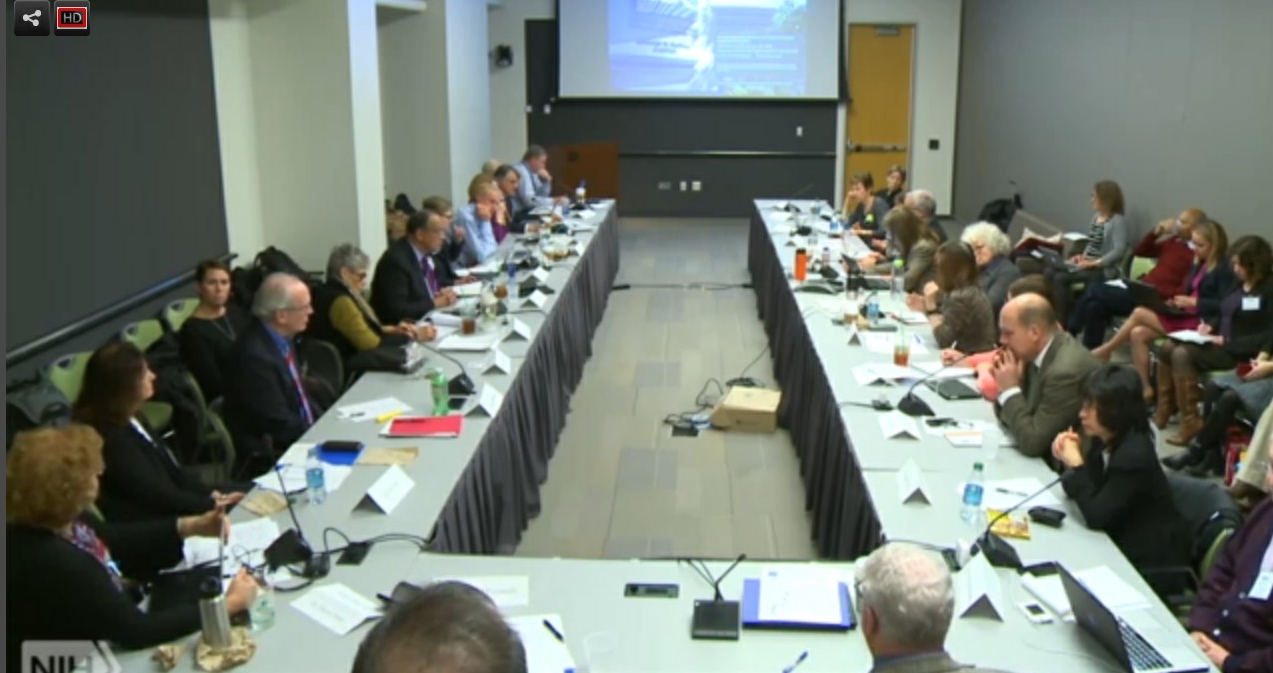
december, 2015 meeting of iprcc.

december, 2015 meeting of iprcc.

Wyden mentioned several of the panel members by name, including Myra Christopher and Dr. Richard Payne of the Center for Practical Bioethics, Penney Cowan of the American Chronic Pain Association and Cindy Steinberg of the U.S. Pain Foundation. All three non-profit organizations get a substantial portion of their funding from pharmaceutical companies, including Purdue Pharma, the manufacturer of OxyContin. Purdue gave over $100,000 to U.S. Pain Foundation in 2014, according to Wyden.

“I do not and have never been paid by a pharmaceutical company,” said Steinberg, who became a patient advocate after she suffered a serious back injury in an accident. Steinberg, who is National Policy Director for U.S. Pain Foundation, currently receives a small stipend of about $8,000 a year.

“I am fortunate in that my husband works to supports us.  I do this work despite my daily, debilitating chronic pain, often needing to lie flat in meetings to control the pain and lay across two plane seats to travel because I am passionate about improving pain care in this country,” Steinberg said in an email to Pain News Network.

“If anyone watches the video of the IPRCC meeting they will see that they had to bring in a special small sofa for me to lie on every hour so that I could participate. I am proud to do this work and am honored to represent the voice of millions of disempowered Americans who suffer from the pernicious disease of chronic pain and desperately need more and better treatment options."

Penney Cowan, another member of the federal panel mentioned by Wyden, also serves on the CDC “workgroup” that recently endorsed the agency’s recommended guidelines, which discourage primary care physicians from prescribing opioids for chronic pain.  

“When treating a person with pain, a health care provider needs to determine what is best for that individual based on physical examination, test results and what is important to the individual. The recommendations seem very clear on that point,” Cowan wrote in an email to PNN. “The American Chronic Pain Association advocates for a balanced approach to pain management - that means that all therapies such as PT (physical therapy), counseling, biofeedback and stress management, OT (occupational therapy), nutritional guidance and more should be available and used based on their appropriateness for each individual.”

Wyden’s letter does not mention that some IPRCC members who were most critical of the CDC guidelines are federal employees of the Food and Drug Administration and the Agency for Healthcare Research and Quality (AHRQ), who as government workers are not allowed to accept financial contributions.

The senator’s letter and an Associated Press story about it also fail to mention that the CDC itself has a foundation that accepts funding from healthcare companies such as Abbott Laboratories, Amgen, Medtronic, Johnson & Johnson, Merck, Quest Diagnostics and Pfizer,  companies which stand to benefit from the CDC guidelines because they offer non-opioid treatments or tests. The CDC Foundation accepted over $157 million from donors last year.  

Up to 11 million Americans use opioids daily to treat their chronic. A survey of over 2,000 pain patients by Pain News Network and the Power of Pain Foundation found that many fear losing access to opioid pain medication if the guidelines are adopted.

Our Search for a New Pain Doctor

By Marlee Hanson, Guest Columnist

I am 31, and my husband Ray is 34.  Ray is disabled.  His biggest daily struggle is chronic pain from  a serious back injury. Adding to our troubles is that we live in Montana, a state where there is an acute shortage of doctors willing to treat chronic pain with pain medication.
 
Ray has undergone multiple surgeries to fuse his spine.  We went into these surgeries knowing he would lose some range of motion, but hopeful that they would lessen his pain, allowing Ray to be the husband and father he desperately wants to be.  Sadly, the surgeries were difficult, the recoveries were long, and his pain has only worsened postoperatively.  The disappointment has been crushing.
 
Interventional pain procedures have sadly failed to help my husband as well.  He has endured diagnostic CT myelograms and developed post-procedure cerebrospinal fluid (CSF) leaks.  One was severe enough to require an epidural blood patch.  A CSF leak causes vomiting and a severe headache commonly known as a spinal headache.  These are not only painful, but can lead to meningitis.  The primary treatment is bed-rest.  When this fails, an epidural blood patch is performed.  Though it relieves the headache in most cases, it puts the patient at further risk of developing meningitis.

On many days my husband is not able to move, get out of bed, prepare food, or even take a simple shower because the pain is so severe.  Thankfully, Ray has found relief through opioids. Oxycodone allows him to function so he can be a husband and father.  It gives him enough relief that he is able to stretch and do physical therapy exercises. 

Exercise has also allowed him to rebuild muscle, improve stamina and helped decrease his pain.  None of this would be possible without the pain relief opioids provide him. Unfortunately, we fear my husband is weeks away from losing access to the one medication that truly gives him relief, as his physician’s license has been suspended.

Once we knew this was a possibility, Ray and I began seeking a new doctor to treat him. I believe my husband is a low risk patient.  He takes his medication as prescribed, does not abuse it, and has never been discharged by a doctor for misusing his medication. He has never overdosed. 

ray and marlee hanson

ray and marlee hanson

So far we have scheduled appointments with two doctors. The first one neither examined my husband nor reviewed the X-Rays and MRI’s we brought to the appointment. This physician made his treatment decision based on the prescription monitoring database and gave my disabled husband a prescription for one quarter of what he usually takes in a month, along with a pamphlet on vocational rehabilitation. 

We told the doctor Ray had already consulted vocational rehabilitation when it was suggested by his workers compensation caseworker.  We explained to the doctor how much opioids have reduced his pain and improved his ability to function.  The doctor said it was simply not worth the risk of his license being suspended.

Years ago, workers’ compensation and Social Security deemed that Ray was disabled, based on input from several physicians.  We felt this new doctor was not listening, and we were disappointed when he refused to provide the chronic pain management my husband needs. 
 
We were still hopeful that the second doctor, who was recommended by a friend, would assume responsibility for his care.  Ray waited five months for this appointment.  The day before the appointment, the doctor's office called to cancel, stating she would not see Ray for pain management. She also refused to fill his prescription.  He has taken these medications with good functional benefit for the past eight years.

We used to travel to Missoula for chronic pain management.  The trip was inconvenient and the long drive exacerbated his pain.  Eventually we were fortunate enough to find a physician in Helena near our home.  Unfortunately, we will now be forced to travel for appointments once again and deal with all that this entails.  Our next appointment will be in Great Falls.  If Ray does not receive care there, not only will we be forced to travel out of state, but my husband will also have exhausted his supply of medication. 

Ray is a law abiding citizen with a chronic pain condition that needs to be addressed.  Finding care is nearly impossible in the current regulatory climate.  I fear deeply that one day he will escape his pain by suicide.  Ray is not suicidal at all, but I fear if he is forced to go without medication, he will become bound to bed in pain, and I fear that suicide will be the outcome.

The government is looking at opioid pain relievers as harmful substances.  When these medications are illicitly used and abused there is a problem.  That problem does need to be addressed.  However, as harmful as those medications have been for some, they are just as helpful for others.  We do not need laws restricting or banning opioids; we need a nationwide effort to ease the suffering of those who are in pain.  We need doctors and practitioners who are trained in proper use & dosage of pain medication, as well as alternative pain treatment. 

Physicians need to look at chronic pain patients as individuals, just as they do with other patients.  Each condition varies in severity and everyone metabolizes drugs differently.  Please allow doctors to prescribe the medications Ray needs to survive so can be the husband and father he wants to be.  His children and I deserve that, as does he. 

Marlee and Ray Hanson live in Montana.

Pain News Network invites other readers to share their stories with us.  Send them to:  editor@PainNewsNetwork.org

The information in this column should not be considered as professional medical advice, diagnosis or treatment. It is for informational purposes only and represent the author’s opinions alone. It does not inherently express or reflect the views, opinions and/or positions of Pain News Network.