Constipation Ad Leads to Laughs and Anger

By Pat Anson, Editor

Next to the game itself, probably the one thing people talk about the most to day after the Super Bowl are the TV commercials.

One commercial that is making quite a few lists as one of the worst is by drug maker AstraZeneca promoting its opioid induced constipation (OIC) drug. The black and white commercial features a constipated man envious of others (even a dog) who can easily go to the bathroom.

“The Super Bowl is known for inspiring lots of eating and lavish spreads of food. So why would advertisers pay millions to air ads focusing on constipation?” asked Eric Deggans of National Public Radio.  “There may never be a great time to air ads like this, but to broadcast such spots in an event where viewers are eating stuff like guacamole dip and pizza surely is the worst.”

“Nothing livens up a Super Bowl like a commercial about opioid-induced constipation,” said ESPN’s Dan Graziano on Twitter.

“Opioid Induced Constipation commercial during the Superbowl? Should have aired that during the Pro Bowl. Nobody gives a sh** about it,” wrote Don on Twitter.

Most of the Tweets aimed for laughs, but one by comedian and talk show host Bill Maher quickly went viral – and not because most people thought it was funny.

“Was that really an ad for junkies who can’t sh**? America, I luv ya but I just can’t keep up,” wrote Maher.

The depiction of opioid patients as “junkies” really got under the skin of pain sufferers and patient advocacy groups, some of whom are sponsored by AstraZeneca.

OIC Tweet.jpg

“You’re a funny guy but for many #chronicpain is real and opioids are needed for quality of life,” replied CreakyJoint.org on Twitter.

“This has to be the dumbest f***ing tweet I have read all day. Don’t ever become sick, sir. Just be glad for your perfect DNA,” wrote Ryan Stevens.

“I’m offended. Ad NOT for junkies but for people with CHRONIC pain who HAVE to have medicine to SURVIVE,” tweeted Caroline Evans.

“I am appalled at this, basically calling all people with pain junkies and making the side effect OIC seem like its no big deal,” said Paul Gileno, U.S. Pain Foundation. 

AstraZeneca paid CBS big money for its one minute spot, perhaps as much as $10 million – yet the commercial never even mentions the drug’s name, Movantik, which the British drug maker introduced in 2014.

The commercial may also have the unintended effect of giving more ammunition to those who want to further restrict access to opioid pain medication, a major goal of the Obama administration.

"Next year, how about fewer ads that fuel opioid addiction and more access to treatment," asked White House Chief of Staff Denis McDonough on Twitter.

"Our Administration is determined to control opioid addiction as a public health threat," replied White House press secretary Josh Earnest.

What to do Before Seeing a Doctor

By Barby Ingle, Columnist

When I first started having chronic pain issues, I would go into the doctor’s office and expect them to fix me. But we were talking two different languages and I was getting nowhere fast.

Learning to communicate with your doctors is important in your treatment plan. To do this most effectively, it is important to prepare. Improving your communication skills will lead to better treatment and pain relief.

Before seeing a doctor, try to put your thoughts in order so that you can accurately describe what you are experiencing. On days like the past few weeks, when I am in a full body flare and my pain is very high, my brain starts to mess up my words and even normal conversations become difficult.

Times like these made me realize that I had to get organized and prepare a checklist for my doctor visits. It’s part of becoming your own best advocate.

You can start by answering questions, such as “What did I do since I last saw this doctor?” Review past treatments and ask yourself, “Are they working and what makes the pain better or worse?”

It is good to keep a journal of your activities and pain levels so that you can reflect on these questions. Keeping a journal helps me organize my thoughts and answer these questions more precisely and accurately.

When you keep track of your pain, you gain a better understanding of what causes it, and what activities help or hurt. Prepare a personal history, be brief, and stick to the needed information on your checklist. If there are any concerns about your medications or if you would like to try a different medication you have researched, be able to explain why to your doctor.

Another important step is getting your emotions under control. I have found that if you go into the office showing frustration, anger, anxiety or other negatively perceived emotions, the doctor will be less likely to provide you with useful tools. Providers will focus on your mental status first.

I experienced this phenomenon a lot in the beginning of my search for proper treatment and diagnosis. So many doctors said, “Do you want to get better?” or “It is all in your head, so I can’t help you.” One physician even told me, “Try a different doctor. I am stumped and these symptoms don’t make sense.”

Letting your emotions get the best of you at the doctor’s office will create trouble. If you prepare ahead of time, you may still have these emotions, but you will be better able to keep them under control. You will also have a more productive doctor visit by staying on track and progressing forward with a treatment plan.

Go into the appointment having evaluated yourself and your symptoms. Keep yourself in check, stay calm and positive, and assist the doctor with finding the answers so that the outcome will be more beneficial for you.

Every provider is not the same. One of the most important decisions confronting patients who have been diagnosed with a serious medical condition is choosing a qualified physician who will deliver a high level and quality of medical care. Finding the "best" doctor to manage your condition, however, can be frustrating and time-consuming unless you know what you are looking for and how to go about finding it.

In the beginning of my ordeal, I followed what the doctors told me to the letter, even when I had doubts about their recommendations. My focus was on getting better and I was brought up to believe that doctors knew better and had all the answers. It took me almost three years after my accident to realize that this was a complete myth. Healthcare providers are human too, and they can make mistakes.

When preparing to see a provider it’s important to know your needs so you can be assertive and ready to listen to their instructions while in their office. Try to find a close friend or family member who can attend with you or record the exam on your smartphone so you can refer back to it between appointments.

The day before or on the morning of an appointment, write your questions out. I create a one page checklist that includes my medications/dosages, what I need a refill on, current issues, ongoing issues, past procedures, and questions. I use this checklist to guide my appointment so I cover everything important. I put my thoughts in order so that I get the best care possible.

Another time this comes in handy is in an emergency situation. About a month ago, I had to head to the emergency room after breaking my foot. I was simply walking in my house and walked into a wheel of a suitcase. My bones are fragile and I knew instantly from the sound and the pain that my foot was broken. I grabbed a copy of my latest checklist and headed out the door.

When the nurse came in to take my history and vitals, the pain was overwhelming, but my checklist answered most of her questions. I didn’t have to concentrate on making sure she got the right information, as my brain was clouded with severe pain at the time. That helped her help me. Being prepared is an essential element for proper diagnosis and treatment.

In my next column, I’ll have some tips on what to do during the actual visit to a doctor.

Barby Ingle suffers from Reflex Sympathetic Dystrophy (RSD) and endometriosis. Barby is a chronic pain educator, patient advocate, and president of the International Pain Foundation. She is also a motivational speaker and best-selling author on pain topics.

More information about Barby can be found at her website.

The information in this column should not be considered as professional medical advice, diagnosis or treatment. It is for informational purposes only and represents the author’s opinions alone. It does not inherently express or reflect the views, opinions and/or positions of Pain News Network.

What Alternatives do Pain Patients Have?

By Pat Anson, Editor

When the Food and Drug Administration last week endorsed the CDC’s controversial guidelines to limit opioid prescribing, the agency promised it would prioritize development of non-opioid alternatives for chronic pain relief.

“We are also working closely with industry and the National Institutes of Health to develop additional alternative medications that alleviate pain but do not have the addictive properties of opioids,” said Dr. Robert Califf, FDA Deputy Commissioner for Medical Products and Tobacco, who co-authored a “special report” on the FDA's new opioid policies the New England Journal of Medicine.   

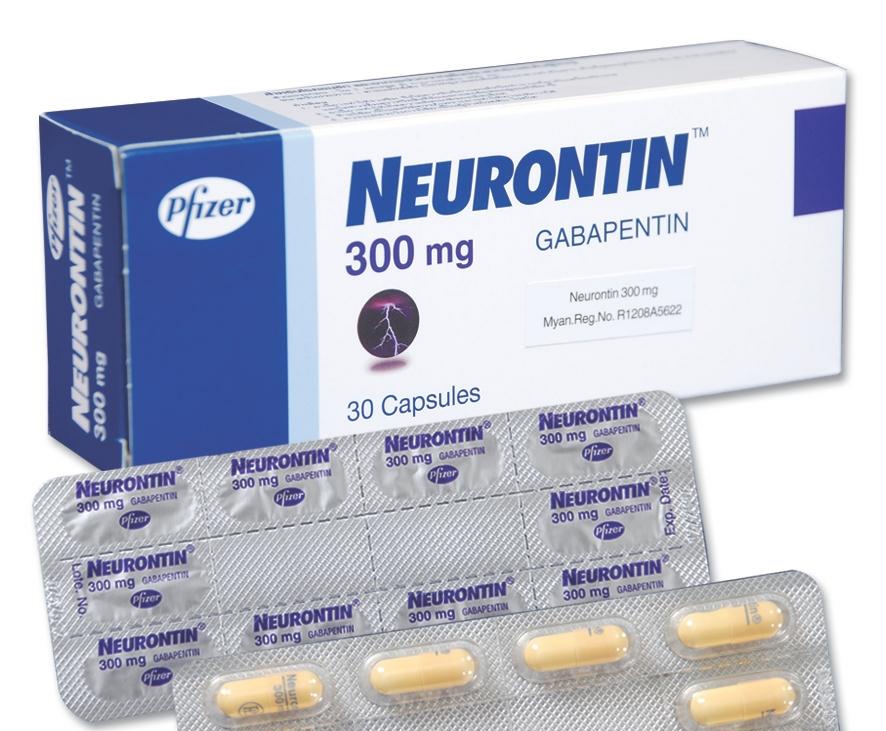
“The FDA has approved non-opioid medications for treatment of various chronic-pain syndromes, including gabapentin (Neurontin), pregabalin (Lyrica), milnacipran (Savella), duloxetine (Cymbalta), and others, and a number of promising development programs are in the pipeline. But we need more. The FDA will use all the tools at its disposal to move these alternatives along as expeditiously as possible, while remaining mindful that all medicines have risks.”

The four drugs mentioned by Califf all have mixed track records, and many chronic pain sufferers have told Pain News Network the medications either don’t relieve their pain or have intolerable side effects.

“Gaba (Neurontin) did nothing for me and Lyrica seemed to help a very little with nerve pain but it made me very shaky, as if I drank a gallon of coffee,” wrote Pam Cushion.

“The side effects of Cymbalta were more than I could bear. I got terrible pains in the skin on my upper back and shoulders, and it made me feel downright awful,” said Tracy W.

“As opiate medications are lowered, my Lyrica dosage has gone up. It does have side effects like weight gain and next day fogginess,” wrote Kenneth McKenna. “I look for physicians to use other medicines in a similar fashion, (due to of the opioid restrictions) which may turn out to be a worse problem than the opioids themselves.”

Both Lyrica and Neurontin are coming under scrutiny in the UK because of increasing reports they are being abused by addicts to get high. Since 2012, over 60 overdose deaths in the UK have been linked to pregabalin and gabapentin.

Researchers in British Columbia also recently warned about the limitations of gabapentin, pregabalin, duloxetine, and venlafaxine (Effexor) when used to treat neuropathic pain.

“The best available evidence now indicates that as few as one in ten people can expect much pain relief from these drugs,” said Dr. Aaron Tejani, a Clinical Assistant Professor in the Faculty of Pharmaceutical Sciences and a member of the University of British Columbia's (UBC) Therapeutics Initiative Working Group. “Many people who improve are getting a placebo effect, or would improve in time without any drug treatment.  Others end up sedated, with impaired thinking, balance disturbance, dry mouth, or other side effects that cause more harm than good.”

The drugs may be ineffective for most patients, but Tejani says many doctors continue to prescribe them because of an exaggerated belief in their effectiveness. From 2005 to 2014, the number of British Columbians receiving pregabalin increased by 17 fold, according to UBC Therapeutics. Over three times as many prescriptions for duloxetine were written during that period, while gabapentin prescriptions nearly doubled. The use of venlafaxine, mostly for depression or anxiety, has been stable.

“Increasing evidence suggests that drugs have relatively little useful role for most patients with chronic pain. We should be much more cautious about prescribing them, and warn patients about their side effects,” said Dr. Tom Perry, a Clinical Assistant Professor in the Department of Anesthesiology, Pharmacology and Therapeutics and Chair of the UBC Therapeutics Initiative team.

Califf Nomination Still Stalled

The FDA’s sudden reversal on many of its opioid policies may have been intended to reduce opposition in the U.S. Senate to Robert Califf’s nomination as the agency’s new commissioner. Early indications are that strategy may not have worked.

“I will continue to strongly pressure the FDA to strengthen its oversight of opioid medications and will continue to push for the strongest possible framework for drug approval to ensure that the agency doesn’t simply continue to approve ever stronger and more deadly opioid medications under this new process,” said Sen. Joe Manchin (D) of West Virginia, one of five senators who are blocking Califf’s nomination.

Manchin has been particularly critical of the FDA’s failure on several occasions to accept the advice of its advisory committees, which have been reluctant to support the approval of new opioids. Last week Califf promised to appoint new advisory panels to review every new opioid that doesn’t have abuse deterrent properties.

“I believe the FDA should use the advisory committee’s expert advice for all opioid medications, including abuse-deterrent formulations, which are just as addictive and can be just as deadly as non-abuse deterrent opioids. The FDA also needs to commit to adhering to the recommendations that the advisory committee puts forward,” said Manchin.

Sen. Edward Markey (D) of Massachusetts also believes the FDA policy changes “fall short of what is needed.”

“While this is a good start, even more is required to ensure the FDA’s approval process protects Americans from the dangers of opioid painkillers,” Markey said in a statement. "Whether an opioid is abuse deterrent or not hasn’t prevented tens of thousands of people who have had their wisdom teeth removed or experienced lower back pain from getting addicted to these painkillers. That is why the FDA must change its decision not to seek expert advice about the risks of addiction before it approves abuse-deterrent opioids.”

Chronic Pain and Weather Study Underway

By Pat Anson, Editor

The Greek philosopher Hippocrates in 400 B.C was one of the first to note that changes in the weather can affect pain levels. A large body of folklore has reinforced that belief, with expressions like “feeling under the weather” and stories about people being able to predict a storm because they “can feel it in their bones.”

British researchers are investigating that ancient theory with a modern twist, a smartphone based study called Cloudy with a Chance of Pain that aims to prove whether there is an association between pain and weather.      

“This question has been around for more than 2,000 years, but it’s only now with widespread modern technology that we have the ability to answer it,” says Dr. Will Dixon, Director of The University of Manchester’s Arthritis Research UK Centre for Epidemiology.

Anyone in the UK with arthritis or chronic pain who is over the age of 17 can participate by downloading an app from here.

The app uses a smartphone platform called uMotif that allows users to record how they are feeling, while weather data is automatically collected using their phone’s GPS.

“And we’re not just inviting people to submit data – we want their ideas about the association between weather and pain too,” says Dixon. “We will be running a big citizen science experiment where anyone can explore the data and try and spot patterns and relationships in the data. We’ll gather ideas and theories from everyone to come up the best possible conclusion.”

Participants are encouraged to record their symptoms each day until the project ends in January 2017. Even people who don’t have pain can participate by browsing through the data and submitting their own ideas. Researchers hope to compile the information and develop “pain forecasts” based on weather predictions.

“Many people with arthritis believe that changes in the weather affect the level of pain they experience, however there is currently no scientific evidence to support this relationship," said Stephen Simpson, Director of Research & Programmes at Arthritis Research UK.

“This exciting study will for the first time enable us to investigate the link between pain and the weather. We’re delighted to support this project and we hope that the use of the uMotif app will help encourage a wide group of participants to take part, both in terms of submitting their data but also examining the results themselves to help our scientists reach a conclusion."”

The weather-pain connection remains controversial. A 2014 study in Australia found that acute episodes of low back pain are not associated with weather conditions such as temperature, humidity and rain.  And a 2013 Dutch study concluded that weather has no impact on fibromyalgia symptoms in women.

You can follow the University of Manchester study on Twitter at @CloudyPain.

You can also learn more by watching this video:

The Top 5 Questions Pain Patients Want Answered

By Pat Akerberg, Columnist

I’m sure you recognize them, the questions that invade your mind and take you down rabbit holes digging for real answers.  With our worlds turned upside down by chronic pain and/or illness, we want the kind of answers that make sense of our new reality.  We’re convinced finding those answers will somehow turn us right side up again.

So we ask various versions of why, how, what, where, and who questions.

Perhaps the question that haunts the most is the slippery “Why?” question.  It’s not long after you have a name for the source of your suffering that you ask, “Why me? Why did this happen to me?”  That question makes it very personal, like we were victims purposely targeted. 

It’s as if we believed that we were somehow immune, operating in a protective bubble that shielded us from all potential harm.  And when that bubble burst, an unexpected, unthinkable, and undeserved betrayal was visited upon us.

Why questions are slippery because they hold us captive in the lore that there is an answer that can be known with absolute certainty.  And they presume that having such an answer in hand would create a better outcome or even change it.   More often than not, why questions simply frustrate because most speculations masquerading as answers feel inadequate, unsatisfactory, and leave us wanting something more definitive.

One day I asked myself exactly who was I expecting to give me the answer to my “Why me?” question.  Was there anyone who could tell me with reliable authority whether it was my genetics that set me up for trigeminal neuralgia? Or was it my severe auto accident, a blood vessel pressing on my trigeminal nerve, the hefty amount of stress in my life, or a combination of all of those factors? 

The realization finally dawned that I wasn’t going to get the actual answer to “Why me?”

So with the biggest question unanswered, I moved on to the next questions.

If not why, then how did this happen to me?  How questions beg for specific factors that explain how the chronic illness came about, how the horrible pain started.

Sometimes I still ask myself how it is that I didn’t see or feel this coming, as if I could have.

Without one clear precipitating event, how questions have a tendency to defy real answers too, so they begin to give way to the more practical inquiries.  Once I crossed over into the “what” questions, being more proactive became possible. 

What questions identify potential actions that we can consider taking.  I started by asking, “What now?”  What options do I have?  What kind of specialist do I need to see?  What medications and/or treatments have the best track record?  What kinds of risks might be involved?  I searched for what I could read to help me learn and understand more about my condition.

Each of those what questions laid out paths to pursue for my neurological disorder and I went down all of them.  Some worked better than others and some failed me completely, but that wasn’t from lack of trying.

The what questions that aren’t very helpful are the “What if?” ones.  That’s because in my experience they tend to dredge up fears of worst-case scenarios or self recrimination.  Asking yourself “What if I had only (fill in the blank)” is an example of punishing self doubt for impossible to forecast outcomes.

Certain answers to what questions will automatically cause us to ask “where” questions.  Where questions are those that attempt to pinpoint a location or direction for us to investigate. 

For instance, if there’s a specific treatment or surgery, where are the best medical centers for those?  Or, if medication or treatment didn’t work, it’s time to tale stock and ask “Where do I go from here?”  Sometimes we can benefit by asking where to find support groups (in person or online) to connect with people dealing with the same issue.

When at an impasse, we find ourselves stepping back to process all we’ve been through by asking ourselves where we fit now or where our situation is taking us.

It seems that where questions naturally fold into questions that ask about who.  Who questions have a direct purpose; they are asked to locate an expert with a solid track record that might offer help.    

We ask others with successful outcomes who they were treated by or who operated on them.  We wonder who we will relate to the most when we join a support group or who might offer the best help or resources for assistance.  

Over time, I even came to wonder who among my dwindling friends would stay with me for the long haul. 

However, the most important who question that I continue to ponder now is, “Who am I now that this progressive, painful disorder took over my life?”

I would say that the jury is still out on that answer.  But I’m working on it, as I’m sure many of you are too.  And it’s not surprising that sorting out answers to an internal core question like that would involve asking ourselves those same five questions in search of meaningful answers we can accept:

1)  Why would I think I was immune from harm?

2)  What have I learned that I wouldn’t have otherwise?

3)  Who do I want to be in response to this life change?

4)  Where are these important insights taking me now?

5)  How do I choose to reframe this experience and my purpose?

Pat Akerberg suffers from trigeminal neuralgia, a rare facial pain disorder. Pat is a member of the TNA Facial Pain Association and serves as a moderator for their online support forum. She is also a supporter of the Trigeminal Neuralgia Research Foundation.

The information in this column should not be considered as professional medical advice, diagnosis or treatment. It is for informational purposes only and represents the author’s opinions alone. It does not inherently express or reflect the views, opinions and/or positions of Pain News Network.

FDA Endorses CDC Opioid Guidelines

By Pat Anson, Editor

In a move that may have more to do with politics than healthcare, the U.S. Food and Drug Administration has set aside the advice of its own experts by endorsing the CDC’s controversial guidelines for opioid prescribing.

The move is part of several sweeping changes the FDA is making in its opioid policies, including some that the agency has resisted in the past. The most significant change is support for the CDC’s proposed opioid guidelines, which are designed to combat the so-called epidemic of opioid addiction and overdoses.

“We are determined to help defeat this epidemic through a science-based and continuously evolving approach,” said Dr. Robert Califf, FDA Deputy Commissioner for Medical Products and Tobacco.

“Things are getting worse, not better, with the epidemic of opioid misuse, abuse, and dependence. It’s time we all took a step back to look at what is working and what we need to change to impact this crisis.”

Califf’s nomination to be the next Commissioner of the FDA has been held up in the U.S. Senate, in large part by senators who want the FDA to go much further than it has in restricting access to opioid pain medication.  

ROBERT CALIFF, MD

ROBERT CALIFF, MD

“We need to change the culture of the FDA, and that will not happen if the person at the helm is not a champion who is committed to pushing back against the pressure to continually approve new opioid medications given the significant risks to public health,” said West Virginia Sen. Joe Manchin (D), who has criticized Califf for his ties to the pharmaceutical industry and threatened to filibuster his nomination.

In a news release issued late Thursday, Califf said FDA would “re-examine the risk-benefit paradigm for opioids,” use tougher language in warning labels on extended release opioids, and prioritize development of non-opioid alternatives for pain.  The FDA also promised to convene an expert advisory committee before approving any new drug applications for opioids that do not have abuse deterrent properties, one of Manchin's key demands.   

“I was very disappointed that Califf would release a statement like this as talk of blocking his nomination for FDA Commissioner grows in the Senate amid concerns that he was ‘soft’ on a range of issues, including genetically modified salmon, e-cigarettes, and regulation of opioids,” said Anne Fuqua, a chronic pain sufferer and patient advocate.

“I am concerned his desire for career advancement is interfering with the oath he took to ‘first do no harm’ when he became a physician.  This statement is heavily focused on the potential harms of opioids. Though it says they will seek to balance individual and societal risks, it seems that the need to prevent people from making poor choices will be given priority over providing care to individual pain sufferers for whom opioid therapy has proven to be an essential element of care. “

The FDA’s opioid policy changes are further outlined in a “special report” in the New England Journal of Medicine that was co-authored by Califf.

“We will start by launching a broad reexamination of our approach, considering how best to apply existing policies to this problem, which policies need to be improved and updated, and whether new policies must be developed,” Califf wrote.

“Accordingly, we are supporting the CDC’s Guideline for Prescribing Opioids for Chronic Pain. The draft guideline received extensive public comment, and we look forward to participating in the process when the CDC finalizes it soon. We are also supporting the Surgeon General’s efforts to engage the clinical community in a concerted approach to curbing inappropriate prescribing and proactively treating opioid addiction, while reinforcing evidence-based approaches to treating pain in a manner that spares the use of opioids. Until clinicians stop prescribing opioids far in excess of clinical need, this crisis will continue unabated.”

Some of the FDA’s own experts have been highly critical of the CDC’s proposed guidelines, which discourage primary care physicians from prescribing opioids for chronic pain. As many as 11 million Americans use opioids daily for chronic pain and many fear losing access to them if the guidelines are adopted.

“I think we need to recognize that CDC wants to substantially limit opioid prescribing. Period,” said Sharon Hertz, director of the FDA’s Division of Anesthesia, Analgesia and Addiction Products, at a December meeting of a federal pain research panel. Hertz said the evidence cited to support the guidelines was “low to very low and that’s a problem.” Other panel members said they were “appalled” by the guidelines, calling them an “embarrassment to the government.”

The CDC planned to implement the guidelines last month, but delayed doing so after widespread complaints about its secrecy and lack of transparency during the guidelines' development. The CDC is now reviewing changes to the guidelines recommended by an advisory committee.

“I guess it shouldn't surprise me that the FDA is selling out by endorsing the CDC guidelines,” said Kim Miller, a pain sufferer and patient activist. “Could it be the FDA was not wanting to be made to look irrelevant in light of the CDC taking care of what many see as the FDA’s territory? Either way, it's an extremely gloomy looking horizon if you're a pain patient. Just when you think it can't get any worse, it always does.”

"It is a sad day for chronic pain patients in this country. The unintended consequences of these guidelines will bring about a true epidemic; not the media manufactured so-called epidemic of overdoses from opioids," said Chrystal Weaver, a Florida woman who suffers from Complex Regional Pain Syndrome. "The last figure I heard quoted for veterans taking their life is around 42 per day. When you take away the only tool we have to help lessen the pain from war injuries you'll see that number skyrocket from 42 per day to perhaps 500 per day. It will be the same story for non-veterans as well."

Earlier this week, the Obama administration said it would ask Congress for $1.1 billion in extra funding to help fight the opioid abuse epidemic. Most of the money would be used on expanding addiction treatment programs.

Why I Hate February

By Crystal Lindell, Columnist

I effing hate February. First of all, it should be spelled Feburary. It’s called phonics, people.

And then, everyone who is happy and well-adjusted gets to brag about the fact that they found true love for a whole freaking day. The Bears are never in the stupid Super Bowl. And there are no longer any Christmas lights to get us through the eternally dark days.

Also, it’s the anniversary of when I first got sick.

I guess that’s the real issue. I will forever associate it with the worst thing that has ever happened to me. Sorry, February.

Feb. 4, 2013 was the day I went to the ER, and it means it’s been three years exactly since I first woke up with rib pain. Even though I’ve been doing better lately, I’m still extremely broken — both physically and emotionally. My ribs still hurt if I do too much, or get too stressed, or rain is coming, or Pretty Little Liars gets too intense.

And I’m having the worst anxiety from the long-term morphine withdrawal. 

Like anxiety attacks that leave me crying in the middle of Target on a Friday afternoon for no reason, other than the fact that I have convinced myself that I’m never going to get married or have kids, and that I will likely die broke and alone in an apartment filled with old newspapers and cats. And I’m allergic to cats.

It sucks.

Every day when I wake up I have to constantly tell myself: Today is a new day. The sun is up — again. The sun always comes up. And today you get to start over. Today will be better.

I have been trying to look back over all the progress I’ve made since last year at this time — I lost weight! I feel mostly better! I got out of a relationship that needed to end! But I usually just end up thinking about what my life would have been like if I had never gotten sick.

My painniversary is one of those days that stop me in my tracks. It’s bigger than New Year’s and more stunning than my birthday every year.

It’s one of those days where I woke up three years ago assuming my life was just going to go according to plan, but instead the world ended. It’s the kind of anniversary nobody expects to ever have.  

They say that Virgos are really hard on others, but it’s only because they are hardest on themselves. As a Virgo, I can tell you that it’s true; I’m totally judging you, but it’s only because I think I suck.

I should have lost more weight by now. I should be married with kids by now. I should have finished my freaking book by now. How come I can’t get completely off the morphine? What is wrong with me? These are the thoughts that constant anxiety and horrible pain plant in your head.

I wish it was different. I wish I was a cliché motivational poster or something and I could write about how I’m a better person now — a stronger, more compassionate person. How being sick made my faith stronger and made me amazing. But that’s not real life. Being sick didn’t make me stronger. It made me weaker and it broke me into a bunch of shattered pieces and it’s going to take a long time to put me back together.

I’m using this app called Calm to try to meditate. I even paid $9.99 for a month worth of extended meditations. I’m forcing myself to work out. And I’m trying to write through all my emotions.

But at the end of today, it’s still today. The three-year anniversary since I first woke up with rib pain, went to the ER and everything I ever knew got all effed up. 

Tomorrow is a new day though. The sun will come up — again. The sun always comes up. And tomorrow I get to start over. Tomorrow will be better.

Crystal Lindell is a journalist who lives in Illinois. She loves Taco Bell, watching "Burn Notice" episodes on Netflix and Snicker's Bites. She has had intercostal neuralgia since February 2013.

Crystal writes about it on her blog, “The Only Certainty is Bad Grammar.”

The information in this column should not be considered as professional medical advice, diagnosis or treatment. It is for informational purposes only and represent the author’s opinions alone. It does not inherently express or reflect the views, opinions and/or positions of Pain News Network.

Cellphone Towers Amplify Pain in Amputees

By Pat Anson, Editor

For many years there has been a debate about the possible health effects of cell phone towers, power lines and other transmission devices that create electromagnetic fields (EMFs). These magnetic and electromagnetic frequency waves pass right through us, raising concern that they might cause cancer and other adverse health effects.

A new study by researchers at The University of Texas at Dallas suggests that cellphone towers may trigger neuropathic pain, especially in amputees that suffer from phantom limb pain.

"Our study provides evidence, for the first time, that subjects exposed to cellphone towers at low, regular levels can actually perceive pain," said Dr. Mario Romero-Ortega, senior author of the study and an associate professor of bioengineering in the University's Erik Jonsson School of Engineering and Computer Science. "Our study also points to a specific nerve pathway that may contribute to our main finding."

Most of the previous research into the possible health effects of cellphone towers has been conducted on individuals with no diagnosed, pre-existing conditions. This is one of the first studies to look at the effects of EMFs on amputees.

For years, retired Maj. David Underwood noticed that whenever he drove under power lines or near other electromagnetic fields, he would feel a buzz in what remained of his left arm. When traveling by car through Texas' open spaces, the buzz often became more powerful.

"When roaming on a cellphone in the car kicked in, the pain almost felt like having my arm blown off again," said Underwood, an Iraq War veteran who was injured by an improvised explosive device (IED). His injuries resulted in 35 surgeries and the amputation of his left arm.

"I didn't notice the power lines, cellphones on roam or other electromagnetic fields until I first felt them in my arm," says Underwood.

After learning about Underwood’s experiences, Romero-Ortega decided to study the phenomena.

He and his colleagues thought that neuromas -- inflamed peripheral nerve bundles that often form due to injury – could be more sensitive to EMFs. To test their theory in a laboratory, they assigned 20 rats into two groups -- one receiving a nerve injury that simulated amputation, and the other group receiving a sham treatment.

Researchers then exposed the rats to a radiofrequency electromagnetic antenna for 10 minutes, once per week for eight weeks. The antenna delivered a power density similar to what a human would be exposed to 125 feet away from a cellphone tower.

By the fourth week, 88 percent of the rats in the nerve-injured group demonstrated a behavioral pain response, while only one rat in the sham group exhibited pain. After growth of neuroma and resection -- the typical treatment in humans with neuromas who are experiencing pain -- the pain responses persisted.

"Many believe that a neuroma has to be present in order to evoke pain. Our model found that electromagnetic fields evoked pain that is perceived before neuroma formation; subjects felt pain almost immediately," Romero-Ortega said. "My hope is that this study will highlight the importance of developing clinical options to prevent neuromas, instead of the current partially effective surgery alternatives for neuroma resection to treat pain."

Romero-Ortega says since the research produced pain responses in rats similar to those in anecdotal reports from humans such as Major Underwood, the results "are very likely" generalizable to humans.

"There are people who live in caves because they report to be hypersensitive to radiomagnetism, yet the rest of the world uses cellphones and does not have a problem. The polarization may allow people to disregard the complaints of the few as psychosomatic," he said. "In our study, the subjects with nerve injury were not capable of complex psychosomatic behavior. Their pain was a direct response to man-made radiofrequency electromagnetic energy."

At one point in the study, members of the research group showed Underwood video of subjects in the experiment and their response to radiofrequency electromagnetic fields.

"It was exactly the same type of movements I would have around cellphones on roam, power lines and other electromagnetic fields," said Underwood.

Until the study was published online in PLOS ONE, there was no scientific evidence to back up the anecdotal stories of people like Underwood, who reported neuropathic pain around cellphone towers and other technology that produce EMFs. .

Phantom limb pain is a common and painful disorder that many amputees feel after their limbs are removed. The origin of the pain and sensations from the missing limb are not well understood. There are nearly 2 million amputees in the United States, according to the Centers for Disease Control and Prevention.

FDA Approves New Inhaler for Migraine

By Pat Anson, Editor

The U.S. Food and Drug Administration has approved a new type of inhaler for the treatment of acute migraine in adult patients with or without aura.

Onzetra Xsail delivers a low dose of a dry powder formulation of sumatriptan, the most commonly prescribed medication for migraine.

"Onzetra Xsail provides a new and much needed treatment option for what can be a debilitating condition for millions of people," said Roger Cady, MD, director of the Headache Care Center and associate executive chairman of the National Headache Foundation.

"The Xsail Breath Powered Delivery Device allows the medication to be deposited deep into the nose, an area that is rich with blood vessels. By delivering the medication here, Onzetra Xsail provides targeted and efficient delivery with the potential for fast, consistent relief, while also limiting the amount of medicine that goes down the back of the throat."

The inhaler is activated when a user exhales into the device, automatically closing the soft palate and sealing off the nasal cavity. Through a sealing nosepiece placed into the nostril, the exhaled breath carries medication from the device directly into one side of the nose. The medication is dispersed deep into the nasal cavity, reaching areas where it can be rapidly absorbed.

As the medication is delivered, the air flows around to the opposite side of the nasal cavity and exits through the other nostril. Closure of the soft palate helps prevent swallowing and reduces gastrointestinal absorption.

Migraine is thought to affect a billion people worldwide and about 36 million adults in the United States, according to the American Migraine Foundation. It affects three times as many women as men. In addition to headache pain and nausea, migraine can also cause vomiting, blurriness or visual disturbances, and sensitivity to light and sound. About half of people living with migraine are undiagnosed.

“While there are many acute migraine treatment options available, more than 70% of patients are not fully satisfied with their current migraine treatment. Given this high dissatisfaction, there remains an unmet need to provide patients with fast-acting, well tolerated therapies that deliver consistent relief,” said Stewart Tepper, MD, professor of neurology at the Geisel School of Medicine at Dartmouth.

The FDA approved Onzetra after clinical trials showed the inhaler provided headache relief to about 40% of users within 30 minutes. About two-thirds of users reported pain relief after two hours. Side effects include abnormal product taste, nasal discomfort, rhinorrhea and rhinitis.

How I Found Hope for Fibromyalgia

By Lynn Phipps, Guest Columnist

The year 2004 began for me a decade-long nightmare. Bedridden with severe body pain and disabled from 3 migraines per week, I lost my career as a social worker, ironically working with people with disabilities. I lived with severe pain and bone crushing fatigue daily.

Before I became ill, I didn’t believe in fibromyalgia. I was so wrong.

My diagnosing physician treated me with the standard medications for fibromyalgia, chronic fatigue, post traumatic stress disorder, migraines, anxiety, depression, and pain. None of the three FDA approved fibromyalgia medications worked. A combination of Norco and Butalbital taken every 4-6 hours managed the pain and migraines, giving me some ability to function.

Over time, I was able to take the pain medications less often, every 6-7 hours. I was taking care of my hygiene, my family and home again. The pain medications allowed me to move more, which is essential for managing fibromyalgia pain. I began exercise again for about ten minutes a day.

I remained his patient for 7 years until he yelled and humiliated me when I asked for a prescription for one migraine pill while out of town. I had forgotten to pack mine. He treated me like a drug addict and called me a liar. I was stunned, as that was the only time I had ever asked him for pain medication. I fired him.

Only one physician out of thirty was willing to take my case because it was so complex. I had to wait eight months for an appointment.

lynn phipps

lynn phipps

In the meantime, I was seen by a PAC (physician assistant, certified) at a local clinic. I also tried alternative therapies such as acupuncture, massage, and herbal remedies. I tried hydrotherapy, saw countless physical therapists and chiropractors, all claiming they could cure me. Nothing worked. I was becoming fatigued to the point that I could no longer drive to my appointments. Discouraged, I gave up all hope of getting better.

I was referred to a pain specialist whose specialty was to find the nerves causing the headaches and cauterize them. The theory was that scar tissue would then form on the nerves, blocking the pain. It didn’t work. I was afraid at every appointment that he would stop prescribing Norco because he did not believe in pain medication. One year later, he did.

I couldn’t believe that a pain specialist would take away all of my pain medications. I hadn’t misused or abused them. I took less than prescribed. It was cruel. He helped me titrate off of Norco, because studies indicate they cause rebound headaches. He was right, but I was still in so much pain that I was not functioning. Two years with no pain relief had him referring me to a pain psychologist.

The pain psychologist determined that I was not a meanderer; that, in fact, my pain was legitimate. Vindication! He then changed my life by telling me that if I were ever to get well, I had to go to a larger metropolitan area.

A google search led me to an MD in San Francisco who specializes in treating fibromyalgia. A fibromyalgia patient herself, she understood my diagnosis. She explained that she got her life and career back after two years on something called the Guaifenesin Protocol, which includes taking an expectorant drug to clear airways in the lung. It was not a cure, but followed precisely, would reverse the fibromyalgia symptoms.

The basic principles of the Guaifenesin Protocol include finding the proper clearing dosage, eliminating the use of all salicylates (a natural chemical found in plants, as well as household and hygiene products) and following a low-carbohydrate hypoglycemic diet to combat low blood sugar, which mimics many fibromyalgia symptoms.

The Guaifenesin Protocol helps sluggish kidneys excrete the build up of phosphates, which are believed to be the cause of fibromyalgia symptoms, at a rate of six and a half times faster than without it. Over time, this leads to the reversal of fibromyalgia symptoms.

For the first time in three years, I felt hopeful. The doctor examined me and agreed with the  fibromyalgia diagnosis, stating I was one of the worst cases she had seen. She also reviewed recent lab work, discovering that my blood sugar was slightly elevated. She suggested a hypoglycemic diet. Within 6 weeks of the diet, I had more energy and less pain.

I have been taking Guaifenesin and following a hypoglycemic diet for 14 months. Before I made these changes, I had 62 of the 68 most generally accepted Fibromyalgia symptoms.

I now have only 14 fibromyalgia symptoms. I am taking only four prescription medications instead of thirteen. I am off all pain medications. And I am no longer bedridden.

Lynn Phipps lives in northern California with her family. Lynn has a degree in social work and is currently helping fibromyalgia patients navigate the Guaifenesin Protocol at FibromyalgiaWellness.info.

Pain News Network invites other readers to share their stories with us.  Send them to:  editor@PainNewsNetwork.org

The information in this column should not be considered as professional medical advice, diagnosis or treatment. It is for informational purposes only and represent the author’s opinions alone. It does not inherently express or reflect the views, opinions and/or positions of Pain News Network.

Will ‘Secret Deliberations’ Lead to Lawsuit Against CDC?

By Pat Anson, Editor

The Washington Legal Foundation is “keeping its options open” on a potential lawsuit to block the Centers for Disease Control and Prevention (CDC) from implementing its controversial guidelines for opioid prescribing. At issue is whether the CDC violated the Federal Advisory Committee Act (FACA) by developing the guidelines in secret and with little public input.

The CDC contends the guidelines are urgently needed to stop the so-called epidemic of opioid addiction and overdoses, while millions of chronic pain patients fear they will lose access to opioids if the guidelines are adopted.

Last week a “workgroup” appointed by the CDC recommended to the agency’s Board of Scientific Counselors (BSC) that the guidelines by adopted with few changes. The 10-member workgroup spent only three weeks reviewing a dozen complex guidelines, which discourage primary care physicians from prescribing opioids for chronic pain. The panel met four times during that period and all of its meetings were closed to the public.

“Why is CDC so afraid of transparency here? That’s my question,” asked Mark Chenoweth, general counsel to the Washington Legal Foundation (WLF), a pro-business group that has threatened to sue the agency for its “culture of secrecy” and “blatant violations” of FACA.

FACA clearly states that “each advisory committee meeting shall be open to the public,” as well as any records, reports, minutes or other documents provided to or created by the committee.

AJ__Nd3C.png

The CDC has taken the position that the BSC is an advisory committee, but the workgroup is not.

“The BSC charged the workgroup with developing a report of its observations on the draft guideline and its underlying evidence,” said CDC spokesperson Courtney Leland. “Under FACA, the time for public input is when the BSC meets to deliberate on the work prepared by the workgroup.  This meeting, held on January 28, was a public meeting announced in the Federal Register, and included a public comment period.“

But the WLF’s legal team disputes that interpretation of the law.

“I don’t see why you can provide input to the government through secret deliberations simply because you’re providing your advice to an advisory committee rather than to the government itself. The whole point of the law is to make sure that advice that comes to the government and is relied on by government is a product of open deliberations,” said WLF chief counsel Richard Samp, who believes the guidelines were quickly reviewed to prevent any further delays in their implementation.  

The CDC planned to adopt the guidelines in January, but was forced to delay them after widespread criticism about its secrecy and lack of transparency during the guidelines' development.

“They want this to go on quickly. Obviously their existing advisory committee doesn’t have the expertise on its own, so it had to go outside of its ranks to do it,” said Samp. “But it realized that if the group was going to meet four or five times, it was going to drag on for months. And so the only way to do it quickly was to do what they have done.”

“If one wanted to test the legality of this sort of working group workaround on FACA, this is an excellent fact pattern on which to test it,” said Chenowith.

Asked by Pain News Network if the WLF would go to court before or after the guidelines are implemented, Chenowith and Samp were non-committal, but hinted they were prepared to take action in federal court in Atlanta, where the CDC is based.

“It never does any good to wait until final agency action. By that time people have really suffered some severe damage,” said Samp. “I assume one’s interest in these sort of cases is to prevent the agency from adopting guidelines and that’s why you sue early to try to prevent them from taking into account the recommendations before they make their final decision. One could easily file that in federal district court in Atlanta if one wanted to.”

WLF has a lengthy history of taking the government to court for regulations and laws effecting free speech, the environment, health care, and drugs. WLF describes itself as a public interest law firm “that regularly litigates to ensure that federal administrative agencies comply with statutes designed to ensure procedural fairness.” It often supports business groups and companies in litigation against  government agencies, and has represented or acted in behalf of pharmaceutical companies such as Johnson & Johnson and Purdue Pharma, the maker of OxyContin. 

"We’re long-standing supporters of WLF, in addition to several other business and legal organizations. We’ve provided them with unrestricted grants," a spokesman for Purdue Pharma told Pain News Network.

That connection to a major opioid producer has led to insinuations that WLF and other organizations that accept funding from the so-called “opioid lobby” are somehow tainted. That charge is often made by Physicians for Responsible Opioid Prescribing (PROP), which supports the guidelines and had some of its board members on CDC committees that helped draft them.

A recent story by the Associated Press pointed out that nearly a third of the members of the Interagency Pain Research Coordinating Committee have financial connections to opioid makers. That same committee criticized the CDC for developing the opioid guidelines with little scientific evidence to support them.

The apparent conflicts of interest on the panel underscore the pervasive reach of pharmaceutical-industry dollars, even among federal advisers who are supposed to be carefully vetted for such connections before serving,” the AP story said.

The article failed to point out that some of the committee members most critical of the CDC are federal employees of the Food and Drug Administration and the Agency for Healthcare Research and Quality (AHRQ), who as government workers are not allowed to accept financial contributions.

“I would be remiss and I’m certain so would many of my government colleagues if I didn’t go back to my director and say there’s a report coming out of the CDC that has very low quality of evidence,” said Richard Ricciardi, AHRQ, during a December meeting. “That’s an embarrassment to the government.”

The AP story also didn’t mention that the CDC itself has a foundation that accepts funding from healthcare companies such as Abbott Laboratories, Amgen, Medtronic, Johnson & Johnson, Merck, Quest Diagnostics and Pfizer, some of which stand to benefit from stricter opioid guidelines because they offer non-opioid treatments for chronic pain. The CDC Foundation accepted over $157 million from donors last year.  

Where Are the Voices of Pain Patients?

By Maureen Wilks, Guest Columnist

It seems that every day there is another news item on either prescription drug overdose deaths or the rise in heroin overdose deaths.  These stories tug at our hearts, the heartbreak of the loss of a vibrant teenager or young adult to prescription drugs and/or heroin.

But where are the stories of the pain patients? Where is the voice of my husband who lived stoically for over twenty years with chronic pain? He bravely kept moving forward always hoping for the pain to abate. He tried all the treatments, countless treatments over endless years. Multiple physical therapists, acupuncturists, chiropractic adjustments, massage, herbal remedies, herbal wraps, yoga, meditation and prayer. But his pain persisted.

He took all the non-narcotic medication prescribed. None helped with the pain, but the side effects added insult to his pain. Some made him feel like a zombie, not himself. Those I made him stop.

Some made him sick to his stomach, others he listed to the right, and a few made ringing noises in his ears and brain. One had him sweating so much that by morning his pillow was wet. Many of them left him feeling zoned out, listless and mentally uncomfortable, and all the while the pain continued, poorly managed, becoming its own disease.

Finally a doctor listened to his life story and prescribed opioids, along with physical therapy. Over the following months his pain backed down, and his life was bearable, and he moved back into the world to participate with friends and family; to go for walks and camping trips that had become impossible to bear.

MAUREEN WILKS

MAUREEN WILKS

And then we read of research, or lack thereof, that concludes opioids do not work on long term chronic pain. I think of my husband and all the patients I have met over the past ten years as an advocate for chronic pain patients in New Mexico and I want to scream

How can you make such broad sweeping statements? How can you ignore the voices of patients whose lives have been transformed by opioids and have lived with them for many years? How can you place all chronic pain patients into one simple neat little box, wrap it up and throw away the key for a chance of happiness for intractable chronic pain patients? 

Because this is exactly what the latest guidelines from the CDC will do.

When dosing guidelines are implemented, even if you acknowledge the exceptions simply from a legal perspective, it will be a brave doctor that will prescribe above the guidelines. Because if anything were to happen to a patient under their care and they were not following the guidelines, they will face an uphill battle in the law courts of this country. And they know it, and so they will cut back, and patients will be abandoned.

The thrust of all the current research is to come up with as many reasons not to prescribe, while all the time avoiding the number one reason to prescribe, which is to manage pain. Hyperalgesia, low testosterone, constipation and the list goes on. But let’s be honest here. Every drug on the market can have some pretty awful side effects. Just read the list on the information sheet. My husband experienced many of these firsthand, taking the non-opioid anti-depressants and anti-convulsants. It is estimated that NSAIDS kill 16,000 patients a year.

When my husband’s pain was managed, he applied a testosterone cream, and ate a high fiber diet to keep regular bowel movements. And yes, our sex life may have diminished; we always had a great intimate relationship, kissing, cuddling and abundant laughs. But when his pain medication was abruptly taken away in 2011, pain became the overriding aspect of his life. It impacted our relationship so much more; pain overrode all desires.

In 2012, my husband was diagnosed with a choroidal melanoma in his left eye. As we waited to talk to a surgical oncologist at UNM Cancer Center, I picked up a booklet published by the National Cancer Institute: Support for People with Cancer-Pain Control. It states the following about Cancer-Pain Control:

“Over time, people who take opioids for pain sometimes find that they need to take larger doses to get relief. This is caused by more pain, the cancer getting worse, or medicine tolerance.  When a medication doesn’t give you enough pain relief, your doctor may increase the dose and how often you take it. He or she can also prescribe a stronger drug. Both methods are safe and effective under a doctor’s care.”

No one disputes the effectiveness of opioids in the treatment of acute pain, hospice, palliative and cancer pain. My husband did not have pain associated with his eye cancer, so he could not be treated under their pain guidelines. Radiation treatment did not stop the tumor's growth and he had to have his eye removed. No other cancer was detected in his body.

In reality though the cancer had already spread and two years later by the time two large tumors were detected in his liver, his life of suffering was almost over. In the last five weeks of his life he was given the much needed drugs to manage the pain that was still throbbing at the base of his neck and had now spread to his liver. The last two years of his life were quite frankly miserable, and this sweet gentle man deserved so much more.

Addiction is a serious concern and does need to be addressed. I believe training and education on opioid prescribing, and a strong mental health component are absolutely essential in treating chronic pain patients to prevent addiction from happening. Researchers need to recognize that chronic pain encompasses a multitude of diseases, injuries and mental health issues, and lumping broad groups together is poor science.

Reducing overdose deaths is not quite as simple as reducing access to prescription drugs. If it were, then there should be a correlation between overdose deaths within a state and the amount of opioids being prescribed.

New Mexico ranks number two in overdose deaths, but only 22 when it comes to prescribing (1 being lowest, 50 highest). I live in a county where 27% of the population lives in high poverty; defined as one in which 20% or more of the population has lived in poverty for 30 years or more. 44% of families had parents without full-time, year round employment. New Mexico ranks 49th to 50th for alcohol related deaths.

We have a fragile population and understanding and treating chronic pain within this population requires careful management and better access to mental health care. At the same time, we cannot and should not put limits on the use of opioids for treating pain patients, but need another layer of education, safety and adherence to both patients and prescribers.

The hundreds of thousands of chronic pain patients living in America deserve better than what the CDC guidelines propose.

Maureen Wilks is a Senior Geologist, and Head of Archives and Collections at the New Mexico Bureau of Geology and Mineral Resources.

Her husband Bob Macleod lived with chronic pain for over 20 years before his death in October 2015. Maureen is writing a book about their experiences, “A Pain in the Neck: The impact of prescription drug abuse on the treatment of chronic pain patients in America”.

This column is republished with permission from Dr. Jeffrey Fudin’s blog.

Pain News Network invites other readers to share their stories with us.  Send them to:  editor@PainNewsNetwork.org

The information in this column should not be considered as professional medical advice, diagnosis or treatment. It is for informational purposes only and represent the author’s opinions alone. It does not inherently express or reflect the views, opinions and/or positions of Pain News Network.

Wide Disparity in Opioid Doses in Veteran Overdoses

By Pat Anson, Editor

The difference between controlling chronic pain and risking an opioid overdose can vary widely from patient to patient, according to a new study that found the threshold for safe prescribing may be lower than many doctors think.

Researchers at the University of Michigan Medical School and the Veteran Administration’s Ann Arbor Healthcare System studied the medical records of 221 veterans who died from accidental opioid overdoses and compared them to an equal number of veterans who took opioids for chronic pain, but did not overdose.

The average dose that the overdose victims had been prescribed was over 70 percent higher than what the comparison group received. The average daily dose for the overdose patients was 98 MEM (morphine-equivalent milligrams), compared to about 48 MEM for those who did not overdose.

But the researchers did not find a specific dose that clearly differentiated between patients at risk and those not at risk for overdose. In fact, some overdose victims had prescriptions for well under 50 MEM daily.

Despite that discrepancy, the researchers recommend lowering the recommended dosage threshold below 100 MEM. Lowering the number of high doses, they say, would help more people than it hurts.

“As the United States grapples with the rising toll of accidental overdoses due to opioids, our findings suggest that changing clinical practices to avoid escalating doses for patients with chronic pain could make a major difference in the number of patients who die,” said first author Amy Bohnert, PhD, an epidemiologist at the University of Michigan.

Bohnert was part of the “Core Expert Group” that helped draft the CDC’s controversial guidelines for opioid prescribing. Two co-authors, Joseph Logan and Deborah Dowell, work at the CDC’s National Center for Injury Prevention and Control, which oversaw the guidelines’ development.

The CDC guidelines recommend that primary care physicians start at the “lowest effective dosage” of opioids and should avoid increasing dosages over 90 MEM. Even a daily dose as low as 50 MEM increases overdose risk, according to the guidelines.

“Avoiding prescribing large doses also has the benefit of reducing the amount of the medications going to patients’ homes that has the potential to be taken by others who live with the patient, like children and teenagers,” said Bohnert. “This is important because an opioid that is a larger dose per pill, compared to a smaller one, is going to be deadly to a child or adult who hasn’t been taking the medication regularly.”

The study, which was funded by the Veterans Administration, is published in the journal Medical Care.

The study was based on the veterans’ medical, pharmacy and death certificate records. It did not include those who died by suicide using opioids, or veterans receiving hospice or palliative care.

Veterans were selected only if they filled a prescription for an opioid medication and had a diagnosis of chronic pain during the years 2002 to 2009. The researchers included veterans who had been prescribed codeine, morphine, oxycodone, hydrocodone, oxymorphone, hydromorphone, fentanyl, meperidine, pentazocine, propoxyphene, or methadone.

Under a federal spending bill passed by Congress and signed into law by President Obama, the Veteran’s Administration is required to follow the “voluntary” CDC opioid guidelines. The VA provides health services to 6 million veterans and their families. Over half of the veterans treated by the VA are in chronic pain.   

Players Say Half of NFL Using Medical Marijuana

By Pat Anson, Editor

With the countdown underway for Super Bowl 50, there’s a renewed focus on the NFL’s high rate of injuries and concussions, and whether the league should be open to players using medical marijuana to treat their pain.

“The growing legality of the plant, especially for medical use, is putting the NFL into a bit of a moral quandary,” says former Denver Broncos wide receiver Nate Jackson.

“When you compare it to what the alternative is in their training rooms; pills, pills, pills, that are being put into these guys’ hands and turning them into addicts. I was never big on those pills. I medicated with marijuana and it helped me and I think it helped save my brain.”

Jackson suffered numerous injuries during his six years in the NFL, breaking several bones and suffering at least two concussions. After retiring, Jackson wrote a memoir about his football career, Slow Getting Up: A Story of NFL Survival from the Bottom of the Pile and became an advocate for medical marijuana.

Pain News Network recently spoke to Jackson at the Cannabis World Congress & Business Exposition in Los Angeles, where he told us he started smoking marijuana as a high school football player and has been using it ever since.

nate jackson

nate jackson

“It’s been pretty effective. It didn’t prevent me from getting to the NFL. It didn’t prevent me from excelling and being my best. It was an effective way to take the edge off, deal with pain, and deal with injuries without taking away my edge on the field,” said Jackson. “I would say probably half the guys (in the NFL) use marijuana. They’ve been using it since they were teenagers. They’re familiar with what it does with their bodies. Top level athletes, you tinker with the process as you go, with your body, with your performance, with what works for you and what doesn’t.

"So if these guys get into the NFL with a marijuana habit intact, it means that it’s under control, it’s actually something that works for them, works for their body, allows them to perform at the highest level they can, and it doesn’t affect them negatively. Because if it does affect them negatively, they get cut. The demands of the job are so strict and so intense, if you’re not playing well, you get cut. And so if they are in the league, they are playing really well. They’re punctual, they’re memorizing their playbook, and they’re taking care of their business. If they’re using marijuana to do that, I think it’s healthy.”

Although the NFL has a reputation as a league that closely monitors players for signs of illegal drugs or performance enhancing medication, Jackson says it’s relatively easy to avoid getting caught by a drug test.

“Because the street drug test is only once a year. It’s in May, June or July somewhere around there. Once you get it, then you’re good for the next year, as long as you don’t fail it. I never failed it,” he said.

“The problem is for those guys who get put into a substance abuse program. That could be because of a positive marijuana test or DUI or ephedrine or Adderall or domestic dispute program, whatever it may be. You get put in the substance abuse program and I would say there are maybe a couple hundred guys in the league who are in that program and you get tested. You’re urine tested three or four times a week, every week, all year long for several years.”

Several current players support Jackson’s claim that at least half of the NFL is using marijuana. They told the Bleacher Report that many players smoke marijuana three or four times a week during the season. None of the players wanted to be identified.

"It's at least 60 percent now," said Jamal Anderson, a former running back for the Atlanta Falcons. "That's bare minimum. That's because players today don't believe in the stigma that older people associate with smoking it. To the younger guys in the league now, smoking weed is a normal thing, like having a beer. Plus, they know that smoking it helps them with the concussions."

Former Chicago Bears quarterback Jim McMahon says medical marijuana helps him deal with severe headaches, depression, memory loss and early onset dementia – which he blames on the NFL’s negligence in handling concussions during his playing career. McMahon said he was taking 100 Percocet pills a month for pain before he started using marijuana.

"They were doing more harm than good," McMahon told the Chicago Tribune. "This medical marijuana has been a godsend. It relieves me of the pain — or thinking about it, anyway."

With about 300 players being put on injured reserve every season – many with career ending injuries – Nate Jackson says it’s time for the NFL to acknowledge what’s already happening and change its marijuana policy.

“I think they (injured players) should be given a choice at that point and be able to avoid the opioid painkillers, which are pretty much a scourge in the locker room,” Jackson says.

“When you get put on injured reserve, if you have a severe enough injury that your season is over, you’re going to be given drugs by the team doctors and the team trainers because you are legitimately hurt. Are you going to take those pills or are you going to take something else? I chose to take something else.”

Lyrica and Neurontin Face UK Restrictions

By Pat Anson, Editor

Two drugs often recommended as safer alternatives to opioid pain medication could face new restrictions in the UK because of increasing reports they are being abused.  

British health officials say the prescription drugs pregabalin and gabapentin, which are sold by Pfizer under the brand names Lyrica and Neurontin, are being used by drug abusers to get high, resulting in dozens of overdose deaths.

Since 2012, at least 38 deaths involving pregabalin and 26 involving gabapentin have been reported in the UK.

The prescribing of pregabalin and gabapentin in the UK has soared by 350% and 150%, respectively, in the last five years.  Both medications are anti-seizure drugs widely prescribed to treat epilepsy, neuropathy, fibromyalgia and anxiety.

The UK Advisory Council on the Misuse of Drugs (ACMD) is recommending that gabapentin (Neurontin) and pregabalin (Lyrica) be reclassified as Class C controlled substances – which would mean prescriptions would only be valid for one month and there can be no refills.

“Both pregabalin and gabapentin are increasingly being reported as possessing a potential for misuse. When used in combination with other depressants, they can cause drowsiness, sedation, respiratory failure and death,” said Professor Les Iverson, ACMD chairman, in a letter to Home Office ministers.

Pregabalin may have a higher abuse potential than gabapentin due to its rapid absorption and faster onset of action and higher potency. Pregabalin causes a ‘high’ or elevated mood in users; the side effects may include chest pain, wheezing, vision changes and less commonly, hallucinations. Gabapentin can produce feelings of relaxation, calmness and euphoria. Some users have reported that the ‘high’ from snorted gabapentin can be similar to taking a stimulant.”

The letter warns there is a risk of addiction for both drugs, as well as misuse and diversion.

“The use of gabapentin and pregabalin by the opioid abusing population either together or when opioids are unavailable reinforces the behavior patterns of this high-risk population. There is a high risk of criminal behavior stimulated by the wish to obtain gabapentin and pregabalin,” said Iverson.

Lyrica is Pfizer’s top selling drug and generates worldwide sales of over $5 billion annually. Pfizer said the recommendation to reclassify the drugs and limit their prescribing could be harmful to patients.

“We are concerned that the advice contains a number of inaccuracies and some potentially misleading information, and is contrary to the totality of the safety data available for pregabalin and gabapentin,” the company said in a statement reported on the Pulse website. “Controlling the supply of these products across the whole UK, would be a disproportionate measure that would impact on patients and their quality of life, and could also result in additional economic and operational burden on an already strained healthcare system.”

Earlier this month a study of 440 drug abusers in Ireland found that 39 tested positive for pregabalin in their urine. Only ten of them had been prescribed the drug. Other drugs detected in pregabalin positive patients were opiates, cocaine, benzodiazepine and cannabis, according to the Irish Examiner.

The study called the abuse of pregabalin a “serious emerging issue.” Recreational users of pregabalin in Belfast call the drug “Budweisers” because it induces a state similar to drunkenness.

Neurontin (gabapentin) is approved by the FDA to treat epilepsy and neuropathic pain, but is widely prescribed “off-label” for a variety of other conditions, including depression, migraines, fibromyalgia and bipolar disorder. In 1999 a Pfizer executive was so mystified by Neurontin’s growing use he called it the “snake oil of the twentieth century.”