How Opioid Prescribing Guidelines Use Pseudoscience

By Michael Schatman and Jeffrey Fudin, Guest Columnists

Recently, we (along with our colleague, Dr. Jacqueline Pratt Cleary) published an open access article in the Journal of Pain Research, entitled The MEDD Myth: The Impact of Pseudoscience on Pain Research and Prescribing Guideline Development.”

In this work, we address the issue of how governmental and managed care opioid guideline prescribing committees use the flawed concept of morphine-equivalent daily dose (MEDD or MME) to arbitrarily place limits on the amount of opioids that a clinician “should” prescribe to any patient with chronic pain -- as if all patients were identical. 

The article cites excellent research that exposes the invalid concept of MEDD – and while guideline authors are fully aware of that lack of evidence, they are hypocritically fine with using MEDD as a device to thwart chronic opioid use. In the case of opioids for chronic non-cancer pain, there is at least some evidence.  But for MEDD, there is no evidence.   

One reason the MEDD concept is not legitimate is pharmacogenomic differences – that is, due to each of our unique genetic compositions, various individuals and geographical groups metabolize some opioid analgesics differently.  These differences are often enormous. 

For example, it may require Person “A” 20 milligrams of hydrocodone to achieve adequate pain relief, while Person “B” (of the same gender and weight) may require 60 milligrams of the same drug for the same type of chronic pain condition.  Does this make Person “B” an addict?  Of course not.

We believe that by arbitrarily limiting the “appropriate” amount of an opioid that a physician should prescribe to a patient (which all recent guidelines – including the CDC’s guideline – call for), physicians feel compelled to limit the amount of opioid analgesic therapy that they prescribe – irrespective of the amount of relief that a patient with chronic pain receives. 

Is this good pain medicine practice?  Hardly.  However, in the eyes of the anti-opioid zealots who have dominated recent opioid prescribing guideline committees, their agenda of taking opioids out of the picture altogether for patients with chronic pain is evidently more important than is patient well-being.

Aside from the pharmacogentic issues, we also have conversion issues because of simple mathematics.  We cite data that clearly shows there are no universally accepted opioid equivalents.  Even if there were no issues with genetic variability, there is still no consensus on how to mathematically convert one opioid to another. For example, the state of Washington may decide on a different MEDD equivalent than the one New York state chooses.

Will the anti-opioid zealots admit that they have a non-scientifically-based agenda to take opioids out of the American chronic pain management discussion?  No – because if they were to do so, they would be seen as cruel or uncaring.  Rather, they emphasize that their concerns are for the well-being of patients and society.  Their logic suggests that if clinicians stop prescribing opioid analgesics altogether, then the unfortunate number of opioid-related overdoses and deaths will decrease dramatically. 

Not surprisingly, they lack the data that supports this assertion, yet the data are clear that when this happens, heroin use increases proportionally. 

As scientists and practitioners who work with patients with chronic pain every day, we see the damage in which these guidelines result.  For example, while the guidelines are described as “voluntary” by the committees that write them, that is clearly not the case.  Although the zealots deny the existence of a chilling effect on prescribing, there are data that suggest that progressively fewer physicians are willing to prescribe opioids since these non-evidence-based guidelines have surfaced.  Despite being touted as voluntary, physicians fear regulatory sanction should they disobey them, and accordingly are taking opioids out of their treatment armamentaria. 

Are we suggesting that opioid therapy be considered the first-line treatment for chronic pain?  Certainly not.  Chronic opioid therapy should be considered only when other available treatments have proven ineffective. However, given the for-profit health insurance industry’s business ethic of cost-containment and profitability, insurance access to many treatments that may be superior to opioid therapy are out of reach for the vast majority of Americans. We also have to remember that 20% of Americans live in underserved areas in which more sophisticated and safer treatment options are completely inaccessible.

We are concerned about this ethical imbroglio, as it is extremely damaging to our patients who suffer from the disease of chronic pain.  To quote from our article, opioid prescribing guideline committees’ continued utilization of the antiquated and invalid concept of MEDD is “scientifically, ethically, and morally inexplicable.”

As a result of this highly unethical practice, “impressionist lawmakers and anti-opioid zealots are basing clinical policy decisions on flawed concepts that ultimately could adversely affect positive outcomes for legitimate pain patients.”

It’s difficult enough to suffer from chronic pain under the best circumstances.  What patients with pain and society in general certainly don’t need is a group of smug inexperienced pain policymakers, politicians, and managed care administrators impacting public policy by evoking pseudoscience. There is sufficient good science being published that demonstrates that their reliance upon the MEDD myth is highly disingenuous.

Michael E. Schatman, PhD, is a clinical psychologist who has spent the past 30 years working in multidisciplinary chronic pain management. Until recently, he served as the Executive Director of the Foundation for Ethics in Pain Care in Bellevue, WA.

Dr. Schatman is Editor-in-Chief of the Journal of Pain Research and Director of Research for the U.S. Pain Foundation.

Jeffrey Fudin, PharmD, is a Clinical Pharmacy Specialist and Director at the Pharmacy Pain Residency Programs at the Stratton Veterans Administration Medical Center in Albany, NY.  

Dr. Fudin is Diplomate to the American Academy of Pain Management and a Fellow of both the American College of Clinical Pharmacy and the American Society of Health-system Pharmacists. 

The information in this column should not be considered as professional medical advice, diagnosis or treatment. It is for informational purposes only and represent the author’s opinions alone. It does not inherently express or reflect the views, opinions and/or positions of Pain News Network.

Pain Patients Say Non-Opioid Meds ‘Do Not Help at All’

By Pat Anson, Editor

In recent weeks, several efforts have been launched to scale back the use of opioid pain medication in hospitals and emergency rooms.

The American Pain Society (APS) released new guidelines for post-surgical pain that encourage physicians to limit the use of opioids, and to give acetaminophen, non-steroidal anti-inflammatory drugs (NSAIDs), gabapentin (Neurontin), or pregabalin (Lyrica) to patients suffering from postoperative pain. Cognitive behavioral therapy and transcutaneous elective nerve stimulation (TENS) were also recommended by the APS for post-operative pain.

Similar measures were endorsed by an expert panel at the Jefferson College of Population Health in Philadelphia, which warned that relieving a patient’s post-surgical pain with opioids could lead to addiction.

“Clearly, giving patients what they want, or think they need, is not always in their best interest,” wrote lead author Janice Clark, RN, Jefferson College of Population Health.

But most pain patients aren’t getting what they want or what they need in hospitals -- pain relief --  according to an extensive survey of over 1,250 acute and chronic pain patients by Pain News Network and the International Pain Foundation (IPain).

Over half rated the quality of their pain care in hospitals as poor or very poor, and six out of ten patients said their post-surgical pain was not adequately controlled.

And many hospitals are already very reluctant to give patients opioids. Over half (53%) the patients in our survey say they were refused opioid pain medication while hospitalized.   

“If you end up in the emergency room you will NEVER be given opioid based pain meds. They use NSAIDs. That usually isn't good enough,” said a patient who suffers from rheumatoid arthritis and spinal stenosis.

“This obsession with preventing pain sufferers from receiving adequate care is cruel and unusual. Would you deny a diabetic access to medication to control their condition?”

WERE YOU EVER REFUSED OPIOID PAIN MEDICATION WHILE HOSPITALIZED?

“They didn't want to hand out an opiate but were sure happy to go get me some Xanax,” said a patient who was hospitalized for an undiagnosed heart problem, as well as back and rib pain. “Welcome to the American standard of schooling and healthcare.”

“I went to the ER for a broken arm, and they took x-rays and told me it was broken. I asked for pain meds, even asked for non-narcotic meds, and got NOTHING, not even an aspirin with a broken arm, nothing while they put a cast on it and nothing to fill when I left,” said another patient.

“The pharma companies are using everything they can to increase the drug costs and these newer drugs are less effective and much more expensive. Soon they'll be suggesting we not use anesthesia for amputations,” said another pain sufferer.

Patients overwhelmingly agreed in our survey that non-opioid medications and therapies were ineffective in relieving pain. Nearly two-thirds (65%) said they “did not help at all” and nearly one in four said they only “helped a little.”

Just 11% said non-opioid treatments were very effective or somewhat effective at relieving pain.

“If they intend to use ‘preferred treatments’ like NSAIDs and Lyrica/Neurontin, they should have a reason for using these more dangerous, less effective meds,” wrote one patient.

“They should know that Lyrica and Neurontin can take months to build in the patient's system in order to be effective, and that NSAIDs can cause heart problems, gastric bleeding, and other side effects which can cause a host of new problems for the patient.”

“Tylenol won't help me and I'm allergic to NSAIDs. Why not do something about the real druggies that ruined it for the real patients? They get their medicines! I won't go to the ER unless I'm dying!” wrote another patient.

WAS NON-OPIOID PAIN MEDICATION OR THERAPY EFFECTIVE IN RELIEVING YOUR PAIN?

“Advil or Tylenol just don't cut it. It's ridiculous that you would not be treated for chronic pain in and out of hospital setting,” said another pain sufferer.

“I'm not surprised there's a perception that pain care is poor, in hospital or out,” said David Juurlink, MD, an internist and clinical pharmacologist at Sunnybrook Health Sciences Centre in Toronto.

“It's important that patients understand that one major reason for this is that our available pain medications (principally acetaminophen, NSAIDs and opioids, but various other drugs as well), simply don't work well for many types of pain. I see this firsthand every day, and it highlights the need for research into novel drug therapies that treat pain safely and effectively,” said Juurlink, who is also a board member of Physicians for Responsible Opioid Prescribing (PROP) and was a consultant to the CDC during development of its opioid prescribing guidelines.

“It's especially important that people not conflate ‘poor pain care’ with ‘reluctance to use opioids,’ because opioids really are no better than our other options for treating pain -- chronic pain in particular -- and they can make pain worse in a very short period of time. This phenomenon (opioid-induced hyperalgesia) is something we're just starting to understand, but it's one of many reasons why patients can have pain that persists or even worsens despite therapy. It's one more reason why doctors and patients need to de-emphasize the role of opioids in managing pain.”

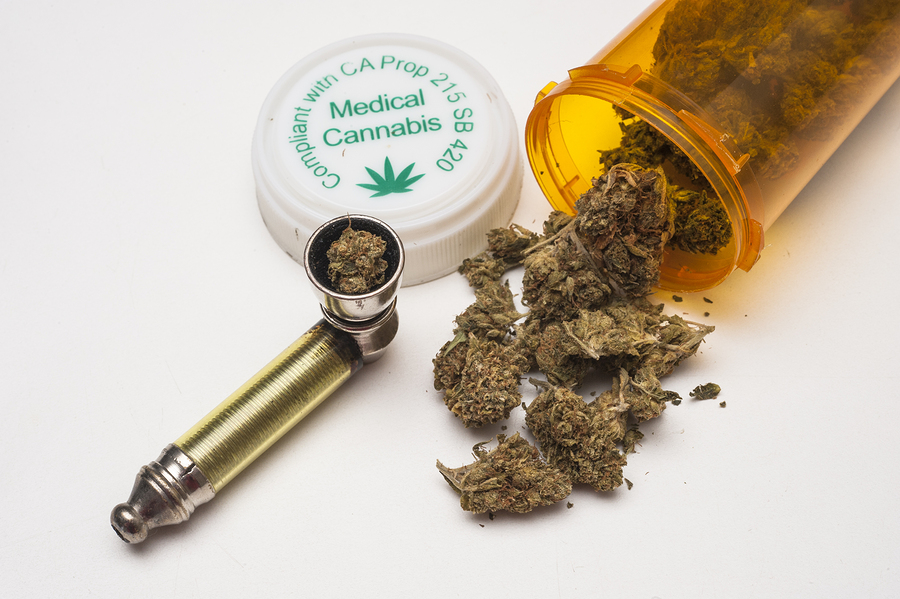
One patient in our survey wishes hospitals would allow medical marijuana to be used an alternative to opioids.

“It would be better and safer if cannabis was allowed in treating pain in hospitals,” they said. ”I don't use opioids every day because I use cannabis instead. When I am in hospital I am forced back on opioids and go through withdrawal when I leave the hospital. This would not be the case if I could keep using cannabis instead.”

Still another patient discovered a novel way to get opioids in the hospital: don’t ask for them.

“I ended up learning to ask for non-opioid painkillers. That way when the painkillers they gave me didn't work, they would actually suggest them,” he said.

To see the complete survey results, click here.

A Pained Life: The Good and Bad about CDC Guidelines

By Carol Levy, Columnist

The Centers for Disease Control and Prevention begins the summary of its new opioid guidelines by stating: “This guideline provides recommendations for primary care providers who are prescribing opioids for chronic pain outside of active cancer treatment, palliative care, and end-of-life care.”

I have issue with some of the guidelines. Other parts I think are common sense, although I know many will disagree with me.

That being said, the guidelines negate themselves when they state they are not aimed at those receiving palliative care, which is described as: “Palliative care is specialized medical care for people with serious illnesses. It focuses on providing patients with relief from the symptoms and stress of a serious illness. The goal is to improve quality of life for both the patient and the family.”

That definition clearly includes those with chronic pain illnesses and disorders. As such it does not make sense to go after us as the main culprits of the alleged opioid epidemic.  I write alleged because there seems to be much controversy whether the epidemic exists, its cause, and the medications involved, some of which are either gotten illegally or are themselves illegal, such as heroin.

These are the guidelines:

1) Non-pharmacologic therapy and non-opioid medication are preferred for chronic pain. If opioids are used, they should be combined with non-opioid drugs and therapy as appropriate.

2) Before starting opioids for chronic pain, clinicians should establish treatment goals, including realistic goals for pain and function, and consider how opioid therapy will be discontinued if benefits do not outweigh risks.

3) Before starting and periodically during opioid therapy, clinicians should discuss known risks and realistic benefits of opioid therapy.

4) When starting opioid therapy for chronic pain, clinicians should prescribe immediate-release opioids instead of extended-release/long-acting opioids.

5) When opioids are started, clinicians should prescribe the lowest effective dosage.

6) Long-term opioid use often begins with treatment of acute pain. Clinicians should prescribe the lowest effective dose of immediate-release opioids and no greater quantity than needed for the expected duration of severe pain. Three days or less will often be sufficient; more than seven days will rarely be needed.

7) Clinicians should evaluate benefits and harms within 1 to 4 weeks of starting opioids or dose escalation, and should evaluate benefits and harms every 3 months. If harm outweighs benefits clinician should work with patients to taper opioids to lower dosages or discontinue.

8) Before starting and periodically during continuation of opioid therapy, clinicians should evaluate risk factors for opioid-related harms.

9) Clinicians should review the patient’s history of controlled substance prescriptions.

10) When prescribing opioids for chronic pain, clinicians should use urine drug testing before starting opioid therapy and consider urine drug testing at least annually.

11) Clinicians should avoid prescribing opioid pain medication and benzodiazepines concurrently.

12) Clinicians should offer or arrange evidence-based treatment.

Most of these guidelines seem to be to be based on common sense; however I take great umbrage at the recommendation about urine drug testing. I do not know of any other patient group where a patient is presumed guilty or felonious. It casts cast a black mark on every person who has a chronic pain disorder and for whom opiates are prescribed.

The guidelines also miss the mark by not differentiating between patients for whom physical and alternative therapies can help and those they cannot. For instance, trigeminal neuralgia and other cranial neuropathies will get no benefit whatsoever from those kinds of therapies. Lupus, multiple sclerosis, chronic regional pain syndrome (CRPS/RSD), and many other conditions are also not responsive or greatly responsive to physical therapy, targeted injections and other types of nonopiod therapies.

Suggesting other forms of therapy for a population that is not helped by them is not palliative, in any sense of the word.

However, I think we hurt ourselves when we jump on a bandwagon and say the whole idea of guidelines are hurtful to our community. We need to look at them clearly.

It should be pro forma that the doctor talk to his patient about the harms and benefits of any prescribed treatment. It should be standard practice for a doctor to evaluate if the treatment is helping or not, and make any necessary changes.

It is only logical that the medical community treat the chronic pain community as they would any other; with professionalism, common sense, decency, and thoughtful help.

Carol Jay Levy has lived with trigeminal neuralgia, a chronic facial pain disorder, for over 30 years. She is the author of “A Pained Life, A Chronic Pain Journey.” 

Carol is the moderator of the Facebook support group “Women in Pain Awareness.” Her blog “The Pained Life” can be found here.

The information in this column should not be considered as professional medical advice, diagnosis or treatment. It is for informational purposes only and represent the author’s opinions alone. It does not inherently express or reflect the views, opinions and/or positions of Pain News Network.
Pain Patients Tired of Being Labeled as Addicts

By Pat Anson, Editor

If there’s one thing that gets a pain patient frustrated or angry, it’s being labeled as an addict or a “drug seeker” in search of opioids.  So imagine hearing that from a doctor or nurse at a hospital where you’ve gone for treatment because your pain is out of control or unbearable.

But it happens all the time.

“I refuse to go to the ER for pain. Unless I feel I'm absolutely dying, I will not go. It isn't worth being made to feel like I'm only ‘putting on a show’ or I'm a junkie just trying to get high,” one pain sufferer told us. “In every situation I've experienced in going to the ER with a complaint (of) pain, I've been made to feel less than human and was automatically met with suspicion.”

“I was screamed at and humiliated by the front desk nurse in front of a whole lobby of people for having pain and no medication or treatment. Had nowhere to go and didn’t know what else to do. She was so angry at me, I was shocked. I couldn’t believe it,” said another pain patent.

“My husband experienced a ruptured appendix at home,” wrote one woman. “His hospital experience was a nightmare! I had to stay at the hospital 24/7 just to make sure that his pain was kept under control. He was ridiculed, humiliated and not believed to the point that he was ready to walk out.”

Those are some of the typical responses we received in a survey of over 1,250 acute and chronic pain patients by Pain News Network and the International Pain Foundation (IPain).  Nearly three out four patients surveyed said they currently take an opioid pain medication.

When asked if they ever felt labeled as an addict or drug seeker by hospital staff, nearly half (46%) said they often were and over a third (34%) said it happens sometimes. Only 20% of pain patents said they had not been labeled.

“I was treated like a drug seeker and humiliated in front of the staff and patients. This has happened several times,” wrote one pain sufferer.

“I was insulted, berated, and humiliated by hospital staff while seeking help for my chronic pain conditions,” said another.

DID YOU EVER FEEL YOU WERE LABELED AS AN ADDICT OR "DRUG SEEKER" BY HOSPITAL STAFF?

“I have panic attacks about going to the hospital because I have been treated so badly,” wrote one woman. “I've heard nurses say, ‘She's only here for the free meds.’ I've had nurses and doctors yell at me when I explain my pain symptoms and ask for something simple like a pillow, or an IV in a different spot. I've been told, ‘You’re in a hospital. You are supposed to be uncomfortable!’”

“Doctors have called me a liar when it comes to why I have previously been in the ER or hospital. I have been told I am no better than a street addict,” wrote a patient who has pancreatitis and lupus.

“The nurses that treated me saw on the state Rx monitoring website I was taking opioids (although I had already told them). They shut the curtain and told me to take a nap! I was not seen by a doctor and was told I was a drug seeker,” wrote a patient who was seeking treatment for abdominal pain. “I got up and left and a couple weeks later was diagnosed with diverticulitis and a serious infection that could have killed me. I had 2 1/2 feet of my intestine taken out.”

Asked if doctors were reluctant to give them opioid pain medication while they were hospitalized, 38% of pain patients said it happens often and 36% said sometimes. Only 26% said no.

“I had a doctor in an emergency room situation one time during an episode I was having, who actually stood in the open doorway of my room, I was still in the ER, and yelled at me as loud as he could, that he wasn't giving me any pain medicine,” said one patient.

“I understand why opioids are scary to prescribe and I do understand that there are a lot of people just looking to get high. But doctors and hospitals discriminate (against) all of us with real medical problems and it’s inhumane,” wrote another.

WERE DOCTORS RELUCTANT TO GIVE YOU OPIOID PAIN MEDICATION WHILE YOU WERE HOSPITALIZED?

“The nurses and doctors need to understand the difference between the 98% who are not drug seeking and be able to address the patients’ needs who present in front of them,” said Barby Ingle, president of IPain.  “Treatment based on misconceptions and poor pain understanding is not ethical or appropriate. We must create policies that support the pain patient and their individual needs.”

Even patients who do not take opioid medication said they were labeled as addicts or drug seekers --  just as often as those who take opioids.

“I am really sick of being looked at as if I am there for dope meds. Not all of us is addictive or crazy about pain meds,” wrote one patient.

“I am not a bad person. I am sick. I did not do this to myself, it was done to me in childhood trauma. I was abused, please don't abuse me more,” pleaded another patient.

“Everyone needs to be treated with compassion, respect, and have their concerns listened to. This is not happening. We need to start holding people accountable for how they treat people in pain,” says Janice Reynolds, a pain sufferer and retired palliative care nurse.

“I would encourage everyone when you have been to the ER or in the hospital to write a letter to the CEO of the hospital, the vice president of nursing, and the medical and nursing managers of the department you were in.  Tell them how you were treated, how they made you feel, what happened that didn’t work, and try to get names and write them down.  Do this for good treatment as well as bad treatment,” Reynolds wrote in an email Pain News Network.

“I have actually done this and while one letter may not be effective, you are a costumer and if they get several letters they may start seeing there is a problem.  I know at the hospital I worked at, we were always told about a positive or negative comment which mentioned us by name.”

Another way to lodge a complaint – or compliment – is in patient satisfaction surveys, which Medicare requires hospitals to conduct to prove they provide quality care. Medicare rewards hospitals that are rated highly by patients, while penalizing those who do not. 

However, Maine Sen. Susan Collins (R) and 25 of her colleagues in the U.S. Senate have sent a letter to Health and Human Services Secretary Sylvia Mathews Burwell asking that Medicare stop asking patients about their pain care because that could lead to opioid overprescribing.

“We are concerned that the current evaluation system may inappropriately penalize hospitals and pressure physicians who, in the exercise of medical judgment, opt to limit opioid pain relievers to certain patients and instead reward those who prescribe opioids more frequently,” the letter states.

Pain patients say that’s nonsense. When we asked if patients should still be asked about their pain care in hospital satisfaction surveys, over 92% said yes and less than 3% said no.

“I find this notion that we would stop asking patients how well their pain was controlled in the hospital appalling,” said Cindy Steinberg, National Director of Policy and Advocacy for the U.S. Pain Foundation. “Dropping these questions from the Medicare survey sends the message that pain relief is no longer part of a quality-of-care measure that hospital staff need be concerned about. Controlling patients’ pain is just not that important any more.  Is this really where we want to go?

SHOULD PATIENTS BE ASKED ABOUT THEIR PAIN CARE IN HOSPITAL SATISFACTION SURVEYS?

“We have moved from the war on drugs to the war on pain patients and now to the war on the very concept of appropriately treating pain.  This is a shameful perspective that condones a cavalier and uncaring attitude toward the pain and suffering of fellow human beings.  I wonder what the Senators who signed this letter would say about the responsibility for doctors and nurses in hospitals to relieve pain if it was their loved ones or themselves who was experiencing unrelieved pain in the hospital?”

A request to Sen. Collins’ office for an interview or statement on the survey findings went unanswered.

To see the complete survey results, click here.

Tomorrow we'll see how pain patients feel about non-opioid medications and whether they are effective in providing pain relief.

Pain Patients Fed Up with Poor Treatment in Hospitals

By Pat Anson, Editor

Eight out of ten pain patients feel hospital staff have not been adequately trained in pain management and over half rate the quality of their pain care in hospitals as either poor or very poor, according to a new survey.

Over 1,250 acute and chronic pain patients participated in the online survey by Pain News Network and the International Pain Foundation (IPain). The survey findings -- supported by the comments and experiences of hundreds of pain patients -- amount to a stinging indictment of hospital pain care in the United States.

It’s not uncommon for pain patients to suffer from a variety of chronic conditions and diseases, and many told us they've been hospitalized several times. 

Asked to rate the overall quality of their medical care in hospitals, pain patients were fairly even-handed in their ratings. About a third said it was good or very good, 37% said it was fair and 29% said it was poor or very poor.

But some said they were so badly treated and traumatized by the experience, they’re afraid to go back.

“It's so bad that I will not seek treatment in an ER or hospital unless I really feel like my life is in jeopardy. They do not get it, they do not listen, and they do not care,” is how one pain patient put it.

“I refuse to go to ER. It will end up killing me because I know how sick I am, but I would rather die than deal with ignorant, condescending doctors and nurses,” wrote another.

HOW WOULD YOU RATE THE OVERALL QUALITY OF YOUR MEDICAL CARE IN HOSPITALS?

Several healthcare providers also wrote to us, admitting pain patients were often treated poorly.

"Many of my colleagues would refuse to medicate patients in pain, especially women in pain. They had many misconceptions that women were attention seeking, or exaggerating their pain. They also believed that even short term opioid therapy would 'create' addiction," wrote a nurse.

"I am a nurse anesthetist as well as a patient with fibromyalgia and severe arthritis," said another nurse. "The USA does a horrible job treating chronic pain. Too many suffer and too many commit suicide because of this."

When asked to rate only the quality of their pain treatment, the survey results were decidedly negative. Over 52% said their pain treatment in hospitals was poor or very poor, 25% rated it fair, and only 23% said it was good or very good.

Many patients complained that their pain went untreated or under-treated, even though pain was usually the primary reason they were admitted to a hospital. 

“I was at the ER once crying because I was in so much pain and I had a nurse tell me to shut up and cut the act. Never been treated so inhumanely,” said one pain patient.

“I've had to fight for proper pain management every time I've been in a hospital in the last 10 years. The DEA created this problem and the CDC is only reinforcing it. It's a travesty,” wrote another.

HOW WOULD YOU RATE THE QUALITY OF YOUR PAIN TREATMENT IN HOSPITALS?

“If I were an animal and was treated the way I was after surgery my owner would have been arrested for cruelty to an animal. As a human being, don't I deserve to be treated at least as well as an animal?” asked another pain sufferer.

"I've stopped going to hospitals even if I feel I'm having another stroke or heart attack, due to the horrific lack of pain control," wrote a patient who has multiple autoimmune diseases. "I'd rather die than be judged or be left writhing in pain."

"Pain is under-treated and at times downright ignored. I believe that this is leading to the cause of chronic pain in some patients," wrote another patient.

There is some evidence to support the claim that untreated or under-treated acute pain can turn into chronic pain. A study published in the Lancet warned thatan alarmingly high number of patients develop chronic pain after routine surgery.”

Yet when pain patients were asked in our survey if their pain was adequately controlled after surgery or treatment in a hospital, nearly two-thirds (64%) said no and only 34% said yes. 

“There is research demonstrating that the intensity of acute postoperative pain correlates with the risk of going on to develop chronic pain. This suggests that aggressive early therapy for postoperative pain is critical for preventing the pain from turning chronic,” says Cindy Steinberg, National Director of Policy and Advocacy for the U.S. Pain Foundation.

IF YOU EXPERIENCED PAIN AFTER A SURGERY OR TREATMENT IN A HOSPITAL, WAS IT ADEQUATELY CONTROLLED?

“Minimizing and deemphasizing the focus on controlling acute pain in hospital settings is likely going to set us up for potentially dramatic increases in the number of Americans with long term chronic pain.”

By treating acute pain so poorly, could our hospitals and emergency rooms be mass-producing future chronic pain patients?

And, if so, what can be done to stop it?

One solution – overwhelmingly supported by respondents to our survey – is better education in pain management for doctors, nurses and other healthcare providers.

Asked if they feel hospital staff are adequately train in pain management, nearly 83% of pain patients said no and just 9% said yes.  

“All staff should be educated and able to understand the difference between opioid dependency and opioid abuse," wrote one pain patient. "Over the last decade I have witnessed the quality of care for pain management plummet, and I have also observed increased chronic mistreatment of pain patients.”

"I am a nurse. Anyone who has chronic pain is labeled automatically as a drug seeker. The under-education about chronic pain is alarming. The way truthful patients are treated is just deplorable," wrote another pain sufferer.

OVERALL, DO YOU FEEL HOSPITAL STAFF ARE ADEQUATELY TRAINED IN PAIN MANAGEMENT?

"I think that hospital staff members are trained to be afraid of pain patients. They know what is necessary to treat pain, even chronic pain, but the fear that is instilled in them by oversight committees, the DEA, and Congress that all opiod pain prescriptions lead to drug addiction has led them to be afraid of treating pain patients. Education is the key," wrote another pain sufferer.

“In my 20+ years of having CRPS (Chronic Regional Pain Syndrome), I have never been to an ER where the staff even knew what it was,” wrote one of several readers who lamented that doctors and nurses are often ignorant about CRPS and RSD (Reflex Sympathetic Dystrophy).

“I have experienced this myself. The nurses didn’t understand my pain conditions and how my body reacted. They didn’t understand that I had additional needs," said Barby Ingle, president of IPain, who suffers from RSD. "I have recently had a provider ask, 'Does it really hurt that bad?' while doing a procedure on me under local anesthesia. I was screaming, crying, and moving so much that a normal patient gets 7 anesthetic shots. For me it took 28 and those were extremely painful.

“For a pain patient to go to a hospital for pain care and still have their pain unaddressed, under-treated, or misunderstood is clear evidence that we need better education for hospital staff."

The lack of pain education in medical schools is not new. A 2012 study published in the Journal of Pain  called pain education "lackluster" in the U.S. and Canada. The study of 117 medical schools found that less than 4% required a course in pain education and many did not have any pain courses.

Despite that, opioid prescribing guidelines released this month by the Centers for Disease Control and Prevention only briefly mention the agency will "work with partners to support clinician education" and even that vague promise is only focused on reducing opioid use. The same is true for the Food and Drug Administration, which recently announced several sweeping changes in its opioid policies, none of which address physician education.  

Only the recently adopted National Pain Strategy (NPS) acknowledges that "most health care professions’ education programs devote little time to education and training about pain and pain care," and suggests several ways to improve them.  But it's unclear how the NPS will ever be implemented, since it has no budget and relies on major policy changes involving medical schools, accreditation groups,  healthcare providers, and regulatory agencies. 

"I think it’s true that many hospital providers are poorly educated about pain management, and, especially if the patient’s condition is complex, understanding what is going on and finding a good solution can be very challenging,” said Bob Twillman, PhD, Executive Director of the American Academy of Pain Management, who believes providers need more empathy, as well as education.

"In my experience, I found that hospitalized patients were much more satisfied if they just felt like someone understood them and their pain, expressed a sense of caring, and made a strong effort to help. For those patients, even if you weren’t able to get their pain controlled for a little while, they really appreciated the fact that someone believed them and was trying to help. Sometimes, it’s as much about caring for the person with pain as it is treating the person with pain."

To see the complete survey results, click here.


Wear, Tear & Care: Recovering from Spinal Surgery

By J.W. Kain, Columnist

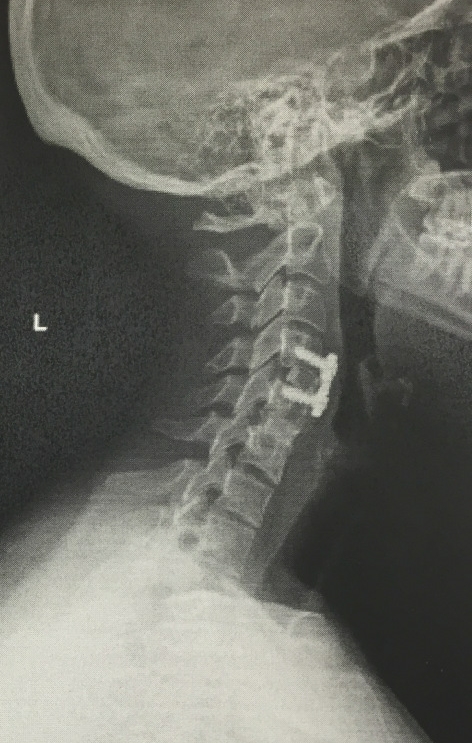
For those of you playing the home game (i.e. following my blog), I’ve been recuperating from a cervical discectomy and fusion of C4-C5. That was February 19. I’ve been recovering in an amazing fashion, much faster than my first fusion of C5-C6.

Just north of a month later, I also had thoracic injections at T-11 through L-1. I was far more scared of this procedure than the fusion -- and I’ve had injections before, so it was nothing new. I knew exactly what was going to happen, but I didn’t know how my body would react. Why? Read on.

My Abbreviated Back Story

My injuries have followed a strange road. When my mom’s car was stopped in traffic in 2004, we were rear-ended at 65 miles per hour. I was seventeen. I broke my spine in four places: T-11 through L-1, but also a facet joint that wasn’t found until a year later when it had calcified over a cluster of nerves. That’s why every movement in my midsection causes pain.

Nine years later, my car was rear-ended again. This led to my cervical and lumbar issues, the two fusions, and a frightful double-injury to my thoracic region. We haven’t touched that area since before the second accident because every procedure known to man (shy of surgery) had been attempted, and they generally don’t do surgery there unless you can’t walk. Plus, my neck was being very loud, so I had to deal with that before opening another can of worms. My doc decided to start at my head and work our way down from there.

My pain management doctor is incredible, amazing. Sympathetic, and smart as hell. Even so, in this current political climate and with the CDC’s asinine new guidelines, I have become afraid of the medical system in which I am firmly entrenched. Let’s discuss why.

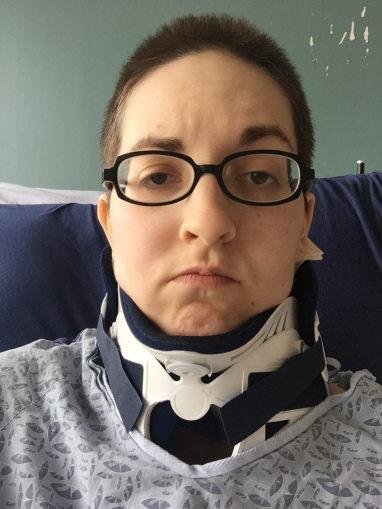
This was taken mid-February. We’ve come quite a long way in a short amount of time. Now the hair is basically a pixie cut instead of the Furiosa.

This was taken mid-February. We’ve come quite a long way in a short amount of time. Now the hair is basically a pixie cut instead of the Furiosa.

The CDC Is Actively Harming Chronic Pain Patients

Normally I don’t write about the government. I don’t write about controversial issues because I don’t like arguing with people in the comments section. I didn’t write about the CDC releasing its opioid guidelines and how they glossed over chronic pain patients like we don’t exist. Before I get back to my thoracic injection story, here’s a blurb about why the CDC is so far off the mark that it hurts my heart.

One of my readers and I have been corresponding. After ages of complaining to doctors about intense, all-consuming pain, they discovered she had a tethered spinal cord -- as in, her head is essentially falling off her neck, according to the MRI report. Not only that, but those MRIs she’d fought to get, that her pain management doctor had said were “unnecessary,” revealed a host of other problems that will likely all merit surgery at multiple levels of her spine. The level of pain in which she lives is unholy. And now she -- and we -- have to fight for pain medication? We know our bodies. We know what works. And sometimes we have no other options.

The CDC should not have the power to take away a method of pain control upon which so many people rely without providing appropriate alternatives. You can’t tell someone who’s had to rely on Percocet for 30 years, “Oh, well, we’re taking those away now. We’ll wean you off those, refer you to physical therapy, and really get you into meditation.”

Meditation is great. Mindfulness is great. Yoga is great. Those alternative medicines are great. I use them all. However, they are great as a complement to medication. Sometimes medication is all we can use in order to actually thrive in this world and not just sit in a chair all day, every day, watching television and not able to function. We don’t want to have to apply for SSDI. We want to live. We want to contribute to society.

We don’t take opioids to get high. We take opioids to feel normal.

Back to Spinal Injections

Anyway. Rant aside, the fact that I have been in two car accidents, have literally thousands of pages of medical history to back me up, and have countless doctors who can verify structural damage, I am still afraid of not being believed. Pain is subjective. People are prone to exaggeration. We have to fend for ourselves unless we find that one-in-a-million doctor who can help and is not afraid of prescribing legitimate medication.

Look at the California doctor who was recently convicted of murder for overprescribing painkillers for clients. She was actually reckless in her actions, but her conviction echoed throughout the medical community. Many other doctors will now prefer to be hands-off entirely, leaving patients in the lurch.

my C4-C6 fusion

my C4-C6 fusion

Thankfully, I have found the best pain management doctor at Beth Israel Deaconess Medical Center in Boston. He understands that I am not just one big injury; I am a cluster of injuries at three different levels of my spine that were brought on by two separate car accidents. It doesn’t seem like it’d be difficult to grasp, but so many doctors didn’t believe that the second car accident -- much less drastic than the first -- could cause so much pain.

It wasn’t just the accident; it was the compounding of pain. I was already in pain and had been for nine years. This second accident created more pain. It’s a simple equation that many pain clinics somehow failed to grasp. Thankfully, my spine surgeon and my pain management doctor got me. They understood. They cared.

Which is why the thoracic injections were so horrifying. My brother was my designated ride, and after the procedure the nurses had to bring him back into the holding area because I was sobbing and on the brink of hysteria. (Naturally, in his haste he left my purse and coat in the waiting room, but he remembered all of his important stuff. Even in that state, I could see the humor of the situation.)

The pain of those thoracic injections -- an area that hasn’t been touched for probably eight years -- was so intense that I was literally screaming. These were diagnostic injections and a bit of steroid to see if the area was responsive after all this time. The doctormopoulos instructed the tech to give me a stress ball to squeeze and lots of tissues to drench. It took fewer than 10 minutes, but those 10 minutes were agony I have not felt before or since.

What if that had happened in front of a doctor I’d never met before? Somehow this was the same exact resident team that had done my lumbar injections a few months ago. Sometimes doctors switch up their accompanying residents, but nope -- we recognized one another. They saw the stark before-and-after versions of me.

What if that travesty were my first procedure? The new doctor would’ve stopped everything. We might not even have gotten to injections, because he might’ve glanced over my voluminous medical chart and said, “There’s nothing new to try, and they already did so much. This might be the best it gets for you.” And so many of us are told this!

Nobody sits you down after an accident and says, “You’re going to have chronic pain for the rest of your life.” It’s not like a cancer diagnosis when you only have so long to live. It’s always, “Well, at least you didn’t die!” We all think that we deserve to feel like we did before. We put our lives on hold because we think “I am going to get back to what I was. I’ll do the things I dreamed of doing... when I feel better.”

When I feel better. It’s always that thought in the back of our minds.

I finally realized that there might come a threshold where this is the best I get, and it won’t be close to what I used to be. Sometimes it’s not physically possible to be 100 percent again. If I can live a life that doesn’t just feel like “functioning,” like an automaton whirring my way through the day until I power down at night, then I will have succeeded. If I can do my job and contribute to society, I will have won. Then I think of all the patients who don’t have doctors they trust, who aren’t listened to, who aren’t taken seriously, and who aren’t believed.

In this new world of medical uncertainty, chronic illness patients need to form networks and advocacy groups. We need to share experiences with doctors. Was he understanding? Was she ready to help? Is their clinic’s position “deep breathing” instead of proper medication?

We need to participate, no matter how terrible we feel. In any capacity, in any way we can, we need to be our own advocates.

that's me. Makeup and non-pajamas for the first time in almost a month.

that's me. Makeup and non-pajamas for the first time in almost a month.

J. W. Kain is an attorney in the Greater Boston area who also works as a writer and editor in her spare time.  She has chronic back and neck pain after two car accidents.

You can read more about J.W. on her blog, Wear, Tear, & Care.  

The information in this column should not be considered as professional medical advice, diagnosis or treatment. It is for informational purposes only and represents the author’s opinions alone. It does not inherently express or reflect the views, opinions and/or positions of Pain News Network.

New Anti-Opioid Campaigns Launched

By Pat Anson, Editor

Two provocative anti-opioid campaigns were launched this week -- one aimed at educating parents and the other warning physicians about the risks associated with opioid pain medications.

A report by the National Safety Council claims that 99 percent of doctors are prescribing opioid pain medication longer than the three-day period recommended by the Centers for Disease Control and Prevention. Nearly a quarter (23%) of the doctors surveyed said they prescribe at least a month's worth of opioids to their patients.  

Guidelines for primary care physicians released last week by the CDC state that three days or less supply of opioids “often will be sufficient” for acute pain caused by trauma or surgery, and that 7 days supply “will rarely be needed.”

The small survey of 201 family medicine and internal medicine physicians by the National Safety Council (NSC) did not distinguish between acute and chronic pain in their questions, making the findings somewhat misleading.

“For what period of time do you ordinarily prescribe opioid pain medication?” is what the doctors were asked.

Acute pain was the most common reason (87%) opioids were prescribed, but doctors said they prescribe opioid pain medication for many other conditions that the NSC considers inappropriate, including:

  • 72% Chronic back pain
  • 63% Chronic joint pain
  • 55% Dental pain
  • 55% Neuropathic pain
  • 32% Fibromyalgia
  • 28% Chronic headaches

The NSC’s report on the survey findings also claim that acetaminophen and ibuprofen are far more effective at providing pain relief than opioids and that doctors “overestimate the efficacy of opioids and underestimate the impact of safer alternatives.”

"Opioids do not kill pain; they kill people," said Donald Teater, MD, medical advisor for the National Safety Council. "Doctors are well-intentioned and want to help their patients, but these findings are further proof that we need more education and training if we want to treat pain most effectively."

The NSC survey also found that 99% of the doctors “have seen patients with pill-seeking behavior or evidence of drug abuse,” but handled the situation in very different ways:

  • 44% Continued to treat the patient, but without opioids
  • 38% Referred patient to addiction treatment
  • 10% “Fired” the patient
  •    5% Treated patient for addiction themselves
  •    1% Refilled the opioid prescription
  •    1% Never had a patient abuse opioids

Nearly 90% of doctors said it was difficult or very difficult to refer a patient for addiction treatment. Most blamed their patients, saying they were unwilling or uncooperative. Lack of insurance for addiction treatments and long waiting lists were two other reasons often cited.

The National Safety Council is a nonprofit organization focused on preventing injuries and deaths. It is funded largely through corporate donations and the insurance industry. The NSC has long had an aggressive campaign against opioids and claims they are the root cause of the prescription drug overdose epidemic.

“Opioids are being overprescribed. And it is not children reaching in medicine cabinets who have made drug poisoning the #1 cause of unintentional death in the United States. Adults have been prescribed opioids by doctors and subsequently become addicted or move from pills to heroin,” the NSC says on its website.

"Would you give your child heroin?"

Linking opioid pain medication to heroin is the focus of an advertising campaign launched this week, called "You Decide Before They Prescribe."

Created by the Partnership for a Drug-Free New Jersey, the campaign encourages parents to tell their doctors to prescribe alternative pain medications instead of opioids to their children.

“Would you give your child HEROIN to remove a wisdom tooth?” asks a new billboard unveiled in New York’s Times Square. "Ask your dentist how prescription drugs can lead to heroin abuse."

Similar ads will appear on trains and buses in New Jersey, and the organization eventually hopes the campaign will spread nationwide.

"40% of New Jersey parents still walk into a physician's office not understanding the link between prescription pain medicine and heroin – that opioids are a synthetic version of heroin," said Angelo Valente, Executive Director of Partnership for a Drug-Free New Jersey.

“The majority of New Jersey parents strongly agree that physicians should be legally required to discuss the risk of developing either a physical or psychological dependency on the prescription pain medication with patients prior to prescribing it." 

PARTNERSHIP FOR DRUG-FREE NEW JERSEY

PARTNERSHIP FOR DRUG-FREE NEW JERSEY

Pain Isn’t Enough for a Good Healthcare Relationship

By Barby Ingle, Columnist

We often hear that love is not enough to sustain a relationship. That’s true not only in our personal relationships, but in our medical ones – the relationship between the patient and provider. That relationship needs to work for better daily living, better health, and can even be the difference between life and death. 

Take the marriage advice many of us are given before we walk down the aisle. We hear a good relationship does not just happen; you have to give it time and patience, and there needs to be two people who truly want to be together. You need more than just love to make the relationship work.

Now let’s look at it in terms of a healthcare relationship. A good relationship with your provider doesn’t just happen. You have to give it time, patience, and two people (the provider and patient) who truly want to be working towards the same goal. Pain alone is not enough to sustain the relationship. It takes much more.  

When I am going through a really hard challenging time, in a pain flare or bad cycle of pain, it is a pivotal time in my care and I have to make sure my dance partner is on the same count, dance floor, and routine as me. It helps that I have a strong husband who advocates for me, but he can’t order the tests, procedures, equipment or medications that I need. In the pain relationship, your provider matters.  

With provider appointments getting shorter and shorter, how are we going to make our quality time better? How do I bring up that I am having trouble with opioid induced constipation, anxiety, depression, self-esteem, or sex life as a result of living with pain? Do I even bring these things up? Is there anything that my pain partner can do for me anyway? What if I have to go to the dreaded emergency room? Is the ER doctor going to tell everyone I am a ‘bad date’ drug seeker?  

Look folks, I am just looking to manage my pain. Life pops up and happens, leading me into another’s hands. The ER doctor doesn’t know me. Heck, some of my other partners don’t know me like they should. I don’t want them making assumptions based on past experiences with other patients. That can be deadly to me and my health. I have to rely on this person to see past the pain and help treat me as a whole person. I don’t want an enemy. I don’t want to be forever fighting, bickering, and whining to get the care I need. 

Sometimes you get the dreaded letter. You have 30 days to find a new partner and pain team mate. Unlike in love, you can’t choose to go it alone. You need that team member, you need that provider, that person that goes into the trenches with you. Love or hate your provider, you can no longer go on like this. You must stop, analyze the situation and communicate. Do you still want to see each other? Can they help you move on? Are they just going to drop you? Has everything changed so much that the partnership can’t be worked out?

If you decide you will stay together and keep working together, how do you work it out so moving forward you can be committed to the same goals and treat each other with respect and dignity?  Hopefully, you begin to do the three things you need to make it work: time, patience and two people who truly want to be together in spite of all the challenges and not because of them. 

You have to appreciate that neither of you wants you to be in pain. There is no reason to resent each other. Without the pain you wouldn’t be in each other’s lives. Focus your communication on the positives and address the negatives in a productive manner. Try to acknowledge the provider by saying, “It must be difficult to see all of us patients who are dealing with hard challenging situations. Thank you for working to help me.” Having the provider hear your thanks can go a long way.

Once you get the communication going, don’t withdraw from talking about those harder issues. Providers really need to hear your adjectives describing the pain, your life, your needs, your goals, and your progress. Unlike a normal relationship, this is one where you need them more than they need you. Since this is so important, make sure to get the right provider for your disease, who can also partner with you to assist your life. After all, either through insurance or cash, you’re paying this person to be involved with you. Pain brings you together, but it is not enough.  

After appreciation and communication comes helping them help you. Help them want to be on your team. Make it easier for them by being organized. Make your time together count, every time. If they are not fulfilling your needs or helping you reach your goals, don’t be afraid to move on or fix it. It is your responsibility. I know it takes work. I am a patient as well. It is work to be a patient.

When an appointment ends, do your homework, make notes, and create a checklist to keep yourself on track at the next one. Quality time can be hampered if you go off track, so make sure to get in your medical and pain care needs before bringing up other items. And always redirect the end of the appointment back to restating the goals, prescriptions and whatever testing is needed before the next appointment.

You can’t assume the provider knows your whole story, even if you have seen them for years. I have had the same primary care physician for 11 years now. He still has to pull my file to find out what medications he has me on and what I have tried before. Sometimes, I still have to remind him.

I know we have a mutual respect for each other and know that he is helping me get better. He is open to hearing my ideas and talking with the other providers in my life so we are all on the same page. He loves getting compliments, but is the first to admit that he doesn’t know everything about Reflex Sympathetic Dystrophy. He has taken the resources I bring to him and learned from them. This has helped me and his other patients.

Practicing these simple techniques can help your pain management. Since you have to live life with a provider in it, make it the best patient-provider relationship it can be. Sharing your pain care with a great provider is something you have to help create. .

It all comes down to showing support, responsibility, time management, and knowing that pain alone is not enough to sustain proper and timely care with your provider.

Barby Ingle suffers from Reflex Sympathetic Dystrophy (RSD) and endometriosis. Barby is a chronic pain educator, patient advocate, and president of the International Pain Foundation. She is also a motivational speaker and best-selling author on pain topics.

More information about Barby can be found at her website.

The information in this column should not be considered as professional medical advice, diagnosis or treatment. It is for informational purposes only and represents the author’s opinions alone. It does not inherently express or reflect the views, opinions and/or positions of Pain News Network.
Montana Doctor to Seek ‘Medical Asylum’

By Pat Anson, Editor

A doctor whose license was suspended indefinitely by the Montana Board of Medical Examiners for over-prescribing opioids plans to seek “medical asylum” in other states or even overseas.

The Montana medical board issued its 80-page final order suspending Dr. Mark Ibsen’s license on Tuesday, the latest chapter in a three year investigation into Ibsen’s opioid prescribing practices. Ibsen was accused of over-prescribing pain medication to nine patients and keeping inadequate medical records on them, even though investigators did not cite a single case where Ibsen’s practices led to someone’s death or injury. Ibsen disputes the charges and will file an appeal.

(Update: District Court Judge James P. Reynolds on Thursday issued a temporary restraining order that prohibits the Montana Board of Medical Examiners from suspending Ibsen's license for 30 days.)

“I was kind of hoping for a Hail Mary. I was hoping they’d come to their senses, but they didn’t,” Ibsen said.

The board left the door open for Ibsen to someday get his license reinstated if he takes a class on medical record keeping and is under the supervision of another physician. Ibsen says the terms for reinstatement are “impossibly vague” and impractical, but he doesn’t intend to give up medicine.

“I’ll go wherever I can get a license. I’m considering myself a medical refugee and I’m seeking medical asylum, whether it’s in New Zealand or Australia or Canada or one of the United States,” he told Pain News Network.

In May, Ibsen plans to go to India and do volunteer work.

dr. mark ibsen

dr. mark ibsen

“I do have an agreement to travel with a mission to northern India in Zanskar province, with a group that’s going to help the Dali Lama open up a hospital there,” he said. “I’m going be bringing an ultrasound for them, hopefully train them how to use it, and I’m going to screen kids for congenital heart disease and rheumatic heart disease. There’s a lot of strep infections in that area. And I’ll be doing general medicine.”

Ibsen said he last visited India in 1989 and is not worried about needing a license to practice medicine there.

“I’ll treat the underserved and people who don’t get care anyway. The Indian government is not at the level of regulating licenses of volunteers,” he said.

Ibsen was one of the last doctors in Montana willing to prescribe opioids to new patients and became something of a folk hero in the pain community, treating patients that other doctors had abandoned.

In December, financial problems forced Ibsen to close his Urgent Care Plus clinic in Helena. Since then, various efforts to reopen it under new management have fallen through. Ibsen is not sure what will become of the clinic.

“Right now the business is dead and rotting,” he said.

Big Decline in Opioid Use by Marijuana Users

By Pat Anson, Editor

A new study has found that use of opioid pain medication declines dramatically when chronic pain patients use medical marijuana.

The small study by researchers at the University of Michigan involved 185 pain patients at a medical marijuana dispensary in Ann Arbor, who were surveyed in an online questionnaire about their use of marijuana and pain medications.

Nearly two-thirds (64%) reported a reduction in their use of prescription pain medications and almost half (45%) said cannabis improved their quality of life. Patients also had fewer side effects from marijuana than they did from opioids.

"We're in the midst of an opioid epidemic and we need to figure out what to do about it," said lead author Kevin Boehnke, a doctoral student in the School of Public Health's Department of Environmental Health Sciences. "I'm hoping our research continues a conversation of cannabis as a potential alternative for opioids."

Last week the Centers for Disease Control and Prevention issued new guidelines that recommend non-pharmalogical therapy and non-opioid drugs for chronic pain. The guidelines do not endorse medical marijuana as a pain treatment, but they do discourage doctors from testing patients for marijuana and from dropping them from their practices if marijuana is detected.

Currently, 23 states and the District of Columbia have legalized marijuana for medical purposes and four states allow it for recreational use.

The University of Michigan researchers found that patients with less severe chronic pain were more likely to report less use of opioids and a better quality of life.

"We would caution against rushing to change current clinical practice towards cannabis, but note that this study suggests that cannabis is an effective pain medication and agent to prevent opioid overuse," Boehnke said.

Researchers said their findings, published in the Journal of Pain, also suggest that overdose death rates would decline dramatically if marijuana was used more widely for pain relief.

“We are learning that the higher the dose of opioids people are taking, the higher the risk of death from overdose. This magnitude of reduction in our study is significant enough to affect an individual's risk of accidental death from overdose," said senior study author Daniel Clauw, MD, a professor of pain management anesthesiology at the U-M Medical School.

Previous research has found that opioid overdose rates declined by nearly 25 percent in states where medical marijuana was legalized. Another recent study of cannabis use by pain patients in Israel found a 44% reduction in opioid use.

One limitation of the current study is that it was conducted with people at a marijuana dispensary, who are more likely to already be believers in the medical benefits of marijuana.

FDA Orders Stronger Warning Labels for Opioids

By Pat Anson, Editor

The U.S. Food and Drug Administration is strengthening the warning labels on the nation’s most widely used opioid painkillers. The FDA is adding a “black box” warning to immediate release (IR) opioid pain medications, such as hydrocodone and oxycodone, stating that they pose serious risks of misuse, abuse, addiction, overdose and death.

The FDA will also require additional safety labeling changes on all other opioid medications, warning they can interact with antidepressants and migraine medications, or cause impotence and infertility.

The actions are the latest in a series of steps taken by the Obama administration to combat the so-called epidemic of opioid abuse and addiction by reining in the use of opioid pain medications. Last week the Centers for Disease Control and Prevention released new guidelines that discourage primary care physicians from prescribing opioids for chronic pain,

The updated warning will state that IR opioids should be reserved for pain severe enough to require opioid treatment and for which alternative treatment options (non-opioid analgesics or opioid combination products) are inadequate or not tolerated. Dosing information will also provide clearer instructions about the initial recommended dosage, dosage changes during therapy, and a warning not to abruptly stop treatment in a physically dependent patient.

A sample of the new black box warning label can be seen here:

"Opioid addiction and overdose have reached epidemic levels over the past decade, and the FDA remains steadfast in our commitment to do our part to help reverse the devastating impact of the misuse and abuse of prescription opioids,” said Robert Califf, MD, FDA commissioner.

“Today’s actions are one of the largest undertakings for informing prescribers of risks across opioid products, and one of many steps the FDA intends to take this year as part of our comprehensive action plan to reverse this epidemic.”

Califf, a cardiologist who was recently confirmed by the U.S. Senate, has also pledged to prioritize development of non-opioid alternatives for pain and to convene an expert advisory committee before approving any new drug applications for opioids that do not have abuse deterrent properties. 

In 2013, the FDA ordered labeling changes only for extended release opioids, a move that angered some politicians and addiction treatment specialists, who wanted stronger warning labels on all opioids. At the time, the agency said there was not enough evidence to support stronger warnings for IR opioids, which are intended for use every four to six hours.

Today’s action sweeps that earlier objection away.

“The broad set of actions announced today is reflective of the FDA’s efforts to improve informed prescribing of opioids across the board,” said Janet Woodcock, MD, director of the FDA’s Center for Drug Evaluation and Research, who opposed IR labeling changes three years ago.

“We have been and will continue to evaluate all new data to ensure that labels of opioid drugs contain appropriate prescribing information about the benefits and risks of prescription opioids,” she said.

As part of the new boxed warning on IR opioids, the FDA will requires a statement that chronic use of opioids by pregnant women could result in neonatal opioid withdrawal syndrome (NOWS), which may occur in a newborn exposed to opioids for a prolonged period while in utero.

“We know that there is persistent abuse, addiction, overdose mortality and risk of NOWS associated with IR opioid products,” said Douglas Throckmorton, M.D., deputy center director of regulatory programs, FDA’s Center for Drug Evaluation and Research.

Last week, the head of the American College of Obstetricians and Gynecologists (ACOG), disputed that claim in a response to the CDC guidelines, saying they overstated the risk to pregnant women and newborns.

“Neonatal abstinence syndrome is the most established risk to newborns from use of opioids in pregnancy, but it is expected and treatable, and does not appear to pose permanent risks to the neonate,” said ACOG president Mark DeFrancesco, MD.

“However, evidence shows that withdrawal from opioid use during pregnancy may be associated with complications including fetal demise.  While some studies have suggested an association between birth defects and other adverse outcomes with opioid use in pregnancy, the absolute risk of these problems is low and data demonstrating a causal connection are lacking.”

Sen. Edward Markey (D-Mass) applauded the label changes by the FDA, but said they should have come sooner.

“Today’s announced changes to the labels of opioid products will finally reflect what we have known about these drugs for decades - they are dangerous and addictive and can lead to dependency, overdose and death,” said Markey in a statement. “Whether it's immediate or extended release, or abuse-deterrent, the labels given by the FDA have done little to prevent opioid addiction. Unfortunately, it has taken FDA far too long to address the grave risks of these drugs that have claimed the lives of thousands this year alone.”

Markey said the FDA also needs to convene an external advisory committee whenever it considers a new opioid for approval, something Califf has promised to do.

Study Finds Meditation Effective for Low Back Pain

By Pat Anson, Editor

A form of meditation called mindfulness-based-stress-reduction is more effective in treating chronic low back pain than the “usual care” provided to patients, according to a new study published in JAMA. The study also found that cognitive behavioral therapy also lessened pain and improved function better than standard treatments for patients with low back pain.

Mindfulness-based stress reduction (MBSR) is a mind-body approach that focuses on increasing awareness and acceptance of moment-to-moment experiences, including physical discomfort and difficult emotions. Although MBSR is becoming more popular, few studies have been done on its effectiveness in treating low back pain.

Cognitive behavioral therapy (CBT) is a form of psychotherapy, in which a therapist works with a patient to reduce unhelpful thinking and behavior.

Researchers in Washington state enrolled 342 people in the study with chronic low back pain and divided them into three groups that received yoga, training and treatment with MSBR, CBT or usual care.

After 26 weeks, 61% of the patients in the MSBR group reported clinically meaningful improvement in function, compared to 58% in the CBT group and 44% of those who received usual care. Similar results were also found in pain relief.  

Participants in the MSBR and CBT groups also reported less depression and anxiety than the usual care group. 

The researchers said the results were “remarkable” because nearly half of the patients enrolled in the MSBR and CBT groups skipped several of the group sessions they were assigned to.

“In a time when opioid prescribing is on the decline I would think this would be exciting and welcome news for those of us who suffer severe, chronic pain,” said Fred Kaeser, who battled severe back pain for many years, and eventually found relief through a combination of meditation, exercise and changes in diet.

“Very encouraging to think that we are getting very close to being able to say that MBSR and CBT are empirically valid, pain-reducing, complimentary therapies to whatever medical care one might usually receive for the mitigation of pain.  The thought that one might also be able to reduce one's intake of pain medications and possibly other intrusive pain interventions by engaging in a therapy that is extremely safe with no side-effects is exceptionally encouraging,” Kaiser wrote in an email to Pain News Network.

“Hopefully, people who have previously dismissed the idea of mindfulness meditation or CBT as a valid pain reducing strategy will re-think their position and give these, as well as other promising complimentary pain reducing modalities, a try.”

Recent studies by researchers at Wake Forest University found that mindfulness meditation appears to activate parts of the brain associated with pain control.

Lower back pain is the world’s leading cause of disability. About 80 percent of adults experience low back pain at some point in their lives.

The Reasons Caregivers are Heroes and Saints

By Lynn Webster, MD, Guest Columnist

Some religions call their holiest people saints. In secular speak, a saint is a person who is pure, honest, and beyond reproach, and who mostly devotes their life to benefit others. In our more common vernacular, we use the word “heroes” to describe those who sacrifice themselves for the good of others.

I have decided that my grandfather was either a saint or a hero. That epiphany came to me recently, long after he passed.

My grandmother had multiple sclerosis. She was in constant pain. Sometimes, her pain was severe enough that she would scream that she wished to die. Grandma could not move from one position to another while she was sitting in a chair without assistance.

From the time I remember, she sat frozen with her knees at a right angle to her hips. Her 90-pound frame – which looked like a skeleton – had to be carried from the living room chair to the toilet to the kitchen table to the bed.

Then, when she was in bed, she had to lie on her side. That was because her legs had developed permanent contractures, preventing her from resting in any other position.

During the eighteen years of my childhood and youth, my grandfather rarely left my grandmother’s side except to work in the fields (we lived on a farm). I never recall my grandfather speaking negatively to her or expressing anger at her dependence. Nor, in my memory, did he ever ask anyone else in the family to help care for her.

roy webster

roy webster

Caregivers Today

Today, we would call my grandfather a “caregiver,” but that sounds inadequate to me. That level of generosity requires a higher level of attribution: saint or hero. Take your pick.

People with acute pain receive flowers, calls, and visits. That pain, everyone knows, will eventually pass. The inconvenience, too, will end.

But when the pain becomes chronic, those loving tributes and the connections soon fade. That leaves the person with pain isolated. Family and friends drift away because their own schedules make demands or because they don’t know how to make a meaningful contribution.

The caregiver often shares this isolation. It is the daily responsibility that separates the caregiver from others who care about the ill person. The others may sincerely care, but they are not in the foxhole.

Who is a caregiver?

The caregiver is most often an adult child, parent, or spouse. They face innumerable challenges. They deprive themselves of a normal schedule. They forgo pleasures and delegate other responsibilities so they can be there for the one in need. They do this out of love, a sense of duty, or both.

The role of giving care to a person with chronic pain is not a sprint but a marathon. People who have chronic pain may live for years, and so goes the role of the caregiver.

Responsibilities are never-ending. The duties include nursing, banking, cooking, housecleaning, bill paying, and all other activities required to exist in society.

Every day in my practice, as I saw patients with chronic pain, I would also see caregivers. I was always in awe of their spirit and generosity. They, along with my grandfather, are heroes in our society.

We can call them heroes, or we can refer to them as saints. I am not sure I can tell the difference between the two. To me, my grandfather was both.

Lynn R. Webster, MD, is past President of the American Academy of Pain Medicine, Vice President of scientific affairs at PRA Health Sciences, and the author of “The Painful Truth.”

This column is republished with permission from Dr. Webster’s blog.

The information in this column should not be considered as professional medical advice, diagnosis or treatment. It is for informational purposes only and represent the author’s opinions alone. It does not inherently express or reflect the views, opinions and/or positions of Pain News Network.

Doctors Have Mixed Reaction to CDC Guidelines

By Pat Anson, Editor

Although generally supportive of the CDC’s new opioid prescribing guidelines, some doctors are worried that patients who need opioid pain medications may lose access to them.

The voluntary guidelines, which discourage the prescribing of opioids for chronic pain, are intended for primary care physicians, but are widely expected to have a ripple effect throughout the healthcare system and on anyone who prescribes opioids.

"If these guidelines help reduce the deaths resulting from opioids, they will prove to be valuable. If they produce unintended consequences, we will need to mitigate them. They are not the final word," said Patrice Harris, MD, the board chair-elect of the American Medical Association, the nation’s largest medical group.

Like many other medical organizations that submitted public comments on the CDC guidelines, the AMA said it had concerns about the poor quality of scientific evidence supporting several of the recommendations. But the dozen guidelines are largely unchanged from a draft version that was released last September.

“We remain concerned about the evidence base informing some of the recommendations; conflicts with existing state laws and product labeling; and possible unintended consequences associated with implementation, which includes access and insurance coverage limitations for non-pharmacologic treatments, especially comprehensive care; and the potential effects of strict dosage and duration limits on patient care,” said Harris, who chairs the AMA Task Force to Reduce Opioid Abuse.

The lack of clinical evidence was also pointed out by other physicians.

 “There are few well-controlled clinical studies on opioid-prescribing methods for chronic pain. While the guidelines will be updated as new data become available, concerns may be raised that appropriate access to opioids could be negatively affected by federal guidelines based on admittedly weak data,”  wrote William Renthal, MD, of the Department of Neurology at Brigham and Women’s Hospital in an editorial in JAMA Neurology.

The head of the American College of Obstetricians and Gynecologists (ACOG) said he was concerned the guidelines overstate the risks of opioids for women during pregnancy and after labor.

“ACOG agrees with the CDC that opioid should only be used for treatment of pain when alternatives are not appropriate or effective, but we also know that there are times, including during pregnancy and the postpartum period, when such use is both appropriate and safer than the alternative,” wrote ACOG president Mark DeFrancesco, MD. “Opioids may be needed to treat acute pain such as from cesarean delivery, kidney stones, sickle cell crisis or trauma in pregnancy, or as part of an established plan to treat problems associated with substance use disorders.”

DeFrancesco said the risk of birth defects and other problems caused by opioids was low and research demonstrating a connection was lacking.

“We are concerned that some of the CDC's patient education communications regarding use of opioids during pregnancy could discourage women from needed, appropriate care by overstating the risk of rare complications associated with opioid use during pregnancy and by understating the potential risk associated with opioid discontinuation, “ he said.

Two pediatric physicians are concerned the guidelines are only intended for patients 18 and older and do not address pain or opioid use by children.

“Unfortunately, the exclusion of children from the national discussion on pain is not new,” wrote Neil Schechter, MD, of Boston Children’s Hospital and Gary Walco, PhD, of Seattle Children’s Hospital in an editorial in JAMA Pediatrics. “Data clearly show that poorly treated pain in the young has deleterious long-term consequences on the development of pain systems and related responses, as well as psychological well-being. Furthermore, the long-term impact of pain on a developing organism may be quite different than on an adult and may suggest more aggressive, or at least different, interventions.”

Schechter and Walco urged the CDC to provide ”an explicit and definitive statement that this guideline should not be applied to those younger than 18 years of age for fear of untoward consequences.”

The Alliance for Balanced Pain Management (AfBPM), a coalition of patient groups and professional societies, said it was concerned about opioid dosing limits and the CDC recommendation that three days or less supply of opioids “often will be sufficient” to treat acute pain from surgery or trauma.

“When the CDC suggests the exact number of days and the precise dosing limit, the agency may be inserting itself too far, interfering with physician care of patients who live day to day with serious pain,” said Brian Kennedy, Alliance for Patient Access and a member of the AfBPM Steering Committee. “These guidelines mark a milestone in the national conversation about how we treat pain, both chronic and acute. Multimodal approaches to pain treatment make use of non-opioid treatments and have tremendous value for patients, but we shouldn’t tie physicians’ hands when it comes to treatment options.”

 “The data will never be perfect. The measures will never be perfect. The guidelines will never be perfect. And neither will clinicians and their performance,” wrote Thomas Lee, MD, of Press Ganey and Harvard Medical School in a JAMA editorial. “But by acknowledging these imperfections and trying to get better with the tools available, physicians can more effectively reduce the suffering of patients.”

1 in 6 Seniors Take Risky Drug Combinations

By Pat Anson, Editor

One in six older adults now regularly use potentially deadly combinations of prescription drugs, over-the-counter (OTC) medications and supplements, a two-fold increase over a five-year period, according to new research published in JAMA Internal Medicine.

Researchers at the University of Illinois at Chicago surveyed over 2,200 Americans between the ages of 62 and 85 and found that over half (54%) were taking some type of pain reliever in 2011.

Over 40 percent used aspirin; nearly 14% took non-steroidal anti-inflammatory drugs (NSAIDs); and about 11% used an opioid analgesic.

Only 44% were using a pain reliever in 2006.

Researchers identified 15 potentially life-threatening drug combinations of the most commonly used medications and supplements. Statins, anti-platelet drugs such as aspirin, and supplements (specifically omega-3 fish oil) accounted for the vast majority of interacting drug medications, some of which worsen cardiovascular problems. Opioids were not listed among the 15 risky combinations.

Nearly 15% of older adults regularly used at least one of the dangerous drug combinations in 2011, compared to 8% five years earlier.

"The risk seems to be growing, and public awareness is lacking," said Dima Mazen Qato, an assistant professor of pharmacy systems at the University of Illinois.

"Many older patients seeking to improve their cardiovascular health are also regularly using interacting drug combinations that may worsen cardiovascular risk. For example, the use of clopidogrel in combination with the proton-pump inhibitor omeprazole, aspirin, or naproxen -- all over-the-counter medications -- is associated with an increased risk of heart attacks, bleeding complications, or death.”

As Pain News Network reported, European researchers also warned last week that aspirin and some types of NSAID’s could be harmful to patients with heart or kidney problems. The researchers said NSAIDs, in particular, raise cardiovascular risk and there is no "solid evidence" the drugs are safe.

"When doctors issue prescriptions for NSAIDs, they must in each individual case carry out a thorough assessment of the risk of heart complications and bleeding. NSAIDs should only be sold over the counter when it comes with an adequate warning about the associated cardiovascular risks,” said Christian Torp-Pedersen, a professor in cardiology at Aalborg University in Denmark.

In opioid prescribing guidelines released last week, the Centers for Disease Control and Prevention recommends "nonopioid pharmacologic therapy" such as acetaminophen and NSAIDs as the "preferred" treatments for chronic pain. Only briefly do the CDC guidelines even mention that NSAIDs have been associated with cardiovascular risks or that acetaminophen may cause liver failure. Instead, the 52-page guideline focuses on the risks of opioid addiction and abuse.

Over half of the risky drug combinations in the University of Illinois study involved over-the-counter medications or dietary supplements.