The Importance of Participating in Pain Research

By Barby Ingle, Columnist

Over the years I have participated in many research studies and potential new treatments. One such study was just published in the Journal of Translational Medicine by Drs. Garabed G. Demerjian, Andre Barkhordarian and Francesco Chiappelli.

So many people over the years meet me and soon realize that I have a device called an oral orthotic in my mouth. This “OO” as I lovingly call it has helped me so much, and now there is published research behind what it is doing for me.

Back in 2002 when I developed Reflex Sympathetic Dystrophy, I lost partial vision in my right eye. I saw many eye doctors and ENT (ear, nose and throat) specialists who were unable to pinpoint where the breakdown in the nerves were. They hypothesized that it was due to inflammation from the RSD cutting off a nerve pathway.

Within 30 seconds of putting in the OO, I had my vision back after 10 years of being told that I would never see properly again. My world is now brighter with the OO, literally.

I also had improvement in pain levels affecting my entire body. I have been able to get my infusion therapy minimized to only 1 or 2 boosters a year and get off all daily pain medication. I also have had improvement in my balance, coordination, dystonia, memory and mood. My migraines and headaches are less frequent, and although weather and pressure changes still affect me, it is not to the extent it was prior to my oral orthotic use.

The research doctors and my treating doctor, Garabed Demerjian, approached their study with an individualized approach that they made measurable for each patient who participated. I underwent multiple MRIs, cat-scans, X-rays, synovial fluid testing, psychological testing, and saliva testing.

These tests were done in an effort to quantify the outcome and show the effectiveness of the oral orthotic. I participated in the study in 2015, about three years after getting my OO. I already knew that the tests were going to show amazing results. That is great for the scientific community and for advancing new treatment options.

Traditional research in the health sciences usually involves control and experimental groups of patients, and descriptive and statistical measurements obtained from samples in each group. The research I was part of used a novel model known as translational medicine, which "translates" research into more effective healthcare -- a "bench-to-bedside" approach. This type of research is increasingly becoming more established in modern contemporary medicine.

I often say that each patient is different. Our biological makeup and life experiences mean disease often affects us in different ways – making a one-size-fits-all approach to medicine impractical. Science is seeing this too. It’s becoming more focused on translational research for the ultimate benefit of each individual patient. This is what we need.

I know and understand that being part of a research study is not for everyone. It doesn’t always go as great as it did for me. But stepping up and trying something that can benefit others is very rewarding.

I thank all of the research doctors and scientists who are making a difference in our lives. It can take years of research before they see actual results, and they are not always recognized for their efforts. I find it hard to express the full gratitude they deserve. Thank you to our researchers in the chronic pain community.

Barby Ingle suffers from Reflex Sympathetic Dystrophy (RSD) and endometriosis. Barby is a chronic pain educator, patient advocate, and president of the International Pain Foundation. She is also a motivational speaker and best-selling author on pain topics.

More information about Barby can be found on her website.

The information in this column should not be considered as professional medical advice, diagnosis or treatment. It is for informational purposes only and represents the author’s opinions alone. It does not inherently express or reflect the views, opinions and/or positions of Pain News Network.

An Open Letter to DEA About Banning Kratom

By Rebecca Shanks, Guest columnist

Dear DEA,

Several years ago, I was diagnosed with Ehlers Danlos syndrome and spondylolysis, which in turn caused degenerative disc disease. Like most people, I was prescribed narcotic painkillers.

At first, they prescribed MS Contin. That's a pretty powerful drug for a first time narcotic user, and it made me sick. I took back the pills and handed them to the doctor, who replaced it with methadone.

There still, I couldn't do much except zone out on the couch and sleep. I was lucky if they didn't send me to the restroom vomiting. I got tired of that, and they prescribed Percocet and Vicodin. I was to take the Percocet three times a day, and if I had breakthrough pain, I was to take a Vicodin. 

REBECCA SHANKS

After a while, like so many chronic pain sufferers, I became more than dependent on painkillers, got addicted, and found my life spiraling out of control.

In 2008, I lost everything and everyone. I lost my husband. I lost my children. I lost my home and wound up moving into a hotel room.

Finally, I was approached by my grandfather, God bless his soul, and he had a heart-to-heart talk with me that something had to change. I took his advice with tears in my eyes, and I went to rehab.

After rehab, while I was clean, the pain was becoming unbearable. Tylenol, ibuprofen and other NSAIDs that were given to me in place of narcotics did absolutely nothing.

I was scared. I knew that it would only be a matter of time before I had to go back on the pills and run the risk of addiction yet again.

That's when I met a woman who ran an herb shop and she told me about kratom. I had nothing to lose by trying it, and when I did, I was more than surprised. It worked. My pain was gone and I didn't have any of the horrible side effects of the pills that were pushed down my throat. It truly was a miracle. 

When I was in pain, I would take kratom and a few minutes later would be able to easily go back to whatever it was I was doing. There was no sleeping all day. There was no drunken fog. I have been using kratom for a few years now.  When I don’t take it, on days that my pain is not that bad, I feel nothing more than a headache.

I got my life back. I got my children back. My ex-husband and I are on very good terms, residing in the same vicinity with nary an argument between us. I have even chased the dream of being an author and have already published one book under a pen name, with two more in the works that will be released soon. I am now a productive member of society, and the mother I should have always been.

DEA, if you ban kratom, what will happen to me? Will I have to go back to the pills, run the risk of addiction once again, and be unable to do anything aside from sleep all day, or zone out on the couch? 

Will I have to just suck up the pain? In that scenario, I will still be in bed all day, screaming and crying out of sheer misery, wanting it to end. My children do not need to bear witness to that.

In any of those scenarios, I will no longer be productive, and I see myself winding up on disability, unable to work. I don't want that. The taxpayers don't want that either, not when I am doing so well on my own.

But if I choose the other route, and continue to use kratom, I become a felon. I run the risk of being shipped off to prison, for doing nothing more than trying to manage my pain while still being a productive member of society. 

So what would you have us do, DEA? Which path should I choose? Right now, I'm not sure. All I know is that I am afraid of what will happen to my life and my family should you choose to continue with this ban. 

By banning kratom, you are not hurting the drug addicts that you have a war with. You are hurting every day, productive citizens. You are hurting mothers, fathers, grandparents and other people, who you would never even know took kratom unless they told you. The plant is that mild.

DEA, I beg you to please stop this. You can stop this. Please listen to the people. 

Rebecca Shanks is the mother of two children and lives in Illinois. Under the pen name J. Theberge, she published her first book, Subject Alpha, and is currently working on two other books. When she isn't working, Rebecca is active in her children's education and promoting autism awareness.

Pain News Network invites other readers to share their stories with us.  Send them to:  editor@PainNewsNetwork.org

The information in this column should not be considered as professional medical advice, diagnosis or treatment. It is for informational purposes only and represents the author’s opinions alone. It does not inherently express or reflect the views, opinions and/or positions of Pain News Network.

Is Fibromyalgia Caused by Childhood Trauma?

By Pat Anson, Editor

An article in a peer-reviewed medical journal that promotes a “new way of thinking” about chronic pain – and its possible ties to childhood trauma -- is stirring some controversy in the fibromyalgia community.

In the article, published in The Journal of Family Practice, co-authors Bennet Davis, MD, and Todd Vanderah, PhD,  say there may be “psychological reasons” for chronic pain that is not caused by tissue injuries or damage to the nervous system – what they call a “third type of pain.”

“We hypothesize that this pain may be the consequence of changes in nervous system function that arise from developmental trauma, other traumatic experiences in a patient’s life, or mental health disorders. It is this third type of pain that may offer us insights into conditions such as fibromyalgia,” they wrote

Davis and Vanderah say the third type of pain can be recognized when a patient makes an “emotionally charged presentation” that they are in severe pain when there is no physical evidence of tissue injury or pathology.

Where then does the pain come from? Davis and Vanderah say childhood accidents, trauma and abuse are so emotionally upsetting that they can lead to long-term changes in the central nervous system that amplify pain.

“We believe that these changes lead to a bias toward hyperactivation of emotional pain circuits, which leads to the emotionally laden pain behaviors that often seem out of proportion to tissue pathology,” they said.

“Perhaps this will explain what is happening with some of our patients who complain of pain ‘all over’ and who are often classified as having fibromyalgia.”

Fibromyalgia is a poorly understood disorder that is characterized by deep tissue pain, fatigue, depression, mood swings and insomnia. The exact cause of fibromyalgia is unknown.

Article Called "Dangerous"

Are Davis and Vanderah onto something? Or is their theory simply a new variation of the “it’s all in your head” explanation that many patients get from doctors?

“This article is dangerous,” says Jan Chambers, President of the National Fibromyalgia and Chronic Pain Association. “The slippery slope created by this article for a quick shove-off of patients with fibromyalgia generally to a psychiatrist or psychologist for talk therapy is very concerning.

“Singling out childhood psychological trauma without rigorous research as a ‘third type of pain’ and potential cause of fibromyalgia is dangerous because this could become an easy reason for medical doctors to further dismiss pain patients with challenging treatments from their care or withhold needed medical treatments or prescriptions. Additionally, other medical conditions could go undiagnosed with their symptoms attributed to being a psychological aspect of childhood trauma.”

Chambers says research has found that about 70 percent of people with fibromyalgia have neck pain – and many also have a history of whiplash-type injuries – indicating there is a physical explanation for fibromyalgia.

“When people receive appropriate care and spinal rehabilitation for their cervical spine, their fibromyalgia symptoms significantly reduce,” Chambers said in an email to PNN. “Several prominent fibromyalgia researchers have known this for years but have not convinced medical doctors to recruit chiropractors to help alleviate the suffering of their patients with fibromyalgia who have significant neck or low back pain.”

Another patient advocate disputes the notion that chronic pain is linked to childhood trauma and abuse.

“We would be hard pressed to find anyone who hasn't experienced psychological trauma at some point in their life,” says Celeste Cooper, a retired nurse and fibromyalgia sufferer.

“So, are we to assume they will all have multiple sclerosis, nerve impingement, Ehler's Danlos, CRPS, fibromyalgia, myofascial pain syndrome, Crohn's disease, chronic fatigue, cancer, etc.? Childhood trauma is a horse of a different color and should be left to those who specialize in this type of care. I cannot connect the dots on that one. Mental illness should be addressed by a trained psychiatrist and psychologist, not someone treating adult chronic pain.” 

Davis is a pain management specialist at the Integrative Pain Center of Arizona in Tucson, while Vanderah is a Professor of Pharmacology at the University of Arizona.

Davis said he developed his theory about the connection between childhood trauma and fibromyalgia after listening to thousands of patients’ stories. He believes there is a connection between emotional and physical pain that every doctor needs to understand.

“The nervous system is the connector between tissues and mind/consciousness, and every health provider needs to understand the nervous system to do their job, especially primary care providers,” Davis wrote in an email to PNN. The artificial separation of mind and body represents a paradigm that has led the American health care system to multiple dead ends (including a dead end in understanding fibromyalgia), to misdiagnoses, to unnecessary surgeries and tests, to accusing patients that ‘it’s in your head’ when it most definitely is not, and has contributed to nearly bankrupting our health care system.”

How would Davis and Vanderah evaluate and treat fibromyalgia? If a physical cause of the pain cannot be found, they recommend doctors look for signs of “psychologically traumatic experiences” in patients, and assess them for anxiety and depression.

Recommended treatments include counseling, cognitive behavioral therapy, hypnotherapy, post-traumatic stress disorder therapies and anti-depressant medications such as Cymbalta (duloxetine) and Effexor (venlafaxine). Interestingly, they do not recommend any type of pain medication – either opioids or over-the-counter pain relievers.

“Above all, when you are caring for someone who has pain without clear tissue pathology or who has recognized intensified emotional pain processing, reassure the person that the pain experience is not in his or her head, but rather in his or her nervous system,” they said. “Such discussions go a long way toward helping patients understand their experience, as well as feel validated. And that can lead to improved compliance with therapy going forward.”

The Journal of Family Practice is delivered to nearly 100,000 family physicians, general practitioners and osteopaths in primary care.

Don’t Take Away My Right to Kratom

By Jennifer Sage, Guest columnist

I'm on Day 5 of a withdrawal from all of my pain and anxiety meds at the moment this is written.

I just took my morning kratom about 30 minutes ago, assisted to the kitchen with my cane, and right now I can not only walk without the cane, but have zero effects of withdrawal. A very slight headache in the first few days, on and off, but that's it.

I would like to mention I'm 35, a multiple sclerosis sufferer, and a prescribed pain med patient for 7 years. I took off my fentanyl patch on Day 1. Haven't touched a hydrocodone since Day 1. Haven't taken anything other than a tapering dose of clonazepam every other day due to the deathly dangers of stopping that cold turkey.

This plant is a miracle. I've gone through the worst of withdrawals from meds that I couldn't function on to a happy, peaceful, pain-free existence without the use of any of them.

I'm a single mom, an author of 7 published novels, a finance industry employee, and I suffered immensely every day, some days even with the meds. I have wonderful doctors and I don't believe the healthcare system has let me down because they were doing all they could to keep me as productive as possible.

I took nearly a year off work 2 years ago because the MS was unmanageable. I only wish I had known about kratom sooner.

Am I going to be a felon now because I can't live in pain and I refuse to go back to that madness of life that kept me sick instead of healing me? A felon for taking a leaf that Mother Earth provided to do this very thing?

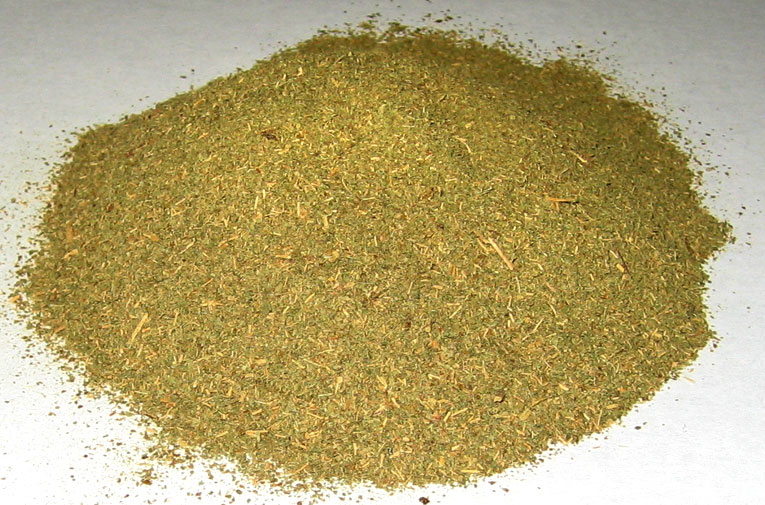
I understand the need for regulation. Put an age limit on it. Get the junk out of the smoke shops that real users of kratom don’t use. Go into the forums and you'll see that true users of this plant are buying high quality powders that we mix in water or juice and take it like we would our very dangerous pills.

JENNIFER SAGE

My 10-year old daughter just got her mom back. If you need her testimony of what life was like before kratom and after, I'm sure she would be happy to share with you. Kratom doesn't get you high. It's self-regulating. If you take too much (which I haven't, but I hear it can happen), you just get nauseous.

I've had days where I took 80-100 mg of hydrocodone on top of my fentanyl patch and was still in bed crying. I wanted to take 100 mg more just to stop hurting. But THAT would've killed me.

They've urged me to go on oxycodone and other more powerful drugs, but I get deathly ill when I take them. This is my choice. This plant that has no abuse potential, NONE, has in 5 days changed my life.

I will always be dependent on something to ease my pain. I choose kratom to be dependent on so that I can live my days without pain, and without the fog and stress of consistently wondering when my next meds can be taken. I would give my daughter this herb over the toxic pills for children once there's more research. There are no negative effects, but there are thousands of positive ones.

DEA, your war on drugs is with the meth labs and heroin that riddle our streets. Maybe if so much manpower wasn't being spent on this peaceful, harmless plant, a 10-year old girl in New Mexico would still be alive. Meth killed her and her mother. And you're going to put kratom in the same category?

It is our right to have a voice in this country, and you are trying to take ours away. Listen to the stories. We aren't trying to get high. We're trying to live our lives.

Jennifer Sage is an internationally acclaimed fantasy romance author, mother, advocate for healthy living, active hiker and, more recently, a user of kratom. Jennifer’s most recent book is The Last Valkyrie. You can learn more about her by clicking here.

Pain News Network invites other readers to share their stories with us.  Send them to:  editor@PainNewsNetwork.org

The information in this column should not be considered as professional medical advice, diagnosis or treatment. It is for informational purposes only and represents the author’s opinions alone. It does not inherently express or reflect the views, opinions and/or positions of Pain News Network.

Nanoparticles May Help Repair Injured Joints

By Pat Anson, Editor

Injecting an injured joint with nanoparticles – tiny, ultrafine particles so small they are invisible to the naked eye – controls inflammation and may help prevent the development of osteoarthritis, according to a new study.

Researchers at the Washington University School of Medicine in St. Louis found that injecting nanoparticles into the injured joints of laboratory mice reduces inflammation and the destruction of cartilage.

The nanoparticles used are more than 10 times smaller than a red blood cell, which helps them penetrate deeply into tissues.  The nanoparticles carry a peptide derived from a natural protein called melittin that has been modified to enable it to bind to a molecule and interfere with inflammation.

“The nanoparticles are injected directly into the joint, and due to their size, they easily penetrate into the cartilage to enter the injured cells,” said Samuel Wickline, MD, a professor of Biomedical Sciences at Washington University.

“Previously, we’ve delivered nanoparticles through the bloodstream and shown that they inhibit inflammation in a model of rheumatoid arthritis. In this study, they were injected locally into the joint and given a chance to penetrate into the injured cartilage.”

The nanoparticles were injected into the mice soon after an injury to prevent the inflammation and cartilage breakdown that can lead to osteoarthritis.

INFLAMMATORY PROTEIN (GREEN) IN CARTILAGE CELLS. IMAGE COURTESY of UNIVERSITY OF WASHINGTON SCHOOL OF MEDICINE

Whether such a strategy will work in humans years after an injury -- when osteoarthritis is established and there is severe cartilage loss -- still needs to be studied. But the findings suggest that the nanoparticles, if given soon after joint injuries occur, could help maintain cartilage and prevent the progression to osteoarthritis.

“I see a lot of patients with osteoarthritis, and there’s really no treatment,” said senior author Christine Pham, MD, an associate professor of medicine. “We try to treat their symptoms, but even when we inject steroids into an arthritic joint, the drug only remains for up to a few hours, and then it’s cleared. These nanoparticles remain in the joint longer and help prevent cartilage degeneration.”

Osteoarthritis (OA) is a joint disorder that leads to thinning of cartilage and progressive joint damage. Nearly 40 percent of Americans over the age of 45 have some degree of knee OA, and those numbers are expected to grow as the population ages. Frequently, an osteoarthritis patient has suffered an earlier injury — a torn meniscus or ACL injury in the knee. The body naturally responds to joint injuries with inflammation.

“The inflammatory molecule that we’re targeting not only causes problems after an injury, but it’s also responsible for a great deal of inflammation in advanced cases of osteoarthritis,” said Linda Sandell, PhD, a professor of Orthopaedic Surgery and director of Washington University’s Center for Musculoskeletal Research.

“So we think these nanoparticles may be helpful in patients who already have arthritis, and we’re working to develop experiments to test that idea.”

The study findings are published in the Proceedings of the National Academy of Sciences. The study was funded by the National Institute of Arthritis and Musculoskeletal and Skin Diseases; the National Heart, Lung, and Blood Institute; and the National Institute of Diabetes and Digestive and Kidney Diseases of the National Institutes of Health.

Pain Companion: The Stories We Tell Ourselves

By Sarah Anne Shockley, Columnist

Coming to grips with the fact that we’re living in chronic pain can be incredibly challenging and distressing. To help us get through, we tell ourselves stories – reasons, excuses and rationales – to cope with and explain a difficult situation.

That isn’t necessarily a bad thing. But sometimes we get stuck in a particular story which may impede us from getting to the next step or level in healing. Getting stuck in a story can make us think there isn’t really a next anything.

I’ll describe a few of the common stories, not to make anyone feel bad, but to remind us  that there are a variety of ways we can hold our situation in our minds and our emotions, and that some stories may be more useful than others. By knowing there are different perspectives, maybe we will be less apt to get stuck in any one of them.

It’s Only a Flesh Wound

This is often the first story we tell ourselves, sometimes even when we’re in pretty dire straits. It’s extremely hard to accept a severe illness or injury as a reality, and we may feel that if we let that truth in, it’s letting the pain win.

But we can’t stay in denial forever if we want to move on in life. We have to face our situation head on, even if it means accepting the fact that moving forward means we are moving forward with pain for a time. Maybe a long time.

Keep My Seat, I’ll Be Right Back

This is another flavor of denial that we often adopt once we’ve accepted that we’re dealing with more than a flesh wound. We tell ourselves that it may look bad, but it will be over soon. Not a terrible thing to believe, if it helps us get through the day.

On the other hand, if we sit in this story overly long, we may be avoiding some things we really need to deal with: That life has changed, that we need to make some accommodations, and that we may have to look at how pain is affecting our work life and relationships.

We may also be ignoring medical or alternative approaches that could really help us. We’re choosing the story that we’re not going to be doing this for long, so why initiate a long-term pain management protocol?

The Answer is Just Around the Corner

This story is about the belief that there is one miracle cure to find and then everything will be all right. There may be, but when we tell ourselves this tale, we could be missing out on all the little, but important things we can do right now to increase our well-being: like resting, drinking a lot of water, eating healthfully, laughing more, staying as stress free as possible, and staying connected with friends.

There is No Answer

This is the story we tell ourselves when we’re discouraged. When we don’t find an answer after months and years of searching, we might decide that there really isn’t any answer at all for us, and that we are lost in our pain forever.

We might then conclude that we just have to live with the pain in a state of resignation. We lose hope and stop moving toward answers and start to dig in for the long haul.

Pain is Bigger than Me

Another common tale is that pain is bigger than we are. It is so all encompassing, so demanding, and so ever-present that it can begin to feel like it has taken over our whole world.

Yes, it may be everywhere we go right now, but it is not the totality of who we are. Pain is an unpleasant experience we’re having, but it is within our experience of life, and it is not all of life or all of us. We need to be careful not to confuse ourselves with our pain, and to remember to find ways to experience pleasures and joys alongside of it wherever we can.

Sometimes the stories we tell ourselves are the only way to get up in the morning or to make it through the day. But sometimes the story is what’s keeping us stuck. I guess the question to ask is, how is my pain story serving me? Is there something I can change in it that will lead to a greater sense of hope, well-being and renewal? Then we can choose to create a different tale to tell ourselves.

Maybe it becomes the story of how healing isn’t some unknown point in the future, dependent upon one right answer, but what we do every day. It becomes the story of finding ourselves again when we thought we were lost, and the story of allowing our healing to take the time it needs while maintaining a balance between acceptance of our current limitations and positive action toward a less painful future.

It becomes a story that focuses more on where we’re headed than what’s wrong right now. And it’s a story we’re free to modify, enlarge or swap out for a new one as soon as it becomes outdated or restrictive.  

Sarah Anne Shockley suffers from Thoracic Outlet Syndrome, a painful condition that affects the nerves and arteries in the upper chest. Sarah is the author of The Pain Companion: Everyday Wisdom for Living With and Moving Beyond Chronic Pain.

 Sarah also writes for her blog, The Pain Companion.

The information in this column should not be considered as professional medical advice, diagnosis or treatment. It is for informational purposes only and represent the author’s opinions alone. It does not inherently express or reflect the views, opinions and/or positions of Pain News Network.

Lawmakers Ask DEA to Delay Kratom Ban

By Pat Anson, Editor

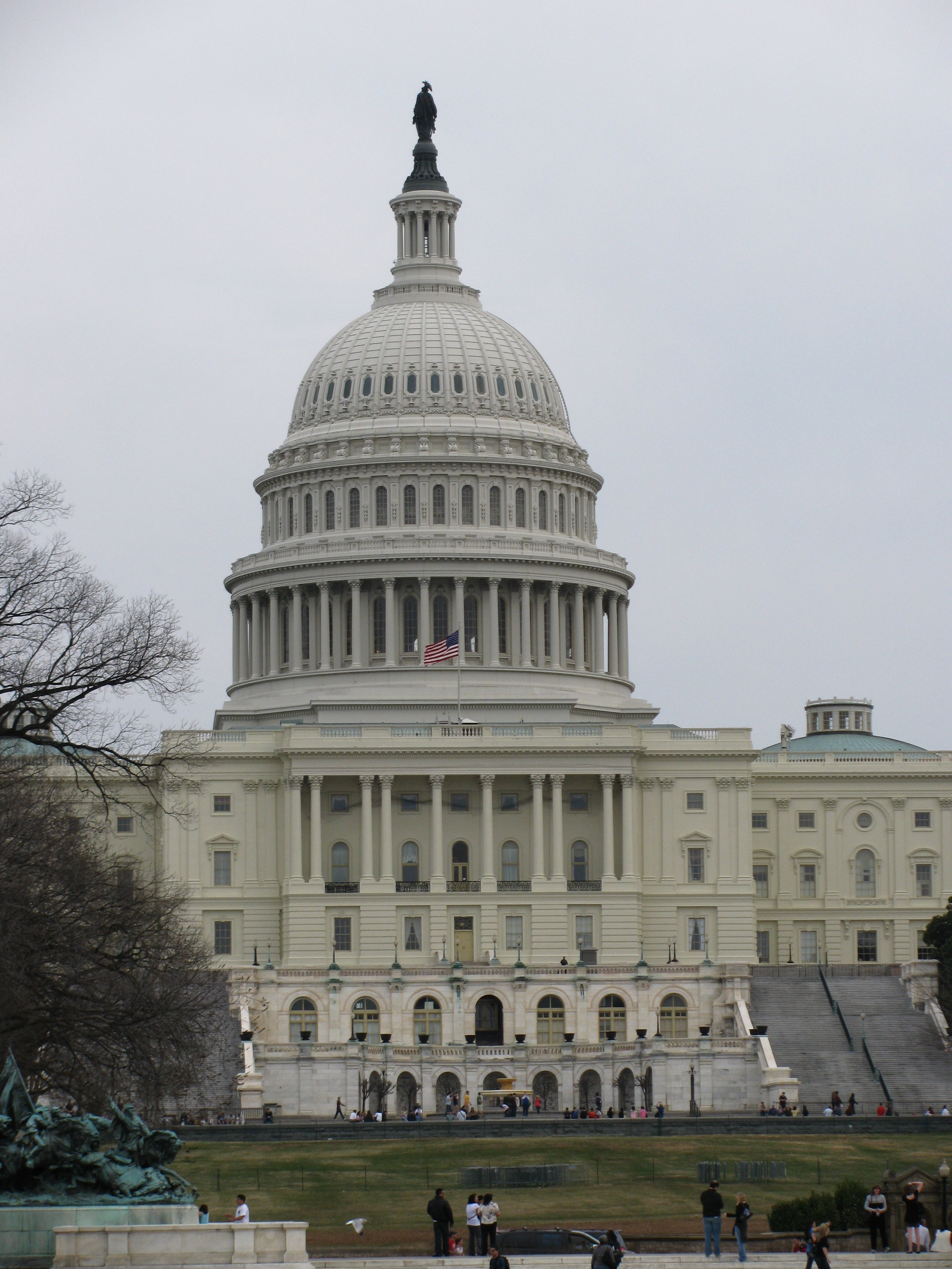
A bipartisan group of nearly 50 congressmen have signed a letter asking the U.S. Drug Enforcement Administration to delay a decision that would classify kratom as a Schedule I controlled substance, a move that would make the sale and possession of the herb a felony offense.

The letter, which is being sent to acting DEA administrator Charles Rosenberg, was written and circulated on Capitol Hill by Rep. Mark Pocan (D-Wisconsin) and Rep. Matt Salmon (R-Arizona). A second letter is being sent to Shaun Donovan, the director of the Office of Management and Budget (OMB), urging him to use his “statutory authority” to delay the DEA’s regulatory action.

“While Republicans and Democrats are having a difficult time seeing eye-to-eye on many critical issues, and in the midst of a very busy election cycle, it is unprecedented to see so many join forces together, agreeing that the DEA has overstepped its emergency scheduling authority,” said Susan Ash, founder of the American Kratom Association, a consumer group lobbying against the DEA scheduling.

The letters are signed by 28 Democrats and 21 Republicans in the House, including two physicians, Rep. Daniel Banishek (R-Michigan) and Rep. Brad Wenstrup (R-Ohio).

"We urge the DEA to delay finalizing the decision to define Kratom as a schedule I substance under the Controlled Substances Act and to engage consumers, researchers, and other stakeholders, in keeping with well-established protocol for such matters,” states the letter to the DEA administrator. 

"A departure from such guidelines threatens the transparency of the scheduling process and its responsiveness to the input of both citizens and the scientific community."

Under its emergency scheduling order, the DEA said it would classify kratom as a Schedule I substance – alongside heroin, LSD and marijuana – without any public notice or comment. The order could be implemented as early as September 30.  The DEA maintains that kratom – which comes from the leaves of a tree that grows in Southeast Asia -- poses “an imminent hazard to public safety” and has been linked to several deaths.

In a survey of over 6,000 kratom consumers by Pain News Network and the American Kratom Association, 98 percent said kratom was not a harmful or dangerous substance and 95% said banning the herb will have a harmful effect on society.  Many said they use the herb in teas and supplements to treat chronic pain, anxiety, depression and other medical conditions.

The congressional letter to OMB director Donovan points out that the National Institutes of Health has funded kratom research at the University of Massachusetts and the University of Mississippi. Those studies led researchers to apply for a patent identifying mitragynine – an active ingredient in kratom -- as a useful treatment for opioid addiction.

“The DEA’s decision to place Kratom as a Schedule I substance will put a halt on federally funded research and innovation surrounding the treatment of individuals suffering from opioid and other addictions—a significant public health threat,” the letter to Donovan states. “We urge your agency to immediately utilize your statutory authority and delay the process to place Kratom in schedule I until sufficient public comment is received and inconsistencies between Federal Agencies view of the product are addressed.”

It’s unclear what impact the two letters will have, but kratom supporters hope the involvement of a bipartisan group of congressmen will put more political pressure on the Obama administration. A citizens petition to the White House urging the administration to delay the DEA decision has been signed by over 135,000 people.  

“This will send a very clear message that Congress will not sit idly by and allow grandparents, parents, disabled people, and professionals in everything from law enforcement to the medical field, to be turned into felons for responsibly using the one thing that provides them with relief,” said Susan Ash.

“Kratom can help ease suffering. While our nation is in the midst of the worst opiate and heroin epidemic crisis we've ever seen, this little plant holds the key to many Americans' health and well-being and is helping to reduce the staggering, terrifying rise in opiate overdose deaths.”

DEA Head Calls Kratom an "Opioid"

None of this has apparently swayed the acting administrator of the DEA, who called kratom an "opioid" at a recent public forum on opioid addiction at Georgetown University.

"Kratom, as you know, is an opioid in its classification, so this is a good place to talk about it,"  Charles Rosenberg said in response to a student's question.

Kratom is not a member of the opium poppy family, where traditional opioids come from. But kratom leaves do contain mitragynine and 7-hydroxymitragynine, alkaloids that act on the same receptors in the brain as opioids. For that reason, the DEA is calling kratom an opioid.

"The FDA has decided, ruled, after its considered judgement that there is no medical value. We are bound by its scientific determinations in that arena. It's in Schedule I therefore because it has no medical value, there is a high potential for abuse, and most importantly we're now getting data from folks around the country that people are dying from kratom overdoses," Rosenberg explained. "So if we made an error and perhaps some people think we did, I frankly do not, then we aired on the side of protecting the public and I'm okay with that."

Below is a list of congressmen who have signed the letters to Rosenberg and Donovan:

  • Mark Pocan - D - WI
  • Matt Salmon - R - AZ
  • John Conyers - D - MI
  • Hank Johnson - D - GA
  • Tim Ryan - D - OH
  • Jared Polis - D - CO
  • Adam Smith - D - WA
  • Dana Rohrabacher - R - CA
  • Daniel Benishek, MD - R - MI
  • Steve Cohen - D - TN
  • Joe Heck, D.O. - R - NV
  • John Yarmuth - D - KY
  • Mark Sandord - R - SC
  • Mick Mulvaney - R - SC
  • Steve Israel - D - NY
  • Gerald E. Connolly - D - VA
  • Betty McCollum - D - MN
  • Earl Blumenauer - D - OR
  • Tulsi Gabbard - D - HI
  • Michael Honda - D - CA
  • Gwen Moore - D - WI
  • Brad Wenstrup, MD - R - OH
  • Tom Graves - R - GA
  • Justin Amash - R - MI
  • Barbara Lee - D - CA
  • Raul Labrador - R - ID
  • Peter DeFazio - D - OR
  • Scott Tipton - D - CO
  • Julia Brownley - D - CA
  • H. Morgan Griffith - R - VA
  • Jim Costa - D - CA
  • Suzan DelBene - D - WA
  • Denny Heck - D - WA
  • Zoe Lofgren - D - CA
  • Scott Peters - D - CA
  • Suzanne Bonamici - D - OR
  • Ted Poe - R - TX
  • Dave Brat - R - VA
  • Tom Emmer - R - MN
  • Paul Gosar - R - AZ
  • MIchael Capuano - D - MA
  • Bobby Scott - D - VA
  • Steve King - R - IA
  • Lois Frankel - D - FL
  • Leonard Lance - R - NJ
  • Frank LoBiondo - R - NJ
  • Steve King - R - IA
  • Barry Loudermilk - R - GA
  • Richard Hudson - R- NC

Amgen Biologic Drug Approved by FDA

By Pat Anson, Editor

A new biologic drug may soon be available for rheumatoid arthritis patients and others who suffer from autoimmune diseases – if they can afford it and if the drug clears a patent challenge.

The Food and Drug Administration has approved Amgen’s Amjevita as a biosimilar to Humira for the treatment of rheumatoid arthritis (RA), psoriatic arthritis, ankylosing spondylitis, Crohn’s disease, ulcerative colitis and severe plaque psoriasis. 

“Approval of Amjevita is an exciting accomplishment as it marks a new chapter in Amgen’s story of being a leader in biotechnology. In addition, Amjevita holds the potential to offer patients with chronic inflammatory diseases an additional treatment option,” said Sean Harper, M.D., executive vice president of Research and Development at Amgen.

Amjevita is Amgen’s first approved biosimilar and the fourth to receive regulatory approval in the U.S.

“The biosimilar pathway is still a new frontier and one that we expect will enhance access to treatment for patients with serious medical conditions,” said Janet Woodcock, MD, director of the FDA’s Center for Drug Evaluation and Research.

A biosimilar is nearly identical to an already-approved biological drug and there is no clinically meaningful difference in terms of their safety, purity and potency. Unlike generic drugs, however, biosimilars are not considered interchangeable with their branded counterparts – and are not given the generic label.

Zarxio was the first biosimilar product approved by the FDA as a version of Neupogen. The second was Inflectra, a biosimilar to Remicade. Last month the FDA approved Erelzi as a biosimilar to Enbrel.

Biologic products are generally derived from a living organism and can come from many sources, including humans and animals. They help inhibit the joint damage caused by rheumatoid arthritis, a chronic disease in which the body’s own immune system attacks joint tissues, causing pain, inflammation and bone erosion.

Injectable biologic drugs often work well in controlling RA and other autoimmune diseases, but can lose their effectiveness over time. They are also notoriously expensive, with some of the newer drugs costing $20,000 annually. A study last year found that Medicare patients paid an average of $835 in out-of-pocket costs every month to obtain them.

Last year Humira generated sales of more than $8 billion for drug maker AbbVie. In anticipation of Amjevita being approved by the FDA, AbbVie filed a lawsuit against Amgen last month, alleging that Amjevita infringes on 61 of its patents for Humira.

Because of that pending court case, a spokesperson for Amgen told PNN the company would be unable to provide a launch date for Amjevita or a projected price for the drug.

The most serious side effects of Amjevita are infections and malignancies. The drug will have a "Boxed Warning" to alert healthcare providers and patients about an increased risk of serious infections leading to hospitalization or death. The warning also notes that lymphoma and other malignancies, some fatal, have been reported in children and adolescent patients treated with tumor necrosis factor blockers, including Humira (adalimumab) products.

100 Million Pain Pills Unused After Dental Surgery

By Pat Anson, Editor

Over half the opioids prescribed to patients following dental surgery go unused, according to a small study by researchers who say the leftover pills could be abused or stolen by friends and family members.

Researchers affiliated with the University of Pennsylvania’s Perelman School of Medicine and School of Dental Medicine followed 79 patients who had their wisdom teeth removed or some other type of surgical tooth extraction. Seventy-two of them were given opioid pain medication after the surgery.

On average, patients received 28 opioid pills and – three weeks later -- had 15 pills (54%) leftover. Only five patients used all of the prescribed pills.

From that small sample, researchers project that as many as 100 million excess pain pills are prescribed annually by dentists.

 “When translated to the broad U.S. population, our findings suggest that more than 100 million opioid pills prescribed to patients following surgical removal of impacted wisdom teeth are not used, leaving the door open for possible abuse or misuse by patients, or their friends or family,” said lead author Brandon Maughan, MD, an emergency physician and health services researcher at The Lewin Group, a health policy consulting firm.

“Given the increasing concern about prescription opioid abuse in the United States, all prescribers – including physicians, oral surgeons and dental clinicians – have a responsibility to limit opioid exposure, to explain the risks of opioid misuse, and educate patients on proper drug disposal.”

Twenty-four hours after surgery, patients in the study reported an average pain score of 5 out of 10 while taking pain medication. By the second day, more than half (51%) reported a low pain score (0-3 out of 10), and by the fifth day, almost 80 percent had a low pain score.

“Results of our study show within five days of surgery, most patients are experiencing relatively little pain, and yet, most still had well over half of their opioid prescription left,” said co-author Elliot Hersh, DMD, a professor in the department of Oral & Maxillofacial Surgery and Pharmacology at Penn Dental Medicine.

“Research shows that prescription-strength NSAIDs, like ibuprofen, combined with acetaminophen, can offer more effective pain relief and fewer adverse effects than opioid-containing medications. While opioids can play a role in acute pain management after surgery, they should only be added in limited quantities for more severe pain.”

The study, published in the journal Drug and Alcohol Dependence, also found that drug disposal kiosks in pharmacies and small financial incentives may encourage patients to properly dispose of their unwanted pain medication.

Patients in the study received a debit card preloaded with $10. If they completed surveys assessing their pain and medication use after surgery, they received an addition $3 credit on the debit card. Patients who completed a follow-up health interview received an additional $10.

Patients were also provided with information about pharmacy based drug disposal programs, which led to a 22% increase in the number of patients who had either disposed or planned to properly dispose of their leftover opioids.

“Expanding the availability of drug disposal mechanisms to community locations that patients regularly visit – such as grocery stores and retail pharmacies – may substantially increase the use of these programs,” Maughan said.

Reducing the excess prescribing of opioids for acute pain is one of the goals of the Centers for Disease Control and Prevention. The CDC's prescribing guidelines state that three days or less supply of opioids “often will be sufficient” for acute pain caused by trauma or surgery, and that 7 days supply “will rarely be needed.”  Those guidelines, however, were developed for primary care physicians, not dentists.

Negative Thoughts About Sleep Make Pain Worse

By Pat Anson, Editor

Negative thoughts about pain and not being able to sleep can worsen chronic pain conditions like fibromyalgia, arthritis and back pain, according to British researchers.

“Pain-related sleep beliefs appear to be an integral part of chronic pain patients' insomnia experience,” said Nicole Tang, a psychologist in the Sleep and Pain Laboratory at the University of Warwick. "Thoughts can have a direct and/or indirect impact on our emotion, behaviour and even physiology. The way how we think about sleep and its interaction with pain can influence the way how we cope with pain and manage sleeplessness.”

Tang and her colleagues developed a scale to measure beliefs about sleep and pain in chronic pain patients, along with the quality of their sleep.

The scale was tested on four groups of patients suffering from long-term pain and bad sleeping patterns, and found to be a reliable predictor of future pain and insomnia.

"This scale provides a useful clinical tool to assess and monitor treatment progress during these therapies," said Esther Afolalu, a graduate student and researcher at the University of Warwick. 

university of warwick

"Current psychological treatments for chronic pain have mostly focused on pain management and a lesser emphasis on sleep but there is a recent interest in developing therapies to tackle both pain and sleep problems simultaneously."

Researchers found that people who believe they won't be able to sleep because of their pain are more likely to suffer from insomnia, thus causing more pain. The vicious cycle of pain and sleeping problems was significantly reduced after patients received instructions in cognitive-behavioural therapy (CBT), a form of psychotherapy in which a therapist works with a patient to reduce unhelpful thinking and behavior.

The study, published in the Journal of Clinical Sleep Medicine, is not the first to explore the connection between pain and poor sleep.

A 2015 study published in the journal PAIN linked insomnia and impaired sleep to reduced pain tolerance in a large sample of over 10,000 adults in Norway. Those who had trouble sleeping at least once a week had a 52% lower pain tolerance, while those who reported insomnia once a month had a 24% lower tolerance for pain.

A Pained Life: Swim at Your Own Risk

By Carol Levy, Columnist

I swim at my local YMCA. A new pool just opened and there are no flags or indicators showing when a swimmer is close to the end of the pool.

I can only do a backstroke. Not knowing where the wall is can be dangerous. I had already hit my head once miscalculating where I thought the wall was.

“I wish they had something as a warning that we are close to the wall,” I said to Jennifer, one of the lifeguards.

“Well, don't swim on your back. Then you can see it yourself,” she replied.

“I would love to, but because of my neck situation I can't swim on my stomach,” I explained.

Jennifer responded strangely: “Wah, wah, wah.”

I looked at her in surprise. Usually she is sweet and kind.

“My neck is held together with 12 pins and 2 clamps,” I told her. “I can't swim on my stomach. The posture and head movements for breathing are impossible for me.”

“Wah, wah, wah.”

“Jennifer, my entire neck is held together with metal. That's all that holds it up,” I said, starting to feel angry and frustrated.

“Wah wah wah. Wait! What if you used a snorkel?”

Her suggestion ignored what I had said about why I couldn't swim on my stomach.

There is another reason I can’t use a snorkel: I have a phantom touch-induced discomfort in my face. But that was more then I wanted to explain. And the explanation would require more explanation to explain what I was trying to explain.

On the other hand, my facial paralysis is very visible. The left eyelid is almost always swollen. As soon as someone sees me they know something is wrong.

“I can't keep my head in the water,” I said. “My eye doctor told me I shouldn't even be in the pool.”

Jennifer's response was quick and easy: “Oh I'm sorry. I didn't realize. That definitely would be a bad idea.”

I was flabbergasted. She dismissed my neck issues even after I explained the situation. But I was astounded by how quickly she capitulated when I said my eye is the problem.

Oh, I get it. The eye she can see. It is not something she needs to understand. All that matters is that it is visible and obvious. My neck, on the other hand, is not.

The conversation with Jennifer was the perfect embodiment of the visibility/invisibility issue we all face. At what point do we decide it is not worth the explanation, the struggle to let ourselves and our truth be heard?

Too often I feel like my integrity is being questioned by two people.

The first person is the one who refuses to listen and accept.

The second person is me, because I am too often forced to lie.

I don't want to lie. I don't like to lie. I like to think my word is my bond. But, sometimes it is just easier to break that bond with yourself then struggle to explain and be heard.

Add one more pain to the list.

Carol Jay Levy has lived with trigeminal neuralgia, a chronic facial pain disorder, for over 30 years. She is the author of “A Pained Life, A Chronic Pain Journey.” 

Carol is the moderator of the Facebook support group “Women in Pain Awareness.” Her blog “The Pained Life” can be found here.

The information in this column should not be considered as professional medical advice, diagnosis or treatment. It is for informational purposes only and represent the author’s opinions alone. It does not inherently express or reflect the views, opinions and/or positions of Pain News Network.

Survey: Kratom ‘Very Effective’ for Chronic Pain

By Pat Anson, Editor

Chronic pain sufferers often struggle to find a treatment that works. Opioids dull the pain, but come with the risk of addiction; drugs like Lyrica and Cymbalta can have unwelcome side effects; over-the-counter pain relievers often don’t work for severe pain; and alternative treatments like massage and acupuncture are not always covered by insurance.

So people experiment and try different things – often settling for something that just takes the edge off their pain.

That brings us to kratom, an herbal supplement largely unknown to most pain patients and their doctors. At a recent pain management conference attended by thousands of practitioners, I could find only a handful of doctors who’d even heard of kratom. I’ll confess I didn’t know much about it myself until a few months ago.

Maybe we should all start paying more attention.

In an online survey of 6,150 kratom consumers by Pain News Network and the American Kratom Association, nine out of ten said the herb was a “very effective” treatment for pain, depression, anxiety, insomnia, opioid addiction and alcoholism.

Less than one percent said it did not help.

This was not a scientific study by any means on the safety and efficacy of kratom. It was an online survey of self-selected kratom consumers, many of them quite upset that the U.S. Drug Enforcement Administration is planning to make the sale and possession of kratom illegal, perhaps as soon as the end of the month.

In a 21-page notice published in the Federal Register, the DEA said kratom does not have "an approved medical use” and “is misused to self-treat chronic pain.”

WAS KRATOM EFFECTIVE IN TREATING YOUR PAIN OR MEDICAL CONDITION?

The agency cited no studies to support its claim that kratom was being “misused” to treat pain, so we decided to ask the people who actually use it:

"Honestly, I was blown away at how good it was for my pain and also had the benefit that it lifted my mood, which was important because of the depression I had been experiencing from the chronic pain."

"This natural approach to pain management has allowed me to work full time as a school teacher and be an actively involved mom. These are things I never thought I would be able to have in my life as a result of debilitating pain from a neurological condition for which there is no medical cure."

"I have acute chronic migraines that, unmedicated, result in pain that is completely debilitating, and at times have landed me in the emergency room with stroke symptoms. Multiple doctors have okayed my use of kratom for pain management, as over-the-counter medicine simply does not work and I cannot take opiates."

"My wife has fibromyalgia and has taken kratom for more than 12 years with no adverse effects. Prior to finding kratom, she had tried all of the medication that was prescribed to her. The prescription medication either didn't work, or the side effects outweighed the benefits. Kratom has been a godsend for my wife and has allowed her to function as a mother of 4 children for more than a decade."

"I have been living with chronic pain from multiple reconstructive foot surgeries for 20+ years. Kratom not only effectively treats my pain, but it enabled me to tell my doctor that I no longer wanted my monthly tramadol prescription."

What pain conditions does kratom work best on? Again, this is not a scientific study, and we don’t have a lot of data for certain conditions. For example, 100% of the people who used kratom for cancer pain said it was “very effective” for them, but we only had 27 respondents who identified cancer as the primary reason they used kratom.

On the flip side, over 1,700 respondents said they used kratom for back pain, so the data is probably more reliable for them. And 92% said kratom was very effective for back pain.  

Percentage Who Rated Kratom “Very Effective” for their Pain Condition

powdered kratom

  • 100% Cancer
  •   97% Multiple Sclerosis
  •   94% Irritable Bowel Syndrome
  •   93% Migraine
  •   93% Fibromyalgia
  •   92% Rheumatoid Arthritis
  •   92% Back pain
  •   92% Acute Pain
  •   91% Lupus and other autoimmune diseases
  •   90% Osteoarthritis
  •   90% Neuropathy
  •   88% Trigeminal Neuralgia
  •   79% RSD or CRPS
  •   76% Ehlers Danlos syndrome   

Quite a few people said they use kratom for pain conditions we didn’t ask about or discovered that it helped them feel better in unexpected ways:

"I tried kratom for many things and it has worked for all. Toothaches, back and knee pain, sore joints and ligaments, flu symptoms, and insomnia."

"I have had very little back pain since I starting taking kratom to treat it. Three side effects I didn't expect is that it eliminated my restless leg syndrome, reduced my blood pressure to a normal level and significantly reduced my overall cholesterol levels."

"I have found so much relief for my ulcerative colitis and carpal tunnel syndrome from this plant that I fear how my body will respond when I no longer have it."

"I use kratom for severe TMJ disorder and sacroiliac joint dysfunction. I am also a recovering addict, and kratom has helped me stay clean and be the best 4th grade teacher I can be. If I hadn't had kratom to help ease chronic pain and the urge to use, I wouldn't be doing my dream job. I'd probably be in jail without a job, divorced, and possibly even dead."

"Kratom without a doubt helps any part of my body to not be in pain. Not only does it help with pain, it helps with my depression and it helps me get to sleep very easily."

Many also have strong feelings about allowing drug companies to use kratom in pharmaceutical products, which would require approval from the Food and Drug Administration. 

Seven out of ten kratom consumers are opposed to that idea, believing drug makers have conspired with the DEA to make kratom illegal.

"This is big pharma using the DEA to eliminate an all-natural herb that is taking a bite out of their drug selling profits."

"Everyone knows all this has to do with the DEA and big pharma being in each other’s back pockets. Money is the root of all evil and here it shows again."

"I feel that the pharmaceutical companies are behind this. People are weaning themselves from their addictions and those that don't end up overdosing requiring Narcan. That is a lot of money they stand to lose."

"If pharmaceutical companies produce kratom, the cost will probably triple. There will be tremendous red tape in even getting the drug from a doctor."

SHOULD DRUG MAKERS BE ALLOWED TO PRODUCE AND MARKET KRATOM?

To see the complete survey results, click here.

Meanwhile, lobbying efforts continue by the American Kratom Association to get the DEA to postpone its decision to classify the two active ingredients in kratom as controlled substances. Two congressmen, Rep. Mark Pocan (D-Wisconsin) and Rep. Matt Salmon (R-Arizona) are circulating a letter on Capitol Hill urging the DEA to delay enacting its order.

“We hope to see a lot of congressmen and women sign onto this,” says Susan Ash, founder of the American Kratom Association. “The letter asks that the director of the Office of Management and Budget and the acting director of the DEA delay a final decision on the placement of kratom as a Schedule I substance, provide ample time for public comment on this significant decision, and resolve any other inconsistencies with other federal agencies.”

A similar letter is being prepared by a law firm hired by the American Kratom Association. Ash told PNN it’s possible the DEA will not formally act on the scheduling of kratom until well after September 30.   

“When we’ve looked back at some of the other emergency scheduling processes that have happened, we have found that they will say it’s going to happen in 30 days, but it’s usually a few weeks after that. That’s just what’s happened historically. We don’t think September 30 is essentially a firm date, just based on history, but we are prepared in case it is.”

Ash said her organization would seek a restraining order from a judge if the emergency scheduling is implemented by DEA.

Kratom Users Say Ban Will Lead to More Drug Abuse

By Pat Anson, Editor

Kratom is a safe and surprisingly effective treatment for chronic pain and a wide variety of medical conditions, according to a large new survey of kratom consumers. Many say banning the herbal supplement will only lead to more drug abuse and worsen the nation’s opioid epidemic.

The online survey of 6,150 kratom consumers by Pain News Network and the American Kratom Association was conducted after plans were announced by the U.S. Drug Enforcement Administration to classify two chemicals in kratom as a Schedule I controlled substances. Unless the scheduling is postponed, the sale and possession of kratom could become a felony as early as September 30.

The survey findings dispel the myth that kratom is used recreationally like marijuana by people who only want to get “high” or intoxicated. The vast majority say they use the herb in teas and supplements solely to treat their medical conditions.

Asked what was the primary reason they used kratom, over half (51%) said they used the herb as a treatment for chronic pain, followed by anxiety (14%), depression (9%), opioid addiction (9%) and alcoholism (3%). Less than two percent said they used kratom recreationally or out of curiosity.

WHAT IS THE PRIMARY REASON YOU USE KRATOM?

“The survey tells us exactly what we’ve been trying to tell the DEA, lawmakers and the general public. The average kratom consumer is nothing like we are being portrayed as,” says Susan Ash, founder of the American Kratom Association.

“The average kratom consumer is a man or woman in their 40’s, 50’s or 60’s, who is primarily looking for alternatives to pharmaceutical drugs that either didn’t work for them or had side effects that were unbearable. The survey clearly shows the majority of people are using kratom to manage chronic medical conditions.”

Nine out of ten patients (90%) said kratom was very effective in treating their pain or medical conditions.

Asked if they get high from using kratom, three out of four consumers (75%) said no and 23% said “a little.” Only about 2 percent said they get high from using the herb. Many likened the stimulative effect of kratom to a strong cup of coffee.

"I only take enough kratom to take the edge off. I never get high like I did on pills or marijuana. Just a clearer state of being with some pain relief."

"It's not possible to get high from kratom as that's not what it does. It is in the same family as coffee and acts just like coffee."

"It elevates my mood, gives me energy and helps with the pain."

"I was stable at all times with kratom. Sound minded and alert. In no negative way did it affect my ability to function. If anything, it improved that and my overall happiness in life."

CAN YOU GET "HIGH" FROM KRATOM?

While the DEA maintains that kratom poses “an imminent hazard to public safety” and has been linked to several deaths, the vast majority of kratom consumers believe it is safe to use.

Ninety-eight percent said kratom was not a harmful or dangerous substance and 95% said banning the herb will have a harmful effect on society.

Many have strong feelings about what will happen if kratom is made illegal.

"I believe this is incredibly harmful to the thousands of people who have been able to find relief from a huge variety of issues, but especially those treating an opioid addiction. Those people will be forced back to opiates."

"I believe that the ban on kratom will trigger the biggest uptick in opiate-related deaths that we've seen in decades."

"Banning kratom will in no way protect society from an imminent health hazard, but actually push society further into the deadly opiate epidemic that plagues America today."

"It will kill people if they make kratom Illegal."

"We must utilize every tool possible to combat addiction to dangerous drugs, and banning kratom is like cutting off your nose to spite the face: stupid and unproductive."

WILL BANNING KRATOM BE HELPFUL OR HARMFUL TO SOCIETY?

Given a variety of scenarios on what could happen if kratom becomes illegal, two out of three respondents (66%) said kratom consumer would be more likely to become addicted and overdose on other substances.

Over half (52%) predicted that kratom users would be more likely turn to illegal drugs such as heroin and illicit fentanyl.

Half (51%) also said kratom consumers would be more likely to consider suicide.

Asked what they would do personally if kratom is banned, one out of four (27%) said they would seek to buy kratom on the black market – indicating that many are willing to risk being charged with a felony rather than give up kratom. Less than a third (30%) said they would not buy kratom on the black market.

"Making kratom illegal isn't going to stop people from buying and taking kratom."

"People who want kratom bad enough will find it and keep using it."

"I believe kratom consumers are likely to try multiple strategies, but most likely they will go back to whatever they used prior to kratom and there will likely be a black market for illegal consumption because none of these other options can compete with the efficacy of kratom."

"We will all be forced to go back on the very drugs that kratom helped us get off of! It will kill a whole lot of people! It will undoubtedly cause an increase in suicides, overdoses of illegal drugs like heroin and morphine."

"Banning this leaf is equivocal to signing the death certificates of many. You may as well be sticking the needle into many arms."

IF KRATOM BECOMES ILLEGAL, WOULD YOU SEEK TO BUY IT ON THE BLACK MARKET?

Susan Ash of the American Kratom Assocation estimates that between 3 and 5 million Americans have tried kratom. And she thinks the DEA’s attempt to ban the herb may have actually led more people to try it.

“Probably a quarter of a million have tried it since they put this notice out,” Ash said.

To see the complete survey results, click here.

Click here to see a report on the effectiveness of kratom in treating specific chronic pain conditions such as fibromyalgia, migraines and back pain.

Living with Chronic Pain After Being Labeled an Addict

By Patricia Young, Guest columnist

I am writing this article from the perspective of a patient who has chronic back pain and also an unwarranted, doctor-imposed label of “addiction.”

As most people can imagine, having both of these problems -- chronic pain and a substance use disorder -- can be very difficult for a healthcare provider to manage. Imagine though how harmful it is when someone is diagnosed or labeled as an addict and it is not an appropriate diagnosis.

The new polite wording for addiction is "chemical dependence," "substance use disorder" or "opiate dependence."

But these terms are not helpful either, since they have the same meaning to most healthcare professionals, as well as the general public.

To make matters worse, I was totally unaware that this diagnosis was ever made and it was never explained to me that it would be in my medical record. I want to share some of the problems this has caused me.

The first time I thought something was wrong was when I found myself having severe eye pain. I called ahead to the emergency room to make sure they had an eye doctor available to see me and decided to go in when they said they did. Instead, I was examined by a physician’s assistant (PA) after he reviewed my medical records. He looked at my eye from a distance without using any diagnostic equipment, told me I had an infection, and gave me antibiotic drops for it. The eye drops only made the pain worse.

I thought it was odd since I had no eye drainage of any kind and never had such pain before with an eye infection. A few days later I learned I had a herpes sore in my eye. No wonder those eye drops didn’t work!

Not one medical doctor or PA had taken my pain seriously in the ER because I had been labeled as having “drug seeking” behavior. But I did not know that until much later.

At the time I was taking opioid pain medication prescribed by my doctor to treat chronic pain from a lower back injury and two back surgeries. Sometimes I have flare ups of severe pain in my left hip, groin and leg despite the prescribed opiate drugs.

I went another time to the ER in severe pain and was seen by another physician’s assistant. After looking at my medical record, the PA proceeded to tell me to get out of the ER as I lay there on a gurney. My husband and I had no understanding at the time why 3 security guards came and told me to get back in my wheelchair myself or they would pick me up and put me there.

My husband picked me up and we were escorted out the door. I was 59 years old, disabled and was no threat to anyone. It was at that point that I started to wonder what “red flag” was in my medical records to make them treat me like that.

Later I found out what that red flag was. A doctor had written down after one visit that I had a “history of addiction.” This was the first time I became aware of this. I really could not understand why since no medical person had ever said I may have this diagnosis or even mentioned the word “dependency” to me.

I later had to move to Florida from upstate New York because my disability made it hard to cope with harsh winter weather. After the move I had great difficulty finding a new primary care physician. I believe no doctor wanted me as a patient after they saw the diagnosis of “history of addiction.”

We all know how difficult it can be to deal with an individual with a drug addiction. It’s a diagnosis that follows people for a lifetime. Unfortunately, when it is made in error, it is very detrimental and can even be a factor in someone’s death. Not only can there be a huge physical ramification from a diagnosis of addiction, but it can do harm to a person’s mental and emotional health, as well as cause family problems. I know it has affected me that way. The diagnosis evokes many people to make judgements.

I had many angry responses from healthcare professionals in my times of real need. The ones that threw me out of the ER demonstrated their anger by tone of voice, gestures, and curtness. I felt hopeless leaving there and my husband was so stunned he had no words to say. It was a very dark time in my life that is difficult to forget.

It has been suggested to me that I now suffer with post-traumatic stress syndrome and anxiety. Doctors want me to take anti-hypertensive medications daily as a result. This very frustrating and damaging diagnosis has led me to distrust the very physicians I go to for help. My blood pressure is high in their offices but not at home.

I also wrestle now with the problem of feeling as if my reputation has been harmed. I am seen by doctors as untrustworthy and in denial since I disagree with the addiction diagnosis. The very medical system that I worked in for almost 35 years has now mislabeled me and treats me harshly at a time when I need care myself.

I strongly believe there needs to be more understanding within the medical community as well as the public arena about this problem. There is a definite difference between a physical dependence on a substance versus an addiction to it. An addiction diagnosis suggests that one has misused drugs and has a mental disorder.

I have been judged as one of those types of people and it’s wrong. I had many medical professionals come up to me and congratulate me for stopping my pain medication. I thought they were crazy. It was no mental feat to stop taking the drugs, but I must admit my body’s physical reaction was not good. That is normal for someone that has taken opioid pain medicine for a period of time.

It is time we stop hurting and stigmatizing pain patients in this manner. It just makes our pain worse and can even lead to serious mental health problems and in some cases suicide.

Please healthcare providers, make sure your diagnosis is made correctly. I believe that an addiction or dependency diagnosis should only be made by someone who is trained in addiction medicine and who specializes in treating addictive disorders.

Patricia Young lives in Florida.

Pain News Network invites other readers to share their stories with us.  Send them to:  editor@PainNewsNetwork.org

The information in this column should not be considered as professional medical advice, diagnosis or treatment. It is for informational purposes only and represents the author’s opinions alone. It does not inherently express or reflect the views, opinions and/or positions of Pain News Network.

Experimental Drug Reduces Migraine Days by Half

Pat Anson, Editor

An experimental injectable drug reduces the number of migraine days by 50 percent or more in patients who suffer from chronic migraine, according to the results of a new study released by drug makers Amgen and Novartis.

The Phase II study of AMG 334 -- also known as erenumab – involved 667 patients who suffered an average of about 18 migraine days per month.  A reduction of 50% or more in monthly migraine days was observed in four out of ten patients taking a 140 mg dose of erenumab. Patients taking a 70 mg dose had a 40% reduction in migraine days compared to a placebo drug. 

Significant improvements were also noted in quality of life, headache impact, disability, and pain interference compared to the placebo.

“Chronic migraine patients lose more than half of their life to migraines with 15 or more headache days a month, facing intolerable pain and physical impairment,” said Stewart Tepper, MD, a professor of neurology at the Geisel School of Medicine at Dartmouth. “As a neurologist, these findings are exciting because they demonstrate that erenumab could serve as an important new therapy option for reducing the burden of this often-disabling disease.”

Erenumab is not an opiate and falls under a newer class of medications – known as fully human monoclonal antibodies -- that target receptors in the brain where migraines are thought to originate.

“Erenumab is specifically designed to prevent migraine by blocking a receptor that is believed to have a critical role in mediating the incapacitating pain of migraine,” said Sean Harper, MD, executive vice president of Research and Development at Amgen, which is co-developing the drug with Novartis.

“The results from this global chronic migraine study are exciting because they support the efficacy of erenumab for a patient population that has had few therapeutic options.”

Results from two Phase III studies of erenumab for episodic migraine are expected later this year. If positive results are achieved, that could lead to a new drug application with the Food and Drug Administration.

"This is an exciting time in the treatment of chronic migraine, which has a profound impact on the lives of those who suffer from the disease," said Vasant Narasimhan, Global Head of Drug Development and Chief Medical Officer for Novartis. "These important data further support the efficacy of AMG 334 in patients who currently have limited therapeutic options."

Under its agreement with Novartis, Amgen holds sales rights for erenumab in the United States, Canada and Japan, while Novartis would sell the drug in Europe and the rest of the world.

Migraine is thought to affect a billion people worldwide and about 36 million adults in the United States, according to the American Migraine Foundation. It affects three times as many women as men. In addition to headache pain and nausea, migraine can also cause vomiting, blurriness or visual disturbances, and sensitivity to light and sound. About half of people living with migraine are undiagnosed.