Kratom Helps Relieve My Neuropathy Pain

By Robert Dinse, Guest Columnist

I suffer from diabetic peripheral neuropathy.  I can best describe the pain as something akin to being doused in gasoline and then having a match tossed on me.  Pretty much everything from the neck down at times is involved in severe burning pain.

Over time I've been placed on a number of combinations of anti-depressants and anti-seizure medications with various degrees of effectiveness.
Presently I am on Lyrica and nortriptyline, an anti-depressant.  So far this seems to be the best compromise between sedation and pain.

I actually got slightly better pain control with amitriptyline, another anti-depressant, but nortriptyline helps my mood more and since Lyrica negatively impacts my mood but greatly reduces my pain, this seems to be the best compromise.

With this combination of drugs, my pain is reasonably controlled about six days of the week, but I have periods, usually lasting 3-6 hours, of breakthrough pain in which I'm on fire again.

Kratom provides relief during those times and it does so without getting me high, or noticeably affecting my mental state in any way.  This leaves me almost pain free and totally functional.

robert dinse

There are two other drugs I've found to be helpful for this breakthrough pain. The first is marijuana, which is legal in Washington State but leaves me pretty much non-functional. I cannot drive, nor effectively do my work on enough marijuana to give pain relief.  Marijuana also stimulates my appetite and as a diabetic I need to lose weight, not gain weight.

The other useful drug is tianeptine sodium, but for it to be effective I need about 140 mg, which is higher than the maximum recommended single dose. At that dosage I also build a rapid tolerance.  Not a problem if the pain flare up is short, but if it lasts more than two days, which on rare occasions it does, then tianeptine sodium becomes ineffective. 

Some people get withdrawal symptoms from tianeptine sodium. I am fortunate that I have not ever experienced that, but it's lack of effectiveness if I get a bad flare-up lasting more than two days is its chief drawback.

I do not seem to rapidly build tolerance to kratom, and I've yet to experience any loss of effectiveness.  It doesn't get me high.  I don't get withdrawal symptoms. For my needs it is ideal, yet the DEA wants to take this away.

I wish that doctors and DEA officials could experience neuropathic pain firsthand so they could understand the hell their fouled up policies are putting people through. We have tens of thousands of deaths every year due to alcohol and tobacco, and the 16 alleged kratom deaths in the last five years all involved a mixture of other drugs that were most likely responsible for those deaths.

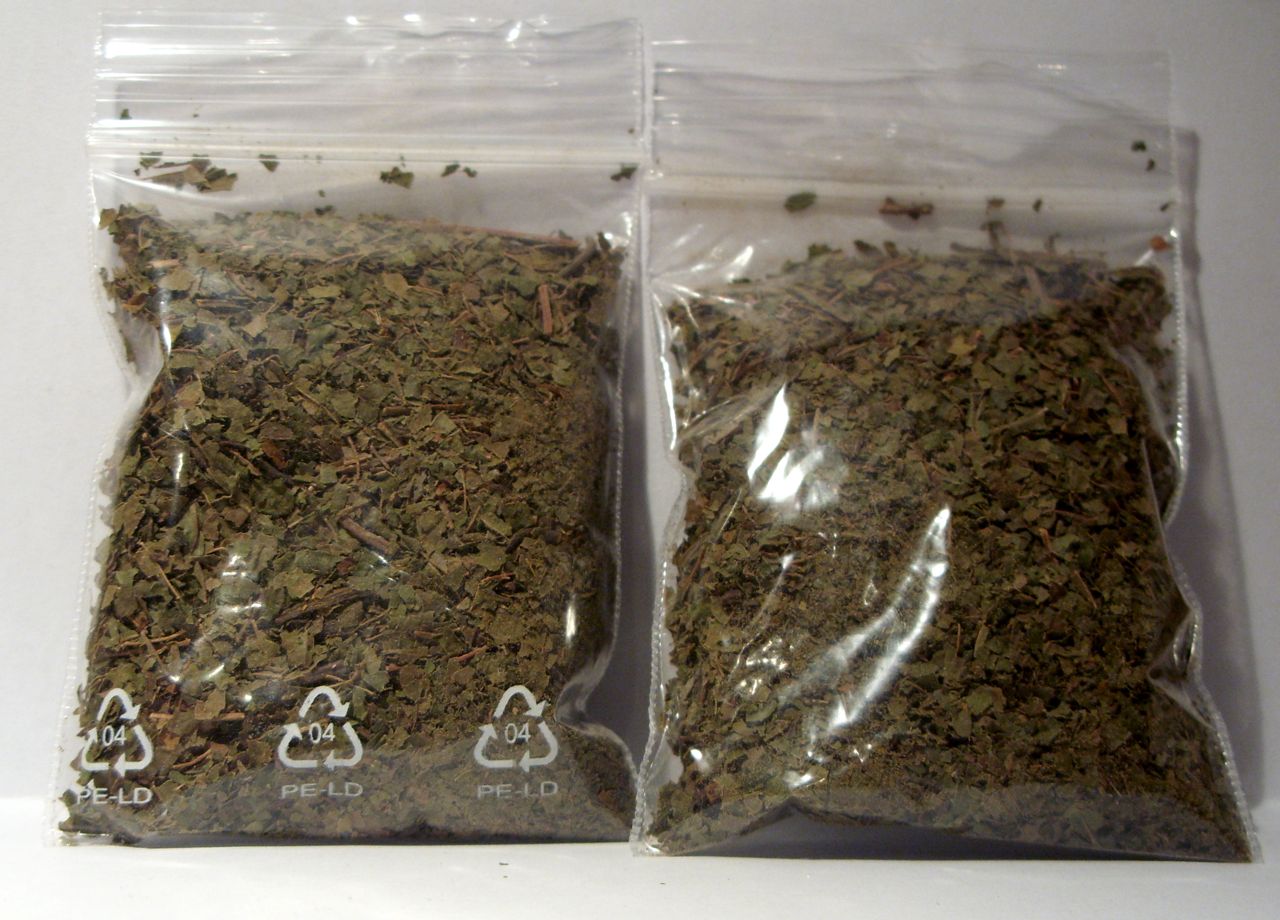
It is very hard to overdose on kratom because you take too much and you puke it up.  I have experimentally determined the puke up threshold for me is about 12 capsules, and 10 capsules totally relieve my pain with no sense of intoxication or impairment.

I don't know how you could ask a pain reliever to be simultaneously anywhere near as effective or safe as kratom.  Too much aspirin and you bleed to death internally, too much Tylenol and you toast your liver, many other NSAIDS readily available over the counter are bad for your heart.

Problem is, as a natural product, it's not patentable and thus competes with other patentable but much more dangerous and less effective drugs.

Robert Dinse lives in Washington State with his family.

Pain News Network invites other readers to share their stories with us.  Send them to:  editor@PainNewsNetwork.org

The information in this column should not be considered as professional medical advice, diagnosis or treatment. It is for informational purposes only and represents the author’s opinions alone. It does not inherently express or reflect the views, opinions and/or positions of Pain News Network.

Why You Should See a Psychologist

By Crystal Lindell, Columnist

The weirdest part about getting psychiatric help is that people notice it.

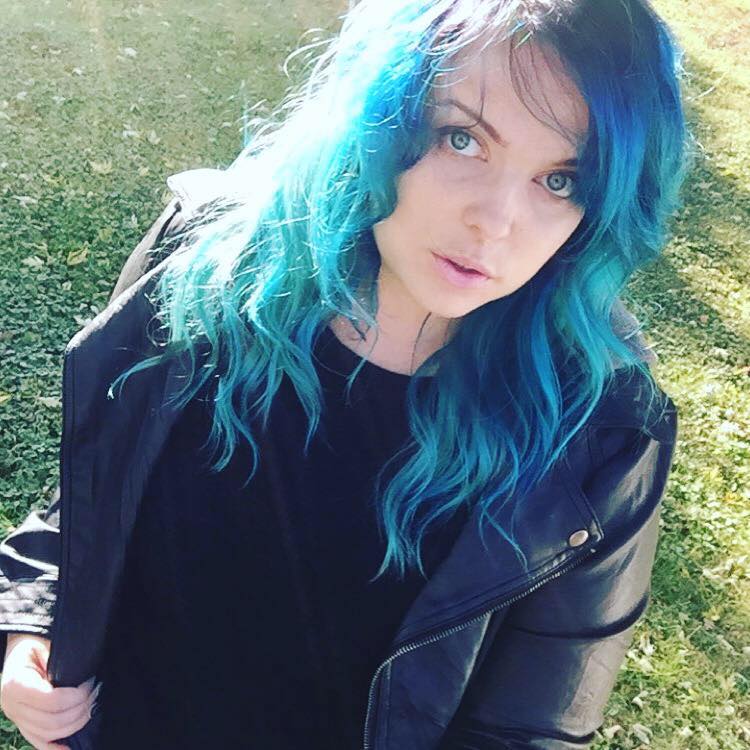
They notice it in the same way they notice when you lose weight, or dye your hair blue. Like the IT guy at work, who says you just seem more confident lately. Or the friend’s husband who says you seem happier these days. Or the old Tinder guy who finds you on Facebook to comment that you seem so different, so much happier — and even your eyes seem brighter somehow.

I didn’t expect that. When I was in the thick of it, in the blackest night, I didn’t think anyone really noticed how bad it was. I don’t think I even noticed how bad it was. But if they’re noticing that things are better, then it’s probably safe to assume that they noticed how bad it was.

The fact is, getting psychiatric help in this country is depressingly difficult. The first time I sought help three years ago, I had just gotten sick and the pain was so horrific that I had been planning on slitting my wrists in the bathtub.

I finally worked up the courage to tell my primary care doctor that I was suicidal. He referred me to a psychologist who he said worked with people in pain.

But the psychologist refused to see me because she only worked with cancer patients in pain. I apparently wasn’t sick enough for her. So she referred me to someone else, and then weeks later I finally got in for an appointment.

To recap: I literally had a plan to kill myself, and it took weeks for me to find any help.

I’m a well-educated white woman with health insurance. If it’s this hard for me, what are other people going through?

Luckily, the doctor I got paired up with was great and helpful and sometimes a little mean, but always very good at helping me figure out how to deal with all the pain I was suddenly enduring.

The sessions weren’t so much about her telling me what to do, but how to do it. For example, we both agreed that I couldn’t work when the pain was 10/10, but instead of letting it get that bad and then ending up hysterically crying in my boss’ office begging to leave, we came up with a different plan. At the beginning of the week, talk to my boss and agree on days I could work from home. This way there was a plan everyone could feel secure with, and my pain wouldn’t reach 10/10 in the first place.

It seems like little things, but when you find yourself sick, it’s like you’re in a new country and having any sort of map can be extremely helpful.

Even if someone can get an appointment with a psychologist though, AND their insurance will cover it, there’s still another hurdle. A lot of psychologists suck. Just like a lot of doctors suck. And a lot of mechanics suck. And a lot of restaurants suck.

I hear all the time from people who say things like, “I don’t even bother seeing a psychologist, because they aren’t any good anyway. They don’t get me. They don’t help. They just want to get me in and out.”

But people don’t just stop going to restaurants because the Mexican place in town gave them food poisoning. And they shouldn’t just give up on therapy because they had some bad experiences.

Of course, even if you get past all that, there’s still the stigma. There is this idea that if you’re getting mental health help that you’re somehow weak. But getting your brain healthy doesn’t make you weak. It makes you strong. Life doesn’t come with an instruction manual, but getting a neutral opinion from an outside party is almost as good.

These days I see a team, a psychiatrist and a psychologist. The psychiatrist works with me on medical options, while the psychologist offers cognitive therapy to help me navigate my life.

And, honestly, my biggest regret is that I didn’t get help for my anxiety sooner. After going through opioid withdrawal over the last year, I’ve realized that I had been struggling with anxiety since at least my teen years.

It was as if all the pain meds I was on masked it just long enough to show me that there was, in fact, a better way to live. That there existed a possibility for a life that didn’t include waking up literally everyday feeling sick to my stomach, with anxiety attacks on the bathroom floor at work, and obsessing over every little thing.

I confess I was extremely resistant to the idea of going on a long-term anxiety medication, but I’m so glad that I worked with my doctor to find one that works on my brain. And aside from easily bruising, the side effects have been very minimal.

People don’t talk enough about the mind-body connection, but it’s there. And when you’re in pain or dealing with something like opioid withdrawal, getting mental health care may not be the first thing people seek. But it turns out, getting your brain healthy is just as important as getting your body healthy.

In the end, the question that psychology asks is simple: Can people actually change? I have to believe the answer is just as simple: Yes.

And if people can change, maybe the world can too.

Crystal Lindell is a journalist who lives in Illinois. She loves Taco Bell, watching "Burn Notice" episodes on Netflix and Snicker's Bites. She has had intercostal neuralgia since February 2013.

Crystal writes about it on her blog, “The Only Certainty is Bad Grammar.”

The information in this column should not be considered as professional medical advice, diagnosis or treatment. It is for informational purposes only and represent the author’s opinions alone. It does not inherently express or reflect the views, opinions and/or positions of Pain News Network.
DEA Cutting Opioid Supply in 2017

By Pat Anson, Editor

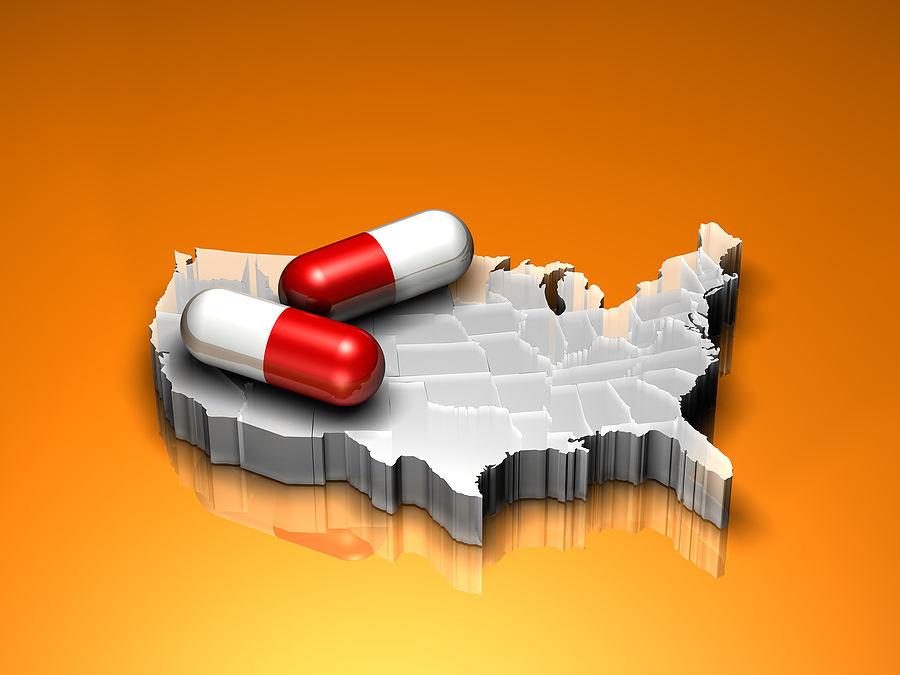
It’s going to get even harder for chronic pain patients in the United States to get prescriptions refilled for hydrocodone, oxycodone, morphine and other opioids classified as Schedule II controlled substances.

The Drug Enforcement Administration has announced plans to reduce the amount of almost every Schedule II opioid pain medication manufactured in the U.S. by 25 percent or more. The 2017 quota for hydrocodone, which is sold under brand names like Vicodin, Lortab and Lorcet, is being reduced by a third.

The DEA’s order, which is being published in the Federal Register, comes just seven months after the Centers for Disease Control and Prevention released guidelines that discourage primary care physicians from prescribing opioids from chronic pain. The guidelines have had a chilling effect on many patients and their doctors, who have reduced opioid doses or stopped prescribing them altogether.

Opioid prescribing was falling years before the CDC and DEA acted. According to IMS Health, hydrocodone prescriptions in the U.S. plunged by 22 percent from nearly 120 million in 2014 to 93.5 million in 2015.

The “established quota” for hydrocodone in 2017 is being reduced to 58.4 million prescriptions under the DEA order.

“The purpose of quotas are to provide for the adequate and uninterrupted supply for legitimate medical need of the types of schedule I and II controlled substances that have a potential for abuse, while limiting the amounts available to prevent diversion,” the DEA said in a press release.

“Once the aggregate quota is set, DEA allocates individual manufacturing and procurement quotas to those companies that apply for it.  DEA may revise a company’s quota at any time during the year if change is warranted due to increased sales or exports; new manufacturers entering the market; new product development; or product recalls.”

The DEA has been under growing political pressure to reduce the supply of opioids. A group of U.S. senators sent a letter to the agency this summer demanding that opioid quotas be reduced.

We urge DEA to utilize its existing quota setting authority, to the fullest extent possible, to combat this epidemic,” said the letter from Senators Dick Durbin (D-IL) Sherrod Brown (D-OH), Edward Markey (D-MA), Amy Klobuchar (D-MN), Angus King (I-ME), and Joe Manchin (D-WV).

“Fourteen billion opioid pills are now dispensed annually in the United States – enough for every adult American to have a bottle of pills. Certainly, the pharmaceutical industry is at fault for decades of misleading information about their products and the medical community bears responsibility for its role in over-prescribing these dangerous and addictive drugs, but we remain deeply troubled by the sheer volume of opioids available – volumes that are approved by DEA.”

Although opioid pain medication is routinely blamed by politicians, federal agencies and the media for the nation’s so-called opioid epidemic, recent studies in several states have found that most drug overdoses are actually caused by illegal opioids such as heroin and bootleg fentanyl. There are also increasing signs that pain patients unable to get opioids legally are turning to pain medication sold on the streets, some of it counterfeit and laced with fentanyl.

Efforts to restrict the supply of opioids may only be making things worse.

Law enforcement agencies in West Virginia recently said a federal crackdown on opioids – dubbed the Bluefield Pill Initiative -- may have contributed to a recent spike in heroin cases, according to the Bluefield Daily Telegraph.

“We are seeing an increase in heroin because pills are in fewer quantity,” said Sgt. J.S. McCarty, who heads a local crime task force. “Without pills an opioid addict’s only choice is heroin.”

Chronic Pain Patients Go Underground for Relief

By Pat Anson, Editor

The stories seem a little hard to believe. Miraculous cures. Migraines that fade away.  Cataracts that disappear.  People crippled by arthritis suddenly able to walk again.

“I’ve seen people come in with crutches and throw the crutches way. I’ve seen some stuff that’s just crazy,” says Clint Feehan.

“We’ve seen a lot of miracles,” adds Irene Kohut.

We’re not talking about Lourdes or some other religious shrine, but an abandoned gold and silver mine in southwest Montana that’s been resurrected as a radon health mine.

For over 60 years, tens of thousands of people hobbled by arthritis, diabetes, fibromyalgia and other chronic conditions have visited the Merry Widow Health Mine. Many heard stories – often passed down by relatives and friends – that low levels of radon gas inside the Merry Widow will cure whatever ails them.

Radon is a colorless and odorless gas that is a natural byproduct of decomposing uranium. At high levels, radon gas can be dangerous and has been linked to cancer, but at low levels advocates say it helps reduce inflammation and has other healing properties.

Located near the hardscrabble mining town of Basin, the Merry Widow doesn’t look like much from the outside. Just a dark tunnel cut into the side of a mountain. Walk inside though and you’ll see people playing cards, reading and cheerfully chatting away in a friendly, social environment.

Many soak their hands and feet in cold spring water that seeps from the mine shaft. Others drink the water, convinced it will restore them.

“I drink it all the time. The water’s good for you. And I take water home with me. I take 20 gallons home,” says Feehan, a 64-year old Wyoming man who started visiting the Merry Widow three years ago to help with his arthritis pain.

“I could hardly get out of bed. My back, hands and ankles all hurt. So we just came up here and tried it, just for the heck of it. I had nothing to lose,” he said.

Like many, Feehan learned that it usually takes multiple trips inside the Merry Widow – for an hour or so at a time -- before he started to benefit from the experience.

“When you first came in, after a day or two, you’ll feel like you’re getting the flu. You’ll feel like you’re getting sick and you don’t understand why. And you think it’s not doing you any good. But it’s the toxins leaving your body is why you don’t feel good. And if you just keep coming, you’ll come out of it.”

That flu-like feeling is what Veronica Kim experienced when she first visited the Merry Widow in 2004. Veronica suffers from an inherited connective tissue disorder that left her unable to walk and confined to a wheelchair.  

“At first I didn’t have any result. Three days later my symptoms got worse,” Veronica says. “And my husband came to the office and said someone said this would be good for my wife but my wife’s symptoms got worse than ever. And everyone’s laughing and they said congratulations. That means its working!”

The treatments did eventually work for Veronica and she no longer needs a wheelchair.

“I can walk. I can jump. I can kick you even!” jokes Veronica, who started visiting the mine twice a year from her home in Seattle. “Seven days in spring and seven days in fall. I have to do it regularly. My body tells me I need a treatment.”

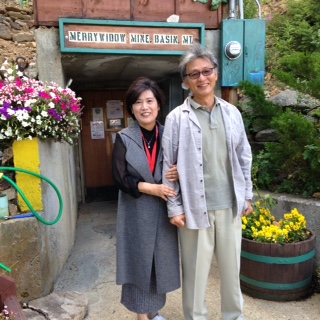
Veronica and her husband Chang -- who says the mine helped ease his back pain -- were so impressed they bought the Merry Widow in 2008.

The Kims recommend 32 one-hour visits to the mine spread out over 10 to 11 days – an obvious commitment of time and energy for anyone who wants the “full treatment.” Visitors pay $15 for an all-day pass.

“We have really nutritious water, which is mineral water, spring water. I’ve seen so many people, the water cleanses out their kidney stones,” says Chang Kim. “After two days you will see the changes in the complexions. Your face complexion starts changing. Your face shines. You detoxify.”

veronica and chang kim

Exactly how the radon gas helps people is not clear and Kim is careful not to make scientific claims about radon's benefits. He and others who’ve tried the treatment say a certain amount of faith is necessary to make it work.

“Human bodies are affected by emotional things. They got to be ready to get a treatment. You have to be in a phase believing that this mine will work,” he said.

Is it nothing more than wishful thinking? Does spending an hour or so in a cool damp mine have some kind of restorative effect? Does the social, communal atmosphere of being around other true believers play a role in making people feel better?

Irene Kohut first visited the Merry Widow 18 years ago, after a stroke left her partially paralyzed. All she knows is that the mine worked for her.

“I couldn’t brush my hair and had no feeling on one side,” she said.  “I think it helped. It always helps, but you have learn to believe in it. That’s what we come here for. And for the people.” 

Kratom Helps Me Feel Normal

By Brittany Jordan, Guest Columnist

I have used kratom safely, responsibly and successfully for the past 4 years to ease my social anxiety, depression and physical pain from bipolar disorder.

Many people do not realize that people with bipolar are more likely than the general population to experience certain types of physical pain. Adding chronic pain to a debilitating illness like bipolar disorder can make even the best of us feel hopeless. 

Fatigue, headaches and insomnia are a few of the other side effects of mental illness. When I say fatigue, I don’t mean the groggy feeling a cup of coffee will fix in the morning. I mean feeling tired down to the bone, tired to the point where it is difficult to even think about leaving the house.

Migraines became a daily battle that lead me into a cycle of isolation and depression that began to infringe on my personal and professional life. Weeks of insomnia also began to slowly take their toll.

I was first diagnosed with bipolar disorder at age 16 and spent the next few years playing the game of which doctor? What medication? What dosage?

There were so many side effects from the meds and the time that it took to find the right dose that it led me to a place of static dissonance that no amount of exercise, therapy or mindfulness could defeat. 

I felt completely out of touch with my own mind and the sense of control over my life diminished significantly. I slowly began to lose hope and spiraled into a 5 year long state of depression, using drugs and alcohol as a way to cope with my deteriorating mental state.

People with mood disorders tend to experience the world “loudly.” This is a kind of exaggerated perception that exists for both positive and negative emotions. 

During a manic episode, life is more colorful and vivid, and I become utterly in awe of a sunset or a beautiful tree. Even the good and stable things become larger than life. When I see the man I am going to marry, I am overwhelmed with emotion. Everything is all at once too much, too “loud.”

brittany jordan

And when depression strikes, the “loudness” is just the same. A small setback becomes a complete catastrophe in my mind. Something as minor as being cut off while driving can enrage me to no end and stay with me more than it should.

Once I added kratom tea to my daily routine of running, yoga and meditation, I immediately noticed minimizing effects of cognitive dissonance, the absence of panic attacks and the impact of lowering my depressive obsession.

With kratom, I slowly began to turn around to more frequent and sustained times of calmness, clarity and pain relief. Being able to think clearly for the first time in over a decade allowed me the extra psychological and physical space to go to work and function again as a happy, healthy individual. Kratom became a supporting element of self-discipline that built resolve and a more solid sense of accomplishment. 

I am a daughter and soon-to-be wife. My family depends on my being well to take care of them and do my part. I can absolutely live my life while still battling this disorder, but it will be MUCH harder without kratom. The unfairness of being robbed of a benign, harmless plant with so many positive and effective properties is inhumane and unnecessary.

I have been clean and sober for 4 years and I never plan on going back to the life I had. I will survive and manage, but without kratom it will be in pain and with much distress. To be forced back into the guessing game of figuring out which medication may help, or trying something new with a whole host of side effects that may not work is daunting.  New treatments and doctor visits that I cannot afford.

There is no doubt in my mind that kratom is the best natural solution I have tried. I thank my lucky stars that I found it when I did.

Allowing the DEA to place kratom as a Schedule I drug is extreme, unfounded and overreaching. Scheduling it this way will prevent science from studying its effects. Kratom should be studied. The side effects and health risks should be understood. But how can we allow the DEA to ban something that is clearly helpful to thousands of people with bipolar, chronic pain, PTSD, depression and so much more?

Those of us with bipolar disorder have the same human and democratic rights as those without. We deserve options that work and help us keep it together. Life is harder for us than it is for others. We have to struggle to just achieve a baseline. How can anyone say that something that obviously works is an evil that should be put on Schedule I?

We are human beings who simply want our lives back, and this overreach of federal power feels like a boot stepping down on helpless ants. It is uncaring, unaware and unsympathetic to those of us who just want to feel normal. 

Brittany Jordan is from New Jersey. Brittan also made this YouTube video about her kratom experience.

Pain News Network invites other readers to share their stories with us.  Send them to:  editor@PainNewsNetwork.org

The information in this column should not be considered as professional medical advice, diagnosis or treatment. It is for informational purposes only and represents the author’s opinions alone. It does not inherently express or reflect the views, opinions and/or positions of Pain News Network.

Can Fish Oil Supplements Help Prevent Lupus?

By Pat Anson, Editor

Taking fish oil supplements could help prevent lupus and other autoimmune diseases, according to animal studies at Michigan State University.

Researchers gave female mice genetically disposed to lupus an omega-3 fatty acid called DHA, or docosahexaenoic acid, which is found in fatty, cold-water fish. The findings, published in PLOS ONE, were “overwhelmingly positive,” according to researchers.

“What we discovered was when lupus was triggered by crystalline silica, a toxic mineral also known as quartz that’s linked to human autoimmunity, DHA blocked the activation of the disease,” said Melissa Bates, one of the study’s lead authors and a doctoral student in MSU’s Department of Food Science and Human Nutrition and the Institute of Integrative Toxicology.

Lupus is a genetic disease that can be triggered by inhaling crystalline silica and by other environmental factors such as sun exposure. Quartz is the most common, and most dangerous form of crystalline silica, and is often found in the agriculture, construction and mining industries, where workers can breathe in the mineral dust.

“Lupus is the body’s immune system attacking itself and it can damage any part of the body including skin, joints and organs,” said James Pestka, an MSU professor of food science and human nutrition.

The study looked at the effect of DHA on lupus lesions in the lungs and kidneys of laboratory mice.  

“Ninety-six percent of the lung lesions were stopped with DHA after being triggered by the silica,” said Jack Harkema, a pulmonary pathologist. “I’ve never seen such a dramatic protective response in the lung before.”

Harkema says the DHA could be changing the way lung cells, also known as macrophages, react to the silica and somehow alter the immune system’s response.

“Cells in the lung can gobble up the silica, but it’s so toxic, it kills these cells,” Harkema said. “When they die, signals are sent out to the immune system that something is wrong. The body then produces such a strong response that it also starts to target healthy cells.

“Our next step is to figure out exactly what’s happening,” he said.

One theory is the DHA helps cells send an anti-inflammatory signal to the body so it doesn’t overcompensate and trigger an autoimmune response. Another is that DHA allows the cells to swallow up and remove the toxic silica from the lung without dying, preventing any inflammatory signals from being sent.

“What we do know is this study is a clear indication that eating DHA can prevent this one type of environmental triggering of lupus,” Pestka said. “It can suppress many of the disease’s signaling pathways, which current drugs on the market now try to target and treat.”

The National Institute for Environmental Health Sciences and the Lupus Foundation of America funded the MSU research.

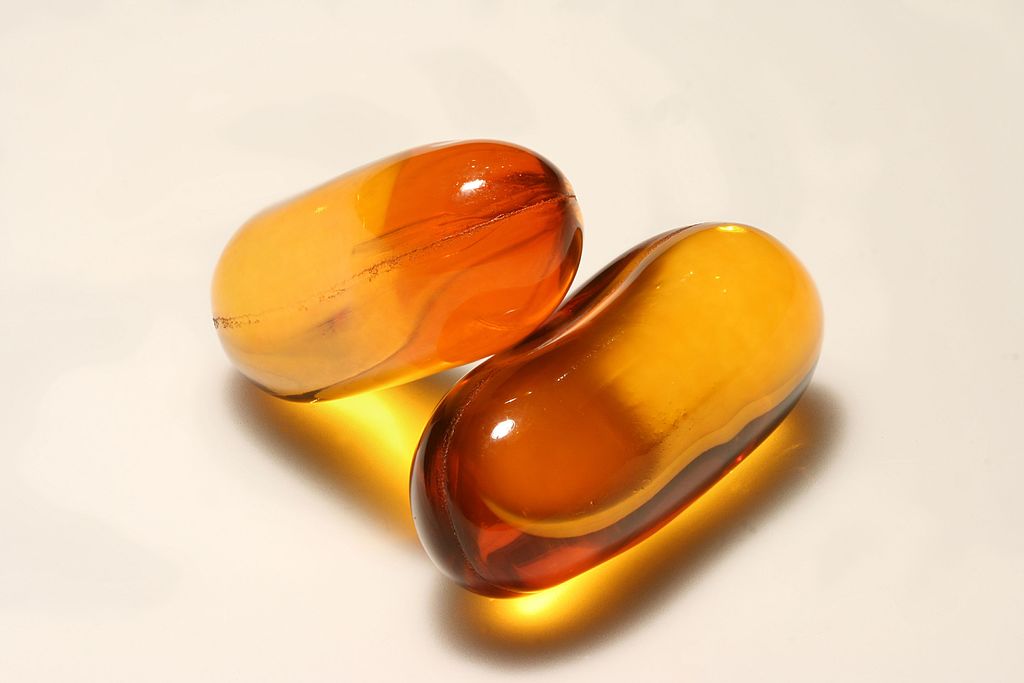
DHA is produced by the algae that cold water fish eat and store in their bodies. It can also be found in fish oil supplements, which are used by more than 30 million Americans.

Previous studies have found that fish oil lowers an inflammatory response associated with autoimmune diseases. Fish oil may also help prevent cardiovascular disease and hypertension, although consuming large amounts of it may increase the risk of internal bleeding or stroke.

DEA Delays Kratom Ban for ‘Modified Comment Process'

By Pat Anson, Editor

The U. S. Drug Enforcement Administration, which refused to allow any kind of public comment on its decision to make the sale and possession of kratom illegal, has reversed course and will now allow a “modified comment process.”

The DEA could have classified two active ingredients in kratom as Schedule I controlled substances on Friday, September 30, but apparently caved in to political pressure to leave the legal status of the herbal supplement unchanged, at least for the time being.

The decision was made public by Wisconsin Rep. Mark Pocan (D), who circulated a letter on Capitol Hill this week urging the DEA to postpone its decision. A bipartisan group of 51 congressmen signed the letter.

“Congressman Mark Pocan had a productive conversation with the acting (DEA) administrator today and learned that the DEA will be not announcing a final decision on kratom today,” Pocan’s office said in a statement released on Twitter.

“It appears the DEA will instead open up a modified comment process before a final decision will be made. While we do not know the exacting timing or details of the new comment period for kratom, Acting Administrator Rosenberg assured Congressman Pocan that we will find out more in the near future.”

No further details were released by Pocan or the DEA, although kratom activists were encouraged by the development.

“The DEA will be releasing a statement in the next few days about opening a public comment period and exactly what that will look like. Obviously we are going to need to flood them with comments!” said Susan Ash, founder of the American Kratom Association in a Facebook post.

“Aside from every single person writing in with their testimonies, we will need to get as many medical professionals (preferably MDs) and scientists to submit comment and testimony as we possibly can to challenge the claims that Kratom is an opiate and that it has no medicinal use.”

As Pain News Network has reported, in recent days it appeared increasingly unlikely the DEA would follow through on its threat to schedule kratom as a controlled substance – alongside heroin, LSD and marijuana – because of growing pressure from the public and Congress.

In an emergency scheduling order published in the Federal Register on August 30, the DEA said kratom, which comes from the leaves of a tree that grows in Southeast Asia, poses “an imminent hazard to public safety” and has been linked to several deaths.

Kratom supporters, however, say the herb is relatively harmless and is very effective at relieving symptoms of chronic pain, anxiety, depression and other medical conditions. Questions were also raised about the process the DEA used in making decision, which gave no public notice and solicited no public comment.

In addition to Pocan’s letter, a dozen U.S. senators have signed letters urging the DEA to delay scheduling kratom and to solicit more public input.

“Congress granted emergency scheduling authority to the DEA based on the need for law enforcement interdiction of new and previously unknown illegal synthetic street drugs that result in injuries and death. The use of this emergency authority for a natural substance is unprecedented,” Utah Sen. Orrin Hatch (R) said a a draft letter to acting DEA administrator Charles Rosenberg.

“Given the long reported history of Kratom use, coupled with the public’s sentiment that it is a safe alternative to prescription opioids, we believe using the regular review process would provide for a much-needed discussion among all stakeholders.”

Sen. Hatch’s involvement in the kratom controversy is important because he is a longtime supporter of the dietary supplement industry. As the powerful chair of the Senate Finance committee, Hatch also plays in a major role in determining the DEA’s budget.

Exactly what the DEA means by a “modified comment process” remains to be seen. The decision is reminiscent of a delay announced by the Centers for Disease Control and Prevention last December, when its draft opioid prescribing guidelines were met with sharp criticism by healthcare advocacy groups, patients and doctors.

The CDC opened a 30-day public comment period and received over 4,000 public comments – most of them opposing the guidelines. But in the end, very few changes were made to the opioid guidelines, which are now being widely adopted by prescribers. Many chronic pain patients say they are now unable to obtain the opioids they were safely prescribed for years.  

Researchers Identify Riskiest NSAIDs

By Pat Anson, Editor

The risk of non-steroidal anti-inflammatory drugs (NSAIDs) contributing to cardiovascular disease has been known for decades. But now we have a better idea which NSAIDs cause the most risk.

A large study published in the British Medical Journal found that use of any NSAID was associated with a 20 percent higher risk of being hospitalized with heart failure. Seven NSAIDs were found to be the riskiest, depending on the dose taken:

  • diclofenac
  • ibuprofen
  • indomethacin
  • ketorolac
  • naproxen
  • nimesulide
  • piroxicam

In addition, two COX 2 inhibitors -- etoricoxib and rofecoxib – were also associated with a higher risk of heart failure.

“Our study, based on real world data on almost 10 million NSAIDs users from four European countries, provides evidence that current use of both COX 2 inhibitors and traditional individual NSAIDs are associated with increased risk of heart failure. Furthermore, the magnitude of the association varies between individual NSAIDs and according to the prescribed dose,” researchers reported.

The risk of heart failure doubled for people taking diclofenac, etoricoxib, indomethacin, piroxicam, or rofecoxib at very high doses. But even medium doses of indomethacin and etoricoxib were associated with increased risk. 

NSAIDs are used to alleviate pain and reduce inflammation, and are found in a wide variety of over-the-counter products – from headache relievers to cold and flu remedies. They are used in so many different products -- such as Advil and Motrin -- that many consumers may not be aware how often they use NSAIDs. 

An editorial in BMJ faulted the study for not going into more detail on the absolute risk between different NSAIDs.

“Information on absolute risks is valuable for clinicians and patients evaluating the balance between benefit and harm of treatment. Low risk patients might accept the small additional risk associated with treatment while higher risk patients might prefer to consider alternative treatments,” said Gunnar Gislason and Christian Torp-Pedersen, who are both professors of cardiology in Denmark.

“In some patients other pain treatments, such as paracetamol (acetaminophen) or a weak opiate, might be a good choice. For patients who do need NSAID treatment, it is important to consider the different risk profiles of the individual drugs. The selective COX 2 inhibitors and diclofenac have repeatedly been associated with higher cardiovascular risk, and therefore it seems prudent to avoid them and consider lower risk naproxen at the lowest effective dose.”

Several previous studies have found that NSAIDs increase the risk of cardiovascular disease and other health problems, but the exact cause has been unclear. A recent study at the University of California, Davis, found that NSAIDs reduced the activity of cardiac cells and led to cell death.

The European Society of Cardiology already recommends limited use of NSAIDs by patients who are at increased risk of heart failure. Those already diagnosed with heart failure should refrain from using NSAIDs completely.

Last year the U.S. Food and Drug Administration ordered warning labels for all NSAIDs to be strengthened to indicate they increase the risk of a fatal heart attack or stroke. The FDA said studies found the risk of serious side effects can occur in the first few weeks of using NSAIDs and could increase the longer people use the drugs. The revised warning does not apply to aspirin.

DEA: No Timetable for Kratom Ban

By Pat Anson, Editor

A spokesman for the U.S. Drug Enforcement Administration says there is no timetable yet for kratom to be formally classified as a Schedule I controlled substance – a move that would make the sale and possession of the herb a felony.

Under an emergency scheduling order published in the Federal Register last month, the DEA could schedule kratom as an illegal drug as early as Friday, September 30. But that appears to be increasingly unlikely.

“I don’t have a timetable. It could be this week, could be in the future, I just don’t know,” DEA spokesman Rusty Payne told Pain News Network.

Since the DEA announced its plans on August 30, online kratom suppliers have hurriedly shipped orders to deplete their inventory and tens of thousands of consumers have stocked up on the herb, which many use to treat chronic pain and other medical conditions.

An unprecedented grassroots lobbying campaign was also launched to get the DEA to reverse or postpone its decision. Over 135,000 people signed a petition asking the Obama administration to stop the DEA, and hundreds of kratom supporters rallied in front of the White House.  

A bipartisan group of congressmen in the House also signed a joint letter asking the agency to delay the scheduling of kratom to allow for public comment.

Now a second letter to the DEA is circulating in the U.S. Senate that calls the scheduling of kratom “unprecedented for a natural substance” and urges a delay.

The letter was drafted by Utah Sen. Orrin Hatch, the powerful chair of the Senate Finance Committee, who has long maintained an interest in supporting the dietary supplement industry.

All of this has apparently made the DEA think twice about scheduling kratom, at least for the time being.

“What we’re hearing from the DEA today is that it’s not going to happen tomorrow (Friday), but that it’s still going to happen,” said Susan Ash, founder of the American Kratom Association, a consumer group that promotes the use of kratom for medical reasons.

“I’m hoping and praying for some kind of negotiation or compromise. But it sounds like the DEA has dug in because they’re trying to save face. The level of calls that they are receiving and the level of complaints there are receiving is nothing like ever before. We are not a bunch a bunch of drugged out people. If we were, we wouldn’t be on the phone to DEA, congress people and our senators pleading with them to step in and get a delay.”

Acting on the advice of the Food and Drug Administration and the Centers for Disease Control and Prevention, the DEA moved to classify kratom as a Schedule I substance – alongside heroin, LSD and marijuana – without any public notice or comment. The DEA maintains that kratom, which comes from the leaves of a tree that grows in Southeast Asia, poses “an imminent hazard to public safety” and has been linked to several deaths.

However, in a survey of over 6,000 kratom consumers by Pain News Network and the American Kratom Association, 98 percent said kratom was not a harmful or dangerous substance and 95% said banning the herb will have a harmful effect on society.  The vast majority said they use the herb in teas and supplements to treat chronic pain, anxiety, depression, addiction or other medical issues. And many say they will continue using kratom even if it is scheduled as a controlled substance.

“We need to be very careful about what we put into Schedule I, especially with limited data. I think that’s a huge mistake,” says John Burke, president of Pharmaceutical Diversion Education, which educates law enforcement and healthcare professionals about prescription drug abuse and diversion.

“What if it’s a legitimate drug that can help people? And now we’re going to make criminals out of them. I just think it’s awfully fast. I would hope that if it is Schedule I that it is given a huge window of research and experimentation. To me, if 6,000 people say it’s helping me, that tells me there’s a promise there and we ought to be exploiting it.”

If and when kratom is turned into a controlled substance, it will fall in line behind a long list of illegal drugs the DEA is already struggling – some would say failing -- to control.

“Our priorities would not change. Anybody that’s in violation of the CSA (Controlled Substance Act) runs the risk of arrest and prosecution,” says DEA spokesman Rusty Payne. “That said, right now our biggest problem is the opioid epidemic; fentanyl, heroin, prescription drugs, fentanyl compounds from China, designer synthetic drugs. That’s the biggest priority right now that we’re dealing with.”

The Importance of Participating in Pain Research

By Barby Ingle, Columnist

Over the years I have participated in many research studies and potential new treatments. One such study was just published in the Journal of Translational Medicine by Drs. Garabed G. Demerjian, Andre Barkhordarian and Francesco Chiappelli.

So many people over the years meet me and soon realize that I have a device called an oral orthotic in my mouth. This “OO” as I lovingly call it has helped me so much, and now there is published research behind what it is doing for me.

Back in 2002 when I developed Reflex Sympathetic Dystrophy, I lost partial vision in my right eye. I saw many eye doctors and ENT (ear, nose and throat) specialists who were unable to pinpoint where the breakdown in the nerves were. They hypothesized that it was due to inflammation from the RSD cutting off a nerve pathway.

Within 30 seconds of putting in the OO, I had my vision back after 10 years of being told that I would never see properly again. My world is now brighter with the OO, literally.

I also had improvement in pain levels affecting my entire body. I have been able to get my infusion therapy minimized to only 1 or 2 boosters a year and get off all daily pain medication. I also have had improvement in my balance, coordination, dystonia, memory and mood. My migraines and headaches are less frequent, and although weather and pressure changes still affect me, it is not to the extent it was prior to my oral orthotic use.

The research doctors and my treating doctor, Garabed Demerjian, approached their study with an individualized approach that they made measurable for each patient who participated. I underwent multiple MRIs, cat-scans, X-rays, synovial fluid testing, psychological testing, and saliva testing.

These tests were done in an effort to quantify the outcome and show the effectiveness of the oral orthotic. I participated in the study in 2015, about three years after getting my OO. I already knew that the tests were going to show amazing results. That is great for the scientific community and for advancing new treatment options.

Traditional research in the health sciences usually involves control and experimental groups of patients, and descriptive and statistical measurements obtained from samples in each group. The research I was part of used a novel model known as translational medicine, which "translates" research into more effective healthcare -- a "bench-to-bedside" approach. This type of research is increasingly becoming more established in modern contemporary medicine.

I often say that each patient is different. Our biological makeup and life experiences mean disease often affects us in different ways – making a one-size-fits-all approach to medicine impractical. Science is seeing this too. It’s becoming more focused on translational research for the ultimate benefit of each individual patient. This is what we need.

I know and understand that being part of a research study is not for everyone. It doesn’t always go as great as it did for me. But stepping up and trying something that can benefit others is very rewarding.

I thank all of the research doctors and scientists who are making a difference in our lives. It can take years of research before they see actual results, and they are not always recognized for their efforts. I find it hard to express the full gratitude they deserve. Thank you to our researchers in the chronic pain community.

Barby Ingle suffers from Reflex Sympathetic Dystrophy (RSD) and endometriosis. Barby is a chronic pain educator, patient advocate, and president of the International Pain Foundation. She is also a motivational speaker and best-selling author on pain topics.

More information about Barby can be found on her website.

The information in this column should not be considered as professional medical advice, diagnosis or treatment. It is for informational purposes only and represents the author’s opinions alone. It does not inherently express or reflect the views, opinions and/or positions of Pain News Network.

An Open Letter to DEA About Banning Kratom

By Rebecca Shanks, Guest columnist

Dear DEA,

Several years ago, I was diagnosed with Ehlers Danlos syndrome and spondylolysis, which in turn caused degenerative disc disease. Like most people, I was prescribed narcotic painkillers.

At first, they prescribed MS Contin. That's a pretty powerful drug for a first time narcotic user, and it made me sick. I took back the pills and handed them to the doctor, who replaced it with methadone.

There still, I couldn't do much except zone out on the couch and sleep. I was lucky if they didn't send me to the restroom vomiting. I got tired of that, and they prescribed Percocet and Vicodin. I was to take the Percocet three times a day, and if I had breakthrough pain, I was to take a Vicodin. 

REBECCA SHANKS

After a while, like so many chronic pain sufferers, I became more than dependent on painkillers, got addicted, and found my life spiraling out of control.

In 2008, I lost everything and everyone. I lost my husband. I lost my children. I lost my home and wound up moving into a hotel room.

Finally, I was approached by my grandfather, God bless his soul, and he had a heart-to-heart talk with me that something had to change. I took his advice with tears in my eyes, and I went to rehab.

After rehab, while I was clean, the pain was becoming unbearable. Tylenol, ibuprofen and other NSAIDs that were given to me in place of narcotics did absolutely nothing.

I was scared. I knew that it would only be a matter of time before I had to go back on the pills and run the risk of addiction yet again.

That's when I met a woman who ran an herb shop and she told me about kratom. I had nothing to lose by trying it, and when I did, I was more than surprised. It worked. My pain was gone and I didn't have any of the horrible side effects of the pills that were pushed down my throat. It truly was a miracle. 

When I was in pain, I would take kratom and a few minutes later would be able to easily go back to whatever it was I was doing. There was no sleeping all day. There was no drunken fog. I have been using kratom for a few years now.  When I don’t take it, on days that my pain is not that bad, I feel nothing more than a headache.

I got my life back. I got my children back. My ex-husband and I are on very good terms, residing in the same vicinity with nary an argument between us. I have even chased the dream of being an author and have already published one book under a pen name, with two more in the works that will be released soon. I am now a productive member of society, and the mother I should have always been.

DEA, if you ban kratom, what will happen to me? Will I have to go back to the pills, run the risk of addiction once again, and be unable to do anything aside from sleep all day, or zone out on the couch? 

Will I have to just suck up the pain? In that scenario, I will still be in bed all day, screaming and crying out of sheer misery, wanting it to end. My children do not need to bear witness to that.

In any of those scenarios, I will no longer be productive, and I see myself winding up on disability, unable to work. I don't want that. The taxpayers don't want that either, not when I am doing so well on my own.

But if I choose the other route, and continue to use kratom, I become a felon. I run the risk of being shipped off to prison, for doing nothing more than trying to manage my pain while still being a productive member of society. 

So what would you have us do, DEA? Which path should I choose? Right now, I'm not sure. All I know is that I am afraid of what will happen to my life and my family should you choose to continue with this ban. 

By banning kratom, you are not hurting the drug addicts that you have a war with. You are hurting every day, productive citizens. You are hurting mothers, fathers, grandparents and other people, who you would never even know took kratom unless they told you. The plant is that mild.

DEA, I beg you to please stop this. You can stop this. Please listen to the people. 

Rebecca Shanks is the mother of two children and lives in Illinois. Under the pen name J. Theberge, she published her first book, Subject Alpha, and is currently working on two other books. When she isn't working, Rebecca is active in her children's education and promoting autism awareness.

Pain News Network invites other readers to share their stories with us.  Send them to:  editor@PainNewsNetwork.org

The information in this column should not be considered as professional medical advice, diagnosis or treatment. It is for informational purposes only and represents the author’s opinions alone. It does not inherently express or reflect the views, opinions and/or positions of Pain News Network.
Is Fibromyalgia Caused by Childhood Trauma?

By Pat Anson, Editor

An article in a peer-reviewed medical journal that promotes a “new way of thinking” about chronic pain – and its possible ties to childhood trauma -- is stirring some controversy in the fibromyalgia community.

In the article, published in The Journal of Family Practice, co-authors Bennet Davis, MD, and Todd Vanderah, PhD,  say there may be “psychological reasons” for chronic pain that is not caused by tissue injuries or damage to the nervous system – what they call a “third type of pain.”

“We hypothesize that this pain may be the consequence of changes in nervous system function that arise from developmental trauma, other traumatic experiences in a patient’s life, or mental health disorders. It is this third type of pain that may offer us insights into conditions such as fibromyalgia,” they wrote

Davis and Vanderah say the third type of pain can be recognized when a patient makes an “emotionally charged presentation” that they are in severe pain when there is no physical evidence of tissue injury or pathology.

Where then does the pain come from? Davis and Vanderah say childhood accidents, trauma and abuse are so emotionally upsetting that they can lead to long-term changes in the central nervous system that amplify pain.

“We believe that these changes lead to a bias toward hyperactivation of emotional pain circuits, which leads to the emotionally laden pain behaviors that often seem out of proportion to tissue pathology,” they said.

“Perhaps this will explain what is happening with some of our patients who complain of pain ‘all over’ and who are often classified as having fibromyalgia.”

Fibromyalgia is a poorly understood disorder that is characterized by deep tissue pain, fatigue, depression, mood swings and insomnia. The exact cause of fibromyalgia is unknown.

Article Called "Dangerous"

Are Davis and Vanderah onto something? Or is their theory simply a new variation of the “it’s all in your head” explanation that many patients get from doctors?

“This article is dangerous,” says Jan Chambers, President of the National Fibromyalgia and Chronic Pain Association. “The slippery slope created by this article for a quick shove-off of patients with fibromyalgia generally to a psychiatrist or psychologist for talk therapy is very concerning.

“Singling out childhood psychological trauma without rigorous research as a ‘third type of pain’ and potential cause of fibromyalgia is dangerous because this could become an easy reason for medical doctors to further dismiss pain patients with challenging treatments from their care or withhold needed medical treatments or prescriptions. Additionally, other medical conditions could go undiagnosed with their symptoms attributed to being a psychological aspect of childhood trauma.”

Chambers says research has found that about 70 percent of people with fibromyalgia have neck pain – and many also have a history of whiplash-type injuries – indicating there is a physical explanation for fibromyalgia.

“When people receive appropriate care and spinal rehabilitation for their cervical spine, their fibromyalgia symptoms significantly reduce,” Chambers said in an email to PNN. “Several prominent fibromyalgia researchers have known this for years but have not convinced medical doctors to recruit chiropractors to help alleviate the suffering of their patients with fibromyalgia who have significant neck or low back pain.”

Another patient advocate disputes the notion that chronic pain is linked to childhood trauma and abuse.

“We would be hard pressed to find anyone who hasn't experienced psychological trauma at some point in their life,” says Celeste Cooper, a retired nurse and fibromyalgia sufferer.

“So, are we to assume they will all have multiple sclerosis, nerve impingement, Ehler's Danlos, CRPS, fibromyalgia, myofascial pain syndrome, Crohn's disease, chronic fatigue, cancer, etc.? Childhood trauma is a horse of a different color and should be left to those who specialize in this type of care. I cannot connect the dots on that one. Mental illness should be addressed by a trained psychiatrist and psychologist, not someone treating adult chronic pain.” 

Davis is a pain management specialist at the Integrative Pain Center of Arizona in Tucson, while Vanderah is a Professor of Pharmacology at the University of Arizona.

Davis said he developed his theory about the connection between childhood trauma and fibromyalgia after listening to thousands of patients’ stories. He believes there is a connection between emotional and physical pain that every doctor needs to understand.

“The nervous system is the connector between tissues and mind/consciousness, and every health provider needs to understand the nervous system to do their job, especially primary care providers,” Davis wrote in an email to PNN. The artificial separation of mind and body represents a paradigm that has led the American health care system to multiple dead ends (including a dead end in understanding fibromyalgia), to misdiagnoses, to unnecessary surgeries and tests, to accusing patients that ‘it’s in your head’ when it most definitely is not, and has contributed to nearly bankrupting our health care system.”

How would Davis and Vanderah evaluate and treat fibromyalgia? If a physical cause of the pain cannot be found, they recommend doctors look for signs of “psychologically traumatic experiences” in patients, and assess them for anxiety and depression.

Recommended treatments include counseling, cognitive behavioral therapy, hypnotherapy, post-traumatic stress disorder therapies and anti-depressant medications such as Cymbalta (duloxetine) and Effexor (venlafaxine). Interestingly, they do not recommend any type of pain medication – either opioids or over-the-counter pain relievers.

“Above all, when you are caring for someone who has pain without clear tissue pathology or who has recognized intensified emotional pain processing, reassure the person that the pain experience is not in his or her head, but rather in his or her nervous system,” they said. “Such discussions go a long way toward helping patients understand their experience, as well as feel validated. And that can lead to improved compliance with therapy going forward.”

The Journal of Family Practice is delivered to nearly 100,000 family physicians, general practitioners and osteopaths in primary care.

Don’t Take Away My Right to Kratom

By Jennifer Sage, Guest columnist

I'm on Day 5 of a withdrawal from all of my pain and anxiety meds at the moment this is written.

I just took my morning kratom about 30 minutes ago, assisted to the kitchen with my cane, and right now I can not only walk without the cane, but have zero effects of withdrawal. A very slight headache in the first few days, on and off, but that's it.

I would like to mention I'm 35, a multiple sclerosis sufferer, and a prescribed pain med patient for 7 years. I took off my fentanyl patch on Day 1. Haven't touched a hydrocodone since Day 1. Haven't taken anything other than a tapering dose of clonazepam every other day due to the deathly dangers of stopping that cold turkey.

This plant is a miracle. I've gone through the worst of withdrawals from meds that I couldn't function on to a happy, peaceful, pain-free existence without the use of any of them.

I'm a single mom, an author of 7 published novels, a finance industry employee, and I suffered immensely every day, some days even with the meds. I have wonderful doctors and I don't believe the healthcare system has let me down because they were doing all they could to keep me as productive as possible.

I took nearly a year off work 2 years ago because the MS was unmanageable. I only wish I had known about kratom sooner.

Am I going to be a felon now because I can't live in pain and I refuse to go back to that madness of life that kept me sick instead of healing me? A felon for taking a leaf that Mother Earth provided to do this very thing?

I understand the need for regulation. Put an age limit on it. Get the junk out of the smoke shops that real users of kratom don’t use. Go into the forums and you'll see that true users of this plant are buying high quality powders that we mix in water or juice and take it like we would our very dangerous pills.

JENNIFER SAGE

My 10-year old daughter just got her mom back. If you need her testimony of what life was like before kratom and after, I'm sure she would be happy to share with you. Kratom doesn't get you high. It's self-regulating. If you take too much (which I haven't, but I hear it can happen), you just get nauseous.

I've had days where I took 80-100 mg of hydrocodone on top of my fentanyl patch and was still in bed crying. I wanted to take 100 mg more just to stop hurting. But THAT would've killed me.

They've urged me to go on oxycodone and other more powerful drugs, but I get deathly ill when I take them. This is my choice. This plant that has no abuse potential, NONE, has in 5 days changed my life.

I will always be dependent on something to ease my pain. I choose kratom to be dependent on so that I can live my days without pain, and without the fog and stress of consistently wondering when my next meds can be taken. I would give my daughter this herb over the toxic pills for children once there's more research. There are no negative effects, but there are thousands of positive ones.

DEA, your war on drugs is with the meth labs and heroin that riddle our streets. Maybe if so much manpower wasn't being spent on this peaceful, harmless plant, a 10-year old girl in New Mexico would still be alive. Meth killed her and her mother. And you're going to put kratom in the same category?

It is our right to have a voice in this country, and you are trying to take ours away. Listen to the stories. We aren't trying to get high. We're trying to live our lives.

Jennifer Sage is an internationally acclaimed fantasy romance author, mother, advocate for healthy living, active hiker and, more recently, a user of kratom. Jennifer’s most recent book is The Last Valkyrie. You can learn more about her by clicking here.

Pain News Network invites other readers to share their stories with us.  Send them to:  editor@PainNewsNetwork.org

The information in this column should not be considered as professional medical advice, diagnosis or treatment. It is for informational purposes only and represents the author’s opinions alone. It does not inherently express or reflect the views, opinions and/or positions of Pain News Network.
Nanoparticles May Help Repair Injured Joints

By Pat Anson, Editor

Injecting an injured joint with nanoparticles – tiny, ultrafine particles so small they are invisible to the naked eye – controls inflammation and may help prevent the development of osteoarthritis, according to a new study.

Researchers at the Washington University School of Medicine in St. Louis found that injecting nanoparticles into the injured joints of laboratory mice reduces inflammation and the destruction of cartilage.

The nanoparticles used are more than 10 times smaller than a red blood cell, which helps them penetrate deeply into tissues.  The nanoparticles carry a peptide derived from a natural protein called melittin that has been modified to enable it to bind to a molecule and interfere with inflammation.

“The nanoparticles are injected directly into the joint, and due to their size, they easily penetrate into the cartilage to enter the injured cells,” said Samuel Wickline, MD, a professor of Biomedical Sciences at Washington University.

“Previously, we’ve delivered nanoparticles through the bloodstream and shown that they inhibit inflammation in a model of rheumatoid arthritis. In this study, they were injected locally into the joint and given a chance to penetrate into the injured cartilage.”

The nanoparticles were injected into the mice soon after an injury to prevent the inflammation and cartilage breakdown that can lead to osteoarthritis.

INFLAMMATORY PROTEIN (GREEN) IN CARTILAGE CELLS. IMAGE COURTESY of UNIVERSITY OF WASHINGTON SCHOOL OF MEDICINE

Whether such a strategy will work in humans years after an injury -- when osteoarthritis is established and there is severe cartilage loss -- still needs to be studied. But the findings suggest that the nanoparticles, if given soon after joint injuries occur, could help maintain cartilage and prevent the progression to osteoarthritis.

“I see a lot of patients with osteoarthritis, and there’s really no treatment,” said senior author Christine Pham, MD, an associate professor of medicine. “We try to treat their symptoms, but even when we inject steroids into an arthritic joint, the drug only remains for up to a few hours, and then it’s cleared. These nanoparticles remain in the joint longer and help prevent cartilage degeneration.”

Osteoarthritis (OA) is a joint disorder that leads to thinning of cartilage and progressive joint damage. Nearly 40 percent of Americans over the age of 45 have some degree of knee OA, and those numbers are expected to grow as the population ages. Frequently, an osteoarthritis patient has suffered an earlier injury — a torn meniscus or ACL injury in the knee. The body naturally responds to joint injuries with inflammation.

“The inflammatory molecule that we’re targeting not only causes problems after an injury, but it’s also responsible for a great deal of inflammation in advanced cases of osteoarthritis,” said Linda Sandell, PhD, a professor of Orthopaedic Surgery and director of Washington University’s Center for Musculoskeletal Research.

“So we think these nanoparticles may be helpful in patients who already have arthritis, and we’re working to develop experiments to test that idea.”

The study findings are published in the Proceedings of the National Academy of Sciences. The study was funded by the National Institute of Arthritis and Musculoskeletal and Skin Diseases; the National Heart, Lung, and Blood Institute; and the National Institute of Diabetes and Digestive and Kidney Diseases of the National Institutes of Health.

Pain Companion: The Stories We Tell Ourselves

By Sarah Anne Shockley, Columnist

Coming to grips with the fact that we’re living in chronic pain can be incredibly challenging and distressing. To help us get through, we tell ourselves stories – reasons, excuses and rationales – to cope with and explain a difficult situation.

That isn’t necessarily a bad thing. But sometimes we get stuck in a particular story which may impede us from getting to the next step or level in healing. Getting stuck in a story can make us think there isn’t really a next anything.

I’ll describe a few of the common stories, not to make anyone feel bad, but to remind us  that there are a variety of ways we can hold our situation in our minds and our emotions, and that some stories may be more useful than others. By knowing there are different perspectives, maybe we will be less apt to get stuck in any one of them.

It’s Only a Flesh Wound

This is often the first story we tell ourselves, sometimes even when we’re in pretty dire straits. It’s extremely hard to accept a severe illness or injury as a reality, and we may feel that if we let that truth in, it’s letting the pain win.

But we can’t stay in denial forever if we want to move on in life. We have to face our situation head on, even if it means accepting the fact that moving forward means we are moving forward with pain for a time. Maybe a long time.

Keep My Seat, I’ll Be Right Back

This is another flavor of denial that we often adopt once we’ve accepted that we’re dealing with more than a flesh wound. We tell ourselves that it may look bad, but it will be over soon. Not a terrible thing to believe, if it helps us get through the day.

On the other hand, if we sit in this story overly long, we may be avoiding some things we really need to deal with: That life has changed, that we need to make some accommodations, and that we may have to look at how pain is affecting our work life and relationships.

We may also be ignoring medical or alternative approaches that could really help us. We’re choosing the story that we’re not going to be doing this for long, so why initiate a long-term pain management protocol?

The Answer is Just Around the Corner

This story is about the belief that there is one miracle cure to find and then everything will be all right. There may be, but when we tell ourselves this tale, we could be missing out on all the little, but important things we can do right now to increase our well-being: like resting, drinking a lot of water, eating healthfully, laughing more, staying as stress free as possible, and staying connected with friends.

There is No Answer

This is the story we tell ourselves when we’re discouraged. When we don’t find an answer after months and years of searching, we might decide that there really isn’t any answer at all for us, and that we are lost in our pain forever.

We might then conclude that we just have to live with the pain in a state of resignation. We lose hope and stop moving toward answers and start to dig in for the long haul.

Pain is Bigger than Me

Another common tale is that pain is bigger than we are. It is so all encompassing, so demanding, and so ever-present that it can begin to feel like it has taken over our whole world.

Yes, it may be everywhere we go right now, but it is not the totality of who we are. Pain is an unpleasant experience we’re having, but it is within our experience of life, and it is not all of life or all of us. We need to be careful not to confuse ourselves with our pain, and to remember to find ways to experience pleasures and joys alongside of it wherever we can.

Sometimes the stories we tell ourselves are the only way to get up in the morning or to make it through the day. But sometimes the story is what’s keeping us stuck. I guess the question to ask is, how is my pain story serving me? Is there something I can change in it that will lead to a greater sense of hope, well-being and renewal? Then we can choose to create a different tale to tell ourselves.

Maybe it becomes the story of how healing isn’t some unknown point in the future, dependent upon one right answer, but what we do every day. It becomes the story of finding ourselves again when we thought we were lost, and the story of allowing our healing to take the time it needs while maintaining a balance between acceptance of our current limitations and positive action toward a less painful future.

It becomes a story that focuses more on where we’re headed than what’s wrong right now. And it’s a story we’re free to modify, enlarge or swap out for a new one as soon as it becomes outdated or restrictive.  

Sarah Anne Shockley suffers from Thoracic Outlet Syndrome, a painful condition that affects the nerves and arteries in the upper chest. Sarah is the author of The Pain Companion: Everyday Wisdom for Living With and Moving Beyond Chronic Pain.

 Sarah also writes for her blog, The Pain Companion.

The information in this column should not be considered as professional medical advice, diagnosis or treatment. It is for informational purposes only and represent the author’s opinions alone. It does not inherently express or reflect the views, opinions and/or positions of Pain News Network.