
What is Opioid Use Disorder?

By Rochelle Odell, Columnist

You’ve probably heard or seen the phrase “Opioid Use Disorder.”  It’s a broad term currently being used to describe not only opioid addiction, but patterns of behavior that might be a sign of addiction or could lead to it.

If that sounds like they’re putting the cart before the horse, it’s because they are.

In order to understand Opioid Use Disorder, one must understand the government's stance on opioids. The National Institute on Drug Abuse – which is part of the National Institutes of Health (NIH) – lays it out in a recently revised statement on the opioid crisis:

“Every day, more than 90 Americans die after overdosing on opioids. The misuse of and addiction to opioids--including prescription pain relievers, heroin and synthetic opioids such as fentanyl--is a serious national crisis that affects public health as well as social and economic welfare."

Notice how they lump prescription pain relievers in with heroin and illicit fentanyl?  The more I research, the more I find this common thread of illogical thinking. The government consistently lumps pain medication in with illicit drugs.

Here’s another example from the NIH: 

“In 2015, more than 33,000 Americans died as a result of an opioid overdose, including prescription opioids, heroin, and illicitly manufactured fentanyl, a powerful synthetic opioid.

That same year, an estimated 2 million people in the United States suffered from substance use disorders related to prescription opioid pain relievers, and 591,000 suffered from a heroin use disorder.”

Substance use disorders “related” to pain relievers? Heroin use disorder? That got me wondering how many drug “disorders” there are.

According to the Substance Abuse and Mental Health Services Administration (SAMSHA), there are six major substance use disorders. Nearly 93,000,000 Americans have a substance use disorder of some kind:

1) Alcohol Use Disorder (AUD): About 17 million Americans have AUD. According to the CDC, alcohol causes 88,000 deaths a year. 

2) Tobacco Use Disorder: Nearly 67 million Americans use tobacco. According to the CDC, cigarette smoking causes more than 480,000 deaths a year.

3) Cannabis Use Disorder: Over 4 million Americans meet the criteria for a substance use disorder based on their marijuana use. No estimate is provided on the number of deaths caused by marijuana, if any.

4) Stimulant Use Disorder:  This covers a wide range of stimulant drugs that are sometimes used to treat obesity, attention deficit hyperactivity and depression. The most commonly abused stimulants are amphetamine, methamphetamine and cocaine. Nearly 2 million Americans have a stimulant use disorder of some kind.

5) Hallucinogen Use Disorder: This covers drugs such as LSD, peyote and other hallucinogens. About 246,000 Americans have a hallucinogen use disorder.

6) Opioid Use Disorder: Again, this covers both illicit opioids and prescription opioids. In 2014, an estimated 1.9 million Americans had an opioid use disorder related to prescription pain relievers and 586,000 had a heroin use disorder (notice the SAMSHA numbers are somewhat different from what the NIH tells us).

But what exactly is Opioid Use Disorder?  Does it mean 2.5 million Americans are addicted to opioids?

No.

The diagnostic codes used to classify mental health disorders were revised in 2013 to cover a whole range of psychiatric symptoms and treatments. Two disorders – “Opioid Dependence” and “Opioid Abuse” -- were combined into one to give us “Opioid Use Disorder.” Few recognized at the time the significance of that change, it's impact on pain patients, or how it would be used to inflate the number of Americans needing addiction treatment.

Elizabeth Hartley, PhD, does a good job explaining what Opioid Use Disorder is in an article for verywell.

Hartley wrote that Opioid Use Disorder can be applied to anyone who uses opioid drugs (legal or illegal) and has at least two of the following symptoms in a 12 month period:

  • Taking more opioids than intended
  • Wanting or trying to control opioid use without success
  • Spending a lot of time obtaining, taking or recovering from the effects of opioids
  • Craving opioids
  • Failing to carry out important roles at home, work or school because of opioid use
  • Continuing to use opioids despite relationship or social problems
  • Giving up or reducing other activities because of opioid use
  • Using opioids even when it is unsafe
  • Knowing that opioids are causing a physical or psychological problem, but using them  anyway
  • Tolerance for opioids.
  • Withdrawal symptoms when opioids are not taken.

The last two criteria will apply to almost every chronic pain patient on a prescription opioid regimen. So might some of the others. Most of us develop a tolerance for opioids, and if they are stopped or greatly reduced, we will experience withdrawal symptoms.  We simply cannot win for losing. 

If you learn your physician has diagnosed you with Opioid Use Disorder, be sure to ask them what criteria were used and why was it selected. Ask if you should see a doctor more knowledgeable about diagnostic codes and psychiatric disorders. 

Remember, knowledge is power. Take this information with you on your next visit to the doctor if you suspect you have been diagnosed with Opioid Use Disorder and your medications have been cut or reduced.

I hope what I have written helps you further understand exactly what we are facing and why. To be honest, it makes me want to wave the white flag, but I know that cannot happen.  We have to fight. Fight for proper care for a chronic disease or condition we didn't ask for or want. We can’t live the rest of our lives in severe, debilitating pain when effective treatment is available.  

Rochelle Odell lives in California. She’s lived for nearly 25 years with Complex Regional Pain Syndrome (CRPS/RSD).

The information in this column should not be considered as professional medical advice, diagnosis or treatment. It is for informational purposes only and represents the author’s opinions alone. It does not inherently express or reflect the views, opinions and/or positions of Pain News Network.
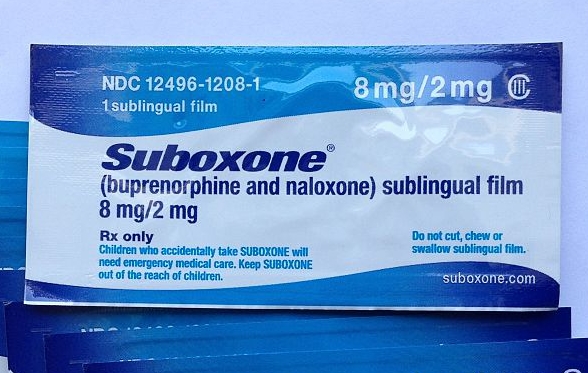
What Makes Buprenorphine Risky for Pain Patients

By Jane Babin, Guest Columnist

Buprenorphine is the darling of the addiction treatment industry, rapidly replacing methadone as the "medication assisted treatment" of choice for opioid use disorder (OUD) and addiction.  

Unlike methadone, which can only be dispensed through an opioid treatment program, buprenorphine can be prescribed in the privacy of a physician's office and filled at a pharmacy.  As a class III controlled substance, prescriptions for buprenorphine can be phoned or faxed in, and scripts can be refilled up to 5 times in 6 months without a new prescription.

Class II controlled substances, like hydrocodone, oxycodone and morphine, require a new prescription each month and can neither be refilled nor phoned in.

The only federal limitations on prescribing buprenorphine for OUD is that a physician must complete mandatory education and treat only a limited number of patients (currently 275). 

Ironically, these restrictions do not apply when buprenorphine is prescribed off-label for pain, leading some physicians and patients to turn to buprenorphine for chronic pain as class II opioids become increasingly harder to get.

Yet without training on buprenorphine’s unique pharmacology and its implications, physicians treating chronic pain may be unaware of the risks it presents. Let me explain why.

Buprenorphine’s Effect on Other Opioids

Buprenorphine is an opioid that acts as an agonist of the mu opioid receptor (MOR), which causes pain relief, just like class II opioids.  It also has side effects similar to other opioids, including tolerance, dependence, abuse potential, constipation, sedation and potentially fatal respiratory depression. 

What distinguishes buprenorphine from other opioids is that it is only a partial MOR agonist (50%).  Thus the effects of buprenorphine -- both pain relief and the undesirable side effects – don’t exceed half that of other, full agonist opioids.

Buprenorphine also has a ceiling of maximum effectiveness that reaches a plateau as the dosage is increased. That ceiling is well below what can be obtained with morphine and other opioids, but the side effects can still lead to death in opioid-naïve patients.  Buprenorphine has a long plasma half life, binds very strongly to MOR, and remains bound for extended periods of time.  Its usefulness in treating OUD is believed to lie in these properties, because it activates MOR sufficiently to curb drug craving, but not enough to elicit the euphoric effects that can lead to addiction. 

When an opioid that has higher analgesic potency, but lower MOR affinity, such as morphine or heroin, is also administered, buprenorphine wins the battle to bind and remains bound to MOR.  It can displace both heroin and naloxone from MOR, but neither can displace buprenorphine.  Naloxone can be effective when co-administered with buprenorphine -- as it is in combination drugs such as Suboxone -- but not after the administration of buprenorphine. 

Buprenorphine is also a kappa opioid receptor antagonist, which is thought to further reduce euphoria and addictive reinforcement. That’s great for patients with OUD, because it helps them resist the temptation to abuse opioids, and dampens or eliminates the euphoric effect of heroin or other opioids should they relapse.  

Increasingly, buprenorphine is being advocated for chronic pain patients.  With no more "proof" of efficacy for treating chronic pain than any other opioid, it has emerged as a less objectionable opioid because it appears safer in the eyes of addiction treatment specialists, such as Dr. Andrew Kolodny, who object to full MOR agonists for chronic pain. 

Yet safety is in the eyes of the beholder.  Despite its decreased abuse potential, buprenorphine can still be abused and cause overdoses because the ceiling effect for respiratory depression does not apply universally, particularly to opioid-naïve patients and children. Buprenorphine has caused the death of at least one child from unintentional exposure. 

Buprenorphine should not be used as the first opioid prescribed for chronic pain.  Because it cannot achieve the full analgesic effects that other opioids can, there is significant risk of buprenorphine leaving pain undertreated or even untreated.  A chronic pain patient on long-term buprenorphine therapy who experiences acute or breakthrough pain may not be able to get relief by taking another opioid.  Even more disturbing is the lack of pain control in patients who need surgery, have an acute injury from trauma or an acute painful medical emergency.

Buprenorphine Injection

Recently Indivior, a spin-off of Reckitt Benckiser Pharmaceuticals (which makes Suboxone), submitted a New Drug Application to the Food and Drug Administration on a subcutaneous injection formulation of buprenorphine. 

A once-a-month injection would be a significant advance for opioid administration because it would significantly reduce the risk of diversion.  A patient could hardly be accused of giving away or selling a drug that is deposited in his body, or of taking an incorrect dose.  

For this reason alone, an opioid depot formulation for a chronic pain patient with monthly administration sounds very appealing.  It might eliminate the need for pain contracts, pill counts, urine drug testing, and other indignations chronic pain patients suffer every day.  Even if another medication was needed for breakthrough pain, and drug testing was deemed necessary, the depot formulation would provide a virtually indisputable level of medication that could serve as an "internal control" for test error.  Detecting the depot med at unexpected levels would alert the prescribing physician to the inaccuracy of the test rather than suggest misuse or abuse.

Nevertheless, buprenorphine is not the right opioid for once-a-month dosing.  In a 2015 paper, lead author Dr. Yury Khelemsky described a horrifying case that illustrates the dangers inherent in daily buprenorphine use.  In this case, a patient with a history of drug addiction who was being treated successfully with Suboxone suffered a broken neck that required emergency surgery.

During the procedure, the anesthetized patient began to move in response to surgical stimulation, i.e., due to pain.  Despite increasing the amount of two anesthetics, Propofol and Reminfentanil, the patient continued to move.  Only after receiving yet another drug (Ketamine) did the patient remain motionless during the delicate procedure.  During a subsequent back surgery following discontinuation of Suboxone and replacement with short-acting opioids, roughly half as much Propofol and Remifentanil provided adequate anesthesia without the addition of Ketamine. 

Khelemsky noted that as little as 8 mg Suboxone (one third of the daily dose the patient was receiving), blocks the activity of hydrocodone for up to five days, and recommended discontinuing buprenorphine at least 72 hours prior to elective surgery.  This is cold comfort to a patient requiring emergency surgery -- which could be anyone.  

An injectable depot formulation of buprenorphine would substantially increase the risk of severe and possibly untreatable pain in an emergency situation, since a depot, once injected, cannot simply be discontinued as a pill would be.  Indeed, surgery may be needed to remove the depot and halt continued administration, while existing amounts of long-acting buprenorphine in plasma may necessitate higher, riskier doses of anesthetic to surgically treat the acute injury -- all while risking inadequate pain treatment.

Inexplicably, the extensive prescribing information on a random sample of buprenorphine products contains no warnings to either patients or prescribers of the risk that pain relief from an acute medical condition, trauma or surgery may be inadequate, or that buprenorphine should be discontinued days or weeks before elective surgery. 

Ironically, one package insert warns that additional analgesia may be required during childbirth, yet it fails to warn of any other situation that may require analgesia, or how analgesia can be accomplished when considering the unique pharmacology of buprenorphine.  

This seems to reflect the mindset of Kolodny and others in the addiction treatment industry, who always seem to minimize the significance of even the most severe pain encountered by an individual when compared to the perceived societal consequences of addiction.  I wonder how many pain patients or addicts would choose such a long-acting opioid if they understood the possibility that their severe acute pain could not be controlled.

The FDA committee tasked with reviewing Indivior’s new drug application is taking public comments.  I urge anyone concerned about this new buprenorphine formulation, and the failure to warn of the possibility of untreatable acute pain when taking any buprenorphine product, to provide comments by clicking here.

Comments can be submitted through October 27, 2017.  If received by October 17, they will be provided to the committee, which is scheduled to meet on October 31.  Comments received after October 17 will be taken into consideration by the FDA. 

Jane Babin, PhD, is a molecular biologist and a biotechnology patent attorney in southern California.

The information in this column should not be considered as professional medical advice, diagnosis or treatment. It is for informational purposes only and represents the author’s opinions alone. It does not inherently express or reflect the views, opinions and/or positions of Pain News Network.

Business Booming for Illegal Online Pharmacies

By Pat Anson, Editor

One of the many unintended consequences of efforts to reduce opioid prescribing is that they may be fueling the growth of illegal online pharmacies.

According to one estimate, as many as 35,000 online pharmacies are in operation worldwide. Over 90 percent are not in compliance with federal and state laws, many do not require a prescription, and about half are selling counterfeit painkillers and other fake medications. About 20 illegal online pharmacies are launched every day.

“There is no sign that this is slowing down,” says Libby Baney, Executive Director of the Alliance for Safe Online Pharmacies (ASOP), an industry supported non-profit.

“You have people (losing) their access to healthcare, not just pain care, but just general care. You have the opioid epidemic. You have the well-intended policy responses to that. All of this has the potential, unintended consequence of sending people to the Internet.

“My biggest fear is that if you limit prescriptions to five days or seven days, or prevent access to medication altogether, and people search.”

Since 2015, counterfeit painkillers and other medications made with illicit fentanyl have killed Americans in at least 16 states, according to a recent report that found the highly dangerous pills have spread from coast to coast.

"A lot of these people are buying it on the street or the Internet," Dr. Karen Gunson, Oregon’s medical examiner, told The Oregonian. "They think they're buying oxycodone or Xanax pills but they don't know what they're getting.''

What pain medications can you buy online? Oxycodone, hydrocodone, Percocet, Vicodin, tramadol and other painkillers can easily be found online, along with other controlled substances that are becoming harder for patients to obtain legally.

“There are thousands of websites that have figured it out and people are using them,” says Baney. “Most of these sites are based offshore. They may be using some U.S. servers, U.S. bank accounts or U.S. domain registrars, but nearly all are offshore. And that creates law enforcement hurdles.”

Last month the Food and Drug Administration announced a crackdown on over 500 online pharmacies that were accused of selling illegal and potentially dangerous medications. Warning letters were sent on September 19, giving the website operators 10 days to stop selling unapproved or misbranded prescription drugs.

Twenty days later, most of them are still online selling the same medications.

In a chat today with “Peter” at one of the websites that received a warning letter, I was told that I could purchase 80mg tablets of oxycodone without a prescription. Another website offered to ship us medications “placed inside baby doll as gift to ensure customer privacy and safe delivery.”

Baney says many of the illegal online pharmacies act as marketing agents for foreign drug suppliers.

“You don’t even need to have your own drug supply,” she said. “All you have to do is join an affiliate network and basically become a third-party marketer for an existing drug network.

“They give you the website template. They have the bank account setup. All you need to do is put up the site and process orders, and you get a cut and they get a cut, and they ship the drugs. It’s a pretty slick deal.”

Baney says it’s relatively easy to tell the difference between a legitimate online pharmacy and an illegal one. The URL’s for websites that end with “.Pharmacy” (not .com or .net) are certified by the National Association of Boards of Pharmacy and are in compliance with laws and practice standards.

You can also visit buysaferx.pharmacy to verify whether a website is legitimate.

The ease and convenience of ordering medications online – as well as the demand and profitability -- haven't gone unnoticed. According to CNBC, Amazon in the next few weeks will decide whether to enter the $560 billion prescription drug market with an online pharmacy of its own.

Why I Keep a Pain Journal

By Barby Ingle, Columnist  

In 2002, I was in what was thought to be a minor car accident. After months of getting worse, noticing new symptoms and doctors telling me it was all in my head, I set out to find answers that made sense for what was happening to me. 

Many of the medical tests that were performed did not show any problems. Even so, my symptoms were still bad and getting worse. I started physical therapy about a month after the accident, which was excruciating and seemed to make things worse.

Flash forward three years, and I found my way to a pain clinic here in Arizona. My doctor took the time to listen to my history and examine me.  The thought of being examined again by a new doctor was frightening. After an hour with me, the doctor said I might have Reflex Sympathetic Dystrophy (RSD), a painful neurological condition. A test later confirmed I had RSD -- as all my signs and symptoms had pointed to for all that time. 

After finding so little information out there about RSD and having so many doctors try to treat me who did not know about it, I realized that I was the one who had to teach my caretakers.

Many doctors who are not connected with a research hospital or university do not have the time to stay up-to-date with the latest information on RSD and other chronic illnesses. RSD does not always respond to treatments that relieve other types of chronic pain. Even among RSD patients, there are different responses to treatment.

The condition affects many aspects of the patient's life in varying degrees. For me, the simple things are the toughest. Activities of daily living, personal grooming, and my social and personal life have all been affected. I was not prepared for a catastrophic injury and lost my professional life during the bad days of RSD. I have had to adjust my daily routine because of the difficulty of performing simple tasks. 

I also learned to participate in very limited leisure activities, as I had to find my tolerance levels and work within them. I used to be very athletic, and loved hiking, biking and dancing. I constantly worked out and trained my body. Now I have a limited exercise regimen.

Because of my pain, falls and blackouts, as well as medication side effects, I am no longer able to drive. I need assistance with shopping, cooking, remembering things and traveling. I am in constant need of assistance, which makes traveling, social activities, personal care and holidays more complicated.

I have difficulty sleeping, lack energy and experience stress in my daily life. All of these help the cycle of pain continue.

Over time, I have found that pre-planning for daily events, activities and trips is not something I should do out of convenience; it is something I have to do to be able to function at even a basic capacity.

When I started a daily journal, I found that prayer, having a low-stress lifestyle, and staying hopeful keeps me in a positive place mentally. It also helps me keep my records organized, allowing for better healthcare. I have learned not to sweat the small stuff, to let go of troubles from the past, and look for ways to better my future. With a good team around you, the same is possible for you.

Like most chronic pain conditions, RSD is an invisible disability, which makes it harder for people to “see” your pain. People often have misconceptions about people with disabilities, so I disclose my condition to anyone who will listen, to let them know that RSD exists, and that early detection and proper treatment are important for RSD patients to have any chance of remission.

The more people I educate, the better the chances will be that someone else with RSD will have it easier. I know what I live, I journal it and I want to help others. Maybe a journal will help you.

Barby Ingle lives with reflex sympathetic dystrophy (RSD), migralepsy and endometriosis. Barby is a chronic pain educator, patient advocate, and president of the International Pain FoundationShe is also a motivational speaker and best-selling author on pain topics.

More information about Barby can be found at her website. 

The information in this column should not be considered as professional medical advice, diagnosis or treatment. It is for informational purposes only and represents the author’s opinions alone. It does not inherently express or reflect the views, opinions and/or positions of Pain News Network.

FDA Approves Extended-Release Lyrica

By Pat Anson, Editor

The U.S. Food and Drug Administration has approved a new extended-release version of Lyrica for the treatment of neuropathic pain. Lyrica CR is designed to be taken once a day, instead of the two or three doses recommended for Lyrica’s original formulation.

“Lyrica CR was developed to offer patients an effective treatment option with the convenience of once-daily dosing,” said James Rusnak, MD, Chief Development Officer in Pfizer’s Global Product Development. “It provides an important option for patients and health care providers managing these often debilitating pain conditions.”

Pfizer said the effectiveness of Lyrica CR was established in a clinical trial of over 800 patients with neuropathic pain. Patients who took Lyrica CR had a 74% reduction in pain, compared to about 55% who took a placebo. The most common side effects of Lyrica CR were dizziness, somnolence, headache, fatigue, peripheral edema, nausea, blurred vision, dry mouth and weight gain.

Lyrica (pregabalin) is one of Pfizer’s top selling drugs, but the company will likely face strong competition from cheaper generic versions of pregabalin when its U.S. patent expires next year.

Pfizer is undoubtedly hoping that current Lyrica users will switch over to the new extended release version, which will have full patent protection for many years to come. The company did not release any information on the cost of the new drug, which is expected to be available in January.

Unlike the original formulation of Lyrica, which is widely prescribed to treat fibromyalgia, Lyrica CR is only approved to treat nerve pain caused by diabetic peripheral neuropathy and postherpetic neuralgia caused by shingles. But that won’t stop doctors from prescribing it off-label to fibromyalgia and other chronic pain conditions.

Pregabalin Under Scrutiny

The extended release version of Lyrica comes at a time when pregabalin is drawing new scrutiny from researchers and doctors who believe the medication is over-prescribed and being abused. Pregabalin belongs to a class of nerve drug known as gabapentinoids, which are increasingly being prescribed as alternatives to opioid pain medication.

 “We believe… that gabapentinoids are being prescribed excessively — partly in response to the opioid epidemic,” Christopher Goodman, MD, and Allan Brett, MD, recently wrote in a commentary published in The New England Journal of Medicine. “We suspect that clinicians who are desperate for alternatives to opioids have lowered their threshold for prescribing gabapentinoids to patients with various types of acute, subacute, and chronic noncancer pain.”

As PNN has reported, the World Health Organization and the FDA are also investigating reports that pregabalin is being abused. Addicts have learned pregabalin enhances the effects of heroin and other opioids.

“Reports indicate that patients are self-administering higher than recommended doses to achieve euphoria, especially patients who have a history of substance abuse, particularly opioids, and psychiatric illness. While effects of excessively high doses are generally non-lethal, gabapentinoids such as pregabalin are increasingly being identified in post-mortem toxicology analyses,” the FDA said in a recent notice published in the Federal Register.

The warning label for Lyrica CR will caution users that the drug can be abused.

“Patients should not drink alcohol while taking Lyrica CR. Patients may have more dizziness and sleepiness if taking Lyrica CR with alcohol, narcotic pain medicines, or medicines for anxiety. Patients who have had a drug or alcohol problem may be more likely to misuse Lyrica CR,” the label warns.

Pregabalin is classified as Schedule V controlled substance in the U.S., which means it has a low potential for abuse.

Report Finds ‘Rush to Judgment’ in Kratom Deaths

By Pat Anson, Editor

Medical examiners in New York and Florida made significant errors when they attributed the recent deaths of two young men to the herbal supplement kratom, according to a new analysis commissioned by the American Kratom Association, a pro-kratom consumer group.

At issue are the sudden deaths of Matthew Dana in upstate New York in August and Christopher Waldron in Hillsborough County, Florida in July. Both men were 27.

A medical examiner listed Waldron’s cause of death as “intoxication by Mitragynine,” one of the active ingredients in kratom. The coroner who performed the autopsy on Dana blamed his death on a hemorrhagic pulmonary edema (blood in the lungs) caused by high levels of kratom.

“In both of these cited cases, the conclusions reported by the coroner and medical examiner citing ‘kratom overdose’ and ‘kratom intoxication’ appear to add to the long list of mistaken, inaccurate, and now discredited reports implicating kratom,” wrote Jane Babin, PhD, a molecular biologist and lawyer.

“These two cases, where it appears there was a rush to judgment to align with a political narrative promoted by the Drug Enforcement Administration on kratom use, undermine the credibility of the search for the actual cause of death for the benefit of the decedent’s family and the public.”

Babin said mitragynine has never been found to cause a pulmonary edema, and the medical examiner erred in not analyzing Dana’s blood for drugs such as anti-anxiety medication or anabolic steroids. Dana was a police sergeant and bodybuilder, who reportedly used steroids as part of his bodybuilding program.

Babin said the medical examiner in Florida also “rushed to judgement” in blaming Waldron’s death on kratom. Two prescription medications used to treat depression and muscle spasms, Citalopram and Cyclobenzaprine, were also found in Waldron’s blood. Labels on both drugs warn they can cause coma or death when taken together. Waldron also had ventricular hypertrophy, an enlarged liver and thyroid disease, which may have contributed to his death, according to Babin’s report.

“What I see here are very troubling indications that these deaths may have been incorrectly attributed to kratom in the face of other causes, including possible anabolic steroid use in one case and contraindicated prescription medication interactions that could kill on their own,” said Karl Ebner, PhD, a toxicologist who reviewed the report.

“These families are owed the best evidence about what happened to their loved ones, not what would appear to be some conclusions that are incompletely supported by the current evidence."

Millions of people use kratom to treat chronic pain, depression, anxiety and addiction. Last year, the DEA attempted to list kratom as a Schedule I controlled substance, which would have made it a felony to possess or sell. The DEA said kratom was linked to several deaths, as well as psychosis, seizures and an increased number of calls to poison control centers  

The DEA suspended its plan after an outcry and lobbying campaign by kratom supporters.

"Last year, the DEA tried to demonize kratom. In 2017, the kratom community finds itself in the same situation all over again,” said David Herman, chair of the American Kratom Association (AKA). “This time, we are being told that two deaths were supposedly the result of kratom use.  Let me be very clear about this:  We do not believe that kratom caused these deaths.  That's what the science tells us.

“Given that there are millions of kratom consumers in the U.S., if this botanical was dangerous it would stand to reason that there would be thousands … or even tens of thousands of deaths … and that is absolutely not the case."

The AKA backed another study last year that found kratom has little potential for abuse and dependence. Most kratom users say the herb has a mild analgesic and stimulative effect, similar to coffee.

‘Opiophobia’ Leaves Millions Dying in Chronic Pain

By Pat Anson, Editor

More than 25 million people – most of them poor and living in developing countries – die each year in severe pain because they have little or no access to morphine and other painkillers, according to a new report.

A special commission created by The Lancet medical journal looked at pain care around the world and found major gaps in the availability of opioid pain medication. While opioid analgesics are relatively available in the United States and Canada, patients in many parts of the world have no access to them. In addition to the 25 million who die in pain, the commission estimated that another 35 million live with chronic pain that is untreated.

“The fact that access to such an inexpensive, essential, and effective intervention is denied to most patients in low-income and middle-income countries and in particular to poor people -- including many poor or otherwise vulnerable people in high-income countries -- is a medical, public health, and moral failing and a travesty of justice,” the Lancet commission found.

"Unlike many other essential health interventions already identified as priorities, the need for palliative care and pain relief has been largely ignored, even for the most vulnerable populations, including children with terminal illnesses and those living through humanitarian crises."

The voluminous report by 61 health experts from 25 countries took three years to prepare. It shared the story of a doctor in India who treated a patient named “Mr S” who suffered crippling pain from lung cancer. The doctor was able to provide him with morphine to relieve his pain, but when Mr S returned the next month, no morphine was available.

“Mr S told us with outward calm, ‘I shall come again next Wednesday. I will bring a piece of rope with me. If the tablets are still not here, I am going to hang myself from that tree.’ He pointed to the window. I believed he meant what he said,” the doctor said.

The commission said there were several barriers that stood in the way of effectively treating pain, including “opiophobia” – prejudice and misinformation about the medical value of opioids.

A prevalent but unwarranted fear of non-medical use and addiction to opioids and opioid-induced side-effects, both among health-care providers and regulators and among patients and their families, has led to insufficient medical use. Unbalanced laws and excessive regulation perpetuate a negative feedback loop of poor access that mainly affects poor people,” the commission said.

“Efforts to prevent non-medical use of internationally controlled substances, such as morphine and other opioid analgesics, have overshadowed and crippled access to opioids for palliative care. These efforts have focused on preventing diversion and non-medical use rather than ensuring access by people with legitimate health needs.”

The commission also blamed the poor state of pain care on a tendency in the medical community to focus on curing and preventing disease, rather than preserving a patient’s quality of life and dignity.  

The report recommends that palliative care be included as part of universal health care coverage and that inexpensive morphine should be available “for any patient with medical need.”

PNN Survey Shows Strong Support for CVS Boycott

By Pat Anson, Editor

There is widespread support for a boycott of CVS for planning to have its pharmacists impose strict limits on the supply and dosage of opioid pain medication, according to a PNN survey of over 2,500 pain patients, caretakers and healthcare providers.

Nine out of ten (93%) said they would support a boycott of the pharmacy chain, which has nearly 10,000 retail locations nationwide.

“I already have to jump through multiple hoops to get my pain medication prescriptions. It is not the place of CVS to monitor or alter my prescriptions. That is my doctor's job,” one patient told us.

“My Rx needs have been determined by my physician and my case history,” another patient wrote. “CVS does not have my history, nor have they been seeing me as a patient. Therefore, they have no business dictating or changing the regimen my physician has set to try to help me control my chronic pain.”

CVS Health announced last month that its pharmacists would only provide a 7-day supply of opioids for acute, short-term pain. CVS will also limit the dose of opioid prescriptions – for both acute and chronic pain -- to no more than 90mg morphine equivalent units (MME). 

The policy begins February 1 and applies to about 90 million customers enrolled in CVS Caremark’s pharmacy benefit management program, which provides pharmacy services to over 2,000 health and insurance plans.

Many of the healthcare providers who responded to the online survey resent the idea of a pharmacist changing a doctor’s prescription or refusing to fill it.

WOULD YOU SUPPORT A BOYCOTT OF CVS?

“It is no one’s business how I prescribe but mine and the patient,” one doctor wrote.

“It is wrong on all levels. As a health care provider I am appalled by it,” said another.

“Pharmacies should not be interfering in doctor patient relationship and treatment. There are more and more rules and regulations, and where does it stop before you have tyranny? Their rule basically will accomplish nothing positive. I would also encourage others to boycott,” a healthcare provider wrote.

CVS Customers Support Boycott

Patients, caretakers and healthcare providers all support a boycott about equally. So did nearly 92 percent of those who identified themselves as current CVS customers.

“Treating patients like they are drug-seeking criminals is just plain cruel. Our lives are hard enough without having to jump through hoops to get even a few minutes of relief. I will never fill another prescription at CVS pharmacy,” one patient wrote.

“I have gone to the local CVS for my scripts for years because they had the best prices,” wrote another patient. “But since I heard about this new policy I refuse to even set foot in a CVS.”

“They (CVS pharmacists) think they are my doctor with rude comments to me and other customers. They are too big for their britches. I am switching to Walgreens,” another patient wrote.

“A boycott will happen whether organized or not. Patients who need more than 90 morphine equivalent mgs will have to take their business elsewhere,” said another patient.

“Boycotting solves nothing. A letter writing campaign or calls to corporate to voice our opinions would be a better way to explain why we disagree with the new policy,” another patient suggested.

There is still a fair amount of confusion about the CVS policy. Many chronic pain patients are worried the 7-day limit on opioids applies to them (it does not) and others believe a pharmacist doesn’t have the legal right to refuse to fill a doctor’s prescription (they do).  

CVS says “the prescriber can request an exception” if a patient needs a larger dose or more than a 7-day supply, but hasn’t released details on how that would work or how long it would take.

The pharmacy chain says its opioid policy is designed to “give greater weight” to the Centers for Disease Control and Prevention's opioid guideline, which discourages primary care physicians from prescribing opioids for chronic pain. But the CVS policy actually goes far beyond the voluntary recommendations of the CDC, making them mandatory for all physicians and for all types of pain.  

As PNN has reported, preventing abuse and addiction may not be the only reason behind CVS’ decision. In recent years, the company has been fined hundreds of millions of dollars for violations of the Controlled Substances Act and other transgressions, many of them involving opioid medication.

“Corporate self-interest is impetus for this policy. This CVS ploy is to avoid further scrutiny by the DEA and avoid additional monetary penalties,” one patient wrote.

“Money and bad press is the only thing that large companies like CVS pay attention to. Until the leadership and major investors feel some considerable financial pain themselves, they will continue to make or support decisions that hurt and endanger the lives of people in pain,” said another.

U.S. Pain Foundation Endorses 7 Day Limit

CVS is not the first pharmacy to adopt policies that limit the dispensing of opioids, but it is the first major chain to set a 7-day limit on opioids for acute pain. Several states have already adopted laws that limit new prescriptions to a few days' supply. The Pharmaceutical Research and Manufacturers of America (PhRMA), an industry trade group,  recently announced its support for a 7-day limit, as did a patient advocacy group.

“We are on board with limiting new prescriptions for acute pain, but we do believe there should be a specific, written exemption for chronic pain, palliative pain, and cancer pain in order to ensure they are protected,” said Paul Gileno, founder and president of the U.S. Pain Foundation, which lists CVS Health and PhRMA as corporate sponsors on its website.

“A number of states, including Massachusetts, have adopted laws limiting first-time opioid prescription to seven days, and this part of the new CVS policy is consistent with these restrictions” said Cindy Steinberg, U.S. Pain’s national director of Policy and Advocacy. “We are in agreement with this limit for new, acute conditions; however instituting dosage limits for all patients is troubling.”

Not all of the comments in our survey were negative about CVS. Some patients expressed appreciation for CVS pharmacists who helped them save money with discounts or by suggesting cheaper medications. Others are happy to see any kind of action aimed at reducing opioid addiction. 

“It may anger some, but there is a major opioid problem in my area and sometimes it takes making a bold decision to create change, even at the risk of losing customers,” wrote one patient. “Notice nobody complains about CVS not selling cigarettes. They have lost billions in revenues since, but it was for the greater good of peoples’ health.” 

One healthcare provider is worried what will happen when her patients can’t get the pain medication they need.

“When that happens, we as providers become part of the problem because these patients will go to the street for help. They will do anything to get pain relief - not to get high. I won't boycott them but I think they ought to rethink what they are doing and the impact it will have,” she wrote.

“I have children with horrific chronic pain issues and other children who have had addiction issues that were not started with pain meds. I know both sides of this issue.”

Sessions Seeks to End Protection for Medical Marijuana

By Ellen Lenox Smith, Columnist

If you’re one of the millions of Americans who uses medical marijuana, you need to be aware of something going on in Congress that could affect your legal right to use cannabis.  

A few months ago, Attorney General Jeff Sessions wrote a letter to congressional leaders urging them to ditch an amendment that effectively prevents the Department of Justice from investigating or prosecuting cannabis users or sellers in states where medical marijuana is legal.

The Rohrabacher-Farr amendment first became law in 2014. It forbids the Justice Department from using any funds to prevent states from “implementing their own State laws that authorize the use, distribution, possession, or cultivation of medical marijuana.” Last year the Ninth Circuit Court of Appeals ruled that the provision protects marijuana growers, patients and dispensaries who are complying with medical marijuana laws in 29 states and the District of Columbia.

Those of us involved in our own state's medical marijuana programs felt safe and legally protected – until the Attorney General wrote his letter.

ATTORNEY GENERAL JEFF SESSIONS

Although the amendment has been attached to spending bills for years, Sessions wants to make sure it’s not in appropriations legislation for 2018. He stated in his letter that the court ruling gives dangerous criminals a loophole to protect themselves from prosecution. 

Sessions says the country is “in the midst of an historic drug epidemic and potentially long-term uptick in violent crime,” and the Justice Department “must be in a position to use all laws available to combat the transnational drug organizations and dangerous drug traffickers who threaten American lives.” 

Sessions appears to be deliberately equating medical marijuana use with the so-called opioid epidemic. But an emerging tide of research indicates otherwise. Opioid overdoses have actually declined in states where marijuana is legal and many pain patients prefer cannabis over opioid medication.

John Hudak of the Brookings Institution called Session’s letter a "scare tactic” that just might work. He told The Washington Post that Sessions "could appeal to rank-and-file members or to committee chairs in Congress in ways that could threaten the future of this Amendment."

So far Session’s arguments haven’t gained much traction in the U.S. Senate. In July, the Senate Appropriations Committee voted to keep the Rohrabacher–Farr  amendment in the appropriations bill for 2018.

“The federal government can't investigate everything and shouldn’t, and I don’t want them pursuing medical marijuana patients who are following state law,” Vermont Sen. Patrick Leahy (D) told The Hill. “We have more important things for the Department of Justice to do than tracking down doctors or epileptics using medical marijuana legally in their state."

But the Senate and House must work out a compromise, and it’s unclear how the House will vote. Last month the House Committee on Rules voted to remove the amendment from the House appropriations bill after Republican leaders said it was too “divisive.”

In the past, there has been broad bipartisan support for the amendment in Congress. One of its sponsors, California Rep. Dana Rohrabacher, is a conservative Republican who has long supported marijuana legalization. Without his amendment, Rohrabacher says Congress would be undermining the rights of states to make their own laws.

“The status quo for four years has been the federal government will not interfere because the Department of Justice is not permitted to use its resources to supersede a state that has legalized the medical use of marijuana,” Rohrabacher told his colleagues.

Many Americans agree. Support for medical marijuana is at an all-time high, reaching as much as 94 percent in one poll. 

Where do you stand? Where does your congressman? Should medical marijuana be protected from federal prosecution in states where it is legal?

I, for one, depend on cannabis for life. And will do all I can to let my voice be heard.

Ellen Lenox Smith lives with Ehlers Danlos syndrome and sarcoidosis. Ellen and her husband Stuart are co-directors for medical marijuana advocacy for the U.S. Pain Foundation and serve as board members for the Rhode Island Patient Advocacy Coalition.

For more information about medical marijuana, visit their website.

The information in this column should not be considered as professional medical advice, diagnosis or treatment. It is for informational purposes only and represents the author’s opinions alone. It does not inherently express or reflect the views, opinions and/or positions of Pain News Network.

What Are the Odds of Failing a Drug Test?

By Roger Chriss, Columnist

What are the odds that a person who tests positive for an illicit drug is actually using that drug?

That is a vital question in pain management and the opioid crisis, because millions of pain patients undergo drug tests regularly and some are falsely accused of failing them. The answer is not just a matter of looking at the accuracy of the test.

In a simple situation, like a toss of a coin or a roll of a die, computing the probability of an outcome is elementary. Most people realize that a toss of a coin has an equal chance of coming up heads or tails.

But drug testing is not as simple. It is an example of conditional probability. A drug test that is 95% accurate will not find drug users 95% of the time. That is because the test is applied to both drug users and non-users. We have to use a calculation known as Bayes’ Theorem to determine the real probabilities.

Bayes’ Theorem calculates the probability of one event happening given that another event has already happened. In terms of drug testing, this means the probability that a randomly selected person who has a positive test did in fact use that drug.

To perform the calculations, we need to know two things:

  1. The accuracy of the drug test
  2. The “base rate” at which drug use occurs in the population at large.

The accuracy of drug tests varies widely. A 2010 study estimated that drug tests generally produce false-positive results in 5% to 10% of cases and false negatives in 10% to 15% of cases.

Data on the base rate of drug use also varies. The CDC claims as many as 25% of chronic pain patients develop signs of opioid use disorder. However, a Cochrane review found addiction in less than 2% of long-term opioid users.

This gives us four general scenarios to consider when estimating the probability that a chronic pain patient with a positive test result is actually misusing opioids:

Scenario I (25% base rate; 95% accurate drug test):  90%
Scenario II (25% base rate; 90% accurate drug test): 83%
Scenario III (2% base rate; 95% accurate drug test):  29%
Scenario IV (2% base rate; 90% accurate drug test):  17%

With a high base rate of opioid misuse and a more accurate test, the probability is high at 90 percent. On the other hand, as the base rate falls and test accuracy decreases, the probability drops significantly, down to 17 percent. This means that the probability of a person getting a false positive result increases.

The Base Rate Fallacy

Bayes’ Theorem clearly shows that the base rate of drug use has a large effect on the probability that a person will get a false test result. Because clinical decisions and healthcare policy are often based on the results of such tests, knowing the probabilities is vitally important.

The base rate fallacy occurs when a decision is made without taking the real base rate into consideration. As shown above, the upper value of 25% is more than 10 times the lower value of 2 percent, indicating a high degree of uncertainty in the base rate.

Moreover, the base rate is not the same in all locations or across all populations. Drug abuse is known to be higher in some places and among some age groups. The accuracy of drug tests also represents an average, but factors such as biochemical individuality and testing conditions may influence actual performance.

Further, drug testing is not an entirely random process. For instance, prior to prescribing opioid medication, a doctor may perform a risk assessment using an Opioid Risk Tool. A doctor may also have hints that a patient is abusing opioids to motivate testing. In either case, randomness is lost and the base rate shifts.

Conditional probability produces counter-intuitive results, with a high degree of dependence on the base rate -- itself a number that requires constant attention.

The bottom line is that drug testing alone is not foolproof. Clinical judgment by experienced physicians, combined with information such as pharmacy data, pill counts and medical records, will always get better odds than drug testing alone.

Roger Chriss lives with Ehlers Danlos syndrome and is a proud member of the Ehlers-Danlos Society.

Roger is a technical consultant in Washington state, where he specializes in mathematics and research.

The information in this column should not be considered as professional medical advice, diagnosis or treatment. It is for informational purposes only and represents the author’s opinions alone. It does not inherently express or reflect the views, opinions and/or positions of Pain News Network.

Kratom Non-Profit Seeks Missing Financial Records

By Pat Anson, Editor

A widening rift in the kratom community erupted into a virtual earthquake today with the release of a statement by the American Kratom Association that accuses its founder and former chair of financial improprieties.

Susan Ash called the allegations against her “defamation” and suggested she would take legal action against the organization that she created.

Ash founded the American Kratom Association (AKA) in 2014 and played a prominent role in its successful campaign last year to prevent the Drug Enforcement Administration from listing kratom as a controlled substance. She resigned as chair in May after complaints arose about her management of the AKA, a non-profit that has grown considerably in size and funding in the past year.

“I regret to say that even during our biggest successes, I have heard ill-informed and malicious sniping about AKA and me," Ash said at the time. “I am an organizer and a front-line campaigner and that is where I need to be for kratom. I am stepping down from the AKA board effective immediately to concentrate more on those efforts.”

SUSAN ASH

Ash remained as national spokesperson for the AKA, but was suspended after an internal audit of the organization’s financial records.

“The preliminary financial review identified significant discrepancies and missing records in financial documentation for compensation and expense reimbursements paid to Ms. Ash over a significant time period. Several of the expenditures are substantial, and have raised significant questions as to whether they were appropriate for reimbursement from donor funds,” the AKA said in its statement.

“A formal request was made to Ms. Ash to provide receipts and justifications for expenses to allow for the financial review to be completed, but Ms. Ash has been unwilling and/or unable to provide the necessary receipts and records to justify these expenditures.”

The statement also said Ash refused to relinquish control of the AKA’s bank and PayPal accounts. Current AKA chairman Dave Herman told PNN the organization has “no idea how much money" is in those accounts and no longer has access to them.  It has since established new accounts. 

“The statement that the American Kratom Association put out about me today is defamation. That is the only comment I will make about it, as this matter is in the hands of lawyers,” Ash said in a statement on her Facebook page.

Ash worked tirelessly to promote the safe use of kratom, which she used to control her opioid addiction. Millions of others have found the herbal supplement effective in treating chronic pain, depression, anxiety and addiction.

Listing kratom as a Schedule I controlled substance, alongside heroin and LSD, would have made it a felony to possess or distribute. The DEA suspended its plan to list kratom after a very effective public relations and lobbying campaign by Ash and the AKA.

“I've never fought a harder, more public battle -- not just because of the terrible odds against us, but because this one opened up my private life, including my very personal struggles with addiction, to the world,” Ash wrote in a Facebook post last August.

“I wasn't prepared to be the poster child, or to have admirers, or to have haters, but I believed with every fiber of my being that kratom is safe and can change and save lives including my own, so this battle was worth it.”

The AKA’s political success led to an infusion of over $800,000 in donations last year, according to Herman, who says Ash was being paid over $5,000 a month when she resigned as chair.  Until this year she was paid only a small stipend.

Herman said Ash has ignored repeated requests to turn over receipts and other financial records, and has continued to “interfere” with the AKA. He told PNN the board preferred to keep the estrangement with Ash a private matter, but felt it had no choice but to go public.

susan ash at 2016 rally at white house

“I didn’t want to try this in the court of public opinion,” Herman said. “What I want to have happen, with all my heart, is for her to pony up the receipts, go quietly her way and let us go quietly our way with no disparagement of any kind. There’s no desire to do this. I fought hard to not do this. But when you’re given no choice, you got to go.”   

A Pained Life: It Never Hurts to Ask

By Carol Levy, Columnist

Recently a documentary was released on Netflix about Lady Gaga.  A part of her story is that she has fibromyalgia. 

I have not seen the film, but understand she devotes a little time to detailing and showing how she deals with chronic pain, both physicially and emotionally. Articles and posts abound in chronic pain social media about the film and Lady Gaga's pain.

The odd thing is many of the writers start by complaining that people don’t understand their pain, why they have to take drugs, and why they can't do many things that seem so easy to everyone else. 

Then, strangely, they do exactly what they complain happens to them.  They express doubts about Lady Gaga’s diagnosis, wonder if she is malingering, and say she can't really have fibro because her level of suffering and disability is not the same as theirs.

It seems we in the chronic pain community want to have our cake and eat it, too.  We want to have the discussion about chronic pain made public. We want awareness. But the awareness has to be exactly the way we want it or we don't want it at all

SCENE FROM "GAGA: FIVE FOOT TWO"

Many in the pain community express feelings that anything in the public eye that even hints of chronic pain should be about the person's struggles and life interruptions caused by pain.  Lady Gaga is a case in point. 

“She didn’t talk enough about fibro,” writes one person, others echoing the sentiment. “I thought from all the hype I heard it was going to be about that.” 

It would have been terrific if Lady Gaga had devoted more time to her disease and its effects on her life, but then that really was not the point of the documentary.

“Some of the film may actually be hurtful to some of us, as it shows her being able to do very physical things that are often beyond many of us as we struggle with the pain. If you have watched her perform she is not a sedentary singer,” wrote one poster on social media.  

Maybe it is worth asking her. Could you do something more, maybe another film or even just a commercial, that would bring needed attention to chronic pain and its effects on our lives?  

Last month was Pain Awareness Month, and it went by with almost no awareness or notice at all.  Lady Gaga might be the awareness hook that we need.

But we need to stop lamenting, hoping and complaining that no one is doing enough.  It is past time to take the bull by the horns.  We have to do it ourselves.  As they say, if not now, when? If not us, who?

And who knows? If someone or a bunch of someones ask Lady Gaga or another celebrity to be our voice, they might actually respond. If we don't ask, we’ll never know if they want to help the pain community.

The worst they can say is no.  And maybe, just maybe, we can get a “Yes.”

Carol Jay Levy has lived with trigeminal neuralgia, a chronic facial pain disorder, for over 30 years. She is the author of “A Pained Life, A Chronic Pain Journey.” 

Carol is the moderator of the Facebook support group “Women in Pain Awareness.” Her blog “The Pained Life” can be found here.

The information in this column should not be considered as professional medical advice, diagnosis or treatment. It is for informational purposes only and represent the author’s opinions alone. It does not inherently express or reflect the views, opinions and/or positions of Pain News Network.

9 Holistic Approaches to Relieve Joint Pain

By Nicole Noel, Guest Columnist

Whatever your ailment may be, holistic medicine has an answer.

A therapeutic method that dates back to early civilizations, holistic medicine takes into account the mind, body, emotions and spirit -- with the aim of helping patients achieve or restore proper balance in life and prevent or heal a range of conditions, including musculoskeletal pain. Holistic treatments offer a ray of hope for many patients suffering from arthritis, osteoporosis, fibromyalgia and other conditions that cause joint pain.

Not all alternative medicine is created equal, and some natural healing methods will produce better and quicker results. If you want to treat arthritis and other joint aches with holistic treatments, here are a few natural pain relievers you can try.

1. Tai Chi

A low-impact activity that can increase range of motion and strengthen joints and surrounding muscle tissue, tai chi is an ancient physical and spiritual practice that can help arthritis patients soldier through their pain.

According to a 2013 study, tai chi can relieve pain, stiffness, and other side-effects of osteoarthritis. In addition to pain relief, tai chi can help improve range of motion and alleviate joint pain for people living with fibromyalgia and rheumatoid arthritis.

2. Yoga

Another ancient technique which promotes natural healing, yoga is perfect for individuals suffering from lower back and joint pain. Gentle stretches and poses opening the joints can help prevent and alleviate chronic soreness in the shoulders, hips, and knees.

A form of yoga called mudras utilizes a series of hand gestures to increase energy, and improve mood and concentration.

3. Massage

An invigorating massage with warm essential oil can help many conditions, and joint pain is one of them.

By enhancing blood flow, relaxing the muscle tissue and soothing inflammation, a well-timed massage can ease joint stiffness and increase range of motion in individuals suffering from arthritis, fibromyalgia, and osteoporosis.

4. Acupuncture

A 2013 review of medical studies has shown that acupuncture can help relieve musculoskeletal pain caused by fibromyalgia. By activating the body’s natural pain relief system and stimulating the nerves, muscles and connective tissue, acupuncture can relieve joint aches for people who are resistant to other holistic pain relief techniques.

A 2010 study found that acupuncture can also be a beneficial for peripheral joint osteoarthritis.

5. Diet Changes

An apple a day may or may not keep the doctor away, but a custom-tailored diet can help you with joint pain. Nutritional tweaks can begin with increased intake of chondroitin sulfate, glucosamine, and Omega 3 fatty acids, which can reduce joint pain in arthritis and osteoporosis patients.

To ease joint problems, your pantry should be stocked with foods that promote healing and reduce inflammation, such as onions, carrots, and flaxseed. Herbs and spices such as turmeric (curcumin) and cayenne pepper can also help with pain relief.

6. Aromatherapy

If you think pain relief can’t smell good, you’re mistaken. Studies have shown that peppermint and eucalyptus oil can reduce swelling, pain and discomfort in patients with inflamed joints. For joint soreness and stiffness caused by arthritis, aromatherapy experts recommend regular application of myrrh, turmeric, orange, or frankincense oil to ease inflammation and pain, and to increase range of motion.

You can also combine aromatherapy with heat and cold treatments.  Be sure to keep the tender joints elevated during treatment to reduce swelling.

7. Spa Treatments

Few things can beat the appeal of a full-scale spa experience. If you’re suffering from knee, hip, shoulder or elbow pain and other holistic methods haven’t helped, try balneotherapy, which combines aqua massage with deep soaks in heated mineral water and medicinal mud baths.

One study found that balneotherapy significantly reduced knee and back pain in older adults.

8. Aquatic Sports

If you don’t want to immerse yourself in mud, you can supplement your holistic pain therapy with water aerobics, swimming, aqua jogging or aqua spinning. According to a 2014 study, water exercises can ease pain and improve joint function for osteoarthritis patients.

Additionally, a 2015 study found that aquatic circuit training can help relieve knee pain in cases of progressed osteoarthritis.

9. Capsaicin cream

Another natural treatment for joint pain and stiffness is homemade capsaicin cream, which can help reduce swelling and increase range of motion. To stay on the safe side, you should be careful when handling hot peppers when preparing the cream, and avoid using it on sensitive and damaged skin.

As our bodies age, joint pain can become a chronic. If you don’t want to take your chances with conventional pharmaceuticals, you can always turn to holistic medicine for answers and help. When musculoskeletal pain hits home, one or more of these holistic treatments can help.

Nicole Noel is a lifestyle blogger who is passionate about yoga and healthy living. She enjoys sharing her experiences and ideas on how to lead a happy and healthy life. If you want to read more from Nicole, you can find her on Twitter and Facebook.

The information in this column should not be considered as professional medical advice, diagnosis or treatment. It is for informational purposes only and represent the author’s opinions alone. It does not inherently express or reflect the views, opinions and/or positions of Pain News Network.

Unlikely Partners in Pain App Study

By Pat Anson, Editor

Purdue Pharma and a Pennsylvania-based healthcare provider have announced the enrollment of their first patient in a joint study of wearable health technology. As many as 240 people will eventually be enrolled in the two-year study, which is designed to see if “wearables” can help manage chronic pain.

It’s an unlikely partnership between Purdue Pharma, which faces multiple lawsuits over its promotion of the painkiller OxyContin, and the Geisinger Health System, which is actively trying to discourage the use of opioid pain medication. Geisinger provides healthcare to over 3 million people in Pennsylvania and New Jersey.

Geisinger patients enrolled in the study will get an Apple Watch and iPhone equipped with pain apps that will measure their physical activity, self-reported pain, disability, sleep quality, depression, medication use and heart rate.

Patients who report pain will be prompted to try non-pharmaceutical alternative therapies, such as stretching, mindfulness and thermotherapy.

“The goal of this technology is to improve patient function and quality of life while reducing the need for analgesic medications. It provides objective measures of numerous aspects of pain, function and treatment effectiveness so that information can be gathered for the patient and the healthcare provider in between visits,” said Dr. Tracy Mayne, who heads Medical Affairs Strategic Research at Purdue Pharma.

“We are pleased to partner with Geisinger on this important initiative and believe real-time data may have the potential to support an improved understanding of chronic pain patients’ experiences and needs.”

The study's primary goals are to assess whether the use of wearables can reduce pain, depression, medication use, and healthcare costs.

“We are incorporating advanced technology into the traditional healthcare setting to redirect and empower the patient to take more control of their own well-being. The proposed multi-level integrated platform will facilitate and accelerate the speed of communication between the patient and healthcare providers, thereby allowing quicker patient access to appropriate care,” said John Han, MD, director of Pain Medicine at Geisinger.

“Furthermore, it is hoped providing more education as well as alternative, non-opioid treatment options and coaching to promote a long-term sustainable healthy lifestyle will improve patient function and quality of life.”

Further details about the study can be found here.

The study comes as Purdue fights a seemingly endless series of court battles with state and local governments over its marketing of OxyContin over a decade ago. Critics contend the overprescribing and abuse of OxyContin helped launch the overdose crisis.

A recent study by Geisinger found that opioids are ineffective in treating chronic pain and increase the risk of overdose and death.

"Opioids are not the answer," said Mellar Davis, MD, a palliative care physician for Geisinger. "Chronic pain rehabilitation, exercise, cognitive behavioral therapies, acupuncture, yoga or tai chi are all better options than opioids."

Cigna Won’t Pay for OxyContin in 2018

By John Burke, Guest Columnist

A major health insurance company -- Cigna -- announced this week that they it is removing OxyContin from its list of approved medications and replacing it with another extended release oxycodone product.

“Our focus is on helping customers get the most value from their medications — this means obtaining effective pain relief while also guarding against opioid misuse," said Jon Maesner, Cigna's chief pharmacy officer.

OxyContin is the only opioid-based prescription painkiller that Cigna is removing in 2018 as "a preferred option" from its formulary, a list of medications that its health plans will pay for.

On the surface, this declaration might appear to be a great stride toward reducing prescription drug abuse. Cigna is replacing OxyContin with Collegium’s product, Xtampza ER, which is also an abuse deterrent extended release oxycodone product. 

My problem with this announcement is that OxyContin, along with the other abuse deterrent formulations (ADFs), have very little abuse issues. OxyContin certainly did up until its reformulation in August 2010, but that was over 7 years ago! Since then, there is much documentation from a variety of sources that show the diversion of OxyContin has fallen extensively.

Xtampa ER and the other abuse deterrent formulations also have little to no abuse issues since they have been on the market. 

If Cigna wants to change drugs, that’s likely a financial decision and one they should make, but please don’t tout your move as striking a blow for reducing drug diversion.

It will do nothing to reduce drug diversion, since the clear majority of diversion falls into the immediate release opioids, primarily oxycodone and hydrocodone. 

What is even more concerning to me is the vilifying of any drug that hundreds of thousands of legitimate pain patients take to live a semblance of a normal life, especially when that drug does not have a recent history of abuse and diversion. It also tends to make suspect any and all abuse deterrent products, which is deceptive at best. 

One thing the abuse deterrent formulations have done is to help narrow their focus to legitimate pain patients. Those seeking to get “high” moved to immediate release opioids or black market heroin/fentanyl combinations, not the ADF products. That’s why the FDA is now considering requiring companies that produce generic opioids to develop ADF properties for their drugs. 

No matter what Cigna declares, the bottom line is that ADF’s have been successful. They are not an end all to diversion and abuse, but they do help pain patients get easier access to pain medication. I am hoping that is everybody’s ultimate goal. 

John Burke recently retired after nearly 50 years in drug and law enforcement in southwestern Ohio.

John is a former president of the National Association of Drug Diversion Investigators and current president of the International Health Facility Diversion Association.

The information in this column should not be considered as professional medical advice, diagnosis or treatment. It is for informational purposes only and represent the author’s opinions alone. It does not inherently express or reflect the views, opinions and/or positions of Pain News Network.