Vegan Diet Reduces Neuropathy Pain

By Pat Anson, Editor

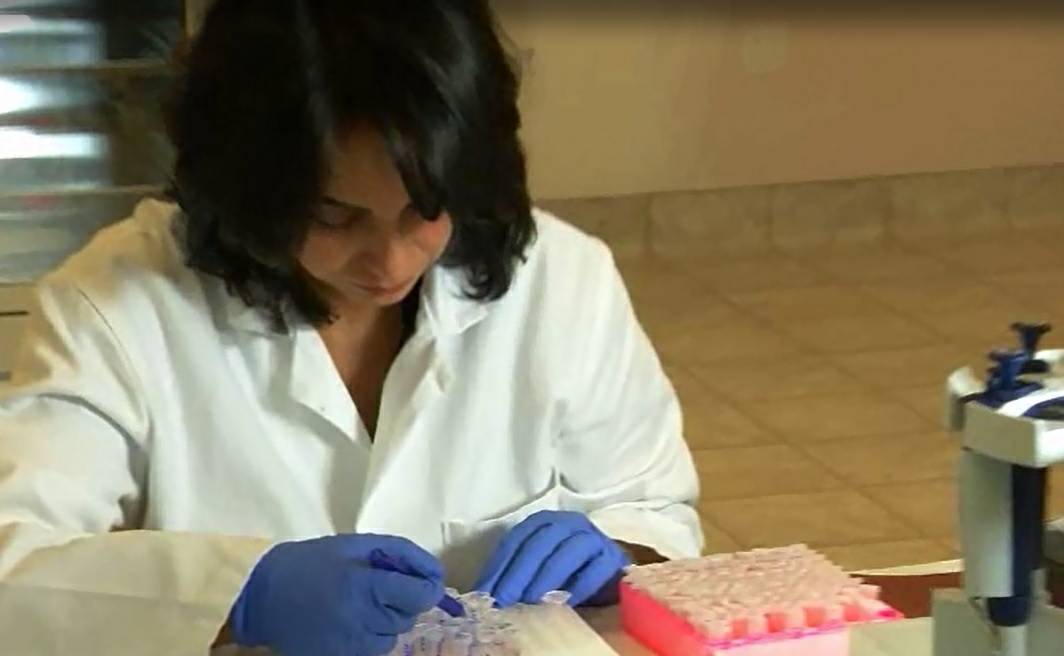
A vegetarian diet coupled with a daily vitamin B12 supplement significantly reduced pain and improved the quality of life of people with diabetic neuropathy, according to the findings of a small study published in Nutrition & Diabetes. Participants also lost an average of 14 pounds.

Nearly 26 million people in the United States have diabetes and about half have some form of neuropathy, according to the American Diabetes Association.  Diabetic peripheral neuropathy causes nerves to send out abnormal signals. Patients feel burning, tingling or prickling sensations in their toes, feet, legs, hands and arms.

Many drugs used to treat neuropathic pain, such as Neurontin and Lyrica, often don’t work or have unpleasant side effects.

Researchers at California State University, East Bay, and the George Washington University School of Medicine put 17 adults on a low-fat vegan diet that focused on vegetables, fruits, grains and legumes. Typical meals included oatmeal with raisins, pasta with marinara sauce, vegetable stir-fry with rice, and lentil stew.

Participants also took a daily vitamin B12 supplement, as did a control group that did not alter its diet.

After 20 weeks, patients on the vegan diet not only had less neuropathic pain, they had lower blood pressure and cholesterol levels and had lost weight.

"A dietary intervention reduces the pain associated with diabetic neuropathy, apparently by improving insulin resistance" said Neal Barnard, MD, president of the Physicians Committee for Responsible Medicine at CSU East Bay.

Researchers also noted there was significant improvement in pain and other symptoms in the control group.  The magnitude of the improvement suggests that the B12 supplement, intended to serve as a placebo, may have had real effects in both groups.

One in three children born in the U.S. in 2000 will develop diabetes at some point in his or her life. The average lifetime cost to treat type 2 diabetes is $85,200, half of which is spent on diabetes complications.

"The dietary intervention is easy to prescribe and easy to follow," says Cameron Wells, a registered dietician and acting director of nutrition education for the Physicians Committee. "Steel-cut oats, leafy greens, and lentils are widely available at most food markets and fit well into most budgets."

Fibromyalgia Blood Test Gets Insurance Coverage

By Pat Anson, Editor

The founder of a bioresearch company that offers a controversial blood test for fibromyalgia says the test is now covered by Medicare and some private insurers. But questions remain about the viability of the test.  

“Insurance has really been the big issue for us. That was the hump we really needed to get over,” said Bruce Gillis, MD, the founder and CEO of EpicGenetics in Santa Monica, CA.

“We are a Medicare approved laboratory. It covers 100% of the test. We are getting private insurance companies that are reimbursing for the test. And we have gotten most Blue Cross Blue Shield agencies to pay for the test.”

“We are a Medicare approved laboratory. It covers 100% of the test. We are getting private insurance companies that are reimbursing for the test. And we have gotten most Blue Cross Blue Shield agencies to pay for the test.”

EpicGenetics introduced the FM/a test in 2013, calling it the first definitive blood test for fibromyalgia, a poorly understood disorder that is characterized by deep tissue pain, fatigue, depression and insomnia. The test costs $775 and results are usually available in about a week.

Gillis told Pain News Network that with insurance coverage now available he expects more people to take the test. He projects his lab to analyze its 5,000th FM/a test by the end of the year.

IMAGE COURTESY OF EPICGENETICS

IMAGE COURTESY OF EPICGENETICS

The test looks for protein molecules in the blood called chemokines and cytokines, which are produced by white blood cells. Fibromyalgia patients have fewer chemokines and cytokines in their blood than healthy people, according to Gillis, and have weaker immune systems as a result.

But critics have contended that the same immune system biomarkers can be found in people with other illnesses, such as rheumatoid arthritis, making the FM/a test meaningless.

Two small studies supporting Gillis’ theory have been conducted, both of them financed by EpicGenetics. The most recent study, published in Rheumatology International, compared the blood profiles of 160 patients who had taken the FM/a test to blood from hundreds of lupus and rheumatoid arthritis patients, as well as a control group.

“We were able to demonstrate statistically significant differences in scores comparing patients with FM (fibromyalgia), healthy controls and autoimmune disease,” wrote lead author Daniel Wallace, MD, a rheumatologist at the Cedars-Sinai Medical Center in Los Angeles and a professor at the David Geffen School of Medicine at UCLA who has worked as a consultant for EpicGenetics.

“This cytokine profile test had a 93% sensitivity and an 89.4% specificity for the diagnosis of FM. We also found that these profiles are relatively sensitive and specific for FM compared to SLE (lupus) and RA (rheumatoid arthritis). It remains unclear if these differences are directly related to the pathogenesis of FM.”

Wallace called his research “exploratory” and said further studies are needed to see if other autoimmune diseases can lower levels of chemokines and cytokines in the blood.

But Gillis goes further – saying the study “proved” that the FM/a test works.

“This study analyzed patients with fibromyalgia against patients with rheumatoid arthritis and lupus, the two primary illnesses in rheumatology. And it proved that our biomarkers are indeed distinct for fibromyalgia,” said Gillis.

"Junk Science"

But critics say more proof is needed – not only that the FM/a test works – but that fibromyalgia is a separate and distinct disease.

“The study is interesting but interpretation of their results is still made somewhat difficult by the fact that, as far as we know, fibromyalgia is not a discrete medical condition,” said John Quintner, MD, a rheumatologist in Australia

Quintner calls fibromyalgia a “symptom cluster” and says lower levels of chemokines and cytokines could be caused by a number of different disorders that trigger an immune system response. 

“Such conditions might also include major depressive disorder and post-traumatic stress disorder,” Quintner wrote in an email to Pain News Network.

An even bigger skeptic is Fred Wolfe, MD, a prominent researcher and rheumatologist who has called the EpicGenetic studies “junk science.” 

“The (new) study is very, very bad, and does not meet minimal scientific standards. The test is not needed and could not possibly be valid,” said Wolfe, who also considers fibromyalgia more of a symptom than a disease.   

“What you need to do in a study like this is you need to have an unbiased population. And this is by no means an unbiased population. They picked the people. If you’re measuring stress, it’s very easy to pick the patients you want and get the results you want,” Wolfe told Pain News Network.

“Fibromyalgia is an illness that can be found in people with rheumatoid arthritis and lupus. It occurs in about 25% of people with rheumatoid arthritis. It’s sort of like separating anxiety from cancer. A lot of people with cancer have anxiety. And the idea that you could have a test that separates anxiety from cancer is absurd because these conditions can occur together and frequently do.”

Pfizer Funding

Gillis says Wolfe’s views about fibromyalgia may have been influenced by funding he received from Pfizer, a pharmaceutical company that makes Lyrica – an anti-seizure drug that was re-purposed by Pfizer to treat fibromyalgia. Lyrica is Pfizer’s top selling drug with annual worldwide sales of over $5 billion.

According to ProPublica, Wolfe received $200,000 in funding from Pfizer from 2010 to 2013 for research and consulting.

“Our test says that fibromyalgia is an immunologic disorder,” said Gillis. “Why would you take an anti-seizure medicine for an immunologic disorder? Lyrica’s primary indication is for anti-seizure therapy.”

Wolfe says the funding he received from Pfizer was for a rheumatoid arthritis study, not fibromyalgia. As for Lyrica, Wolfe says he doesn’t consider the drug a good treatment for fibromyalgia.  

“I think what Pfizer has done has been very harmful, and I have stated and written this publicly. I was barred from speaking at a meeting some years ago by Pfizer and have continuously refused to cooperate with them,” he said.

Fatigue Often Stops RA Patients from Working

By Pat Anson, Editor

Fatigue and pain are the top reasons rheumatoid arthritis (RA) patients in the U.S. stop working, according to a new survey that found only about a third of RA patients are still employed full-time.

The “RA in America” survey of over 3,500 patients was conducted online by Health Union, a healthcare research and marketing company. It found that RA had a severe impact on patients’ quality of life, employment, and ability to afford treatment.

RA is a chronic and disabling autoimmune disease that causes pain and stiffness in joints. It affects about 1.3 million Americans and about one percent of the global population.

Ninety-four percent of respondents said they cannot do as much as they were able before acquiring the disease. Only 37% said they were still working full time.

Although fatigue is often overlooked as a symptom of RA, it had the greatest impact on the respondents’ ability to work – with 92% reporting they were tired while on the job. Pain, physical limitations, and a lack of understanding by colleagues also presented challenges.

“My biggest complaint is fatigue,” wrote one poster on a Health Union Facebook page.  “I am an invalid due to RA. I am in bed 24/7, I can't even sit up. I sleep a lot, not much else to do, but no matter how much I sleep, when I wake I'm exhausted. It's so crazy. I can sleep for 20 hours, and I'm exhausted the minute I open my eyes.”

“I was forced from my job because of exhaustion,” wrote another woman. “The meds contributed to the sleepiness, so I am careful about which I take. (I have) developed Lupus, OA and several related syndrome in addition to the RA.”

Many people who were surveyed said they were diagnosed with other conditions, including depression and anxiety (39%), high blood pressure (33%), fibromyalgia (32%) and migraine (25%).

Survey respondents also reported they needed help with daily activities, such as cleaning (75%) and other household chores (52%). Over a third (41%) needed assistance from a caregiver, which was typically a spouse, to help manage their RA.

"Many people do not know rheumatoid arthritis is a progressive, autoimmune disease and not the result of aging and wear on the body, like osteoarthritis the most common form of arthritis," said Andrew Lumpe, PhD, an RA patient. "Treatment can help slow the damage, but rheumatoid arthritis frequently alters the lives of both patients and their families."

The survey found some good news to report. Over a third (34%) of respondents said their RA had gone into remission at some point, usually for less than a year. Nearly three-fourths (74%) said the remission occurred after they began taking medication.

About half the survey respondents reported satisfaction with their treatments and only 21% were dissatisfied. Those on biologics, a newer and more expensive medication that can cost over $20,000 a year, had a slightly higher satisfaction rate. Over a third of respondents (38%) have avoided medications because of cost.

"The affordability of effective rheumatoid arthritis treatments is a serious concern," said Mariah Leach, an RA patient. "When you consider the burden this disease places on patients in terms of quality of life and employment, it is clear that supporting these individuals with treatment options can yield many benefits."

The Importance of Awareness

By Jennifer Martin, Columnist

The other day I was made aware of a malicious Facebook post that was written about an acquaintance who was making others aware that it was World IBD Day.  She was simply educating others about inflammatory bowel disease and the difficulties that arise from having such a condition. 

The Facebook poster declared how tired he was of people posting about their diseases and trying to gain pity from others. 

The day before, another poster with a J-pouch due to ulcerative colitis mentioned that while she was leaving the bathroom a woman told her that she should use a private bathroom because what she was doing was disgusting. 

Not long before this, a chronic pain patient of mine told me she received a dirty look from someone in a grocery store parking lot because she parked in a handicap parking space, even though her handicap placard was hanging clearly from her rear-view mirror.

The same day, another patient told me that he doesn’t feel like his doctor hears him when he tells him how much pain he is in.

Unfortunately, this kind of misunderstanding and ignorance happens all of the time. People with invisible chronic pain or chronic illnesses are often the recipients of hurtful words or spiteful looks from people with have no clue what they are going through on the inside.

This is why awareness is so important. About half of all American adults -- 117 million people --have one or more chronic health conditions, yet many of us are still largely misunderstood.  We may be feeling awful, but typically we look fine from the outside. 

Many people think chronic pain patients are addicts who just want drugs.  Some who don’t understand Complex Regional Pain Syndrome (CRPS/RSD) think it’s a psychological problem.  And others believe that fibromyalgia isn’t real and that patients only want sympathy.

It is important for people to have a better understanding of what we’re going through so that the stigmas, hurtful words, and malevolent looks begin to fade.  That cannot happen if we remain silent.

May is a big awareness month for chronic pain and chronic illness:

Fibromyalgia and Chronic Pain Awareness Day was May 12.

World IBD day was May 19.

World MS day is May 27.

May is also Arthritis Awareness month.

So keep wearing those awareness t-shirts -- and keep blogging, educating, and posting.  Will it help?  I am hopeful.

Jennifer Martin, PsyD, is a licensed psychologist in Newport Beach, California who suffers from rheumatoid arthritis and ulcerative colitis. In her blog “Your Color Looks Good” Jennifer writes about the psychological aspects of dealing with chronic pain and illness. 

Jennifer is a professional member of the Crohn’s and Colitis Foundation of America and has a Facebook page dedicated to providing support and information to people with Crohn’s, Colitis and Digestive Diseases, as well as other types of chronic pain.

The information in this column should not be considered as professional medical advice, diagnosis or treatment. It is for informational purposes only and represents the author’s opinions alone. It does not inherently express or reflect the views, opinions and/or positions of Pain News Network.

Tramadol ER Visits Soar as Prescriptions Rise

By Pat Anson, Editor

Emergency room visits in the U.S. involving tramadol have nearly tripled in the last decade, coinciding with a sharp increase in the number of prescriptions for the opioid pain reliever.

According to a report by the Substance Abuse and Mental Health Services Administration (SAMHSA), emergency room visits involving adverse reactions to tramadol rose from 10,901 visits in 2005 to 27,421 visits in 2011. A second SAMHSA report  found a similar increase in the number of ER visits related to the abuse or misuse of tramadol. The vast majority of patients were treated and released.

Ironically, tramadol is considered less risky than other opioid painkillers and doctors have been increasingly prescribing it. The IMS Institute recently reported the number of tramadol prescriptions in the U.S. nearly doubled from 28 million in 2010 to over 44.2 million in 2014.

Tramadol is the active ingredient in brand name pain relievers such as Ultram, Ultracet, Ryzolt and Rybix.

“Tramadol is not abused as much as most pain medication, but it is often overtaken in an effort to obtain additional pain relief.  Like with all pain medication, excessive amounts can cause serious harm,” said Lynn Webster, MD, past president of the American Academy of Pain Medicine and vice president of scientific affairs at PRA Health Sciences.

50mgtramadolhclakyma.jpg

Webster predicted that tramadol would be prescribed even more often when hydrocodone was reclassified in 2014 by the Drug Enforcement Administration from a Schedule III drug to a more restrictive Schedule II medication. Tramadol is a Schedule IV drug, meaning it has less potential for abuse than other narcotic pain relievers.

“In the past several years there has been tremendous pressure to reduce prescribing strong opioids. Tramadol has been used in place of other opioids. But it is not without risks as well,” said Webster in an email to Pain News Network.

“The rise in problems associated with tramadol underscores the larger problem of an unmet need to effectively treat pain. Most people, including policymakers, don't realize how many people are desperate to have their pain treated.”

About two-thirds of the ER visits related to misuse or abuse involved tramadol that was taken with other opioid pain relievers or anti-anxiety drugs (benzodiazepines). When tramadol is combined with other drugs that depress the central nervous system its sedative effects can be enhanced, causing seizures and a potentially fatal drug reaction known as serotonin syndrome.

Women were far more likely to have a tramadol-related trip to the ER than men, according to SAMHSA.

The greatest increase in tramadol-related misuse or abuse occurred in patients aged 55 and older. A SAMHSA spokesman said the higher number of older adults was not surprising because seniors are more likely to combine tramadol with other medication.

"Tramadol and other pain relievers can help to alleviate pain, but they must be used carefully and in close consultation with a physician," said SAMHSA Chief Medical Officer Elinore McCance-Katz, MD. "Like all medications tramadol can cause adverse reactions, which can be even more severe if the drug is misused. We must all work to lower the risks of taking prescription drugs.”

Readers Sound Off on Urine Drug Tests

By Pat Anson, Editor

Our recent series of stories on urine drugs screens – and how they are often unreliable or misinterpreted by doctors – struck a note with several readers who said they were falsely accused of abusing or misusing drugs.

Timmi Jernigan is a 54-year old retired educator in South Carolina who says she was “fired” last month by her doctor after a single drug test. Timmi has a prescription for Adderall – a drug used to treat attention deficit disorder – but the amount detected in her system was low.

A week after the test, she received a registered letter from the doctor discharging her.

"On 4/23/15 a drug test was performed which shows you are not taking the controlled substance prescribed. This in in violation of your drug agreement and we will no longer continue your care. We will see you for an emergency only for the next thirty days. During this time we will not prescribe any controlled substances. If you feel you need drug rehabilitation please contact our office for a referral,” the letter said.

 “Just like that. No follow-up appointment to discuss this test. I called and they would not let me see the doctor,” Timmi wrote to Pain News Network.

Timmi wanted to remind the doctor that a month earlier they had agreed to lower the amount of Adderall she was taking because it might worsen her high blood pressure.

“To suggest (per the letter) that I need drug rehabilitation because there is not enough amphetamine in my system is ludicrous at best,” she wrote.

Now Timmi is worried that the discharge letter in her medical files will damage her reputation and prevent her from finding another doctor.  Adding insult to injury, she received a bill for $1,300 from Ameritox, the drug screening company that performed the test – which is not covered by her insurance.

"I was not made aware of the huge cost involved in this ‘not medically necessary’ test. I was not even given a choice,” Timmi said.

"Anytime you are tested to this degree, you are convicted before being charged,” wrote Kim Miller, advocacy director of the Kentuckiana Fibromyalgia Support Group. “If you are the patient testing with a false positive for marijuana or a drug you are not prescribed, it can mean your last prescription of pain medication for a crime you didn't commit! Yes, I said ‘crime’ because that's the way chronic pain patients are treated anymore.”

False Negatives

Sometimes it’s not a false positive that gets a patient in trouble, but a false negative that indicates they may not be taking a prescribed medication – a red flag that could indicate the drug is being diverted.

That’s what happened to another woman – we’ll call her “Kathryn” -- who prefers to remain anonymous. Kathryn was accused of not taking klonopin, a prescribed medication for anxiety, after it didn’t show up in her drug screen.

“I was taking it as prescribed but no one listened. I was treated horribly,” Kathryn wrote. “After a lot of calls, the support of my husband, primary care doctor, insistence with staff (who made me feel like a criminal) and a revisit with doctor, Doc agreed med was at low enough level it wouldn't necessarily show up.”

“It's a shame though that patients have to pay literally and figuratively for the urine tests and revisits,” said Kathryn, who suffers from back pain, osteoarthritis, fibromyalgia and carpal tunnel syndrome.

Some readers did their own detective work to find out why they tested positive for a drug they weren’t taking. One shared with us a website called AskDocWeb that keeps a list of hundreds of medications, over-the-counter drugs, foods and even household products that can trigger a false positive. Poppy seeds in a muffin, for example, can trigger a false positive for opiates. And the pain reliever ibuprofen could get you flagged for marijuana.

“All this, and there is no scientific evidence to support that urine drug screens are curbing addiction. Would our money be better spent on programs to help those with addiction, which would not interfere with people who use their medications responsibly? Is a middle man once again driving up the costs of healthcare?” asked Celeste Cooper, a retired nurse and fibromyalgia advocate.

For more information about the $4 billion dollar a year drug screening industry, the Milwaukee Journal Sentinel has a story about the "Hidden Errors" found at drug testing laboratories.

New Arthritis Treatment Could Slow Joint Damage

By Pat Anson, Editor

Researchers in California are working on a novel method for the treatment of rheumatoid arthritis that could open the door to a new class of medications that prevent joint damage.

Rheumatoid arthritis (RA) is a chronic autoimmune disease in which the body’s own defenses attack joint tissues, causing pain, inflammation and bone erosion. Most RA treatments focus on suppressing the immune system to reduce inflammation and slow progression of the disease.

"Unfortunately, for around 40 percent of patients, immune-targeted therapies are not sufficient to bring them into full remission," said Nunzio Bottini, MD, an associate professor at the La Jolla Institute for Allergy and Immunology and associate professor of Medicine at the University of California, San Diego.

"If we could add a drug that acts on a different target without increasing immune suppression it could be very valuable."

Bottini and his colleagues are focusing on specialized cells called fibroblast-like synoviocytes (FLS) that line the inside of joints, providing lubrication and repairing joint injuries. In RA patients, the cells invade surrounding cartilage and secrete enzymes that break down the rubbery tissue that cushions the bone. They also trigger bone destruction.

"Even if your inflammation is completely under control with the help of current therapies -- and they are excellent -- the damage to the skeletal structure is not necessarily arrested in the long term because synoviocytes continue to cause damage," explains Bottini. "And although synoviocytes are considered the main effectors of cartilage damage in rheumatoid arthritis there's no therapy directed against them."

FLS cells rely on phosphates to transmit signals. When researchers screened tissue samples from rheumatoid arthritis patients for the expression of phosphatases, they discovered that an enzyme called RPTPσ -- short for receptor protein tyrosine phosphatase sigma -- is highly expressed on the surface of their FLS cells. RPTPσ weakens the ability of synoviocytes to aggressively invade the joint's cartilage.

"RPTPσ acts like an inhibitory signal that is pre-coded on the surface of these cells," says postdoctoral researcher Karen Doody, PhD, first author of the study published in Science Translational Medicine.

“Being able to activate RPTPσ's activity gives us a specific tool with which to adjust the migration and aggressiveness of synoviocytes in rheumatoid arthritis," said Doody, who hopes to develop drugs that make the cells less invasive and lose their ability to attach to cartilage.

"The ultimate goal is to use biologics that target synoviocytes in combination with treatments that suppress the immune system, such as methotrexate or anti-TNF, to address all three aspects of rheumatoid arthritis: swollen joints as a result of inflammation, cartilage damage and bone damage."

About 1.5 million Americans and 1% of adults worldwide suffer from RA.

'Robust Response' to National Pain Strategy

By Pat Anson, Editor

Public reaction to the National Pain Strategy has been “very robust” according to the co-chair of the government committee that released a draft version of the report in early April.

Today marks the deadline for public comments on the 72-page report, a long awaited study that calls chronic pain a threat to public health, and identifies several areas where physicians and the healthcare system are failing pain sufferers.

“I think it’s safe to say that there was a very robust response,” said Linda Porter, PhD, co-chair of the National Institutes of Health’s Interagency Pain Research Coordinating Committee (IPRCC).

“I feel  like we really got the word out widely and the comments are coming in from a very broad range of the community, ranging from the professional societies, individual patients, coalitions of patients that have come together, and patient advocacy. So yes, I’m comfortable with it. We’ve gotten a good range of comments from a really broad set of folks.”

Some pain patients and advocates have complained that the IPRCC was dominated by academic researchers, physicians and government bureaucrats – and not enough input was sought from pain sufferers during the drafting of the National Pain Strategy (NPS).

“The NPS is essentially an underpowered, unrealistic, and undemocratic occupational strategy of some pain experts and professionalized lay experts, who were chosen because of their ideology and rank in certain organizations and government,” wrote patient advocate David Becker in his public comment on the NPS.

“There is no evidence that a survey or needs assessment of what Americans want from pain care was done or considered by the NPS and the NPS fails to make a case for their ‘evidence based, high quality, interdisciplinary, integrated multimodal biopsychosocial model’ as being what people in pain actually want out of pain care -- and especially those Americans in pain who will be forced to live with a plan they had no say in developing.”

Porter said she could not release the number of comments that have come in during the public comment period, but she was satisfied patients had a voice in drafting the National Pain Strategy.

“We felt very strongly that their voice had to be heard,” Porter told Pain News Network. “We had patients and patient advocates on every single one of the work groups, on the oversight panel, and on the IPRCC. There was actually a large group of patient advocates and we made sure that each of the working groups had at least a voice on it and some of them had several.”

A list of members on the IPRCC’s oversight committee can be found here. Two of the panel’s 14 members are pain sufferers and/or patient advocates. The rest are longtime experts in the field of pain management, including several who helped write the 2011 Institute of Medicine report, “Relieving Pain in America,” which estimated that 100 million Americans suffer from chronic pain.

Implementing the Plan

One member of the oversight committee said he found it “really exciting in terms of changing the culture of pain,” but admitted there were “minor things” about the NPS that bothered him.

“There is nothing in it about pediatric pain. There’s not as much emphasis on research as we would always like, particularly basic science is left out of it,” said Greg Terman, MD, an anesthesiologist and professor at the University of Washington who is president of the American Pain Society.

“The general problem that I had as a member of the oversight committee is how are we going to implement any of the recommendations? And the answer is I don’t think anyone knows yet, it’s not even final. But I am optimistic.”

The NPS calls for significant improvement in pain management practices, including better education in pain care for physicians, more collaboration between primary care physicians and pain specialists, broader insurance coverage of pain treatments, and more research. But nowhere in the report is the cost for any of the recommendations even discussed.

“That was not our responsibility nor did we have the ability to estimate what these would cost,” says Linda Porter. “It was really out of our scope and we were not asked to do that. It will certainly come up in the planning stage.”

Porter said cost estimates will be handled by the federal Department of Health and Human Services, which is still in the “discussion and planning stage” of deciding which recommendations to implement first. She expects a plan to be announced in late summer or early fall of this year.

“Things move slowly in government I hear,” says Terman. “It’s there, at least in writing, what needs to be done from our expert opinion. Having it gathered all in one area has never been done before and maybe if we can’t make it happen in the next year, maybe in a few more years. If it’s still sitting there waiting to be implemented, sadly there will still be patients waiting to be helped.”

Half of Americans Say Painkiller Abuse 'Serious Problem'

By Pat Anson, Editor

Over half of all Americans believe the abuse of a prescription painkillers is an extremely or very serious problem, according to a new poll by the Boston Globe and Harvard School of Public Health that documents the widespread concern – and misconceptions – the public has about opioid pain medication.

While nearly half (45%) believe painkillers are prescribed too often or in doses that are bigger than necessary, a majority (51%) believe that current regulations on the prescribing and availability of opioid pain medication are about right.  

Less than a third (29%) believe that regulations make prescription painkillers too easy for people to get.

The telephone poll of over 1,000 adults, which was conducted in mid-April, found that most Americans were more concerned about prescription painkiller abuse than they were about heroin.

Nearly one in four (39%) said they knew someone who had abused pain medication.

"For much of the public, the issue of prescription painkiller abuse is not just a remote concern; it's a problem they see in their personal lives," said Robert J. Blendon, a professor of Health Policy and Political Analysis at Harvard T.H. Chan School of Public Health.

People who know someone who has abused prescription painkillers hold different views about the problem than those who do not. They are significantly more likely to think painkiller abuse is an extremely or very serious problem (64% vs. 43%) and that the problem has gotten worse over the past five years (56% vs. 28%).

Of those who have known someone who has had an abuse problem, a majority say it has had a major harmful effect on the user's family life (67%), work life (58%), and health (55%). In addition, 21% say that the person's abuse of prescription painkillers led to their death.

Although studies have found that only a small percentage of pain patients become addicted to opioids, many Americans believe it is easy to get hooked on them. Nearly half of those surveyed (44%) say it is “very likely” that a person taking prescription painkillers will become addicted.

About one in five (21%) of the survey respondents said they had taken a prescription painkiller in the past two years. Of those, one in four (26%) reported they had been very or somewhat concerned that they could become addicted. Nearly two-thirds (61%) said they had talked to their doctor about the risk of addiction.

You can view the complete poll findings here.

While many respondents (39%) believe prescription painkiller abuse has gotten worse over the last five years, there are signs it has been abating.

Hydrocodone prescriptions fell by 8% last year and it is no longer the most widely prescribed medication in the U.S.

A recent report by a large national health insurer found that total opioid dispensing declined by 19% from 2010 to 2012 and the overdose rate dropped by 20 percent.

A Pained Life: Where Can I Get Help?

By Carol Levy, Columnist

Pain News Network recently featured a story about a California woman with chronic pain who is in such dire financial straits that she resorted to asking for help through the crowdfunding site GoFundMe.

After reading the article I realized how many of us are in the same or a similar situation.  I often read and hear the laments:

"There is no one I can go to for help."

"I am alone in this and have nowhere to turn."

"Where do I go for help?"

I have been there myself.

But there are help resources out there once you know where to turn. Here are some of them:

Meals on Wheels provides meals, companionship and safety checks to seniors and others with mobility issues.

Dental Lifeline Network  provides donated dental services. They will connect you with a dentist who will make up a treatment plan for you and complete all the work he feels you need.  The downside is you can only use this service once. 

1-800-Charity Cars provides donated vehicles for free to a wide array of individuals. Their list of those they help include the "medically needy."

The National Association of Free & Charitable Clinics provides a range of medical, dental, pharmacy, vision and behavioral health services to economically disadvantaged Americans. Their website can help you find a free or charitable clinic near you.

Social Security’s Ticket to Work program provides work opportunities to people on disability.

This Google search page has information on dozens of programs that offer free lifeline cell phones. 

PsychCentral has a list of hotlines available 24 hours a day that can help you with whatever assistance you need from substance abuse to domestic violence issues.

Suicide Prevention Lifeline links crisis centers across the United States into one national chat network that provides emotional support, crisis intervention, and suicide prevention services.

Suicide.org has a listing of suicide hotlines by state.

The Samaritans is a hotline that offers emotional support to people dealing with every kind of problem, including illness, trauma and loss.

The National Health Information Center has an extensive list of toll free hotlines for health information.

In addition, you can call your state capitol or local township to find out about local social services, which may include counseling, food, setting you up with an aide, and other in-house help.

Often a local senior center will provide services.  At mine there are professionals who come in every so often to offer free assistance, such as a lawyer who deals with legal issues, accountants who help with taxes, and insurance agents who can help sort out what is the best plan for you. They may also have members who are willing to provide transportation at low or no cost, or other services like cleaning and making meals.

Also, if you live near a major university, often their professional schools (legal, dental, business, etc.) will offer reduced cost services where faculty will double check the work they do for you.

Our lives are hard enough as it is.  These various numbers, services and people can help to make them a little easier.

Carol Jay Levy has lived with trigeminal neuralgia, a chronic facial pain disorder, for over 30 years. She is the author of “A Pained Life, A Chronic Pain Journey.” 

Carol is the moderator of the Facebook support group “Women in Pain Awareness.” Her blog “The Pained Life” can be found here.

The information in this column should not be considered as professional medical advice, diagnosis or treatment. It is for informational purposes only and represent the author’s opinions alone. It does not inherently express or reflect the views, opinions and/or positions of Pain News Network.

Why Doctors Are Slow to Embrace Medical Marijuana

By Pat Anson, Editor

Public attitudes toward marijuana have changed considerably in recent years. Voters and legislators in 23 states and the District of Columbia have legalized medical marijuana, and nationwide polls show that most Americans now support legalization.

But the nation’s medical organizations – while intrigued about the potential for marijuana to treat conditions like chronic pain – have been slow to embrace cannabis. And most doctors still refuse to prescribe it, even in states where marijuana is legal.

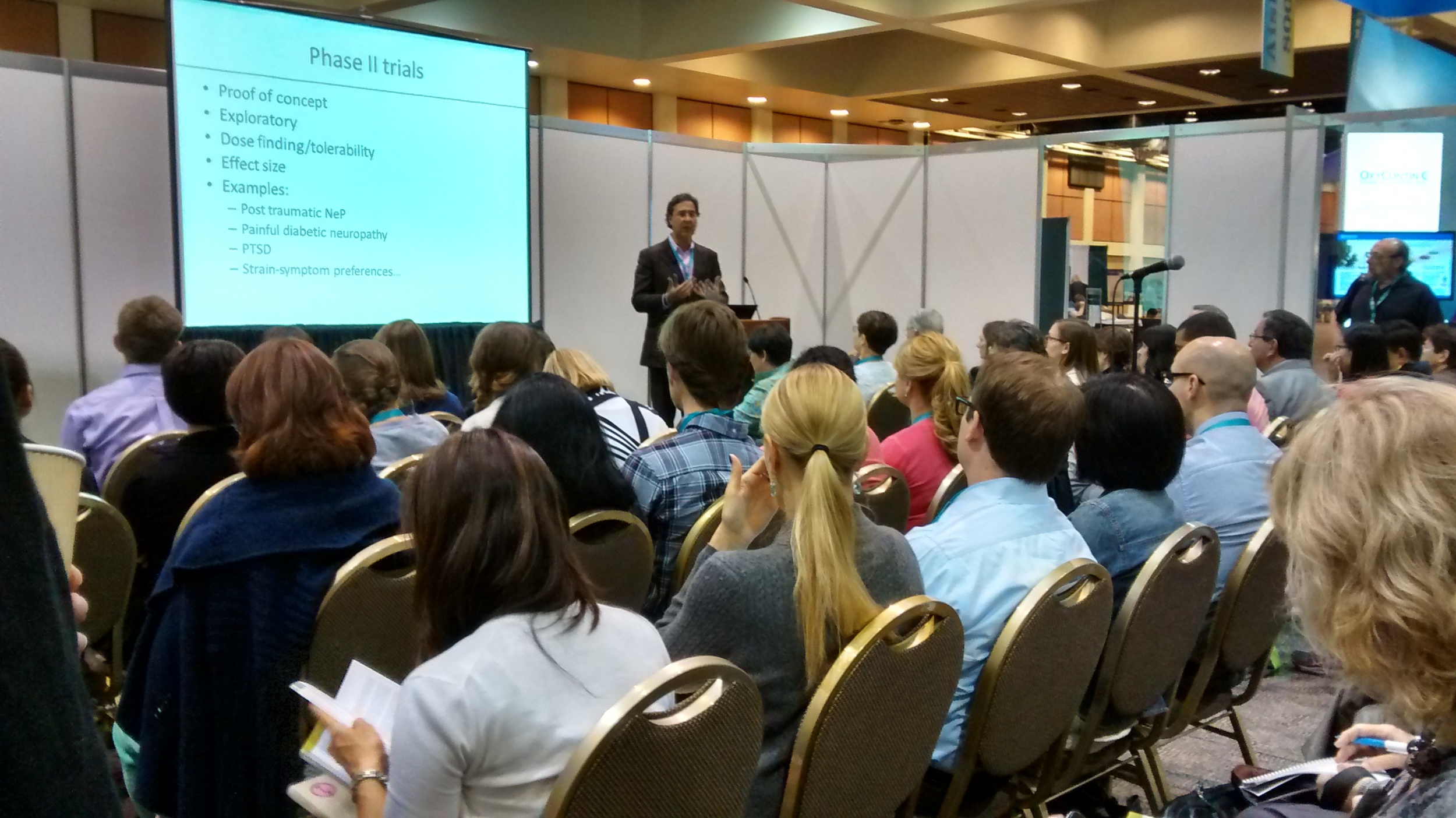
Those conflicting attitudes were on display last week at the annual meeting of the American Pain Society (APS) in Palm Springs, California – a conference focused on pain research. Although the APS has no stated policy on marijuana, the organization chose as its keynote speaker one of the most prominent medical marijuana researchers in the world, Dr. Mark Ware.

“I’ve done presentations and sessions, and it always surprises people how much interest there is,” said Ware, who is a family physician and associate professor in Family Medicine and Anesthesia at McGill University in Montreal.

“Cannabis gives people a window to come and learn, and while they’re learning about medical cannabis they can be learning about pain management and other things. It’s a very useful magnet to get people interested in a topic that’s obviously of enormous public importance.”

DR. MARK WARE SPEAKING AT THE APS CONFERENCE

DR. MARK WARE SPEAKING AT THE APS CONFERENCE

Ware’s two presentations at the APS conference were well-attended, but it was mostly researchers – not practicing physicians – who were listening.

“A lot of doctors are afraid to authorize it (marijuana) because they’re afraid of losing their licenses and their practices. So there’s a lot of fear and a lot of stigma,” Ware told Pain News Network.

“I think the researchers themselves are seeing opportunities, with changing state laws and increasing evidence of efficacy, that suddenly this is becoming a drug that can be taken a bit more seriously. And I think that’s giving rise to the opportunity that maybe there’s some work we can be doing here.”

Federal laws making marijuana illegal – which are still in effect – have stymied serious research into its medical benefits. Most of the evidence so far is anecdotal or the result of small academic studies – not the in-depth and expensive clinical research that pharmaceutical companies have to conduct to get FDA approval for their drugs.

“There’s still work to be done on the safety and efficacy of these cannabinoid compounds,” says Gregory Terman, MD, an anesthesiologist who is president of the APS.  “They’re very interesting molecules. But they’re not approved for people and we don’t want to pretend they’re anywhere near ready for prime time.”

The APS currently has a committee working on a policy statement about medical marijuana.

“I think people are opening their eyes to the possibility,” said Terman. “Marijuana’s already out there, and that’s why we felt like it was important to work on a policy statement.”

The American Academy of Pain Management (AAPM) also doesn’t have a formal position on marijuana – although some members are urging the organization to take one.

“I think there’s no doubt there are substances in there that can be beneficial to some people with pain. It’s just a question of figuring out what they are and how do you get them extracted in a way so that we know what we’re giving people,” said Bob Twillman, PhD, executive director of the AAPM. “We haven’t settled on a policy because there are so many different variables and so much is up in the air that coming up with a good policy is hard to do.”

Twillman says he is being lobbied by some AAPM members to advocate for the rescheduling of marijuana from an illegal Schedule I controlled substance – the same classification the DEA has for heroin and LSD – to a Schedule II medication that can be prescribed to patients.

“I don’t think you can do that with a product like this because every batch is different. How do you standardize the dose that a patient is given? I think in a regulatory scheme of things it’s more like an herbal supplement than it is a drug,” Twillman told Pain News Network.

The American Medical Association, the nation’s largest medical group, has moderated its position on marijuana – from one of strict opposition to a grudging call for more research.

Our AMA calls for further adequate and well-controlled studies of marijuana and related cannabinoids in patients who have serious conditions for which preclinical, anecdotal, or controlled evidence suggests possible efficacy,” the AMA says in a policy statement.

“This should not be viewed as an endorsement of state-based medical cannabis programs, the legalization of marijuana, or that scientific evidence on the therapeutic use of cannabis meets the current standards for a prescription drug product.”

Until that research is done and federal laws change – which could take years – many practicing physicians are unlikely to endorse or prescribe a drug that is still technically illegal.

“I think there’s still this stigma and the lack of data and concerns about safety that will always plague that discussion as long as we don’t have it,” says Mark Ware.  “So I think there will be clinicians who will be early adopters who take this a bit more seriously and there will be others who will be almost religiously opposed to the idea. And I hope that starts to breakdown.”

Using Marijuana and Opioids Doesn't Raise Risk of Abuse

By Pat Anson, Editor

As more and more states legalize medical marijuana, many chronic pain patients are turning to cannabis for pain relief. Some are also continuing to use opioid pain medication – raising concern that the combination could increase their risk of substance abuse.

But a new study at the University of Michigan found that patients who use marijuana and opioids are not at higher risk for alcohol and drug abuse. Researchers studied 273 patients at a marijuana clinic in Michigan and found that more than 60% were also using prescription opioids.

"We expected that persons receiving both cannabis and prescription opioids would have greater levels of involvement with alcohol and other drugs," said Brian Perron, PhD, of the School of Social Work at the University of Michigan.

"However, that wasn't the case -- although persons who were receiving both medical cannabis and prescription opioids reported higher levels of pain, they showed very few differences in their use of alcohol and other drugs compared to those receiving medical cannabis only."

Participants in the study, which is being published in the Journal of Studies on Alcohol and Drugs, did report higher rates of drug use than the general population. But their use of other drugs -- including alcohol, cocaine, sedatives, heroin, and amphetamines – was similar whether they used opioids or not.

“I am thrilled this research is now happening so others will also gain the confidence in trying medical marijuana,” said Ellen Lenox Smith, a medical marijuana advocate and columnist for Pain News Network.

“People who have addictive personalities will have issues weather it is alcohol, marijuana, smoking, or opioids. Those of us without that tendency do not have to be concerned. We have patients that have been using both medications successfully, but most of them have eventually chosen to wean away from the opioids due to the annoying side effects. But while using both, they have seemed to cope fine and metabolize both.”

A noted medical marijuana researcher says cannabis may actually make opioids more effective – enabling some patients to take lower doses.

“We’ve seen it in patients who started using cannabis successfully and they were able to reduce their other medications,” said Mark Ware, MD, an associate professor in Family Medicine and Anesthesia at McGill University in Montreal.

“In some cases they find that the dose of opioids that they were taking, they can lower it and get a similar effect at much lower doses. In others, they don’t need the opioids any longer and they’re able to taper off and stop it completely.”

Ware and other researchers believe medical marijuana may be a safer alternative to opioids, which have a higher risk of addiction and overdose. But they stress that communication between doctors and patients is important – since some doctors may have no idea if a patient is using marijuana.

"Physicians do not actually 'prescribe' medical cannabis -- they only certify whether the patient has a qualifying condition, which allows the patient to gain access to medical cannabis,” said Perron.

“The system of dispensing medical cannabis is completely separate from prescription medications, so physicians may not know whether a given patient is using medical cannabis, how much, and in what form."

FDA Approves Migraine Drug for Children

By Pat Anson, Editor 

Millions of children who suffer from migraine headaches have a new treatment option -- an old drug that's already available to adults. 

The Food and Drug Administration approved Treximet for pediatric patients 12 years of age and older for the treatment of migraine with or without aura. Treximet is the first approved combination prescription drug for migraine to contain sumatriptan and naproxen, a non-steroidal anti-inflammatory drug (NSAID). Sumatriptan is a triptan that works in the brain by reducing vascular inflammation. 

About 20 percent of all pediatric patients 11 years and older suffer from migraine, but treatment options have been limited, compared to adults. 

“Until now, pediatric migraine sufferers have not had the same number of treatment options compared to adults to manage the potentially debilitating effects of acute migraine,” said Merle Lea Diamond, MD, president and managing director of the Diamond Headache Clinic and a consultant to Pernix Therapeutics (NASDAQ: PTX), which developed Treximet. Pernix expects Treximet to be available for pediatric patients in the third quarter of 2015.  

“As many as one out of five teens suffers from migraines, and their burden goes well beyond the pain, as migraines can also adversely affect their social growth and their efforts in school,” said Diamond. 

FDA approval came after a Phase III safety and efficacy study that found Treximet was significantly more effective than placebo in treating migraine in pediatric patients and has a safety profile similar to that of Treximet for adults. It comes with a black box warning of cardiovascular and gastrointestinal risks. 

The FDA approved Treximet for adults in 2008. The FDA set a priority review of Treximet for pediatric patients, in part, on the need for more treatment options for younger migraine sufferers.  

Amgen Migraine Drug 

Meanwhile, Amgen (NASDAQ: AMGN) announced the first results from a Phase II study evaluating the efficacy and safety of AMG 334 for the prevention of episodic migraine.

The  company said the study met its primary goal of reducing monthly mean migraine days compared with placebo.  The data were presented at the International Headache Society in Valencia, Spain.

AMG 334 is a fully human monoclonal antibody under investigation for the prevention of migraine by inhibiting a peptide receptor that is believed to transmit signals that can cause incapacitating pain.  

In the trial, 483 patients who averaged 8.7 migraine days per month prior to the study had their number of migraine days nearly cut in half by taking AMG 334.

"Migraine is a complicated, underdiagnosed neurological condition that has significant impact on the everyday activities of those who live with it, and for the millions of people around the world who are affected by this disease, significant unmet therapeutic need persists," said Sean Harper, MD, executive vice president, Research and Development at Amgen. "We are encouraged by these Phase 2 data, which further validate AMG 334 as a potential preventive treatment for episodic migraine."

Migraine is thought to affect a billion people worldwide and about 31 million Americans adults. It affects three times as many women as men. In addition to headache pain and nausea, migraine can also cause vomiting, blurriness or visual disturbances, and sensitivity to light and sound. About half of people living with migraine are undiagnosed.

CDC Social Media Campaign Backfires

By Pat Anson, Editor

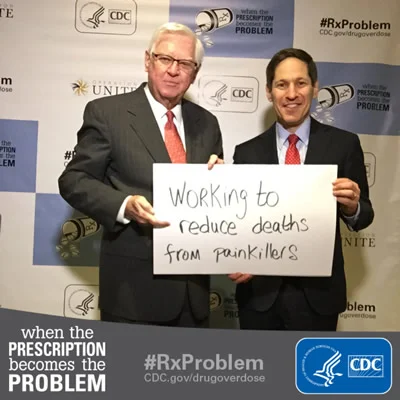
A social media campaign by the Centers for Disease Control aimed at raising awareness about the  "epidemic" of painkiller abuse had the unintended effect of launching another campaign about the "pandemic" of untreated chronic pain -- and how the agency was failing to address it.

Last month the CDC encouraged people to "help us tell stories of the many people whose lives have been affected by prescription painkiller addiction or the death of a loved one."

The agency, which estimates that over 16,000 Americans die annually from painkiller overdoses, asked for stories to be posted on Facebook, Instagram and Twitter with the hashtag #RxProblem.

“Prescription drug overdose devastates individuals, families and communities,” said Erin Connelly, associate director for Communication at the CDC. “We’d like to get everyone talking and thinking about the risks involved with opioid painkillers.”

While painkiller addiction and overdoses are undoubtedly a public health issue, the #RxProblem campaign rubbed some activists in the pain community the wrong way.

"There are really two problems with prescription drugs. One is the problem of abuse. But the other problem is patients who have pain and have a legitimate medical need for these drugs and can't access them," said Bob Twillman, PhD, Executive Director of the American Academy of Pain Management.

"I think they (the CDC) know what the problems are, but for some reason they don't want to deal with the chronic pain problem. I've criticized them for calling the problem of prescription drug overdoses and prescription drug abuse an 'epidemic' and taking a much, much bigger problem like chronic pain and not saying anything about it.  Because to me, if 16,000 people a year dying from overdoses is an epidemic, then 100  million people with chronic pain must be a pandemic."

It was Twillman's idea to launch a rival social media campaign to draw more attention to the chronic pain problem.

"What we came up with was the idea of the hashtag #AnotherRxProblem, and have people who have trouble getting their medications write in about that experience and the impact that's had on them," Twillman told Pain News Network.

Write in they did, with hundreds of people complaining about the one-sided approach the CDC was taking to prescription pain medication.

"We need to live a quality life. Don't punish us. Find better pain control," posted Teri Daniel on Twitter.

"When will we take untreated pain seriously?" asked Melissa VanHouten.

"We have 2 public health crises: RxDrugAbuse & UnrelievedPain. Stop blaming. Work together," wrote Barby Ingle.

"We got a tremendous response. If you look at the Twitter feed for #RxProblem, about half of the posts are #AnotherRxProblem posts. We started another campaign on Facebook and the Facebook response absolutely blew up," said Twillman.

Dozens of pain patients also shared their stories on Dr. Jeffrey Fudin's blog.

"I’m going to get right to the point. PAIN AND OPIOIDS. They do help us. Yes, they’re in every group abusers and non-abusers. Those that it helps for medical necessity should not have to be punished, denied, etc. for those who choose to disregard the contract they signed," wrote Gina. "CDC there are alternatives, to wean out drug abusers. Utilize the resources you have vs. taking the easy way and punishing all."

The CDC's #RxProblem campaign officially ended May 15th. Did they get the message from #AnotherRxProblem get through?

"I'm not optimistic that it's going to make a change in what they're doing. But if it raises someone's awareness, then it was worth it," said Twillman. 

Older Men Less Likely to Be Screened for Osteoporosis

By Pat Anson, Editor

Elderly men are far less likely to be screened for osteoporosis or to take preventive measures against the bone-thinning disease than women, according to the results of a new study.

"We were surprised at how big a difference we found between men and women regarding osteoporosis," said Irina Dashkova, MD, lead author of the study, which is being presented at The American Geriatrics Society's annual meeting in Washington, DC. "In our environment, you just get this perception that osteoporosis is a women's problem. This has to be changed, and the sooner the better.

More than 10 million Americans suffer from osteoporosis, which raises their risk for serious bone fractures.  About 2 million are men -- and another 8 to 13 million men have low bone mineral density, a precursor to osteoporosis. Previous studies have found that 13% of white men over the age og 50 will experience at least one osteoporosis-related fracture during their lifetime.

“We know from research that when men suffer fractures, their mortality is higher than in women and that severe medical consequences and loss of independence are much more prevalent in men,” said Dashkova.

The risk of death after sustaining a hip fracture is twice as high in men compared to women, and loss of independence is also more common in males. Some medical conditions and drugs that can raise the risk of osteoporosis are male-specific, such as prostate cancer drugs that affect the production of testosterone.

Dashkova and her colleagues at North Shore-LIJ Health System surveyed 146 older men and women in New York and Florida and found “stunning” gender differences in attitudes and beliefs about osteoporosis:

  • Women were far more likely to report a family history of osteoporosis (nearly 91% compared to 9%)
  • Most women would accept osteoporosis screening, while less than 25% of men would
  • Women were 4 times more likely to take preventive measures against osteoporosis, such as taking calcium and vitamin D supplements

Part of the problem may be that healthcare providers aren't encouraging men to undergo screening as often as they should.

"Our survey clearly establishes that physicians are just not thinking of screening men. It's only when older men fall and break their hip that someone thinks maybe we should do something to prevent them breaking the other hip," said Gisele Wolf-Klein, MD, director of geriatric education for the North Shore-LIJ Health System. "Not only is society in general unaware of the problem of osteoporosis in men, men are not seeking screening and diagnosis.

"The average age in my practice is in the 90s, and our patients are to be congratulated because clearly they're doing something right. But we have a duty to make sure those later years are as happy and productive as can be and not spent in a wheelchair."