'Telehealth' Doctor Visits for Medical Marijuana

By Pat Anson, Editor

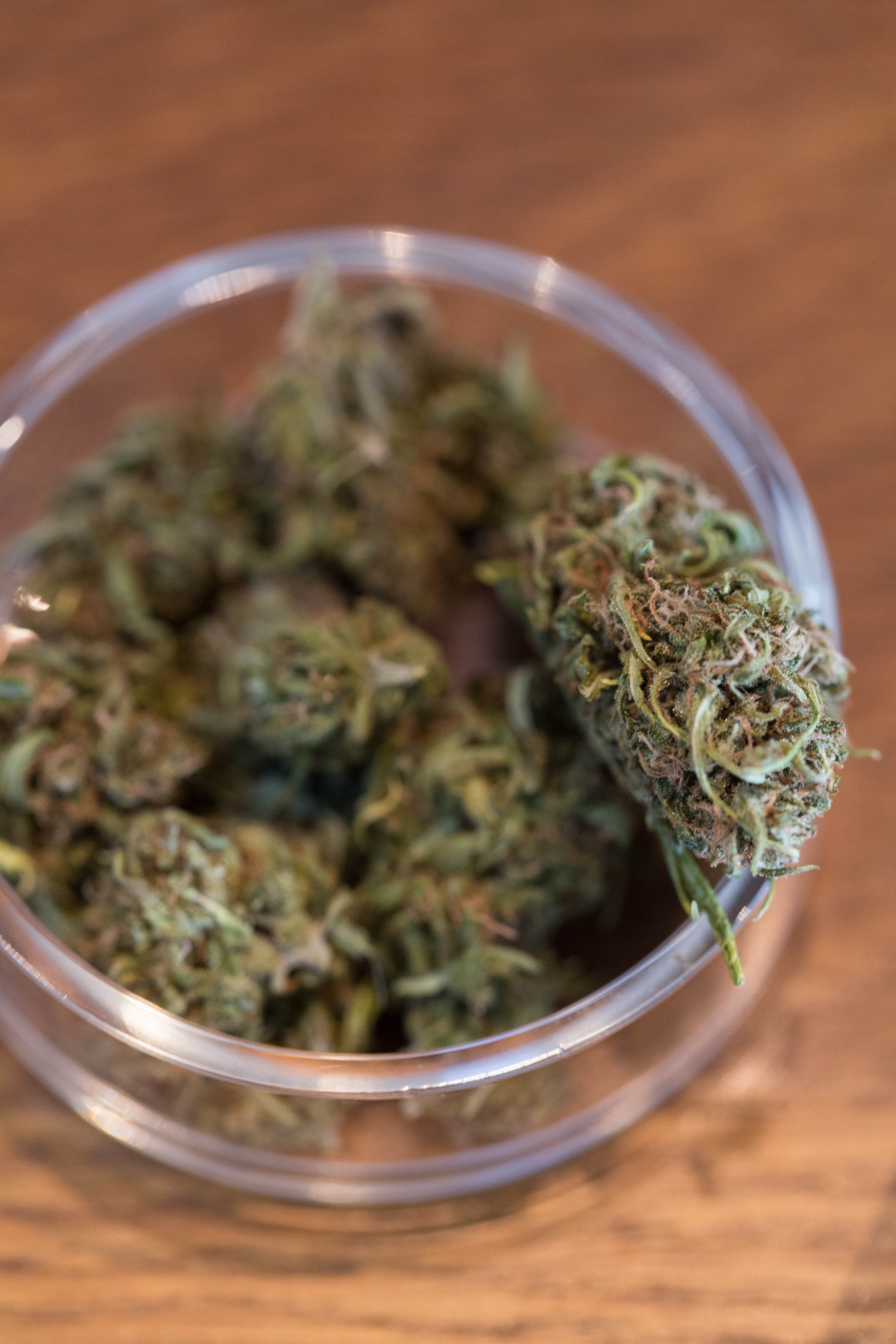
With medical marijuana legal in 23 U.S. states and the District of Columbia, millions of Americans can now legally obtain cannabis to treat chronic pain and other health conditions.

But many pain patients are leery about asking their doctors for a medical marijuana card or about visiting a marijuana dispensary in some shady part of town.

Into this void has stepped HelloMD, the first “telehealth” provider to offer live online video consultations with a physician about medical marijuana. For $49 – a fraction of the cost of visiting a doctor in their office -- the company says it will provide a private consultation with a licensed physician via a desktop computer, laptop or mobile device. If the doctor agrees on the need, they will write a medical marijuana recommendation for immediate use.

HelloMD also provides links to trusted marijuana dispensaries and delivery services – meaning the patient never has to leave the comfort of their own home.

“Delivery service is really what they’re interested in,” says Mark Hadfield, CEO and Founder of HelloMD. “The patients that we’re talking about, the elderly, infirm, professionals, moms and dads, are people that are concerned about confidentiality; they don’t want to end up in a state database, they don’t want to be filmed going in and out of a dispensary. Those people were never going to get their (marijuana) cards prior to this service.”

HelloMD began providing medical marijuana consultations in March, but the San Francisco based company has actually been around for two years, at first providing online access for patients interested in reaching neurologists, oncologists and other medical specialists.

“It’s a very hot space. Digital health care is a multi-billion dollar segment growing very, very rapidly. It’s also very competitive. There are at least five or six companies with tens of millions of dollars in funding competing for that space. The latest one is Walgreens,” Hadfield told Pain News Network.

Faced with that kind of competition, HelloMD decided to focus exclusively on medical marijuana.

“There’s obviously a big need. A lot of doctors are leery, uninformed or uncomfortable with cannabis. A lot of people go to their traditional doctors and they’re told they’re just not able to advise them on that,” Hadfield said.

“We think there’s a much bigger demographic that until now has not been involved in cannabis products. So millions of Americans are coming into the industry for the first time and are curious to try those products. And so our goal is to be the resource for those patients, starting off with connecting them with the right medical assistance and keeping them compliant with the law.”

For now, HelloMD can only provide medical marijuana consultations to people in California. It has about a dozen doctors “on call” in the state to meet online with patients. Many of the physicians are retired or semi-retired and work from their own homes.

The company plans to expand into other medical marijuana states later this year and to recruit about 300 doctors nationwide. Doctors must be licensed to practice medicine in the state where their patient is located.

About 150 patients a week are currently getting consultations on HelloMD.

"We were quite surprised to find that the majority of folks coming through our service were not recreational users at all.  Instead we met retirees, veterans, and working professionals looking for alternative medicinal treatments to a wide variety of conditions spanning chronic pain through everyday anxiety and stress,” says Perry Solomon, MD, Chief Medical Officer at HelloMD.

“All of them had heard about marijuana as an alternative but found their general practitioner lacking the knowledge to offer good advice. They didn't know where to go for more information on medical marijuana, who to talk with, or how to go about becoming a legal patient. Many had difficulty leaving their homes while others were afraid to venture into the parts of town where medical marijuana practitioners were likely to be found."

According to a new report by the National Business Group on Health, telehealth services are saving companies more than $6 billion in healthcare costs.  American Well, Doctor on Demand, MD Live and Teladoc offer online consultations with a physician for about $40 to $50.

Chickenpox Vaccine Doubles Risk of Shingles

By Pat Anson, Editor

Vaccinating young children against chicken pox nearly doubles the incidence of shingles in the wider population, according to a new study in Belgium. However, researchers concluded that the risk of shingles is outweighed by the benefits of vaccination.

Several countries, including the United States, Australia, Japan and Germany, have virtually eliminated childhood cases of chickenpox by requiring children to be vaccinated against the chickenpox (varicella-zoster) virus.

But health officials in other countries have hesitated to launch vaccination programs because they believe that exposure to people with chickenpox naturally boosts the immunity of people who have already been infected.

Re-exposure to the virus was thought to have protective benefits for as long as 20 years. However, in the study published in the journal eLife, scientists from the Universities of Antwerp and Hasselt (Belgium) used computer models to estimate that the extra protection only lasts for about two years.   

"Our findings should allay some fears about implementing childhood chickenpox vaccination," said lead author Dr. Benson Ogunjimi.

"We were surprised to find that re-exposure to chickenpox is beneficial for so few years and also that the most pronounced effect of vaccination on increasing cases of shingles is in younger adults.”

The chicken pox virus persists in small numbers in nerve cells for many years after an infection, and can reactivate from these cells. Often this reactivation causes no symptoms, but sometimes it results in shingles, a painful rash that can lead to a chronic pain condition called postherpetic neuralgia that is difficult to treat.

Researchers found that the increase in shingles is likely to occur among 31- to 40-year-olds. Previous models predicted that older age groups would bear the brunt of a rise in shingles. Younger adults are less likely to develop lasting complications from shingles.

Together, researchers say their findings should allay some fears about implementing chickenpox vaccination programs, because the benefits of re-exposure are limited and younger adults are more likely to be impacted.

Shingles occurs most often in individuals with a weakened immune system, such as HIV or cancer patients. Older adults may also be more susceptible to shingles after a Cytomegalovirus infection, another virus in the herpes family.

What Pain Patients Can Learn from JFK

By Crystal Lindell, Columnist

I’ve recently become kind of obsessed with the fact John F. Kennedy had health issues. Like major health issues. Like Addison’s disease, ulcers, colitis, and back pain issues, among others.

It’s one of the few things most people don’t seem to know about JFK. He was sick. Really sick. And he was often dealing with his health while running the country.

The Atlantic detailed some of Kennedy’s health issues in “The Medical Ordeals of JFK” back in 2013. They talked about how while JFK was in the White House he routinely saw an allergist, an endocrinologist, a gastroenterologist, an orthopedist and an urologist. JFK also regularly took amphetamines and had painkillers injected into his back.

In other words, he went through the same things a lot of us with chronic pain go through. Except, you know, he managed to run the Free World between steroid injections.

There’s a part of me that wishes he hadn’t hid his aliments. The article details how his campaign flat-out denied he had Addison’s disease. The day after his election, in response to a reporter’s question, JFK “declared himself in ‘excellent’ shape and dismissed the rumors of Addison’s disease as false.”

Personally, I had no idea that JFK struggled with so many health issues until I stumbled upon the information while researching chronic pain. And from what I can tell, most people in America don’t realize just how sick he was either.

I can’t help but wonder what he may have been able to do for the stigma associated with chronic illness if he had ever admitted to his aliments publicly though. Imagine if the stereotype of someone with chronic illness was JFK.  Sure, it’s a lot to live up to, but it’s better than what we face now, which is usually something along the lines of, “a lazy, druggie who probably brought it on themselves.”

And maybe he could have even helped people understand that cancer isn’t the only bad thing that can happen to you. And that sometimes, you don’t get better and you don’t die — you just stay sick.

But, there’s probably a good chance he would have never been elected if the American public knew he was seeing Max Jacobson, an émigré doctor from Germany who had made a reputation treating celebrities with “pep pills” (amphetamines).

The thing that really strikes me though is just how much JFK was able to accomplish despite his health. Most days, I’m in too much pain to drive to the grocery store, much less run for president.

From what I’ve read, it seems as though JKF was totally cool with popping as many pills as he needed to in order to keep going. As The Atlantic details, “[He didn’t] believe that the many medications he took would reduce his ability to work effectively; on the contrary, he saw them as ensuring his competence to deal with the demands of the office.”

In other words, he was all for medication if it meant he would be able to endure a press conference.

And I’m also guessing he was the type of sick person who had access to any and all medications that he thought would help him. Something most of us can only dream of.

There was definitely a point in my life when I would have loved taking hundreds of Norco each month so that I could have kept pace with my previous lifestyle. I mean, I probably wouldn’t have a liver anymore, but at least I’d still have my own apartment.

Even on my current doses, my main reason for taking drugs is so that I can do as much as possible. Sometimes that means a work trip to Arizona, and other times it means having the strength to sit up on the couch and type out a column.

So I can completely understand why JFK felt like he did about the pills. But I don’t think most people would.

Heck, the number one comment I get from anyone who finds out how many drugs I take on the daily is, “You need to get off all those medications.” I usually explain that if I “got off all those medications” then I also wouldn’t be able to get off the couch. 

I also assume that when JFK said he was in pain, at least one of the like 23 specialists he was seeing believed him and responded accordingly. Again, something most of us can only dream of.

He also probably had no issues paying for his medications or getting to doctors’ appointments. And I’m sure he was able to see the very best doctors in the country whenever he wanted.

Even knowing that he had all sorts of advantages as a sick person though, there’s still a huge part of me that feels really inadequate thinking about how much JFK got done. I mean, I have literally had to scale back every aspect of my life since getting sick. I quit my side job as a youth leader, which I loved with all my heart. I moved in with my mom. I started working from home. And I even stopped going to the mall as much as I used to.

For me, a big part of being sick has been losing so many of the things I love, and then figuring out how to cope with those losses.

But then, there’s another part of me that thinks of JFK and is kind of inspired. Maybe there is hope for me yet. Maybe I can still live in Brazil one day, or become a best-selling author, or heck, run for office just like JFK did. 

I just need to find that German doctor and get some of those “pep pills.”

Crystal Lindell is a journalist who lives in Illinois. She loves Taco Bell, watching "Burn Notice" episodes on Netflix and Snicker's Bites. She has had intercostal neuralgia since February 2013.

Crystal writes about it on her blog, The Only Certainty is Bad Grammar.”

The information in this column should not be considered as professional medical advice, diagnosis or treatment. It is for informational purposes only and represent the author’s opinions alone. It does not inherently express or reflect the views, opinions and/or positions of Pain News Network.

Fed Report Sparks New Debate over Steroid Injections

By Pat Anson, Editor

A government report on epidural steroid injections is sparking a new debate on the safety and effectiveness of the procedure, which is used to treat back pain in millions of people.

A coalition of spine and pain management doctors is calling the report’s conclusion that steroid injections have little value  “fundamentally false.”

But critics of the procedure say the injections are risky, overused, and often a waste of money.

The report by the Agency for Healthcare Research and Quality (AHRQ), which is part of the Department of Health and Human Services, said there is little evidence that epidural steroid injections were effective in treating low back pain.

“Epidural corticosteroid injections for radiculopathy were associated with immediate improvements in pain and might be associated with immediate improvements in function, but benefits were small and not sustained, and there was no effect on long-term risk of surgery,” the report states.

Epidural injections have been used for many years to relieve pain during childbirth, but they are increasingly being used to treat back pain.

An estimated 9 million epidural steroid injections are performed in the U.S. annually, and the shots have become a common procedure at many pain management clinics. Costs vary from as little as $445 to $2,000 per injection.

A coalition of 14 different societies representing anesthesiologists, surgeons and pain management doctors is lobbying the AHRQ to tone down its report, saying it has raised “significant concerns for physicians who utilize injection procedures.”

“We are fully cognizant of the issues of overutilization and inappropriate utilization, and therefore also wish to bring into focus which interventions are effective when treating the various causes of back pain,” wrote Belinda Duszynski, senior director of Policy and Practice for the International Spine Society, in a lengthy letter to the AHRQ on behalf of the Multisociety Pain Workgroup.

Duszynski’s letter, which is also being sent to a number of medical journals, claims the authors of the AHRQ report used “flawed” and “absurd” analysis on the effectiveness of the injections. She warned the report “may lead to egregious denial of access to these procedures for many patients suffering from low back pain.”

But critics say "interventionalist" doctors are simply trying to preserve a lucrative part of their practice.

“These professional medical societies are worked up because this study basically states that epidural steroid injections have small benefit, the improvements in function are not sustained, and they do not prevent surgery,” said Terri Anderson, a Montana woman whose spine was permanently damaged after receiving about 20 steroid injections for a ruptured disc in her back.

Anderson now suffers from arachnoiditis, an inflammation in the spinal membrane that causes severe chronic pain and disability.

“From my personal perspective, these spinal injections are wasting billions of dollars on the front end, plus there is no estimate high enough to account for the human suffering that this industry has brought upon the American public,” Anderson wrote in an email to Pain News Network.  “When the injections go south and the steroids are misplaced in the spinal cord, this results in life-long disabilities and suffering that cannot be described.” 

The AHRQ report is not the first to raise questions about the safety and effectiveness of epidural steroid injections. Several recent studies have found the injections raise the risk of spinal fractures and do little to control back pain. Questions about their safety also led to an order from the Food and Drug Administration last year that requires drug makers to put warning labels on injectable steroids.

“Injection of corticosteroids into the epidural space of the spine may result in rare but serious adverse events, including loss of vision, stroke, paralysis, and death,” the FDA said in a statement.

The agency has never formally approved the use of steroid injections to treat back pain. However, the procedure can still be used “off label” to treat back pain.

Many patients who were injured by spinal injections say they were never warned about the risks involved.

“The fact of the matter remains that there is no solid evidence that these injections are of any lasting benefit,” said Dawn Gonzalez, who developed arachnoiditis after a botched epidural during childbirth. “There is just no sound supporting evidence of the efficacy of corticosteroid injections in the spine, and more evidence of the contrary. Epidural steroid injections are bad science.”

A study funded by the AHRQ and published last year in the New England Journal of Medicine found that epidural steroid injections do not relieve pain in patients with lumbar spinal stenosis, a common cause of lower back and leg pain.

The Choosing Wisely campaign of the ABIM Foundation, which seeks to reduce or eliminate unnecessary medical procedures, does not oppose the use of steroid injections for back pain. But it does urge doctors not to repeat the procedure if a patient shows no improvement from a previous injection. 

Lower back pain is the world's leading cause of disability, causing more health loss than diabetes, chronic obstructive pulmonary disease, and asthma combined. Over 80 percent of adults have low back pain at some point in their lives.

Sedatives or Opioids: Which is the Bigger Problem?

By Pat Anson, Editor

New research shows that the prescribing of opioid pain medications is declining in United States, but the co-prescribing of sedatives with opioids remains a serious problem that raises the risk of an overdose.

In a study of over 35,000 patient visits for acute and chronic pain from 2001 to 2010, researchers found that the prescribing of benzodiazepines was three to four times more likely when opioids were prescribed.

Over a third of the patients prescribed opioids for chronic musculoskeletal pain were given a sedative. And patients with a history of psychiatric and substance abuse disorders were even more likely to be co-prescribed opioids and sedatives.

"Multidrug use is the trailing edge of the opioid epidemic," said Mark Sullivan, MD, a professor of psychiatry and behavioral sciences at the University of Washington School of Medicine. "We are making progress on decreasing opioid prescribing, but co-prescribing of opioids and sedatives has not decreased."

The study, published in the journal Pharmacoepidemiology and Drug Safety, estimates that opioid prescribing peaked in 2007. It’s the latest indication there has been a reversal in the growth of opioid prescribing – which has long been blamed for the so-called “epidemic” of prescription drug abuse.

In April, another study was released showing that the painkiller hydrocodone was no longer the most-widely prescribed drug in the U.S.

While opioid prescribing is in decline, researchers found no evidence that the co-prescribing of opioids and sedatives is also dropping. Opioids, benzodiazepines and muscle relaxants are all central nervous system depressants. Mixing the drugs is potentially dangerous because their interaction can slow breathing and raise the risk of an overdose death.

"Patients who are on long-term combined opioid and benzodiazepine therapy are often on a treadmill," said Sullivan. "They feel relief when they take their medications and withdrawal when they stop, so they continue this combined therapy, even though many function poorly and some will die as a result."

A study by the Centers for Disease Control and Prevention found that as much as 80 percent of unintentional overdose deaths associated with opioids may also involve benzodiazepines. Nearly 6,500 people died from overdoses involving benzodiazepines in 2010.

“We are seeing a disturbing increase in the use of benzodiazepines, mostly Xanax and Klonopin and Adderall. I call this the evil trifecta,” said Percy Menzies, president of Assisted Recovery Centers of America, which operates four addiction treatment clinics in the St. Louis, Missouri area. “To make matters worse, the use of heroin continues to grow as Mexican farmers are switching to growing the opium poppy.”

While fewer opioids are being prescribed for pain, Menzies says there has been explosion in the use of buprenorphine – a weaker opioid – to treat addiction. For many years, buprenorphine was only available under the brand name Suboxone, but now there are several other buprenorphine brands competing in the lucrative addiction treatment market. 

“We have reduced the number of prescriptions for opioids but the use of opioids (primarily buprenorphine) are growing. Never in the history of drug treatment, has the sale of a medication exceeded $2 billion,” said Menzies in an email to Pain News Network.

Recent studies by the Substance Abuse and Mental Health Services Administration (SAMHSA)  found a ten-fold increase in the number of emergency room visits involving buprenorphine. Over half of the hospitalizations were for non-medical use of buprenorphine – meaning  many users took the drug to get high.

Over 50,000 visits to ER’s in 2011 involved a combination of benzodiazepines and opioids, according to SAMHSA.


Dealing with Fatigue, Frustration and Fear

By Jennifer Martin, Columnist

Sometimes it just gets to be too much; the pain, the fatigue, the frustration and the fear. 

Wondering if things are ever going to get better. 

Wondering if there will ever be a day without pain.

I have always thought of myself as a stubborn and determined person.  When I was four years old I had to wear a cast on my right leg to help stabilize my arthritic ankle.  Even at four, I didn’t let that stop me from keeping up with my twin brother on the playground.

While I was in the middle of my j-pouch surgeries I was determined to finish my doctorate degree.  I finished my dissertation and two weeks after my second surgery, while in pain and out of it because of the pain meds, my mom drove me to L.A. so I could defend my dissertation and get that “doctor” title that I had worked so hard for.

Three months ago I hurt my right knee.  After two rounds of prednisone, physical therapy, rest (sort of) and X-rays, my rheumatologist still doesn’t know what’s wrong and I still have pain every day.  Since the injury, and against the wishes of my husband to stay home and rest, I have continued to go to the gym so I can at least get a kick ass arm workout. 

Why have I done all of these things?  Because I’m stubborn.  And I’m determined.  I try my hardest not to let the pain stop me from doing the things I want to do.  I try to be as normal as possible, because I hate feeling like I can’t do something and I hate for others to think that I am weak, even though I know that I am not.  I also try to take advantage of each day as much as I can because I never know when or if I will be in the hospital again, when or if I will have to have another surgery, or if my arthritis will get worse.

But sometimes it just gets to be too much.  Dealing with pain every day is tiring!  And dealing with the fatigue that comes along with the pain is tiring!  In addition to that, the frustration and fear that things will never get better and that they could possibly get worse can be incredibly overwhelming.

So here is what I do when things get to be too much.  I hope some of these tips will help those of you reading this:

  • I take a little time for myself, even if it’s just five minutes.  If I am at work, my favorite thing to do is close my office door, open YouTube on my computer and put on some yoga music.  Then I sit back, close my eyes and take deep breaths.  This does amazing things for my mind and my body.
  • I try to remember what is good and positive in my life: my son, my husband, my family, my friends.  While I still have pain, there is still so much I can do.  It helps to focus on what I can do instead of what I can’t do.
  • Get outside.  I love the beach.  It does something for me that no other place can.  But I can’t always get there, especially with family and work demands.  If I can, that’s my preference, but if I can’t, even just sitting in my backyard can do the trick.  Fresh air and vitamin D are proven mood elevators.
  • I write.  Writing about the pain, the frustration and the fears can be very therapeutic.  Have you ever wanted to vent so badly about the way you are feeling but don’t want to bother anyone with it?  Writing down exactly what you would say to someone else is a great alternative.
  • I focus on a goal and plan on how I am going to reach it.  This helps me to focus on something other than my pain and fears.  It can be a big goal (passing my final licensing exam) or a small one  (doing as much as I can this weekend with my son despite my knee pain).
  • Sometimes I just have to take a rest and realize that it is okay.  This is really hard for me to do but sometimes it is necessary.  Those of us with chronic pain can’t be expected to do everything and we can’t expect ourselves to do everything. 

Balance in life is key and part of that is taking care of ourselves and letting go of the guilt that comes along with it.

Jennifer Martin, PsyD, is a licensed psychologist in Newport Beach, California who suffers from rheumatoid arthritis and ulcerative colitis. In her blog “Your Color Looks Good” Jennifer writes about the psychological aspects of dealing with chronic pain and illness. 

Jennifer is a professional member of the Crohn’s and Colitis Foundation of America and has a Facebook page dedicated to providing support and information to people with Crohn’s, Colitis and Digestive Diseases, as well as other types of chronic pain.

The information in this column should not be considered as professional medical advice, diagnosis or treatment. It is for informational purposes only and represents the author’s opinions alone. It does not inherently express or reflect the views, opinions and/or positions of Pain News Network.

Media Coverage of Pain Meds Often Unfair

By Emily Ullrich, Guest Columnist

As a chronic pain patient, I see a number of damaging political and social obstacles being added to the already desperate, often isolated and depressed lives of chronic pain patients.

Those of us who live with constant pain are too often disregarded by friends and family, who become frustrated that we haven’t gotten better, and/or begin to suspect that we are feigning or exaggerating our illness. In addition, doctors often label chronic pain patients as “drug seekers” and “malingerers.” Patients who need their help the most are often thrown by the wayside.

On top of these devastating blows, chronic pain patients face political, medical, social, and media scrutiny, and are often shamed out of seeking or pressing for the help they so desperately need. Some glaring mistakes are being reported in the media about drug use, overdose, and abuse. These mistakes are being repeated on a national level, and have created a culture of misinformation and stigma.

There is no doubt that addiction and overdose are serious issues which deserve our attention, but the media is manipulating the minds of consumers about the origin and nature of these issues, beginning with the subtle engineering and general processing of words. By that I mean the simple diction and placement of words used in articles regarding pain medication and illegal drugs.

For example, while an article discussing diabetes or blood pressure medication will refer to them as “medicine,” an article about pain medications will often refer to them as “drugs.” That places a negative connotation on the reader's perception of ALL pain medications as being categorically the same as street drugs.

I also read articles on a daily basis which pair pain medications and illegal drugs together in broad general statements, implying that the two are synonymous. In addition, the terms and implications about the use and abuse of pain medications are being used interchangeably; again reiterating in the minds of readers that if one takes pain medications, he or she is an addict, and that by simply taking pain medications he or she is abusing them.

These implications are untrue, unfair, and misrepresent chronic pain patients, misinform the public, and create unnecessary fear and sensationalism.

Like thousands of other chronically ill, legitimate pain patients in Kentucky and throughout the United States, I have been taking pain medication for many years. Without it, I cannot get out of bed and function. I have never once been "high" on them, and I've NEVER considered heroin use.

The real correlation between the two is that pain patients are being forced to fend for themselves and find relief on the streets with drugs like heroin. The government has scared doctors out of doing their jobs when it comes to addressing pain, and because of the media's continued manipulation and sensationalism in regard to pain medication, society now shames pain patients out of seeking medications they need.

There is an essential truth being conveniently omitted from most current articles regarding pain medication, street drugs and overdose, and that is that there is a direct correlation to the increase in heroin use and the implementation of growing numbers of laws that restrict prescription pain medications.

People are suffering, but instead of being treated with compassion, they are being treated like criminals and worthless members of society. Legitimate pain patients deserve access to the medications which allow them to operate, and doctors should not be afraid to help them. Patients should also not be made to feel they are illicit members of society for seeking a remedy to their medical conditions.

It is time that the media clearly differentiate between addicts who abuse pain medication and legitimate pain patients who use their medications as directed. Also, lines between pain medication use and the use of street drugs must be drawn.

Most importantly, politicians across the country must accept their role in the influx of heroin usage, and its direct correlation to the “War on Drugs.” Laws that limit the availability of pain medication are not based on truth (according to the U.S. National Library of Medicine, the real rate of addiction among chronic pain patients is a mere 3.27%), but are adjusted to fit the motives of politicians and scare the public.

Lastly, as chronic pain patients we must ensure that our voices are heard. We must educate and inform others and, most of all, demand our human right to adequate pain control.

Emily Ullrich suffers from CRPS/RSD, Sphincter of Oddi Dysfunction/Papillary stenosis, carpal tunnel syndrome, endometriosis, chronic gastritis, Interstitial Cystitis, uterine fibroid tumors, migraines, fibromyalgia, osteoarthritis, Periodic Limb Movement Disorder (PLMD), Restless Leg Syndrome (RLS), Myoclonic episodes, generalized anxiety disorder, insomnia, bursitis, depression, multiple chemical sensitivity, and IBS.

Emily is a writer, artist, filmmaker, activist, and has even been an occasional stand-up comedian. She now focuses mainly on pain patient advocacy as a delegate for Power of Pain Foundation, as she is able.

The information in this column should not be considered as professional medical advice, diagnosis or treatment. It is for informational purposes only and represents the author’s opinions alone. It does not inherently express or reflect the views, opinions and/or positions of Pain News Network.

Power of Pain: Tools for Today and Tomorrow

By Barby Ingle, Columnist

Taking each challenge one step at a time can help you gain perspective on your future. There are multiple aspects to pain management to be considered, such as physical and mental health, trends in the healthcare industry, and personal injury liability. Learning about them and putting life into perspective can help us deal with behavioral changes, social isolation and spiritual concerns. 

Understanding that pain causes depression, not the other way around, can be a good place to start. Realize that you have control over your actions, and feeling bad is not a proper excuse for treating others poorly. Doing so can lead to social isolation.

You may not feel like having others around or it may make you self-conscious about losing the ability to do simple activities with them. But creating a support network and staying socially involved can increase your quality of life as a chronic pain patient, as well as increase the human connection that we all need.

Once again, I need to emphasize proper communication for better treatment, attitude, and comfort. Working with your social network, finding out about future trends, and what your doctor has learned can help you keep the pain perspective.

Have hope that a cure will develop. If a new procedure becomes available, you will be prepared and have the support of those around you. When you hear of positive news like a new treatment, ask your doctor about it and if they are willing to give it a try. Find out if it is just another gimmick or if there is real science behind it. Be sure to do your own research and be comfortable with your choices. 

With chronic pain diseases, you have to be your own advocate and motivate others to advocate for you. If you were injured through someone else’s negligence, find out the legal consequences and if any action can be taken. Speak with a personal injury attorney to find out if you have a case. If you do, he can instruct you on how to arrange payments for medical treatments and how the lawyer will be paid. Question if the defendant is responsible for your bills now or if you have to find a way to cover your medical bills and be paid back when and if you win your case.

It is also important to know what happens if you don’t win your case. Ask if you will have to pay charges your lawyer paid to prepare the case or if you have to pay liens. Liens are holds or rights to property or monetary gain on property. Many doctors’ offices will put liens on your case. This means that they get paid before you receive any awards.

Becoming prepared for these new life changes will keep the perspective to your new life on a positive track. Use your community resources such as food banks, church support groups, and non-profits to get the help you need. Help is there, you just have to be willing to take it and put in as much as you can to keep your life on track.

Because chronic pain and bad health in general weakens the immune system, your ability to heal and fight diseases is also compromised. I often can catch someone's cold by being near them through physical contact, such as hugs or sharing candy out of the same dish with a child who has dirty hands.

Often as a pain patient I do not want others to touch me, both for my health and because -- unless they really know me -- they don’t know where it hurts. So I usually ask people not to touch me without asking.

Be prepared to face the pain and have a plan.

Barby Ingle suffers from Reflex Sympathetic Dystrophy (RSD) and endometriosis. Barby is a chronic pain educator, patient advocate, and president of the Power of Pain Foundation. She is also a motivational speaker and best-selling author on pain topics.

More information about Barby can be found at her website.

The information in this column should not be considered as professional medical advice, diagnosis or treatment. It is for informational purposes only and represents the author’s opinions alone. It does not inherently express or reflect the views, opinions and/or positions of Pain News Network.

Success Stories of Real Medical Marijuana Patients

By Ellen Lenox Smith, Columnist

My husband and I have been licensed medical marijuana caregivers in the state of Rhode Island for over five years. Our lives have been touched by the many people who have been sent our way by doctors for education about medical marijuana. Some of the people below are either our present or past patients, along with some from other states we met and have kept in touch with.

We hope their stories will help you gain the courage to give this safe, non-invasive pain medication a try.

Bob - Paraplegic

Bob arrived at our house in his handicap equipped van and we met him in the driveway. It was difficult to understand Bob’s speech at first due to his intense level of pain. He seemed overwhelmed and lost.

The doctor who saved Bob’s life when he fell off a roof and was impaled and paralyzed, warned him when he awoke from surgery that he would experience intense pain for the rest of his life.  

However, things changed when Bob tried medical marijuana. He vaporized marijuana right there in the driveway, proceeded to tell us that he felt no change, and before he knew it was having a conversation with us. At times, the effects of marijuana are so gentle you don’t realize what is changing.

Bob became an advocate for medical marijuana and almost daily would call on the phone to make sure we were doing okay. He became a gentleman that was able to share, care and feel again.

Bob has since passed and is missed, but we know that his dignity was restored by cannabis relieving his pain. Vaporizing medical marijuana allowed Bob to have a peaceful ending.

image courtesy drug policy alliance

image courtesy drug policy alliance

Scott -- Multiple Sclerosis

42-year old Scott, who has a severe case of multiple sclerosis, told me that turning to medical marijuana saved his life. The former customer service representative was thrilled when he found an alternative to using Avonex for his condition. He did not like using the drug because it caused flu like symptoms and a high fever.

By smoking cannabis, Scott is able to control his pain and is thrilled how he is able to move his stiff legs. He also says it relieves his neuropathic pain too.

School Teacher - Ehlers Danlos Syndrome

An elementary school teacher, who asked that we not use her name, was diagnosed with Ehlers Danlos Syndrome (EDS). She was not sleeping and had a terrible time functioning in her job. Then she decided to try medical marijuana. She began taking an indica oil at night before going to bed and a sativa tincture during the day after work. Just 10 minutes after each dose, her pain levels are diminished or completely relieved.  

She finds the night time dose carries into the following day, but doesn't hinder her either mentally or physically.  It allows her to function and be the teacher she was before --- vibrant and focused.

“Without this gift of oils, I would be in continuous pain 24 hours a day, 365 days out of the year,” she told me.  “This does not change who I am. It just changes how I am, functioning and living each day, which should be to its fullest.”

Lori - Spinal Injury

57-year old Lori had been employed as a medical coding technician at a local hospital. In 2007, she had an injury to her spine. Unfortunately, back surgery led to epidural fibrosis. After months of failed alternative treatments and medications, Lori's doctor suggested she try medical marijuana.

She found immense relief using a portable vaporizer (PAX) two to three times a day. Lori no longer has to rely on narcotics for pain relief and her entire lifestyle has changed.

“I have at least half of my life back,” she says. “I am not severely depressed, I get out alone more often, and the pain is there but not ruling my life!”

Stryder - Ehlers-Danlos Syndrome and Epilepsy

We met 5-year old Stryder at an EDS conference in 2013. A pain clinic doctor got in touch with us after meeting with his mother, Angela.

Our hearts broke to see a gorgeous young man crippled from the joys of life by severe medical issues. Stryder barely noticed us and was not conversing. He was pale and exhausted.

We talked with Angela, gave her a donation of our night indica oil (not made from any high CBD plants) and carefully gave directions on how to use it.

They were sharing a room with a woman, and Angela told us Stryder had driven the woman crazy with the seizures he had during the night. But, after the second night of trying the oil, she asked Angela in the morning what she had done differently. When she told her the truth, the woman was amazed with the changes.

Stryder was a different boy. He was talking and interacting like he hadn’t before. Angela believes this was caused by a combination of sleep and brain rest from the seizures. Stryder was alert, smiling, walking, and even went off to play with other children at the conference.

Today, Angela says Stryder is a legal marijuana patient in his state, takes his oil based medication in a dropper and sometime uses cannabis candy to suck on. He is sleeping better at night and is happier.

Angela advocates for medical marijuana to help others get educated with correct facts. When someone said they were against putting cannabis in candy, here is how she responded:

“Would you rather a child smoke it? The drugs that these kids are put on for seizures are devastating, have a lot of side effects and are addicting,” Angela said. “Children are often told to just suck it up when it comes to pain management and that's just not fair. Stryder's success has been unmatched and I will always be an advocate for something that is natural and less harmful as well as effective.”

Maureen - Postural Orthostatic Tachycardia Syndrome (POTS)

The day Maureen arrived to our house, we wondered how she even made it driving to us. Her POTS (a syndrome that causes an abnormally high blood pressure and heart rate) was so severe, she was shaky and extremely pale. Her cardiologist had wanted her try marijuana since he had observed other POTS patients get relief from it.

Maureen’s POTS was diagnosed at age 54, where she was working as an ER technician.  She chose to use the oil and the tincture as needed, until she was put into an experimental cardiac rehab program and began getting saline infusions.  After several months, she found that this helped to keep her blood pressure at a normal level and made her symptoms less severe.

“When you're sick every day for a long period of time, anything that helps is worth it; not just for the physical symptoms but for your mental state as well,” Maureen told me.  

Today, at age 57, she no longer has to use marijuana at all. She keeps her symptoms under control with exercise and saline infusions. However, if the need arrives again, Maureen says she wouldn’t hesitate to use marijuana again.   

Bonnie - Pudendal Neuralgia and Post-Fusion Pain

At 75, retired college professor Bonnie arrived at our home in severe pain. After much education and consideration, she decided to give medical marijuana a try.

In time, as she gained her confidence, Bonnie found that eating brownies with marijuana, along with taking indica oil at night, provided her relief from unrelenting pain.  It also provided some hope, thus improving her outlook on life.

"The only real relief I have had from my pain has been with medical marijuana.  My medicine allows me to enjoy life again," Bonnie says.

Elizabeth - Chronic Regional Pain Syndrome, EDS and Chiari Malformation

29-year old Elizabeth was sent to us by a pain clinic doctor. This beautiful, terribly thin, and discouraged young lady and her mother arrived at our home and it broke our heart. Elizabeth’s CRSP was so severe on her head that she was no longer able to touch it, let alone consider running a comb or brush through her hair.

Elizabeth was a former piano teacher and a recording artist, struggling to hold onto her career.  She clearly wanted to get back control of her life. While in our home, she started to rub our topical on her scalp and we were startled when she said she felt some immediate relief. So began her magical way to help get some quality of her life back.

Elizabeth now administers her medical marijuana in a variety of ways. She eats it with edibles, drinks it, massages her joints with it, vaporizes it, and occasionally smokes it.  She enjoys using a Magical Butter machine that it makes potent tinctures and oils, and appreciates the "no heat" option, which she uses to make CannaMilk.  

Elizabeth found she requires high doses of THC, because she doesn’t absorb it at a normal rate.  As a slow absorber, she doesn't get a big peak in relief, followed by a sharp drop-off. Instead it gives her a pretty consistent relief and doesn’t make her feel “stoned."

drug policy alliance

drug policy alliance

With medical marijuana, she feels her muscles are not as rigid. She can relax, sleep better, and can touch areas of her skin that used to be too sensitive to touch.

“It has changed my life for the better,” Elizabeth says.

Melvin - Renal Failure, Degenerative Lumbar Disc, PTSD, Headaches

43-year old Melvin is employed as an agricultural-inspector. We met this very intelligent, kind man at our home a few years ago and hoped that using medical marijuana would provide the relief he needed to be able to function better in life.

Melvin did a lot of research about how to use marijuana, what strains to consider, and in time found the best way for him to administer it was with vaporizing and using extracts.

He found that his PTSD was mostly relieved by using the higher CBD strains. Melvin’s PTSD causes unwanted and uncontrollable visions and thoughts. Marijuana slows them down, without triggering emotional responses. Its’ not a cure for his PTSD, but has made it more manageable.

There are two damaged discs causing nerve pain which radiate down Melvin’s legs – making them feel numb, burning and painful. He alleviates this pain using marijuana strains like Bubble Gum, Lucy and Pineapple Express. Without them, Melvin says his back would be in constant pain and he would have to lie in bed for most of the day. With marijuana, he is a functioning employed worker.

“With a huge help from my caregiver I was able to find the correct THC to CBD ratio that works for my PTSD and disc/nerve degeneration. Medical marijuana is my freedom!” Melvin says.

Bill - Cardiac Issues

We met Bill and his wife, Joan, a few years ago. Despite his failing health, the love and commitment between them was so clear. We hoped that medical marijuana would provide the relief needed to allow Bill dignity with the time left in his life.

A former firefighter for 30 years, Bill was diagnosed with just 20% cardiac output. This caused him severe pain while breathing.

Bill found that administering the marijuana in an oil night and using the tincture during the day gave him relief. He was able to sleep again for more than one or two hours. For the severe pain in the center of his ribcage, due to an unhealed fracture, the topical cream gave Bill relief that lasted for hours.

Bill used this form of medication for about a year and wished he had been able to use it even sooner, so that he could have had a better quality of life.  

Sadly, Bill recently passed away at the age of 73.

drug policy alliance

drug policy alliance

Diana - Ehlers-Danlos Syndrome

53-year old Diana was a national award-winning composer, pianist, singer, violinist, dancer, and actress. She had to turn down a Master's fellowship because of her recurrent back, shoulder, and elbow/wrist pain.  Instead, she worked as lab technician.

Cortisone shots and bed rest were the "treatment" for her pain. For five long years, she wore hard braces from her wrists to her elbows, yet also managed to perform lead roles in musicals (with braces hidden beneath costumes).  

After she was finally diagnosed with EDS, she turned to medical marijuana two years ago. Now, every night, Diana uses an indica oil. Without it, she would sweat throughout the night profusely.  Medical marijuana has also reduced her pain from EDS.

Sally - Stage IV Cancer

Courageous 71-year old Sally has been successfully using medical marijuana for over five years. She began using it after being diagnosed with Stage IV uterine cancer.

Sally has defied all odds by remaining active and engaged in life. She found that using the oil at night gave her much needed quality sleep and lowered her pain. For daytime relief, she found vaporizing controlled her nausea.

“Marijuana has few, if no side effects. It is benign in terms of overall functioning,” she says.

Sally, who was recently told by her doctors that she doesn’t have much time left.

Sally, who was recently told by her doctors that she doesn’t have much time left, is a role model to us all; determined, positive and caring. She touches lives in a positive way and will always be in the hearts of those that have had the honor to know her.

These are just a few of the amazing success stories that I have experienced with patients using medical marijuana. Most people that try marijuana are able to find relief from the different conditions they are striving to live a better life with. 

We look forward to the future when more research is allowed in our country.  This, in turn, would provide the needed support and education for those in the medical field, so they could understand and encourage their patients to try marijuana. Not as a last resort, but as the first choice.

Ellen Lenox Smith suffers from Ehlers Danlos syndrome and sarcoidosis.

Ellen and her husband Stuart live in Rhode Island. They are co-directors for medical marijuana advocacy for the U.S. Pain Foundation and serve as board members for the Rhode Island Patient Advocacy Coalition. For more information about medical marijuana, visit their website. 

The information in this column should not be considered as professional medical advice, diagnosis or treatment. It is for informational purposes only and represents the author’s opinions alone. It does not inherently express or reflect the views, opinions and/or positions of Pain News Network.

Medical marijuana is legal in 23 U.S. states and the District of Columbia, but is still technically illegal under federal law. Even in states where it is legal, doctors may frown upon marijuana and drop patients from their practice for using it.

AMA Needs to Get Facts Right About Opioids

By Pat Anson, Editor

This week the American Medical Association launched a new effort to combat prescription drug abuse in the U.S. The AMA is working with over two dozen state and national medical organizations to address what it calls the “opioid public health epidemic.”

While the effort and its goals are laudable, it was disappointing to see the AMA – the nation’s largest medical group -- announce them in a news release full of cliches and half-truths. 

The news release began with this:

“With 44 people dying each day in the United States from an overdose of opioids, we physicians see people affected by this epidemic on a regular basis.”

The “44 people dying each day” figure comes from a CDC study of prescription drug overdoses, which found that in 2010 “opioid analgesics were involved in 16,651 deaths – far exceeding deaths from any other drug or drug class, licit or illicit.”

The CDC study is cited in virtually every press release, news conference and news story that relates to the issue of prescription drug abuse. Over 16,000 people dying from any cause is a serious problem and an attention getter. At face value, the numbers are frightening.

If only they were true.

As longtime patient advocate Janice Reynolds pointed out in a recent column for Pain News Network, the CDC’s numbers are seriously flawed.

“Unfortunately this study is quoted by many.  If you say a tale often enough, it becomes a version of the truth,” Janice wrote. “The CDC study is based on a review of death certificates and didn’t sort out legitimate opioid prescriptions, illegal use of opioids, suicide, deaths caused by alcohol or other medications, or even if the death was truly from opioids and not from some other disease process.

“Did the patient die from lung cancer or opioid toxicity?  Sometimes the latter is entered as the cause of death when it is not the case.”

A close reading of the CDC study also turns up something else. Other medications, particularly anti-depressants, sedatives, anti-anxiety and other mental health drugs, often were involved in the overdoses -- not just opioids.

To quote from the study:  

“Opioids were frequently implicated in overdose deaths involving other pharmaceuticals. They were involved in the majority of deaths involving benzodiazepines (77.2%), anti-epileptic and anti-parkinsonism drugs (65.5%), anti-psychotic and neuroleptic drugs (58%), anti-depressants (57.6%), other analgesics, anti-pyretics, and anti-rheumatics (56.5%), and other psychotropic drugs (54.2%).

Why do we never hear about an “epidemic” of deaths from anti-depressants or sedatives? Because in all of the deaths involving multiple drugs, only opioids are singled out as the cause of death.

The CDC’s research is obviously flawed, yet --- like a bad zombie movie -- this five year old data has taken on a life of its own.

The Washington Post repeated the opioids “killed more than 16,000 people” mantra a few weeks ago. So did Drugwatch.com, The New York Times, Los Angeles Times and Forbes.   

What about the 44 people dying every day? That zombie factoid was easy to find online in Deadline Detroit, the Magnolia Reporter and the Livingston Daily.

Like Janice Reynolds says, “If you say a tale often enough, it becomes a version of the truth.”

The tale would go away rather quickly if the CDC and other government organizations stopped repeating it or simply conducted a new overdose study with a better methodology. But the CDC seems more interested in keeping the zombie story alive.

Dr. Lynn Webster, a prominent pain physician, pointed out in a column last week that the CDC continues to use “fuzzy reporting” about opioids – raising questions about the agency’s impartiality.

“Given the concerns with accuracy of scientific reporting, is it reasonable to increase federal funding to the CDC to battle prescription opioid abuse, as requested? Only with an understanding of the real reasons for the current opioid problem can we solve the problem. Perhaps more dollars should instead go to the National Institutes of Health, which is in desperate need of more funding for pain research and to develop safer alternatives to opioids,” Webster wrote.

Opioid abuse, overdoses and overprescribing are serious problems. So is underprescribing and making opioids unavailable to people who truly need them.

How far has opioid hysteria gone? In a recent survey of pharmacists and drug wholesalers by the General Accounting Office (GAO), over half said DEA enforcement actions had limited their ability to supply drugs to legitimate patients.  Many said they were fearful of being fined or having their licenses revoked. You won't see that story being reported in The New York Times or Los Angeles Times because the CDC and DEA aren't churning out press releases about it.

As Dr. Webster points out, if we’re truly going to address these complex problems, we better get our facts straight.

So should the American Medical Association.

A Pained Life: When There is No Cure

By Carol Levy, Columnist

There tends to be a misunderstanding in the minds of many, including doctors, that people who take opioids for their chronic pain believe it will “cure" their pain.

The idea behind a narcotic is the dulling of pain, or if you're lucky, stopping it in its tracks. It is not designed to “cure” anything.

Patients with kidney stones, as an example, are often given morphine, not because it will dissolve the stone, but because it will help reduce the pain.

When there is no cure, when the ultimate biological mechanism behind the pain is unknown, and when the patient is in pain, what is a doctor to do? What is a patient to do?

To me the answer is simple. They work together to find a drug(s) that will help relieve the pain. Often that means an opioid..

Trigeminal neuralgia (TN) is a good example.

Although theories abound as to the cause of TN, even the most long lived school of thought; that a blood vessel is pressing against the nerve, is not accepted by many in the neurosurgical community.

Some patients are helped by surgery, but a large portion do not and get little or no relief. In addition, many develop phantom pain -- called Anesthesia Dolorosa -- which is truly awful and life destroying in its own way. Does that mean a doctor should offer nothing to try and help? Or is this the time to offer an opioid?

Sometimes my Anesthesia Dolorosa pain is helped when I take my prescribed narcotic (codeine). On a really good day, which is very rare, it even helps my eye movement and usage pain.

Is it enough to make me "able"? No. The pain is still there.

Then how can I say it is helping?

It encases me in a layer of numbness, the pain somewhat outside of me.

Do I enjoy it? (A question asked by way too many) Absolutely not. The codeine swathes me in a net of sticky cotton, a sensation of suffocation and a loss of boundary. But the pain is farther away from me and I can breathe.

We have chronic pain. We know, for most of us, there is no cure.

But too many are trying to take away the one thing that helps some of us get freedom from the pain, even if only a fingertip full.

Please, those who say since there is no cure in a narcotic they should not be given; please, please understand. Even a soupcon of relief is acceptable when that is all there is.

And often, all there is is a narcotic.

Carol Jay Levy has lived with trigeminal neuralgia, a chronic facial pain disorder, for over 30 years. She is the author of “A Pained Life, A Chronic Pain Journey.”  Carol is the moderator of the Facebook support group “Women in Pain Awareness.” Her blog “The Pained Life” can be found here.

The information in this column should not be considered as professional medical advice, diagnosis or treatment. It is for informational purposes only and represent the author’s opinions alone. It does not inherently express or reflect the views, opinions and/or positions of Pain News Network.

Fear of DEA Causing Drug Shortages

By Pat Anson, Editor

Millions of dollars in fines and thousands of investigations by the U.S. Drug Enforcement Agency have had a chilling effect on the nation’s drug supply chain, leading to quotas, shortages and legitimate prescriptions going unfilled, according to a new government report.

Pain patients have complained for years that it was becoming difficult to get opioid prescriptions filled, but the DEA called the evidence of that “anecdotal” and said it was not responsibility for any shortages.

In a survey of hundreds of pharmacies, drug wholesalers and physicians by the General Accounting Office (GAO), over half said DEA enforcement actions had limited their ability to supply drugs to patients. Many said they were fearful of being fined or having their licenses revoked by the DEA. Others blamed the agency for poor communication and unclear rules.

“In the absence of clear guidance from DEA some pharmacies may be inappropriately delaying or denying filling prescriptions for patients with legitimate medical needs,” the GAO report states.  

In recent years the DEA has fined distributors, pharmacies and practitioners over $94 million for violations of the Controlled Substances Act. Over 4,500 criminal investigations were also launched.

The crackdown helped lead to a reduction in prescription drug abuse and diversion, but it has also disrupted the drug supply chain. The GOA estimates that over half the distributors have placed a strict quota system on the amount of controlled substances that pharmacists and physicians can order.

“A distributor reported it refuses to distribute large volumes of controlled substances to prescribers or pharmacies that specialize in pain management, even if it has no evidence that the prescribers or pharmacies are engaged in diversion,” the GAO said.

One pharmacy chain told the GAO they were “afraid of being the target of DEA enforcement action even if they fill a prescription in good faith.”

Another small pharmacy chain said “we take things to the extreme to the point where we have received complaints from providers for turning away legitimate patients.”

“The DEA has NO communication out to pharmacies at all. The DEA is not preventative, it is all reactive,” one pharmacist complained. “The only experience we get with the DEA is hearing when they investigate and levy fines against a pharmacy for common pharmacy practices.”

The GAO recommended that the DEA improve its communication with distributors, pharmacists and practitioners so they would have a better understanding of what’s expected of them.

In response to the GAO report, a top DEA administrator wrote a letter stating there was only “anecdotal data that patient care is being compromised.”  

“The DEA would like to emphasize that it has no authority to control otherwise legitimate business decisions of registrants,” wrote Joseph Rannazzisi, deputy assistant administrator of the DEA’s Office of Diversion Control. “DEA and state partners have repeatedly and emphatically informed distributors that arbitrary thresholds are inappropriate, negatively impact legitimate patients, and are an inadequate substitute for fulfilling their obligations under the CSA (Controlled Substances ACT).”

The GAO report is the second this year to criticize the DEA for its management and policies. In March, we reported the GAO had faulted the DEA for "weak internal controls" and poor management of the system under which controlled substances are produced and distributed. The GAO said there were 87 “critical” shortages of drugs containing controlled substances, over half of them pain relievers.

The shortages have grown worse in recent years, according to many pain patients, who say controlled substances such as hydrocodone are increasingly difficult to obtain in some parts of the country.

Under federal rules, the manufacture and distribution of controlled substances is regulated by the DEA, while the Food and Drug Administration regulates what conditions the medications can be taken for. The two agencies are supposed to work together when shortages develop, but according to the GAO they do not have a “sufficiently collaborative relationship” and even “disagree about what constitutes a shortage.”

New Stimulator Delivers Back Pain Relief

By Pat Anson, Editor

A new type of spinal cord stimulator (SCS) provides significantly more relief from chronic back and leg pain than traditional SCS therapy, according to the results of a new study published in the journal Anesthesiology.

The Senza spinal cord stimulator, which recently won approval from the U.S. Food and Drug Administration, uses high frequency pulses of 10,000 Hz to mask a patient’s perception of pain. Traditional SCS therapies use frequencies of 40 to 60 Hz.

"This is the first long-term study to compare the safety and effectiveness of high frequency and traditional SCS therapy for back and leg pain," said lead author Leonardo Kapural, MD, professor of anesthesiology at Wake Forest University School of Medicine and clinical director at the Carolinas Pain Institute.

"Chronic back and leg pain have long been considered difficult to treat and current pain relief options such as opioids have limited effectiveness and commonly known side effects. Given the prevalence of chronic pain, high frequency SCS is an exciting advance for our patients."

image courtesy of nevro

image courtesy of nevro

In a study of 171 patients with implanted SCS devices, 85 percent of those with back pain and 83 percent with leg pain using the Senza HF10 stimulator had a 50% reduction in pain or greater after three months.

Only about half the patients implanted with a traditional SCS device (44% with back pain and 56% with leg pain) experienced that kind of pain relief.

None of the patients in the HF10 therapy group experienced paresthesia – a tingling or buzzing sensation often felt with lower frequency stimulators. They were also more likely to be “very satisfied” with their pain relief (55% versus 32%).

Lower back pain affects about a quarter of the world’s adult population and is the leading cause of disability. Back pain is usually treated with physical therapy or pain relievers.

For chronic back pain, spinal cord stimulators are often the treatment of last resort because the devices have to be surgically placed near the spine and connected to batteries implanted under the skin. The devices send electrical impulses into the spine to mask pain.

The Senza SCS system is made by Nevro (NYSE: NVRO), a medical device company based in Menlo Park, California. Senza has been available in Europe and Australia for the last five years. In May, Senza won approval from the FDA for use in the United States.

MarketsandMarkets, a market research firm based in Dallas, estimates the global market for spinal cord stimulators and other neuromodulation devices could reach $6.8 billion by 2017.

Major Study Underway for New Fibromyalgia Drug

By Pat Anson, Editor

Lyrica, Cymbalta, and Savella -- the only drugs approved by the U.S. Food and Drug Administration to treat fibromyalgia -- may be getting some competition.

A Japanese drug company, Daiichi Sankyo, is conducting clinical trials on mirogabalin, a new drug that could finally give fibromyalgia sufferers an alternative to the three approved medications -- which often don’t work or have too many side effects.

Daiichi Sankyo is currently enrolling patients in the “ALDAY” study, a large Phase III clinical trial evaluating the safety and efficacy of mirogabalin in treating pain from fibromyalgia. About 4,000 patients will be studied at 800 clinical centers in 40 different countries.

“We need men and women, 18 and older, who have been suffering from fibromyalgia pain for the last 3 months to participate in the ALDAY research study. If you qualify, you will be seen by a study doctor and receive all study-related medications at no cost. Compensation for study-related time and travel may also be available,” the company says on a website promoting the study.

A unique aspect of the ALDAY study is that it pits mirogabalin head to head against Lyrica (pregabalin), the top-selling fibromyalgia medication.  Both drugs bind to calcium channels that are believed to cause neuropathic pain. An earlier Phase II study suggested that mirogabalin may be 17 times more effective than Lyrica, although some critics questioned whether the design of the study was fair.

Advanced trials are also underway in Asia evaluating mirogabalin in the treatment of pain from diabetic peripheral neuralgia and postherpetic neuralgia (shingles).

“Pain associated with the neurologic conditions of diabetic peripheral neuropathic pain, postherpetic neuralgia and fibromyalgia can be debilitating,” said Lesley Arnold, MD, Professor of Psychiatry and Behavioral Neuroscience and Director of the Women’s Health Research Program, University of Cincinnati and lead investigator of the ALDAY program. “New treatment options are needed to help people living with these neurologic conditions relieve and manage their chronic pain and hopefully, improve their function and quality of life.”

The National Institutes of Health estimates that 5 million Americans suffer from fibromyalgia, a poorly understood disorder characterized by deep tissue pain, fatigue, headaches, depression, mood swings, and insomnia. There is no known cure and the disorder is difficult to treat.

Many fibromyalgia sufferers have complained that Lyrica, Cymbalta and Savella – which were originally developed to treat other disorders like epilepsy, anxiety, and depression – are ineffective for fibromyalgia.

“There are far too many off-label prescriptions written. These two classifications, anti-seizure and antidepressant, are frequently prescribed for pain on and off label. They come with far more side effects than opioids, but physicians feel, (and) are told, they are doing the right thing, when we are lacking statistics on after-market deaths associated with them,” said Celeste Cooper, a retired nurse, fibromyalgia sufferer and patient advocate.

“They completely reorder the brain and it is my opinion that these drugs should only be prescribed by physicians who specialize in brain chemistry (psychiatrist and neurologist) and know what interactions and side effects to alert patients, which is not being done currently.”

Dozens of patients wrote to Pain News Network with complaints of side effects from Lyrica and Cymbalta after a recent story about lawsuits involving the drugs.

“I took Cymbalta for a while. It didn't stop the pain of fibromyalgia, it just put 30 lbs. on me. I had my doctor wean me off. I got horrible Brain Zaps for a long time and felt terrible. Never take Cymbalta!” wrote Carol Fruzzetti.

“When I was on Lyrica I was literally walking into walls in my house or holding onto the wall for fear I was going to pass out I would get so dizzy. It made me feel like I was drunk all the time. I did not drive for fear I would kill myself or someone else. I will never take this drug again,” wrote Lana Straten.

Lyrica is one of Pfizer’s top selling drugs, generating $5.1 billion in revenue in 2014.  

Cymbalta generated annual sales of $5 billion for Eli Lilly until its patent expired in 2013 and cheaper generic versions of Doluxetine became available.

Savella generated sales of “only” $105 million for Forest Laboratories in 2013.

When Your Friends Disappear

By Pat Akerberg, Columnist

Has this happened to you?

You get a medical diagnosis that is upsetting and life altering.  Soon it becomes clear that you won’t likely return to your previous life or be your old self again.

Now, more than ever, you look to your closest friends or family to stand by you and catch you before you fall and break, like Humpty Dumpty.   

But like a “trust-fall” exercise gone wrong – right when you need their safety net the most – they aren’t there!  And you fall hard.

Painful, isn’t it?  The pain of betrayal cuts through you like a knife.  It’s a blindsiding blow that you never saw coming.

Since my chronic illness struck, I have been very hurt by the unpredictable disappearance of a number of friendships along the way that I truly thought were solid.

Initially, I reacted the way most who are rejected and took it personally, adding insult to my injury. 

There were also elusive questions, plagued with doubt and recrimination: 

Is it my fault somehow?

Was it something I did or said, or didn’t do or say?

How did I not see this coming?   

These trap questions never have any real answers and just kept me spinning in an unresolved circular loop.

That began to shift when I learned that these undeserved desertions were happening to my trigeminal neuralgia friends too.

We realized that many times the ones who left were the very people we believed we could count on the most.  Some of the neediest ones were also the first to flee.

I reasoned it was about some deficiency in them – a lack of compassion, willingness to be uncomfortable, depth of character, or sincere caring.

I once read that “expectations are resentments waiting to happen.”  Deep down, yes, I had unconsciously assumed they would “be there” for me too.

Instead they purposely made a choice to not be there (a choice I didn’t have).  And when they weren’t, those unmet expectations became a source of my resentment. 

Maybe they excused themselves by rationalizing that they are “too busy”?

Or, maybe for some, it’s because they are still able to hold onto the illusion that they maintain a level of control – something I had clearly lost.  No cold, hard reality had come along to shatter that for them yet.

Who really knows why they chose to leave?

Eventually my questions about them gave way to more pertinent ruminations about friendships. I wondered if it’s realistic to think we can really know or count on the staying power of our friends until we encounter and work through adversity together.   

Things that we believe are shared between us – unique connection, loyalty, understanding, tolerance, mutuality, honesty, trust, humor, etc. – are much easier when they aren’t put to any serious test.

Even a union like marriage filled with vows attesting to honor that sacred relationship may not always last through the toughest of times.

Since there are no friendship vows, I’ve had to get clear about my boundaries and the friendship qualities that matter the most.  

At my lowest point, a long term “friend” judged my condition as “karma” and actually told me, “Everyone is going to die; you’re ‘just’ going to do it sooner.”

The karma notion blames the person and the word “just” implies “no big deal.” 

We were talking about my life!    

The cruelty of her words formed a boundary against that kind of harmful friendship.

Learning Self Care

Once I got past the sting of some friendships fading into obscurity and those that needed to, I began to explore some of those friendships and myself.  I hadn’t really assessed what was or wasn’t there.   

I took relationships seriously and was quite prone to meeting others needs.  Focusing on helping them often trumped my inner voice that warned of my limits, nudged me to ask for what I needed too, and let me know when that was missing.

Unwittingly, I had lost touch with my own self care.

Like many of you, pain limits my energy, capacities, and resources; and Self Care 101 means spending them wisely. 

Holding on trying to make inadequate friendships work takes too much energy. As my illness progresses and my needs shift, I’ve had to learn to loosen my hold and let go of so much that was or might have been.  That applies to some friends too.

It’s easier and wiser to see those departures as a welcome favor now.

That’s okay, because the friends that are left fit better.  The loss makes way for something better to show up.   

Free from dwelling on having been unfriended, I can focus instead on ways to best befriend myself these days. I am also free to fully feel my gratitude for those who are present (vs. missing).

The good news is that so often when disappointments and adversity strike, and while some friends and family run from the problem post-haste, there are also others who show up unexpectedly, and in more authentic ways.

Seemingly out of nowhere, their entrance shifts the whole equation from an exercise in subtraction to one of addition.

And thankfully, there are those bonafide friends who have been there for us all along.  Like my spouse/partner, they are a healing balm that can renew my weary spirit.   

These wonderful souls in our lives show us that there are still many compassionate people out there who truly understand how to care. Finding ways to be there for them too is energy well spent.

Friendships lost are an experience that I didn’t ask for and didn’t want, yet it woke me up to myself again.  It has urged me to treat myself like my own best friend -- a win-win worth cultivating.

Pat Akerberg suffers from trigeminal neuralgia, a rare facial pain disorder. Pat is a member of the TNA Facial Pain Association and serves as a moderator for their online support forum. She is also a supporter of the Trigeminal Neuralgia Research Foundation.

The information in this column should not be considered as professional medical advice, diagnosis or treatment. It is for informational purposes only and represents the author’s opinions alone. It does not inherently express or reflect the views, opinions and/or positions of Pain News Network.