A Pained Life: Change in Pain Care Policy Overdue

By Carol Levy, Columnist

In 2003, the National Pain Care Policy Act was first introduced in the U.S. Congress, calling for “adequate pain care research, education, and treatment as national public health priorities.”

At the time, information about chronic pain and the effect it has on lost productivity and economy was important enough that Rep. Mike Rogers (R-Michigan) wanted to try and do something about it.

While the House approved his bill, the Senate refused to take any action. Three more times it was introduced. Each time the House passed it and the Senate wouldn’t even consider it.

In the last few years there has been the gigantic hue and cry about the “opioid epidemic.” More often than not, the chronic pain community is named as culprit number one.

Just imagine if the Senate had listened in 2003 when Rogers first introduced his legislation.

Nearly 13 years have passed. How many new drugs? How many new treatments and procedures might have been developed by now? Would opioids still be one of the first weapons doctors arm their patients with? Would they still be telling patients, “You just need to learn to live with it.”

I often hear this from many in the pain community: “My doctor will not continue giving me the narcotic he has had me on for years. He no longer commiserates with me and says he will do all he can to help. Now he says ‘Sorry, I have decided to no longer write those prescriptions.’”

The patient looks at him, beseechingly. “What am I supposed to do? Do you have anything else to give me, to do for me? Please.”

He shakes his head, maybe ruefully, maybe not. “Sorry. Nothing else I can do for you.”

Many of us know the next step personally. We call other physicians’ offices. “Are you accepting new patients?” Too often the answer is no.

If they say yes and you add, “I am looking for a doctor to prescribe medication for my chronic pain,” the door is slammed shut in our ear. “We do not take patients who want narcotics.”

Now we are seen as a drug seeker. All because we want to stop or at the least reduce the pain.

If we were diabetic and said, “I am looking for a doctor to prescribe my insulin,” the reception would most probably be quite different. At worst they’d say, “The doctor will decide if that's right for you or if a different form of treatment is better.”

Patients should not have to search high and low for a doctor to treat them. And a patient saying upfront what they feel they need is not a sign they are fakers, drug seekers or malingerers.

I get it. When a patient says they want oxycodone, hydrocodone or Vicodin, I can understand it being heard as “I want opiates.” Instead of a discussion about working together to figure out what to do, it is easier to dismiss the patient.

When the Affordable Care Act (ACA) passed, it included amendments that were part of the National Pain Care Policy Act of 2003.

President Obama recently said, “If we go to doctors right now and say 'Don't overprescribe' without providing some mechanisms for people in these communities to deal with the pain that they have or the issues that they have, then we're not going to solve the problem.”

It is wonderful that he recognizes this. But it is way past time to see action on the ACA's call to arms against chronic pain.

As it now stands, many in Congress want to become the third person in the consulting room, trying to proscribe what doctors prescribe if it is in the form of an opioid.

Research and development of new treatments -- including non-opioid drugs -- is what we have needed and continue to need. Opioids should be the last “go to” measure, not the first or only one.

Carol Jay Levy has lived with trigeminal neuralgia, a chronic facial pain disorder, for over 30 years. She is the author of “A Pained Life, A Chronic Pain Journey.” 

Carol is the moderator of the Facebook support group “Women in Pain Awareness.” Her blog “The Pained Life” can be found here.

The information in this column should not be considered as professional medical advice, diagnosis or treatment. It is for informational purposes only and represent the author’s opinions alone. It does not inherently express or reflect the views, opinions and/or positions of Pain News Network.
Plasma Therapy Helps Rotator Cuff Injuries Heal

By Pat Anson, Editor

Kobe Bryant, Peyton Manning and Alex Rodriguez have used it to treat chronic injuries and extend their athletic careers. But does platelet-rich plasma therapy (PRP) work for amateur athletes and weekend warriors?

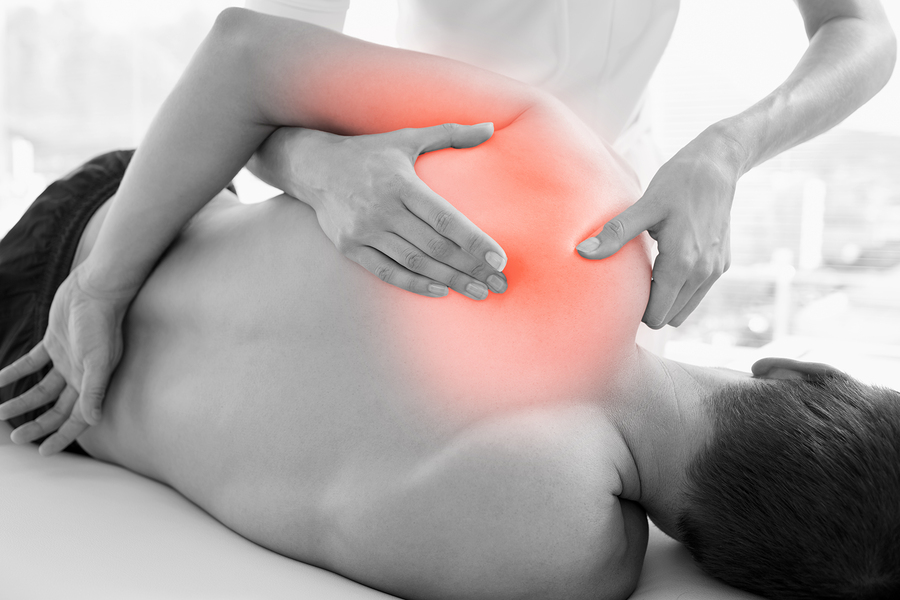
According to a small pilot study published in PLOS ONE, a single PRP injection helps reduce pain and heal injured tissue.in patients with chronically sore shoulders caused by rotator cuff tears. 

"We studied patients 35 to 60 years old with rotator cuff tendinopathy due to normal aging. For the first time, we were able to not only find reported improvements in pain and mobility, but also in the tissue - the MRI before and after showed structural change and a decrease in the size of tears," says lead author Marni Wesner, sports medicine physician at the University of Alberta’s Glen Sather Sports Medicine Clinic.

PRP therapy is an emerging therapeutic procedure for the treatment of both acute and chronic soft tissue injuries. The procedure involves withdrawing blood from the patient and then spinning it to produce a high concentration of platelet cells. The plasma is then injected back into the patient at the injury site, speeding up the natural healing process.

The pilot study involved only a small number of participants – 7 patients with rotator cuff tendinopathy received a PRP injection and 2 received a placebo injection. All participants then took part in a 3-month home-based daily exercise program.

"Based on MRI findings before and after the injections, we saw improvements in the tissue six months later in five of seven patients undergoing PRP and an appropriate rehabilitation program. The healing in the tissue appeared to correspond with the reported improvement of the pain and also with the clinical assessment of function," explains Doug Gross, interim chair of physical therapy at the Faculty of Rehabilitation Medicine.

One of the patients who benefitted from the treatment was Debbie Brown, a retired police officer.

"For the past two years, I have tried everything for my right shoulder. Physio would help for a bit but then the problem would still be there. I tried acupuncture, Kinesio tape, cortisol injections - you name it, I've tried it," says Brown. "Once I did the PRP, it really did fix everything!"

At age 58, Brown says her injured shoulder feels like new.

"I can shoulder-check now and brush my hair. I can work out and be active again," she says.

Researchers admit the small size of the study and other factors may have affected the results.

“Patients considered for this study had very high expectations of PRP treatment, with 70% willing to pay out-of-pocket for the therapy to avoid the possibility of receiving a placebo injection. This presented a serious challenge for recruitment and will likely limit the ability of future investigators to enroll sufficiently large and representative samples of patients for PRP trials. High patient expectations and the placebo effect on clinical outcomes also cannot be discounted,” said Wesner.

In fact, one of the patients who received placebo treatment reported improvements in both pain and physical function – which could have been a placebo response to the injection or because of the home exercise program they participated in.

Los Angeles Lakers star Kobe Bryant was one of the first professional athletes to receive PRP therapy, traveling to Düsseldorf, Germany for a more refined version known as the Regenokine treatment.  Peyton Manning, Alex Rodriquez, Vijay Singh and other professional athletes soon followed.

Only a few small clinical trials have been conducted on the effectiveness of PRP therapy. Patients with knee osteoarthritis showed significant improvements as long as two years after PRP injections, according to a study published in The Journal of the American Osteopathic Association.

Vitamin D Ineffective for Knee Osteoarthritis

By Pat Anson, Editor

Recent studies have suggested that Vitamin D supplements may help reduce pain from fibromyalgia, arthritis and other chronic conditions.

But the “sunshine vitamin” did not relieve pain or stop cartilage loss in patients with knee osteoarthritis, according to new research published in JAMA.

Osteoarthritis is a joint disorder that leads to thinning of cartilage and progressive joint damage. Knee osteoarthritis (OA) is very common and affects over 250 million people worldwide. Nearly 40 percent of Americans over the age of 45 have some degree of knee OA.

Over 400 people with knee OA and low serum levels of Vitamin D participated in the placebo controlled study in Australia and Tasmania. They were divided into two groups; with one receiving Vitamin D supplements and the other a placebo.

Over the course of the two-year study, knee pain, stiffness and physical function were measured with the WOMAC pain scale and MRI scans were used to monitor cartilage volume, defects and bone marrow lesions.  

While the supplements did increase Vitamin D blood levels, they did not reduce knee pain. MRI’s also showed no significant differences in cartilage between the two groups.

“Vitamin D supplementation, when compared with placebo, did not result in significant differences in change in MRI-measured tibial cartilage volume or change in WOMAC knee pain score over 2 years. These findings do not support the use of vitamin D supplementation for preventing tibial cartilage loss or improving WOMAC knee pain among patients with knee osteoarthritis,” said lead author Changhai Ding, MD, of the University of Tasmania.

Vitamin D helps control levels of calcium and phosphate in the body and is essential for the formation of strong bones and teeth. Vitamin D also modulates cell growth, improves neuromuscular and immune function, and reduces inflammation

Vitamin D deficiency – a condition known as hypovitaminosis D -- is caused by poor nutritional intake of Vitamin D, inadequate sunlight or conditions that limit Vitamin D absorption. The most severe type of hypovitaminosis D causes general body pain, especially in the shoulder, rib cage, lumbar and pelvic regions.

Researchers at National Taiwan University Hospital recently found a “positive crude association” between fibromyalgia and hypovitaminosis D.  According to the Vitamin D Council, low levels of Vitamin D could be the result of fibromyalgia, rather than the cause of the disease.

Sources of Vitamin D include oily fish and eggs, but it can be difficult to get enough through diet alone. Ultraviolet rays in sunlight are the principal source of Vitamin D for most people.

Do Non-Opioid Pain Meds Raise Risk of Suicide?

By Pat Anson, Editor

We received a lot of reader reaction to our story about Sherri Little, the 53-year old chronic pain sufferer who committed suicide with an overdose of medication in her Los Angeles hotel room last year (see “Sherri’s Story: A Final Plea for Help”).

“Numerous prescription medications in the decedent’s name were found throughout the hotel room including a bottle labeled Lyrica on the rim of the bathtub next to the decedent’s body,” reads the coroner’s report.

Lyrica has a warning label that states the anti-seizure drug “may cause suicidal thoughts or actions.” At least two other medications Sherri was taking – the sleep aid Ambien and the sedative Klonopin  -- also have labels warning they may worsen depression or suicidal thinking.

Several readers wondered – as we did – why doctors would prescribe the drugs to Sherri, who had been suicidal for at least two years.

SHERRI LITTLE

SHERRI LITTLE

“The off label use of antidepressants and anti-seizure meds for pain control is criminal. People are dying! And it's not because they're addicts! It's because the healthcare professionals have become compliant and have agreed to go against all common decency and sense,” wrote Arianne Grand-Gassaway, a chronic pain patient.

Many doctors are turning to non-opioid drugs like Lyrica to manage pain because they’re considered safer and less addictive. Worldwide sales of Lyrica topped $6 billion for Pfizer in 2014, up 19 percent from the previous year.  

“When a suicide occurs it is hard to know with certainty whether medications like Lyrica contributed to the suicide or pain itself was the primary cause,” said Lynn Webster, MD, past President of the American Academy of Pain Medicine and Vice President of scientific affairs at PRA Health Sciences.  “I feel the risk of suicide is many times greater for inadequately treated moderate to severe pain than with patients on these medications.”

Webster says the cocktail of drugs Sherri Little was taking for her pain, anxiety and depression was not unusual.

“It is very common to prescribe an anticonvulsant like Lyrica with a sleep aid. Lyrica is viewed as a safer medication than most options. Most people with moderate to severe chronic pain have difficulty sleeping so drugs like Ambien and Lunesta are routine.  Klonopin is also very commonly prescribed for an anxiety disorder or muscle spasm. It is also used to facilitate sleep," said Webster.

The Food and Drug Administration added suicide to the warning labels for Lyrica and Klonopin  after a review of nearly 200 clinical studies found that patients taking antiepileptic drugs had almost twice the risk of suicidal thought or behavior than patients taking a placebo. 

The risk is small – about 1 in every 500 patients – but don't tell that to the families of the four patients in the clinical studies who killed themselves.

After reading Sherri Little’s story, one reader told us Lyrica made her suicidal.

“I went to my doctor in January after being on Lyrica for a month. It seemed to be helping my nerve pain so she upped my dose to 50 milligrams twice a day,” said Allison Lindsay Shorter. “A couple of days later I started having deep thoughts like I was out of control of my emotions. My anxiety was sky high. I argued for no reason with everyone. I had feelings of hurting myself and whoever got in my way.”

Shorter told her boyfriend she wanted to kill herself and hid his cellphone before swallowing a bottle of muscle relaxers. She was rushed to the hospital and survived.

“I felt out of control when I had all those thoughts and actions, I was scared of myself because I could not control anything. It felt like a demon or evil spirit,” said Shorter. “I knew then it was the damn medication.”

In addition to Lyrica, Shorter was taking 18 other medications to treat a long list of conditions, including fibromyalgia, complex regional pain syndrome, and neuropathy. At one time she was also taking Neurontin (gabapentin), another antiepileptic drug often prescribed for pain that comes with a  label warning of suicide, depression, panic attacks and dangerous impulses.

Why do doctors prescribe medication with such risky side effects?

“Most doctors are probably aware of the suicide risks but the general belief is that risk of suicide from the medication is very low and the risk of suicide from undertreated pain is much greater,” says Webster, who recently wrote a column on patient suicide (see “A Doctor’s Perspective on Patient Suicide”).

“The potential risks have to be continually weighed against the potential benefits.  Lack of treatment carries significant risk too. Suicide is at least three times more likely in the chronic pain population than the general population.  The risk appears to increase with the number of medical diagnoses. In my opinion the risk of suicide due to pain, treated or untreated, far exceeds the risk of suicide from these medications, prescribed alone or in combination.”

Webster fears the current backlash against opioids and efforts to further limit opioid prescribing will lead to more pain going untreated.

“This is a serious topic and I am afraid there are going to be many more suicides due to the anti-opioid movement.  Very sad,” Webster wrote in an email to Pain News Network.  

Ironically, small doses of an opioid may actually reduce the risk of suicide, according to a recent small study in Israel. Researchers at the University of Haifa gave 40 suicidal patients small doses of buprenorphine and found it reduced their suicidal thoughts after just one week.

Just as opioids reduce physical pain, researchers think it can ease mental pain.

“I think they’re onto something. However, buprenorphine acts on a number of different opioid receptors and it’s still unclear which one or ones are playing a role in the anti-suicidal effects,” psychiatrist Joan Striebel told New Scientist.  “I hope this work spurs more interest in what specific molecules could be involved in suicidal thought.”

Hospital Pain Care Needs Improvement

By Barby Ingle, Columnist 

Most hospital staffs are poorly trained in pain management, in my opinion. They are used to acute emergency situations and seeing many of the same ones over and over. So when a “zebra” (someone with a complex chronic condition) gets pushed in on a stretcher, they tend to have thoughts like these:

“Oh boy, I am going to have to work.”

“I don’t believe that this person is as bad as they say.”

“I have seen others in worse physical condition and this person looks ‘normal’ so they can’t be experiencing what they say is going on.”

I had an emergency room doctor tell me once that I didn’t have a blocked bladder. He got out a machine to measure how full my bladder was, but I think he never even turned it on. He said my bladder was empty.

I was in so much pain at the time that I told him he was reading it wrong and that my bladder was extremely full and hurt dramatically. I begged him use a catheter on me. Finally, probably after being sick of hearing me cry out in pain, he let the nurse use a catheter. Guess what? I was right. After my bladder was drained, the pain subsided and I was released to go home. The doctor apologized.

Another time I was taken to the hospital with multiple kidney stones. The ER rooms were full and patients on stretchers were lining the hallways. I was quietly crying from pain, curled up in a ball on my stretcher, watching as other patients were being paid attention to and given pain care. What were they doing different than me? They were loud and obnoxious.

I finally reached my breaking point. I allowed myself to yell out in pain and a few choice words also followed. In less than a minute, a nurse who had told me before that she couldn't give me anything for pain until they got me in a room was beside me with a dose of pain medication.

I know my body. Most people living with a chronic condition know their body and what is new, different, worse, or better. We just know. It’s time that providers trust us and realize that we are there for a reason. The vast majority of us are not trying to score opioids, but trying to get relief because we have reached our breaking point. 

One of the most important issues in an emergency room after lifesaving measures is the patient’s pain care. This is especially true in an acute situation, which is typically why we go to the emergency room in the first place. I don’t know many people who go to the ER or are hospitalized for chronic pain only.

The need for optimal pain care during hospitalization is high, but unfortunately proper and timely pain care is hit and miss at best.  

That’s why Pain News Network and the International Pain Foundation (IPain) are conducting a survey of pain patients about their treatment in hospitals.

The survey, which you can take by clicking here, will help us document how bad the problem is and what can be done to fix it.

Patients who try to be their own best advocate and take personal responsibility for their health should not be discarded because addicts or a small number of pain patients are abusing medications. Yes, abuse needs to be addressed. But pain should not be neglected. Controlling pain is important to the overall outcome of the emergency situation.

In past columns I have discussed the importance of asking for your pain medication at least 30 minutes before you may need them while in the hospital. That is because hospital nurses are trained to wait for you to ask for the medication before they order it -- even if the provider has it marked in your chart that pain medication is allowed. If you do not know to ask, your pain cycles and levels will become harder to control. I have been in this situation many times myself.

I know if I go to the hospital closest to my house, I will not get as good assistance with pain management as I would if I drove a little farther to another hospital. I have to consider other issues as well, such as how long I may have to stay at the hospital, will they have my regular medications, and will they have a staff that understands reflex sympathetic dystrophy and the secondary challenges that come with treating a ‘thick case file’ patient.

When I know I am being listened to as a valuable and knowledgeable patient and team member in my care, my pain will be better managed and I will rate the hospital higher in patient satisfaction surveys. When my underlying condition is not addressed, they’ll get a negative review.

Should a doctor be worried about how I am going to score them? Not if they treat me fairly, individually and as part of my treatment team. Does this mean they should just hand me whatever I ask for? No. It means that they need to use my personal assessment of pain as part of the planning for my care. Not doing so is neglecting the patient.

Barby Ingle suffers from Reflex Sympathetic Dystrophy (RSD) and endometriosis. Barby is a chronic pain educator, patient advocate, and president of the International Pain Foundation. She is also a motivational speaker and best-selling author on pain topics.

More information about Barby can be found at her website.

The information in this column should not be considered as professional medical advice, diagnosis or treatment. It is for informational purposes only and represents the author’s opinions alone. It does not inherently express or reflect the views, opinions and/or positions of Pain News Network.
Miss Understood: The Face of Lupus

By: Arlene Grau, Columnist

I like to think I eat healthy since being diagnosed with lupus. It wasn't too difficult because I grew up in a home where soda was never allowed and we hardly ever ate things high in sugar.

Since becoming a mother myself I decided organic foods were the best for my kids and greasy, processed items would not be something we would be eating. I notice the difference my diet has made in my overall well-being because anytime I give into temptation and have a cheeseburger, I end up extremely sick and with swollen joints.

Although I have food figured out, I recently discovered that lupus is full of surprises.

Living in Southern California, I know that I have to wear extra sun block to protect me from the sun because I break out in rashes, usually on my arms, because of my disease. This has happened every year, and on some occasions I’d get what's known as a butterfly rash across my cheeks, usually so mild it looked like blush instead.

Two weeks ago I woke up and my cheeks looked like I had been slapped so hard that it left welts and redness. My cheeks not only had a very severe butterfly rash, they were swollen.

I tried everything I had to cover up the rash but the redness showed right through my makeup. I bought over the counter hydrocortisone cream but it didn't decrease the redness, although it did help with the burning.

Washing my face with a brush was making it worse so I had to stop. It's been two weeks and no progress has been made.

I saw my rheumatologist a few days ago because I'm having a lupus flare. Aside from the issue I'm having with the face rash, I've got swollen knuckles, fingers and knees, and a significant amount of hair loss in the last few months. Anytime I shower or brush, I get a handful of hair that falls out or breaks off.

So now I'm taking folic acid, prenatal vitamins and ovation hair therapy pills to try to repair the damage. Luckily, my rheumatologist referred me to a dermatologist at USC and my doctor says they can prescribe something stronger for my face or even inject into the rash.

I've never been the type of person who cared what others thought about her looks until I got sick. Not because I'm sick, but because of all the scars I've acquired since my surgeries. My journey is only beginning. If my rash doesn't get better it will permanently scar my face.

What's the first thing you see when you look at someone? Their face. Since getting my rash I haven't wanted to leave my house. I even missed reading to my daughter’s class because I was too embarrassed to be with the other parents.

This morning I decided I wouldn't wait for my appointment with the dermatologist next week or for the medication to kick in (once I get some). I took matters into my own hands to find a way to temporarily cover up my rash. So, I went into a cosmetic store the minute it opened, found the cutest little worker and explained my situation to her.

I don't know much about makeup because I don't wear a lot, so I was amazed when she explained why there's a green cover up that goes on first, then she applied foundation and after that a powder. The end result had me crying like a baby. I couldn't stop thanking her for what she had done for me. I was Arlene again. I was looking at myself and I couldn't believe it. There was no redness or puffiness; it was the same flawless skin I was used to having before the rash.

It may seem silly, but something as simple as getting my makeup done has completely changed the way I feel about myself. I'm okay with leaving the house to run an errand because now I know how to cover up my rash properly. It's easy for me to cover up my body if I break out in rashes, but my face is always exposed even with a hat on. But now I feel beautiful again.

Arlene Grau lives in southern California with her family. Arlene suffers from rheumatoid arthritis, fibromyalgia, lupus, migraine, vasculitis, and Sjogren’s disease.

The information in this column should not be considered as professional medical advice, diagnosis or treatment. It is for informational purposes only and represent the author’s opinions alone. It does not inherently express or reflect the views, opinions and/or positions of Pain News Network.

Education Campaign Launched for OTC Pain Relievers

By Pat Anson, Editor

You’ve probably seen the numbers. The Centers for Disease Control and Prevention estimates that over 47,000 Americans died of drug overdoses in 2014. Over 60 percent of them involved some type of opioid, a category that includes both prescribed pain medications and illegal drugs such as heroin.

Rarely mentioned by the CDC is the number of Americans harmed by over-the-counter (OTC) pain relievers such as acetaminophen and non-steroidal anti-inflammatory drugs (NSAIDs). Acetaminophen overdoses kill about 150 Americans every year and send 78,000 to the hospital.

With opioids becoming harder to obtain for chronic pain sufferers, many are turning to OTC pain relievers – often excessively. A recent survey of pain patients found that 43% knowingly took more than the recommended dose of OTC pain medicine and 28% experienced complications from an overdose.

To help consumers learn more about the risks posed by OTC pain medications, the Alliance for Aging Research has released two animated videos about how to safely choose, take, and store OTC pain relievers. They explain the difference between acetaminophen – which is widely found in products like Tylenol and Nyquil – and NSAIDs, which includes both ibuprofen and aspirin.

"With so many options, it is important for someone to choose an OTC medication that does the best job of treating their pain, while also being aware of its potential risks to their health," said Lindsay Clarke, Vice-President of Health Programs for the Alliance for Aging.

"For older adults, understanding their options is even more important, as age may increase the risk of certain OTC pain medication side effects. These films offer a great overview of what someone needs to know before taking their OTC pain medication."

The videos were produced with support from McNeil Consumer Healthcare, the maker of Tylenol and Motrin.

A survey of over 1,000 pain sufferers by the American Gastroenterological Association (AGA) found that many routinely ignore OTC medicine labels, putting them at risk of serious side effects such as stomach bleeding, ulcers, liver damage, and even death.

"Pain is incredibly personal, but taking more than the recommended dose of OTC pain medicine can cause significant stomach and intestinal damage among other complications," said Byron Cryer, associate dean at the University of Texas Southwestern Medical Center, Dallas.

Gastroenterologists say most patients who experience complications from overdoses of OTC medicine are trying to manage chronic pain or arthritis. Eight out of ten (79%) also report taking multiple symptom OTC medication in the past year for allergies, cold or flu symptoms – which can greatly increase their exposure to both acetaminophen and ibuprofen.

“It is a growing concern because people living with chronic pain and taking multiple medicines often don’t recognize the side-effects of taking too much,” explained Charles Melbern Wilcox, MD, professor of medicine in the division of gastroenterology and hepatology at the University of Alabama at Birmingham.

A Doctor’s Perspective on Patient Suicide

By Lynn Webster, MD, PNN Columnist

The death of the New York Times journalist, Sarah Kershaw, reminds me painfully of too many conversations I had with my patients during the course of my career as a pain doctor about whether or not they wanted to live.

During the 30 years of my practice, countless patients told me they had no hope for a life without severe disabling pain and would, therefore, prefer to die.  I believed them.

The CDC reports there are 44 deaths per day that involve opioids, but there are more than 105 deaths per day from suicide.  An undoubtedly significant (but uncertain) number of those suicides can be attributed to people with severe pain.

Suicides, by the way, come in at least two variations: active and passive. Active suicides intend to commit suicide and usually plan it. Passive suicides happen without premeditation by a person who finds it acceptable that her behavior might lead to death.

Of the opioid-related deaths, it is not clear how many either are active or passive suicides yet are not counted as suicides.

My patients often expressed to me that death seemed to be the only way out of the misery of pain. I often felt the most important role for me, even when I couldn’t relieve my patients’ pain, was to give them hope.

But reality often trumped my best intentions. After living for years with little improvement of their pain, some my patients found it hard to sustain their hope, regardless of my efforts.

Here is where the intersection of relieving pain and preventing harm from opioids exists.

I always warned patients that, if they took more painkillers than I prescribed, they might not awaken.  More times than I care to remember, after I said this, my patient would look me square in the eye and say with complete sincerity, “That’s okay, doc. It would be better to die than to live with my pain.”

Through the years, I had patients who died from suicide.  Some used a gun.  Others used the pain medications I prescribed.

It was never easy to prescribe an opioid to someone who had such intense pain that she wished to die.  But, often, there was no alternative unless I ignored the person’s need to mitigate the pain.

I worried whether the medicine that I prescribed to help my patient get through days and nights of horrific pain would be used as I directed, or whether it would be used to enable my patient to escape a world of suffering.

I could never be sure, and it was a constant source of stress and unhappiness for me. To an extent, it was beyond my control. As a physician, I had to give my patients something to enable them to survive with pain. Yet, as a human being, I had to deal with the fact that the pain medication might be used when the patient could no longer survive with that pain and had lost hope.

Whether opioids are a reasonable treatment for people with disabling non-malignant chronic pain will continue to be a subject for debate.  But there should be no debate about one thing.

People with chronic pain should not view suicide as their only option for relief.  We have to do more to prevent tragedies like the death of Sarah Kershaw from ever happening again.

Lynn R. Webster, MD, is past President of the American Academy of Pain Medicine, Vice President of scientific affairs at PRA Health Sciences, and the author of “The Painful Truth.”

This column is republished with permission from Dr. Webster’s blog.

The information in this column should not be considered as professional medical advice, diagnosis or treatment. It is for informational purposes only and represent the author’s opinions alone. It does not inherently express or reflect the views, opinions and/or positions of Pain News Network.

Sherri’s Story: A Final Plea for Help

By Pat Anson, Editor

“I’ve been thinking about ending my life if I don’t get the help I need.”

Those are chilling words for anyone to hear. And in the last two years of her life, Sherri Little said them often to family, friends and doctors.  After decades of struggling with chronic pain from fibromyalgia, inflammatory bowel disease, severe colitis and other conditions, the 53-year old California woman was desperate and depressed when she checked into the emergency room at Cedars-Sinai Medical Center in Los Angeles on July 3, 2015.

What happened over the next four days is not entirely clear, but we know that Sherri took her own life. Her body was found in the bathtub of a hotel room across the street from Cedars-Sinai on the morning of July 7, with several prescription bottles and an empty bottle of wine nearby. Sherri had been sober for many years.

“I attest this is the first drink of alcohol in 16 years -- just to give me the courage to end my life alone,” Sherri wrote in a suicide note found in her hotel room.

“Several documents found inside the location underscored her pain, suffering and suicidal ideations,” reads the coroner’s report. “A check of the decedent’s laptop also contained a pictured document written by the decedent titled ‘Why I Killed Myself’ by Sherri Little.”

We’re telling Sherri’s story --- with the help of her mother, friends and patient advocate – not in a ghoulish attempt to recreate her final days, but to lend a name, a face and a voice to the untold number of chronic pain sufferers who have also been overwhelmed by pain, depression and loss of hope.  Like Sherri, many felt abandoned by a healthcare system that was unwilling or simply unable to treat them.

sherri little

sherri little

Over 42,000 Americans killed themselves in 2014 according to the CDC, but experts believe the actual number is higher. Many suicides go unreported or are misclassified as accidental, covered up by grieving family members or accommodating medical examiners.

Sherri’s death was no accident, but it’s taken several months for her mother to come to terms with it.

“I’ve got to get her story out there,” said Lynda Mannion, Sherri’s mother. “She got to the point in the last year or so she could hardly eat solid food at all. She was just drinking her nutrition. I guess she must have lost 20 to 30 pounds in the last year.

“She would say, ‘I can’t go on living like this. If I can’t get some help, if somebody doesn’t believe me, I just can’t go on living like this.’ She didn’t seem to be extremely afraid of dying, considering the alternative, living with the pain she was in. But I never expected her to do it.”

A few months before she died, Sherri gave an interview to Tina Petrova in Toronto for a soon-to-be released documentary called Pain Warriors. 

“Sherri Little and I first became friends on Facebook, united by our common passion of pain patient advocacy. She initially reached out to me after hearing that I had a film in development I was producing on chronic pain and said, ‘Do I have a story for you!’ And indeed, she did,” says Petrova.

In this short clip, Sherri doesn’t talk about suicide and appears hopeful about her future.

But just weeks later, Sherri wrote the following in an email to Petrova:

“I was acutely suicidal last night after being verbally abused by a doctor who can't even get me any pain relief anymore,” said Sherri. “In a last ditch effort to save my life I am going to Cedar Sinai ER in LA with my patient advocate.”

Sherri was referring to Lisa Blackstock, a professional advocate who founded Soul Sherpa to help guide patients through the healthcare system. Blackstock had been a volunteer at Cedars-Sinai for several years and knew her way around one of the most respected hospitals in Los Angeles. 

The day before she went to the hospital, Sherri was still having suicidal thoughts.

“I woke at 3am today, ready to give up the fight and end my life. This is not dramatic or blaming of you, but just a statement of fact: my life has not been worth living for 2 years,” Sherri wrote in an email to Blackstock.

The two women went to Cedars-Sinai together and were in the emergency room for 11 hours before Sherri was finally admitted as a patient with severe abdominal pain on the evening of July 3rd.

Over the next two days, Sherri was examined by doctors and a psychiatrist, who concluded she was a “moderate” suicide risk because she had never actually tried to take her own life.

“Patient is at moderate risk of harm to self, but does not meet criteria for involuntary psychiatric treatment at this time,” the psychiatrist wrote in Sherri’s medical records, which were provided to Pain News Network by her mother.

cedars-sinai medical center

cedars-sinai medical center

Sherri was scheduled for a colonoscopy on July 6, but never had the procedure.  For reasons that are not clear, she became frustrated with her treatment and left the hospital the night before.

“She left against medical advice,” Sherri’s discharge notes say. “Efforts were made to talk to her about the seriousness of her decision. She explained that she understood but, however, would like to leave against medical advice.”

Lisa Blackstock didn’t learn about Sherri’s release until it was too late.

“Despite a HIPAA release (patient release form) on file naming me as Sherri's contact, the doctor did not contact me and decided there was no reason to place her on a 72-hour involuntary hold,” Blackstock wrote in a letter to the coroner’s investigator. “Sherri was allowed to leave the hospital, in pain and suicidal, and the physicians responsible for her care failed miserably.

“I am a long-term volunteer at Cedars, and, until this incident, had great respect for them.  Changes in healthcare law have resulted in substandard care for many patients depending upon their insurance coverage types, as well as hospital administrators dictating care for patients rather than skilled physicians.”

A spokeswoman for Cedars-Sinai said the hospital was unable to comment and wouldn’t even confirm Sherri had been a patient there.

“State and federal privacy laws prevent hospitals from releasing information about patients without their consent, including whether an individual may or may not be a current or former patient,” wrote Sally Stewart in an email to PNN.

Cocktail of Medications

Long before she was admitted to Cedars-Sinai, Sherri was prescribed a potent cocktail of medications for her pain and depression; including the opioids tramadol and hydrocodone, as well as Lyrica (pregabalin), Ambien (zolpidem), and Klonopin (clonazepam).    

Lyrica, Ambien and Klonopin have all been linked to increased risk of suicide.  

Lyrica has an FDA warning label that states the drug “may cause suicidal thoughts or actions” and Ambien’s label warns that “depression or suicidal thinking may occur.”

Klonopin belongs to a class of sedatives known as benzodiazepines, which are increasingly being linked to overdoses, especially when combined with opioids. Klonopin’s label also warns of “suicidal behavior and ideation.”

Why were doctors prescribing these drugs to someone who was suicidal? And why did Cedars-Sinai release Sherri with the drugs in her possession?

“They discharged her with all of them at Cedars, which I found just incredibly irresponsible,” says Blackstock.

According to the autopsy report, the coroner found only trace amounts of opioids and Ambien in Sherri’s system, but apparently never looked for the other drugs. Her official cause of death is listed vaguely as “combined effects of medications.”

Were the same drugs that Sherri took for her pain and depression – which were ineffective in helping either – used as instruments in her death? 

We may never know the answer.

“I have fought to get help for the disease I am dying of – pseudomembranous colitis – for years without help from anyone,” Sherri wrote in her suicide note. “I do not want to be resuscitated. There is nothing left for me but to be tied to a hospital bed in great pain.” 

Sherri was divorced and did not have any children. But a close circle of friends and loved ones are anxious to have her story told and her memory preserved.

“She was beautiful from the time she was little. She was beautiful up to the day she died.  She looked 20 years younger than she was,” recalls Sherri’s mother, Lynda.

“She loved to help people. She wanted to help people and she couldn’t understand why nobody would help her. She would have been there for anybody.”

“Sherri was one of those rare people that could light up the room upon entering,” recalls her friend, Tina Petrova. “During the all too short time I knew Sherri, her key focus above all was advocating for pain patients, speaking up, getting involved. Her search for treatments for her own painful conditions took a back seat to her passion to help others.

“I can just see her high above us saying, “But you have to DO SOMETHING!’”

Sherri’s advocacy will continue, thanks to a website Petrova created to honor Sherri's memory and the documentary that she’s producing on chronic pain in North America.

What can the rest of us learn from Sherri’s struggle?

Perhaps those lessons are best learned through her own words -- and the advice that Sherri gave to other pain sufferers:

Childhood Emotional Abuse Raises Risk of Migraine

By Pat Anson, Editor

New research is adding to the growing body of evidence linking child abuse with migraines. In a large survey of young adults, nearly two-thirds who suffer from migraines said they experienced emotional abuse as children.

"Emotional abuse showed the strongest link to increased risk of migraine," said Gretchen Tietjen, MD, University of Toledo. “Childhood abuse can have long-lasting effects on health and well-being."

In the study, nearly 14,500 people aged 24 to 32 were asked the question: "How often did a parent or other adult caregiver say things that really hurt your feelings or made you feel like you were not wanted or loved?"

Of those diagnosed with migraines, 61% said they had been abused as a child. Of those who never had a migraine, 49% said they were abused.

The participants were then asked whether they had experienced emotional, physical or sexual abuse as children. Physical abuse was defined as being hit with a fist, kicked, or thrown down on the floor, into a wall, or down stairs. Sexual abuse included forced sexual touching or sexual relations.

Nearly half of the participants answered yes to emotional abuse, 18% said they were physically abused, and 5% sexually abused.

Those who were emotionally abused were 52% more likely to have migraine than those who were not abused. But those who were sexually or physically abused were not significantly more likely to have migraine.

“Multiple studies have shown a strong link between childhood trauma and subsequent risk for developing chronic pain in adulthood, for instance, fibromyalgia. This study appears to be showing a similar association in migraine,” said Beth Darnall, PhD, Clinical Associate Professor at Stanford University and co-chair of the Pain Psychology Task Force at the American Academy of Pain Medicine. 

“The collective findings suggest that childhood emotional trauma has a lasting impact on emotional and sensory experience throughout life, and underscore trauma as an important therapeutic target to reduce chronic pain and its impact, and to possibly prevent chronic pain.”

A similar study published last year found that children who witnessed domestic violence between their parents were significantly more likely to experience migraine headaches as adults.

Researchers at the University of Toronto surveyed over 12,000 women and 10,000 men who participated in the 2012 Canadian Community Health Survey-Mental Health. Participants were asked if they experienced physical abuse, sexual abuse or if they witnessed parental domestic violence as children.

"We found the more types of violence the individual had been exposed to during their childhood, the greater the odds of migraine. For those who reported all three types of adversities -- parental domestic violence, childhood physical and sexual abuse -- the odds of migraine were a little over three times higher for men and just under three times higher for women" said Sarah Brennenstuhl, PhD, first author of the study.

Previous research has also shown the risk of depression and suicide ideation is about twice as high for migraine sufferers. People with migraine under the age of 30 have six times the odds of depression compared to migraineurs aged 65 and over.

Migraine is thought to affect a billion people worldwide and 36 million adults in the United States, according to the American Migraine Foundation. It affects three times as many women as men. In addition to headache pain and nausea, migraine can also cause vomiting, blurriness or visual disturbances, and sensitivity to light and sound.

Why I Keep Writing About Myself Online

By Crystal Lindell, Columnist

The other month I was chatting with this guy on Tinder. To protect the guilty, we’ll just call him Jerk I Should Have Swiped Left On — or Jerk for short.

All he knew about me was my first name, that I hate the Green Bay Packers, and that I write for a candy magazine. But it was all he needed.

Jerk: Hey. Sorry I took a minute to text back. I was just reading about a hurricane.

Me: What? There’s a hurricane? WHERE? OMG?

Jerk: No, I found your column.

He was talking about this column:  “Surviving the Hurricane of Chronic Pain.”    

You know, the one where I share all the intimate details of being in chronic pain for the last three years. 

Where I allude to things like suicidal thoughts with lines like: “I spent almost six months on the verge of drowning. And eventually I just got so tired that I wanted nothing more than to close my eyes, fall back into the water, and let it all go.”

And I talk about how many drugs I take. And how I live with my mom. And how I only barely survived the last few years.  

I had never even met this man and yet he was already getting a glimpse into incredibly personal parts of my life story.  It kind of made me mad, if I’m being honest. I mean, yes, I put it all out there. But I wasn’t expecting Jerk to go looking for it all so quickly. 

I was a writer long before I woke up with rib pain in February 2013. And since then, I’ve turned to the written word to try and make sense of it all. I always say: Writing is just a part of my soul, and when I go through things, I can’t not write about it. 

Of course, choosing to share those writings with the world is another thing altogether. And it’s a choice I make with great care. 

I try to be raw, visceral and real, but at the same time there are actually some things that are off limits. There are some pieces of my writing that only my best friend has ever read because I decided they were just a bit too personal for the internet. 

But even with that filter, there’s a lot about me out there for all the world to read. And all of it includes my real name. 

Anyone with three minutes and Google can find out about my long-term health problems, my opioid use, and my struggles with suicidal thoughts. And while it kind of sucks when a Tinder guy I think I might like finds all that stuff, it’s probably worse when people I know professionally see all of that as well. 

But then, I get the emails. And the private Facebook messages. And the comments. And I remember why I keep putting everything out there. 

I get emails that say things like:

“[Chronic pain] is a tough thing to live with for sure and I've felt so much of what you've written. It’s nice to know it's not just me to be honest.”

And private Facebook messages like:

“I've not openly shared my story like this before, just beginning to live a more transparent life, sharing and caring with others. You inspire me, by being so open with your story and the writing. Soon I will be working on my YouTube channel doing just this, sharing my testimony and journey in hopes to share connect helping one another. Peace.”

And Cat, who runs an intercostal neuralgia support group on Facebook, links to my column about my Painniversary, with comments like:

“So, I've never actually met someone with my condition face to face. But this is my friend Crystal who lives in USA, and has intercostal neuralgia like me. She is a writer and this is her pain blog. We 'met' through the support page I started 4 years ago.

My Painniversary is the 1st of October 2010. My pain hasn't improved. It's changed a bit though. I don't feel like I'm being stabbed as often, and I don't get the ‘needle of icicles’ down my nipple so much either, but the 24/7 relentlessness is always there. Weird to say, but it's comforting to know there are others like me who get what I'm going through.

Pain cannot be explained only experienced, but I totally get what Crystal is saying. I understand x.”

I read all this and it stops me in tracks.

I’ll be at my sister’s basketball game or waiting for a Tinder date to show up, and I’ll get a little notification or I’ll see a comment and I’ll just stop. I promise you, I read every single comment, every single email, every single Facebook message. And every single one of them touches my heart in a way that I can’t even explain. And I have to say, thank you to every single person who has ever taken the time to read my work, and then felt compelled to comment. Seriously. Thank you.

So yes, it actually really is annoying and frustrating when Jerk on Tinder finds out way too much about me before we even share a glass of wine together. But I’m going to keep putting myself out there, sharing way too much information about my life.

Because if I literally only help one person know that they aren’t alone and they aren’t crazy, then it’s more than worth it. Even if it means that ultimately, things don’t work out with Jerk from Tinder.

Crystal Lindell is a journalist who lives in Illinois. She loves Taco Bell, watching "Burn Notice" episodes on Netflix and Snicker's Bites. She has had intercostal neuralgia since February 2013.

Crystal writes about it on her blog, “The Only Certainty is Bad Grammar.”

The information in this column should not be considered as professional medical advice, diagnosis or treatment. It is for informational purposes only and represent the author’s opinions alone. It does not inherently express or reflect the views, opinions and/or positions of Pain News Network.

Study Finds Errors in Drug Websites

By Pat Anson, Editor

Nearly six out of ten Americans adults have gone online for health information in the past year, usually to identify medical conditions and treatments, according to the Pew Research Center. But just how reliable is the information they found?

A research study led by drug maker Purdue Pharma found that several websites where physicians and consumers get information about medications contain misinformation that could potentially jeopardize patient safety.

Purdue and 10 other pharmaceutical companies evaluated five websites; Medscape, Lexicomp Online, Epocrates Online, Drugs.com and RxList, which are referred to as online drug information compendia (ODIC).  

The sites typically offer information on side effects, warnings, safety, and dosages for thousands of brand name and generic drugs. Medscape, for example,  calls itself “the most authoritative and accessible point-of-care medical reference available” on the Internet.

Although the content is “informative and easily accessible,” researchers say the websites contain misinformation that could lead to drugs being misused.

"This is an important study that highlights the need for HCPs (healthcare providers) and consumers to use multiple sources when seeking drug information, as there were a surprisingly large number of errors, including inaccuracies and outdated information, across various drug summaries in online drug information compendia," said lead author Amarita Randhawa, Senior Manager of Medical Services at Purdue Pharma, which makes OxyContin.

"As ODIC use expands, it is crucial to ensure drug summaries are up-to-date, accurate and complete. Purdue Pharma has implemented an ongoing compendia review process, which served as the model for this collaborative initiative." 

The 11 participating companies evaluated 270 drug summaries on the five websites and found a median average of 782 errors. Dosage and administration, patient education, and warnings and precautions were the categories with the greatest number of errors. Most of the errors invbolved information that was incomplete, inaccurate or omitted. 

The study, which is being published in the Annals of Pharmacotherapy, does not identify what drugs were evaluated, only that they are used to treat a variety of different conditions, including pain, diabetes, infectious diseases and cardiovascular problems.

“Boxed warning information for product B was incomplete because the warning regarding addiction, abuse, and misuse was not provided,” was one of the errors cited.

“The warning that product F may cause dizziness and somnolence and impair the ability to drive or operate machinery as described in the Medication Guide was missing,” was another error.

The two consumer oriented websites, Drugs.com and RxList, had fewer errors on average than the other three websites, which are mainly designed for physicians and healthcare providers.

“Although the intent of this study was not to compare one compendium with another, it should not be surprising that HCP-ODIC contained a greater number of errors compared with consumer-ODIC because of the detailed and indepth nature of HCP-focused drug summaries,” the researchers said.

The Consumer and Patient Health Information Section (CAPHIS) has compiled a list 100 health websites it considers trustworthy. The list can be accessed by clicking here.

The National Institutes of Health also has tips on finding reliable health information online.

Living with Chronic Blood Clots

By Martin Lemieux, Guest Columnist

My story starts when I was 18 years old, almost 20 years ago, when I had my first deep vein thrombosis (DVT), a blood clot in my lower left leg.

At first doctors thought it was due to a back sprain that had forced me to lie down for a long period. But when I started getting a blood clot about once a year thereafter, they investigated further.

When I was 21, I was diagnosed with Factor V Leiden – a blood clotting disorder – which meant I would be prone to clotting for the rest of my life. At that age, it was a scary thought. I knew people died from blood clots every single day and I later learned that clots are the third leading cause of death by disease.

My mom was especially afraid for my well-being and would constantly want me to be careful. But being extra careful all the time isn't living; it's like being in prison for the mind.

About 9 years ago, a reddish/black round spot appeared on the ankle of my left leg. After a physical day of work, I came home, took off my work boots and this spot ripped off with my sock, causing a great deal of pain and bleeding. Panicking, I went straight to the hospital. Even after extensive tests, no one had any answers. I was given outpatient wound care, which went on for awhile.

martin lemieux

martin lemieux

The wound itself became larger, more inflamed and caused a great deal of pain. I was referred to a leading dermatologist in Canada, who determined that these chronic wounds could be due to a condition called Rheumatoid Vasculitis, a diagnosis that later proved to be false.

Not knowing for sure what is wrong with you is hard to go through, especially when answers are swirled around you for years. My family took it the hardest, since all they wanted were some answers that might one day help heal my wounds.

Any form of Vasculitis is rare. I was treated with prednisone for almost two years with no effect. I didn't want to be on prednisone anymore because of the major side-effects and the fact that my wounds were not healing. My specialists agreed, which raised the possibility that it could be another even rarer condition called Livedoid Vasculopathy (LV).

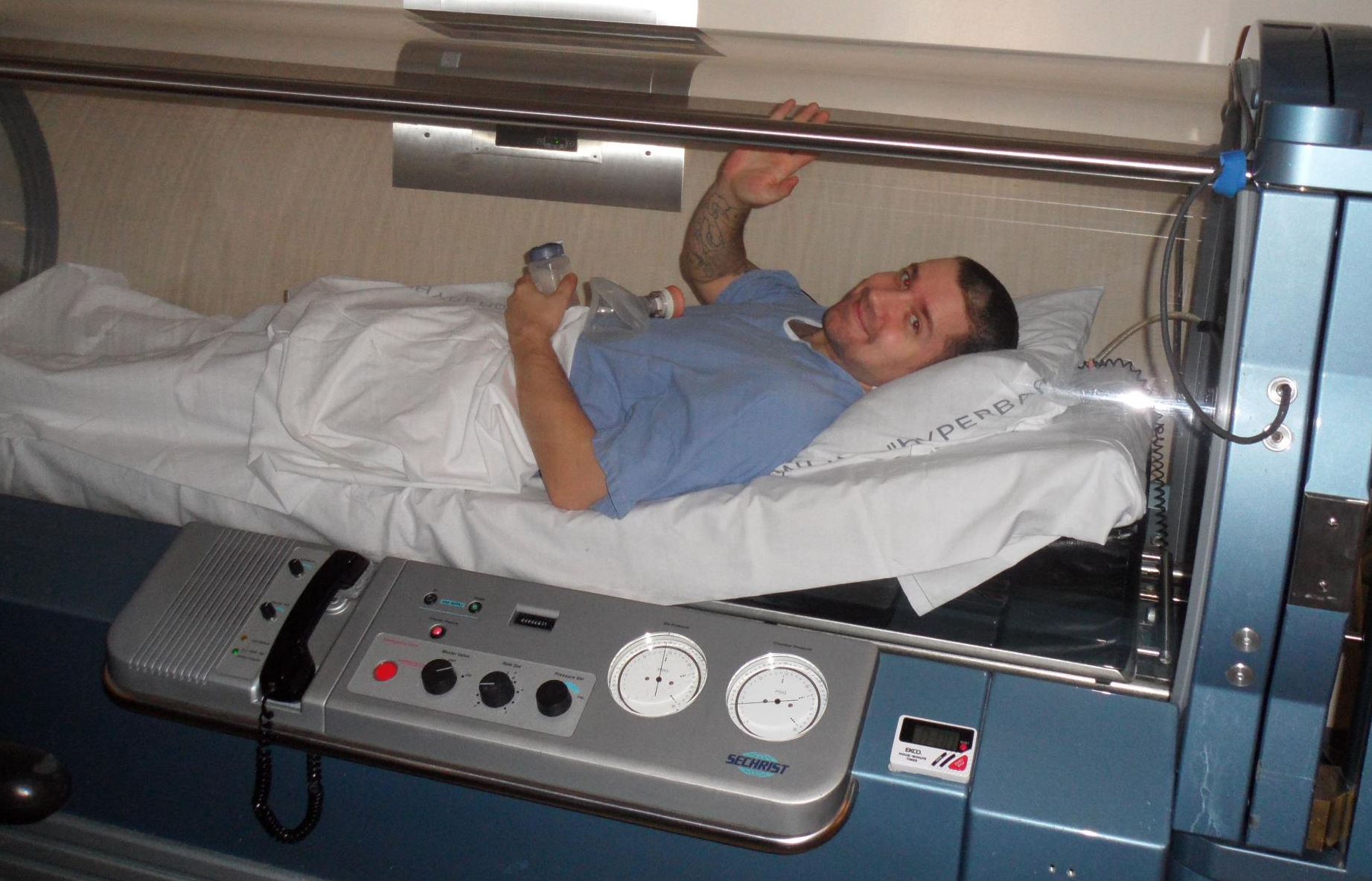
There's very little documentation on this condition and even less on ways to treat LV. I've tried many treatments, including daily injections of low-molecular weight heparin (a blood thinner) and even a daily 6-week treatment using hyperbaric oxygen tank therapy to induce oxygen where it counts most.

Unfortunately, due to my underlining conditions, any treatment we've tried has had little to no effect.

Both of my legs have been wrapped with Coban 2 layer compression bandages, Biatain ibu wound dressings, and other dressing materials for almost 9 years straight.

I've unfortunately become somewhat of a professional wound care specialist and try to educate and help others whenever I can. I've been to many wound care clinics giving presentations to new ER nurses and long-term wound care clients looking to be more independent with their own care from home.

One day at a mall, I was standing in line to get a coffee when suddenly I felt a "pop" from my right leg. A few seconds later, my foot felt extremely warm. Looking down at my leg, I was shocked to see that my foot was now standing in a pool of blood. Stunned, confused and somewhat embarrassed, I started walking down the hall to try to reach an exit in order to hail a cab to go to the hospital.

I had no idea I was leaving a trail of blood as I walked, and a few pedestrians followed my every step. I eventually collapsed from the blood loss and woke up sitting on the floor with a kind man who had wrapped his shirt around my leg to prevent more blood loss.

This was probably one of the scariest moments in my life. I was surrounded by people who were helping me while I was sitting in a pool of blood and I didn't know a single person (still don't to this day). It amazes me when people say the world is a mean place, because I've found that there are kind individuals everywhere I look. It's all in the mentality on how you chose to live, which surrounds you with what you believe in.

To date, these conditions have changed my life drastically in ways most people can't fathom. We’ve also discovered after extensive tests that I was born with one kidney, my arterial system is extremely abnormal and I have an elongated bladder. Like most people suffering from these conditions, I am forced to take an assortment of medications to help with blood clots, inflammation and pain. I have to be very careful of the type of foods I eat to enhance my energy, healing and well-being. My life has become very specific to daily tasks and necessary precautions.

One day I hope to meet a specialist willing to take a little risk here and there. At this point, I'm open to any suggestions that could provide me with some form of possibility for a better life.

Nowadays my time is dedicated to helping others, gaining knowledge and connecting with like-minded individuals who are an inspiration to myself and all who know them.

Martin Lemieux is from Ontario, Canada. Martin dedicates his time to helping patients who cannot advocate for themselves. He is currently writing two books on health care, patient care and how to be your own healthcare ambassador. Martin can be reached on Twitter at @Martin_Lemieux.

Pain News Network invites other readers to share their stories with us.  Send them to:  editor@PainNewsNetwork.org

The information in this column should not be considered as professional medical advice, diagnosis or treatment. It is for informational purposes only and represent the author’s opinions alone. It does not inherently express or reflect the views, opinions and/or positions of Pain News Network.

Spider Venom Could Take Sting out of Chronic Pain

By Pat Anson, Editor

Researchers in Australia have isolated a toxin in the venom of a tarantula that shows promise as a pain reliever. The discovery could accelerate development of a new class of natural painkillers that are not addictive and more effective than opioids.

Thrixopelma pruriens, more commonly known as the Peruvian Green Velvet Tarantula, is native to South America.  The spider’s bite isn’t potent enough to kill humans, but researchers at the University of Queensland say its venom inhibits pain receptors.

"Our group is specifically interested in understanding the mode of action of this toxin to gain information that can guide us in the design and optimization of novel pain therapeutics," said Sónia Troeira Henriques, senior research officer at the University of Queensland's Institute for Molecular Bioscience.

The peptide toxin – known as ProTx-II – inhibits pain signals by binding to the membranes of nerve cells.

image courtesy yale university

image courtesy yale university

"Our results show that the cell membrane plays an important role in the ability of ProTx-II to inhibit the pain receptor. In particular, the neuronal cell membranes attract the peptide to the neurons, increase its concentration close to the pain receptors, and lock the peptide in the right orientation to maximize its interaction with the target," said Henriques.

Henriques and her colleagues were the first to discover the importance of membrane-binding properties of ProTx-II in inhibiting a human pain receptor known as Nav 1.7. Previous research has shown that people born without Nav 1.7 channels due to genetic mutation are indifferent to pain – so blocking those channels in people with normal pain pathways has the potential to “turn off” pain.

University of Queensland researchers have studied the venom of over 200 spider species and found that 40% of the venoms contain at least one compound that blocked Nav 1.7 channels. But they’ve only scratched the surface. There are over 45,000 species of spiders, many of which kill their prey with venom that contain hundreds - or even thousands - of protein molecules that block nerve activity.

Based on the group's findings, they're now designing new toxins with greater affinity for the cell membrane and fewer side effects.

"Our work creates an opportunity to explore the importance of the cell membrane in the activity of peptide toxins that target other voltage-gated ion channels involved in important disorders," said Henriques.

Researchers are also studying the potential of venom in cone snails for its potential for blocking pain signals in humans. German scientists at the Pharmaceutical Institute of the University of Bonn say one advantage of the peptides found in snail venom is that they decompose quickly and are unlikely to cause dependency.

A pharmaceutical drug derived from cone snail neurotoxins has already been developed and marketed under the brand name Prialt. The drug is injected in spinal cord fluid to treat severe pain caused by failed back surgery, injury, AIDS, and cancer.

E-coli Bacteria Used to Produce Morphine

By Pat Anson, Editor

While politicians and regulators in the U.S. try to decrease access to opioid pain medications, scientists are developing new techniques to mass produce them.

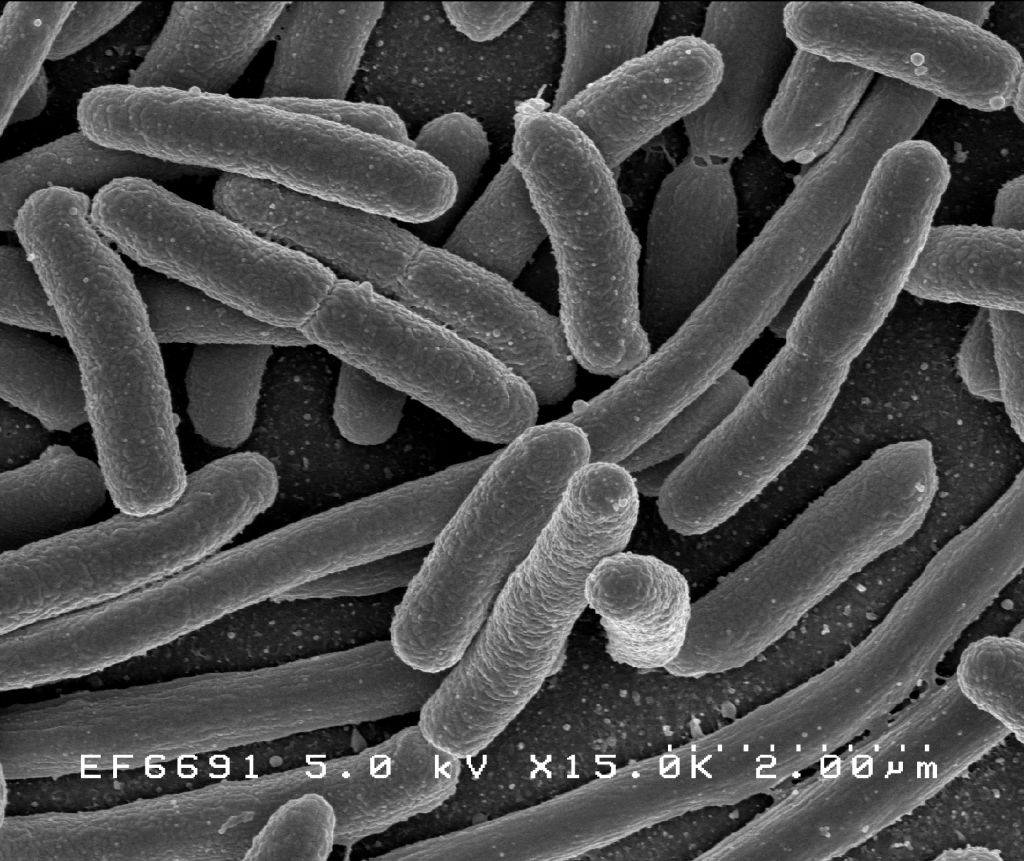
The latest development is at Kyoto University in Japan, where researchers have learned how to tweak E coli bacteria so that they pump out thebaine, a morphine precursor that can be modified to make opioid pain relievers.

The genetically modified Escherichia coli – a common gut microbe -- produces 300 times more thebaine than a recently developed method involving yeast.

"Morphine has a complex molecular structure; because of this, the production of morphine and similar painkillers is expensive and time-consuming. But with our E coli, we were able to yield 2.1 miligrams of thebaine in a matter of days from roughly 20 grams of sugar,” said lead author Fumihiko Sato of Kyoto University.

"Improvements in opiate production in this E. coli system represent a major step towards the development of alternative opiate production systems."

Sato’s study is published in the journal Nature Communications.

 Escherichia coli

 Escherichia coli

Morphine is extracted from opium poppy sap in a process that typically takes up to a year. Morphine can then be converted to opiates such as codeine, hydrocodone or even heroin.

Scientists at Stanford University last year engineered the yeast genome so that it produces opiate alkaloids from sugar. The genetically altered yeast cells grow so rapidly they convert sugar into hydrocodone in just three to five days. That raised fears that opioids could be produced cheaply and easily, provided that one has access to the necessary yeast strain.

With E coli, Sato says that such a production risk is unlikely.

"Four strains of genetically modified E coli are necessary to turn sugar into thebaine," explains Sato. "E coli are more difficult to manage and require expertise in handling. This should serve as a deterrent to unregulated production."

In 2011, Sato and colleagues engineered E coli to synthesize reticuline, another morphine precursor. In the new system, the team added genes from other bacteria and enzyme genes from two strains of opium poppies, Coptis japonica, and Arabidopsis.

"By adding another two genes, our E coli were able to produce hydrocodone, which would certainly boost the practicality of this technique," Sato said. "With a few more improvements to the technique and clearance of pharmaceutical regulations, manufacturing morphine-like painkillers from microbes could soon be a reality."

Opioid pain medications are widely available in the United States, where the focus is often on their potential misuse. But the World Health Organization estimates that 5.5 billion people worldwide have little or no access to opioids because of their limited supply and high cost.