Chronic Pain Patients Discovering Alternative to Opioids

By Pat Anson, Editor

It comes with clever names like KChill, Liquid K, Green Sumatra and Green Joy.

An advocacy organization calls it “a natural botanical that’s improving health and wellness from coast to coast.”

The Food and Drug Administration calls it a “narcotic” that can cause aggression, hallucinations, delusions, and tremors.

What are they talking about and why such radically different views?

Kratom is an herbal medicine made from the leaves of the Mitragyna speciose tree that grows in southeast Asia. People in that part of the world have used kratom for centuries as a natural remedy to boost energy, relieve stress and treat addiction. In the United States, kratom is increasingly being used as a pain reliever – a “safer” option than opioid pain medication.

For people with chronic pain who want complementary therapy or want to avoid the organ damage mainstream medications can cause, it's a great option,” said Suze Blood, a 43-year old Maine woman who suffers from rheumatoid arthritis, degenerative disc disease and fibromyalgia.

On the advice of a friend, Blood started using kratom three years ago as an alternative to opioid pain medication, which not only didn’t help her pain, but made her tired and depressed.

“My friend brought me some powdered kratom to try, and he mentioned how beneficial it had been for him and his brother in managing alcohol dependence. I also learned it helps with opioid withdrawals. A smaller amount will offer more energetic response, and larger (doses) more sedative qualities and lasts for hours,” said Blood.

Traditionally, kratom leaves were simply ground up to make tea or sometimes even smoked, but the leaves are now being used commercially to make a wide variety of tinctures, ointments, capsules and energy drinks.  Like marijuana, different strains of kratom do different things, and the internet is awash with testimonials about their benefits.

Red vein kratom helps people relax and has “an excellent ability to reduce pain,” according to the Kratom Trading Company, while white vein Kratom is used as a stimulant “to promote alertness, mental vigilance and wakefulness,” according to Kratom Online.  

Kratom is not classified as a controlled substance by the Drug Enforcement Administration, but is considered a dietary supplement regulated by the FDA. Supplements in the U.S. are held to far less regulatory standards than medications, but that hasn’t stopped a handful of states from making kratom illegal or the federal government from trying to get it off the market.
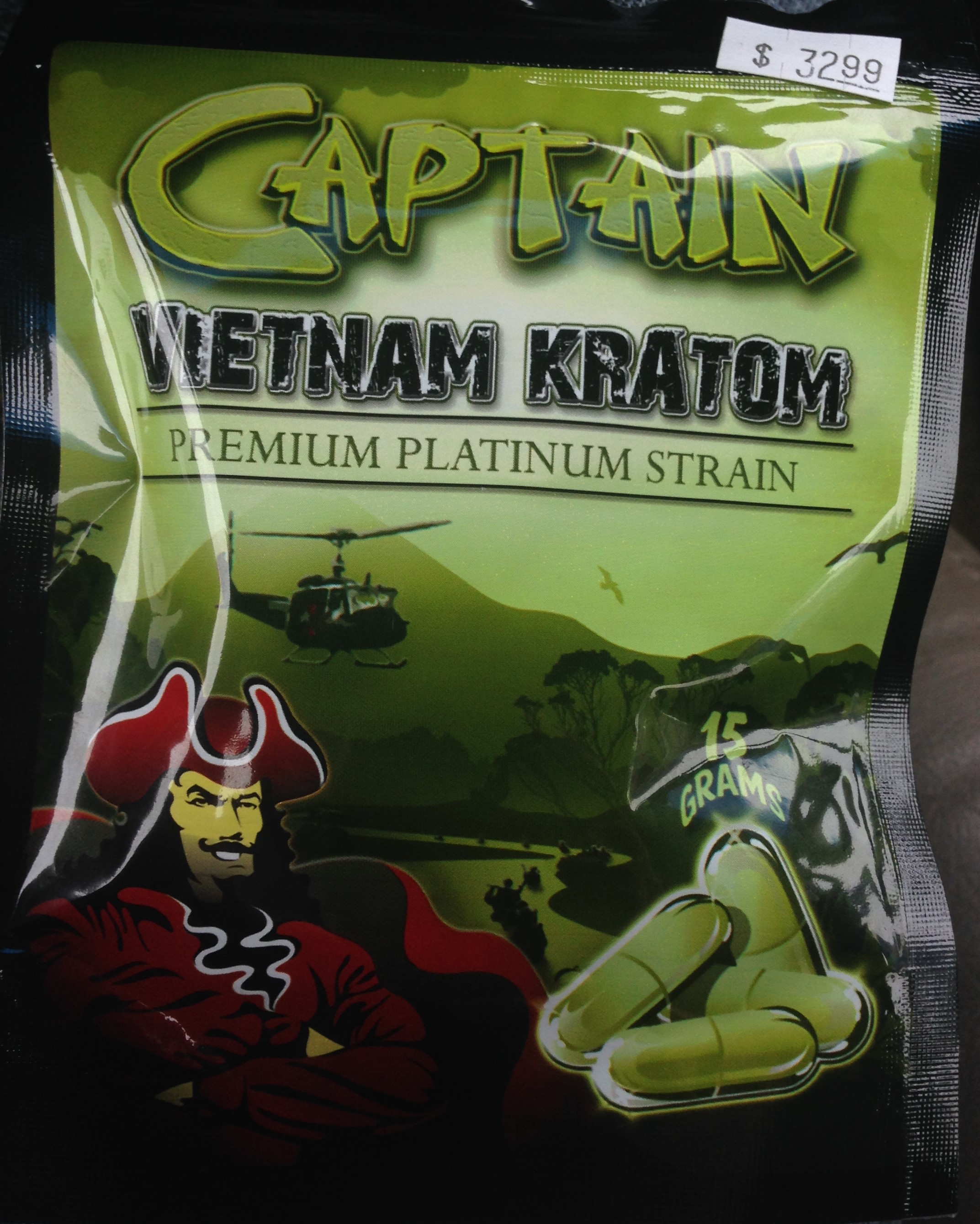
In January, FDA agents in Illinois confiscated nearly 90,000 bottles of a dietary supplement made with kratom called RelaKzpro, using a provision in the law that allows the agency to detain a supplement if it believes the product is adulterated or misbranded.  

Even though kratom has been used for hundreds of years, the FDA considers it a "new dietary supplement” for which there is inadequate information about its safety.

The FDA even issued an import alert last year that allows the agency to seize kratom supplements without even physically examining them.

These heavy-handed tactics haven’t stopped kratom products from becoming widely available online without a prescription. They are also sold in some health and convenience stores – where they are often discreetly kept hidden behind the counter.

Few studies have been done on the efficacy or safety of kratom. The leaves contain mitragynine and 7-hydroxymitragynine, alkaline compounds that are believed to reduce pain by activating natural opioid receptors in the brain. Researchers have trouble explaining exactly how kratom works without comparing it to other drugs, most of them illegal.

“Mitragyna speciose has a psychostimulant effect like coca and a depressive effect like opium and cannabis, which seem to be contradictory. It is also reported that it is weaker than morphine, has a milder withdrawal syndrome compared to opioids, and is less harmful than cocaine,” is how one study explained it.

An increasing number of pain patients – unable to get opioids or tired of their side-effects – are trying kratom.

“I used to need 1-3 Percocet a day, and now i take ZERO and feel better and have a clear mind,” is how one of our readers put it.

Others have learned kratom is not only useful for pain relief, but reduces their cravings for drugs and alcohol.

“People are so scared of the opioid epidemic right now, which I completely understand, I’m a recovering opioid addict myself,” says Susan Ash, who was diagnosed with late-stage Lyme disease in 2010. She took opioid pain medication for several years, wound up going to rehab, and now takes kratom capsules for pain relief.

“It does activate these opiate receptors, so it is very effective on pain,” says Ash, who founded the American Kratom Association. “The beauty of this plant is that it’s not something someone like me, who struggles with opioid addiction, craves. It’s not something that I take when I don’t need it. It’s not something that ever in my life made me feel impaired. And I’ve been taking this for several years.”

Ash says most members of her association use kratom for pain, depression or anxiety.

“Our numbers increased a lot when hydrocodone scheduling went into place. We got a lot of older women who sought us out, whose doctors cut them off,” said Ash, referring to the DEA’s rescheduling of hydrocodone in October 2014, which made the painkiller harder to obtain. She says the CDC’s new opioid prescribing guidelines are having a similar effect.

“As those restrictions are put in place and more doctors are scared and unwilling to prescribe opioids, the more people we get. There’s definitely a direct correlation,” Ash told Pain News Network.

Kratom is illegal in Vermont, Indiana, Tennessee, Arkansas and Wisconsin. Several other states are weighing similar legislation, including New York.

If past experience is any indicator, outlawing kratom is a whole lot easier than actually controlling it.

Thailand criminalized kratom in 1943 when its popularity interfered with the opium trade, which was then a major source of revenue for the Thai government. Over 70 years later, kratom use is still rampant in much of the country.  
Researchers Say NSAIDs Cause Heart Damage

By Pat Anson, Editor

Researchers have known for many years that non-steroidal anti-inflammatory drugs (NSAIDs) increase the risk of heart attack and stroke. Now they may finally be learning why the pain relievers can be harmful.

In experiments on heart cells from rats and mice, scientists at the University of California, Davis, found that NSAIDs reduced the activity of cardiac cells at pharmacological levels found in humans. Their study was recently published in the Journal of Molecular and Cellular Cardiology.

“We knew these non-steroidal anti-inflammatories had negative side effects for heart disease and stroke risk, “ said lead author Aldrin Gomes, a UC Davis associate professor of Neurobiology, Physiology and Behavior. “But now we have an idea of some of the mechanisms behind it.”

NSAIDs are widely used to treat everything from fever and headache to low back pain and arthritis. They are found in so many different products -- such as ibuprofen, Advil and Motrin -- that many consumers may not be aware how often they use NSAIDs. 

Several studies have found that NSAIDs increase the risk of cardiovascular disease and other health problems, but the exact cause has been unclear.

The UC Davis researchers compared naproxen, considered the safest over-the-counter NSAID, with a more potent anti-inflammatory, the prescription drug meclofenamate sodium (MS).

They found that MS increased reactive oxygen species, impaired mitochondrial function, decreased proteasome function, and increased cardiac cell death. Naproxen did not affect proteasome function or cause heart cells to die, but it did impair mitochondrial function and increase reactive oxygen species produced in cardiac cells.

“We were surprised to see that many of the NSAIDs we tested were causing the cardiac cell to die when used for prolonged periods,” said Gomes. “Some people are taking these drugs too often, and this is a problem. These drugs are abused.”

For moderate pain, Gomes suggests rubbing an anti-inflammatory topically onto the pained area, which would not expose the entire body to the drug. Taking an antioxidant like vitamin C before ingesting a NSAID may also reduce cardiac cell death.

Last year the U.S. Food and Drug Administration ordered warning labels for all NSAIDs to be strengthened to indicate they increase the risk of a fatal heart attack or stroke. The agency said studies have shown the risk of serious side effects can occur in the first few weeks of using NSAIDs and could increase the longer people use the drugs. The revised warning does not apply to aspirin.

The FDA said people who have a history of heart disease, particularly those who recently had a heart attack or cardiac bypass surgery, are at the greatest risk. But the risk is also present for people who don't have heart problems.

“Everyone may be at risk – even people without an underlying risk for cardiovascular disease,” said Judy Racoosin, MD, deputy director of FDA’s Division of Anesthesia, Analgesia, and Addiction Products.

In a major study published recently in the European Heart Journal, a number of leading heart specialists warned that there is no "solid evidence" that NSAIDs are safe.

"When doctors issue prescriptions for NSAIDs, they must in each individual case carry out a thorough assessment of the risk of heart complications and bleeding. NSAIDs should only be sold over the counter when it comes with an adequate warning about the associated cardiovascular risks. In general, NSAIDs are not be used in patients who have or are at high-risk of cardiovascular diseases," said co-author Christian Torp-Pedersen, a professor in cardiology at Aalborg University in Denmark.

Prince Sought Addiction Treatment Before Death

By Pat Anson, Editor

The late pop icon Prince was planning to meet with an addiction treatment doctor in the hours before he died in a last ditch effort to kick an addiction to opioid painkillers, according to the Minneapolis Star Tribune.

Howard Kornfeld, MD, an opioid addiction specialist in California, was called by Prince representatives the night of April 20 because Prince “was dealing with a grave medical emergency,” according to William Mauzy, a prominent Minneapolis attorney working with the Kornfeld family.

Prince’s body was found the next morning in an elevator at his Minneapolis home. An autopsy has been performed and the body cremated, but the official cause of death has not yet been released. Foul play or suicide are not suspected.

Kornfeld, who runs Recovery Without Walls, an upscale addiction treatment center in Mill Valley, California, is considered a pioneer in the use of buprenorphine to treat both addiction and chronic pain. The medication has long been sold under the brand name Suboxone, but is usually prescribed just to treat addiction.

Kornfeld was unable to meet with Prince immediately, but planned to fly to Minneapolis for “a lifesaving mission” on April 22. 

“The plan was to quickly evaluate his health and devise a treatment plan,” Mauzy told the Star Tribune, which said several other sources corroborated Mauzy’s account.

Kornfeld’s son Andrew took a red-eye flight to Minneapolis on the morning of April 21 to lay the groundwork for Prince’s treatment program with his father. He was one of three people at Prince’s Paisley Park compound when the entertainer's body was found.

Mauzy said Andrew Kornfeld was the one who called 911 because the others “were in too much shock.” Kornfeld did not know the address and could only tell the dispatcher, “We’re at Prince’s house.”

Paramedics arrived within five minutes but were unable to revive the 57-year old Prince.

Sources told the Star Tribune that painkillers were found at the scene and have become the focus of the investigation.  Investigators are trying to determine where Prince got the pills and who prescribed them.

Andrew Kornfeld reportedly had a small amount of buprenorphine to give to Prince, but it was never administered, according to Mauzy.

The Star Tribune story appears to add credence to reports in TMZ and other tabloids that Prince suffered from chronic hip pain and was addicted to opioid pain medication. Just days before his death, TMZ said Prince’s plane made an emergency landing in Moline, Illinois, where he was briefly hospitalized for an overdose of Percocet. He left against medical advice and flew back to Minneapolis a few hours later.

Stop Attacking Chronic Pain Patients

By Jaymie Reed, Guest Columnist

Last week I had one of the most horrifying experiences ever. I was called and told to be in my new pain doctor’s office within 4 hours for a pill count.

You see, my own body is attacking itself, eating away the covering from the peripheral nerves in my arms and legs. I have Chronic Inflammatory Demyelinating Polyneuropathy (CIDP) and it is very painful. I need opioid pain medication to treat that pain.

It was humiliating to sit in the doctor’s office waiting for my pills to be counted and my urine screened for the second time since I became a patient there. I felt my blood pressure rising and asked the nurse what it was. I was told it was 193/108.

Shakily, I asked, “What did I do wrong? Why did I have to come in here?”

The answer: “The DEA is breathing down our necks, so we have to do this!”

To myself I was thinking, “Why do I have to trade my dignity for healthcare so I don’t have to live in pain? Why are they making me feel worse and adding to my stress?” 

What ensued that day has prompted me to try and turn up the volume for chronic pain patients and what they have to deal with every month. Having to choose between pain, dignity or quality of life, such as being able to cook a meal, go to your child’s school event, or even making it to work, is a choice that none of us ever dreamed we’d have to make.

JAYMIE REED

JAYMIE REED

The DEA, CDC, Congress and the lobbyists’ war against opioids has intimidated most all medical professionals to the point that many are choosing to avoid treating their patient’s pain because of the scrutiny they face. Just the additional record keeping the DEA requires for opioid prescribing makes it unprofitable, so some doctors simply jump ship and refer patients to the pill counting and urine screening protocol of a pain management specialist. The next stop after that is often an addiction recovery center.

Your own doctor should be the one person you can count on, but when we ask why and get the stock DEA answer, you feel lost. There has to be a better way because the war on opioids only adds an insurmountable amount of stress and worsens our pain levels, not to mention the added financial cost.

As the days go by, watching the war against opioids get nearly as much media coverage as Donald Trump, it’s become increasingly clear someone has an agenda. One possibility might be the lobbyists’ interests, which are often focused on increased funding for addiction treatment.

Will sending chronic pain patients to addiction centers be a solution or will it be responsible for a rise in the death toll? Any doctor will tell you a person in REAL pain won’t be helped by 30 days of counseling.  But, we are told the government requires it, all because of the witch hunt a few congressmen and lobbyists have created.

According to the CDC, the top 10 leading causes of death in the United States are

  1. Heart disease: 614,348
  2. Cancer: 591,699
  3. Chronic lower respiratory diseases: 147,101
  4. Accidents: 136,053
  5. Stroke: 133,103
  6. Alzheimer's disease: 93,541
  7. Diabetes: 76,488
  8. Influenza and pneumonia: 55,227
  9. Nephritis (kidney disease): 48,146
  10. Suicide: 42,773.

So the 18,893 overdose deaths in 2014 related to opioid pain medication don’t even make the top ten leading causes of death. Neither does the 10,574 overdose deaths related to heroin and other illegal drugs. Those numbers are concerning, but the real picture isn’t being painted.

Why do the mainstream media keep saying that opioids are a leading cause of death? Why are chronic pain patients made to feel like having an opioid prescription is equal to owning an assault rifle? No one in the media asks to hear from actual pain patients. And no one wants to know that thousands of chronically ill people like me are being treated like criminals by their own doctors.

The life of a chronic pain patient today is dreadfully frightening. Try visiting a pain management clinic and see if you could live your life that way. Searching the streets for drugs or finding a burial plot has never been a thought for me, but for some of us in pain they become an option when the only alternative is being treated like a prisoner in a recovery center. 

When the pain sets in with little or no medication, then the streets (if you can get there) or that burial plot start looking pretty good.  The news media needs to hear our voices and help end the attack on pain patients. 

Is anyone listening?

Jaymie Reed lives in Texas.

Pain News Network invites other readers to share their stories with us. 

Send them to:  editor@PainNewsNetwork.org.

The information in this column should not be considered as professional medical advice, diagnosis or treatment. It is for informational purposes only and represent the author’s opinions alone. It does not inherently express or reflect the views, opinions and/or positions of Pain News Network.

Survey: Painkillers Bigger Problem than Alcohol

By Pat Anson, Editor

A new poll is adding further fuel to the fire over opioid abuse and the disproportionate amount of attention it gets compared to other health problems.

The survey by the Kaiser Family Foundation found that two-thirds of Americans consider the abuse of opioid pain medication an extremely or very serious problem. And four out of ten said they knew someone who was addicted to prescription painkillers, often a close friend or family member.

The problem is so serious that more Americans now consider painkillers a bigger problem than alcohol (66% vs. 57%), even though four times as many Americans die from alcohol related causes than from opioids.

Nearly 19,000 Americans died from prescription opioids in 2014, according to the Centers for Disease Control and Prevention. The National Institutes of Health estimates 88,000 people die annually from alcohol related causes.

Alcohol misuse is also estimated by NIH to cost the U.S. economy nearly $250 billion annually, while the “economic burden” of opioid abuse was estimated by the DEA at $53 billion in 2011.   

The Kaiser Foundation poll comes in the middle of an election season, as the White House and Congress consider various funding measures to address the so-called epidemic of opioid abuse and addiction.

The survey found that a large majority of Americans believe federal and state governments, doctors, and individuals who use prescription opioids are not doing enough to fight opioid addiction. Only about a third said police officers weren’t doing enough to enforce drug laws, a sign that many Americans don’t consider opioid abuse just a law enforcement issue.

Asked which policy efforts would be very or somewhat effective in reducing opioid abuse, over eight in ten said doctors and medical students should have better training in pain management and that there should be increased access to addiction treatment programs.  Less than half said putting warning labels on prescription opioids explaining the risk of addiction would be effective. Respondents were not asked if access to opioid pain medication should be reduced.

Policies Rated Very or Somewhat Effective in Fighting Opioid Abuse

  • 88% Increase pain management training
  • 86% Increase access to addiction treatment
  • 84% Public education and awareness programs
  • 83% Increase research about pain and pain management
  • 82% Monitor doctors’ prescribing habits
  • 63% Encourage disposal of extra pain meds
  • 60% Reduce stigma of opioid addiction
  • 48% Put addiction warning labels on opioid bottles

Putting the issue in perspective, while most Americans consider painkiller abuse a serious problem, the issue ranks well behind several other health problems such as cancer, diabetes, obesity and heart disease.

Health Problems Considered Extremely or Very Serious

  • 86% Cancer
  • 78% Diabetes
  • 74% Lack of access to mental healthcare
  • 73% Obesity
  • 72% Heart disease
  • 71% Contaminated drinking water
  • 70% Heroin abuse
  • 66% Painkiller abuse
  • 61% Lack of access to healthcare
  • 57% Environmental contamination
  • 57% Alcohol abuse
  • 54% Lack of access to affordable food

The Kaiser Foundation survey was conducted in mid-April in a random telephone sample of 1,201 American adults. The poll is estimated to have a sampling error of 3 percent.

To see the complete results of the Kaiser poll, click here.

Study Tests Stem Cells for Degenerative Disc Disease

By Pat Anson, Editor

An Australian biotech company is testing a new stem cell treatment for degenerative disc disease.

Mesoblast is enrolling patients in a Phase 3 study to see if a single injection of mesenchymal precursor cells (MPCs) taken from the bone marrow of healthy donors can relieve back pain and improve the mobility of patients with disc disease, which occurs when the cushions between vertebrae wear down because of aging, genetics or injuries.

Millions of MPCs are injected directly into the damaged disc in an outpatient procedure. Previous studies have found that MPCs have anti-inflammatory effects, and help strengthen and improve the stability of damaged discs. The treatment is being developed for patients who have exhausted other options for their back pain.

“Patients with this level of degeneration often try multiple treatments for relief, including pain medication, massage, physical therapy, chiropractic adjustments and acupuncture,” says lead investigator Kee Kim, MD, professor of neurological surgery and co-director of the University of California Davis Spine Center.

“For some of them, nothing seems to help, and we end up operating to remove the degenerated disc and fuse the spine to eliminate motion that may cause increased pain. We want to know if a single dose of this investigational therapy can offer relief without the need for surgery.”

UC Davis is one of 28 sites in the United States and Australia involved in the study. Participants with degenerative disc disease in the lower back will receive injections of either MPCs, MPCs with a carrier material (hyaluronic acid) or a placebo. Although the MPCs are collected from donors, tissue matching is not necessary.

Following treatment, participants will be evaluated by researchers six times over the course of a year. They also will be given the option to participate in an extension of the study to track their progress for three years after the initial injection.

Previous studies have found that MPCs have anti-inflammatory effects, and help strengthen and improve the stability of damaged discs. Researchers caution, however, that the treatment may not be effective for everyone.

“Many patients with back pain will not benefit from this stem cell therapy and may still require surgery,” Kim said. “For some patients, it could offer improvement. For these patients, it is worth exploring this alternative.”

You can find out more about the study by clicking here.

How I Learned to Handle Chronic Pain

By Emily Ullrich, Columnist

It occurred to me the other day that I’ve come a long way since my initial chronic illness set in. It has been a rough journey, but overall, I feel myself to be “improved.”

I have more self-esteem. I am more positive emotionally and spiritually. And I am far better at handling my multitude of symptoms than I was.

I went through complete and utter Hell, but came out of it, and I think it is really important for people who are new to chronic pain and for those who are really struggling to know that it will get better.

Let me be clear. I am not saying, “Don’t worry, it’ll all straighten itself out and you’ll be back to your old self in no time.” I am absolutely not saying that. But, I am saying if you work, learn, and lean into it, it will get better—at least you will get better at handling it.

I think every so often it is important to assess yourself, your goals, your progress, your changes, your heart, where you are, and where you need to go. When you develop chronic pain, these goals and dreams have to be adjusted.

In 2011, I returned to the United States a shell of a woman. My overly ambitious goal to start a film school and a new life in Kenya had not worked out the way I had imagined. Worst of all, I kept getting sick, and finally I had to put my tail between my legs and go home to momma, in Kentucky.

I woke up on my very first morning back on American soil screaming in pain. I had a kidney stone. It was some kind of divine intervention that this pain held off over the 25 hour flight, and the days before I left Kenya, because there’s no way I could have handled it or found help.

EMILY UlLRICH

EMILY UlLRICH

This was just the beginning of a slew of chronic illnesses, diagnoses, misdiagnoses, doctor and hospital visits -- so many that they flow into one another and overlap in my mind -- and an ambush of tumultuous emotions, all of which would be a nightmare for me and my poor mother, for the next three years or so.

From the time the kidney stone stirred a commotion in my body, the pain changed, and it never really went away. It became chronic pelvic pain, then fibromyalgia, migraines, and a flare up of malaria returned after I had one of many endometriosis surgeries.

At the time, I did not have health insurance, and in Kentucky, a single woman without children could not get Medicaid. The main suggestion for my condition was the Lupron shot, which cost $700 over the internet through a Canadian pharmacy, the only possible way I could afford it.

It would put me into early menopause, which I really did not want. The shot would only last six months, and then I would have to come up with another solution.

All of this was overwhelming. Worst of all, I had to see about 15 gynecologists and make endless ER visits with uncontrolled pain, before finally someone suggested a pelvic pain specialist to me. He was the first person to tell me that this was not normal. Most every doctor before him had told me it was normal to have some degree of “female pain.”

In the days and months that passed, I tried to hold onto my job as a professor in Cincinnati, which was not a short commute. I was put on so many different medications (hormones, steroids, tricyclic antidepressants, fibro medications, antidepressants, benzodiazepines, pain meds, NSAIDs, the list goes on) that I found out the hard way that I am allergic to a lot of them!

My own doctor told me to lie to the government and say I was pregnant, so I could get Medicaid, and then say I had a miscarriage and get the Lupron shot. He also told me it was time to stop working. I cried to him. I cried to my mother. I cried to myself.

Meanwhile, I was having so many different reactions from the medications, I would be up all night, muscles twitching, grinding my teeth, restless legs kicking out of control. Every day, I woke up expecting to feel better, only to be disappointed. I would be so tired I could sleep for days. My entire body and mind were highly agitated to the extreme.

I did not yet grasp the concept of chronic. I knew the word by definition, but had no idea what it meant as it applied to my life.

Now, after endless doctor visits and hospitalizations, I am doing better. I am not better physically, in fact I have FAR more problems and diagnoses than I did. But, I’ve become a medical research specialist, and have been lucky enough to be affiliated with numerous pain organizations, support and information groups. I’ve started speaking out and advocating, which gives me strength. I’ve married a kind, supportive, understanding, empathetic, and wonderful man.

I have a handful of doctors I trust, and one -- my pain doctor, who I’ve only been with for a few months -- is an absolute angel who actually cares about my pain.

I am a work in progress, but I know I am making progress, and that’s what counts.

Emily Ullrich suffers from Complex Regional Pain Syndrome (CRPS), Sphincter of Oddi Dysfunction, Carpal Tunnel Syndrome, endometriosis,  Interstitial Cystitis, migraines, fibromyalgia, osteoarthritis, anxiety, insomnia, bursitis, depression, multiple chemical sensitivity, and chronic pancreatitis

Emily is a writer, artist, filmmaker, and has even been an occasional stand-up comedian. She now focuses on patient advocacy for the International Pain Foundation, as she is able.

The information in this column should not be considered as professional medical advice, diagnosis or treatment. It is for informational purposes only and represents the author’s opinions alone. It does not inherently express or reflect the views, opinions and/or positions of Pain News Network.

Montana to Host Arachnoiditis Seminar for Doctors

By Pat Anson, Editor

You might call it the world’s longest house call.

Dr. Forest Tennant, a pain management physician in West Covina, California, will travel nearly a thousand miles this summer to meet with patients and doctors in Helena, Montana. Tennant will lead a two-day seminar on arachnoiditis, a chronic and painful spinal disease that leaves many patients permanently disabled.

Tennant’s trip to Montana is a reversal of sorts. For years, dozens of desperate arachnoiditis patients from Montana and other states have traveled cross-country to see him at his pain clinic outside Los Angeles.

“In the past it was considered a rare disease with no hope. We can do a lot to diagnose and to treat it now,” says Tennant, who has done extensive research on the disease and has launched an Arachnoiditis Education Project for physicians.

Arachnoiditis has nothing to do with arachnophobia, a fear of spiders. It’s an inflammation of the arachnoid membrane that surrounds the spinal cord. Over time, the inflammation causes scar tissue to build around spinal nerves, which begin to adhere or stick together. This leads to adhesive arachnoiditis, which causes severe chronic pain and other neurological problems. The disease is progressive, incurable and difficult to treat.

Once considered rare, Tennant is seeing more and more cases.

FOREST TENNANT, MD

FOREST TENNANT, MD

“Every pain practice I talk to now says ‘Oh, I have a patient with this.’ This is an emerging issue that every practice in the country will have to become aware of, just like Hepatitis C or AIDS or Lyme disease. It’s one of these diseases that’s here. It’s not going away. The fact is we’re all going to grow older and we all have spines that are going deteriorate. We’re going to end up with this. We have the technology and the knowledge now to diagnose it and the protocol to treat it.” 

Tennant uses a combination of pain medication, hormones and anti-inflammatory drugs to manage the symptoms of arachnoiditis and possibly stop its progression. He wants to share with Montana doctors what he’s learned.  

“We would like to identify some practitioners in the area who are interested in the disease and who would be willing to treat patients,” says Tennant. “We’d also like to foster the development of patient groups for self-support. Those are the two goals.”

Montana may be small in terms of population, but the Big Sky state has fostered some of the most vocal and educated grassroots activists in the pain community. Several have arachnoiditis, and after years of dealing with a healthcare system that failed to treat or even recognize their symptoms, they’re finally getting some attention.

Kate Lamport, a 33-year old mother of four from Helena, developed arachnoiditis after a series of epidural injections for child birth and bulging discs in her back. Her back pain was originally thought to be from fibromyalgia or Lyme disease, but on a trip to California to see Tennant a few months ago, she was diagnosed with arachnoiditis.   

“While I was there, I was blown away by the amount of people that have arachnoiditis and how undertreated and under acknowledged a disease it is,” says Lamport, who pitched the idea of a seminar to Tennant.

“I asked him if I put together a conference if he would speak at it and teach other doctors and patients that don’t have an opportunity to come see him,” says Lamport. “Doctor Tennant is so knowledgeable. If I call him and I say this is what’s acting up, he knows what to say and what to do. A month ago my adrenal glands shutdown and that’s when you die. And he knew what to do to get me out of that.”

Many patients are convinced they developed arachnoiditis after surgeries or epidural steroid injections that damaged their spines. But Tennant believes the underlying causes are more complex.

“There are several ways to get this. Unfortunately, there’s too much focus on medical procedures,” he says Tennant. “There are people we now know who have gotten it from viral infections, Lyme disease, auto-immune disorders, and what have you. There are a lot of different reasons why you get this and medical procedures can accelerate it.”

There’s a great deal of debate in the medical community over the value of spinal injections, surgeries, spinal cord stimulators and other “interventional” procedures to treat back pain. About 9 million epidural steroid injections are performed annually in the United States, often as a substitute for opioid pain medication.

Tennant says epidurals can be effective, but are increasingly overused, with some patients getting dozens of injections annually.

“Unfortunately, somebody who’s had a lot of back procedures is likely to end up with arachnoiditis. It’s a complication of medical procedures that may not be able to be avoided. And I want to make a point of this. Somebody who needs back surgery may have to take the risk,” he says.

The arachnoiditis seminar will be held July 9th and 10th at the Radisson Hotel in Helena, Montana's capital. For further additional information or to register for the conference, click here.

Montana Public Radio recently broadcast a two-part series on “pain refugees” leaving the state for treatment and the fear many Montana doctors have about prescribing opioids, which may have led one pain patient to commit suicide.

FDA Approves New Version of Oxycodone

By Pat Anson, Editor

The U.S. Food and Drug Administration has approved a new extended released version of the opioid painkiller oxycodone that has abuse deterrent properties unlike anything else on the market.

The drug – called Xtampza – can be ingested in capsule form, but users can also sprinkle the capsule contents on soft foods or into a cup, and then directly into the mouth.

The medication, which can also be ingested through a feeding tube, is the sixth opioid pain medication with an abuse deterrent formula to be approved by the FDA.  

Xtampza is made by Massachusetts-based Collegium Pharmaceutical (NASDAQ: COLL) with proprietary technology that combines oxycodone with fatty acid and waxes to form small spherical beads that are placed inside the capsule.

The beads are designed to resist breaking, crushing, chewing, dissolving and melting, methods long used by drugs abusers to snort or inject opioids.  

collegium pharmaceutical image

collegium pharmaceutical image

That novel approach is different from other abuse deterrent formulas, which generally make it harder for tablets to be crushed or liquefied; or come with a chemical irritant to discourage tampering.

“The FDA approval of Xtampza ER is a major milestone for Collegium. Our DETERx technology platform was developed internally and our lead product completed an extensive battery of abuse-deterrent testing consistent with the FDA Guidance on Abuse-Deterrent Opioids,” said Michael Heffernan, CEO of Collegium.

Another advantage of Xtampza is that it gives an alternative to patients who have trouble swallowing tablets or capsules, a condition know as dysphagia.  

"People like me live with dysphagia that prevents us from swallowing normally all the time. Up until this new drug coming out, people not able to swallow have had to rely on liquids and patches for relief - not being able to take their oxycodone," said PNN columnist Ellen Lenox Smith, who suffers from Ehlers Danlos syndrome and sarcoidosis. She testified in favor of Xtampza's approval for the U.S. Pain Foundation.

"Although this is a medication not compatible to my body, I testified on it's behalf for those people around the country not able to take their medications and thus not getting the relief they deserve. I am thrilled that this got approved so soon and that people will have this as an option and hope that this safer  formula will help to calm the nerves of all the people out there concerned about addiction to opiates," Smith said.

“Xtampza ER also allows for flexible dosing administration for patients with difficulty swallowing. Patients or their caregivers often inadvertently crush their medication to facilitate swallowing, which can be very dangerous with currently marketed ER products,” said Dr. Jeffrey Gudin, Director of Pain Management and Palliative Care at Englewood Hospital and Medical Center.

Xtampza, which is designed to be taken twice a day by patients who need around-the-clock pain relief, comes with an FDA warning to take the medication with food. Taking it on an empty stomach could lead to inadequate pain control.

Collegium plans to launch Xtampza ER in the U.S. in mid-2016 with five dosage strengths equivalent to 10 mg, 15 mg, 20 mg, 30 mg and 40 mg oxycodone.

Study Finds Friendship ‘Stronger than Morphine’

By Pat Anson, Editor

People with more friends and large social networks have a higher tolerance for pain, according to a new study by researchers at Oxford University.

Scientists believe that social bonding activities such as music, dancing and laughter activate the body’s endogenous opioid system, releasing natural endorphins that not only make you feel better when seeing friends, but can also relieve pain.

“Endorphins are part of our pain and pleasure circuitry -- they're our body's natural painkillers and also give us feelings of pleasure,” says Katerina Johnson, a doctoral student at Oxford University, who is studying whether differences in neurobiology can explain why some people have larger social networks than others.

“To test this theory, we relied on the fact that endorphin has a powerful pain-killing effect -- stronger even than morphine.”

Johnson and her colleagues enrolled 107 healthy young adults in a squatting exercise to test their tolerance for pain. Participants were told to squat against the wall with their knees bent at a 90° degree angle, and to hold that position and endure the discomfort for as long as possible.

Questionnaires were also completed by the participants to measure their personality traits and physical fitness, and to see how often they interacted with friends.

Not surprisingly, people who were more fit were able to hold the squatting position longer. But so did people with larger social networks.  

“Obviously we had to bear in mind that fitter individuals may be able to endure this physical pain test for a longer length of time.  However, even when we take this into account, our results show that pain tolerance still significantly predicts network size,” Johnson wrote in an email to Pain News Network.

An unexpected finding was that fitter people in the study tended to have smaller social networks.

“It may simply be a question of time -- individuals that spend more time exercising have less time to see their friends. However, there may be a more interesting explanation -- since both physical and social activities promote endorphin release, perhaps some people use exercise as an alternative means to get their 'endorphin rush' rather than socializing,” she said.

Since only healthy people participated in the study, Johnson admits her research may not apply well to chronic pain patients. But since many pain patients are disabled and unable to work or participate in many social activities, there could be some lessons to learn.

“When considering chronic pain, it seems like it may be a vicious circle whereby the more an individual is in pain, the less interested they are in interacting socially with others and their smaller social networks may in turn result in reduced activity of the endorphin system (thereby worsening their pain).  Perhaps also individuals that are genetically predisposed to reduced endorphin activity (and lower social motivation) are more likely to develop chronic pain conditions,” Johnson wrote.

“Another finding of our study was that individuals with smaller social networks tend to be more stressed, and stress is also thought to exacerbate pain.  However, clearly the underlying neurochemistry in pain responses is complex, though the endorphin system is heavily implicated in pain responses given its potent analgesic properties.”

The study findings are reported online in the journal Scientific Reports. 

Tennessee Pain Clinics to Stop Using Opioids

By Pat Anson, Editor

One of the largest healthcare systems in Tennessee will no longer prescribe long term opioid pain medication to patients at two of its pain management clinics.

The move is the latest fallout from the prescribing guidelines released last month by the Centers for Disease for Prevention (CDC), which discourage the use of opioids for treating chronic pain. Although the CDC guidelines are voluntary and meant only for primary care physicians, many doctors around the country are adopting them and either weaning their patients off opioids or cutting them off entirely.

"This change was considered for several months in response to changing regulations and increasing national opiate addiction rates, and we began notifying physicians and patients of this decision in early April," Jerry Askew, Tennova Healthcare’s vice president of external relations said in a statement.

Tennova Healthcare is managed by the Sisters of Mercy, an organization of Roman Catholic nuns. Tennova operates a chain of 17 hospitals in Tennessee, but its new opioid policy only applies to patients at two pain clinics affiliated with Tennova hospitals in Knoxville and Turkey Creek.  

“After 30 days of your receipt of this letter, we no longer plan to provide long-term opiate pain medication to our patients,” Tennova said in a letter to patients.

“While pain medication therapy is widely used, non-opiate alternatives can be equally effective and can be generally safer for the patients who use them. The Center in Knoxville will continue to provide effective and compassionate treatment with non-opiate options including non-opioid pain medications, interventional procedures such as injections and radiofrequency ablations; referral to neurology and spine specialists; physical and aquatic therapy; weight loss strategies; acupuncture; massage therapy; and lifestyle counseling programs.”

But many of those alternative treatments do not work and are not covered by insurance, according to a recent survey of over 2,000 patients by Pain News Network and the International Pain Foundation. Three out of four patients said over-the-counter pain relievers did not help them at all and over half said non-opioid prescription drugs like Lyrica and Cymbalta are also ineffective.   

Tennessee has one of the highest rates of opioid abuse in the country. The state took a series of steps last year to limit opioid prescribing, such as requiring pharmacies to limit opioids to a 30 day supply and requiring doctors at pain clinics to regularly give patients urine drug tests.

"The bottom line is that fewer opioid prescriptions are being written and fewer Tennesseans are experiencing the downside and disastrous consequences of a painkiller addiction," said Douglas Varney, commissioner of the Department of Mental Health and Substance Abuse Services. "We are succeeding in reducing the number of prescriptions being written. We have helped more people into treatment and recovery and rallied a new generation of Tennesseans to live a life free of addiction."

But patient advocates say the crackdown on painkillers is unfairly focused on pain sufferers, not on the addicts who abuse opioid medication.

“I am seeing literally hundreds of reports from people who are being denied renewal of opioid meds which work well for them and are frequently the only medical treatments that give them any quality of life. Doctors are giving up their pain management practices for fear of prosecution by the DEA,” said Richard Lawhern, PhD, who became an advocate after his wife developed trigeminal neuralgia, a chronic facial pain disorder.

“I am convinced that the CDC guidelines are creating what we will later recognize to be a wave of patient suicides due to resurgent pain and hopelessness, as well as a surge in patients seeking out street drugs because they cannot function without pain relief and are being forced by their doctors to do so.”

In recent weeks, at least 14 people died and dozens were hospitalized in California after ingesting counterfeit pain medication made with illicit fentanyl, a powerful and deadly analgesic. Some of the victims were pain patients. Fake pain pills are being sold by dealers in the Sacramento and San Francisco Bay areas, and have also been intercepted at the California-Mexico border.

Counterfeit Pain Pills Spread in California

By Pat Anson, Editor

At least seven people in the San Francisco Bay Area sought medical help after ingesting counterfeit pain medication laced with fentanyl, according to a new report from the Centers for Disease Control and Prevention (CDC).  The cases were reported in Contra Costa, Alameda, San Francisco and Santa Clara counties.

The fake pills were disguised to look like Norco, a widely prescribed opioid pain medication that combines hydrocodone with acetaminophen.

The pills are similar to counterfeit medication blamed in recent weeks for 14 fatal overdoses in the Sacramento area, except that they contain promethazine, an antihistamine that acts as a sedative and is sometimes used to boost the “high” from illicit opioids.

At least one of the fake tablets was also found to contain cocaine.

california poison control system

california poison control system

The CDC said all of the Bay Area patients had symptoms of opioid intoxication, but recovered within 24 hours. The pills were obtained from friends or bought off the street.  The outbreak lasted about two weeks, from March 25 to April 5, but was not publicly reported until today. There was no explanation for the three week delay in reporting what the CDC considers a "serious public health threat."

“The distribution of counterfeit medications, especially those containing fentanyl, is an emerging and serious public health threat,” the CDC said. “Efforts to identify the source of the current counterfeiting are ongoing. Patients with signs and symptoms of acute opioid overdose including central nervous system and respiratory depression, and in whom larger doses of naloxone are required to reverse symptoms, should raise suspicion for intoxication with a counterfeit product containing fentanyl.”

The CDC calls opioid abuse “the fastest-growing drug problem in the United States” and has often blamed that trend on prescription pain medication. However, as Pain News Network has reported, prescriptions for most opioids have actually been in decline for several years, especially for hydrocodone, at a time when opioid overdose deaths are rising.

Illicit fentanyl is a dangerous and sometime deadly opioid that is 50 times more potent than morphine. It has been blamed for thousands of overdose deaths in the U.S. and Canada. Last year, the DEA issued a nationwide public health alert for acetyl fentanyl, a synthetic opioid produced by illegal drug labs in China and Mexico. Acetyl fentanyl is virtually identical to prescription fentanyl, a Schedule II controlled substance that is often used in patches to treat more severe forms of chronic pain.

Acetyl fentanyl typically is mixed with heroin and cocaine to make the drugs more potent, but is increasingly showing up in pill form – usually disguised as pain medication.

In February, a smuggler was caught with nearly 1,200 fake oxycodone pills at the California-Mexico border, the first time counterfeit pain medication made with fentanyl was seized at a border crossing in California.

In March, the DEA arrested four men in southern California who were operating four large pill presses to make counterfeit hydrocodone and Xanax, an anti-anxiety medication. At least two people died in Orange county late last year after ingesting fake Xanax made with fentanyl. Counterfeit medication has also recently been reported in Florida and Ohio.

Last month the CDC adopted guidelines that discourage primary care physicians from prescribing opioids for chronic pain. Several pain patients have told PNN recently that their doctors are now reducing their opioid doses or cutting them off entirely.

“Since the guidelines changed, my quality of life has been destroyed & relentless suffering has become my identity,” wrote a pain patient who said she lost access to the opioid medication she’s been using for pain relief for a dozen years.

“I never considered using drugs for anything other than what & how they were prescribed. I can't say the thought of seeking relief from constant suffering hasn't flirted with the possibility of something a little less legal, or regulated. The fact that I've considered something so obscene makes me sick, but the fact that my healthcare providers were forced to allow me to suffer & reach such a point of desperation is disgusting.”

In a survey of over 2,000 pain patients last fall by Pain News Network and the International Pain Foundation, 60 percent predicted patients would get opioids off the street or through other sources if the CDC guidelines were adopted. Another 70% said use of heroin and illegal drugs would increase.

Improving Posture for Pain Relief

By Pat Anson, Editor

It sounds a little hard to believe. Can something as simple as changing your posture put you on a path towards pain relief?

That’s the premise behind an eight-part video series called “Becoming Pain Free” that was created by Sonima.com, a health and wellness website.

The series follows Steven Shea, a 34-year old filmmaker who suffers from chronic joint pain, as he is put through the basics of the Egoscue Method, a therapy program for chronic pain taught at over two dozen clinics around the world.

The program, which focuses on improving posture, claims to have a 94% success rate in relieving pain without the use of drugs, surgery or spinal manipulation.

scene from "becoming pain free"

scene from "becoming pain free"

“When I started talking about posture 40 years ago, you would have thought I shot the Pope. I was completely dismissed,” says founder Pete Egoscue, a 70-year old Vietnam veteran and blunt talking former Marine. “The key to an excited, engaged present life is the ability to maintain your energy, which requires the musculoskeletal system functioning at its optimal design posture. Period. Once you do that, the whole world changes for you." 

Egoscue, who is a fitness expert for Sonima, says the healthcare system is going broke because of a misguided focus on treating chronic pain with medication and surgery.

“They assume that the source of the pain and the cause of the pain are the same thing. So if you have a herniated disc, they think that’s the source of the problem. If you have a torn cartilage in your knee, they think that’s the problem. If you have migraine headaches, they look at your brain. It goes on and on and on. What’s dropped out of the diagnostic process is the ‘Why’ of things,” Egoscue told Pain News Network.

Egoscue says most forms of chronic pain are not disease or age-based, but are self-induced – the body’s way of telling us that we’re physically off balance. And instead of asking, “What wrong with me?” – he says pain sufferers should be asking, “What is my body trying to tell me?”

In most cases, Egoscue says the body simply wants to be returned to its proper alignment. That was the case with Steven Shea, who is shown in the first installment of “Becoming Pain Free” that his body is misaligned – his shoulders slumped over and his chin tilted to one side.

Chronic or severe pain affects nearly 50 million American adults, reports a new study prepared by National Institutes of Health's National Center for Complementary and Integrative Health, which was published in The Journal of Pain last summer. About half of these people are suffering from chronic pain every single day.

“By the time you see the 8th episode, you will see a completely different guy. He’s totally changed. Did that have anything to do with Egoscue? Not really. It had to do with him. He’s the guy who was driven to find the knowledge base and the actual confirmation that what he was doing was in his best interest,” Egoscue says.

Once their posture starts to improve, Egoscue says clients are energized to do other things, such as exercising more and watching their nutrition. Avoiding sugar is a priority.

“The devil of all things that the body just cannot deal with is sugar. Sugar is a killer. It’s so clear, it’s patently obvious. It kills us,” Egoscue says.  

Part two of the “Becoming Pain Free” video series can be seen by clicking here. A new episode will be shown each week on Sonima.com.

What Does Your Pain Feel Like?

By Pat Anson, Editor

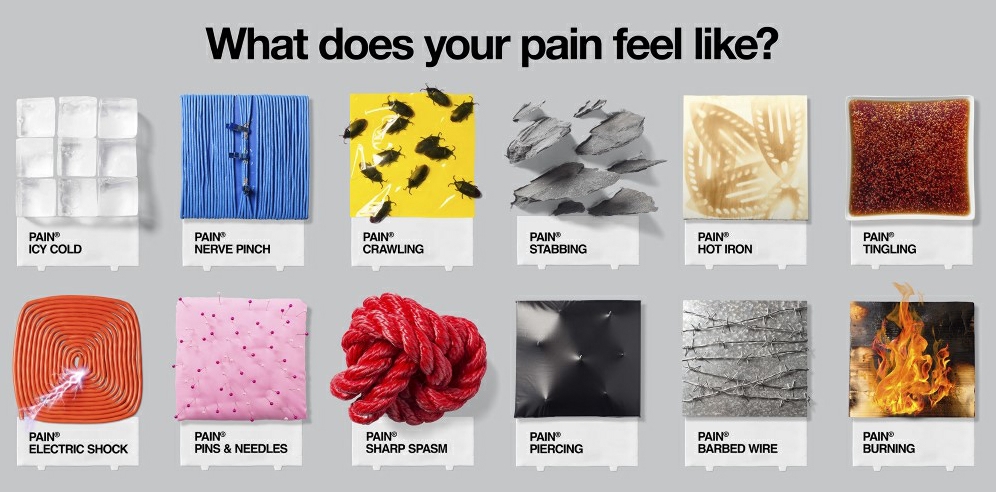
Does your chronic pain feel like you’ve been hit with a hammer, a bad sunburn that won’t go away, or ants crawling under your skin?

Those are some of the choices patients have in a new campaign launched in Ireland to change the way patients describepain to their physicians.   

Accurately assessing pain is difficult because pain is so subjective. For many years doctors have relied on various versions of the Wong Baker Pain Scale – a series of sad and smiling faces a patient chooses from to help their doctor understand how much pain they are in. The scale is so simple it was originally developed for children, but is now used around the world for adults.

The “Mypainfeelslike…” campaign aims to improve on that method by using more descriptive images and phrases to help doctors understand and diagnose their patient’s pain. The campaign focuses on neuropathic pain, but can be used for many other types of chronic pain. The initiative is sponsored by Grunenthal Group, a German pharmaceutical company.

Instead of an unhappy face, patients can choose from a dozen images, ranging from a burning flame to a rope tied in knots to a set of ice cubes. They also fill out a questionnaire and select different phrases to describe their pain, such as “a hot iron on my skin” or “a volcano erupting.”

Patients are also asked to fill out a questionnaire to select different phrases to describe their pain, such as “a hot iron on my skin” or “a volcano erupting.” And there's a list of multiple choice answers to describe how pain affects their ability to work, exercise and socialize.

It may take a few minutes to complete the questionnaire, but the idea is to get patients to “invest more time and accurateness in thinking about their symptoms, describing them more precisely, and preparing for doctors’ appointments.”

“Doing so forces us to reconsider our chronic pain, and the different ways that we feel it. This improves our self-awareness, allows us to better communicate our situation, and helps us get the most value out of the very short time that we usually have during doctors’ appointments,” the website says.

To take the questionnaire, click here.

According to a survey by Grunenthal, over half of Irish pain sufferers feel frustrated when trying to communicate their pain to a doctor. Over a quarter say they delay discussing their pain because they’re not sure how to do it.

“Living with chronic or nerve pain affects people’s well-being, their ability to be independent, their productivity and relationships, which can lead to feelings of depression," John Lindsay, chair of Chronic Pain Ireland told the Irish Independent.  “The ‘Mypainfeelslike’ campaign will help raise awareness of the impact of chronic pain and give people living with this disease the tools to re-evaluate their pain management plans.”

Will CDC Opioid Guidelines Help Reduce Overdoses?

By Lynn Webster, MD, Guest Columnist

Politicians and some government officials tell us that the new CDC opioid guidelines will reduce deaths due to overdoses. But, based on the evidence we’ve seen so far, that is unlikely.

The latest CDC report shows a continual increase in opioid-related overdose deaths despite about a 25% decrease in the number of opioids prescribed.  This data demonstrates that an absolute reduction in opioid prescribing hasn’t resulted in the intended outcome – so far, at least. It may be counter-intuitive, but I think you’ll understand why in a moment.

The problem is more complex than the lawmakers, CDC, and regulators would have us believe. Simply reducing the amount of opioids prescribed will not necessarily affect overdose death rates as you might expect. In fact, it might do just the opposite.

What happens is that, when we reduce the amount of opioids that are prescribed, we force many of those with opioid addictions to switch to illegal opioids such as heroin and synthetic fentanyl, which are far more dangerous than prescription opioids.

If the amount of opioid prescribing were reduced dramatically, it would likely reduce the number of deaths from prescription opioids. But there would almost certainly be a significant increase in abuse of other drugs. That could result in more overdoses than we’re seeing now. We’ve already seen more deaths due to the increased use of heroin, but heroin is only one of many illegal drugs that can be abused.

Reducing the supply side of the addiction problem does not address the demand for opioids, nor does it help address the needs of people with the disease of addiction.

Of course, additional “collateral harm” can occur with people in pain who benefit from opioids, and it is unacceptable to any person with compassion. Denying prescriptions to people who have been benefiting from opioids is a misguided attempt to save the lives of people with opioid addictions at the expense of people with pain.

People with pain will suffer, and that suffering won’t save the lives of people with addictions who turn to illegal substances. Additionally, in all likelihood, we will see an increase in suicides from people who just cannot live with their level of pain.

There are about 104 suicides per day (compared to 44 opioid-related overdoses per day). In my opinion, intractable pain is a contributing factor in many of these suicides. I suspect that, as we see more and more people denied opioids for their pain, we will see an increase in the number of suicides. I base this on my experience of seeing many patients commit suicide in my practice despite having access to all of the available treatments.

Severe pain is not always compatible with choosing to live.

Reducing deaths related to over-prescribing opioids would be a good thing and must be a priority. But, if we want to reduce the amount of opioids prescribed for people in pain, then we must provide them another, safer way to handle their pain.

Trading opioid-related deaths for either death related to illegal drugs or to suicides because of pain, is not an acceptable solution. We need something better to offer people in pain, and we need it soon.

Lynn R. Webster, MD, is past President of the American Academy of Pain Medicine, Vice President of scientific affairs at PRA Health Sciences, and the author of “The Painful Truth.”

This column is republished with permission from Dr. Webster’s blog.

The information in this column should not be considered as professional medical advice, diagnosis or treatment. It is for informational purposes only and represent the author’s opinions alone. It does not inherently express or reflect the views, opinions and/or positions of Pain News Network.