Why Aren’t Pain Patients Protesting?

By Mary Maston, Guest Columnist

I’ve become somewhat disenchanted with my role as a pain patient advocate. When I started out in 2011, I was armed with a strong opinion, an admittedly big mouth, and I suppose I had grand illusions of working with others to effect positive change.

I wanted to help right the wrongs being inflicted on people who depend on pain medication -- not because they want to -- but because of some catastrophic life event that forced them to choose between taking medication to be able to function in their lives or not being able to function at all.

I’ve been there myself. I’m still there and always will be because my kidney diseases are never going away.

Throughout this journey, I’ve had the opportunity to converse with and learn from some highly educated and well versed people in the pain community. Watching them do what they do to help others is nothing short of awe inspiring, and it has helped to keep me going. For that, I can never thank them enough.

The one thing that’s been drilled into my head all these years and has been mentioned in just about every article I’ve ever read about chronic pain is the number 100,000,000.

ONE HUNDRED MILLION. That’s supposedly how many chronic pain patients there are in the United States. If you believe that statistic, we make up nearly a third of the population of the entire country.

So my question is this: WHERE THE HELL ARE YOU??

I read most of the articles that are published on pain and/or pain meds, and all of the comments on both the articles and on Facebook, if that’s where the article is posted. For the most part, I see the same names commenting over and over. Kudos to those who stay persistent, but where are the rest of you?

ONE HUNDRED MILLION and the author is really lucky if he/she gets a couple hundred comments. Usually 30-40 is the going rate. Sometimes it’s even less than that. You can’t blame those who don’t have an internet connection either. Just about everyone has a phone or tablet these days and even elderly people are online in record numbers.

Maybe it wouldn’t have made much of a difference, but maybe it would have if the CDC opioid guidelines had gotten more of a response than they did. We’ll never know now. Where were you when the CDC was taking public comments? I can’t remember the final number, but I know for sure that they received less than 5,000 comments, and many of those comments were people who were in favor of the guidelines – people working against you and the advocates that are trying to go to bat for you.

I personally shared the CDC comment link repeatedly in my Facebook group and practically begged people to write a comment and share their experiences. From talking with other administrators of other groups in the past, I’m sure they all did too. Only a small handful from my group wrote a comment, and by small handful, I mean less than 20.

To say I was disappointed with the final number of comments from patients is an understatement, but what’s done is done and now we all have to live with the outcome.

ONE HUNDRED MILLION - WHERE ARE YOU?

There’s another petition to the White House that’s been active since May 3, asking all of the government entities, including the President, to take pain patients and what we are going through into account by revising the CDC guidelines. It’s been online for 14 days now and only has about 600 signatures. It needs 100,000 to reach the White House.

ONE HUNDRED MILLION - WHERE ARE YOU?

The bottom line is this: We as advocates are doing the best we can and are trying to help you, but we can’t do it by ourselves. Make no mistake, we are rapidly losing this battle and in the end, you are the ones that are going to lose big. Venting in closed Facebook groups is great if it makes you feel better, but complaining in a closed group about not getting your meds to people who can do nothing about it does absolutely NOTHING to contribute to solving the problem. Neither does posting comments on Facebook. You have to go beyond that.

When we use that number, 100 MILLION, and then something big comes along like the CDC guidelines or petitions to the White House and you all don’t step up, it makes us look like we’re just pulling that number out of our rear ends -- like we’re lying.

What are we fighting for if we can’t produce the numbers to back it up? Just my opinion, but if you feel you’ve been wronged because you can’t get the meds you need, I shouldn’t have to beg you to help me fight for you.

I may be mistaken, but I get the impression more and more that other advocates are starting to feel this way as well. How can you help people that aren’t willing to do anything to help themselves? The answer is simple. You can’t.

We know you’re out there and we know what you’re going through; you write to us and tell us. Why won’t you take it further? We only have so many tools we can use, and it’s only going to get worse if you aren’t willing to lend your voices and your signatures to the things we are trying to use to fight for you.

ONE HUNDRED MILLION – that’s a huge number. Imagine what we could do if we all stood united and took a stance. That number of voices is hard to ignore. SO WHERE ARE YOU?  

Mary Maston suffers from a rare congenital kidney disease called Medullary Sponge Kidney (MSK), along with Renal Tubular Acidosis (RTA) and chronic cystitis. Mary is an advocate for MSK and other chronic pain patients, and helps administer a Facebook support group for MSK patients.

The information in this column should not be considered as professional medical advice, diagnosis or treatment. It is for informational purposes only and represents the author’s opinions alone. It does not inherently express or reflect the views, opinions and/or positions of Pain News Network.

Doctors Not Advising Parents to Dispose of Pain Meds

By Pat Anson, Editor

Keeping prescription opioids away from children may seem like a no-brainer, but a surprising number of parents fail to do that. And their doctors are part of the problem

Nearly half of parents whose child had opioid pain medication leftover from a surgery or illness say they kept the painkillers at home, according to a report by the C.S. Mott Children's Hospital National Poll on Children's Health. In many cases, an excess amount of opioids was prescribed and doctors did not advise parents to dispose of the leftover medication.

"We found that the amount of pain medication prescribed for children is frequently greater than the amount used, and too few parents recall clear direction from their provider about what to do with leftover medication," says Matthew Davis, MD, director of the poll and professor of pediatrics and internal medicine at the University of Michigan's C.S. Mott Children's Hospital.

"This is a missed opportunity to prevent prescription drug misuse among children. Many parents simply keep extra pain pills in their home. Those leftover pills represent easy access to narcotics for teens and their friends."

The survey results are based on a poll of nearly 1,200 parents with at least one child aged 5 to 17.

Nearly a third of the parents (29%) said their child had been prescribed at least one pain medication in the last five years. Most prescriptions (60%) were for opioids such as oxycodone and hydrocodone, while only 8% were for non-opioid pain relievers. Nearly a third of the parents could not recall the type of medication their child was given and half said they had pain medication leftover.

Most parents said their child’s healthcare providers discussed how often to take the medication (84%), when to cut down (64%) and possible side effects (61%). But only a third (33%) reported that the doctor discussed what to do with leftover medication.

“The majority of parents did not recall getting direction from their child’s provider on what to do with leftover pain medication; without guidance, many parents simply kept the extra pain pills in the home,” the report said.

“This raises a fundamental question about how providers approach the task of prescribing pain medication to children: are they prescribing ‘just enough’ medication for a standard recovery, or additional doses ‘just in case’ there is prolonged pain? Providers should make careful decisions regarding the amount of narcotic pain medication prescribed to children, and parents should feel comfortable asking questions about the amount of medication prescribed.”

What did the parents do with leftover pain medication? Nearly half (47%) kept the drugs at home, while 30% disposed of it in the trash or toilet.

Only 8% returned it to the doctor or pharmacy, 6% used it for other family members and 9% didn't remember what they did with them.

Twice as many parents (56%) with no guidance from their provider kept leftover pain pills at home, compared to parents whose providers discussed what to do with them (26%).

“Parents need clearer guidance on all aspects of administering prescription medications for their children. This is particularly true for pain medication,” the report found.

Don’t Complain About the Grilled Cheese

By Barby Ingle, Columnist

2016 is turning into the year of the patient advocate. It’s been great to see pain sufferers who’ve been quietly supporting our advocacy work for years finally start speaking up for themselves. I think the CDC opioid guidelines and having so many doctors change their practices have caused this surge.

We need to be heard, but I am also seeing people still trying to convince the CDC that we are suffering and that we are not drug seekers. It reminds me of the quote by Dale Carnegie: “Those convinced against their will are of the same opinion still.”

Being in advocacy meetings and testifying at the federal and state level on a multitude of pain challenges and policies, I have learned that there is a better way to approach this. I have gone to legislative meetings where minds were made up before we even testified. They gave us our 2 to 5 minutes to speak and then went ahead with the decision they were set to go with before the meeting started.

Having done over 300 media interviews, I can also say even in a live interview this is what you can expect. The reporters and producers have a set script and set agenda before you arrive. They have the questions and graphics set in advance. If you think you will be able to tell your side and convince someone to change their mind in a public setting, think again.  

Here is a parallel example. If you walk into a sandwich shop owned by a grilled cheese sandwich maker and the shop is called Sammy’s Best Grilled Cheese, don’t expect to find a beef brisket dinner on the menu.

Yelling at the owner (who advertised properly what you will get there) or complaining on social media will only bring Sammy’s free advertising. They are not going to change their menu. They know that will not make everyone happy, but it is their shop.

You want a beef brisket dinner? Find a different restaurant or make your own. And if you make your own, don’t expect the grilled cheese fans to come.

In the case of TV, after doing a few shows myself, I know the producers are not looking to see if people liked the show or not, they are looking to see if people react. Yelling or writing mean letters, emails, and social media posts is only giving them ratings and marketing for free. It promotes their agenda and message even more. It’s exactly what they want.

They already know that there are more chronic pain patients than addicts, that patients have limited access to proper and timely care, and that the sponsors of the program are paying them. And they will cut you off the more you fight. 

How can we be heard? When it comes to legislation, we need to work to get into committee meetings before the big public hearings. Legislators need guidance before the hearings happen. Share social media posts, call the legislators’ offices and send letters before the hearing. Show up at press conferences for the bills that we support.

It is very difficult to change a legislator’s mind at a public hearing. We have to get them before the hearings. Once we get on the inside, then we can get placed on advisory committees and work strategically towards making changes. This is something that will take time to do, but it is the most effective way to make meaningful, lasting change.

When it comes to media, we need to place our own stories and not react to every story or segment that has already aired. They can’t go back, it is done and it is out there. Commenting on them is okay, but it is not going to get our voices heard for meaningful change. Who are you trying to convince at that point? If the show or story doesn’t promote what you want, why keep pushing it through social media?

The person or media group that put it out is happy to see the reaction to their piece. Most readers do not even go through and read what you write, and others will see 207 comments and skip through them. Why not give them no comments and no attention if it goes against what you believe? Instead write your own blog, media article, or TV station about airing a segment on chronic pain and the area of interest you want covered, the way you want it covered.  

If you want a beef brisket, go to where you can get one, don’t spend time going to Sammy’s, where you know it is not sold. Going after the chef and demanding he offer a different choice is not going to happen. It has only given us Soup Nazis like the CDC: “No soup for you!”

We need to create our own recipes. Give them well-thought answers with research to back it up. We know that the studies the CDC used were poorly done, so maybe start with presenting better research. There isn’t any? Then we need to create our own research studies, surveys and needs assessments.

The same concept can be applied to finding the right healthcare provider. If you read their website and they don’t offer the treatment you would like to try, find one who does. You will have a better chance of being heard, bettering the pain community, and making a difference that can be lasting and effective. 

The solution is going to take time. It will mean electing people to public office who understand what we are going through, who are pain patients themselves or a caregiver who gets it. It is going to take patients voting and speaking out at the right place and time. Speaking up after a decision is made is not helping. It is making us look like seekers and addicts.

Barby Ingle suffers from Reflex Sympathetic Dystrophy (RSD) and endometriosis. Barby is a chronic pain educator, patient advocate, and president of the International Pain Foundation. She is also a motivational speaker and best-selling author on pain topics.

More information about Barby can be found at her website.

The information in this column should not be considered as professional medical advice, diagnosis or treatment. It is for informational purposes only and represents the author’s opinions alone. It does not inherently express or reflect the views, opinions and/or positions of Pain News Network.

Pain Companion: Losing Your Smarts to Pain

By Sarah Anne Shockley, Columnist

In my last column, When Pain Hijacks Your Brain, we looked at a couple of ways that living with chronic pain affects cognitive ability; specifically, blank spaces and brain freeze.

This month we’ll look at memory loss and overall loss of brain power, and share some tips I’ve learned about mitigating their impact.

What to Do About Memory Loss            

Can’t remember what you did yesterday or even two minutes ago? Short-term memory loss is common for people in pain. I believe it is because the body and brain are simply overloaded having to deal with compromised health, and the overall stress and exhaustion that pain creates in the system.                   

Sure, forgetting things happens to everyone. But for those of us living with chronic pain, it seems to happen more often and it takes longer for our brains to come back online.                 

Write yourself notes and stick them everywhere. Write the note immediately or you will forget not only what was supposed to go on the note, but that you were writing a note at all. (No kidding)                               

I keep the smallest size of Post-it Notes in my car and stick notes on the dashboard so I don’t forget where I’m supposed to be later or what I need to do when I get home. I leave these little pads all over the house with pens nearby.                   

I have Post-its all over my computer, my desk and my kitchen, and I just throw them out when I’m finished with them. I have gotten into the habit of writing EVERYTHING down the minute it comes into my head and sticking it immediately where I will find it later.                   

What about the problem of walking over to the Post-it pad and forgetting what you’re supposed to write there on the way? (You’re only laughing because something similar has happened to you, I’m sure!)

Go back to the physical spot where you were when the thought came to you and put yourself in the exact same position and wait a moment. Somehow, the body and brain sort of coordinate in resetting yourself back in time, and then your brain often sends you the same message again.                   

Oh, and don’t forget to have the Post-its and pen already in hand.        

What to Do About Loss of Brain Power                   

My brain in pain can barely make sense of how to balance my bank accounts. Truly. It scares me to look at a row of numbers. Not because numbers are scary to me or I’m terrible at math – I aced all my graduate finance and economics courses – it scares me because, when in pain, I can’t make heads or tails of them. It’s like looking at Egyptian hieroglyphs.                   

It is incredibly disconcerting to lose your smarts to pain. Focusing on anything becomes nearly impossible. I remember having a vocational aptitude test done after I was injured and not being able to read a high school level paragraph or answer the questions appropriately.

I sat there and reread the same three-sentence paragraph about four times and simply couldn’t make any sense of what they were asking me to do with it. If you’ve had an experience like this, you know how frightening it can be to realize you just don’t have access to your normal cognitive functioning. It’s like someone turned the lights off upstairs.

Your brain in pain is simply not firing on all cylinders or most of its energy is going to dealing with the pain you’re in and healing your body. There just isn’t much brainpower available to you for normal cognitive processes.                   

This was true for me during the most acute part of my pain and it went on for quite some time. Thankfully, I have been able to recover much more access to my cognitive processes since then. So, please know that if you are going through the worst of this kind of side effect right now, it can get better as you move out of the most acute pain. You can get your brain back.             

For the purpose of regaining a modicum of brainpower, and for using some of my unused mental energy, I started doing extremely easy Sudoku puzzles, a popular Japanese number game.                   

At first, doing Sudoku worked like a sleeping pill because I quickly wore my brain out just trying to make sense of the very easiest puzzles and basically knocked myself out. I kept at it as a nightly sleep aid and eventually I was able to complete the easy puzzles. I usually had to erase what I’d already filled in and start over about 3 or 4 times in order to finish one small puzzle.                

I found that, in addition to acting like a benign sleeping pill, Sudoku helped bring my brain back online over time. I was able to progress from Easy to Medium to Hard. (I have not graduated to the Evil level yet.)

This tells me that even if the brain is hijacked by pain, it is possible to bring it back by starting small. Simple crossword puzzles can work too, but initially I found that even these were too demanding and frustrating. I could come up with a number from 1 to 10 more easily than a specific word.      

There are other ways to bring the brain back online as well: Scrabble, Monopoly, cribbage, backgammon or any other game requiring some counting, but are not overwhelmingly complex.

Jigsaw puzzles, origami, scrapbooks, photo collections; anything that requires organizing visually can also be useful. If you have enough mental energy for it, small amounts of foreign language study can also do the trick. Many public library systems have easy and free courses you can use online.

These ideas seem really simple, I know, but that’s exactly where to start. Really easy and really simple.

Sarah Anne Shockley suffers from Thoracic Outlet Syndrome, a painful condition that affects the nerves and arteries in the upper chest. Sarah is the author of The Pain Companion: Everyday Wisdom for Living With and Moving Beyond Chronic Pain.

 Sarah also writes for her blog, The Pain Companion.

The information in this column should not be considered as professional medical advice, diagnosis or treatment. It is for informational purposes only and represent the author’s opinions alone. It does not inherently express or reflect the views, opinions and/or positions of Pain News Network.

Does Excedrin Reduce Empathy?

By Pat Anson, Editor

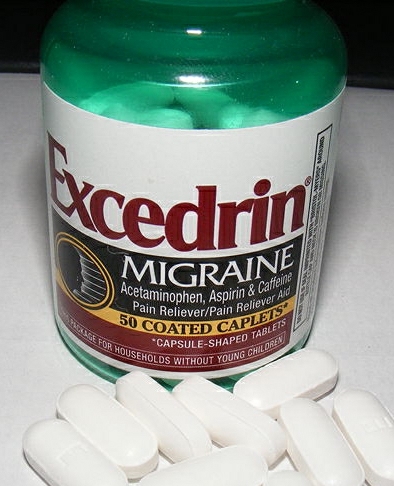
A popular over-the-counter pain reliever may do more than just relieve minor aches and pains. Ohio State researchers say acetaminophen -- the active ingredient in Excedrin and hundreds of other pain medications -- can also make us feel less empathy for the physical and emotional pain of others.

"We don't know why acetaminophen is having these effects, but it is concerning," says Baldwin Way, an assistant professor of psychology at Ohio State’s Wexner Medical Center's Institute for Behavioral Medicine Research.

“Empathy is important. If you are having an argument with your spouse and you just took acetaminophen, this research suggests you might be less understanding of what you did to hurt your spouse's feelings."

Acetaminophen -- also known as paracetamol – is the world’s most widely used over-the-counter pain reliever. The study findings were published in the journal Social Cognitive and Affective Neuroscience.

Way and his colleagues divided 80 college students into two groups, giving half of them a liquid containing 1,000 mg of acetaminophen, while the other half drank a placebo solution that contained no drug. The students didn't know which group they were in.

After waiting an hour for the drug to take effect, the students read eight short scenarios in which someone suffered some sort of physical or emotional pain. For example, one scenario was about a person who suffered a knife wound and another was about a person whose father died. Participants were then asked to rate the pain of each person on a scale ranging from 1 (no pain at all) to 5 (worst possible pain).

Students who took acetaminophen rated the pain of the people in the scenarios to be less severe than those who took the placebo.

"These findings suggest other people's pain doesn't seem as big of a deal to you when you've taken acetaminophen," said Dominik Mischkowski, co-author of the study and a former PhD. student at Ohio State, who is now at the National Institutes of Health.

In a second experiment, students met and socialized with each other briefly. Each participant then watched, alone, an online game that purportedly involved three of the people they just met. In the game, two of the students excluded the third person from the activity.

Participants were then asked to rate how much pain and hurt feelings the students in the game felt, including the one who was excluded.

Results showed that people who took acetaminophen rated the pain and hurt feelings of the excluded student as less severe than the participants who took the placebo.

"Participants had the chance to empathize with the suffering of someone who they thought was going through a socially painful experience," Way said. "Still, those who took acetaminophen showed a reduction in empathy. They weren't as concerned about the rejected person's hurt feelings.

“Because empathy regulates pro-social and anti-social behavior, these drug-induced reductions in empathy raise concerns about the broader social side effects of acetaminophen, which is taken by almost a quarter of U.S. adults each week.”

An earlier Ohio State study found that acetaminophen also dulls emotions.

The pain reliever has long been associated with liver injury and allergic reactions such as skin rash. In the U.S. over 50,000 emergency room visits each year are caused by acetaminophen, including 25,000 hospitalizations and 450 deaths.

Iowa Pain Patient Ends Hunger Strike

By Pat Anson, Editor

All Ryan Lankford wanted was a new doctor and a cheeseburger.

Now that he has the former, he can chow down on the latter.

The 40-year old Iowa man ended his week-long hunger strike Thursday after finally finding a doctor willing to treat his chronic pain.

“I have some good news.  I have a primary care physician!” Lankford said in a message to supporters.

Lankford, who was “fired” by his doctor at UnityPoint Health last month for reasons that were not made clear, suffers from chronic pain in his right arm, stemming from an attack of flesh eating bacteria in 2009. Surgeons were able to save the arm after removing infected tissue, but neuropathic pain in the scar tissue never went away.

After losing his doctor, Lankford was forced to take “dangerous amounts of Tylenol” instead of tramadol, a weaker acting prescription opioid that helped take the edge off his pain.

He decided to go on a hunger strike last week, as a form of protest not only against his own situation, but because thousands of chronic pain patients face similar problems finding doctors.

“I’ve been getting messages from just all corners of the United States. It’s been unreal. I didn’t know that this many people would be with me on this,” Lankford said.

“A lot of people were thanking me that somebody has the guts to do something like this. And there were a lot of them, just a heartbreaking amount of people, that have also been thrown out of pain management practices and dismissed from primary care practices. And denied medications by pharmacies.”

Lankford only drank water during the hunger strike and lost 15 pounds. Going without food sapped his energy and he was sleeping 12 hours a day, but he wasn’t as hungry as he expected.

“After about four or five days, you don’t really notice that anymore. The fatigue gets to be the biggest trick,” Lankford told Pain News Network.

Despite his exhaustion, Lankford kept looking for a new doctor.

RYAN LANKFORD

“I was making some calls around and I finally found a primary care physician that was willing to at least talk to me. Instead of the usual, ‘We don’t take chronic pain patients,’ and then click,” said Lankford

All it took was one visit with the new doctor, who didn’t even know Lankford was on a hunger strike.

“He asked me what I was on, and when I told him tramadol and gabapentin, his response was ‘That's it?! For THAT?!’ He started my meds back up straight away,” said Lankford.

While the notion of being unable to find a doctor might seem strange to healthy people, it’s become a common occurrence for pain sufferers. Many doctors are afraid to prescribe opioid painkillers, fearing oversight by the DEA or even prosecution.

Finding a pain management specialist has been particularly difficult in Iowa, according to Lankford, ever since a Des Moines physician was indicted for involuntary manslaughter for overprescribing opioids in 2012. Dr. Daniel Baldi was later found not guilty by a jury, but the case had a chilling effect on opioid prescribers.

Local media seemed uninterested in Lankford’s hunger strike. Only WHO-TV, the NBC affiliate in Des Moines, ran a story, which you can watch by clicking here.

“WHO was the only one, and they reached out pretty fast,” said Lankford, who is grateful for the attention his hunger strike did get, especially from pain patients.

“Although today marks the end of my hunger strike, don't think for a second that I'll EVER stop speaking up for chronic pain patients and the injustices we face, and don't ever think I would ever forget about all of the great people I have met in the last week or so,” Lankford said in a note on his Facebook page, called “Ryan’s Hunger Strike for Chronic Pain.”

You guys are all rock stars and stronger than anyone can ever know. I'm thinking I will leave this page up as a place to discuss pain issues with like-minded people because frankly, many people on my personal FB just don't ‘get it,’ nor would I expect them to.”

CNN Gets It Wrong About Pain Patients

By Sarah Daniels, Guest Columnist

You may have seen last night’s CNN town hall meeting on “Prescription Addiction: Made in the USA.”

I couldn’t believe it when Dr. Drew Pinsky said that real compliant pain patients are “a very tiny minority” of prescription opioid users.

I’m so sick of being grouped in with addicts! Because of all the new CDC regulations, I had to go weeks without my medication after being on high doses of opiates for a long time.

No one would give me my medication. Every pharmacy I went to said they were out. One pharmacy had the medication and was getting ready to fill it when the head pharmacist came over and told me unfortunately they wouldn't be able to give me the script. When I asked why she said they didn’t have it. I explained I was told they did and it was being filled. She said it wasn’t enough.

I asked if my doctor could write a different script for a temporary amount, would they be able to fill it and she just handed it back to me saying, "Like I said, I’m sorry, I can’t help you."

Then I went to a hospital pharmacy that did have the medication and they actually told me they needed to save it for patients who had short-term pain like surgeries for broken ankles. When I asked how someone's broken ankle pain was more important than my chronic pain from my genetic illness they asked me to quiet down and leave. If I didn't they would have to call security.

I was being polite and respectful, because I know as a pain patient you have to be the best advocate you can be, especially with all the stigma attached to opiates. I was also being quiet because I am never loud when discussing my pain meds, as you never know who is listening.

I never fight or argue or really raise my voice with anyone. I am a happy person despite my illness. I am grateful and thankful for each day I wake up and am able to spend with the people I love.

I did not appreciate someone making me out to be a completely different person than I am. It was like they actually felt threatened by me. Give me a break. I was in a wheelchair.

Now I’m not able to find the medication. My doctor wrote me a script for the medication because we have both decided it is the only thing and best thing for me to be on. It gets me out of bed and still, I can’t get it.

Now I am forced to go to a new pain clinic with new meds, where they're making me stop medical marijuana, which is the only thing keeping me from a feeding tube. They are making me come in for a visit once a week and each week I have to get drug tested and get labs drawn which costs $16. The visit itself costs $35.

SARAH DANIELS

They also want me to see a pain psychologist twice a week (who I already saw with my previous pain specialist and was cleared by). God only knows what that costs.

I’m on disability. It barely covers my insurance and yet I have to do all of these things to be compliant. I have to come up with the money for all of these appointments and procedures, find someone who will be able to drive me, as I am disabled and cannot do so on my own, and also be  well enough to even leave my house to make these appointments, just so that I am considered compliant. So that I can take a medication that I’m not sure will even work.

I am just disgusted by what is going on. As pain patients we are left in the dust. Nobody stands up for us. We try to stand up for ourselves, we are pretty strong, but we need bigger louder forces on our side.

Sarah Daniels lives in the Detroit, Michigan area. She suffers from Ehlers Danlos syndrome and gastroparesis. Sarah is a proud supporter of the Ehlers Danlos National Foundation and the Gastroparesis Patient Association for Cures and Treatments (G-Pact).

Pain News Network invites other readers to share their stories with us.  Send them to:  editor@PainNewsNetwork.org

The information in this column should not be considered as professional medical advice, diagnosis or treatment. It is for informational purposes only and represent the author’s opinions alone. It does not inherently express or reflect the views, opinions and/or positions of Pain News Network.
Wear, Tear & Care: Media Hysteria and the Opioid Crisis

By J.W. Kain, Columnist

I recently received this email from a family member:

Hi Jen,

I was listening to a thing on pain medication and why prescription meds are so dangerous. They turn the receptors off in the brain and the person forgets to breathe.  That part is a totally separate thing from the pain. Dr. Sanjay Gupta was on talking about it. I think that is a very valid argument about overuse of pain meds.

For example, Prince had very valid issues to use the meds and also lived a very clean life style. If he overused, it goes to follow that someone who doesn't lead a clean lifestyle is in more danger. It's not the meds as much as the brain receptors. The breathing part is scary. So I'm not such an advocate anymore.....unless you can tell me this isn't true and why he would say that.

I love you and don't want anything to happen to you. Xoxoxox

I got mad after reading that, even though I knew she was coming from a place of love and fear. It didn't take long for me to calm down because I saw the bigger issue.

First off? Yes, those claims are true. They are also massively simplified. Heavy pain medications slow down or impair bodily functions. You’ve seen those opioid-induced constipation commercials. That is why only a select few of the chronic pain club gets high-voltage pills for daily life as opposed to post-surgical pain.

Here’s a great quote from WBUR’s interview with Dr. Howard Fields that explains the difference between addiction and dependence, the latter being what most chronic pain patients experience:

“Addiction really gets to the issue of compulsive overuse of a drug so that it becomes the dominant thing in your life. If you are going to your physician once a month and getting your prescription refilled and you are able to lead a normal life by taking a pill maybe three or four times a day, you’re not addicted.

But if you’re spending all your time in the search of a drug, or trying to get the money to buy that drug, or stealing from your friends, or going around in other people’s medicine cabinets looking for opioids, then you’re addicted.”

My view of this increasingly volatile situation is that opioids — which the majority of pain patients use responsibly — cannot be banned without another medical intervention in place. Yet some pain management clinics are declining to prescribe opioids.

So what’s fueling this explosion of insanity?

Welcome to the opioid crisis media extravaganza. There is currently a media blitz surrounding the national opioid crisis:

  • A doctor in Buffalo was indicted and closed his practice, leaving thousands of his patients without access to pain medication.
  • A California doctor was convicted of murder for writing too many prescriptions (and to be fair, that case was pretty shady).
  • The late pop icon Prince died after allegedly overdosing on opioids (though few talk about his chronic and debilitating pain, a condition that is “criminally under-treated”).

Many, many people have overdosed and/or died. That is undeniable and is certainly a problem. But the national reaction has not been the appropriate response. The CDC guidelines that discourage doctors from prescribing opioids gloss over pain patients like we don’t exist and only add to our desperation. A former FDA commissioner even slanders us.

So many patients are doing everything right — exercise, strength training, meditation, deep breathing, over-the-counter pills, medical marijuana, aqua therapy, physical therapy, chiropractic work, Reiki, crystals, and anything they see that makes a vague promise to help.

Pain can drive sufferers to extreme lengths, be it suicide or illegal drugs like heroin. Patients are far more likely to turn to street drugs if there is no access to proper pain medication. Or, you know, when pharmaceutical companies outright lie about the addictive natures of their pills.

It's coming out in the news more steadily now, but the rumblings have been around for several years. The opioid crisis may have started partly because OxyContin, “a chemical cousin of heroin,” had addictive qualities and yet was prescribed with abandon.

Purdue Pharma reps went to doctors and told them their pill wasn’t addictive and lasted for twelve straight hours!

In reality, OxyContin presents a serious end-of-dose failure. This is when a drug says it will quiet pain for twelve hours, but in reality only works for eight. This causes patients to take additional pills or stronger ones, which can lead to overdose and addiction.

A four-hour gap? What did Purdue expect to happen?

The knee-jerk reaction to the crisis is to limit the prescriptions of opioids. What does this do to pain patients? It leaves many of us without access to pain management methods that the majority of us have not abused.

Doctors tell sobbing patients that long-term opioids are usually not the answer. But they are the answer for many patients who literally have no other options beside being bed-bound or dead. Those patients are now in grave danger of being driven to extremes. Like that one awful guy who ruins things for everyone else, there have been patients who’ve abused their health care regimens. Sometimes they can’t even help it, like so many of those OxyContin patients who were lied to.

Many of us have to sign pain contracts before we can even dream of receiving opioid prescriptions. These state that our pills are doled out in certain quantities over a set period of time and that they cannot be replaced, supplanted, or in any way refilled for one month. If we lose them, if they get stolen or if the world explodes, we cannot get more.

We have to get new prescriptions in writing every month. The hard copies have to be delivered to the pharmacy. Our driver's licenses must be presented to the pharmacist so they can track our pill usage. Then, and only then, do we receive our prescriptions.

Tell me: Why on earth would we jeopardize that? Most of us are responsible. We don't overuse what we have. We know we can't, or we’re cut off.

A lot of people say, “You’ll end up hooked." The medication will change our brains to make us need, need, need, and we will do anything to fill that need.

And yet, both I and other patients in my support groups, online chats, and frequent fliers at the doctor’s office time our prescriptions and take them exactly when due. We pair that with every other over-the-counter intervention we can think of, like wearables, pain patches, creams, and braces. We can’t rely on opioids because they might disappear at any moment.

The current approach to battling the opioid crisis lumps pain patients with true addicts, and it skews the statistics. I’m not naïve enough to say that some addicts didn’t start as pain patients. I know some did. But in my entire decade-plus in the medical system, I personally know of only one person who started on pain medication and ended up in rehab. I know a few more online, but I can count them on one hand.

My fundamental message here is that unless the proper education is provided, even your biggest supporters — your family, your friends, your colleagues — might react to the media hysteria without doing research that contextualizes the data. They might read a tweet or a headline and react out of fear. Stories will keep being conflated.

They might even send an email like the one sent to me. They only mean the best, but it adds to the collective national fear that is leaving thousands upon thousands of pain patients without the treatment we need.

Prohibition didn’t work in the 1920s. This version of Prohibition isn’t going to work either. The sooner we as a society come to that conclusion, the better.

J. W. Kain is an attorney in the Greater Boston area who also works as a writer and editor in her spare time.  She has chronic back and neck pain after two car accidents.

You can read more about J.W. on her blog, Wear, Tear, & Care.  

The information in this column should not be considered as professional medical advice, diagnosis or treatment. It is for informational purposes only and represents the author’s opinions alone. It does not inherently express or reflect the views, opinions and/or positions of Pain News Network.
Fentanyl Blamed for Half of Massachusetts Overdoses

By Pat Anson, Editor

New studies in Massachusetts and Rhode Island show that the nation’s fentanyl problem may be much worse than previously thought, while the abuse of opioid pain medication may not be as bad as it is often portrayed.

The Massachusetts Department of Public Health released new data showing that over half of the opioid overdose deaths in the state in 2015 were related to fentanyl, a powerful synthetic opioid that is more potent and dangerous that heroin.

It was the first time toxicology tests were used to detect the presence of fentanyl, a method that is far more accurate than the death certificate codes that the Centers for Disease Control and Prevention uses to classify opioid-related deaths. 

“The first-time inclusion of data on fentanyl allows us to have a more honest and transparent analysis of the rising trend of opioid-related deaths that have inundated the Commonwealth in recent years,” said Secretary of Health and Human Services Marylou Sudders.

Of the 1,319 opioid overdose deaths in Massachusetts for which a blood test was available, over 57 percent had a positive result for fentanyl.

The state’s findings do not distinguish between prescription fentanyl that is used to treat more severe forms of chronic pain and illicit fentanyl sold by drug dealers. But it seems likely the vast majority of deaths involve the latter.

illicit fentanyl powder

Massachusetts also released new data from its prescription drug monitoring program for the first quarter of 2016, showing that relativity few pain patients prescribed a Schedule II opioid medication had signs of abusing the drugs. Schedule II opioids include hydrocodone products such as Vicodin and Lortab.

Of the nearly 350,000 patients who had an opioid prescription, the state identified only 484 people (or 0.0014%) as “individuals with activity of concern.” The method used to identify possible abuse was someone receiving Schedule II opioid prescriptions from 4 or more providers and having them filled at 4 or more pharmacies during a three month period.   

Rhode Island Overdoses

Rhode Island this week also released a report showing a "significant increase" in fentanyl-related overdoses. Blood tests detected fentanyl in about 60 percent of the state's overdose deaths in the last two and a half months. There have been 28 fentanyl-related overdoses in Rhode Island so far this year.

“People are injecting, swallowing, and snorting this drug without realizing that they are often breathing their last breaths. Unfortunately, fentanyl kills, and it kills quickly,” said Nicole Alexander-Scott, MD, Director of the Rhode Island Department of Health.

Deaths linked to prescription opioids have been in decline in Rhode island for several years. The prescribing of Schedule II and Schedule III drugs in the state has fallen by over a third since 2011.

"The shifts in prescription and illicit drug overdose deaths also began roughly when more focused efforts were undertaken nationally to reduce the supply of prescription drugs," the health department said in a statement.

source: rhode island department of health

‘Alarming’ Rise in Fentanyl Overdoses

In recent years Rhode Island, Massachusetts and other eastern states have seen a surge in the illicit fentanyl drug trade. The white powdered drug is usually mixed with heroin or cocaine to boost their potency, but in recent months counterfeit pain medication made with fentanyl has appeared on both coasts. The “death pills” are blamed for at least 14 deaths in California and 9 in Florida.

COUNTERFEIT NORCO PILLS

“The counterfeit pills are a newer thing that is going on and that is popping up in different places. It’s certainly something we’re keeping an eye on,” said Erin Artigiani, deputy director of the Center for Substance Abuse Research (CESAR) at the University of Maryland.

CESAR tracks emerging trends in illegal drug use through a nationwide network of more than 1,500 researchers and volunteers.

“It’s very alarming. It’s something we’re very concerned about. And it’s something that local researchers and other members of the network are worried about as well,” Artigiani said.

The appearance of fake pain medication  came just as the CDC finalized guidelines that discourage primary care physicians from prescribing opioids for chronic pain. Artigiani stopped short of saying there’s a connection, but admits some pain patients may be seeking opioids on the streets.

“There are people that are looking for other sources or maybe got cutoff by their doctor or maybe their doctor had second thoughts about prescribing pain medications for one reason or another,” said Artigiani. “The people making and selling these illegal drugs are meeting market demand. So if there’s an increase in people looking for pills, then they’re going to make something to sell to those people.”

‘Biased’ CDC Reports

Pain News Network asked to interview someone at CDC about the Massachusetts fentanyl deaths and was told no one would be available.

“We aren’t able to provide comment on non-CDC research,” a spokesperson said in an email. “At CDC we don’t publish state drug overdose death rates for Rx opioids (or for any specific drug type) due to variability in states reporting drugs involved with deaths.”

While CDC may not consider the state data all that reliable, it has not hesitated to use reports from local medical examiners and death certificates in its reports on opioid overdose deaths.

The agency’s most recent report on 2014 overdoses said the U.S. was experiencing an “epidemic of drug overdose” that it blamed largely on prescription opioids.

“Natural and semisynthetic opioids, which include the most commonly prescribed opioid pain relievers, oxycodone and hydrocodone, continue to be involved in more overdose deaths than any other opioid type,” the report states.

Only briefly does the report acknowledge the “emerging and troubling” number of deaths related to illicit fentanyl. Like Massachusetts, CDC cannot distinguish between illicit fentanyl and prescription fentanyl, an important point because all fentanyl related overdoses are classified by the agency as prescription opioid deaths.

The CDC also admits some opioid-related deaths may be counted twice in its reports and some heroin-related deaths may have been misclassified as prescription opioid overdoses.

“We already know that the CDC's info is biased. Not because they are bad people, but because of the way that data is reported to them. Garbage in, garbage out,” says Terri Lewis, PhD, a rehabilitation specialist, medical researcher and patient advocate.

“There is so much variability in the collection of data at the state level, along with the fact that data collection and reporting is voluntary, not mandatory, that one simply cannot rely on the data set. Of course they won't tell you that.” 

The CDC uses data on death certificates known as International Classification of Disease (ICD) codes, which do not determine the cause of death, only the conditions that exist at the time of death. Someone could die from lung cancer, for example, but because they were on opioids to relieve cancer pain, an ICD code box for opioids may be checked by a doctor or coroner. Autopsies and toxicology tests are not usually conducted to verify ICD coding.

The largest part of the problem of reported death certificates is that of variability – local jurisdictions have wide variation in the preparation of individuals who complete these reports, and few are actually physicians or medical examiners. Often local coroners are appointed or elected,” said Lewis. “Until every state is doing exactly the same thing, we have muddy statistics. 

“Massachusetts has enacted one of the most sweeping changes to their reporting systems in the country – for that they are to be commended.  Distinguishing drugs by the manner of their death is important information for policy managers.” 

Until other states and CDC follow Massachusetts’ lead, we may never know the extent of the fentanyl problem. The CDC’s reliance on ICD codes not only distorts the true nature of the nation’s drug problem, but can lead to the misallocation of resources aimed at combating it.. 

The Obama administration recently asked Congress for an additional $1.1 billion to fight opioid abuse. Most of the money is earmarked for addiction treatment for prescription opioids, not for getting fentanyl off the streets.    

Talking Turkey: How Food Plays a Role in Pain

By Pat Anson, Editor

There’s a nugget of truth to the old saying, “You are what you eat.” And no, we don’t mean chicken nuggets. We’re talking turkey.

Researchers at Brigham and Women's Hospital in Boston say changes in diet and gut bacteria appear to influence the activity of brain cells involved in controlling inflammation and neurodegeneration. They’ve published their study in the journal Nature Medicine

"For the first time, we've been able to identify that food has some sort of remote control over central nervous system inflammation," said corresponding author Francisco Quintana, PhD, an investigator in the Ann Romney Center for Neurologic Diseases at Brigham and Women’s Hospital.

"What we eat influences the ability of bacteria in our gut to produce small molecules, some of which are capable of traveling all the way to the brain. This opens up an area that's largely been unknown until now: how the gut controls brain inflammation."

While studying laboratory mice, Quintana and his colleagues found that gut bacteria produce molecules that influence astrocytes -- star-shaped cells that reside in the brain and spinal cord.

The molecules, which are derived from tryptophan (an amino acid found in turkey and other foods), act as fuel that helps the astrocytes limit brain inflammation.

In blood samples from patients with multiple sclerosis (MS) – a disease that attacks the body’s central nervous system -- the researchers found lower levels of these tryptophan-derived molecules.

"Deficits in the gut flora, deficits in the diet or deficits in the ability to uptake these products from the gut flora or transport them from the gut -- any of these may lead to deficits that contribute to disease progression," said Quintana.

MS is a chronic and incurable disease that causes numbness in the limbs, difficulty walking, paralysis, loss of vision, fatigue and pain.

In addition to turkey, tryptophan is found in other high-protein foods such as chicken, beef, nuts and cheese. Its a myth that eating lots of turkey will put you to sleep, according to the American Nutrition Association. But tryptophan does help produce serotonin, a neurotransmitter that regulates mood and mental activity,

Scientists are just beginning to recognize that food and gut bacteria play a role in multiple sclerosis and other chronic pain conditions.

Researchers at New York University’s Langone Medical Center recently found that some intestinal parasites and bacteria play a beneficial role in helping to balance the immune system, and reduce rates of inflammatory bowel diseases (IBD) such as Crohn’s disease and ulcerative colitis.

Sanitary practices have sharply reduced intestinal worm infections in developed nations, which now have some of the highest rates of Crohn’s and colitis. Scientists believe the worms help produce a certain type of bacteria that helps control inflammation. This “hygiene hypothesis” may also apply to MS, rheumatoid arthritis, type 1 diabetes, and other autoimmune diseases.

Seeing Both Sides of the Opioid Debate

By Crystal Lindell, Columnist

I have suddenly found myself on both sides of the opioid issue.

I’m a chronic pain patient who is among the lucky few to have gotten better, or at least mostly better. And now, I’m so “lucky” that I get to take myself off opioids. It’s been hell.

I had this idea in my head that it would be like in the movies — 72 hours of feeling like death and then I would go on with my life. But it turns out even after your physical body adjusts to life without the drugs, your brain aches for them and begs you to take them.

I have it on good authority — a psychiatrist at a university hospital who specializes in this sort of thing — that I was never classically addicted to the morphine and hydrocodone that I took on a daily basis for my intercostal neuralgia. I never took more than the prescribed dose. I never took them to get that “high” that can come from the drugs. I never bought any off the streets.

I took them for pain. As prescribed. And I passed every stupid urine test they ever gave me. If they gave out grades for taking opioids correctly, I’m not saying I would definitely have an A+, I’m just saying I probably would. 

But when you’re on morphine 24 hours a day/ seven days a week for three years straight, your brain doesn’t much care why or how you took them, it just wants to know why the heck you stopped.

And so even after the initial diarrhea and the sweating and the body aches subsided, my brain was left in shambles. And I was hit with horrific, lingering crippling anxiety and insomnia.

It turns out there’s this thing called post-acute withdrawal syndrome, or PAWS. And first it should be noted that they really didn’t take things typically associated with puppies and use them to name ugly, terrible withdrawal-related issues. But whatever.

Anyway, as you go off certain drugs, like opioids, “Post-acute withdrawal occurs because your brain chemistry is gradually returning to normal. As your brain improves the levels of your brain chemicals fluctuate as they approach the new equilibrium causing post-acute withdrawal symptoms,” according to an article on Addictions and Recovery.org.

“Most people experience some post-acute withdrawal symptoms. Whereas in the acute stage of withdrawal every person is different, in post-acute withdrawal most people have the same symptoms.”

And the symptoms can last for two years.

Here’s is a list of symptoms from that article:

  • Mood swings
  • Anxiety
  • Irritability
  • Tiredness
  • Variable energy
  • Low enthusiasm
  • Variable concentration
  • Disturbed sleep

I have all of them, if you were wondering.

The anxiety and insomnia are a special kind of hell, because they don’t even let you escape with sleep for a few hours a day. You’re just awake, all the time, wondering if the world is actually going to end right then.

And you know in your mind that the anxiety isn’t logical. You know that just because the guy you’re seeing has read your text message but he hasn’t immediately responded to it doesn’t mean he’s met someone else and gotten married to her in the last seven minutes.

But anxiety doesn’t give an eff about logic. So your heart rate ramps up and you feel sick to your stomach and you convince that if he would just TEXT YOU BACK it would all be fine. And then he does, but it’s still not fine. Because it’s never fine.

Possibly most depressingly of all, I’m struggling to write. The anxiety convinces me that I have nothing important to say and nobody would want to read it anyway, and that anything I type has probably already been said better by someone else. It paralyzes me, and takes away the one thing in life I have always been able to count on. And getting this very column out has been an exercise in sheer will.

So yeah, it’s been awful. And most of the doctors I’ve been working with truly believe that since the drugs are technically out of my system and I wasn’t an “addict,” that I should be super awesome and totally good to go. Except I’m the completely opposite of that, and I’m really struggling with all this.

The worst part might be that dealing with withdrawal has so many ties to morality in our culture, so every time I have an anxiety attack and I reach for half a hydrocodone to calm me down, I feel like I failed at life. I feel like I went from A+ to F-.

The thing is, even with all this hell, I still don’t regret going on morphine three years ago. Back then I was in so much pain that I was genuinely planning ways to kill myself and the opioids were the only thing that helped me. They not only saved my life, they helped me keep my job and stay somewhat social.

But now, as I try to get my brain back to normal, I’m struggling. Like I mentioned, I’m working with a psychiatrist and psychologist and I have also recently made the decision to go on anxiety medication and try sleeping pills.

I still wake up in a state of panic more days than not though. I feel like something horrible is going to happen at any moment, and feel lucky if I get five hours of sleep in one night. So it’s not like I’ve found a magic cure.

The bottom line is it’s time we all admit how incredibly complicated opioids really are.

On one side, people in pain deserve access to them. Quality of life is important and nobody should have to suffer because of mass hysteria about hydrocodone. 

But we can’t ignore the fact that no matter how responsibly we take these drugs, our brains get addicted to them over time. And stopping them isn’t as easy as a 72-hour withdrawal weekend.

Doctors need to know these things, and then they need to relay them to their patients. And only when we have an honest conversation about the benefits AND the risks associated with these drugs can we begin to move forward in a productive way.

Crystal Lindell is a journalist who lives in Illinois. She loves Taco Bell, watching "Burn Notice" episodes on Netflix and Snicker's Bites. She has had intercostal neuralgia since February 2013.

Crystal writes about it on her blog, “The Only Certainty is Bad Grammar.”

The information in this column should not be considered as professional medical advice, diagnosis or treatment. It is for informational purposes only and represent the author’s opinions alone. It does not inherently express or reflect the views, opinions and/or positions of Pain News Network.
Untreated Pain Raises Risk of Drug & Alcohol Abuse

By Pat Anson, Editor

Nearly nine out of ten people who abuse drugs or alcohol have chronic pain and most are using the substances for pain relief, according to the findings of a new study at Boston University School of Medicine.

The study seems likely to stir further debate about the nation’s opioid abuse problem and whether taking patients off pain medication or lowering their doses will only lead to more substance abuse.

Researchers surveyed nearly 600 primary care patients who screened positive for illegal drug use, misuse of prescription drugs or heavy alcohol use and found that 87 percent of them had chronic pain. About half rated their pain as severe.

Over half (51%) of the patients who admitted using marijuana, cocaine, heroin or other illegal drugs said they did it to treat pain.

And about eight out of ten who abused prescription pain medication (81%) or alcohol (79%) said they did it to manage pain.

"While the association between chronic pain and drug addiction has been observed in prior studies, this study goes one step further to quantify how many of these patients are using these substances specifically to treat chronic pain,” said lead author Daniel Alford, MD, an associate professor of medicine at Boston University School of Medicine.

“In this study, it was common for patients to attribute their substance use to treating symptoms of pain. Over half of the cohort using illicit drugs, two thirds misusing prescription drugs without a prescription, and one-third using their prescription in greater amounts than prescribed, reported doing so to treat pain. Among those with any recent heavy alcohol use, over one-third drank to treat their pain, compared to over three-quarters of those who met the criteria for current high-risk alcohol use.”

Alford said it was important for primary care doctors and addiction counselors to recognize the link between pain and substance abuse, because counseling efforts are likely to fail if a patient’s pain is not addressed.

“If drugs are being used to self-medicate pain, patients may be reluctant to decrease, stop or remain abstinent if their pain symptoms are not adequately managed,” Alford wrote.

“Addressing pain symptoms is complicated for the most experienced physician and is outside the skill set of most allied health staff performing brief intervention counseling. Brief interventions focusing solely on the harmful effects of an illicit or misused drug may be ignored or disregarded if the patient perceives the drug as necessary to treat a symptom.”

The study is published in the Journal of General Internal Medicine.

Making Everyday Life Less Painful

By Barby Ingle, Columnist

Every day is a challenge to remain independent when living with chronic pain. Normal activities such as walking, taking the stairs, squatting, sitting for long periods, and getting in and out of vehicles can be quite challenging and painful.

To get more out of life, I had to learn how to minimize disruptions in my daily routine and how to be a time and energy saver. That meant making some changes around the house.

Every pain patient and their family should assess their surroundings, perhaps with the help of professionals, and prioritize the modifications needed. This can help the patient maintain their independence and function.

Some of the lifestyle modifications you may wish to consider include: 

 Clothing

  •  Flat shoes instead of heels for patients with lower extremity issues
  •  Slip-on shoes
  •  Velcro or zipper closures for shirts or sweaters
  •  Velcro or zippers for shoes instead of shoelaces

 Bathroom

  •  Elevated toilet seat
  •  Grab bars in the bathtub, shower, and next to the toilet
  •  Long-handled comb or brush so the patient does not have to raise his or her arm high
  • Tub or shower bench 

Bedroom

  • Blanket support frame so that blankets or sheets do not rest directly on the feet of a patient
  • Nightlights in the bedroom and other rooms where the patient may walk if they awaken during the night

 Automobile

  •  Car doors that are easy to open and close
  •  Handicapped parking stickers
  • Modified controls to facilitate driving
  •  Seat positions that are easy to manipulate

Kitchen

  • Easy grab handles for cabinets
  • Large knobs on appliances requiring manipulation (stove, dishwasher, washing machine)
  • Lightweight appliances (vacuum cleaner)
  • Lightweight dishes and pots
  •  Lightweight flatware with long handles
  • Long handled cleaning appliances (brooms, dustpans, sponges)
  • Long-handled "grabbers" for removing items on high shelves or picking up items from the floor
  • Sliding shelves or turntables on kitchen shelves so the patient does not have to reach into cabinets to access items in the back 

Miscellaneous

  • A note from your doctor recommending special accommodations, such as an aisle seat in airplanes
  • Electric wheelchair to avoid upper body strain or injury
  • Medical support professionals or accountants to budget medications, special appliances, home-nursing care, and other medical-related supplies and expenses
  •  Nursing or home health care
  • Use of wheelchairs in airports, train stations, or malls
  • Voice activated lights, appliances, or computer
  • Wheelchair-access modifications at home

Undoubtedly, there has been progress made in recent years by healthcare professionals and patients towards understanding and properly managing pain. Unfortunately, pain still poses a problem for patients who are under-diagnosed, over-diagnosed or misdiagnosed.

Controlling the pain you are in is essential to quality of life. Knowing the characteristics of pain and why it is happening give you an advantage in dealing and controlling aspects of pain. Taking control of your life and being responsible for yourself will assist you in lowering your pain.

I see these life changes as a way to improve my daily living -- not as defeats. Using tools in life help those with disabilities from pain have a better life. If a tool can help us accomplish more and increase independence, we should not be ashamed of using it.

Barby Ingle suffers from Reflex Sympathetic Dystrophy (RSD) and endometriosis. Barby is a chronic pain educator, patient advocate, and president of the International Pain FoundationShe is also a motivational speaker and best-selling author on pain topics.

More information about Barby can be found at her website.

The information in this column should not be considered as professional medical advice, diagnosis or treatment. It is for informational purposes only and represents the author’s opinions alone. It does not inherently express or reflect the views, opinions and/or positions of Pain News Network.
How Long Does OxyContin Last?

By Pat Anson, Editor

The pain relieving effects of OxyContin, Purdue Pharma’s best-selling opioid painkiller, often wear off early and the company has been aware of the problem for many years, according to a lengthy investigation by the Los Angeles Times.

The Times investigation of OxyContin, which was based on court records and thousands of “confidential” Purdue documents, found that a single dose of the extended release painkiller often doesn’t last for the intended 12 hours and that it performs more like “an 8-hour drug.” That makes some patients take extra doses or stronger ones, raising the risk of abuse and addiction.

“Such results shouldn’t come as a surprise. After all, the FDA doesn’t require drugs to work as promised for all patients. What was eye-popping about The Times’ findings was how Purdue responded when doctors told them their patients weren’t getting the full 12 hours of relief promised,” The Times said in an editorial.

“Instead of recommending that such patients take OxyContin more than twice per day — which might make it less appealing than cheaper generic opioids with short durations — Purdue’s representatives told doctors to stick to the 12-hour regimen and prescribe higher-strength pills.”

Purdue quickly issued a statement rejecting The Times’ story, saying it was “short on facts.”

“In an attempt to resurrect a long-discredited theory, the paper ignores the clinical and regulatory data that directly contradicts their story,” Purdue said. “Over the course of two years, Purdue Pharma provided the LAT (Los Angeles Times) with more than a dozen hours of briefings and discussions regarding the clinical evidence supporting OxyContin’s 12-hour dosing and the regulatory requirement that we promote the product as such. Unfortunately, the paper disregarded this information, instead publishing a story that’s long on anecdote and short on facts.”

Purdue said the FDA rejected claims over a decade ago that OxyContin was misbranded as a “twice-a-day” drug and was being prescribed inappropriately.

The Times published its own rebuttal to Purdue’s statement online, which you can see by clicking here.

Pain News Network asked readers what they thought about OxyContin’s pain relieving qualities and got a mixed response.

“Worked like a dream for me, but too expensive,” wrote one patient on our Facebook page, who said she switched to generic oxycodone.

“Doesn't start working for 3 hrs. Seems like it ends at the 9th hour. Not really happy about that, but what can you do?” wrote another patient, who said she had too many side-effects from other pain medications.

“It only lasted 5-6 hours for me. Stopped taking it years ago because it was ineffective,” said another pain patient.

Since its introduction in 1996, OxyContin has reportedly generated over $31 billion in revenue for Purdue, but it also created a tainted legacy that the company is still trying to shed two decades later. Many believe OxyContin helped spark the so-called opioid “epidemic” because its sales reps initially told doctors the drug had a low risk of abuse and addiction.

In 2007, a class action lawsuit against Purdue for deceptive marketing ended with several company executives pleading guilty to a felony count of misbranding OxyContin. The company and its executives were fined $634 million.

In 2010, Purdue introduced an abuse-deterrent formula of OxyContin that makes it harder for drug abusers to crush or liquefy the tablet for snorting or injecting. Some patients have complained the new formulation isn't as effective or causes gastrointestinal problems.

Iowa Pain Patient Goes on Hunger Strike

By Pat Anson, Editor

An Iowa man who was released as a patient by his doctor last month has gone on a hunger strike, vowing to never eat again until “pain patients are treated better.”

“He fired me. Basically they don’t want chronic pain patients anymore,” says Ryan Lankford of Des Moines. “Between my experiences and reading stories online from so many people being treated the same way I am, I just thought I needed to make a statement and do something, if nothing else to raise awareness.

“I know it’s kind of pie in the sky. I just think at this point I don’t think I have anything to lose.”

The 40-year old Lankford suffers chronic pain in his right arm, stemming from an attack of flesh eating bacteria in 2009. Surgeons removed infected tissue and muscle to save Lankford’s arm, but the remaining nerves are encased in scar tissue and still cause neuropathic pain.

Lankford said his doctor at UnityPoint Health told him he was being discharged for making “inappropriate remarks.”  

“They wouldn’t say what the remarks were or to whom, but it was pretty clear they were tired of taking care of me, because at the same time I had told my doctor that the pain meds weren’t working as well anymore,” Lankford said.

“He said don’t try any of the other clinics because we have your records and you’re not going to be taken by any of our affiliates either.”

A call to UnityPoint Health for comment was not returned.

Since being discharged, Lankford says he has been taking “dangerous amounts of Tylenol” because he is no longer able to get tramadol, a weaker opioid pain medication that helped take the edge off his chronic pain.

“I’m unable to find anyone in Iowa to even prescribe me tramadol,” Lankford said. “If they hear you’re a pain patient and you’re trying to find a primary care provider they hang up the phone on you. They just plain don’t want you.”

Lankford says it’s been difficult to find doctors willing to treat his pain ever since a Des Moines pain management specialist was indicted in 2012 on seven counts of involuntary manslaughter for overprescribing opioids. Dr. Daniel Baldi was later found not guilty by a jury, but the case had a chilling effect on opioid prescribers in Iowa and around the country.

In recent months, the number of patients being dropped by doctors or weaned off opioids appears to have increased, possibly because of recent guidelines released by the CDC, which discourage opioid prescribing for chronic pain. Those guidelines are voluntary and only meant for primary care physicians, but many doctors appear to be adopting them, even pain management specialists.

Two pain clinics in Tennessee recently said they would stop prescribing opioids to chronic pain patients because of "changing regulations."

"I was told yesterday my pain doctor would no longer give me my short acting opioids," a Michigan pain patient told us. "He is also unsure if I'll be able to continue my long acting opioid one, which I've been on for around six years. This after telling me I have been a model patient. He used the recent death of Prince as a reason."

Hunger Strike Began Thursday

Lankford has not had any food since Thursday afternoon and is only taking water. He’s created a Facebook page called “Ryan’s Hunger Strike for Chronic Pain” where people can track his progress.

“I'm fully aware of what I'm doing, and what the consequences could be. It's time for action, since the powers that be won't heed our words. Once again, NOT a SUICIDE THREAT. This is legitimate political protest, and anyone who tries to forcibly stop me will be subject to legal action,” Lankford posted on Facebook.

Lankford hopes his hunger strike will draw attention not only to his own plight, but those of countless pain patients around the country who are in similar situations.

“We’ve been writing letters, talking online and making phone calls for ages and it hasn’t gotten us anywhere. Maybe something a little more drastic is in order,” he said.