Opioid Pain Meds Rarely Involved in Suicide Attempts

By Pat Anson, Editor

Opioid pain medication is involved in less than 5 percent of the attempted suicides in the United States, according to a large new study of emergency room visits.

Researchers at Johns Hopkins University School of Medicine studied a national database of more than one billion emergency department visits from 2006 to 2013, and found that antidepressants and anti-anxiety drugs were far more likely to be used in an attempted suicide than opioid medication.

The findings appear to contradict numerous government and media reports suggesting that opioids play a significant role in the nation’s rising suicide rate.  A recent VA study, for example, found that veterans receiving the highest doses of opioid painkillers were more than twice as likely to die by suicide.

According to the Centers for Disease Control and Prevention, suicides in the U.S. increased by 31 percent over the past decade and are now the 10th leading cause of death. In 2014, nearly 43,000 Americans committed suicide, three times the number of overdose deaths that were linked to prescription opioids.

The Johns Hopkins researchers were puzzled to find that while suicides had risen, there was no corresponding increase in attempted suicides. Their findings are published in the journal Epidemiology and Psychiatric Sciences.

"What stood out to us the most is that while the rate of fatal suicide has increased, the overall rate of nonfatal suicide attempts has not changed much over the years, nor have the patterns -- age, sex, seasonality, mechanism, etc. -- changed much," said lead author Joseph Canner, interim co-director of the Johns Hopkins Surgery Center for Outcomes Research.

Canner and his colleagues analyzed over 3.5 million emergency department visits involving patients who were admitted for attempted suicide or self-inflicted injury. Poisoning was the most common means of injury, accounting for two-thirds of all suicide attempts. Benzodiazepines, anti-anxiety medication, tranquilizers and antidepressants were the most commonly used drugs.

Codeine, morphine, methadone and other opioid medications were involved in only 4.9% of the suicide attempts.

The study confirmed that suicide attempts peak during the spring, dispelling the popular myth that suicides increase during the holiday season. Attempted suicides actually decreased in November and December.

Over 80 percent of those who were admitted for a suicide attempt suffered from a mental health disorder, a broad category that includes depression, anxiety, substance abuse and alcohol disorders.

There have been anecdotal reports of suicides increasing in the pain community since the release of the CDC’s opioid prescribing guidelines in March, 2016. But the guidelines – and their impact on suicides – did not fall within the study period. Johns Hopkins researchers also did not study the relationship between chronic pain and attempted suicide.

“The study fails to reflect, evaluate or acknowledge suicides after the crackdown on opioid analgesics to relieve chronic and intractable pain,” said Twinkle VanFleet, a chronic pain sufferer, patient advocate and suicide survivor.

“Chronic pain sufferers are at a higher risk in contemplation, ideations, and actual attempts on their lives due to the CDC guidelines being developed without consideration to the suffering… inflicting fear in providers to prescribe and fear in patients to live.”

Earlier this year, VanFleet said she became suicidal due to her own undertreated pain. She sought help from two doctors and also went to an emergency room – and was sent away all three times without treatment.

“I still don't know why I'm still here,” she said.

NBA Coach Tried Marijuana for Back Pain

By Pat Anson, Editor

Steve Kerr may have inadvertently started a national conversation about sports and medical marijuana. They’re certainly talking about it in the NBA.

The 51-year old coach of the Golden State Warriors revealed in an interview Friday that he smoked marijuana to see if it might relieve his chronic back pain. Medical marijuana has been legal in California since 1996.

“I guess maybe I can even get in some trouble for this, but I’ve actually tried it twice during the last year and a half, when I’ve been going through this chronic pain that I’ve been dealing with,” Kerr said on The Warriors Insider Podcast.

STEVE KERR

Kerr missed most of the 2015 regular season after two back surgeries that not only failed to relieve his pain, but resulted in a spinal fluid leak that gave him chronic headaches, nausea and neck pain. Kerr took a leave of absence for four months and started trying various pain relievers, including narcotic painkillers and pot.

“A lot of research, a lot of advice from people, and I have no idea if maybe I would have failed a drug test. I don't even know if I'm subject to a drug test or any laws from the NBA, but I tried it and it didn't help it all. But it was worth it because I'm searching for answers on pain. I've tried painkillers and drugs of other kinds as well, and those have been worse. It's tricky," Kerr said.

It’s even trickier if you’re a professional athlete.

If an NBA player is caught using marijuana – either recreationally or medically – the league requires the player to enroll in and complete a substance abuse treatment program.

A second infraction results in a $25,000 fine. The penalties escalate after that, with a third offense resulting in a 5-game suspension, followed by a 10-game suspension for a 4th infraction.  

The NFL and Major League Baseball have similar marijuana policies, with baseball players facing the ultimate penalty after a 4th infraction: Banning from the league.

Even though Kerr is a coach now – he had a lengthy career as a player – it took some courage for him to speak so openly about marijuana.

“I’m not a pot person. It doesn’t agree with me. I’ve tried it a few times, and it did not agree with me at all. So I’m not the expert on this stuff,” Kerr said. “But I do know this: If you’re an NFL player, in particular, and you’ve got a lot of pain, I don’t think there is any question that pot is better for your body than Vicodin. And yet athletes everywhere are prescribed Vicodin like its Vitamin C, like it’s no big deal.

“I would hope, especially for these NFL guys, who are basically involved in a car wreck every Sunday – and maybe four days later, the following Thursday, which is another insane thing the NFL does – I would hope that league will come to its senses and institute a different sort of program where they can help these guys get healthier rather than getting hooked on these painkillers.”

Some of Kerr’s player welcomed his comments about a controversial issue.

''Steve's open-minded, and obviously with the way the world's going, if there's anything you can do that's medicinal, people are all for it, especially when there's stuff like Crohn's disease out there, glaucoma, a bunch of stuff, cancer,” said Klay Thompson. “But not recreationally, that should not be of its use ever. There's obviously a medicinal side to it that people are finding out, especially people with really high pain.''

“I think it makes a lot of sense what he said,” said Draymond Green, adding that he has never tried marijuana and “doesn’t really know how it feels.”

“From what I hear from football guys, I think a lot of them do it because of all the pain they go through,” Green said. “It makes a lot sense. It comes from the earth. Any vegetable that comes from the earth, they encourage you to eat it. So I guess it does make a little sense, as opposed to giving someone a manufactured pill. The way some of these pills take the pain away, it can’t be all good for you.”

Although the NFL has a reputation for regular drug testing and watching for signs of drug abuse, some former players say about half the league is currently using marijuana for pain relief.  Many grew tired of using painkillers, which one player calls “a scourge in the locker room.”

Steve Kerr says professional sports needs to re-evaluate its relationship with painkillers and marijuana.

“Having gone through my own bout with chronic pain, I know enough about this stuff – Vicodin is not good for you. It’s not,” said Kerr. “It’s way worse for you than pot, especially if you’re looking for a painkiller and you’re talking about medicinal marijuana, the different strains what they’re able to do with it as a pain reliever. And I think it’s only a matter of time before the NBA and NFL and Major League Baseball realize that.”

I Miss the Person I Used to Be

By Deanna Singleton, Guest Columnist

I'm not the same person I was 8 years ago. It's not because I went through a tragic life experience or that I finally figured out the point of life.

It was that one day, all of a sudden, I opened my eyes in the morning and both my legs were in pain. And over the course of the last 8 years it keeps getting worse. I have advanced spinal stenosis, three bulging discs and degenerative disc disease.

It’s now to the point that at the age of 36, it takes everything I have to get in the shower or to just make a dinner for my kids and hubby. And if I actually do take a shower or do dishes, I'm usually in tears from the pain. I can't move the rest of the day from that small activity. Some days, just the water hitting or running over my skin is enough to make the average person want to die.

I want my life back. I didn't ask for this daily pain.

The first thing I think about when I open my eyes in the morning is where are my medications. I have to take pain medication just to walk through my house or to play with my children.

DEANNA SINGLETON

I used to have a very clean home. Now, not so much. Now it’s normal to walk into my home and see a mountain of clothes filling one whole couch. I loved to clean my house and make it a beautiful home for my family. I used to be out in my garden or flower beds, because that's my happy place. But I can no longer go there.

I used to be able to take my three girls on a walk to the park. Or walk the mall. Now I'm just lucky to be able to walk the grocery store, using the cart as a walker just long enough to get stuff for dinner.

Last but not least, I used to be a great wife. Smiling, happy and at the door to greet my husband after working a long hard day, with makeup and hair done. To make sure he remembers why he comes home every day. 

It's hard to feel pretty when you hurt so bad. Now I'm probably on the couch or in bed with my pajamas still on. With no makeup and hair in a messy bun. No more greetings at the door. And a smile no where to be found.

I used to be a great partner who was loving and affectionate. Who made sure my husband was happy in every way. Now it hurts so bad that we both just feel terrible afterwards.  Me because of the pain level, and him because he feels bad and that it's his fault now.

I used to work at two jobs, until I lost my pain meds due to my doctor not being comfortable any longer prescribing opioids because of the CDC guidelines and our local DEA. I was told by the doctor that he could no longer prescribe my medication.  And just like that, I went from 190 mg of oxycodone a day down to zero. No tapering.  My body then went into massive withdrawal.  I thought I was going to die. And since then I can no longer work.

In the state of Oregon we find no relief or sympathetic doctors who are willing to prescribe these life saving opiates that have been proven to give me my life back. And it's all because doctors are too scared of the CDC and the DEA to treat us patients, who rely on these meds to have any function or quality of life.

I have never wanted someone to cut into my body so bad. But no surgeon will do my surgery till I turn 40. My primary care provider will barely give me tramadol.  I've been to every specialist possible. And gone through countless medications, physical therapies and injections.

I'm just asking our medical doctors to do the job they once probably loved and not be so afraid to treat their patients as they know best. And let me be the mom and wife I used to be, and know I can be once again.

I just want my life back. For my kids, my marriage and for a somewhat active life.  I will start my life at 40.  I will probably be the happiest woman ever to return 40.

Deanna Singleton lives in Oregon with her family.  She is a proud supporter of #PatientsNotAddicts on Facebook and on Twitter.

Pain News Network invites other readers to share their stories with us.  Send them to:  editor@PainNewsNetwork.org.

The information in this column should not be considered as professional medical advice, diagnosis or treatment. It is for informational purposes only and represent the author’s opinions alone. It does not inherently express or reflect the views, opinions and/or positions of Pain News Network.

Over 22,000 Comments on DEA’s Kratom Ban

By Pat Anson, Editor

Over 22,000 public comments – a record number on any issue -- have been posted on a government website taking comments on a threatened federal ban on the herbal supplement kratom. The final number is likely to be even higher once all the comments are recorded.

The vast majority of commenters oppose plans by the Drug Enforcement Administration for the emergency scheduling of two ingredients in kratom as Schedule I controlled substances, a move that would make the sale and possession of the herb a felony.

Thursday, December 1 was the last day that public comments were accepted at Regulations.gov on the kratom ban. The number of kratom comments is over five times the number who commented on the controversial opioid prescribing guidelines released by the Centers for Disease Control and Prevention earlier this year.

“I think the quality of the comments and the quantity of the comments show that kratom really does have potential and that the three to five million people that are consuming kratom would suffer greatly if it becomes a Schedule I controlled substance,” Susan Ash, founder of the American Kratom Association, told Pain News Network.

Ash started using kratom several years ago to help fight opioid addiction. Many others use it to treat their chronic pain, anxiety and depression.

“If Kratom is banned by the DEA my quality of life will decrease tremendously,” wrote a 62-year old veteran who started using kratom four years ago as an alternative to anti-anxiety medication. “My life was out of control with benzodiazepines. With kratom, I can live a somewhat anxiety-free life and not have all the negative side effects that come with benzodiazepines.”

“The VA prescribes lots of pain medication that’s very addictive. I have since gone off the medication and switched to kratom,” wrote Brandon Lang, another military veteran.  “The effect as far as pain relief is comparable, but the addictive nature and the ‘high’ is nearly nonexistent. I feel much better knowing pain relief is available and affordable. I am now free and clear of narcotics.”

“Kratom is nowhere near as dangerous as alcohol, tobacco, acetaminophen, aspirin, and countless other things which are widely available. It makes absolutely no sense to ban kratom,” said John Miller.

“I am a former addict and know others who suffer from addiction including alcoholism,” wrote Chris Simmons. “In my experience kratom significantly reduces cravings while allowing people to go about their day as normally as possible. Please keep this legal.”

One of the comments opposing the ban came from a retired deputy chief of the Los Angeles Police Department.

“Kratom has been used safely by millions of people in the U.S., just like marijuana was used safely prior to its prohibition. And, just like marijuana, kratom has many medicinal benefits that scheduling would deny to those who benefit from its use. Its prohibition would only drive thousands more to opiate use,” wrote Stephen Downing, who has called for the legalization of many illicit drugs.

“There is no evidence to support prohibition of this plant. Putting it on the Controlled Substances Schedule will serve no useful purpose other than the continued survival of a massive and harmful out-of-control government bureaucracy.”

Only a small minority of commenters support a ban on kratom.

“Adding an untested and unregulated substance such as kratom to our food supply without the application of longstanding federal rules and guidelines would not only be illegal, it could likely be dangerous, leading to serious unintended consequences as our nation struggles with the crisis of opioid addiction,” wrote Daniel Fabricant, PhD, a former FDA official who is now CEO and Executive Director of the Natural Products Association (NPA), a trade association that represents the food and dietary supplement industry.

“NPA strongly urges DEA and FDA to take appropriate legal action to ensure that American consumers are protected from an unknown and unregulated botanical ingredient whose use could have widespread and unintended negative consequences for public health and safety.”

Fabricant’s comments to the DEA rely primarily on anecdotal reports that kratom might be harmful or have a narcotic effect.  Although kratom leaves have been used for centuries as a natural remedy in southeast Asia, it is relatively new in the United States, and there have been few clinical studies on its safety and efficacy.

In a new analysis of existing studies funded by the American Kratom Association, Jack Henningfield, PhD, said kratom was no more dangerous than many other herbal supplements, such as St. John’s Wort, lavender, kava and hops. 

"For both abuse potential and dependence liability, kratom's profile is comparable to or lower than that of unscheduled substances such as caffeine, nicotine-containing smoking cessation products, dextromethorphan, and many antihistamines, antidepressants, and other substances sold directly to consumers,” said Henningfield, who is a former chief of research at the National Institute on Drug Abuse and is currently an adjunct professor in the Department of Psychiatry and Behavioral Sciences at the Johns Hopkins University School of Medicine. 

What happens now with the threatened ban is not clear. The DEA has asked for a new analysis of kratom from the Food and Drug Administration, which initially recommended that the herb be made a controlled substance. The new analysis has yet to be released publicly.

It appears likely that a final decision on kratom will be left to the incoming Trump administration, and there are conflicting signs where that may lead. Trump’s nominee as Attorney General, Alabama Sen. Jeff Sessions, has been a longtime critic of marijuana legalization. If confirmed by the Senate, Sessions will oversee the DEA.

Trump’s nominee as Secretary of Health and Humans Services, Georgia Rep. Tom Price, will oversee both the CDC and FDA if he is confirmed. Price is a noted Tea Party member and longtime critic of Obamacare, who wants a more free market approach to healthcare that allows patients to make their own decisions. 

Susan Ash is hopeful that these dueling interests will decide that kratom is best left alone as a dietary supplement. 

“I’m nearly 100% confident that they are not going to emergency schedule this again,” she told PNN. “I truly believe that science is going to be on our side. How long it is going to take for that science is my concern.”

Stem Cell Therapy: Hope or Hype for Pain Patients?

By Pat Anson, Editor

The testimonials sound so encouraging. Chronic pain from arthritis, neuropathy and degenerative disc disease begins to fade after a single injection of stem cells.

“The next day after a needle went in there, the next morning they felt better. Immediately,” says 93-year old Curtis Larson, who suffered from neuropathic pain in his feet and ankles for nearly a decade.  

"Pain’s all gone. Completely gone,” Larson says in a promotional video hosted on the website of Nervana Stem Cell Centers of Sacramento, California.     

“You don’t have to accept chronic joint pain as a fact of life. There’s still hope even if medications and other treatments haven’t worked for you. Our practitioners can explain to you how stem cell treatments work and whether you can benefit,” the Nervana website states. “Relief may be on its way!”

We’ve written before about experimental stem cell therapy and how injections of cells harvested from a patient’s bone marrow or blood are being used to treat chronic conditions such as low back pain.

Professional athletes such as Kobe Bryant and Peyton Manning have used one stem cell treatment – known as platelet rich plasma therapy -- to recover from nagging injuries and revitalize their careers.

But has stem cell therapy moved beyond the experimental stage? Is it ready for widespread use?

“Published data derived primarily from small, uncontrolled trials plus a few well-controlled, randomized trials have not reliably demonstrated the effectiveness of stem-cell treatments,” wrote FDA commissioner Robert Califf, MD, in a commentary recently published in the New England Journal of Medicine – an article clearly aimed at throwing cold water on some of the hype surrounding stem cell treatment.

Califf and two co-authors said there is simply not enough evidence to support some of the newer stem cell therapies – such as cells harvested from a patient’s body fat (adipose tissue).

“The safety and efficacy of the use of stem cells derived from peripheral blood or bone marrow for hematopoietic reconstitution are well established. Increasingly, however, hematopoietic stem cells and stem cells derived from sources such as adipose tissue are being used to treat multiple orthopedic, neurologic, and other diseases. Often, these cells are being used in practice on the basis of minimal clinical evidence of safety or efficacy, sometimes with the claim that they constitute revolutionary treatments for various conditions,” they wrote.

But the lack of evidence and FDA approval haven’t stopped stem cell clinics from popping up all over the country. Over 570 such clinics now operate nationwide, with over a hundred of them in California alone, according to the Sacramento Bee. Some clinics – such as Nervana Stem Cells – are hosting free seminars for chronic pain patients, publicizing them with advertisements that read, “We want you to start living your life pain free!”

A Sacramento Bee reporter attended one seminar and listened to a former chiropractor who works for Nervana tell the audience that they can lower their pain scores from 8’s and 9’s to “mostly 0’s and 1’s” after 16 weeks of injections. He said the clinic has a 90 percent success rate.

Nervana does not use stems cells derived from bone marrow, blood or body fat, but uses a solution of embryonic stem cells from the “after-birth of healthy babies,” the Bee reported. Costs ranged from $5,000 for a single joint injection to $6,000 for a spinal injection. Stem cell therapy is not usually covered by insurance.

“It’s quite clear that these people are offering treatments that haven’t been tested in clinical trials. It’s a little concerning,” Kevin McCormack, a spokesman for the California Institute of Regenerative Medicine told the Bee.  

“There’s a gray zone where these clinics are operating,” he said. “The FDA needs to address the issue of these clinics and address this slow, onerous approval process for stem cell therapy.”

The FDA’s Califf says the agency is not trying to stifle research into a promising new field of medicine -- it’s just waiting for proof that the treatments work and don’t cause harmful side effects. He cited cases in which stem cell patients developed tumors or went blind after injections.

“Such adverse effects are probably more common than is appreciated, because there is no reporting requirement when these therapies are administered outside clinical investigations,” Califf wrote. “The occurrence of adverse events highlights the need to conduct controlled clinical studies to determine whether these and allogeneic cellular therapies are safe and effective for their intended uses. Without such studies, we will not be able ascertain whether the clinical benefits of such therapies outweigh any potential harms.”

Choose the Green Door

By Barby Ingle, Columnist 

When there is a hallway full of doors and you don’t know which one contains the cure, where do you start? Which door do you choose?

I go with the green one. The one that makes the most sense to me personally. The door is a place to start finding answers and access to care. If what we need is not behind that door, remember there are other doors down each corridor of life.  

Patients all over America have been struggling to get good healthcare for chronic conditions since I can remember. These patients, along with their loved ones, healthcare providers, and millions of taxpayers, are suffering the pitfalls of a healthcare system that too often doesn’t work.  

In most chronic care situations, we are not taught self-advocacy skills. As a result, we often don’t know our rights or responsibilities as patients. 

For this terrible situation to stop, it is going to take a combined effort on the part of many people. But it starts with us becoming better informed, proactive, and organized as patients.  

Better organization, prevention programs, access to care, and learning the tools to take care of ourselves between appointments will go a long way towards ending this crisis in our society.

I talk a lot about being prepared and organized as a patient to receive the best healthcare possible (see “What to do Before Seeing a Doctor”). Starting a journal and keeping a checklist of things to talk about with your doctor will help guide you through the minefield of the healthcare system. It takes work in the beginning, but gets easier as you go. You’ll save yourself more pain and challenges in the future.

Finding the Right Fit

When it comes to living the best life you can, every person has choices. There are even more choices for those who have chronic pain or illness. It is important to find the right fit for you. Patients can either let the disease run them or sort through the system and take control of their disease.

Your first goal should be getting a correct diagnosis. If you need to go to multiple doctors, take the time to do it now to prevent your health from deteriorating further.

Each doctor has their specialty and treatment options that they are comfortable with. This does not always mean that they are the right doctor for you or that another treatment will not work. If you are not comfortable with the treatment offered by your current provider, find a doctor who you trust to try different options. 

It can be very aggravating to deal with a kidney stone or torn ligament, but at least there is an end in sight. You can get back to a “normal life” once the stone passes or the bone break heals. Other conditions such as high blood pressure, heart failure, diabetes, Lyme disease, multiple sclerosis, RSD, arthritis, osteoporosis, neuropathy and other chronic conditions can be more of a challenge for patients and usually last a lifetime.

Coping with a chronic condition takes hope and self-awareness. Take charge of your disease instead of letting it rule you. Some doctors, friends, and even family will say, “Just live with it” or “Get used to it.” But you are the one who lives with a chronic condition. You can learn to live with it and how to manage life around the symptoms and problems without losing yourself. 

Staying Positive

Being positive and hopeful in what you can make of your future is a big factor in determining whether you have a successful outcome. We need positive attitudes to make lifestyle changes. Some will be easier, such as changing your diet or beginning a physical therapy routine. Others will be more difficult, like having to sever ties with a family member or friend who is hindering your recovery. We also need the support from our healthcare providers.

Most of all, we need to recognize that we are responsible for ourselves and that a successful treatment may require changes that only we can provide to ourselves.

We all deserve to have our pain taken seriously. To have the pain managed well instead of under-treated, untreated, or over-treated is important. Pain must be managed effectively and in a timely manner, with the underlying condition being addressed while the pain is being managed.

Do not assume that your doctor knows how to treat your pain. Every patient is different and doctors only know what they have been exposed to in their practices, schooling and continuing education classes. We must keep going until we find the door that is right for us. 

Don’t forget your lifelines. There are prescription programs to help cover co-pays, ways to appeal insurance decisions, and ways to negotiate with your providers to get the care needed. The goal is to receive effective relief and be able to organize and manage all aspects of life.

Finding good healthcare and support systems will lower the number of hospital visits, time spent in the hospital, unnecessary trips to the emergency room, repeated tests, and inadequate treatments. All of which contribute to the high costs of healthcare. On average, living with chronic pain costs $32,000 per patient per year.

Staying organized, keeping good records, and communicating with your pain care team will help you get access to proper and timely care.

Barby Ingle suffers from Reflex Sympathetic Dystrophy (RSD) and endometriosis. Barby is a chronic pain educator, patient advocate, and president of the International Pain Foundation. She is also a motivational speaker and best-selling author on pain topics.

More information about Barby can be found at her website.

The information in this column should not be considered as professional medical advice, diagnosis or treatment. It is for informational purposes only and represents the author’s opinions alone. It does not inherently express or reflect the views, opinions and/or positions of Pain News Network.

‘Opioid Vaccine’ Could Revolutionize Addiction Treatment

By Pat Anson, Editor

Scientists at The Scripps Research Institute have developed an experimental vaccine that appears to significantly lower the risk of an overdose from prescription opioids and could someday revolutionize opioid addiction treatment. The vaccine also blocks the pain-relieving effects of opioid medication.

“We saw both blunting of the drug’s effects and, remarkably, prevention of drug lethality,” said co-author Kim Janda, PhD, a professor of chemistry at Scripps. “The protection against overdose death was unforeseen but clearly of enormous potential clinical benefit.”

Vaccines typically take advantage of the immune system’s ability to recognize and neutralize foreign invaders such as bacteria.

When injected, the opioid vaccine triggers an immune system response when two widely used painkillers -- hydrocodone and oxycodone -- are detected. Antibodies released by the immune system seek out the opioids and bind to the drugs' molecules, preventing them from reaching the brain.

“The vaccine approach stops the drug before it even gets to the brain,” said study co-author Cody Wenthur, PhD, a research associate at Scripps. “It’s like a preemptive strike.”

In tests on laboratory mice, scientists found that the opioid vaccine blocked the pain relieving effects of oxycodone and hydrocodone, as well as any euphoria. The vaccinated mice also appeared less susceptible to a fatal overdose.

“Our goal was to create a vaccine that mirrored the drug’s natural structure. Clearly this tactic provided a broadly useful opioid deterrent,” said study first author Atsushi Kimishima, a research associate at Scripps.

Currently, opioid addiction treatment relies on other opioids – such as methadone and buprenorphine (Suboxone) – to stifle cravings for opioids. But those drugs can be abused as well.  

Although some of the vaccinated mice succumbed to an opioid overdose, researchers found that that it took much longer for the drug to impart its toxicity. If this effect holds true in humans, the opioid vaccine could extend the window of time for emergency treatment if an overdose occurs.

The next step for researchers is to refine the dose and injection schedule for the opioid vaccine. It may also be possible to make the vaccine more effective. Scripps researchers are already working on vaccines to block the effects of heroin, fentanyl and other synthetic opioids.

The Scripps study has been published in the journal ACS Chemical Biology. The study was supported by the National Institute on Drug Abuse of the National Institutes of Health.

Heroin Vaccine

California-based Opiant Pharmaceuticals is developing a similar vaccine designed to treat heroin addiction. The company recently announced that it has obtained exclusive development and commercialization rights to an experimental heroin vaccine invented by scientists at the Walter Reed Army Institute of Research and the National Institute on Drug Abuse.   

“Aggressively addressing heroin addiction is part of Opiant’s mission,” Roger Crystal, MD, CEO of Opiant said in a news release. “In our view, this vaccine fits our plan to develop innovative treatments for this condition. The vaccine has promising preclinical data.”

Opiant’s first commercial product was Narcan, an emergency nasal spray that rapidly reverses the effects of an opioid overdose.

“Whilst our development of Narcan Nasal Spray to reverse opioid overdose has been a significant effort to address the unfortunate consequences of heroin addiction, we see the vaccine as having potential in addressing the disease itself,” said Crystal.

Medical Use of Kratom ‘Too Large to Be Ignored’

By Pat Anson, Editor

A threatened ban on kratom would stifle scientific understanding of the herb and its value in treating pain, addiction and other medical problems, according to a commentary published in the Journal of the American Osteopathic Association.

"There's no question kratom compounds have complex and potential useful pharmacologic activities and they produce chemically different actions from opioids," said Walter Prozialeck, PhD, chairman of the Department of Pharmacology at Midwestern University Chicago College of Osteopathic Medicine.

“In my opinion, the therapeutic potential of kratom is too large to be ignored. Well-controlled clinical trials on kratom or the many active compounds in kratom are needed to address this issue.”

In August, the U.S. Drug Enforcement Administration issued an emergency order saying it would classify two of kratom’s active ingredients -- mitragynine and 7-hydroxymitragynine -- as Schedule I controlled substances.

Such an order would have effectively banned the sale and possession of an herbal supplement that millions of people use to treat pain, anxiety, depression and addiction. It would also make it harder for researchers to conduct clinical trials of kratom.

The DEA postponed its decision only after a backlash from kratom supporters and some members of Congress. The agency said it would seek new guidance from the FDA and allow public comment on the proposed ban until December 1. Over 7,000 people have commented so far at Regulations.gov.

In its emergency order, the DEA said kratom posed an “imminent hazard to public safety” and referred to its chemical compounds as “opioid substances.” But Prozialeck says kratom behaves differently than opioids, because it doesn't produce euphoria or depress respiration.

“At the molecular level, mitragynines are struc­turally quite different from traditional opioids such as morphine. Moreover, recent studies indicate that even though the mitragynines can interact with opioid receptors, their molecular actions are different from those of opioids,” he wrote. “Based on all of the evidence, it is clear that kratom and its mitragy­nine constituents are not opioids and that they should not be classified as such.”

Prozialeck also disputes the notion that kratom is linked to several deaths, saying other drugs or health problems could have been involved. While he thinks banning the herb would be a mistake, Prozialeck believes some regulation is needed to prevent kratom products from being adulterated or contaminated with other substances.

"After evaluating the literature, I can reach no other conclusion than, in pure herbal form, when taken at moderate doses of less than 10 to 15 g (grams), pure leaf kratom appears to be relatively benign in the vast majority of users. Without reported evidence, however, it would not be appropriate for phy­sicians to recommend kratom for their patients,” he concludes.

That’s a sentiment that Dr. Anita Gupta agrees with.  She says several of her patients have successfully used kratom for pain relief, but until more research is conducted on the herb’s safety and efficacy, Gupta won’t recommend it to other patients.

“What I hear from patients is that they’re getting good benefit from it. But we have to wonder if kratom itself has pharmacological benefit or if it’s a placebo effect,” said Gupta, an osteopathic anesthesiologist and pharmacist who also serves on an FDA advisory board.

“I would encourage more oversight of kratom. There should be more regulation of kratom substances. That could come from the FDA or DEA, to make sure patients are safe and there’s no harmful interaction. To say that it’s only a dietary supplement, I don’t know if that’s the right classification, because we’re using it for clinical conditions and diseases. I think we need more oversight and more research should be conducted,” Gupta told PNN.

It’s a Catch-22 for kratom supporters. If research confirms its therapeutic value, that could result in kratom being classified as a Schedule II or III controlled substance, on the same level as other medications that have a potential for abuse. Kratom would still be legal to obtain, but only with a prescription.

In a survey of over 6,000 kratom users by Pain News Network and the American Kratom Association, over 98 percent said they wanted kratom to remain available as a dietary supplement without a prescription.  Seven out of 10 also said pharmaceutical companies should not be allowed to produce and market kratom products.

The Addict is Not Our Enemy

By Fred Kaeser, Guest Columnist

A number of people in chronic pain support the plight of those with addiction. Yet, over the past year and a half, I have read any number of derogatory statements and comments here on Pain News Network and on its corresponding Facebook page about people who are dealing and struggling with addiction.

Even a cursory review of the comment section on different articles will reveal rather quickly any number of folks who are dismissive of those dealing with addiction. Some express a real hatred.

One person actually suggested letting “all the druggies overdose, one by one.”

Another laments that “addicts can't die quick enough for me.”

Some express a sort of jealousy over addicts getting better treatment than they: “It's good to be an addict" and "Maybe I'd be better off being an addict.”

And then there are those who got all shook up over Prince's overdose, not so much from his death, but because it was linked to an opioid and that it might make it harder for them to obtain their own opioid medications.

And to think these comments come from the same people who beg others to better understand and accept their own need for better pain care!

It wasn't very long ago that the "drug addict" was scorned and forgotten: the druggie on the dark-lit street corner or the drunk in the back-alley. Pretty much neglected and left to fend for themselves.

But that started to change in the '70s and '80s, and nowadays the person suffering from addiction is recognized as someone who suffers from a very complex disease, is quite sick, and struggles to access the necessary care in order to recover. Societal attitudes towards those with an addiction now reflect empathy and a desire to help, as opposed to denunciation and dismissiveness.

We chronic pain patients are looking for the same acceptance and understanding that addicts were desperately seeking just a few short years ago. And that struggle took many, many decades, one might say centuries, to achieve. Our struggle is similar, and my guess is if we keep our eyes and focus on reasonable and rational argument, we too will achieve success in our struggle to obtain acceptable pain care and understanding.

But if some of us continue to see the enemy as the person who has an addiction, our fight for justice will suffer and be delayed.

Why? Because the addict is not very different from us.  Irrespective of the reason why a drug or substance user becomes addicted, the addict just wants to feel better, just like us. The addict is sick, just like us. The addict wants relief from pain, just like us. Perhaps not from physical pain, but emotional and psychic pain. The addict wants proper medication, just like us. The addict needs help and assistance, just like us.

And sometimes the pain patient is the addict. Sometimes we are one in the same. A recent review of 38 research reports pegs the addiction rate among chronic pain patients at 10 percent. From a genetic predisposition standpoint, we must presume that some addicts have become addicted just because of their genes, just like some of us.

No one with an addiction started out wanting to become addicted, just like none of us wanted chronic pain. And while our government is trying to figure out how to minimize the spread of opioid addiction, it is not the addict's fault as to how it has decided to that.

In many ways those suffering from addiction are not very different from us who suffer from chronic pain. We both struggle for acceptance, we both require empathy and understanding from the world around us, and we both require treatment and proper care to lead better and more productive lives.

But, I firmly believe that as long as there are those of us in chronic pain who feel compelled to ridicule and demean those who are addicted, that we will only delay our own quest to receive the empathy we so justly deserve in our journey towards adequate pain care.

Empathy breeds empathy, and if we expect it for ourselves, we must be willing to extend it to others. And that includes the addict. 

Fred Kaeser, Ed.D, is the former Director of Health for the NYC Public Schools. He suffers from osteoarthritis, stenosis, spondylosis and other chronic spinal problems.

Fred taught at New York University and is the author of What Your Child Needs to Know About Sex (and When): A Straight Talking Guide for Parents.

The information in this column should not be considered as professional medical advice, diagnosis or treatment. It is for informational purposes only and represent the author’s opinions alone. It does not inherently express or reflect the views, opinions and/or positions of Pain News Network.

How to Give Back on #GivingTuesday

Pat Anson, Editor

Most of us know all about Black Friday – the annual post-Thanksgiving shopping frenzy – that marks the day many retailers finally begin to turn a profit for the year. There’s also Small Business Saturday and Cyber Monday – also aimed at getting us to shop, shop, and shop some more.

But are you ready for Giving Tuesday on November 29?

That’s the day that kicks off the charitable giving season, when many people begin to focus on their holiday and year-end donations to charity. Now in its fifth year, #GivingTuesday relies primarily on social media (note the Twitter hashtag) to spread the word about giving and philanthropy – as opposed to the constant drumbeat about holiday shopping.

This year Pain News Network is partnering with other non-profits, civic organizations and charities to promote #GivingTuesday and other small acts of kindness.

I know kindness is something that pain sufferers could use more of. Many of you are no longer able to obtain pain medication or have seen your doses cutback.  Others are struggling to find new doctors and treatments, or pay rising insurance premiums and deductibles. It’s been a difficult year, and there’s a lot of uncertainty about what 2017 will bring to the pain community when a new administration takes office.

Whatever happens, I want you to know that Pain News Network will be there to cover it and keep you informed. So far this year, we’ve reached well over a million people around the world with PNN's unique blend of news, investigative reporting and commentary on issues affecting the pain community. We provide an independent voice – and go out of our way to include the patient perspective -- which you just don’t see in the mainstream media. This reader-supported journalism is only possible through donations from people like you.  

Please consider a donation to PNN today by clicking here. We’ve partnered with PayPal to provide a safe and secure environment for donations by credit or debit card.

If you prefer donating to another pain organization or advocacy group, please consider one of our affiliates – a list of which can be found by clicking here.  Non-profits such as For Grace and the International Pain Foundation do a remarkable job spreading awareness about chronic pain and are deserving of your support.

If you prefer an organization in your own community, #GivingTuesday has a web page that can help you connect with a local non-profit or school near you. If money is an issue, many charities are in need of volunteers willing to donate their time, goods or services.

As the name implies, #GivingTuesday is all about “giving back.”

How will you give back this Tuesday? 

Wear, Tear & Care: Needling Away Pain

By Jennifer Kain Kilgore, Columnist

One would think that encouraging inflammation is a bad idea, right?

“Let’s stick you with needles, inject a dextrose solution, and create some new tissue. It’ll be great!”

That’s what my dad has been saying since 2004. He had prolotherapy done for his low back in college, and it did wonders for him. I was extremely dubious. It sounded far too strange – injecting a sugar solution? Into my neck?

I have very extensive injuries from two separate car accidents. To sum it up quickly, I have badly-healed thoracic fractures, bulging lumbar discs hitting nerves, and two cervical fusions that cause a lot of post-surgical pain. The idea of purposefully creating more inflammation sounded insane. But after my second fusion, when the pain started increasing no matter how dutifully it was treated, I decided to give it a try.

Prolotherapy, or sclerosing injections, is still considered a bit radical, even though it’s been around since the 1930’s. The reason for the mystery is because there haven’t been enough double-blind studies conducted yet.

It’s a non-surgical ligament and tendon reconstruction injection designed to stimulate the body’s natural healing processes. By creating inflammation, you prod the body to create new collagen tissue and help weak connective tissue become stronger.

Because I live in the Boston area, that meant the drive to the doctor’s office was an hour each way. Most people do each area (lumbar, thoracic, cervical) separately, and each area takes approximately five rounds of shots. For me, that would’ve meant an eternity of needles.

I chose the insane route: five weeks of intense pain, meaning five weeks of all three areas at the same time.

It’s not supposed to hurt that much – people can take an aspirin and go to work after the appointment, grumbling about their aching knee. My pain response has become far more sensitive in my back and neck since the accidents, so what’s like a bee sting for other people is like thick surgical needles for me.

As such, it was hellishly difficult. Each appointment was on a Wednesday and took about fifteen minutes. The doctor injected my low back and then let me rest with an ice pack down the back of my pants. Then he injected my neck, loading me with more ice packs. Then, very gingerly, he approached the mid-back, which was the most damaged of all. He had to consult my MRIs for that one because the bones are not quite where they’re supposed to be.

For me, it took about an hour for the real pain to kick in, which gave me just enough time to drive home. The doctor numbed me with a topical anesthetic as well, so I sat on five ice packs and made the drive back to my house, where I collected all the ice packs in the freezer and arranged them on the recliner. Then I wouldn’t move for about two days. Sleeping was almost impossible without ice packs stuffed into my pajamas; I still can’t sleep on my back, two months later. Sitting like a normal human being was out of the question.

For five weeks, I spent the two or three days after shots recovering from absurd amounts of pain, and then by the time I’d recovered, it was almost time for the next round. My level of pain was far more than what other people online have reported. I also did a lot more shots at once than other people do. My experience was very much abnormal. But, most importantly: Did it work?

Well, yes. It did. Amazingly so. I’d told myself at the beginning that if this procedure controlled even 25 percent of the pain, that would be worth it. That would be worth the driving, the pain, and the out-of-pocket cost that isn’t covered by insurance.

My cervical fusions caused my arms not to work a lot of the time. Typing, writing, and using my hands for general tasks was very difficult and tiring. Additionally, my shoulder blades had what felt like black holes filled with electric fire. Nothing helped it. Nothing worked.

Two weeks into the prolotherapy regimen, my arms were fine and the black holes had disappeared.

I still have a lot of my daily low-grade, all-body pain. I still have massive headaches and neck pain. But my sciatica is also better, I’ve noticed – I was able to go to a rock park called Purgatory Chasm and clamber all over humongous boulders, and afterward I was only sore, not in agony.

So do I think it works? Absolutely. The other great part is that it’s supposed to last for at least a few years. Steroid injections only last a few months. I very much prefer this schedule.

If you can get past the “alternative therapy” label and can scrounge up the money to pay for it, I’d highly recommend prolotherapy. It worked for me, and I’m still waiting to see more of its effects. I hope that it works as well for you.

Jennifer Kain Kilgore is an attorney in the Greater Boston area who also works as a writer and editor in her spare time.  She has chronic back and neck pain after two car accidents.

You can read more about Jennifer on her blog, Wear, Tear, & Care.  

The information in this column should not be considered as professional medical advice, diagnosis or treatment. It is for informational purposes only and represents the author’s opinions alone. It does not inherently express or reflect the views, opinions and/or positions of Pain News Network.

Why I'm Thankful to Be Alive

By Crystal Lindell, Columnist

There were lots of times over the last year where I was not at all thankful to be alive. Where just the idea of being alive made me want to die.

Like that time almost exactly a year ago now when I was sitting on the toilet, sweating, with my elbows on my knees and my face in my hands, barely about to endure the physical withdrawal of morphine that I was going through.

I would have given anything to die right in that moment.

And there was the time back in the spring when I had a really bad reaction to a medication called Buspar (buspirone) that led to a days-long anxiety attack and the most vivid suicidal thoughts I’ve ever experienced.

I really wanted to die then as well.

But despite my pleas, I did not get to die. I kept living. And now, this year on Thanksgiving, I have the perspective to see why that’s a good thing.

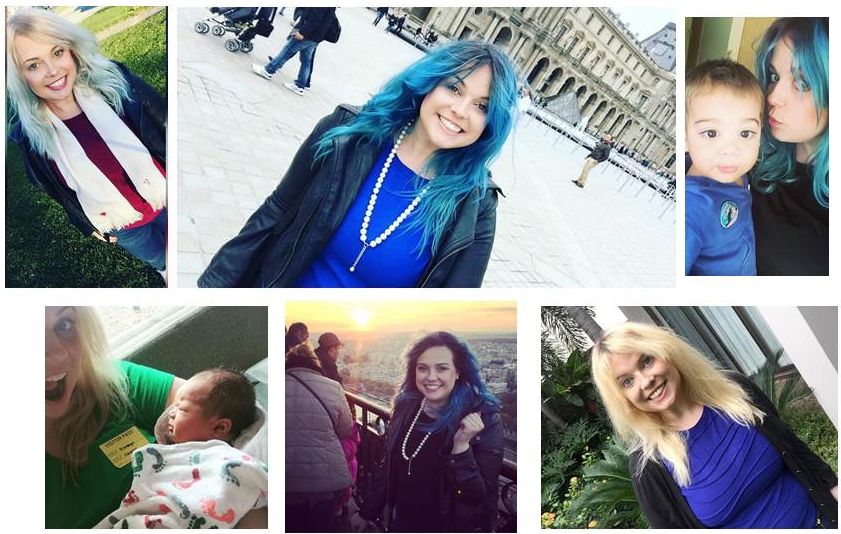
Because during the past 12 months I’ve also gotten to go to Ecuador and France for work. I’ve met my friend’s new baby and watched her toddler learn to walk. I saw my sister’s basketball team win a state championship, dyed my hair blue, and had the best escargot and creme brulee in a French town just 30 minutes from the German border.

I got a promotion at work, and saw the sunset from the top of the Eiffel Tower. I saw the impossible become possible when the Cubs won the World Series, and I ate seafood while overlooking an infinity pool in Guayaquil, Ecuador.

There so many good things I would have missed. 

The episode with the Buspar was especially traumatizing. I had started taking it because of the intense, daily anxiety I was having after going off opioids. But I was one of the rare people who had an inverse reaction to it, leading to unbearable anxiety and suicidal ideation.

If you have never had a medication cause suicidal ideation, the best way to describe it is that your inner voice suddenly changes. And all you can think is, “Just do it. Just kill yourself. Nobody would miss you anyway. You don’t have to be in pain anymore. Your heart doesn’t have to break anymore. Just do it.”

I was wearing my favorite blue dress that day, and I can’t even look at it now without flashing back to the moment I had locked myself in the bathroom stall at work and decided to take all the pills in my purse.

Suicide isn’t very logical, so on some level it makes sense that I didn’t really come up with a logical reason to not do it. In the moment, I wasn’t able to convince myself that there were better days ahead or that anyone would miss me.

In the end, what stopped me was the very thing that has saved me so many times: My writing. I realized that if I killed myself in that moment I wouldn’t be leaving behind a suicide note. And I couldn’t very well die without a goodbye letter. So I stopped what I was doing, and found the strength in my wobbly legs to get myself out to my car and drive home.

Looking back and knowing how serious it was, I realize now that I should have gone the ER right then, but it would be days before I went in for a psych evaluation. In the meantime, I took lots of deep breaths and a hot bath and convinced myself to give this whole life thing a go again the next day.

That happened on May 17, and not a month goes by where I don’t mark that day. Where I don’t give myself permission to be a little more loving to my soul than I usually am. And where I don’t think back about all the things I could have so easily missed.

It’s been a long year, and most of what I’ve endured can be traced back to my physical pain and my attempts to break free from opioids. I did not see any of it coming, and was woefully unprepared to endure it.

But endure it I did. And it turns out, there were so many lights at the end of the tunnel. So many things I would have missed.

If you’re struggling, please don’t hesitate to get professional help. I promise, with my whole heart, there are so many lights at the end of your tunnel too.

For help, call the National Suicide Prevention Lifeline, 800-273-8255.

Crystal Lindell is a journalist who lives in Illinois. She loves Taco Bell, watching "Burn Notice" episodes on Netflix and Snicker's Bites. She has had intercostal neuralgia since February 2013.

Crystal writes about it on her blog, “The Only Certainty is Bad Grammar.”

The information in this column should not be considered as professional medical advice, diagnosis or treatment. It is for informational purposes only and represent the author’s opinions alone. It does not inherently express or reflect the views, opinions and/or positions of Pain News Network.

Pain Companion: How to Survive the Holidays

By Sarah Anne Shockley, Columnist

The holiday season is upon us. For many it’s a time meant for joyful festivities, but for those of us in chronic pain, planning and participating in gatherings with coworkers, friends and family can pose significant challenges and stresses.
 
The demands on our energy, time and patience are likely going to become much higher than normal, and we’ll need to make wise choices about what we can and can’t do.

How do we find ways to participate enjoyably and not send our pain levels skyrocketing?

You Don't Have To Do It All

Learn to say no. Nicely, kindly, but firmly.

You don't have to be the person you were before you were struggling with pain, and you shouldn't try to be.

Yes, people have expectations of you and they forget that you're in pain. It's no fun, but you're going to have to gently remind others that you can't be everywhere and do everything they expect of you this holiday season.

Tell them that it's also hard on you, not be able to be as involved as you have been in the past, but that it is very necessary for your healing.

Let them know that the best way they can support your healing is to allow you to make the choices you need to make -- the choices that may keep you home a little more and out a little (or a lot) less often.

Give yourself permission to ask others to do more than usual so you can attend gatherings without wearing yourself out, and give yourself permission to stay home if you need to.

Let coworkers, friends, and family know that it's nothing personal about them. It's personal about you. You're taking care of yourself.

Give Yourself a Free Pass

Give yourself a free pass to say yes or no at the last minute, and decide you’re going to be okay with that. That means that you're going to reply with a firm "maybe" when you're invited anywhere. It means that you can leave the decision about whether you're up for something or not right up to the moment you're heading out the door. And it means preparing others to accept that.

Tell friends and family that you may need to cancel your attendance at the last minute, or that you may need to leave early, and ask for their understanding ahead of time. Let them know that you really want to be able to be with them, and your absence has nothing to do with how much you care about them. It has everything to do with taking care of yourself.

Then do what you need to do in that regard, and do it without guilt. Your priority is to find a way to take care of your need for rest and low stress, even in the midst of this demanding season.

Don't Cut Yourself Off

With that said, don't completely cut yourself off from friends and family either. Being with loved ones for special occasions can be one of the most joyful aspects of being alive, so you don't want to miss out entirely if you can help it.

So, here's my formula: Choose a small number, say 3 to 5 celebrations for the wholeholiday season that you feel are the most important to you personally. I don't mean the ones you used to think were important based on obligations to work, family and friends. I mean the ones you truly enjoy, the ones that feed your spirit, the ones you would really miss if you couldn't go.

If at all possible, find a way to get to those and only those. Go for only a brief period, if need be. Attend without contributing to food or preparations. Again, give yourself a guilt-free pass.

Let yourself have the times that are important to YOU, and say no to the rest.

This may sound selfish, but if you're in pain, you need to be a little more selfish. It isn't doing anyone any good for you to wear yourself out trying to do everything you used to do and go everywhere you used to go, if you will be raising your pain levels and not enjoying yourself.

So, instead of being exhausted and grumpy at too many functions, pick a few choice ones you can attend with enjoyment. Above all, be kind to yourself and take care of yourself first.

Find an Ally

Recruit a holiday ally -- a friend or family member who understands your situation -- who will do the explaining for you, drive you over to functions, pick up the slack in terms of bringing food or making arrangements, and agree to leave early with you if it's necessary.

You might find someone for the whole season or you might want to ask a different person for each function. Remind yourself: You need more help. You need to do less.

Don’t hide away this holiday season if you can help it, but also give yourself the gift of attending fewer functions, say yes only to the ones you really enjoy, find an ally or two who will support you, and giving yourself a free pass to say no so that you can fully enjoy the celebrations you do attend.

Sarah Anne Shockley suffers from Thoracic Outlet Syndrome, a painful condition that affects the nerves and arteries in the upper chest. Sarah is the author of The Pain Companion: Everyday Wisdom for Living With and Moving Beyond Chronic Pain.

Sarah also writes for her blog, The Pain Companion.

The information in this column should not be considered as professional medical advice, diagnosis or treatment. It is for informational purposes only and represent the author’s opinions alone. It does not inherently express or reflect the views, opinions and/or positions of Pain News Network.

Medical Marijuana Could Help Treat Addiction

By Pat Anson, Editor

Can marijuana be used to treat addiction?

Not according to the U.S. Drug Enforcement Administration, which classifies marijuana as a Schedule I controlled substance with “a high potential for abuse.” Adults who start using marijuana at a young age, according to the DEA,  are five times more likely to become dependent on narcotic painkillers, heroin and other drugs.

But a new study by Canadian researchers found that marijuana is helping some alcoholics and opioid addicts kick their habits.

"Research suggests that people may be using cannabis as an exit drug to reduce the use of substances that are potentially more harmful, such as opioid pain medication," says the study's lead investigator Zach Walsh, an associate professor of psychology at the University of British Columbia’s Okanagan campus.

“In contrast to the proposition that cannabis may serve as a gateway (drug) is an emerging stream of research which suggests that cannabis may serve as an exit drug, with the potential to facilitate reductions in the use of other substances. According to this perspective, cannabis serves a harm-reducing role by substituting for potentially more dangerous substances such as alcohol and opiates.”

In their review of 31 studies involving nearly 24,000 cannabis users, Walsh and his colleagues also found evidence that marijuana was being used to help with mental health problems, such as depression, post-traumatic stress disorder (PTSD) and social anxiety.

The review did not find that cannabis was a good treatment for bipolar disorder and psychosis.

"It appears that patients and others who have advocated for cannabis as a tool for harm reduction and mental health have some valid points," Walsh said.

With medical marijuana legal in over half of the United States and legalization possible as early as next year in Canada, Walsh says it is important for mental health professionals to better understand the risk and benefits of cannabis use.

"There is not currently a lot of clear guidance on how mental health professionals can best work with people who are using cannabis for medical purposes," says Walsh. "With the end of prohibition, telling people to simply stop using may no longer be as feasible an option. Knowing how to consider cannabis in the treatment equation will become a necessity."

The study was recently published in the journal Clinical Psychology Review. Walsh and some of his colleagues disclosed that they work as consultants and investigators for companies that produce medical marijuana.

Previous studies have found that use of opioid medication declines dramatically when pain patients use medical marijuana. Opioid overdoses also declined in states where medical marijuana was legalized..

‘Spicy’ Injection Could Take Sting Out of Foot Pain

By Pat Anson, Editor

The U.S. Food and Drug Administration has given "fast track" designation to an injectable pain reliever containing a synthetic form of capsaicin, the active ingredient that makes chili peppers spicy.

The move speeds the development of CNTX-4975 as a treatment for Morton’s neuroma, a painful nerve disorder of the foot. If clinical trials are successful and CNTX-4975 gains full FDA approval, it would be the first use of capsaicin in an injectable analgesic. Capsaicin is already used in skin patches and topical ointments for temporary pain relief.

“We feel the Fast Track designation is recognition that we are pursuing an unmet need for a serious condition with a novel therapy. CNTX-4975 has the potential to help patients avoid surgery, meaning they can avoid the potential complications and recovery associated with surgery, while still achieving the pain relief they are seeking,” said Jim Campbell, MD., founder and President of Centrexion Therapeutics, which is developing the drug.

“We also believe the FDA is trying to encourage development of novel therapies, like CNTX-4975. As a non-opioid, we believe CNTX-4975 could have a major impact in the treatment of chronic pain.”

Centrexion is also studying CNTX-4975 as a possible treatment for osteoarthritis in both humans and dogs.

Morton’s neuroma involves a thickening of the tissue around a nerve leading to the toes, which causes sharp, burning pain in the foot, especially when walking.

The current standard of treatment is steroid injections or surgery to remove the nerve. The surgery often results in permanent numbness in the toes and a potentially long recovery period. 

There are currently no FDA-approved treatments for Morton's neuroma. The agency’s Fast Track process is designed to speed the review of drugs to fill an unmet medical need.

“CNTX-4975 has the potential to provide a high degree and long duration of pain relief without having to undergo surgery. Additionally, CNTX-4975 is highly selective for the capsaicin receptor, which allows it to selectively inactive the local pain fibers while leaving the rest of the nerve fiber functioning, meaning the patient won’t experience numbness in the area of the injection,” said Campbell in an email to PNN.

CNTX-4975 has a short half-life and is cleared from the body within 24 hours, but Campbell says a single injection provides pain relief that lasts for months.

A recent Phase 2b study of CNTX-4975 showed a statistically significant decrease in pain from Morton’s neuroma over a 12-week period. Centrexion plans to begin a Phase 3 trial in 2017.

The company is expecting results later this year on a Phase 2b trial of CNTX-4975 as a treatment for knee osteoarthritis in humans, as well as a study on pet dogs with canine osteoarthritis.

A recent study found that a skin patch containing capsaicin works better than Lyrica (pregabalin) in treating patients with neuropathic pain. Over half the patients using Qutenza had pain relief after about a week, compared to 36 days for those taking pregabalin.