Will End of Obamacare Hurt the Chronically Sick?

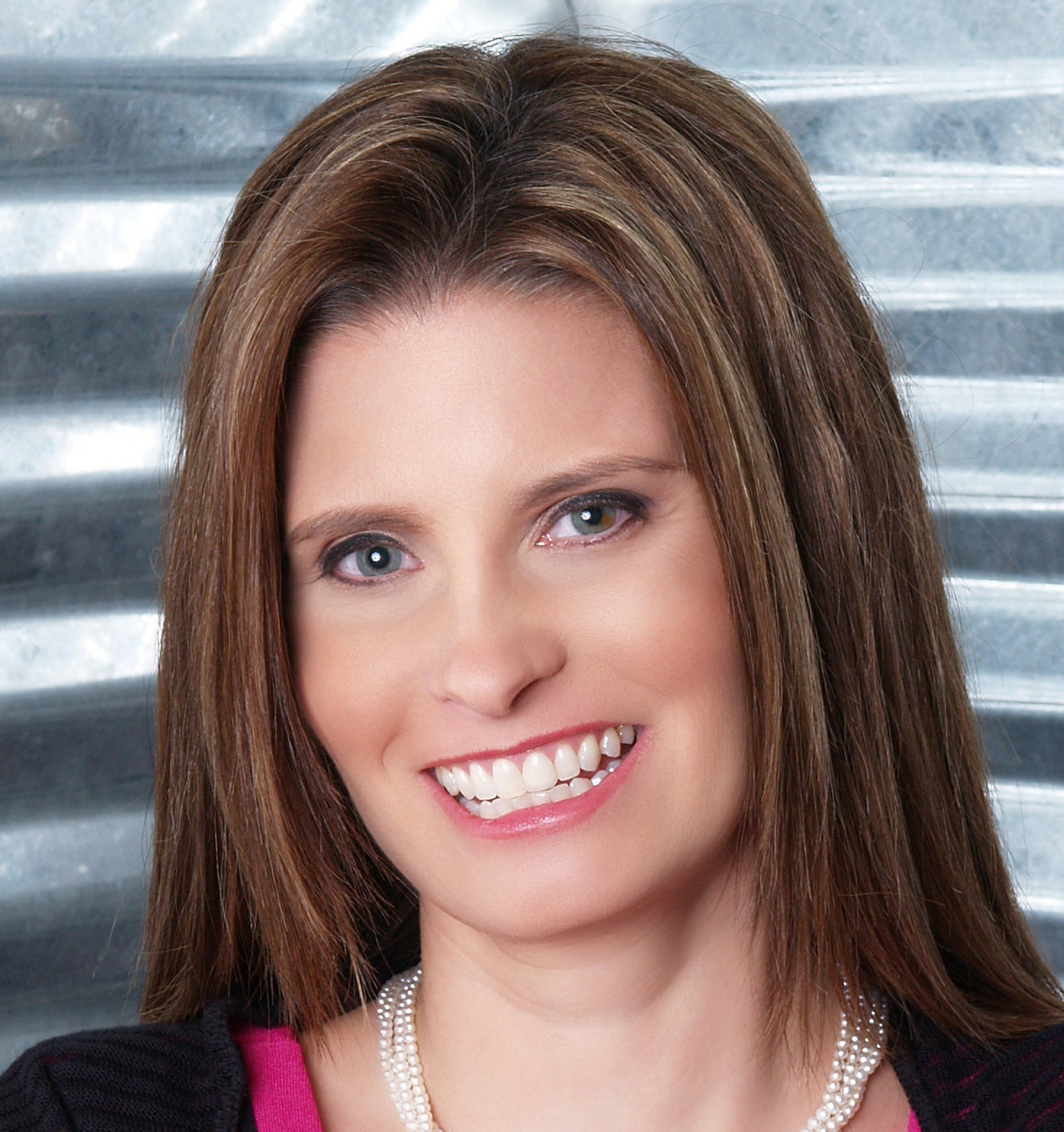
By Barby Ingle, Columnist

When a pebble is thrown into a pond, it creates a ripple effect that is noticeable, but no long-term damage occurs.

But if an asteroid were to land in the ocean, it could be catastrophic to all life on earth. We are simply not prepared for such a disaster.

The chronic pain community was hit by an asteroid of sorts last year with the release of the CDC’s opioid prescribing guidelines. The tsunamis are still hitting patients in its aftermath. To make any change to the healthcare system without having something to replace it is never a good idea.

Now we are anxiously waiting for details on what President-Elect Donald Trump and the Republican-led Congress will offer to replace Obamacare.

Although things won’t change overnight, the early signs are that “Trumpcare” could affect the already limited healthcare that the poor, elderly and chronically ill receive.

Some of you who are not chronically ill may feel like I am saying the sky is falling. But many of us are already unable to afford proper and timely treatment with the coverage we have now, because the system is set up to give priority to acute care, not chronic care.

Republican lawmakers can’t wait until Obamacare is repealed and replaced. But they need to take the time to develop a system that is effective for patients, providers, educational institutions, insurance companies, pharmaceutical companies and government agencies. Patients and providers are far too often left out of the discussion about treating the chronically ill and appropriate compensation for those providing their care.

In the first few days of 2017, GOP leaders such as House Speaker Paul Ryan and Health and Human Services Secretary-nominee Dr. Tom Price announced that they will target the Medicare system with major restructuring. They have not yet offered any details on their plans, but say they will lower healthcare costs for taxpayers. 

Medicare is an east target. With the number of elderly increasing as baby boomers move into retirement age, it’s inevitable that health care costs are going to increase. In 2015, Medicare spending grew 4.5% to $646 billion, and Medicaid grew twice as fast, by 9.7% to $545 billion.

"Value-Based" Medicine

Based on their recent announcement, congressional leaders are likely to try to convert Medicaid from an entitlement program for low-income, elderly and disabled Americans to one that is “value based” with fixed federal contributions to the states. They have not yet offered details on how those payments would be calculated or whether they would keep pace with inflation. 

Measuring a providers’ pay using a value based system is not going to work with chronic illness. There is not enough incentive in the current system that gives providers the compensation they need. We have already seen many providers across the country choose to stop treating people with chronic pain diseases. 

Every patient is also different. There is no one-size-fits-all cure for any disease. Two people can be given the same medication for cancer, and while it may work for one patient, the other one may have to try other treatments. This is the same for every single chronic disease. 

A person who breaks a bone can go to the emergency room, get the bone set, and wear a cast while it heals. They don’t have to think about how they are going to keep living with an incurable disease and the roadblocks they have to face in getting treatment.

Now we have people who don’t understand the complexity of treatment for chronic care patients deciding what additional roadblocks they can put up to keep costs down. 

Can we start by paying Congress with a value based system, like they want to do with our providers? Can we punish lawmakers with fines for needing extra hearings to get a bill passed or blocked? I don’t think so. Yet the current leadership wants states to provide better healthcare at a lower cost by giving them greater flexibility in setting eligibility and benefits. I see it as taking away even more of the limited coverage we currently have. 

Without federal guidelines, states will push poor people out of programs, eliminate important benefits, and cut already-low payment rates to providers to save money.

I remember a time in Arizona when poor men and women qualified for state assistance for health and food. Now, you must have children to qualify for many of our assistance programs. 

Every state is different in what its Medicaid program covers and the eligibility requirement. Giving additional incentives states to “cut costs” instead of putting the focus on patient care is a big mistake and will cost society more in the long run. 

It reminds me of something I have seen in the insurance industry. Insurers want to lower emergency room costs, so they put payment practices in place to discourage chronic care patients from seeking the care they need. 

I have personally been in the position of not wanting to go to the ER because I knew they wouldn’t do anything to help me. As soon as the attending doctor sees my complicated medical history, they don’t want to treat me for the acute issue that I am having due to the extra precautions they need to take due to my chronic disease. They spend more time trying to find another hospital to transfer me to than they spend working on me! 

This past September, I had two hospital doctors fight in front of me because one didn’t want to be my attending provider. I am a complicated case, and he knew he was not going to be compensated properly for taking care of me. The outcome was leaving me in the emergency room for over 12 hours before getting me a room. This gave him enough time to pressure me to check myself out and head to another hospital, which was suggested more than once. 

The emergency room provider knew I needed to be in the hospital, so she loudly spoke up to keep me there and worked hard to help me as best she could. The delays in getting me treatment only wound up increasing the insurance bill.

New congressional proposals would phase out enhanced federal payments to the states to cover low-income adults. States need to save money as well, so what will they do to offset these costs? They will either raise taxes or cut what is covered to those in need. Long-term care coverage items seem to get cut first, as they are the most costly. 

President-elect Trump campaigned on not touching Medicare and promised to make sure everyone has access to healthcare. But we don’t know whether he will go along with the healthcare agendas of top congressional leaders. We do know that the Trump administration is receptive to the states' Medicaid waiver proposals. This would impose more patient-responsibility requirements. Chronic care patients already have trouble paying insurance premiums, sustaining employment, and dealing with illnesses that last a lifetime. Putting time limits on benefits for a chronically ill person is ridiculous.

Congressional leaders are now saying they are working to turn Medicare into a program that would pay private plans and the traditional fee-for-service program a fixed amount per beneficiary by 2024. If traditional Medicare competes with private plans on equal terms, there will be a loss in coverage of long-term care needs for the chronically ill. 

We are not equal to a healthy working individual and our coverage needs are critically different. It is also important to remember those who are disabled and qualify for Medicare have earned it by paying into the system when they could work. Demanding someone to be engaged in meaningful work to receive Medicare benefits when they are disabled is ridiculous.  

Let’s not wait to move until the asteroid hits. Let us unite and voice our needs so we are not overlooked as these new policies are developed. Let’s demand that our congressional leaders give chronically ill patients a seat at the table, and take the time to create a health system that is right for all Americans. Don’t let them forsake the chronically ill to save money. 
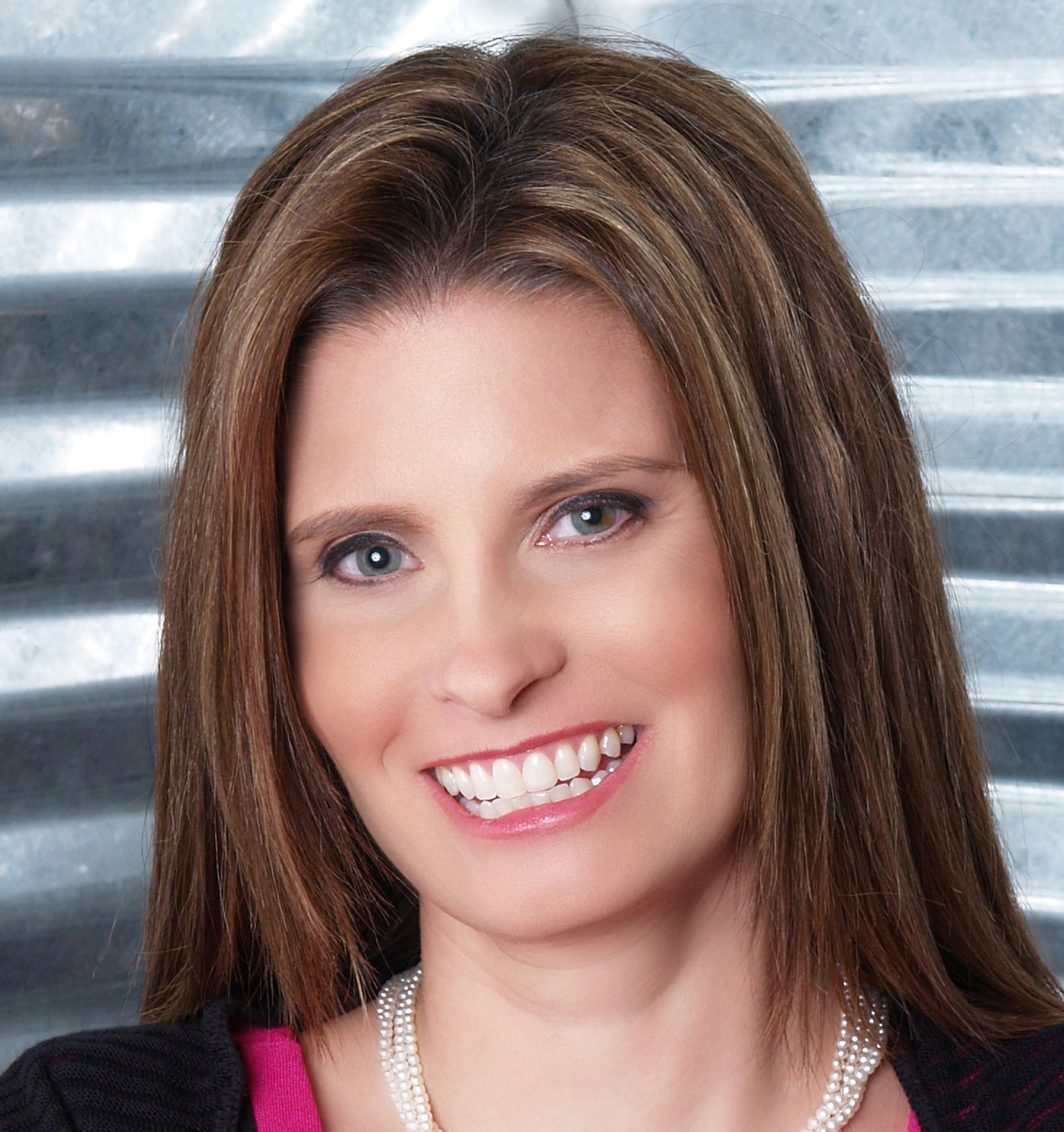
Barby Ingle suffers from Reflex Sympathetic Dystrophy (RSD) and endometriosis. Barby is a chronic pain educator, patient advocate, and president of the Power of Pain Foundation. She is also a motivational speaker and best-selling author on pain topics.

More information about Barby can be found at her website.

The information in this column should not be considered as professional medical advice, diagnosis or treatment. It is for informational purposes only and represents the author’s opinions alone. It does not inherently express or reflect the views, opinions and/or positions of Pain News Network.


Finding the Right Doctor to Treat Fibromyalgia

By Lana Barhum, Columnist

Numerous studies show patients have better health outcomes when they have a doctor they trust and who listens to their health concerns.  Further, patients who trust their doctor are more likely listen to their advice and be compliant with treatment.

According to a 2014 breakdown of 13 clinical studies, a good doctor-patient relationship can have significant effects on positive health outcomes. The research, published in the PLOS One online journal, looked at studies where doctors were randomly assigned to either practice their normal care methods or take additional training to provide more empathy and patient focused care. The health benefits of patient focused care showed measurable results towards better patient outcomes. 

"The patient-clinician relationship has a small, but statistically significant effect on healthcare outcomes,” the researchers found.  

If you think you might have fibromyalgia, you will need to work closely with your doctor to diagnose and treat it.  You want a doctor who is knowledgeable about fibromyalgia and treatment options, including medicinal and non-medicinal therapies. 

In addition, your doctor should be someone you can confide in when you have concerns about treatments, symptoms, pain and lifestyle.

What Doctors Treat Fibromyalgia?

The American College of Rheumatology’s (ACR) updated fibromyalgia diagnostic criteria has made it easier for medical professionals to learn about the diagnosis and management of fibromyalgia. Still, not every doctor understands fibromyalgia, so it is important to find one who is up-to-date on the latest treatment and research. 

The following doctors can treat fibromyalgia:

Rheumatologists. Rheumatologists treat arthritis and other diseases of the bones, joints and muscles. This includes fibromyalgia, osteoarthritis and autoimmune arthritis, such as rheumatoid arthritis and lupus. 

Neurologists. A neurologist diagnoses and treats patients with nervous system disorders. Researchers have long speculated fibromyalgia is the result of a pain processing disorder, which causes amplified pain that shoots through the bodies of sufferers. 

"Because pain pathways throughout the body are amplified in fibromyalgia patients, pain can occur anywhere, so chronic headaches, visceral pain and sensory hyper-responsiveness are common in people with this painful condition," said Daniel Clauw, MD, a professor of anesthesiology at the University of Michigan.

Neurologists might be in the best position to treat fibromyalgia, as they are able to narrow down pain and symptoms and treat them more specifically. 

Pain Specialists.  Pain specialists are experts in diagnosis and treatment of chronic pain.  They offer a variety of treatments that include both medical and psychological therapies.  They generally work in private pain management clinics or as part of pain treatment centers in hospitals and university medical centers.

Family Practice Doctors and Internists. Traditionally, fibromyalgia fell under the scope of rheumatologists. These days, however, family practice doctors and general internists are seeing more patients with fibromyalgia.

Finding the Right Doctor

Here are a few tips to find the right doctor to treat your fibromyalgia:

Support Groups. Local fibromyalgia or arthritis support groups are great places for referrals to someone who treats fibromyalgia. 

Don’t limit yourself to rheumatologists.  While the ACR's rheumatologist search is a great resource, there is no reason to limit yourself.  Rheumatologists generally have demanding patient loads and it could take months to get in for an appointment. 

Check with pain clinics. Pain clinics may treat fibromyalgia patients separately from pain management.  They also provide referrals to fibromyalgia specialists.

Call your insurance company. Your insurance company may have a list of health care providers   covered by your policy that will also include doctors who treat fibromyalgia.

Your family practice doctor. Your family doctor likely knows someone who specializes in fibromyalgia treatment. He or she may also be qualified to treat you.

Ask around. Someone you trust, such as a loved one or co-worker, may know a fibromyalgia doctor.  You may also find someone else who is living with fibromyalgia.

Hospital websites. Hospital websites offer directories of medical providers on their websites.  They share doctor resumes and expertise, which may include experience in treating fibromyalgia.

My Experience Finding the Right Doctor

Because fibromyalgia is still controversial in the medical community, finding an informed doctor can help you to get the best control of your situation, the medical help you need, and relief for pain and symptoms. 

My current treating doctor -- a rheumatologist -- understands that our doctor-patient relationship is a partnership.  She respects my time, never makes me feel rushed and answers my questions.  Moreover, she is knowledgeable about my diagnosis, treatment plan and lifestyle, and doesn’t rely on my chart for answers.   But I didn’t always have a doctor I trusted, who listened and addressed my concerns.

In 2009, I didn’t know what a successful doctor-patient relationship looked like. I had a doctor who dismissed my worries, felt fibromyalgia could only be treated with diet, exercise, and anxiety medications, and did not want to hear how fibromyalgia affected my life as a young mother in my early 30s.  After that first miserable year with fibromyalgia, I came to the conclusion that if I wanted a healthy and thriving life, I would first have to find the right person to treat me.

Experience has taught me the relationship I have with my fibromyalgia doctor is the main determinant of how successful my treatments will be.   That first fibromyalgia doctor told me I'd be disabled within four years, but it has been over eight years and I am not disabled and still able to work and care for my family.  I know this couldn’t be possible if I continued to see that doctor. 

Finding a doctor who understands fibromyalgia may take time, but don’t get discouraged. Look for a doctor who is knowledgeable about fibromyalgia, believes in team work, is empathetic and who listens. 

And if you find yourself with one that isn't a good fit, as I did, it is okay to look for someone else. But keep the current one until you find someone new.

Lana Barhum is a freelance medical writer, patient advocate, legal assistant and mother. Having lived with rheumatoid arthritis and fibromyalgia since 2008, Lana uses her experiences to share expert advice on living successfully with chronic illness. She has written for several online health communities, including Alliance Health, Upwell, Mango Health, and The Mighty.

To learn more about Lana, visit her website.

The information in this column should not be considered as professional medical advice, diagnosis or treatment. It is for informational purposes only and represent the author’s opinions alone. It does not inherently express or reflect the views, opinions and/or positions of Pain News Network.

A Pained Life: Keep it Simple

By Carol Levy, Columnist

Simple always seems… so simple to me, especially if it’s medical-related and even more so when it involves pain.

When I was 23, I developed a terrible pain in my left arm. And oddly, whenever I turned my head, the pulse in that arm disappeared. 

My journey was typical. I had trouble getting a diagnosis and was told it was psychological. The doctors were not thinking it through. How can someone psychologically obliterate a pulse? 

Finally, I was diagnosed with thoracic outlet syndrome (TOS). My symptoms were text book.

At the time, I was a physician assistant student and one doctor had lectured on TOS. Knowing I had it and without asking me, he directed students to have me turn my head and feel the pulse disappear.

Finally a thoracic surgeon told me, “I'll operate and remove your first rib. That should help.”

It sure did. I woke up from anesthesia and the pain was gone, and my pulse no longer disappearing.

A physical therapist also suggested an exercise: “Run your fingers up and down the wall a few times every day.” She never explained why.

“This is so silly,” I said to myself. After all, I was 23. I knew everything. What good can something this simple do? Just silliness. So I didn’t do it.

And I have had problems with my shoulder ever since. For over 40 years. All because simple seemed... too simple.

One more example. This time easy as pie escaped the doctors, except for one. 

Facial paralysis from trigeminal neuralgia sometimes causes my left eye to not close completely. As a result, my eye sometimes dries out to the point where it needs to be sewn closed. I abhor this, but I have had it done a number of times through the years. In truth, they wanted it to be done permanently 30 years ago. But they respected my choice not to.

On one occasion, three doctors agreed the eyelid had to be closed. Even the one who usually held out came on board. A fourth doctor was relatively new -- new enough to think outside the box -- and realized there might be another solution. 

Every night I taped the eye shut, using tissue paper and tape on both sides of the eye patch.

“Before we close it, let’s try this,” she said. “I want you to add one more piece of tape, directly down the middle.”

Seemed silly. You know, too simple. But I tried it anyway. And voila! The eye cleared within a day.

Between me and the doctors, simple often seems too silly, too unsophisticated, and unscientific. We are so accustomed to the harder answers: more drugs, more treatments, and more surgeries.

I regret greatly that the easy answer for my arm seemed so preposterous at the time that I refused to even try it. But I am so grateful that Dr. Smith saw the simple and made the suggestion anyway.

We get accustomed to high tech solutions, higher level treatments, stronger doses and more difficult surgeries.

I realized my journey is akin to going up a ladder. It is tempting to skip the first or even the second step on the ladder, forgetting or ignoring your pain. But each step carries more risk, and climbing the ladder becomes more difficult and dangerous the higher you go. 

Sometimes simple is exactly what we need.

Carol Jay Levy has lived with trigeminal neuralgia, a chronic facial pain disorder, for over 30 years. She is the author of “A Pained Life, A Chronic Pain Journey.” 

Carol is the moderator of the Facebook support group “Women in Pain Awareness.” Her blog “The Pained Life” can be found here.

The information in this column should not be considered as professional medical advice, diagnosis or treatment. It is for informational purposes only and represent the author’s opinions alone. It does not inherently express or reflect the views, opinions and/or positions of Pain News Network.
The Hidden Risk of Eye Strain From ‘Blue Light’

By Pat Anson, Editor

Do you get frequent headaches? Suffer from neck and shoulder pain? Have trouble getting to sleep?

If you spend a lot of time online, the culprit could be high energy visible (HEV) light – also known as blue light – emitted by your smartphone, laptop, desktop computer and other digital devices.

Blue light has a very short wavelength that penetrates deep into the eye. In its natural form, blue light is what makes the sky look blue and can have beneficial effects, such as boosting alertness and elevating mood. But the additional burden of artificial blue light is exposing us to more blue light waves than our eyes can handle.

According to a nationwide survey of nearly 10,000 adults by The Vision Council, nearly 9 out of 10 Americans use digital devices more than two hours per day, and over half regularly use two digital devices simultaneously.

Many don’t realize that prolonged exposure to blue light raises the risk of digital eye strain, age-related macular degeneration (AMD) and cataracts; and can also suppress of the body's natural release of melatonin, the hormone that regulates sleep.

"Patients underestimate how their technology use may be contributing to eye strain and do not consider ways to reduce this stress," says Dr. Justin Bazan, OD, medical adviser to The Vision Council.   

About a third of those surveyed reported having symptoms of digital eye strain, including neck and shoulder pain (30%), headache (23%), blurred vision (22%) and dry eyes (22%). 

More than 80% also report that they use digital devices in the hour before going to bed.  Eye exposure before bedtime has been shown to disrupt sleep patterns.

Prolonged blue light exposure is common in children. Three out of four Americans say their children get more than two hours of screen time a day. Half report these children suffer from headaches, neck and shoulder pain, irritated eyes, reduced attention span, poor behavior, or irritability.

The Vision Council says there are a number of easy steps to prevent digital eye strain:

  • Follow the 20-20-20 rule, by taking a 20-second break from the screen every 20 minutes and looking at something 20 feet away
  • Reduce overhead lighting to eliminate screen glare
  • Position yourself at arm's distance away from computer screens
  • Increase text size on devices to better define content on the screen

Specialized eyewear is also available with lenses that can block blue light, decrease brightness, minimize glare, and reduce the blurriness and pixilation of screens. The lenses are constructed for the mid-distance range at which users typically view a digital screen, and can be purchased with or without a prescription. 

"The optical industry has recognized and responded to the increase in digital habits and has developed lens and coating technology to protect the eyes from blue light, glare and other environmental stressors, ultimately to improve the way people see," says Ashley Mills, CEO of The Vision Council.

More information about blue light can be found at BlueLightExposed.com.

Relieving Pain Should Be a Pro-Life Issue

By Anne Fuqua, Guest Columnist

There’s an article in the Boston Globe this week about doctors who stopped prescribing opioid pain medication, even when they knew it might be harmful to patients.

As a registered nurse, I never expected to be on the other side of this issue.  But primary generalized dystonia and surgical complications inducted me into the “chronic pain club” 17 years ago.

As a patient in Alabama, I can attest to the fact that there is an overwhelming atmosphere of fear among physicians about prescribing opioids.

In 2012, seven Alabama doctors were investigated for over-prescribing.  Two years later that number sky-rocketed to 44 investigations.  The very few doctors that still prescribe are now distrustful of their most reliable, long-term patients. 

When my own well-respected doctor of nine years left pain management out of fear for his license, I had my medical records sent to almost 60 different physicians in the state. 

None of them were willing to treat me.

This was the most difficult and physically painful time of my life.  In just a few weeks’ time, I went from driving and being thrilled to start a part-time job as an “Obamacare Navigator” to being barely able care for myself independently.  I had no quality of life whatsoever.  Over a year later, I still have lasting physical effects from the wear and tear of severe spasms on my body. 

Beyond simple pain relief, opioid medication has always exerted a direct effect on my dystonia and makes a huge difference.  It’s far more than the benefit I received from any of the medications typically prescribed for dystonia (and without their side effects).  I’m so grateful to have the life I have today, even if I don’t live in the same body I did before I was forced to taper my medications.

Of the nearly 60 doctors I contacted 18 months ago, not a single one is still treating chronic pain patients. Those that didn’t stop out of fear for their licenses have been investigated by the state medical board or raided by law enforcement. 

We have entered an era where politicians, bureaucrats and licensing board members are now practicing unlicensed medicine by dictating the care that healthcare professionals should provide. 

Forcing patients with chronic pain to suffer because some people abuse opioids is no different than jailing someone just because you think they might commit a crime someday. This type of government over-reach directly contradicts the principles on which our nation was founded

We need more emphasis on determining who is at risk of developing addiction and the ability to provide a necessary structure for their safe use of medication.  Treatment should be available without stigma for those who need it. 

The same grace of withholding stigma that we provide to addicts should also be given to chronic pain patients.  Responsible patients have done nothing to deserve the horrible stigma they often face because they require opioids for a decent quality of life. 

Life without quality isn’t living at all.  There is no more of a “pro-life” issue than controlling pain and providing quality of life.  If you are pro-life and don’t support physician-assisted death, then you need to support physician-assisted quality of life. And that means pain management that utilizes opioids when necessary. 

This isn’t a special interest issue.  It’s everyone’s business. If you haven’t been affected or known someone who has, you will.  As a society, it’s our moral imperative to care for the least among us.  Relieving pain is the least we can do – and when life expectancy is limited, it’s the most we can do.

Anne Fuqua has primary generalized dystonia.  She is a former registered nurse and does volunteer work with at-risk youth and in animal rescue.  Anne is very involved with patient advocacy efforts, pushing for access to all forms of therapy, including opioids.

Pain News Network invites other readers to share their stories with us.  Send them to:  editor@PainNewsNetwork.org

The information in this column should not be considered as professional medical advice, diagnosis or treatment. It is for informational purposes only and represents the author’s opinions alone. It does not inherently express or reflect the views, opinions and/or positions of Pain News Network.

Can Stem Cells Treat Arachnoiditis?

By Pat Anson, PNN Editor

Sara Bomar thought she’d be spending the rest of her life in a wheelchair or bedridden.

sara bomar davis and husband george

But the 54-year old Tennessee woman is not only walking again, she’s been able to resume her career as a doctor after an experimental stem cell treatment for her chronic back pain.

What makes her recovery all the more remarkable is that Bomar has arachnoiditis, a spinal disease that leaves many patients permanently disabled.  

“I am able to walk. I am able to workout at the Y. I am still careful. It’s not like I don’t ever have any pain, I do have a little bit from time to time. But it is nothing compared to what I had before,” says Bomar, who practices general medicine in the Nashville area.

Bomar’s back problems started in 2000 with a ruptured disc. Surgery, physical therapy, epidural steroid injections and spinal cord stimulators all failed to stop the pain and her condition worsened. By 2008, she was in a wheelchair and diagnosed with arachnoiditis, an inflammation of the arachnoid membrane that surrounds the spinal cord.

The inflammation causes scar tissue to build around spinal nerves, which begin to adhere or stick together. That is known as adhesive arachnoiditis, which causes burning or stinging pain that can be felt from head to toe. The disease is progressive and thought to be incurable.

Or is it?

Two years ago Bomar heard about innovative stem cell treatments being offered by Todd Malan, MD, at the Center for Regenerative Cell Medicine in Scottsdale, Arizona. At the time, Malan had successfully treated only one other patient with arachnoiditis, but in that case the disease was still in its early stages. Bomar’s arachnoiditis was more advanced, but she thought stem cells were worth trying.

“It was kind of a shot in the dark,” she says. “There was really nothing else.”

Stem Cells as “Seeker Hunters”

Most people think stem cells can only be found in bone marrow or human embryos, but Malan uses fat-derived stem cells found in the patient’s adipose (fatty) tissue.  When injected into the blood stream, Malan says these stem cells are “incredible seeker hunters” that can locate and repair damaged tissue, while reducing inflammation and improving circulation.

“The key is to understand that these stem cells are designed by the body to do this repair process,” Malan said. “What we’re trying to do with these procedures is to enhance the normal process that the body uses.”

Malan enhances the process further with a high-dose infusion of as many as 100 million stem cells. For patients with spinal cord or brain injuries, he also injects mannitol, a drug used to treat head trauma that apparently helps the stem cells pass through the blood-brain barrier into the central nervous system.  

In August 2014, Bomar received a high-dose infusion of her own stem cells through an IV in her arm. Within a week, she noticed that the blood circulation in her left leg seemed to be improving.

“My mom came and visited me three days after I had the procedure and she said, ‘You know, I think your foot looks a little pinker.’ And I looked down and said, ‘Gosh mom, you’re right.’”

A few days later, Bomar noticed reduced swelling in her feet and could put on shoes that she wasn’t able to wear before. Months later, she was able to exercise on an underwater treadmill and then an elliptical machine. There was also less pain.

“The pain started to lessen. It was slow, it wasn’t all at once. But over months, which I think was fantastic progress, that pain did lessen,” she remembers. “Arachnoiditis is a pain that you deal with constantly. And it was really something not to have that constantly. I remember at first just thinking, wait a minute. I don’t have any pain right now. That was pretty amazing.”

sara and daughter anna

Bomar’s condition has improved so much that she was able to vacation with her family in California last summer, and go hiking and bike riding.

Because Bomar still has metal in a spinal cord stimulator implanted in her back, an MRI can’t be taken to confirm if the nerves in her spine are still encased in scar tissue. But Malan is confident the scar tissue is either gone or the stem cells have created enough healthy nerve tissue to bypass the problem.

“The studies have been well documented, especially for scar tissue breakdown,” he says.

Malan has now treated about two dozen patients with arachnoiditis, but is careful not to say that a cure or treatment has been found. He says more studies are needed to confirm if his stem cell therapies are safe and effective. 

“We have not had a patient yet who hasn’t had a clinical response,” he told Pain News Network. “The vast majority of the patients with adhesive arachnoiditis or chemical arachnoiditis have gotten to a point where they say their quality of life has significantly improved.” 

“I believe the doctor. I think it could be a breakthrough,” says Forest Tennant, MD, a California pain physician who is one of the world’s leading experts on arachnoiditis.

Tennant plans to begin using stem cell treatments himself, along with other experimental therapies such as growth hormones. But he doesn’t think stem cells will work on patients with advanced cases of arachnoiditis.

“I do have two patients who have tried it and it did not work. But their cases were so far along. They were already bed-bound and paralyzed, and you can’t expect a treatment like that to help,” he said. “The disease has to be in its fairly early stages for it to work, would be my guess. We don’t know enough. It’s the old story of one case does not make a treatment, but one good case certainly stimulates investigation into that treatment. And that’s where we’re at with this.”

More Clinical Studies Needed

One issue that’s been holding up investigation is that most stem cell treatments have not been approved by the Food and Drug Administration. FDA commissioner Robert Califf, MD, was openly skeptical of stem cells derived from body fat (adipose tissue) in a commentary recently published in the New England Journal of Medicine.

“Stem cells derived from sources such as adipose tissue are being used to treat multiple orthopedic, neurologic, and other diseases. Often, these cells are being used in practice on the basis of minimal clinical evidence of safety or efficacy,” Califf wrote.

Dr. Malan bristles at the notion there is not enough evidence and blames the FDA for holding up stem cell research.

“The FDA hasn’t approved a single stem cell technology in 16 years in the United States,” he said. “These are approved therapies in other countries. And to make statements that there is inadequate evidence is ridiculous. The reason there is inadequate evidence is because the FDA has not permitted us to do anything but Phase I studies.”

Until more advanced studies are conducted and new stem cell therapies approved, the treatment that appears to have worked so well on Sara Bomar will not be widely available for patients who suffer from arachnoiditis. Dr. Tennant estimates as many as one million Americans may have the disease, many of them misdiagnosed with “failed back syndrome” or other spinal problems.

“It certainly helped me,” Bomar says of stem cell therapy. “As far as I’m aware, there is nothing else out there could provide this kind of relief.”

Few Pain Patients Become Long-Term Opioid Users

By Pat Anson, Editor

Less than two percent of patients with prescriptions for opioid pain medication become long-term opioid users, according to a large new study published online in the journal Pain.

Researchers at Indiana University studied a nationwide database of over 10 million patients who filed insurance claims for opioid prescriptions between 2004 and 2013. The study was designed to look at opioid use by patients with psychiatric and behavioral problems, but in the process uncovered data indicating that the overall risk of long term opioid use for six months or more was relatively rare for most patients.

“Of the 10,311,961 incident opioid recipients, only 1.7% received long-term opioids during follow-up,” wrote lead author Patrick Quinn, PhD, of Indiana University, Bloomington.

“The probability of transitioning from first fill to long-term opioids was 1.3% by 1.5 years after the first prescription fill, 2.1% by 3 years, 3.7% by 6 years, and 5.3% by 9 years. Fewer than half of long-term recipients met a stricter long-term definition (at least 183 days supply) during follow-up. The likelihood of receiving long-term opioids by this stricter definition was 1.0% by 3 years.”

Addiction treatment specialists and public health officials have long claimed that even short-term use of opioid medication quickly raises the risk of addiction and death.

“The bottom line here is that prescription opiates are as addictive as heroin. They’re dangerous drugs,” CDC Director Thomas Frieden recently told the Washington Post. “You take a few pills, you can be addicted for life. You take a few too many and you can die.”

The Indiana University researchers did find a “relatively modest” increase in long term opioid use by patients with depression, anxiety and other mental health conditions, and those taking psychoactive drugs. Rates of long-term use were 1.5 times higher for patients taking medications for attention-deficit disorder (ADHD); three times higher for those with previous substance use disorders other than opioids; and nearly nine times higher for those with previous opioid use disorders.

Ironically, the strongest risk for long-term opioid use was in patients being treated with buprenorphine (Suboxone), an addiction treatment drug.

“Patients with OUDs (opioid use disorders) and buprenorphine or naltrexone prescription fills were at substantially greater risk of transitioning to long-term opioids earlier in follow-up than were patients without these conditions or medications,” Quinn wrote.

The researchers also found that patients with a history of suicidal or self-injuring behavior were at greater risk of using prescription opioids long-term.

 “It is likely that patients with psychiatric problems are more likely to experience more severe pain symptoms or greater pain-related functional impairment, perhaps leading providers to prescribe more aggressively to address pain-related concerns,” Quinn said. “It is also possible that patients with comorbid pain and psychiatric conditions may be more likely to seek care repeatedly or from multiple treatment providers because of their greater symptom severity or perceived need for care, resulting in a higher rate of opioid receipt in aggregate.”

Quinn and his colleagues do not rule out opioid therapy for pain sufferers with psychiatric problems, but recommend that they be given mental health counseling “in conjunction with the use of long-term opioid therapy.”

Frieden to Resign as CDC Director

By Pat Anson, Editor

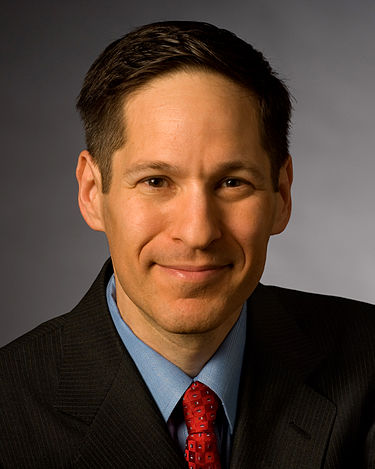
Dr. Thomas Frieden, who has headed the Centers for Disease Control and Prevention for nearly eight years and played a pivotal role in the agency’s opioid prescribing guidelines, plans to submit his resignation on January 20, the day of President-elect Donald Trump’s inauguration.   

Frieden disclosed his plans in a year-end interview with Reuters. The former New York City health commissioner did not say what he planned to do next.

Frieden’s resignation is not surprising, as incoming administrations usually do not retain the heads of federal agencies, most of whom are political appointees.  Food and Drug Commissioner Robert Califf, MD, who has only been in office for 10 months, has not been contacted by the Trump transition team and is also expected to be replaced, according to The Washington Post.

President-elect Trump has not yet said who his nominee will be to succeed Califf or who he will appoint to replace Frieden.

Frieden has an extensive background in epidemiology and infectious diseases, and his tenure at the CDC was marked by major efforts to combat outbreaks of the Ebola virus, fungal meningitis, influenza and the Zika virus. He also doggedly pursued a controversial campaign to put prescribing limits on opioid pain medication, an area traditionally overseen by the FDA.

“One of the most heartbreaking problems I’ve faced as CDC director is our nation’s opioid crisis,” Frieden recently wrote in a commentary published by Fox News. 

“This crisis was caused, in large part, by decades of prescribing too many opioids for too many conditions where they provide minimal benefit and is now made worse by wide availability of cheap, potent, and easily available illegal opioids: heroin, illicitly made fentanyl, and other, newer illicit synthetic opioids. These deadly drugs have found a ready market in people primed for addiction by misuse of prescription opioids.”

thomas frieden, md

But Frieden’s campaign to rein in opioid prescribing has failed to slow the soaring number of overdose deaths, which continued to rise throughout his tenure at CDC, killing 52,000 Americans last year alone.

His repeated claim that the use of prescription opioids by legitimate patients is “intertwined” with the overdose epidemic is also not supported by facts. Only a small percentage of pain patients become addicted to opioid medication or graduate to heroin and other illegal street drugs.

Yet Frieden remains a staunch supporter of the CDC guidelines, calling them an “excellent starting point” to prevent opioid abuse, even though the guidelines themselves state they are based on scientific evidence that is "low in quality."

“There are safer drugs and treatment approaches that can control pain as well or better than opioids for the vast majority of patients. We must reduce the number of Americans exposed to opioids for the first time, especially for conditions where the risks of opioids outweigh the benefits,” Frieden wrote.

“We must not forget what got us here in the first place. Doctors’ prudent use of the prescription pad and renewed commitment to treat pain more safely and effectively based on what we know now about opioids—as well as healthy awareness of the risks and benefits among patients prescribed these drugs—can change the path of the opioid epidemic.”

Frieden undoubtedly had good intentions, but his agency repeatedly showed a penchant for arrogance and contempt for the public while drafting the guidelines.  The CDC held no public hearings, and secretly consulted with addiction treatment specialists and special interest groups, but few pain patients or pain physicians.

The CDC finally unveiled the guidelines publicly in September 2015 to a select online audience. The agency didn’t make the guidelines available on its website or in any public form outside of the webinar, and allowed for only a 48-hour comment period. Only when faced with the threat of lawsuits and growing ridicule from patients, physicians and other federal agencies, did the agency reverse course and delay the guidelines for several months. They were released virtually unchanged in March 2016.

Although “voluntary” and meant only for primary care physicians, the guidelines have been widely adopted by pain specialists and other prescribers, and have even become law in several states. This was always the goal of the CDC.

Within a few months of their release, an online survey of nearly 2,000 pain patients found that over two-thirds had their opioid medication reduced or stopped by their doctors. Over half said they had contemplated suicide.

There have been anecdotal reports of suicides increasing in the pain community. A recent story we did about the suicide of a Vermont man who was cut off from opioids and abandoned by his doctor provoked quite a response from readers.

“This situation has got to be stopped before any more people commit suicide to escape the pain. I also suffer from chronic pain and my medications have been cut back so far they no longer work worth a damn,” Michael wrote to us.

“I'm facing the very same thing right now. I'm in utter agony,” said LadyV. “In my doctor’s office I was told I have to reduce you, wean you off. I through no fault of my own suffered a horrible spinal injury and now no one cares.”

“When I was forcibly weaned off my pain meds last spring, due to the push by the DEA and CDC, I wrote a letter to the White House,” wrote Judith Metzger. “I mentioned a need for them to be watching suicide statistics related to uncontrolled chronic pain. There was never any mention that I was suicidal. Still, I got several calls from a suicide crisis team in DC! Reading this tragic story makes it clear that my prediction was sadly correct. When will they ever listen?”

In his commentary for Fox News, Frieden said it was “important that we look upstream and prevent opioid use disorder in the first place.”

In his final weeks at the CDC, now may be a good time for Frieden to look downstream at the havoc his prescribing guidelines have created.

A Pain Poem: Do You Ever Wonder Why?

"Why"

By Angelika Byczkowski

People sometimes ask:

Do I ever wonder why?
 

When I was still invincible,

my shining star still on the rise,

my future still unscathed and bright,

anything seemed possible.


Anything but this.

A cosmic roll of the genetic dice

comes into play and shows its face:

I'll be living in pain the rest of my days. 


Do I ever wonder why?


They ask this, not I.

For me, such questions don't apply.


I've accepted and adapted,

adjusted to a life with pain,

asking nothing of the future,

giving up my yesterdays.

I've been changed and the world is changed,

my altered view sees everything new.
 

Perhaps there'd been a danger

of complacency, a lazy habit

of ease unearned, a passiveness,

a willingness to go along.
 

Perhaps life was becoming stale,

perilously smooth and tame,

hazardously even-keeled,

and dangerously boring.
 

Perhaps my life would have remained

inadequate, unchallenged,

never having fully grown

to its frightening potential.
 

Why did this fate befall me?


Well, it did and that is that.

And when I stopped resisting,

allowed the change,

it changed me.


Why not?


Angelika Byczkowski suffers from Ehlers-Danlos Syndrome and fibromyalgia. Until she was disabled by progressive pain and fatigue, Angelika was a high tech IT maven at Apple and Yahoo. She lives in California’s Santa Cruz Mountains with her husband and various four-legged kids.

When pain isn't keeping her flat on her back, she spends her limited energy researching and blogging about chronic pain, EDS, and fibromyalgia at EDS Info.

Pain News Network invites other readers to share their stories (and poems) with us.  Send them to:  editor@PainNewsNetwork.org

Diagnosing Fibromyalgia Can Be Long, Difficult Process

By Lana Barhum

Because of newer, comprehensive methods for treating fibromyalgia, including lifestyle approaches and medication, the prognosis for fibromyalgia patients is slowly improving.  But first a doctor needs to make an accurate diagnosis, which isn’t easy. 

On average, it takes 2 to 3 years to get a diagnosis, and research shows that people with fibromyalgia typically see many doctors before getting one.  Even with a doctor who is knowledgeable about fibromyalgia, it still takes time.

While much research has been devoted to fibromyalgia, a syndrome defined by debilitating widespread muscle pain, cognitive impairment, lack of restorative sleep and extreme fatigue, it is still contested by some in the medical community.  Moreover, there remains considerable disagreement about fibromyalgia's cause, whether it is psychological or physical, and how to treat it. 

That lack of conformity is unfair to the millions living with the real pain and sickness fibromyalgia brings in its wake. Fibromyalgia takes a toll on mental and physical health, relationships and quality of life.

“People with fibromyalgia suffer from severe, daily pain that is widespread throughout the body,” says Dr. Leslie J. Crofford, an NIH-supported researcher at Vanderbilt University. “Their pain is typically accompanied by debilitating fatigue, sleep that does not refresh them, and problems with thinking and memory.”

Why Does a Diagnosis Take So Long?

The one thing the medical community does agree on, is that fibromyalgia is difficult to diagnose. But why does it take so long?  Here are some possible explanations. 

Fibromyalgia is not considered a disease.  It is a syndrome, which means a cluster of signs and symptoms that occur together, and create an abnormality or condition. 

Fibromyalgia symptoms often don’t make much sense.  Sleep issues, extreme fatigue, anxiety, headaches, widespread pain and so much more could be attributed to any number of health conditions or bad habits, such as insomnia, stress, not drinking enough water, or smoking.  Additionally, symptoms vary from person-to-person and their severity is constantly changing. 

There are also no universally accepted labs or diagnostic tests for fibromyalgia, so doctors must rely on symptoms to make a diagnosis. Physicians also have to make sure the symptoms are not caused by another health condition.

Criteria for Diagnosing Fibromyalgia

In 1990, the American College of Rheumatology’s (ACR) diagnostic criteria involved physical examination of specific tender points on the bodies of fibromyalgia patients. If patients had at least 11 or 18 tender points, they were given a diagnosis of fibromyalgia.  It was the only method available at the time for diagnosing fibromyalgia, but studies would later point out the limitations of this method.   

The 2010 ACR diagnostic criteria, updated in 2011, utilizes a widespread pain index criteria and a symptom severity score.  In 2016, researchers updated the criteria yet again, reporting their revisions at the ACR's annual meeting in September. 

They determined that a doctor who is knowledgeable about fibromyalgia can make a diagnosis based on symptoms that include widespread pain lasting more than 3 months, as well as other symptoms, such as debilitating fatigue.  Moreover, the doctor must consider the number of areas on the body where the patient has had pain over the past few days and the severity. Lastly, he or she must rule out other potential causes of the patient's pain and symptoms.

It wasn’t until late 2015 that fibromyalgia was finally recognized as an official diagnosis and given a new ICD-10 code (10th revision to International Statistical Classification of Diseases and Related Health Problems, a medical classification list by the World Health Organization). This came as a result of many medical advances over the last decade in understanding and acknowledging fibromyalgia.  

Regardless of how far we have come in research and awareness, until there are conventional methods for testing fibromyalgia, it will continue to remain a diagnosis of exclusion.   Doctors will continue to rely on a description of symptoms and pain from patients, which can be difficult to articulate for most people. 

Patients' Responsibility

In late 2008, I was finally diagnosed with fibromyalgia based on the 1990 criteria.  I know firsthand that living with a cluster of deliberating symptoms and unexplained pain can be frustrating. 

I don’t recall the exact date I was diagnosed, the onset of my symptoms, or what triggered my illness.  What I do recall is that for ten very long years, I visited countless doctors as my pain worsened and the list of symptoms continued to grow.  I would inform doctors I was hurting and extremely exhausted. Some mornings, I couldn’t even get out of bed.  Some treated my symptoms as psychosomatic and others tried treating my physical symptoms. And of course, there were the ones who viewed me as drug-seeking.

Despite my difficult and frustrating experiences, I took responsibility for my health and finding answers.  All I ever wanted during that ten year period was to be believed, but it took a lot of physical and emotional pain to get that.

I know anyone struggling to find answers feels the pain and sentiment in my saying that a diagnosis finally gave me my life back.  It truly did, and even though finding successful treatments has proved challenging, having an actual diagnosis has made life a whole lot easier.

Medicine has come a long ways in diagnosing fibromyalgia, but doctors still need to rely on descriptions of symptoms and pain from patients, which is challenging.   As a patient, it's up to you to keep track of all your symptoms.  Write them down. Note what causes them or worsens them or decreases their intensity.  Most importantly, be aware of how symptoms and pain affect your life.  This will assist your doctor in determining what is wrong and how best to treat it.  

Remember to trust your instincts, stand up for yourself, keep looking for answers and don’t be deterred. 

Lana Barhum lives and works in northeast Ohio. She is a freelance medical writer, patient advocate, legal assistant and mother.

Having lived with rheumatoid arthritis and fibromyalgia since 2008, Lana uses her experiences to share expert advice on living successfully with chronic illness. She has written for several online health communities, including Alliance Health, Upwell, Mango Health, and The Mighty.

To learn more about Lana, visit her website.

NSAIDs Raise Risk of Dying From Endometrial Cancer

By Pat Anson, Editor

Aspirin and other nonsteroidal anti-inflammatory drugs (NSAIDs) have long been thought to reduce the risk of some cancers. But a surprising new study suggests that regular use of the pain relievers may actually raise the risk of dying for women with endometrial cancer.

Researchers at Ohio State University studied over 4,300 women with endometrial cancer, 550 of whom died during the five-year study. Those who used NSAIDs regularly and had Type 1 endometrial cancer had a 66 percent higher risk of death.

The research findings are published in the Journal of the National Cancer Institute.

"This study identifies a clear association that merits additional research to help us fully understand the biologic mechanisms behind this phenomenon. Our finding was surprising because it goes against previous studies that suggest NSAIDs can be used to reduce inflammation and reduce the risk of developing or dying from certain cancers," said co-author Theodore Brasky, PhD, a cancer epidemiologist at The Ohio State University Comprehensive Cancer Center.

Over 60,000 women are diagnosed with endometrial cancer in the U.S. annually, making it the fourth most common cancer in women and the sixth leading cause of cancer death.

Endometrial cancer begins in the lining of the uterus and grows outward to surrounding organs. Type 1 tumors are less aggressive and are typically confined to the uterus, while Type 2 tumors tend to be aggressive and are at greater risk of spreading.

In the OSU study, the risk of dying was statistically significant in women who reported past or current NSAID use, but it was strongest among patients who used NSAIDs for more than 10 years and had ceased using them prior to their cancer diagnosis.

Interestingly, the use of NSAIDs was not associated with mortality from more aggressive Type 2 cancers.

"These results are intriguing and worthy of further investigation," said co-author David Cohn, MD, director of the gynecologic oncology division at the OSU cancer center. “While these data are interesting, there is not yet enough data to make a public recommendation for or against taking NSAIDS to reduce the risk of cancer-related death."

Aspirin, ibuprofen and other NSAIDs are believed to lower the risk of some cancers by reducing inflammation, which slows the development of blood vessels that support the growth of cancer tumors. Inhibition of inflammation may have the opposite effect in endometrial cancer, but the reasons why are unclear.

Previous studies have shown that NSAIDs have a preventive effect on colorectal cancer and several other cancer types.

“Observational evidence of a chemopreventive effect of aspirin and other NSAIDs has been reported for esophageal, gastric, lung, breast, prostate, and colorectal cancer. Most of these cancers develop after age 60 years,”  researchers at the University of California Irvine reported in The Lancet.

“Given the apparent delay in the chemopreventive effect of NSAIDs (about 10 years), optimum treatment might start at age 40–50 years. Most individuals who develop premalignant lesions do so in their 50s and 60s, several years before the appearance of cancer, so this age range might be the best time for cancer prevention.”

Low-dose aspirin is also believed to have cardiovascular benefits. For that reason, the OSU researchers recommend that women keep taking the pain relievers.  

"It is important to remember that endometrial cancer patients are far more likely to die of cardiovascular disease than their cancer so women who take NSAIDs to reduce their risk of heart attack -- under the guidance of their physicians -- should continue doing so,” said Cohn.

The Magic Combination for Pain Relief

Barby Ingle, Columnist

There is no cure for most chronic pain disease, but progress is being made in finding the underlying process that causes it. If we can understand that process, then options to cure chronic pain may come about more rapidly.

The earlier we catch and properly treat what is causing the pain, the better the chances for controlling the pain or putting it into remission. If the symptoms progress and are incorrectly treated or not treated at all, then issues become more complex and invasive.

It is important to learn about the types of treatments available to you, either through insurance coverage or cash pay. Treatment options include physical therapy, medication, orthopedic surgery, invasive surgery, non-invasive procedures, naprapathy, stem cell therapy, infusion therapy, and literally hundreds of other options.

Patients should look for ways to control and minimize their pain and discomfort to the greatest extent possible. Coping skills will develop out of necessity. However, sometimes we need to speak to someone outside of our circle for a different view. Psychological counseling may become necessary. It is okay to ask for help when needed.  

Goal creation and treatment plans should also include drug management, family/social adjustment, improvement of the patient's quality of life and psychosocial functioning, and increasing mobilization or range of motion through physical therapy.  

Many chronic pain patients consider these milestones for a successful treatment plan:

  • Ability to achieve a full night’s sleep repeatedly
  • Ability to perform physical therapy with improved muscle strength
  • Decreased need for opioids
  • Diminished depression
  • Diminished swelling
  • Improved thinking
  • Increased stamina
  • Lowered pain levels

It is important to treat the underlying symptoms, even if it means turning to surgical intervention in some cases. Depending on how well you respond to the various options, a progression of treatments may be used by your providers and yourself as an engaged and empowered patient. Setting goals and a timetable that is reasonable can be done with your providers.  But remember, you as the patient need to play an important and vocal role in creating the plan.

Treating your chronic pain begins with patient awareness. On my good days, I try a few new activities and increase the amount of physical activity, as I am able. By doing this, I have seen an increase in my body functioning, range of motion, muscle strength, improved balance and posture. I’ve also found that if an activity just takes the edge off my pain, it helps restore cognitive and physical function.

When my pain increases, I find myself slouching more. Becoming aware of yourself and your environment increases your chances of successful treatment and a better quality of life. Get involved in movement training. This can include walking for two minutes at a time or, if you’re ambitious, a mile.

Do what you can do at your level. It will be different for all of us. Moving will improve your health, the function of your body, and also helps with constipation and gastrointestinal issues. Movement increases your blood circulation, which helps with atrophy and can decrease hypersensitivity.

When most people think of physical therapy they think of machines, weights and treadmills. However, I’ve learned that there are many types of physical therapies that are more in line with what we can handle. They include biofeedback, hot compresses, elevation, massage, range of motion exercises, and hydrotherapy.

There is some thought that physical therapy is painful and does not help. But if you find the right combination of medication, counseling and physical therapy, you’ll have a better chance for pain relief and staying on track with your treatment plan. Again, it comes back to surrounding yourself with a team of doctors, caretakers, friends and family supporters that have the willingness and education to support you.

The good news is that no matter how long you have had chronic pain, you can be helped in some way -- if you stay active, avoid unnecessary surgical procedures, can change medication when appropriate, and improve your nutrition and posture habits.

There are hundreds of treatments you can use to help lower and control your pain. What the magic combination is will be different for each of us and we must find what works for us individually.

Barby Ingle suffers from Reflex Sympathetic Dystrophy (RSD) and endometriosis. Barby is a chronic pain educator, patient advocate, and president of the International Pain Foundation. She is also a motivational speaker and best-selling author on pain topics.

More information about Barby can be found at her website.

The information in this column should not be considered as professional medical advice, diagnosis or treatment. It is for informational purposes only and represents the author’s opinions alone. It does not inherently express or reflect the views, opinions and/or positions of Pain News Network.

New CDC Overdose Study Reduces Role of Pain Meds

By Pat Anson, Editor

The Centers for Disease Control and Prevention has quietly released a new report showing that illegal drugs like heroin, cocaine and fentanyl are responsible for more drug overdose deaths in the United States than opioid pain medication.

The report not only underscores the changing nature of the nation’s overdose epidemic, but undermines some of the rationale behind federal efforts to limit the prescribing of pain medication and public statements used to justify them.

In 2010, for example, the study found that oxycodone was the top drug involved in overdose deaths. But by 2014, the painkiller was ranked third, behind heroin and cocaine.

The anti-anxiety drug alprazolam, more widely known by the brand name Xanax, was ranked as the nation’s fourth deadliest drug; while the synthetic opioid fentanyl -- most of it probably illicit -- was ranked fifth and fast gaining ground.

Deaths linked to oxycodone and other prescription pain medications – although still significant, at about 16,000 a year -- remained relatively stable, even as the total number of drug overdoses increased by 23 percent, from 38,329 deaths in 2010 to 47,055 in 2014.

One of the CDC’s stated reasons for releasing its opioid prescribing guidelines earlier this year was that “the death rate associated with opioid pain medication has increased markedly,” a statement that now appears to be factually wrong, in light of the new study.

This online statement in a CDC analysis of overdoses also appears incorrect: "Prescription opioids continue to be involved in more overdose deaths than any other drug."

Both statements came from the CDC's National Center for Injury Prevention and Control. It was a different part of the agency, the CDC’s National Center for Health Statistics that arrived at this new evidence, after collaborating with the FDA in developing an enhanced method to study overdose deaths that allowed them to identify specific drugs.

The old method used by the CDC relies on death certificate codes, known as ICD codes, which can broadly categorize an overdose as “opioid related” without ever determining what the drug was, if it was legal, or even if it was the cause of death.

Using new software, researchers scanned the actual text in hundreds of thousands of death certificates, including notes written by coroners about the cause of death and other significant factors involved in an overdose.

“The literal text analysis method… leverages existing information on the death certificates for statistical monitoring of drug-involved mortality deaths. Assessments conducted during the methods development process demonstrate that these methods have high accuracy in identifying the drugs mentioned and involved in mortality as well as the corresponding deaths,” the researchers said in an analysis of the new method.

2014 OVERDOSE DEATHS BY DRUG

Source: CDC and FDA

The study, which covered overdoses from 2010 to 2014, found that many deaths involved multiple drugs or alcohol. Over three-quarters of the deaths involving oxycodone and hydrocodone, for example, involved other substances. Alcohol was involved in 15 percent of all drug overdoses. 

Anti-anxiety drugs like alprazolam (Xanax) and diazepam (Valium) were also involved in many deaths. Alprazolam was involved in about a quarter of the overdoses involving hydrocodone (26%), oxycodone (23%) and methadone (18%). The FDA recently expanded warning labels on all opioids and benzodiazepines, including alprazolam and diazepam, to discourage doctors from prescribing them together.

“The combinations of drugs in drug overdose deaths are important to consider when interpreting the study findings. Importantly, the most frequently mentioned drugs involved in drug overdose deaths were often mentioned with each other. For example, heroin and cocaine were involved concomitantly in more than 2,000 deaths. Another pair, oxycodone and alprazolam, were involved concomitantly in more than 1,000 deaths,” the report found. 

While the textual analysis of death certificates is an improvement over previous methods, researchers admit it still has flaws. It cannot distinguish between prescription fentanyl and illicit fentanyl; some deaths that refer to morphine may actually involve heroin; and some deaths classified as “unintentional” may have actually been suicides.  

It also cannot distinguish between the recreational use of a medication obtained illicitly and the medical use of a prescription by a legitimate patient.

Many pain sufferers believe they have been unfairly penalized by the CDC’s opioid prescribing guidelines as part of an effort to keep pain medication away from addicts and recreational users. Since the guidelines were released, many physicians have stopped prescribing opioids or sharply reduced the dosage, even if a patient has safely used the medication for years. 

Oddly, the CDC released this new study just a week after releasing its annual report on drug overdose deaths, which used the older, flawed method of analyzing overdoses.  Further adding to the confusion and questionable use of statistics, the White House Office of National Drug Control Policy and the CDC released three different estimates of the number of Americans that died of drug overdoses in 2015 (see “Opioid Overdose Statistics: As Clear as Mud”).  

The Surprise Gift Chronic Pain Gave to Me

By Jean Price, Guest Columnist

When illness or injury causes long term consequences and persistent pain, we often grieve for what we used to be and do before the pain. That's natural, because we've lost that particular "design" of ourselves that we knew and liked, even though we usually took it for granted.

Chronic pain sufferers don’t take anything for granted anymore, not with pain invading and diminishing our functioning, ability to work, care for ourselves, and be an active part of our families and friendships.  We want what we most likely won't have again. 

In life, natural aging is a lot like this too, only there is more time to adjust and it feels more like a natural process, not like something that has been ripped out of our hands.

At first, we spend a lot of time waiting to get well and wanting to be healed. To get better, get back on our feet, and rise above where we are. To be whole again. 

In the past, we usually recovered from ailments and injuries. But not when we cross that bridge into daily and life-limiting pain. In a sense, we aren't really "sick." We've just reached a new normal. There's no cure or any way to change us back.

I remember a long ago evening when my daughter was too slow to get up and help me set the table and get dinner ready. So I told her rather abruptly I didn't feel like doing it and really needed her help. She replied that she had a headache and didn't feel like it either, adding something that stopped me in my tracks.

"Mom, I'm sick tonight and you're not!" she said.

JEAN PRICE

It wasn't until later that night that I realized what she had meant with those few words. I had been to the doctor the day before and had a bruise the size of a dinner plate on my hip from an injection. I was starting into the second year of severe pain after a failed back surgery.  A surgery with devastating complications that resulted in a second surgery two weeks later; ending with multiple doctors’ appointments and a dozen courses of steroid treatments over the next year. It made me even sicker and still unable to lift my leg.

I really felt sick, yet this had gone on so long that my daughter didn’t see me as sick anymore. I was just being me, and my pain and disability was normal. For her, the old mom was already history.  For me, I truly expected that if I just worked harder, found the right doctor, and suffered through the right treatment, I'd get back to my old idea of normal.

And of course I haven't. Instead, I've been through many new normals, all of them feeling like a downward spiral.

Until I found there is actually a big upside to all of this:  I have become a better person.

It's taken a lot of work. Grief is a verb and requires work! And it has taken good support from others and much learning. Yet the current "new me" has some really special attributes.  She is more patient, more compassionate, more at peace with change, more generous to herself and others, has a much stronger and tested faith, and has more joy in the little things of life.

She is less angry, less judgmental, less serious, less hyper-responsible, more loving, less co-dependent, more forgiving, more trusting of herself, more self-affirming, gives better support to others, and basically is way more whole. Less functional, certainly, but more whole.

Odd, but it's true. When our bodies fail us, we can choose to keep growing our minds and spirits, and we can find important things in life that are still easy, even when we can't do much. We find that love and joy come in little, surprising packages just waiting to be seen. And we find that there is more to life than what we do. We aren't human doings, but rather human beings.

Even with pain, we can chose to be kind, loving, at peace, and better than we were. We are not our pain. We are worthy and wonderful creations, and still enhance this world.

Yes, I do miss what I used to be able to do, but I really don't miss the person I was. Not at all! Because I like the person I am now so much better. Probably because I have been tempered by all that I’ve been through, and enriched by all the people and blessings in my life.

Life is full of changes and each change brings loss; even the chosen changes or the more positive changes still have losses. Yet we don't have to lose ourselves in the process of pain.  We can become more and better.

It's a choice. One of the few things we do have control of. How we feel emotionally, how we react, and how we think of ourselves and the world.

Pain doesn't stop us from being ourselves, only we can do that to ourselves. And if we do, then we've really lost, because the special person we each are deserves to be part of this world, and can still contribute and find joy, despite pain.  

I think I'm living, breathing proof of this.  And I'm glad I don't really have the choice of giving up pain or giving up who I have become. Because as odd as it may sound, that would be a really tough choice.  

Jean Price and her family live in North Carolina. Her chronic back pain began with a herniated disk and escalated after major complications from surgery. Jean also suffers from rheumatoid arthritis and osteoarthritis, and is a breast cancer survivor.

Pain News Network invites other readers to share their stories with us.  Send them to:  editor@PainNewsNetwork.org

The information in this column should not be considered as professional medical advice, diagnosis or treatment. It is for informational purposes only and represents the author’s opinions alone. It does not inherently express or reflect the views, opinions and/or positions of Pain News Network.

Is Fibromyalgia Like a Software Problem?

By Lana Barhum

Earlier this year, the British Pain Society released an interesting study on the development of a new method to help doctors better communicate with fibromyalgia patients about their pain and symptoms. 

That narrative, which takes the unusual approach of comparing fibromyalgia to a software problem in a computer, is geared towards motivating patients to focus on exercise and other lifestyle changes, as opposed to pain medication.

"This study provides evidence that a framework incorporating a computer based analogy provides an acceptable story that helps FM (fibromyalgia) patients understand their illness and motivates them to engage in evidence based lifestyle adaptations that enhance recovery," wrote lead author Michael Hyland, PhD, a professor of Health Psychology at Plymouth University in the UK.

Fibromyalgia is a poorly understood disorder characterized by deep tissue pain, fatigue, depression, mood swings and insomnia. The exact cause of fibromyalgia is unknown.

Because the diagnosis of fibromyalgia is difficult and sometimes controversial, many patients struggle to communicate with doctors about their symptoms, pain and treatment. Studies have shown exercise and psychological intervention can improve fibromyalgia symptoms, but many patients feel their pain is best treated with medication. They are often surprised when their doctors suggest non-medicinal treatment options. 

The fibromyalgia narrative developed at Plymouth University is designed to minimize that misunderstanding and assist in communication between patients and their doctors.  It encourages doctors to present the body as “as ‘a very, very clever computer’ where fibromyalgia is caused by a software rather than a hardware problem.”

If there are issues in the software, the computer (the body) can be reprogrammed to correct them.  Essentially, patients are offered an explanation for why they are ill, why the doctor cannot find anything wrong, and what can be done to intervene. 

The narrative was developed with the help of 15 fibromyalgia patients.  The patients said the initial model created by researchers “worked poorly” and was ambiguous, so the researchers modified the narrative to make it more understandable. 

"Under certain identifiable conditions, the body creates ‘stop signals’ that prevent damage and promote recovery. These stop signals include pain, fatigue, nausea and dizziness. If, for whatever reason, the person is unable to respond to those stop signals – that is, they do not stop what they are doing – then over time the stop signals increase and become fixed, and the body is sensitized to anything that creates a stop signal,” wrote Hyland.  

The narrative also provided a basis for exercise and psychological help as ways to correct the body's software.

A second group of 25 fibromyalgia patients evaluated the new model during a 7 week “body reprogramming intervention,” in which they were taught about relaxation techniques, mood enhancement, exercise, diet and lifestyle changes. Only patients willing not to take medication were included.   

Most patients said the intervention was very useful, calling it believable, informative and hopeful. Many also said they had implemented lifestyle changes once they knew the benefits.

“Very informative and so refreshing to find answers to problems I’ve had for over 14 years and wonderful to be able to self believe ‘It’s not in my head’ as I’ve self-doubted so many times,” wrote one patient.

“This has been a revelation and has given our family ‘hope’ where we thought there was none,” wrote the mother of another patient. “This illness has not only affected my daughter but the whole of our family. We have spent years trying self help, but it felt like we were just stabbing in the dark.”

Hyland says hope is an important facet in finding solutions to chronic pain. 

"When patients have no explanation of their illness, they do not have a conceptual model of how and whether they will ever get better. Thus, providing patients with an illness narrative provides information not only about the route into the illness but also the route out,” he wrote.

Lana Barhum lives and works in northeast Ohio. She is a freelance medical writer, patient advocate, legal assistant and mother. Having lived with rheumatoid arthritis and fibromyalgia since 2008, Lana uses her experiences to share expert advice on living successfully with chronic illness. She has written for several online health communities, including Alliance Health, Upwell, Mango Health, and The Mighty.

To learn more about Lana, visit her website.