Virtual Reality Relieves Pain in Hospitalized Patients

By Pat Anson, Editor

Virtual reality therapy significantly reduced both acute and chronic pain in hospitalized patients, according to a new study that adds to a growing body of evidence that virtual reality (VR) can give temporary relief to pain patients. The study is published online in the journal JMIR Mental Health.

Researchers at Cedars-Sinai Medical Center in Los Angeles enrolled 100 patients in the study who had an average pain score of 5.4 on a pain scale of zero to 10.

They suffered from a wide variety of conditions, including gastrointestinal, cardiac, neurological and post-surgical pain.

Fifty patients watched a 15-minute nature video on a computer screen that included mountain scenes and running streams, accompanied by calming music.

The other 50 patients wore virtual reality goggles to watch a 15-minute animated game called Pain RelieVR, which was specifically designed to treat patients who are bed bound or have limited mobility.

The game takes place in a fantasy world where users shoot imaginary balls at a wide range of moving objects by maneuvering their heads toward the targets. The game also uses motivational music, positively reinforcing sounds and direct messages to patients.

The patients who watched the nature video had a 13 percent drop in their pain scores, while patients who watched the virtual reality game had a 24 percent decline in their pain levels. The VR group had no change in their blood pressure or heart rate.

“We found that use of a 15-minute VR intervention in a diverse group of hospitalized patients resulted in statistically significant and clinically relevant improvements in pain versus a control distraction video without triggering adverse events or altering vital signs,” wrote lead author Brennan Spiegel, MD, director of Cedars-Sinai’s Health Service Research.

“These results indicate that VR may be an effective adjunctive therapy to complement traditional pain management protocols in hospitalized patients.”

scenes from virtual reality game

Researchers say it’s unknown exactly how VR works to reduce pain levels, but one explanation is simple distraction.

“When the mind is deeply engaged in an immersive experience, it becomes difficult, if not impossible, to perceive stimuli outside of the field of attention. By ‘hijacking’ the auditory, visual, and proprioception senses, VR is thought to create an immersive distraction that restricts the mind from processing pain,” said Spiegel.

Because the VR therapy was only 15 minutes long, Spiegel says lengthening the period of pain reduction might require sustained and repeated exposure to a variety of virtual reality content.

Another small study of VR therapy, published in PLOS, found that just five minutes of exposure to a virtual reality application reduced chronic pain by an average of 33 percent.

VR therapy is not for everyone. It may induce dizziness, vomiting, nausea or epileptic seizures, so patients have to be screened and monitored for side effects. Another barrier is age related. Two-thirds of the people who were eligible for the Cedars-Sinai study were unwilling to try VR therapy, particularly older individuals.  

A larger study is underway at the hospital to measure the impact of VR therapy on the use of pain medications, length of hospital stay and post-discharge satisfaction scores.

The Pain RelieVR game was created by AppliedVR , a Los Angeles based company that is developing a variety of virtual reality content to help treat pain, depression and anxiety. Below is a promotional video released by the company.

Pain Documentary Producer Responds to STAT News

(Editor’s note: STAT News recently published an article about “The Painful Truth” documentary, which is currently airing on some public television stations. The article was critical of the doctor who produced the program for not disclosing that he had “significant financial ties” to the pharmaceutical industry. Dr. Lynn Webster asked STAT for an opportunity to respond to the article, but the site’s managing editor did not agree with Webster’s contention that the article was unfair and that it misrepresented his documentary. Below is the rebuttal column Webster sent to STAT.)  

By Lynn Webster, MD, Guest Columnist

In STAT News, David Armstrong's article on March 24, "TV documentary on pain treatment funded by doctor with industry ties," misrepresented the purpose of the film, ignored several of my detailed answers to his questions, and unfairly criticized my professional associations.

Armstrong suggested that the TV documentary downplayed the role of Pharma’s contribution to the opioid problem. It didn’t, nor did it advocate for the use of any drugs, including opioids, because that was not the purpose of the film.

Rather, it focused on the lack of compassion and treatment for people in pain, and it shed light on the largest public health problem in America: chronic pain.

The STAT News article states, “Also criticized is the Centers for Disease Control and Prevention, which last year issued voluntary guidelines that advise doctors that the use of non-opioid treatment is preferred for chronic pain.” Yes, the CDC is criticized in the documentary, but not because it recommends non-opioid treatments. It's criticized because the CDC guidelines have caused many patients to lose access to pain management.

The article inaccurately states that I want opioids to be “the rule” of pain management.  I never said any such thing. As I told Armstrong, I consider opioids to be imperfect analgesics, at best, and I emphasized how critical it is that we develop and research drugs and treatments that will eliminate the need for opioids. I also explained that our current opioid crisis is largely due to lack of insurance coverage for alternatives to opioids.

The documentary clearly advocates for a multi-discipline treatment and favorably shows a clinic where patients get such treatment including bio-feedback, and occupational therapy. It also chronicles the story of NFL football player, Hal Garner, whose life was destroyed by opioids. Given this, it is hard to see how one could conclude the film advocates for opioid therapy.

Armstrong seemed to be most concerned that my professional work with the pharmaceutical industry had somehow influenced the messages in the show. In reality, my wife and I committed to funding the documentary ourselves. We accepted no corporate sponsorship because we wanted the freedom to share the truth of these stories from the patients' point of view, and not from the perspective of pharma, regulators, or insurance.

Publishing the amount of money associated with my research misleads readers into thinking I personally received those funds. I did not. The research dollars received from Pharma were grants for clinical studies conducted by the research company where I was employed. The government requires the funds to be reported under my name since I was the principal investigator for the studies, but I am not a personal recipient of these grants. I clearly explained that to Armstrong when he asked me about those specific funds.

I am currently working with several pharmaceutical companies with the potential to develop game-changing innovations. We are making headway in creating pain medicines that will be as powerful as opioids but will have almost no addiction potential and/or risk of overdose. We need Pharma’s involvement for these advances to occur, and that is why I work with them. I'm deeply grateful that I have the training and experience to contribute something of value to society. My ability to conduct comprehensive medical research enables me to help the community of people living with pain as well as those living with addiction.

Armstrong’s article, filled with criticism as it is, ironically shows why it was important to produce the documentary. It illustrates how opioids are such a volatile topic that anyone associated with them - whether it's a researcher, Pharma, or patients with pain - are subject to censure, antipathy, and bias.

The film attempted to give people in pain a voice. The painful truth is that they have been voiceless and continue to be victims in a broken healthcare system.

Lynn Webster, MD, is vice president of scientific affairs at PRA Health Sciences and a former President of the American Academy of Pain Medicine. He is the author of the award-winning book, “The Painful Truth” and co-producer of the documentary of the same name.

You can follow Dr. Webster on his blog, and on Twitter @LynnRWebsterMD, Facebook and LinkedIn.

The information in this column should not be considered as professional medical advice, diagnosis or treatment. It is for informational purposes only and represent the author’s opinions alone. It does not inherently express or reflect the views, opinions and/or positions of Pain News Network.

Living with Intractable Pain

By Lynette Shier, Guest Columnist

I am a true intractable pain sufferer. I got my condition over 30 years ago when a drunk driver in a van slammed into me while I was riding on the back of a motorcycle. I was 18 years old.

I should have died in that crash, but survived. At first, I was convinced it was a miracle and a blessing. I feel entirely different about it now, as the CDC opioid guidelines have led to many of us losing the only form of pain relief that works.

Unlike chronic pain, which can be a pain that lasts more than 3 months, people who have Intractable Pain Disease have a constant debilitating pain that doesn't go away. There is no surgery, procedure or medication that cures intractable pain. This type of pain is often unacknowledged, allowing it to go untreated or under-treated

I have contacted my state medical board and went to a public meeting to see if exemptions can be made for those of us who suffer from intractable pain. I also contacted the CDC to bring attention to this issue, only to be told I should see my doctor.  

My condition goes beyond anything a human being should be able to live with. I had multiple injuries in that crash, including my left leg being torn to shreds and amputated at the scene. I also lost two inches of femur (thigh) bone, shortening the stump that is left.

My pelvis had what doctors call a "vertical shear fracture” – it was completely broken from top to bottom, and essentially split in half. The surgeon said my left hand was crushed into "a million pieces." My arm was broken just below my shoulder joint.

LYNETTE SHIER

I lost three-quarters of the blood in my body and was well on my way to the other side, but they flew me to a trauma center and performed 15 hours of emergency surgery, along with blood transfusions. They drilled holes into my hips, placed large pins into them, and then strapped me into a vice that pushed my pelvis back together until the fracture healed.  

I was in the hospital for 3 months and in physical therapy for years. I have lived with intractable pain ever since, raising children and working at jobs that even a healthy person would say are physically challenging. I couldn’t have done it without pain medication.

My body eventually began to give way to other complications. I now have bursitis, tendinitis, arthritis, neuropathy, degenerative disc disease, scoliosis, and root nerve impingement. My body is so crooked that I cannot walk correctly. I had to quit working in 2009.

After all these years of taking pain medication for my increasingly degenerating conditions, I need much higher doses than your average person can take or a physician would normally prescribe. This has caused me to be in a constant state of torturous pain and agony.

I have considered ending my life merely to end the pain a few times, but I cannot do that, as I am a fighter and will not give up that way.  

This is a travesty, and no human being should feel they need to do that to end their suffering when it can be prevented with proper treatment with pain medication.

If a patient commits suicide to free themselves from intractable pain, that should be considered a criminal act by the doctors who deprived them of medication and those who make the rules and guidelines at the CDC and the DEA. It is murder in my eyes.

There is no reason they can give me, and they have tried, that excuses the suffering they are causing people by taking away the only thing that brings them relief and makes them feel human. I'm not talking about junkies that are trying to get a fix. I'm talking about true intractable pain for which there is no shot, surgery, miracle procedure, or non-opioid medication that works, and the only thing that gives some relief is opioid medication.

No one should suffer from that kind of pain on a constant basis, and no one should be denied proper care for this condition. It is inhumane! If we had cancer or were terminally ill, they would have no problem giving us as much as we needed to keep us out of pain because its considered inhumane to allow suffering. Yet the CDC guidelines are doing just that, reducing quality of life and increasing human suffering.

They do not tell you that studies have shown that severe pain can kill you. It keeps your body in a constant state of stress, wearing down your body, organs and mind.

30 Years of Opioids Without an Overdose

The overdose statistics they keep are also not correct. A pain patient may die from a heart attack or stroke, but if they find opiates in the toxicology report they could classify it as an overdose, even when the patient has been taking opioid medication appropriately while under a doctor's care.

I have been taking pain medications for over 30 years, at doses that a normal person would probably overdose from, but I have never overdosed in my life. I am still under-dosed, as fear has taken over physicians.

This has made me housebound. I don't even want to get up and go to the bathroom, as I know it will cause me pain. It takes everything I have to get up every day, put a smile on my face, say a prayer, and do very limited things in my home. Just taking my dogs out or limping from my bedroom to the kitchen to get something to drink takes the life out of me. It's misery beyond what I would ever wish upon my worst enemy.

They worry about addiction. Well, if there is no cure for this condition and I'm to be in pain for the rest of my life and need medication for any kind of relief, what difference does it make if I'm addicted?

Someone has to do something about this, and by someone I mean ALL OF US WHO SUFFER! And all the physicians and pain specialists who know it is cruel and wrong.

I am attempting to start an intractable pain movement to bring more attention to us. Right now, there are too many different advocacy groups, websites, blogs, and videos. I see so many people out there who suffer and try to get their story out, but in so many separate places. I feel if we all came together in one place, maybe we could bring attention to this horrible situation and get things fixed.

We cannot just complain on these forums. We must show them what this is doing to us and our families. Stand with me and let’s fight for intractable pain relief. Make the CDC deal with this correctly before we all die of pain.

If you’d like to know more about living with intractable pain, please watch my video.

Lynette Shier lives in New Mexico.

Pain News Network invites other readers to share their stories with us.  Send them to:  editor@PainNewsNetwork.org

The information in this column should not be considered as professional medical advice, diagnosis or treatment. It is for informational purposes only and represents the author’s opinions alone. It does not inherently express or reflect the views, opinions and/or positions of Pain News Network.

Lynette Shier lives in New Mexico.

Pain News Network invites other readers to share their stories with us.  Send them to:  editor@PainNewsNetwork.org

The information in this column should not be considered as professional medical advice, diagnosis or treatment. It is for informational purposes only and represents the author’s opinions alone. It does not inherently express or reflect the views, opinions and/or positions of Pain News Network.

Trump Budget Cuts Would Further Limit Pain Research

By Pat Anson, Editor

The Trump administration has proposed another $1.2 billion in budget cuts for the National Institutes of Health (NIH), which experts say could hamper already anemic efforts at developing new treatments for chronic pain.  Most of the reductions at NIH would come from research grant funding.

Only about 1 percent of the NIH budget is designated for pain research, even though more Americans suffer from pain than heart disease, diabetes and cancer combined.

The proposed $1.2 billion reduction in this year’s NIH budget is in addition to the $5.8 billion cut the Trump Administration has already proposed for the agency in 2018.

The $7 billion in savings will be used to help pay for an enhanced border wall with Mexico and increased military spending.

The White House Office of Management and Budget says the NIH budget for 2018 “eliminates programs that are duplicative or have limited impact on public health” and would “help focus resources on the highest priority research and training activities.”

"I will be the first one down lobbying against this," said Ann Romney, who suffers from multiple sclerosis and is the wife of former GOP presidential nominee Mitt Romney.

"Nothing comes from nothing. If you don't have that funding, there will be nothing," she told Yahoo News. "There will be no new treatments, there will be no new drug therapies. Progress in medicine will come to a halt."

Pain Research Already Limited

The lack of spending on pain research -- by both the government and the healthcare industry – was a problem long before the Trump administration came out with its budget plans.

In 2012, researchers at Johns Hopkins University estimated that chronic pain costs the U.S. economy up to $635 billion a year in healthcare costs and lost productivity. Yet the NIH spent only $358 million on pain research that year, according to journalist Judy Foreman in her book, “A Nation in Pain.”

“It is a huge burden with very little actual research going into it. And still a lot of unmet medical need,” said Gabriel Baertschi, CEO of Grünenthal, a German pharmaceutical company. “The odds of succeeding in pain research are lower than in other areas. It’s much more complex than other diseases in a sense that if you hit one target you are not necessarily resolving pain. Pain is multi-dimensional. That explains why from a research point of view you don’t always succeed.”

Grünenthal is a research-oriented company that focuses on finding new treatments for conditions such as bladder pain and Complex Regional Pain Syndrome (CRPS). Recently the FDA designated an experimental drug being developed by Grünenthal as a potential breakthrough therapy for CRPS. The company is now in advanced stages of clinical trials.

Because it’s smaller and privately owned, Baertschi says Grünenthal can afford to explore new treatments for rare diseases that “Big Pharma” companies are not interested in developing.

“Most of the companies that were active in pain have closed their pain research centers,” he told PNN in an interview last month. “I think a lot of companies are pulling out because the cost of developing pain drugs has been immense. If you look at the latest generation of pain drugs, it has cost billions of dollars.

“That has scared off companies and I think companies are more focused on areas where the returns are better from a pricing point of view. Because quite frankly, if you look at oncology you can get (drug) prices that are far better than for pain.”

Insurers Refuse to Pay for New Treatments

Another problem is insurance coverage. A few years ago the U.S. Food and Drug Administration pressured drug makers to develop abuse deterrent technology for opioids to reduce the risk of abuse and addiction. Some companies spent hundreds of millions of dollars developing abuse deterrent opioids that insurers now refuse to pay for because they are more expensive.

“Payers are a huge barrier to innovative therapies because they block coverage. Without insurance coverage there is little incentive to invest,” said Lynn Webster, MD, a leading expert and researcher in pain management, who is vice president of Scientific Affairs at PRA Health Sciences. 

“In the past 30 years there haven't been more than 3 new chemical entities approved by the FDA. One reason is that we don't understand enough about the different mechanisms generating pain,” Webster explained. “I see our current approach is similar to how cancer research was conducted 60 years ago.  Back then most cancers were treated with the same monotherapies.  Once research delved into the multi-mechanistic contributions to cancer, therapeutic advances were possible. We need to do the same for pain. And insurance has to pay for the innovations.”

“Pain is unfortunately penalized by society. People feel there is enough treatment available,” said Grünenthal’s Baertschi. “There are a lot of very good pain therapies out there. But there are quite a few areas, especially niche areas and specific pain types, that are not being treated adequately and that’s where we focus our research.”

One analyst said it is unlikely Congress will go along with the proposed cuts in the NIH budget because it funds politically popular programs.

"At worst, we believe NIH (funding) will remain flat in a continuing resolution if there is a government spending standoff," wrote Cowen analyst Doug Schenkel in a note to investors. "Although NIH funding hasn't kept up with inflation, the only time there were cuts to the agency in the past decade was when Congress' hand was forced by sequestration."

A Coalition to Save NIH Funding has also been formed to lobby against the budget cuts.

"We were dismayed to learn that the NIH is vulnerable to deep funding cuts," said Carrie Jones of JPA Health Communications, which is managing the coalition. "Each day America benefits from the innovation and scientific discoveries made at the NIH. We won't sit idly by and watch critical research be stifled."

Why the CDC Needs to Recognize Palliative Care

By Barbara Nelson, PhD, Guest Columnist

A little over a year ago, the Centers for Disease Control and Prevention released its “Guideline for Prescribing Opioids for Chronic Pain.” Its goal is to help reduce the raging and heartbreaking overdose epidemic in the U.S.

Unexpectedly, the guideline has exposed the extraordinary need for palliative care for millions of patients who may live for decades with intractable pain. These patients now face enormous obstacles getting medically-needed opioids for effective pain control, especially when the dose exceeds the highest recommendation made in the guideline of 90 morphine milligram equivalents (MME) per day.

This unbending recommendation is too low to provide pain control that will keep many intractable pain patients out of agony.  In the last year, untold numbers of chronic pain patients requiring palliative care lost the correct opioid dose for their diseases -- making work, self-care, and family interactions harder or impossible.

I have seen this suffering, both personally and professionally.  I have an incurable and progressive neurological pain disease that, before diagnosis and some pain control, left me unable to read. My disorder profoundly changed my life as I previously knew it.

The dosage recommendations in the CDC guideline show no compassion for those with intractable pain, who will probably need higher opioid doses for the rest of their lives. Only later, when faced with terminal illness and imminent death, will official support for adequate pain control be acknowledged.

How Did We Get Here?

The objective of the guideline was to reduce opioid addiction and overdoses by limiting the dose and duration of prescriptions written by primary care doctors.

The guideline begins with support for “appropriate and compassionate” pain control for those with chronic pain.  It pays special attention to the chronic pain care needed by those fighting cancer, needing palliative care, or facing terminal illness. These three categories of pain are excluded from the CDC’s suggested highest daily opioid dosages because of their well-researched requirements for higher than average pain control, 

There is a problem to this approach, however.

The differences between these three categories are unclear to many doctors and patients. Most frequently, palliative care is confused with end-of-life or hospice care for cancer.  But palliative care is different from end-of-life care, because in palliative care there is no assumption of imminent death, nor is there a decision to withhold medication that might curtail the disease itself.

Chronic obstructive pulmonary disease (COPD), multiple sclerosis and sickle cell anemia are routinely considered diseases that can require palliative care, and these patients may live decades after their diagnoses.

The CDC guideline defines palliative care “as care that provides relief from pain and other symptoms, supports quality of life, and is focused on patients with serious advanced illness. Palliative care can begin early in the course of any serious illness that requires excellent management of pain or other distressing symptoms.”

Not all diseases requiring palliative care also require opioids.  But those patients who require both palliative care and opioids are virtually invisible in the guideline.  Invisible patients get neither appropriate nor compassionate pain care.

The Need for a Palliative Care Appendix

The CDC should produce an appendix for all prescribers – not just primary care doctors – that would help them provide fully adequate pain relief to palliative care patients with life-long pain rather than near-death pain.  

The appendix could start by examining the legislative or regulatory language used in the 13 states that define intractable pain and that allow higher than typical opioid dosing.  The appendix also needs to emphasize research on the most painful long term diseases, which will offer physicians a wider variety and more specialized array of treatment options than is available from a focus on generalized chronic pain. 

The appendix could begin with the recognition that intractable pain patients needing palliative care do not get “high” or “euphoric.” Opioids are medicines that reduce pain and let them live closer to normal lives.

Helping physicians assist patients in organizing self-directed palliative care is another necessity, because most patients will not have access to a palliative care practice, let alone to one that is appropriate for their conditions. 

For patients with rare diseases, the CDC should emphasize the role of the doctor as learner as well as expert, as he or she must take the time to become familiar with a disease they may have never seen before. 

Yes, there may be some patients who attempt to scam the palliative care approach. However, I doubt that this kind of long-term pain is easily faked. The CDC guideline itself asks physicians to make dozens of new medical judgments. Acknowledging intractable chronic pain patients who require palliative care is just one more.

If the CDC does not add a palliative care appendix to the guideline, perhaps the American Academy of Pain Medicine, the American Medical Association or the American Academy of Hospice and Palliative Medicine could convene a group of all stakeholders to thoughtfully discuss the issues of pain treatment within palliative care.  Civil rights organizations that focus on inequality, including medical inequality, could contribute to this effort. 

Groups outside the CDC could also expand the mandate beyond training primary care physicians about opioid dosages, to include pain treatment for diseases requiring palliative care.

The conflict over opioid guidelines that are treated as laws or regulations, instead of recommendations, is not going away.  Several states, insurers and federal agencies have adopted versions of the CDC guideline, and others are sure to follow.  

Providing adequate pain control to palliative care patients would not make legislators, regulators or citizens any less committed to reducing misuse of opioid prescriptions.  In fact, drawing attention to palliative care would demonstrate a welcome dose of wisdom that millions of Americans would applaud.

Without an appendix to the CDC guideline or some other booklet that promotes correct palliative pain care, how will outstanding doctors be protected from unwarranted intrusions by insurance companies and drug enforcement organizations?  How will patients who deal correctly with pain that most people can’t imagine receive the palliative care that they deserve? They won’t.

The CDC’s “one-size-fits-all” guideline is bad medicine and bad policy. It ignores millions of intractable pain patients who require higher opioid doses.  

Everyone needs to recognize the importance of palliative care. You may need it someday. And unless changes are made, you won’t get appropriate medication either.

Barbara J. Nelson, PhD, is Dean Emerita of the UCLA Luskin School of Public Affairs and is Professor Emerita of UCLA’s Public Policy Department. She is the founder of The Concord Project, which builds social capital that allows people from divided communities to work together on projects of mutual benefit.

Barbara also directed The Leadership and Diversity Project, improving policy education and policy making through creative inclusion and enacted equality.  She served on the board of the Greater Los Angeles United Way.

The information in this column should not be considered as professional medical advice, diagnosis or treatment. It is for informational purposes only and represent the author’s opinions alone. It does not inherently express or reflect the views, opinions and/or positions of Pain News Network.

Lyrica, Cymbalta and Savella: Do They Work?

By Lana Barhum, Columnist

If you have fibromyalgia, chances are your doctor has prescribed one or more of the three drugs approved for fibromyalgia by the U.S. Food and Drug Administration (FDA).   It is also likely you have been disappointed when they didn’t work and by the side effects they caused.

I have tried Lyrica (pregabalin), Cymbalta (duloxetine) and Savella (milnacipran). My experience is they don’t work well and clinical research doesn’t offer up enough credible evidence that they do.

Patient feedback on these medications is actually more telling than recent studies.  Just check any fibromyalgia online forum and you will find your unpleasant experiences with these medications aren’t unique and shared by many.

Lyrica

Lyrica was developed by Pfizer as a treatment for epilepsy, but it is now widely prescribed for many different types of pain. Lyrica was approved by the FDA in 2007 as the first drug specifically for the treatment of fibromyalgia. Pfizer notes on its website that Lyrica “significantly relieves fibromyalgia pain and improves physical function” in fibromyalgia patients.  But does it really?

An initial study from 2005, with results published in Arthritis & Rheumatology, found Lyrica to be effective at relieving pain in only 29% of the 529 fibromyalgia patients in the study group. 

A major shortcoming of the study was that weight gain affected 10% of the study participants.

What was also interesting about the Arthritis & Rheumatology study is that a large number of participants dropped out due to Lyrica's side effects, which included edema, dry mouth, weight gain, infection, increased appetite and constipation.

A 2014 study of out of the University of Calgary, with results published in the journal Therapeutic Advances in Drug Safety,  also found that Lyrica causes edema and weight gain in some patients. 

Those side effects, especially the weight gain, aren’t worth it for a drug that doesn’t seem to work well for most people. You would get more benefit from dietary changes for fibromyalgia than with Lyrica - at least that was my experience. 

All I got from taking Lyrica was a 40 pound weight gain that took me two years to take off. I made the mistake of staying on it for too long, believing that it would one day work for me.

Cymbalta

Cymbalta was originally developed and marketed by Eli Lilly as a treatment for depression. You may even remember some of the commercials for it. In 2008, Cymbalta become the second drug approved by the FDA to treat fibromyalgia.

While Cymbalta doesn’t have stellar ratings amongst fibromyalgia patients, it does outperform Lyrica in my opinion. Initial trials, with results published in The Primary Care Companion to The Journal of Clinical Psychiatry, show that over a third (36%) of study participants reported at least a 50% reduction in pain, based on a dosage of 60 mg once or twice per day.

A report published in the journal Expert Review of Clinical Immunology found that many participants dropped out of Phase I, II, and III trials of Cymbalta due to side effects, including nausea, headache, and sleep issues. 

Cymbalta has given me some pain relief over the years, but I have also made changes to my diet and lifestyle which may have helped as well.  If Cymbalta has helped me with anything, it is managing the depressed feelings fibromyalgia often leaves in its wake.

Savella

My Savella experience was far worse than my experiences with Lyrica and Cymbalta.  I could only stay on it for two weeks because the side effects were more than I could handle. Dizziness, vertigo, nausea, fatigue, and severe headache were a few of the side effects that stood out.  And I didn’t get any fibromyalgia pain or symptom relief.

Savella was developed by Forest Laboratories specifically for fibromyalgia and was approved by the FDA in 2009.

Like Lyrica and Cymbalta, studies confirm Savella’s poor performance. One double-blind study, reported in the journal Pharmacy & Therapeutics, found that only about one in four fibromyalgia patients (26%) were getting pain relief. 

The rate of discontinuation due to Savella’s side effects and treatment failure was also high -- nearly 43 percent.

In 2010, the consumer advocacy group Public Citizen petitioned the FDA to remove Savella from the market because it increased blood pressure in patients who didn’t have high blood pressure to start with. The group also argued Savella posed an increased risk for suicidal thoughts.

The FDA responded last year and denied Public Citizen’s petition, but said it would continue to monitor the safety of Savella.

My Thoughts

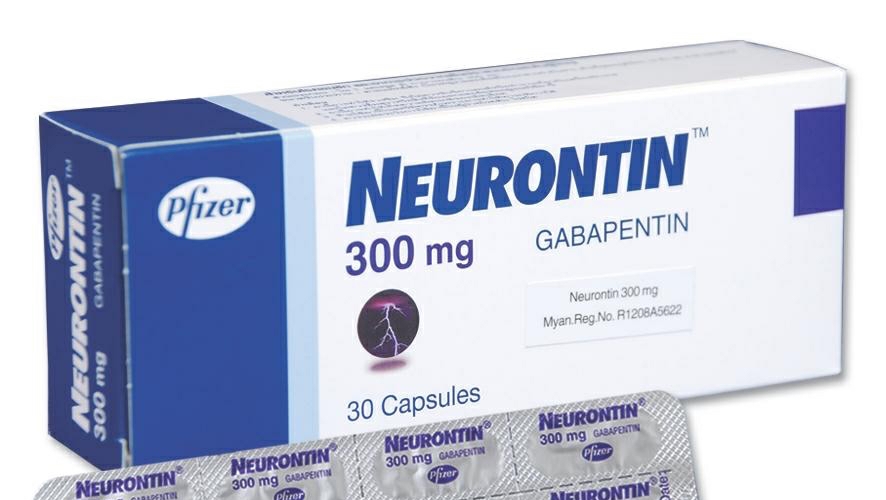
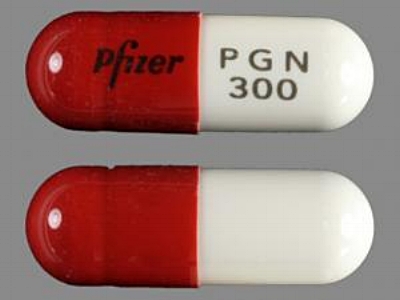
The only medication that I have seen that offers real improvement is Pfizer’s Neurontin (gabapentin), which is prescribed “off label” because it is not specifically approved to treat fibromyalgia by the FDA. Neurontin has helped my nerve pain and I also take muscle relaxers as needed, as I am frequent sufferer of muscle cramps and spasms. 

Studies have confirmed Neurontin’s effectiveness in treating fibromyalgia pain and improving sleep and fatigue. One double-blind study, with results published in Arthritis & Rheumatism, found that over half (51%) of fibromyalgia patients were finding relief with Neurontin.   

That’s not bad for a medication that was originally developed to manage seizures and whose formula has been the same since 1993. While it has helped me, I certainly understand Neurontin hasn’t helped everyone. There are even reports of Neurontin being abused by addicts. 

I am not sure why the makers of Lyrica, Cymbalta and Savella continue to market medications that don’t offer most people real results.  Yet, these medications remain available and doctors are still prescribing them to treat fibromyalgia. 

Let's just hope there are new fibromyalgia drugs on the horizon that actually work and give us real and reliable symptom and pain relief.

What has been your experience with Lyrica, Cymbalta and Savella?

Lana Barhum is a freelance medical writer, patient advocate, legal assistant and mother. Having lived with rheumatoid arthritis and fibromyalgia since 2008, Lana uses her experiences to share expert advice on living successfully with chronic illness. She has written for several online health communities, including Alliance Health, Upwell, Mango Health, and The Mighty.

To learn more about Lana, visit her website.

The information in this column should not be considered as professional medical advice, diagnosis or treatment. It is for informational purposes only and represent the author’s opinions alone. It does not inherently express or reflect the views, opinions and/or positions of Pain News Network.

CDC: Painkillers No Longer Driving Opioid Epidemic

By Pat Anson, Editor

A top official for the Centers for Disease Control and Prevention has acknowledged that prescription painkillers are no longer the driving force behind the nation’s so-called opioid epidemic.

In testimony last week at a congressional hearing, Debra Houry, MD, Director of the CDC’s National Center for Injury Prevention and Control, said that heroin and illicit fentanyl were primarily to blame for the soaring rate of drug overdoses.

“Although prescription opioids were driving the increase in overdose deaths for many years, more recently, the large increase in overdose deaths has been due mainly to increases in heroin and synthetic opioid overdose deaths, not prescription opioids. Importantly, the available data indicate these increases are largely due to illicitly manufactured fentanyl,” Houry said in her prepared testimony before the House Energy and Commerce Committee's Oversight and Investigations Subcommittee.

The CDC blamed over 33,000 deaths on opioids in 2015, less than half of which were linked to pain medication.  

While painkillers may be playing less of a role in the overdose epidemic, Houry believes pain medication is still a gateway drug for many abusers. She cited statistics from Ohio showing that nearly two-thirds of the people who overdosed on heroin or fentanyl received at least one opioid prescription in the seven years before their deaths.  

"The rise in fentanyl, heroin, and prescription drug involved overdoses are not unrelated,” Houry said. “While most people who misuse prescription opioids do not go on to use heroin, the small percentage (about four percent) who do account for a majority of people recently initiating heroin use.”

Houry also disputed reports that efforts to reduce opioid prescribing have led to increased use of illegal drugs. It was her office that oversaw the development of controversial CDC guidelines that discourage doctors from prescribing opioids for chronic pain. 

DEBRA HOURY, MD

“Some have suggested that policies meant to limit inappropriate opioid prescribing have led to an increase in heroin use by driving people who misuse opioids to heroin,” Houry testified.  “Recent research, however, has indicated otherwise. One study found that the shift to heroin use began before the recent uptick in these policies, but that other factors (such as heroin market forces, increased accessibility, reduced price, and high purity of heroin) appear to be major drivers of the recent increases in rates of heroin use.”

The “recent research” Houry cited was a report published in the New England Journal of Medicine in January, 2016 – a full two months before the CDC opioid guidelines were even released. She offered no evidence to support her claim that the guidelines were having no impact on heroin use.

Some Patients Turning to Illegal Drugs

According to a recent survey of over 3,100 patients by Pain News Network and the International Pain Foundation, the CDC guidelines have reduced access to pain care, harmed many patients and caused some to turn to illegal drugs for pain relief.

Over 70 percent said their opioid doses have been reduced or cutoff by their doctors in the past year. And one out of ten patients (11%) said they had obtained opioids illegally for pain relief since the guidelines came out. 

“The one person I know who says the recent guidelines have helped (is) my neighbor who is a heroin dealer. He says business has quadrupled since doctors have started becoming too afraid to help people in pain,” one patient wrote.

“This has caused me far more pain and suffering in my life, and increased my stress and anxiety, and depression, because nobody seems to care that I suffer like this,” said another patient. “This has also caused me to turn to using heroin, because I have nothing left now at this point and cannot suffer like this.”

“Because people are unable to get adequate pain relief from prescribed medications due to the fear instilled to doctors by these ‘guidelines,' most people, in my experience, are turning to heroin. This explains not only an increase in overdoses but also an increase in suicide from chronic pain patients,” wrote another.

“I found it easier to get medications through the black market than through my doctor. I spend about $1,000 per month in medications through the black market, but in the end that is less than the deductible on my insurance. And they deliver to my house!” a patient said.  

“My fear right now is that I've been using medications I buy from a dealer. They appear to be real and thus far I've been OK, but I'm afraid that I may eventually hit a bad batch laced with fentanyl,” said a patient. 

Houry’s testimony came on the same day the Drug Enforcement Administration warned that counterfeit painkillers made with fentanyl have killed dozens of people in the Phoenix area.

The DEA said at least 32 deaths in the last 18 months in Maricopa County, Arizona have been linked to fake pills laced with fentanyl that were disguised to look like oxycodone tablets. In nearly 75% of the overdoses, examiners also found dipyrone (Metamizole), a painkiller banned for use in the U.S. since 1977. 

Fentanyl is a synthetic opioid 100 times more potent that morphine. It is sold legally in sprays, patches and lozenges to treat severe chronic pain.

counterfeit oxycodone (dea photo)

The DEA says illicit batches of fentanyl are being made in China and exported to Mexico, where drug dealers mix it with heroin or turn it into counterfeit medication before smuggling it into the U.S.

The DEA released detailed demographic information on the age, sex and ethnicity of the people who overdosed in Arizona. It did not say how many of the dead were patients looking for pain relief.    

New Saliva Drug Test for Pain Patients

By Pat Anson, Editor

A Denver-based drug testing company has developed a new saliva test to help doctors determine if their pain patients are taking opioid medications appropriately.

Cordant Health Solutions says its Comprehensive Oral fluid Rx Evaluation (CORE) test is more accurate than the point-of-care (POC) urine tests that are widely used by doctors to test patients for prescribed medications, as well as illegal drugs.

Urine tests only tell a doctor if a drug is present, not if the patient is taking the right amount of medication. As PNN has reported, studies have also shown the urine tests often give false results for drugs like marijuana, oxycodone and methadone.

“Urine screening methods are subject to false positive and false negatives. If somebody for instance is taking a cold medication, they could very easily test positive for amphetamines,” said Richard Stripp, PhD, Chief Scientific Officer for Cordant. “The CORE test is specific for the drug that’s in the blood at the time the oral fluid (saliva) is collected.

“And not only will it tell you whether the drug is there or not, it will tell you whether it’s there at a level that consistent with what was prescribed.”

If a prescribed drug is found in saliva, the CORE test will tell whether it’s within an expected range, or at a level that’s above or below it – an indication the patient is taking too much or too little medication. Stripp admits the test is not foolproof. About 25 percent of the time, he says drug levels detected in saliva don’t match what is found in the patient’s blood.

“There are always things that you have to consider when you are interpreting results. I often say this does not replace the clinical judgement of the physician. This is a tool to help them make better decisions,” Stripp told PNN.

“If a doctor says (a patient is) out of range, I’m kicking them out of my practice, we would never, ever suggest that should be the case. Basically, it’s time to have a conversation with a patient and maybe it requires further monitoring.”

Unlike urine samples, which are usually collected privately in a bathroom and can be swapped or altered with “clean” urine from someone else, a saliva sample for the CORE test can be collected directly from a patient’s mouth with a simple swab.  

One disadvantage of the CORE test is that the results are not immediately available, as they are with POC tests that utilize color-coded “dipsticks” that quickly change color when a drug is detected.

The saliva samples need to be shipped to a Cordant laboratory for testing and the results generally won’t be available for 48 to 72 hours. Currently the CORE test can be used to detect levels of oxycodone, hydrocodone, morphine, oxymorphone, hydromorphone, tramadol and fentanyl.

Patients Penalized After Failed Test

Laboratory testing is far more accurate than POC tests, but some doctors don’t bother ordering confirmatory lab tests if something suspicious is found in a patient’s urine. We hear regularly from readers who say their doctor became suspicious or even “fired” them after a POC test turned up something unexpected.

“Last week they had me come in to take a urine sample. A week later they called and said I failed because they found no drugs in my sample,” said one man who has been taking hydrocodone for nearly 30 years.

“The doctor now tells me they can't approve any more refills. I thought they were joking. They also told me that no one in the area could either. It's crazy and I don't know what to do. I tried not taking pain meds and nearly went insane from the sleepless nights.”

A woman who takes Percocet for her fibromyalgia pain wrote to us saying two urine tests failed to detect any opiates in her system.

“My physician of 14 years immediately interrogated me about compliance and asked if I was giving it away,” she said. “Based on the negative findings, he said he could not prescribe me any further narcotic pain relief.

“I have no idea how I will manage my pain now. This has turned into an insane circus. I feel betrayed by my physician, and the doctor-patient relationship has had its trust destroyed.”

Stripp says he cautions doctors not to jump to conclusions after a failed test.

“If you don’t do the laboratory confirmation test, from a legal perspective you can’t say with reasonable certainty that the test actually contains or doesn’t contain the material it was tested for,” he said.

“You never want to accuse a patient of aberrant behavior if you have an inconsistent result, because there are other reasons why you could have inconsistent results. It could be there are differences in metabolism or they could have a health issue that may be causing the problem. Or there may be a drug interaction.”

Another reader who is on probation was given a urine test that showed he was positive for fentanyl.

"After a nightmare trying to keep myself out of jail, they allowed me to go to a hospital for another urine and blood tests. Both came back 100% negative! The second tests were taken an hour after the first," he wrote. "The judge accepted the hospitals tests and I am free, but this should not be happening."

The CDC’s opioid prescribing guidelines encourage doctors to conduct urine tests on patients before starting opioid therapy and at least once a year afterward. But they explicitly warn against dropping a patient after a failed test.

 "Clinicians should not dismiss patients from care based on a urine drug test result because this could constitute patient abandonment and could have adverse consequences for patient safety, potentially including the patient obtaining opioids from alternative sources," the guidelines state.

How common is patient abandonment? In a recent survey by Pain News Network and the International Pain Foundation, 20 percent of doctors and healthcare providers said they had discharged a patient who failed a drug test in the past year.  And about 4 percent of the patients surveyed said they had been fired by a doctor over a failed test.

How Doctors Can Dash Your Hopes

By Crystal Lindell, Columnist

I saw a new specialist this month. A neurosurgeon.

It didn’t go great. In fact, it sucked. He ordered some MRIs, which all came back fine, just like they always do. And then he created a treatment plan that literally included losing weight and not wearing bras.

Thanks.

He had come highly recommended by a good friend and I was hoping he would be willing to try something different for me. I wasn’t sure exactly what, but I had the vague idea that he might be able to cut my nerve. But, he said that was way too risky and wouldn’t even consider it.

Then he suggested a bunch of horrible medications that I’ve l already tried, like Lyrica and gabapentin and pain patches.

And came up with his brilliant idea of not wearing bras.

My pain had become much more manageable, but over the last three or four months it has spiked. A lot. Leaving me with too many days where I can’t get out of bed, no matter how many pain pills I take.

I had long ago given up on seeking out new specialists. Two unsuccessful trips to the Mayo Clinic, multiple university hospitals and thousands of dollars in medical bills tend to dampen even the most enthusiastic patient’s drive to find new treatments.

But the pain was coming back, and after recently increasing my opioid dose, I was reluctant to try to go up any more. And so, I figured I would just try one more guy. One more doctor. And just, see.

I forgot how completely devastating it is when you get your hopes up, only to have them crushed.

In the back of my mind, I confess I had let myself get a little hopeful. This doctor is known for being open to experimental treatments, and I thought he might be willing to try some new approaches. And I think, deep down, I was holding on to this as my last out. As the one thing out there that might still be able to help me. The one thing that I hadn’t tried yet.

But as I sat in his office, going through four years of medical records with him, explaining everything I had been through and everything I had tried, only to have him blame my bra, I remembered why I had given up on trying new doctors.

And as I sat in the MRI machine for a full hour, getting every angle and holding my breath for various shots, I remembered how awful all the medical tests can be, and how heartbreaking it is when your very real pain doesn’t show up on any scans. How hard it is to remind yourself that you’re not crazy. That you are actually sick. And it doesn’t matter what the MRI results show, your pain is real.

When I left my second appointment with him, I got in my car and cried. I cried because I felt like I was completely out of options. I cried because he honestly thought the reason I was in debilitating pain was my weight. I cried because I didn’t know what the next step was. I cried because I didn’t feel like he believed me. And I cried because I was angry at myself for letting my heart get its hopes up.

There’s a reason pain patients get mad at every well-meaning friend who has a cousin whose dog was saved with a new medication that they think you should try.

There’s a reason we all get visibly angry when someone tells us we should see the doctor that their mom’s brother’s baby saw.

Because if we don’t get mad, if we give in, we end up getting our hopes up. We start to think getting better might be a real possibility. But most of the time, our hopes are dashed, exactly as we feared they would be.

And the only thing worse than chronic pain, is having chronic pain and being hopeless.

Crystal Lindell is a journalist who lives in Illinois. She loves Taco Bell, watching "Burn Notice" episodes on Netflix and Snicker's Bites. She has had intercostal neuralgia since February 2013.

Crystal writes about it on her blog, “The Only Certainty is Bad Grammar.”

The information in this column should not be considered as professional medical advice, diagnosis or treatment. It is for informational purposes only and represent the author’s opinions alone. It does not inherently express or reflect the views, opinions and/or positions of Pain News Network.

Doctors Oppose 'Perverse' Limit on Opioid Painkillers

By Pat Anson, Editor

A group of 80 doctors, pharmacists, academics and health researchers have signed a joint letter opposing “perverse” new guidelines being proposed to limit high doses of opioid pain medication.

The National Committee for Quality Assurance (NCQA) is a little known non-profit organization that accredits healthcare organizations and ranks their performance against a set of standards known as the Healthcare Effectiveness Data and Information Set (HEDIS).

In a proposed new HEDIS standard for opioid prescribing, NCQA would set a daily ceiling at a 120 milligram morphine equivalent dose (MME) when opioids are prescribed for 90 consecutive days or longer. Any insurer or provider in violation of that standard would be red flagged, and if too many violations are found they risk losing their accreditation.

The proposed standard “will pose a serious risk to some patients currently receiving opioids,” according to the letter drafted by Stefan Kertesz, MD, a primary care physician and Associate Professor at the University of Alabama at Birmingham School of Medicine. 

The letter was signed by a diverse group of healthcare providers, including some who helped develop the CDC’s opioid prescribing guidelines. Those guidelines are voluntary and intended only for primary care physicians, but are being widely adopted and made mandatory throughout the U.S. healthcare system.

Ironically, the NCQA's limit of 120 MMEs is actually higher than the CDC's recommended limit of 90 MMEs.

“We must distinguish between the language of the CDC Guideline itself, and the perverse care decisions that the NCQA ‘Opioid High Dosage’ binary measure will incentivize,” the letter states.

Kertesz and his colleagues say the proposed standard would force many doctors to taper patients off high opioid doses “despite the lack of any evidence to assess its impact on risk to patients, and the reality that the CDC Guideline did not endorse this approach.”

“Put simply, the ‘Opioid High Dosage’ measure will accelerate a reconfiguration of care that has never been tested in prospective trials and that could actually increase risk to individual patients, as illustrated by scholarly and popular reports of acute withdrawal (with death), protracted abstinence syndrome, and suicide associated with incautious unilateral opioid discontinuation or unrelenting pain,” they wrote.

The letter concludes by urging the NCQA to abandon its high opioid standard until evidence is available to assess the potential harm to patients.

In a statement explaining its proposal, NCQA said “there is limited evidence for the long-term beneficial effects of opioid use” and suggested opioids were only appropriate for acute pain and chronic pain conditions “such as sickle cell disease or late stage cancer.”

The NCQA just ended a public comment period on its opioid proposal. Several PNN readers have complained they were unable to post comments on the NCQA website.

Lyrica Fails in Sciatica Pain Study

By Pat Anson, Editor

A small study in Australia has found that pregabalin – a drug more widely known under the brand name Lyrica -- works no better than a placebo at relieving leg pain caused by sciatica.

Researchers enrolled 209 sciatica patients in the study and assigned them to groups that received either pregabalin or placebo for a year. The findings, published in the New England Journal of Medicine, not only showed that pregabalin was no more effective than a placebo, but that it caused unwanted side effects such as dizziness.    

“Treatment with pregabalin did not significantly reduce the intensity of leg pain associated with sciatica and did not significantly improve other outcomes, as compared with placebo, over the course of 8 weeks. The incidence of adverse events was significantly higher in the pregabalin group than in the placebo group,” researchers concluded.

In all, 227 side effects were reported by the 108 patients who received pregabalin.

"Until now there has been no high quality evidence to help patients and doctors know whether pregabalin works for treating sciatica. Our results have shown pregabalin treatment did not relieve pain, but did cause side effects such as dizziness," said lead author Dr. Christine Lin, an associate professor at the George Institute for Global Health and the University of Sydney Medical School.

The placebo effect appeared to play a strong role in the study. Participants started out with an average score of about 6 on a zero to 10 pain scale. After one year, the pain levels dropped to 3.4 for those taking pregabalin and 3.0 for those taking placebo.

“It seems people associate a drop in pain being due to taking a capsule, rather than something which would happen naturally over time,” said Lin. "Unfortunately there are no drugs proven to work for people with sciatica and even epidural injections only provide a small benefit in the short term. What we do know is that most people with sciatica do eventually recover with time. It's also important to avoid bed rest and to stay as active as possible."

Sciatica originates in the lower back and travels down the sciatic nerve to each leg, causing pain, tingling and numbness. 

Pregabalin was originally developed as a treatment for epilepsy, but drug maker Pfizer was very successful in turning Lyrica into a multi-purpose pain drug that generates worldwide sales of $5 billion a year.

The U.S. Food and Drug Administration has approved Lyrica to treat chronic nerve pain caused by diabetes, fibromyalgia, epilepsy, spinal cord injury and post-herpetic neuralgia caused by shingles. The drug is also prescribed “off label” to treat a variety of other conditions, including sciatica and spinal stenosis.

According to ClinicalTrials.gov, dozens of studies are underway to test the effectiveness of pregabalin on conditions such as cirrhosis of the liver, anxiety, chronic cough, post-operative pain, pediatric seizures, and neuropathic pain caused by chemotherapy.

Common side effects of Lyrica are dizziness, blurred vision, nausea, headache, weight gain and fatigue.  Lyrica may cause suicidal thoughts in about 1 in 500 patients who use it. Pfizer also warns patients to talk to their doctor before they stop taking Lyrica. Suddenly stopping the medication may result in withdrawal symptoms such as headaches, nausea, diarrhea, trouble sleeping, increased sweating, and anxiety.

Steroid Injections Provide Little Relief for Back Pain

By Pat Anson, Editor

Steroid injections provide only short term relief for patients suffering from chronic low back pain, according to a new study funded by the French Ministry of Health that was published in the Annals of Internal Medicine.

Researchers evaluated 135 patients with discopathy – degenerative disc disease -- who were being treated at three different clinics in France. Half the patients were assigned to a control group and the rest received a single glucocorticoid (steroid) injection into their lower back.

A little over half of the patients who received the injection reported positive effects on back pain after one month. But the effect was only temporary and decreased over time, with no differences in back pain intensity after 12 months when compared to the control group.

“Given these findings, the researchers question the efficacy of glucocorticoid injections as a treatment for chronic low back pain,” the American College of Physicians said in a news release.

The French study adds to a growing body of evidence questioning the effectiveness and safety of steroid injections into the spinal area.

A 2015 report by the Agency for Healthcare Research and Quality (AHRQ) found little evidence that epidural steroid injections were effective in treating low back pain. Researchers said the injections often provide immediate improvements in pain and function, “but benefits were small and not sustained, and there was no effect on long-term risk of surgery.”

A 2014 study by the AHRQ also found that epidural injections did little to relieve pain in patients with spinal stenosis.  

Epidural injections, which have long been used to relieve pain during childbirth, are increasingly being used as an alternative to opioids in treating back pain. The shots have become a common and sometimes lucrative procedure at many pain management clinics, where costs vary from as little as $445 to $2,000 per injection.

The Food and Drug Administration has never approved the use of steroids to treat back pain, but several million epidural steroid injections are still performed “off label” in the U.S. annually.

The American College of Physicians (ACP) recently released new guidelines saying there was little evidence that steroid injections are effective as a treatment for low back pain.

“Moderate-quality evidence showed no differences in pain between systemic corticosteroids and placebo and no to small effect on function in patients with radicular low back pain,” the ACP said.

Lower back pain is the world's leading cause of disability. Over 80 percent of adults have low back pain at some point in their lives.

Little Evidence That Pain Contracts Work

By Roger Chriss, Columnist

Pain contracts are common. The Centers for Disease Control and Prevention recommends their use and many states all but require them. The contracts can be long, detailed and sometimes oddly demanding, as Crystal Lindell described in her recent column, "Signing a Pain Contract in the Age of Opioid Phobia."

In 2001, pain contracts and opioid use agreements were being promoted as “A Tool for Safely Treating Chronic Pain” by the American Academy of Family Physicians.

By 2011, Kaiser Health News was reporting that doctors were increasingly using contracts to protect themselves and to spell out the rules patients had to follow to reduce the risk of abuse and addiction.  

Some patients may end up signing multiple contracts with various providers, sometimes even watching video presentations about the content and intent of the contract.

So it seems reasonable to assume that pain contracts work, that research supports their use and establishes their benefits. Unfortunately, that is not the case.

The American Medical Association’s Journal of Ethics reported in 2013 that a review of opiate treatment agreements found “only weak evidence of a reduction in opiate misuse” in studies that were described as “methodologically poor.” The article also warned that “perhaps the greatest potential harm in the use of narcotics contracts is the inherent message to the patient that he or she can’t be trusted.”

Similarly, in 2010 the Annals of Internal Medicine published a review of a handful of observational studies rated as poor or fair quality, which found that opioid misuse was only modestly reduced in patients who signed contracts. In some of the studies, no benefit could be demonstrated.

In 2011, MD Magazine reported that “there is little evidence that these documents help reduce opioid misuse.” Steven King, MD, agreed with that assessment in the Psychiatric Times, writing that “there does not appear to be any firm evidence that these tools reduce the likelihood that opioids will be used in unintended ways.”

And as far back as 2002, the Clinical Journal of Pain published a study that stated “efficacy is not well established” for opioid contracts.

Thus, pain contracts have been researched for well over a decade with consistent results: they do little to reduce opioid misuse or abuse in any form.

Moreover, there is research and expert opinion suggesting that contracts can be harmful. For instance, in 2011 the Partnership for Drug-Free Kids reported that opioid contracts may damage patient trust and should not be used as a way to “fire” patients who violate the terms of the agreement.

In 2016, STAT reported on the unintended consequences of federal legislation promoting the use of such contracts, in particular how they could stigmatize and endanger patients who are struggling with substance abuse and addiction.

So why are pain contracts becoming more common and more complicated? And why is there a perception that they work?

Perhaps because chronic pain patients are in general compliant about pain medication, rarely share or sell their pills, and tend not to develop problems with abuse or addiction. In other words, pain contracts work because there is nothing for them to do.

The Johns Hopkins Arthritis Center tells us that patients who develop an opioid problem almost always have a prior history of substance abuse, and that stealing or forging prescriptions rarely occurs among patients. Another study found an opioid addiction rate of only about 3% in chronic pain patients.

Much like airport security scanners, pain contracts seem like a form of theater, a solution in search of a problem. But they are not just a benign if pointless exercise in paperwork.

Pain contracts unnecessarily lump together chronic pain patients and people suffering from drug addiction, and thus risk stigmatizing and misunderstanding two distinct groups. Chronic pain patients are not potential addicts or abusers-in-training, and substance abuse is a separate medical condition that requires a distinct approach from pain.

Perhaps there is a way to create pain contracts that actually help patients and clinicians. But until the evidence to support them is found, resources could be better used to improve treatments for chronic pain, as well as substance abuse.

Roger Chriss suffers from Ehlers Danlos syndrome and is a proud member of the Ehlers-Danlos Society. Roger is a technical consultant in Washington state, where he specializes in mathematics and research.

Pain News Network invites other readers to share their stories with us.  Send them to:  editor@PainNewsNetwork.org

The information in this column should not be considered as professional medical advice, diagnosis or treatment. It is for informational purposes only and represents the author’s opinions alone. It does not inherently express or reflect the views, opinions and/or positions of Pain News Network.

Anti-Anxiety Meds Raise Risk of Opioid Overdose

By Pat Anson, Editor

Taking opioid painkillers with benzodiazepines – a class of anti-anxiety medication that includes Xanax and Valium – significantly raises the risk of an emergency room visit or hospital admission for an overdose, according to a large new study.

Opioids and benzodiazepines are both central nervous system depressants that can cause sleepiness, respiratory depression, coma and death. Nearly 30% of fatal overdoses in the U.S. linked to opioids also involve benzodiazepines.

Researchers at Stanford University School of Medicine analyzed private insurance claims for over 315,000 people prescribed opioids from 2001 to 2013.

In 2001, they found that 9 percent of opioid users also received a prescription for a benzodiazepine. By 2013, the co-prescribing rate nearly doubled to 17 percent.

Their study, published in The BMJ, found that use of both drugs was associated with a substantially higher risk of an emergency room visit or inpatient admission for opioid overdose.

“We found that opioid users who concurrently used benzodiazepines were at an increased risk of opioid overdose and that eliminating concurrent benzodiazepine/opioid use could reduce the risk of opioid overdose by 15%,” wrote lead author Eric Sun, MD, an assistant professor at Stanford University School of Medicine.

“Providers should exercise caution in prescribing opioids for patients who are already using benzodiazepines (or vice versa), even in a non-chronic setting. Indeed, we note that the association between concurrent benzodiazepine/opioid use and the risk of opioid overdose was broadly similar for both intermittent and chronic opioid users.”

The Food and Drug Administration recently expanded the warning labels on opioids and sedatives because of the risk of overdose. Insurance companies are also actively discouraging doctors from prescribing the two together..

A recent study by the Centers for Disease Control and Prevention ranked Xanax (alprazolam) as the fourth deadliest drug in the United States, while Valium (diazepam) was ranked tenth. Xanax was involved in about a quarter of the overdoses involving opioid pain medication.  

5 Steps New Chronic Pain Patients Should Take

By Barby Ingle, Columnist

When I first experienced the symptoms of endometriosis, all I could think of was get to the doctor so this will stop. That’s what I did as a kid. I got sick and my mom took me to the doctor and made me better.

I knew something was wrong inside of me because of the blood and abdominal pain. But with endometriosis, you don’t really know for sure until the doctor looks to see what is going on.

I had never heard of endometriosis at the time of my diagnosis. Nearly 20 years later, it is no longer a rare disease with more than 200,000 new cases in the U.S. every year.  Endometriosis occurs when tissue that normally lines the inside of the uterus grows outside of it.  The disease is treatable, but it does require a medical diagnosis to rule out other possible causes of the symptoms.

I went through lab tests and imaging, but they didn’t show much. I had endometriosis cysts that had ruptured for years before the symptoms became an issue for me chronically. None of the providers ever warned me what they could mean.

When they finally did the laparoscopy, the uterus tissue was found on my ovaries, fallopian tubes, abdomen walls, and intestines. Once they did this procedure, the endometriosis got worse instead of better.

I decided to go to a larger city to get care at a major university hospital. I was the youngest patient there to ever receive a full hysterectomy after rounds of hormones and Lupron shots that didn’t work.             

1. Find the Right Doctor

What I learned from my experience with endometriosis was the importance of finding the right doctor. Each course of treatment is going to be different. Don’t always think the treatment you receive is all there is because that is all your doctor offered you.

You can make the choice to get the care you need. Don’t be afraid to do so. It’s your life. 

2. Consider Multiple Treatment Options

Don’t just go for the pain medicines or invasive treatments first. If a treatment you try does not work for you, stop and ask for something else. If your doctor can’t provide it, move on and find one who can. It is important for you to communicate with your providers, family and caretakers to create a treatment plan.

3. Take Responsibility for Your Treatment

We can’t live in our doctors’ offices between appointments. The person who is most responsible for your care is you.

It is up to you to follow the treatment plan and realize that it may take multiple and concurrent treatments to get everything under control.

4. Get Organized and Ask for Help

You may lose people in your life that don’t understand, are not supporting you or causing negativity. That is okay. It can be lonely, but we can only ask for help. The person we are asking is not obligated to help. Find people who can help willingly.

You will need to get organized, so you know what help to ask for. You may also realize the help you require needs to be split up among different people. If one person is all you can rely on, it may cause them to burnout.

Reach out to resources in your community, such as churches, community centers, high school and college volunteer programs, your insurance company resources, etc. Don’t limit yourself when it comes to getting help, and be thankful and willing to receive any help you do get from others.

I have talked about the importance before of keeping a journal to track symptoms, treatments and for your personal well-being. Once you have some data that helps you recognize your pain triggers, you can set expectations and plan accordingly. Then when pain flares pop up, you will be better able to handle them, have less stress, and better daily living.

5. Be Your Own Advocate

Finally, advocate for yourself. You will come to learn your body better than anyone on earth. You will know what you need. If insurance denies an option, appeal it. If a medication is causing you terrible side effects, report it to MedWatch at the FDA. 

Have the nerve to be heard and lose the fear of speaking up. The more you stand up for yourself and share your story, the better you and the chronic pain community will be. 

Barby Ingle lives with reflex sympathetic dystrophy (RSD), migralepsy and endometriosis. Barby is a chronic pain educator, patient advocate, and president of the International Pain FoundationShe is also a motivational speaker and best-selling author on pain topics.

More information about Barby can be found at her website. 

The information in this column should not be considered as professional medical advice, diagnosis or treatment. It is for informational purposes only and represents the author’s opinions alone. It does not inherently express or reflect the views, opinions and/or positions of Pain News Network.