Feds Funding Study of Cannabis as Opioid Alternative

By Pat Anson, PNN Editor

Columbia University has been awarded a grant from the National Institute on Drug Abuse (NIDA) to investigate whether medical cannabis can reduce the use of opioids and overdose risk in chronic pain patients.  

The grant was awarded after researchers with Columbia Care completed a small pilot study that found nearly two-thirds of patients with chronic nerve pain were able to reduce or stop their opioid use. Columbia Care is a private medical marijuana company not affiliated with the university that operates a chain of cannabis dispensaries around the country.

“There is an urgent need to investigate the potential impact of cannabinoid use on limiting opioid overdose risk and to determine whether specific products are more beneficial for certain populations of patients with pain and opioid use,” said Arthur Robin Williams, MD, a professor in the Division on Substance Use Disorders in the Columbia University Department of Psychiatry.

The pilot study involved 76 neuropathy patients in New York State who were given Columbia Care’s dose-metered cannabis products for nine months. By the end of the study, 62 percent of the patients were able to reduce or stop using opioid pain medication.

Columbia Care makes a variety of medical cannabis products that come in tablets, tinctures, suppositories, topical formulations or can be used in vaporizers. 

“We have seen through this pilot study the power of our proprietary formulations to reduce our patients’ dependence on opioids in a defensible, scientific manner,” said Rosemary Mazanet, MD, chief science officer and chair of the scientific advisory board at Columbia Care.

DRUG POLICY ALLIANCE

Although medical marijuana is often touted as a possible solution to the nation’s opioid crisis, research findings so far have been mixed.

A recent study by the RAND Corporation found little evidence that states with medical marijuana laws see reductions in legally prescribed opioids. While some pain patients may be using or experimenting with medical marijuana, RAND researchers do not believe they represent a significant part of the opioid analgesic market.

"If anything, states that adopt medical marijuana laws... experience a relative increase in the legal distribution of prescription opioids,” researchers found.

Another study of Medicare and Medicaid patients found that prescriptions for morphine, hydrocodone and fentanyl dropped in states with medical marijuana laws, while daily doses for oxycodone increased. A second study found a 6% decline in opioid prescribing to Medicaid patients in states with medical marijuana laws.  Both studies were conducted during a period when nationwide opioid prescribing was already in decline.

A 2014 study published in JAMA Internal Medicine found that opioid overdoses declined by nearly 25 percent in states where medical marijuana was legalized.

Overdoses Soar in 2 States Despite Fewer Rx Opioids

By Pat Anson, PNN Editor

New studies from two of the states hardest hit by the opioid crisis – Massachusetts and Pennsylvania -- are throwing a damper on recent speculation that drug overdoses may have peaked.  

Researchers at Boston Medical Center released a startling study that found nearly 5 percent of people over the age of 11 in Massachusetts have an opioid use disorder.

The Drug Enforcement Administration also admitted in a Joint Intelligence Report that reducing the supply of prescription opioids in Pennsylvania failed to reduce the state’s soaring overdose rate and may have even increased demand for counterfeit painkillers. Pennsylvania had 5,456 fatal overdoses in 2017, a 65% increase from 2015.  

“Implementation of legislation influencing prescription opioid prescribing has resulted in a decrease in availability; however, a corresponding decrease in demand is less certain,” the DEA report found.

“Practitioners may be offering non-opioid alternatives to pain management to their patients, but this is most likely due to increased scrutiny of prescribing habits, as well as legislated changes, not due to requests from patients seeking non-opioid products.”

Prescription opioids were involved in only 20% of Pennsylvania’s overdoses. Most of the deaths involve a combination of illicit drugs such fentanyl, heroin, cocaine and counterfeit medication.

“The increasing presence of counterfeit opioid CPDs (controlled prescription drugs) in Pennsylvania is an indicator of strong demand for opioid CPDs in the illicit market. Traffickers use substances such as heroin, fentanyl, and tramadol to create tablets that look like the opioid CPDs most commonly purchased on the street (e.g., oxycodone 30 milligram tablets). The tablets are often exact replicas with the shape, coloring, and markings consistent with authentic prescription medications,” the report found.

The DEA said heroin and fentanyl could be found in 97% of Pennsylvania’s counties and called the city of Philadelphia a “wholesale market” for illicit drugs from China and Mexico.

Opioid Use Disorder in Massachusetts

Illicit fentanyl is also blamed for a soaring number of fatal overdoses in Massachusetts, where researchers used a new method to estimate how many people have opioid use disorder (OUD).  

Instead of relying on insurance claims for addiction treatment, researchers used a database that links information from 16 state agencies on other forms of healthcare use. Researchers were then able to identify patients who have OUD and estimate those who have the disorder but aren't seeking treatment. Individuals with substance use disorders are often less likely to seek medical care or be insured. Many are also reluctant to admit they have a drug problem.  

"There are many people with opioid use disorder who do not encounter the health care system, which we know is a barrier to understanding the true impact of the opioid epidemic," said Joshua Barocas, MD, an infectious disease physician at Boston Medical Center, who was lead author of the study published in the American Journal of Public Health.

Barocas and his colleagues found the prevalence of opioid use disorder in Massachusetts rose from 2.72% in 2011 to 4.6% in 2015. People between the ages of 11 and 25 experienced the greatest increase in OUD – a demographic much younger than a typical chronic pain sufferer, who is usually middle aged.

In 2012, Massachusetts was one of the first states where insurers and healthcare providers took steps to reduce the supply of prescription opioids – measures that have yet to have any meaningful impact on the state’s overdose rate.  

MASSACHUSETTS DEPARTMENT OF PUBLIC HEALTH

Massachusetts was also one of the first states to use toxicology screens from coroners and medical examiners to get a more accurate assessment of the drugs involved in overdoses.

According to the most recent report from the first quarter of 2018, nearly 90% of Massachusetts overdoses involve fentanyl, 43% percent involve cocaine, 42% involve benzodiazepines and 34% involve heroin. Prescription opioids were involved in only about 20% of the Massachusetts overdoses, the same rate as Pennsylvania.

Preliminary estimates released by the CDC last week show a modest 2.3% nationwide decline in opioid overdoses from September 2017 to March 2018. Over 48,000 people died from opioid overdoses during that period, with most of those deaths involving illicit fentanyl, heroin and other street drugs.

Social Media’s Role in the Opioid Epidemic

By Douglas and Karen Hughes, Guest Columnists

Drug epidemics since 1900 are dynamic and our hyper-information age makes ours even more pronounced. The so-called “opioid epidemic” is contingent upon socioeconomic demand and available drug supply. To fully understand it, we must look beyond opioid medication as the sole contributing factor.

Social media could be one cause that everyone has overlooked.

Overprescribing of opioids was initially the problem and it helped fill numerous medicine cabinets. Coincidentally, this occurred at about the same time as the explosion of cell phones, texting and social media, and the resultant peer-driven social narrative.

Instantaneous information exchange brought teenagers into contact with “high school druggies” — which their pre-cell phone parents knew only as a separate social group. Contact with them was taboo. Today, however, everyone is part of the larger social narrative.

Relating the euphoria of opioid use in open forums caused adolescents, who already feel indestructible, to rebel by trying them. These impressionable youth become attracted to opioids in the same way their parents were attracted to alcohol, tobacco and marijuana. This sent teens scrambling to find a free sample in grandmother’s medicine cabinet.

Many renowned physicians believe addictive personalities are actually formed by a genetic predisposition to addiction. All that is needed is some substance to abuse. Alcohol is usually the gateway drug for adolescents, the “first contact” for many teens. Forgotten opioids in a medicine cabinet only come later. Addicts will often say, “My drug use began with a prescription opioid.” But addiction experts know the battle was already lost if there was no intervention after “first contact” with drugs.

Society has long blamed overprescribing for the opioid epidemic, but the last three years have proven that to be a red herring. The mass closing of pill mills in 2015, the CDC opioid guideline in 2016, and the steep reduction in opioid production that followed in 2017 have only accelerated the epidemic. Forcing disabled intractable pain sufferers to suffer or self-medicate was not the solution.

The Centers for Disease Control and Prevention postulated that overprescribing caused the opioid epidemic because they only had clinical evidence for short term opioid therapy. Instead of opening a wider dialogue and seeking more evidence, the lack of critical long-term studies was used as an excuse to limit prescribing. Statistical manipulation of overdose deaths was used to confirm this errant policy.

This is emblematic of all investigations into our present drug problems. Society ran the fool’s errand that one blanket policy could be found for hundreds of diverse regional and local drug problems.

The opioid epidemic most likely emanated from widely accepted alcohol use and the social lure of opioids by adolescents. It has little to do with patients.

Douglas and Karen Hughes live in West Virginia. Doug is a disabled coal miner and retired environmental permit writer. Karen retired after 35 years as a high school science teacher.

Pain News Network invites other readers to share their stories with us. Send them to editor@painnewsnetwork.org.

The information in this column should not be considered as professional medical advice, diagnosis or treatment. It is for informational purposes only and represents the author’s opinions alone. It does not inherently express or reflect the views, opinions and/or positions of Pain News Network.

Will Cannabis Change the Candy Industry?

By Crystal Lindell,  PNN Columnist

A bag of Heady Harvest CBD Gummies sold by CBD Genesis doesn’t look that much different than any other bag of gummies in the candy aisle — sleek packaging, a clear front panel to show the product and a well-designed logo. And you can find bags just like them hanging right there on the shelf in many gas stations, not too far from the energy drinks and lottery tickets.  

It’s exactly the type of packaging that’s making CBD go mainstream. In fact, the only thing that makes them any different than a regular bag of gummies is the price — $24.99 for just 20 bears.

CBD, which stands for cannabidiol, is a compound found in marijuana plants, and the product is typically sold over the counter in the form of drops, candy and other products.

“The natural compound, called cannabidiol, is one of more than 100 cannabinoids found in the cannabis plant,” says BDS Analytics. “On its own it won’t get people high. But researchers are finding more and more medical applications for CBD, and consumers and companies increasingly are exploring the compound.” 

The firm says that while the broad marijuana edibles category grew by 36 percent for much of last year in Colorado, Oregon and Washington, high-CBD edibles expanded by 110 percent. 

And high-CBD chocolates reached 217 percent growth on $11.45 million in sales, while high-CBD candy grew by 169.5 percent last year, compared to 51 percent for candy in general, according to BDS.  

Legally, it's still very much a gray area, though. 

According to recent article in the Wall Street Journal, “DEA spokesman Melvin Patterson says CBD-containing product appearing on shelves ‘is there illegally,’ but enforcement is not a priority for the agency, which is focused on the opioid crisis. In the states that have legalized cannabis use, ‘DEA is not after that. That would take a lot of manpower that DEA doesn’t have,’ he says.” 

And with the product being sold over the counter in many places, it can be confusing for consumers who think they’re buying something that’s totally above board. 

It’s that kind of murky gray area that understandably makes it hard for more mainstream candy companies to get involved in the market. But as the products grow in popularity, it’s hard to ignore their potential financial impact. 

It’s not that crazy to picture a day when Hershey, Mars or other major manufacturers are launching their own lines of CBD candy. How long that takes may only depend on how long for-profit companies want to ignore what is clearly becoming a for-profit market segment. 

This article originally appeared in Candy Industry and is republished with permission.

Crystal Lindell is a journalist who lives in Illinois. She eats too much Taco Bell, drinks too much espresso, and spends too much time looking for the perfect pink lipstick. Crystal has hypermobile Ehlers-Danlos syndrome. 

Crystal writes about it on her blog, “The Only Certainty is Bad Grammar.”

The information in this column should not be considered as professional medical advice, diagnosis or treatment. It is for informational purposes only and represent the author’s opinions alone. It does not inherently express or reflect the views, opinions and/or positions of Pain News Network.

What Will Support Act Mean for Pain Patients?

By Pat Anson, PNN Editor

President Trump this week signed into law the Support for Patients and Communities Act, a comprehensive and mostly bipartisan legislation that combined over 70 bills passed by Congress aimed at fighting the opioid epidemic.

"Together we are going to end the scourge of drug addiction,” Trump said at a bill-signing ceremony at the White House. “Or at least make an extremely big dent in this terrible, terrible problem.”

While most of the Support Act is aimed at slowing the flow of illicit drugs and subsidizing the $35 billion dollar addiction treatment industry, there are some key elements that will affect millions of Americans who take opioids for chronic or acute pain.

Most are designed to limit access to opioid medication and further reduce the supply, which has nearly been cut in half since 2016.

The new law authorizes the Food and Drug Administration to require that some opioids be dispensed in so-called “blister packs” to limit the number of pills that can be prescribed and dispensed at one time. That type of packaging would primarily be for patients with short-term, acute pain who need only a few days’ supply. But it could also lead to a standardization of doses and make refills more difficult for patients who are slow to recover from surgery or trauma.

“The doses dispensed in the packs could be designed to align with evidence-based recommendations on what the proper dosing should be for common indications. These packs could then become the default option for more post procedure uses and could discourage physicians from prescribing long durations of use in situations where the evidence shows that short durations are clinically appropriate,” said FDA commissioner Scott Gottlieb, MD, in a statement.

“Ultimately, this approach could reduce the overall number of drugs in circulation and potentially lower the rate of new opioid addiction. It could also address the problem of excess supply, leading to fewer pills left in medicine cabinets that could be inappropriately accessed by family members, including children.”

The Support Act also gives the FDA the authority to require that opioids be dispensed with a mail-back pouch or other safe disposal options. The goal again is to get unused medications out of medicine cabinets where they could be stolen or diverted.

The new law also supports an effort recently launched by Gottlieb to develop opioid guidelines for acute pain. The guidelines won’t replace or change the CDC’s controversial guideline for chronic pain, but they will be developed with more transparency. Gottlieb has instructed the National Academies of Sciences, Engineering, and Medicine to hold a series of public meetings and to seek input from "a broad range of stakeholders" from different medical specialties. The CDC guideline was initially developed with no public hearings and with little input from pain management experts.

The Support Act also gives more authority to the FDA to require longer post-market studies on the safety and efficacy of drugs. Current evidence on the long-term use of all pain medication – not just opioids – is extremely limited. That has led to exaggerated claims from opioid critics that there is “no evidence” that opioids are safe or effective long term. Those same critics often call for greater use of non-opioid medications, such as gabapentin and pregabalin, when there is little long term evidence to support their use either.

The Support Act also calls on other federal agencies to enact measures to prevent the diversion and abuse of opioids and other controlled substances:

  • All prescriptions for controlled substances covered under Medicare Part D or Medicare Advantage must be transmitted electronically starting Jan. 1, 2021.

  • The Department of Health and Human Services (HHS) will develop guidelines for pharmacists to decline to fill prescriptions they think may be fraudulent or questionable.

  • Medicaid programs will be required to have “safety edits” in place for opioid refills and to monitor the concurrent use of opioids with potentially risky drugs such as benzodiazepines.

  • A web portal will be created to allow communication between HHS, CMS and Medicare Advantage insurers to share information about providers under investigation for inappropriate prescribing of opioids.

  • HHS will develop guidelines to allow the inclusion of opioid addiction history in patient electronic health records.

One pain management expert cautioned that some provisions of the Support Act put too much of an emphasis on opioid medication.

“Excessive focus on reducing opioid supply in the legislation can lead to more harm than good. We cannot continue to ignore the needs of people in pain at the expense of preventing illicit drug use,” Lynn Webster, MD, past president of the American Academy of Pain Medicine told Pain Medicine News.

“We have seen draconian steps by the VA (Department of Veterans Affairs) and other payors to force opioid reduction in patients who have been stable and functional for years. This is cruel and simply not right. My hope is that the act is implemented with compassion for people with addiction and pain, but that they allow science and not prejudices and politics to inform policy.”


Sessions: Opioid Prescriptions at 18-Year Low

By Pat Anson, PNN Editor

Opioid prescriptions in the United States fell by 12 percent in the first eight months of 2018 and will decline even further in coming years, according to Attorney General Jeff Sessions.

“We now have the lowest opioid prescription rates in 18 years.  And we’re going to bring them a lot lower,” Sessions said in prepared remarks at the National Opioid Summit in Washington, DC.

Opioid prescriptions have indeed been falling for many years, but the trend appears to be accelerating as many doctors lower doses, write fewer prescriptions, or simply discharge and refuse to treat chronic pain patients.

Sessions pledged to continue fighting “the deadliest drug crisis in American history” by reducing opioid prescriptions by another third over the next three years. That’s in addition to a 44% reduction in opioid production that the DEA began in 2016.

Sessions also promised to step up efforts against healthcare professionals alleged to have overprescribed opioids. He said the Trump Administration has charged 226 doctors and 221 medical personnel with “opioid-related crimes.”

“These numbers will continue to rise,” Sessions predicted, because of new federal prosecutors and a data analytics team focused on tracking opioid prescriptions.

ATTORNEY GENERAL JEFF SESSIONS

“This team follows the numbers—like which doctors are writing opioid prescriptions at a rate that far exceeds their peers; how many of a doctor's patients have died within 60 days of an opioid prescription; and pharmacies that are dispensing disproportionately large amounts of opioids,” Sessions said.

“They will help us find the doctors, pharmacists, and other medical professionals who are flooding our streets with drugs—and put them behind bars.”

At no point in his speech did Sessions discuss the impact the opioid crackdown was having on millions of chronic pain patients, who are increasingly bedridden or disabled due to lack of access to effective pain care. Earlier this year, Sessions suggested they should “tough it out” by taking aspirin.

While opioid prescriptions have fallen dramatically in recent years, they’ve yet to have much of an impact on the nation’s overdose rate.  Preliminary estimates released by the CDC this week show a modest 2.3% decline in opioid overdose deaths from September 2017 to March 2018. Over 48,000 people died from opioid overdoses during that period, with most of those deaths involving illicit fentanyl, heroin and other opioid street drugs, not prescription opioids.

Sessions said the Justice Department was taking “unprecedented action” against fentanyl traffickers at home and abroad, including the recent indictments of three Chinese nationals and dozens of Mexican drug traffickers.

“China could do more to stop these drugs from coming here.  Frankly, they’re not doing enough.  They must do more,” he said.

New Drug Reduces Rheumatoid Arthritis Pain

By Pat Anson, PNN Editor

Patients with moderate to severe rheumatoid arthritis (RA) may soon have a new treatment option.

Abbvie has announced positive results from a Phase 3 clinical study of its investigational drug upadacitinib and said it would file for FDA approval later this year.

Patients taking daily doses of upadacitinib for 14 weeks showed significant improvements in physical function, quality of life, pain and morning joint stiffness when compared with patients taking methotrexate, a standard first line treatment for RA.

Patients using upadacitinib reported reductions in pain and morning stiffness and better physical function as early as two weeks after starting treatment.

The results were announced at the annual meeting of the American College of Rheumatology (ACR) in Chicago.

"Upadacitinib as a monotherapy showed significant improvements in rheumatoid arthritis patients' ability to perform daily activities and overall health-related quality of life," said Marek Honczarenko, MD, vice president of global immunology development at AbbVie. "These results show that the improvements in clinical symptoms are accompanied by improvement in outcomes important to patients. These results reinforce upadacitinib's therapeutic potential across diverse rheumatoid arthritis patient populations and its use as a monotherapy treatment option."

Upadacitinib belongs to a class of medication known as JAK inhibitors, which block enzymes that cause inflammation.  The drug is also being investigated as a treatment for psoriatic arthritis, Crohn's disease, ulcerative colitis, ankylosing spondylitis and atopic dermatitis.

RA is a chronic autoimmune disease in which the body’s own defenses attack joint tissues, causing swelling, inflammation and bone erosion. Because RA is incurable, treatments focus on suppressing the immune system to reduce inflammation and slow progression of the disease.

Many RA patients do not respond to or cannot tolerate methotrexate, a drug that was first used in chemotherapy because of its ability to stop the growth and spread of tumors. Because it also acts as an immune system inhibitor, low doses of methotrexate became a first line therapy for rheumatoid arthritis in the 1950’s.

Until the late 1990s, one in three RA patients were permanently disabled within five years of disease onset. There has been significant improvement in RA treatment for many patients who receive biologic disease modifying drugs such as Enbrel and Humira. The cost of biologic drugs can be as much as $25,000 a year and many patients can’t afford them or have insurers unwilling to pay for them.

Prenatal Use of Acetaminophen Linked to Early Puberty

By Pat Anson, PNN Editor

The daughters of women who took acetaminophen during pregnancy tend to start puberty early, according to a new study by Danish researchers.  

The study is the latest indication that prenatal use of acetaminophen – more commonly known as paracetamol outside the U.S. -- can have long term effects on children.

Researchers at Aarhus University studied health data on about 100,000 Danish women who provided detailed information about their use of acetaminophen during pregnancy.

Nearly 16,000 children born to those mothers between 2000 and 2003 were followed from the age of eleven and throughout puberty, with surveys every six months about different aspects of their development.

The study, published in the American Journal of Epidemiology, found that girls on average entered puberty between one-and-a-half and three months earlier if their mothers took the over-the-counter pain reliever for more than 12 weeks during pregnancy.

"We found a 'dose-response' correlation. That is to say, the more weeks with paracetamol during pregnancy, the earlier puberty in girls, but not in boys," says lead author Andreas Ernst, a PhD student from the Department of Public Health at Aarhus University.

"While entering puberty one-and-a-half to three months earlier may seem unimportant, when taken together with the frequent use of paracetamol during pregnancy, our findings ought to make people take notice. Our results are certainly not the decisive factor that should change current practice, but the perception of paracetamol as 'the safe and harmless choice' during pregnancy ought to be challenged."

Early puberty development increases the risk of serious diseases in adulthood, such as obesity, diabetes, cardiovascular diseases and testicular and breast cancer.

The use of acetaminophen (paracetamol) has been increasing worldwide and studies have found that over half of pregnant women in the U.S. and European Union use the pain reliever at least once during their pregnancy. It is the active ingredient in Tylenol, Excedrin, and hundreds of pain medications.

Previous research has shown that prenatal use of acetaminophen is associated with slow language development, autism and attention deficit problems in young children.

Over 50 million people in the U.S. use acetaminophen each week to treat pain and fever. The pain reliever has long been associated with liver injury and allergic reactions such as skin rash. The FDA label for products containing acetaminophen warns about the risk of liver damage and other side effects but does not specifically warn pregnant women about using the pain reliever. The agency said in 2015 that the evidence was “too limited” to justify such a warning.  

In its 2016 opioid prescribing guidelines, the CDC recommends acetaminophen as an alternative to opioid pain medication. The guideline only briefly mentions that acetaminophen is involved in hundreds of overdose deaths annually and can cause liver problems.

The CDC guideline does warn pregnant women -- at length -- that opioids can cause birth defects, poor fetal growth, still births and neonatal opioid withdrawal syndrome.

‘Benzo Crisis’ Keeps Not Happening

By Roger Chriss, PNN Columnist

A new study published in The Journal of Clinical Psychiatry has found that the misuse and abuse of benzodiazepine is relatively rare, even though the drug is sometimes hyped as the next overdose crisis in healthcare.

Benzodiazepines – often called “benzos” -- are a class of sedative that includes Valium and Xanax. The medications are usually prescribed to treat anxiety and insomnia.

Data on over 100,000 adults in the 2015-16 National Surveys on Drug Use and Health was analyzed by researchers, who found that benzodiazepines were used by 12.5% of American adults. Of those, about 17% “misused” the drug at least once, but only 2% had what was diagnosed as a benzodiazepine use disorder.

The study found several risk factors for benzo misuse, including younger age, male gender, lower levels of education, lack of health insurance or employment, and lower income levels — factors often associated with other substance use disorders.

The National Institute on Drug Abuse (NIDA) recently reported that most misusers obtained benzodiazepines from friends or relatives, with only about 20% receiving them from their doctor.

These findings, both the statistics and the specific risks factors and usage patterns, run counter to inflammatory media headlines such as “Xanax, Valium looking like America's next drug crisis” or “Benzodiazepines: our other prescription drug epidemic.”  

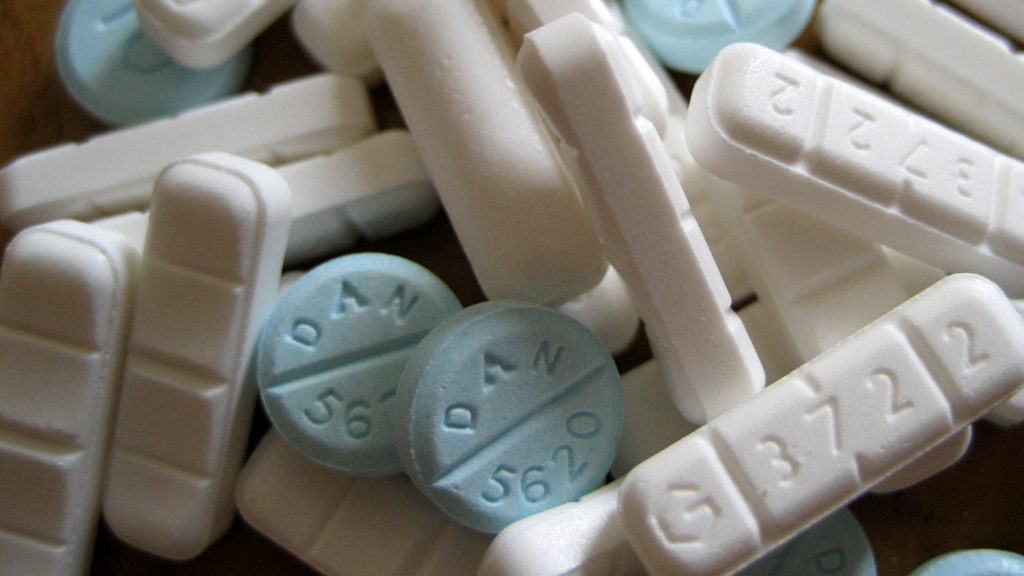
Instead, benzodiazepines are better viewed as part of an ongoing problem of drug abuse and addiction that primarily occurs outside of medical care. They are a factor in many drug overdoses, partly because of increasing rates of counterfeit Xanax and Valium being contaminated with illicit fentanyl, and because overdose rates increase when benzodiazepines are combined with opioids or alcohol.

Until recently, benzodiazepines were commonly co-prescribed with opioids to chronic pain patients, a practice that is now strongly discouraged by regulators and insurers.

There are indeed risks with benzodiazepines, including not only sedation and somnolence, but also cognitive effects and worsening of psychiatric symptoms. Moreover, chronic benzodiazepine use can lead to physiologic dependence independent of any abuse or addiction, and this dependence can make tapering off benzodiazepines difficult. Benzodiazepine withdrawal syndrome is sufficiently important to merit extensive treatment in the online guide known as the Ashton Manual.

But there are also benefits in using these drugs, even for long-term therapy. For instance, REM sleep behavior disorder is a sleep disorder in which people act out vivid, unpleasant dreams with violent arm and leg movements, often harming themselves or bed partners in the process. The benzodiazepine clonazepam (Klonopin) is the traditional choice for treatment for that. 

Stiff person syndrome is a rare neurological disorder involving intense muscle spasms in the limbs and trunk. The benzodiazepine diazepam (Valium) helps reduce those muscle spasms and stiffness.

There are also intriguing novel uses for benzodiazepines as well. Some researchers are investigating low-dose benzodiazepine therapy for people with treatment-resistant obsessive-compulsive disorder (OCD). This is not the cuddly version of OCD seen in TV shows like “Monk” but crippling dysfunction that renders a person incapable of leaving their bed for days at a stretch.

Benzodiazepines need careful consideration, but not a hyped crisis. In a reference to the opioid crisis, NIDA director Nora Volkow, MD, told Opioid Watch: “As always, science should be the driver of smart policies designed to reverse the course of this crisis.”

The same wisdom should be applied to all medications.

Roger Chriss lives with Ehlers Danlos syndrome and is a proud member of the Ehlers-Danlos Society. Roger is a technical consultant in Washington state, where he specializes in mathematics and research.

The information in this column should not be considered as professional medical advice, diagnosis or treatment. It is for informational purposes only and represents the author’s opinions alone. It does not inherently express or reflect the views, opinions and/or positions of Pain News Network.

Patients at Ohio Hospital Have Surgery Without Opioids

By Pat Anson, PNN Editor

Would you want to go through a major surgery without the use of opioid pain medication?

Patients at an Ohio hospital are getting acetaminophen, gabapentin and nonsteroidal anti-inflammatory drugs (NSAIDs) to manage their pain before and after colorectal operations – and their surgeons say the treatment results in better patient outcomes.

“Over 75 percent of our elective colorectal patients underwent surgery without requiring narcotic analgesics postoperatively, including after discharge,” says Sophia Horattas, MD, of Cleveland Clinic Akron General Hospital.  “During this time period our patient satisfaction scores improved as well as patients' perceptions of pain control.”

All eight general surgeons at Akron General adopted the non-opioid treatment protocol in 2016, applying it to patients who had elective colon operations. Prior to surgery, the patients were all educated about pain management, non-opioid analgesics, and the risks associated with opioids.

Researchers evaluated 155 of the patients and presented their findings this week at the American College of Surgeons Clinical Congress in Boston.

Overall, 83 percent (128) of the patients did not need opioid medication after their operations. Among those who did, use of opioids before surgery was often an indicator that they would want them again. Nine of the 15 patients who had prior experience with opioids used them again after surgery.

Among the remaining 140 patients who did not use opioids before surgery, 85 percent (119) did not need opioid medication for pain relief.

The researchers found that patients who used opioid painkillers typically spent more time in the hospital; an average of 2.7 days vs. 2.3 days for the non-narcotic group.

“Patient education played a large role in protocol compliance, and patient satisfaction improved as they were able to avoid prolonged fasting, achieve improved pain control without the side effects of narcotic analgesia, and be discharged home earlier,” said Horrattas.

For pre-emptive analgesia before surgery, patients received one dose of acetaminophen, gabapentin, and the NSAID celecoxib (Celebrex).  In the operating room, patients received a nerve block and underwent anesthesia with the non-opioid pain relievers ketamine and lidocaine.   

Surgeons at Akron General have since adopted the non-opioid protocol for other major abdominal operations, such as bariatric procedures, gynecological and genital/urinary tract procedures, and liver and gall bladder operations.

“One of the great things about our protocol is its reproducibility.  Once we developed our program, we found that it could be standardized across departments with consistently reproducible results,” said Horattas.

Akron General’s protocol is similar to guidelines adopted by the American Pain Society (APS) for postoperative pain care. The APS also encourages the use of non-opioid medications such as acetaminophen, NSAIDs, gabapentin (Neurotin) and pregabalin (Lyrica).  

Akron General gets below average ratings for patient satisifaction from Hospital Compare, a Medicare survey that asks patients about their experiences during a recent hospital stay. The hospital received only two of a possible five stars, which places it in the bottom third of hospitals nationwide. Only 68% of Akron General’s patients said they would definitely recommend the hospital.

According to Healthgrades, 3 percent of the patients died after a colorectal surgery at Akron General, which is slightly below the national average for that procedure.

Opioid Addiction Rare After Surgery

In recent years, many hospitals have shifted away from routinely giving patients opioids during and after major surgeries -- even though it is rare for patients to become chronic opioid users.

A large Canadian study found that only 0.4% of elderly patients that were prescribed opioids while recovering from a heart, lung, colon, prostate or hysterectomy operation were still using them a year after their surgeries.

Another large study published this year in the British Medical Journal found similar results. Only 0.2% of patients who were prescribed opioids for post-surgical pain were later diagnosed with opioid dependence, abuse or a non-fatal overdose.

Long-term opioid use after dental surgeries is also rare. A recent study published in JAMA found that only 1.3% of teens and young adults who were given opioids after wisdom teeth removal were still being prescribed opioids months after their initial prescription.

The vast majority of patients still prefer opioids and perceive them as the most effective form of pain relief after surgery. In a recent survey of over 500 adults who were scheduled to have surgery, researchers at Thomas Jefferson University Hospital in Philadelphia found that 77% expected opioids, 37% expected acetaminophen, and 18% expected a NSAID for pain relief.

"Patients often assume they will receive opioids for pain, believing they are superior, and therefore may pressure physicians to prescribe them after surgery," said lead author Nirmal Shah, DO, an anesthesia resident at Thomas Jefferson University Hospital.

"But research shows opioids often aren't necessarily more effective. Clearly, we need to provide more education to bridge that gap and help patients understand that there are many options for pain relief after surgery, including other pain medications such as acetaminophen and ibuprofen."

Childhood Abuse Raises Lupus Risk for Adult Women

By Pat Anson, PNN Editor

Women who experienced physical or emotional abuse as children have a significantly higher risk of developing lupus as adults, according to new research presented at the annual meeting of the American College of Rheumatology.

Systemic lupus erythematosus (SLE) is a chronic autoimmune disease that causes inflammation in multiple organs. Most patients have times when the disease is active, followed by times when the disease is mostly quiet and in remission. Lupus is far more common in women than men.

In prior work, exposure to stress and stress-related disorders, notably post-traumatic stress disorder, has been associated with increased risk of subsequently developing autoimmune diseases, including lupus,” said lead author Candace Feldman, MD, an Assistant Professor at Brigham and Women’s Hospital/Harvard Medical School.

“Exposure to adverse childhood experiences has specifically been associated with higher levels of inflammation, as well as with changes in immune function.”

To identify what kind of childhood trauma raises the risk of lupus, Feldman and her colleagues looked at health data for over 67,000 women participating in the Nurses’ Health Study II, an ongoing study of female nurses that began in 1989. There were 93 diagnosed cases of lupus among the women.

In detailed questionnaires, the women were asked whether and how often as children they experienced physical abuse from a family member, or yelling, screaming or insulting remarks from a family member. The women were also asked to recall incidents of sexual abuse by either adults or older children.

Researchers found that physical and emotional abuse were associated with a more than twofold greater risk of developing lupus. But the data did not reveal a statistically significant association between sexual abuse and lupus risk.

The study’s findings suggest that the effects of exposure to physical and emotional abuse during childhood may be more far-reaching than previously appreciated,” said Feldman. “The strong association observed between childhood abuse and lupus risk suggests the need for further research to understand biological and behavioral changes triggered by stress combined with other environmental exposures. In addition, physicians should consider screening their patients for experiences of childhood abuse and trauma.”

This is not the first study to find an association between childhood trauma and chronic illness in adults. A recent study of 265 adults in New York City found that those who experienced more adversity or trauma as children were more likely to have mood or sleep problems as adults -- which in turn made them more likely to have physical pain.

Another study found that children who witness domestic violence between their parents are significantly more likely to experience migraine headaches as adults. A large survey also found that nearly two-thirds of adults who suffer from migraines experienced emotional abuse as children.

Social Media Lowers Depression Risk for Pain Patients

By Pat Anson, PNN Editor

Seniors citizens who have chronic pain are significantly less likely to suffer from depression if they participate in an online social network, according to a new study.

Researchers at the University of Michigan reviewed the results of a 2011 survey of more than 3,400 Medicare patients aged 65 and older, in which respondents were asked about their depression, pain and social participation. About 17% of the seniors used an online social network in the previous month.

Researchers found that seniors who had chronic pain were often depressed, socially isolated and less likely to participate in activities that require face-to-face interaction.

However, online social participation appeared to buffer the impact of pain on depression. Seniors in pain who did not use an online social network were twice as likely to become depressed.

“The results suggest that for those in pain, it may be possible that online social participation can compensate for reduced offline social participation, especially where it pertains to the maintenance of mental health and well-being. This is critical because the onset of pain can often lead to a ‘downward spiral’ of social isolation and depression, resulting in adverse outcomes for the health of older adults,” wrote lead author Shannon Ang, a doctoral candidate at the U-M Department of Sociology and Institute for Social Research.

“Online social participation serves as a way to possibly arrest the development of pain toward depression through this pathway, by ensuring that older adults remain socially connected despite the presence of pain.”

Social media may also preserve cognitive function and psychological well-being in the elderly, researchers said. The findings are significant in an aging society where social isolation and loneliness are key determinants of well-being.

"Our results may be possibly extended to other forms of conditions (e.g., chronic illnesses, functional limitations) that, like pain, also restrict physical activity outside of the home," Ang said.

The survey data did not identify what types of social media – such as Facebook or Twitter – were more effective in warding off depression and social isolation.

The study was published in the Journals of Gerontology.

Pain Researchers Say Let Sleeping Dogs Lie

By Pat Anson, PNN Editor

Most people with chronic pain recognize the importance of good sleeping habits. A night spent tossing and turning can mean a day full of aches and pains.

For that reason, dog lovers are often told they shouldn’t sleep with their pet. One survey of pet owners found that over half said their dogs tend to wake them at least once during the night. Sleeping with a pet can also be unsanitary and lead to behavioral problems.   

"Typically, people who have pain also have a lot of sleep problems, so usually if they ask their healthcare provider about a pet, they're told to get the pet out of the bedroom. But that standard advice can actually be damaging," says Cary Brown, PhD, a Professor of Rehabilitation Medicine at the University of Alberta.

Brown is co-author of a small study, published in the journal of Social Sciences, in which seven chronic pain patients who slept with their dogs were asked about their pets’ impact on their sleep. Brown said the response was "overwhelmingly positive."

"They liked the physical contact with their dogs—cuddling before bed, and how it distracted them from feeling anxious about being alone at night. They felt more relaxed and safer, so they weren't anxious as they were trying to sleep," said Brown.

"A sense of relaxation and caring are emotions that release positive hormones in our bodies that will help us sleep better."

Having our pets sleep with us can also help ward off loneliness. A dog can take on a significant role for the chronically ill when friends drift away and social circles shrink.

“I’ve got my buddy and I’ve got my companion hanging out with me and I don’t get that loneliness,” one patient said.

“I always have got somebody to cuddle and make me feel loved when I am lonely and in pain and when I am trying to sleep,” said another.

Researchers say doctors need to have deeper conversations with their patients before suggesting that a pet sleep somewhere else.

"When you ask people to remove an animal they are in the habit of co-sleeping with, it could have consequences the health-care provider hasn't considered," Brown said. "For some people with chronic pain, their relationship with their pet could be the only one they have and the comfort that dog or cat produces would be lost."

For some patients, it’s also a reciprocal relationship. They try to help their dogs sleep and comfort them when they have pain.

“She [the dog] has days when she experiences lots of pain, I make myself get down on the floor at her level …. I will sit with her and talk with her and very softly, very calmly, I make a point of massaging her ever so gently,” one woman said. “I find this brings down her heart rate, she’s not in pain, the pain is starting to go down. I can physically see the changes in her and eventually she nods off to sleep.”

Although dogs have been living with people for thousands of years – and often sleeping with them – surprisingly little is known about the emotional and physical benefits of sharing a bed.

“This small study shines a light on this important and yet neglected area of research. It reveals that for these participants their dog appears to enhance their sleep in many ways. Further research is warranted to explore more fully the ways in which pet dogs influence sleep for people with chronic pain,” said Brown.

Should Roseanne Have Died From an Opioid Overdose?

By Pat Anson, PNN Editor

Roseanne Barr is the latest victim of America's opioid crisis. Or to be more precise, Roseanne Conner is.

The fictional matriarch of ABC’s cancelled “Roseanne” show was killed off in the opening episode of “The Conners” Tuesday night, with her family struggling to come to terms with her death. What was initially thought to be a fatal heart attack turns out to be an accidental overdose of prescription opioids.

TV audiences had last seen Roseanne Conner hiding her addiction to opioid painkillers while waiting for long-delayed and costly knee surgery. But that storyline ended when Roseanne Barr was fired by ABC for a racist tweet and the network had to come up with a way to explain her absence.

“We firmly decided against anything cowardly or far-fetched, anything that would make the fierce matriarch of the Conners seem pathetic or debased,” Executive Producer Bruce Helford explained in The Hollywood Reporter.

“I wanted a respectful sendoff for her, too: one that was relevant and could inspire discussion for the greater good about the American working class, whose authentic problems are often ignored by broadcast television.”

ABC

"I AIN'T DEAD BITCHES," Barr tweeted after watching the show. She followed up with a longer joint statement with her spiritual advisor, Rabbi Shmuley Boteach.

“We regret that ABC chose to cancel 'Roseanne' by killing off the Roseanne Conner character,” the statement said. "That it was done through an opioid overdose lent an unnecessary grim and morbid dimension to an otherwise happy family show.”

It was also a bit of a cliché. The popular perception that most opioid overdoses are due to prescription painkillers is now largely a myth.  According to the Centers for Disease Control and Prevention, nearly 49,000 Americans died from opioid overdoses in 2017, but over half of them were due to illicit fentanyl and heroin, not prescription opioids.

A more accurate way to depict Roseanne’s death would have been through an overdose of heroin or counterfeit painkillers laced with fentanyl. That’s how thousands of Americans are dying. Roseanne Conner could have even been driven to suicide by untreated pain. Imagine what an eye-opening show that would have been.

Instead, the Conner family discovers that Roseanne was hiding painkillers all over the house and sharing them with a group of friends, all of them struggling with pain and addiction. The show makes it appear like opioid medication is easy to obtain, something real pain patients know is no longer true.

The only thing missing from the hackneyed script was someone saying, “If only Roseanne had tried yoga and taken Tylenol, she’d still be alive!”

Executive producer Bruce Rasmussen told Variety last week they thought carefully about how to end Roseanne's character. "You don't want to be flip about how you do this," said Rasmussen.

But that’s exactly how it came across to some PNN readers.

“The media can't seem to get the other side of the story out, nor can they print the truth about exactly how many deaths are the result of PRESCRIPTION opiates,” wrote Stephen Johnston.  “Now millions of folks will be watching as more gas is poured onto the fire. That same fire that's burning up what's left of people like myself and millions of others for whom opiate pain medications are the only relief from whatever traumatic accident or terrible malady has befallen them.”

“It was bad enough when they made pain meds a focus of the rebooted show when the first episode of the show's return aired. Now we have the added stigma, as intractable pain people, of them choosing to have Roseanne die from opioid misuse,” said Jack.

“Don't give the writers, actors, producer, the network hacks, etc., anything that isn't OTC when they have occasion to need pain relief — chronic or acute. Tylenol 3's would be much too generous, as many of us don't even get those.”

You can watch the first episode of “The Conners” by clicking here.

UK and Canada Legalizing Cannabis

By Pat Anson, PNN Editor

There’s a lot of hype this week about Canada becoming the second and largest country to legalize recreational marijuana. The first was Uruguay.

But the bigger news for the pain community may be in the United Kingdom, which has some of the strictest marijuana laws in Europe. Home Secretary Sajid Javid made a surprise announcement last week that medical cannabis products would be rescheduled on November 1 and become available by prescription to treat chronic pain, epilepsy and chemotherapy-induced nausea.

Javid agreed to review the scheduling of medical cannabis in June, after a public outcry over the seizure of CBD oil flown into Heathrow Airport for a 12-year old boy who has epilepsy. Although the oil primarily contained cannabidiol – the non-psychoactive ingredient in marijuana – it was still technically illegal under UK drug laws.

“I stressed the importance of acting swiftly to ensure that where medically appropriate, these products could be available to be prescribed to patients,” Javid said in a statement.

“I have been clear that this should be achieved at the earliest opportunity whilst ensuring that the appropriate safeguards were in place to minimise the risks of misuse and diversion.”

Javid was also clear he has no intention of supporting the legalization of recreational marijuana in the UK. Smoking cannabis in any form will also remain illegal. Even so, it was a big step forward for marijuana supporters..  

“This is a major victory for our campaign and will mean a lot of people will have a much better quality of life,” Clark French, a multiple sclerosis patient and cannabis activist, told Leafly.

“It does look that this could be the most open, accessible medical cannabis policy in Europe, if they get it right and we keep guiding them in the right directions,” said Jon Liebling of United Patients Alliance, a medical marijuana advocacy group.    

The rollout of CBD-based medicines in the UK will go slowly. It could take up to a year before the National Health Service comes up with guidelines to govern the distribution of CBD-based products. Initially, only medical specialists will be allowed to prescribe cannabis, although the guidelines are expected to eventually include general practitioners.

Activists are urging the Home Office to allow medical cannabis for all patients, not just those with pain, epilepsy or nausea.

“We do believe that everybody should have access,” said Liebling. "When you're talking about cannabis as a medicine, you really do have to compare the risks associated with cannabis that we're aware of versus the risks of those drugs that patients are already taking.” 

Legalization Worries Canadian Medical Association

Medical cannabis has been legal in Canada since 2001 and about 330,000 Canadians are registered and already have access to it.  But some health officials are less than enthused about the October 17 legalization of recreational cannabis.

"Given the known and unknown health hazards of cannabis, any increase in use of recreational cannabis after legalization, whether by adults or youth, should be viewed as a failure of this legislation," wrote Dr. Diane Kelsall, interim Editor-in-Chief, in an editorial in the Canadian Medical Association Journal.

Kelsall points to the stampede of Canadian and American companies looking to get into the cannabis industry and predicts many will brazenly advertise their products to young people.

“Cannabis companies may initially focus on attracting current consumers from black-market sources, but eventually, to maintain or increase profits, new markets will be developed as is consistent with the usual behaviour of a for-profit company. Marketing efforts may include encouraging current users to increase their use or enticing a younger demographic. The track record for tobacco producers has not been encouraging in this regard, and it is unlikely that cannabis producers will behave differently,” Kelsall warned.

Kelsall said the Canadian government needs to carefully track cannabis use and should have the courage to amend the law if problems arise.