Major Study Underway for New Fibromyalgia Drug

By Pat Anson, Editor

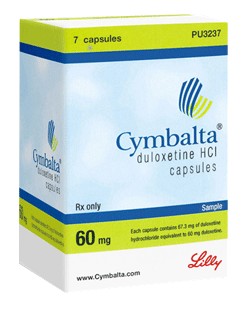
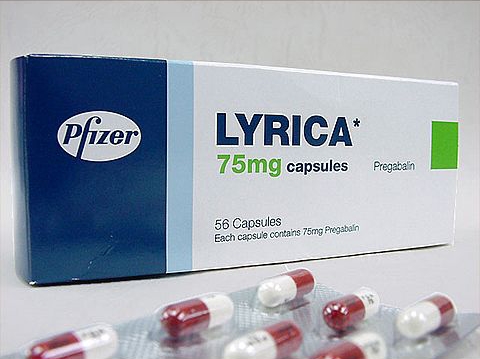
Lyrica, Cymbalta, and Savella -- the only drugs approved by the U.S. Food and Drug Administration to treat fibromyalgia -- may be getting some competition.

A Japanese drug company, Daiichi Sankyo, is conducting clinical trials on mirogabalin, a new drug that could finally give fibromyalgia sufferers an alternative to the three approved medications -- which often don’t work or have too many side effects.

Daiichi Sankyo is currently enrolling patients in the “ALDAY” study, a large Phase III clinical trial evaluating the safety and efficacy of mirogabalin in treating pain from fibromyalgia. About 4,000 patients will be studied at 800 clinical centers in 40 different countries.

“We need men and women, 18 and older, who have been suffering from fibromyalgia pain for the last 3 months to participate in the ALDAY research study. If you qualify, you will be seen by a study doctor and receive all study-related medications at no cost. Compensation for study-related time and travel may also be available,” the company says on a website promoting the study.

A unique aspect of the ALDAY study is that it pits mirogabalin head to head against Lyrica (pregabalin), the top-selling fibromyalgia medication.  Both drugs bind to calcium channels that are believed to cause neuropathic pain. An earlier Phase II study suggested that mirogabalin may be 17 times more effective than Lyrica, although some critics questioned whether the design of the study was fair.

Advanced trials are also underway in Asia evaluating mirogabalin in the treatment of pain from diabetic peripheral neuralgia and postherpetic neuralgia (shingles).

“Pain associated with the neurologic conditions of diabetic peripheral neuropathic pain, postherpetic neuralgia and fibromyalgia can be debilitating,” said Lesley Arnold, MD, Professor of Psychiatry and Behavioral Neuroscience and Director of the Women’s Health Research Program, University of Cincinnati and lead investigator of the ALDAY program. “New treatment options are needed to help people living with these neurologic conditions relieve and manage their chronic pain and hopefully, improve their function and quality of life.”

The National Institutes of Health estimates that 5 million Americans suffer from fibromyalgia, a poorly understood disorder characterized by deep tissue pain, fatigue, headaches, depression, mood swings, and insomnia. There is no known cure and the disorder is difficult to treat.

Many fibromyalgia sufferers have complained that Lyrica, Cymbalta and Savella – which were originally developed to treat other disorders like epilepsy, anxiety, and depression – are ineffective for fibromyalgia.

“There are far too many off-label prescriptions written. These two classifications, anti-seizure and antidepressant, are frequently prescribed for pain on and off label. They come with far more side effects than opioids, but physicians feel, (and) are told, they are doing the right thing, when we are lacking statistics on after-market deaths associated with them,” said Celeste Cooper, a retired nurse, fibromyalgia sufferer and patient advocate.

“They completely reorder the brain and it is my opinion that these drugs should only be prescribed by physicians who specialize in brain chemistry (psychiatrist and neurologist) and know what interactions and side effects to alert patients, which is not being done currently.”

Dozens of patients wrote to Pain News Network with complaints of side effects from Lyrica and Cymbalta after a recent story about lawsuits involving the drugs.

“I took Cymbalta for a while. It didn't stop the pain of fibromyalgia, it just put 30 lbs. on me. I had my doctor wean me off. I got horrible Brain Zaps for a long time and felt terrible. Never take Cymbalta!” wrote Carol Fruzzetti.

“When I was on Lyrica I was literally walking into walls in my house or holding onto the wall for fear I was going to pass out I would get so dizzy. It made me feel like I was drunk all the time. I did not drive for fear I would kill myself or someone else. I will never take this drug again,” wrote Lana Straten.

Lyrica is one of Pfizer’s top selling drugs, generating $5.1 billion in revenue in 2014.  

Cymbalta generated annual sales of $5 billion for Eli Lilly until its patent expired in 2013 and cheaper generic versions of Doluxetine became available.

Savella generated sales of “only” $105 million for Forest Laboratories in 2013.

Pain Patients Should Come First

By Janice Reynolds, Guest Columnist

In the media, the persistent pain patient should always come first -- before the stories of addiction, overdoses and the inferences of poorly done studies linking the two with pain treatment. 

Most important is the professional relationship between provider and pain patient.  There needs to be therapeutic discussion between the two as to the nature of the pain, how it affects the person’s life, as well as what’s been tried and worked, and what has not worked. The goal should be a multimodal pain plan which works for the patient as well as being affordable.

The risk of addiction should be a concern, but not at the forefront.  Those seeing addiction as an “epidemic” linked with pain management have no valid research on which to base their concerns, only the media and addiction specialist hysteria. 

Unfortunately, many professionals as well as the general public are not only influenced by the media but learn from it as well. The yellow press of today is comprised of articles full of lies, half-truths, and prejudice.  This behavior is seen in professional articles as well.  Many times the basis for an article is some piece of research which is interpreted by the authors to conform to their point of view.

Not all research gives us proof or even a good indication of the truth.  Some studies are flawed and others are inherently bad.  An example of this is the CDC’s opioid overdose study, which is often cited to make the claim that over 16,000 American die every year from opioid overdoses. 

The CDC study is based on a review of death certificates and didn’t sort out legitimate opioid prescriptions, illegal use of opioids, suicide, deaths caused by alcohol or other medications, or even if the death was truly from opioids and not from some other disease process. Did the patient die from lung cancer or opioid toxicity?  Sometimes the latter is entered as the cause of death when it is not the case.  

Unfortunately this study is quoted by many.  If you say a tale often enough, it becomes a version of the truth.

Many times reporters get their information from questionable sources.  Their experts are frequently addiction doctors and occasionally others who are experts in their own minds.  Someone who is expert in pain management is seldom interviewed or quoted and when they are, their message is greatly outweighed by the others or taken out of context.  Selectively presenting “expert” testimony is at best a half truth. 

Reporters need to learn how to read and understand studies, especially if they are going to quote them. In order to know how valid a study is, the size, method, and strength of evidence all needs to be evaluated as well as any weaknesses.  Is this ever done by the media?

There are many fictions. Sometimes pharmaceutical companies are charged with trying to increase their sales by marketing pain medication.  One article said the Institute of Medicine’s report on chronic pain was influenced by the pharmaceutical companies. Another article claimed “our pain was greatly exaggerated” and severe pain really not that common. An article even stated hydromorphone was a long acting form of morphine, an outright untruth but never corrected. There are way too many fabrications to repeat.

One of the biggest challenges for people with persistent pain is the linking of addiction with treatment for pain. Not only the media does it, but even medical organizations geared towards pain such as PainWeek do it.  Yet a Cochrane Review on the available research shows only 4 to 5 percent of people taking opioids for pain become addicted, much less than the 17% in the general population who have addictive personalities. 

I realize there is an irrational fear of addiction (e.g. as a nurse, it was not unusual to have family members of a dying patient worried the patient would become addicted!), but the media should be educating more about pain, pain management, and the true reality of addiction rather than the dangers of addiction and the so-called “epidemic.”

In 1968 Margo McCaffery wrote, “Pain is what the person says it is, existing when he says it does.”  She was heavily ridiculed at the time.  Where Margo once said she would rather be fooled by ten people than let even one person suffer with pain, so many now would rather have 1,000 people suffer with pain than let one person fool them. 

In so many places now, the quality of pain care is measured by the number of prescriptions for opioids written (less is better). Compassion is a forgotten term. I heard a physician recently say only patients dying with cancer should be allowed opioids.

We need to see more accountability by providers and the media for understanding pain, learning about persistent pain syndromes, and about interventions both pharmaceutical and non-pharmaceutical.  There has to be education that not all interventions work the same for everyone; some work better, others may not work at all.

They need to learn if an intervention is affordable or doable. Some medications and many non-pharmacological interventions are not covered by insurance or covered minimally (6 physical therapy treatments a year won’t cut it), making effective therapies too expensive to pay out of pocket. 

Providers continue to get minimal education on persistent pain and treatment options in school.  But when it comes to continuing education they are required to get education on Risk Evaluation and Mitigation Strategies (REMS) for opioids, as well as identifying the addict, yet little about pain treatment.  This lack of edification hinders providers’ ability to care for patients and makes the provider more susceptible to the myths related to addiction.

Providers and the media need to realize the person with persistent pain “owns” their pain. They alone know what it is like, how severe it is, what it prevents them from doing, and most importantly, what works for them and what doesn’t. 

Ethics demand that persistent pain be treated. It is a human right.

Janice Reynolds is a retired nurse who specialized in pain management, oncology, and palliative care. She has lectured across the country at medical conferences on different aspects of pain and pain management, and is co-author of several articles in peer reviewed journals. 

Janice has lived with persistent post craniotomy pain since 2009.  She is active with The Pain Community and writes several blogs for them, including a regular one on cooking with pain. 

The information in this column should not be considered as professional medical advice, diagnosis or treatment. It is for informational purposes only and represents the author’s opinions alone. It does not inherently express or reflect the views, opinions and/or positions of Pain News Network.

CDC Reports on Opioids Appear Biased

By Lynn Webster, MD, Guest Columnist

Like most people, I respect the opinion of the Centers for Disease Control and Prevention (CDC). It is our first and last line of defense against everything from chronic disease to full-fledged pandemics. That said, I am perplexed why the CDC would sound an alarm, while at the same time acknowledging that the fire doesn’t actually exist.

That’s more or less what the CDC did in a report finding that approximately a quarter of privately insured and a third of Medicaid-enrolled women of reproductive age (15-44 years) filled a prescription for an opioid each year from 2008 to 2012. The report went on to say that the trend of opioid prescriptions among childbearing women places unborn children at risk for birth defects. On this point, the report does not address how many of the women actually became pregnant and otherwise has a glaring absence of empirical data to support its claims.

If you are a clinician or scientist, the CDC report appears incomplete and biased against people in pain. If you are a patient or consumer of the news, the report is alarming. Neither of these outcomes advances medicine, nor do they help people who abuse prescription medication or those who experience chronic pain.

Without question, opioids must be replaced as a primary method of pain treatment in favor of safer and more effective therapies. It is clear that in many instances, the risks of opioid therapy far outweigh the benefits. However, many patients with pain have no other options, so until patients have access to effective alternatives, this type of reporting is counterproductive.

Because the report does not clarify the actual risks, nor compare them with the risks of continued pain in the absence of treatment, the CDC wades into dangerous territory of conjecture. Moreover, an overreliance on retrospective observational studies makes it difficult to evaluate the true impact of opioid use on the incidence of birth defects or whether other factors, such as the mother’s health status and co-occurring tobacco or alcohol use, were greater contributors. Although neonatal abstinence syndrome can definitely be traced to opioid use, the CDC investigators did not examine why the majority of infants born to opioid-consuming mothers do not develop it.

In addition to fuzzy reporting of the science, ethical issues are apparent in considering all women of childbearing age as fundamentally “prepregnant” when it comes to clinical decision making regarding opioid analgesia. These concerns were well delineated by Kristen Gwynne in an online article at RH Reality Check. Clinicians must always weigh potential benefits against potential harm before prescribing opioid therapy. But this has always been true of opioids and all medications, including nonsteroidal anti-inflammatory drugs, antidepressants and anticonvulsants.

The result of incomplete reporting could be the withholding of opioids from people based on gender and age, regardless of pregnancy status, even when strong pain-killing medications are indicated or when safer alternatives are not available. In fact, according to the American Congress of Obstetricians and Gynecologists, “Abrupt discontinuation of opioids in an opioid-dependent pregnant woman can result in preterm labor, fetal distress, or fetal demise.”

To be viable, alternatives to opioids must be effective and be covered by public and private insurance payers. Commentators who suggest opioids should not be prescribed often fail to present this important perspective and also imply that harm from opioids is inevitable, an error that contributes to the stigma and isolation felt by those whose lives would be crippled without their legally prescribed medications.

And yet, slanted reporting continues. In February, another CDC report appeared, endorsing scientifically vague opioid classifications of “stronger vs. weaker” than morphine. In analyzing the February report, June Dahl, PhD, properly pointed out the error in failing to consider the differing pharmacologic factors, mechanisms of action, formulations and the clinical relevance of relative effectiveness when comparing the medications.

Given the concerns with accuracy of scientific reporting, is it reasonable to increase federal funding to the CDC to battle prescription opioid abuse, as requested? Only with an understanding of the real reasons for the current opioid problem can we solve the problem. Perhaps more dollars should instead go to the National Institutes of Health, which is in desperate need of more funding for pain research and to develop safer alternatives to opioids.

Regardless, solutions cannot succeed in the absence of recognition that uncontrolled chronic pain is a major public health problem, worthy of focus similar to efforts to battle cancer, HIV/AIDS and other life-threatening diseases. Education of clinicians is good but cannot create treatment options or adequate insurance coverage where none exist. CDC officials and others must think about the problem differently and with less prejudice against people with chronic pain. Often the focus is on cutting supply alone; but in reality, this is difficult to accomplish without harming people with genuine pain when the payor system does not adequately cover evidence-based alternative therapies, including multidisciplinary integrative programs.

Instead payors, particularly government programs such as the Centers for Medicare & Medicaid Services and workers’ compensation, prefer the less costly opioid methadone, associated with more fatalities per prescription than any other.

Although a majority of opioid-prescribed patients do not abuse or become addicted, it is undoubtedly true that some people have contraindications for long-term prescribed opioids. These are potentially dangerous medications, which can be fatal. But effective solutions require a multifaceted approach and cannot ignore the needs of people in pain. Opioids formulated with abuse deterrents are needed as is greater funding and less stigmatization of people with the disease of addiction. Certainly, payors should cover safer and more effective therapies.

As I’ve said before, I hope opioids will one day not be needed, and commentaries like this one will be unnecessary. If the public health problem from opioids is too great, then it is the purview of the CDC to report on access to safer and more effective therapies in the interest of the other great public health problem: chronic pain. It is not an option to deny people in pain access to opioids if alternatives are nonexistent or unavailable.

Lynn Webster, MD, is Past President of the American Academy of Pain Medicine, and vice president of scientific affairs at PRA Health Sciences. He is a Pain Medicine News editorial board member and author of a forthcoming book, “The Painful Truth.”

This column is republished with permission from Pain Medicine News.

You can follow Dr. Webster on his blog, and on Twitter @LynnRWebsterMD, Facebook and LinkedIn.

The information in this column should not be considered as professional medical advice, diagnosis or treatment. It is for informational purposes only and represent the author’s opinions alone. It does not inherently express or reflect the views, opinions and/or positions of Pain News Network.

Study: Opioid Overdoses Occur Even at Low Doses

By Pat Anson, Editor

Overdoses from opioid painkillers occur frequently in people who are taking relatively small doses over a short period of time, according to a new study that has some experts calling for more restrictions on opioid prescribing.

Researchers at the University of Washington School of Public Health analyzed Medicaid data on over 2,200 opioid overdoses in Washington State between 2006 and 2010 – and found that many patients didn’t fit the usual profile of a long term opioid user taking high doses of pain medication.

The study, published in the journal Medical Care, found that less than half of the patients were “chronic users” who had been prescribed opioids for more than 90 days.

Only 17% percent of the overdoses involved patients taking a high morphine-equivalent dose of over 120 mg per day -- what is considered a "yellow flag" in Washington State for possible opioid abuse.

Surprisingly, nearly three out of ten (28%) patients who overdosed were taking a relatively low opioid dose of just 50 mg per day.

Sedatives were involved in nearly half of the overdoses and methadone in about a third of them.

In 2007, Washington State adopted some of the toughest regulations in the country on opioid prescribing -- guidelines that the researchers believe should be even more restrictive.

"It may be prudent to revise guidelines to also address opioid poisonings occurring at relatively low prescribed doses and with acute and intermittent opioid use, in addition to chronic, high-dose use," said lead author Deborah Fulton-Kehoe, PhD, a research scientist in the Department of Environmental and Occupational Health Sciences at the University of Washington School of Public Health in Seattle.

Based on the recommendations of this and other studies, Washington State’s Interagency Guideline on Prescribing Opioids for Pain was recently revised to caution doctors about prescribing opioids at any dose. The new guidelines extend to the treatment of acute pain, not just chronic pain. Physicians are also advised not to continue prescribing opioids to a patient if they don't show “clinically meaningful improvement” in physical function, in addition to pain relief.

While the overdose study focused on only one state, one expert says it has national and even global implications.

“The article notes that many overdoses occur when patients are prescribed medications at low doses. This has important implications for national policy and debate,” said  Dr. Jeroan Allison of University of Massachusetts Medical School, who is co-editor-in-chief of Medical Care. "The statistics are quite overwhelming and dramatic, and this problem affects every state in our nation."

According to the Centers for Disease Control, over 16,500 deaths in the U.S. were linked to opioid overdoses in 2010.

More recent data suggest that the “epidemic” of painkiller abuse is abating.

Hydrocodone prescriptions fell by 8% last year and it is no longer the most widely prescribed medication in the U.S.

A recent report by a large national health insurer found that total opioid dispensing declined by 19% from 2010 to 2012 and the overdose rate dropped by 20 percent.

According to the National Institutes of Health, only about 5% of patients taking opioids as directed for a year end up with an addiction problem.

Power of Pain: Facing Insurance Challenges

By Barby Ingle, Columnist 

You may have heard about singer Avril Levine’s battle with Lyme disease, a tick-borne illness that left her bedridden for months with debilitating pain and fatigue.

It took a long time for Avril to be diagnosed correctly by doctors. She had to keep researching and advocating for herself before she was finally given proper treatment – a problem faced too often by people with chronic pain and illness.

Sometimes doctors cause these delays, but often insurance companies are responsible.

Americans receive their health care coverage from a variety of sources; through their employers, self-purchased policies, and public programs such as Medicare or the Affordable Care Act.

As the cost of healthcare rises, consumers have seen a significant hike in premiums and out-of-pocket expenses such as deductibles, copayments, and other cost sharing.

Insurance companies are also working to keep their costs down, through policies such as prior authorization, “step therapy” requirements, and specialty tier pricing on medications.

It can be a battle that is time consuming, frustrating, and depressing when an insurance company denies payments for a medication, procedure or medical device. Sometimes the issue is due to a provider entering the wrong code, but most often it is a cost savings issue. Insurance companies can make blanket denials and question whether a certain treatment is appropriate for you. 

What can be done to change this?

Step Therapy and Fail First

We need to abolish the unethical “Step Therapy” or “Fail First” practices by insurance companies – which require a patient to use a different (and usually cheaper) medication than the one prescribed by their physician.

There are patients from all over the United States reporting how they are being forced to switch from one drug to another. This has personally happened to me twice. Both times, I fought the ruling using my medical records and providers support, and the insurance company reversed the decision. However, others are not so lucky. In my case, I had already tried all of the medications that the insurance company was willing to pay for, and I had documented records stating my reaction to each of the medications.  

Usually, a patient can tell immediately whether a medication is working or not, and they should not be forced to stay on drugs that don’t relieve their symptoms. Applying step therapy protocols rigidly to a chronic care patient is not in their best interest and simply creates more challenges.

This practice is especially hard on pain patients who are women, minorities, and economically disadvantaged. Studies have shown these groups are most affected and are either disproportionately undertreated or untreated for pain. We must urge insurers to reduce health disparities in our communities.  

If you are faced with a step therapy situation, what can you do? I would suggest you appeal immediately. If you have already tried that medication, get copies of your providers’ records, and your journal entries, and submit them with your appeal.

You can use a journal to help the provider document how step therapy drugs fail to help or make things worse.  Note when complications and bad side effects occur, and report them to your doctor.

You should also have your provider fill out and submit a Medform 3500 to the Food and Drug Administration when you have a bad reaction to a medication or medical device. Send a copy to your insurance company. That documentation can increase the chances of a successful appeal  favorable to you.

Prior Authorization

There are many insurance plans that require prior authorization for expensive drugs or treatments and they may not provide coverage if you do not get prior approval. Once again, this tactic is used as a cost containment measure. Prior authorization covers the correctness, suitability, and coverage of a service or medication. 

The process differs with each plan, but is supposed to ensure that a patient will receive the appropriate level of care in the appropriate setting. This is actually a technique for minimizing costs, wherein benefits are only paid if the medical care has been pre-approved. It can delay care months to years, and can be life threatening and health deteriorating to the patient in many ways. 

Services that may require prior authorization include hospital admissions, back surgery, hysterectomies, maternity stays longer than 48 hours, observational stays, cosmetic procedures, experimental and investigational procedures, and some outpatient procedures.  

Specialty Tier

Insurance companies have divided medications and treatments into four main insurance tiers, based on type and price. The top and most expensive tier is known as the “specialty tier” or “tier 4 medications.”

Insurance companies classify the most innovative, expensive, and most essential to life medications as specialty tier.  These drugs can cost hundreds to thousands of dollars each month. Patients with chronic illnesses such as arthritis, Reflex Sympathetic Dystrophy, hemophilia, HIV/AIDS,  Crohn’s disease, Hepatitis C, multiple sclerosis, and many forms of cancer need these medications to help them function on a daily basis.  

According to the National Minority Quality Forum, 57 million Americans depend on specialty tier drugs that are often expensive and have no generic form yet available. 

With specialty tier pricing, a patient often pays a co-insurance instead of a co-pay, resulting in an out of pocket cost that can become astronomical. This often happens to patients who are  disabled, need catastrophic care, and have little or no income.

It is difficult to appeal specialty tier pricing decisions, as the medications are classified and a list is available to the insured at the time of coverage or when a medication is released to the market.

Many patients and providers give up when they get the first denial letter from an insurance company, but it’s important to keep fighting. An appeal can show a pattern that other patients with the same condition also need the same treatment. This can lead to an easier situation for other patients down the line, or if you need the procedure repeated.   

Barby Ingle suffers from Reflex Sympathetic Dystrophy (RSD) and endometriosis. Barby is a chronic pain educator, patient advocate, and president of the Power of Pain Foundation. She is also a motivational speaker and best-selling author on pain topics.

More information about Barby can be found at her website.

The information in this column should not be considered as professional medical advice, diagnosis or treatment. It is for informational purposes only and represents the author’s opinions alone. It does not inherently express or reflect the views, opinions and/or positions of Pain News Network.

Study: Drug Abusers Responsible for Painkiller Misuse

By Pat Anson, Editor

A new analysis of a federal health survey has confirmed what many pain patients have been saying all along – that drug abusers, not patients, are largely responsible for the so-called epidemic of prescription painkiller abuse.

Researchers at the University of Georgia analyzed data from the 2011-2012 National Survey on Drug Use and Health. Over 13,000 Americans aged 12 and older were asked about their use of prescription drugs, illegal drugs, tobacco, and alcohol.

Less than 5% of those surveyed reported they had used a pain medication not prescribed for them or that they took it only for the "high" feeling it caused.

A further analysis of those abusers found that marijuana, cocaine or heroin use within the past year was the “only consistent predictor” of pain reliever misuse among all age groups.

"Male or female, black or white, rich or poor, the singular thing we found was that if they were an illicit drug user, they also had many, many times higher odds of misusing prescription pain relievers," said lead author Orion Mowbray, an assistant professor in the School of Social Work and the University of Georgia.

The findings are published in the journal Addictive Behaviors.

Asked where they obtained painkillers, the vast majority of the abusers said they did not get the drugs through a legitimate prescription, but had stolen them, acquired them from friends or relatives, bought them from a drug dealer, or used a fake prescription.

"If we know how people come to possess the pain relievers they misuse, we can design better ways to lower that likelihood," said Mowbray. "This study gives us the knowledge we need to substantially reduce the opportunities for misuse."

Adults aged 50 and older were more likely to acquire pain relievers through more than one doctor, although the rate of misuse in that age group was the lowest (1.7%).

People between the ages of 18 and 25 were most likely to misuse painkillers (10.2%) and more likely to get them from a friend, relative or drug dealer.

The study calls for greater coordination between medical care providers to reduce the possibility of over-prescription of painkillers, and for improving the communication between doctors, patients and the public.

"Doctors may conduct higher quality conversations with older patients about the consequences of drug use before they make any prescription decisions, while families and friends should know about the substantial health risks before they supply a young person with a prescription pain reliever," said Mowbray.

According to the Centers for Disease Control, over 16,500 deaths in the U.S. were linked to opioid overdoses in 2010.

More recent data suggest that the “epidemic” of painkiller abuse is abating.

Hydrocodone prescriptions fell by 8% last year and it is no longer the most widely prescribed medication in the U.S.

A recent report by a large national health insurer found that total opioid dispensing declined by 19% from 2010 to 2012 and the overdose rate dropped by 20 percent.

According to the National Institutes of Health, only about 5% of patients taking opioids as directed for a year end up with an addiction problem.

Is Cinnamon a Safer Pain Reliever?

By Pat Anson, Editor

A new warning from the U.S. Food and Drug Administration about the risk of serious side effects from non-steroidal anti-inflammatory drugs (NSAIDs) may have you thinking about finding safer, more natural pain relievers.

The idea isn’t new by any means – about 2,400 years ago the Greek physician Hippocrates was writing about the use of willow bark to ease aches and pains. Other natural remedies used for centuries to relieve pain and reduce inflammation include St. John’s Wort, ginger, ginseng, turmeric, and cinnamon.

Cinnamon, in fact, was recently found to be nearly as effective as the NSAID ibuprofen in relieving pain from menstrual cramps (dysmenorrhea).

The results of a small double-blind clinical trial, published in the Journal of Clinical and Diagnostic Research, evaluated the effects of cinnamon, ibuprofen and a placebo in 114 Iranian female college students. The women were broken up into groups of three; and given either 420 mg of Cinnamon Zeylanicum, 400 mg of ibuprofen or a starch placebo during the first 72 hours of their menstrual cycle.

Eight hours after treatment, researchers found that pain severity in the cinnamon group was significantly less than those who took a placebo, while pain severity in the ibuprofen group was less than those who took cinnamon.

Although ibuprofen was found to be the more effective pain reliever, the researchers believe cinnamon may be a better treatment for menstrual cramps because it doesn’t have the side effects of ibuprofen.

The research results suggest that, Cinnamon as compared significantly reduces the severity and duration of pain during menstruation, but this effect is less compared to that of Ibuprofen. Due to the lack of adverse events in this study, Cinnamon can be used as a safe and non-pharmacological treatment for primary dysmenorrheal pain in young girls,” the researchers reported.

Iranian researchers have also found that thyme oil and lavender oil were effective in treating menstruation cramps, according to GreenMedInfo.

Last week, the FDA warned that "everyone may be at risk" from using NSAIDs – and ordered drug makers to strengthen warning labels about the risk of a fatal heart attack or stroke.

The warning applies to Advil, Tylenol, Motrin and other popular pain relievers sold over-the-counter, as well as all prescriptions drugs containing ibuprofen and acetaminophen. Many multi-symptom cold and flu products, such as NyQuil and DayQuil, also contain NSAIDs.

The agency said studies have shown the risk of serious side effects can occur in the first few weeks of using NSAIDs and could increase the longer people use the drugs. The revised warning does not apply to aspirin.

FDA: 'Everyone May Be at Risk' from NSAIDs

By Pat Anson, Editor

Warning that "everyone may be at risk," the U.S. Food and Drug Administration has ordered warning labels for non-steroidal anti-inflammatory drugs(NSAIDs) to be strengthened to indicate they increase the risk of a fatal heart attack or stroke.

The warning applies to ibuprofen, Advil, Motrin and other popular pain relievers sold over-the-counter, as well as prescriptions drugs containing NSAIDs. Many multi-symptom cold and flu products also contain NSAIDs.

The agency said studies have shown the risk of serious side effects can occur in the first few weeks of using NSAIDs and could increase the longer people use the drugs. The revised warning does not apply to aspirin.

“There is no period of use shown to be without risk,” says Judy Racoosin, MD, deputy director of FDA’s Division of Anesthesia, Analgesia, and Addiction Products.

The FDA said people who have a history of heart disease, particularly those who recently had a heart attack or cardiac bypass surgery, are at the greatest risk for a serious cardiovascular event associated with NSAIDs. But the risk is also present for people who don't have heart problems.

“Everyone may be at risk – even people without an underlying risk for cardiovascular disease,” Racoosin said.

NSAIDs are widely used to treat everything from fever and headache to low back pain and arthritis. They are in so many different pain relieving products that health officials believe many consumers may not be aware how often they use NSAIDs. 

“Be careful not to take more than one product that contains an NSAID at a time,” said Karen Mahoney, MD, deputy director of FDA’s Division of Nonprescription Drug Products.

The labels for both prescription and over-the-counter NSAIDs already have information warning of heart attack and stroke risk. In the coming months, FDA will require drug manufacturers to update their labels with more specific information warning that the risk is heightened even in the first few weeks of use.

“Consumers must carefully read the Drug Facts label for all nonprescription drugs. Consumers should carefully consider whether the drug is right for them, and use the medicine only as directed. Take the lowest effective dose for the shortest amount of time possible," Mahoney said.

Several recent studies have found that NSAIDs increase the risk or heart attack and other health problems. The exact cause is unclear, but researchers believe NSAIDs may raise blood pressure and fluid retention, which can affect how the heart functions.  

A 2013 study published in The Lancet warned that high doses of NSAIDs may increase the risk of heart problems by about a third. In a review of over 600 clinical trials involving more than 353,000 patients, researchers found that NSAIDs doubled the risk for heart failure. People on high doses of the drugs also had up to four times greater risk for bleeding ulcers or gastrointestinal problems.

Another large study at the University of Florida in 2014 found that the over-the counter pain reliever naproxen raises the risk of a heart attack, stroke and death in postmenopausal women. Naproxen is a NSAID and the active ingredient in Aleve and other pain relievers commonly used to treat arthritis.

Studying data from over 160,000 postmenopausal women participating in a study funded by the National Institutes of Health, researchers estimated that using naproxen just twice a week raises the risk of cardiovascular problems by about 10 percent. The same study did not find a higher risk of a heart attack, stroke and death associated with ibuprofen, another type of NSAID.

Searching for Medical Marijuana’s ‘Therapeutic Window’

Dr. Mark Ware is one of the world’s leading experts on medical marijuana. Ware is an associate professor in Family Medicine and Anesthesia at McGill University in Montreal and director of clinical research at the Alan Edwards Pain Management Unit at McGill University Health Centre. He practices pain medicine at Montreal General Hospital.

Although medical marijuana is legal throughout Canada, and in 23 U.S. states and the District of Columbia, mainstream medicine still frowns upon its use. Research into the therapeutic benefits of cannabis -- particularly for pain management -- has also been limited.

Pain News Network editor Pat Anson recently spoke with Ware at the annual meeting of the American Pain Society. The interview has been edited for content and clarity.

DR. MARK WARE.

DR. MARK WARE.

Anson: You’ve called medical marijuana an “incredible social experiment.” What do you mean by that? 

Ware: I think what we’re seeing is the lid coming off something that’s been going on for a long time. I think people have been self-experimenting with marijuana for years and years. People have been growing it in their basements and backyards. So there’s been a social experiment with cannabis since the 1960’s in the Western world.

I think the medical aspect of it has kind of followed through with that, because as you get thousands of people using cannabis, eventually somebody with an illness is going to stumble upon it. Lester Grinspoon (a marijuana researcher) reported on this in 1971. So that’s how long we’ve known or suspected the potential medical properties. The fact that the drug has been illegal has suppressed the possibility of there being much in the way of good quality research. So the experiment has been going on underground, out of sight and out of the public eye.

What we’re seeing now is that suddenly we’re able to talk about it. We’re able to look at this seriously. And we’re beginning to realize how much was already going on. So I think it’s an experiment that’s been going on for a long time and we’re beginning to put some parameters around it now, which allow us to track it more carefully. And hopefully it can yield some important results that can help inform the patient and the physician about what to do with this.

Anson: Some doctors have told me they don’t think marijuana will ever go mainstream until big companies like Pfizer and Purdue Pharma start backing marijuana research and doing clinical studies. Would you agree with that?

Ware: I don’t know if I would agree with that. That’s true for new pharmaceutical drugs. If you’re developing a molecule from the lab up, you need Big Pharma to come along and take that and move it to the point where they can do the big clinical trials.

With an herbal medicine, I think you almost don’t want to look at the pharmaceutical model for drug development. It’s more like how we regulate natural health products in Canada. We want good quality cultivation techniques, we want good quality processing, and we want to know what it is that we’re giving to patients.

I think fundamentally what we have to figure out is what we want to know about this drug. What is it that we need to know and how do we go about getting that information?

I think if we wait for Big Pharma to come along it’s going to be a long wait.  They would have been on this long ago if they thought this was important.

It’s a plant based medicine that’s already in our society at some level and we need to recognize the reality that mainstream doesn’t mean mainstream prescription availability. It’s going to mean mainstream figuring out how to put cannabis in a safe place in our society.

Anson: Medical marijuana is so widely available today, it’s like we’re already past the clinical trial phase.

Ware:  Exactly.  And to go back and do the Phase III study now, it’s expensive and would take hundreds of millions of dollars. And that requires knowing whether you’re going to get your money back. Companies invest that money when they know they’ve got a patent and they can make money back on the drug in the ten years after it’s launched. It’s much harder to see that happening with an herbal material like cannabis.

Why invest the money? It’s already available. You can already buy it at the dispensary. So now the question is how do we improve that process? How do we improve the quality of the product? How do we label them so people know what’s in them? How do we provide information to the patients that are buying them? What they should be looking for and what they should be careful about?

And how do we inform the physicians and health professionals who should be managing that whole process or at least informing it? What kinds of patients should be avoiding this? This isn’t for young kids. This isn’t for women who are pregnant. Some of this is obvious, but some of it needs to be specified and mandated.

I don’t think there’s strong enough evidence to start using cannabis in younger people. I think that the risks of cannabis on the developing brain in teenagers is significant enough that, unless there is a very real reason like a younger person with a severe intractable illness, this is a drug that should be held for the 25 and older crowd.

I would caution people who have unstable heart problems against using cannabis. It does increase your heart rate, can open up your blood vessels, and that could precipitate some heart problems.

Anson: What are the pain conditions that you think medical marijuana can be beneficial for?

Ware: I think for sure it’s more likely effective for chronic pain than acute pain. It’s never been reported for acute pain syndromes, but it has been reported for chronic pain.  There are clinical trials now that bear out that chronic neuropathic pain is one of the relieved conditions that it seems to respond to. We’ve seen reports for spinal cord injury, fibromyalgia, and PTSD (post-traumatic stress disorder). Cannabinoids appear to have some signals in some of these conditions.

And then you go beyond that to abdominal pain with Crohn’s disease, diabetic neuropathy, and so on. The list of conditions where it looks like it may work is as long as your arm.  There are individual case reports of cannabis being used on a huge range of conditions.

Anson: What is the most effective delivery system? Everyone thinks of smoking, but there are plenty of other ways to ingest marijuana.

Ware: There are. And I think the key thing is the difference between inhaling and taking it by mouth. The inhaled route is a very quick onset, has a very rapid effect on the patient, and then a fairly quick half-life; whereas the oral route takes much longer to absorb and takes a longer time for the patient to feel the effects. But then it lasts a lot longer. 

courtesy drug policy alliance

courtesy drug policy alliance

So it’s almost like a short acting versus a long acting medication. I don’t think there’s any way of saying one is more effective than the other. I think they’re effective in different ways.

If I was vomiting because of chemotherapy, I’d want something I could inhale to control the vomiting quickly. But if I’m not able to sleep because of my chronic pain, I want something that would be longer lasting so I could sleep through the night.  I don’t want to wake up three hours later and have to do it again. So I think we just have to figure out how to use the different administrative techniques for different clinical conditions.

Anson: Most of our readers are pain patients and when this subject comes up many of them say, “I’ve never tried marijuana. I’m curious about it and I’d like to try it, but I’m worried about getting high.” Can they get pain relief without getting high?

Ware: We’ve done studies where we kept the doses very, very small -- to the point where people have read the protocols and said you’re not giving these patients enough to feel the effect. And in fact, what happens is patients are still able to find analgesic benefit and avoid that euphoric or psychoactive effect.

That’s important for most patients. They want to be able to use a drug or any kind or a therapy that doesn’t impair them from doing the things that they need to do. They need to drive. They need to work. They need to hang out with their families. They need to do their sports and their activities. And this is part of pain management generally. We want people to be living as full and as active a life as possible. We don’t want them collapsing on the couch all day long.

So can we find that window, what we call that therapeutic window, that dose where you get the benefit but you don’t get the sedative or psychoactive effect? And I think we can. I think for patients who are considering this approach, they really have to learn to be very patient and use very, very small doses. Try very small amounts first and allow your body to feel what the drug is doing to you. And if nothing happens, that’s okay. You’ve started with a low enough dose that you felt nothing. You gradually work your way up.

The interesting thing about cannabis is that there are two ways of thinking about dose. One is the amount of the drug itself, the number of grams, joints or pipes, if you will. The other is the THC level of the cannabis itself.

courtesy drug policy alliance

courtesy drug policy alliance

If patients have access to material where the THC level has been standardized or has been measured, they should be trying to use THC cannabis that is as low as possible, because the likelihood of having a psychoactive reaction to a high THC cannabis is much higher.

If it’s high in THC, it doesn’t take much to get that effect, where if they use very low THC levels, less than 10 percent THC, and they use a small quantity of the material, then potentially they can find that therapeutic window that can be effective.

Anson: What about taking marijuana with opioids? Can you do that?

Ware: You can. There’s no medical reason why you shouldn’t. I think the key thing for patients who are doing that, and again I emphasize with the knowledge and support of their physician, is that they can reduce the doses of other medications which may not be helping as much.

Cannabis use can be seen in terms of improving patients in two ways. One is in reducing the medications that they’re already taking, which may have side effects. And the other is in improving their functioning state so that they’re doing more. This is where I think the responsibility lies with the patient to prove to the doctor that this drug is helping. And you do that by reducing your other medications with the doctor’s support, by increasing your functioning and by showing that you’re doing things that you weren’t doing before. That is what doctors want to see.

There appears to be evidence, at least in animal studies, that opioids and cannabinoid drugs work synergistically. So if you take the two separately and you take the two combined, you get a greater effect with the combination than if you took either of the others by themselves.

This synergism, we’ve seen it in patients who started using cannabis successfully and they were able to reduce their other medications. In some cases they find that the dose of opioids they were taking, they can lower it and get a similar effect with much lower doses. With others, they don’t need the opioids any longer and they can taper off it and stop completely. 

Anson: One fear of using medical marijuana is that it could make you more prone to abusing other substances.

Ware: I think patient selection is very important when you’re considering as a physician whether to authorize or prescribe cannabis, because cannabis is a drug with a known risk of abuse and dependence by itself. There are people who struggle with their marijuana use and withdrawal when they try to get off it. Physicians need to be sure they’re not making things worse for a patient that has a dependency disorder by authorizing cannabis.

Screening for dependence means looking for abuse of other substances, such as alcohol. If you’ve done that carefully, prescribing cannabis to a patient who doesn’t have that addiction risk appears to be fairly safe.

Medical cannabis should be used as an option only when all the conventional therapies have failed; when all of the other approaches to pain management, and I’m not just talking about pharmacology, but when all of the non-pharmacological approaches have all been considered and tried. Cannabis is not at the point where it can be thrown in as a first line agent for a patient struggling with pain management.

Anson: Thank you, Dr. Ware.

Smoking Linked to Longer Opioid Use

By Pat Anson, Editor

About one in five patients who are prescribed an opioid pain medication for the first time are still taking painkillers 90 days later, according to a small new study published in the Mayo Clinic Proceedings. Smokers and former smokers who were found to have the highest risk of using painkillers long-term.

Researchers at the Mayor Clinic studied a health database of residents in Olmsted County, Minnesota and identified 293 patients who were prescribed opioids in 2009. Nearly two-thirds were women who received their first opioid prescription after surgery, or some type of musculoskeletal pain or injury.

Most of the patients only needed one or two prescriptions and stopped taking pain medication. But 61 of them (21%) progressed to an “episodic” prescribing pattern in which they were still using opioids 90 days later. Nineteen patients (6%) were classified as “long term” users – which was defined as someone who had ten or more opioid prescriptions or at least 120 days of supply.

Women, Caucasians, people with a high school education or less, and patients with a history of depression or substance abuse had higher risks of long-term use.

But it was current or past smokers who stood out – nearly 74% of long-term opioid users had a history with tobacco. Nicotine is known to activate a group of nerve receptors in the brain, in a way very similar to how opioids and chronic pain activate them.

Researchers say the identification of potential risk factors like tobacco is an important tool for physicians, who should be careful about prescribing painkillers to patients with such histories.

“Before initiating a new opioid prescription, patients should be screened for past or current tobacco use and past or current substance abuse. This would allow the clinician to assess the risk of longer-term prescribing and would provide the opportunity to counsel the patient about these potential risk factors before actually receiving the initial prescription,” said lead author W. Michael Hooten, MD, a Mayo Clinic anesthesiologist.

"From a patient perspective, it is important to recognize the potential risks associated with these medications. I encourage use of alternative methods to manage pain, including non-opioid analgesics or other non-medication approaches. That reduces or even eliminates the risk of these medications transitioning to another problem that was never intended."

Not only does smoking raise the risk of longer opioid use, previous studies have shown it also increases your chances of having chronic pain.

A study of over 6,000 Kentucky women found that those who smoked had a greater chance of having fibromyalgia, sciatica, chronic neck pain, chronic back pain and joint pain than non-smokers. Women in the study who smoked daily more than doubled their odds of having chronic pain, while occasional smokers showed a 68% percent higher risk, and former smokers showed a 20% greater risk.

A large study in Norway found that smokers and former smokers were more sensitive to pain than non-smokers. Smokers had the lowest tolerance to pain, while men and women who had never smoked had the highest pain tolerance.

Is Your Doctor Getting Money from a Drug Company?

By Pat Anson, Editor

Have you ever wondered why your doctor recommended a particular drug or treatment, when cheaper and better alternatives were available?

A treasure trove of data released by the Centers for Medicare & Medicaid Services (CMS) may help you get some answers. It shows that pharmaceutical and medical device companies paid nearly $6.5 billion to doctors and research hospitals in 2014, the first full year the companies were required to disclose the payments under the Affordable Care Act (ACA).

You can see what your doctor was paid, if anything, by clicking here to search the CMS "Open Payments" database.

“Consumer access to information is a key component of delivery system reform and making the healthcare system perform better,” said acting CMS Administrator Andy Slavitt. “This is part of our larger effort to open up the health care system to consumers by providing more information to help in their decision making.”

About half of the $6.5 billion was for research, such as clinical trials to find new treatments for cancer, diabetes, Alzheimer’s and other debilitating diseases.

Over $400 million went to doctors to reimburse them for meals, beverages, lodging and travels costs.

The Wall Street Journal dug into the data further and found some questionable items, including a trip to a Cayman Islands resort, tickets to Alcatraz, and a $65 airport massage.

But it’s the sheer scale of the payouts – over 11 million payments to over 600,000 physicians – that has critics wondering if prescribing practices and treatment decisions are being unduly influenced by money and gifts. The average physician received about $3,644 last year.

“No pharma companies spend this kind of money in a disinterested way,” Jason Dana, a professor at Yale School of Management told Bloomberg Business. “We have to know where the money is going to really understand the problem, to develop policy.”

Dana says doctors can be influenced by free meals and perks, even if they’re not consciously aware of it.

“If we have a financial incentive to believe something or conclude something, we kind of trick ourselves into thinking it’s true. And we’re not always aware we’re doing it,” he said.

Purdue Pharma, the maker of OxyContin and several other painkillers, reported $5.8 million in research payments and $6.1 million in general payments to doctors -- modest amounts compared to what others companies paid.

Pfizer, the maker of Lyrica, reported at least $234 million in research payments and $53.3 million in general payments.

Eli Lilly, the maker of Cymbalta, paid over $137 million for research and $8.7 million in general payments.

The American Medical Association disputes a lot of this data, saying the “vast majority” was never vetted by physicians.

"The complicated and cumbersome process for physicians to register to review their data and seek correction of any inaccuracies continues to hinder their participation in the validation process," the AMA said in a statement.

Curious about your doctor? I was about our longtime family physician and searched his name in the CMS database.

I found nothing scandalous or suspicious, but there was a surprising amount of detail. I learned he received $707.59 in “food and beverage” and “informational meal” payments last year from AstraZeneca, Forest Pharmaceuticals, Eli Lilly, Pfizer and several other companies. What was on the menu is anyone’s guess, but what they talked about is duly noted.

For example, the arthritis drug Celebrex was discussed at a $12.60 meal that Pfizer paid for. And Eli Lilly bought a $11.74 meal for my doctor so he could learn more about the erectile dysfunction drug Cialis.

The most expensive item was a meal for $127.80 paid for by Shionogi, a Japanese drug company. The topic was Osphena, a post-menopausal drug for women to help them have pain free sex -- a discussion apparently reserved for only the finest of restaurants.

Which Marijuana Strain Works Best for Pain?

By Ellen Lenox Smith, Columnist

Unfortunately, “one size does not fit all” when it comes to using medical marijuana for pain relief. You and I could have exactly the same medical condition and use the same strain, but we will not necessarily react in similar fashion.

Because of that, it may take time to find your effective strain. This process will require patience and holding onto hope that you will eventually succeed. I was lucky. The first time I tried some Indica oil, I literally slept the entire night. However, we have had patients who sampled numerous strains before they found what works for them.

a leaf of cannabis sativa

a leaf of cannabis sativa

There are two strains of marijuana plants, both of which provide pain relief: Indica has a calming and soothing effect that can help you sleep, while Sativa helps stimulate the brain and body so you can have a more productive day.

The other thing you have to pay attention to is the THC (Tetrahydrocannabinol) and CBD (Cannabidiol) content of the strain you are selecting. THC is known to provide the “high” sensation that people refer to when marijuana is used recreationally.

Those of us who use marijuana for pain generally do not have that experience, unless we take too high of a dose or just react wrong to a strain. 

CBDs are believed to be responsible for the therapeutic and medical benefits of cannabis.  They don’t make people feel “stoned” and can actually counteract the psychoactive effects of THC.  The fact that CBD-rich cannabis doesn’t get you high makes it an appealing treatment option for patients seeking anti-inflammatory, anti-pain, anti-anxiety, anti-psychotic, and/or anti-spasm effects, without the troubling side effects of lethargy or depression.

However, we don’t all experience pain relief without a higher content of THC. In fact, we have seen some patients be more successful in reducing seizures with more of the THC included. So do not become discouraged if you don’t have success at first.

Please know that THC and CBD levels don’t mean that every plant ever produced of a specific strain will always have the same percentages and ratios. Due to different growing methods, those levels can vary. So, always make sure what you are buying has been tested by a reputable testing facility if cannabinoid levels are important to you.

One successful thing I would like to pass on to you is a trick we discovered making our sleep inducing pain relief oil and day tinctures. 

We now mix all of our five types of Indica strains or Sativa strains together to create the oil or tincture. We make it from the small clippings around the bud, instead of the whole bud. Patients seem to prefer it made this way. You are exposed to the benefits of each plant, along with it being very gentle and less expensive.

female flowers of cannabis indica

female flowers of cannabis indica

In conclusion, remember that you may have to test several strains of medical marijuana to find the right match for your personal needs. It is worth the time and effort, because the pain relief is gentle, non-invasive, and allows you to return to a more productive life without worrying about organ damage from pharmaceuticals.

Ellen Lenox Smith suffers from Ehlers Danlos syndrome and sarcoidosis.

Ellen and her husband Stuart live in Rhode Island. They are co-directors for medical marijuana advocacy for the U.S. Pain Foundation and serve as board members for the Rhode Island Patient Advocacy Coalition. For more information about medical marijuana, visit their website. 

The information in this column should not be considered as professional medical advice, diagnosis or treatment. It is for informational purposes only and represents the author’s opinions alone. It does not inherently express or reflect the views, opinions and/or positions of Pain News Network.

Medical marijuana is legal in 23 U.S. states and the District of Columbia, but is still technically illegal under federal law. Even in states where it is legal, doctors may frown upon marijuana and drop patients from their practice for using it.

Opioid Implant Raises Safety Questions

(Editor’s Note: Our story about an opioid implant that could someday be used to treat chronic pain struck a nerve with a lot of readers. One of them was Mary Maston, a pain sufferer and  patient advocate, who wrote in expressing concern about the safety and risks associated with implants and other medical devices.)

By Mary Maston, Guest Columnist

Why is everything going to implants? Implants seem to have an initial success rate and I can't argue with the fact that they do work for some, but it seems that class action lawsuits for side effects and internal injuries invariably come about down the line.

Transvaginal mesh was touted as the "next big thing." I had a doctor try to convince me that it would solve all of my female problems. Luckily, I didn't bite. We all know how that ended up.

Bladder slings come to mind too. Some IUD’s have caused issues. People have had major problems with hip and knee replacements. Spinal cord stimulators are being pushed on patients in record numbers, and the bomb is eventually going to drop on those too.

While there are success stories, there are some pretty horrific stories floating around online about implanted devices in general. Some will argue collateral damage: "Just think of the ones they've helped. The many outweigh the few.”

But I can promise you that the ones that have been harmed by these implants see things much differently.

Here's the thing: anything implanted in the body is going to be seen as a foreign object. What does the body tend to do when there's a foreign object inside it? It attacks it, trying to force it out. That's why your eyes water when you get something in them, that's why you vomit when you ingest something that's harmful, and that's why you go to the bathroom -- so the body can rid itself of waste.

When it can’t force the implants out, the body rebels with side effects, infections and pain. The surgeries required to implant these things damage nerves and create scar tissue, which also contribute to pain.

courtesy titan pharmaceuticals

courtesy titan pharmaceuticals

If they're planning on this new implant being simply injected into the arm instead of being surgically implanted, that's going to have to be one heck of a big needle! The size of a match stick? Ouch!!

Then there is the issue of tolerance. Pain medication is not a "one size fits all" fix like the makers of this implant are implying. It comes with a preloaded dose of buprenorphine. How can they guarantee that the dosage they put in it is going to work for the majority of the people it's implanted in? 

What if it stops working in a month or two, or doesn't work at all? Do they have that one taken out and another one put in, or is the old one left in and a new one with a stronger dose implanted?

Will the patient be able to go back to taking oral pain medication? What if it causes side effects in the patient after a few days or weeks that they can't handle, or they end up being allergic to the medicine? How long would they have to live with those issues before it is removed?

Some people metabolize medications faster than others, so saying that it's going to work for a full six months for the implant or an entire month for the injection in everyone isn't practical. What about breakthrough pain? If someone had the implant, but showed up in the ER in pain because of their condition, would they be treated respectfully and in a timely manner, or dismissed because they had the implant and "that should take care of all of your pain."

There needs to be a very specific and compassionate treatment protocol set up for patients before this scenario happens, and all doctors need to be required to follow it.

I can understand and appreciate some of the pros listed in the article. Not having to make trips to the pharmacy, not having to remember to take pills and waiting for them to kick in to feel better. Possibly and hopefully not having to go to the doctor every month and being subjected to random drug screens and pill counts.

Doctors would certainly benefit because they wouldn't be prescribing pain medications nearly as much or maybe not at all. That would definitely get them off the hook with the DEA and I can see how that would make them want to push it onto all of their patients.

I understand that addiction and chronic pain go hand in hand for some people. Not all, but some. But as a chronic pain patient, I don't want to be lumped into the same category as addicts, because I am not an addict, never have been and never will be.

This raises serious questions that I think should be considered before we shout to the heavens how wonderful this new implant is going to be for addicts and legitimate chronic pain patients alike.

I understand there is still a lot of work to be done, and that it's going to take time and testing to answer a lot of these questions. Oral medications certainly have their own set of problems and aren't without risks either. However, history tells us that jumping on a bandwagon isn't necessarily a good thing down the road in a lot of cases.

I'm not saying that the thought of being pain free for an extended amount of time isn't appealing. Honestly, I would probably be more apt to try this than a spinal cord stimulator. But I hope that the manufacturers and the FDA will address the questions I've posed. I guarantee you I'm not the only one that will ask them.

Mary Maston suffers from a rare congenital kidney disease called Medullary Sponge Kidney (MSK), along with Renal Tubular Acidosis (RTA) and chronic cystitis. She is an advocate for MSK and other chronic pain patients, and helps administer a Facebook support group for MSK patients.

Mary has contributed articles to various online media, including Kidney Stoners, and is an affiliate member of PROMPT (Professionals for Rational Opioid Monitoring & Pharmaco-Therapy).

The information in this column should not be considered as professional medical advice, diagnosis or treatment. It is for informational purposes only and represents the author’s opinions alone. It does not inherently express or reflect the views, opinions and/or positions of Pain News Network.

Implant Could Be ‘Game Changer’ in Pain Treatment

By Pat Anson, Editor

Imagine going to your doctor’s office and getting an implant put in your arm that delivers a steady flow of pain medication for six months.

No more pills. No more trips to the pharmacy. No more worries about your pain medication getting lost or stolen.

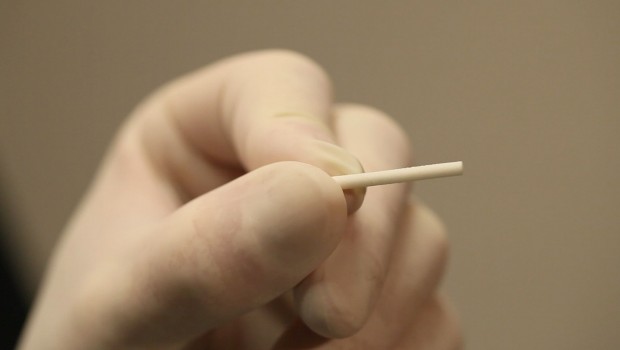
That’s the scenario a New Jersey drug maker envisions for its Probuphine implant – tiny rods about the size of a matchstick designed to be inserted subcutaneously under the skin of the upper arm.

Probuphine was developed by Braeburn Pharmaceuticals under a license agreement with Titan Pharmaceuticals (OTC: TTNP), which holds the rights to the implant technology. Both companies have applied to the Food and Drug Administration to have Probuphine approved to treat opioid addiction, but Braeburn’s long term goal is to also have the implant approved for chronic pain.

COURTESY TITAN PHARMACEUTICALS

COURTESY TITAN PHARMACEUTICALS

“We are definitely interested in talking to the FDA about the use of Probuphine in pain,” said Behshad Sheldon, President and CEO of Braeburn.

The active ingredient in Probuphine is buprenorphine, a weaker opioid that’s long been used as an addiction treatment drug sold under the brand name Suboxone. Buprenorphine is also used to treat chronic pain and comes in various forms – pills, patches and film strips – but none as long-acting as an implant.

The advantages of an implant are many. The dosage is controlled and there’s hardly any risk of abuse, diversion, or accidental overdose. You also never have to remember to take a pill.

“We believe a buprenorphine implant could be a really great clinical tool to treat pain,” Sheldon told Pain News Network. “There’s just a peace of mind aspect for the patients. The medicine’s on board and they don’t have to worry about it.”

“I personally would want a Lipitor implant, because I can’t manage to take it three days in a row,” she joked.

Probuphine’s path to the marketplace hasn’t been a smooth one. Braeburn and Titan were stunned in 2013 when the FDA denied approval of the implant and asked for a new clinical study of Probuphine’s effectiveness in treating opioid addiction.

Braeburn recently reported the results of a six month, double-blind clinical trial of Probuphine on 177 patients, which found that the implant was more effective than buprenorphine tablets in treating addiction. The company said the implant insertion and removal were "generally well tolerated," although nearly one in four patients had a "mild" adverse event at the implant site.

“The data from this trial are encouraging and underscore the benefit of longer term medical treatments for patients with opioid addiction. I am confident that the implant, if approved by FDA, will be at least as effective as a sublingual formulation and have the added benefits of reducing problems related to compliance, misuse and abuse,"  said Richard Rosenthal, MD, Professor of Psychiatry and Medical Director of Addiction Psychiatry at the Icahn School of Medicine at Mount Sinai.

Braeburn and Titan plan to resubmit a New Drug Application (NDA) for Probuphine to the FDA in the second half of this year.

Long Term Injection for Pain

Braeburn has formed another partnership with Camurus, a Swedish drug company, to develop an injectable buprenorphine drug to treat addiction and chronic pain -- a single injection that lasts as long as a month. Camurus has already completed successful Phase I and II studies on the drug and both companies hope to start a Phase III trial later this year -- with the goal of seeking regulatory approval in 2016.

“There have been many conversations with expert clinicians and they’ve told us that they think buprenorphine in general, in a non or less abuse-able form of buprenorphine, in either an implant or an injection could really be game changing,” said Sheldon. “It is part of our plan to move into pain because pain and opioid addiction are so interconnected and we think there are ways, by treating patients with a less abuse-able formulation, you could actually help alleviate the addiction problem.”

Sheldon admits a lot more work needs to be done before a buprenorphine implant or injection is available to treat chronic pain.

“We haven’t studied it yet in pain and we haven’t had any conversations yet with the FDA. So there’s a lot more to do to get to that point,” she said.

Another formulation of buprenorphine to treat pain may be coming to the market relatively soon. Endo International (NASDAQ: ENDP) and BioDelivery Sciences (NASDAQ: BDSI) have submitted a new drug application for a buprenorphine film patch to the FDA. The companies are hoping for FDA approval by October of this year.

Although the patch contains much smaller doses than buprenorphine tablets or patches already on the market, the companies say the film is very effective in treating pain because the drug is absorbed through the inside lining of the cheek and enters the blood stream faster.

Cymbalta and Lyrica in Legal Battles

By Pat Anson, Editor

The makers of Cymbalta and Lyrica – two blockbuster drugs widely used to treat fibromyalgia and other chronic pain conditions – face legal battles this summer that could potentially cost the companies billions of dollars.

In London, a court case begins next week on Pfizer’s efforts to keep doctors in the U.K. from prescribing pregabalin – a cheaper generic version of Lyrica.

And in Los Angeles, a federal judge this week ordered Eli Lilly to face claims in lawsuits alleging that the company misled consumers about the side effects of withdrawal from Cymbalta.

Over 5,000 patients have filed suit against Lilly claiming that Cymbalta caused “brain zaps” – electric shocking sensations – as well as nausea, vomiting and insomnia when they stopped taking the drug.  The first two cases will be heard in August.

“The withdrawal symptoms from Cymbalta were hell,” wrote Crystal Lindell, a Pain News Network columnist in a recent article.

“Less than a week after my last pill, I was getting so dizzy that I seriously thought I had a new disease. Then, there was this thing called the brain zaps that I didn’t understand until they happened to me. In short, it literally felt like my brain was being, well, zapped by electricity. There was also nausea and vertigo and just an overall feeling of falling off a skyscraper.” 

Several readers shared their own experiences with Cymbalta.

“My neurologist put me on Cymbalta, I took 2 pills, I thought my head was going to explode,” wrote Judy Dunn.

“I suffered from 6 weeks of vertigo, nausea, dizziness, and MASSIVE headaches,” said Andy, who was prescribed Cymbalta to treat depression. “I will never take Cymbalta again. EVER.”

“While on the drug I did get a better mood and it helped a lot, but it raised my blood pressure and I was shaky and jittery. I also went through the brain ZAPS!!” wrote Candra Clark.

“We believe in our defenses to these claims and we will continue to defend Lilly vigorously,” Scott MacGregor, a Lilly spokesman told Bloomberg Business.

Cymbalta generated annual sales of $5 billion for Lilly until its patent expired in 2013 and cheaper generic versions of Doluxetine became available.

Lyrica Legal Battle

Like Cymbalta, Lyrica wasn’t originally developed to treat pain. It was used as a treatment for anxiety and epilepsy until drug maker Pfizer realized it could also be effective for fibromyalgia and neuropathic pain.

Pfizer’s patent on Lyrica for epilepsy and anxiety expired last year, but its secondary patent for pain is good until July of 2017 – and that is the essence of its legal fight in the U.K.

Rival drug makers started making pregabalin – the generic version of Lyrica – when its original patent expired. But it didn’t take long for doctors to also start prescribing pregabalin for pain.

According to Pharmalot, about 80% of all U.K. patients on pregabalin are using it to treat pain and Pfizer has launched an aggressive campaign to stop that. Last year the company wrote an unusual letter to physician groups in the U.K. warning them that prescribing pregabalin for pain was a violation of its patent.

“Pfizer believes the supply of generic pregabalin for use in the treatment of pain whilst the pain patent remains in force in the U.K. would infringe Pfizer’s patent rights,” the company said in the letter.

The Royal College of Physicians, which represents 29,000 U.K. doctors, responded with a statement of its own.

“Pregabalin is a useful drug for many patients and, given the current financial pressures the NHS (Britain’s National Health Service) is under, it is disappointing that a pharmaceutical company has made a move that will, potentially, prevent some patients from getting access to it,” a spokesman said.

The NHS has since issued guidance to doctors telling them to use the brand name Lyrica when prescribing pregabalin for pain “so far as reasonably possible.” Pfizer is seeking a stronger statement from the British High Court.

Ironically, Pfizer paid $2.3 billion dollars in 2009 to settle criminal and civil charges in the U.S. for the “off-label” marketing of Lyrica and other medications – the very sort of off-label use it is trying to stop in the U.K.

Lyrica remains one of Pfizer’s top selling drugs, generating $5.1 billion in revenue in 2014.