Patients ‘Treated Like Livestock’ in Kickback Scheme

By Pat Anson, Editor

Federal prosecutors have charged five people, including a former hospital executive and two orthopedic surgeons, with fraud in a $580 million kickback scheme involving thousands of spinal surgeries at two southern California hospitals.

The alleged scheme included tens of millions of dollars in illegal kickbacks paid to chiropractors, doctors and other health care providers over an eight year period.  As a result of the payments, thousands of patients were referred to Pacific Hospital in Long Beach for spinal surgeries that were paid for by Medicare or California worker’s compensation system.

“Medical referrals should be based on what’s best for the patient – not what’s best for the doctor’s bank account,” said IRS Special AgentErick Martinez. “In paying the kickbacks and submitting the resulting claims for spinal surgeries and medical services, the defendants acted with the intent to defraud workers’ compensation insurance carriers and to deprive the patients of their right to honest services.”

Two of the defendants have already pleaded guilty, and three others have agreed to plead guilty in the coming weeks. Prosecutors say all five have agreed to cooperate in the government’s ongoing investigation.

A second kickback scheme encouraged doctors to refer patients to the Tri-City Regional Medical Center in Hawaiian Gardens.

“Injured workers were treated like livestock by doctors and hospitals who paid or accepted kickbacks and bribes in exchange for referrals,” said California Insurance Commissioner Dave Jones. “Injured workers are put at risk when their medical treatment is based on kickbacks and bribes instead of their medical needs.”

The defendants include James Canedo, the former chief financial officer of Pacific Hospital. Canedo pleaded guilty in September to mail fraud, money laundering, paying or receiving kickbacks and other charges.

Orthopedic surgeons Philip Sobol and Mitchell Cohen, chiropractor Alan Ivar, and Paul Randall, a former health care marketer at the two hospitals, also agreed to plead guilty to charges stemming from the kickback scheme. Ivar admitted he was paid a monthly retainer by Pacific Hospital for over a decade to refer patients.  

Prosecutors say the conspirators typically paid a kickback of $15,000 for each lumbar fusion surgery and $10,000 for each cervical fusion surgery. Over 4,400 patients were referred to the hospitals, including some who lived hundreds of miles away.

Under the terms of their plea agreements, Sobol faces a federal prison term of up to 10 years; Canedo, Ivar and Randall could be sentenced to as much as five years; and Cohen faces up to three years in prison. All will be required to pay restitution to the victims of the scheme, which in Canedo’s case will be at least $20 million.

Will CDC Guidelines Promote Addiction Treatment?

By Alison Knopf, Editor of Alcoholism & Drug Abuse Weekly

The quick answer to the question “Will treatment providers be able to treat patients coming in addicted to opioids because they have been thrown off their pain medications next year?” is no. The treatment system can’t even treat all the patients who need help now. But this question is on the minds of federal policymakers as the federal Centers for Disease Control and Prevention (CDC) works on its forthcoming guidelines for physicians on prescribing opioids, due out next January (see ADAW, Nov. 16).

While the pain community is creating the loudest noise about the forthcoming guidelines, charging that they are not addicts and don’t want to be lumped in with them, the treatment community has on the one hand seen the benefits of decreasing the amount of prescription opioids available, but also seen the downside: patients who are dependent or addicted, who cannot successfully taper off the pain medications, will switch to heroin. Many started as legitimate pain patients.

But for some, when their doctors felt they no longer needed the pain medication, or thought the patient was doctor-shopping, or simply decided to go along with the calls to reduce the amount of prescriptions for opioids, it was difficult to stop, and they sought illicit sources of opioids.

The CDC confirmed to ADAW that there will be a guideline that “addresses treatment for opioid use disorder.” The draft guidelines leaked in September specifically recommended that an opioid agonist (methadone or buprenorphine) be arranged for patients who need treatment for an opioid use disorder. The CDC said the guidelines are continuing to be revised. Below is the wording of that recommendation from the September draft:

“Providers should offer or arrange evidence-based treatment (usually opioid agonist treatment in combination with behavioral therapies) for patients with opioid use disorder.”

SAMHSA Working With CDC

But how the primary care physician determines whether a patient has an opioid use disorder is unclear. The Substance Abuse and Mental Health Services Administration (SAMHSA) expects there to be a change in prescribing practices — that’s the whole point of the guidelines. But according to Robert Lubran, director of the Division of Pharmacologic Therapies at SAMHSA’s Center for Substance Abuse Treatment (CSAT), it’s up to the physicians who are prescribing the medications to come up with a referral plan for their patients.

“I go back to what Westley Clark always said,” Lubran told ADAW, referring to the former director of CSAT. “He said the physician has to have an exit strategy for a patient he isn’t going to be prescribing opioids for anymore.” The physician has to determine if the patient is dependent on or addicted to the medication. Dependence is a normal result of regular opioid intake, addiction is pathological, but both will result in withdrawal symptoms when opioids are stopped suddenly. Someone who is dependent can be slowly tapered off the opioids and endure the craving that ensues. Someone who is addicted cannot stop and will seek opioids from another source.

“There has to be a place where the doctor can refer someone when the doctor determines that the patient can’t be safely tapered down because they are addicted,” said Lubran. A treatment provider specializing in opioid use disorders, such as an opioid treatment program (OTP) or office-based opioid treatment (OBOT), would be a good solution, he said. “We’re working with the CDC to make sure the guidelines include information on where to refer these patients,” Lubran told ADAW.

“We’re already struggling on the traditional medicine side with how a patient goes from being a pain patient to being an addict,” said Lubran. “They discharge them, but what about referrals? More states and counties need to be involved in recommendations for care,” said Lu, adding that insurance companies need to be involved as well.

Guidelines Not Mandatory

Mark Parrino, president of the American Association for the Treatment of Opioid Dependence (AA-TOD), said that as far as he knows, OTPs have not been involved in the development of the CDC guidelines. However, he expressed skepticism about the effect of the guidelines. “Will there be a reaction by physicians? Will this really change their practice patterns? Will there necessarily be a wholesale dumping of patients who are getting pain medications? I would hope not. But if that is the result, I would ask how we are going to know whether these patients will show up in treatment, or go into the street for drugs?”

Furthermore, said Parrino, these are just guidelines from the CDC. “Doctors aren’t even required to read the stuff,” he said. “They’ll issue a big press statement, yes. But it’s like package inserts. Do you really think every physician will be watching their computer for the guide-lines, saying ‘Now I need to change my medical practice?’”

The CDC itself says as much. “It is important to note that, like other CDC guidelines, including prevention and treatment of sexually treated diseases, the guidelines are intended to support informed clinical decision-making but are not mandatory (that is, physicians are not required to follow these guidelines),” according to Courtney Lenard of the CDC’s press office. The CDC’s guide-line is meant to “help primary care doctors provide safer, more effective care for patients with chronic pain” and at the same time “help reduce use, abuse and overdose from these powerful drugs,” the CDC’s press office told us last week. “The guideline is intended for primary care providers who treat adult patients (age 18 and older) for chronic pain in outpatient settings, and is not intended for patients who are in active cancer treatment, palliative care or end-of-life care.”

Asked if restrictions on prescription opioids will lead to increased use of heroin, however, the CDC continued to stick to the federal official answer, which is: No. “There is no robust evidence that recently enacted policies regarding prescription opioids are responsible for large-scale shifts to heroin,” said Lenard, adding that only 1 in 25 people who use prescription opioids nonmedically start using heroin within five years. However, she added that this “translates into a major and growing epidemic of heroin use given how widespread the misuse of prescription opioids has become.” Stopping the misuse of prescription opioids is the best way to stop the heroin epidemic, according to the CDC.

This article is republished with permission of Alcoholism & Drug Abuse Weekly, which provides news and analysis of federal and state public policy developments, private sector business developments, and provider issues and innovations in addiction treatment.

Most Americans Touched by Opioid Abuse

By Pat Anson, Editor

Over half of Americans say they know someone who has abused, been addicted to, or died from an overdose of opioid pain medication, according to a new survey by the Kaiser Family Foundation.

The survey also found a surprising awareness among many Americans that it is easier for abusers to get access to opioids than it is for pain sufferers. Three out of four (77%) believe it is easy for people to get access to prescription opioids without a prescription.  

“The perception among the public is that the balance is currently in the abuser’s favor. More of the public says it’s easy for people to get access to painkillers not prescribed to them than say it is easy for people who medically need them,” the Kaiser report says.

Over half (58%) of Americans believe it is very easy or somewhat easy to get prescription opioids for medical purposes.

Over a third (40%) believe it is somewhat difficult or very difficult for a patient to get an opioid prescription.

Kaiser surveyed over 1,350 Americans adults by telephone in mid-November for its monthly tracking poll. For the first time the survey included questions about the public’s awareness and attitude about painkiller abuse.

The survey found that whites were far more likely than African-Americans or Hispanics to have a “personal connection” to the abuse of opioids. Nearly two thirds (63%) of whites said they know someone who has abused, been addicted to, or died from an overdose of painkillers. That compares to 44% of African-Americans and 37% of Hispanics.

That finding appears to support evidence of a surprising spike in the death rate of middle aged white Americans that was uncovered by two Princeton University researchers. They estimate that nearly half a million white baby boomers died early between 1999 and 2013, coinciding with a spike in the prescribing of opioid painkillers. Financial stress, pain and disability are also believed to have played a role in the those deaths.

Other findings in the Kaiser survey:

  • 16% of Americans know someone who has died from a prescription opioid overdose
  • 9% know a family member or close friend who died from an opioid overdose
  • 27% know someone who has been addicted to opioids
  • 2% admit they are addicted to opioids  
  • 45% know someone who has taken an opioid not prescribed for them
  • 6% admit taking an opioid not prescribed for them

The survey also found that the public was divided over the role government should have in addressing prescription painkiller abuse. Over a third (36%) believe the federal government should be primarily responsible, while 39% believe state government and 16% believe local government should be responsible for solving the problem.

12 Tips to Ensure Access to Healthcare This Winter

By Celeste Cooper, Guest Columnist

When we think of winter, we think of chilly days, getting cozy under a soft fluffy blanket, or curling up with a warm drink and a good book. We think of holiday festivities, and time with family and friends.

And as we prepare for winter, maybe we should also consider a safety plan that will assure access to the healthcare we need.

Those of us who live with chronic pain or illness have learned to expect the unexpected. We know that our symptoms can escalate without warning. Some of us experience a worsening of symptoms during the cold and dry winter months.  We may need additional medications to manage our symptoms or make more frequent visits to the doctor than usual. We need to do something to make sure our needs are met.

winter.JPG

The following are some suggestions to make the winter months less intimidating:

1. Know what’s in your medicine cabinet. Take an inventory of medications, including prescriptions and over-the-counter drugs.

2. Dispose of outdated prescriptions, vitamins or supplements by following the Food and Drug Administration's guide on “How to Dispose of Unused Medicines."

3. If a replacement prescription is needed, ask your doctor or pharmacy for a refill now.

4. Know your insurance company’s policies on early refills before a winter storm hits.

5. If transportation or road conditions interfere with your ability to obtain a prescription, a substitute medication may be needed. Be sure to clarify with your pharmacist any differences in the medications or things to watch for.  

6. Most medical practices have a cancellation policy, sometimes imposing a fee if you don’t give 24-hour notice. Ask your doctor’s staff about their policy when a winter storm prevents you from keeping an appointment.

7. Identify your support network in case someone needs to pick up a prescription for you or provide transportation to the doctor.

8. Get to know your pharmacist so they can help you anticipate your needs. Ask for their business card and keep it where it is readily available, especially if you are not the one picking up your prescription.

9. Check to see if a pharmacy in your area delivers. If it’s not in your insurance network, check to see if your insurance carrier will make an exception under special circumstances.

10. Have information on an alternate pharmacy handy in case yours does not have the medication you need. Pharmacy inventories can also be affected by winter weather.

11. Consider using a mail order prescription plan. Paperwork from your physician may be required.

12. If you already use mail delivery for your medications, contact the supplier. Ask them how they protect your medications from extreme temperatures during shipment. Frigid temperatures can alter the potency and stability of certain medications. Even if you live in a temperate area, your medications may travel through areas that are not.

Let your doctor and pharmacist know you have an action plan and ask them for any suggestions that will assure your access to medication this winter.

As you get ready for winter and make plans for the holidays, also consider how you will manage your healthcare needs. If you are prepared, you can enjoy a healthier and safer winter.

Celeste Cooper, RN, is an advocate, freelance writer and author. She is also a person living with chronic pain. Celeste is lead author of Integrative Therapies for Fibromyalgia, Chronic Fatigue Syndrome and Myofascial Pain, and the Broken Body, Wounded Spirit: Balancing the See-Saw of Chronic Pain book series.

Celeste enjoys spending time with her family and the rewards she receives from interacting with nature through her writing and photography. You can learn more about Celeste’s writing, advocacy work, helpful tips, and social network connections at her website.

The information in this column should not be considered as professional medical advice, diagnosis or treatment. It is for informational purposes only and represent the author’s opinions alone. It does not inherently express or reflect the views, opinions and/or positions of Pain News Network.

‘Chili Pepper’ Patch Works Better Than Lyrica

By Pat Anson, Editor

A skin patch containing a synthetic substance found in chili peppers works better than pregabalin in treating patients with neuropathic pain, according to the results of a new study conducted in Europe.

Pregabalin is the generic name for Lyrica, a medication made by Pfizer that is widely prescribed for neuropathy, fibromyalgia and other chronic pain conditions.

Nearly 660 adults with moderate to serve peripheral neuropathic pain (PPN) caused by shingles were randomly assigned to groups receiving either a single treatment with the Qutenza patch or a daily dose of pregabalin.

The 8% capsaicin patch uses a synthetic form of capsaicin, the substance that gives chili peppers their heat, to dull pain-sensing nerves in the skin.

By the 8th week of the study, a little over half of the patients in both groups had achieved pain relief of at least 30 percent. However, the median time to pain relief in the capsaicin group was 7.5 days, compared to 36 days in the pregabalin group. Those who used the Qutenza patch were also more satisfied with their treatment and had fewer side effects.

The study, which is published in the European Journal of Pain, was funded by Astellas Pharma Europe Ltd., which makes the Qutenza patch.

"This is an important and well-conducted study that was designed to mimic everyday practice, allowing those patients randomised to the pregabalin arm to be individually titrated to the optimal tolerated dose,” said lead investigator Maija Haanpää, a professor in the Department of Neurosurgery at Helsinki University in Finland. “We found that topical treatment with the capsaicin 8% patch was non-inferior to the current standard of care. This means that there is now another treatment option for people with peripheral neuropathic pain, especially those patients who are very sensitive to the side effects of systemic medication or for those who do not wish to take tablets every day."

Until now, no head-to-head clinical trials have directly compared the capsaicin patch to pregabalin or other treatments for PNP.

"There is a need to tailor treatment to individual patients and these data show that the capsaicin 8% patch is an efficacious agent to manage patients with peripheral neuropathic pain," said Dr. Andreas Karas, Senior Director, Medical Affairs for Astellas Pharma.

In September of this year, the European Commission approved a label extension for Qutenza to include diabetic patients with neuropathic pain. In the United States, Qutenza has only been approved by the FDA for the management of neuropathic pain associated with postherpetic neuralgia.

Neuropathic pain is characterized by tingling pain that develops as a result of nerve damage caused by conditions such as shingles, diabetes, amputation, inflammation, and cancer. About 8% of adults worldwide suffer from neuropathy. Many drugs used to treat neuropathic pain, such as Neurontin and Lyrica, often don’t work or have unpleasant side effects. Common side effects of Lyrica are dizziness, nausea, headache, weight gain and fatigue.

In addition to neuropathic pain, Lyrica is approved by the FDA to treat chronic pain associated with fibromyalgia, epilepsy, shingles, diabetic peripheral neuropathy, and spinal cord injury. The drug is also prescribed “off label” to treat lumbar spinal stenosis, the most common type of lower back pain in older adults.

Lyrica is Pfizer’s top selling drug with annual worldwide sales of over $5 billion.

My Life with Migraines

By Sara Batchelder, Guest Columnist

I have had migraine disease since I was 22. My first migraine was in 1992, the year I graduated from college. 

I am now 45, and my migraines have become chronic and daily.  I have lost two jobs, many friendships, my social life, and my relationship of eleven years.  This year, I also lost my ability to work full-time at a regular job.  The only reason I can still work part-time is that my ex employs me and allows me to work whenever I am able.  Thank goodness for that. Working gives me a purpose and makes me feel like a productive member of society.  It is an extreme struggle to work twenty hours a week though. 

I also have thyroid disease (my thyroid gland was removed when I was 29), celiac disease (I have been 100% gluten free for a year), depression, anxiety, infertility, and extreme allergies to many things, such as food, pollen, dust, cats, you name it. 

I now have a multi-pronged approach to my treatment.  For migraine, I have botox injections every three months, I see a “natural MD” for various treatments, and I take Relpax (a triptan) and opioids (Norco and morphine). 

I am still learning a lot about celiac disease, but I stay ever vigilant that I do not ingest any gluten whatsoever, even one molecule.  It’s a learning experience and constantly challenging.  For instance, I will visit a restaurant that I consider safe, get “glutened” and cross that restaurant off the list.  I am down to four restaurants that I can eat at. 

Since I am too sick to cook for myself most of the time, I graze on various packaged food - some good, some not so good.  I eat protein bars when traveling, although I do not travel often anymore.  It’s a lot of work to make sure all the food I eat is gluten-free and free of all of my other food allergies. 

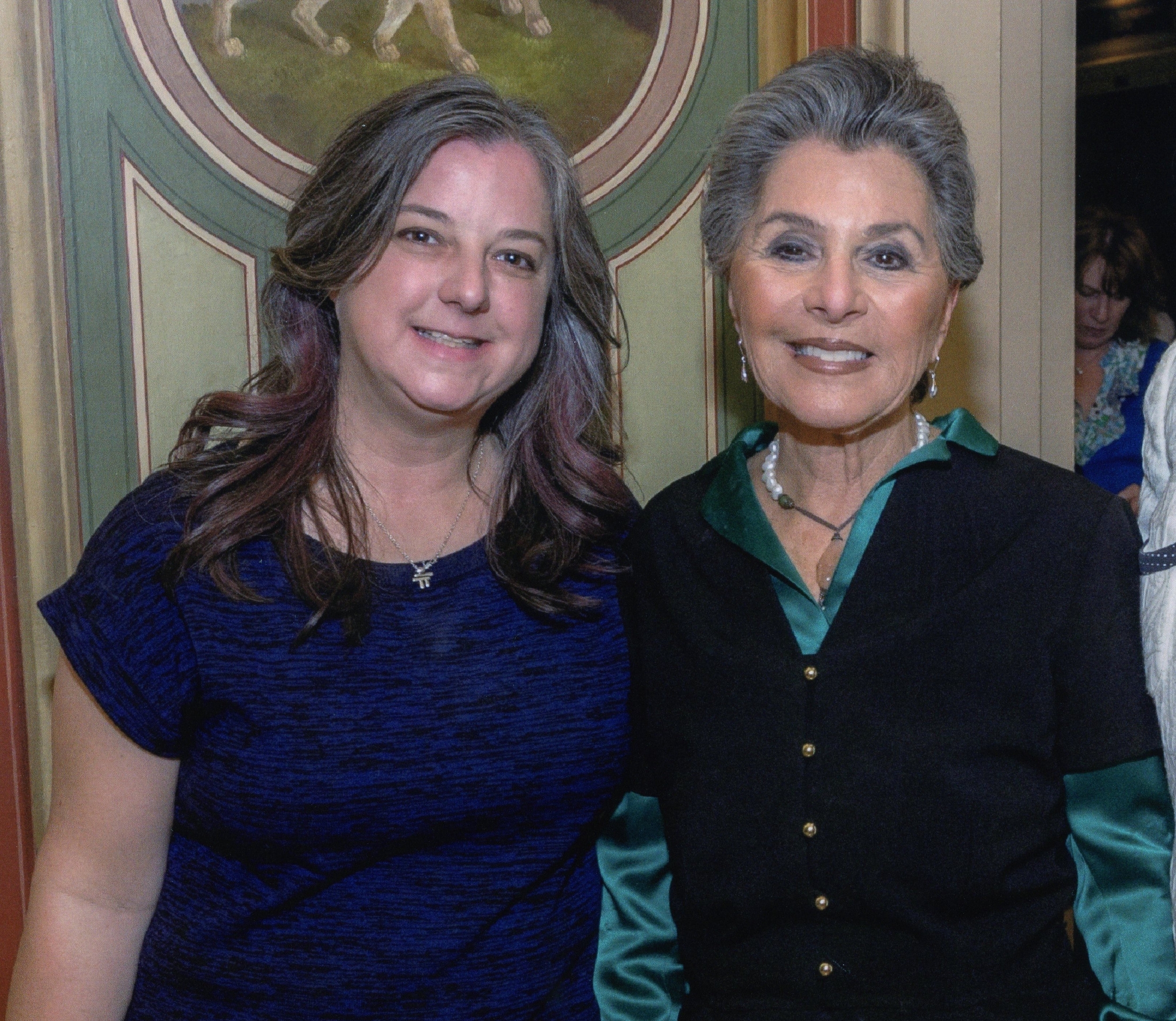
sara met with sen. barbara boxer while advocating for migraine research

sara met with sen. barbara boxer while advocating for migraine research

I’ve been dealing with allergies for all of my 45 years.  My “natural MD” (my voodoo doctor, as I jokingly call him) gives me small doses of LDA shots, which are helping a bit.  He also believes that I have a lyme-like disease called Bartonella, which he is treating me for.  I am on so many vitamins that I won’t even go there. I take Wellbutrin for depression, nothing for anxiety, and since I am now 45, the infertility has played itself out. 

Deep breath. That’s a lot of illness and treatment.

Even with all of this, my scariest problem today is the government’s war on pain patients who take opioids.  After the DEA stormed one of my doctors’ offices in bulletproof vests with guns drawn (to request appointments with two doctors -- couldn't that have been done by phone?), all of my doctors, but one, have withdrawn ALL narcotic treatments for ALL migraineurs. 

It baffles me why this policy exists.  This is discrimination plain and simple.  I want to sue, but no lawyer will take the case.  I know that many addicts lie and tell doctors that they are migraine patients, since migraine is an invisible disease that cannot be diagnosed with blood tests, MRI’s, or anything else, but these are doctors whom I have a 10 year relationship with! 

They are either petrified of the DEA or always thought that I was an addict, and didn’t care enough to deal with that.  Either way, what the heck I am supposed to do?  Without my weekly pain shots, I can no longer work full-time.  If I still didn’t have one doctor on my side, I’m pretty sure I would have committed suicide. 

My private disability was denied due to some technicality.  SSI pays less than I can make part-time and SSI doesn’t allow the disabled to work part-time anyway (don’t get me started on that). 

I am very, very fortunate to work in California, where I have been on part-time disability.  But it will only last for one year, so I will be on my own again soon anyway.  I don’t know about other people, but there is no way I can survive in California on half-pay.  I was barely making ends meet while working full-time.  Now that I am single again, I cannot rely on someone else to support me. It is terrifying!!!

I have met and will soon meet again with members of Congress to discuss more funding for migraine and headache research through an organization called Headache on the Hill. That organization does not support opioid treatment for migraine at this time, but I still want to address the opioid issue with other pain patients.  Who will join me?


Sara Batchelder lives in California, where she received an MBA with honors from the University of San Francisco and works as a controller for small architecture firm. Sara volunteers at her local credit union and tries to advocate for migraineurs as much as she can.

Pain News Network invites other readers to share their stories with us. 

Send them to:  editor@PainNewsNetwork.org.

The information in this column should not be considered as professional medical advice, diagnosis or treatment. It is for informational purposes only and represent the author’s opinions alone. It does not inherently express or reflect the views, opinions and/or positions of Pain News Network.

FDA Speeds Approval of Naloxone Nasal Spray

By Pat Anson, Editor

It usually takes years for the Food and Drug Administration to approve a new medication.

But it took less than four months for the agency to give the okay to Narcan, the first FDA approved nasal spray containing naloxone, an emergency life-saving medication that can stop or reverse the effects of an opioid overdose.

Opioids – both legal and illegal – can suppress breathing and cause sleepiness. When someone overdoses on an opioid they may fall asleep and be hard to wake, and their breathing can become shallow or even stop – leading to brain damage or death. If naloxone is administered quickly, it can counter the overdose effects, usually within two minutes.

“Combating the opioid abuse epidemic is a top priority for the FDA,” said Stephen Ostroff, MD, acting commissioner of the FDA. “While naloxone will not solve the underlying problems of the opioid epidemic, we are speeding to review new formulations that will ultimately save lives that might otherwise be lost to drug addiction and overdose.”  

image courtesy of adapt pharma

image courtesy of adapt pharma

Until now, naloxone was only approved in injectable forms, usually in a syringe or auto-injector. Many first responders and emergency room physicians felt a nasal spray formulation of naloxone would be easier and safer to deliver.

Narcan does not require assembly and delivers a consistent, measured dose of naloxone. It can be used on adults or children, according to the FDA, and is easily administered by anyone. The drug is sprayed into one nostril while the patient is lying on their back, and can be repeated if necessary.

The FDA granted fast track review of Narcan in July after a getting a new drug application from a unit of Adapt Pharma, which is based in Ireland.  In clinical trials, a single 4 mg dose of Narcan delivered the same levels of naloxone in about the same amount of time as an injection.

“We heard the public call for this new route of administration, and we are happy to have been able to move so quickly on a product we are confident will deliver consistently adequate levels of the medication – a critical attribute for this emergency life-saving drug,” said Janet Woodcock, MD, director of the FDA’s Center for Drug Evaluation and Research.

The use of Narcan in patients who are opioid dependent may result in severe withdrawal symptoms, such as body aches, diarrhea, increased heart rate, fever, runny nose, sneezing, sweating, nausea or vomiting, shivering and abdominal cramps.

Adapt Pharma says Narcan will be available after the first of the year and will initially have a “public interest price” of $75 for a package of two doses when ordered by public health  organizations.  The company has not disclosed pricing for other purchasers using private insurance or paying in cash.

“Anyone who uses prescription opioids for the long term management of chronic pain, or those who take heroin, are potentially at risk of experiencing a life-threatening or fatal opioid overdose where breathing and heart beat slow or stop,” the company said in a statement.

8 Tips for Patients Newly Diagnosed with Ehlers-Danlos

By Ellen Lenox Smith, Columnist

Ehlers-Danlos Syndrome (EDS) is a condition that causes one to be born with deformed connective tissue, the “glue” that holds the body together. At this time, there is still no cure to correct this problem, so living life with this condition means a accepting a certain level of chronic pain.

There are simple things to learn to live your life with EDS more safely. For instance,  learning how to properly strengthen the muscles that are on overload doing their job, along with that of the useless ligament and tendons. Or understanding how certain twists and turns bring on other slippage of the body.

Living with Ehlers-Danlos Syndrome means, at times, a long, lonely and difficult journey burdened with a constant search for direction on how to try to create something resembling   a normal life. I am 65, but it wasn’t until eleven years ago that I was finally given the correct diagnoses of something I was actually born with!

There have been times that I felt guilty for almost wishing I had been given a diagnosis of cancer -- for then the doors of hope, direction, plans and medical interest would have been with me at all times. Instead, as many other EDS patients have learned, we cope with the unknown, judgment from friends and even family, isolation, confusion, and the lack of consistent knowledgeable  help.

All I ever wanted, when first diagnosed, was for someone to reach a hand out and guide me. That hand has never been there. So, instead, I have spent the past eleven years attempting  to help prevent others from having to replicate my experience. I simply wish to assist other EDS patients avoid some of the uncertainty and stress that I was forced to experience.

The task is often overwhelming and difficult, but you have no choice. This is the life you have been given.

With that in mind, I would like to make suggestions to the newly diagnosed, in hopes that your journey will begin safely by addressing these issues:

1) Confirm with a knowledgeable geneticist that you have EDS. If you get the feeling they do not understand or believe you have EDS, then go to another geneticist. I met with three before I was convinced and accepted the diagnosis.

2) Mourn your losses. It’s okay and necessary to allow yourself to mourn the loss of your past life -- it will never again be exactly as you have known it. As you go through that process, remember you need to reach the goal of moving on.

3) Address pain control. Accept that you cannot take this journey on your own. You need to address your pain to have a chance of living as normal a life as you can. You might be like many of us and have trouble metabolizing certain medications. In that case, DNA drug sensitivity testing would help you to identify a compatible pain medication.

Many respond beautifully to medical marijuana instead of opiates. It can be taken in a simple dose of oil at night, that not only allows you to sleep but also carries pain relief to the body even into the next day.

4) Be evaluated by a neurologist for common EDS conditions such as tethered cord, Chiari I Malformation, and instability of the neck . This is a very important. Every patient should have this evaluation and have a neurologist monitor you. Many of us need to have the tethered cord released to end issues with the bladder, kidneys, pressure in the chest, and issues with legs. If you test positive, get it done and then you will feel so much better and be able to progress onto physical therapy more successfully.

Instability of the neck will cause havoc with your body if strengthening does not succeed. Chiari I Malformation must also be addressed. Any or all of these may be an issue for you in time, but please know that correcting them when the time is right will make the difference in moving forward again.

5) Find a good manual sacral physical therapist. This is your chance to take better control of your life by learning, through the guidance of a manual therapist. “Living Life to the Fullest With Ehlers-Danlos Syndrome” is a new book written by my therapist, Kevin Muldowney. He learned by taking on many EDS patients at his clinic, that there are safe ways to strengthen our muscles. I have been through the protocols and have found they work for me.

You’ll need to stay loyal to the daily workouts. But believe me, I love being proactive and so appreciate the good that is now showing -- like having the sacrum hold!

6) Develop a network of doctors that understand EDS or are willing get educated.  Feel free to visit my website to see if a doctor is listed near you. Also feel free to contact us if you have a good doctor that we can add to the list.

Remember, we are complicated and never get all better. That is a lot for a doctor to want to take on. Be patient and look for compatible personalities and let them learn through you.

7) Be sure to have a cardiologist.  You should have an echocardiogram (echo test) done yearly. The test uses sound waves to produce images of the heart and allows the cardiologist to see if your heart is beating and pumping blood correctly.

8) Determine drug and food allergies. I wish years ago I had a clue that there was testing out there to see why I had bad reactions to some medications and foods since birth. A simple DNA drug sensitivity test can help you find a safe drug to be able to put into your body. The same goes for food sensitivity testing. You will learn what foods are causing issues or what drugs are not metabolizing.

Both these issues are VERY important to address. If you keep taking medication or eating foods that are not compatible to your body, then you are adding to the inflammation in your system. More inflammation means more pain due to the increase of subluxations.

It's also important to remember that you are not alone. Find a local EDS support group and learn as much as you can to live more safely with this condition.

Ellen Lenox Smith and her husband Stuart live in Rhode Island. They are co-directors for medical marijuana advocacy for the U.S. Pain Foundation and serve as board members for the Rhode Island Patient Advocacy Coalition.

For more information about medical marijuana, visit their website.

The information in this column should not be considered as professional medical advice, diagnosis or treatment. It is for informational purposes only and represents the author’s opinions alone. It does not inherently express or reflect the views, opinions and/or positions of Pain News Network.

Should Johns Hopkins be Policing the Nanny State?

By Terri Lewis, Guest Columnist

I was copied a response to the recently issued document, "The Prescription Opioid Epidemic: An Evidence-Based Approach" published by Johns Hopkins Bloomberg School of Public Health. 

The 46-page document is full of pronouncements about what the proper course of action should be to rein in the abuse of opioids by people who experience unrelenting chronic pain on a daily basis.  The document is replete with terms like addict, addiction, surveillance, monitoring,  intervention, adherence, and conformance distributed across seven topical areas, all claiming to address the current evidence for the need to ramp up the nanny state:

#1: Prescribing Guidelines
#2: Prescription Drug Monitoring Programs
#3: Pharmacy Benefit Managers and Pharmacies
#4: Engineering Strategies
#5: Overdose Education and Naloxone Distribution
#6: Addiction Treatment
#7: Community-Based Prevention

Nowhere, does this document even remotely address the fact that the onset of chronic pain is often an iatrogenic event that occurs as the result of medical harm or insufficiently delivered medical care. 

Nowhere, does this document address the financial and practical impact of these pronouncements on the ability of persons who have lost everything to illness to conform to protocols that turn healthcare delivery into a policing activity.

Everywhere, these protocols engender the further victimization, the institutionalization of marginalization, and stigmatization of the chronically ill as unworthy, incapable of protecting themselves, and potentially harmful to themselves and others because of the characteristics of their illness imposed disabilities. 

Every dollar that is proposed for expenditure in this document should be going to research designed to prevent and minimize the impact of chronic pain -- not punish it.  But this document, from a major public health training institution, completely fails to address the prevention and reduction of chronic pain as a public health issue of significant importance, and is focused instead on counting adherence, conformance and compliance activities that will (a) not lead to improved personal outcomes for consumers who live with chronic pain and (b) rob consumers of precious resources with which to live. 

These pronouncements reflect an ignorance of astounding proportion in understanding who persons with chronic pain actually are and the conditions under which they are forced to live.  Who does this document serve?  Who are we trying to protect?  

I am outraged.

And then this.  Into my email came a response to this smug, sanctimonious document from a woman in California who suffers from interstitial cystitis -- acquired through medications she received after treatment for shoulder and spinal injuries at the hands of her medical provider.  It's too good not to share:

To the misguided folk at Johns Hopkins Bloomberg School of Public Health:

This is my contribution to your little Town Hall hand-wringing session.

So, I guess you are jumping on the anti-opiate frenzy bandwagon.  Just another organization that feels compelled to point at anyone who takes opiates, and call us all "addicts" and not even considering those of us who suffer from severe CHRONIC PAIN (the kind That Never Ends) due to circumstances totally beyond our control.  My pain is not caused by any flaw in my character.  People like myself who see our doctors religiously and always take our medication responsibly.  What, are you being financially rewarded by punishing us?  What did we ever do to you?  Or are you just trying to Thin the Herd?  I guess Chronic Pain Patients' Lives DON'T Matter.

I'm talking to you.  I'm one of those people, who suffer from illnesses and or injuries that have already stolen our quality of life away from us, and pain that causes as much, and sometimes more, pain than cancer.  People who suffer from pain that only opiate prescription medication can dull.  And people like you, whom I will never meet, want to take that away from me.  A patient who has NEVER EVER ABUSED HER MEDICATION.  Not ONCE.  I am a 60 year old lady who worked her entire adult life and never once did anything to invite nor cause the condition that causes me terrible TERRIBLE pain.

My pain saga started with chronic tears to both my rotator cuffs, and a herniated cervical spine.  All from a desk job involving typing and mousing and staring at a computer monitor for years and years and years.  This activity has destroyed the tendons in both my shoulders and neck and herniated my spine.  And while that pain was bad enough, I figured it would eventually end.  I never envisioned that the pain would remain after my shoulders were carved up and stitched back together.  It was during my recovery from this surgery, that I began to experience the horrors of an incurable illness known as Interstitial Cystitis.

On bad days it feels like someone is taking a blowtorch to my genitalia.   In fact, Interstitial Cystitis is considered the Third Worst Pain in all of medicine.  Imagine, if you will, the sensation of hot lava being blasted through your bladder, vagina, colon and pelvic parts.  All the time.  Having the urge to urinate every 15 minutes -- or more often than that -- on bad days.  I am basically chained to a toilet.  And because the pain is ALWAYS much worse at night, I suffer from severe insomnia.  It is impossible to fall asleep or stay asleep with pain this bad.  My urologist opined that I would be better off if I suffered from Bladder Cancer, because there is at least a chance of recovery from that illness.

The only FDA authorized treatment for this condition is Elmiron, and it doesn't work on every patient.  In fact, it only works on maybe 25% of patients who suffer from this horrible condition.  It did nothing to help me with any of my symptoms but cause my hair to fall out and raise my liver enzymes to a dangerous level.  That's all our modern medical machine could do for me medically.  They sure as hell cannot cure this illness yet.  The only thing that medicine CAN offer is pain relief.  The only chance in hell I have of ever having a life without this horrible, searing, burning, aching, stabbing pain is if The Good Lord decides to send me into remission.  All a doctor can really do for me to help me is provide me with pain relief.

The only medication I take that takes the edge off of this pain is Norco.  I tried the Fentanyl patch, but it caused me to develop an intestinal blockage.  For obvious reasons, I had to discontinue that medication.  And while I intensely dislike taking ANY medication, I dislike the awful pain worse.  I have NEVER abused my medication.  I never take more than I am prescribed.  I do everything and anything that is asked of me, whether it involves blood tests and/or pissing into a cup.

So why am I going to be punished?  Answer me that question.  I just found out that my pain medication is going to be cut drastically OR terminated at my next visit to my pain doctor, which is this Friday.  It is not being taken away because I have ever abused my medication, or lied, or deceived, or stolen, or sold it.  I can only assume that my pain doctor is just too afraid of the DEA and the paperwork headache.  It will be easier for him to just dump me as a patient, and limit his practice to injections which make him more money anyway.  Well, guess what?  Injections have never done a thing to help my pain, and I have had quite a few.  I have had TENS units, Physical Therapy, Massage and Ultrasound.  I have tried just about everything that exists to reduce the horrendous pain I experience 24/7.  The only medicine with the fewest side effects that helps reduce pain is Norco.

We are a vulnerable part of the population who are being deprived of compassionate and adequate care to help us live our lives with a semblance of normalcy.  We are being punished for the irresponsible actions of people who would be addicted whether or not it was via opioids or anything else.  All of this noise is just that:  NOISE.  Mark my words:  all this brouhaha will not make one iota of difference in the epidemic you speak of.  People who are addicts will always find a way to get high.  That is what addicts do.  However, what your actions WILL do is cause an increase in suicides of people suffering from terrible TERRIBLE pain, who can no longer get medication that enables them to have something resembling a quality of life, and be semi-productive citizens. 

Yes.  The pain of illnesses like mine can and does drive good people to commit suicide if they can't get pain relief.  Or maybe these same people turn to other drugs they would never EVER consider if they received the compassionate care we are all entitled to.  That is what you will see start to happen.  I am sure that some of this surge in heroin use is by people who are in such terrible pain that they are desperate, and their doctors will not help them because of fear of the DEA and organizations like yours.  And then what will happen?  More "meetings" and "studies" and "head-scratching" about the spike in suicides?  How can you be so obtuse?

No one is speaking up about us. No one is helping us.  Chronic pain patients are being marginalized and treated like addicts, when we are not.  We can barely function because pain robs us of the ability to function, and we are already exhausted from this daily fight.  I guess we are easy targets.  Few of us possess the strength to march on numbers in Washington or anywhere else.  I know I couldn't.  I am so ill that I can barely leave my house.

I know what happens to me when I don't take my pain medication:  I experience much more severe pain.  I don't drool, or hallucinate, or stumble, or vomit, or shiver, or do anything but just cry buckets and buckets of tears, and huddle in a corner of my bed in the fetal position with bags of ice stuffed into my underwear to try and numb the horrible, searing pain of this illness.  And I guarantee that if any of you people making these horribly unjust decisions suffered from the condition I suffer from, that you would be begging for drugs to take the pain away.  I'm willing to stake what few dollars I still possess on that fact, because guess what?  This illness has also rendered me destitute and incapable of working at my job.  I can't even sit in a chair very long because of the pain.

So, in summary, what you are doing is KILLING US.  You, and 60 Minutes, and the CDC and the DEA and every other soulless agency that is carping about this.  If I weren't so sick from this horrible illness, and what it has done to my life, I would be laughing because of the incredible stupidity being displayed by a bunch of suits I will never meet.  Dumping every single person who takes opiates into a category you call "addiction" and shoving us off in the same leaky boat.  Yes.  You are killing us.

Name withheld to protect her privacy

For the record, this person also found out last week that her beloved husband of 20 years is in the throes of stage 4 kidney failure as a result of 5 years of treatment from a physician for arthritis -- resulting in an unidentified drug-drug interaction that has, unbeknownst to the physician, destroyed his patient's kidneys because he failed to monitor his patient or pay attention to known drug-drug interactions.

So who needs to be monitoring and surveilling here?  Who?  Does the public really need protection from persons with chronic pain who can barely leave their homes?  Or do persons in pain need protection from the public purveyors of unsound, impractical, and misguided policies? 

God spare us from the nanny state.

Terri Lewis, PhD, is a specialist in Rehabilitation practice and teaches in the field of Allied Health.  She is the daughter and mother of persons who have lived with chronic pain.

This column was reprinted with permission from the author.

The information in this column should not be considered as professional medical advice, diagnosis or treatment. It is for informational purposes only and represents the author’s opinions alone. It does not inherently express or reflect the views, opinions and/or positions of Pain News Network.

CDC Accused of ‘Blatant Violations’ of Federal Law

By Pat Anson, Editor

A pro-business legal foundation with a history of taking government agencies to court is asking the Centers for Disease Control and Prevention (CDC) to withdraw plans to release new guidelines for the prescribing of opioid pain medications.

In a letter to CDC Director Tom Frieden, the Washington Legal Foundation accused the agency of “blatant violations” of the Federal Advisory Committee Act (FACA), which requires federal agencies to identify members of advisory committees and hold committee meetings in public. As Pain News Network has reported, the CDC has refused to publicly disclose the identities of the “Core Expert Group” that initially drafted the guidelines.

“The overly secretive manner in which CDC has been developing the Guideline serves the interests of neither the healthcare community nor consumers,” wrote Washington Legal Foundation (WLF) chief counsel Richard Samp in his letter to Frieden.

“More importantly, CDC’s repeated violations of the Federal Advisory Committee Act call into question the viability of the entire enterprise and dictate that any guidelines adopted as a result of the current administration process could not withstand judicial scrutiny. We call on CDC to withdraw the Draft Guideline and to generate reliable data on ways to ensure adequate treatment of patients while preventing opioid abuse before renewing efforts to write a guideline.”

The CDC’s draft guidelines for primary care physicians recommend “non-pharmacological therapy” as the preferred treatment for chronic non-cancer pain. Smaller doses and quantities of opioids are recommended when the drugs are prescribed for acute or chronic pain. Many pain sufferers fear they will lose access to opioids when the CDC plans to adopt the guidelines in January 2016. A complete list of the guidelines can be found here.

The identities of the CDC’s Core Expert Group (CEG) were leaked soon after the draft guidelines were released in September.  The group includes Jane Ballantyne, MD, President of Physicians for Responsible Opioid Prescribing (PROP), an advocacy group that seeks to end the overprescribing of opioids. PROP Vice President Gary Franklin, MD, is also part of CEG. Critics say Ballantyne, Franklin and several others who advised the CDC have a conflict of interest and never should have served as consultants on the guidelines.

The CDC says it withheld the identities of the Core Expert Group so its members could “provide honest and independent comment and feedback.” The agency also maintains that CEG does not qualify as a FACA advisory committee.

“CDC’s secrecy, and its apparent indifference to conflicts of interest by those likely to support news restrictions on opioids, have led many to conclude that CDC is uninterested in conducting administrative proceedings that give all interested stakeholders an equal opportunity to attempt to influence the agency’s decision making. If CDC is to overcome its tarnished image, it must immediately eliminate its culture of secrecy and apply its conflict-of-interest rules in an even handed manner,” Ramp wrote in his letter to Frieden and Debra Houry, director of the CDC’s National Center for Injury Prevention and Control, which oversaw development of the guidelines.

A spokesman for the Washington Legal Foundation told Pain News Network the CDC had not yet responded to the group’s complaint. He also declined to say how the foundation would respond if the guidelines were not withdrawn.

WLF describes itself as a public interest law firm “that regularly litigates to ensure that federal administrative agencies comply with statutes designed to ensure procedural fairness.”  The non-profit foundation generally supports business groups and companies in litigation against  government agencies, and has represented or acted in behalf of pharmaceutical companies such as Johnson & Johnson and Purdue Pharma, the maker of OxyContin. 

"We’re long-standing supporters of WLF, in addition to several other business and legal organizations. We’ve provided them with unrestricted grants," a spokesman for Purdue Pharma told Pain News Network.

WLF does not disclose the names of its donors. According to Greenpeace, WLF has accepted over $1 million in donations from foundations representing Charles and David Koch, two billionaire brothers who actively support conservative causes.

Senators Support CDC

With the CDC under fire from pain patients and advocacy groups, eight U.S. Senators have written a letter to Frieden expressing their support for the CDC’s guidelines.

“We are committed to doing everything in our power to bring this (opioid) epidemic under control because our communities are hurting. The problem will only grow worse if we fail to act,” the letter says. “We applaud the CDC for developing prescribing guidelines and for your efforts in the fight to end prescription drug abuse. We strongly urge you to maintain this commonsense approach when you release the final guidelines early next year.”

The letter is signed by Sens. Joe Manchin (WVa), Ed Markey (Mass), Tammy Baldwin (Wisc), Dianne Feinstein (Calif),  Jeanne Shaheen (NH), Bill Nelson (Fla), Richard Blumenthal (Conn) and Angus King (Maine).

Study Calls for End to ‘Permissive’ Opioid Prescribing

By Pat Anson, Editor

A major study released by the Johns Hopkins Bloomberg School of Public Health is calling for new guidelines in the prescribing of opioid pain medication, including the repeal of “permissive and lax prescription laws and rules.”

The report also calls for sweeping changes in the way opioid prescriptions are dispensed and monitored, and would encourage insurance companies to provide information to federal regulators about “suspicious” pharmacies, prescribers and patients.

The Johns Hopkins report (which can be seen here) grew out of discussions that began last year at a town hall meeting on prescription opioid abuse hosted by the Bloomberg School and the Clinton Foundation. It was prepared primarily by a group of public health researchers, physicians, law enforcement officials and addiction treatment specialists.  

“A public health response to this crisis must focus on preventing new cases of opioid addiction, early identification of opioid-addicted individuals, and ensuring access to effective opioid addiction treatment, while at the same time continuing to safely meet the needs of patients experiencing pain,” wrote G. Caleb Alexander, MD, co-director of the Johns Hopkins Center for Drug Safety and Effectiveness at the Bloomberg School.

It is widely recognized that a multi-pronged approach is needed to address the prescription opioid epidemic. A successful response to this problem will target the points along the spectrum of prescription drug production, distribution, prescribing, dispensing, use and treatment that can contribute to abuse; and offer opportunities to intervene for the purpose of preventing and treating misuse, abuse and overdose.”

The report calls on federal and state agencies, state medical boards and medical societies to require "mandatory tracking of pain, mood and function" at every patient visit, as well as patient contracts and urine drug tests.  Patients prescribed high doses of opioids would be required to consult with a pain management specialist.

“It sounds like an aggressive government intrusion into the practice of medicine and is punitive towards providers willing to help people in pain. It certainly is a threat.  Every physician in America should be concerned if these recommendations are adopted,” said Lynn Webster, MD, past President of the American Academy of Pain Medicine.

“I am amazed that one of our finest educational institutions in America failed to address the source of the prescription drug abuse problem in their report.  Not once did the report discuss the lack of safe effective treatments for pain.  They almost totally ignored the needs of people in pain.  Yet it is number one public health problem in America. Their focus was myopic and represents a narrow and prejudicial view of people in pain.”

One of the more controversial recommendations in the report would expand access to prescription drug monitoring programs (PDMPs) to private insurance companies and pharmacy benefit managers (PBMs). Access to those databases, which track prescriptions for opioids and other controlled substances, are currently restricted to regulators, law enforcement and physicians.

"It is a very bad idea to allow law enforcement or even payers to have access to PDMPs without a cause approved by a judge.  This is personal medical information that should be protected," said Webster in an email to Pain News Network.  

Under the Johns Hopkins plan, insurers would be encouraged to report suspicious prescribing activity to federal regulators and the Center for Medicare and Medicaid Services (CMS).

“Allowing managed care plans and PBMs access to PDMP data will improve upon their current controlled substances interventions that have been shown to positively influence controlled substances utilization,” the report states. “All PBMs should provide a list of suspicious pharmacies, prescribers and beneficiaries to the National Benefit Integrity Medicare Drug Integrity Contractor (MEDICs). Using the actionable PBM data they are receiving, MEDICs should be reporting potential providers for removal to the CMS.” 

The report also calls for mandatory use of PDMPs by prescribers and pharmacies, more training for medical students in pain management, expanded federal funding of addiction treatment, and greater access to naloxone, a drug that can reverse the effect of an opioid overdose.

“What’s important about these recommendations is that they cover the entire supply chain, from training doctors to working with pharmacies and the pharmaceuticals themselves, as well as reducing demand by mobilizing communities and treating people addicted to opioids,” said Andrea Gielen, director of the Johns Hopkins Center for Injury Research and Policy at the Bloomberg School and one of the report’s signatories.

“Not only are the recommendations comprehensive, they were developed with input from a wide range of stakeholders, and wherever possible draw from evidence-based research.”

One of the ”stakeholders” and a signatory of the Johns Hopkins report is Andrew Kolodny, MD, founder of Physicians for Responsible Opioid Prescribing (PROP), an advocacy group that seeks to end the overprescribing of opioids. Kolodny, who has collaborated with Dr. Alexander on other prescribing studies, is chief medical officer of Phoenix House, a non-profit that operates a chain of addiction treatment centers. According to a note on PROP's website, "PROP is a program of Phoenix House Foundation."

Kolodny has referred to opioid pain medication as “heroin pills” and has called for expanded access to buprenorphine, a weaker opioid widely used to treat both addiction and pain.

The Johns Hopkins report would greatly expand the use of buprenorphine by ending the 100 patient limit on the number of people that DEA licensed physicians can treat with buprenorphine at any one time. It would also require federally funded addiction treatment programs, such as those offered by Phoenix House, to allow patients access to buprenorphine.

Although praised by Kolodny and many addiction treatment specialists as a tool to wean addicts off opioids, some are fearful buprenorphine is already overprescribed and misused. Addicts have learned they can use buprenorphine to ease their withdrawal symptoms and some consider it more valuable than heroin as a street drug.

"The 100 patient limit is going to be lifted. It is going to create buprenorphine pill mills and increase the abuse of heroin. You will have more doctors getting the DEA exemption as they would not be subject to visit by DEA inspectors checking on the patient limit," said Percy Menzes, president of Assisted Recovery Centers of America, which operates four addiction treatment clinics in the St. Louis, Missouri area.

Over three million Americans with opioid addiction have been treated with buprenorphine. According to one estimate, about half of the buprenorphine obtained through legitimate prescriptions is either being diverted or used illicitly.

Hospitals Accountable for Joint Replacement Surgeries

By Pat Anson, Editor

Hospitals will be held accountable for the cost and quality of care given to Medicare patients who undergo hip and knee replacement surgery under a pilot program by the Center for Medicare and Medicaid Services (CMS).

Hip and knee replacements are the most common inpatient surgery for Medicare beneficiaries. In 2014, there were more than 400,000 such procedures, costing Medicare more than $7 billion for hospitalizations alone. Post-surgery complications such as pain and infection often lead to hospital readmissions and extended recovery periods.

Under the Comprehensive Care for Joint Replacement (CJR) model, the hospital where the surgery takes place will be accountable for all services from the time of the surgery through 90 days after hospital discharge. This “bundling” of payments for hospitals, physicians, physical therapists and other health providers is meant to encourage them to work together to deliver more effective and efficient care.

Depending on the hospital’s quality and cost performance, the hospital will either earn a financial reward or be required to refund Medicare for a portion of the cost.

The quality and cost of care for hip and knee replacement surgeries can vary greatly. Currently the average Medicare expenditure for surgery, hospitalization, and recovery ranges from $16,500 to $33,000 across geographic areas. The rate of complications from infections or implant failures can be more than three times higher at some facilities than others.

“Incentives to coordinate the whole episode of care – from surgery to recovery – are not strong enough, and a patient’s health may suffer as a result,” CMS said in a statement. “When approaching care without seeing the big picture, there is a risk of missing crucial information or not coordinating across different care settings. This approach leads to more complications after surgery, higher readmission rates, protracted rehabilitative care, and variable costs. These are not the health outcomes patients want.”

The CJR model is being tested in 67 metropolitan areas throughout the country, and nearly all hospitals in those areas are required to participate. Patients will still be able to choose their doctor, hospital, nursing facility, home health service, and other providers. A list of all 67 areas can be found here.

The aging of the U.S. population is causing a surge in hip and knee replacement surgeries. Over a million joint replacement surgeries are currently performed annually – a number expected to surpass four million by 2030. 

Joint replacement surgery is generally conducted on the elderly to relieve pain from osteoarthritis, a painful and disabling condition caused by a loss of cartilage and the degradation of joints. Twenty-seven million Americans suffer from osteoarthritis.

Recent studies have questioned whether many of the surgeries are appropriate. A five year study of 175 knee replacement patients by the National Institutes of Health found that over a third of the surgeries were inappropriate, according to researchers who found that many patients had pain and other symptoms that were too mild to justify having their knees replaced.  Less than half (44%) of the knee replacement surgeries were classified as appropriate, with 22% rated inconclusive and 34% deemed inappropriate.

Opioids Saved My Life

By Rebecca “Becky” McCandless, Guest Columnist

My new life of chronic pain started in May of 2005. After being diagnosed with degenerative disc disease, I was given a series of 3 epidural steroid injections with a corticosteroid made by Pfizer called Depo-Medrol.

I had no relief from the first two injections, but my doctor insisted that I try a third one. He struggled to get the needle into the epidural space, probably because of scar tissue in my back caused by a prior back surgery, a laminectomy.

After the 3rd steroid injection, I had a severe, instant headache, which was relieved somewhat when I laid down. The doctor had punctured my dura, the outer lining of the spinal cord, which caused a spinal leak.

He was defensive when I told him about my headache pain, saying, “No way, there was no fluid in my syringe.”

After an unsuccessful blood patch, I ended up in the ER a week later with the worst, throbbing headache I ever suffered. Every time I lifted my head I vomited violently.

The doctor ordered numerous tests and he finally diagnosed me with too much STRESS! I knew something had gone wrong during the epidural steroid injection, yet my doctor blamed me for the harm he did to my spine. My pain worsened over time and it became so intense that I thought about suicide.

Luckily, I found a doctor who prescribed opioids for my intractable pain or I would not be here. Opioids saved my life.

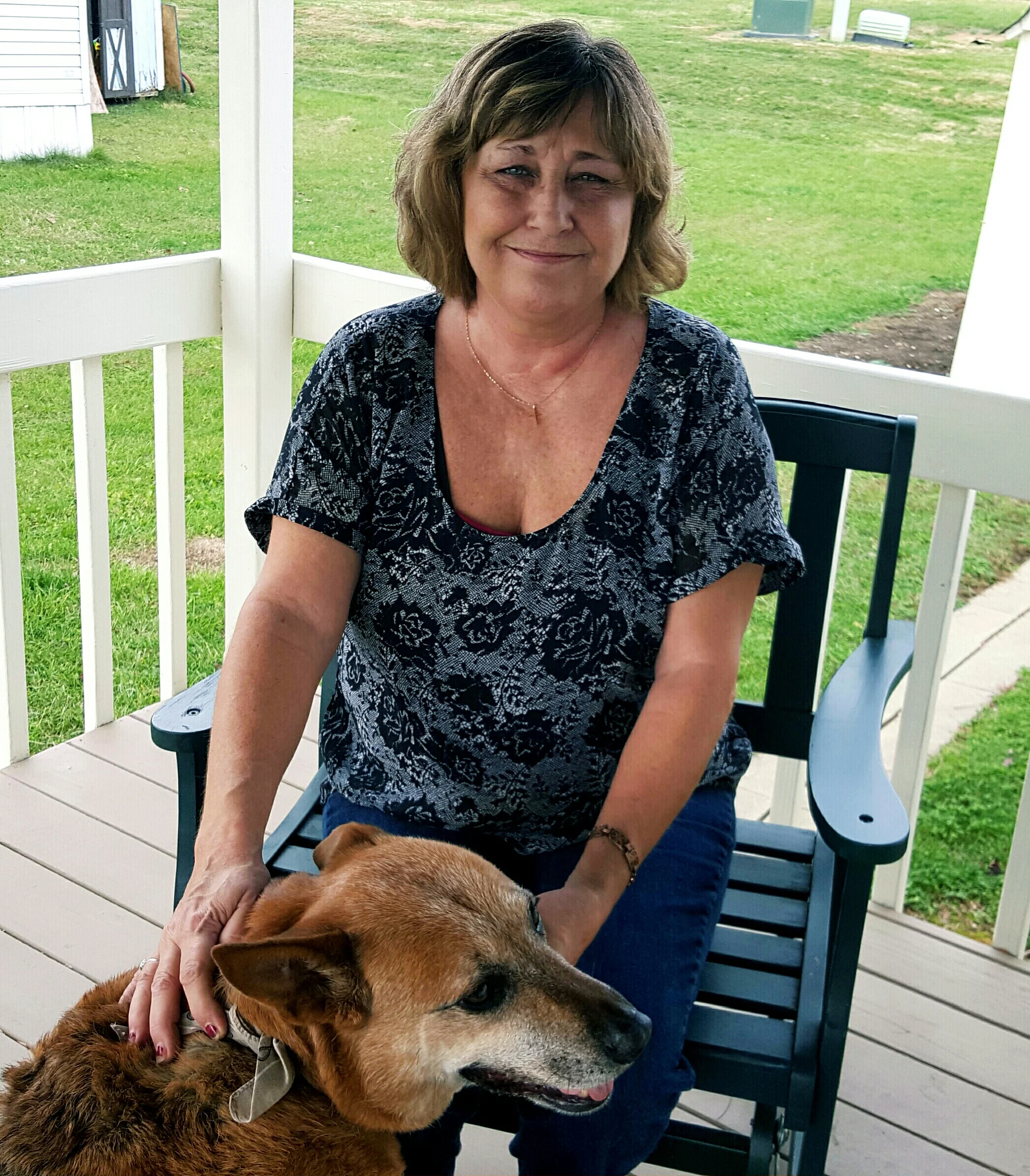
rebecca roberts

rebecca roberts

I tried many other drugs, including Lyrica, which is much more expensive, made me tired and affected my thinking abilities.  Opioids allow me to do my grocery shopping and care for myself.  If I don't have access to my pain meds, I have no quality of life. Opioids keep my pain at tolerable levels. It does not get rid of my pain totally, nothing ever will.

Opioids are often blamed for accidental overdoses, but I know better as I have arachnoiditis friends who committed suicide because their pain was so bad.  Some families deny it was suicide because insurance companies will not pay if a family member commits suicide.

Eventually I found a doctor who diagnosed me with arachnoiditis. There is no cure for this pain condition. It is mainly iatrogenic, which means it is caused by a medical procedure.

I also found out arachnoiditis is caused by Depo-Medrol. Pfizer warns against the use of this drug in epidurals in Australia and New Zealand. The New Zealand datasheet states that Depo-Medrol must not be used in epidurals and on page 18 it says it can cause arachnoiditis.  Patients need to read the datasheet for themselves before they agree to allow a doctor to do an injection near their spinal cord.

Three months after my epidurals, I could no longer work and had to leave my quality control job at a manufacturing plant, making transmission parts for Honda, which I had done successfully for four years. I loved my job and worked 60 to 70 hours per week.  Now I rely on Social Security disability. 

Luckily, my disability was quickly approved. Many of my arachnoiditis friends struggled for years to get their diagnosis.  Some never do.  According to one estimate, there are 11,000 new cases of arachnoiditis each year, but I think it is much more than that because doctors will not admit to harm.

My medical injury was 10 years ago.  I have been on a high stable dose of opioids with no increases. Now there is so much talk with the Centers for Disease Control Prevention creating guidelines to control opioid prescribing.

The CDC is clueless because they are recommending a cap on the daily dosages. How can they estimate a person’s pain levels? Everyone is different, and there are genetic differences and high metabolizers who need higher doses to control their pain. If that happens, my pain will be uncontrolled again, and I worry about my future. 

Is this fair to the thousands or even millions of pain patients who may suffer from arachnoiditis, who have been harmed by the medical community and incompetence of the Food and Drug Administration? Even though the FDA issued a warning on steroids used for back pain, doctors are ignoring it and not telling their patients. We were harmed and now we suffer because doctors are turning us away.

Thank you to producer Gerri Constant and KCBS-TV in Los Angeles for reporting on the dangers of epidural injections.  We agree with Dr. Forest Tennant that this pain condition is no longer rare.

Rebecca Roberts lives in Indiana. She is a member and supporter of the Arachnoiditis Society for Awareness and Prevention (ASAP)  and the Facebook group Arachnoiditis Together We Fight.

Pain News Network invites other readers to share their stories with us. 

Send them to:  editor@PainNewsNetwork.org.

The information in this column should not be considered as professional medical advice, diagnosis or treatment. It is for informational purposes only and represent the author’s opinions alone. It does not inherently express or reflect the views, opinions and/or positions of Pain News Network.

A Pained Life: We Are Survivors

By Carol Levy, Columnist

So many shows on TV celebrate "survivors" -- survivors of cancer and abuse are the most recent examples I have seen.

But those of us with chronic pain are never celebrated. Instead we are ignored, or worse, excoriated as being the cause of the "painkiller epidemic.”

60 Minutes recently did a story entitled "Heroin in the Heartland." In it, those who are prescribed opioid pain medications and their doctors are portrayed as pied pipers to the world of heroin.

The story was not about those who legitimately need, are prescribed, and sensibly use narcotic medications to tame their pain. Even a cursory sentence to negate the stereotype would have been gladly received.

We who live in chronic pain most often seem to be the “fall guy” for the ills of the world, at least when it comes to the use of opiates, both legal and illegal. To the media and maybe the world, we are not survivors, not under their definition: someone who overcomes a serious illness or situation.

After all, we have not “overcome.” We can't overcome, because our struggle is ongoing, every day, for some of us, every minute, every hour; fighting pain and often disability. Even on a good day, for many of us the fight is ever present; the fear of when it will return being in the forefront of all we do and think.

This is how the Merriam-Webster dictionary defines survivor:

1:  to remain alive after the death of : <he is survived by his wife>

2:  to continue to exist or live after : <survived the earthquake>

3:  to continue to function or prosper despite :  <they survived many hardships>

How does that not define us?

We continue every single day, doggedly putting one foot in front of the other. The more able among us continue to work, raise a family, and be an integral part of the community, despite being in severe pain. The amount of stamina, perseverance and strength that takes would take many an ordinary person down and out.

Others of us have pain so severe, so debilitating, that merely being able to go outside, to get to the store, for some even being able to get out of bed, is a Herculean task. And yet, we do it.

It can be hard for us to see and acknowledge this monumental task we succeed at each and every day, merely by getting through each day. We work so hard at the struggle and it becomes so second nature, that it is often invisible to us, just as our pain is invisible to the world. After all, if no one sees the pain, how can they see or understand the struggle?

So how do you define a survivor?

It is easy. Just look in the mirror.

Carol Jay Levy has lived with trigeminal neuralgia, a chronic facial pain disorder, for over 30 years. She is the author of “A Pained Life, A Chronic Pain Journey.” 

Carol is the moderator of the Facebook support group “Women in Pain Awareness.” Her blog “The Pained Life” can be found here.

The information in this column should not be considered as professional medical advice, diagnosis or treatment. It is for informational purposes only and represent the author’s opinions alone. It does not inherently express or reflect the views, opinions and/or positions of Pain News Network.

Meditation Changes Brain Activity to Reduce Pain

By Pat Anson, Editor

Mindfulness meditation significantly reduces both physical and emotional pain, according to a new placebo controlled study that used MRI imaging to document changes in the brain that occur during meditation.

"We were completely surprised by the findings. While we thought that there would be some overlap in brain regions between meditation and placebo, the findings from this study provide novel and objective evidence that mindfulness meditation reduces pain in a unique fashion," said Fadel Zeidan, PhD, assistant professor of neurobiology and anatomy at Wake Forest Baptist Medical Center in Winston-Salem, NC.

Zeidan and his colleagues enrolled 75 healthy volunteers in the study and used a thermal heat probe on their skin to test their reaction to pain. The probe was heated to 120 degrees Fahrenheit (49 degrees Centigrade) – a level most people find painful. Participants were then asked to rate the pain intensity (physical sensation) and pain unpleasantness (emotional response).

Those who had undergone mindfulness meditation reported their physical pain was reduced by 27 percent and the unpleasantness by 44 percent.

In contrast, volunteers who had used a placebo analgesic cream before the heat probe test said their physical pain was reduced by 11 percent and their emotional pain by 13 percent.

The participants' brains were also scanned with magnetic resonance imaging (MRI) before and after the heat probe experiment.  

"The MRI scans showed for the first time that mindfulness meditation produced patterns of brain activity that are different than those produced by the placebo cream," said Zeidan.

Mindfulness meditation activated brain regions (orbitofrontal and anterior cingulate cortex) associated with the self-control of pain; while the placebo cream lowered pain levels by reducing brain activity in pain-processing areas (secondary somatosensory cortex).

Another brain region, the thalamus, was deactivated during mindfulness meditation. The thalamus serves as a gateway that determines if sensory information is allowed to reach other parts of the brain. By deactivating this area, researchers say, mindfulness meditation may cause signals about pain to simply fade away.

Mindfulness meditation also was significantly better at reducing pain intensity and pain unpleasantness than a placebo sham meditation. The placebo-meditation group had relatively small decreases in pain intensity (9%) and pain unpleasantness (24%).

"This study is the first to show that mindfulness meditation is mechanistically distinct and produces pain relief above and beyond the analgesic effects seen with either placebo cream or sham meditation," Zeidan said. "Based on our findings, we believe that as little as four 20-minute daily sessions of mindfulness meditation could enhance pain treatment in a clinical setting. However, given that the present study examined healthy, pain-free volunteers, we cannot generalize our findings to chronic pain patients at this time."

The Wake Forest study is published in the Journal of Neuroscience,

In addition to relieving pain, there is increasing evidence that meditation and mindfulness cognitive therapy are effective in treating a broad range of mental health issues, including anxiety, depression and stress.

One study, published in the British Medical Journal, found that online mindfulness courses were often just as effective as face-to-face meetings with a therapist.

You can sample a relaxing online pain management meditation at Meditainment.com (click here to see it). The initial course is free.