Committees Support CDC Opioid Guidelines

By Pat Anson, Editor

Two advisory committees expressed broad support Thursday for the controversial guidelines for opioid prescribing being developed by the Centers for Disease Control and Prevention (CDC). Those guidelines discourage primary care physicians from prescribing opioids for chronic non-cancer pain and recommend other therapies such as over-the-counter pain relievers, acupuncture, and cognitive behavioral therapy.

One newly formed committee --- which the CDC calls a “workgroup” --- did express “significant concern” about the cost of those alternative pain therapies and whether they are covered by insurance. The workgroup's report to the CDC’s Board of Scientific Counselors (BSC) also suggested that the guidelines be “framed with positive rather than negative language” that supports “integrated care for people with chronic pain.” It also recommends the impact of the guidelines be monitored for “unintended consequences” after they are implemented. 

The BSC voted to support the workgroup’s report, which can be found here.

“The BSC voted unanimously: to support the observations made by the BSC Opioid Guideline Workgroup; that CDC adopt the guideline recommendations that, according to the workgroup’s observations, had unanimous or majority support; and that CDC further consider the guideline recommendations for which the workgroup had mixed opinions,” said CDC spokesperson Courtney Leland in an email to Pain News Network.

“CDC is taking the BSC’s recommendations, as well as comments received from the public, into consideration in revising the guideline. The guideline is a priority for our agency. Given the lives lost and impacted every day, we have an acute sense of urgency to issue guidance quickly.”

The CDC planned to implement the guidelines this month with little public input, but was forced to change course after widespread criticism about its secrecy and lack of transparency during the drafting of the guidelines. In response to critics, the 10-member workgroup was formed three weeks ago and met four times by teleconference to review the guidelines. A potential legal problem for the CDC is that none of the workgroup’s meetings were open to the public. The workgroup also reviewed the guidelines with outside consultants without publicly disclosing who they were.

The Washington Legal Foundation (WLF) has threatened to sue the agency for its “culture of secrecy” and “blatant violations” of the Federal Advisory Committee Act (FACA), which requires meetings to be open to the public.

Over 4,300 online comments were received by CDC during a public comment period that ended earlier this month. Many opposed the guidelines as being too restrictive, while others wished the guidelines were stronger to combat the so-called epidemic of opioid abuse and overdoses.  There were passionate arguments on both sides, but in the end the workgroup decided that the case for the guidelines was stronger.

“Comments from patients and family members, in particular, expressed the desire that patient-centered care is enhanced rather reduced by these Guidelines. Members felt that the guidelines could be implemented in a manner consistent with patient centered care,” the workgroup said in its report.

As many as 11 million Americans use opioids for long-term chronic pain and many fear losing access to the drugs if the guidelines are adopted.

“The purpose of the guideline is to help to primary care providers offer safer, more effective care for patients with chronic pain and to help reduce opioid abuse disorder and overdose from these drugs,” said Debra Houry, MD, director of the CDC’s National Center for Injury Prevention and Control, which is overseeing development of the guidelines.

"The guideline itself is not a rule, regulation or law. It is not intended to deny access to opioid pain medication as an option in pain management. It is not intended to take away physician discretion and decision making.”

“Pain specialists and their patients fear the Guidelines will not be used that way though and adoption by boards, professional organizations, and insurers will pressure even specialty pain providers to taper patients,” said Anne Fuqua, a chronic pain sufferer and patient advocate. “Pain patients nationwide have been experiencing dose reductions and losing access to care altogether for several years, with the situation becoming more acute in the past year.  In an environment where physicians are tapering patient doses or ceasing opioid prescribing altogether, I feel these guidelines will serve like an accelerant in a growing fire.”

Although the CDC has said it doesn’t want the guidelines implemented until they are finalized, Fuqua said many doctors are already doing just that. She said her faith in democracy “took a swift kick in the teeth” as she listened to the workgroup’s presentation during a conference call. Fuqua was not given an opportunity to speak, although the president and founder of Physicians for Responsible Opioids Prescribing (PROP) were given time to address the BSC in support of the guidelines they helped draft.

“There were 28 comments supporting the Guidelines and 4 dissenters. One physician made statements partially supportive of our needs. CDC will no doubt use this ‘overwhelming support’ to justify adoption of the guidelines. I fear they see us as simply a casualty of war, much like those with tuberculosis who were quarantined to prevent disease spread. The only difference is that harming us doesn't save other lives,” she said.

CDC has not released a timetable on when it plans to finalize or implement the guidelines.

My Life as a Teen with Chronic Pain

By Stacy Depew Ellis, Guest Columnist

School, sports, music, catching up on the latest gossip. That is what I wish I could say my teenage years were filled with.

Don’t get me wrong, I had a great life. However, I was more concerned with being at school, when my last dose of medicine was, and how I was going to get up the stairs.

When I was in eighth grade, I had a traumatic accident in my dance class. After being misdiagnosed and put in a cast for almost three months, I was diagnosed with a chronic pain syndrome called Reflex Sympathetic Disorder (RSD) or CRPS.

I was sent to yet another doctor to see about treatment. It was decided that I would continue taking pain medication and start receiving lumbar injections. Little did I know that sleepless nights and several emergency room trips would also be included. I would be given more than the recommended amount of painkillers and would still be screaming in pain. Every trip back there offered more questions about a teenager being addicted to prescription drugs. Every doctor in town had seen me.

I started high school as a homebound student. I was going to school for my elective classes and seeing a teacher at my house for core classes. A lot of kids my age got hurt, most of them had a cast at some point. But my illness wasn’t visible; you couldn’t see anything wrong with me. I began losing friends and rumors spread like wildfire throughout my community and school. The worse my pain was, the worse the rumors were. It was tough, but I got through school.

STACY DEPEW ELLIS

STACY DEPEW ELLIS

After my 33rd spinal injection, I put a stop to the poking and prodding. The doctor hit a nerve and I was paralyzed from my shoulder to my finger tips for two days. Forty-eight hours of not moving an arm. Even more doctors came to see me and I started what would become the first of many steroid treatments.

Time went by and nothing got better. I had headaches, achiness, and started having trouble putting my thoughts into sentences. I saw a neurologist who once again started a smorgasbord of tests. Using my body as a human cushion was normal. What seemed like years of MRIs, spinal taps, and some things I have never heard of, led to the diagnosis of multiple sclerosis.

MS? Really? I was 21 years old.  My first round of treatment was a huge dose of steroids. I took 150 Prednisone pills followed by three days of IV steroids. My flare ups were bad, leaving me in the hospital for weeks at a time. I was a guinea pig for these pharmaceutical companies, injecting myself with a different medicine every month to see which worked best.

It was relieving to finally have a diagnosis and know what was wrong, but having MS is almost worse than not knowing. Heaven forbid I get sick and need to see a doctor. No one wants to treat someone with something like MS. Doctors immediately go to “it’s just the MS” and real problems get overlooked and never fixed. Honestly, the dentist even has trouble being your doctor.

I have been on medicine almost my whole life. I have been seen for depression and spent my paychecks on medical bills. There may never be a cure for multiple sclerosis and I may always be popping pills and injecting things into my stomach, but I am happy to say that I do my hardest to not let my disability hinder me. I try to not let it even be a part of me and I live my life to the fullest.

I will be on anti-anxiety medicine forever but I also believe that I can do anything that I desire. That is something that no doctor can ever take from me.

Stacy Depew Ellis lives in Alabama with her husband. Stacy proudly supports the Alabama-Mississippi National Multiple Sclerosis Society and the Ronald McDonald House Charity, which provided housing for Stacy and her mother when she was in a treatment program in Philadelphia.

Pain News Network invites other readers to share their stories with us.  Send them to:  editor@PainNewsNetwork.org

The information in this column should not be considered as professional medical advice, diagnosis or treatment. It is for informational purposes only and represent the author’s opinions alone. It does not inherently express or reflect the views, opinions and/or positions of Pain News Network.

Does Chronic Pain Define Us?

By Crystal Lindell, Columnist

The strangest part about having mental health issues is that it makes you wonder who you really are as a person — in your core.

Like if you’re feeling insanely anxious because of morphine withdrawal, does that make you an anxious person? Does that become part of who you are? Is that suddenly one of the many personality traits people will associate with your character?

Or, when you’re on morphine, and it changes you from a Type A person into a Type B person, is that who you are now?  Is that your personality?

Or what about when you’re in so much pain that your patience is gone, and you realize that you are being a total bitch to everyone within striking distance. Does that make you a bitch? Is that who I am now?

I honestly don’t know who I am now.

I’ve been feeling especially unsteady lately as I try to navigate a new-found glimpse of health where I have actual pain-free days, and as I also simultaneously try to go off morphine completely. It turns out long-term morphine withdrawal is so much more emotional than anyone ever tells you.

And it turns out that I actually have no idea who I am as a person anymore.

I’m working with a psychologist and a psychiatrist, and I’m trying to figure everything out. But it’s almost like I spent the last three years of my life so completely consumed with my health issues, that I lost my identity. 

Back when my parents got divorced, I remember being in a “kids from divorced families” support group about two years after everything first went down, and the woman leading the group asked me to tell everyone a little bit about myself. And I suddenly realized I didn’t know myself well enough to answer that question.

I remember lying and saying I was involved in things I used to be involved in, like theater. I realized in that moment that I had been walking through life with my head down, with my eyes on the ground for years, and I was trying to look up and see the world around me again. I’d been so consumed by my family’s issues that it literally hurt my eyes to look up. 

These days, the setting is different but the realization has been the same. I’m on a date, or writing a Twitter bio, or talking to my therapist, and I suddenly find myself unable to answer basic questions, like “What are you interested in?” “What do you like to do for fun?” or “How would you describe yourself?”

And it hits me, that for the second time in my life, I have no idea who I am.

I know what I’m not. I’m not a youth leader anymore. I’m not Type A anymore. I’m not independent anymore. I’m not even drug free, or a practicing Christian, or living in my own place.

But if I’m not any of those things, who am I?

They say that going through hard times makes you realize who you really are as a person. If that’s true, it turns out that this whole time I was an atheist, Type B, bitch.

But I’d like to believe something else. I’d like to think that hard times are like a fire, a hurricane and maybe a bomb -- all at once — and they just destroy everything in their path. Picking up the pieces means finding lots of damaged things. It means that for a while, everything is burned, and blown up and underwater. And that’s okay. It’s okay to be damaged.

The important thing is figuring out how rebuild, and creating something new from the wreckage. It’s about figuring out what I want my soul to look like now that it’s endured an explosion. I’m not sure yet who I will be when everything gets redone — I’m not sure who I want to be.

When 2016 started, I posted a quote on my Instagram, “What is coming is better than what has gone.” 

And I have to believe that whatever I choose to rebuild, it will be better than what the pain destroyed.

Crystal Lindell is a journalist who lives in Illinois. She loves Taco Bell, watching "Burn Notice" episodes on Netflix and Snicker's Bites. She has had intercostal neuralgia since February 2013.

Crystal writes about it on her blog, “The Only Certainty is Bad Grammar.”

The information in this column should not be considered as professional medical advice, diagnosis or treatment. It is for informational purposes only and represent the author’s opinions alone. It does not inherently express or reflect the views, opinions and/or positions of Pain News Network.

Recalled Lyrica Damaged By 'Extreme Heat'

By Pat Anson, Editor

Nearly 150,000 bottles of Lyrica are being recalled by Pfizer in the United States and Puerto Rico because they may have been damaged by "extreme heat" while being transported, Pain News Network has learned. Each bottle contains 90 capsules.

Pfizer ordered the recall of its blockbuster pain drug on January 11 and notified retailers that may have been shipped the damaged capsules, but made no effort to tell patients about the recall because the problem did not appear serious, according to the company. PNN learned about the recall when a “Dear Customer” letter sent to retailers surfaced.

“Even though the patient impact and safety risk are low, Pfizer has decided, out of an abundance of caution, to voluntarily recall three lots of Lyrica capsules at the retail level due to the potential presence of deformed or damaged capsules. Please note that the use of, or exposure to, this product is not likely to cause adverse health consequences,” the company said in a statement to PNN.

The Lyrica capsules were manufactured at a Pfizer facility in Freiburg, Germany and shipped to U.S. wholesalers in September or October of last year. Pfizer said it learned some of the capsules were damaged in mid-December.

"We believe this was a result of exposure to extreme heat during transit," the company said. “Pfizer places the utmost emphasis on patient safety and product quality at every step in the manufacturing and supply chain process. There is no anticipated impact on supply. Pfizer will continue to meet product demand based on U.S. prescriptions."

Lyrica is Pfizer’s top selling drug, generates over $5 billion in annual sales, and is currently approved for use in over 130 countries. In the U.S. Lyrica is approved to treat epilepsy, diabetic nerve pain, fibromyalgia, post-herpetic neuralgia caused by shingles, and spinal cord injury. It is also widely prescribed “off label” to treat a variety of other conditions, including lumbar spinal stenosis, the most common type of lower back pain in older adults. Lyrica is the brand name of pregabalin, which was originally developed as an anti-seizure medication.

Three lots of Lyrica are being recalled. They include 50 mg capsules in 90-count bottles, Lot #M07861 and with an expiration date of 5/31/2018. Two lots of 75 mg capsules in 90-count bottles are also being recalled. Their lot numbers are #M07862 and #M07865, with expiration dates of 5/31/2018 and 6/30/2018.

Pfizer issued no press releases about the recall and there is no mention of it on the company’s Lyrica website or the Food and Drug Administration's website that lists recalled products. 

Pfizer says the manner in which it conducted the recall was approved by the FDA’s New York District Office. The company proposed that it be classified as a Class III recall, which the FDA defines as “a situation in which use of or exposure to a violative product is not likely to cause adverse health consequences.”

“Recalls are actions taken by a firm to remove a product from the market.  Only in rare cases will FDA request a recall. FDA's role is to oversee a company's strategy and assess the adequacy of the recall,” said Stephen King, an FDA spokesman who said the agency was still evaluating the effectiveness of the recall.

“Not all recalls are announced in the media or on our Recalls press release page.  FDA seeks publicity about a recall only when it believes the public needs to be alerted to a serious hazard.”

Pfizer ordered the Lyrica recall just days after raising the listed price of the pain drug by 9.4 percent. Prices were also raised on over 100 of the company’s other drugs. Pfizer’s pharmaceutical division reported revenue of $45.7 billion in 2014.

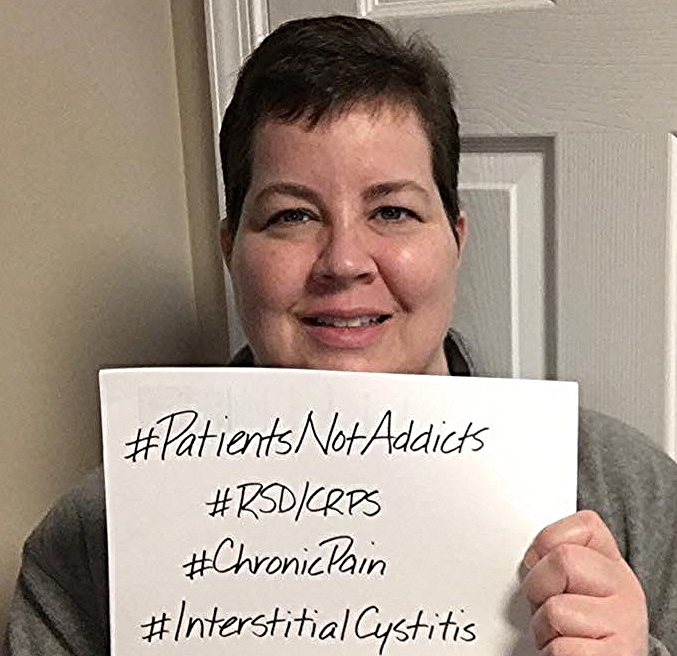
#PatientsNotAddicts Campaign Launched on Twitter

By Ken McKim, Guest Columnist

There’s a hashtag coming to a screen near you: #PatientsNotAddicts. Its importance to the millions of people who suffer from chronic illness cannot be overstated.

Words matter. Words are powerful. They can educate, but they can also blind. They can sway the opinions of millions of otherwise thoughtful and intelligent people through nothing more than simple repetition, even if the information they repeat is patently false.

In a 1992 study by McMaster University researchers, it was shown that people give more weight to something they hear repeated over and over again, than something they have only heard once. People will do this even if the person repeating the information has proven untrustworthy in the past on multiple occasions. Repeat it often enough, and a lie becomes the truth.

We see this all the time in life. It’s why advertising exists, and why politicians will never completely stop using negative campaign ads. Its how one discredited doctor was able to scare the daylights out of millions of Americans about the so-called dangers of vaccines, thus leading to a resurgence of diseases that had previously been all but eradicated, like measles and whooping cough.

#PNA NancySkinnerWitt.jpg

This same tactic is now being used against medications that give relief to millions of people who are fighting cancer and chronic illness: opioid-based painkillers.

There’s no better way to ascertain public opinion on a subject than by Googling it. In this modern century of seemingly unlimited information, Google serves as society's mirror, reflecting back to us the truth of how we feel about any given subject. It’s not hyperbole to say that as Google goes so does the world, and this is especially true when it comes to the subject of opioids.

A recent search of Google using just the word “opioids” found that 50% of the search results had to do with addiction and abuse. Only 4% of the results dealt solely with the proper use of opioid pain medication.

It’s plain to see that media coverage on the subject of opioids skews overwhelmingly negative, and the average person researching the topic will come away with an equally negative (and unknowingly distorted) opinion of them.

It’s this negative societal view that the CDC was probably counting on to divert attention from their covert attempt to issue new prescribing guidelines to severely limit the prescribing of opioids. The webinar they held on the subject last September was an invitation only affair. No press releases were issued, and the period of time allotted for public comment was a paltry 48 hours (which was laughable considering most of the public had no idea this was taking place). 

If not for the vocal pushback from the chronic illness community and organizations like the Washington Legal Foundation, these new guidelines would already be a fact of life for all United States citizens. Sadly, these guidelines are now the law of the land for our wounded veterans, as part of the $1.1 trillion spending bill passed and signed into law by President Obama last December.

Taking opioids for pain does not automatically turn you into an addict, any more than eating M&Ms turns you into chocolate.

Chronic illness may be invisible, but the chronically ill can no longer afford to be. That’s why #PatientsNotAddicts is important. Words are powerful and repetition can be a tool for the truth as well as for lies.

Using this hashtag can help remind everyone that pain patients are ordinary people. They are your loved ones, friends, neighbors and co-workers. What they want more than anything (except for a cure, of course) is to recapture just a small piece of the life they had before their illness took hold, before the never-ending pain of their condition destroyed the lives they had built for themselves -- lives that included careers, birthday parties, graduations, playing with their kids and being intimate with their spouses or significant others.

For hundreds of millions of people, opioids help them do just that. To deprive them of that small ray of hope in the name of “protecting them” is nothing short of inhumane.  I believe we are better than that, America. Prove me right.

Ken McKim is an advocate for anyone with a chronic illness, and has made more than 43 videos on topics such as Crohn’s disease, lupus, depression, Ehlers-Danlos Syndrome, Complex Regional Pain Syndrome and much more. You can see his videos at Don’t Punish Pain and on his YouTube channel.

Ken began advocating for pain patients when his wife was diagnosed with Crohn’s – and he came to realize that the chronically ill were often stigmatized by society. That realization led him to make a 32-minute video called "The Slow Death of Compassion for the Chronically Ill."

The information in this column should not be considered as professional medical advice, diagnosis or treatment. It is for informational purposes only and represent the author’s opinions alone. It does not inherently express or reflect the views, opinions and/or positions of Pain News Network.

Major Decline in Hydrocodone Prescribing

By Pat Anson, Editor

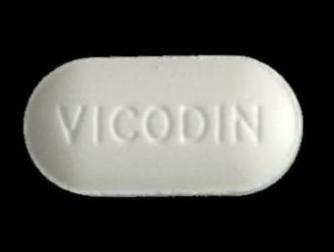
Prescriptions for Vicodin and other hydrocodone products declined dramatically in the United States after the opioid pain medication was rescheduled by the Drug Enforcement Administration to make it harder to obtain. But there may have been unintended consequences for cancer patients, according to a new study published in JAMA Internal Medicine.

In October 2014 the DEA rescheduled hydrocodone from a Schedule III controlled substance to a more restrictive Schedule II medication because of its “high abuse potential.”

The rescheduling limits patients taking Vicodin, Lortab, Lorcet and other hydrocodone combination products to an initial 90-day supply and requires them to see a doctor for a new prescription each time they need a refill.

In the first year after rescheduling, the number of hydrocodone prescriptions in the U.S. plunged by 22 percent, from nearly 120 million to 93.5 million.

Vicodin.jpg

“Dispensed hydrocodone combination product prescriptions decreased substantially after rescheduling by the US Drug Enforcement Administration, with 26.3 million fewer hydrocodone combination product prescriptions and 1.1 billion fewer hydrocodone combination product tablets dispensed in the year after rescheduling,” wrote lead author Christopher Jones, PharmD, U.S. Department of Health and Human Services. “Most of this decline was due to the elimination of hydrocodone combination product prescription refills, consistent with the prohibition on prescription refills for schedule II medications.”

The decline in prescribing was seen in almost all healthcare specialties, including primary care, surgery, dentistry, emergency medicine and oncology. Nearly 187,000 fewer prescriptions for hydrocodone were written for cancer patients in the first year after rescheduling, a decline of nearly 21 percent.

“It appears that up-scheduling of hydrocodone accomplished the goal of the DEA,” said Lynn Webster, MD, past president of the American Academy of Pain Medicine and author of The Painful Truth. “The more important question is what impact this has had on the rate of abuse and patient access to the medication. It may be too early to know whether rescheduling has affected the rate of people abusing opioids or if it just forced some abusers to seek alternatives like heroin.

“The JAMA report suggests that even cancer patients found it more difficult to obtain hydrocodone. That should be alarming to the medical community and illustrate to policy makers and law enforcement there are consequences to every action and in this case some people have been subjected to more cost, inconveniences and abandonment without any data to suggest an improvement in abuse or overdoses.”

Interestingly, the number of hydrocodone prescriptions written by pain management specialists after rescheduling increased by 7 percent. And there was a modest 4.9% increase in the number of prescriptions for opioids other than hydrocodone, as some patients apparently switched to opioids that were easier to obtain.

"The uptick from pain specialists most likely reflects a transfer of narcotic provision from non-specialists to specialists. That is, a decrease in prescribing from those who have less training in prescribing opioid pain relievers offset to some extent by an increase from those who have more such training," said Stuart Gitlow, MD, Executive Director of the Annenberg Physician Training Program in Addictive Disease and past president of the American Society of Addiction Medicine.

Gitlow believes the large overall decline in hydrocodone prescribing was a sign that many of the refills being ordered before rescheduling "were ultimately determined to be unnecessary."

"This was not meant to address the overall opioid prescribing problem, but was rather filling one hole in the dike," Gitlow wrote in an email to Pain News Network. "There remains much left to do, such as removal of the cap for treatment of opioid use disorders in office settings, and availability of tapering to avoid having patients move to heroin when their supply of prescription narcotics is suddenly cut off."

Hydrocodone was once the most widely prescribed medication in the United States, with over 137 million prescriptions annually. Prescribing of hydrocodone was already in decline before rescheduling, because of growing concern the drug was being abused and diverted.

If I Had Cancer

By Vikki Towsey, Guest Columnist

I am not a junkie. I am not a pill seeker. I am not a doctor shopper. I am a chronic pain patient. I am a mother, a wife and a friend. I am a social worker. I work with offenders being released from prison who have HIV or AIDS. I am their advocate. I help navigate the healthcare system for my clients.

I find it odd that for my own healthcare needs I am often left on my own to mediate between my three treating physicians. No one advocates for me or helps me navigate through the labyrinth-like healthcare system. My doctors do not communicate nor do they collaborate with each other to make sure I am provided the best care possible.

I have Ankylosing Spondylitis (AS), a chronic autoimmune disorder that has wreaked havoc on my body. I went undiagnosed for 20 years, but it was not from a lack of trying to find answers to the severe back and hip pain that left me bedridden for months on end.

To say I have suffered is an understatement. My children suffer, my husband suffers, and my career suffers. This is largely due to the belief within the medical community that women do not contract AS or they have no idea what AS is.

My diagnosis came too late to prevent the damage done to my joints, which is not repairable. Ankylosing Spondylitis has also increased my chances of early mortality.

The treatment prescribed doesn't work well. I am on a biologic, sulfasalazine, and a commonly prescribed NSAID. While inflammation has decreased due to the joint damage, my pain is still severe. It disrupts my life and causes widespread fatigue.

VIKKI TOWSEY

VIKKI TOWSEY

People with disorders like mine are often fighting not only our conditions but a system that has become adversarial for many of us. Our pain has become a scarlet letter that identifies us as junkies, pill seekers, and criminals.  The CDC's proposed opioid guidelines will ensure that this continues. We are imprisoned by our suffering and endure a sentence of constantly fighting a system that is set up to deprive us of treatment that provides some quality of life.

If I had cancer, there would be widespread acceptance of any treatment that would provide improvement to my condition and quality of life. No one would think twice about writing me a prescription for opioids. In fact, not prescribing opiates would be considered malpractice. If I had cancer, I would also not be put in a federal database and I would not be looked at with suspicion by my pharmacist.

It almost creates a sense of envy for the chronic pain patient. Aside from the fact that cancer sucks, life might get a little easier for us. Before you argue that no one should wish for cancer, you are right! Cancer is horrible. So is living every day with pain so severe that it leaves a wake of victims in its path.

I didn't ask for this. I didn't choose this life. I didn't ask to be dependent on pain medications that give me the ability to take my children to a movie on a Saturday afternoon. My husband didn't ask to marry someone who cannot participate in household chores without the assistance of a pill.

I relate to the fear of asking for pain medication that will label me an addict, pill seeker, or junkie. We are let down every day by a system that is supposed to provide care for us. We are failed by doctors who took an oath to do no harm. All I want is a pain free day.  Is that too much to ask?

My life is worth more than haphazard and limited care. I demand better. We all should demand better. Our doctors should demand better. If we don't demand these things, then we just create more victims. Write to your doctor, write your representative, senators, and please write the CDC and tell them enough is enough!

Vikki Towsey lives in Virginia with her family. Vikki is a social worker, professional life coach, and co-administrator of the Ankylosing Spondylitis Project, an advocacy group for people with Ankylosing Spondylitis and other chronic illnesses.

Pain News Network invites other readers to share their stories with us.  Send them to:  editor@PainNewsNetwork.org

The information in this column should not be considered as professional medical advice, diagnosis or treatment. It is for informational purposes only and represent the author’s opinions alone. It does not inherently express or reflect the views, opinions and/or positions of Pain News Network.

Pfizer’s Quiet Recall of Lyrica Capsules

By Pat Anson, Editor

Pfizer has quietly recalled three lots of its blockbuster drug Lyrica because of a manufacturing problem that could have left some capsules deformed or damaged.  The voluntary recall only involves 50 mg and 75 mg Lyrica capsules with a certain lot number and expiration date.

“Please note that use of, or exposure to, product from these lots is not likely to cause health consequences,” said Lou Dallago, Vice-President of Pfizer’s U.S. Trade Group, in a “Dear Customer” letter sent to retailers who may have received a shipment of the recalled Lyrica lots in September or October 2015.

The letter is dated January 11, 2016 and is stamped “Urgent: Drug Recall.”

Pfizer has not publicized or notified patients directly about the recall. The drug maker has issued no press releases about the recall and there is no mention of it on Pfizer’s Lyrica website or the Food and Drug Administration's website that lists recalled products. 

lyrica recall letter.jpg

(An update to this story can be found by clicking here).

“The recall was initiated because some Lyrica capsules in the affected lots may be deformed or damaged,” GoodRx.com reported.  “This can affect the integrity of the medication in those capsules, which means they could lose some of the active ingredient—so you may or may not be getting the full dose with each capsule. If you don’t receive the correct dose, your prescription may not be as effective.”

Lyrica is the brand name of pregabalin, which was originally developed as an anti-seizure medication to treat epilepsy. Lyrica is also approved by the FDA to treat diabetic nerve pain, fibromyalgia, post-herpetic neuralgia caused by shingles and spinal cord injury. Lyrica is prescribed “off label” to treat a variety of other conditions, including lumbar spinal stenosis, the most common type of lower back pain in older adults.

The recalled Lyrica includes 50 mg capsules in 90-count bottles, Lot #M07861 and with an expiration date of 5/31/2018.

Two lots of 75 mg capsules in 90-count bottles are also being recalled. Their lot numbers are #M07862 and #M07865, with expiration dates of 5/31/2018 and 6/30/2018.

Lyrica is Pfizer’s top selling drug, generates over $5 billion in annual sales, and is currently approved for use in over 130 countries. Last year Pfizer agreed to pay $400 million to settle a shareholder lawsuit over allegations it illegally marketed Lyrica and several other drugs off-label. The lawsuit stemmed from a $2.3 billion settlement with the federal government in 2009 for fraudulent marketing and illegal kickbacks paid to doctors who prescribed Lyrica and other Pfizer products.

CDC Over-Counted Opioid Overdoses

By Alison Knopf, Editor of Alcoholism & Drug Abuse Weekly

Drug overdose deaths have increased 137 percent — 200 percent for opioids — since 2000, the federal Centers for Disease Control and Prevention (CDC) announced in its January 1 Morbidity and Mortality Weekly Report (MMWR). The analysis looked at overall increases in overdose deaths from 2000 to 2014, and focused specifically on increases from 2013 to 2014. The majority (61 percent) of the drug overdoses in 2014 involved some type of opioid, according to the report.

Some overdose deaths were counted more than once.  “Some deaths involve more than one type of opioid; these deaths were included in the rates for each category (e.g., a death involving both a synthetic opioid and heroin would be included in the rates for synthetic opioid deaths and in the rates for heroin deaths),” the report stated.

We asked Rose A. Rudd, CDC health scientist and lead author of the report, about the over-counting of overdose deaths.

“Some deaths do include more than one type of drug,” responded Rudd in an email to ADAW. “In 2014, there were 12,159 deaths involving a natural or semi-synthetic opioid; 3,400 deaths involving methadone; 5,544 deaths involving a synthetic opioid (exclusive of methadone); and 10,574 deaths involving heroin. There were 28,647 deaths that involved any opioid: this number of deaths does not the sum to the other categories, as deaths do include more than one type of drug.”

That is not to discount the severity of the opioid epidemic, and the increase in heroin and illicit fentanyl use and overdose deaths. Heroin and illicit fentanyl (not the prescribed medication) were responsible for most of the increase, the report stated. There was a particularly sharp increase in deaths involving synthetic opioids (other than methadone), which, the report said, was in line with law enforcement reports of an increase in illicit fentanyl on the streets. However, pharmaceutical fentanyl cannot be distinguished from illicit fentanyl in death certificates.

Between 2013 and 2014, overdose rates involving methadone were unchanged, but deaths involving opioid pain relievers increased 9 percent, deaths involving heroin increased 26 percent and deaths involving synthetic opioids (other than methadone) increased 80 percent.

“These findings indicate that the opioid overdose epidemic is worsening,” the report stated. “There is a need for continued action to prevent opioid abuse, dependence, and death, improve treatment capacity for opioid use disorders, and reduce the supply of illicit opioids, particularly heroin and illicit fentanyl.”

The greatest increases were in 25–44-year-olds and people 55 and over; in whites and blacks; and in the Northeastern, Midwestern and Southern regions of the United States.

Hardest-hit states

The report singled out the five states with the highest rates of drug overdose deaths in 2014: West Virginia (35.5 deaths per 100,000), New Mexico (27.3), New Hampshire (26.2), Kentucky (24.7) and Ohio (24.6). In addition, states with statistically significant increases in the rate of overdose deaths from 2013 to 2014 included Alabama, Georgia, Illinois, Indiana, Maine, Maryland, Massachusetts, Michigan, New Hampshire, New Mexico, North Dakota, Ohio, Pennsylvania and Virginia.

Specific codes

The CDC relied on the National Vital Statistics System multiplecause-of-death mortality files, which classify drug overdose deaths based on International Classification of Diseases, Tenth Revision underlying cause-of-death codes. The basic codes are X40–44 (unintentional), X60–64 (suicide), X85 (homicide) or Y10–Y14 (undetermined intent). Then the type of opioid involved is indicated by a T code (T40.0, T40.1, T40.2, T40.3, T40.4 or T40.6); natural and semisynthetic opioids (including morphine, oxycodone and hydrocodone) are T40.2; methadone is T40.3; synthetic opioids (including fentanyl and tramadol, as well as illicit fentanyl) other than methadone are T40.4; and heroin is T40.1. If more than one opioid was found, both were listed, accounting for the fact that some deaths were reported more than once.

The increase in heroin overdoses mirrors large increases in heroin use across the country, the report stated, and it adds that heroin use is “closely tied to pain reliever misuse and dependence.”

The increased availability of heroin and its low price compared with prescription opioids, as well as high purity, are “major drivers of the upward trend in heroin use and overdose,” the report stated.

Limitations

In addition to counting deaths more than once, there were other limitations to the study. The authors admit that toxicology laboratory tests performed at autopsy vary based on jurisdiction; in addition, in 2013, 22 percent of drug overdose deaths did not include any information on the death certificates about the specific drugs, and 19 percent in 2014 did not include such information. Finally, some heroin deaths might have been misclassified as morphine, because the drugs are metabolized similarly and testing might not have been done that can distinguish between them.

Message still prescription opioids

The conclusion of the report was the same message the CDC has been promoting (as it has been tasked with by the White House) — to reduce the prescribing of opioids. As the CDC’s Leonard J. Paulozzi, M.D., told us last year, people who are initiating the use of heroin started with the use of prescription opioids, and “if we can stop feeding that pool now, it will help,” while at

the same time saying, “If you have a large cohort of people who are already physiologically dependent on heroin or prescription opioids, those people aren’t going to go away. They’re going to seek drugs, and they will need to get into treatment”

However, the fact is that opioid prescribing has been reduced substantially, and at the same time, heroin use is going up, and the CDC’s main focus is still on reducing prescribing of opioids. 

The MMWR was posted online as an early release December 18, shortly after the CDC announced it would issue draft guidelines on opioid analgesic prescribing for primary care providers.

This article is republished with permission of Alcoholism & Drug Abuse Weekly, which provides news and analysis of federal and state public policy developments, private sector business developments, and provider issues and innovations in addiction treatment. 

Epidurals May Harm Newborn Babies

By Pat Anson, Editor

We’ve written before about the risks associated with epidural injections used to relieve back pain and pain during childbirth. Now comes word that epidural analgesia may also have adverse effects on newborns.

A large study by researchers at the University of Granada in Spain found that babies born after their mothers were given epidurals had a small decline in their overall health, were less likely to begin early breast feeding, and were significantly more likely to be admitted to neonatal intensive care. Resuscitation was also significantly more frequent in babies born after epidural analgesia.

The study, published in Midwifery magazine, involved over 2,600 babies born between 2010 and 2013 at San Juan de la Cruz hospital in Úbeda, a province of Jaén, Spain

"A series of adverse effects have been observed both on the mother and on the baby,” said lead author Concepción Ruiz Rodríguez, a professor in the Department of Nursing of the University of Granada.

“Adverse effects observed on the baby are attributed to a direct pharmacological effect, due to a placental transmission of the drug administered to the mother, or due to an indirect secondary effect as a consequence to the physiological changes the drug causes in the mother, such as hormonal changes."

Researchers measured the overall health of the babies by using Apgar index values, a quick test applied to newborn babies to assess their general health. They found the Apgar values were “slightly but significantly lower” in newborns whose mothers had epidurals.

“Epidural analgesia may have adverse effects on newborns, although the risks are low, and further research is required to elucidate the causal nature of this relationship,” said Ruiz Rodriguez. "For that, we consider that it's important that both mothers and health professionals (obstetricians and midwives) know and have in mind those risks when the time for taking a decision comes.”

Epidurals involve the injection of steroids, opioids or other analgesic drugs through a catheter. The injection blocks the transmission of pain signals through nerves in the spinal cord.

Epidurals are commonly used to relieve pain during childbirth and, while the risks are low, they can result in complications for the mother such as headaches, difficulty breathing, seizures, or damage to the spinal cord. Drugs used during epidurals also pass through the placenta to the baby.

Epidurals injections are given to millions of Americans each year for back pain and there is growing controversy over their use. A study by federal researchers last year found that steroid injections provide limited or no relief  from radiculopathy and spinal stenosis, two conditions that cause low back pain.

A number of prominent physicians have told Pain News Network the shots are overused, with some patients getting dozens of injections, which raises their risk of complications.  

Miss Understood: How Arthritis Has Changed Me

By: Arlene Grau, Columnist

I've been noticing several changes in myself since turning 30 this past August, most of which are physical and have more to do with my lupus and rheumatoid arthritis (RA). I've never been the type of person who cares about her looks or what people think about me. However, when I began noticing large nodules forming on my fingers and persistent swelling around my wrists and knuckles I became more self-conscious.

It became especially embarrassing one day when I went to share how I had noticed certain nodules getting bigger and a friend said, "Wow that looks gross." I guess in a way I expected her to be more sympathetic about my situation, but some people may never understand.

I have some fingers that I can hardly bend and others that remain stiff for hours. Most of my fingers have become swollen and tender to the touch. I'd say my hands have suffered the most due to my RA and it makes life that much more difficult.

Just a few weeks ago I woke up unable to walk, so I ended up in the hospital. After having x-rays and an MRI, they ended up finding a labral tear and severe arthritis damage in my right hip, hence the reason why I couldn't walk.

I saw an orthopedic surgeon who said I can either have surgery now to repair it or get a cortisone injection to see if it helps temporarily, but based on the amount of damage my hip has I'm going to need a hip replacement in a few years. That news hit me like a ton of bricks.

ARLENE GRAU

ARLENE GRAU

I'm only thirty years old and I already have to mentally prepare myself for a future hip replacement? Not because I fell or because I broke it, but because my arthritis is so advanced that it ate away at my hip. It's a lot to take it. I feel like every time I've gotten tests done, whether its blood work or an MRI, they always find something that I don't want to hear about.

All of this and people still tell me that I don't look sick, they question my illness, or the severity of it. They question why I no longer work or what I do all day. They assume I must be having a wonderful time while my kids are at school. All assumptions because they either enjoy gossiping or they don't want to bother sitting down and getting the facts from me.

At a glance I may look like any other person. But up close you can see that I'm not your average mom or housewife.

My diseases have caused so much to my body. I have so many battle wounds and stories. Some untold, some I've cried about, and some I'm proud I've overcome.

My diseases have changed me. I'm not the same person I was when I was first diagnosed and I don't just mean that in the physical sense. In some ways I'm stronger because I've overcome so much and I'm going to continue fighting. But I also feel like I've aged and I'm tired of all the changes it's brought upon me.

They say change is good, but I don't think they were referring to the type of changes caused by autoimmune diseases.

Arlene Grau lives in southern California with her family. Arlene suffers from rheumatoid arthritis, fibromyalgia, lupus, migraine, vasculitis, and Sjogren’s disease.

The information in this column should not be considered as professional medical advice, diagnosis or treatment. It is for informational purposes only and represent the author’s opinions alone. It does not inherently express or reflect the views, opinions and/or positions of Pain News Network.

Arthroscopic Knee Surgery Not Cost-Effective

By Pat Anson, Editor

Another study is raising doubts about the value of arthroscopic knee surgery, a procedure that is routinely used to treat osteoarthritis and other chronic knee problems. Researchers at Western University in Canada say the surgery provides no additional benefit compared to physical therapy, exercise and medication.

Over 250 million people worldwide suffer from knee osteoarthritis (OA), which causes thinning of cartilage and progressive joint damage. Nearly 40 percent of Americans over the age of 45 have some degree of knee OA.

Investigators at Western’s Bone and Joint Institute analyzed the cost-effectiveness of arthroscopic  surgery, a type of “keyhole” surgery in which the surgeon makes a small incision in the knee and inserts a tiny camera and instruments to diagnose and repair damaged ligaments or torn meniscus.

Over 850,000 arthroscopies are performed every year to relieve knee pain in the UK and the United States alone.

"We previously showed in a randomized clinical trial that arthroscopy for knee osteoarthritis provided no benefit over optimized non-operative care. Despite that finding, and subsequent similar studies, the surgery is still commonly performed," says Trevor Birmingham, the Canada Research Chair in Musculoskeletal Rehabilitation at Western's Faculty of Health Sciences. "That's why we felt it was important to do the accompanying cost-effectiveness analysis."

The two-year study, published in the journal BMJ Open, found that arthroscopic knee surgery is “not an economically attractive treatment option” compared to non-operative treatments such as physical therapy, exercise and medication. Depending on insurance, hospital charges and the surgeon, arthroscopic surgeries cost about $4,000.

“Patients who received non-operative therapies showed similar improvements in pain, function, and quality of life compared to those who also received surgery, at a significantly lower cost,” says lead author Jacquelyn Marsh, a Post-Doctoral Fellow in Health Economics at Western University.

While most people do feel better after knee arthroscopy, randomized clinical trials found that patients improve to a similar extent when they receive non-operative treatments or ‘sham’ surgery, where the patient receives anesthesia but doesn’t actually receive the surgical treatment.

“When that body of evidence is coupled with the present economic analysis, one has to question whether health care funds would be better spent elsewhere,” said Birmingham.

A 2014 report by a German health organization also found arthroscopic  surgery does not relieve pain any better than physical therapy or over-the-counter pain medications.

Another study published last year in the The BMJ called the benefit of knee surgery “inconsequential.” Researchers in Denmark and Sweden reviewed 9 studies on arthroscopic knee surgeries and found that the surgery provided pain relief for up to six months, but without any significant benefit in physical function. Risks from the surgery are rare, but include deep vein thrombosis, infection, pulmonary embolism, and death.

"It is difficult to support or justify a procedure with the potential for serious harm, even if it is rare, when that procedure offers patients no more benefit than placebo," wrote Professor Andy Carr from Oxford University’s Institute of Musculoskeletal Sciences in an accompanying editorial.

Carr said thousands of lives could be saved if the surgery was discontinued or performed less often.

CDC Guideline: A Good Start that Needs Improvement

By Stefan Kertesz, MD, Guest Columnist

President Obama began his 2016 State of the Union address by referencing an American epidemic of opioid overdoses. He was right to do so. The Centers for Disease Control report that 2014 saw a record of 18,893 deaths related to opioid overdose, a category that includes both medications and heroin. Given a rising tide of deaths, it is only sensible to look closely at how opioids come into distribution. There is more than one path. Doctors write prescriptions, and the pills may be consumed properly or improperly. Or they can be sold, given to friends, or stolen. Heroin is incredibly cheap and potent these days. It’s often laced with other drugs and can cause overdose in ways that users can’t predict.

A major portion of the public health response has focused on doctors and their prescriptions (disclosure: I’m a primary care doctor trained in internal medicine and addictions). Most public health authorities believe a major contributor to the rising tide of overdoses has something to do with the prescriptions for opioids we write. Our tendency to write prescriptions for pills like hydrocodone or morphine rose precipitously from 2000 to 2011.

Everyone knows a story of someone who wheedles pills out of credulous physicians. Barring a few so-called pill mills (which alone cannot account for the rise in prescriptions), most doctors writing prescriptions for opioid pills do so in response to a patient with severe chronic pain. There are an estimated 100 million Americans with chronic pain, and between 5 and 8 million take opioids for that pain.

It stands to reason that among the patients who have received opioid prescriptions, surely some (or many) should not have received them. Many doctors have decided to prescribe less, starting in 2012, according to national data.

10693.jpg

If prescribing went down while overdoses went up these past few years, it’s fair to say that there is room for argument about precisely how doctor’s prescriptions relate to overdoses. But few would argue there is no relationship at all. Thus, great hopes are pinned on the notion that getting doctors to prescribe differently (and less) for their patients with pain will be key.

Last year the Centers for Disease Control, after consulting an extensive array of experts and interest groups, prepared a draft guideline for doctors on prescribing opioids. In December they placed notice in the Federal Register seeking public commentary. By deadline on January 13, over 4,300 comments were received.

There is a reason this document excites so much passion. In part, organizations such as the American Cancer Society project this guideline will not be voluntary, but will carry force of law.

The hope is to prevent development of addiction and overdose that devastates countless families. Yet, there are those 5 to 8 million patients who receive opioids, some of whom believe that they are at risk of losing access to a crucial medication that is helping manage their pain, improve their quality of life and overall function. As medical boards, insurers and government agencies enforce this guideline, prescribing differently from the topline recommendations is likely to become onerous, leaving many patients in the lurch.

If you listen to this conversation between this 70-year old coal miner who suffered 18 major injuries, and a chief advocate (addiction specialist Dr. Andrew Kolodny) for the reduction of opioid prescribing, you feel the tension. You will hear the distress of a man who fears being confined to bed from his pain, and the concern of an addiction doctor who believes opioid pills have done harm, not good, even perhaps to the man to whom he is speaking.

The experts convened by the CDC include many I know and respect. They have taken a fairly strong stand. They conclude that the literature shows no evidence of enduring benefit from opioids, and that measurable harms are tied closely to dose. They urge careful assessment of risk and benefit. They urge aggressive use of urine drug testing to identify patients who take opioid medication differently from intended or use illicit drugs.

In 56 pages, they say a lot more. My primary care patients include several with chronic pain, and my practice lines up pretty closely with precisely what the guideline recommends. And despite that, I feel this guideline is not yet ready, not given the power we project it to have.

For reasons I shared with the CDC, I think it reaches a bit beyond the available science in some places, neglects it in others, and misconstrues how best to translate it in the care of our patients. It risks making opioids less available to patients who are benefiting from them. It is not far from where it needs to be, but it needs improvement.

Friends, some of them national leaders in primary care, addiction and pain medicine, have urged me to publish this concern broadly.

For people interested in learning more about these concerns, I offer them in linked piece at Medium.com. I offer it to show that one can take a different stand without rejecting the science or the underlying public health commitment that I fully share with the honorable drafters of the CDC’s draft Guideline. For the readers who believe I am right, or perhaps have also misconstrued the science, I welcome your thoughts.

Stefan Kertesz, MD, is an Associate Professor at the University of Alabama at Birmingham School of Medicine. Opinions expressed are solely his own and do not represent positions of any agency of the U.S. Federal Government or the State of Alabama.

This column is republished with permission by the author. It originally appeared in Medium.com, along with the comments submitted by Dr. Kertesz to the CDC about the guideline.

The information in this column should not be considered as professional medical advice, diagnosis or treatment. It is for informational purposes only and represents the author’s opinions alone. It does not inherently express or reflect the views, opinions and/or positions of Pain News Network.

CDC Needs to Obey the Law

By Mary Maston, Guest Columnist

I am a chronic pain patient. I do not hold a law degree, and quite frankly with the pain I am always in, reading complicated law jargon makes my head ache. That being said, I was blessed with common sense.

The way that the CDC is holding secret meetings about the agency's proposed opioid guideline  is a direct violation of federal law. This has been pointed out by Mark Chenoweth of the Washington Legal Foundation, as well as other professionals that are better versed than I.

The real question here is how long are they going to be allowed to get away with it?

“Workgroup meetings are not open to the public,” a CDC spokesperson told Pain News Network, referring to two meetings recently held in secret by a newly appointed advisory group.

The Federal Advisory Committee Act (FACA) says differently:

(1) Each advisory committee meeting shall be open to the public.

(2) Except when the President determines otherwise for reasons of national security, timely notice of each such meeting shall be published in the Federal Register, and the Administrator shall prescribe regulations to provide for other types of public notice to insure that all interested persons are notified of such meeting prior thereto.

(3) Interested persons shall be permitted to attend, appear before, or file statements with any advisory committee, subject to such reasonable rules or regulations as the Administrator may prescribe.

I have yet to see President Obama, CDC director Tom Frieden or anyone else claim “national security” is the reason these meetings are not open to the public. But I know why they want to do this behind closed doors. They know that the guidelines are wrong and have upset millions of people with hundreds of incurable diseases and conditions that are already struggling under heavy scrutiny. They don’t care about that and continuously turn a deaf ear to those who are pleading for them to stop what they are doing.

Are they even going to read and take to heart over 4,300 comments left mostly by actual patients and caregivers of chronic pain patients on regulations.gov? Do you want to know why more comments weren’t left and why many were written anonymously? It’s because many people are terrified to go against the government and they are afraid of retaliation. They already have such a difficult time finding a doctor that is willing to prescribe opioids that they don’t want to do anything to further rock the boat.

If you join any support group for any chronic illness – just pick one – there are hundreds of them, it won’t take long to realize that overprescribing is not the issue. Join my group, where pain is grossly undertreated, if treated at all, and it’s a daily discussion by a multitude of people from all sorts of backgrounds. Overprescribing may have been an issue in the past, but not anymore. The DEA made sure of that.

The CDC and the addiction specialists that helped draft the guidelines don’t care that in their efforts to save thousands of people from addiction they are sentencing millions of pain patients to a life of agony. They’ve admitted that the overdose numbers that they spout off as validation for their actions aren’t correct, but they continue to use them as a scare tactic to advance their agenda. You can’t lump heroin users in with legitimate patients who take their medications responsibly. This is flat out lying and it is fraud.

“We have heard some concerns about the process. We’ve done a lot, but want to be sure there will be no concern about the final guidelines when released,” said Debra Houry, MD, director of the CDC's National Center for Injury Prevention and Control, who is the administrator who oversaw development of the guidelines.

Some concerns? Is this woman for real!?! They obviously had the intent to release the guideline in its original form with no thought of the millions of people it would impact so drastically. They intended to just roll with it and to hell with the consequences to people in pain. The Veterans Administration is already being required to follow the guidelines. How many post war veterans do we have that have sustained life altering injuries in battle? “Just take a Tylenol or Aleve. You’ll be fine.”

Some members of Congress think this entire covert process by the CDC is dirty, that’s why they are opening an investigation into their practices and the process by which they appointed the initial advisory panel. 

It’s about time, but it isn’t enough. I hope Congress also addresses how the CDC continues to conduct itself. It’s obvious to me and many others that have voiced “some concerns” that legal action needs to be taken against those who have intentions to knowingly and willingly hurt more people than they help, and breaking the law while doing it.

Tom Frieden and Debra Houry are allowing this circus to continue. They need to be held accountable and replaced. Enough is enough.

Mary Maston suffers from a rare congenital kidney disease called Medullary Sponge Kidney (MSK), along with Renal Tubular Acidosis (RTA) and chronic cystitis. She is an advocate for MSK and other chronic pain patients, and helps administer a Facebook support group for MSK patients.

The information in this column should not be considered as professional medical advice, diagnosis or treatment. It is for informational purposes only and represents the author’s opinions alone. It does not inherently express or reflect the views, opinions and/or positions of Pain News Network.

Power of Pain: How to Boost Your Mental Health

Barby Ingle, Columnist

Let’s face it. Living with any chronic illness is very difficult. When it also involves pain, we are bound to experience changes in our personality, mood, and mental health.

It is hard to admit that we are depressed, snap at others, and take our physical pain out on them. My husband and I spend a lot of time helping others in pain. He has said to me that if I dealt with my pain like some other people do, we would never make it. 

When I first met my husband, I had just come out of a 10 year marriage to someone else. I knew what I wanted -- to figure out what my pain was and get a cure to fix it. I had no intention of dating, let alone getting remarried. 

I have a degree in social psychology and was able to keep in mind that no matter how horrible I felt, it was not the person I was with who was at fault. It wasn’t my fault either. Sometimes things are just because they are. I made a conscious effort to go above and beyond, be thankful, and to never snap at anyone helping me or choosing not to help me, as was the case with my ex-husband. 

I also realized that I needed some tools to cope with my new life. I needed professional help and guidance. Anyone facing the challenges of chronic pain will have “situational depression.” It is normal and common. Who would not be depressed after going from healthy to disabled?

Not only that, but chronic pain affects the limbic system in our brain, where mood is processed. I found that my anxiety and depression rose along with all the other things I was losing. It was very easy to snap at others around me or blame my situation on others. 

The tools I learned through cognitive behavior therapy helped get all of those feelings under control. I saw a few counselors as well as going to group counseling with others who were facing similar situations. I looked at it as an attitude tune-up to remind me of the life tools we need for our mental capacities to function to their best ability. 

Tools that I found most helpful were setting goals, getting organized, spending time outside, meditating, not to sweat the small stuff, and finding my purpose. The “Who am I?” question was where I started. One of the best exercises a counselor had me do was write down who I was. 

I had lost everything, my job, my husband, my house, and my driving privileges. I had trained my whole life to be a cheerleader. I was head coach of a division IA university and owner of a cheer/dance training company. It was my dream and it was all shattered. 

I had the hardest time starting the assignment. What I was since I could remember was a cheerleader. That was all I was, all I knew, all I wanted to be. I couldn’t go back into the counselor’s office with nothing on my paper. But I felt as if I was nothing. I had lost my purpose and doctors were telling me I would never get it back, even though they couldn’t give me a proper diagnosis. 

I called my psychologist and said, “I am failing again, I don’t know where to start, I am nothing anymore.”

He said, “Let’s start with your faith.” 

“I am Catholic,” I told him. “Okay, write that down,” he said. “What do you like most about yourself?” 

“My teeth” I replied. He said, “Write down, I have good teeth.”

I began to see where this was going. I began to look at all the things in my life that I am. 

I am more than this pain I am in. I am more than one thing. I realized that all my life, I had one goal and one dream, but I was so much more. When I was done, I ended up with 78 things on my list of who I am. 

I learned that I am not just a pain patient, I am well rounded and I am unique. We are all unique. Most importantly, I learned I was still a cheerleader. I was just going to have to change how I achieved and continued my purpose. Who I am and what my purpose is are two separate things that intertwine, but my purpose doesn’t define me. 

I encourage people who are having trouble after developing pain to write down their goals. Write down your purpose. Write down who you are. Use it as a reminder to yourself in your toughest moment that you still are! You are important. You count. You matter. 

You can accomplish your goals. The how, when, why, and who will help are yet to be determined, but you now have something to work for. 

Take on the smaller tasks first. Whatever boulder gets in your way is passable. Don’t think I have to go through this, but how can I get past this. Over, under, around, walk, bus, train, plane, there is a way. If it is too big in the moment, break it down even more. 

You don’t have to change your dreams and goals, but you have to find a new way to accomplish them that is not necessarily the easy path. We will all have personal failures, but it’s not over until you give up. That is just part of the path you are taking. 

Let go of the worry and stress of not accomplishing what you want in a specific time frame. Just getting parts done is an accomplishment in itself. No one is perfect, even the healthiest person on earth. Live for the positivity of life and for your own mental health.

Barby Ingle suffers from Reflex Sympathetic Dystrophy (RSD) and endometriosis. Barby is a chronic pain educator, patient advocate, and president of the International Pain Foundation. She is also a motivational speaker and best-selling author on pain topics.

More information about Barby can be found at her website. 

The information in this column should not be considered as professional medical advice, diagnosis or treatment. It is for informational purposes only and represent the author’s opinions alone. It does not inherently express or reflect the views, opinions and/or positions of Pain News Network.