How Curcumin Helped My Chronic Pain

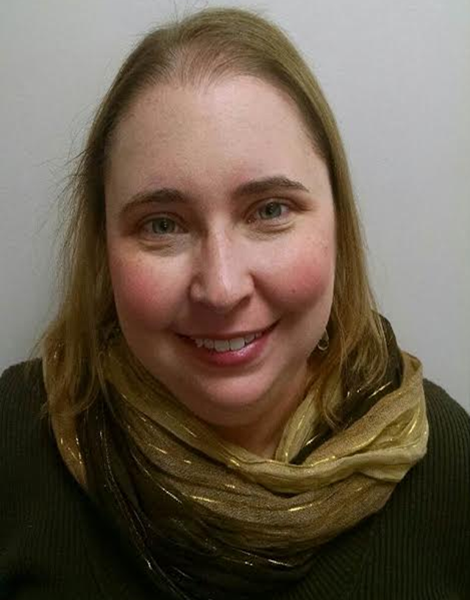
By Judie Plumley, Guest Columnist

In 2013 I had a spinal fusion, 7 months after I had transvaginal mesh removal and reconstruction surgery.  During the operation, I contracted a severe bacterial infection in my spine called methicillin-resistant Staphylococcus aureus (MRSA)

To make a long, painful story short, I ended up having 5 more spinal surgeries in the next year.  They did not get rid of the infection until it had liquefied 2 vertebrae and surrounding tissue. It almost killed me. 

There is extensive nerve damage, and my back is filled with rods and screws. 

During the worst of it I was on fentanyl, Dilaudid, Demerol, gabapentin (Neurontin) and oxycodone.  I spent 2015 weaning myself off the narcotics.  I was losing my insurance and I knew if I didn't, I would be in a withdrawal from hell.

I did go to two pain clinics, but just simply refused to be treated like a criminal.  I started exploring other options to deal with my pain.

Judie Plumley's spine

Since my son is a massage therapist, the first thing I started as soon as I was able was to get weekly massages while I healed.  Joseph stretched the forming scar tissue in order to allow me to move.

Next, I started using kratom, a half teaspoon twice a day.  I was amazed by the effect.  It knocked out a considerable amount of pain, but I was still spending 12 to 14 hours in bed each day.

About 2 months ago, my sister told me to try a supplement that combined curcumin – a yellow spice -- with black pepper oil. I bought it from Amazon, $15 for 120 caps. 

I am amazed with the results!  My pain is now bearable.  I can do about twice as much as I could before, and I am spending much less time in bed.

I am now in the process of getting off the gabapentin, but it is much harder than any of the narcotics.  The withdrawal is horrible.  As soon as this devil is off my back, I am done with doctors and hospitals.

curcumin

I refuse to be treated like a drug addict or a criminal.  I believe pain clinics are nothing more than a scam and that drug companies intentionally add things to their drugs to make people addicted. The antidepressants that are taking the place of opiates are even worse! Ever heard of a brain zap?

I swear, they are trying to kill us, or drive us to kill ourselves.  I don't understand why they are attacking people in chronic pain.  It's a terrible way to live.  I am lucky I have my son, a good support system, and have found something that works.  Life is hard enough as it is.

I have kept a journal since 2014.  I plan to write a book about my experience with MRSA.  Unless you’ve had it, you have no idea how dangerous and painful it is.

Judie Tucker Plumley lives in Georgia.

Pain News Network invites other readers to share their stories with us.  Send them to:  editor@PainNewsNetwork.org

The information in this column should not be considered as professional medical advice, diagnosis or treatment. It is for informational purposes only and represents the author’s opinions alone. It does not inherently express or reflect the views, opinions and/or positions of Pain News Network.

How to Be a Patient Advocate

By Barby Ingle, Columnist

People in the pain often get ideas about what they can do to help advocate for the pain community, such as a petition drive or letter writing campaign. Some of these ideas are great, but when they try to implement them or get others to, things don’t work out -- there’s little participation, they get discouraged, and that is the end of that.

Over the past 10 years as a patient advocate who is very vocal and seen many ideas come and go, I have learned not to spend too much time doing what I know doesn’t work.

Is this fair to others in the pain community? I think so.

About 7 years ago I wanted to make a difference in the disease community of Reflex Sympathetic Dystrophy (RSD). I wanted to get bills passed to require mandatory education in RSD for providers. It would have to be a state-by-state process, which would take time, money and dedication, with no guaranteed results.

I started in Virginia by reaching out to a state legislator. He met with me through Skype, and then had me come to his office. I learned that anytime you want to mandate anything, it is very difficult to get passed into law. The legislator suggested I work with the Virginia health department. I had multiple meetings with state health officials and managed to get RSD information up on the health department's website, as well as over 10,000 RSD pamphlets printed and spread throughout Virginia. It was amazing. I then set my sights on other states.

We needed to raise funding for the printing of pamphlets for other states. A woman called and said that she saw our request for donations, but before she donated she wanted to make sure that this was not another fly-by-night idea. She was right to ask, although I was slightly offended that my hard work, volunteer time and dedication would be called into question.

In the end, we couldn’t raise the funding needed to get this accomplished. I was very sad, but had to admit my great intentions could not come to fruition because I was not able to raise the support or funding it would take. People loved the idea, but didn’t want to help physically or financially.

I have grown very leery of petition drives for similar reasons. The chances of a petition changing something major is almost zero. Even when over 80 pain groups came together this past year to help guide and make changes to the CDC opioid prescribing guidelines, it was not enough.

We did get one pain patient representative added to an advisory "stakeholder" group, which gave recommendations to the CDC's "Core Expert Group" committee. But that committee already had in mind what they were going to do, and unless we got someone on the Core Expert Group, we were not going to change their minds or the guidelines. Thousands of people in the pain community also wrote letters and signed petitions to the CDC. It didn’t make a difference.

What can we do to change this?

There has to be a way to harness the energy and passion in the pain community that is effective, efficient, and useful. Otherwise the pain community will continually be run over and ignored.

I believe we have to get into legislative offices. Today, this week, or this month, make an appointment with your state or local representative -- especially if they are on a legislative health committee. Go see them in person. Tell them your story. Tell them why proper and timely access to pain care is badly needed. How you are counting on them to support future legislation that is supportive of pain patients.

Tell them that you are paying attention, not just when there is a bill up for a vote, but every day -- because you are in pain and have special needs every day. Paint your story for your legislator so they will remember you when they are in the backrooms making deals before committee hearings.  Make them remember your face, your name and your story when they are deciding what bill to pass and how it will affect you.

Put a face to your disease and a face to chronic pain. As a 501 (c) (3) non-profit leader, I cannot say you should vote for this legislator or against that one. I approach legislative needs with each legislator not caring what aisle or political party they belong to. All legislators can help us because they are all in a position to pass laws.

Realize that everyone has an agenda. Which is most noble? The pain patient trying to do something for themselves so they can have more productive lives; insurance companies that lower the cost of healthcare; drug and medical device makers that are investing their time and money into treatments; or the providers we rely on to gain access to those treatments?

Become a person that the legislator knows, become the face in their thoughts when pain care comes up for legislation. Put a human in the process, so that the legislator sees that this affects people they know.

Patient advocacy groups have formed coalitions, such as the Consumer Pain Advocacy Task Force. These coalitions are planning and implementing strategies, and working together to make change as well. Professionalism and diplomacy are keys to their work and they need to be done by all in the pain community, whether you belong to an advocacy group or if you are working on your own.

Advocating with aggressive anger to our legislators, pharmacy boards, CDC, DEA, FDA, etc. allows our emotions take over and it is setting us all back. Flooding an office with angry letters, emails and phone calls with non-sustainable facts does not work.

We need to have in-person visits before the legislation even comes up. This is the "off season" for most legislators. Reaching out now, before the legislative sessions start again, for a face-to-face meeting has a time -- and it is now. 

We also need to target our own representatives. Having people from New Mexico calling legislators in West Virginia is probably not going to change any minds in West Virginia. In addition, making comments that are unsupported by facts, such as claiming that more patients are overdosing or turning to the streets for relief, are not yet proven. They can be debunked and then we are seen as catastrophizers.

Please know actual facts and be able to site statistics with solid sources when you advocate.

Barby Ingle suffers from Reflex Sympathetic Dystrophy (RSD) and endometriosis. Barby is a chronic pain educator, patient advocate, and president of the International Pain Foundation (iPain). She is also a motivational speaker and best-selling author on pain topics.

More information about Barby can be found at her website.

The information in this column should not be considered as professional medical advice, diagnosis or treatment. It is for informational purposes only and represents the author’s opinions alone. It does not inherently express or reflect the views, opinions and/or positions of Pain News Network.
What Next for Arachnoiditis Patients?

By Pat Anson, Editor

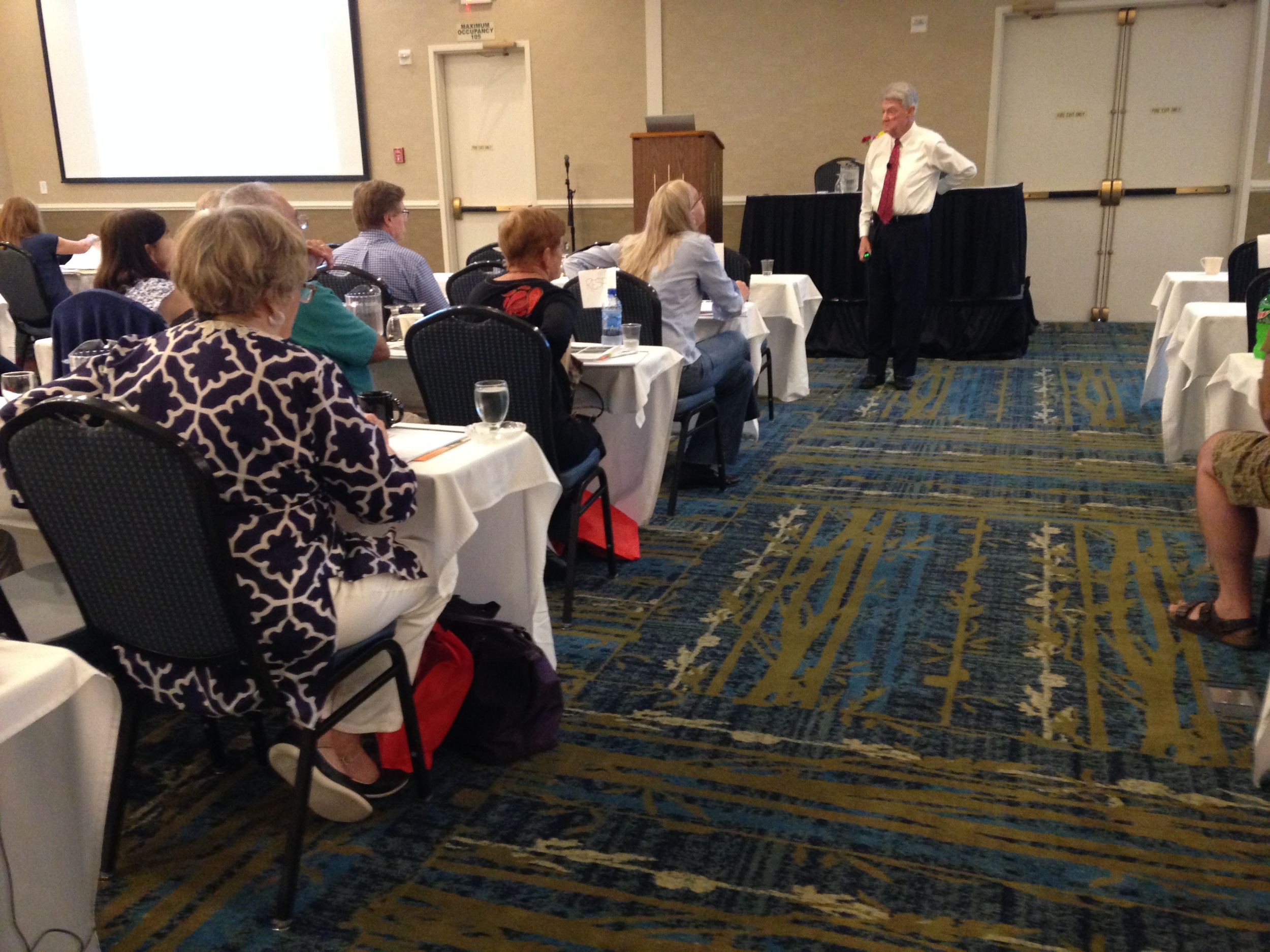
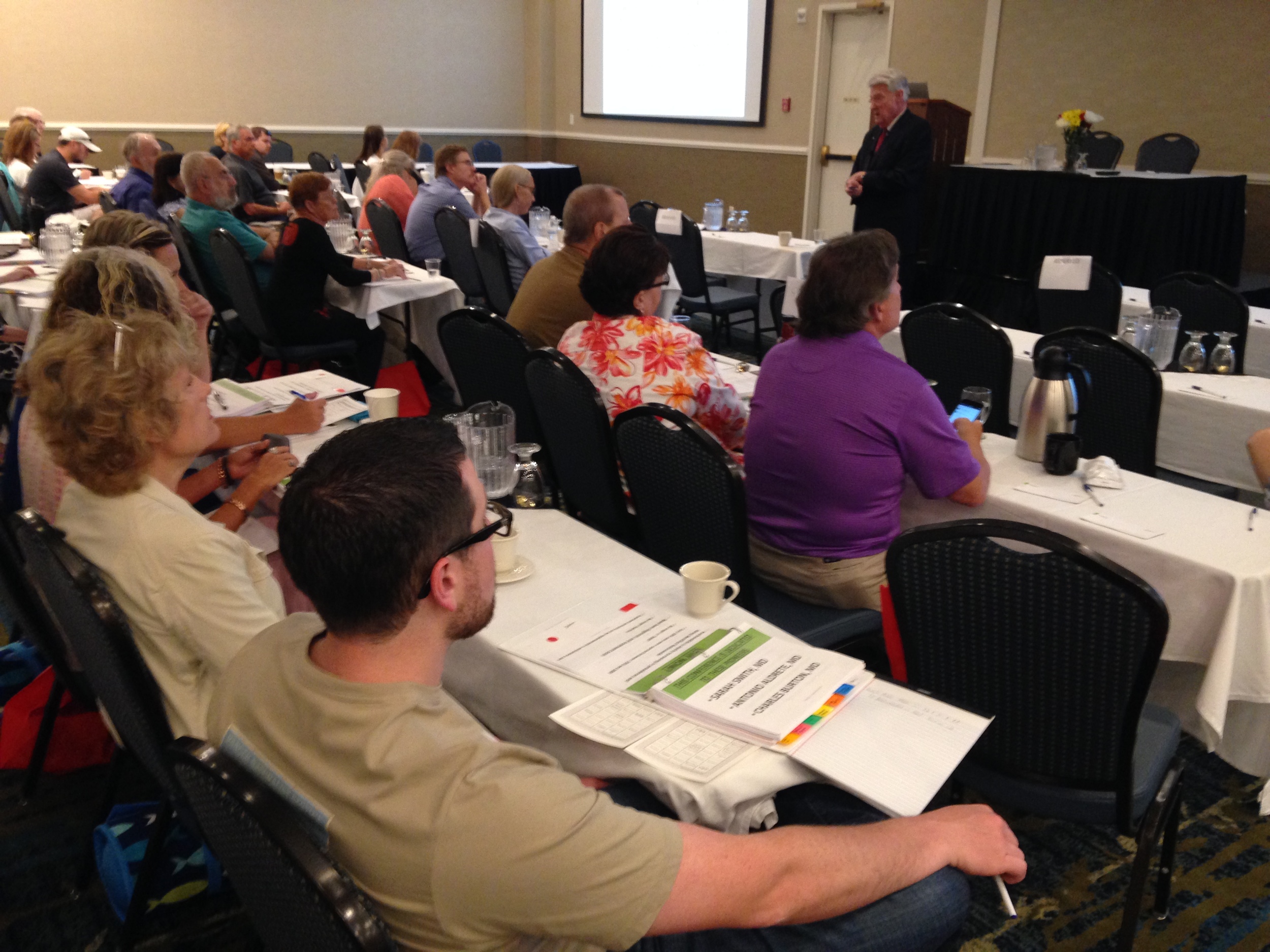
A pioneering two-day conference on arachnoiditis has ended in Helena, Montana with dozens of  patients armed with new information about the chronic and disabling spinal disease.

Many are also left wondering who will treat them and how to pay for it.

"We practitioners need your help and you need our help," says Forest Tennant, MD, who is the world's foremost authority on arachnoiditis, a progressive and incurable inflammation of the spinal cord that leaves most people who have it with severe chronic pain.

Tennant, who treats about 60 arachnoiditis patients from around the country at his pain clinic in West Covina, California, has developed a complex and unique therapy for arachnoiditis that combines pain medication, anti-inflammatory drugs, vitamins and hormones. Once bedridden or using walkers, several of his patients were healthy enough to make the long trip to Montana to hear him speak.

"I would not dare prescribe these drugs if I didn't have control of the opioids and everything else you're doing. These things are hazardous in the hands of the inexperienced," he warned.

At age 75, Tennant knows it is time for other doctors to learn and start practicing his treatment methods.  But he and his patients face a dilemma. Most pain management doctors and specialists already have a full patient load and Tennant himself is not taking new patients.

"Every good specialist in this country is booked. They're not available and they don't know anything about this anyway," says Tennant.

"Pain management really is its own specialty now and if they're not in that field, they're not going to help you do this. These hormones are going to have to be done by the same doctor that manages your pain and manages your inflammation. It's going to have to be done by the same practitioner."   

If attendance at the conference is any indication, finding doctors willing to learn and practice Tennant's treatment protocol will be difficult. Invitations went out to over two thousand practitioners in Montana, but only a handful showed up.  No one from the Montana Medical Association or the Montana Board of Medical Examiners attended.

"The problem with this protocol in the conventional medical world is that this crosses disciplines. We're talking rheumatologists, we're talking endocrinologists, and that's where conventional medicine gets stuck," says Christine White, ND, a naturopathic physician from Missoula who attended the conference. "Conventional medicine has evolved into this realm where the general practitioner doesn't do a lot. They refer out (to specialists) and what we need to do as physicians is get general practitioners willing to take on more rings of this problem."

The problem may be a bigger one that anyone imagines. Tennant estimates as many as one million Americans may suffer from arachnoiditis, many of them misdiagnosed with “failed back syndrome” or other spinal problems.

Most people get the disease when the arachnoid membrane that surrounds their spinal cord is damaged during surgery or punctured by a needle during an epidural steroid injection. Inflammation sets in and can spiral out of control, forming scar tissue that cause spinal nerves to stick together. That leads to adhesive arachnoiditis and neurological problems, which can cause burning or stinging pain that can be felt from head to toe.

Insurance Won't Pay the Bills

Besides getting treatment, another common problem faced by arachnoiditis sufferers is their insurance coverage.

"The reimbursement structure is part of the problem and the reason why I ended up with adhesive arachnoiditis," says Terri Anderson, who as a federal employee was covered by Blue Cross Blue Shield when she went to get treatment for back pain.

"I think the doctors and surgeons looked at my Blue Cross Blue Shield and they wanted to do epidural steroid injections and spinal surgery. Blue Cross had good coverage for all these invasive procedures, so I think they have some culpability," she said

Like many arachnoiditis patients, Anderson is not reimbursed for the unusual drugs and hormone therapy that she gets "off label" from Dr. Tennant or for the cost of traveling to see him in California. Her out of pocket expenses add up to about $200 a month.

"My co-pays for my medications are about $500 a month," says Nancy Marr of Los Angeles, who is insured through Medicare and a supplemental policy with AARP. Marr doesn't have to travel far to see Tennant, but she does have to pay out-of-pocket for his services.

"To participate in this kind of a program at this point in time would end up costing people a tremendous amount of out-of-pocket costs," she says.

While all of this is discouraging, the mood was anything but gloomy at the conference. For many, including this reporter, it was their first chance to meet and interact with people they've been communicating with online for years. That sense of community and a common goal stirs optimism. And so does the knowledge that the conference may have laid the groundwork for a treatment that could ultimately benefit thousands of people who are suffering.

A Pain Poem: Locked Inside

“Locked Inside”

By Jennifer Chambers

Locked inside, I can’t get out of this rebellion called my face

Clawing from the inside to escape this hellish embrace

This mocking normalcy on the outside hiding the hell within

There’s nothing to show the judgers the truth hiding behind my skin

The lightning strikes with no warning of the coming storm

Leaving me in sudden agony far from the appearance of the norm

Funny stares and looks while I fight away the tears

Trying not to expose the truth behind my quaking fears

If there was evidence of each fight, scream, scratch and tear

Is this how my tormented and brutalized face would appear

Covered in rips and scratches, lines drawn upon lines

Indicative of my daily struggle to survive these impervious binds

pain art courtesy of painexhibit.org

Jennifer Chambers suffers from trigeminal neuralgia, a rare facial pain disorder, as well as fibromyalgia. Before she became sick, Jennifer worked as a psychologist.

When not immobilized by facial pain, Jennifer spends her time with family and writing her blog, The Spirit Scribe. She started her blog as an outlet for her pain and depression. Writing helps her get through depression, by giving her a release and a place to express herself daily.

Pain News Network invites other readers to share their stories (and poems) with us. Send them to:  editor@PainNewsNetwork.org

New Treatment Gives Hope to Arachnoiditis Patients

By Pat Anson, Editor

Dozens of pain patients and physicians are meeting in Helena, Montana this weekend at a pioneering medical conference focused on arachnoiditis -- a progressive spinal disease long thought to be incurable that leaves many patients disabled with chronic back pain.

The conference is being led by Dr. Forest Tennant, a pain management physician from southern California, who has developed a unique protocol to treat arachnoiditis with a combination of pain medication, hormones and anti-inflammatory drugs. Unable to get the same type of therapy where they live, desperate patients from as far away as Maine, Alaska and Florida have been traveling to see Tennant for treatment at his pain clinic in West Covina, a Los Angeles suburb.

“We’re making history today. In all my wildest dreams I never thought we’d be having an arachnoiditis seminar in my home state,” said Gary Snook, a Montana native and a patient of Tennant for over a decade. “If there is one thing that we can learn today, it's that this hopelessly incurable disease that we suffer from is not as hopeless as we once thought.”

It was Kate Lamport’s idea to have Tennant give a seminar on arachnoiditis in her hometown of Helena. The 33-year old mother of four developed spinal pain after a series of epidurals for child birth and bulging discs in her back. She was diagnosed with arachnoiditis last year and went to see Dr. Tennant in California.

“As I learned more about arachnoiditis, I realized how many people were struggling just getting a diagnosis and treatment,” Lamport says. “There are so many people who want to go see Dr. Tennant, but they can’t. He’s booked and they can’t afford to travel, so I wanted to put something together to give people an opportunity to come see him and learn from him.”

The arachnoitditis conference is not just for patients. Several physicians and practitioners are also attending, hoping to learn some of the therapies Tennant has developed over the past decade.  

FOREST TENNANT, MD

“Physicians are simply not getting the education and training they need,” says Tennant. “I am just so frustrated by all of the patients who are calling and all of the physicians that are calling, the demand for knowledge. And so we need a new way of doing some training and some education. And this is my first attempt to step outside of the educational box, if you will, and see if this is a mechanism that will successful.”

Tennant has conducted extensive research on the disease and has launched an Arachnoiditis Education Project for physicians. He says patients respond much better to treatment when arachnoiditis is in its early stages, when the inflammation is limited to the arachnoid membrane that surrounds the spinal cord.

As the disease progresses, the inflammation causes scar tissue to build around spinal nerves, which begin to adhere or stick together, leading to adhesive arachnoiditis -- which causes severe pain and other neurological problems, such as burning and stinging sensations that can radiate from the back down to the feet. More advanced stages of arachnoiditis can lead to paralysis.

Growing Number of Cases

Once considered rare, arachnoiditis is appearing more frequently as interventional pain physicians perform more surgeries and epidural steroid injections as alternatives to opioids for back pain. Tennant estimates as many as one million Americans may suffer from arachnoiditis, many of them misdiagnosed with “failed back syndrome” or other spinal conditions. He says every pain practice in the country needs to familiarize itself with arachnoiditis.

“We’ve had a decade of some marvelous science that no one talks about. We talk about opioids, epidurals and all the problems, but we don’t talk about the good things that have happened scientifically that have helped us develop a protocol to treat spinal cord inflammation,” Tennant told Pain News Network.

One discovery is the role that specialized cells in the brain and spinal cord – called microglial cells -- have in protecting and nourishing nerve cells. When glial cells become hyperactive in response to an injury, they trigger an inflammatory response that causes chronic pain.  That inflammation needs to be addressed with corticosteroids, says Tennant, or pain medications will never be effective.

The second discovery is that the central nervous system uses oxytocin, progesterone, pregnenolone and other hormones to regulate microglial cells. Hormone supplements and injections can be used to boost hormone levels and keep microglial cells at healthy levels.

“These two discoveries are profound. If it had not been for these two things, we would not be doing this seminar. The protocol that I’ve developed is because of these discoveries,” says Tennant.

Treatment Lowers Use of Opioids

Tennant’s treatment protocol is complex and requires the “off-label” use of several different medications. But many of his patients report they’ve been able to lead more productive and active lives, while reducing their use of opioid pain medication.

“It’s allowed me to be more active. I’m less exhausted, I get around better. I don’t have to use a walker as much,” says Rhonda Posey of Texas, who started seeing Tennant in April. “I’m smiling more. I’ve got better spirit and I have hope.”

“I actually believe that I was close to dying last year,” says Nancy Marr of Los Angeles, who suffered from arachnoiditis for a decade before she started seeing Tennant last year. “I went to see Dr. Tennant because my pain physician all of a sudden was threatening to withdraw all of my opioid medication.”

Blood tests revealed that Marr had low hormone levels and her inflammatory markers were “off the charts.” After treatment by Tennant, she’s only taking half the oxycodone she used to need for breakthrough pain.   

“My inflammatory markers are within normal range and my hormone levels are up. I’m feeling much better. I do have flares, but I can do a lot more,” she says.

“I’m on less pain medication now than I’ve been on for years,” said Jerry Davis of Arizona, who believes his back problems stem from a case of meningitis. “I got off the fentanyl. I got off all the other stuff."

Davis said he can usually sleep through the night, no longer has to spend some days in bed, and can lead a fairly normal life.

"I wasn’t in a wheelchair, but I probably would be by now if I hadn’t found him,” he says.

At age 75, Tennant isn’t sure how much longer he’ll be practicing. But he’s determined to share what he’s learned with other doctors, so they can provide the same treatment and hope he's given to arachnoiditis patients. Tennant is planning to host another arachnoiditis seminar in Hattiesburg, Mississippi this October.

I'm Old Enough to Know What Pain Is

By Jessica Link, MD, Guest Columnist

“You’re too young to be in pain!”

Those are the words that I have heard way too often in the last months. I recently moved for a new job opportunity, and though it was the right action to take for my career, it was a nightmare for my pain.

I was diagnosed with rheumatoid arthritis at age 27 and have been through numerous joint surgeries. For any person that suffers from arthritis, no matter your age, you know it can be a very painful disease.

The fatigue, cotton-stuffed brain, and general flu-like muddle that plagues me are tough, but nothing compared to a flare. It’s a burning white, vision-blinding pain that will wake me from sleep if I move the wrong way. It’s a relentless monkey on my back that weighs me down from exercise, work, and a social life. It’s the one thing that can rob me of my will to move or even breathe.

According to most doctors, I am “too young” to have pain. And I am “too young” to take an opioid.

Part of the difficulty I face is that I am allergic to NSAIDs (ibuprofen, naproxen) and will have an anaphylactic reaction if I take them. I use a small dose of tramadol a couple of times a week to take care of the worst days. Most days I use a combination of TENs, massage, exercise, and topical treatments as well DMARDs and biologics.

JESSICA LINK, MD

The pain management doctors in my area refuse to take anyone who is on even the smallest dose of opioids. It took me a long time to convince my rheumatologist that I will not be an addict by taking one pill every few days. The response I get is what many like me have heard: “Opioids are addictive. They will ruin your life.”

This makes my blood boil. Opioids have just as much power to allow someone to live as they do to bring someone down. However, a success story will not get the coverage that abuse and addiction will.

Part of my frustration stems from the fact I have a medical degree and understand all the science behind my disease and the drugs used to treat it. That same degree also allows me to draw upon my experiences caring for patients suffering from addiction.

There are two types of people who are suffering that are united by a common enemy: pain. Some have physical pain and need the medication to live, and others have pain caused by the medication.

Removing the medication does not fix the problem because the pain remains. It only leads to more suffering; suffering that slowly drains life from people. For so long now everyone wants to point fingers, place blame, and label a scapegoat.

However, I feel that every side has played a role in this disaster, below are just a few:

  1. Pharma: Improper and misleading advertising.
  2. Doctors: Overprescribing at times in an attempt to ease suffering.
  3. Government groups: Throwing power around to make laws without thinking through the consequences.
  4. Pain patients: We need to take responsibility to safely store our medications, be educated, use pain management tools, and advocate for ourselves.
  5. Addicts: Addiction is a disease but getting help and working to be clean is a choice.
  6. Media: One-sided stories and outrageous coverage cause more harm than good.

I’m old enough to have opinions. I’m old enough to know right from wrong. I’m old enough to have empathy and compassion. I’m old enough to know what pain is.

Jessica Link started her career as a family doctor before chronic medical issues forced her to shift directions. Now, she works full-time as a medical writer. She lives in Connecticut.

Pain News Network invites other readers to share their stories with us.  Send them to:  editor@PainNewsNetwork.org

The information in this column should not be considered as professional medical advice, diagnosis or treatment. It is for informational purposes only and represents the author’s opinions alone. It does not inherently express or reflect the views, opinions and/or positions of Pain News Network.

Medicare Drops Pain Questions in Patient Survey

By Pat Anson, Editor

The Centers for Medicare and Medicaid Services (CMS) has caved into political pressure from Congress and healthcare lobbying organizations by proposing to drop all questions related to pain in patient satisfaction surveys.

The proposed rule change is the latest in a series of steps by the federal government aimed at fighting the so-called opioid epidemic by reducing the prescribing of narcotic pain medication. The policies are meant to prevent addiction and abuse, but have left many pain patients without access to opioids, and feeling marginalized and abandoned by the healthcare system.

At issue in the Medicare rule change is a funding formula that requires hospitals to prove they provide quality care through patient satisfaction surveys. The formula rewards hospitals that provide good care and are rated highly by patients, while penalizing those who do not. 

Critics claim that three pain care questions in the survey -- known as the Hospital Consumer Assessment of Healthcare Providers and Systems survey (HCAHPS) -- encourage doctors to overprescribe opioid pain medication to boost their hospital's scores.

"While there is no empirical evidence of this effect, we propose to remove the pain management dimension from the Hospital Value-Based Purchasing program to eliminate any potential financial pressure clinicians may feel to overprescribe pain medications," CMS said in a statement.

"CMS continues to believe that pain control is an appropriate part of routine patient care that hospitals should manage and is an important concern for patients, their families, and their caregivers."

CMS has been under intense political pressure over the last few months to drop the pain questions. In March, 26 U.S. senators sent a letter to Health and Human Services Secretary Sylvia Mathews Burwell claiming "the evidence suggests that physicians may feel compelled to prescribe opioid pain relievers in order to improve hospital performance on quality measures."

Several physician groups have also made the same claim, without offering anything more than anecdotal evidence. Physicians for Responsible Opioid Prescribing (PROP)  said the survey "fosters dangerous pain control practices" and even the American Medical Association recently said the surveys "are clearly motivating forces for opioid prescribing."

A top Medicare official disputed those claims in an article published in JAMA. 

"It has been alleged that, in pursuit of better patient responses and higher reimbursement, HCAHPS compels clinicians to prescribe prescription opioids. However, there is no empirical evidence that failing to prescribe opioids lowers a hospital’s HCAHPS scores," wrote Lemeneh Tefera, MD. “Nothing in the survey suggests that opioids are a preferred way to control pain.”

These are the three pain questions in the CMS patient survey::

During this hospital stay, did you need medicine for pain?

During this hospital stay, how often was your pain well controlled?

During this hospital stay, how often did the hospital staff do everything they could to help you with your pain?

The agency said it would develop and "field test" alternative questions related to pain and include them in the survey. Public comments on the proposed rule change will be accepted until September 6, 2016.

CMS said the rule changes "are based on feedback from stakeholders, including beneficiary and patient advocates, as well as health care providers, including hospitals, ambulatory surgical centers and the physician community."

While some politicians and lobbyists may support the CMS decision, pain patients clearly do not. 

Pain News Network and the International Pain Foundation recently conducted a survey of over 1,250 pain patients. Nine out of ten said patients should be asked about their pain care in hospital satisfaction surveys. Over half rated the quality of their pain treatment in hospitals as poor or very poor, and over 80 percent said hospital staffs are not adequately trained in pain management. 

The Centers for Disease Control and Prevention has adopted guidelines that discourage primary care physicians from prescribing opioids or chronic pain. The Obama administration has also proposed spending over a billion dollars on opioid addiction treatment. Not one cent is proposed for pain research or for funding alternative treatments for pain.  

Post-Operative Chronic Pain Costly for Hospitals

By Pat Anson, Editor

A new study by Canadian researchers has documented the long-term cost that chronic pain can have when patients are sent home from a hospital with post-surgical pain that doesn't go away.

Researchers at Toronto General Hospital (TGH) and University Health Network (UHN) estimate that about 15 percent of complex post-operative patients develop moderate to severe chronic pain, and have significant disability that requires the use of opioids for long-term pain relief.

The estimated additional cost of treating those patients at TGF ranges from $2.5 million to $4.1 million year, due to repeat doctor visits, extended hospital stays, and re-admissions.

On average, chronic pain patients stay five to seven days longer in the hospital for the same condition as patients who do not have chronic pain.

"We need to break the cycle of pain before it becomes chronic. It is much harder to treat someone when the pain is entrenched, and the window of opportunity is lost," says senior author Hance Clarke, MD, who is Director of the Transitional Pain Service in the Anesthesia Department and Pain Management at TGH and a clinical researcher at the Toronto General Research Institute.

Clarke says it takes about six months for post-surgical pain to develop into chronic pain, and it’s important to intervene before that happens. About 13 percent of TGH surgical patients already have chronic pain when the enter the hospital, which can worsen after surgery.

The cost of treating chronic pain in Canada is estimated at between $47 billion and $60 billion a year -- more than HIV, cancer and heart disease combined. It costs about $5,000 a year to care for a chronic pain patient in Ontario.

"Pain is an epidemic, and the costs to the healthcare system, as well as to patients, are staggering," said Clarke.

Up to 70 percent of patients after major surgery are discharged from the hospital with a prescription for opioids. Three months later, over one in four (27%) are still using them.

"Identifying at-risk patients, typically those who have pre-existing pain, mental health issues, chronic use of opioids before surgery, is critical, so that we can develop follow-up plans, and educate patients and other healthcare providers,'' saysClarke. "We need to give patients the tools to manage their pain, should it become problematic."

The study findings are published in the journal Pain Management.

Ironically, the Canadian study highlighting the need for early pain intervention in hospitals comes at a time when politicians and some leading health officials in the U.S. are calling for an end to hospital surveys that ask patients about the quality of their pain care.

The American Medical Association recently said the patient surveys, which are required by Medicare, “are clearly motivating forces for opioid prescribing.”

Medicare says there is no evidence to support that claim, but has proposed dropping all pain questions from the survey.

Medical Marijuana Lowers Prescription Drug Costs

By Pat Anson, Editor

Prescriptions for pain relievers and other medications have fallen significantly in states where medical marijuana is legal, according to a new study published in the journal Health Affairs.

Researchers at the University of Georgia analyzed data from Medicare’s Part D prescription drug program in 2013 – a year when 17 states and the District of Columbia had legalized medical marijuana -- and estimated there was a cost savings of $165 million in prescription drug claims.

The results suggest that if all 50 states had medical marijuana laws that year, the overall savings to Medicare would have been around $468 million.

“Generally, we found that when a medical marijuana law went into effect, prescribing for FDA approved prescription drugs under Medicare Part D fell substantially,” said lead author Ashley Bradford, a recent graduate from the University of Georgia who will pursue her master's degree in public administration this fall.

"The results suggest people are really using marijuana as medicine and not just using it for recreational purposes.”

Compared to Medicare Part D's 2013 total budget of $103 billion, the $165 million in estimated savings only amounts to half of one percent. But it shows the potential for medical marijuana as an alternative to prescription drugs for a wide range of ailments, including pain. Until now, little was known about the impact medical marijuana was having on healthcare spending.

"We realized this question was an important one that nobody had yet attacked," said co-author W. David Bradford, who is the Busbee Chair in Public Policy in the UGA School of Public and International Affairs.

Researchers studied data on all prescriptions filled by Medicare Part D patients from 2010 to 2013, and then narrowed down the results to focus only on nine conditions for which marijuana might serve as an alternative treatment:  anxiety, depression, glaucoma, nausea, pain, psychosis, seizures, sleep disorders and muscle spasticity (stiffness).

The biggest reduction in prescriptions was for analgesics used to treat pain. Doctors in states where medical marijuana was legal wrote an average of 1,826 fewer daily doses for analgesics in 2013.

Currently 24 states and the District of Columbia have laws allowing for medical marijuana. The federal government still considers marijuana illegal, however the Drug Enforcement Administration is reviewing marijuana’s status as Schedule I controlled substance. Reclassifying marijuana could make it legal for medical use in all 50 states.

“Our findings and existing clinical literature imply that patients respond to medical marijuana legislation as if there are clinical benefits to the drug, which adds to the growing body of evidence suggesting that the Schedule I status is outdated,” said Bradford. “Lowering the costs of Medicare and other programs is not a sufficient justification for approving marijuana for medical use, a decision that is complex and multidimensional. Nonetheless, these savings should be considered when changes in marijuana policy are discussed.”

Previous studies have found a significant decline in use of opioid pain medication in patients who use marijuana and that marijuana users are not at greater risk of alcohol and drug abuse.        

Acetaminophen Linked to Autism and ADHD

By Pat Anson, Editor

An over-the-counter pain reliever widely used by pregnant women has been linked to autism and attention deficit problems in their children, according to researchers.

In a new study involving over 2,600 Spanish women and their children, published online in the International Journal of Epidemiology, researchers said maternal use of acetaminophen – also known as paracetamol -- appears to increase the risk of autism spectrum disorder (ASD) in boys. There was also a “weak” association between acetaminophen and attention deficit disorder (ADHD) in both male and female children.

“To our knowledge, this is the first prospective study to report an independent association between the use of acetaminophen during pregnancy and autism spectrum symptomatology in exposed children. It is also the first paper to report differential gender effects of prenatal acetaminophen exposure on neurodevelopment,” the researchers said.

About 40 percent of the women in the study used acetaminophen while pregnant. Their children were evaluated at 1 and 5 years of age.

The researchers speculated that boys may metabolize acetaminophen differently than girls, accounting for the greater risk of autism.

“Animal studies have suggested that male mice undergo greater toxicity than female mice after being administered a similar dose of acetaminophen. Furthermore, the male brain may be more vulnerable to early life stressors  and this could explain why neuropsychiatric disorders of childhood, such as ASC and ADHD, are more prevalent in male children,” they said.

Acetaminophen (paracetamol) is the world’s most widely used over-the-counter pain reliever. It is the active ingredient in Tylenol, Excedrin, and hundreds of other pain medications.

In a review of the study, the UK’s National Health Service (NHS) said researchers failed to prove a clear link between maternal use of acetaminophen and autism or ADHD.

“This research cannot prove paracetamol use is directly responsible for these findings. Not all links were statistically significant – for example, paracetamol was not linked with ADHD when looking at full diagnostic criteria, or with ASD when looking at the full sample of children,” the NHS said. “Importantly, no link was found with developmental or intellectual outcomes in the child.

“The current viewpoint is that occasionally using paracetamol as needed, and at recommended doses, is safe during pregnancy. This study has not provided sufficient evidence to the contrary to change this advice.”

Over 50 million people in the U.S. use acetaminophen each week to treat pain and fever. The pain reliever has long been associated with liver injury and allergic reactions such as skin rash.

Another recent study of pregnant women found that Lyrica (pregabalin) – a medication also prescribed for pain – appears to  increase the risk of major births defects, including heart defects and structural problems with the central nervous system.

Doctor: Pain Has Never Killed Anyone

By John Hsu, MD, Guest Columnist

The opioid problem with medicine began when The Joint Commission promoted the concept that pain is the fifth vital sign, and that patients should be asked about their pain and the quality of their treatment.

Ten years ago, when my hospital was undergoing an inspection, I clearly remember the examiner chastising me about my multimodal pain therapy and her concern that it would leave patients in pain. Clearly, doctors were put on alert that they could be sued for leaving a patient in pain.

Pain as a fifth vital sign is really contraindicated. Pain has never killed anyone, but opioids killed over 29,000 Americans last year. They don’t have any vital signs.

Doctors are now at a crossroads. The Centers for Medicare and Medicaid (CMS) has attached patient satisfaction scores to reimbursement. A patient comes to the office and demands pain meds. If the doctor prescribes pain meds, the doctor can not only lose their license, but go to jail for murder, as Dr. Lisa Tseng from Rowland Heights, CA has. Or they can risk poor patient satisfaction scores and, if they are a part of an accountable care organization (ACO), risk losing their employment.

Why are doctors burned out? Because other people have come between the doctor-patient relationship. I had a nurse tell me that she would put her 21 years in ICU up to my skills as a physician, to which I retorted that she still had to take orders from me.

This loss of respect amid the loss of autonomy is frightening.  It is one of the major complaints doctors describe when they are asked about burnout and why they are leaving medicine. The healthcare team is no longer run by the doctor. It is run by nurses from the quality review department, enforcing best practices on physicians so protocols and guidelines set up by the government are followed.

I call that evidence-less based medicine. Guidelines have destroyed the doctor-patient relationship. Does the government really have patient interests at heart or is the government really just a big micromanager? 

Perhaps the answer to the opioid problem lies with outside-the-box thinking. What if we correctly promote that pain must be present for us to live and that some pain is good?  Unlike Patrick Henry, who said “Give me liberty or give me death,” I personally would prefer to say, "Give me pain and give me liberty, but don't give me death."

Patients have a responsibility to take care of their own health. All prescriptions written by doctors and filled by pharmacists were written correctly. Yet some patients are not compliant and take too many pills. We all know we should not overeat, but 70% of the American public is obese. Humans are their own worst enemies.  Unpopular as this stance may seem, it must be mentioned that while the population of the U.S. is 324 million, 259 million opioid prescription were written in in 2012. 

The Joint Commission's edict that no patient should be in pain changed patients' expectations. Everyone expected and demanded to be pain free. But focusing on the short term discomfort experienced by those in pain ignores the long term goal of improving a patient's health.

The government (FDA, DEA, CDC and policymakers) has decided to restrict opioid prescriptions. This is logical, but does not address human nature. The end result has been that a
ddicts and patients who cannot get prescription opioids have turned to cheaper and easily attainable $5 bags of heroin. Heroin deaths have quadrupled in the last decade. In 2015, over 10,000 people died from heroin overdoses. The situation is rapidly worsening, as illicit drug makers are mixing heroin with fentanyl, which is 70 times stronger than morphine. 

The opioid conundrum has become readily apparent. Opioids may be the best treatment for pain, but they raise the risk of addiction, respiratory suppression, and death.

Cultural Shift Needed in Patient Education

The solutions needed for this dilemma include a cultural shift in the education physicians and nurses give to patients and the perception that pain is bad. We have to forsake the short term treatment of pain with opioids and look to the long term goal of preserving human life.

Let’s look at patient satisfaction scores and medical education. Studies show that when patient satisfaction scores are considered in prescribing care to patients, their care is not only more expensive, but often worse -- resulting in higher morbidity and mortality. Despite this evidence, CMS has connected patient satisfaction scores to hospital reimbursement. 

The Joint Commission has promoted an atmosphere where patients believe that they should never have to suffer pain and have the right to be “pain free.” More opioids were prescribed, but often patients demanded and even threatened doctors if they did obtain pain relief.  Doctors were accused of elder abuse and medical negligence if they did not prescribe pain medication, despite the lack of medical indications or consideration of narcotic alternatives. 

Fast forward a decade and suddenly the government realized that more addicts existed and more people were overdosing. Nearly 19,000 people died in 2014 from opioid prescription overdoses legally obtained from physicians and correctly filled by pharmacists.  The government ironically declared that doctors were to blame. 

The government could not blame patients for the problem, even though the general consensus is that patients were non-compliant with their prescribed opioid doses and shared their narcotics with family and friends.  Patients were not blamed for their actions because they vote and they reelect government officials. 

The government’s solution to the current opioid overdose epidemic was a policy change.  The FDA and CDC forced physicians to limit opioid prescriptions, and increased the difficulty of prescribing opioids by changing the scheduling of hydrocodone from Schedule III to Schedule II.  The government also began criminally prosecuting physicians for murder, even though the patient was noncompliant and overdosed on opioids. 

Why did the The Joint Commission, representing the federal government, have to get involved in medicine?  Why should a federal entity interfere with the doctor-patient relationship? It is not our fault that policies make us do certain things we believe are not in the best interest of the patient.

The Hippocratic Oath directs physicians to not allow outside influences effect their patient care decisions. I would like to see medicine practiced so that the government can no longer come between patients and their doctors. Let us amend the constitution so that there is a separation of medicine and state, just like the separation of church and state.  

JOHN HSU, MD

John Hsu, MD, has been practicing anesthesia at 600-bed hospital inCalifornia for the past 23 years.

Dr. Hsu recently founded MedRev Pharma, a pharmaceutical development company which is developing a safer opioid that minimizes the risk of abuse, addiction and respiratory depression.  Dr. Hsu is also the Director of SBS Medical Management, a consultation service that addresses issues relating to healthcare reform policies, physician practice management, and medical devices.

Pain News Network invites other readers to share their stories with us.  Send them to:  editor@PainNewsNetwork.org

The information in this column should not be considered as professional medical advice, diagnosis or treatment. It is for informational purposes only and represents the author’s opinions alone. It does not inherently express or reflect the views, opinions and/or positions of Pain News Network.

Pain Warrior: A Tribute to Sherri Little

(Editor’s note: This week marks the first anniversary of the death of Sherri Little, a 53-year old California woman who took her own life, after years of struggle with chronic pain and depression. Suicide is a difficult but important issue to address in the pain community, and our story about Sherri’s final days (“Sherri’s Story: A Final Plea for Help”) touched many readers. Tina Petrova was a friend of Sherri’s and wrote the following tribute to her.)   

By Tina Petrova, Guest Columnist

Sherri L. Little was a stunningly beautiful, diminutive blonde with sparkling, mischievous eyes. We became fast friends on Facebook, united by our common passion of pain patient advocacy.

She initially reached out to me after hearing that I had a film in development on chronic pain, saying, “Do I have a story for you!”

And indeed, she did.

Sherri was one of those rare people who could light up a room upon entering. She possessed charisma in spades and emanated a childlike wonder and joy.

SHERRI LITTLE

During the all too short time I knew Sherri, her key focus was advocating for pain patients, speaking up, and getting involved. Her search for treatments for her own painful conditions (occipital neuralgia, fibromyalgia and complicated IBS) took a back seat to her passion to help others.

I had the pleasure and honor of hosting Sherri in Toronto, Canada in May 2015. She made the long trek from Mexico where she was staying, to New York City to participate in the 2015 Caterpillar Walk for fibromyalgia, travelling onwards to me. 

SHERRI AND TINA PETROVA

I drove her around to my own treating doctors, hoping she could benefit from those who had greatly helped me. We filmed a short interview with her, which is to become a key centerpiece in our upcoming documentary.

It was Sherri’s final wish that we tell her story to the world.

Despite sleep deprived nights and painful days, she took delight in all the small activities I had planned during her stay with me, such as lunching at a vegetarian restaurant.

It surprised me that such small gestures could be so impactful for her, until she explained that her adult relationships thus far had not supported her pained life. She shared with me that she longed for deep, authentic connections.

Sherri was to return to Toronto in September 2015 to continue the interview process. Sadly, this was not to be.  

Sherri was found dead on July 7, 2015, after a July 4th weekend attempt to get medical help at a hospital in Los Angeles. Unable to eat and drink for four weeks, she had taken a solo train trip to L.A. from San Diego, hiring a patient advocate to champion her rights.

Her last ditch hope with faltering health was that she would gain access to the specialists and treatment she so badly needed to live her life with any quality. For reasons her family and I still cannot fathom or piece together, Sherri left the hospital and checked into a hotel room across the street, alone and in pain. We will never know for certain what transpired in those final hours.

Having a previous diagnosis of Clostridium difficile colitis and suffering from severe abdominal pain, she had been unable to keep food down for over a month and was existing solely on raw juices.

Her mom told me she had driven down to San Diego to take her daughter to the hospital on more than one occasion for horrible bowel pain and dehydration. After giving Sherri an IV drip in the ER, they released her home on each occasion.

In honor of Sherri’s courageous battle with chronic pain, we will be dedicating “Pandemic of Denial” to Sherri and her fight for better pain care for our community.

Sherri’s laughter will no longer echo in the halls of life, but I’m sure she’s busy keeping the angels on their toes in heaven with her loving heart and her shining soul of activism.

I can just see her high above us saying, “But you have to DO SOMETHING!”

And with that, we are. Sherri, you are loved and missed dearly.

Tina Petrova is an award winning filmmaker, pain patient and chronic pain activist.

Tina co- founded Give Pain A Voice in 2014 with Bob Schubring, to champion the rights of pain patients everywhere.

“Pandemic of Denial” is currently in production with plans for release in 2017. We have created a website to honor Sherri’s memory, which you can see by clicking here.

The information in this column should not be considered as professional medical advice, diagnosis or treatment. It is for informational purposes only and represents the author’s opinions alone. It does not inherently express or reflect the views, opinions and/or positions of Pain News Network.
An Opportunity to Make Ourselves Heard

By Richard “Red” Lawhern, Guest Columnist

Many kinds of chronic pain are represented by the readers of Pain News Network -- among them, several forms of peripheral neuropathic pain.  PNN readers might not be aware that a public meeting was recently held by the U.S. Food and Drug Administration on “Patient-Focused Drug Development for Neuropathic Pain Associated with Peripheral Neuropathy.” 

You can watch and listen to the June 10th meeting by clicking here.

The FDA maintains a public gateway for comments on the meeting and its goals.  I urge anyone who wishes to influence this issue to submit their comments. The public comment period ends August 10th. 

As of July 2nd, only 27 comments have been received! 

To get any notice at all, we need 2,700 -- or better yet, 27,000 comments -- not 27.  Silence will almost certainly be maliciously interpreted by the FDA to mean that pain patients are doing okay with presently available remedies, which all of us realize we most decidedly are not.

To make a comment, the FDA gateway may be reached by clicking here.

The following was the questionnaire filled out by meeting attendees.  Follow-up comments may be more effective if focused on these areas:

          Topic 1: Disease symptoms and daily impacts that matter most to patients.

1)  How would you describe your pain associated with peripheral neuropathy? What terms would
you use to describe the most bothersome aspects of pain? (Examples may include stabbing
sensations, electric shocks, burning or tingling, etc.)

2)  Are there specific activities that are important to you but that you cannot do at all or as fully as
you would like because of your neuropathic pain? (Examples may include sleeping
through the night, daily hygiene, participation in sports or social activities, intimacy with a
spouse or partner, etc.)

3)  How does your neuropathic pain affect your daily life on the best days? On the worst days?

4)  How has your neuropathic pain changed over time?

5)  What worries you most about your condition?

Topic 2: Patients’ perspectives on current approaches to treatment

1)  What are you currently doing to help treat your neuropathic pain associated with peripheral neuropathy? (Examples may include prescription medicines, over-the-counter products, and other therapies including non-drug therapies such as physical therapy). How has your treatment regimen changed over time, and why?

2)  How well does your current treatment regimen control your neuropathic pain? How well have these treatments worked for you as your condition has changed over time? Would you define your condition today as being well managed?

3)  What are the most significant downsides to your current treatments, and how do they affect your daily life? (Examples of downsides may include bothersome side effects, going to the hospital or clinic for treatment, time devoted to treatment, restrictions on driving, etc.)

4)  Assuming there is no complete cure for your neuropathic pain, what specific things would you look for in an ideal treatment for your neuropathic pain?  What would you consider to be a meaningful improvement in your condition (for example specific symptom improvements or functional improvements) that a treatment could provide?

5)  If you had the opportunity to consider participating in a clinical trial studying experimental treatments for neuropathic pain, what things would you consider when deciding whether or not to participate? (Examples may include how severe your neuropathic pain is, how well current treatments are working for you, your concern about risks, etc.)

Mine was one of the first comments submitted.  After summarizing my background as a chronic pain patient advocate, I offered several inputs.  Two seem particularly aligned with the concerns of PNN readers:

1)  Despite the legal restrictions still placed on medical marijuana, there is ample evidence in patient reports that several strains of this natural plant can be used effectively in pain management for a wide variety of chronic pain conditions, including peripheral neuropathy. Federal funding is needed to bring marijuana research out of the shadows and integrate it into mainstream medicine. If legislative changes are needed, then seek them soon.

2)  The most important near term outcome that this public meeting can reinforce is recognition that legally prescribed opioid medications play an indispensable role in present treatment of chronic neuropathic pain which is refractory to other therapies. In this context, the recently published CDC “voluntary” guidelines on prescription of opioids in adult chronic non-cancer pain need to be withdrawn immediately and rewritten to make this role clear -- for both peripheral neuropathic pain and many other chronic pain conditions.

In their present form, the CDC guidelines have become a de facto restrictive practice standard that is driving doctors out of pain management and thousands of patients into unmitigated agony. The basis for the guidelines is also scientifically weak and may have reflected professional or financial self-interest bias on the part of some participants in the “Core Expert Group” that supported the guidelines.

Insofar as I can determine, the working group did not include a SINGLE practicing board certified pain management specialist who is actively treating patients. Revisions of the guidelines need to reflect a much more patient-centered frame of reference, with explicit recognition that dose levels must be tailored to the individual patient and that effectiveness is highly variable between patients due to genetic factors which make some people poor metabolizers of this class of medication.

Richard “Red” Lawhern, PhD, became a patient advocate 20 years ago after his wife developed trigeminal neuralgia, a chronic facial pain disorder. He presently supports 20 groups on Facebook with a membership of over 15,000 patients and family members.

Pain News Network invites other readers to share their stories with us.  Send them to:  editor@PainNewsNetwork.org

The information in this column should not be considered as professional medical advice, diagnosis or treatment. It is for informational purposes only and represents the author’s opinions alone. It does not inherently express or reflect the views, opinions and/or positions of Pain News Network.

My 50 Years with Chronic Pain

By Carol Hansen, Guest Columnist

I am a 71 year old woman living with chronic pain.  When I was in my 20’s I started having severe migraine headaches, at least two per month.  It was hard to do anything. They lasted at least 3 days, leaving me wiped out!

I also cared for my grandparents in my home until they died. My grandmother also had migraines when she was younger.  She shared with me that when I got older my headaches would go away and she was correct.

I had some aunts that had fibromyalgia, which at that time no one knew what it was.  I knew my grandmother’s pain level was high, because she was on opiates.  Her doctor gave her a high dose so she was hooked on these medications. 

Doctors used to prescribe a lot of pain medication, thinking that was all they could do for pain patients. Even then they did not want to deal with us. I was always afraid of pain medication because I observed my grandmother’s life.  After my grandparents passed away our lives naturally changed.

We enjoyed time with our young family.  Still my migraines were very hard on me and fibromyalgia slowed me down.  Yet I still had bluebirds and was a Sunday school teacher, along with a full schedule helping teachers and caring for my children.

In 1981, I was trying to start the heater in our camper when the camper blew up, leaving me with third degree burns. The company that repaired our camper had left all the gas lines disconnected.  More stress, and we filed a lawsuit.  This added to my migraines and my fibromyalgia was very painful.

In 1983, my wonderful husband died leaving me with teenagers.  My body reacted in what I thought was an unusual way.  I felt as if I couldn’t stay still. I had to be moving all the time and at night sleep didn’t come.  This went on for at least two years, while increasing fibromyalgia pain. 

After my husband died I felt that if I had a business it might help me through the grief.   After much thought I started a small business, it is now 30 years old with multi-layered experiences.  Because of my unique business I was asked by two magazines to write a monthly article which I did. 

My church asked me to lead a group and host a family of 7 immigrants (boat people from Vietnam). I was in charge of them for several years.  As much as I loved the family, I had to use tough love and slowly stopped helping them to let me go and begin their own lives, as families should.  Knowing this family is a wonderful story that added happiness to our lives. I did all this through my pain.

My neck was so bad I was losing the use of my left arm. There was more pain and it was getting harder to deal with my business.  During this time I met a second wonderful man.  We saw each other for 6 years before we married. 

I saw a doctor about my neck pain.  When the camper exploded, I hit the back of my neck on the counter edge.  I didn’t know at first that I had hurt my neck because the burns were so bad.  My neck had a dent in the vertebrae’s and was collecting calcium deposits. Over time I ended up having three surgeries on my neck.  They couldn’t get all the calcium out because it was too close to the spinal cord and I could have been paralyzed.

Right after one of the surgeries I ended up back in the hospital with mononucleosis and hepatitis.  It made healing much harder and the pain became chronic along with fibromyalgia.  I saw a rheumatologist in Seattle.  We tried Lyrica and Cymbalta, but I had terrible side effects. 

I was asked to take part in a University of Washington fibromyalgia study that lasted several months.  I roller skated 4 miles around Green Lake every day. I was in great shape and was doing this through all the pain. I tried biofeedback and swimming twice a week.  I also have a TENS machine, but that only helps while you’re on it. 

I tried everything to help the pain.  My rheumatologist recommended I take oxycodone three times a day.  They helped me but it was not a time release so it would not decrease pain evenly.  When OxyContin became available, my doctor suggested I try it. I now take OxyContin three times a day.  He also gave me the oxycodone for breakthrough pain.  I started this program in the early 1990’s and have been on the same dose ever since, never asking for more or stronger medication.  It helps control about 75% of my pain.  Sometimes I forget to take the medication and I hurt a lot.  This medication is not addicting like the pills my grandmother took.  I am not addicted, I am dependent!

I have had several other surgeries, including two that failed.  One surgery was on my left foot and the doctor left my foot deformed; he is no longer practicing.  In 2013 I had a total knee replacement and it was a complete failure. I have problems going up and down stairs, and it is now my biggest pain area.  I am also diabetic and have osteoarthritis in my hands and hips. 

My pain is very chronic, there is no way to exercise or do other things recommended by the CDC. I’ve already tried them. The pain medication is the only relief I will ever have.

In 2001, we moved from Seattle to northern Idaho.  No doctor there wanted to deal with a new pain patient, so we were traveling 800 miles round trip back to Seattle every 3 months. Then my doctor retired. The doctor that replaced him left for another clinic because he didn’t want to deal with my doctor’s patients.  The doctor that took his place said she would not prescribe pain medication.  I got a letter saying they did not want me as a patient – even though I was a great patient staying with the same doctor for many years. In fact, they kicked out ALL pain patients from that clinic!

I did eventually find a pain clinic near us. So far they are keeping me on the same program as my retired doctor had me on.

The CDC, FDA and the Obama administration are telling doctors to take pain medication away from us. They are lumping pain patients in with addicts and causing horrible problems.  Doctors don't want to deal with us. Whatever happened to "Do No Harm"? 

Carol Hansen lived in Idaho. She invites people to learn more about chronic pain by reading "Opioid Epidemic Myths" and this Petition2Congress.

Pain News Network invites other readers to share their stories with us.  Send them to:  editor@PainNewsNetwork.org

The information in this column should not be considered as professional medical advice, diagnosis or treatment. It is for informational purposes only and represents the author’s opinions alone. It does not inherently express or reflect the views, opinions and/or positions of Pain News Network.

DEA: ‘Hundreds of Thousands’ of Fake Pills in U.S.

By Pat Anson, Editor

A new report from the U.S. Drug Enforcement Association about the national threat posed by heroin may tell us more about another illegal opioid – fentanyl -- than it does about heroin.

The recently unclassified report, which you can read by clicking here, documents a stunning 248% increase in overdose deaths involving heroin from 2010 to 2014. Over 10,500 Americans died from heroin overdoses in 2014 alone.

But it turns out many of those deaths may have actually been caused by fentanyl, a synthetic opioid 50 to 100 times more potent than morphine. We’re not talking about pharmaceutical grade fentanyl legally prescribed in transdermal patches or lozenges to treat chronic pain, but bootleg white powder fentanyl manufactured in China and smuggled into the U.S.

The DEA says there were 5,544 deaths caused by fentanyl and other synthetic opioids in 2014, but admits “the true number is most likely higher.” The actual number is not known because many coroners and state crime laboratories do not test for fentanyl.

What medical examiners do often test for in suspected drug overdoses is heroin – and that is why the statistics on heroin should be taken with a grain of salt. Because the real culprit is often fentanyl.

“Most of the areas affected by the fentanyl overdoses are in the eastern United States, where white powder heroin is used,” the DEA report states. “Fentanyl is most commonly mixed with white powder heroin or is sold disguised as white powder heroin.”

Massachusetts and Rhode Island – two eastern states with big heroin problems – recently came out with reports showing that fentanyl, not heroin, was to blame for nearly 60 percent of their opioid overdose deaths. The states used toxicology tests that are far more accurate than the death certificate codes used by the DEA and the Centers for Disease Control and Prevention.  

The DEA and CDC overdose statistics are muddied even further by the fact that heroin deaths are “often undercounted” and blamed on morphine, a prescription painkiller.

“Many medical examiners are reluctant to characterize a death as heroin related,” the DEA admits. “Thus many heroin deaths are reported as morphine-related deaths. Further, there is no standardized system for reporting drug related deaths in the United States. The manner of collecting and reporting death data varies with each medical examiner and coroner.”

Why does any of this matter to chronic pain patients? Because deaths caused by fentanyl and heroin are being lumped together with overdoses caused by prescription painkillers. The CDC has been doing it for years to build a case against opioid pain medication and to justify its release of guidelines that discourage doctors from prescribing opioids for chronic pain.

Prescribing of opioid pain medication has been in decline for several years and hydrocodone prescriptions have fallen by 30 percent since 2011. Yet the CDC claims there was a sudden spike in opioid analgesic deaths in 2014 and that nearly 19,000 Americans died.

Some pain patients – no longer able to get opioids legally – are turning to the streets for pain relief. And the DEA report acknowledges that patients are now being targeted by drug dealers selling counterfeit medication.

“Hundreds of thousands of counterfeit prescriptions pills, some containing deadly amounts of fentanyl, have been introduced into U.S. drug markets, exacerbating the fentanyl and opioid crisis,” the DEA report says. “Motivated by enormous profit potential, traffickers are exploiting high consumer demand for prescription medications by producing inexpensive, fraudulent prescription pills containing fentanyl.

“The equipment and materials necessary to produce these counterfeit drugs are widely available online for a small initial investment, greatly reducing the barrier of entry into production for small-scale drug trafficking groups and individuals. In addition, fentanyl pill press operations have been identified in the United States, Canada, and Mexico, indicating a vast expansion of the traditional illicit fentanyl market.”  

The DEA says counterfeit medication caused at least 19 deaths this year in California and Florida. But, like the statistics for fentanyl and heroin, the actual number may never be known.   

When asked to comment on the DEA report, a spokesperson for the CDC told us that "the large distribution of pills seems to be a new threat that we are still assessing."