When Chronic Wounds Don’t Heal

By Marisa Taylor, Kaiser Health News

Carol Emanuele beat cancer. But for the past two years, she has been fighting her toughest battle yet. She has an open wound on the bottom of her foot that leaves her unable to walk and prone to deadly infection.

In an effort to treat her diabetic wound, doctors at a Philadelphia clinic have prescribed a dizzying array of treatments. Freeze-dried placenta. Penis foreskin cells. High doses of pressurized oxygen. And those are just a few of the treatment options patients face.

“I do everything, but nothing seems to work,” said Emanuele, 59, who survived stage 4 melanoma in her 30s. “I beat cancer, but this is worse.”

The doctors who care for the 6.5 million patients with chronic wounds know the depths of their struggles. Their open, festering wounds don’t heal for months and sometimes years, leaving bare bones and tendons that evoke disgust even among their closest relatives.

Many patients end up immobilized, unable to work and dependent on Medicare and Medicaid. In their quest to heal, they turn to expensive and sometimes painful procedures, and products that often don’t work.
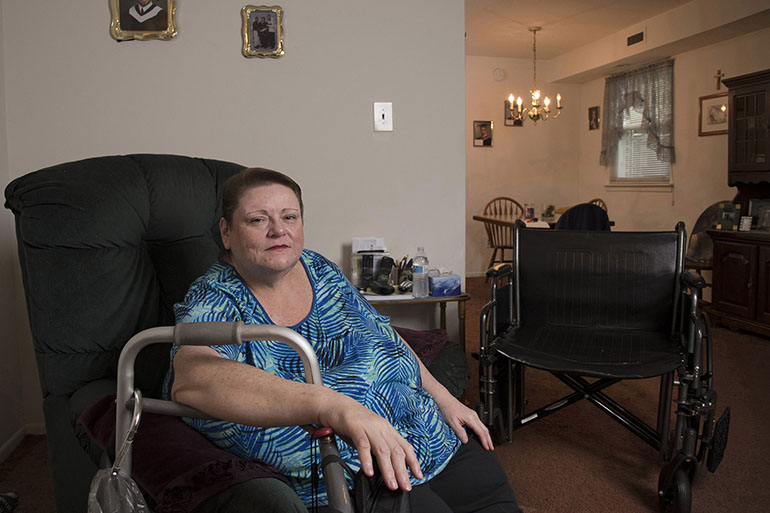
CAROL EMANUELE (KAISER HEALTH NEWS)

According to some estimates, Medicare alone spends at least $25 billion a year treating these wounds. But many widely used treatments aren’t supported by credible research. The $5 billion-a-year wound care business booms while some products might prove little more effective than the proverbial snake oil. The vast majority of the studies are funded or conducted by companies who manufacture these products. At the same time, independent academic research is scant for a growing problem.

“It’s an amazingly crappy area in terms of the quality of research,” said Sean Tunis, who as chief medical officer for Medicare from 2002 to 2005 grappled with coverage decisions on wound care. “I don’t think they have anything that involves singing to wounds, but it wouldn’t shock me.”

A 2016 review of treatment for diabetic foot ulcers found “few published studies were of high quality, and the majority were susceptible to bias.” The review team included William Jeffcoate, a professor with the Department of Diabetes and Endocrinology at Nottingham University Hospitals Trust. Jeffcoate has overseen several reviews of the same treatment since 2006 and concluded that “the evidence to support many of the therapies that are in routine use is poor.”

A separate Health and Human Services review of 10,000 studies examining treatment of leg wounds known as venous ulcers found that only 60 of them met basic scientific standards. Of the 60, most were so shoddy that their results were unreliable.

Paying for Treatments That Don't Work

While scientists struggle to come up with treatments that are more effective, patients with chronic wounds are dying.

The five-year mortality rate for patients with some types of diabetic wounds is more than 50 percent higher than breast and colon cancers, according to an analysis led by Dr. David Armstrong, a professor of surgery and director of the Southern Arizona Limb Salvage Alliance.

Open wounds are a particular problem for people with diabetes because a small cut may turn into an open crater that grows despite conservative treatment, such as removal of dead tissue to stimulate new cell growth.

More than half of diabetic ulcers become infected, 20 percent lead to amputation, and, according to Armstrong, about 40 percent of patients with diabetic foot ulcers have a recurrence within one year after healing.

“It’s true that we may be paying for treatments that don’t work,” said Tunis, now CEO of the nonprofit Center for Medical Technology Policy, which has worked with the federal government to improve research. “But it’s just as tragic that we could be missing out on treatments that do work by failing to conduct adequate clinical studies.”

Although doctors and researchers have been calling on the federal government to step in for at least a decade, the National Institutes of Health and the Veterans Affairs and Defense departments haven’t responded with any significant research initiative.

“The bottom line is that there is no pink ribbon to raise awareness for festering, foul-smelling wounds that don’t heal,” said Caroline Fife, a wound care doctor in Texas. “No movie star wants to be the poster child for this, and the patients … are old, sick, paralyzed and, in many cases, malnourished.”
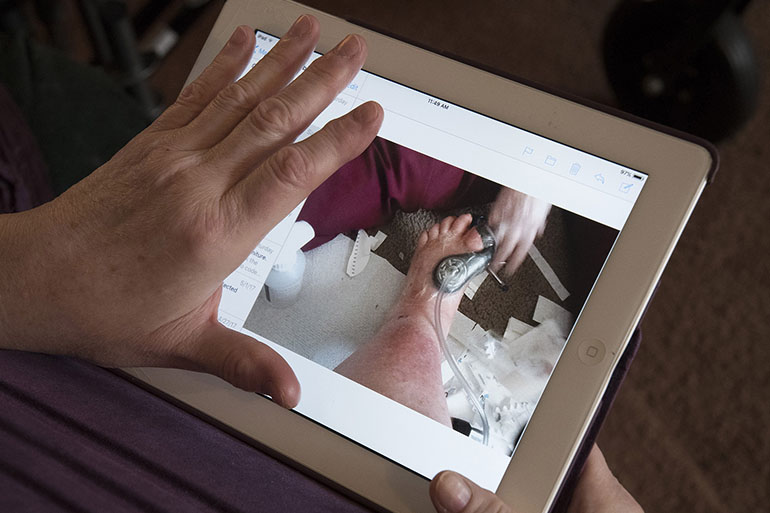
kaiser health news

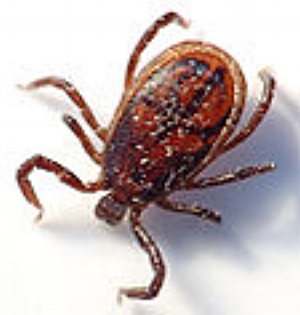
The NIH estimates that it invests more than $32 billion a year in medical research. But an independent review estimated it spends 0.1 percent studying wound treatment. That’s about the same amount of money NIH spends on Lyme disease, even though the tick-borne infection costs the medical system one-tenth of what wound care does, according to an analysis led by Dr. Robert Kirsner, chair and Harvey Blank professor at the University of Miami Department of Dermatology and Cutaneous Surgery.

Emma Wojtowicz, an NIH spokeswoman, said the agency supports chronic wound care, but she said she couldn’t specify how much money is spent on research because it’s not a separate funding category.

“Chronic wounds don’t fit neatly into any funding categories,” said Jonathan Zenilman, chief of the division for infectious diseases at Johns Hopkins Bayview Medical Center and a member of the team that analyzed the 10,000 studies. “The other problem is it’s completely unsexy. It’s not appreciated as a major and growing health care problem that needs immediate attention, even though it is.”

Commercial manufacturers have stepped in with products that the FDA permits to come to market without the same rigorous clinical evidence as pharmaceuticals. The companies have little incentive to perform useful comparative studies.

“There are hundreds and hundreds of these products, but no one knows which is best,” said Robert Califf, who stepped down as Food and Drug Administration commissioner for the Obama administration in January. “You can freeze it, you can warm it, you can ultrasound it, and [Medicare] pays for all of this.”

When Medicare resisted coverage for a treatment known as electrical stimulation, Medicare beneficiaries sued, and the agency changed course.

“The ruling forced Medicare to reverse its decision based on the fact that the evidence was no crappier than other stuff we were paying for,” said Tunis, the former Medicare official.

In another case, Medicare decided to cover a method called “noncontact normothermic wound therapy,” despite concerns that it wasn’t any more effective than traditional treatment, Tunis said.

“It’s basically like a Dixie cup you put over a wound so people won’t mess with it,” he said. “It was one of those ‘magically effective’ treatments in whatever studies were done at the time, but it never ended up being part of a good-quality, well-designed study.”

Questionable Research

The companies that sell the products and academic researchers themselves disagree over the methodology and the merits of existing scientific research.

Thomas Serena, one of the most prolific researchers of wound-healing products, said he tries to pick the healthiest patients for inclusion in studies, limiting him to a pool of about 10 percent of his patient population.

“We design it so everyone in the trial has a good chance of healing,” he said.

“If it works, like, 80 or 90 percent of the time, that’s because I pick those patients,” said Serena, who has received funding from manufacturers.

But critics say the approach makes it more difficult to know what works on the sickest patients in need of the most help.

Gerald Lazarus, a dermatologist who led the HHS review as then-director of Johns Hopkins Bayview Medical Center wound care clinic, said Serena’s assertion is “misleading. That’s not a legitimate way to conduct research.” He added that singling out only healthy patients skews the results.

The emphasis on healthier patients in clinical trials also creates unrealistic expectations for insurers, said Fife.

“The expensive products … brought to market are then not covered by payers for use in sick patients, based on the irrefutable but Kafka-esque logic that we don’t know if they work in sick people,” she said.

“Among very sick patients in the real world, it may be hard to find a product that’s clearly superior to the others in terms of its effectiveness, but we will probably never find that out since we will never get the funding to analyze the data,” added Fife, who has struggled to get government funding for a nonprofit wound registry she heads. Not surprisingly, she said, the registry data demonstrate that most treatments don’t work as well on patients as shown in clinical trials.

Patients say they often feel overwhelmed when confronted with countless treatments.

“Even though I’m a doctor and my wife is a nurse, we found this to be complicated,” said Navy Cmdr. Peter Snyder, a radiologist who is recovering from necrotizing fasciitis, also known as flesh-eating bacteria. “I can’t imagine how regular patients handle this. I think it would be devastating.”

To heal wounds on his arms and foot, Snyder relied on various treatments, including skin-graft surgery, special collagen bandages and a honey-based product. His doctor who treats him at Walter Reed National Military Medical Center predicted he would fully recover.

peter snyder examined at walter reed medical center (khnphoto)

Such treatments aren’t always successful. Although Emanuele’s wound left by an amputation (of her big toe) healed, another wound on the bottom of her foot has not.

Recently, she looked back at her calendar and marveled at the dozens of treatments she has received, many covered by Medicare and Medicaid.

Some seem promising, like wound coverings made of freeze-dried placenta obtained during births by cesarean section. Others, not — including one plastic bandage that her nurse agreed made her wound worse.

Emanuele was told she needed to undergo high doses of oxygen in a hyperbaric chamber, a high-cost treatment hospitals are increasingly relying on for diabetic wounds. The total cost: about $30,000, according to a Medicare invoice.

Some research has indicated that hyperbaric therapy works, but last year a major study concluded it wasn’t any more effective than traditional treatment.

“Don’t get me wrong, I am grateful for the care I get,” Emanuele said. “It’s just that sometimes I’m not sure they know what they’re using on me works. I feel like a guinea pig.”

Confined to a wheelchair because of her wounds, she fell moving from the bathroom to her wheelchair and banged her leg, interrupting the healing process. Days later, she was hospitalized again. This time, she got a blood infection from bacteria entering through an ulcer.

She has since recovered and is now back on the wound care routine at her house.

“I don’t want to live like this forever,” she said. “Sometimes I feel like I have I no identity. I have become my wound.”

Kaiser Health News, a nonprofit health newsroom whose stories appear in news outlets nationwide, is an editorially independent part of the Kaiser Family Foundation.

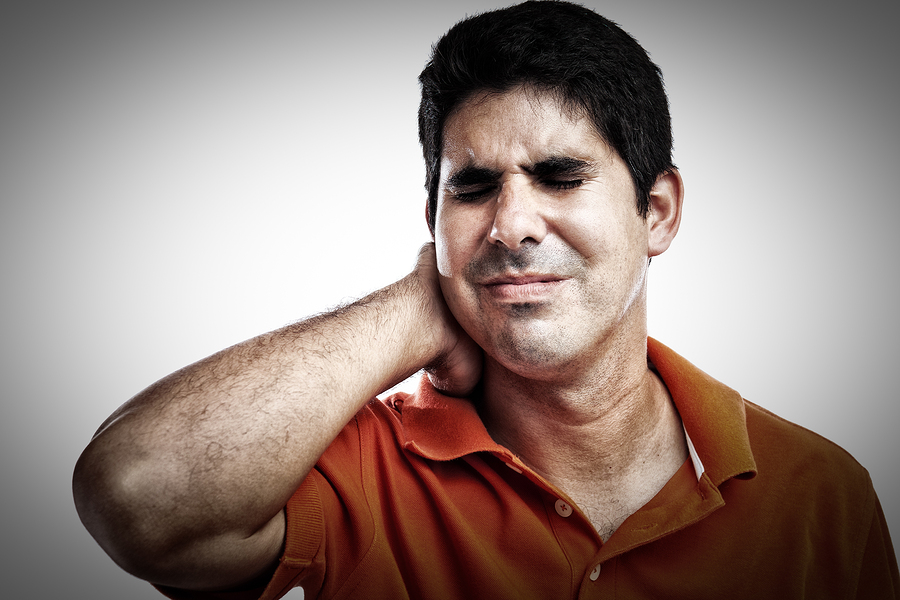
Kaiser Permanente Prescribing Fewer, Cheaper Opioids

By Pat Anson, Editor

One of the largest medical organizations in California has significantly reduced high dose opioid prescribing for its patients and shifted many of them to generic opioids, according to the results of a new study by Kaiser Permanente of Southern California.

“You can treat pain differently without putting people on high doses of opioids,” said co-author Michael Kanter, MD, an executive with the Southern California Permanente Medical Group. “There is no proven benefit of long term opioid therapy.”

Researchers looked at prescription data for over 3 million Kaiser Permanente patients in southern California from 2010 to 2015, and found a 30 percent reduction in high dose opioid prescribing, along with a major decline in the prescribing of brand name opioids.

The medical group instituted system wide policies in 2010 that promoted safer prescribing and encouraged its 6,600 physicians to prescribe lower doses using cheaper, generic opioids.

The change in policy resulted in far fewer prescriptions being written for OxyContin, Opana, and brand name hydrocodone, oxycodone and codeine products. OxyContin was the first painkiller to have abuse deterrent properties, while Opana is being taken off the market because of concerns it is being abused.  Both are more expensive than generic opioids.

“This study adds promising results that a comprehensive system-level strategy has the ability to positively affect opioid prescribing,” Kanter and his colleagues wrote in the Journal of Evaluation in Clinical Practice.

Like other studies of its kind, however, the report did not assess whether there was any improvement in patient pain, function and quality of life, nor did it assess the impact of alternative pain therapies and treatments that were prescribed in lieu of opioids. Also unknown is whether the medical group’s policies resulted in fewer overdoses or cases of opioid misuse and addiction.

“But we did note that, generally speaking, patients were satisfied with the process that they went through,” said Kanter, adding that a subsequent research paper will be published on patient satisfaction.

Kanter told PNN that many pain patients take opioids long-term because of “therapeutic inertia” on the part of prescribers.

“We do know that some patients are just started on opioids for chronic pain, (their) doses may be increased over time, and they may be actually doing quite well pain-wise, but nobody takes the time to titrate their dose down and deescalate, and so a lot of the patients we think were just on too high of a dose for no real good reason,” Kanter explained. “Some of the patients, if not many, we think did just as well on lower doses.”

Several other medical groups and insurance companies have taken steps to reduce opioid prescribing, but the results so far have been mixed in terms of preventing overdoses.

As PNN has reported, opioid prescribing fell by 15 percent for members of Blue Cross Blue Shield of Massachusetts after the state's largest insurer adopted policies in 2012 that discourage the dispensing of opioid medication. The new policies failed to slow the growing number of opioid overdose deaths in Massachusetts, which more than doubled. Many of those deaths were not due to painkillers, but linked to heroin and illicit fentanyl.

Blue Shield of California says its Narcotic Safety Initiative has resulted in an 11% reduction in members using high dose opioids and prevented 25% of all new opioid users from using the drugs for more than 90 days.  

Like the Kaiser Permanente study, the Blue Cross Blue Shield initiatives in California and Massachusetts did not assess the impact on patient pain, function and quality of life after opioid prescribing was lowered.

The opioid overdose death rate in California is 4.9 deaths per 100,000 people, less than half the national average. From 2014 to 2015, the opioid overdose rate in California declined by 2 percent, while the national average rose by 16 percent. Click here to see trends in your state.

Stop Torturing Chronic Pain Patients

By Kim Miller, Guest Columnist

Have you heard the stories about people who suffer from unrelenting pain? 

These people, who we'll call "patients,” are trying to have a life whereby their pain is controlled enough to participate in some of life's little pleasures, such as cleaning the house, showering and spending time with family, while understanding that being completely pain free is unrealistic. 

These patients are often treated as if they're asking for something unreasonable. They are not typical patients, but their anomalies have little place in the medical community, like other patients with chronic conditions such as hypertension or diabetes.

Chronic pain patients are typically required to visit their medical providers once each month if they are being treated with opioids.  Along with these regular visits, chronic pain patients are subjected to signed contracts, random drug screens, reports from their state's Prescription Drug Monitoring Program (listing all scheduled medications, dates filled, names of pharmacies and prescribers' names), and random pill counts.  Any failure to comply or meet with these specifications can result in the patient being released or "fired" by the medical practice for breaking the pain contract.

Many of these patients have been subjected to abrupt tapering of their opioid medications or had them completely discontinued. 

The CDC opioid guidelines, the DEA, misinformed legislators, media hype, and anti-opioid zealots have combined to continually attack the nation's opioid crisis by restricting access to pain medications by legitimate, law abiding patients who are following all of the rules. 

This process of restricting medications for patients in need has caused many to suffer needlessly and some to commit suicide.  Even patients who have had no negative side effects from opioids -- after taking them for years or even decades -- are now suffering due to no fault of their own.

The worst part of the current situation is that overdose deaths caused by illicit opioids, such as heroin, street-manufactured fentanyl, and fentanyl analogs like carfentenil (elephant tranquilizer) and U-47700, continue to rise.  Many media stories, as well as government reports and statements, do not differentiate between prescription opioids and illegal opioids when informing the public about the "opioid epidemic."  The misinformed public only hears about opioids causing more deaths, while the picture on the television shows pills in a prescription bottle.

Restricting access to legal opioid medication has no hope whatsoever of curtailing what is an epidemic of non-prescription drugs. 

The origins of the opioid crisis may have roots in the overprescribing of opioids, but a growing number of studies have found that opioid medications are no longer involved in the majority of fatal drug overdoses. Deaths categorized as "opioid related" often involve non-prescription opioids like heroin and illicit fentanyl, or benzodiazepines, alcohol, cocaine, methamphetamine and other substances.  

The vast and overwhelming evidence points to dangerous substances NOT prescribed by a medical provider, yet we're left with continued restrictions on medications needed by pain patients to have any quality of life.

This dangerous counter-intuitive trend not only deprives patients of pain relief, but is leading to a silent epidemic of suicide in the pain community. It is time to rethink the media and political hype, ditch the CDC guidelines, and stop torturing chronic pain patients.

Kim Miller is the advocacy director of the Kentuckiana Fibromyalgia Support Group and an ambassador with the U.S. Pain Foundation.

The information in this column should not be considered as professional medical advice, diagnosis or treatment. It is for informational purposes only and represents the author’s opinions alone. It does not inherently express or reflect the views, opinions and/or positions of Pain News Network.

A Pained Life: Starting at the Top

By Carol Levy, Columnist

I hear a lot of people say, “My doc is the best.”

It's important to believe that. But sometimes it is better to save the best for last.

I have trigeminal neuralgia, a painful condition that affects the trigeminal nerve around the eye, and was referred to my neuro-ophthalmologist -- let’s call him Dr. Smithson -- by a vascular specialist I had been seeing.

I had no idea that Dr. Smithson was one of the co-founders of the specialty of neuro-ophthalmology.  He was wonderful, not only terrific in his medicine, but a really nice and caring person. I was lucky to have been referred to him.

After two neurosurgeries, one that worked and one that resulted in devastating side effects, Dr. Smithson sent me to Dr. Marks in Pittsburgh for a specialized surgery that was named after him.

Unfortunately, Dr. Marks not only was unsuccessful, but the surgery left me with additional debilitating side effects.

After that, I was sent to California, where Dr. Kaplan did one surgery, and a year later Dr. Yee did another.

I did not know at the time that these doctors were the cream of the crop. All had their names in major neurosurgical textbooks.

From the outside, this may sound good. But from the inside, there was a problem. I was caught in a circle of specialists. I felt none of them could look outside of the circle and see things from a different perspective. I needed fresh eyes, so I went to see a neurologist at my local hospital.

“I came to see you because I need to have someone outside of the group I have been with take a fresh look. Maybe you can see or suggest something they have not thought of,” I told the doctor.

“That’s a good idea,” he said. After an examination, he told me, “I do have some ideas. I am thinking of prescribing a medication, but I want to look into it more. Come back in a month.”

Wow! Maybe somebody has something else to offer. I left the office filled with hope.

A month later I returned to his office, filled with anticipation. The neurologist came into the room and quickly burst my bubble.

“I talked to Dr. Smithson. He said what I wanted to prescribe is not a good idea,” he said.

It was just a medication. The worst that could happen was that it wouldn't work. It was no risk to this doctor, or to me, to at least try it. But Dr. Smithson’s name and reputation outranked everything else.

My doctors are the best. There is no argument there. But I wish I had started with the schnooks. Then there would have been no place to go but up!

My pedigree of the best, the brightest, and the most well-known has hurt me. I also have to explain that one doctor was behind all of these recommendations, so I don’t come off as a “doctor shopper.”

It is a conundrum. Is it worth going to the “lower level” so you have the top doctors in waiting? Or do you go to the top and then have no other options?

Maybe if I started in the other direction, I would have been just as disappointed – and wished I had started at the top.

Carol Jay Levy has lived with trigeminal neuralgia, a chronic facial pain disorder, for over 30 years. She is the author of “A Pained Life, A Chronic Pain Journey.” 

Carol is the moderator of the Facebook support group “Women in Pain Awareness.” Her blog “The Pained Life” can be found here.

The information in this column should not be considered as professional medical advice, diagnosis or treatment. It is for informational purposes only and represent the author’s opinions alone. It does not inherently express or reflect the views, opinions and/or positions of Pain News Network.

Poorly Treated Pain Main Reason for Opioid Misuse

By Pat Anson, Editor

Over a third of the U.S. adult population -- nearly 92 million Americans – used prescription opioids in 2015, according to a large new survey that found the primary reason people misuse opioid medication was to relieve pain.

The findings of the annual survey by the Substances Abuse and Mental Health Services Administration (SAMHSA), published in the Annals of Internal Medicine, seem likely to fuel another round of anti-opioid media coverage about the overdose crisis. 

The study estimated that 11.5 million Americans misused opioids in 2015, and nearly two million thought they were addicted and had an opioid use disorder. 

But a closer reading of the reasons behind the misuse indicates that pain is poorly treated by the healthcare system, especially for Americans who are economically disadvantaged or lack insurance.

“Misuse” in the survey was defined as using an opioid medication without a prescription, for reasons other than directed, or in greater amounts or more often than prescribed.

Asked what was the main reason behind their misuse, two-thirds (66%) of those who self-reported misuse said it was to relieve physical pain. Nearly 11 percent said it was to “get high or feel good” and less than one percent (0.6%) said they were “hooked” or addicted to opioids.

Our results are consistent with findings that pain is a poorly addressed clinical and public health problem in the United States and that it may be a key part of the pathway to misuse or addiction. Because pain is a symptom of many pathologic processes, better prevention and treatment of the underlying disorders are necessary to decrease pain and the morbidity and mortality associated with opioid misuse,” wrote lead author Beth Han, MD, PhD, a SAMHSA researcher.

“Simply restricting access to opioids without offering alternative pain treatments may have limited efficacy in reducing prescription opioid misuse and could lead people to seek prescription opioids outside the health system or to use nonprescription opioids, such as heroin or illicitly made fentanyl, which could increase health, misuse, and overdose risks.”

That appears to be what is happening. The CDC recently acknowledged that opioid prescribing has been in decline since 2010, yet opioid overdoses are soaring around the country, reaching 33,000 deaths in 2015, many of them caused by illicit opioids.  The DEA reported last week that over half the overdoses in Pennsylvania in 2016 were linked to illicit fentanyl. Prescription painkillers were involved in only about 25% of the overdoses, behind fentanyl, heroin, benzodiazepines (anti-anxiety medication), and cocaine.

In the SAMHSA survey, only a third of those who misused opioids said they obtained them legally from a doctor. The rest said they were obtained for free from a friend or relative, or were bought or stolen.

In addition to physical pain, the survey found that economic despair was a leading factor associated with opioid misuse. Uninsured, unemployed and low-income adults had a higher risk of opioid misuse and use disorder. People who were depressed, had suicidal thoughts, or were in poor health also were at higher risk.

“In more than 20 years practicing primary care in safety-net health settings, I have come to think of the patients at highest risk as my patients -- those with lower levels of education and income and higher rates of unemployment and uninsurance, our society's most vulnerable members,” wrote Karen Lasser, MD, Boston Medical Center and Boston University School of Medicine, in an editorial published in the Annals of Internal Medicine.

The fact that uninsured persons were twice as likely as those with insurance to report prescription opioid misuse and also had higher rates of use disorders augments the urgency of expanding insurance coverage. With insurance, persons suffering from pain could seek medical care rather than relying on opioids prescribed for others or purchased illegally.”

Over 72,000 American adults participated in the SAMHSA survey. Each interview lasted about an hour and participants received $30 in cash afterwards.

Trump Opioid Commission Calls for National Emergency

By Pat Anson, Editor

A White House commission on combating drug addiction and the opioid crisis has recommended that President Trump declare a national emergency to speed up federal efforts to combat the overdose epidemic, which killed over 47,000 Americans in 2015.

“If this scourge has not found you or your family yet, without bold action by everyone, it soon will. You, Mr. President, are the only person who can bring this type of intensity to the emergency and we believe you have the will to do so and to do so immediately,” the commission wrote in an interim report to the president.

The 10-page report was delayed by over a month, which New Jersey Gov. Chris Christie attributed to over 8,000 public comments the commission received after its first meeting in June. Christie, who chairs the commission, said the panel wanted to carefully review each comment.

In addition to declaring a national emergency, the commission recommended a variety of ways to increase access to addiction treatment, mandate prescriber education about the risks and benefits of opioids, and prioritize ways to detect and stop the flow of illicit fentanyl into the country.

There were no specific recommendations aimed at reducing access to prescription opioids, although they could be added to the commission’s final report, which is due in October.

“We urge the NIH (National Institutes of Health) to begin to work immediately with the pharmaceutical industry in two areas: development of additional MAT (medication assisted treatment)... and the development of new, non-opioid pain relievers, based on research to clarify the biology of pain,” Christie said. “The nation needs more options that are not addictive.  And we need more treatment for those who are addicted.”

“I think we also have to be cognizant that the advent of new psychoactive substances such as fentanyl analogs and heroin is certainly replacing the death rate due to prescription opioids. That is going to continue until we have a handle on the supply side of the issue,” said commission member Bertha Madras, PhD, a professor of psychobiology at Harvard Medical School.

“If we do not stop the pipeline into substance use, into addiction, into problematic use, into the entire scenario of poly-substance use, we are really not going to get a good handle on this.”     

Other measures recommended by the commission:

  • Grant waivers to states to eliminate barriers to mental health and addiction treatment
  • Increase availability of naloxone as an emergency treatment for opioid overdoses
  • Amend the Controlled Substance Act to require additional training in pain management for all prescribers
  • Prioritize funding to Homeland Security, FBI and DEA to quickly develop fentanyl detection sensors
  • Stop the flow of synthetic opioids through U.S. Postal Service
  • Enhance the sharing of data between prescription drug monitoring programs (PDMPs)

No estimate was provided on the cost of any of these measures.

Gov. Christie also spoke about eliminating pain levels as a “satisfaction criteria” for healthcare providers being evaluated and reimbursed for federal programs like Medicare.

“We believe that this very well may have proven to be a driver for the incredible amount of prescribing of opioids in this country. In 2015, we prescribed enough opioids to keep every adult in America fully medicated for three weeks. It’s an outrage. And we want to see if this need for pain satisfaction levels, which is part of the criteria for reimbursement, is part of the driver for this problem,” Christie said.  

Last year, the Centers for Medicare and Medicaid Services (CMS) caved into pressure from politicians and anti-opioid activists by dropping all questions related to pain in patient satisfaction surveys in hospitals.  CMS agreed to make the change even though there was no evidence that the surveys contributed to excess opioid prescribing

Do You Use Alcohol to Relieve Chronic Pain?

By Rochelle Odell, Columnist

I’m in a Complex Regional Pain Syndrome (CRPS/RSD) support group and one of our members recently asked if any members were turning to alcohol because their pain medication had been reduced or stopped.

It piqued my interest, so I began researching the topic. There aren’t many current studies or reports, but it’s a valid question since alcohol is much easier to obtain than pain medication.

Alcohol was among the earliest substances used to relieve physical pain and, of course, many people use it to cope with emotional pain.

According to the National Institute on Alcohol Abuse and Alcoholism, as many as 28% of people with chronic pain turn to alcohol to alleviate their suffering.

Another study from 2009 found that about 25% of patients self-medicated with alcohol for tooth pain, jaw pain or arthritis pain.

There is no documented increase in alcohol use by chronic pain patients at this time, although I would hope there are studies in process that further clarify the question and problems arising from it -- especially with opioid pain medication being reined in and so many patients left with nothing to relieve their pain.

There are many reasons why a person may self-medicate with alcohol.

“People have been using alcohol to help cope with chronic pain for many years. Many people also may use alcohol as a way to manage stress, and chronic pain often can be a significant stressor,” Jonas Bromberg, PsyD, wrote in PainAction.

“One theory about why alcohol may be used to manage chronic pain is because it affects the central nervous system in a way that may result in a mild amount of pain reduction. However, medical experts are quick to point out that alcohol has no direct pain-relieving value, even if the short-term affects provide some amount of temporary relief. In fact, using alcohol as a way to relieve pain can cause significant problems, especially in cases of excessive use, or when it is used with pain medication.”

Constant, unrelenting pain is definitely a stressor -- that's putting it mildly -- but I’ve never added alcohol to my pain medication regimen. I was always afraid of the possible deadly side effects, coupled with the fact my mother was an alcoholic who mixed her medication with it. That's a path I have chosen not to go down.

Bromberg also tells us that men may be more likely to use alcohol for pain relief than women, and people with higher income also tend to use alcohol more to treat their chronic pain.

Interestingly, the use of alcohol is usually not related to how intense a person’s pain is or how long they’ve had it. It was the regularity of pain symptoms – chronic pain -- that seemed most related to alcohol use, according to Bromberg.

Those who self-medicate with alcohol for physical or emotional pain often use it with a variety of substances, both legal and illegal.

Researchers at Boston University School of Medicine and Boston Medical Center reported last year in the Journal of General Internal Medicine that in a study of nearly 600 patients who screened positive for illicit drugs, nearly 90 percent had chronic pain. Over half of them used marijuana, cocaine or heroin, and about half reported heavy drinking.

“It was common for patients to attribute their substance use to treating symptoms of pain,” the researchers reported. “Among those with any recent heavy alcohol use, over one-third drank to treat their pain, compared to over three-quarters of those who met the criteria for current high-risk alcohol use.”

“Substance use” (not abuse) was defined as use of illegal drugs, misuse of prescription drugs, or high risk alcohol use. I had not heard of this term before, it’s usually called substance abuse.  Perhaps these researchers were onto something really important that needs further study, particularly with opioid medication under fire.

“While the association between chronic pain and drug addiction has been observed in prior studies, this study goes one step further to quantify how many of these patient are using these substances specifically to treat chronic pain," they added.

What this information shows is that if one is on pain medication, using alcohol or an illegal substance does not make one unique. It is certainly not safe, but it does occur. We are all struggling to find ways to cope with chronic pain, and if someone is denied one substance they are at high risk of turning to another.

Rochelle Odell lives in California. She’s lived for nearly 25 years with Complex Regional Pain Syndrome (CRPS/RSD).

The information in this column should not be considered as professional medical advice, diagnosis or treatment. It is for informational purposes only and represents the author’s opinions alone. It does not inherently express or reflect the views, opinions and/or positions of Pain News Network.

Indiana Doctor Killed in Dispute Over Pain Meds

By Pat Anson, Editor

A gunman who fatally shot an Indiana doctor this week was upset because the physician refused to prescribe opioid pain medication to his wife, according to police.

Dr. Todd Graham was confronted Wednesday afternoon in the parking lot outside a South Bend medical center by 48-year Michael Jarvis. After a brief argument, Jarvis shot Graham twice in the head. Jarvis then drove to a friend’s house and killed himself, according to the South Bend Tribune.

An investigation later determined that Jarvis’ wife had an appointment with Graham Wednesday morning and the doctor declined to prescribe an opioid medication for her chronic pain.

“It was Dr. Graham’s opinion that chronic pain did not require prescription drugs,” St. Joseph County Prosecutor Ken Cotter said at a news conference Thursday. "He did what we ask our doctors to do. Don't over-prescribe opioids.”

DR. TODD GRAHAM

Michael Jarvis was present during his wife's appointment and argued with Graham. Jarvis eventually left, but returned in the afternoon with a gun and confronted the doctor outside the medical center.

"Make no mistake, this was a person who made a choice to kill Dr. Graham. This is not a fallout from any opioid epidemic or any opioid problems. That probably leads us into an examination of what is happening with the opioid problem in our community, and frankly, in our whole nation," said Cotter.

Cotter said Jarvis had a “confrontation” with Graham before Wednesday, but did not go into details.

"This was a very targeted attack," said Commander Tim Corbett of Saint Joseph County Metro Homicide. "I am a firm believer -- and I think Ken feels the same way -- that if Jarvis would have got inside that building, although there wouldn't have been any specific target, it's like trapping an animal in a corner: they're going to come out fighting. I truly believe this could have escalated into a mass shooting. I do believe that."

Mrs. Jarvis was apparently unaware of her husband’s plans.

"It was clear that she didn't know what he was doing. She's suffering as well," Cotter said.

The 56-year old Graham was married and had three children. His obituary can be seen here. Graham's wife learned of her husband’s death through social media, according to the South Bend Tribune.

Several of Graham’s patients left messages about him on the Tribune’s website.

“He was a very caring person. I am lost of words my heart is breaking for his wife and family,” wrote one patient.

“Dr. Graham has been my Dr. for 3 years. After 3 accidents, and surgeries he has helped me tremendously. My condolences to his wife. He will be missed,” wrote another.

The Indiana shooting was the third in recent months involving a pain patient and a doctor.

In June, a gunman shot and wounded two people at a Las Vegas pain clinic before taking his own life.  The shooter, who suffered from chronic back pain, had been denied pain medication during an unscheduled appointment.

In April, a disgruntled pain patient in Great Falls, Montana burned down a doctor's home, held the doctor's wife at gunpoint and killed himself during a standoff with police.

Pennsylvania Overdoses Soar, But Not from Painkillers

By Pat Anson, Editor

A new study by the U.S. Drug Enforcement Agency underscores the changing nature of the nation’s overdose crisis and the diminishing role played by opioid painkillers.

In an analysis of 4,642 drug related overdose deaths in Pennsylvania last year, the DEA found that over half of those deaths (52%) involved fentanyl or fentanyl related substances. In many cases, toxicology reports found multiple drugs in the bodies of those who died.

Heroin was the second most frequently identified drug (45%), followed by benzodiazepines (33%), a class of anti-anxiety medication, and cocaine (27%).  

Prescription opioid medication was the fifth most common type of drug found. Painkillers were involved in 25 percent of the Pennsylvania overdoses, while ethanol (alcohol) was ranked 6th at nearly 20 percent.

Overall, the number of overdoses in the state was 37 percent higher than in 2015, according to the DEA report. Pennsylvania's overdose rate was 36.5 deaths per 100,000 people, twice the national average.

Fentanyl is a synthetic opioid 50 to 100 times more potent than morphine, and is available legally by prescription to treat severe chronic pain. In recent years however, illicit fentanyl has become a deadly scourge across the U.S. and Canada, where it is often mixed with heroin or used in counterfeit painkillers. Illicit fentanyl is believed to be involved in the vast majority of the fentanyl-related deaths in Pennsylvania.    

DRUGS INVOLVED IN PENNSYLVANIA OVERDOSES (2016)

SOURCE: DEA

The DEA report was prepared in conjunction with the University of Pittsburgh’s School of Pharmacy Program Evaluation Research Unit (PERU). Unlike other reports on overdose deaths, the PERU analysis excluded suicides and included toxicology reports, a methodology that is considered more reliable than the ICD codes traditionally used by the CDC and other federal agencies to determine the drugs involved in overdoses.

“The expertise of PERU in the analysis and interpretation of public health data, which is outside of the traditional scope of law enforcement intelligence analysis, resulted in the creation of this comprehensive report that can be used to implement effective strategies to address the overdose crisis,” said Gary Tuggle, Special Agent-in-Charge of DEA’s Philadelphia Field Division.

Perhaps the most striking aspect of the report was the presence of anti-anxiety drugs in so many of the overdoses, and the smaller role played by prescription opioids. Toxicology reports found opioid medication in 1,181 of the overdose deaths, with oxycodone involved in most of them.

Still, more Pennsylvanians died with Xanax (alprazolam) in their system than oxycodone (846 vs. 679). And the anti-anxiety drugs clonazepam (Klonopin), diazepam (Valium), oxazepam and lorazepam (Ativan) were also involved in hundreds of overdoses.

The existence of valid prescriptions was not analyzed in the DEA report, which did not assess whether medications were diverted or obtained fraudulently.

In 2016, approximately 13 people died of a drug-related overdose in Pennsylvania each day. 

Although painkillers were not involved in most of those deaths, efforts at fighting the overdose crisis are still largely focused on reducing access to legally prescribed opioid medication.

Last month, Independence Blue Cross, the largest health insurer in the Philadelphia area, said it would limit the prescribing of opioids in its network to just five days for acute pain. Independence already limits the quantity of opioids that physicians can prescribe. The company claims that policy has reduced "inappropriate" opioid use by its members by nearly 30 percent.

Deaths from prescription opioids in Philadelphia started declining in 2013, a year before Independence started limiting access to painkillers.

Insurance Claims Climb for Lyme Disease

By Pat Anson, Editor

Private insurance claims with a diagnosis of Lyme disease have soared in the U.S. over the past decade, according to a new report by FAIR Health, a nonprofit that tracks healthcare costs and insurance trends.

Lyme disease is a bacterial illness spread by ticks. It can also lead to other chronic pain conditions such as joint and back pain, chronic fatigue, fibromyalgia and neuropathy.

Fair Health analyzed a database of 23 billion private insurance claims from 2007 to 2016, and found that claims with a diagnosis of Lyme disease increased by 185 percent in rural areas and 40 percent in urban areas.

A recent CDC study also found the number of Lyme disease cases increasing, with nearly 40,000 confirmed and probable cases in 2015.

"Lyme disease is growing as a public health concern,” said FAIR Health President Robin Gelburd

Although Lyme disease historically has been concentrated in the Northeast and upper Midwest, the FAIR Health study suggests that it is spreading geographically. In 2007, insurance claims with diagnoses of Lyme disease were highest in New Jersey, Rhode Island, Connecticut, Massachusetts and New York.

By 2016, the top states were Rhode Island, New Jersey, Connecticut, North Carolina and New York -- with the emergence of North Carolina suggesting significant expansion to a new region.

Summer is the peak season for Lyme disease, with insurance claims more common in rural than in urban settings, according to the FAIR Health report. In the winter and early spring (December through April), claims involving Lyme disease were reported more often in urban than rural settings.

Age is also a differing factor in rural and urban environments. In rural settings, claims with Lyme disease diagnoses were more common for middle-aged and older people. Patients aged 41 years and older accounted for nearly two-thirds of the rural diagnoses. In urban populations, younger individuals with Lyme disease accounted for a higher percentage of claims.

Lyme disease is usually treated with antibiotics, but some patients experience complications that lead to Lyme disease syndrome (PTLDS), with long-term symptoms such as fatigue, muscle and joint pain and cognitive issues. Autoimmune diseases have also been associated with chronic Lyme disease.

Left untreated, Lyme disease can lead to serious chronic conditions, as Sarah Elizabeth Hirschle shared with us recently.

For patients with a Lyme disease diagnosis, FAIR Health reported the most common subsequent diagnoses were:

  • Joint pain (dorsalgia, low back pain, hip and knee pain)
  • Chronic fatigue  
  • Soft tissue disorders (myalgia, neuralgia, fibromyalgia)
  • Hypothyroidism

lyme disease rash

Early symptoms of Lyme disease include fever, chills, headaches, fatigue, muscle and joint aches, and swollen lymph nodes. A delayed rash often appears at the site of the tick bite. The rash grows in size and sometimes resembles a bulls-eye.

To see some tips from the CDC on how to avoid tick bites, click here.

The Four E’s That Can Help Lower Pain Levels

By Barby Ingle, Columnist

Continuing with my series on alternative pain therapies, I find it interesting that those who have not tried the treatments I cover are often the most vocal about whether they help or not. 

I want to remind readers that I am not suggesting that these are cures for any chronic pain condition, but more a way to possibly lower pain and stress levels, and increase daily activities. 

Also, please consider that pain can be bio-psycho-social in nature and may not always have a physical cause. I work with over 150 conditions in my advocacy work, and have learned that not all patients -- even with the same diseases -- respond to the same treatments. Most of the people I know that are in remission or have learned to lower or manage their pain levels are using multiple techniques and treatment options. 

The four E’s I will introduce you to are energy therapy, electromagnetic therapy, equine therapy, and exercise. 

Energy Therapy

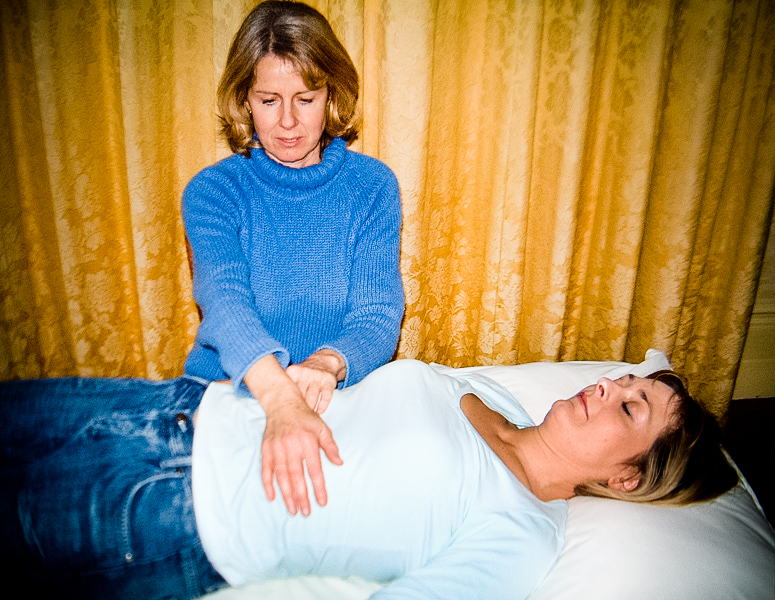
Energy therapies, such as therapeutic touch and magnetic healing, are commonly referred to as bio-field therapies in the alternative medicine area. Supporters of these therapies believe “energy fields” flow through and around our bodies, and that when energy is flowing freely we have good emotional, physical and spiritual health. When the energy field is blocked, we become ill.

In therapeutic touch, also known as Rieke, attendants use their hands to find “blockages” and touch the patient at the blockage sites to remove the harmful energy, replacing it with their own healthy energy. In magnetic healing, the therapist places magnets at the blockage sites.

I tried an energy therapy session once and was actually in more pain when the therapist stopped than when she started.  I remained fully clothed and lay down on a massage table as the therapist moved her hands just above my body.  Because I have Reflex Sympathetic Dystrophy (RSD) and parts of my body are very sensitive, I choose the version with no touch. 

It didn’t work for me and I was told it was because the therapist didn’t follow my energy field properly. I was stressed the whole time, worried that she was going to touch me and how painful it would be. 

Energy therapy is mainly used to ease symptoms such as anxiety, fatigue, pain, nausea or vomiting. Some believe it even improves quality of life. Many people say that they feel more relaxed, calm and peaceful after an energy therapy session. I was afraid the whole time, so I didn’t get this effect. 

Some studies suggest that energy therapies work because the person experiences the focused and caring presence of a therapist, rather than a change in energy flow. More research is needed to understand the effectiveness of energy therapy, but if you are looking for a way to help lower stress and relax, this maybe a choice for you.  

Electromagnetic Therapy

Proponents of electromagnetic therapy (ET) claim that by applying low frequency electromagnetic radiation to your body that it can help lower pain levels, promote cell growth, improve blood circulation and bone repair, increase wound healing, and enhance sleep.

I tried this therapy for three months with an ET mat that I would lay on for an hour each day. The heat from the mat was relaxing and helped my circulation, but I can’t say that it worked any better than a heating blanket.

The practitioner who had me try the mat said that it could help with a wide range of symptoms and conditions, such as headaches, migraines, chronic pain, nerve disorders, spinal injuries, diabetes, arthritis, and heart disease. I think due to the increase in blood flow from the heated mat that I did get some temporary and slight pain relief.

The National Institutes of Health says there is a lack of scientific evidence about electromagnetic therapy and the American Cancer Society warns that "relying on electromagnetic treatment alone and avoiding conventional medical care may have serious health consequences." 

Equine Therapy

As the name implies, equine therapy makes use of horses (and sometimes elephants, cats, dogs and even dolphins) to help promote emotional growth. It helps to try it with an animal that can mirror human behavior. A horse is considered most effective because it can respond immediately and give feedback to the patient’s actions and behaviors.

Last year the movie "Unbridled" was released and it covered this type of therapy for physical and emotional pain. The movie is unforgettable and an uplifting story of redemption, healing, and overcoming some of life’s greatest obstacles. 

Equine therapy is usually offered for patients with attention deficit problems, anxiety, autism, dementia, delays in mental development, Downs’s syndrome, depression, trauma and brain injuries, behavior and abuse issues, and other mental health issues. 

The reason why eqine therapy has been recognized as an important area in the medical field is that some horse riders with disabilities have proven their remarkable equestrian skills in various national and international competitions. The basis of the therapy is that because horses behave similarly to humans in their social and responsive behavior, it is easier for patients to establish connection with a horse. 

I think this is an interesting concept when it comes to emotional pain. Although I haven’t done equine therapy myself, I have been intrigued over the years with the idea. That said, caring for a dog was hard for me and I can’t imagine taking care of a horse. 

Exercise

I think the word “exercise” has many different connotations for every person who hears it. Before starting any exercise program, precautions are needed to make sure you can do physical activities without further damage to your body. I have experienced unpleasant and painful exercise, which only served to make my pain worse. 

I have found that there are some exercises that are better for me than others. For instance, I can walk now for a few minutes each hour. That is more than I have done in years and I had to work my way up to it. Other pain friends can do a moderate program on stationary bicycles for 30 minutes at a time a few times a week. 

I have one friend who is doing full weight bearing activities. It causes her flares, yet she chooses to keep pushing her body until she reaches a crash. 

Please be sure to consult with a doctor before starting to exercise. Some studies suggest that moderate amounts of exercise can change your perception of pain and help you better perform activities of daily living.

It’s important to keep an open mind on what can help lower pain levels. There is no single technique or one size that fits all. From my own experience of living 20 years with chronic pain, I have explored many different options and done a fair amount of research before deciding if they were right for me to try. 

Using a multiple modality approach is often key to lowering pain levels. Nothing I have tried has been a cure, but many did help in some way.

Whether it’s one of the 4 E’s or a combination of treatments, I hope you find what helps give you a better life and that you will have continued access to it while we continue our quest for a cure.

Barby Ingle lives with reflex sympathetic dystrophy (RSD), migralepsy and endometriosis. Barby is a chronic pain educator, patient advocate, and president of the International Pain FoundationShe is also a motivational speaker and best-selling author on pain topics. More information about Barby can be found at her website. 

The information in this column should not be considered as professional medical advice, diagnosis or treatment. It is for informational purposes only and represents the author’s opinions alone. It does not inherently express or reflect the views, opinions and/or positions of Pain News Network.

Hypnosis and Mindfulness Reduce Acute Pain

By Pat Anson, Editor

Hypnosis and mindfulness training can significantly reduce acute pain in hospital patients, according to a small study published in the Journal of General Internal Medicine.

Researchers at the University of Utah enrolled 244 hospital patients in the study who reported “intolerable pain” or “inadequate pain control” as a result of illness, disease or surgical procedures. Participants were randomly assigned to a single 15-minute session in one of three mind-body therapies: mindfulness, hypnotic suggestion or pain coping education.

All three types of intervention reduced the patients’ pain and anxiety, while increasing their feelings of relaxation.

Those who received hypnosis experienced an immediate 29 percent reduction in pain, while those who received mindfulness training had a 23 percent reduction and those who learned pain coping techniques experienced a 9 percent reduction.

Patients who received hypnosis or mindfulness training also had a significant decrease in their desire for opioid medication.

“About a third of the study participants receiving one of the two mind-body therapies achieved close to a 30 percent reduction in pain intensity,” said Eric Garland, lead author of the study and associate dean for research at the University of Utah’s College of Social Work. “This clinically significant level of pain relief is roughly equivalent to the pain relief produced by 5 milligrams of oxycodone.”

Garland’s previous research has found that multi-week mindfulness training programs can be an effective way to reduce chronic pain and decrease prescription opioid misuse. The new study added a new dimension to that work by showing that brief mind-body therapies can give immediate relief to people suffering from acute pain.

“It was really exciting and quite amazing to see such dramatic results from a single mind-body session,” said Garland. “The implications of this study are potentially huge. These brief mind-body therapies could be cost-effectively and feasibly integrated into standard medical care as useful adjuncts to pain management.”

Garland and his research team are planning a larger, national study of mind-body therapies that involve thousands of patients in hospitals around the country. Garland was recently named as director of the university’s new Center on Mindfulness and Integrative Health Intervention Development. The center will assume oversight of more than $17 million in federal research grants.

Many chronic pain patients are skeptical of mindfulness, cognitive behavioral therapy (CT) and other mind-body therapies, but there is evidence they work for some.

A recent study found that CBT lessened pain and improved function better than standard treatments for low back pain. Another study at Wake Forest University found that mindfulness meditation appears to activate parts of the brain associated with pain control.

You can experience a free 20-minute online meditation program designed to reduce pain and anxiety by visiting Meditainment.com.

The Myth of the Opioid Addicted Chronic Pain Patient

By Roger Chriss, Columnist

Prescription opioid use for chronic pain does not usually lead to addiction or to the use of illicit opioids such as heroin. But media reports often say otherwise.

“Opioids can be so addictive that many people develop a desperate need for them even after the pain has subsided, or disappeared. So when they’re turned away by doctors and pharmacies, they look for a fix on the streets,” Fox News recently reported.

Public officials also confuse the issue.

“Most of our constituents with substance-use disorders began their path to addiction after forming dependencies to opioids prescribed as a result of an injury or other medical issue,’ Anne Arundel County Executive Steve Schuh wrote in a letter to Maryland doctors. ‘Their opioid dependence may have led to obtaining illegal street opioids like heroin, sometimes laced with fentanyl, after valid prescriptions ran out.’”

But this is not what usually happens.

“What the media has sometimes missed is that of those people who started with prescription opioids and then went on to use heroin, 75% never had a legal prescription for opioids. They were already stealing or buying the drugs illegally,” Judith Paice, PhD, RN, director of the Cancer Pain Program at Northwestern University told Medscape.

In other words, the reality of opioid therapy for chronic painful conditions is quite different from what media coverage and public officials claim.

In fact, the majority of chronic pain patients never even receive opioid medications. Recent estimates state that between 8 and 11 million chronic pain patients receive an opioid prescription at some point in a given year, with only some of them taking opioids for pain control on a daily basis.

Although that is a large number, it is dwarfed by the National Institutes of Health’s estimate that 25.3 million Americans live with daily chronic pain and nearly 40 million have severe pain. That  includes people in hospice and other end-of-life care, as well as people enduring cancer pain.

Moreover, many of the chronic pain patients who receive daily opioid therapy get there only after having failed many other treatment options, including non-opioid drugs and physical therapy. Opioids are rarely the first choice for treating persistent pain conditions, especially in the wake of opioid prescribing guidelines from the CDC, Department of Veterans Affairs, and some states.

Chronic pain patients are carefully screened, scrutinized, and monitored. They are subjected to risk assessment using the Opioid Risk Tool, required to take urine and saliva drug tests, told to show their prescription bottles and have their pills counted, and given pain contracts to sign. Their prescriptions are verified at pharmacies and tracked through prescription drug monitoring programs. Opioid misuse in any form is readily detected and is far from common.

Therefore, it is a myth that opioid addiction or other forms of opioid use disorder starts with a prescription. Instead, it almost always begins at a young age with the misuse of other drugs, such as tobacco, alcohol and marijuana. About 90% of drug addiction starts during adolescence.

And although most people who are addicted to heroin have previously used prescription opioids, the opposite is not true. Most people on opioid therapy do not become addicted to prescription opioids, and most of the people who do become addicted do not transition to heroin.

But the myth confuses and conflates chronic pain and opioid addiction. And this is having real-world consequences, both for people on opioid therapy for chronic pain and for people with opioid use disorder.

For people on opioid therapy, the problems include forced medication tapers or even termination of therapy. Pain management is an essential part of a variety of diseases and disorders, from the neuropathy of arachnoiditis and multiple sclerosis, to the visceral pain of interstitial cystitis and porphyria, to the musculoskeletal pain of Ehlers-Danlos syndrome. The choice and dose of medication should be a clinical decision made between patient and physician, not a blanket determination made by a guideline, regulation or committee.

Further, chronic pain is fast becoming undertreated or even untreated, which can have major health consequences. Forcing people to live without good pain management only creates more medical problems. 

For people suffering from opioid use disorder, the addiction myth embodies the idea that it is just accidental chemistry. But as Maia Szalavitz explains in her book Unbroken Brain, addiction has three key components: “The behavior has a psychological purpose; the specific learning pathways involved make it become nearly automatic and compulsive; and it doesn’t stop when it is no longer adaptive.”

The perpetuation of this myth has resulted in people not getting effective care, because the focus is on the substance instead of the sufferer.

“If we don’t invest in people and we focus on drugs, we end up creating another polarizing conversation about substances and people will continue to fall through the cracks,” Dr. Joseph Lee of the Hazelden-Betty Ford Foundation told the Minnesota Post.

The myth of the opioid-addicted chronic pain patient needs to be banished before it causes more people to fall through the cracks.

Roger Chriss lives with Ehlers Danlos syndrome and is a proud member of the Ehlers-Danlos Society.

Roger is a technical consultant in Washington state, where he specializes in mathematics and research.

The information in this column should not be considered as professional medical advice, diagnosis or treatment. It is for informational purposes only and represents the author’s opinions alone. It does not inherently express or reflect the views, opinions and/or positions of Pain News Network.

6 Reasons Opioids Get More Attention Than Alcohol

By Janice Reynolds, Guest Columnist

Every day we hear how the “opioid crisis” is spiraling out of control.  Some even claim it is the worst health crisis to ever hit our country.  The response has largely been to restrict access to opioid pain medications and to sue the pharmaceutical companies that produce them.

But what is the real crisis? The elephant in the room that everyone conveniently ignores?

I believe opioids are being used to cover-up and distract from the real addiction crisis, which is alcohol abuse. 

Alcoholic beverages have been with us for thousands of years and are an important part of everyday life. Alcohol consumption has been increasing in the U.S. since the late 1990's and today about 57 percent of Americans drink alcohol at least once monthly, far more than consume opioids. Drinking to excess is usually frowned upon, but has long been treated as socially acceptable, even by the Puritans:

Drink is in itself a good creature of God, and to be received with thankfulness, but the abuse of drink is from Satan, the wine is from God, but the Drunkard is from the Devil.                                                                                                                                                        --  Increase Mather, Puritan clergyman in “Wo to Drunkards” (1673)

Alcohol is the fourth leading cause of preventable death in the in the United States. In 2015, over 30,000 Americans died directly from alcohol induced cases, such as alcohol poisoning and cirrhosis of the liver. 

There are another 88,000 deaths annually from alcohol related causes, including motor vehicle accidents, homicide, suicide, and incidents of poor judgement – such as going out in subzero weather and freezing to death, and infants dying after being left in hot cars by drunk fathers.

Many harms also occur that usually do not result in death, such as alcohol-related sexual assault or date rape, fetal alcohol syndrome, and fetal alcohol spectrum disorders. The World Health Organization reports that alcohol contributes to more than 200 diseases and injury-related health conditions, including alcohol dependence, cirrhosis, cancers, and injuries.

So why is alcohol ignored and the so-called opioid epidemic is hyped? Here are six reasons:

1) Many people drink alcohol. They may only drink “socially” and need a glass of wine or beer to relax, enjoy a sporting event or socialize at a party. Alcoholic beverages are an integral part of mealtime for many people.   

We also have functional alcoholics who are secret addicts.  As a nurse for over 20 years, it was not uncommon for me to have a patient begin to go through withdrawal after 48 hours in the hospital. Usually they deny drinking alcohol or admit to one drink a night. There is also denial by the medical profession about the dangers posed by alcohol, such as addiction specialists who differentiate between heavy drinkers and alcoholics.

Research frequently ignores alcohol entirely. A recent study looked at health conditions linked to Alzheimer’s disease and mentioned obesity, high blood pressure, diabetes and depression. Alcohol was not even considered, even though it has been shown in valid studies to damage brain cells.

2) Alcohol is BIG business.  Profits are immense and generate tax revenue.  Profits for breweries, distilleries and related businesses far outstrip what pharmaceutical companies make from opioids.  We see these monies going not only to shareholders, but government, lobbyists and advertising.

No one complains about a full-page newspaper ad for a brand of vodka, but a commercial during the Super Bowl for medication to treat opioid induced constipation sparks outrage. And no one bats an eye when a story about Maine liquor stores dropping the price of hard liquor is on the same front page with another article on the opioid crisis.

When have you ever seen a stadium named after an opioid or even a pharmaceutical company? Yet we have Coors Field in Denver, Busch Stadium in Saint Louis, and Miller Park in Milwaukee.

3) Problems need scapegoats. In this case we have two scapegoats: people in pain and opioids.  

Prejudices against people in pain have long existed: “It’s all in your head” or “the pain can’t be that bad” are all too familiar. It could also be simple bigotry towards someone different or a lack of compassion. We used to call pain management “an art and a science,” now it is optional and politically driven medicine.

Opiophobia has a long history as well; fear of addiction, fear of respiratory depression, belief that opioids don’t work, and that people in pain are drug seekers. The “opioid epidemic” has opened the gateway for uncontrollable and irrational bigots.

Nearly all the interventions to curb drug overdoses have been directed at people in pain, who are not responsible for the illegal use of opioids. If all prescription opioids disappeared tomorrow, it would have nil effect on the opioid crisis. Addicts would just turn to heroin and illegal fentanyl (if they haven’t already). There are a boatload of ways to get high.

4) McCarthyism: In the 1950’s, Senator Joseph McCarthy went hunting for communists and many lives were ruined. Today, the term “McCarthyism” defines a campaign or practice that uses unfair and reckless allegations, as well as guilt by association. 

Politicians, the media and many doctors are afraid to say anything not endorsing the “opioid epidemic” or supporting people in pain, because it will be held against them.

5) Fear-mongering:  The spread of frightening and exaggerated rumors of an impending danger that purposely and needlessly arouses public fear.

We can see this in the psychological manipulation that uses scare tactics, exaggeration and repetition to influence public attitudes about opioids. This is exactly what Andrew Kolodny and Physicians for Responsible Opioid Prescribing (PROP) are doing, along with formally reputable organizations such as the Food and Drug Administration and professional medical associations.

6) The alphabet soup: The CDC, DEA, and the bureau of Alcohol, Tobacco and Firearms (ATF) have all played a part in distracting us from alcohol abuse.  Although it is a drug, alcohol is not usually covered by the DEA, but is handled by the ATF, which mainly concerns itself with alcohol licensing and collecting alcohol taxes.

The DEA has been totally helpless to stop the influx of illegal opioids like heroin and illicit fentanyl, as well as thediversion of prescription medications. Their survival mechanism is to go after the legitimate use of opioids for pain.  They have become a terrorist organization that is driving providers out of pain management.

In order to cover-up the heavy cost of alcohol abuse, we have seen hysteria driven by politicians and the media. This has resulted in difficulty getting opioids prescribed for pain, skewered facts to support the “opioid epidemic,” the CDC’s opioid guidelines, and what I call the passive genocide of people in pain.

There are many different means by which genocide can be achieved and not all have to be active (murder or deportation). For our usage, genocide means “the promotion and execution of policies by a state or its agents which result in the deaths (real and figuratively) of a substantial portion of a group.” 

Our genocide is passive because it relies on the harmful effects of pain, suicide, withdrawal of treatment, excessive use of over-the-counter pain relievers, malpractice, and the total dismissal of the human rights of people with pain; as well as lies and falsehoods being held as truths to promote this genocide.

This is not to say that alcohol should be made illegal. Prohibition did not work because most people wanted alcohol and it lead to a huge criminal enterprise. It is to say prescription opioids should not be treated differently than other medications or alcohol.  And people in pain should not be used to further an agenda based on fallacious, unethical and immoral sensationalism. 

Janice Reynolds is a retired nurse who specialized in pain management, oncology, and palliative care. She has lectured across the country at medical conferences on different aspects of pain and pain management, and is co-author of several articles in peer reviewed journals. 

Janice has lived with persistent post craniotomy pain since 2009.  She is active with The Pain Community and writes several blogs for them, including a regular one on cooking with pain. 

The information in this column should not be considered as professional medical advice, diagnosis or treatment. It is for informational purposes only and represents the author’s opinions alone. It does not inherently express or reflect the views, opinions and/or positions of Pain News Network.

Is It Safe to Use Cannabis with THC?

By Ellen Lenox Smith, Columnist

I am constantly reading about people interested in medical marijuana who are seeking information on cannabis products high in CBD for their medical issues.  I’ve also noticed many stating they do not want any THC in these products.

I’ve found that I need both. 

Tetrahydrocannabinol (THC) and cannabidiol (CBD) are chemical compounds, called cannabinoids, found in the marijuana plant. There are well over a hundred different cannabinoids in marijuana, and they all interact with receptors in the brain and body, causing various effects.

THC is the most widely known cannabinoid, due to its abundance and psychoactive qualities. For centuries, marijuana has been used recreationally because of THC’s ability to make people feel “high” or euphoric.

But as cannabis has become more accepted for medical use, some are concerned that they will get high or stoned if their cannabis has any THC in it. Many have turned to cannabis products that primarily contain CBD. 

Personally, I have learned to look for products that contain both THC and CBD, as they are more effective in easing my pain and helping me sleep.

DRUG POLICY ALLIANCE

Personally, I have learned to look for products that contain both THC and CBD, as they are more effective in easing my pain and helping me sleep.

Many patients became interested in CBD after learning that epileptic seizures could be reduced or even stopped by utilizing cannabis products high in CBD content.  This was discovered when the parents of Charlotte Figi, a 5-year old girl suffering from severe seizures, learned of a cannabis strain that was loaded with CBD. This was what they wanted to try with their daughter, because it was completely non-psychoactive, unlike THC. The results were amazing, not only reducing Charlotte’s seizures, but also opening up the possibility of helping patients with other conditions such as spasms, anxiety and chronic pain.

Like me, many patients with chronic conditions have found that they need to use medical cannabis extracted from either a high CBD variety or one with more THC. If you find a high-CBD strain, it does not mean it will be THC-free. Many strains advertised as “high-CBD” still contain some psychoactive cannabinoids. This should not scare you.

I am 67 years old and have been using cannabis since 2007 for two incurable painful conditions.   Like many patients, I had no desire to experience the psychoactive effects of THC, so at one point in my treatment I tried a high CBD strain containing only trace amounts of THC. The pain relief just didn’t happen, so I switched back to cannabis products that combined CBD and THC.

Recently, after reading that CBD can help with cancer, lupus, nicotine addiction, Parkinson’s disease, osteoporosis and other chronic conditions, I decided to grow plants high in CBD to add to the oil I take orally at night. I now make an oil with a combination of strains that include this higher CBD strain, along with higher THC plants.

I want you to know that I do not get “high” or stoned, as some assume. What I get is pain relief.

But remember, as with any medication, you can take too much and get a negative reaction, so be careful to take the dose that is right for you. Don’t be concerned if you are like me and need THC to get relief from your pain. Each body requires something different and we all need to find the correct match for safe relief.

Ellen Lenox Smith suffers from Ehlers Danlos syndrome and sarcoidosis. Ellen and her husband Stuart live in Rhode Island. They are co-directors for medical marijuana advocacy for the U.S. Pain Foundation and serve as board members for the Rhode Island Patient Advocacy Coalition.

For more information about medical marijuana, visit their website.

The information in this column should not be considered as professional medical advice, diagnosis or treatment. It is for informational purposes only and represents the author’s opinions alone. It does not inherently express or reflect the views, opinions and/or positions of Pain News Network.