
Are My Good Years Over?

By Louis Ogden, Guest Columnist

My story is a follow-up to the guest column by Kimberley Comfort that was recently published here in Pain News Network.

I am also a patient of Dr. Forest Tennant and, after reading Kimberley’s heart-felt story, I immediately felt compelled to write mine.  I am currently 67 years old and, much like Kimberley, my problems with pain started during childhood.
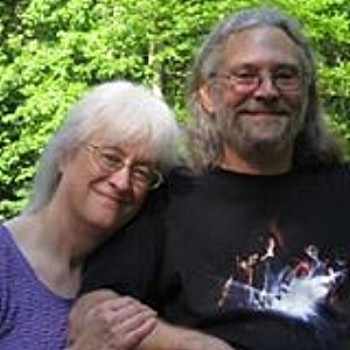
kristen and louis ogden

The pain waxed and waned until I was in my mid-20’s, when it became a daily part of my life.  I tried very hard to ignore the pain and remained in denial until many years later. I did not even tell my wife at the time. I did realize that I was consuming way too much Excedrin and was aware of the dangers posed by taking too many NSAIDs. 

I went to several doctors seeking help in the 1980s, but none of them could find anything wrong with me.  I worked through the pain until it became impossible for me to continue doing the physical work required of an electrician. The pain was body-wide, but the worst pain of all was constant, crushing headaches that were absolutely paralyzing. 

Deciding that I must change careers, I returned to college.  I was accepted at James Madison University and enjoyed college life so much that after graduation I decided to stay in academia and teach.  I received an academic scholarship to Syracuse University, but was not able to finish my Master’s thesis due to the excruciating pain, an inability to concentrate, and the severe chronic fatigue that often accompanies extreme pain.

Then I started searching again for a doctor that could help me.  My initial diagnosis was fibromyalgia.  I asked that doctor if there were anything he could give me for the pain and his exact words were, “Yes, I could, but you would be a junkie within two weeks.”  He offered no medication or treatment of any kind. 

I kept trying doctor after doctor, and almost every therapy and medication known to science. Nothing helped.

My search finally took me to Dr. Tennant in 2010.  He is considered one of our country’s foremost experts on pain and the prescribing of opioids, having operated a pain clinic in West Covina, CA since 1975.  He is also the Editor Emeritus of Practical Pain Management, a monthly medical journal about pain.  His current research interests are inflammatory markers and the role of hormones in pain care.   He is a frequent speaker at major pain conferences. 

How could I possibly go wrong by having this expert in pain as my doctor? 

When I first saw Dr. Tennant in 2010, he was very blunt with me and told me that I might not live much longer.  By then my severe chronic pain had given me high blood pressure, which can cause heart failure or stroke.  In addition, my lab results were not good.  Dr. Tennant told me that my pain had “centralized” -- meaning that I had suffered the pain so long that it had become my normal state.  Pain that has not centralized will be sporadic, while centralized pain is constant.

DR. FOREST TENNANT

I suffer from a post-viral autoimmune illness that first presented years ago with symptoms similar to fibromyalgia, arthritis, and myalgic encephalomyelitis.  Dr. Tennant began treating me with opioid medication and titrated me to a higher dose to effectively manage my pain.  I had been on a standard dose, but Dr. Tennant found through genetic testing that I have a genetic anomaly that makes me a poor metabolizer of many medications.  This is why I required a high-dose therapy. 

Here is where I differ from Kimberley Comfort.  She metabolizes her medications so rapidly, that she could not reach a level of comfort on a standard dose.  My problem is the opposite – I am a very poor metabolizer -- but the outcome is the same.  We both require high doses to properly treat our pain. 

After years of debilitating constant pain, I began feeling much better.  Opioid medication not only did a good job of relieving the pain, but along with hormone supplements and anti-inflammatory drugs, they also improved my quality of life, allowing me to do things now that I could not do before.  It may sound trite, but this man “gave me my life back.”

In late 2015, I was diagnosed with cancer, the onset of which may have been facilitated by my overall disease state.  More recently, imaging has shown that I have abnormalities of the cervical spine that likely contribute to my continuing complex array of symptoms.  Like most of Dr. Tennant’s patients, I am an outlier – a patient whose complex disease state places me far outside the usual patient, in terms of severity and resulting disability and pain.  I believe that I would probably not be alive today without the thorough assessment, evaluation, diagnosis and treatments provided by Dr. Tennant. 

Now, the DEA has raided his office and seized all of his patients’ records.  I have read the search warrant and was very surprised to find that a family practice physician (not a pain specialist) had advised the DEA. Dr. Timothy Munzing suggests in the warrant that any patient from out of state receiving high-dose prescriptions for opioids must be selling their medications because they could not take those doses and survive.  That is absolutely not true. I’ve been taking these high doses for seven years and have had the best seven years of my adult life. 

Dr. Tennant’s practice is in California and I live in Virginia, so imagine how I feel now. I am quite frankly scared to death of having my door kicked in, my medications seized, and then going into serious withdrawal.  At my age and my level of pain, I could die along with many other patients of Dr. Tennant.  How can the DEA practice medicine?  They have no medical license.  These decisions should be made by the doctor and the patient. 

Dr. Tennant recently received a Lifetime Achievement Award for Pain Medicine from his colleagues at PainWeek.  In making the presentation, Dr. Kevin Zacharoff described Dr. Tennant as “the kind of doctor that listens, digests, and most importantly, invests in every patient, the patient's problems, and those of society."  Zacharoff describes him as “the true doctor's doctor," a term used in years past to mean the kind of physician other physicians would want to seek out for their own medical care.  

Why doesn’t the DEA understand what pain physicians and patients understand about Dr. Forest Tennant?

Louis Ogden and his wife Kristen live in Virginia. Kristen volunteers in Dr. Tennant’s pain clinic and recently wrote a column about why it is such a “special place” for patients and their families.

The information in this column should not be considered as professional medical advice, diagnosis or treatment. It is for informational purposes only and represents the author’s opinions alone. It does not inherently express or reflect the views, opinions and/or positions of Pain News Network.

Dr. Tennant and the Tennant Foundation have given financial support to Pain News Network and are currently sponsoring PNN’s Patient Resources section.  

The Tyranny and Tragedy of Pain Scales

Bu Janice Reynolds, Columnist

When the Joint Commission issued its first pain standards, they recommended that pain should be assessed on a regular basis and encouraged providers to ask patients a simple question: “Are you in pain?”

The Veterans Administration then had the bright idea to use a numerical pain scale to assess pain, as well as making pain the “5th Vital Sign.”  Other organizations followed like lemmings and eventually it was felt by most to be mandatory.  This was very wrong and damaged people in pain immensely.

Pain scales were never meant for this purpose. They originated and were validated in research projects, but wound up being incorporated into the assessment of pain.

Assessment requires many other questions besides the simple “Are you in pain?”

How does your pain feel now? What word would describe your pain? How long does it last? When does it occur? What makes it feel better or worse? And so on. 

The original question was supposed to lead to an actual assessment of pain and whether a person was having any. Then it was intended that the pain be addressed.  Pain scales are based on the premise that “pain is what the person says it is, existing when they say it does.”

Pain is subjective, it can never be objective.  The best use of a pain scale is before and after an intervention to ascertain whether the intervention was effective.

There are many different pain scales. The visual analog scale is a line where a patient selects a point on the line to represents where their pain is. Numerical rating scales typically rate pain on a scale of 1 to 10, while a vertical scale uses a 1 to 10 “thermometer” that has been shown to work best with older adults.

There are also face scales and behavioral scales -- like the one below -- which are used for young children or when adults are unable to communicate.

With the current madness over pain medication, an attempt is being made to make the scales more objective, so we have physicians and even patients designing their own scales. One very scary one designed by a woman with fibromyalgia (and of course loved by some providers) actually says “10 – Unspeakable pain. Bedridden and possibly delirious. Very few people will ever experience this level of pain.”

As a pain management nurse and someone living with pain, I emphatically call these made up scales quackery.

Unfortunately, pain is not always quantifiable, especially persistent pain.  Even a functional scale (based on how well you are able to function and do activities of daily living) is not always useful or believed. I remember telling a surgeon a patient rated her pain a 10 on a scale of 1 to 10.  His parting comment was, “If her pain was really 10/10, she would be dead.”

One of the results of using numerical rating scales is a further lack of response in acknowledging pain and treating it.  It has become a routine to ask if you are having pain and to put a number on it, but rarely does it result in further assessment, diagnostic tests, or actually doing something about the pain, even if you rated your pain a 10. 

The people asking the questions often have little idea about how to use a rating scale and become frustrated. I remember a nurse telling a developmentally challenged woman who could not use a scale that she needed to learn how. 

The last time I saw my neurologist, a nurse asked me to rate my pain. So I said, “Are you asking about my skull, my foot, or my hip?”  This of course flustered the nurse, who replied, “Which ever one the doctor is treating you for.” I told her, “He doesn’t treat any of my pain, I am seeing him for a seizure.” 

I eventually took mercy on her and gave her a “number” for my skull pain. But, like 99% of numbers reported in a screening, it was useless.

Pain terrorists (a phrase I use to describe opioiphobics and people biased against pain sufferers) are claiming pain scales have contributed to or even caused the “opioid addiction crisis.” I have also heard claims the scales were created by pharmaceutical companies to increase their sale of opioids and that they have allowed false claims of pain to proliferate.

When a group of U.S. senators submitted a letter to have questions about pain removed from Medicare quality of care surveys, they claimed too many doctors were prescribing opioids so that their hospitals would get good ratings. Sen. Susan Collins was quoted as saying “there is no objective diagnostic method that can validate or quantify pain” and that patients were not the best judge of how good their pain management is. This essentially denies that pain exists when a person says it does.

The bottom line is the use of pain scales to identify pain has been both a tyranny and a tragedy.  

It's a tyranny because it forces people to use a scale that was never designed for that purpose, which blames them for problems associated with using them, and allows pain terrorists even more ammunition for fear-mongering.

It’s a tragedy because it has contributed to the erosion of the art and science of pain management, and increased the damage to people suffering in pain.

Janice Reynolds is a retired nurse who specialized in pain management, oncology, and palliative care. She has lectured across the country at medical conferences on pain management and has co-authored several articles in peer reviewed medical journals.  Janice has lived with persistent post craniotomy pain since 2009. 

The information in this column should not be considered as professional medical advice, diagnosis or treatment. It is for informational purposes only and represents the author’s opinions alone. It does not inherently express or reflect the views, opinions and/or positions of Pain News Network.

Chronic Pain and Depression Common in Overdoses

By Pat Anson, Editor

People who die from opioid overdoses are significantly more likely to suffer from chronic pain and depression, according to a new study that highlights the risk of combining opioid pain relievers with benzodiazepines, a class of anti-anxiety medication.

Researchers at Columbia University Medical Center analyzed over 13,000 overdose deaths among Medicaid patients and found that over 61 percent had been diagnosed with back pain, headaches or some other chronic pain condition. Many also suffered from depression, anxiety, bipolar disorder, schizophrenia and other mental health problems.

Significantly, nearly half of those with chronic pain (49%) filled a prescription for opioid pain medication during the last 30 days of their lives, and just over half (52%) filled a prescription for benzodiazepines. Prescriptions for anti-depressants, anti-psychotics and mood stabilizers were also common.

“This medication combination is known to increase the risk of respiratory depression, which is the unusually slow and shallow breathing that is the primary cause of death in most fatal opioid overdoses," said Mark Olfson, MD, a professor of psychiatry at Columbia and lead investigator of the study.

“Most persons with opioid-related fatalities were diagnosed with one or more chronic pain condition in the last year of life. As compared to people with opioid-related deaths without diagnosed chronic pain conditions, the decedents with chronic pain diagnoses were more likely to have also received substance use and other mental health disorder diagnoses. They were also more likely to have filled prescriptions for opioids, benzodiazepines, and other psychotropic medications and to have had a nonfatal drug overdose.”

The Columbia study included opioid overdoses linked to both pain medication and illegal opioids such as heroin, but was limited to Medicaid patients who died between 2001 and 2007. Since that time, opioid prescribing has declined, while illegal opioids and counterfeit medication have become increasingly available on the black market.

Public health officials have only recently started warning about the risks of combining opioids with benzodiazepines, and some insurers now refuse to pay for the medications when they are prescribed jointly.

A recent study of overdose deaths in Florida found that benzodiazepines such as Xanax and Valium killed nearly twice as many Floridians in 2016 as oxycodone. Another study in Pennsylvania also found that overdose deaths involving benzodiazepines exceeded those from opioid painkillers.

The Columbia study was published online in the American Journal of Psychiatry. The study was funded by the Agency for Healthcare Research and Quality, the National Institute on Drug Abuse, and the New York Psychiatric Institute.

GAO Seeks Expanded Tracking of Medicare Rx Opioids

By Pat Anson, Editor

A new report to Congress by the Government Accountability Office (GAO) recommends that the federal government greatly expand the monitoring of Medicare patients who receive high doses of opioid pain medication, as well as the doctors who write their prescriptions.

If adopted, an estimated 727,000 Medicare beneficiaries who receive opioids in excess of 90mg morphine equivalent doses (MED) would have their prescriptions tracked by private insurers and reported to the Centers for Medicare & Medicaid Services (CMS). Critics say such a policy would have a chilling effect on doctors, who increasingly fear government sanctions for prescribing opioids.

In 2016, over 14 million elderly and disabled Medicare patients received an opioid prescription, and CMS spent over $4 billion paying for their opioid medication.

“A large number of Medicare Part D beneficiaries use prescription opioids, and reducing the inappropriate prescribing of these drugs is a key part of CMS’s strategy to decrease the risk of opioid use disorder, overdoses, and deaths,” the GAO report says.

“Despite working to identify and decrease egregious opioid use behavior — such as doctor shopping — among beneficiaries in Medicare Part D, CMS lacks the necessary information to effectively determine the full number of beneficiaries at risk of opioid harm.”

Under current CMS policy, patients are only considered “at risk” if they receive high dose opioid prescriptions from four or more providers and have them filled at four or more pharmacies. Last year, 11,594 Medicare beneficiaries met that criteria, a tiny fraction of those who receive opioids.

The GAO wants to change the criteria so that everyone prescribed a high dose would be monitored, regardless of how many doctors or pharmacies they use.  The principal author of the report said the recommendation is not aimed at taking patients off opioids or lowering their dose, but to improve the data on high dose prescribing.

“We are suggesting that CMS take a close look and monitor and track the numbers of people at risk of harm,” Elizabeth Curda, Director of GAO Health Care, told PNN. “We’re not suggesting CMS investigate 700,000 people who get more than 90mg per day. We want them to focus on how many people are getting these doses and what’s happening to that number. Is it going down? Is it going up?  We have this strategy to reduce harm, so we want to see it coming down.”

“Frankly this is unbelievable.  It is very hard for me to understand how reducing the amount of opioids to people in pain is going to help reduce the amount of smuggled heroin and fentanyl into the United States,” says Lynn Webster, MD, a pain management expert and past president of the American Academy of Pain Medicine.  “We need to remember 3 out of 4 drug overdoses do not involve a prescription opioid.  And most of the overdose deaths involving prescription opioids are not in people prescribed the medications.”

Webster is also concerned about a GAO recommendation that Medicare insurers be required to identify and report to CMS all high-dose opioid prescribers. Currently, there’s only a voluntary reporting system when doctors are investigated for fraud, waste or abuse.

“Investigating doctors who prescribe high dose opioids will have a chilling effect.  It will deter all providers from treating people with pain at any dose.  People will suffer.  There will be more suicides because of inadequately treated pain. This is not hyperbole,” said Webster. 

“The whole notion that reducing dose will solve the opioid crisis is misguided.  People who benefit from the high doses will be denied pain relief and those who use any dose for non-medical purposes will just seek illicit and more lethal drugs.”

Patients and Prescribers Ignored

Critics of the GAO report are also disturbed that the agency did not consult with any pain sufferers, patient advocacy organizations or professional medical organizations that represent prescribers. Instead, the GAO met primarily with insurance companies, regulators and addiction treatment specialists.

"We interviewed officials from the largest six health care plan sponsors: Aetna, Cigna, CVS Health, Express Scripts, Humana, and United Health Group," the GAO report says in a footnote.

"We also interviewed 12 stakeholders that represent a range of perspectives on opioid use and prescribing patterns in Medicare: AARP, American Health Insurance Plans, American Society of Interventional Pain Physicians, Brandeis Prescription Drug Monitoring Program Training and Technical Assistance Center, Federation of State Medical Boards, National Association of Drug Diversion Investigators, National Association of Medicaid Directors, National Healthcare Antifraud Association, Pew Charitable Trust, Pharmaceutical Care Management Association, Physicians for Responsible Opioid Prescribing (PROP), and one expert on opioid abuse."

The GAO would not identify any of the individuals it met with, saying the interviews were conducted on a “not for attribution” basis to encourage frank discussion. However, it seems likely that Andrew Kolodny, MD, was interviewed, as he is the founder and Executive Director of PROP, works at Brandeis University, and is considered by some to be an expert on opioid abuse.

Kolodny, who is the former chief medical officer of the addiction treatment chain Phoenix House, did not respond to a request for comment. Pain News Network is filing a request under the Freedom of Information Act with the GAO to disclose who they talked to.

ANDREW KOLODNY, MD

“I find it very disturbing that federal agencies continue to ignore pain care providers and advocacy groups for people with pain when they formulate policies that very clearly will impact those parties. Again and again, they consult with parties that have a vested interest in reducing opioid prescribing regardless of the impact on people with pain," said Bob Twillman, PhD, Executive Director of the Academy of Integrative Pain Management.

“They even go so far as to invite one solo participant who is an ‘expert on opioid abuse.’ It’s as if they were asking representatives from the sugar industry to help develop guidelines on when artificial sweeteners should be used. Clearly, this speaks to a policy that is concerned with driving down opioid prescribing across the board, without considering the needs of the people with pain who actually benefit from opioid analgesics. It’s wrong, and everyone with a stake in pain management should demand that they start allowing us to sit at the table, rather than just to be on the menu.”

“It appears the GAO did not include patients, professional pain organizations and the American Medical Association in their deliberations. I would like to know how they feel their process can be justified,” added Webster. “They only invited groups to comment that appear to benefit financially from reduced prescribing or are opposed philosophically to opioids for non-cancer pain treatment.”

The only professional medical organization the GAO did consult with, the American Society of Interventional Pain Physicians, represents doctors who typically specialize in spinal injections and surgery.

The GAO’s Elizabeth Curda downplayed the role of people who were interviewed, telling PNN they were “not a major part of our methodology” in preparing the report.

Pain patients and pain management experts are often excluded or ignored when federal decisions are made about pain care.

The Centers for Disease Control and Prevention failed to consult with patients or practicing pain physicians while drafting its 2016 opioid prescribing guideline and secretly holding many of its deliberationsThe CDC also ignored a warning from its own consultant that some doctors stopped prescribing opioids after the guideline was issued.

Patients and doctors were also excluded from a closed door meeting of the Healthcare Fraud Prevention Partnership -- an obscure federal advisory group – when it met in "special session" last year to discuss Medicare's opioid prescribing policies. As PNN reported, major insurers like Aetna, Anthem, Cigna and Humana were invited to attend, but no other stakeholders in pain care were asked to appear or to share their insights.

More recently, President Trump’s opioid commission released its final report without taking any public testimony from pain sufferers, patient advocates or pain management physicians.

DEA Tactics Questioned in Tennant Raid

By Roger Chriss, Columnist

Agents with the Drug Enforcement Administration recently raided the offices and home of Dr. Forest Tennant, a prominent pain physician in California. According to an affidavit the DEA filed in support of a search warrant, Dr. Tennant is “profiting from the illicit diversion of controlled substances” and is part of a drug trafficking organization that has “submitted millions of dollars in fraudulent Medicare prescription drug claims.”

Dr. Tennant, who was recently honored with a lifetime achievement award,  has not be charged with a crime and denies doing anything wrong.  He says the DEA is out to smear his reputation and those of other doctors who prescribe opioid pain medication.

The DEA’s mandate includes protecting the public from inappropriate distribution of drugs, including opioids, and securing the supply of all controlled substances. But the DEA’s methods have long been scrutinized and found wanting.

A study from 2008 identified 725 doctors who were charged with offenses involving opioid medication. Of those, about 40 percent were general or family practice physicians, and only 3.5% were board-certified pain specialists.

A 2016 study attempted to quantify the nature of these investigations. Researchers analyzed 100 cases of allegedly improper opioid prescribing and found that most of the physicians were male (88%); over 40 years of age (90%); non-board certified (63%); and nearly all were in small private practices (97%). A little over half of the doctors (54%) were said to have “self-centered personality traits.”

A thorough review of the legal issues involved in improper opioid prescribing came to several important conclusions. First, that the “information available about physician misprescribing is in small supply.” This alone is surprising, since the DEA, as well as the FDA, state medical boards and pharmacies would seem well-equipped to have very granular data about opioid prescribing practices.

Next is the “4D Model” of investigations, which typically group “misprescribers” into four categories: dated, duped, disabled or dishonest. The model emerged in the late 1970s from work by addiction medicine experts, but has been shown to be dysfunctional at best, and arguably even damaging to both pain medicine specialists and chronic pain patients.

In particular, the 4D Model cannot readily be applied to misprescribing because “dishonest” is too vague and narrow. As a result, “for liability to attach to physicians, they must prescribe controlled substances knowingly; without a legitimate medical purpose; and outside the course of professional practice.” As the raid on Dr. Tennant suggests, these criteria are not always satisfied, as his very sick patients will attest.

But the DEA is empowered to investigate as it sees fit. The DEA says the “types of cases in which physicians have been found to have dispensed controlled substances improperly under federal law generally involve facts where the physician’s conduct is not merely of questionable legality, but instead is a glaring example of illegal activity.”

Prosecution of Doctors Increasing

Since 2008 the DEA has been adding agents and resources to its ranks. From the review article, “the squads increased investigations, inspections, and administrative actions significantly” and “the number of criminal malpractice prosecutions in this area has also risen.”

That is having a substantial impact on the world of pain management. Although investigations are certainly warranted in cases like pill mills, rogue doctors, and illegal online pharmacies, most DEA investigations do not result in criminal charges. But even a warning letter from the DEA to one physician at a healthcare facility can have a chilling effect on prescribing practices in the entire facility. Thus, the DEA’s actions can ripple out to chronic pain patients far removed from the target of an investigation.

It is also important to note that DEA investigations and resulting charges are often dismissed. In a blog post  in support of Dr. Tennant, pain management expert Dr. Lynn Webster recounts his own experience with a DEA investigation that was dropped four years after it began.

“The DEA wanted information, but even more, they wanted to exhibit a show of force to intimidate my patients, employees, and me,” said Webster.

In Florida, Dr. Debra Roggow was caught up in a pill mill investigation, mostly based on the amount of opioids she prescribed. Roggow was ultimately acquitted of all charges, but not until her reputation and practice were ruined.

"This has been a horrifying, humbling experience," she said. "I was worried, of course. I knew of my innocence, but innocent people do go to jail."

There is a vast gulf between a legitimate pain specialist like Dr. Tennant and a pill mill.

As Sam Quinones describes in his book Dreamland, “If you see lines of people standing around outside, smoking, people getting pizza delivered, fistfights, and traffic jams—if you see people in pajamas who don’t care what they look like in public, that’s a pill mill.”

Misprescribing opioids is not a well-studied or well-understood problem. This is peculiar, given that it is now 20 years since the start of the opioid crisis. The current 4D Model is flawed, and given the influx of heroin and illicit fentanyl into the country, the DEA does not seem to be fulfilling its mission statement of “reducing the availability of illicit controlled substances on the domestic and international markets.”

The raid on Dr. Tennant’s practice may be part of a legitimate operation, such as the investigation of Insys Therapeutics and its fentanyl product Subsys. But if so, that arguably could have been accomplished without the drama of DEA agents swarming into a small medical practice or breaking into the home of a respected 76-year physician while he and his wife were out of town.

A spirit of cooperation between physicians and law enforcement would go a long way to help pain management specialists and their patients in the opioid crisis.

Roger Chriss lives with Ehlers Danlos syndrome and is a proud member of the Ehlers-Danlos Society. Roger is a technical consultant in Washington state, where he specializes in mathematics and research.

The information in this column should not be considered as professional medical advice, diagnosis or treatment. It is for informational purposes only and represents the author’s opinions alone. It does not inherently express or reflect the views, opinions and/or positions of Pain News Network.

Dr. Tennant and the Tennant Foundation have given financial support to Pain News Network and are currently sponsoring PNN’s Patient Resources section.  

Can Kratom Be Patented?

By Jane Babin, Guest Columnist

Discussions surrounding kratom are heating up following the Food and Drug Administration’s public health advisory, and questions have appeared about whether kratom and its constituents are patented or could be. 

The short answer is no.

Patents are important tools for protecting investment in innovation.  Without patent protection, far fewer new drugs would be developed.  An alternative is to keep details of an invention secret to ensure that no one will be able to copy it.  However, this approach isn’t possible in the pharmaceutical industry, where regulations require extensive public disclosure. 

To encourage inventors to share details about their inventions, the U.S. grants a patent right to prevent other people from making the same invention for a limited time, in exchange for publicly disclosing the details about the invention.  The public can read patents and apply their disclosures to other situations, which immediately advances science and technology.  After a patent expires, the invention itself can be made by anyone.

Patents Granted for a Limited Time

U.S. Patents 3,256,149 (“Compositions Compromising an Alkaloid of Mitragyna Speciosa and Methods of Using Same”) and 3,324,111 (“Speciofoline, an Alkaloid from Mitragyna Speciosa”), were both granted to Smith Kline & French Laboratories.

FDA Commissioner Scott Gottlieb has ties to GlaxoSmithKline (the successor to Smith Kline & French) and some have suggested a conflict of interest motivated his warning about kratom.

If there is a conflict, it isn't over these patents, which were issued in the 1960's and have long since expired.  Patents are granted for a limited time.  Currently, patents expire 20 years after filing.  Prior to 1995, a patent term was 17 years from the date of issuance.

Products of Nature are Not Patentable

Prior to their expiration, the two patents gave Smith Kline & French the right to prevent others from making, using, selling, and importing certain alkaloids isolated from kratom, but not the whole plant or leaf. 

Plants themselves and other substances found in nature have never been patentable, unless they are changed substantially by an inventor.  In the 1960s, isolating a substance from a plant was considered a substantial change to the substance. Today it isn’t. 

Courts have held that substances found in nature, even in impure form, cannot be patented whether they are isolated from a natural source or synthesized in a lab.  If a chemical has the same structure as a natural substance, it is not patentable.

Derivatives are Patentable

Derivatives of natural chemicals can be patented, however.  As good as a natural chemical may be, changing it slightly may make it even better -- or worse.  Scientists tweak a compound's structure to alter its properties, repurpose it, investigate interactions with other molecules, and design around compounds that are unpatentable. 

Patents have been granted for derivatives of kratom alkaloids, particularly derivatives of mitragynine and 7-hydroxymitragynine (e.g. U.S. Patent Nos. 8,247,428 & 8,648,090), which potentially may become new drugs that are improved over natural alkaloids. 

Even if they are never commercialized, studying how structural changes affect biological activity can lead scientists to modify other compounds to impart similar properties.  For example, making non-addictive kratom derivatives may show scientists ways opioids could be made non-addictive. 

U.S. patent law recognizes the importance of such inquiry and includes an exception under 35 USC §371(e), allowing scientists to use patented inventions in certain types of research.  Unlike scheduling under the Controlled Substances Act, no permission or pre-approval is needed to take advantage of this exception.

Distinguishing a Patent from a Published Application

Another misconception about patents is that every document that looks like a patent is one.  To obtain a patent, an inventor must first file an application, which doesn't become a patent until the Patent Office is satisfied that it meets all legal requirements. Whether granted or not, the application is usually published, and it looks very much like a granted patent. 

There are two ways to distinguish a U.S. patent from an application:

  1. U.S. Patents have the words "US Patent" at the top of the first page, while applications have "US Patent Application Publication."
  2. Current patents are identified by a 7 digit number.  Published applications numbers have eleven digits beginning with a 4 digit year. For example, 9,458,426 is a US patent, while 2014/0186948 is a published application.

Foreign countries also issue patents and an inventor must obtain a patent in each country where he or she wants to enforce patent rights.  Thus, there may be multiple patents covering the same invention in different countries.  Each country has its own numbering system and may or may not publish applications prior to granting them.  Instead of immediately filing multiple applications in foreign countries, inventors can initially file a single international application with the World International Patent Organization (WIPO) under the Patent Cooperation Treaty (PCT), which can be used as the first step toward patents in many countries.  

Requirements for a Patent and Examination

Applications don't automatically become patents.  They are first examined to see if a patentable invention that meets certain legal criteria is described and claimed.  In addition to claiming patentable subject matter, an invention must be novel, non-obvious, and the application must disclose sufficient description that someone in the field would be able to make and use the invention. 

Examination involves a dialogue between applicant and a patent examiner, often resulting in changes to the claims (the legally enforceable part of a patent).  Some applications are never granted.

US 2010/0209542 is a kratom-related application that is frequently discussed.  It claims a method for treating withdrawal from an addictive substance using a kratom extract.  When this application was first examined, it was rejected because existing literature described kratom itself as being addictive.  The applicant might have overcome this rejection by arguing that kratom is non-addictive or that other addictive substances are used to treat withdrawal.  However, the inventors faced bigger challenges because they didn't actually treat anyone for withdrawal with a kratom extract and described no studies of their own showing the method actually worked. 

Self-treatment using kratom had been reported, but that didn’t help the application because it meant that the applicant was not the first to "invent" the method and the invention was not novel.  Facing an uphill battle, the application was abandoned and never matured into an enforceable patent.

There may be many obstacles on the path to general acceptance of kratom as a beneficial herbal supplement.  Fortunately, patents are not one of them.

Jane Babin, PhD, is a molecular biologist and a biotechnology patent attorney in southern California. Jane has worked as a consultant for the American Kratom Association, a pro-kratom consumer group.

The information in this column should not be considered as professional medical advice, diagnosis or treatment. It is for informational purposes only and represents the author’s opinions alone. It does not inherently express or reflect the views, opinions and/or positions of Pain News Network.

DEA Gives Final Approval to Synthetic Marijuana Drug

By Pat Anson, Editor

The U.S. Drug Enforcement Administration has approved a synthetic form of THC (tetrahydrocannabinol) – the active ingredient in marijuana that makes people “high” – as a Schedule II controlled substance. The move is the final regulatory hurdle for dronabinol (Syndros), an oral solution already being prescribed for the treatment of nausea and vomiting in chemotherapy patients, and as an appetite stimulant for AIDS patients.

Schedule II substances include oxycodone, hydrocodone and other drugs that have an accepted medical use, but a high abuse potential.  

The DEA announced the scheduling of dronabinol in a notice quietly published in the Federal Register the day before Thanksgiving. The agency adopted an interim rule classifying dronabinol as a Schedule II substance in March, and the Food and Drug Administration approved a new drug application for dronabinol in July, recommending that DEA make its rule final.

This week’s action was not unexpected, but is weirdly ironic on several levels.

The classification of dronabinal as a Schedule II substance means that a synthetic version of marijuana can be legally prescribed throughout the country, while real marijuana is still classified as a dangerous Schedule I substance and remains illegal under federal law – except in the 29 states and the District of Columbia where medical cannabis is legal.

Dronabinol is sold under the brand named Syndros by Insys Therapeutics, a controversial Arizona drug maker beset by allegations that another one of its products – a potent fentanyl spray called Subsys – is responsible for hundreds of overdose deaths.

The DEA has been aggressively going after doctors who prescribed Subsys and accepted speaking fees from Insys, and several company officials have been indicted on fraud, racketeering and kickback charges.

Snydros is similar to Marinol, another medication derived from marijuana that comes in pill form.

insys therapeutics photo

The DEA's action is also notable because it gives Insys the exclusive right to manufacture and sell its liquid formulation of dronabinol without having to worry about competition. Any other synthetic version not sold as Syndros will still be considered a Schedule I substance, on par with LSD, heroin and marijuana.

 “It should be noted as a preliminary matter that any form of dronabinol other than in an FDA-approved drug product remains a schedule I controlled substance, and those who handle such material remain subject to the regulatory controls, and administrative, civil, and criminal sanctions, applicable to schedule I controlled substances set forth in the CSA (Controlled Substance Act) and DEA regulations,” the DEA said.

According to Healthcare Bluebook, a one-month supply of Syndros will cost about $2,000 at major pharmacy chains. A "fair price" for Syndros is listed as $1,000.

Insys Thereapeutics drew the ire of marijuana advocates last year when it donated $500,000 to a campaign against the legalization of marijuana in Arizona.

The company is worried about the medical use of “natural cannabis,” but has petitioned the DEA to reschedule another synthetic cannabidiol (CBD) that is derived from marijuana from Schedule I to Schedule IV.

4 M’s That Can Help Lower Pain Levels

By Barby Ingle, Columnist

This month I am looking at the 4 M’s of pain management as part of my series on alternative pain treatments: magnets, massage, mindfulness and music.  

Once again, I know and understand that these therapies will not help everyone. And when they do offer some relief, it will be temporary and vary in nature. That’s no reason not to try them.

Mindfulness

I found mindfulness helpful and now use mindfulness techniques in my daily life to assist in pain management.

When I first started to look at mindfulness, I turned to Melissa Geraghty, PsyD, for input on the benefits and techniques. Dr. Geraghty serves on iPain’s medical advisory board and is a chronic pain patient herself.

“It’s human nature to pull away from pain, whether that pain is physical or emotional. We inherently try to avoid pain or distract ourselves from pain,” she told me.

“Maybe in the short term we feel avoiding or distracting ourselves helps, but this is not sustainable with chronic pain. The pain will always be there, so we can either continue to be stuck in the cycle of fighting it, or we can accept that we have chronic pain and figure out how to engage in our lives.”

Mindfulness is used to reduce stress, depression, anxiety and pain levels, and can also be used in drug addiction counseling. Clinical studies have documented both physical and mental health benefits of mindfulness for different medical conditions, as well as in healthy adults and children.

Mindfulness involves several meditation exercises designed to develop mindfulness skills. One method is to sit comfortably, close your eyes, and bring attention to either the sensations of breathing in one’s nostrils or to the movements of the abdomen when breathing in and out. When engaged in this practice, the mind will often run off to other thoughts and associations. When this happens, one passively notices that the mind has wandered, and in an accepting, non-judgmental way, you return to focus on breathing.

Other meditation exercises to develop mindfulness include body-scan meditation, where attention is directed at various areas of the body and body sensations. You can also focus on sounds, thoughts, feelings and actions that are going on around you. A mindfulness session is typically done in short periods of about 10 minutes. The more you practice, the easier it is to focus your attention and breathing.

I recently had a mindfulness session with a therapist as part of a documentary I was filming. I noticed that having someone guide me through a session, as opposed to doing it on my own, was very beneficial. I got to focus on positive thinking, letting go of negatives that happen in life, and living life in the now.

“Mindfulness practice allows people with chronic pain to participate in the moment instead of watching life pass you by. Life may not flow in the way you expected it to before chronic pain, but living in an endless cycle of psychological misery isn’t living at all,” says Dr. Geraghty.

Massage Therapy

Massage therapy is another treatment that I use. My husband and I purchased a massage table back in 2005 at the suggestion of my physical therapist. I can do exercises on it or have my husband give me massages as needed. This is especially good for migraines, headaches and overall blood flow in my body.

There is conflicting information on whether massage helps relieve pain and others symptoms associated with nerve pain diseases. Much of the scientific studies show beneficial short term effects, and I agree with them based on my own experiences.

Not only do I find massage therapy helpful with my pain levels, it also helps me relax and let go of stress. My massage therapist told me that even a single massage session has been shown to significantly lower heart rate, cortisol and insulin levels --- which  reduce stress.

Massage can also improve posture, which helps reinforce healthy movement. Other benefits of massage are better breathing and training the body how to relax. Clinical studies have shown that massage may be useful for chronic low-back pain, neck pain and osteoarthritis of the knee.

Magnet Therapy

Magnet therapy dates back at least 2,000 years, according to New York University Langone Medical Center. Healers in Europe and Asia used magnets to treat many different ailments, believing that the magnets can draw disease from the body.

Typically, therapeutic magnets are integrated into bracelets, rings, shoe inserts, clothing and even mattresses. Despite a lack of scientific evidence that magnet therapy works, an estimated $1 billion a year is spent on the sale of therapeutic magnets worldwide. Makers of these products claim they help increase blood flow to areas of the body where the magnet is worn, which brings in more oxygen and helps tissues heal faster. While larger studies have shown little to no therapeutic value in magnets, some smaller studies have found some benefit.

Pain patient Elizabeth Kandu is a believer in magnet therapy, although she’s not sure how it works.

“Who really knows if it’s a placebo effect or really works in everyone,” she says. “For me, without at least the metal to skin in 2 or 3 places, I am an electric nightmare.”

Elizabeth is right that there may be some placebo effect in play, but if magnets provide some relief they may be worth a try. It will be interesting to hear from PNN readers who have tried magnets and if any therapeutic value was found.

Music Therapy

I have been using music to excite my soul since childhood. I now also use it to address physical, emotional, cognitive and social needs that come with living in pain.

According to Warrior Music Foundation’s Michael Caimona, music provides sensory stimulation, stirs emotional responses, facilitates social interaction and communication, and provides diversion from inactivity.  Music also helps us get through sad times and helps us heal from bad times.

I’ve found music to be an effective tool in reducing pain levels and anxiety, and it helps stimulate the brain. I have even had surgeons put on music during my procedures. Although I cannot hear it consciously under anesthesia, I am able to hear it subconsciously and believe in the positivity of it. I also use music during infusion therapy and on moderate pain days.

Another study I found reported that children who listened to music while having an IV needle inserted into their arms showed less distress and felt less pain than the children who did not listen to music. Research also shows that music therapy helps patients become more engaged in their treatment and physical therapy.

There are two different forms of music therapy, active and receptive. The patient can actively create music with instruments or by singing. In receptive therapy, the patient is more relaxed and is listening or participating in other activates while the music is being played.

I hope that spotlighting these alternative pain treatments will help readers understand that there are many forms of therapy, and it’s up to each patient to find what works for them. Many times as patients we feel we have tried everything. But until your pain is at a constant low number on the 1-10 pain scale or a zero, I encourage you to keep discussing options and trying new treatments.

The goal is to get the best living you can out of each day. I look forward to hearing what has and hasn’t worked for you.

Barby Ingle lives with reflex sympathetic dystrophy (RSD), migralepsy and endometriosis. Barby is a chronic pain educator, patient advocate, and president of the She is also a motivational speaker and best-selling author on pain topics.

More information about Barby can be found at her website. 

The information in this column should not be considered as professional medical advice, diagnosis or treatment. It is for informational purposes only and represents the author’s opinions alone. It does not inherently express or reflect the views, opinions and/or positions of Pain News Network.

Let's Restore Reason and Sanity to Opioid Prescribing

By Sandie Hamilton, Guest Columnist

I am 62 years old and a full time worker employed in the social services area. I am a mother, grandmother, registered voter and taxpayer. I support this country and everything she stands for. I believe in our Constitution and in our Bill of Rights, which contain the basis for my point today: the pursuit of happiness.

I have been diagnosed with degenerative arthritis of the spine. The pain it causes makes doing my job, sitting through a movie or Sunday service, and driving in a car nearly impossible. I cannot sit for more than 20 minutes at a time, nor stand for prolonged periods of time. If it weren’t for my prescribed opioids, I would not be able to sit at this computer long enough to write this.

Opioid pain medication was not the first thing my doctor prescribed. It was the last. I did spinal epidurals, nerve blocks, chiropractic manipulation, physical therapy, ultra-heat therapy, deep tissue massage, and yoga (which sent me back to the doctor). I also used topical creams, ointments, essential oils, lots of prayer, and of course NSAIDs -- until peptic ulcers led to stomach bleeds and vomiting.

Then my doctor put me on a low dose of opioids. I am now able to continue working, sit here and write this column. And all the other little things most folks take for granted.

SANDIE HAMILTON

My dose could be a little higher and probably needs to be adjusted, but I don’t dare ask my doctor. He told me once that “they” have made him feel like a criminal for what he does do. It’s a shame that I can’t talk to him and he is afraid to do more to help me because of this crazy manufactured opioid crisis. Not to say prescribing hadn’t gotten too liberal, maybe it had. But that was before I needed help.

I seriously believe the liberal prescribing days are over. Way over. Where I live most people aren’t getting anything, unless they’re dying. And that is excessive. Because of opioids I am a productive taxpaying citizen, not a housebound miserable invalid drawing my little disability check and getting free medical care.

Because of opioids, I am not a burden to the state. I am able to exercise my right to the pursuit of happiness, which for me means getting some relief from the constant pain. More could be done, but I am afraid to ask and my doctor is afraid to offer. That is wrong.

Something within reason needs to be done for the millions of pain patients who live in fear of losing or who have already lost their one lifeline to normal living -- a prescribed medication that works. But that’s not possible with all the tightened opioid guidelines and the number of drug overdoses rising.

Hopeless people unable to accept their pain have committed suicide. And I understand why. Others have turned to the black market and are trying things coming in from Mexico that can kill them. Of course, a lot of people choose to do drugs to get high, and it is their misuse and abuse of our medication that has caused a lot of the issues and overdosing.

We are being called addicts and drug seekers, and lumped right in there with the thrill seekers, which we aren’t. We are people with varying conditions that cause pain. Chronic untreated pain kills people too. It has been documented the effect it has on the brain, the stress on your heart, and the drain on your emotions.

Did people take advantage of opioids and turn from medicinal to recreational use? Yes they did. But the overprescribing has stopped. In some hospitals, you can’t even get opioids now if you’re having surgery! That’s ridiculous.

If we are diagnosed by a physician who wants us treated with opioids, we should be able to get them in whatever degree we need them. People are different. What works well for one may work differently for another, but the doctor should be able to determine what his patient needs and prescribe accordingly.

Please stop this war on pain patients. I want to be able to talk to my doctor and not live in fear that what is working for me today might be taken away tomorrow. There should be pain management specialists, pain sufferers and patient advocates on government commissions that deal with pain. How can you possibly decide what we need or don’t need if you aren’t talking to us?

Please hear us. Restore some reason and sanity to prescribing regulations and give us back the doctor-patient relationship.

Sandie Hamilton lives in Oklahoma.

Pain News Network invites other readers to share their stories with us.  Send them to:  editor@PainNewsNetwork.org

The information in this column should not be considered as professional medical advice, diagnosis or treatment. It is for informational purposes only and represents the author’s opinions alone. It does not inherently express or reflect the views, opinions and/or positions of Pain News Network.

Tennant Patients Say DEA ‘Attacked a Good Man’

By Pat Anson, Editor

Ryle Holder wants the DEA to know that he’s not a drug dealer or a money launderer.

And he’s doesn’t think his physician, Dr. Forrest Tennant, is one either.

“They’ve gone and attacked a good man. He’s such an empathetic person for so many people. You just can’t find doctors that care like he does,” says Holder.

As PNN has reported, Tennant’s home and pain clinic in West Covina, California were raided last week by DEA agents, after a judge signed off on a search warrant that alleges Tennant is part of a drug trafficking organization and running a pill mill.

The raid stunned the pain community nationwide, because the 76-year old Tennant is widely known and respected for his willingness to see intractable pain patients who can’t find effective treatment elsewhere.  

“It’s not like he’s just giving out high doses of medication and running a pill mill, like they said. That to me was the most asinine statement in that whole search warrant,” says Holder.

FOREST TENNANT, MD

Like many of Tennant’s patients, Holder suffers from adhesive arachnoiditis and Reflex Sympathetic Dystrophy (RSD), two chronic and painful conditions that are considered incurable.  For the last three years, the 48-year old Georgia man has been flying to California every few months to see Tennant.

Although Holder is not identified by name in the search warrant, it strongly implies that he and a handful of other patients were selling the opioid pain medication that Tennant prescribed and diverting the profits back to Tennant.

“For them to even remotely think I’m out on the streets selling this stuff is a joke. It makes me angry,” says Holder, who is a licensed pharmacist. “I’ve got a license to protect. That’s the last thing I’d do.

“It’s like everything else they do. They don’t talk to any patients. They don’t talk to any doctors. They just go and throw all this stuff out there and making all these incriminations against people. They don’t have any evidence that I’ve sold anything. It’s just ludicrous.”

Also named in the search warrant is United Pharmacy of Los Angeles and pharmacist Farid Pourmorady of Beverly Hills, the owner of United. Click here to see a copy of the search warrant.

“Investigators believe that United, Tennant, and various medical practitioners are profiting from the illicit diversion of controlled substances, including the powerful narcotic fentanyl, which are prescribed and dispensed other than for a legitimate medical purpose,” DEA investigator Stephanie Kolb states in lengthy affidavit.

stephanie kolb

Although Tennant has been under investigation for nearly three years, much of the evidence against him appears circumstantial. Kolb and medical consultants hired by the DEA identified “very suspicious prescribing patterns” that include high doses of opioids that were regularly prescribed to patients who live out-of-state.

“My review of the data shows what I recognize to be red flags reflecting the illicit diversion of controlled substances,” said Kolb, who according to her LinkedIn profile was self employed as a dog walker and pet groomer before she started working for the DEA in 2012.

“Many patients are traveling long distances to see Dr. Tennant, some as far away as Maryland and Louisiana,” Dr. Timothy Munzing says in the affidavit. "These prescribing patterns are highly suspicious for medication abuse and/or diversion. If the patients are actually using all the medications prescribed, they are at very high risk of addiction, overdose, and death.”

Dr. Munzing is a family practice physician who has worked as a medical consultant for the DEA since 2014. Munzing doesn't hide his strong feelings about opioids and says in his Medscape profile that he wants to be "involved with law enforcement in trying to attack the opioid crisis."

Munzing has established a lucrative business for himself as a consultant for the federal government. According to GovTribe, a website that tracks payments to federal contractors, Munzing is paid $300 an hour by the DEA to testify as an expert witness and reviewing patient records. Munzing was paid about $45,000 by the DEA during the period Tennant's prescribing records were under review.   

timothy munzing, md

"Many well-meaning physicians prescribed high-dose opioids because of a lack of, or erroneous, education and experience, being naïve or exceedingly busy, or not recognizing the dangers that existed," Munzing wrote in a recently published paper. "This resulted in drug overdoses and death. A very small proportion of patients began selling their prescribed opioid medications for profit."

No Patients Harmed

Unmentioned anywhere in the affidavit is that it is common for Dr. Tennant to prescribe high doses of  medication to his patients because most are in extreme pain and some are dying.  Many travel from out-of-state simply because Tennant is the only doctor willing to see them.  Also unmentioned is any evidence that a patient overdosed or was harmed while under Tennant’s care.  Nor is any evidence presented that a patient sold their medication.

The omission of those important details from Kolb’s affidavit – whether by design or ignorance -- may have influenced Judge Alicia Rosenberg’s decision to sign the search warrant on the afternoon of November 13. Coincidentally, that was the same day Tennant was testifying 1,200 miles away in Montana as a defense witness in the trial of Dr. Chris Christensen, another doctor accused by the DEA of prescribing too many opioids.

Tennant and his wife Miriam returned home the next evening to find the front door of their house had been kicked in by DEA agents.

“We can’t tell you how very sorry we are that you are a new DEA target! We feel somewhat responsible for this travesty, since they obviously knew you were in Montana on our behalf,” Dr. Christensen and his wife wrote in an open letter to Tennant posted on Facebook.

“It’s our very firm belief that the DEA’s course is to attack all those practitioners, who stand in opposition to their intrusion into the practice of medicine.  It is my contention that the DEA will spare no effort to conceal its catastrophic failure to interdict the flow of counterfeit pharmaceuticals into the United States over the past decade. Therein lies the true cause of increasingly severe opioid addiction and opioid related deaths.”

The DEA raids on Tennant's home and pain clinic were widely publicized in Montana after his testimony, just as a jury was about to begin deliberations in the Christensen case. Yesterday the jury found Christensen guilty of negligent homicide in the deaths of two patients.

Subsys Connection  

A major part of the DEA’s case against Tennant hinges on nearly $127,000 in speaking fees that he was paid by Insys Therapeutics, a controversial Arizona drug maker that makes a potent fentanyl spray called Subsys.

Several company officials have been indicted on federal charges that they bribed doctors with kickbacks and lucrative speaking fees to get them to promote Subsys, which has been implicated in hundreds of overdose deaths.  

Tennant says he stopped taking payments from Insys in 2015 and was dropped from the company’s speaker’s bureau last year.

“What money we did make, we put in the clinic and used it to support the patients,” he told PNN.

Subsys is only approved by the FDA for the treatment of cancer pain, but Insys aggressively marketed the spray to have it prescribed “off label” to treat other pain conditions. It’s perfectly legal for physicians to prescribe a drug off-label – in fact it’s a common practice – but Tennant drew additional scrutiny because he prescribed Subsys to several of his non-cancer pain patients.

Subsys is an extremely expensive drug – a single prescription for one of Tennant’s patients cost over $21,000. According to the DEA, nearly $2 million in prescriptions for Subsys were written by Tennant for just five patients. One of them was Ryle Holder.

“It did help a little bit, but it wasn’t doing anything more than what I was already taking,” says Holder, who stopped using Subsys after six months. He was shocked to discover how much his insurance was billed for Subsys.

“I was absolutely blown away. I’ve never in my life as a pharmacist seen anything price-wise even remotely like that. I don’t know if that’s the true price or not, or if they were inflating the price. Who knows? I was shocked when I got it and saw that’s what they had billed,” Holder said.

“I certainly had no comprehension of how expensive this thing had become,” said Tennant, who bristles at the notion that Subsys should be limited to patients with cancer pain.

“It was an excellent product. It still is, for some people it’s just essential,” says Tennant. “Every doctor in the country should be disturbed about this. Are they saying off label use is now a crime?”    

Patients Support Tennant

Tennant has not been charged with a crime and can still practice medicine. But he’s been informed by the DEA that medical records seized from his pain clinic will not be returned directly to him. Patients must request a copy of their records from the DEA if they wish to continue seeing Tennant.

Many are vowing to do just that.

“Before seeing Dr. Tennant I was in and out of the emergency room constantly. I had no idea what was wrong with me at the time and it was not only extremely painful, but I really just wanted to die,” says Dawn Erwin, who Tennant diagnosed with arachnoiditis.

courtesy montana public radio

“He took time to explain it. He told me he could help get it under control. And he has! Not by opiates, but by anti-inflammatory meds, magnets, copper, vitamins, hormones. This has all been life changing for me. I no longer am in the emergency room. I no longer wish to die. I have some of my life back and I have Dr. Tennant to thank. This man has literally saved my life.”

“I remember the first time I told my doctor I felt like I had bugs crawling under my skin. He looked at me like I was crazy, but not Dr. Tennant. He said yes that is all part of the adhesive arachnoiditis and we can see what we can do to help with that,” says Candy Eller. “The creams he recommended, the blood work and hormones he prescribed, the magnet therapy and light therapy, and exercises that he prescribed have helped so much with getting my pain under control.”

“Dr. Tennant is the only doctor that I have found that is willing to treat my rare, complex, incurable medical issues,” says Erin Taylor, who lives with Ehlers-Danlos Syndrome and an autoimmune disease. “I saw over 20 doctors, tried over 15 different invasive treatments, and tried well over 40 different medications in an effort to improve my quality of life. I was most often met with doctors that had no interest in working with such a complicated case.

“To restrict Dr. Tennant’s ability to practice would have a devastating impact on my life, my family’s life, and lives of many more.  Please know that if you chose to eliminate the one doctor that is working to help my debilitating illness, you will be taking away my ability to be mother, wife, daughter, friend, and functioning member of society. I will be bed bound, just a shell of who I use to be.”

For the record, Dr. Tennant and the Tennant Foundation have given financial support to Pain News Network and are currently sponsoring PNN’s Patient Resources section.  

Florida’s Deadliest Rx Drug is Not a Painkiller

By Pat Anson, Editor

A new report from Florida’s Medical Examiners Commission is debunking a popular myth about the overdose crisis.

The most deadly prescription drugs in the state are not opioid painkillers, but benzodiazepines – a class of anti-anxiety medication that includes Xanax (alprazolam) and Valium (diazepam).  Xanax alone killed more Floridians last year (813) than oxycodone (723).

The medical examiners analyzed toxicology and autopsy results for 11,910 people who died in Florida in 2016, noting not only what drugs were present at the time of death, but which drug actually caused the deaths.

The distinction is important and more accurate than the death certificate (ICD) codes often used by the CDC, which merely list the drugs that were present. Critics have long contended that CDC researchers cherry pick ICD data to inflate the number of deaths "involving" or "linked" to opioid medication, in some cases counting the same death twice.   

Florida made an effort to get the numbers right.

“Florida’s medical examiners were asked to distinguish between the drugs determined to be the cause of death and those drugs that were present in the body at the time of death. A drug is indicated as the cause of death only when, after examining all evidence, the autopsy, and toxicology results, the medical examiner determines the drug played a causal role in the death,” the report explains.  “A decedent often is found to have multiple drugs listed as present; these are drug occurrences and are not equivalent to deaths.”

The five drugs found most frequently in Florida overdoses were alcohol, benzodiazepines, cocaine, cannabinoids and morphine. The medical examiners noted that heroin rapidly metabolizes into morphine, which probably led to a substantial over-reporting of morphine-related deaths, as well as a significant under-reporting of heroin-related deaths.

Benzodiazepines also played a prominent role as the cause of death, finishing second behind cocaine as the drug most likely to kill someone.  Benzodiazepines were responsible for almost twice as many deaths in Florida in 2016 than oxycodone. Like opioids, benzodiazepines can slow respiration and cause someone to stop breathing if they take too many pills.

DRUG CAUSED DEATHS IN FLORIDA (2016)

Source: Florida Medical Examiners Commission

As in other states, deaths caused by cocaine, heroin and illicit fentanyl have soared in Florida in recent years. In just one year, the number of overdose deaths there jumped 22 percent from 2015 to 2016.

"We don't talk about it much now there's the opioid crisis, but cocaine and alcohol are still a huge issue, there are still a lot of deaths due to those things," Florida addiction treatment director Dustin Perry told the Pensacola News Journal.

Florida is not an outlier. Several other states are also using toxicology reports to improve their analysis of drugs involved in overdose deaths and getting similar findings.  In Massachusetts, deaths linked to illicit fentanyl, benzodiazepines, heroin and cocaine vastly outnumber deaths involving opioid medication.  Prescription opioids were present in only 16 percent of the overdose deaths in Massachusetts during the second quarter of 2017.

SOURCE: MASSACHUSETTS DEPARTMENT OF PUBLIC HEALTH

Although it is becoming clear that many different types of drugs -- opioids and non-opioids -- are fueling the nation’s overdose crisis, politicians, the media and public health officials still insist on calling it an “opioid epidemic” or an “opioid crisis” -- diverting attention and resources away from other drugs that are just as dangerous when abused.  We never hear about a Xanax epidemic or a Valium crisis.

President Trump's opioid commission recognized the need to improve drug overdose data when it released its final report this month.

"The Commission recommends the Federal Government work with the states to develop and implement standardized rigorous drug testing procedures, forensic methods, and use of appropriate toxicology instrumentation in the investigation of drug-related deaths. We do not have sufficiently accurate and systematic data from medical examiners around the country to determine overdose deaths, both in their cause and the actual number of deaths,” the commission found.

I Would Not Be Alive Without Dr. Tennant

(Editor’s note: As PNN has reported, last week the DEA raided the home and offices of Dr. Forest Tennant, a prominent pain physician in California.  The DEA search warrant alleges that Dr. Tennant is part of a “drug trafficking organization” and prescribes excessive amounts of opioid pain medication. Dr. Tennant treats about 120 patients with intractable chronic pain, including many from out-of-state who can’t get effective treatment elsewhere. Kimberley Comfort is one of them.)  

By Kimberley Comfort, Guest Columnist

My Dad searched the country for help for me, as I have spent my life since September 2010 in 24/7 intractable pain. I ended up having two major surgeries trying to help. None helped with the severe intractable pain.

My Dad finally found Dr. Tennant and flew me on three plane seats, while he sat in another row, so I could remain laying down to reach California in January 2014.

Dr. Tennant saw me for over 12 hours in two hour sections in the morning and afternoon. He was essentially a charity. It was 12 hours of full one-on-one attention for $100. He did extensive examinations, blood tests, a genetic test, and trying out different very mild exercises once he diagnosed my adhesive arachnoiditis. He explained some treatments that might help if I ever had my spinal cord stimulator removed.

KIMBERLEY COMFORT

Dr. Tennant did prescribe me some additional opioid medication, while awaiting the results from genetic testing, along with vitamins, minerals, anti-inflammatory drugs, and a water reduction pill that mainly concentrated on the spine.

He agreed that I try a drug combination from a doctor in France that my Dad had researched and spoken with. Opioids were Dr. Tennant's last choice and high dose opioids were for those who metabolized the opioids much too fast.

Dr. Tennant thought I should return monthly, but we explained that the flight was just way too much for me to handle. So Dr. Tennant explained that palliative care was all that remained. He wrote letters to my pharmacy in Florida explaining my disease and why I was requiring such high amounts of opioids. He wrote my primary care provider and explained everything to him, offering to help in any way he could.

Dr. Tennant had recommended injectable Dilaudid, but my doctor would not give me that. Instead, it took him another 15 months and 4 different opioids to get me to a point where I was not in intractable pain 24/7.

I would not be alive today if it were not for Dr. Tennant. There is no way I could or would survive the pain I have without my high dosage of opioids. The genetic test showed I was a very fast metabolizer of opioids.

I have suffered with pain since I was a teenager.  Even back then, I was given opioids with Valium. My primary care provider still gives them to me today. If a doctor told me my liver was dying and they needed to cut back on my opioids, my answer would be the same now at age 52, as it was at 16.  I would much prefer a shortened life with manageable pain than to live a long torturous life with intractable pain. Frankly, I believe my heart would give out if I faced intractable pain again 24/7.

The opioid doses that the CDC recommends are far less then I have been on since the day adhesive arachnoiditis hit me like a Mack truck.

As for the money Dr. Tennant received from Insys Therapeutics, it is very little compared to some doctors. Doctors often get paid for speaking, get free lunches for the staff and themselves, and airfare to conferences where they will speak. Dr. Tennant is far from the only doctor to do this.

One can go online to ProPublica’s Dollars for Docs and see how much your internist, orthopedic surgeon, neurologist, etc. got from pharmaceutical and medical device companies. It shows that from 2013 to 2015, Dr. Tennant received $127,000.

Compare that to the highest paid doctor. Dr. Roger Jackson, an orthopedic spine surgeon, was paid $54,100,000 during that same time period.

DR. FOREST TENNANT

Dr. Tennant basically works for nothing. You should see how hard and long he works, speaks to educate doctors, and does research to help those of us who would very likely be dead if not for him. To me, Dr. Tennant is a saint!

The DEA should be going to Dr. Tennant, not to raid his offices, but to learn from him. My understanding of U.S. medicine is that a doctor had to be a Doctor of Public Health (DPH), as Dr. Tennant is, to have prescribed pain medication back in the 1960’s. Dr. Tennant was sent the worst of the worst pain patients back then, when “learning to live with it” was impossible for severely injured patients. Pain patients from all walks of life were referred to him for help that the other doctors could not give.

Dr. Tennant is far more educated than most any doctor left today, except perhaps other DPH doctors who have kept up with the times. In my Dad’s research, we found no other doctor specializing in intractable pain. Dr. Tennant has more than 35 years of prescribing pain medication under his belt. He knows what works and what doesn’t. He is the doctor the DEA and the Department of Justice should be calling as an expert witness in the treatment of pain, not going after.

This is nothing more than a smear campaign to try to ruin Dr. Tennant. All these government agencies, Physicians for Responsible Opioid Prescribing (PROP), and the news media have mixed up illicit drug use with needed intractable and chronic pain relief. They are mixing apples with oranges. Pain patients do NOT get a high from opioids. If we are lucky, we get some relief. Some get more relief than others and can go back to living a fairly normal life with opioids.

The crackdown on pain medication isn’t going to stop an addict from looking for that next high. Overdoses will continue even if the DEA, FDA, CDC and DOJ totally eliminate opioid medication. People will find something else to get high with and we will still have overdoses.

The intractable pain patient who has followed the law and their prescription directions will never get high and will, if they’re lucky, be able to have some semblance of a life. Take away their opioid medication and you will murder these people by forcing them to take their own life or waiting until their body fails from the extreme stress of the pain. Our blood will be forever on your hands.

You are trying so hard to take down any doctor who follows the Hippocratic Oath they took to render care to those who need it. You are too ignorant to not recognize the bad science used by the greedy doctors trying to get more money for rehabilitating illicit drug users. You fail to listen to the experts in the treatment of pain and instead only care about the treatment of addicts.

We, the intractable and chronic pain patients, need and depend on the assistance of the few remaining doctors willing to help. Let Dr. Tennant continue to be the highly educated pain doctor he is. Let him continue to help us stay alive and be with our loved ones.

We all are suffering, some worse than others. Without Dr. Tennant and those good doctors you have already tossed to the curb or worse, you will be responsible for our screams of pain and our forced intentional suicides. It will be murder by proxy.

Kimberly Comfort lives in Florida.

Pain News Network invites other readers to share their stories with us.  Send them to:  editor@PainNewsNetwork.org

The information in this column should not be considered as professional medical advice, diagnosis or treatment. It is for informational purposes only and represents the author’s opinions alone. It does not inherently express or reflect the views, opinions and/or positions of Pain News Network.

Dr. Tennant and the Tennant Foundation have given financial support to Pain News Network and are currently sponsoring PNN’s Patient Resources section.  

The FDA Got it Wrong on Stem Cells

By A. Rahman Ford, Columnist

In August, FDA Commissioner Scott Gottlieb, MD, signaled that his agency would move in the direction of enhanced regulation of stem cell therapies.  He said the action was justified because of “unscrupulous actors” who deceive patients with what he described as “dangerously dubious products.” 

Although the FDA referred to its prospective actions benignly as “enforcement” and “protection,” the likely impact seemed obvious – safe and effective therapies that have been healing patients for years would become less available and more expensive. 

Those concerns have now been made real.

This week the FDA released its final guidance on regenerative medicine and stem cell therapy, an approach that relies extensively on more regulation.

“We’re at the beginning of a paradigm change in medicine with the promise of being able to facilitate regeneration of parts of the human body, where cells and tissues can be engineered to grow healthy, functional organs to replace diseased ones; new genes can be introduced into the body to combat disease; and adult stem cells can generate replacements for cells that are lost to injury or disease,” Gottlieb said in a statement.

“We’re adopting a risk-based and science-based approach that builds upon existing regulations to support innovative product development while clarifying the FDA’s authorities and enforcement priorities. This will protect patients from products that pose potential significant risks, while accelerating access to safe and effective new therapies.”

Unfortunately, from both a patient and policy perspective, the FDA’s guidance is distinctly retrograde, drifting backward against a cosmic tide of scientific discovery that should be propelling post-modern medicine forward.  Not only are the FDA’s actions potentially detrimental to the health of Americans who suffer from chronic illnesses that could be treated or even cured by stem cells, they could cripple the entrepreneurship, ingenuity and cost-effectiveness of regenerative medicine. 

For the next 36 months, Gottlieb says FDA will adopt a “risk-based approach” in enforcement of the new rules, “taking into account how products are being administered as well as the diseases and conditions for which they are being used.”  While this grace period seems reasonable, the final guidance makes clear that the FDA will prioritize the oversight of clinics that deliver stem cells via intravenous infusion, in part because “use of these unapproved products may cause users to delay or discontinue medical treatments that have been found safe and effective.”

But intravenous stem cell administration has been safely used to treat patients suffering from painful autoimmune diseases like multiple sclerosis.  I have personally had intravenous stem cell therapy, and found it to be both safe and effective. 

‘Minimal Manipulation’ Test Tough to Pass

While well intended, the FDA’s guidance suffers from unduly restrictive definitions of “minimally manipulated” and “homologous use” -- key standards that will determine the availability of future stem cell therapies. 

Stated simply, stem cells that are “minimally manipulated” will not need to be approved by the FDA via clinical trial.  But that’s a tough test to pass and would seem to rule out mesenchymal stem cells, which help reduce inflammation in orthopedic and autoimmune conditions, conditions that cause unbearable pain for countless Americans.  The FDA’s conception of “minimally manipulated” is simply too limited.

The “homologous use” definition is likewise flawed.  Even if a stem cell product passes the “minimally manipulated” test, the cells used must “perform one or more of the same basic functions in the recipient as the cells or tissues performed in the donor.”  Under this definition, blood stem cells can be transplanted into a person with a disorder affecting their blood system, but cannot be used to repair damaged tissue, as in the case of a child’s cerebral palsy or a wounded veteran’s traumatic brain injury.

However, in a cruel twist, adipose (fatty) tissue used for cosmetic procedures like breast reconstruction and augmentation do satisfy the “homologous use” test and do not require a clinical trial.

Essentially, under these guidelines, the FDA strong-arms the child with cerebral palsy and the war veteran to the back of the medical bus, while giving breast augmentation the VIP treatment and ushering it to the front.  Sorry FDA, big breasts are not more important than curing diseases. 

FDA Should Respect Privacy Rights

Additionally, as I have written about previously, Americans have a constitutionally-protected privacy right in their own cells.  The FDA’s new rules completely ignore this right.  It is a basic right that emanates from established Supreme Court case law and fundamental principles of personal liberty and autonomy, and protections against undue intrusions upon bodily integrity. 

One’s body and one’s health are indeed intimate and personal matters that federal agencies must respect.  Instead of being overly preoccupied with a cell’s “same basic function,” the FDA needs to be concerned with a person’s “fundamental basic right” to use their own cells as they see fit.

In fact, one could easily argue that sufficient government regulation and patient protections already exist in federal and state law, as well as medical ethics boards.  The truth is that additional federal regulations are unnecessary, unduly burdensome, and infringe upon the sanctity of the physician-patient relationship and our right to control our own bodies. 

Commissioner Gottlieb’s declaration that patient safety is of paramount concern is a pleasure to hear.  However, in practice, the FDA’s regulatory efforts will likely serve to retard medical innovation and force Americans to travel abroad for life-saving stem cell therapies. They also preserve a “clinical trial” approach to treatment that, when applied to stem cells, has proven itself to be unduly burdensome, unreasonably slow, and unbelievably expensive.

Ultimately, what is abundantly clear is that the American people have spoken.  Their voices are filled with pain and they must be heard.  Retrograde stem cell policy is inimical to curing disease and is an affront to the elimination of pain. 

A. Rahman Ford, PhD, is a freelance researcher and writer on the issues of politics, policy and health. He is a graduate of Rutgers University and the Howard University School of Law, where he served as Editor in Chief of the Howard Law Journal. He earned his PhD at the University of Pennsylvania.

Rahman lives with chronic inflammation in his digestive tract and is unable to eat solid food. He has received stem cell treatment in China.  

The information in this column should not be considered as professional medical advice, diagnosis or treatment. It is for informational purposes only and represent the author’s opinions alone. It does not inherently express or reflect the views, opinions and/or positions of Pain News Network.

Fed Assault on Pain Patients Continues

By Jane Babin, Guest Columnist

The alphabet soup of federal agencies continues their full-frontal assault on pain patients and the opioid “epidemic.”

On Tuesday, the DEA raided the offices and home of Dr. Forest Tennant, an outspoken critic of federal efforts to regulate opioid prescribing.

Last week the DEA finalized plans for another 20 percent cut in the supply of opioid medication, apparently acting at the behest of 16 U.S. senators.

And this week FDA commissioner Scott Gottlieb declared a public health advisory over the increasing use of the herbal supplement kratom, telling people they should use FDA-approved medications instead. 

Well, Dr. Gottlieb, people don’t have access to the FDA-approved pain medications they need and it’s getting worse each day.  Fewer people might look for alternatives for their pain and/or addiction if they were treated adequately, with the dignity and respect they deserve, and without mistrust, denigration or a pound of flesh.   

I’ve never bought into the narrative that the opioid “epidemic” was caused by prescription drugs or that the inevitable consequence of opioid pain treatment is addiction. 
The problems are far too complex to assign blame to any one factor, person or group, and the simplistic solution of cutting opioid prescriptions flies in the face of not only my own experiences with opioids, but also that of millions of Americans with acute or chronic pain, and scores of respected pain specialists.

I was incredulous when the CDC proposed “voluntary” opioid prescribing guidelines in the dark, with a secret panel of wholly biased “experts,” most never having treated a patient for pain and perhaps never even being in the same room with one.  I was even more outraged when it assembled a new CDC-friendly review committee and utilized a puppet scientific advisory committee to rubber stamp their approval.  

After reports of fentanyl-related deaths appeared in the media, my reaction was two-fold: 

  1. This explains the surprising surge in deaths of regular heroin users who are usually adept at managing their doses to avoid overdosing.
  2. This couldn’t solely be due to the diversion of prescription fentanyl, because it’s not easy to steal large quantities of transdermal patches and redistribute the fentanyl to heroin and pills. 

Then, when carfentanil and other fentanyl analogues emerged, I thought the DEA, CDC and FDA would have to acknowledge that the “epidemic” wasn’t a prescription drug epidemic, because carfentanil isn’t prescribed to humans and is very tightly controlled.  I was wrong.

What is even more concerning is their dogged refusal to consider the complexities of opioid addiction and alternative explanations for many opioid overdoses.  If a person dies with a combination of alcohol, heroin, benzos, meth, and a trace of the Vicodin they took three days ago in their system, does that make it a prescription opioid death? 

Yes, according to CDC analyses.

Seeking Answers

I wanted to know how the CDC's distinguishes between a prescription opioid death and those caused by  incorrect coroner determinations, polypharmacy, counterfeit drugs, history of drug abuse, and even deaths from severe pain. 

So I wrote to Deborah Dowell, MD, co-author of the CDC guideline and lead author of a recent article published in JAMA, which analyzed underlying factors in drug overdose deaths. 

In that paper, Dowell acknowledges that “although increased heroin use and risk taking likely contribute, available data suggest contamination of the heroin supply with illicitly manufactured fentanyl as the overwhelming driver of the recent increases in opioid related overdose deaths.”

Which made me wonder what data was “available” and why they would need to qualify their conclusions.

deborah dowell, md

“There are limited data about the effectiveness of interventions to prevent overdoses related to illicitly manufactured fentanyl,” Dowell explained. “However, interventions that reduce opioid use disorder and opioid overdoses are likely to reduce overdoses related to illicitly manufactured fentanyl. Unnecessary exposure to prescription opioids must be reduced to prevent development of opioid use disorder in the first place.”

Ah ha! So fentanyl is bad and they aren’t sure if they can save people from overdosing on fentanyl, so they want to target prescription opioids instead. Because, of course, all pain patients who take opioids inevitably develop opioid use disorder (at least they do after the American Psychiatric Association rewrote the definition of addiction.  
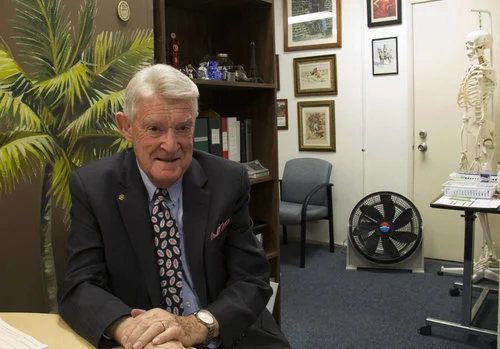
I emailed Dowell and asked the following questions about her analysis of opioid deaths:

  • How many different drugs did the decedents have in their bodies at death? What was the numerical range and average number? If other drugs were found, what were they?
  • How many had a verifiable diagnosis or history of addiction? How many had a history of receiving opioid prescriptions for pain and for how long?
  • Do prescription records validate a conclusion that the drug causing or contributing to death was a prescribed opioid?  
  • Were all causes of death considered, or was a death concurrent with detection of opioids presumed to be an overdose?
  • In how many cases were police or coroner's findings considered and found consistent with the cause of death reported on the death certificate?

The response I received was astonishing.  Less than 8 hours after emailing Dowell, I received a message from CDC’s Office of General Counsel.  I had struck a nerve! They saw I was a lawyer and thought I was preparing for litigation.

After clearing my questions with CDC’s legal team, Dowell replied a week later.  Her response should send a shiver down the spine of any pain patient who has been denied opioids, titrated down, or dismissed by his or her physician: 

“The reality is that many of the answers to these highly specific and technical questions cannot be answered in a definitive manner based on available data.” 

The bottom line is CDC does not have a grip on what’s really happening. CDC is targeting pain patients who are increasingly tortured by a medical profession scared silly by investigations and law enforcement. Yet they press on, with very little effect, continuing to blame prescription opioids and pain patients as the root cause of the opioid “epidemic” they aren’t responsible for.

The failure of the federal government’s efforts, particularly since the CDC guideline was issued, creates a justification to double down – no opioids for chronic pain and fewer opioids for acute pain -- all because pain never killed anyone and so there is no harm in forcing patients to suck it up.

The reality is that they can’t fix a problem they won’t acknowledge or attempt to understand, and they don’t have the data to understand it.  They can’t manipulate data to support an agenda and then expect solutions based on faulty conclusions to ever reach a desired end. 

Until they acknowledge what the real problems are, they will never solve them.

Jane Babin, PhD, is a molecular biologist and a biotechnology patent attorney in southern California. Jane has worked as a consultant for the American Kratom Association, a pro-kratom consumer group.

The information in this column should not be considered as professional medical advice, diagnosis or treatment. It is for informational purposes only and represents the author’s opinions alone. It does not inherently express or reflect the views, opinions and/or positions of Pain News Network.

DEA Raids Dr. Forest Tennant’s Pain Clinic

By Pat Anson, Editor

Agents with the Drug Enforcement Administration have raided the offices and home of Dr. Forest Tennant, a prominent California pain physician, confiscating patient records, appointment books and financial documents.

In a lengthy search warrant, the DEA alleges that Tennant prescribed such high doses of opioids and other medication that his patients must be selling them.  It also alleges that Tennant took financial kickbacks from Insys Therapeutics, a controversial Arizona drug maker that is under federal investigation.

An affidavit by a DEA investigator makes no mention of a patient overdosing or being harmed in any way while under Tennant's care.

“It’s very lengthy and it goes into things in my past which are totally irrelevant but are obviously designed to smear me and make me look like a bad person. I see what they’re doing,” Tennant told PNN.

dr. forest tennant (courtesy montana public radio)

Tennant, who has not been charged with a crime, believes Tuesday's raid is part of a broader effort to smear not only his reputation, but to discredit and intimidate other doctors who prescribe opioids to pain patients.  

“They’re not just going after me, they’re going after patients," said Tennant. “I think the country better understand what they’re doing here. They’re saying that regulations don’t count, standards don’t count, and they’ll decide who can get drugs and how much.

“I’d be worried about every pain patient right now, not just mine.”

Also named in the search warrant is United Pharmacy of Los Angeles and pharmacist Farid Pourmorady of Beverly Hills, the owner of United. Court documents indicate the DEA's investigation began in 2015 and targets a "drug trafficking organization" (DTO) that includes United and "multiple physicians whose prescriptions are filled at United, focusing in particular on Tennant."

"The crimes perpetrated by the DTO include the sale of powerful prescription narcotics such as oxycodone and fentanyl, along with other dangerous and addictive controlled drugs often sought in combination with narcotics, based on invalid prescriptions issued by practitioners including Tennant," the documents say. "United has been submitting millions of dollars in fraudulent Medicare prescription drug claims, namely, claims for the cost of filling invalid narcotic prescriptions, including those issued by Tennant."

The search warrant identifies about $2 million in prescriptions written by Tennant that were filled at United for just five patients, three of whom live out-of-state. Tennant told PNN in a phone interview that the allegations were bizarre.

"I have no financial relationship with anybody. My clinic is fundamentally almost a charity," he said.

Tennant is a revered figure in the pain community because of his willingness to see patients with intractable chronic pain who are unable to find effective treatment elsewhere or have been abandoned by their doctors. At 76, Tennant could have retired years ago, but regularly sees about 120 patients at his modest pain clinic in West Covina, a Los Angeles suburb. Many patients travel from out-of-state to see him, and some are in palliative care and expected to die within a year.   

Tennant, along with his wife and office manager, Miriam, jokingly refers to their clinic as a “mom and pop” operation, although in actuality he practices on the frontlines of pain management and has developed treatment protocols for difficult and incurable conditions such as adhesive arachnoiditis, Ehlers-Danlos syndrome and Reflex Sympathetic Dystrophy (RSD).

Those treatments sometimes require high doses of opioid pain medication, but they also include hormone replacement, anti-inflammatory drugs and other therapies that help patients reduce their use of opioids.

Tennant says he carefully screens his patients and follows all regulations. He has been an outspoken critic of efforts to limit opioid prescribing and recently appeared on a Las Vegas TV station saying the federal government doesn't care if pain patients suffer and die.

“I understand what (DEA is) after. They figure if they go after the big guy, then no one will prescribe,” Tennant told PNN. “If they’re going to hurt me, no doctor is going to be willing to prescribe or do anything. That’s what they’re attempting to do. They’re attempting to neutralize me if they can. And I think there needs to be an outcry.

"The time has come. Is this country going to treat pain patients or not? Are they going to let people die in pain or are they not?"

Ironically, the raid on Tennant’s offices and home occurred the day after he testified in Montana as a defense witness in the trial of another doctor accused of negligent homicide in the overdoses of two patients. The Tennants arrived home Tuesday night to find the front door to their home had been kicked in by DEA investigators.

“It seems like a coincidence, doesn’t it?” Tennant said.

Insys Payments

Tennant acknowledges getting about $126,000 from Insys Therapeutics, payments that were primarily for speaking at events sponsored by the company.

Insys makes an oral spray called Subsys that contains fentanyl, a potent synthetic opioid. Subsys is only approved for the treatment of cancer pain, but Insys aggressively marketed Subsys to have doctors prescribe it “off label” to treat other pain conditions, allegedly resulting in hundreds of overdose deaths.

Several company officials, including Insys’ billionaire founder, have been indicted on federal charges that they bribed doctors with kickbacks and lucrative speaking fees to get them to promote Subsys.  

Tennant says he stopped taking payments from Insys in 2015 and was dropped from the company’s speaker’s bureau last year.

“What money we did make, we put in the clinic and used it to support the patients,” he said.

Tennant says he can still operate his clinic, but has been informed by the DEA that his charts and patient records will not be returned directly to him. Tennant is asking all of his patients to contact the DEA and request a copy of their medical records so that he can continue treating them. 

The DEA's contention that Tennant's patients are selling their opioid medication is preposterous, according to 64-year old Gary Snook, a Montana man who lives with adhesive arachnoiditis, a painful inflammation in his spinal nerves.

“The last thing I’m going to do is sell my medication,” says Snook, who was on an extremely high dose of opioid medication before he started seeing Tennant. “Dr. Tennant has me on such a low dose that I’m just barely getting through the month anyway. I don’t have any to sell.  

“He’s actually been able to lower my dose by about 80 percent, with his hormone therapy and stuff. I’m afraid these guys are sadly mistaken because he’s been moving patients in the opposite direction than they’re suggesting.”

Snook has a genetic condition that makes him a “high metabolizer” of opioids – meaning he has to take a high dose to get any kind of pain relief. His current daily dose is still about three times more than the highest amount recommended by the CDC.

 “I’m not selling mine. I’m just taking it to survive because it’s the only thing that works for my pain. I’ve tried all the modalities and unfortunately this is the only thing that works,” Snook said.

For the record, Dr. Tennant and the Tennant Foundation have given financial support to Pain News Network and are currently sponsoring PNN’s Patient Resources section.