Death of Pain Patient Blamed on DEA Raid

By Pat Anson, Editor

The Montana pain community is in mourning over the tragic death of Jennifer Adams, a 41-year old Helena woman who suffered from intractable chronic pain. The Lewis and Clark County coroner has not yet released a cause of death, but friends say Adams died from a self-inflicted gunshot wound April 25.

Adams, a former police officer and mother of an 11-year old boy, lived with severe back pain from Reflex Sympathetic Dystrophy (RSD) and arachnoiditis, two painful and incurable diseases in her spine.

Friends say in her final months Adams suffered from extreme anxiety – fearing that her relatively high dose of opioid pain medication would be reduced or stopped by doctors.

“Jennifer had horrible anxiety that was eating her alive,” says Kate Lamport, a close friend who also has arachnoiditis. “She hadn’t lost her meds. But the fear of it drove her crazy. Every day she was so afraid.

“She was beautiful, inside and out. Her little boy was her everything. And I know she felt like the walls were just closing around her.”

Adams was a patient of Dr. Forest Tennant, a prominent California pain physician, whose home and office were raided last November by agents with the Drug Enforcement Administration. A DEA search warrant alleged that Tennant must be running a drug trafficking organization because many of his patients came from out-of-state and were on high doses of opioid medication.

JENNIFER ADAMS

Tennant, who has not been charged with a crime and denies any wrongdoing, recently announced plans to retire and close his clinic, in part because of the DEA investigation. Tennant is a revered figure in the pain community because of his willingness to see patients like Adams who have intractable pain from rare diseases like arachnoiditis.

“She’s a patient I saw in consultation. She was on a very good (pain) regimen, had a very good nurse practitioner and had good support,” said Tennant. “It’s a tragic situation. She was a lovely person. She was ill, no question about it.”

Several of Adams’ friends and fellow patients told PNN that the DEA raid frightened her. Like many others in the pain community, Adams feared losing access to opioid medication because many doctors have cut back on prescribing or stopped treating pain altogether.  

KATE LAMPORT AND JENNIFER ADAMS

“There’s more (suicides) coming. I don’t know how many people I’ve talked to that have a backup plan. We are the unintended consequences of the DEA’s actions,” said Lamport.

“Every day you get online and there’s another chronic pain patient that took their life. There’s another 20 that lost their medication. And she knew she couldn’t be a mom or work without it. And she didn’t want to be a burden. She was very prideful.”

“Before the raid she was very positive, keep fighting, that type of attitude. And the last couple of months she hasn't really been talking to anyone really consistently like she was,” said Heather Ramsdell. “I would characterize her mood as somber and scared with what's going on in this world and with her pain progressing, worrying about care.”

“She did not deserve to die. It’s just ridiculous. An entirely preventable loss of life. I think she was just totally freaked out over what was happening,” said Gary Snook. “We’re not drug addicts. We’re just sick people.”

“I think that Jennifer is collateral damage in that heinous DEA raid on Dr. Tennant,” says Dr. Mark Ibsen, a Helena physician who used to treat Adams. “We have a way to prevent these suicides and we’re completely ignoring it. Treating the patients in pain would prevent these suicides.”

Tennant does not believe Adams’ death is connected to the DEA raid.

“People who want to make that claim, that’s just simply false,” Tennant told PNN. “I think she was upset by the raid, like a lot of people, but I don’t believe you can make any assumption that there’s any connection.

“People have a lot of complaints about the government, but I think in this case and I want to make it abundantly clear, there is no connection to her pain care, her practitioners, or the DEA. This appears to be an independent, random event in a state that’s got a very, very high suicide rate.”

Adams’ last appointment with Tennant was in January. He said she was responding well to treatment and did not have a return appointment.

‘Disgusted’ by DEA Search Warrant

PNN has obtained a copy of an email that Adams sent to one of Tennant’s lawyers. Adams wrote that she was “truly disgusted” by the DEA raid and the allegations made against Tennant. Her patient records were among those seized by DEA agents. The search warrant claimed patients must be selling their opioid medication and funneling the profits back to Tennant. 

“My intention was and is to let you know a bit about myself and let you know that I am truly disgusted after reading the search warrant. I am NOT a drug dealer! I am not part of a drug cartel. I do not provide kickbacks to Dr. Tennant and I do not share my prescriptions. This whole situation has turned my life upside down once again,” Adams wrote. 

“It needs to stop. Legally speaking, someone has got to put an end to this obscene attack on patients with intractable pain, in particular; Adhesive Arachnoiditis.”

Adams said she developed adhesive arachnoiditis – a chronic inflammation of spinal nerves that causes them to stick together – after a failed back surgery and dozens of failed epidural injections. She also suffered a stroke during the birth of her son because of a botched epidural.

Before her career in law enforcement was cut short by chronic pain, Adams was a police officer in Helena and the first female deputy in Rosebud County, Montana.  She graduated third in her class at the Montana Law Enforcement Academy.

She was proud of her career and felt the DEA raid unfairly stigmatized her and other Tennant patients. 

“I also have had all my accomplishments stained!” she wrote. “I have had to fight day after day to survive the devastation of this ever-changing disease! Please do not dismiss me.”

Donations to a college trust fund for Jennifer's son, Joshua "Tuff" Adams, can be made to First Interstate Bank, 3401 N. Montana Avenue, Helena, MT 59602. You can also call the bank at (406) 457-7171.

Can a Junk Food Diet Cause Osteoarthritis?

By Steve Weakley

Does what’s in your gut influence the pain in your knees? New research on mice at the University of Rochester Medical School suggests that it might, but the results are far from conclusive.

Researchers fed one group of laboratory mice a high fat diet that included red meat and milkshakes, and another group of mice a healthier low-fat diet. Both groups of mice had their knees surgically damaged to mimic the effects of osteoarthritis -- “wear and tear” arthritis that is often associated with age, obesity or injury.

Twelve weeks of the high fat diet made the mice obese and diabetic and led to more seriously damaged joints. It also created an imbalance of harmful bacteria in their digestive tracts. 

One group of the fat mice were then given a supplement containing the prebiotic fiber oligofructose (also available as an over-the-counter probiotic).  The researchers said the supplement did not cause the mice to lose weight, but it did greatly improve their blood sugar levels and the balance of healthy bacteria in their gut.  More importantly, the study concludes, the mice that were given the supplement also had healthier joints than the control group.

The University of Rochester study concluded that prebiotics and the correction of gut bacteria might help protect against osteoarthritis caused by obesity. And one of the researchers, Dr. Robert Mooney, told Forbes that the study suggests osteoarthritis may be accelerated or even caused by inflammation.

"That reinforces the idea that osteoarthritis is another secondary complication of obesity--just like diabetes, heart disease, and stroke, which all have inflammation as part of their cause," said Mooney. "Perhaps, they all share a similar root, and the microbiome (digestive bacteria) might be that common root."

However a critique by Britain’s National Health Service (NHS) said that conclusion might be premature.

“It's presumptuous to conclude that an imbalance of gut bacteria could be directly linked to risk of osteoarthritis in humans from the results of a study in mice with artificially induced knee damage. As such, there's no compelling evidence that prebiotics would prevent or reverse osteoarthritis,” the NHS said.

“Aiming for a healthy weight through a good diet combined with physical activity is a better strategy for reducing the risk of osteoarthritis (as well as many other long-term conditions) than taking prebiotics to try to combat the effects of a poor diet. “

Osteoarthritis is a joint disorder that leads to progressive joint damage. It can affect any joint in the body but is most commonly felt in weight bearing joints such as the knees and hips. Nearly 40 percent of Americans over the age of 45 have some degree of knee osteoarthritis.

Previous studies have also found a link between a high fat diet and osteoarthritis.  Australian researchers reported last year that a diet rich in animal fats, butter and palm oil weakens cartilage and produces osteoarthritis-like changes in the knee.

"We also found changes in the bone under the cartilage on a diet rich in saturated fat," said Professor Yin Xiao of Queensland University of Technology’s Institute of Health and Biomedical Innovation. "Our findings suggest that it's not wear and tear but diet that has a lot to do with the onset of osteoarthritis.”

The University of Rochester researchers hope to include humans in future studies on the effects of diet on osteoarthritis.

Is Addiction or Untreated Pain Causing Patient Suicides?

By Pat Anson, Editor

A new op/ed in The New England Journal of Medicine focuses on an aspect of the overdose crisis that’s rarely discussed – how opioids are a “silent contributor” to the nation’s rising suicide rate. But critics say the article misses the mark on why a growing number of pain patients are having suicidal thoughts and taking their own lives.

Most people already know that drug overdoses are soaring in the United States, but few recognize that suicides are at their highest level in nearly 30 years. In 2016, more Americans died from suicides (44,965) than from opioid overdoses (42,249).

“The significant increases in both opioid-overdose deaths and suicide rates in our country have contributed to reduced life expectancy for Americans. These two epidemics are intermingled, and solutions to address the opioid crisis require that we tailor interventions to preventing opioid-overdose deaths due to suicidal intent,” wrote co-authors Maria Oquendo, MD, and Nora Volkow, MD.

Volkow is the longtime director of the National Institute on Drug Abuse, while Oquendo is a Professor of Psychiatry at the Perelman School of Medicine at the University of Pennsylvania and past president of the American Psychiatric Association.

Volkow and Oquendo believe many suicides are misreported as “undetermined” or accidental drug overdoses, and that “the true proportion of suicides among opioid-overdose deaths is somewhere between 20% and 30%, but it could be even higher.”

They also engage in a familiar pattern of demonizing opioid pain medication, citing studies showing that patients with “opioid use disorder” (OUD) from prescription opioids are more likely to have suicidal thoughts and “whose motivation to live might be eroded by addiction.” 

“Notably, two populations that are more likely than others to receive opioid prescriptions — patients with chronic pain and those with mood disorders — are also at greater risk for suicide,” they wrote.

That may all be true. The suicide rate among chronic pain patients is probably increasing. But what’s puzzling is that Volkow and Oquendo never acknowledge the role that the federal government has played in contributing to that trend. Anecdotal evidence is building that suicides started climbing after the CDC released its 2016 opioid prescribing guidelines and pain medication became harder to get. 

"Over the last year, I have received wave after wave of reports of traumatized patients, with outcomes that include suicidal ideation, medical deterioration, rupture of the primary care relationship, overdose to licit or illicit substances, and often enough, suicide,” Stefan Kertesz, MD, a professor of medicine at the University of Alabama at Birmingham School of Medicine, recently told PNN.

Those suicides -- such as those of Bryan Spece and Jay Lawrence -- are rarely reported by the mainstream media or even acknowledged by government bureaucrats like Volkow, who was an early supporter of the CDC guidelines.

In a survey of over 3,100 pain patients on the one-year anniversary of the guidelines, over 40 percent told PNN they had considered suicide because their pain was poorly treated. Many patients feel the healthcare system has turned its back on them.

“Even though I can barely function my doctor wants to stop my meds completely. With no hope, suicide seems like the best and only choice to get relief from the pain. I never thought doctors would be so uncaring, along with the government,” wrote one patient.

“I never thought I would even consider suicide, but death looks good when every move you make is painful, 24 hours a day, 7 days a week. The guidelines are not fair to me, my husband, and my children. No one can judge anyone else's pain level,” said another patient.

“I frequently contemplate suicide. I lay in bed on many nights crying because there is no comfortable positions and the spasms are relentless,” said a disabled nurse in Maine who is no longer able to obtain opioids.

“In the past year, six chronic patients I know who were no longer able to get their pain medication have committed suicide. I personally have researched the quickest and surest way of ending my own life. And no, it doesn’t include opioids,” wrote another patient.

“I nearly committee suicide last summer and again last November because of undertreated pain,” said one woman. “It is ridiculous beyond belief when my neighbor’s dog gets prescribed pain meds for a torn claw and I get treated like a criminal for having a chronic pain condition.”

Undertreated Pain

Patient advocates say these suicidal thoughts are often not the result of addiction or OUD, but because chronic pain is increasingly untreated or undertreated.

“The diagnosis of OUD is overwhelmingly made by physicians who are untrained in making the diagnosis,” says Stephen Nadeau, MD, a Professor of Neurology and Clinical Health Psychology at the University of Florida College of Medicine. “Most patients in chronic pain are under-dosed and/or suffer from inadequately treated depression. We don’t know the exact figures on prevalence of under-dosing but we do have studies that suggest that depression is detected only 20% of the time.”

“There is emerging data to suggest that increasing numbers of opioid overdose-related deaths may be a consequence of undertreatment of both pain and depression.  But the dominant public narrative is demanding even less treatment of pain when opioids are the chosen therapy,” says Red Lawhern, PhD, co-founder of the Alliance for the Treatment of Intractable Pain, a patient advocacy group.    

Lawhern believes many suicides can be attributed to the “epidemic of despair” first documented by Princeton researchers Anne Case and Angus Deaton.  They believe that the reduced life expectancy of Americans is not just due to substance abuse, but linked to unemployment, poor finances, lack of education, divorce, depression and loss of social connections – issues that Volkow and Oquendo fail to address.

“Their article is seriously deficient for failure to mention that both substance abuse and suicide generally are closely associated with depression and isolation -- both of which are consequences of economic hard times.  It is simply wrong to imply that opioid use disorder (itself an incorrect term) is the ‘cause’ of suicide, when both are driven jointly by socio-economic factors,” Lawhern wrote in an email.

What can be done to prevent suicides in the pain community? Volkow and Oquendo say more doctors should be trained to recognize the warning signs of suicide and patients should be screened for suicide risk and then referred for addiction treatment. Nowhere do they suggest better pain management.   

Counterfeit Pill Problem ‘Getting Worse by the Day’

By Pat Anson, Editor

Counterfeit painkillers and fake medications made with illicit fentanyl have killed Americans in at least 22 states, according to a new report by the Partnership for Safe Medicines (PSM) a coalition of pharmacy and healthcare organizations. Counterfeit pills laced with fentanyl have now been found from coast to coast in 43 states.

“This updated report shows that the illegally-imported fentanyl problem is getting worse by the day,” said Dr. Marvin Shepherd, chairman of the PSM Board.

Fentanyl is 100 times more potent than morphine. It is prescribed legally for severe pain, but illicit fentanyl has become a scourge on the black market, where it is typically mixed with heroin or cocaine. Rogue manufacturers also press it into counterfeit prescription pills such as Vicodin, Percocet and Xanax.

Unsuspecting buyers – including pain sufferers looking for relief -- often have no idea what they’re getting.

According to a recent CDC report, drug deaths involving fentanyl (19,413) surpassed overdoses linked to prescription opioids (17,087) in 2016.

COUNTERFEIT PERCOCET

“The annual count of overdose deaths from prescription opioids has remained constant since 2011, but deaths from fentanyl poisoning have spiked since then. As fentanyl-laced pills mimicking legitimate medication have flooded the illicit drugs supply, prescription drug users have been poisoned by the counterfeits,” the PSM report found. 

“The tally of deaths because of counterfeit pills made with fentanyl is probably undercounted because lab protocols lagged behind this shift and weren’t testing for fentanyl.”

The pills are difficult to trace, as Minnesota prosecutors admitted last week when they announced that no criminal charges would be filed in the accidental overdose death of Prince. The music icon died two years ago after taking counterfeit painkillers that were “an exact imitation” of Vicodin.

“Prince thought he was taking Vicodin and not fentanyl,” said Carver County Attorney Mark Metz, adding that dozens of counterfeit pills were found in Prince’s home, many of them stored in aspirin bottles.

Investigators were unable to determine how or where Prince obtained the fake pills, but they are readily available online for anyone who cares to look. According to one report, there are as many as 35,000 online pharmacies operating worldwide. Many do not require a prescription and are selling counterfeit medications. Their customers include some pain patients who are no longer able to obtain opioids legally from doctors and are looking for other sources.

‘Criminals Are Pretty Smart’

“They’re looking, maybe innocuously, for medicine online. They’re searching for ‘fentanyl online’ or ‘Percocet buy.’  Not because they want to buy medicine on the Internet, but rather they just want to find medicine,” says Libby Baney, Executive Director of the Alliance for Safe Online Pharmacies, an industry supported non-profit.

“The criminals are pretty smart. They know that there’s a market out there and they know they can offer these medicines to patients for good reasons, bad reasons or otherwise that are looking for those medicines. And they are going to get duped because they are very likely buying from a website that is selling it illegally.”

The National Association of Boards of Pharmacy recently evaluated 100 websites selling medications and found that almost all were operating illegally and selling drugs without a prescription. Over half (54%) were selling controlled substances and 40% were offering drugs that are frequently counterfeited with fentanyl.

The marketing and selling of counterfeit medicine goes beyond just online pharmacies. Drug dealers are increasingly using Facebook, Twitter and message boards to reach customers. PNN recently received this sales pitch from one dealer:

"We have pharmaceutical drugs for your health illness especially for Chronic Pain, Anxiety, Depression, Panic Disorder. ADHD, Xanax Bars, Narcolepsy pills, Antidepressants, Antipsychotics, Benzodiazepines, Narcotics, Opiates, weight loss/fat burner. We do overnight secure shipping."

Warning unsuspecting buyers about the easy availability of these drugs poses a dilemma for law enforcement and policy makers.

“We have ethical tension around all of this. On the one hand, we certainly don’t want to be educating people that you can buy controlled substances or prescription drugs on the Internet without a prescription, counterfeit or otherwise. That’s just dangerous. But we also don’t want to be in a position of not warning them or not making a policy response to the fact that this currently exists,” Baney told PNN.

It is relatively easy to tell the difference between a legitimate online pharmacy and an illegal one. The URL’s for websites that end with “.Pharmacy” (not .com or .net) are certified by the National Association of Boards of Pharmacy and are in compliance with laws and practice standards. You can also visit buysaferx.pharmacy to verify whether a website is legitimate.

BioWave Device Helps Vietnam Vet with Chronic Pain

By Pat Anson, Editor

A few months ago, Vietnam veteran Gregg Gaston was depressed and suicidal. Gaston shared his story with PNN readers in a guest column, telling how he suffered from years of chronic pain caused by a failed back surgery, peripheral neuropathy and post-traumatic stress syndrome (PTSD).

Despite his pain, Gaston’s doctor told him he was being cut back to a single dose of tramadol, a mild opioid analgesic. That was the last straw for Gaston, who at the age of 62 was fed up with debilitating pain and doctors who no longer wanted to treat it with opioids. In protest, Gaston fired his doctor and refused to fill his last prescription for tramadol.

GREGG GASTON

“I've given up and am waiting now to die. I've lived a great life and have no expectations of my quality of life improving,” Gaston wrote.  “Common sense is fast disappearing. I'm done fighting.”

Fast forward three months and there’s been a remarkable change in Gaston’s mood and quality of life. The folks at BioWave, a Connecticut medical device company, saw Gaston’s column and sent him one of their neurostimulation units, which use high frequency electrical impulses to block pain signals.

“I was skeptical at first. I really was,” Gaston says. “Being at the breaking point and feeling desperate, I was only too eager to try it. And for me, it really works. I’m not 100 percent pain free, but I can get out of bed in the morning. It’s great, it really is.”

Before he started using BioWave, Gaston says his pain level was usually a 7 or 8 on the pain scale. Today, even on a bad day, it’s only a 3.

“If you have chronic pain you know what a difference that is,” he says. “I used to often sleep no more than 2 hours at a time, now I often sleep through the entire night.”

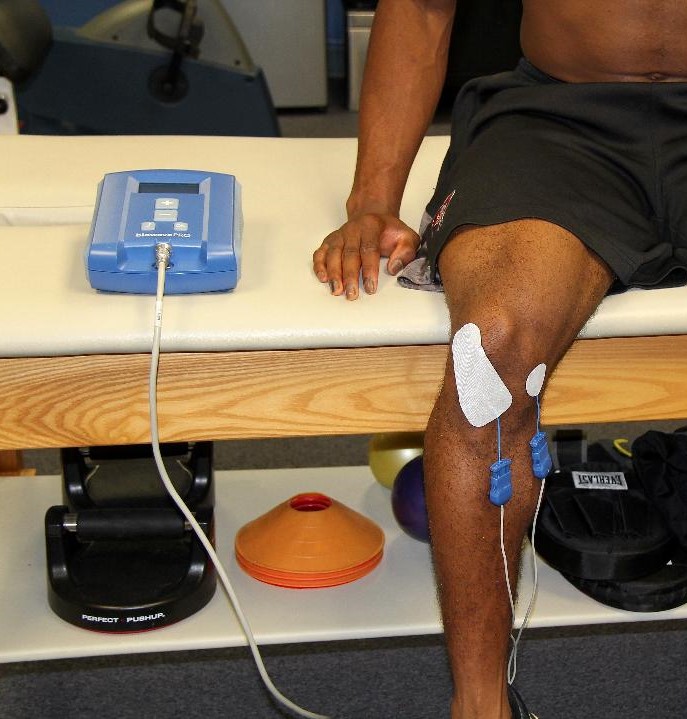
Think of BioWave as a more advanced version of a TENS unit. Electrodes wired to a battery and control unit send two high frequency signals through the skin into deep tissue, where they stimulate blood flow and block pain signals.

Each treatment takes 30 minutes, and the pain relief can last anywhere from a few hours to a few days, depending on the patient and their condition.  

“I started using it several times a day. But as I got feeling better in my back, I dropped it down to once a day. Now it’s once every two or three days,” says Gaston, who takes no pain medication outside of an aspirin. “They saved my life. My quality of life is still not great, but it’s better than what it was.”

BIOWAVE IMAGE

BioWave has been around for a few years but is not widely known. It was first used by professional sports teams to treat athletes with sprains, tendonitis, muscle pain and other injuries. When it proved effective in treating chronic pain, dozens of pain clinics and VA hospitals started using BioWave devices.

BIOWAVE IMAGE

“Most of the treatments deal with chronic pain and I would say the majority deal with lumbar and cervical pain. That’s probably the bread and butter for our device, but certainly any extremity pain in the shoulder, elbow, elbow, wrist or ankle. We can really treat almost any location on the body,” says Brad Siff, BioWave’s founder and president.

The company says over 75% of patients respond to BioWave treatment, with a significant improvement in their pain scores, mobility and stiffness. The device can even help patients with complex conditions such as arachnoiditis, a chronic and incurable spinal disease.  

“There’s a handful of anecdotal data that we have where arachnoiditis patients have responded. Similarly, patients with failed back surgery have been treated with BioWave and it helped them," Siff told PNN.

"I’m not saying it reduces their pain 100 percent, but some may get a 30, 40, 50 percent reduction in their pain and it lasts for a long period of time following the treatment."

BioWave is currently available only by prescription, but later this summer the company hopes to get FDA approval for a wearable over-the-counter home unit that can be purchased directly by patients. The final pricing hasn’t been determined, but Siff expects it to be between $300 to $400.

For more information, you can visit BioWave at their website by clicking here or by emailing them at info@biowave.com.

Light Therapy Used to Treat Neuropathic Pain

By Pat Anson, Editor

For someone with peripheral neuropathy, even the slightest touch can cause burning, stinging or shooting pain, usually in the hands or feet.

The pain is caused when the peripheral nervous system is damaged by diabetes, shingles, chemotherapy or some other medical condition. About 8% of adults worldwide suffer from some form of neuropathy. Medications prescribed to dull the pain – such as opioids, anti-depressants or gabapentin (Neurontin) -- often prove to be ineffective, don’t last long or have unwanted side effects.

Scientists in Italy have now discovered an experimental way to treat neuropathy that provides pain relief for weeks at a time without the use of medication. In experiments on laboratory mice, researchers at the European Molecular Biology Laboratory (EMBL) in Rome identified a specific set of nerve cells in mouse skin that play a significant role in neuropathic pain.

NATURE COMMUNICATIONs

When injected with a light-sensitive chemical and then exposed to infrared light, the nerve cells pull away from the skin’s surface and stop sending pain signals. The pain-relieving effects of the light therapy appear to last for weeks.

The accompanying image shows the skin of a mouse, with the nerve cells that are responsible for sensitivity to touch highlighted in green. The neurons are primarily located around hair follicles.

The EMBL's research, first reported in the journal Nature Communications, is still in its early stages. But scientists say human skin tissue is similar to that of mice, indicating that light therapy might be effective in managing neuropathic pain in humans.

"In the end, our aim is to solve the problem of pain in both humans and animals," says Paul Heppenstall, PhD, EMBL group leader. "Of course, a lot of work needs to be done before we can do a similar study in people with neuropathic pain. That's why we're now actively looking for partners and are open for new collaborations to develop this method further, with the hope of one day using it in the clinic."

Heppenstall says light therapy works on the treated nerve cells the same way spicy food or capsaicin patches can cause nerve fibers to retract.  

"It's like eating a strong curry, which burns the nerve endings in your mouth and desensitizes them for some time," says Heppenstall. "The nice thing about our technique is that we can specifically target the small subgroup of neurons causing neuropathic pain."

There are many different types of nerve cells in skin, which respond to different sensations like vibration, cold, heat or normal pain. Researchers say those cells are not affected by the light treatment. The skin is only desensitized to a gentle touch, breeze, or tickling.

Previous attempts to develop drugs to treat neuropathic pain have mostly focused on targeting single molecules.

"We think however, that there's not one single molecule responsible, there are many," Heppenstall explains. "You might be able to succeed in blocking one or a couple, but others would take over the same function eventually. With our new illumination method, we avoid this problem altogether."

The neuropathic pain in mice was assessed with a simple touch. The mice would normally quickly withdraw their paw when it was gently touched, but after light therapy they exhibited normal reflexive response to touch. The effect of the therapy lasted for a few weeks, until the nerve endings grew back and the gentle touch caused pain again.

Do 80% of Heroin Users Really Start With a Prescription?

By Roger Chriss, Columnist

U.S. Attorney General Jeff Sessions recently announced a new plan by the DEA to further tighten production quotas for opioid pain medication as a step in the fight against opioid abuse and addiction.

The proposal appears in the Federal Register with the following explanation:

“Users may be initiated into a life of substance abuse and dependency after first obtaining these drugs from their health care providers…. Once ensnared, dependency on potent and dangerous street drugs may ensue. About 80% of heroin users first misused prescription opioids. Thus, it may be inferred that current users of heroin and fentanyl largely entered the gateway as part of the populations who previously misused prescription opioids."

This is not a new claim by the DEA. In its 360 Strategy: Diversion Control, the DEA plainly states, “The connection between prescription opioid abuse and heroin use is clear, with 80% of new heroin abusers starting their opioid addiction by misusing prescription medications.”

Where does the 80% figure come from?

The DEA cites the National Institute on Drug Abuse (NIDA) as its source, while NIDA in turn references a 2013 study by the Substance Abuse and Mental Health Administration (SAMHSA).

SAMHSA pooled a decade's worth of data from the National Survey on Drug Use and Health and found that “four out of five recent heroin initiates (79.5 percent) previously used NMPR (nonmedical use of pain relievers)."

But the SAMHSA study did not examine how many of those heroin users had a valid prescription for opioids, so the DEA claim about users "first obtaining these drugs from their health care providers" is untrue. SAMHSA also notes that "the literature on transition from NMPR to heroin use is relatively sparse" and that the "vast majority" of people who abuse opioid medication never actually progress to heroin.

The abuse of opioid medication by heroin users also varies considerably by time, region and demographics -- so must users don't fit neatly into the 80% claim. A review article in The New England Journal of Medicine reports that prior nonmedical use of opioid medication was found in 50% of young adult heroin users in Ohio, in 86% of heroin users in New York and Los Angeles, and in 40%, 39%, and 70% of heroin users in San Diego, Seattle, and New York respectively.

Conversely, studies on the medical use of opioid analgesics show very low rates of opioid addiction. A review in the journal Addiction concluded that “The available evidence suggests that opioid analgesics for chronic pain conditions are not associated with a major risk for developing dependence.”

A 2016 article in The New England Journal of Medicine by Dr. Nora Volkow, Director of NIDA, also explains that “addiction occurs in only a small percentage of persons who are exposed to opioids—even among those with preexisting vulnerabilities.”

‘Opiophobia’ Returns

But despite this well-established information, the 80% statistic is being used to set policy and justify a supply-side approach to the opioid addiction crisis. States are citing the number as they pass new legislation to restrict opioid prescribing, health insurers are using it as they enact new policies to limit medical opioid use, and doctors are telling patients it’s one of the reasons they won’t prescribe opioids.

According to one addiction treatment specialist, the goal of the DEA quota reductions should be to take opioid prescribing back to levels where they stood two decades ago.

“We‘re back down to 2006 levels, but the goal should be to get us back down to 1995 levels. So this means many Americans are still going to be addicted until prescribing becomes more cautious,” Andrew Kolodny, MD, founder of Physicians for Responsible Opioid Prescribing (PROP), told STAT.  

But this assumes that pre-1995 opioid prescribing levels were adequate. According to Jeffrey Singer, MD, a Senior Fellow at the CATO Institute, that would be a mistake.

“It must be remembered that numerous studies throughout the 1970s, 1980s, and 1990s documented that patients were being undertreated for pain because of an irrational fear of opioids,” Singer wrote. “Policymakers need to disabuse themselves of the notion that the prescription of opioids to patients by doctors is at the heart of the problem. That notion has made too many patients suffer needlessly as the old ‘opiophobia’ of the 1970s and 1980s has returned.”

Moreover, it assumes that opioids have no clinical benefit. But they are medically very useful, not only in the acute and surgical setting, but also for a variety of chronic pain conditions, such as neuropathy and restless leg syndrome.

The 80% statistic is misleading and encourages faulty assumptions about the overdose crisis and medical care. It is shifting resources away from the public health interventions that would most likely help in the crisis and removes a valid medical treatment for people with a wide range of ailments.

To read and comment on the DEA’s quota proposal, click here. All comments must be received by May 4, 2018.

Roger Chriss lives with Ehlers Danlos syndrome and is a proud member of the Ehlers-Danlos Society. Roger is a technical consultant in Washington state, where he specializes in mathematics and research.

The information in this column should not be considered as professional medical advice, diagnosis or treatment. It is for informational purposes only and represents the author’s opinions alone. It does not inherently express or reflect the views, opinions and/or positions of Pain News Network.

48 Alternative Therapies to Help Lower Pain Levels

By Barby Ingle, Columnist

A year ago, I began this series of columns on alternative therapies for chronic pain management. There are so many different treatments, we presented many of them by letter – the 4 A’s, the 4 C’s, the 4 E’s, etc. This is my final column in the 12-part series.

In all, we covered 48 different treatment options. But we only scratched the surface. There are literally hundreds of alternative pain therapies and I've tried many of them myself. Many didn’t help me or provided only minimal relief. But I know of others who received great benefits from them.

This final month I am spotlighting trigger point injections, virtual reality, yoga and the yucca plant.

Trigger Point Injections

Trigger point injections can be beneficial in treating myofascial pain syndromes. That is when a patient has chronic musculoskeletal pain in specific parts of a muscle where a knot has formed due to inflammation. This is known as the “trigger point.” Steroids or analgesics (or both) are injected into the trigger point area to get the knot to release and the muscle to relax.

I have had trigger point injections done on my wrist and shoulder at various times. Although it was helpful long-term for my wrist injury, which occurred prior to my developing reflex sympathetic dystrophy, it was not as helpful with managing the RSD symptoms in my shoulder.

I could usually feel the muscle knots under my skin, but that was not always the case. I would also get a twitching response, which my doctor first thought was a sign of low calcium.  But after ruling that out, he realized that it was tight muscle fibers and inflammation.

There are risks with any type of injection. The injection or solution can cause damage to the skin and small nerve fibers, or cause infections and bleeding. If you think that trigger point injections could help, talk with your doctor first to find out if this would be a good option for you.

Virtual Reality

Virtual reality (VR) has been used in different forms of pain management since 1996. It operates under the theory that pain perception can be reduced by refocusing the patient’s attention away from their pain. Typically, that means wearing a headset or goggles that provide a 360-degree view while watching a realistic video or animated game.

AppliedVR in Los Angeles is developing a variety of virtual reality content to help treat pain, depression and anxiety. To give you an idea how it works, watch this promotional video by the company:

VR was first used to alleviate severe pain in patients treated at a burn center in Seattle, Washington. Since then, it has shown to be effective in treating acute pain in hospitals or when patients undergo lengthy testing procedures and need a distraction. I am hearing more and more from providers that VR can help lower the need for medication. 

VR is a fun activity that my husband and I have both tried. We quickly realized that it had therapeutic benefits and helped me to relax and keep my mind focused during long MRI’s and infusions. Like most therapies, the benefits of VR are usually short term. But VR is a promising field that is likely to improve as technology and personalized experiences are brought together in practice. 

Yoga 

Yoga is a mind-body exercise that uses controlled breathing, meditation and movements to stretch and strengthen your body. There are several types of yoga and people have been using yoga moves and thinking for thousands of years. The emphasis for all of them is on treating the mind and body equally.

Yoga can be used for pain relief for many types of chronic conditions, but patients must be cognizant of not pushing themselves into a flare by doing too much at one time. 

One study found that patients with chronic low back pain who took a weekly yoga class increased their mobility more than standard care like physical therapy. Other studies have shown that yoga is comparable to exercise therapy in relieving symptoms from arthritis, fibromyalgia and migraine. 

I have been using yoga in modified positions to strengthen myself. I don’t push myself too hard, because when I did I found myself in a pain flare. But when I go slow and easy, I find that it helps me build strength. For example, I will do the moves in a chair instead of on the floor and skip certain positions that may aggravate my pain. 

Practicing yoga has also helped with my mood, positive thinking and overall well-being. A typical yoga session lasts 45-90 minutes; mine are shorter, about 15-20 minutes at a time. Many people will go to a yoga class, but I do it at home using routines that I modified. Each session usually begins with deep breathing exercises that help me relax and lower stress levels. Then I use a series of yoga positions that are either seated, standing or laying down. Some positions are done quickly and others are held for a few minutes. If it starts to get too much for me, I stop or take a break.

At the end of the yoga session, I go back to breathing and mediation exercises to cool down. Be sure to modify your yoga to fit your needs. Doing some movement and breathing is better than nothing, even if it’s only a few minutes each day.  

Yucca

The Yucca is a plant with more than 40 species that typically grows in desert regions. It is used to make medicines for many conditions, including migraines, headaches, gastrointestinal disorders, osteoarthritis, high blood pressure, diabetes, vascular constriction, and more. 

Yucca medications are applied directly to the skin, made into extracts, or used in carbonated beverages. Some Yucca compounds have even been used in the manufacture of new medications. 

I first heard about the use of Yucca derivatives to treat pain while on a tour of the Desert Botanical Gardens in Phoenix, Arizona. That was where I found out that the Yucca can be used to treat sores, bleeding, sprains and joint pain. My husband is almost bald, and they suggested some people even use it for baldness. 

Researchers have found several Yucca compounds that are similar to anti-inflammatory medications.  Some of the chemicals in Yucca can also help reduce blood pressure or control cholesterol levels. For me, it helps reduce osteoarthritis symptoms by lowering the aching pain, swelling and stiffness I deal with. 

The Yucca plant is native to the southwest United States, where I currently live, as well as Mexico. Around here it is common for people to use the bark and root of the Yucca as a dietary supplement to promote joint health. There are even Yucca products on the market for treating pain in horses, dogs and other animals.

Be Open Minded

My alphabet series on alternative pain management is meant to spark ideas and discussion about treatments that you may not have known about before.  Before you try any of them, I encourage and remind you to talk it over first with medical professionals who are familiar with your past and present care. It is important to also remain open minded about your options and only do what you are comfortable with. 

There is no cure yet for chronic pain. So the more proactive we are in managing the symptoms -- even if we don’t get complete relief -- the better off we’ll be. Being positive, hopeful and creative in finding new ways to manage our conditions can help get our pain levels down.  

Want to see the rest my series on alternative treatments?  Here’s where to find them:

  • The 4 A’s: acupressure, acupuncture, aromatherapy and art therapy.  
  • The 4 C’s: Calmare, Chinese medicine, chiropractic, and craniosacral therapy. 
  • The 4 E’s: energy therapy, electromagnetic therapy, equine therapy, and exercise. 
  • The 4 F’s: faith healing, Feldenkrais Method, food, and functional medicine. 
  • The 4 H’s: hypnotherapy, hyperbaric therapy, holistic living and herbal therapy.
  • 4 Infusions: Ketamine, lidocaine, immunogoblins and stem cells.
  • The 4 M’s: Mindfulness, magnets, massage and music.
  • The 4 N’s: Nerve blocks, nitric oxide, neurotransmitter regulation and nabilone.
  • The 4 O’s: oral orthotics, orthomolecular medicine, osteopathy and occupational therapy.
  • The 4 P’s: Physical therapy, pain medications, prolotherapy and psychology. 
  • 2 R's, a Q and an S: Quell, radiofrequency ablation, reflexology, sonopuncture

As I have stressed in all 12 articles, each of us is different, even if we are living with the same diseases. Your task is to find creative, effective ways to get the pain conditions you live with under control. I look forward to reading what worked and didn’t work for you.

Barby Ingle lives with reflex sympathetic dystrophy (RSD), migralepsy and endometriosis. Barby is a chronic pain educator, patient advocate, and president of the International Pain FoundationShe is also a motivational speaker and best-selling author on pain topics.

More information about Barby can be found at her website. 

The information in this column should not be considered as professional medical advice, diagnosis or treatment. It is for informational purposes only and represents the author’s opinions alone. It does not inherently express or reflect the views, opinions and/or positions of Pain News Network.

Rescheduling Hydrocodone May Have Increased Abuse

By Pat Anson, Editor

Four years ago that the U.S. Drug Enforcement Administration ordered the rescheduling of hydrocodone from a Schedule III controlled substance to the more restrictive category of Schedule II.  The move was intended to reduce the diversion and abuse of hydrocodone, which at one time was the most widely prescribed drug in the United States.

It turns out the rescheduling may have had the unintended effect of increasing the diversion and abuse of opioid medication by elderly Americans.

According to a new study by researchers at the University of Texas Medical Branch (UTMB), hydrocodone prescriptions for Medicare beneficiaries declined after the rescheduling, but opioid-related hospitalization of elderly patients increased for those who did not have a prescription for opioids.

"The 2014 federal hydrocodone rescheduling policy was associated with decreased opiate use among the elderly," said lead author Yong-Fang Kuo, PhD, a professor of Preventive Medicine and Community Health at UTMB.

"However, we also observed a 24 percent increase in opioid-related hospitalizations in Medicare patients without documented opioid prescriptions, which may represent an increase in illegal use."

Kuo and her colleagues say Medicare beneficiaries are among the largest consumers of prescription opioids. They speculated that opioid abuse by the elderly may be a coping mechanism to deal with poor health and depression, and that opioid diversion may be a sign of drug dealing.

“An economic purpose may relate to monetary gains from the diversion and sale to others,” Kuo wrote. “It is important for prescribers to understand that their elderly Medicare beneficiaries might be obtaining opioids from sources that are not documented in their medical records. There is a need for additional research on why, where, and how these Medicare enrollees are obtaining opioids.”

The UTMB research team analyzed a large sample of Medicare Part D enrollment and claims data from 2012 through 2015. Their study was published in the Journal of the American Geriatrics Society.

The reclassification of hydrocodone to a Schedule II controlled substance limited patients to an initial 90-day supply and required them to see a doctor for a new prescription each time they need a 30-day refill. Prescriptions for Schedule II drugs also cannot be phoned or faxed in by physicians.

In 2012, over 135 million prescriptions were written in the U.S. for hydrocodone products such as Vicodin, Lortab and Norco.  That fell to 90 million prescriptions by 2016.

Overall Opioid Prescribing Down

Hydrocodone isn't the only opioid medication to see steep declines in prescribing. The volume of opioid prescriptions filled last year dropped by 12 percent, the largest decline in 25 years according to a new report by the IQVIA Institute.  Opioid prescriptions have been falling since 2011, while dispensing of addiction treatment drugs like buprenorphine (Suboxone) and methadone have risen sharply.

“The U.S. opioid epidemic is one of the most challenging public health crises we face as a nation," said Murray Aitken, IQVIA senior vice president and executive director of the IQVIA Institute for Human Data Science.

“Our research and analytics revealed that 2017 saw new therapy starts for prescription opioids in pain management decline nearly 8 percent, with a near doubling of medication-assisted therapies (MATs) for opioid use dependence to 82,000 prescriptions per month. This suggests that healthcare professionals are prescribing opioids less often for pain treatment, but they are actively prescribing MATs to address opioid addiction."

All 50 states and Washington DC had declines in opioid prescribing of 5 percent or more in 2017, with some of the states hardest hit by the opioid crisis -- like West Virginia and Pennsylvania --  showing declines of over 10 percent. Nevertheless, the number of Americans overdosing continues to rise due to increased use of black market drugs like illicit fentanyl, heroin and cocaine, which now account for about two-thirds of all drug deaths.

Documentary Looks at Pain Relief as Human Right

By Steve Weakley

A new documentary calls pain relief a basic human right.  That is one of the tantalizing premises of “Hippocratic,” a film about the life of one of the pioneers of palliative care in India, Dr. M.R. Rajagopal.  

For over 20 years, Rajagopal has battled conditions that cause palliative care patients in India to suffer needlessly. Despite being home to most of the world’s legally grown opium, morphine and other opioid medications are often inaccessible in India to patients dying of cancer and other chronic illnesses.   

Rajagopal points out that the Indian Narcotics Act of 1987 reduced prescriptions of opiates in his country by 94 percent in just 12 years.  Under that law, even a minor mistake in prescribing opioids could send a doctor to prison for 10 years. 

“When you torture someone for political reasons, they can sign a confession and escape.  Here, (pain patients) don’t even have that option… they can’t fight back.  It’s a very one-sided war,” says Rajagopal.

In “Hippocratic,” Rajagopal points out that medicine and the profit motive compound the lack of effective pain care.  About 80 percent of the healthcare industry in India is privatized, and when doctors prescribe opiates they often steer patients toward expensive name brand drugs, when nearly identical generics cost only pennies.  He warns against unchecked medical profits and makes a passionate plea for universal health care.

The 88-minute film is most moving in the moments where it demonstrates the power of compassion as the primary purpose of treatment.  A four-year old girl, writhing and screaming in unbearable pain, is seen reaching up and kissing Rajagopal on his forehead after he administers her medicine.

You can watch a trailer for “Hippocratic” below:

In 2014, Rajagopal won an award for extraordinary activism from Human Rights Watch, a non-profit that has done extensive work on human rights abuses and the suffering of palliative care patients worldwide.

As PNN has reported, Human Rights Watch is now investigating the treatment of chronic pain patients in the United States.

“People we interviewed who didn’t have access to appropriate medications for their pain were essentially giving testimony that was almost exactly the same as the testimony we were getting from the victims of police torture,” said Diederik Lohman, Director of Health and Human Rights for Human Rights Watch.  “People were facing tremendous suffering that actually could be relieved pretty easily through very inexpensive palliative care and pain management.”

“Hippocratic” had a limited release in U.S. theaters last month, but can still be seen in New York City, Seattle, Fresno and a handful of other cities. It can also be rented online by clicking here.


Sessions Wants More Cuts in Opioid Production

By Pat Anson, Editor

Attorney General Jeff Sessions has proposed further tightening in the supply of opioid pain medication to punish drug makers who allow too many of their painkillers to be diverted and abused.

Under the proposal, the Drug Enforcement Administration – which is overseen by the Justice Department – must consider whether an opioid medication is being misused, abused or causing overdoses when it sets annual production quotas for drug makers.

“The current regulations, issued initially in 1971, need to be updated to reflect changes in the manufacture of controlled substances, changing patterns of substance abuse and markets in illicit drugs, and the challenges presented by the current national crisis of controlled substance abuse,” the DEA said in a notice to be published in the Federal Register.  

WHITE HOUSE PHOTO

“Under this proposed new rule, if DEA believes that a company’s opioids are being diverted for misuse, then they will reduce the amount of opioids that company can make,” Sessions said. "It’s a common sense idea: the more a drug is diverted, the more its production should be limited." 

The cuts in opioid production could be ordered even if a drug maker has no direct role in the diversion.

"If DEA believes that a particular opioid or a particular company’s opioids are being diverted for misuse, then DEA would be able to reduce the amount that can produced in a given year. These smarter limits will encourage vigilance on the part of opioid manufacturers," the agency said in a statement.

The public has only 15 days to comment on the rule change. Public comment periods in the Federal Register are usually between 30 and 60 days long, with some taking up to 180 days. Agencies are allowed to use shorter comment periods "when that can be justified."

"This shortened period for public comment is necessary as an element in addressing the largest drug crisis in the nation's history," the DEA said. To see the rule change and make a comment, click here. Comments must be submitted on or before May 4.

The DEA has already made substantial cuts in opioid production quotas, reducing them by 25 percent in 2017, followed by another 20 percent cut in 2018. This year’s cuts were ordered despite warnings from drug makers that reduced supplies of opioids “were insufficient to provide for the estimated medical, scientific, research and industrial needs of the United States.”

Last week the DEA said it would allow three drug makers to increase their production of injectable opioids because of shortages that left hospitals scrambling to find effective analgesics to treat patients suffering from acute pain. The shortages of injectable fentanyl and morphine are largely due to manufacturing problems, although some critics say the DEA itself is partly responsible.

DEA ‘Asleep at the Switch’

The proposed rule change was triggered by a lawsuit filed against the DEA by West Virginia, alleging that the current quota system “unlawfully conflates market demand for dangerous narcotics with the amount of legitimate medical needs.”    

“The DEA -- the agency tasked with effectively limiting how many opioid pain pills can be manufactured -- has been asleep at the switch and unwilling to recognize fatal flaws within its own system,” said West Virginia Attorney General Patrick Morrisey. The lawsuit was put on hold after Sessions directed the DEA to change its rules.

Under the proposed rules, the DEA would be required to get input from states, Food and Drug Administration, Centers for Disease Control and Prevention and the Department of Health and Human Services before setting opioid quotas.

Since becoming Attorney General, Sessions has been almost singularly focused on prescription opioids as the cause of the addiction and overdose crisis, even though about two-thirds of all overdoses are caused by black market drugs such as illicit fentanyl, heroin and cocaine. Less than one percent of legally prescribed opioids are diverted, according to the DEA’s own figures.

In February, Sessions said pain sufferers should “tough it out” and take aspirin, rather than turn to opioids for pain relief. "Sometimes you just need to take two Bufferin or something and go to bed," he said.

WHITE HOUSE PHOTO

Last week, Sessions visited a controversial memorial near the White House that features a wall of 22,000 engraved white pills -- each pill representing the face of someone who supposedly died from a prescription opioid overdose in 2015.

As PNN has reported, the National Safety Council’s traveling exhibit misrepresents the number of Americans who overdosed on pain medication. The CDC recently admitted that its methods for counting overdoses “significantly inflate estimates.”

More misinformation and half-truths are being published in the Federal Register to justify changes in the DEA quota system.  

“(Opioid) users may be initiated into a life of substance abuse and dependency after first obtaining these drugs from their health care providers or without cost from the family medicine cabinet or from friends. Once ensnared, dependency on potent and dangerous street drugs may ensue,” the notice says.

“About 80% of heroin users first misused prescription opioids. Thus, it may be inferred that current users of heroin and fentanyl largely entered the gateway as part of the populations who previously misused prescription opioids.”  

The notice is referring to a single but often-cited survey, which found that most heroin users in addiction treatment also abused prescription opioids. But experts say most addicts try a variety of different substances – such as tobacco, marijuana, alcohol and illicitly obtained opioid medication – before moving on to heroin. It is rare for a legitimate patient on legally prescribed opioids to make the transition to heroin.  

FDA Staff Recommends Approval of Marijuana Drug

By Pat Anson, Editor

The U.S. Food and Drug Administration may be on the verge of approving its first prescription drug derived directly from marijuana.

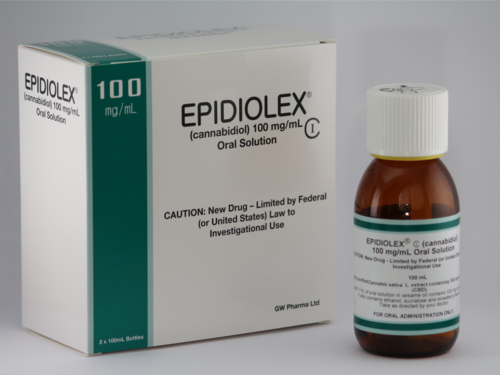
In a report posted online, FDA staff said there was “substantial evidence” that Epidiolex, a liquid formula containing cannabidiol (CBD), was effective in reducing seizures in children with Lennox-Gastaut syndrome (LGS) and Dravet syndrome (DS), two severe forms of childhood epilepsy.

GW PHARMACEUTICALS IMAGE

Epidiolex is made by GW Pharmaceuticals, a British drug maker that specializes in developing drugs from marijuana.

“The applicant has provided positive results from three randomized, double-blind, placebo-controlled studies conducted in patients with LGS and DS,” FDA staff reported.

“The studies are adequate and well-controlled. The statistically significant and clinically meaningful results from these three studies provide substantial evidence of the effectiveness of CBD for the treatment of seizures associated with LGS and DS.”  

CBD is one of the active ingredients in marijuana. It does not contain THC (tetrahydrocannabinol), the chemical compound in marijuana that makes people high. Many oils and tinctures containing CBD are already sold online and in states were medical marijuana is legal, but the FDA has not approved any of them.  The agency has only approved a handful of synthetic cannabinoids such as Marinol (dronabinol) to treat loss of appetite and nausea.

Although some children in the clinical trials experienced side effects from Epidiolex such as liver toxicity, anemia and drowsiness, the FDA staff report said the risks were “mild to moderate” and could be managed with warning labels. The report also found there was low risk of the strawberry flavored Epidiolex being abused.

“Although the review is still ongoing, the risk-benefit profile established by the data in the application appears to support approval of cannabidiol for the treatment of seizures associated with LGS and DS,” the report concludes.

(4/18/18 Update: An FDA advisory committee unanimously recommended that the FDA accept the staff findings and approve Epidiolex) 

In a briefing paper for the committee, GW Pharmaceuticals said there were few effective treatment options for children with LGS and DS, who often have severe intellectual and developmental disabilities and a high risk of mortality.

A final decision by the FDA is expected this summer. There is no guarantee the agency will follow the advice of its staff or advisory committee. If Epidiolex is approved, it would only be for the treatment of childhood epilepsy. However, doctors would presumably be able to prescribe it “off label” for other conditions such as chronic pain.  

GW Pharmaceuticals also makes Sativex, an oral spray that contains both CBD and THC. Sativex has been approved in Europe, Canada, Australia, New Zealand and several other countries for the treatment of muscle spasticity caused by multiple sclerosis. In Israel, Sativex is also approved for the treatment of pain and chronic non-cancer pain.  

Lessons from ‘Dark Paradise’ on the Opioid Crisis

By Roger Chriss, Columnist

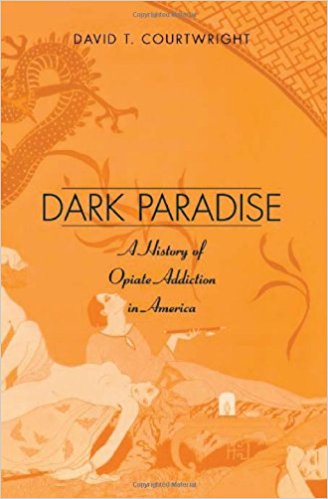
The book “Dark Paradise: A History of Opiate Addiction in America” by David Courtwright lives up to its title. Starting as far back as the Revolutionary War, Courtwright gives substance and statistics about opioids in the United States. The book clearly shows that America has had one ongoing opioid crisis for its entire history.

Courtwright starts with the premise that “Over and over again the epidemiological data affirms a simple truth: those groups who, for whatever reason, have had the greatest exposure to opiates have had the highest rates of opiate addiction.”

He also takes pains to show how the demographics of addiction shifted over time, moving from men to women and back to men, from the upper class to the working class to immigrants and back again. Seemingly new twists and turns in the present opioid crisis are actually just variations on an old theme.

Addiction rates and trends from 100 years ago seem all too familiar. Courtwright tells us there were about 313,000 opium and morphine addicts in America prior to 1914, with many of them concentrated in the South. But who became addicted was different.

“The outstanding feature of nineteenth-century opium and morphine addiction is that the majority of addicts were women,” wrote Courtwright. “It was principally in those suffering from chronic ailments that use of these drugs led to addiction.”

At the time, opioids were used to treat everything from ennui and anxiety to social performance and sleep -- disorders that nowadays would be treated with other medications. The causes cited are also familiar. “In addition to laziness and incompetence (by physicians), greed was cited as a reason for continued abuse” and 19th century pharmacists “were notorious for their willingness to supply a user; opium and morphine were their bread and butter, and there is no steadier customer than an addict.”

The underground trade in opioids was already a major problem at the turn of the 20th century: “The ingenuity of the opiate smugglers knew no bounds. One supercargo reportedly packed $500 worth of opium into the false bottom of a snake cage.”

As they have today, lawmakers and policymakers responded vigorously, but often with hidden agendas and dubious statistics. In the 1910s, physician and scientist Hamilton Wright used scare tactics to push for legislation on domestic narcotic trafficking. Andrew DuMez of the Treasury Department used “grossly inaccurate” figures about addicts. And Congressman Henry Rainey tried to convince the American public “that addiction was a problem of massive dimensions.”

By the early 20th century, “Opium and morphine had fallen into such disfavor that some physicians began to worry that they might be withheld in even the most dire cases.” Then as now, lawmakers were often behind the curve on the crisis and used fear to advance personal agendas.

This raised concerns that are echoed today about opioid medications. “The present generation (of doctors) has been so thoroughly warned, both by teaching at college and by observation,” wrote New Hampshire physician Oscar Young in 1902, “that now they are in many instances so very afraid to give it, even for the worst pain, that the patient suffers agonies worse than any hell for want of one-eighth of a grain of morphine.”

The opioid pendulum had shifted so much by 1920 that the American Medical Association warned that opiates should not be denied to patients suffering from conditions “such as cancer, and other painful and distressing diseases.”

Although this new conservatism greatly reduced rates of iatrogenic addiction caused by medical treatment, opioids continued to be a problem, especially as heroin spread from New York City to the rest of the nation. Courtwright notes that “heroin addicts typically became addicted in adolescence or early adulthood” and that their addictions were rarely iatrogenic in nature.

Heroin succeeded in a way that no other illicit drug had before: “Heroin was the illicit drug par excellence. It spread throughout the country during the 1920's and 1930's because dealers and their customers came to appreciate its black-market virtues.”

World War II interrupted virtually all aspects of life in the United States, including opioid abuse and addiction. But developments in pharmaceutical research contributed to changes as well. “Indeed, one of the reasons why medical morphine addiction largely vanished during the twentieth century was that physicians had so many alternatives for inducing sleep, soothing nerves, and brightening mood.”

Interestingly, in the 1950s, “No one, least of all federal agents, regarded the use of opiates to alleviate intense, pathological suffering as inappropriate or illegal.”

But then heroin surged in popularity in the 1960’s. Courtwright carefully assembles statistics on addiction rates. There were an estimated 120,000 heroin addicts in the 1950’s. The number rose to 315,000 in late 1969 and by the end of 1971 there were 560,000 heroin addicts. That number has remained relatively stable. Today the National Institute on Drug Abuse estimates that there are 591,000 heroin addicts in the United States.

But there was little data on overdose fatalities until the 1970’s. Courtwright reports that heroin-related deaths rose from 1,980 in 1990 to 3,980 in 1996, double the peak death rate in the 1970’s. A key factor in the increasing fatality rate was the combined use of heroin with other drugs.

With the development of methadone maintenance in the 1960's, a new approach to heroin and other forms of opioid addiction arose. “Enforcement must be coupled with a national approach to the reclamation of the drug user himself,” said President Richard Nixon in 1971. But despite its documented effectiveness, Courtwright notes that methadone “never emerged as a coherent national response to heroin addiction.”

The history of opioids in “Dark Paradise” ends at the start of the 21st century. The book does not mention the rise of OxyContin, the movement to treat pain as a vital sign, or the recent spikes in opioid-related overdoses. Nor does it discuss the appearance of Mexican black tar heroin, illicitly manufactured fentanyl or darknet drug markets.

But it does tangentially address what works and what doesn’t. The “War on Drugs” has failed repeatedly, as have policies to criminalize addiction or institutionalize addicts. The three approaches that would probably do the most to help end the opioid crisis -- securing the medical opioid supply against theft and diversion, disrupting the illegal supply by attacking distribution networks, and providing treatment to the addicted -- have never really been tried with any consistency.

Courtwright notes at the opening of “Dark Paradise” that “what we think about addiction very much depends on who is addicted.” But he also shows that we prefer to do very little beyond what is ideologically appealing or politically expedient. Instead, we keep trying the same things over and over and then act surprised when we get the same results. This is more commonly known as the definition of insanity than of paradise, dark or otherwise.

Roger Chriss lives with Ehlers Danlos syndrome and is a proud member of the Ehlers-Danlos Society. Roger is a technical consultant in Washington state, where he specializes in mathematics and research.

The information in this column should not be considered as professional medical advice, diagnosis or treatment. It is for informational purposes only and represents the author’s opinions alone. It does not inherently express or reflect the views, opinions and/or positions of Pain News Network.

Dear AARP: Stop Picking on Pain Patients

(Editor’s Note: Last year PNN columnist Rochelle Odell wrote an article critical of the American Association of Retired Persons (AARP) for publishing a special report entitled “The Opioid Menace.” The report claimed that many older Americans had become “new opioid dealers” who were fueling the opioid crisis by “selling their prescription painkillers to drug pushers.”

AARP recently published a new bulletin, which focuses on how scammers are bilking Medicare for $60 billion annually. Once again, AARP claims that Medicare fraud "puts deadly pills on the street" and helps fuel the opioid crisis. In response, Rochelle wrote this open letter to AARP’s editors.)

Dear AARP Editors,

I received the AARP Bulletin and at first found your cover story on Medicare fraud interesting. Fraud is a major problem that will need patients, physicians and law enforcement to resolve. It causes healthcare costs to rise, which many of us on Social Security and fixed incomes can’t afford to pay.

As I got towards the end of the bulletin, my anger began to rise as I read "The Opioid-Medicare Connection." You claim that “shady doctors are writing bogus prescriptions for opioid painkillers” using stolen Medicare ID numbers and that “the pills are then sold on the street for huge profits.”

“The practice is shockingly common, and the impact is severe. For Medicare, it means covering the cost of countless millions of high-priced pills that never should have been prescribed. At the same time, prescription opioids are responsible for an estimated 95 overdose deaths a day in the United States,” the article claims, without ever citing a source for that information. 

It brought me back to last summer when AARP published "The Opioid Menace." Why is AARP constantly attacking opioid pain medication? Why do you continually write misleading information about opioids? Could it be dollar motivated? 

Then I read about AARP's survey on medical marijuana, which found that a majority of older Americans “think marijuana is effective for pain relief and should be available to patients with a doctor’s recommendation.”  I have to disagree with the survey findings. There are many of us who have tried medical cannabis and received zero benefit. It did nothing for my pain. 

Then it dawned on me, of course insurance providers such as AARP would like more patients to use cannabis. As it becomes harder for us to get prescription opioids, many pain patients are turning to cannabis, a treatment that AARP and other insurers don't have to pay for. How much will that fatten your bottom line?

I find it hard to believe stolen Medicare ID numbers play that big of a role in the opioid crisis. Prescriptions for opioid medication are tracked more than ever, with doctors, pharmacists and insurers having instant access to databases to see just how many prescriptions a patient is getting.

I have been on Medicare since 1997 due to becoming disabled by Complex Regional Pain Syndrome (CRPS). There has never been a time that I did not have to present a picture ID when picking up an opioid prescription. And if I was unable to pick them up myself, a friend or relative had to present my ID confirming it was indeed for me, along with my current address.

Please explain how the "shady doctors" you referred to in your article are able to pull off this "shockingly common" fraud and make “huge profits.” As in last year's Opioid Menace article, AARP uses minimal references to support these claims. It was interesting you referenced only one physician who did this, only one. 

Medicare just published a new rule starting in 2019, which impose new limits on high dose opioids and requires “high risk” patients to see a specific physician and use a specific pharmacy. Think of the money you can save now. More patients paying out of pocket for medical cannabis and prescription opioids being reduced or stopped. 

Whatever happened to AARP being there for us older Americans?

Rochelle Odell lives in California. She’s lived for nearly 25 years with Complex Regional Pain Syndrome (CRPS/RSD).

The information in this column should not be considered as professional medical advice, diagnosis or treatment. It is for informational purposes only and represents the author’s opinions alone. It does not inherently express or reflect the views, opinions and/or positions of Pain News Network.

Prominent Pain Doctor Faces Hundreds of Lawsuits

By Pat Anson, Editor

Imagine spending your retirement defending yourself against hundreds of lawsuits in courthouses around the country – all of them alleging that you played a key role in starting the opioid crisis and that you were indirectly responsible for thousands of overdose deaths.

“It is mind boggling to me and its frightening, actually. I don’t know how I’m going to defend myself,” says Lynn Webster, MD, a pain management expert and former president of the American Academy of Pain Medicine. “Right now, we’re just trying to keep our head above the water.”

Webster has been named as a defendent in so many class action lawsuits – along with Purdue Pharma, Johnson & Johnson, Endo, Janssen and other opioid manufacturers – that he’s lost track. He knows of at least 80 lawsuits but believes there are many more.

“I think it could be several hundred,” he says.

The latest one was filed this week by Salt Lake County, Utah -- where Webster lives -- alleging that drug makers employed him in deceptive marketing practices that downplayed the risks of addiction and overdose. Like the other lawsuits by states, counties and cities, Salt Lake County seeks to recover taxpayer money spent on treating addiction, combating opioid abuse and policing opioid related crimes.    

DR. LYNN WEBSTER

“Utah’s opioid crisis stems directly from a callously deceptive marketing scheme that was spearheaded by certain opioid manufacturers and perpetuated by prominent doctors they bankrolled,” the lawsuit alleges.

“Dr. Webster’s advocacy of opioids was designed to create a veneer of impartiality. But Dr. Webster was a forceful proponent of the concept of ‘pseudoaddiction,’ the notion that addictive behaviors should be seen not as a warning, but as indicators of undertreated pain. The only way to differentiate between the two, Dr. Webster claims, was to increase a patient’s dose of opioids.”

Until he retired from clinical practice in 2010, Webster operated the Lifetree Pain Clinic in Salt Lake City. The lawsuit makes a point of mentioning that at least 20 of Webster’s patients died from overdoses and that he was investigated – but never charged with a crime -- by the DEA and the U.S. Senate Finance Committee.

“Most of what they have in there, at least about me, is false. And I think I can prove that,” Webster told PNN.

A footnote in the lawsuit contains the curious but important disclaimer that “Salt Lake County asserts no claim against Dr. Webster arising from his medical practice. The claims against Dr. Webster relate solely to his participation, as a KOL and otherwise, in Manufacturing Defendants deceptive marketing campaign.”

'Key Opinion Leader'

KOL is an acronym for “key opinion leader” – a euphemism for doctors alleged to be so influential that they helped convince other physicians to prescribe more opioids. Webster and three other pain doctors -- Russell Portenoy, Perry Fine and Scott Fishman -- are portrayed in the lawsuits as KOLs who greedily accepted millions of dollars in payments from drug makers in return for their promotion of opioids.

“It's mind boggling to think how four individuals can be accountable for essentially brainwashing all of the doctors in the country to do something intentionally to make pharmaceutical countries rich. How can anyone think that is plausible? It’s crazy,” says Webster. “Most of the pharmaceutical companies that they’ve listed I never received a dime from.”

According to the Salt Lake County lawsuit, Webster was “handsomely rewarded for his efforts,” receiving nearly $2 million from opioid manufacturers from 2009 to 2013. Webster says that dollar amount is unfair and misleading because most of it stems from his work as a researcher. He is currently Vice President of Scientific Affairs at PRA Health Sciences, a clinical research company.

“If you’re a principal investigator in a research program that has contracted with a pharmaceutical company, that money goes under your name. But its money to conduct a trial. Not a penny of it goes to me,” says Webster. “I have received compensation for consultant work and advisory boards. My consultant work is because of my area of expertise. That’s not unusual. And I do not speak for a company’s product. I do not benefit at all because I personally have no shares in any pharmaceutical company.”

Since retiring from clinical practice, Webster has become an outspoken critic of efforts by the government and insurance industry to limit opioid prescribing -- which he believes have gone too far and unfairly punish pain patients, while ignoring the larger issue of illicit fentanyl, heroin and other black market drugs.

He's written a book, called "The Painful Truth" and self-financed a PBS documentary by the same name.  Webster also comments frequently on PNN about opioid related issues.

With so many lawsuits hanging over him, Webster’s financial future is uncertain.  He says he and his fellow KOLs could be bankrupted by legal fees before any of the lawsuits come to trial.

“We don’t have any big pocket that’s going to pay for anything,” he said. “If a jury decided to award money from us, they wouldn’t get any money, because there is no money. We would be all bankrupt by the time we got to court.”

Drug makers, on the other hand, do have big pockets. And during the 1990’s many of the same law firms now involved in opioid litigation helped win big settlements with the tobacco industry worth upwards of $200 billion.  That includes the law firm of Hagens Berman, which is handling the Salt Lake County lawsuit. The firm also represents the city of Seattle in a nearly identical lawsuit against opioid makers, in which Webster is named as a KOL.

Webster is also named in a string of lawsuits filed by the law firm of Simmons Hanly Conroy, which represents dozens of states, counties and cities. Simmons will pocket one-third of the proceeds from any opioid settlement,  which could run into hundreds of billions of dollars.

Simmons is well connected politically, having donated $219,000 to the re-election campaign of Missouri Sen. Claire McCaskill (D), who coincidentally released a report in February that's highly critical of patient advocacy groups and medical associations for accepting money from opioid manufacturers.

It is against these political, financial and legal forces that Webster must find a way to defend himself.

“The body of the allegations are inaccurate, misleading and irresponsibly paint a picture which ignores the realities of Dr. Webster’s compassionate commitment to alleviating suffering in his chronic pain patients,” Peter Striba, Webster’s attorney, wrote in a letter to the Salt Lake Tribune. “It is estimated that there are approximately one-hundred million chronic pain patients in our Country, and it is very telling that their suffering and their medical condition is entirely absent in the narrative of the Complaint.”