The Opioid Risk Tool Has Been Weaponized Against Pain Patients

By Dr. Lynn Webster, PNN Columnist

I was surprised and deeply disappointed to learn this week that people have been denied opioid prescriptions due to their responses on the Opioid Risk Tool (ORT).

As a guest on the DPP Rally Talk Show with Claudia Merandi, I heard from a caller who told me that her doctor denied her an opioid prescription based on her ORT answers.

One particular answer seems to have caused the caller’s problem: She acknowledged her history of experiencing preadolescent sexual abuse. Apparently, the doctor used that as a reason to deny her access to opioid medication to treat her pain. This is a terrible misapplication of the tool.

The ORT is a self-assessment tool I developed and published about 15 years ago. It was developed at a time when we didn’t know the rate of opioid abuse in patients who were prescribed an opioid for noncancer pain. We needed a tool to help evaluate whether the risk of potential harm from opioids outweighed the good.

I never intended for doctors to use the ORT to determine who should or shouldn’t be prescribed an opioid. My goal was to help doctors identify patients who were at increased risk of misuse and addiction, so that they could receive more careful observation during treatment.

Since abuse and addiction are diagnosed by observing atypical behaviors, knowing which patients are at greatest risk for displaying those behaviors is useful in establishing appropriate levels of monitoring for abuse.

I was not alone in the belief that it was critical to assess patients for their risk potential.

In 2009, the American Pain Society and American Academy of Pain Medicine published a guideline for opioid prescribing. Its first recommendation stated: “Prior to initiating COT (chronic opioid therapy), clinicians should conduct a history, physical examination, and appropriate testing, including an assessment of risk of substance abuse, misuse, or addiction.”

Then, in 2016, the Centers for Disease Control and Prevention’s opioid-prescribing guideline recommended that “before starting and periodically during continuation of opioid therapy, clinicians should evaluate risk factors for opioid-related harms.”

Several other opioid prescribing guidelines also recommended assessing patient risk before initiating therapy. These included the Washington State Department of Health, Utah Clinical Guidelines on Prescribing Opioids for Treatment of Pain, the American Society of Interventional Pain Physicians (ASIPP) Opioid Guidelines, and others.

Risk Factors for Opioid Abuse

Assessing the risk of developing opioid abuse is based on genetic and environmental factors, just as it is with other diseases. Accordingly, the ORT includes questions about family and personal history of substance abuse, since both areas contribute to genetic and environmental factors. 

Genetics are estimated to contribute between 50 to 60% of an individual's vulnerability to opioid addiction. By contrast, genetics contribute only about 30% to a person's vulnerability to marijuana.

A person with one addiction is seven times more likely to develop an addiction to a different class of drugs, so genetics plays a major role in determining who will and who will not develop an opioid use disorder (OUD). Additionally, life experiences -- which are part of one’s environment -- also play a role.

The ORT asks if there is a history of experiencing preadolescent sexual abuse. Studies indicate that preadolescent sexual abuse is believed to result in something clinically similar to post traumatic stress disorder (PTSD).

The National Institute of Drug Abuse (NIDA) has reported that 30 to 60% of women who are undergoing drug abuse treatment suffer from PTSD. One treatment center in New York City reports that more than 90% of women treated for substance abuse had experienced sexual or traumatic abuse. 

According to another NIDA report, victims of rape were 10 times more likely to have abused heroin and other stimulants than the general population. A study in 2000 also showed that a history of preadolescent sexual abuse tripled the risk of drug use disorders.

Many other studies have corroborated these studies, showing that preadolescent sexual abuse is a risk factor for substance abuse later in life. The most important of these is the seminal CDC-Kaiser Permanente Adverse Childhood Experience Study.

A Cruel Misapplication of ORT

Environmental and genetic factors should influence how closely a patient's opioid use is monitored. However, a history of experiencing preadolescent sexual abuse does not mean a person will necessarily develop an OUD. It is only a risk factor. It does not determine the outcome of using opioids, although it may partially indicate the level of monitoring, support, and education that would be appropriate.

It is a cruel misapplication of the ORT to use a background of sexual abuse as the only criterion to assess whether a patient should receive opioid therapy. The ORT is an important tool in mitigating harm that prescribing opioids could cause. It should not be weaponized to justify denying people in pain appropriate therapy. 

Lynn R. Webster, MD, is a vice president of scientific affairs for PRA Health Sciences and consults with the pharmaceutical industry. He is author of the award-winning book, The Painful Truth,” and co-producer of the documentary,It Hurts Until You Die.” You can find him on Twitter: @LynnRWebsterMD. 

The information in this column is for informational purposes only and represents the author’s opinions alone. It does not inherently express or reflect the views, opinions and/or positions of Pain News Network.

How Awareness Can Help Calm Your Pain

By Dr. David Hanscom, PNN Columnist

Anxiety and anger are major aspects of the chronic pain experience. In this state, your mind is full of racing thoughts and vivid imagery, and it’s hard to focus on anything but you and your pain.

They block your awareness of other’s needs. It becomes a challenge for friends, family, and coworkers – anyone – to connect with you. If you’re touchy and constantly on edge, it’s exhausting for others to be in your presence.

Having a good support system is an important part of your recovery from chronic pain because positive relationships have a calming effect. But now you are driving people away.

Awareness is a powerful and necessary tool in breaking through this barrier. What you are not aware of can and will control you.

I have found it helpful to look at awareness from four different perspectives: environmental, emotional, judgement and ingrained thought patterns.

Environmental awareness is placing your attention on a single sensation – taste, touch, sound, temperature, etc. What you are doing is switching sensory input from racing thoughts to another sensation. This is the basis of mindfulness – fully experiencing what you are doing in the moment.

I use an abbreviated version that I call “active meditation,” which is placing my attention on a specific sensory input for 5 to 10 seconds. It is simple and can be done multiple times per day.  

Emotional awareness is more challenging. It often works for a while, but then it doesn’t. When you are suppressing feelings of anxiety, your body’s chemistry is still off and full of stress hormones. This translates into physical symptoms.

Allowing yourself to feel all of your emotions is the first step in healing because you can’t change what you can’t feel. Everyone that is alive has anxiety. It is how we survive.

Judgment is a major contributor to creating mental chaos in our lives. Dr. David Burns in his book “Feeling Good” outlines 10 cognitive distortions that are a core part of our upbringing. Some of them include:

  • Labeling yourself or others

  • “Should” thinking – the essence of perfectionism

  • Focusing on the negative

  • Minimizing the positive

  • Catastrophizing

  • Emotional reasoning

Becoming aware of these errors in thinking allows you to substitute more rational thought patterns.

Ingrained thought patterns are the most problematic to be aware of. Recent neuroscience research has revealed that thoughts, concepts and ideals become embedded in our brains and are just as real to you as the chair you are sitting in.

That is why people engage in aggressive behavior when their belief systems are challenged. We are all programmed by our past. Your thoughts and beliefs are your version of reality.

Becoming Aware of Your ‘Unawareness’

The first step in becoming aware is realizing that you are unaware. This never ends because there will always be areas of our thinking and behavior that are not consistent with the needs of the situation. 

When I look back on my life’s journey, one of the most disturbing aspects of it is realizing the extent of my unawareness. For instance, when I was in my full-blown obsessive mode, I didn’t have a clue. I recall one time when a friend referred to my “obsessive nature.”  I didn’t know what the word really meant and was certain it didn’t apply to me.

How can you tap into your unawareness? One way is to look for cues in certain behaviors and attitudes, which may mean we’re out of touch with how we’re feeling.  Some examples: 

  • Having a rigid opinion about almost anything: religion, politics, someone’s character, etc.

  • Being told you are stubborn or “not listening”

  • Interrupting someone to offer an opinion before you’ve heard theirs

  • Insisting on being right.

  • Thinking about something besides what you are doing.

  • Judging yourself or others negatively or positively.

  • Feeling anxious or angry

  • Giving advice when not asked for it

  • Thinking you are wiser than your children

  • Acting on impulse.

This list is infinite. If one or more resonates with you, it’s probably time to take a step back so that you can respond appropriately to a given person or situation. This is the essence of awareness.

Another clue of unawareness -- not listening -- is one that I discovered with others’ help. My weakness in this area became readily apparent when I attended a parents’ meeting at my daughter’s school.

I will preface this story by saying that I had always considered myself a good listener. It was one of my major personal identities. My wife has not always agreed with that viewpoint. Of course, I did not listen to her.

At the parents’ meeting, we did an exercise where we had to write down on a piece of paper a characteristic that another parent could “work on.”  We could write to two parents anonymously.

Most parents received one or two slips of paper. I received twelve (out of 18) that all said the same thing: “David, you don’t know how to listen.”  

That was a very difficult moment for me. I found it extremely hard to not become defensive. But how could I disagree with 12 people?  I came to accept that they were right, especially in retrospect. It was a trait that I truly could not see. I simply had to trust a group of people who I knew did not have an agenda and had my best interests at heart. 

After that meeting, I came to realize how not listening had interfered with my general awareness. It’s one of the central tenets of awareness: You cannot be aware if you cannot listen.

Practicing Awareness

Understanding and practicing awareness is the first step in reprogramming your brain. It’s the easiest technique to explain and the most difficult to consistently use. Environmental awareness is the foundational first step and spending as much time as possible doing “active meditation.” Regardless of where you are in your journey, being fully aware of stimuli coming into your brain will help calm you down.

When you are ready for the second level of emotional awareness, simply watch your emotions pass by and then pull yourself back into seeing, hearing and feeling, as quickly as possible. It is a little challenging, as emotions often evoke powerful reactions. Training yourself to be with these feelings instead of fighting them is a learned skill and may require some support from a professional.

The third level – judgement -- is a lifetime journey. The key is to be persistent in not judging yourself or others. A good starting point is understanding than whenever you place a positive or negative judgment on someone else, you have simply projected your view of yourself onto the other person. As you become aware of these cognitive distortions, you will be able to regain control of your life.

Remember that in the fourth level of ingrained patterns, it is impossible to see yourself through your own eyes. This is where resources such as psychologists, good friends, spouses, children, and seminars have to be utilized. The key is being willing to listen.

Becoming aware of everyone and everything around you is much more interesting and enjoyable than merely expressing and reinforcing your own views on life day in and day out.  

Dr. David Hanscom is a spinal surgeon who has helped hundreds of back pain sufferers by teaching them how to calm their central nervous systems without the use of drugs or surgery.

In his book Back in ControlHanscom shares the latest developments in neuroscience research and his own personal history with pain.

The information in this column should not be considered as professional medical advice, diagnosis or treatment. It is for informational purposes only and represents the author’s opinions alone. It does not inherently express or reflect the views, opinions and/or positions of Pain News Network.

Acetaminophen Linked to Hyperactivity and Behavior Problems in Children

By Pat Anson, PNN Editor

A new study is adding to the growing body of evidence linking maternal use of acetaminophen to hyperactivity and other behavioral problems in children. Acetaminophen – which is more commonly known as paracetamol outside the U.S. – is the world’s most widely used over-the-counter pain reliever.

British researchers have been following over 14,000 children born in 1991 and 1992 who are enrolled in the Avon Longitudinal Study of Parents and Children. The children’s health, cognitive skills, temperament and behavior were regularly evaluated as they grew older.

Children with mothers who regularly used acetaminophen in mid to late pregnancy were more likely to be hyperactive, less adaptable and to have conduct problems in their pre-school years. The attention and hyperactivity issues appear to lessen by age 7, although boys exposed to the drug were more likely to have conduct problems until age 9.

“We have shown that paracetamol consumption between 18 and 32 weeks gestation was associated with adverse trends in pre‐school child behaviour, but the associations were no longer present by the end of primary school (age 10‐11 years). Boys appeared to be more susceptible than girls to possible behavioural effects of the drug,” researchers reported in the journal Paediatric and Perinatal Health.

Acetaminophen is used by over half the pregnant women in the United States and European Union. It is the active ingredient in Tylenol, Excedrin, and hundreds of pain medications.

Previous studies have linked maternal use of acetaminophen to asthma, autism and attention deficit disorder (ADHD) in children, as well as early puberty and slow language development in girls.

“Our findings add to a series of results concerning evidence of the possible adverse effects of taking paracetamol during pregnancy such as issues with asthma or behaviour in the offspring,” said lead author Professor Jean Golding of the University of Bristol.

“It reinforces the advice that women should be cautious when taking medication during pregnancy and to seek medical advice where necessary.”

Despite the findings, the UK’s National Health Service (NHS) maintains that it is “usually safe” for pregnant women to use paracetamol.

“Paracetamol has been used routinely during all stages of pregnancy to reduce a high temperature and for pain relief. There's no clear evidence it has any harmful effects on an unborn baby,” the NHS says on its website.

The FDA’s warning label for acetaminophen cautions people about the risk of liver damage and other side effects, but does not specifically warn pregnant women about using the pain reliever. The agency said in 2015 that the evidence was “too limited” to justify such a warning.  

Do Doctors Care?

By Katie Burge, Guest Columnist

Tell me... exactly when did it become acceptable for physicians to not only harm, but to actually contribute to a patient's demise by denying adequate, necessary medical care? 

I'm referring to the rising death rate among chronic pain patients, whose doctors have yielded to political pressure and reduced their patients’ doses of pain medication to the point that they are virtually useless or refused to continue prescribing pain medication at all -- regardless of diagnosis or need -- because they fear regulatory action if they continue treating pain with opioids.  

Am I missing something? Under the Hippocratic Oath, aren't physicians supposed to strive to do no harm?  Or should we just start calling it the Hypocritical Oath when it comes to people in pain?

You might think that denying opioids to folks can only be a positive thing, but for those of us who suffer from severe, round-the-clock pain that only responds to opioids, this scenario is a nightmare.  Losing access to the only thing that lessens your pain can feel like a death sentence. And in some cases, it is.

Being forcibly tapered off opioids and then having to cope with the full brunt of your pain causes extreme stress, which can lead to heart attack and stroke.  Even worse, it causes some patients to lose hope of ever attaining help and commit suicide.

This almost happened to me last year. The really shocking thing is when I told a couple of my doctors that I was becoming increasingly suicidal because of pain, they just ignored me.

I guess they felt like if they acknowledged the reasons for my depression, they might have to address my pain. That is unacceptable to many physicians nowadays. I call this the "Ostrich" School of Medicine — where the doctors bury their heads in the sand whenever the topic of chronic pain comes up.

Many doctors have become so desensitized to pain and suffering that they seem to believe they're absolved of any responsibility when presented with a patient whose chronic pain is so severe that it only responds to opioids. They'll fall all over themselves trying to get away from us.

My longtime family doctor refuses to even discuss my chronic pain. And when pain management specialists see the catalog of all my conditions, they visibly cringe. It’s as though I make them feel threatened, when the real threat comes from bumbling bureaucrats attempting to prove that they aren't completely impotent when it comes to dealing with the opioid epidemic.

A major truth about the opioid epidemic is that these bureaucrats can't do a damn thing about recreational drug use, but they want their constituents to believe they can. So in a lame attempt at proving their political prowess, they put the squeeze on pain management physicians and blame vulnerable pain patients for other people's opioid abuse.

What really makes my jaw drop in astonishment is the fact that most doctors simply kowtow to this bureaucratic lunacy without even trying to advocate for their patients or their own right to treat patients to the full extent of their education and experience. Doctors should never be put in the position of having to choose between incarceration and providing compassionate medical care.

There aren't many courageous physicians left who will help somebody like me.  I did eventually find one who gives me about half the medication I need to get through a month and be able to function. This enabled me to survive my “suicidal” level of pain, but I wouldn't actually call it living. 

My round-the-clock pain is being treated with a short-acting opioid that I'm only allowed to take once every 8 hours, because the doctor says he's not "allowed" to prescribed the long-acting, time released opioids anymore. These extended relief medications provide much better, more even relief -- often at a lower dose than the immediate release, short-acting opioids.

My current drug regimen creates kind of an evil roller coaster effect, where I'm okay for 3 or 4 hours and then the pain spikes for the next 4 hours until I can take another dose. And then the roller coaster takes off all over again.

Over the past 20 years, I've tried every traditional and alternative treatment known to medical science. Some have been beneficial and some have not, but I've learned what is safe and effective for me. I just wish my doctor would take my word for it. I know I'll never be pain free and surgeons say they're unable to "fix" me, so pain management is the only option I have left.

I am alive today due to a combination of God's grace and the adrenaline created by a combination of righteous indignation and an intense passion to help other pain patients and educate the public about chronic pain.

If you are a pain patient or you love a pain patient, please speak up and be counted if you're not getting the treatment you deserve. Never give up!

Katie Burge lives in Mississippi. Katie has degenerative disc disease, spinal stenosis, spondylolisthesis, failed back syndrome, stenosis, osteoarthritis and fibromyalgia. 

Pain News Network invites other readers to share their stories with us. Send them to editor@painnewsnetwork.org. 

The information in this column is for informational purposes only and represents the author’s opinions alone. It does not inherently express or reflect the views, opinions and/or positions of Pain News Network.

Mother Who Lost Son to OxyContin Vindicated by Purdue Settlement

By Mark Kreidler, Kaiser Health News

In the 15 years since she lost her son to a single OxyContin pill, Barbara Van Rooyan has had but one up-close look at the people representing the company that made it.

It was in a small courthouse in Abingdon, Va., where Van Rooyan and other relatives of OxyContin victims gathered for a sentencing hearing in 2007. Three executives of Purdue Pharma had pleaded guilty to federal charges related to their misbranding and marketing of the powerful opioid. The company had pleaded guilty as well.

Van Rooyan and the others in her group spoke during the sentencing, giving voice to their grief and their pain. They wanted the executives sent to jail for knowingly expanding an opioid crisis fast engulfing the country.

Instead, Purdue paid fines totaling $634 million. The executives served no time. The company was allowed to continue aggressively marketing its product, and the following year, sales of OxyContin reached $2 billion.

From 1999 to 2017, more than 700,000 people in the U.S. died of drug overdoses, according to the Centers for Disease Control and Prevention. In 2017, nearly 68% of the more than 70,000 recorded overdose deaths involved opioids, mostly illicit opioids such as fentanyl and heroin.

“I never really thought a whole lot about evil before this all happened,” Van Rooyan said recently, seated on a couch in the living room of her Irvine, Calif., home. “But to see this kind of malevolence or disregard for human life — I don’t know what else to call it but evil.”

The outcome in that Virginia courthouse was a far cry from last week’s news of a tentative mass settlement of many of the 2,000-plus lawsuits against the company, which could total upward of $12 billion and result in Purdue’s dissolution.

The potential settlement amount would include $3 billion from the Sackler family, owners of Purdue, whose fortune is estimated at $13 billion. The family has amassed that money over the past two decades, largely by selling OxyContin, an opioid painkiller.

‘The Lid Is Off’

Van Rooyan’s Purdue experience is a story of deception, sadness and frustration — yet when she tells it now, she emits a surprising spark of energy. That’s because Van Rooyan, part of the unlikely group of citizens who repeatedly took flailing swings at Purdue Pharma, is watching the giant fall.

Van Rooyan, who has studied the cases against Purdue closely, sees the paradox in the proffered settlement: Much of the payout would be financed by profits from the continued sale of OxyContin, under a new company that would be formed following a Chapter 11 bankruptcy.

But in some regard, she said, Purdue Pharma’s complicity in the opioid crisis has finally emerged into the general public’s view. “The world really knows now. They get it,” she said. “The lid is off, and all this stuff is bubbling out.”

That wasn’t the case on the night of July 4, 2004, when Van Rooyan and her husband, Kirk, got the call that changed their world. Barbara, then a professor of counseling at Folsom Lake College near Sacramento, was told that her son, Patrick Stewart, lay in a San Diego hospital, in a medically induced coma from which he was unlikely to emerge.

Patrick, a graduate of Oak Ridge High School in El Dorado Hills, Calif., and San Diego State University, died at age 24.

His friends told Barbara they had attended an Independence Day party at which someone offered her son an OxyContin pill, telling him it “was kind of like a muscle relaxant and it was FDA approved, so it was safe,” she said. Patrick, who had also consumed a couple of beers, was opioid intolerant and suffered respiratory failure in his sleep.

Barbara Van Rooyan holds picture of her son, Kirk

“At the time,” Van Rooyan said, “all I knew about Oxy was that Rush Limbaugh had been addicted to it.”

She was about to learn a lot more.

OxyContin Abuse

Van Rooyan channeled her grief through intense research into Oxy’s vast potential for damage despite the company’s sales pitches to the contrary. A slow-release pain treatment with a heavy dose of the narcotic oxycodone, it could be easily crushed or dissolved for a more intense and addictive high. Rampant abuse already had begun to be reported, particularly in the Appalachian area, author Beth Macy wrote in her national bestseller “Dopesick.”

Later in 2004, Van Rooyan found Ed Bisch, a Philadelphia man who had begun a website to expose Oxy abuse in the wake of his teenage son’s death. The following year, Van Rooyan and her husband, a plastic surgeon, petitioned the Food and Drug Administration to require that OxyContin be made more abuse-resistant, and that its use be strictly limited to severe pain.

“This was an exhausting process, which she and Kirk did as a labor of love to try to save others,” Bisch recalled.

Van Rooyan became the California arm of a grassroots movement known as RAPP — Relatives Against Purdue Pharma. The group, originally just four in number, protested at physician meetings funded by pharmaceutical companies and testified before Congress. Van Rooyan enlisted the help of U.S. Sen. Dianne Feinstein (D-Calif.), who wrote the FDA on her behalf and later sent Van Rooyan a letter of commendation.

But most members of Congress did not reply to Van Rooyan’s letters, she said. The FDA said its review needed more time — which turned out to be eight years. By then, Purdue already had reformulated OxyContin to make it more abuse resistant and to renew its patent, but the FDA declined to restrict its use to managing severe pain.

Van Rooyan pressed on, but for a long while, the opioid crisis felt to her like a topic hiding in plain sight. And fighting Purdue while still grieving the loss of son Patrick was taking a toll.

“Her determination was tireless,” Bisch said, “but eventually the frustration burned us out.”

And then came the turn.

A rash of high-profile opioid overdoses and deaths, from actor Heath Ledger to Tom Petty to Prince, put the topic squarely in the public eye — and 15 years after the death of Van Rooyan’s son, Purdue Pharma and other drugmakers were suddenly on the run.

(Editor’s note: Ledger, Petty and Prince all died from a lethal mix of opioids and other drugs that were apparently obtained on the street.)

Wants Purdue Settlement Spent on Treatment

Van Rooyan tracks every development related to Purdue, including a lawsuit in New York that alleges members of the Sackler family have been offloading their fortunes into private or offshore accounts to shield them from a settlement.

But she’s not out for vengeance. Her goals have changed.

“Do I want the records to be public? Do I want these people to have their business shut down? Yes, I do,” she said. “But more than vindictiveness, I want that money of theirs to go to treatment and rehab. If that happens, something good can come out of it.”

If she has a regret, it is that the case in Virginia ended in 2007 with no more than a fine. “If that result had been different — if people had gone to jail — it could have changed the trajectory of this,” she said.

Ana Venegas for KHN

But momentum finally appears to be gathering, and Van Rooyan finds herself identified as one of the trailblazers of the anti-OxyContin movement. She spends little time dwelling on that. Instead, she quotes her younger son, Andrew, who told her, “We didn’t want any of this — this is just the hand we were dealt. We need to play the cards the best we can.”

“She’s just a really strong person,” said Kirk Van Rooyan, who has been with Barbara throughout the ordeal, though he is not Patrick’s biological father. “There have been times when I’d think to myself, ‘How would I be doing if I were in her shoes?’ And the answer usually is, ‘Not as well as she’s doing.’”

Van Rooyan, a longtime artist, now spends much of her time volunteering with veterans in Orange County, Calif., helping them get back into the workforce and using art therapy to help them express themselves.

The art is special to Van Rooyan, she said, because it is part of what saved her in the aftermath of her son’s death.

“Patrick was the one who suggested I take my first class,” she said. After a few delays, she finally enrolled. It was about a month before that Fourth of July in 2004.

Kaiser Health News is a nonprofit news service covering health issues. It is an editorially independent program of the Kaiser Family Foundation, which is not affiliated with Kaiser Permanente.

Lessons from ‘Fentanyl, Inc.’

By Roger Chriss, PNN Columnist

The new book “Fentanyl, Inc.” by investigative journalist Ben Westhoff takes a close look at illicit fentanyl, synthetic drugs and the overdose crisis.

Westhoff tracks the history of fentanyl, interviews “Dark Net” drug dealers and infiltrates Chinese chemical manufacturing firms as a prospective buyer. He explores how the production, sale and use of illicit drugs has evolved with the creation of fentanyl and other new psychoactive substances (NPS).

Westhoff starts with a brief history of opioids and the overdose crisis, saying that the “vast majority of legitimate users of OxyContin and other opioid medicines receive the intended benefit.”

But addiction and overdose became real problems, due in part to misbranding by Purdue Pharma, Insys Therapeutics and other drug companies, as well as missed regulation by the FDA and DEA.

Fentanyl itself was first developed by Paul Janssen in 1960 as a surgical anesthetic. As Westhoff notes, “Without this compound and its analogue, sufentanil, open-heart surgery would not be possible.”

But fentanyl and other newly developed synthetic compounds quickly escaped into the wild. Westhoff explains how fentanyl powder mixed with heroin became known as China White, “the first popular, illicit drug synthesized by a rogue chemist that was new, rather than simply a copy of something already on the medical market.”

These new chemicals entered a changing world. Westhoff describes how the new drug trade grew for the same reasons the economy grew – the increased speed of communications, Internet technology, improved shipping, relaxed trade barriers and the relentless search for higher profit margins.

Illicitly manufactured fentanyl is produced, sold and used outside of standard medical care. In fact, most drug abusers don’t even want fentanyl, but it’s often cut into the drugs they seek, such as heroin, meth, cocaine and counterfeit pills. Other times they’ll get fentanyl because nothing else is available and they fear withdrawal.

‘Drug Policy In Shambles’

The supply lines for illicit fentanyl and other synthetic opioids are clear, too. A small amount is made in the United States or comes into the country on planes or boats. Most commonly, however, it enters in the mail from China or is smuggled across the border from Canada or Mexico.

Westhoff ultimately goes to the source, talking to Chinese manufacturers of fentanyl precursors and to Dark Net drug resellers. He listens to Chinese sales staff explain how the fentanyl precursors are not technically illegal in China and so can be sold as desired, and interviews a Dark Net dealer who justifies his work as a form of harm reduction.

Westhoff is unstinting in his criticism of China: “There is little doubt that China is undercutting its publicity stated goal of stopping the export of dangerous drugs for illicit use. That’s because the country actively encourages the export of fentanyl and fentanyl precursors—and even synthetic cannabinoids—through its tax code and high-tech subsidies.”

But other countries may be worse still. While China has been at least somewhat responsive to American requests to control its chemical industry, India has failed to schedule synthetics and fentanyl precursors to stop their production. Mostly, however, he says that America is not equipped to deal with synthetic drugs.

“Today, US drug policy is in shambles. Our laws—and those in countries around the world—simply weren’t ready for the NPS revolution,” he writes.

In other words, there is no way to control supply anymore. That leaves prevention, harm reduction, and treatment. Westhoff describes the efforts of drug education campaigns like DanceSafe, Energy Control and Drogart, and novel drug treatment ideas like safe injection sites and prescription-grade heroin.

“Curbing the tide of US opioid deaths will require sweeping new public-health initiatives, including treatment programs and campaigns to educate everyone, from users and medical providers to teachers and police, about the drugs’ dangers,” Westhoff says.

He also recognizes that drug use and addiction occur in a broader context. Many drug users are coping with childhood trauma or have a mental health disorder.

The main lesson of “Fentanyl, Inc.” is that we are facing a drug overdose crisis that involves new substances, new usage patterns and new drug markets. We’re not dealing with a single chemical like alcohol or a plant like cannabis. Nor are we just dealing with medical practice gone wrong. Instead, we’re facing something new, and we need to adapt.

Roger Chriss lives with Ehlers Danlos syndrome and is a proud member of the Ehlers-Danlos Society. Roger is a technical consultant in Washington state, where he specializes in mathematics and research.

The information in this column is for informational purposes only and represents the author’s opinions alone. It does not inherently express or reflect the views, opinions and/or positions of Pain News Network.

Stop Demonizing the ‘Holy Trinity’     

Lynn Kivell Ashcraft, Guest Columnist    

If we are to have any hope of a rational, scientific discussion about the issues involved in both pain management and addiction treatment, we need to end patient shaming and the use of sensational language that has no basis in clinical practice.

First on my list is to stop using the term “Holy Trinity” when referring to the use of multiple medication classes to manage pain. It is a sensational propagandizing use of terminology that has no place in any meaningful clinical discussion.

Holy Trinity was a term coined by law enforcement when discussing the behavior of addicts. The original Holy Trinity – the so-called “Houston Cocktail” -- referred to the simultaneous ingestion of the short acting drugs hydrocodone (Vicodin), alprazolam (Xanax) and carisoprodol (Soma) by addicts. Other combinations of opioids, muscle relaxants and anti-anxiety drugs such as benzodiazepines are also used.

“The cocktail is commonly known on the black market as the ‘holy trinity’ and is particularly sought-after by addicts, but is also particularly dangerous,” is how the DEA describes the drugs in criminal complaints, search warrants and training guides.  

SOURCE: DEA TRAINING GUIDE

Taken together, the three drugs can be risky and cause respiratory depression, overdose and death. But when used under medical supervision, they enable individuals with painful and disabling conditions to improve their quality of life and restore bodily functions.

Holy Trinity was never used originally to refer to any medication combination prescribed by physicians caring for pain patients. But with the advent of the opioid crisis, the term is being used as a scare tactic by law enforcement and even some medical providers to deny patients a combination of medications previously used successfully.

The unintended consequence of this careless usage has been the deaths and needless renewal of pain and disability for patients who were being safely prescribed these medications.  

There is no one-size-fits-all treatment for chronic severe centralized pain. In fact, the current Pain Management and Dosing Guide from the American Pain Society lists opioids plus other central nervous system depressants and valium (a diazepine) as potential treatments for neuropathic pain.

It is well acknowledged that successful treatment often requires polypharmacy regimens tailored to the needs of individual patients to achieve pain relief and provide quality of life. The potential risks of using multiple medications can be reduced by prescribing both long-acting forms of these drugs and by directing patients to take them separately. 

To use the Holy Trinity as an inflammatory term is to demonize certain medications that have been abused by addicts while being used successfully by intractable pain patients. The use of this derogatory term has caused the undeserved transference of the deeply held negative societal bias against “addicts” onto some of the frailest and medically complex patients, many of whom are struggling to achieve some quality of life. 

According to the CDC, about 20 percent of adults in the U.S. have chronic pain and 8 percent have severe “high impact” chronic pain that frequently limits their life or work activities. The 2011 Institute of Medicine report puts the number of Americans with pain at 100 million, which is more than those living with diabetes, heart disease and cancer combined.

The difference between the two reports highlights some of the issues with using and understanding statistics.  However, no matter which report you use, both numbers represent a staggering number of Americans living in pain who deserve effective treatment.

Let’s lose the term Holy Trinity and allow doctors to prescribe whatever medications they deem necessary for the restoration of function and the relief of pain in their patients. Name calling and the use of disrespectful terminology doesn’t solve either the problem of addiction or the problem of pain.

Lynn Kivell Ashcraft is an Analytic Software Consultant and writer who lives in Arizona. Lynn has lived with chronic intractable pain for almost 30 years and works with Dr. Forest Tennant as part of the Arachnoiditis Research and Education Project. 

The information in this column should not be considered as professional medical advice, diagnosis or treatment. It is for informational purposes only and represent the author’s opinions alone. It does not inherently express or reflect the views, opinions and/or positions of Pain News Network.

Overdoses Linked to Fake Pain Pills Draw Little Attention

By Pat Anson, PNN Editor

A mysterious lung illness linked to marijuana vaping has drawn nationwide attention this week. The CDC said there were 6 confirmed deaths and 380 cases of the illness, which one doctor warned was “becoming an epidemic.”

Even the White House has gotten involved in the vaping crisis, with President Trump calling for a ban on flavored e-cigarettes. “People are dying with vaping,” Trump said.

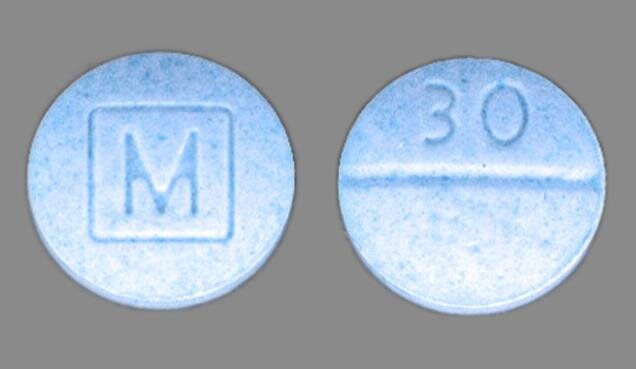
Meanwhile, an even more deadly health crisis continues to spread, drawing relatively little attention from the nation’s media and federal officials. Counterfeit blue pills made with illicit fentanyl are killing Americans from coast to coast.

This week, health officials in California’s Santa Clara County announced that 9 fatal overdoses have been linked to counterfeit oxycodone pills since January, including the recent deaths of a 15 and 16-year old.  

Local law enforcement has seized a large number of the blue tablets, which have an “M” stamped on one side and a “30” on the other side. They are virtually indistinguishable from real oxycodone.

“The extent of circulation of these fake pills is unknown; however, they had been consumed by several of the people who died,” Santa Clara Public Health Director Sara Cody, MD, said in a statement. 

“Many opioid pills, which are made to look like real prescription medications, are now made by counterfeiting organizations. These pills are not prescribed, stolen, or resold by or from verified pharmaceutical companies, and there is no connection between their appearance and their ingredients. Many patients may not be aware of the risks of taking a pill that does not come directly from a pharmacy.”  

Mexican Oxy

The overdoses in Santa Clara County are not an isolated situation. Over 700 miles away, the Yakima County Coroner’s Office in Washington State warned that three recent deaths involved fake oxycodone pills with the same distinctive markings. Yakima is used as a major distribution center by Mexican drug cartels.

"Most of the time it comes from Mexico, but we haven't been able to pinpoint exactly which batch it's from and who is actually dealing it," said Casey Schilperoort, a spokesperson for the Yakima County Sheriff's Office.

Known on the street as “Mexican Oxy,” the pills were also found at the scene of four fatal overdoses near San Diego over the summer.  Ports of entry near San Diego are major transit points for counterfeit oxycodone smuggled in from Mexico. The pills are usually transported in vehicles, often by legal U.S. residents acting as couriers. They sell on the street for $9 to $30 each and have spread across the country.

In February, New York City police announced the seizure of 20,000 fake oxycodone pills. Overdose deaths in New York City are at record levels and fentanyl is involved in over half of them. Fentanyl is a synthetic opioid 50 to 100 times more potent than morphine.

This week federal prosecutors in Cleveland indicted ten people for trafficking in fake oxycodone and other illegal drugs. The leader of the drug ring, Jose Lozano-Leon, allegedly directed operations using a cell phone smuggled into his Ohio prison cell.

Prosecutors say Lozano spoke frequently with the co-defendants and others to arrange drug shipments from Mexico to northeast Ohio. The ring allegedly specialized in counterfeit oxycodone.

"In Ohio and other parts of the country, we are seeing an increase in these blue pills that at first glance appear to be legitimately produced oxycodone, but in fact are laced with fentanyl,” said DEA Special Agent in Charge Keith Martin.

Ironically, the indictments were filed in the same federal courthouse where a major lawsuit against opioid manufacturers and distributors is expected to get underway next month.  

Chronic Pain Accelerates Dementia

By Dr. Lynn Webster, PNN Columnist

In 2017, JAMA Internal Medicine published a study that found older people with chronic pain experience faster declines in memory and are more likely to develop dementia.  While prior research had shown a link between chronic pain and brain damage, this was one of the first studies to specifically suggest that chronic pain can cause dementia.

The authors reported that people aged 60 and over with persistent pain experienced a 9.2% more rapid decline in memory score when compared to people of the same age without chronic pain. This means that people with chronic pain may experience more difficulty in managing their finances, medications and social connections.

Dementia is a chronic condition of the brain that involves memory, personality and judgment. It is not a disease; it is a symptom of one or more diseases.

There are many types of dementia. Alzheimer’s disease is considered to be the most common.

Dementia usually worsens over time if the underlying disease remains static or progresses, as is the case with many chronic pain conditions.

There are an estimated 20 million Americans with high impact (the most severe) chronic pain who may be experiencing accelerated decline in cognition due to their pain. The amount of dementia appears to be associated with the severity and duration of chronic pain. Undertreated or untreated chronic pain may accelerate dementia.

Chronic pain affects an even larger percentage of elderly adults (one in three) than the general population. Since the prevalence of chronic pain increases with age, the probability of experiencing dementia increases as well. However, the reasons for that go beyond aging itself.

Seniors are more likely to take multiple medications that can contribute to mental confusion. On average, elderly people take five or more prescriptions. They may also use over-the-counter medications, which adds to potential drug-associated mental compromise.

Opioids, in particular, have been implicated in cognitive impairment. However, a study published in 2016 suggests there is no difference in cognitive decline between people on opioids and those on nonsteroidal anti-inflammatory drugs. The study's implication is that pain, not opioids, leads to cognitive impairment.

Brain Fog

Chronic pain appears to affect the function and structure of the hippocampus. This is the region of the brain that involves learning, memory, and emotional processing.

One explanation for the mental decline associated with chronic pain is that various areas of the brain compete for attention. Attentional impairment compromises memory by diverting attention to the areas of the brain processing pain. In effect, the brain is multi-tasking and favoring the processing of pain over cognition. This may, in part, explain the clinical phrase “brain fog.”

The Australian Broadcasting Company's "All in the Mind" website explains that pain damages the brain in several ways, including a change in the size of the thalamus and a decrease in the amount of a neurotransmitter (gamma-aminobutyric acid) the brain produces. In other words, chronic pain changes the brain structurally and functionally.

The prefrontal cortex is the part of the brain responsible for executive functions, such as cognition, social behavior, personality, and decision-making. It is also the part of the brain that modulates pain.

According to "All in the Mind," some researchers believe that chronic pain decreases the volume of the prefrontal cortex. Over time, brains damaged by pain lose the ability to handle pain — along with some of the personality attributes that make us who we are.

Brain Damage Can Be Reversed

The good news is that the brain damage caused by chronic pain can be reversed, at least to some extent. Unfortunately, the elderly are less likely to recover from dementia caused by chronic pain as compared with younger patients.

If pain is adequately treated, the brain may be able to regain its ability to function normally. A 2009 study of patients with chronic pain due to hip osteoarthritis showed reversal of brain changes when their pain was adequately treated. 

People who don’t have their acute pain managed are more likely to develop chronic pain. It is postulated that the changes in the brain that occur with chronic pain begin with the onset of acute pain. There is also some evidence that an individual’s genes may influence who is at greatest risk for developing brain damage from chronic pain and who is least likely to recover from it. 

Many people have criticized the concept of assessing pain as the 5th vital sign, and have called it a contributing factor for the opioid crisis. As I have said, pain may not be a vital sign, but it is vital that we assess it. Asking patients about their pain is critical to providing interventions that can mitigate the consequences of undertreated pain, including dementia. 

Lynn R. Webster, MD, is a vice president of scientific affairs for PRA Health Sciences and consults with the pharmaceutical industry. He is author of the award-winning book, The Painful Truth,” and co-producer of the documentary,It Hurts Until You Die.” You can find him on Twitter: @LynnRWebsterMD. 

The information in this column is for informational purposes only and represents the author’s opinions alone. It does not inherently express or reflect the views, opinions and/or positions of Pain News Network.

One in Four Adults in England Take Addictive Meds

By Pat Anson, PNN Editor

Nearly 12 million people – about one in four adults in England -- are taking addictive prescription drugs to treat depression, anxiety, insomnia or chronic pain, according to a new review by Public Health England (PHE).

The review takes a cautionary view on the use of five drug classes – opioids, antidepressants, benzodiazepines, gabapentinoids, and so-called “z-drugs” such as zolpidem, zopiclone and zaleplon.

“The medicines we looked at help to make millions of people every year feel better and recover from their illness. Doctors can prescribe them because there is good evidence that they work, but they do have some risks,” the PHE report found.

Benzodiazepines, z-drugs, opioids and gabapentinoids are associated with dependence and withdrawal, while there’s a risk of withdrawal with antidepressants. When the drugs are taken in combination or in high doses, there is also risk of respiratory depression and overdose.  

About half the patients prescribed the drugs in England had been taking them for at least a year — a sign of dependence. But the report cautions doctors not to abruptly discontinue the drugs and to taper them gradually, if at all.

“There is a view that a sub-population of chronic pain patients can be prescribed long-term opioids at relatively stable doses so that their analgesia and functioning can be maintained with good adherence and tolerable side-effects,” the report found.

“We do not want to put anyone off safely using medicines that could help them. Stopping or limiting the use of medicines could also cause harm, including increasing the risk of suicide or making people try to get medicines or illegal alternatives from less safe sources, such as illegal websites or drug dealers.”

Increasing Use of Antidepressants and Gabapentinoids

Antidepressants were prescribed to about 7.3 million people in England or 17% of the adult population. Opioids were prescribed to 5.6 million patients, followed by gabapentinoids (1.5 million), benzodiazepines (1.4 million) and z-drugs (1 million). Prescriptions for opioids, benzodiazepines and z-drugs are dropping, while the use of antidepressants and gabapentinoids is growing. 

Gabapentinoids such as pregabalin (Lyrica) and gabapentin (Neurontin) were originally developed to treat epilepsy, but the drugs are increasingly prescribed in the UK to treat neuropathy and other types of chronic pain. PHE researchers found only marginal evidence that they are effective for pain and alarming signs that they are being misused. 

“Gabapentinoids have come to be used for a wider range of indications than is supported by the evidence or their licensing, and they have sometimes been prescribed in place of opioids or benzodiazepines in the likely-mistaken belief that they are less liable to misuse or dependence, and lack of awareness of the withdrawal problems that can arise when prescribing is stopped,” the report said. 

Prescriptions for opioids and gabapentinoids were 1.6 times higher in parts of England with more poverty. People in poor areas are also more likely to be prescribed medicines for longer periods. Prescription rates for women are about 1.5 times higher than for men. Prescription rates also increased with age.

DEA Proposes More Cuts in Rx Opioids

By Pat Anson, PNN Editor

For the fourth consecutive year, the U.S. Drug Enforcement Administration is proposing steep cuts in the supply of hydrocodone, oxycodone and three other opioid painkillers classified as Schedule II controlled substances.

In a notice published today in the Federal Register, the DEA proposes to reduce production quotas for hydrocodone by 19 percent and oxycodone by 9 percent in 2020. The supply of hydromorphone, oxymorphone, and fentanyl would also be cut.

“The aggregate production quota set by DEA each calendar year ensures that patients have the medicines they need while also reducing excess production of controlled prescription drugs that can be diverted and misused,” acting DEA Administrator Uttam Dhillon said in a statement.

“DEA takes seriously its obligations to both protect the public from illicit drug trafficking and ensure adequate supplies to meet the legitimate needs of patients and researchers for these substances.”

In setting annual production quotas for controlled substances, DEA considers various factors such as medical need, estimates of retail consumption based on prescriptions, and forecasts from opioid manufacturers. Added to the mix this year is diversion.

The five opioids being cut are subject to special scrutiny under the Substance Use-Disorder Prevention that Promotes Opioid Recovery and Treatment for Patients and Communities Act, known as the SUPPORT Act, which was signed into law by President Trump on October 24, 2018. The law requires DEA to estimate the amount of diversion of the five opioids and “make appropriate quota reductions.”

The agency estimated that 57 kilograms – about 125 pounds – of oxycodone were diverted or stolen in 2018, along with 24 kilograms (53 pounds) of hydrocodone. There was diversion of relatively small amounts of fentanyl, hydromorphone and oxymorphone last year.   

Cuts Began in 2016

The DEA first began cutting the supply of opioids in 2016 during the Obama administration and the trend has accelerated under President Trump, who pledged to reduce the supply of opioids by a third by 2021.

If approved, the 2020 production quotas would amount to a 60 percent decrease in the supply of hydrocodone since 2016 and a 48 percent cut in the supply of oxycodone.

While overdoses involving prescription opioids have been declining, they’ve been offset by a growing number of deaths attributed to illicit fentanyl, heroin and other street drugs. “Mexican Oxy” – counterfeit oxycodone pills laced with fentanyl – are being trafficked throughout the United States and are blamed for overdoses from New York City to San Diego.

In addition to the five opioids, the DEA is setting production quotas on more than 250 Schedule I and II controlled substances. The agency is proposing to increase the amount of marijuana that can be produced for research by almost a third, from 2,450 kilograms in 2019 to 3,200 kilograms -- almost triple what it was in 2018. The increase reflects growing interest in marijuana research.

Public comments on the DEA proposal will be accepted until October 10. To make a comment online, click here. The agency will publish another notice later in the year on its final decision and begin informing drug manufacturers of their quota allotment.

Praying for a Miracle

By Stephanie King, Guest Columnist

Up until May of 2010, everything was pretty easy going as far as my health was concerned. I was a happily married 22-year old and mother of a sweet one-year old boy. Then one fateful afternoon all of that changed.

There was a bad storm that day but we had to pay bills. My family and I ended up hydroplaning off the road and crashing into trees.

Luckily, our son was unharmed and my husband, while it was bad, suffered nothing worse than a broken leg.

I had the worst of the injuries and needed surgery. I broke my right foot in three places and my back in five. One of those breaks was a compression burst fracture, which means that my vertebrae basically exploded from pressure. 

Unfortunately, I also developed MRSA, a severe and dangerous bacterial infection. This meant packing the open, oozing wounds every day. Instead of getting better, the infection spread through my back and within a couple of months turned into sepsis. Two more surgeries and six months later, I was finally infection free.

A few years later, my pain was increasing due to degenerative disc disease and arthropathy, so my pain specialist started pushing epidural steroid injections. I was already on fentanyl and MS Contin, so I figured I would give it a shot. This would be the biggest mistake of my life.

I ended up having about ten injections. The last one caused extreme levels of pain and my body felt strange that night. I refused to get any more after that. 

Not long afterwards, I began developing neurological pain that I wasn't used to. Sometimes it felt like warm water running down my legs. Sometimes it was stabbing and biting sensations. Sometimes it felt like my bones were snapping. I didn't make the connection between the epidural and the nerve pain. I assumed it was a pinched nerve, because my back was so messed up. 

STEPHANIE KING

Then in the fall of 2016, my inner calves began to go numb. The numbness rapidly spread up my legs and into my groin. My GP admitted me into the hospital and I had an MRI done.

That day I heard the words I will never forget, the words that changed my life forever: Adhesive Arachnoiditis.

It was explained to me that this is a disease where scar tissue is engulfing spinal nerves, blocking the flow of spinal cord fluid because of inflammation of the arachnoid lining around the nerves.

The more I learned about Arachnoiditis, the more I realized I was doomed to a lifetime of unrelenting pain, a level of pain some doctors have compared to that of bone cancer. I learned of the possibility of paralysis. I learned how there is no cure, just medication to try to manage the disease symptoms and slow down its spread.

I was devastated but kept pushing on, ignoring the pain as much as possible.

Just over a year later, I learned something else. My birth control had failed. I was pregnant with our daughter. My pain specialist immediately dropped me. My obstetrician panicked and tried to get me in with another pain management doctor due to fear of a miscarriage.

I kept hearing how no one would see someone who was pregnant and not already an established patient at their practice. I was referred to a neurologist, but he told my doctor that there was nothing that he could give me that would be safe during pregnancy.

During my pregnancy, the Arachnoiditis symptoms increased tenfold. The burning in my feet and hands became unbearable. I'm one of the "lucky" Arachnoiditis patients who has scar tissue far enough up their spine to effect my arms and hands as well. I began jerking uncontrollably and developed tremors. I spent most of my pregnancy crying and screaming.

We have a beautiful daughter now! She is so sweet and smart! Unfortunately, my symptoms never subsided. I still don't have a pain management doctor. No pain specialist will see me.

I fear I was red flagged for doctor shopping, even though it was just my obstetrician trying to get me treatment. I have finally started seeing a neurologist but until he has reviewed all of my MRIs, no treatment will be given. I won't see him again for another month.

I live in never-ending pain. I rely on family a lot to help care for my children while my husband works. I have come to realize I have no good options at this point. I can continue on in pain and being a total burden to my family, just becoming more burdensome over time.

I could turn to marijuana but it is illegal in my state. My children could be taken away and I could go to prison. I could commit suicide but that would scar my children and further hurt the rest of my family. I am stuck.   

There are times I pray for death. I pray for the body I once had. I pray I could be the mother and wife I once was. I pray for anything to make it stop, even for just a little while. I pray for a miracle.

Stephanie King lives in Alabama.

Pain News Network invites other readers to share their stories with us. Send them to editor@painnewsnetwork.org. 

The information in this column is for informational purposes only and represents the author’s opinions alone. It does not inherently express or reflect the views, opinions and/or positions of Pain News Network.

Feds Warn CBD Marketers Again

By Pat Anson, PNN Editor

The Federal Trade Commission (FTC) has warned three companies that sell cannabidiol (CBD) oils, tinctures, edibles and other products to stop making claims that CBD can be used to treat pain and other chronic illnesses.

In letters to the companies, which the FTC is not identifying, the agency warned that it is illegal to advertise that a product can prevent, treat or cure illnesses without scientific evidence to support such claims.

One company’s website claims CBD “works like magic” to relieve “even the most agonizing pain.” Another company advertises CBD as a “miracle pain remedy” for both acute and chronic pain, including pain from cancer treatment and arthritis.

The FTC said the third company’s website promotes CBD gummies as highly effective at treating “the root cause of most major degenerative diseases, including arthritis, heart disease, fibromyalgia, cancer, asthma, and a wide spectrum of autoimmune disorders.” The company also claims its CBD creams and oils can relieve arthritis and fibromyalgia pain.

“In the letters, the FTC urges the companies to review all claims made for their products, including consumer testimonials, to ensure they are supported by competent and reliable scientific evidence,” the agency said in a statement.

The letters also warn that selling CBD products without substantiation could violate the FTC Act and may result in legal action. The companies were given 15 days to respond.

In March 2019, the FTC and Food and Drug Administration sent similar warning letters to three companies -- Nutra Pure, PotNetwork Holdings, and Advanced Spine and Pain — for making false and unsubstantiated health claims about a variety of CBD products.

Nutra Pure, which makes a line of hemp oil, now has a lengthy disclaimer on its website stating that its products “have not been evaluated” by the FDA and that they “are not intended to diagnose, prevent, treat, or cure any disease.”

But when we posed as a customer in an online chat with “Kristen,” a NutraPure representative, we were assured that hemp oil can treat pain.  

Customer: “Do your products help treat pain?”

Kristen: “There are numerous studies showing CBD has the ability to provide therapeutic benefits in the treatment of various conditions, including chronic pain, arthritis, anxiety/depression, nausea, epilepsy, fibromyalgia, glaucoma and many other ailments.”

Customer: “Which one of your products helps treat fibromyalgia?”

Kristen: “We recommend starting with our 300 or 600 mg bottle.”

Customer: “Will that help joint pain?”

Kristen: “They are like an all in one type product.”

Customer: “What does that mean?”

Kristen: “One product helps with all types of conditions.”

Customer: “Including pain?”

Kristen: “Yes.”

CBD is a non-psychoactive chemical compound derived from the cannabis plant. Much of it comes from hemp – a less potent strain of marijuana – that was legalized under the 2018 Farm Bill. There are literally thousands of CBD products on the market being sold online and over-the-counter without a prescription, often with dubious claims about their health benefits.

FDA and FTC enforcement actions against CBD marketers are sporadic and have usually only targeted small companies. But an FDA warning letter in July to Curaleaf, a Massachusetts company that sells CBD products nationwide, had an immediate impact on one large retailer. CVS Pharmacy pulled most Curaleaf products from its stores.

Stem Cell Therapy for Lower Back Pain Moves Closer

By A. Rahman Ford, PNN Columnist

There’s good news on the horizon for those who suffer from lower back pain due to disc degeneration.

Mesoblast, an Australian biotech company, has partnered with Grunenthal, a large German pharmaceutical company, to commercialize an investigational stem cell product called MPC-06-ID -- a stem cell formula comprised of mesenchymal cells derived from the bone marrow of healthy volunteers. Mesoblast could receive up to $1 billion from Grunenthal if the treatment is successful.

MPC-06-ID is currently in a Phase III placebo-controlled trial in the U.S. In the trial, millions of stem cells grown in a laboratory are injected into the patients’ degenerated discs with the goal of reducing inflammation and causing the discs to regenerate.

In previous trials, 47% of those who received the injection had a significant reduction in pain 12 months later. The results persisted for three years.

The estimated study completion date for the Phase III trial is March 2021. So, unfortunately, there is a bit of a wait. But Mesoblast is hopeful the study findings will result in FDA approval.

The company is also studying a stem cell product for chronic lower back pain. More on Mesoblast’s products and how they treat back pain can be found here.

What does this mean? First and foremost, it’s great news for people suffering from back pain. This is a population that is woefully underserved by conventional medicine. Limited options include analgesics like opioids, which are increasingly difficult to obtain, and spinal surgery that is costly, often ineffective and can even exacerbate the problem. I have previously written about these issues here.

Clinicians around the country have been using stem cell therapy (SCT) for years to treat back pain and even difficult spinal conditions like arachnoiditis. However, these clinics have been operating under the scythe of potential persecution for using products not approved by the FDA.

Not only has this placed them squarely in the crosshairs of regulatory authorities which issue warning letters and file lawsuits, but it has also subjected them to internet censorship by Google and others.

The Mesoblast-Grunenthal partnership is indicative of the fact that major corporate investment in SCT is increasing -- and that can be a great thing for consumer choice. More and more biotech investors are recognizing that SCT is the future of medicine, especially when it comes to treating conditions caused by chronic inflammation. Forbes reports that the market size of the SCT industry was $8.65 billion in 2018, with a projected annual growth rate of 8.8%.

We saw recent evidence of this trend with Bayer’s acquisition of Bluerock Therapeutics’ and its stem cell treatments for Parkinson’s disease and other chronic illnesses. And Boston-based Vertex Pharmaceuticals recently acquired Semma Therapeutics for $950 million in a bet that its SCT products could cure type 1 diabetes.

Why is the SCT market so robust? Transparency Market Research attributes it to a “rise in consumer awareness.” In other words, people are desperate for relief and looking for new treatments. Suffice it to say, any additional treatment option for those suffering from back pain is more than welcome.

A. Rahman Ford, PhD, is a lawyer and research professional. He is a graduate of Rutgers University and the Howard University School of Law, where he served as Editor-in-Chief of the Howard Law Journal.

Rahman lives with chronic inflammation in his digestive tract and is unable to eat solid food. He has received stem cell treatment in China. 

The information in this column is for informational purposes only and represent the author’s opinions alone. It does not inherently express or reflect the views, opinions and/or positions of Pain News Network.

Fibromyalgia Researchers, It’s Time to Stop Watching the Flowers Grow!

By Donna Gregory Burch

As a fibromyalgia warrior and blogger, I read a lot of articles about new research findings. I continue to be amazed by how much time and money are wasted by researching the obvious or studying the same treatments over and over again.

After all, how many times do we need to prove meditation can reduce fibromyalgia pain? Didn’t we figure that out years ago?

I really thought I’d seen it all until an article entitled, “The Power of Flowers May Ease Fibromyalgia Symptoms,” showed up in my inbox last month.

As I read it, I literally said out loud: “Are you kidding me?”

In case you haven’t read the article, it summarizes a recent Israeli study in which 61 women with fibromyalgia completed a 12-week flower design course presented by a trained florist. At the end of the course, Tel-Aviv University researchers reported “quite amazing” improvements in the women’s fibromyalgia symptoms.

Yep, you read that right: The researchers claim arranging a few daisies and baby’s breath in a vase actually improves fibromyalgia.

Now, I don’t doubt for a minute that flower arranging is relaxing and could have a calming effect on the central nervous system. That, in turn, could lead to a reduction in pain and other fibro symptoms.

But so could watching butterflies or painting rocks.

While I think it’s wonderful researchers are looking at non-pharmaceutical treatments for fibromyalgia, studies like this completely invalidate the seriousness of our condition. These types of studies make it seem like almost anything will fix fibro, and that is just not reality.

Because of the stigma of fibromyalgia, we already struggle to prove to our doctors and loved ones that we’re really sick. What do you think the average person is going to think when they read flower arranging helps fibromyalgia? While I’m sure the researchers had good intentions, this study makes a complete mockery and joke out of an extremely painful, life-sucking condition.

In my mind, I think back to all of those doctors who tried to give me anti-depressants and anti-anxiety medications when I complained about unexplained pain, fatigue, bladder urgency, neuropathy and a long list of other symptoms. The message was clear: “It’s all in your head. You’re just a stressed out, middle-aged woman who needs to chill out.”

What happens when these same doctors read the Israeli study? I can envision them now referring their patients to the nearest community college for classes on cupcake baking and basket-weaving. As if we weren’t frustrated enough with the conventional medical system!

The truth is we don’t need more BS fibromyalgia studies like this one. We need researchers to get serious! We need them to take a deep dive into the minds and bodies of fibromyalgia patients and figure out what causes us to feel like a three-day-old warmed over microwave dinner.

We need real solutions – treatments that get to the root cause of our illness – not a new hobby!

Donna Gregory Burch lives with fibromyalgia and chronic Lyme disease. Donna covers news, treatments, research and practical tips for living with fibromyalgia and Lyme on her blog, FedUpwithFatigue.com. You can also find her on Facebook and Twitter.

Donna is an award-winning journalist whose work has appeared online and in newspapers and magazines throughout Virginia, Delaware and Pennsylvania. She lives in Delaware with her husband and their many fur babies.