Fatigue and Headache Common Symptoms of Long Covid

By Pat Anson, PNN Editor

Fatigue, headache and muscle aches are the most common symptoms reported by people suffering from long covid, according to a comprehensive new study by researchers at the Medical College of Georgia (MCG). Cough, changes in smell and taste, fever, chills and cognitive problems also ranked high on the long list of lingering symptoms from COVID-19.

“There are a lot of symptoms that we did not know early on in the pandemic what to make of them, but now it’s clear there is a long COVID syndrome and that a lot of people are affected,” says lead author Elizabeth Rutkowski, MD, an associate professor of neurology at MCG.

The study findings, published in the journal ScienceDirect, involve the first 200 patients enrolled in the COVID-19 Neurological and Molecular Prospective Cohort Study (CONGA) in Georgia. Participants were recruited on average about four months after testing positive for the COVID-19 virus. Researchers eventually hope to recruit about 500 people for CONGA.

While the findings to date are not surprising and are consistent with what other investigators have learned about long covid, Rutkowski says it was surprising that symptoms initially reported by CONGA participants often didn’t match what further testing found.

For example, the majority of participants reported taste and smell changes, but objective testing of both senses did not always line up with what researchers found. Part of the discrepancy may be a change in the quality of their taste and smell rather than pure impaired ability.

“They eat a chicken sandwich and it tastes like smoke or candles or some weird other thing, but our taste strips are trying to depict specific tastes like salty and sweet,” Rutkowski says.

Eighty percent of the first 200 participants reported neurological problems, with fatigue the most common symptom:

Top Ten Symptoms of Long Covid

  1. Fatigue 68.5%

  2. Headache 66.5%

  3. Muscle aches 57%

  4. Cough 55.5%

  5. Changes in smell 54.5%

  6. Changes in taste 54%

  7. Fever 50%

  8. Chills 48%

  9. Nasal Congestion 47.5%

  10. Poor Appetite 47%

Nearly half the participants (47%) met the criteria for mild cognitive impairment, with 30% demonstrating impaired vocabulary, 32% having impaired working memory, and 21% reporting confusion. Researchers believe these cognitive issues may reflect the long-term isolation many participants experienced during the pandemic.

“You are not doing what you would normally do, like hanging out with your friends, the things that bring most people joy,” Rutkowski says. “On top of that, you may be dealing with physical ailments, lost friends and family members and loss of your job.”

Blacks Disproportionately Affected

Nearly two-thirds of the 200 CONGA participants were female, with an average age of 45. Nearly 40% were African-American. One of the study’s goals is to get a better understanding of how COVID-19 impacts African-Americans, who make up a third of Georgia’s population.

Researchers found that Black participants were disproportionately affected by long covid, with 75% meeting the criteria for mild cognitive impairment, compared to only 23.4% of white participants. Blacks were also more likely to have impaired vocabulary and memory. The findings likely indicate that cognitive tests assess different ethnic groups differently and may overestimate cognitive impairment in disadvantaged populations.

“African American patients appear to score significantly worse on quantitative cognitive testing compared to Non-Hispanic White patients, which likely underscore the disparities in how cognitive tests assess different ethnic groups due to various systemic factors including differences is socioeconomic status, psychosocial factors, and physical health,” researchers said.

Previous studies have found that Black and Hispanic individuals are twice as likely to be hospitalized by COVID-19, and ethnic and racial minorities are more likely to live in areas with higher rates of infection.

‘Cognitive Rehab’ May Help Clear Brain Fog

By Judith Graham, Kaiser Health News

Eight months after falling ill with covid-19, the 73-year-old woman couldn’t remember what her husband had told her a few hours before. She would forget to remove laundry from the dryer at the end of the cycle. She would turn on the tap at a sink and walk away.

Before covid, the woman had been doing bookkeeping for a local business. Now, she couldn’t add single-digit numbers in her head. Was it the earliest stage of dementia, unmasked by covid? No. When a therapist assessed the woman’s cognition, her scores were normal.

What was going on? Like many people who’ve contracted covid, this woman was having difficulty sustaining attention, organizing activities, and multitasking. She complained of brain fog. She didn’t feel like herself.

But this patient was lucky. Jill Jonas, an occupational therapist associated with the Washington University School of Medicine in St. Louis who described her to me, has been providing cognitive rehabilitation to the patient, and she is getting better.

Cognitive rehabilitation is therapy for people whose brains have been injured by concussions, traumatic accidents, strokes, or neurodegenerative conditions such as Parkinson’s disease. It’s a suite of interventions designed to help people recover from brain injuries, if possible, and adapt to ongoing cognitive impairment. Services are typically provided by speech and occupational therapists, neuropsychologists and neurorehabilitation experts.

In a recent development, some medical centers are offering cognitive rehabilitation to patients with long covid, who have symptoms that persist several months or longer after the initial infection. According to the Centers for Disease Control and Prevention, about 1 in 4 older adults who survive covid have at least one persistent symptom.

“Anecdotally, we’re seeing a good number of people make significant gains with the right kinds of interventions,” said Monique Tremaine, director of neuropsychology and cognitive rehabilitation at Hackensack Meridian Health’s JFK Johnson Rehabilitation Institute in New Jersey.

Among the post-covid cognitive complaints being addressed are problems with attention, language, information processing, memory, and visual-spatial orientation. A recent review in JAMA Psychiatry found that up to 47% of patients hospitalized in intensive care with covid developed problems of this sort.

Seniors More Vulnerable

There’s emerging evidence that seniors are more likely to experience cognitive challenges post-covid than younger people — a vulnerability attributed, in part, to older adults’ propensity to have other medical conditions. Cognitive challenges arise because of small blood clots, chronic inflammation, abnormal immune responses, brain injuries such as strokes and hemorrhages, viral persistence, and neurodegeneration triggered by covid.

Getting help starts with an assessment by a rehabilitation professional to pinpoint cognitive tasks that need attention and determine the severity of a person’s difficulties. One person may need help finding words while speaking, for instance, while another may need help with planning and yet another may not be processing information efficiently. Several deficits may be present at the same time.

Next comes an effort to understand how patients’ cognitive issues affect their daily lives. Among the questions that therapists will ask, according to Jason Smith, a rehabilitation psychologist at the University of Texas Southwestern Medical Center in Dallas: “Is this showing up at work? At home? Somewhere else? Which activities are being affected? What’s most important to you and what do you want to work on?”

To try to restore brain circuits that have been damaged, patients may be prescribed a series of repetitive exercises. If attention is the issue, for instance, a therapist might tap a finger on the table once or twice and ask a patient to do the same, repeating it multiple times. This type of intervention is known as restorative cognitive rehabilitation.

“It isn’t easy because it’s so monotonous and someone can easily lose attentional focus,” said Joe Giacino, a professor of physical medicine and rehabilitation at Harvard Medical School. “But it’s a kind of muscle building for the brain.”

A therapist might then ask the patient to do two things at once: repeat the tapping task while answering questions about their personal background, for instance.

“Now the brain has to split attention — a much more demanding task — and you’re building connections where they can be built,” Giacino explained.

To address impairments that interfere with people’s daily lives, a therapist will work on practical strategies with patients. Examples include making lists, setting alarms or reminders, breaking down tasks into steps, balancing activity with rest, figuring out how to conserve energy, and learning how to slow down and assess what needs to be done before taking action.

A growing body of evidence shows that “older adults can learn to use these strategies and that it does, in fact, enhance their everyday life,” said Alyssa Lanzi, a research assistant professor who studies cognitive rehabilitation at the University of Delaware.

Along the way, patients and therapists discuss what worked well and what didn’t, and practice useful skills, such as using calendars or notebooks as memory aids.

“As patients become more aware of where difficulties occur and why, they can prepare for them and they start seeing improvement,” said Lyana Kardanova Frantz, a speech therapist at Johns Hopkins University. “A lot of my patients say, ‘I had no idea this could be so helpful.’”

Johns Hopkins has been conducting neuropsychiatric exams on patients who come to its post-covid clinic. About 67% have mild to moderate cognitive dysfunction at least three months after being infected, said Dr. Alba Miranda Azola, co-director of Johns Hopkins’ Post-Acute COVID-19 Team. When cognitive rehabilitation is recommended, patients usually meet with therapists once or twice a week for two to three months.

Before this kind of therapy can be tried, other problems may need to be addressed. “We want to make sure that people are sleeping enough, maintaining their nutrition and hydration, and getting physical exercise that maintains blood flow and oxygenation to the brain,” Frantz said. “All of those impact our cognitive function and communication.”

Depression and anxiety — common companions for people who are seriously ill or disabled — also need attention. “A lot of times when people are struggling to manage deficits, they’re focusing on what they were able to do in the past and really mourning that loss of efficiency,” Tremaine said. “There’s a large psychological component as well that needs to be managed.”

Medicare usually covers cognitive rehabilitation, but Medicare Advantage plans may differ in the type and length of therapy they’ll approve and how much they’ll reimburse providers — an issue that can affect access to care.

Still, Tremaine noted, “not a lot of people know about cognitive rehabilitation or understand what it does, and it remains underutilized.” She and other experts don’t recommend digital brain-training programs marketed to consumers as a substitute for practitioner-led cognitive rehabilitation because of the lack of individualized assessment, feedback, and coaching.

Also, experts warn, while cognitive rehabilitation can help people with mild cognitive impairment, it’s not appropriate for people who have advanced dementia.

If you’re noticing cognitive changes of concern, ask for a referral from your primary care physician to an occupational or speech therapist, said Erin Foster, an associate professor of occupational therapy, neurology, and psychiatry at Washington University School of Medicine in St. Louis. Be sure to ask therapists if they have experience addressing memory and thinking issues in daily life, she recommended.

“If there’s a medical center in your area with a rehabilitation department, get in touch with them and ask for a referral to cognitive rehabilitation,” said Smith, of UT Southwestern Medical Center. “The professional discipline that helps the most with cognitive rehabilitation is going to be rehabilitation medicine.”

Kaiser Health News is a national newsroom that produces in-depth journalism about health issues.

A Pained Life: The Blame Game

By Carol Levy, PNN Columnist

Do you ever second guess yourself or play the blame game?  I did it again when I found myself doing too much.

While reading, my eye pain from trigeminal neuralgia started to grow and I thought, “Oh heck, I can do one more page.” And with each additional page, I repeated what has become a mantra: “It's okay. I can do it.”  

But of course, I can't. Not without paying a price. 

I finished most of what I wanted to do, my eye pain constantly telling and then yelling at me, “Stop already!”  

By the time I gave in and stopped, the level of pain was exquisite. I had no choice but to go to straight to bed, and try not to move my eyes for 15 minutes, if I was lucky, or an hour or more if I was not 

I do the same when going outside. I know a breeze, or even worse the wind, will again trigger the pain from trigeminal neuralgia. Any touch to the affected side of my face does. But I so much want to go outside.  

“Oh, the wind doesn't look that bad,” I’ll say to myself as I watch the tree in my backyard swaying from the strength of the wind against it. I go outside, the pain is triggered and I scurry back inside as fast as I can, then wait the 15 minutes to an hour before the pain calms down.   

The whole time I lie there and self-flagellate: “I knew to stop, but heaven forbid I should do what I know is right. I knew better. It serves me right.” And so on. 

Most people do this kind of thing. “I knew I shouldn't have eaten that last slice of cake, this stomach ache serves me right.” or “I knew I shouldn't have made that right turn back there and now I'm lost.”  

It's normal, for everyone but us. Because our lives stopped being “normal” the moment the pain took over. For me, “normal” meant reading for as long as I wanted, even for hours at a time; watching a movie and enjoying the brightness and movements on the screen; walking outside even when the wind is strong; or enjoying the feel of snowflakes falling on my face.  

My “normal” for the last few decades has been the exact opposite. 

We can't blame ourselves when normal doesn't work for us anymore. Our “new normal” is stopping before the pain gets too bad, being honest and saying, “I'm sorry. I can't do that activity or go with you today.” 

To me, my new normal is an awful thing, but the longer I try to deny it, to hold on to my old normal, the harder it is to accept. And it seems there is no time limit for how long you can hold onto the false hope that the old normal will return.  

The irony is that the word normal means “standard,” yet everyone's normal is defined by their own peculiar standards and needs. So, at the end of the day, there is no true normal for anyone but the one measured by their own internal yardstick.

Carol Jay Levy has lived with trigeminal neuralgia, a chronic facial pain disorder, for over 30 years. She is the author of “A Pained Life, A Chronic Pain Journey.”  Carol is the moderator of the Facebook support group “Women in Pain Awareness.” Her blog “The Pained Life” can be found here.

Physical Therapy Reduces Healthcare Costs for Low Back Pain

By Pat Anson, PNN Editor

Almost everyone suffers from low back pain at some point in their lives. Most recover in a few days, but for some the pain lingers and become chronic, making low back pain the world’s leading cause of disability.  

Why are some people able to recover quickly from low back pain?

For many, the answer may be early treatment with physical therapy (PT), according to a new study by researchers at Johns Hopkins Medicine.   

“Our goal was to determine if early PT for patients with lower back pain had an impact on their overall health care resource utilization,” says senior author Richard Skolasky Jr., ScD, director of the Johns Hopkins Spine Outcomes Research Center. “We were especially curious about the 30 days after initial symptom onset, as this is when patients are most likely to seek care.” 

Skolasky and his colleagues analyzed healthcare data from 2010 to 2014 for nearly a million U.S. adults with acute low back pain, excluding those suffering from serious disorders such as arthritis or spinal cord injuries. About 10% of the patients received early treatment with physical therapy.

The study findings, recently published by BMC Health Services Research, showed that patients getting early PT were significantly less likely to see a chiropractor, orthopedic surgeon or pain specialist after 30 days than those who did not get physical therapy. They were also less likely to get advanced imaging, epidural steroid injections or to visit an emergency room.

Researchers estimate that healthcare costs for a typical patient getting early PT was about $500 less over 30 days than those not receiving physical therapy.

Another key finding from the study was significant geographical differences in the use of physical therapy. Patients in the West (16%) and Northeast (15%) were nearly twice as likely to get early PT than those in the Midwest (9.4%) and South (8.6%). The authors offered no explanation for why treatment patterns varied so much by region.

The study did not specifically examine whether physical therapy benefits patients with low back pain more than other forms of treatment, but the findings suggest that they did. Researchers say health outcomes should be examined more closely in future studies.

“As the U.S. population ages, the prevalence of lower back pain is expected to increase, along with the associated costs of treating it,” says Skolasky. “Furthermore, with advances in imaging and treatments, the cost of managing lower back pain has increased substantially. Our findings have important implications that may guide health care policy when examining downstream health care costs and resource utilization.” 

Previous studies have found that physical therapy and regular exercise significantly reduces low back pain. Other studies also found little evidence to support the use of opioids, spinal injections and acetaminophen for low back pain.  

Lyme Disease Cases Soar in U.S.  

By Pat Anson, PNN Editor

Diagnoses of Lyme disease in the United States have soared over the past 15 years, primarily in rural areas in the Northeast, according to a new analysis of private insurance claims by FAIR Health, a nonprofit that tracks healthcare costs and insurance trends.   

Lyme disease is a bacterial illness spread by ticks. Left untreated, it can lead to chronic fatigue, muscle and joint pain, cognitive issues and other long-term symptoms that are often misdiagnosed as fibromyalgia, neuropathy or autoimmune disorders.

In its analysis of over 36 billion insurance claims from 2007 to 2021, FAIR Health said that claims with a Lyme disease diagnosis rose 357 percent in rural areas and 65 percent in urban areas. The highest rates of Lyme disease were in New Jersey, Vermont, Maine, Rhode Island and Connecticut.

“Lyme disease remains a growing public health concern. FAIR Health will continue to use its repository of claims data to provide actionable and relevant insights to healthcare stakeholders seeking to better understand the ongoing rise of Lyme disease cases,” FAIR Health President Robin Gelburd said in a press release.

The FAIR Health study found that malaise, fatigue and soft-tissue-related symptoms were significantly more common in Lyme patients than in the overall patient population.

Other early symptoms of Lyme disease include fever, chills, headache, and swollen lymph nodes. A delayed rash often appears at the site of the tick bite. The rash grows in size and sometimes resembles a bulls-eye.

Although Lyme disease is treatable with antibiotics, some patients develop long-term symptoms known as Lyme disease syndrome or chronic Lyme disease.

About 30,000 Lyme cases are reported annually by state health departments. The CDC estimates the actual number of cases is probably much higher and that about 300,000 Americans may become infected every year.

Most reported cases of Lyme disease occur in the Northeast, mid-Atlantic and upper Midwest, especially during the summer months when more people spend time outdoors. Recent studies show Lyme is spreading to neighboring states and is no longer just a seasonal disease, possibly due to the effects of climate change.

Epidural Shortages Impacting Pain Management Worldwide

By Pat Anson, PNN Editor

Global shortages of epidural catheters and contrast dye used in medical imaging are forcing some healthcare providers to ration or postpone epidural procedures, which are commonly used to relieve back pain, labor pain and as spinal anesthesia for some surgeries.

At present, most of the catheter shortages are being reported by hospitals in Canada, with anecdotal reports of shortages in the United States. Epidural catheters are thin plastic tubes that are inserted into the lower back by a needle to allow physicians to deliver steroids and other pain medications to the spinal area.

Health Canada last week added Flex-Tip epidural catheterization kits to its list of medical device shortages. The shortage began on July 18 and is expected to continue until the end of the year. The epidural kits are made by Arrow International of Pennsylvania, which did not respond to a PNN request for comment.

The Vice-President of the Canadian Anesthesiologists’ Society said most of the shortages are in western Canada, and that healthcare providers are frustrated by a lack of information from catheter manufacturers and Health Canada.

“If the shortage is global, maybe it wouldn’t make a difference. But I do think that on the communication side, on the supply-chain side and the protocols that exist, there’s room for improvement,” Dr. Lucie Filteau told The Canadian Press. “We thought there were just isolated little pockets, and people started to become aware that it was more widespread.”

In May, an international supplier of epidural kits in the UK announced a disruption to its supply due to shortages of a blue dye used in tubing. The disruption was projected to last until July, but appears to be ongoing. Australia’s Therapeutic Goods Administration recently issued an alert warning of “temporary supply issues affecting popular brands of epidural kits in overseas markets.”

“We have anecdotally heard of shortages,” a spokesperson for the American Society of Anesthesiologists told PNN when asked about catheter shortages in the U.S. The organization was planning to survey its members to get a better idea of the extent of the problem. The U.S. Food and Drug Administration does not currently have epidural catheters on its list of medical device shortages.

Epidurals are widely used in the U.S. and Canada to relieve pain during labor and cesarean sections. The injections numb the lower part of the body, allowing expectant mothers to remain awake during child birth. Nitrous oxide – more commonly known as laughing gas – can be used as an alternative to epidurals.

In addition to treating labor pain, epidural injections are widely used for back pain. About 9 million epidural steroid injections are performed annually in the U.S., even though they are not FDA-approved. The FDA has warned that injection of steroids into the epidural space can result in rare but serious neurological problems, including loss of vision, stroke and paralysis.

Meanwhile, a global shortage of contrast dyes that began in April due to COVID-related supply chain disruptions in China appears to be easing. Contrast dyes — also known as imaging agents — play a vital role in epidural procedures because they help providers “see” where a needle is being placed. Even a minor mistake could lead to permanent damage to the spinal cord.

Australian health officials said last week the supply of imaging agents was improving, but that normal supplies are “not likely to resume before the end of 2022.” They urged providers to continue conserving contrast agents and to postpone imaging that was not urgent.

Gut Bacteria Identified as Cause of IBS

By Pat Anson, PNN Editor

Canadian researchers have identified one of the primary causes of Irritable Bowel Syndrome (IBS), a frustrating intestinal condition that causes abdominal pain, cramps, bloating, gas and diarrhea.

The culprit appears to be Klebsiella aerogenes, a strain of bacteria that causes white blood cells to produce excess amounts of histamine, a chemical that triggers a painful immune system response. Gut bacteria have long been suspected as a likely cause of IBS, but this is the first time a specific bacterial strain has been identified.  

Researchers at McMaster University and Queen’s University studied stool samples from both Canadian and American IBS patients, and found Klebsiella aerogenes in about 25 percent of them.

“We followed up these patients for several months and found high levels of stool histamine at the time when the patients reported severe pain, and low stool histamine when they were pain-free,” said senior author Premysl Bercik, MD, a gastroenterologist and professor at McMaster’s Michael G. DeGroote School of Medicine.

Further tests on laboratory mice that were colonized with gut microbes from IBS patients showed that several types of bacteria produced histamine, but Klebsiella aerogenes was a “super-producer.” The chemical is produced when histidine, an essential amino acid in animal and plant protein, is converted into histamine, triggering pain and inflammation.

“Now that we know how the histamine is produced in the gut, we can identify and develop therapies that target the histamine producing bacteria,” said first author Giada de Palma, an assistant professor of medicine at McMaster.

Researchers found that when mice colonized with histamine producing bacteria were fed a diet low in carbohydrates, histamine production dramatically decreased. That would explain the benefits of diets low in carbohydrates and high in dietary fiber, which are often recommended to IBS patients. Allergy medications that block histamine production may also be useful in treating IBS.

“Many but not all IBS patients will benefit from therapies targeting this histamine driven pathway,” said co-first author David Reed, assistant professor of medicine at Queen’s University.

The McMaster-Queens study was funded by the Canadian Institutes of Health Research and published in the journal Science Translational Medicine.

Waiting and Wanting to Die in Canada

By Ann Marie Gaudon, PNN Columnist

RIP Margaret Bristow October 23, 1959 – August 10, 2022

No, that’s not a typo. My friend Maggie will be dying in a few days, on August 10 to be exact.

Confused? I am trying to make sense of this, too.

One night a few months ago, I was hurting. Oh, my goodness was I hurting! I was lying in bed and decided to do a quick body scan.

I began with my head. I had a throbbing headache, which I suspect was a result of fairly severe TMJ. It felt like my jaw was locked solid, which is terrifically painful, and my tongue was burning as well.

I also was suffering with tinnitus that night, which is typically accompanied by severe ear pain. I also felt gastroesophageal reflux burning a fiery hole in my gut.

Next up was a severe back injury from 2017, which was irritated and oh boy did that ever hurt! Down I went to my bladder, which was burning from an interstitial cystitis flare. Pudendal neuralgia had nerve pain radiating from my sacrum down both legs and into both hips. Osteoarthritis had my hips, knees, legs and ankles throbbing.

Finally, both feet felt like I had knives stabbing into them over and over, as I now have plantar fasciitis to add to my list of pain conditions. What a state I was in. Neuropathic pain, visceral pain, and musculoskeletal pain -- all in a rage.

Nine different pains in total that night, which is not at all typical for me. I had nowhere to put this earthly body for more comfort. Sitting or lying on my back increased the pudendal neuralgia; lying on my side increased my ear and hip pain; lying on my stomach was painful for my neck; and standing increased the plantar fasciitis.

I had nowhere to go, so I lay there quite still. In case you are wondering, yes, I have medications and I took them all. I also took everything OTC that I had in the house. It didn’t seem to make any difference; the pain was surging and the medications were no match for it.

I thought to myself that if this were to become permanent, I would surely not survive it. My problem-solving brain told me the only way out would be the release of death. If nothing could tame all of these pains, what choice would I have? I couldn’t work like this and I couldn’t engage in relationships like this.  I could barely string together two sentences in my head.

I could not function in any capacity, so I lay there quite still, trying my best to be with the pain, but not overtaken by it. In that one horrible night, I understood why my sweet friend had chosen to die on August 10, 2022.

‘I Would Rather Have My Medication Back’

Maggie Bristow has been in chronic pain for over 25 years from fibromyalgia, degenerative disc disease, spinal stenosis and arthritis. Her pain became so severe that she was given opiate medication, which she took for many years. By 2016, the Ottawa woman felt the medication was not working very well, because her pain was increasing.

Already feeling pressured to reduce his prescribing, her pain physician took her off opiates and tried many other types of treatment, but nothing worked. He told her there was nothing else left to try.

To this day I do not fully understand this part of Maggie’s story. Was she properly titrated on opiate medications? Were they combined with something else? What about novel approaches like opiates placed in the spinal fluid? I will never know. I do know that Maggie felt she was out of options.

“My body constantly feels like a blow torch has been taken to it. I’ve not been able to sleep in a horizontal position for 20 years and I am housebound due to the intense pain,” Maggie told me.

“Simple tasks like opening the mail, preparing food and maintaining good hygiene are agonizing, monumental tasks. I would rather have my medication back or be allowed to die peacefully.”

With her pain increasing, Maggie just wanted it to stop. That year she applied for assisted death under Canada’s Medical Assistance in Dying law (MAID), and was flatly denied because she did not meet the criterion that a natural death be “reasonably foreseeable."

MAGGIE AND HER LATE PARTNER, BRIAN

Maggie persevered and once again in 2019 applied for MAID. For the second time, she received a phone call telling her that her request had been denied. She felt very deflated, upset and confused.

Quality of life continued to worsen for Maggie and she waited patiently for new legislation to pass last year amending the MAID law, which removed the criterion that “death was foreseeable.”

When she applied for a third time, the MAID physician requested a new MRI, a second opinion from another neurologist, and someone to give her opiate pain medication. Maggie was dumbfounded at this third request, because she was searching for five years for opiates to no avail. She chose to ignore that, and responded to the other two requests which showed results that her spine was “totally inoperable.”

Weeks and months dragged on for Maggie. Finally, a call came from her general practitioner who told her that the MAID physician advised that she tried to contact Maggie with no success. Maggie said that was nonsense because she is housebound and never heard from her. The truth was that the MAID physician was not comfortable signing off on her case.

Part of the policy for MAID is that if a doctor is unwilling to help you, they must refer you to another doctor who will provide service for you. This however did not happen. Maggie was left hanging and extremely put out for all the time wasted when she could have been researching other avenues. She was now desperate.

A phone call took place to provincial MAID, with Maggie telling them that the Ottawa MAID declined her request. What were her options? They told her they would just refer her back to Ottawa. Really? Maggie was now quite angry and she called her GP, who reached someone else in the organization and found a MAID physician in Toronto who would help her to die.

This is where I go off the rails. A doctor will not help you get opiate medication, but will help you die? This was not the Canada that I was born into.

The MAID physician in Toronto reached Maggie via video conference and after her assessment said she would sign off immediately on her request. Maggie felt good about this but also knew that it takes two doctors to sign off for your peaceful death to happen.

Time dragged on again. The GP called her contact to ask what was happening and soon another video conference with a second MAID physician took place. This physician did not give Maggie any indication of what the decision was. Weeks later, Maggie received a call from the first doctor, who told her that her application was approved.

They would indeed help her to die as per her wishes, on August 10, 2022 at approximately 2:00 pm. They will have a long drive to get there, but Maggie’s sister will be with her. Afterwards, her organs will be harvested for donation and her body will be shipped back to Ottawa for cremation.   

Maggie blames Health Canada for the many problems she and other Canadian patients in severe pain have getting opiate medication.

“People like me, and there are many of us, continue to suffer. Suicide is our only option. This is a level of cruelty that is very difficult to fathom and really has to stop,” she said.

The world will be losing a gem on August 10. Maggie is a warrior woman for all that she has endured. She is a survivor through and through. I have seen grace, generosity of spirit, love, and even a sense of humor through all of this.

Is Maggie beyond treatment without a doubt? I will wonder about that for the rest of my life as I remember my sweet friend and all that she embodied.

Maggie’s partner Brian, the love of her life, passed in 2008. She will be survived by two children and five grandchildren.

Ann Marie Gaudon is a registered social worker and psychotherapist in the Waterloo region of Ontario, Canada with a specialty in chronic pain management.  She has been a chronic pain patient for over 30 years and works part-time as her health allows. For more information about Ann Marie's counseling services, visit her website. 

If you are in crisis and live in Canada, help is available by calling the Canada Suicide Prevention Service at 833-456-4566. If you live in the US, help is available by calling the 988 Suicide & Crisis Lifeline (formerly know as the National Suicide Prevention Lifeline) at 988 or 1-800-273-8255 (TALK). You can also call 911 for immediate help.

‘No Pain, No Gain’ Approach Helps People With Peripheral Artery Disease

By Pat Anson, PNN Editor

“No pain, no gain” is a phrase that caught on in the 1980’s when fitness videos promoting aerobic exercise became popular. Most doctors today will say that’s bad advice, because physical pain during exercise could be a sign of a serious injury or health problem. Pain is your body’s way of warning you that something is wrong.  

But it turns out that pain and discomfort while walking for exercise may actually be a good thing for people with peripheral artery disease – PAD for short – a condition that occurs when arteries become narrow or clogged, reducing the flow of blood and oxygen throughout the body.

In a new study published in the Journal of the American Heart Association, researchers reported that people with PAD who experienced cramping, soreness, fatigue and other ischemic leg symptoms while walking may actually benefit from the pain.

“We were surprised by the results because walking for exercise at a pace that induces pain in the legs among people with PAD has been thought to be associated with damage to leg muscles,” said senior author Mary McDermott, MD, an Internal Medicine and Geriatric Professor at Northwestern University’s Feinberg School of Medicine. “Based on these results, clinicians should advise patients to walk for exercise at a pace that induces leg discomfort, instead of at a comfortable pace without pain.”

McDermott and her colleagues followed 264 mostly elderly people with PAD for 12 months, randomly assigning them to one of three groups. The first group walked at home at a comfortable pace; the second group walked at a faster pace that induced ischemic leg symptoms; and the third group did not walk for exercise.

Participants who walked were asked to exercise 5 days per week for up to 50 minutes, while wearing an ActiGraph, a device that monitored the intensity and duration of their walking.

After six months, researchers found that people who walked at a pace that induced ischemic leg symptoms walked significantly faster in daily life than those who did not exercise or walked at a comfortable pace without leg symptoms. They also performed better on a physical performance test that assessed their speed, strength and balance. The findings were similar after 12 months.

“This finding is consistent with ‘no pain, no gain’ with regard to walking exercise in PAD,” McDermott said in a press release. “Exercise that induces leg pain is beneficial, though difficult.

“We now are working to identify interventions that can make the higher intensity exercise easier -- and still beneficial -- for people with PAD.”

Between 8 and 10 million people in the United States have PAD. The condition disproportionately affects African-Americans, Native Americans and those with low socioeconomic status.

Previous research found that walking for exercise improves walking ability and walking distance for people with PAD. What remained unclear, until now, were the potential effects of walking at a pace that induced symptoms such as leg pain.

The American Heart Association and 24 other organizations recently launched the PAD National Action Plan, a guide to assist in the prevention of PAD complications, reduce cardiovascular risk, and improve quality of life for those living with the disease.

“PAD is a lifelong medical condition, but people with PAD can lead active and long lives,” said Joshua Beckman, MD, professor of medicine at Vanderbilt University. “If you notice walking is becoming more difficult, keeping up with others is hard, or you have pain when you walk, talk with a doctor and describe when it happens and how it feels.” 

A recent study found that walking for exercise is also beneficial for people with osteoarthritis, who experienced 40% less knee pain than non-walkers.

Electromedical Treatments for Arachnoiditis

By Dr. Forest Tennant, PNN Columnist  

Adhesive Arachnoiditis (AA) is an inflammatory, nerve root entrapment disease in which cauda equina nerve roots are glued by adhesions to the arachnoid-dural covering of the spinal canal. An inflamed tumor-like mass is formed inside the spinal canal that blocks spinal fluid flow, allows seepage of fluid into tissue outside the spinal canal and shuts off electrical impulses that activate the legs, feet, bladder, intestine and sex organs. Autoimmunity is produced and/or magnified by AA. 

We highly recommend a three-component protocol for AA to reduce inflammation and autoimmunity, regenerate damaged tissue and to provide pain control. Recent advances in electromedical therapies can help achieve these three goals. 

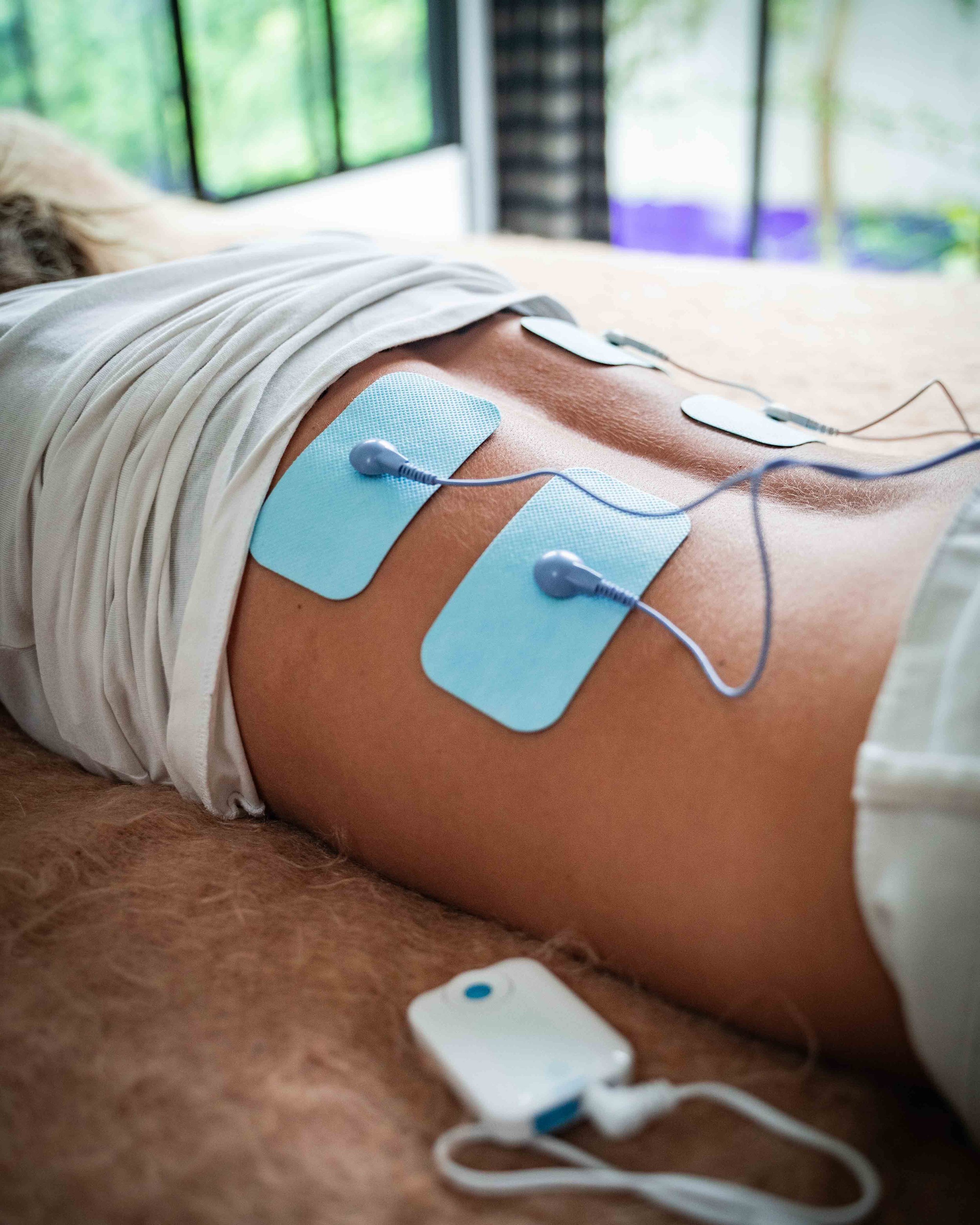
There are two basic types of electromedical devices available for AA treatment: electric current therapy (EC) and electromagnetic therapy (EM). 

Electric Current Therapy 

Almost everyone is familiar with “TENS” units, which stands for “transcutaneous electrical nerve stimulation.” These devices were the first electromedical therapies to relieve pain and promote healing.

TENS units deliver a single electric current into tissues to produce an anesthetic, pain relieving effect.  

Today, more advanced EC devices administer micro-currents and/or a combination of multiple currents with different frequencies. 

Electromagnetic Therapy 

There is a form of energy that is half electricity and half magnetism, which can be divided into wave lengths. The very shortest wave of electromagnetic energy is “atomic” and the longest is “radio.” The shortest wave used in medicine is “laser.” Other electromagnetic energy waves used for medical purposes include infrared, light and microwave. 

EC and EM devices, when placed over the lower back, deliver electric current or electromagnetic energy to the lumbar-sacral spinal canal and the spine’s surrounding tissue.

Modern devices use intermittent pulsation of electric currents or electromagnetic energy to penetrate the skin and subcutaneous tissue to reach the AA site, which is usually about 2-3 inches below the skin.  

Some devices use the label PEMF, which stands for “pulsed electromagnetic frequency.” We believe that the newer EC and EM devices can deliver electric currents or electromagnetic energy that, when pulsed, penetrate deep enough to reach the AA disease site. 

Although not totally curative, these devices usually bring about pain reduction in the 20 to 30% range. Within an individual’s financial capability, we recommend that an EC and/or EM device be used 2 to 3 times a week (not daily). EC and EM therapy are not substitutes for a medical protocol. 

EM and EC devices often produce some initial healing, but later seem to stop working. In this situation the device may have done its maximal healing. The devices can still be used periodically to prevent relapses and treat flares. 

Forest Tennant, MD, DrPH, is retired from clinical practice but continues his research on the treatment of intractable pain and arachnoiditis. This column is adapted from a bulletin recently issued by the Arachnoiditis Research and Education Project. Readers interested in subscribing to the bulletins should click here.

Dr. Tennant’s new book, "Clinical Diagnosis and Treatment of Adhesive Arachnoiditis” is available on Amazon. 

The Tennant Foundation gives financial support to Pain News Network and sponsors PNN’s Patient Resources section.   

More Canadians Using Cannabis for Pain Relief  

By Pat Anson, PNN Editor

Chronic pain sufferers in the United States and Canada are increasingly turning to cannabis for pain relief. The latest evidence of that is a large survey of people in pain in Quebec, Canada.

Of the 1,344 participants who answered questions about their cannabis use, nearly a third (30.1%) said they used cannabis for pain management, far more than those who used it for other health conditions (9.1%) or for recreational purposes (12.7%).

The online survey was conducted in 2019, a few months after recreational cannabis was legalized in Canada in October, 2018.  Prior to full legalization, cannabis use by Canadians living with chronic pain was estimated at 10% or less.

“Based on studies conducted before the legalization of recreational cannabis, the prevalence of cannabis use estimated in the present study indicates a threefold increase in reported usage,” researchers reported. “Because people living with CP (chronic pain) have reported using even more cannabis during the first wave of the COVID-19 pandemic, it seems reasonable to expect the prevalence to be even higher today. Our results suggest that cannabis is a common treatment reported by people living with CP and underscore the importance of rapidly generating more evidence on the safety and efficacy of cannabis.”

The survey findings, recently published in the Canadian Journal of Pain, show that pain sufferers under the age of 26 were most likely to use cannabis (36.5%), while those aged 74 and older were least likely (8.8%). Three out of four respondents reported living with pain for at least 5 years. Over two-thirds (67.7%) said they had moderate to severe pain.

A 2021 Harris Poll found that twice as many Americans are using cannabis or CBD to manage their pain than opioid medication. Over-the-counter pain relievers were used by over half (53%) of those surveyed, followed by cannabis products (16%), non-opioid pain relievers (11%) and opioids (8%). Two-thirds of Americans with chronic pain (66%) said they had changed their pain management since the pandemic began, and were using more OTC pain relievers and cannabis products.

Neither the Harris or Canadian surveys specifically asked respondents if they were using cannabis for pain relief because opioids were harder to obtain. Opioid prescribing in the U.S. and Canada has declined significantly in the past decade due to more restrictive medical guidelines and fears about abuse.

Early Use of Methotrexate Slows Rheumatoid Arthritis

By Pat Anson, PNN Editor

Early treatment with methotrexate can significantly reduce joint pain and inflammation in patients showing early signs of rheumatoid arthritis (RA), according to a new study by Dutch researchers.

First used as a chemotherapy treatment because it prevents cancer cells from dividing, methotrexate became a first-line therapy for RA in the 1980’s because it also acts as an immune system inhibitor. RA is a chronic autoimmune disease in which the body’s own defenses attack joint tissues, causing pain, swelling, inflammation and bone erosion. 

Treatment with methotrexate usually isn’t initiated until RA is diagnosed, but researchers at Leiden University Medical Centre (LUMC) in the Netherlands found that early treatment of patients in the "pre-rheumatic phase" helped slow progression of the disease.

"At present, methotrexate is only prescribed to the patient following a rheumatoid arthritis diagnosis," said lead author Annette van der Helm, PhD, Professor of Rheumatology at LUMC. "But that is too late. By then, the disease is already considered chronic."

Van der Helm and her colleagues enrolled 236 patients who had joint pain and inflammation that could be seen on an MRI. Although RA was suspected, it was not yet confirmed. Half the patients were treated with methotrexate and the other half with a placebo. The effects of the treatments were assessed a year later.

The study findings, published in The Lancet, show that early treatment with methotrexate did not prevent the development of RA, but the diagnosis was delayed. Patients in the methotrexate group also had less pain and morning stiffness than those treated with a placebo. Their physical function was also better and their MRI scans showed less joint inflammation.

"This is an important step towards reducing disease burden for this group of patients," says Van der Helm. "This chronic disease is extremely burdensome to patients and their families. Our study is paving the way toward arthritis prevention."

In 2019, over a million people were prescribed methotrexate in the United States, where it is approved as a treatment for RA, psoriasis and cancer. The drug is also used “off-label” for lupus, migraine, multiple sclerosis, Crohn’s Disease and other autoimmune problems.   

‘Abortion-Inducing Drug’

Ironically, the Dutch study comes at a time when some female patients in the U.S. are losing access to methotrexate because the drug can cause miscarriages and be used to end ectopic pregnancies. After last month’s Supreme Court ruling that overturned Roe vs. Wade, over half the states enacted or implemented abortion limits, including some that specifically list methotrexate as an “abortion-inducing drug.”  

Although the state laws don’t prohibit methotrexate from being used for other purposes, some doctors, pharmacies and insurers have become cautious about prescribing or dispensing the drug. The Arthritis Foundation has heard from several women who’ve had trouble getting methotrexate, including some beyond childbearing age.

“Some of the stories we’ve gotten in are of women who are over the age of 50 — they are past their reproductive years — and they’re still being asked really invasive questions and having roadblocks thrown up,” Dr. Anna Hyde of the Arthritis Foundation told NBC4 in Washington.

Up to 90% of RA patients are prescribed methotrexate at some point. It doesn’t work for everyone and can have side effects, but it’s the only affordable option for many patients, costing about $50 for a month’s supply of generic methotrexate tablets. Other treatments for RA, such as disease modifying biologic drugs, can cost as much as $3,000 a month and are not covered by insurance.  

Popular Exercises for Persons with Arachnoiditis

By Dr. Forest Tennant, PNN Columnist 

Adhesive Arachnoiditis (AA) is an inflammatory, nerve root entrapment disease in which cauda equina nerve roots are glued by adhesions to the arachnoid-dural covering of the spinal canal. An inflamed tumor-like mass is formed inside the spinal canal that blocks spinal fluid flow, allows seepage of fluid into tissue outside the spinal canal, and shuts off electrical impulses that activate the legs, feet, bladder, intestine and sex organs.  

Some specific exercises help neutralize the deleterious effects of AA and promote regeneration of damaged tissue.  We surveyed 40 persons with MRI-documented AA to determine which exercises they found most beneficial.

The top five are listed here in descending order of popularity. 

  1. Water Soaking: It is no surprise this is No.1. Water soaking pulls out toxins and excess electricity and relaxes muscles. All types of water soaking are good: pool, jacuzzi, shower, tub, hot/wet towel. Epsom Salts in water mimic the mineral baths used therapeutically by ancient peoples. 

  2. Massage: Kneading of back muscles causes any seepage of spinal fluid to mobilize and causes spinal fluid to keep moving around the AA blockage in the spinal canal. 

  3. Walking: Nerve roots that activate the legs and feet can become so inflamed and entrapped that one can’t walk. Short daily walks are essential to prevent the development of paralysis and weakness. 

  4. Arm & Leg Stretching: Entrapped nerve roots in the AA mass decrease the normal leg, arm, and foot fidgets and movements that occur every few minutes even while sleeping. Arm and leg stretching will keep the lower back muscles from contracting or shrinking which, over time, will increase back pain. 

  5. Deep Breathing: Deep breathing and short breath-holds bring oxygen to the spinal canal to promote healing. It will also help keep spinal fluid moving. Deep breathing is best done while standing but it can be done while sitting and watching TV, driving, or eating. 

Other exercises compliment the AA medical treatment protocol. Besides those listed here, we also advocate light weightlifting, rocking, bicycling, and trampoline walking. 

Credit: Lynn Ashcraft did the data analysis of this survey. 

Forest Tennant, MD, DrPH, is retired from clinical practice but continues his research on the treatment of intractable pain and arachnoiditis. This column is adapted from a bulletin recently issued by the Arachnoiditis Research and Education Project. Readers interested in subscribing to the bulletins should click here.

Dr. Tennant’s new book, "Clinical Diagnosis and Treatment of Adhesive Arachnoiditis” is available on Amazon. 

The Tennant Foundation gives financial support to Pain News Network and sponsors PNN’s Patient Resources section.   

How Emojis Could Enhance Pain Care

By Pat Anson, PNN Editor

Because pain is subjective and varies from patient to patient, there has long been a debate in the medical community about the best way to measure it.

The two most widely used methods, the numeric 0 to 10 pain scale and the Wong-Baker scale, both rely on patients to self-report their pain levels by assigning a number or a face to it. Someone in severe pain, for example, might rate it an “8” or point to an unhappy, grimacing face to help their doctor understand how much pain they are in.

Not exactly cutting-edge science, is it?

In an effort to find a more useful way to measure pain in the digital age, researchers at Massachusetts General Hospital (MGH) asked 109 patients to rate their pain on a numerical scale and by using an electronic device to select one of six emoji faces modeled after the Wong-Baker scale. The patients suffered from abdominal, chest, back or extremity pain, and were admitted for emergency care or surgery at MGH.

JAMA IMAGE

The study findings, published in JAMA, showed no discernible difference between the numerical and emoji scales – suggesting that digital emojis can be useful in collecting patient health data, particularly for young children and individuals with different cultural, language and cognitive abilities.

"By demonstrating concordance between emoji and the numerical pain rating scale, we've validated the use of emoji as an accurate, open-source and economical alternative to popular visual analog pain scales such as Wong-Baker," first author Shuhan He, MD, an MGH emergency department attending physician, said in a press release.

"Because emoji are open source and digital, they could encourage collection of data on a patient's condition over days, weeks, or months—information that could then be integrated into electronic health records and documented on patients' charts."

Rather than just an online fad, Dr. He and his colleagues say colorful emoji symbols could be a practical and imaginative way to break down communication barriers in the hospital setting.

"If a clinician doesn't understand the patient due to a language barrier or disability, it's tantamount to no treatment at all," said senior author Jarone Lee, MD, vice chief of Critical Care and Trauma Emergency Surgery at MGH. "Among populations that could benefit are patients in the intensive care unit who may have difficultly speaking, such as those on mechanical ventilators who need an alternative way to characterize their pain to caregivers."

Digital emojis originated in Japan over a decade ago. Of the 3,500 emoji symbols approved for use by the Unicode Consortium -- a nonprofit that maintains uniform text standards for computers — only 50 are relevant to medicine.

The first medical emojis, introduced in 2015, were the syringe and the pill. Emojis have since been added to represent disability, a stethoscope, bone, teeth, heart and lungs. Dr. He is working with professional medical societies to develop more emojis – including ones to represent pain -- with the goal of getting them approved by the Unicode Consortium.

He believes medical emojis could become mainstream tools for enhancing diagnosis and treatment. In emergency room cases where timing is critical, emojis could lead to a point-and-tap form of communication that bridges language gaps and speeds clinical decisions.

"As physicians, our job is to know how patients feel," Dr. He said, "and the use of emoji allows us to make that process more equitable and thus improve healthcare delivery for all patients in a very meaningful way."

Cross-Country Bike Ride Raising Awareness About Peripheral Neuropathy

By Madora Pennington, PNN Columnist

Gregory Maassen, a 55-year-old with debilitating peripheral neuropathy, sits in a tent in Ely, Nevada charging his e-bike, drone and cameras. He has been e-biking from Washington DC to San Francisco to raise funds for The Foundation for Peripheral Neuropathy, collecting video for a documentary along the way.

When Maassen was at his most ill, a 3,400-mile solo bike trek would have been only a fantasy. But he dreamed of such things when he was bedbound. Hope, he believes, is a key to improving.

Maassen had been a successful international businessman, until his life changed in 2018 when he found himself covered with tics while working in South Africa. He became sick with flu-like symptoms and later a burning sensation all over his body.

Finding no cause or cure, doctors told Maassen his physical symptoms were from stress and to get psychiatric help. Arguing with them was useless. 

“If you are diagnosed as psychosomatic, you don’t get the right care and treatment,” said Maassen, who was unable to work, slept 18 hours per day and sank into a deep depression.

Eventually, doctors at Johns Hopkins Hospital in Maryland took tissue samples from the skin on his legs. They could see the nerve damage that was causing the consuming, burning pain. Once diagnosed correctly with post-infectious small fiber neuropathy, Maassen was started on medications that helped.

Damaged Nerves

According to the National Institutes of Health, there are more than 100 kinds of peripheral neuropathy, a type of nerve damage. Peripheral neuropathy affects 20 million Americans, but some believe that estimate is low because many patients are misdiagnosed or not tested for neuropathy at all.

Nerves are the network cables of the body, allowing the body to communicate with itself. Some nerves control physical movements, others sense input such as light, touch, temperature and pain, and some regulate automatic processes like breathing and digestion. Damaged nerves transfer incorrect signals or may interrupt them altogether.

Physical injury, infection, auto-immune disease, cancer, and diabetes are some common causes of peripheral neuropathy. Treatment varies depending on where the damage is and the symptoms. Exercise is often recommended because the increased blood flow nourishes nerves and strengthens muscles. 

When Maassen’s doctors recommended exercise, he tried returning to his passion for hiking, but it proved too strenuous. Not being able to hike added to his depression.

Cycling at the time seemed impossible because the area around him was too hilly. He tried swimming, but the chlorine aggravated his symptoms. He was so weak he could not finish even beginner lessons of Pilates he found on YouTube.

Because he is Dutch by birth, cycling is part of Maassen’s culture. It was never a passion of his, just what many people in his native country do. Maassen turned to an electric bike, or e-bike.

Rather than relying solely on the rider’s strength, an e-bike has a small motor that boosts the rider’s pedaling power. Hills and distances can be manageable, even for a debilitated person.

At that time, there was little Maassen could physically do for himself. His wife provided what he describes as “a marathon of support.” But it was also a lonely time for him, as it is for many with chronic illness.

“When you are endlessly sick, you lose your support,” Maassen says. “People don’t want to listen to you. Only your closest friends will continue to reach out.”

Maassen’s e-biking gave him small adventures that restored his fitness, and eased his depression and loneliness. Running an errand or visiting a friend made his brain active and happy by registering something positive. Later, he began kayaking. Very slowly, he rebuilt his strength. Within a few months, Maassen was able to go on long rides. He resumed working the next year and started an e-bike club.

To raise awareness for peripheral neuropathy and encourage the sport of e-biking for all, Maassen embarked on his e-bike journey along the Lincoln Highway on April 2nd of this year. So far, he has raised over $120,000. He has another dream: to establish this route as a new transcontinental cycling route for e-bikers. Unlike cyclists, e-bikers need electricity to re-charge their bikes.

Maassen is an FAA-certified drone pilot. He is using his drone to film, sometimes as he rides. He does interviews on stops and rest days and gets more footage for future documentaries about e-biking and this route.

Maassen still has bad days where he suffers burning pains “like crazy,” but he forces himself to do things and not focus on the pain. While on this journey he makes a conscious effort to fully engage in the moment, relishing the beautiful scenery and the warm people he meets. He stays in campgrounds or cheap hotels to keep the costs of the trip low. His favorite meal is a spicy Italian Subway sandwich.

Maassen recently became a U.S. citizen, but he travels with a souvenir from his home country – Dutch wooden shoes, which helps to start conversations. He still feels sorrow at the horrible period before he was correctly diagnosed. He hopes his ride will contribute to education and awareness.

“Maybe people will recognize the tingling, burning, the sinking into depression. I hope they will go to the Foundation’s website or maybe see a neurologist,” he told me. “With proper support from the medical profession, understanding your limitations, and making lifestyle changes you can make a difference in your life.”

To donate to the Foundation for Peripheral Neuropathy, click here. For updates on Maassen’s ride, click here. To donate to the E-bike Across the U.S. campaign, click here.

Madora Pennington is the author of the blog LessFlexible.com about her life with Ehlers-Danlos Syndrome. She graduated from UC Berkeley with minors in Journalism and Disability Studies.