THC and CBD Edibles More Effective at Pain Relief Than CBD Alone 

By Pat Anson

Yet another study has found that cannabis products containing both THC and CBD are more effective in treating chronic pain than products made with CBD alone.  

Researchers at the University of Colorado Boulder enrolled 243 people with chronic low back pain to evaluate the pain relieving effects of marijuana edibles over a 14-day period. Participants visited a dispensary of their choice and selected a THC-dominant edible, a CBD-dominant edible, or an edible that contained both CBD and THC.

Of the 243 participants, 97 selected CBD-dominant products, 112 chose THC/CBD products, and only 36 selected a THC-dominant product. They were told to take the edibles as often as they wanted for two weeks.

The study findings, published in the journal Biomedicines, show that pain levels were modestly lower for participants who selected THC-dominant products or edibles containing both THC and CBD. No comparable reduction was reported among those using CBD-dominant products.

After 14 days, the most significant reduction in pain intensity was -14.4% for those who took THC/CBD edibles, followed by THC-dominant edibles (-7.9%), and CBD-dominant edibles (-1.9%).

Because there was no uniformity in the frequency or doses of THC and CBD that participants took, researchers say their findings should be viewed with caution. 

But overall, there was a greater benefit from using products with both THC and CBD, suggesting there is a synergistic effect between the two substances in reducing inflammation, one of the primary causes of chronic pain.

“These findings indicate a complex interrelationship between THC and CBD, with THC-associated reductions in daily pain intensity attenuated by increasing doses of CBD, and products containing both THC and CBD associated with longitudinal reductions in pain intensity,” researchers said. 

“Statistically, the use of CBD-dominant products was not associated with any reductions in pain intensity at the daily or longitudinal levels, and these associations did not change regardless of how often participants used their products.” 

THC (tetrahydrocannabinol) is the psychoactive ingredient in cannabis, while CBD (cannabidiol) is a non-psychoactive compound believed to have health benefits. About 3 times as many participants in the study chose CBD-dominant edibles over THC-dominant ones, suggesting they wanted to avoid sensations of getting “high.”

“Many individuals see CBD as an attractive alternative therapy for mitigating chronic pain compared to THC. This may be the result of CBD not producing the intoxicating effects that are associated with THC. Yet, the use of CBD-dominant products and increasing doses of CBD were not associated with reductions in pain intensity in the present study,” researchers concluded.   

Previous studies of cannabis products have shown that the pain-relieving benefits of CBD alone are minimal, at best. 

A recent review of studies found that cannabis products with relatively high levels of THC provide small improvements in chronic pain, while those with high levels of CBD have minimal or no effect on pain.         

In a 2019 study of self-reported data from over 3,300 cannabis users, researchers said THC was more effective than CBD alone in treating chronic pain, insomnia and other medical conditions. Cannabis products containing higher doses of THC provided the most relief.

Another small study conducted in Israel found that microdosing small amounts of THC significantly reduced pain levels in patients suffering from neuropathy.

Swimming Reduces Disability From Chronic Low Back Pain

By Mark Hancock and Deborah Wareham

As we age, low back pain becomes more common. Between the ages 20 and 59, persistent low back pain (lasting more than three months) affects nearly one in five.

While you may be tempted to reach for heat packs, medication or a massage, new evidence suggests that the common advice to go for a swim is much more effective.

Until recently, there was no research to back up this advice. Our new trial shows for the first time that swimming can improve low back pain.

What We Did

We recruited 76 adults aged 26 to 74 who experienced persistent and bothersome low back pain for more than three months. They needed to be able to swim 25 meters (82 feet) independently, but didn’t swim regularly.

The participants were randomly allocated to receive either a swimming and education program (the intervention group) or education only (the control group).

The intervention involved an eight-week individualised swimming program, supported by four telehealth sessions with a physiotherapist, and free access to a local indoor or outdoor swimming pool.

The amount of swimming was tailored to each participant’s ability and fitness level, with the goal of completing three 30–45 minute swimming sessions per week by the end of the program. Participants were encouraged to continue swimming after the program completed.

The education, provided by a physiotherapist, aimed to help them better understand their pain, reduce the fear associated with movement and exercise, and increase confidence to manage their back pain.

While many people with back pain believe they should avoid activity to protect their back, a large body of evidence shows remaining active is better.

Participants in the education-only (control) group had one to two sessions with a physiotherapist to cover the same key messages about back pain, but otherwise continued their usual treatment and activity.

What Did We Find?

Participants in the swimming group reported improved function, less pain and more confidence to manage future back pain.

Their disability reduced by more than 50% at the end of the eight-week program. This could mean that a person improved their ability to do daily activities such as standing from a chair, walking or sleeping.

The swimming group’s improvements were 30% greater than those who received education only (control) group.

Participants told us swimming appealed to them because it was low-impact, it reduced weight-bearing and strain, and it enabled them to exercise more confidently and with less pain. They also reported additional health benefits, including better mood.

Swimming can be used as a way for people with back pain to start exercising and break the cycle of pain and limited activity.

At the end of the eight-week program, some people kept swimming, others swapped to another form of exercise and some stopped exercising.

Although most participants reported enjoyed swimming, some found accessing a pool and the time required a barrier to keep going in the longer term.

Twelve months after starting the program, there were still benefits for the swimming group for disability, function and confidence. But the difference between groups became smaller over time.

Our study’s sample size was relatively small, so these findings need to be confirmed in future, larger studies.

Further trials are also needed to test whether the results still hold for people with more severe or disabling back pain.

Finally, the volunteers in our study knew we were investigating swimming and had positive expectations of swimming before starting. This is a limitation that could affect the findings.

Swimming vs Other Exercises

A range of different exercises – including Pilates, functional exercises (a type of strength training that helps you perform daily activities) and structured walking – have been shown to be beneficial for treating disability and preventing low back pain recurrences.

While we didn’t compare swimming to another type of exercise, the benefits we identified were as large or larger than previously reported for other exercises.

People with chronic low back pain can now consider swimming as an evidence-based exercise option and be more confident in choosing it as part of their long-term management.

But if you find it a hassle to get to a pool, or don’t like swimming, it may help get your back pain under control before moving to a type of exercise you prefer or can more easily access.

Mark Hancock, PhD, is a Professor of Physiotherapy, Faculty of Medicine and Health Science, at Macquarie University in Australia. 

Deborah Wareham, PhD, is a Research Fellow at the Spinal Pain Research Centre at Macquarie University.

This article originally appeared in The Conversation and is republished with permission.    

First Successful Treatment of Arachnoditis Published  

By Dr. Forest Tennant

For the first time since arachnoiditis was identified and defined in medical dictionaries in 1873, patients and physicians now have a successful peer-reviewed treatment for chronic adhesive arachnoiditis (AA). 

I and my associates, Dr. Martin J. Porcelli, and Jennifer Sands, RN, have just published the results of a small study, “Low Dose Methylprednisolone and Ketorolac Treatment for Adhesive Arachnoiditis” in the International Journal of Emergency Medicine & Pain Management.

AA is a progressive inflammatory spinal disease in which cauda equina nerve roots become bound by adhesions to the arachnoid membrane, often resulting in severe intractable pain, neurologic impairment, loss of mobility, bowel and bladder dysfunction, and profound functional decline.

In our study, 20 patients with AA achieved symptomatic pain relief with low, intermittent dosages of the corticosteroid methylpredisolone and ketorolac, a non-steroidal anti-inflammatory drug (NSAID). The key goal in using these two drugs is to suppress inflammation. 

Low doses of methylpredisolone 4mg and oral ketorolac 10mg (or injectable ketorolac 15-30mg) were given to patients 1 to 3 days a week. Participants took the combination for 30 to 180 days.  

Seventeen of the 20 patients reported improved pain control, 13 reported improved physical activity, and 9 reported fewer bedbound days. Most patients also reported fewer pain flares and a decreased intensity of their flares. 

It is fitting that the first published treatment for AA is ketorolac and methylprednisolone. These two drugs have been the most reliable and consistent medicinals for AA. 

The absence of a published treatment for AA for 153 years has left patients in a dangerous vacuum. Into that vacuum came dismissal, therapeutic nihilism, medical abandonment, and the repeated phrase so many patients have heard: "There is nothing that can be done." This publication changes that conversation.

This does not mean the search for AA treatment is complete. It means the era of saying that nothing has ever been published must end, and a new treatment-development era has begun.   

Going forward, we believe the new treatment can be combined with neurosteroids, biologic pain relievers, neurohormones, and peptides for even better results. Let’s hope that this first study is just the beginning.

Forest Tennant, MD, DrPH, is retired from clinical practice but continues his research on the treatment of intractable pain and arachnoiditis. Readers interested in learning more about his research should visit the Tennant Foundation’s website, Arachnoiditis Hope. You can subscribe to its bulletins here.

The Tennant Foundation gives financial support to Pain News Network and sponsors PNN’s Patient Resources section.   

First Cannabis-Based Medication for Chronic Pain to Launch in Europe 

By Pat Anson

The world’s first cannabis-based medication for chronic pain is expected to launch in Germany and Austria next month after getting marketing authorization from regulators.

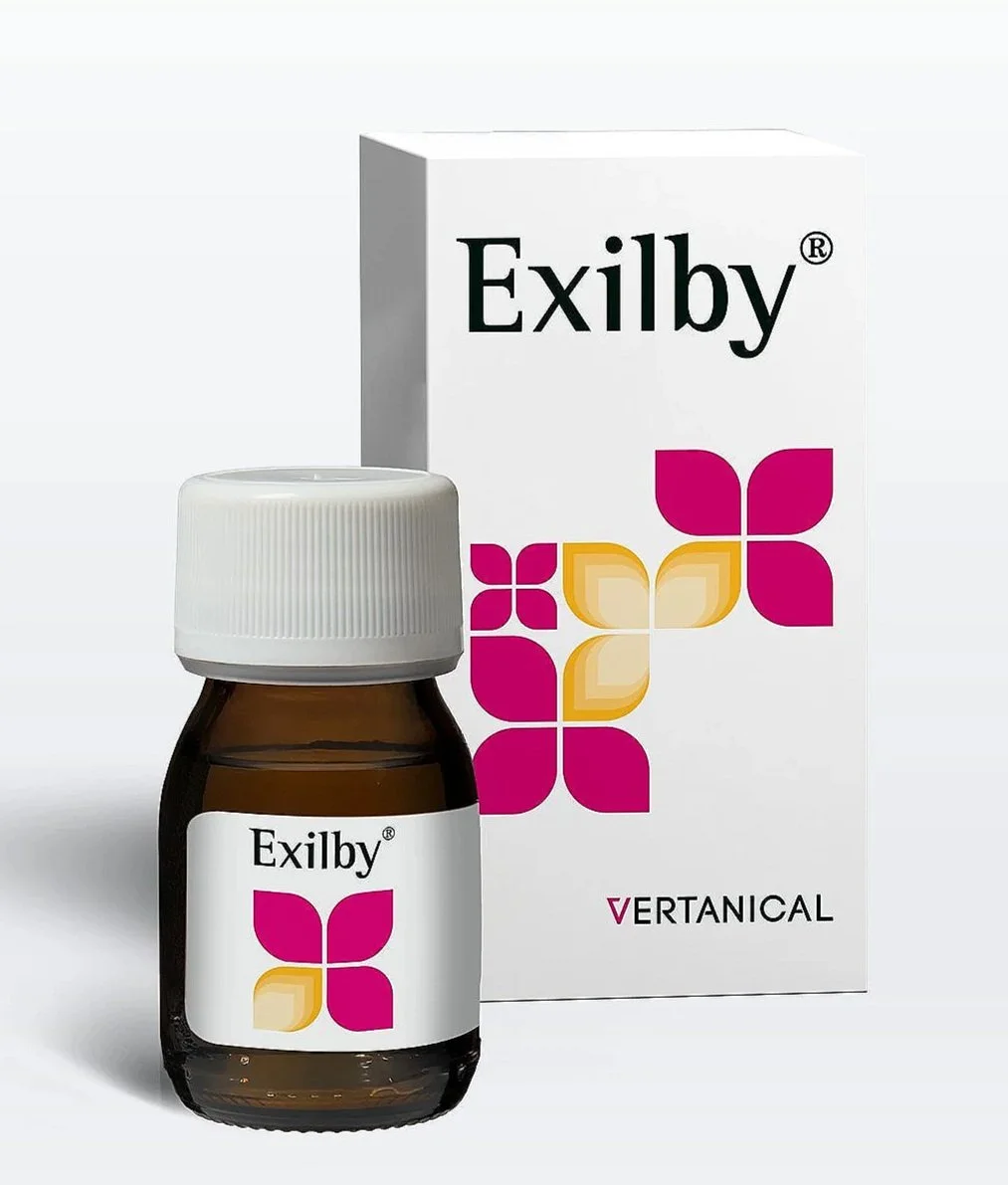
Exilby is a full spectrum extract derived from THC, CBD and terpenes found in cannabis sativa, a strain of cannabis that has pain relieving properties. Exilby was approved for treatment of chronic lower back pain, although it’s likely to be prescribed for other chronic pain conditions.

“There is an extra or additional law in Germany, which says for all patients who do not have any adequate treatment left, our drug can be prescribed as well, whether they have low back pain or any other chronic pain condition,” said Dr. Clemens Fischer, founder of Vertanical, which makes Exilby. “We launch at the end of August in Germany and Austria, and then we go to Europe step by step.”

In the United States, Exilby recently received a Breakthrough Therapy designation from the FDA, which will speed up its development and review. But even with that designation, Exilby is not expected to get full FDA approval until 2028 or 2029, due to the slow regulatory process in the U.S.

Much of it hinges on the outcome of a Phase 3 placebo-controlled clinical trial that will evaluate Exilby as a treatment for chronic back pain caused by lumbosacral radiculopathy (sciatica).

Recruitment of 810 patients at various locations in the U.S. is expected to begin in the next few weeks, with the estimated completion date for the study in 2028. If the results are positive, then Vertancal will submit a new drug application to the FDA.

VERTANICAL IMAGE

The recent legalization of medical marijuana in the U.S. creates a faster potential pathway for Exilby. Medical cannabis products already approved at the state level are being reclassified by the DEA as Schedule 3 controlled substances, which allows for some medical use.   

If Exilby were available in state-licensed marijuana dispensaries, it could enter the U.S. market much sooner and without FDA approval. Fischer says he’s tempted, but unlikely to take that approach. 

“We really want to go to the track of having a pharmaceutical and an FDA-approved drug, so this is actually the track we are following. But I think about it. Why not, right? It might be easier,” Fischer told PNN.

In addition to chronic low back pain, Vertanical hopes to eventually get FDA approval for Exilby as a treatment for osteoarthritis and peripheral neuropathy.

In two completed Phase 3 studies in Europe, Exilby was more effective than moderate doses of opioids (27-32 MME) in treating chronic low back pain. Patients taking Exilby also had better sleep quality and were less likely to be constipated. Each dose contains a modest 2.5 mg of THC, but patients did not become “high” or intoxicated.

Inhaled Cannabis More Effective Than Meds for Chronic Low Back Pain 

By Pat Anson

Patients with chronic lower back pain who did not respond well to opioids and other pain medications showed “robust improvements” in pain and disability once they switched to inhaled cannabis, according to a new long-term study.

Researchers at Rabin Medical Center in Israel followed 241 patients with chronic lower back pain (CLBP) for five years – a period when they inhaled medical cannabis by smoking (91%) or vaporizing (9%).

Not only did participants report significant and steady improvement in their pain over the course of the study, many were able to stop or significantly reduce their use of opioids, non-steroidal anti-inflammatory drugs (NSAIDs), SSRI/SNRI antidepressants, and gabapentinoids such as pregabalin and gabapentin. 

“In a treatment-refractory CLBP cohort with five-year longitudinal follow-up, inhaled cannabis was associated with large, sustained, and statistically robust improvements in pain, disability, and pain interference, accompanied by near-total displacement of opioids, NSAIDs, antidepressants, and gabapentinoids,” researchers reported in the journal Biomedicines. 

Chronic lower back pain is the leading cause of disability worldwide, affecting about one in five adults at any given time. With so many people suffering, you'd think there would be a consensus on the best ways to treat it, but there isn’t. 

A 2018 review by The Lancet found that low back pain is usually treated with bad advice, inappropriate tests, risky surgeries and injections, and pain medications that provide only temporary relief.

2023 guidelines released by the World Health Organization (WHO) reached similar conclusions, recommending treatments such as exercise, physical therapy, and chiropractic care as alternatives to pain medication..

Neither WHO or The Lancet took a serious look at medical cannabis, so the new Israeli study breaks new ground as a treatment option.

The research team noted that randomized clinical trials are needed before causal claims can be made about cannabis, but the data so far ”support consideration of inhaled cannabis as a potentially clinically meaningful, opioid-sparing option for patients who have failed conventional multimodal therapy.” 

Another sign that inhaled cannabis was effective is that few participants dropped out of the study. After five years, nearly 93% of patients were still involved and only five dropped out due to side effects.

The THC content in the inhaled cannabis ranged from 4 to 22 percent, while the CBD concentration ranged from 2 to 22 percent. Researchers say they chose to study inhaled cannabis because of its rapid onset and patient preference. 

A 2019 survey of medical cannabis users in the U.S. found that smoking cannabis provides more pain relief than ingesting it. Over 3,300 people logged their symptoms on a mobile app while using a variety of cannabis products, including dried flower, edibles, tinctures and ointments. Smoking dried flower provided more pain relief than any other cannabis product.

Study Shows Antibiotics Don’t Relieve Chronic Lower Back Pain

By Crystal Lindell

Antibiotics are not an effective treatment for chronic lower back pain caused by bulging herniated discs, according to a small new study by researchers in Australia.

That may sound like a “Well, duhhh” finding, but some patients with back pain are actually being treated with antibiotics.

“Antibiotics are currently being recommended for chronic low back pain, particularly when treatments have failed, even though the evidence for their use is conflicting,” writes lead author Flavia Cicuttini, PhD, School of Public Health and Preventive Medicine at Monash University. 

Low levels of bacteria have been found in the spines of people suffering lower back pain from bulging discs, and some previous studies have found that antibiotics have a “substantial effect” in relieving their pain.

One such study in 2013 estimated that up to 40% of patients with chronic back pain could benefit from antibiotic treatment. That research created a bit of a frenzy in the media, with a prominent UK surgeon saying the discovery was “the stuff of Nobel Prizes” and predicting “this is going to require us to rewrite the textbooks.”    

Now, more than a decade later, the new study seems to disprove that theory.

Monash researchers set up a clinical trial with 170 adults, all of whom had chronic low back pain (LBP) caused by disc herniation that was confirmed with an MRI. Half the participants were randomly assigned to receive the antibiotic amoxicillin twice per day for 90 days, while the other half received a placebo.

Their findings, published in JAMA Network Open, show that amoxicillin did not result in greater pain reduction than treatment with a placebo.

“Our results do not support the findings of previous studies,” wrote Cicuttini. “These findings suggest that antibiotics should not be used in the management of chronic low back pain and provide important data to prevent their inappropriate and harmful use.

“Although the potential for antibiotics to be an effective treatment has been an appealing prospect, the results of this trial do not support this hypothesis. These findings are important in informing updates of clinical practice guidelines for LBP, which to date have been unable to make recommendations for or against the use of antibiotics.”

Not only was the antibiotic ineffective, it caused more side effects. Over 16% of people who received amoxicillin stopped taking it due to adverse events, compared to about 2% in the placebo group.  

The overuse of antibiotics is actually an emerging problem in medicine, due to some strains of bacteria developing resistance to antibiotics. The World Health Organization considers antibiotic resistance to be a global health threat, with about 5 million deaths per year associated with drug-resistant bacteria. 

Cannabis Extract Gets Breakthrough Therapy Status From FDA

By Pat Anson

A German biopharmaceutical company says its cannabis extract has received a Breakthrough Therapy designation from the FDA, which will speed up its development and review as a potential treatment for chronic low back pain. 

If approved by the agency, the investigational extract – called VER-01 – would be the first cannabis-based medicine in the U.S. designated for the treatment of chronic pain. The full spectrum extract is derived from THC, CBD and terpenes found in cannabis sativa, a strain of cannabis known for its pain relieving properties.

"The FDA's Breakthrough Therapy Designation for VER-01 is a major recognition of its potential to address the significant unmet need in chronic pain," Dr. Clemens Fischer, Founder of Vertanical, said in a press release.

"Patients have waited far too long for meaningful progress. We believe VER-01 has the potential to change how chronic pain is treated and offer physicians a much-needed non-opioid solution."

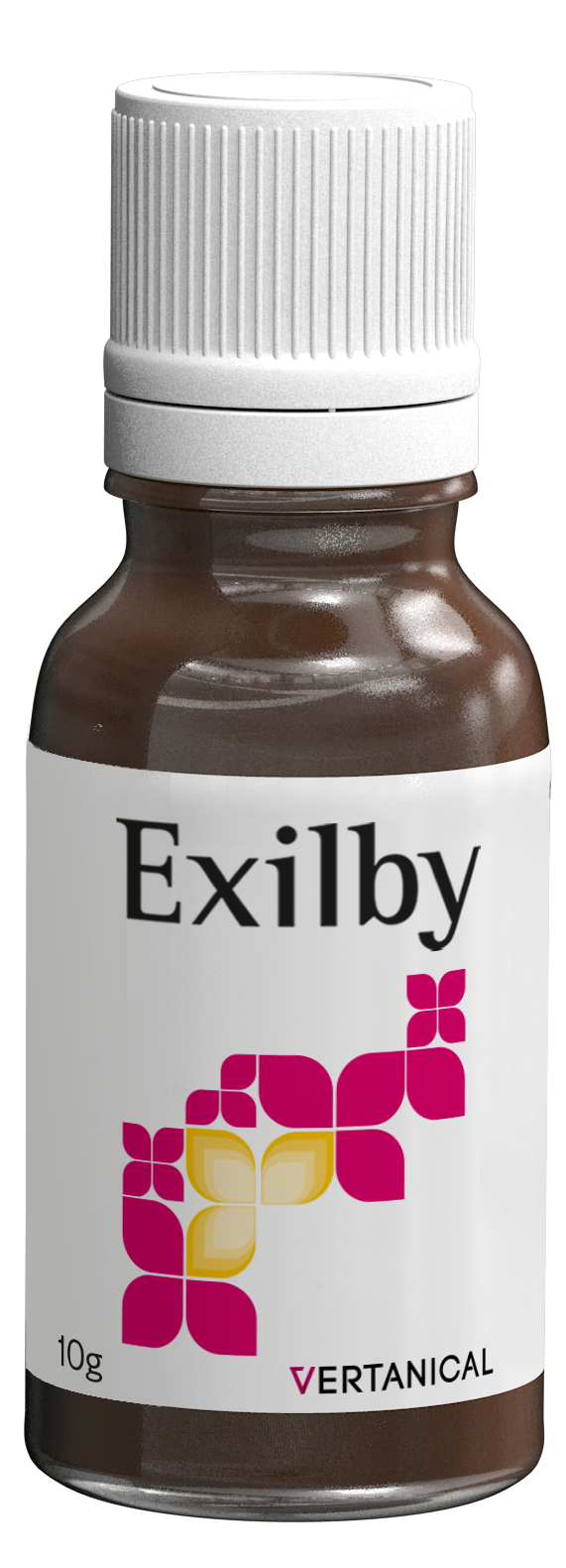
If approved, VER-01 would be sold under the brand name Exilby and be taken orally in drops. The company is also studying VER-01 as a pain treatment for patients with osteoarthritis and peripheral neuropathy. 

The FDA’s Breakthrough Therapy designation was granted after two Phase 3 clinical trials found that VER-01 provided better pain relief to patients with chronic low back pain than low doses of opioids.

Patients taking VER-01 also reported improvements in nerve pain, sleep quality and physical function, and were less likely to be constipated than those on opioids.

Vertanical plans to launch a third Phase 3 placebo-controlled study in the U.S. to confirm the efficacy and safety of VER-01 in patients with chronic low back pain. The company anticipates the first data from that study in 2027 and, if they are positive, plans to submit a New Drug Application to the FDA in 2028.

VERTANICAL IMAGE

Vertanical hopes to get marketing authorization for VER-01 from European regulators in the next few weeks.

Research into the pain-relieving properties of cannabis has long been slowed in the U.S. by marijuana’s status as an illegal Schedule 1 controlled substance. The DEA is now allowing more cannabis to be used for research purposes and recently reclassified medical marijuana as a Schedule 3 drug, which allows for medical uses.

Physical Therapy Provides Only Modest Relief For Chronic Lower Back Pain

By Pat Anson

Physical therapy, cognitive behavioral therapy (CBT), and mindfulness are often recommended as non-pharmacological treatments for chronic lower back pain. The World Health Organization even calls them first-line treatments in a 2023 guideline for low back pain that discourages the use of most pain medications. 

But which therapy works better?

A new study, published in the Annals of Internal Medicine, found that physical therapy provides minor improvement in physical function for patients with chronic low back pain, but no change in pain intensity compared to CBT and mindfulness.

A research team led by the University of Utah enrolled 749 adults with chronic low back pain (cLBP) to compare the effectiveness of physical therapy with other non-pharmacological treatments.

Participants were randomly assigned to 8 weeks of either physical therapy or CBT. Those who did not improve were reassigned to a second treatment, either switching therapies or trying mindfulness-based care for another 8 weeks.

The physical therapy was provided by licensed therapists, while mental health care professionals provided CBT and mindfulness training. CBT is a form of psychotherapy, in which a therapist works with a patient to reduce unhelpful thinking and behavior; while mindfulness focuses on increasing awareness and acceptance of physical discomfort to minimize its impact on daily life.

After 10 weeks, participants who started with physical therapy showed a small improvement in function, while pain levels were similar between groups. After one year, no meaningful differences were seen among the second-stage treatments. 

The findings suggest physical therapy (PT) may be a reasonable first option for chronic low back pain, but switching or adding other psychological therapies may not change long-term outcomes.

“We found some benefits to PT as the first treatment offered to patients, but we could not detect subgroup differences and effect sizes were small. Our results support PT as a first-line option for cLBP and no differences in potential benefits of second-line care with mindfulness or switching for nonresponders,” researchers concluded.

The study does not mean that CBT and/or mindfulness are ineffective, just that their impact is minor. That finding is similar to another recent study of patients with chronic low back pain, which found that CBT and mindfulness reduced pain levels by about 10% after a year. 

That’s nice, but not the kind of pain relief most people are looking for. 

Chronic low back pain is the leading cause of disability worldwide. It usually begins with acute pain caused by muscle strain or musculoskeletal injuries, and becomes chronic over time when it fails to resolve. Chronic low back pain mostly affects adults of working age in lower socioeconomic groups, who often have physically demanding jobs.  

For such a common disorder, affecting about 500 million people at any given time, there is little consensus on how to treat it. 

A 2018 review in The Lancet by an international team of researchers found that cLBP is often treated with bad advice, inappropriate tests, risky surgeries and painkillers. The authors said there was limited evidence to support the use of opioids for chronic low back pain, and epidural steroid injections and acetaminophen (paracetamol) were not recommended at all.

Low Vitamin D Levels Linked to Chronic Low Back Pain

By Pat Anson

Low levels of Vitamin D are a leading cause of disability worldwide and have been associated with fibromyalgia, rheumatoid arthritis, migraines, and musculoskeletal problems. 

A new study in India suggests the “sunshine vitamin” may also play a role in the development of chronic low back pain.

Researchers at a teaching hospital in eastern India took blood samples from 75 adult patients with chronic low back pain and found a remarkably high rate of low vitamin D serum levels – a condition known as hypovitaminosis D.

Over two-thirds of the patients (69.3%) had “deficient” levels of Vitamin D, while the remaining ones had serum levels that were below normal and considered “insufficient.” 

“Notably, none of the participants had sufficient serum vitamin D levels. These findings are in agreement with existing literature reporting a high prevalence of hypovitaminosis D in the Indian population, even in regions with adequate sunlight exposure,” wrote lead author SK Imran Ali, MD, an orthopaedic surgeon at Dr. Bidhan Chandra Roy Hospital in Haldia. 

Ultraviolet rays in sunlight are the principal source of Vitamin D for most people. India usually gets a significant amount of sunshine, especially from October to May, so why would Vitamin D levels be so low?

Vitamin D deficiency rates on the Indian subcontinent range from 50% to as high as 95%, a phenomenon attributed to darker skin pigmentation, poor diets, and increasingly sedentary (indoor) lifestyles with little sun exposure.

While researchers found an association between chronic low back pain and hypovitaminosis D, they did not establish a causal link. Pain severity and disability levels were about equal between the “deficient” and “insufficient” groups, and between men and women.

Researchers did find that patients from lower socioeconomic classes were statistically more likely to have inadequate Vitamin D levels compared to those in the upper class.

“This observation aligns with existing evidence indicating that socioeconomic factors influence nutritional status, sun exposure, dietary quality, and access to healthcare services, all of which may affect vitamin D levels,” researchers found. “Individuals from lower socioeconomic backgrounds may have limited access to vitamin D-rich foods, reduced opportunities for outdoor activity, and decreased healthcare access, thereby increasing the risk of hypovitaminosis D.”  

In addition to sunshine, you can increase your Vitamin D levels by eating oily fish and eggs. Vitamin D has a wide range of positive health effects, such as strengthening bones and teeth, and inhibiting the growth of some cancers. Vitamin D also improves immune function and reduces inflammation.

Sounds Are More Intense When You Have Chronic Pain

By Crystal Lindell

Throughout the day, whenever I hear something particularly high-pitched or loud, I will often turn to my fiancé and say, “Turn it down. That sound is literally causing me pain.”

He always obliges, but I know he’s skeptical. And I understand that my complaint doesn’t really make sense. 

However, new research seems to support my experience.

A study at the University of Colorado Anschutz School of Medicine, published in the Annals of Neurology, found that people with chronic pain are significantly more sensitive to sound.

For the study, researchers recruited 142 adults with chronic back pain and 51 healthy people who were pain free. While receiving MRI brain imaging, both groups had mechanical pressure put on their bodies to stimulate pain, while being subjected to annoying sounds. Participants were then asked to rate how unpleasant the experience was.

The differences in responses between chronic pain patients and healthy controls was significant. On average, back pain sufferers reacted more strongly than 84% of people without pain.

The researchers also looked at brain activity during the experiments. The MRI scans showed stronger responses in brain regions that process sound (the auditory cortex) and emotional sensations (the insula). There was lower activity in regions that normally help calm or regulate emotions, like the medial prefrontal cortex.

Interestingly, the results overlap with other studies showing how patients with fibromyalgia react to painful stimuli.

"Our findings validate what many patients have been saying for years, that everyday sounds genuinely feel harsher and more intense. Their brains are responding differently, in regions that process both the loudness of sound and its emotional impact,” said senior author Yoni Ashar, PhD, Co-Director of the Pain Science Program at the Anschutz School of Medicine. 

“This tells us chronic back pain isn't just about the back. There's a broader sensory amplification happening in the brain, and that opens the door for treatments that can help turn that volume down." 

The researchers wanted to see which treatments could help reduce the brain’s response to noise. The pain patients were broken up into three groups that received either Pain Reprocessing Therapy (PRT), a placebo saline injection, or the usual care they were already getting for back pain. 

PRT is a type of mindfulness therapy, in which patients are encouraged to think differently about their pain in order to minimize it.

Out of all the treatments, PRT was the most effective. It reduced the heightened brain response to sound and increased activity in brain regions involved in regulating unpleasant experiences. But the effect was only minimal.

"These findings add to growing evidence that chronic back pain is not just a problem in the back. The brain plays a central role in driving chronic pain, by amplifying a range of sensations – such as sensory signals from the back, sounds and likely other sensations as well," said Ashar.

Overall, it’s great to see research like this validating what I know is a common experience for chronic pain patients.  

However, I do think there may be some “chicken and the egg” issues with this study. Which comes first: sensitivity to sound or back pain?

Maybe people who are more sensitive to sound are more likely to develop chronic pain. In other words, does the pain cause sound hypersensitivity, or does hypersensitivity cause the pain? 

Ashar and his research team plan further studies of senses other than hearing — such as light, smell or taste — to see if chronic pain causes sensitivity to those stimuli and how brain regions respond to them.

Injectable Gel May Be Long Term Solution to Chronic Low Back Pain 

By Pat Anson

An experimental hydrogel continues to show promise as a long-term treatment for chronic low back pain caused by degenerative disc disease.

Findings from a feasibility study, recently published in the the journal Pain Physician, show that 60 patients with low back pain had significant improvements in physical function, low back pain, and low leg pain a year after Hydrafil gel was injected into their damaged discs.

The gel is heated to liquify it before being injected into cracks and tears in discs. It hardens as it cools, restoring the discs’ structural integrity. The procedure takes about 30 minutes and can be performed as an outpatient procedure under local anesthesia. 

Unlike other cement-like material injected into damaged discs to restore stability, the gel remains flexible and mimics the biomechanical properties of the natural disc, preserving spinal motion. 

Most patients showed significant improvement in their pain and disability scores within one month, and the results were maintained 12 months later. 

“These peer-reviewed results represent an important milestone in the development of the first nucleus augmentation technology for degenerative disc disease,” said Douglas Beall, MD, Chief of Radiology Services at Clinical Radiology of Oklahoma and a medical advisor to ReGelTec, which developed the Hydrafil system. 

“The improvements in pain and function observed at one year, along with an acceptable safety profile, support the continued evaluation of the HYDRAFIL System in the ongoing pivotal study designed to support FDA approval of the device for patients who currently have limited minimally invasive treatment options.”

Five of the 60 patients had increased back and leg pain or numbness, due to the gel partially migrating beyond the injection site. The migrated gel was later removed.

This promotional video by ReGelTec demonstrates how the Hydrafil system works:

ReGelTec is currently recruiting 225 patients in the U.S. and Canada for a new study to assess the Hydrafil system, an important step towards getting FDA approval. 

Hydrafil received the FDA’s breakthrough device designation in 2020, which allows for an expedited review of an experimental product when there is evidence it is more effective than current options.  

Degenerative disc disease is one of the leading causes of chronic low back pain. Healthy discs cushion the spine’s vertebrae, supporting movement and flexibility. But with aging and activity, discs can wear out and cause the bones of the spine to rub together and pinch nerves, causing pain and numbness. By age 60, most people have at least some disc degeneration in their spines.

Current treatments for degenerative discs include physical therapy, anti-inflammatory medication, and analgesics. When those are insufficient, epidural steroid injections and surgical options such as a disc removal or spinal fusion may be considered.

Excess Weight Raises Risk of Lower Back Pain

By Pat Anson

If you suffer from lower back pain, chances are you’ve had a doctor or someone in your life suggest that you lose some weight. Back pain is commonly associated with a sedentary lifestyle, lack of exercise, and a high body mass index (BMI).

But how much weight is too much? How many pounds do you have to lose to reduce the risk of back pain?

A large new study at Boston University provides some surprising answers. Researchers there reviewed the medical records of over 110,000 adults, aged 18 or older, who visited an urban teaching hospital for outpatient care. Their weight, height, age and sex were then used to calculate their body mass index.  

Not surprisingly, the higher the BMI, the higher the risk was of having lower back pain (LBP). For people with a BMI in the range of 18-35, researchers found that every increased unit of BMI (about 10 pounds), raises the risk of lower back pain by 7%. 

What’s surprising about that finding is that it includes people with a BMI of 18 to 24.9, which is considered a healthy weight, as well as people who are overweight (25 to 29.9 BMI) or obese (30-34.9 BMI).

People with a BMI above 35, which is considered severe obesity, and those with a BMI above 40 (morbid or extreme obesity), must have an even higher risk of lower back pain, right?

Wrong.

Researchers found that for those with a BMI above 35, the prevalence of low back pain did not increase but stayed the same.

Of course, that doesn’t mean you should pack on extra pounds and become morbidly obese to lower your risk of back pain. But it suggests that at a certain point, excess weight stops being a driving factor in LBP and that BMI is an imperfect tool to measure risk. 

Not everyone with a high BMI will experience LBP and being at a healthy weight will not protect you from back pain. About 80 percent of adults experience low back pain at some point in their lives, making it a nearly universal experience, regardless of weight. LBP is the most common cause of job-related disability and a leading contributor to missed work days. 

A number of other factors contribute to LBP, such as smoking, alcohol use, poor sleep and psychological stress. Regular exercise and a healthy lifestyle can help lower your risk of LBP, but they won’t prevent it. 

“Our study strongly suggests that maintaining a healthy weight or BMI is likely helpful at avoiding low back pain,” says lead author Michael Perloff, MD, an Assistant Professor of Neurology at Boston University and Director of Pain Medicine at Boston Medical Center.

“Low back pain is one of the most common complaints patients have for their medical providers. While medications, formal physical therapy and other treatments can help, correcting risk factors, such as smoking or deconditioning, also help LBP.”

The findings appear online in the journal Pain Medicine.

Other studies have found that having a few extra pounds is not harmful to overall health. Some older adults with the lowest risk of early death had BMIs of 27 to 28, which falls into the “overweight” range; while many older adults with the highest mortality risk have BMIs under 22 — which would be considered a healthy weight.

While losing weight won’t prevent low back pain, it could help lower your pain levels. A 2018 study found that people who lose 10% of their body weight had less overall body pain. They also had better mental health, improved cognition and more energy. Men in particular showed improvements in their energy levels when they lost weight.

Arachnoiditis: My Not-So-Rare Disease

By Julie Titone

I first heard the word “arachnoiditis” from the spine surgeon who performed my lumbar fusion. This was a virtual office visit. I leaned into my laptop screen to say: “That sounds like a spider.”

“Yes,” he replied.

He had identified the source of my unexpected post-op pain: arachnoiditis, a chronic inflammatory disease that’s even creepier than it sounds. Its symptoms usually arise after spinal trauma due to surgery, injury or commonly prescribed injections. 

More doctors and patients should know about this small chance of a very big problem.

Arachnoiditis is so far incurable, difficult to treat, and can get worse over time. Patients experience lower body numbness and stinging pain that, at its worst, is likened to hot water dripping down the legs. The disease can lead to paralysis and bladder dysfunction. While arachnoiditis is said to be rare, it could simply be under-diagnosed.

The arachnoid is a membrane with a webbed appearance, hence its spidery name. It is part of the sheath that encloses the spinal fluid. Arachnoiditis is the inflammation of that easily annoyed membrane. 

Sometimes it causes free-floating spinal nerves to stick together and become locked down by scar tissue. This is known as adhesive arachnoiditis, the kind I’m describing here.

No one knows how many spinal surgeries result in arachnoiditis, but a common estimate is 3 to 6 percent. Propelled in part by the deteriorating backs of boomers like me, there were more than 340,000 such surgeries in 2023 in the United States. 

Just 4% of that adds up to 13,600 people suffering from arachnoiditis in a single year in a single country. The number doesn’t include cases that emerge after spinal injections of anesthesia or steroids, or after accidents that damage the spine.

‘They Stuck Me Eight Times’

Sara Lewis was a young Florida nurse when, on New Year’s Eve in 2008, she required an emergency Caesarean section. Attempts to give her anesthesia before the surgery did not go well.

“They stuck me eight times to get the spinal block in,” she recalled. 

Lewis left the hospital with a baby boy and excruciating pain. She went back to work, eventually switching to a less-demanding job. By 2014, she couldn’t work at all and didn’t yet have a proper diagnosis. By 2017, she had qualified for disability benefits. Lewis is only 44.

Many women choose epidurals to ease pain during normal vaginal deliveries. Unlike a spinal block, an epidural delivers anesthesia in a space outside the spinal fluid sac. Even that approach poses risk when done poorly.

Arachnoiditis sufferer Steve Lovelace would like women to consider that pain relief during childbirth might not be worth risking a lifetime of suffering. “I know so many women who have children and are in so much pain during what should be the most joyful part of their life,” he said.

Lovelace’s agony started with a freak tree-cutting accident in 1982 on an Oklahoma family farm. His 20-year-old torso was crushed, causing debilitating injuries that required multiple surgeries. 

Now 63 and medically retired from a radiology career, the pioneering para-triathlete has teamed up with Lewis to create the YouTube podcast Arachnoiditis Unfiltered. Given what they endure, they are remarkably chipper co-hosts. Their goals: awareness, prevention and a cure.

Lori Verton aims for those goals, too. Verton lives near Ontario, Canada. In 1999, she was driving out into the dark on a mission to buy milk for her kids. She was injured when her car hit a deer. When her whiplash symptoms didn’t improve, her doctor ordered a spinal tap.

“While I was on the table, I felt my left thigh go numb, my left foot drop, I was incontinent. I knew immediately something was wrong,” she recalled. “They said, ‘We’ve bruised some nerves, it will heal.’”

Heal it did not. She was increasingly disabled by pain and estimates it took five years and a dozen doctors to diagnose arachnoiditis. Largely bedridden at age 42, she went on disability. Having worked as a physiologist and medical researcher, Verton pondered how to put her skills to use. That led to the creation of the Arachnoiditis and Chronic Meningitis Collaborative Research Network.

‘No One Knew Anything About It’

Forrest Tennant, a retired physician, is widely associated with arachnoiditis. The disease is the focus of his small foundation and Arachnoiditis Hope website. 

I watched a video in which Dr. Tennant said one hallmark of arachnoiditis patients is they are always moving. I thought: Ah, he knows us. With pain focused on lower backs, buttocks and legs, many arachnoiditis patients can’t sit comfortably. Nor, if they can stand, can they stay in one spot for long. Some can barely sleep.

I asked Dr. Tennant what spurred his interest in the disease. He said it was the number of people with the same symptoms who were coming into his pain clinic, and the high suicide rate among them. 

“I found out no one was interested in the disease, no one knew anything about it. Patients were so grateful for any help they could get,” he told me.

Dr. Tennant said doctors from around the world contact him, seeking treatment advice. I don’t doubt it. I’ve read journal articles written by doctors from Poland, Brazil and China, scouring the medical literature for anything they can find on the subject. The authors of a recent case study described the literature on the disease as “vague and outdated.”

Dr. Tennant doesn’t dispute the value of injections for spinal pain, but said they can set people up for trouble, especially if they are repeated. He’s seen patients who had as many as 20 epidurals. 

When we talked, I added up my own spinal intrusions. The first was a Caesarean. My preemie baby was arriving upside down and backward, so there seemed no alternative to spinal anesthesia there. 

The second instance was a steroid injection aimed at reducing chronic pain that arose after hip replacement. It was a Hail Mary treatment that didn’t help. 

Finally, in 2024, I had that single-level lumbar fusion. Four doctors had predicted dire health consequences if I didn’t get my spine reinforced. One physician confirmed my arachnoiditis diagnosis. As that surgeon was leaving the exam room he turned and said, “What would bother me is not knowing.” 

In other words, not knowing why I developed arachnoiditis after my back surgery. Most patients don’t.

More Can Be Done

There’s a crying need for research into the causes of arachnoiditis. I find it hard to muster hope for significant advancement in the U.S., where federal health budgets have been slashed. 

Still, there’s much that could be done to prevent and identify the disease. Medical schools could call attention to arachnoiditis as a possible cause of pain. Patients could be asked routinely about their history of spinal injections and counseled on the risks of doing more. All radiologists could be trained to spot arachnoiditis. 

There could be a diagnostic code specific to the disease, making it easier to document and study. Spine surgeons, who know that arachnoiditis is consigning some patients to a lifetime of pain, could lead the charge to determine its cause.

Meanwhile, I’m depleted by stories like Matt’s. The 38-year-old Michigan man asked me not to share his last name, afraid that his disability could lead to job discrimination. 

On July 18, 2023 – he’ll never forget the date – Matt was given steroid injections on both sides of a bulging disk. His back pain immediately increased. Then it spread. Now, he said, “I pretty much avoid doing everything else I used to do in my life, because it hurts.”

As I cope with arachnoiditis, I ponder how to spread the word about it. Maybe this disease needs a simpler name. It definitely could use a champion – so far, no celebrity has joined forces with arachnoiditis patients. If only Spiderman would come to our rescue.

Julie Titone is a former newspaper journalist who also worked in academic and library communications. She is retired and lives in Everett, Washington. Julie’s website is julietitone.weebly.com.

This column first appeared in her Substack blog and is republished with permission. 

Brittle Bones Aren’t Just a Woman’s Problem

By Paula Span, KFF Health News

Ronald Klein was biking around his neighborhood in North Wales, Pennsylvania, in 2006 and tried to jump a curb. “But I was going too slow — I didn’t have enough momentum,” he recalled.

As the bike toppled, he thrust out his left arm to break the fall. It didn’t seem like a serious accident, yet “I couldn’t get up,” he said.

At the emergency room, X-rays showed that he had fractured both his hip, which required surgical repair, and his shoulder. Klein, a dentist, went back to work in three weeks, using a cane. After about six months and plenty of physical therapy, he felt fine.

But he wondered about the damage the fall had caused. “A 52-year-old is not supposed to break a hip and a shoulder,” he said. At a follow-up visit with his orthopedist, “I said, ‘Maybe I should have a bone density scan.’”

As Klein suspected, the test showed he had developed osteoporosis, a progressive condition, increasing sharply with age, that thins and weakens bones and can lead to serious fractures. Klein immediately began a drug regimen and, now 70, remains on one.

Osteoporosis occurs so much more commonly in women, for whom medical guidelines recommend universal screening after age 65, that a man who was not a health care professional might not have thought about getting a scan. The orthopedist didn’t raise the prospect.

But about 1 in 5 men over age 50 will suffer an osteoporotic fracture in their remaining years, and among older adults, about a quarter of hip fractures occur in men.

When they do, “men have worse outcomes,” said Cathleen Colón-Emeric, a geriatrician at the Durham VA Health Care System and Duke University and the lead author of a recent study of osteoporosis treatment in male veterans.

“Men don’t do as well in recovery as women,” she said, with higher rates of death (25% to 30% within a year), disability and institutionalization. “A 50-year-old man is more likely to die from the complications of a major osteoporotic fracture than from prostate cancer,” she said.

(What’s “major”? Fractures of the wrist, hip, femur, humerus, pelvis or vertebra.)

In her study of 3,000 veterans ages 65 to 85, conducted at Veterans Affairs health centers in North Carolina and Virginia, only 2% of those assigned to the control group had undergone bone-density screening.

“Shockingly low,” said Douglas Bauer, a clinical epidemiologist and osteoporosis researcher at the University of California-San Francisco, who published an accompanying commentary in JAMA Internal Medicine. “Abysmal. And that’s at the VA, where it’s paid for by the government.”

But establishing a bone health service — overseen by a nurse who entered orders, sent frequent appointment reminders and explained results — led to dramatic changes in the intervention group, who had at least one risk factor for the condition.

Forty-nine percent of them said yes to a scan. Half of those tested had osteoporosis or a forerunner condition, osteopenia. Where appropriate, most of them began medications to preserve or rebuild their bones.

“We were pleasantly surprised that so many agreed to be screened and were willing to initiate treatment,” Colón-Emeric said.

After 18 months, bone density had increased modestly for those in the intervention group, who were more likely to stick to their drug regimens than osteoporosis patients of either sex in real-world conditions.

The study didn’t continue long enough to determine whether bone density increased further or fractures declined, but the researchers plan a secondary analysis to track that.

The results revive a longtime question: Given how life-altering, even deadly, such fractures can be, and the availability of effective drugs to slow or reverse bone loss, should older men be screened for osteoporosis, as women are? If so, which men and when?

‘It Can’t Be Osteoporosis — I’m a Guy’

Such issues mattered less when life spans were shorter, Bauer explained. Men have bigger and thicker bones and tend to develop osteoporosis five to 10 years later than women do. “Until recently, those men died of heart disease and smoking” before osteoporosis could harm them, he said.

“Now, men routinely live into their 70s and 80s, so they have fractures,” he added. By then, they have also accumulated other chronic conditions that impair their ability to recover.

With osteoporosis testing and treatment, “a man could see a clear-cut improvement in mortality and, more importantly, his quality of life,” Bauer said.

Both patients and many doctors still tend to regard osteoporosis as a women’s disease, however. “There’s a bit of a Superman idea,” said Eric Orwoll, an endocrinologist and osteoporosis researcher at Oregon Health & Science University.

“Men would like to believe they’re indestructible, so a fracture doesn’t have the implication that it should,” he added.

One patient, for example, for years resisted entreaties from his wife, a nurse, to “see someone” about his visibly rounded upper back.

Bob Grossman, 74, a retired public school teacher in Portland, blamed poor posture instead and told himself to straighten up. “I thought, ‘It can’t be osteoporosis — I’m a guy,’” he said. But it was.

Another obstacle to screening: “Clinical practice guidelines are all over the place,” Colón-Emeric said.

Professional associations like the Endocrine Society and the American Society for Bone and Mineral Research recommend that men 50 and older who have a risk factor, and all men over 70, should seek screening.

But the American College of Physicians and the U.S. Preventive Services Task Force have deemed the evidence for screening of men “insufficient.” Clinical trials have found that osteoporosis drugs increase bone density in men, as in women, but most male studies have been too small or lacked enough follow-up to show whether fractures also declined.

The task force’s position means that Medicare and many private insurers generally won’t cover screening for men who haven’t had a fracture, though they will cover care for men diagnosed with osteoporosis.

“Things have been stalled for decades,” Orwoll said.

So it may fall to older men themselves to ask their doctors about a DXA (pronounced DECKS-ah) scan, widely available at $100 to $300 out-of-pocket. Otherwise, because osteoporosis is typically asymptomatic, men (and women, who are also undertested and undertreated) don’t know their bones have deteriorated until one breaks.

“If you had a fracture after age 50, you should have a bone scan — that’s one of the key indicators,” Orwoll advised.

Other risk factors: falls, a family history of hip fractures, and a fairly long list of other health conditions including rheumatoid arthritis, hyperthyroidism and Parkinson’s disease. Smoking and excessive alcohol use increase the odds of osteoporosis as well.

“A number of medications also do a number on your bone density,” Colón-Emeric added, notably steroids and prostate cancer drugs.

When a scan reveals osteoporosis, depending on its severity, doctors may prescribe oral medications like Fosamax or Actonel, intravenous formulations like Reclast, daily self-injections of Forteo or Tymlos, or twice-annual injections of Prolia.

Lifestyle changes like exercising, taking calcium and vitamin D supplements, stopping smoking, and drinking only moderately will help but aren’t sufficient to stop or reverse bone loss, Colón-Emeric said.

Although guidelines don’t universally recommend it, at least not yet, she would like to see all men age 70 and up be screened, because the odds of disability after hip fractures are so high — two-thirds of older people will not regain their prior mobility, she noted — and the medications that treat it are effective and often inexpensive.

But informing patients and health care professionals that osteoporosis threatens men, too, has progressed “at a snail’s pace,” Orwoll said.

Klein remembers attending a seminar to instruct patients like him in using the drug Forteo. “I was the only male there,” he said.

KFF Health News is a national newsroom that produces in-depth journalism about health issues.

Cannabis Extract Provides ‘Superior Pain Relief’ Compared to Opioids

By Pat Anson

A German pharmaceutical company has released the results of two late-stage clinical trials, showing that a cannabis extract called VER-01 significantly reduces chronic lower back pain. The full spectrum extract, derived from cannabis sativa, provided better pain relief to patients in a head-to-head comparison with low doses of opioids.

Vertanical hopes to get regulatory approval of VER-01 in Europe and with UK regulators in 2026. If granted, VER-01 would be the first cannabis-based medicine approved for use in treating chronic pain. Another study of VER-01 is planned in the U.S. next year, which would be a step towards getting FDA approval.

Findings from the two Phase 3 studies were published separately in the journals Nature Medicine and Pain & Therapy.

“These findings provide powerful evidence that VER-01 could in the future transform how we care for patients with chronic lower back pain,” co-author Charles Argoff, MD, Professor of Neurology at Albany Medical College and past president of the American Academy of Pain Medicine, said in a press release.

“The results of the Phase 3 studies bring hope to millions living with chronic pain that VER-01, once approved, may provide effective pain relief without the risks and harms associated with existing therapies.”

Chronic lower back pain (CLBP) affects more than half a billion people worldwide and is the leading cause of disability. Current treatment options for CLBP are typically limited to physical therapy and non-steroidal anti-inflammatory drugs (NSAIDs), which often don’t work.

In the Phase 3 study, 820 patients with CLBP were given either a placebo or VER-01 over 12 weeks. Those who received the extract had an average pain reduction of 1.9 points on a zero-to-ten pain scale. After six months, pain intensity decreased by 2.9 points, which was sustained over 12 months. Participants also reported improvements in neuropathic pain, sleep quality and physical function.

The other Phase 3 study involved 384 patients with CLBP, who received either VER-01 or opioids for six months. Opioid doses started with a mean daily average of nearly 27 morphine milligram equivalents (MME) and were titrated up to an average of nearly 32 MME, a dosage range that would be considered low or moderate. Opioid options included tramadol, oxycodone, hydromorphone, morphine, and transdermal fentanyl or buprenorphine.

VER-01 was more effective in relieving pain than opioids, especially for patients with severe pain. The average pain reduction with VER-01 was 2.5 points on the pain scale, compared to 2.16 points with opioids. Patients taking VER-01 also had better sleep quality and were less likely to be constipated.

VER-01 was generally well tolerated in both studies, with no evidence of dependence or withdrawal. Side effects such as dizziness and nausea were mild and short-term. Although it contains THC, the main psychoactive substance in cannabis, patients did not become “high” or intoxicated. Each dose of VER-01 contained 2.5 mg of THC, as well as cannabinoids, terpenes and other bioactive compounds that were administered twice daily.

“This study provides robust evidence that VER-01 offers better tolerability, as well as superior pain relief and sleep quality compared to opioids in patients with CLBP. These findings highlight its potential as a promising new pharmacological option within a multimodal treatment approach that could fundamentally shift the paradigm in the treatment of chronic pain,” researchers concluded.

It approved, VER-01 would be sold under the brand name Exilby and be taken orally in drops. Vertanical is also studying VER-01 as a pain treatment for patients with osteoarthritis and peripheral neuropathy.

Research into the pain-relieving properties of cannabis has been slow in the U.S., in large part because of marijuana’s status as an illegal Schedule 1 controlled substance. Although the DEA allows more cannabis to be used for research purposes, the agency has dragged its feet about reclassifying marijuana as a Schedule 3 substance that could be used for medical purposes. Until marijuana is rescheduled, VER-01 is unlikely to get FDA approval.