Pain Companion: How to Live Better With Nerve Pain

By Sarah Anne Shockley, Columnist

I’ve lived with severe nerve pain for the past eight years and have, through trial and error, found simple ways to help reduce and quiet it down on a daily basis. 

Some of these methods may be obvious if you already live with nerve pain. I include them all here because I know that it certainly would have served me well to have had this information early on, instead of having to work it all out for myself.

The first thing I learned was to think about my situation differently. For a long time, I thought about my nerve pain as its own thing, separate from me. It was something I didn’t want to have around, as if it was its own entity. It was me against the pain.

I’ve come to understand that my nerve pain is an aspect of my body, and possibly myself, that is so raw, so irritated, so sensitive and so volatile that it does not serve to try to make it get better.

My nerves in pain don’t want to be poked or prodded or touched or manipulated into wellness. Even alternative treatments seem like too much to handle. I am a strong believer in acupuncture, but the idea of needles when my nerves are already screaming is not something I want to contemplate. Sometimes even light massage is too much.

When I began to accept the pain as part of my whole life experience, not something that could be extracted or aimed at and annihilated, I began to see that my approach to easing it was going to have to be much more holistic.

I found the best way to do that was to work with creating more well-being in the body around the nerve pain. 

Often, I found that trying to deal directly with my nerve pain actually made it worse, but this indirect approach, over time, was much more effective in helping to ease it.

Here are some methods to help the body feel the best it can around the pain:

Relax and de-stress as much as possible. Limit interaction with things that would normally “get on your nerves,” such as stressful situations, toxic people, crowded stores, and rush hour traffic.

Stay on an anti-inflammatory diet and try to avoid inflammatory situations that activate fright, tension, or adrenaline rushes, such as argumentative people or being argumentative yourself.

Get more rest and sleep by staying calm. Make doing less a priority. You might use herbal teas, such as chamomile, to help with sleep or read yourself to sleep while listen to relaxing music. Avoid staying up late on the internet.

Choose activities that not only suit your physical limitations, but also soothe the mind and soul, such as meditation, listening to beautiful music, singing, walking in nature, talking with loved ones, and reading inspiring words.

Spend time every day in nature walking and focusing your attention on the soothing feeling of the air on the skin, the breeze, the sunlight, and the sound of birds. Bare feet on the ground or in sand can be exquisitely soothing to the nerves.

Take long soaks in bath salts or products using aromatherapy. Let your body relax into the warmth and the delicious smells.

Keep moving in any way you can that doesn’t exacerbate the pain. It’s important to keep the blood and oxygen flowing to keep your muscles from stiffening up and adding to the pain. Stagnant blood and stagnant energy do not help you heal.

Aside from helping your body feel better physically, I also recommend taking care of yourself emotionally.  Here are some pointers:

Find the little pleasures and things you enjoy and appreciate. Don’t wait for the pain to leave before you enjoy yourself and your life. Find the places that don’t hurt and revel in them. If there aren’t any, look beyond your body and find the things you can take pleasure in around you, including nature, the creative arts, the community, and your family.

Don’t try to turn your life off to avoid feeling pain. Don’t close down your ability to laugh or have fun. This is still your life. It is the only one you have. Make the most of it, even if you have to include pain in the equation. Just let it be there. Even invite it along.

Be kinder to yourself. Create a self-love routine around taking care of your body and your emotions. Wash yourself with soothing hands. Buy things that have soothing smells, not sharp chemical odors. Indulge your need for more softness and kindness in your life. Wear clothes that feel soft against your skin. Talk to yourself using soothing words. Give yourself a break more often.

Finally, consider making friends with your painful nerves. Talk to them kindly. Tell them it’s safe to calm down.  Tell them that you’re paying attention to your body and you’re doing the best you can to heal.

Let them know that you hear them, you honor them and you respect what they have to say to you through the pain. Understand that they are in alarm mode right now, but you have heard them, and it’s okay to tone it down a little. It’s okay to let their message be carried to you a little more softly, a little more quietly.

I think one of the tricks to working with nerve pain is to understand that we have one central nervous system that lives throughout the body. Even if we are feeling nerve pain mostly in the face, neck or hands, it relates to and affects the entire nervous system and therefore the entire body.

I believe we can positively affect nerve pain in any part of the body by treating the whole body with calming, soothing, relaxing, and restoring activities and approaches. I’ve found that they work.  And anything we can do to bring the pain down a notch or two is well worth it.

Sarah Anne Shockley suffers from Thoracic Outlet Syndrome, a painful condition that affects the nerves and arteries in the upper chest. Sarah is the author of The Pain Companion: Everyday Wisdom for Living With and Moving Beyond Chronic Pain.

 Sarah also writes for her blog, The Pain Companion.

The information in this column should not be considered as professional medical advice, diagnosis or treatment. It is for informational purposes only and represent the author’s opinions alone. It does not inherently express or reflect the views, opinions and/or positions of Pain News Network.
Prescribed Opioids Not Linked to Veterans’ Heroin Use

By Pat Anson, Editor

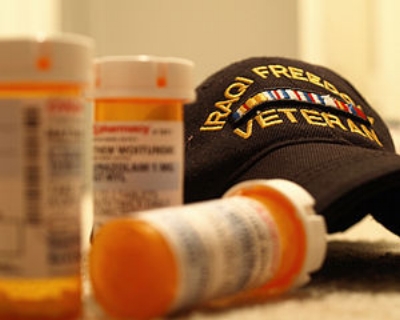
A new study of U.S. military veterans found a strong link between heroin use and the abuse of opioid pain medication, but with an important caveat:  the heroin use was associated with the non-medical use of opioid painkillers.

Having chronic pain was also not found to be a significant risk factor for heroin use.

The ten-year study by researchers at Brown and Yale Universities followed nearly 3,400 veterans at nine Veterans Affairs facilities who were participating in the Veterans Aging Cohort Study (VACS).

Of the 500 veterans who started using heroin during the study, 386 of them also began using prescription painkillers non-medically.

"Our findings demonstrate a pattern of transitioning from non-medical use of prescription opioids to heroin use that has only been demonstrated in select populations," said study co-author David Fiellin, a Yale public health and medical professor and director of the VACS study.

"Our findings are unique in that our sample of individuals consisted of patients who were receiving routine medical care for common medical conditions."

Even after statistically accounting for other risks -- such as race, income, use of other drugs, post-traumatic stress disorder (PTSD) and depression -- researchers found that veterans who began misusing painkillers were 5.4 times more likely to begin using heroin. Other major risk factors for heroin use include being male (2.6 times greater risk) and abusing stimulant drugs (2.1 times greater risk).

Veterans who received a short-term prescription for an opioid medication had a 1.7 times greater risk of starting heroin. But having a long-term prescription for opioids was not found to be a significant risk factor. And neither was having chronic pain.

“In our final model, pain interference in daily life was not a significant predictor of heroin initiation,” said lead author Brandon Marshall, an assistant professor in the Brown University School of Public Health.

Despite those findings, researchers recommend that all veterans should be screened for painkiller abuse, including those with legal prescriptions.

"This paper shows that, as a general clinical practice, particularly for this population which does experience a lot of chronic pain and other risks for substance use including PTSD, screening for non-medical painkiller use, whether you are prescribing an opioid or not, may be effective to prevent even more harmful transitions to heroin or other drugs," said Marshall, adding that veterans have a "constellation of risks" for substance abuse.

The study, published in the journal Addiction, did not identify the source of the opioids that were used non-medically. The National Institutes of Health and the U.S. Department of Veterans Affairs supported the study.

Under a federal spending bill passed by Congress and signed into law last year by President Obama, the Veteran’s Administration is required to follow the CDC's “voluntary” opioid guidelines, which discourage opioid prescribing for chronic pain. Since those guidelines were adopted, many veterans have complained to Pain News Network that their opioid doses have been reduced and they live in daily pain.

“They just cut my meds to one oxycodone every 12 hours, which gives me absolutely no relief,” wrote Harvey Williams, a Vietnam vet. “There must be something that the Veterans Administration can do to treat severe pain in the Vets. It's not fair for us to be sprayed with Agent Orange, return back to the United States, develop diabetes and in turn have severe neuropathy and pain for the rest of our lives and not be treated.”

“My VA doctors did not exam me prior to (cutting) my prescriptions,” wrote retired Army Capt. William Green, a Desert Storm veteran. “I asked how they decided to start reducing when I was reporting ongoing 6-8 on 10 pain scale. He didn't even consult with the doctor I do get ongoing treatment from. The doctor said, ‘We don’t care. We are following CDC guidelines.’”

The VA provides health services to 6 million veterans and their families. Over half of the veterans treated by the VA have chronic pain.   

Disability Resources You May Not Know About

By Barby Ingle, Columnist

Over the past 20 years I have had many ups and downs with my health and my finances. After losing my job and company, I had to rely on food stamps, church food banks, and county mental health support groups.

While speaking with others in the support group, I found out that there are a wide variety of disability benefits that come from federal, state and private sources, such as worker’s compensation for people injured on the job and military benefits for soldiers and veterans.

We need to invest time to make sure that the resources available to us are being utilized. There are Social Security programs, Medicare, Medicaid, state assistance programs, utility company programs, handicapped bus passes and car licenses, to name some of them.

Too many of my friends either didn’t know about them or felt embarrassed to ask for assistance.

Knowing what each one is and how it can be used is important. For instance, Supplemental Security Income (SSI) comes from general tax revenues, not social security tax funds.

SSI is designed to help aged, blind, and disabled people who have little or no income. It provides cash to meet basic needs for food, clothing, and shelter. Typically, you quality if you have a medical condition that has prevented you from working or is expected to prevent you from working for at least 12 months.

Social Security Disability (SSD) comes from federal social security taxes that people pay into in case of long-term disability. You must have worked and paid Social Security taxes long enough to qualify. Depending on the state you live in, you can complete the application through the mail, over the phone, or even online.

If you receive SSD, you can quality for Medicare 24 months after becoming eligible for disability.  In my case, I became eligible for Medicare almost immediately, as it was a few years into my disability and they retroactively changed my disability date.

For others who apply sooner, you typically will receive your information several months before you are eligible to start Medicare coverage. I highly suggest that you fill out your papers immediately and return them. There are different requirements in each state for financial and disability levels. Medicaid services can included preventive care, immunization, screening, treatment, doctor visits, hospital visits, and vision and dental care.

Many states offer specific programs that can help you through daily living. It is important for chronic care patients to maintain independence to sustain their full range of experiences, rights and desires. Programs that provide training and support appropriate to the needs of each disabled person can be found in every state.

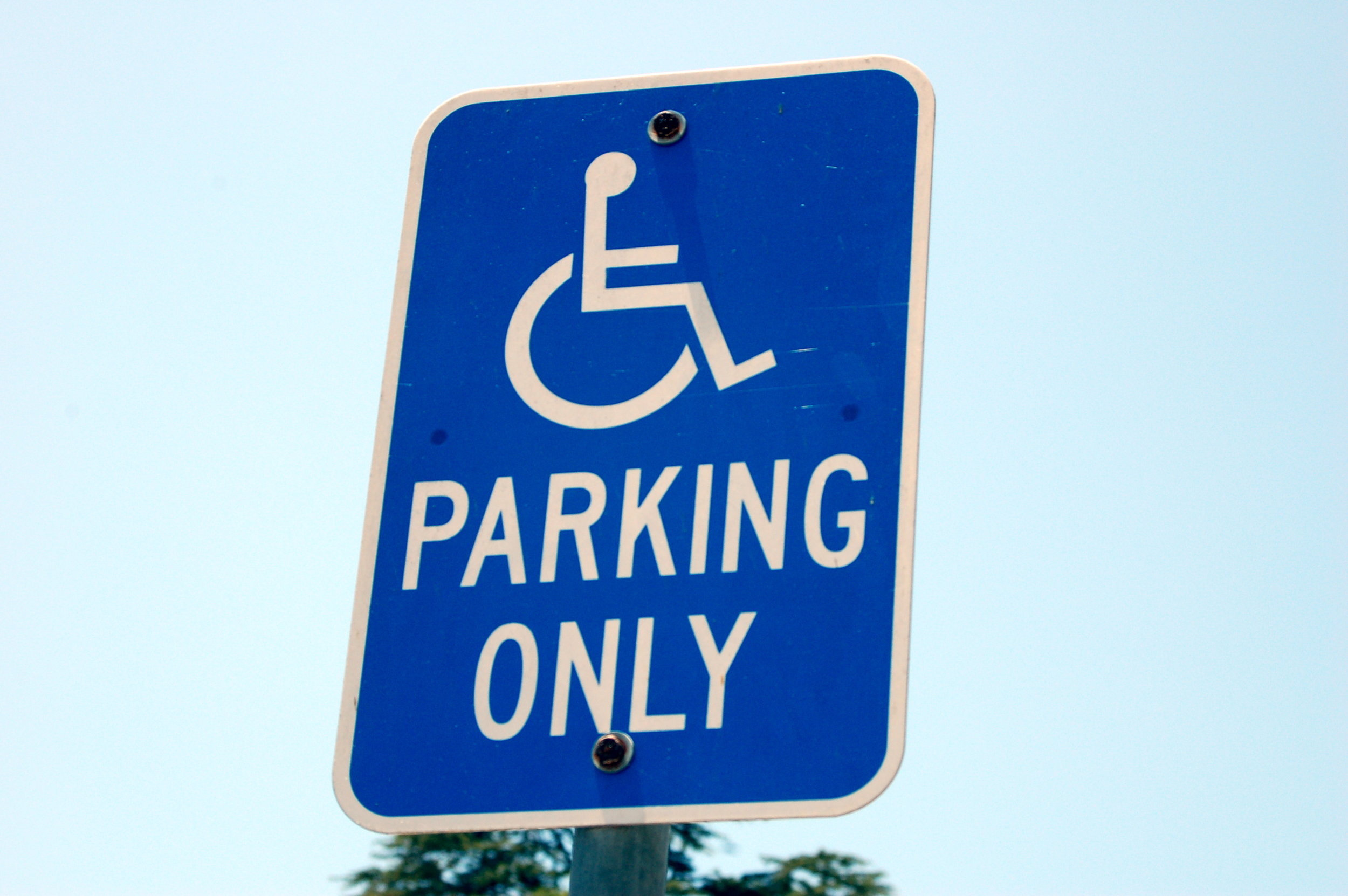
People disabled by pain may not realize at first that they are eligible for many of these services. They don’t think that their condition is debilitating enough to require handicapped parking, and underestimate the benefit of closer parking or how much energy it saves.

We should always be mindful of our energy penny bank. Handicapped permits and passes allow a disabled person to run errands, shop, go to doctor appointments, travel, and participate in other activities without wearing themselves out within the first few minutes of arriving at a destination.

If you have a disabling pain condition which may allow you to have a handicapped parking permit, talk to your doctor about it. Do not wait for your doctor to bring it up. Doctors are very busy and it is unlikely that this is foremost on their minds. Your doctor should not hesitate to sign the paperwork for you to get a handicapped parking placard if you are eligible under your state regulations.

Also be sure to get a bus pass for disabled riders. They are available in most states and typically give you free or discounted rides.

I used to take the bus often. If you find yourself in a city needing to take the bus, be sure to learn the schedule and let the bus driver know if you have any disabilities or need assistance. Ask him to remind you to get off the bus at your final destination or transfer location. I would forget my stop far too often. You learn to speak up when this happens and you miss a doctor’s appointment.

Patient transportation services are also available for some Medicaid and Worker’s Compensation patients. These companies ensure that patients are transported with the right level of medical expertise in the most appropriate vehicle, such as specialty vans that accommodate wheelchairs. Other modes of transport include ambulatory, wheelchair, stretcher, and air ambulance.

The insurance company is directly billed with a detailed invoice as to miles driven, time of transport, and drop off locations. Services are typically available every day of the year. You can set up this service with your claims adjuster or care manager. I know many who already use this service and love it. One of the iPain board members actually owns a company in Kansas and Missouri that operates this service. If you quality, ask for the help.  

No matter what resource you need, don’t hesitate to ask for them. Get the help you need to become the most active person you can be. Not treating pain is unethical and immoral. When you qualify for assistance, it means you have earned it and it is there to help you help yourself.

For a list of other free or low cost services available to you, checkout the Patient Resources section of Pain News Network. We all pray it is short term assistance, but if long term or life assistance is needed, be the best you can be and take advantage of the help that is available to you.

Barby Ingle suffers from Reflex Sympathetic Dystrophy (RSD) and endometriosis. Barby is a chronic pain educator, patient advocate, and president of the International Pain Foundation (iPain). She is also a motivational speaker and best-selling author on pain topics.

More information about Barby can be found by clicking here.

The information in this column should not be considered as professional medical advice, diagnosis or treatment. It is for informational purposes only and represents the author’s opinions alone. It does not inherently express or reflect the views, opinions and/or positions of Pain News Network.
Counterfeit Pain Meds Found in Prince’s Home

By Pat Anson, Editor

Counterfeit pain medication laced with fentanyl was found in the home of the late pop star Prince, a source with knowledge of the investigation into the his death has told the Minneapolis Star Tribune.

Prince was found dead in his Paisley Park home on April 21 and speculation immediately focused on a possible opioid overdose. A medical examiner later reported that Prince died from an accidental overdose of fentanyl, but did not say where the drug came from.

Prince did not have a prescription for fentanyl, which is used in skin patches and lozenges to treat chronic pain. He died less than a week after his private plane made an emergency landing in Moline, Illinois, where paramedics reportedly treated him for an opioid overdose.

Recently, the Drug Enforcement Administration reported the U.S. was being “inundated” with hundreds of thousands of fake pills made with illicit fentanyl, a synthetic opioid that is 50 to 100 times more potent than morphine. Dozens of deaths have been blamed on the fake pills.

The Star Tribune’s source said Prince weighed only 112 pounds at the time of his death and had so much fentanyl in his system that it would have killed anyone.

Despite the finding, investigators still aren’t sure how the 57-year-old musician ingested the fentanyl. However, they are leaning toward the theory that he took fake pills disguised as hydrocodone, not knowing they contained fentanyl, according to the Star Tribune.

If so, that would make Prince the most high-profile victim of the fast growing fentanyl crisis. Several states in the Northeast and Midwest have recently reported that most of their fatal overdoses are now caused by illicit fentanyl, not opioid pain medication.

A source told the Associated Press that several pills found in Prince’s home were labeled as “Watson 385” – a stamp used to identify generic pills containing hydrocodone and acetaminophen sold under the brand name Lortab. When one of those pills was tested, it was found to contain fentanyl and lidocaine.

The Star Tribune reported that Prince was found in his home wearing a black shirt and pants — both were on backward — and his socks were inside-out. Prince appeared to have been dead for several hours before his body was found in an elevator.

In addition to fentanyl, sources told the newspaper that lidocaine, Percocet and alprazolam were found in Prince’s system. Alprazolam is the generic name for Xanax, an anti-anxiety medication. Counterfeit versions of Xanax made with fentanyl have also been blamed on several deaths.

“The counterfeit pills often closely resemble the authentic medications they were designed to mimic, and the presence of fentanyls is only detected upon laboratory analysis,” the DEA warned in an unclassified report last month.

“Fentanyls will continue to appear in counterfeit opioid medications and will likely appear in a variety of non-opiate drugs as traffickers seek to expand the market in search of higher profits. Overdoses and deaths from counterfeit drugs containing fentanyls will increase as users continue to inaccurately dose themselves with imitation medications.”

Two public health researchers recently speculated that a “malicious actor” may be intentionally poisoning people with counterfeit medication made with fentanyl. However, a DEA spokesman said that was unlikely.

“If you’re a drug trafficker, you don’t want to poison people. You want a regular customer base,” Rusty Payne said.

Hoping to Survive the Weekend

By Sarah Daniels, Guest Columnist

How are chronic illness sufferers with life threatening problems supposed to be safe when the people working for the insurance companies, making life and death decisions about their medical care, have no medical training or background whatsoever?

Why is it up to some high school graduate whether or not I can get oxycodone? The same medication that a pain management specialist, primary care provider, neurologist, Ehlers-Danlos syndrome specialist, and 10 other doctors all agree I need to be on.

The is the same medication I was finally given permission to use after YEARS of suffering terrible pain every second of every day, being forced into physical therapy five different times, actually worsening my condition (it can be extremely dangerous for someone with Ehlers-Danlos to participate in physical therapy if the therapist has no knowledge of the illness), paying $8,000 for laser therapy with absolutely no results, and being forced to trial endless medications that are far more dangerous but cheaper for the insurance company -- just so I could be on a medication that we already knew was safe and worked with great results.

You know what is on my mind today? Whether or not I’ll be able to make it through the weekend without having a seizure and dying. NOT because I get seizures, NOT because my condition progressed so much that there is no hope, and NOT because the doctors don't know what is wrong with me or how to help me.

No, it is because a few people in some office working for a money hungry insurance company that has made a monopoly out of the health of our fellow citizens couldn't get their act together and figure out what was wrong on their end by 5 o clock Friday.

I was on the phone with Blue Care Network (Blue Cross-Blue Shield of Michigan) for hours Friday. HOURS! They couldn't tell me why I can't get my medication, just that I can't get it. They also wouldn't tell me if any of their rules or regulations changed.

They would only tell me that just because I never had a problem filling my meds before doesn't mean there isn't a problem now. They couldn't even tell me what the problem was!

I have the pharmacy, my primary care physician and my specialists all on my side, telling them I need the medication. Telling them how dangerous it will be if they don’t get this figured out. Telling them my life will be in jeopardy. And what is their response?

SARAH DANIELS

"Ma’am, I have no medical background so I can’t discern if that’s true or not.”  

Try Googling Ehlers-Danlos syndrome. Open your eyes, your heart and have some compassion!

I have done everything right. I have all the authorizations I need and have taken my meds as prescribed, no matter what the circumstances have been. This is why people all over the United States are dying. This is why suicide rates have jumped since the new CDC opioid guidelines have been put in place.

If I could pay for the medication out of pocket I would, but I am on disability like a lot of other people. My money can either go toward my rent and utilities or my medical bills, but it doesn’t pay for both. Most of the time I am struggling to have food on the table and gas in the car. I suppose on the bright side, with gastroparesis and a severe mobility disability, at least my need for both of those things is less.

You want to crack down on the heroin epidemic? How about allocating some funds for substance abuse and mental illness? How about counseling instead of jail time? Heroin addicts could care less about a rule or regulation. They will find a way to get high no matter what.

The war on opiates is killing chronic pain patients like me, who, if it weren’t for their medicine, would be bed ridden. We are the ones suffering. We are the ones paying for others’ choices and mistakes.

This isn’t right. Something has to be done. It’s 2016. There is no reason on earth that a 29-year old woman, a U.S. citizen, should have to worry about dying because they cannot get the medical care they need.

Sarah Daniels lives in the Detroit, Michigan area. She suffers from Ehlers Danlos syndrome and gastroparesis. Sarah is a proud supporter of the Ehlers Danlos National Foundation and the Gastroparesis Patient Association for Cures and Treatments (G-Pact).

Pain News Network invites other readers to share their stories with us.  Send them to:  editor@PainNewsNetwork.org

The information in this column should not be considered as professional medical advice, diagnosis or treatment. It is for informational purposes only and represent the author’s opinions alone. It does not inherently express or reflect the views, opinions and/or positions of Pain News Network.

Do Men Get More Pain Relief From Marijuana?

By Pat Anson, Editor

Experts tell us that women are more likely to experience chronic pain than men, feel pain more intensely, and are more likely to be undertreated for pain than men are.

The gender gap in pain grew a little wider this week with a new study, published in Drug and Alcohol Dependence, which claims women get far less pain relief from smoking marijuana than men do.

"These findings come at a time when more people, including women, are turning to the use of medical cannabis for pain relief," said lead author Ziva Cooper, PhD, associate professor of clinical neurobiology at Columbia University Medical Center. "Preclinical evidence has suggested that the experience of pain relief from cannabis-related products may vary between sexes, but no studies have been done to see if this is true in humans."

Cooper and her colleagues conducted two double-blinded, placebo-controlled studies that looked at the analgesic effects of cannabis in 42 healthy recreational marijuana smokers – half of them men and half women.

All smoked marijuana at least four times a week prior to enrolling in the study. Participants were excluded if they had pain.

After smoking the same amount of cannabis or a placebo, the participants immersed one hand in a cold-water bath until the pain could no longer be tolerated. Following the immersion, the participants answered a short pain questionnaire.

Among those who smoked cannabis, men reported a significant decrease in pain sensitivity and an increase in pain tolerance. But the women who smoked cannabis did not experience a significant decrease in pain sensitivity, although they did report a small increase in pain tolerance shortly after smoking.

No gender differences were found in how intoxicated the participants felt or how much they liked the effect of cannabis.

“These results indicate that in cannabis smokers, men exhibit greater cannabis-induced analgesia relative to women,” said Cooper.  “Sex-dependent differences in cannabis’s analgesic effects are an important consideration that warrants further investigation when considering the potential therapeutic effects of cannabinoids for pain relief.”

A marijuana advocate and caregiver for patients in Rhode Island said she was shocked by the study findings.

"This study concerns me that some women will read this and not even try the most magical pain relief out there," said Ellen Lenox Smith, a columnist for Pain News Network. "We have never, in the nine years of growing for myself and as caregivers for patients, ever had a time that this was not successful because of one's sex. We have had equal amounts of men and women and the only person that did not have success was an elderly woman that was not able to follow the directions due to her anxiety of using it. That was due to the stigma from society, not the product."

Do women really respond differently to marijuana or is there a flaw in the study itself?

Previous research has found that women respond differently to the cold water test and have far less tolerance for pain induced by cold water immersion than men.

“Most studies have used some form of the cold pressor test in which subjects immerse their arm or hand in circulating cold water for a defined period of time, and their results support the hypothesis that cold pain sensitivity is more pronounced in females,” researchers reported in a 2009 review of nearly two dozen studies that used the cold water test.  “Based on the present set of studies, it appears that sex differences in cold pain are consistent, particularly for suprathreshold measures such as tolerance and pain ratings.”

The Columbia University study was funded by the U.S. National Institute on Drug Abuse. Ziva Cooper also received salary support from Insys Therapeutics, which is developing cannabis-based drugs.

How Two Toddlers Saved My Life

By Crystal Lindell, Columnist

I wish I could say it’s been a rough couple months for me, but that’s not exactly true. It’s actually been more like a rough couple years.

I spent three years battling debilitating rib pain that nobody seemed to be able to cure. And then, when I discovered that my obscenely low vitamin D levels were likely to blame and I started to feel better, I faced an entirely new version of hell — opioid withdrawal.

I had been on morphine for three years, 24 hours a day, 7 days a week, and I honestly thought that when the rib pain subsided I could just endure 72 hours of physical hell and move on with my life.

But morphine is like an abusive boyfriend, it lingers. It hurts you and then offers you the cure, and then it hurts you again. And you always pay for the highs with desperate lows.

Studies have shown that it can take two years for your brain to adjust after withdrawing from opioids. And it turns out it doesn’t much matter if you were buying them off the street or getting them via a legitimate prescription from a legitimate doctor. Your brain doesn’t care.

And yes, I know, there are people out there who have an easy breezy time with it. They just decide to stop and then they stop.

I am not one of those people. I hate those people.

I have spent the last few months suffering from a potent mix of suicidal thoughts and anxiety attacks. And navigating the whole mess is especially hard because for some reason people think that if you are just a strong enough person, you’ll be fine. Let me tell you the truth, opioids don’t care if you are Wonder Woman herself, they will ravage you.

In the midst of all this, my best friend since childhood was pregnant with her third child. She and I are like sisters, having both endured crazy families, growing up poor and our 20’s together.

And so when she was put on strict bed rest about 27 weeks in, I said I would come stay with her during weekdays to help with her other two kids, who are both just toddlers themselves at 1 and 3 years old.

I work from home, so I have the luxury of volunteering for such things. And I confess I was pretty pleased with myself at the thought of playing a small role in making sure the newest member of their family was born healthy.

But if we’re being honest, she could have said no. She could have said that she didn’t want an opioid addict around her kids. She could have easily pointed to my debilitating anxiety attacks and said I was unfit to supervise toddlers.

Maybe she was too desperate to say anything like that to me. But I honestly don’t think she ever even thought it.

So, in late May, I basically moved in with her, her husband and two toddlers. I went from the cool chick who comes over and plays bubbles to the cool chick who has to give the kids baths, feed them, change diapers, clean up spit up, watch Sesame Street on repeat for 16 hours a day, AND play bubbles.

And somewhere along the way, I forgot that I was having a really rough couple of years.

Kids have a way of forcing you to be in the present. There’s no time to anxiously contemplate the meaning of life and whether or not you’ll ever find true love, when the meaning of life and true love are staring up at you calling you “Bistol” because the C sound is hard, and asking for another pack of gummy bears.

And I don’t care who you are, watching a child literally learn to do the most fundamental of human movements, walking, over a period of about three weeks is breathtaking and jaw dropping and mid-afternoon Taylor Swift dance party worthy.

And so, that is how one of the worst times in my life was transformed by two toddlers. Two boys who had no idea they were helping me navigate opioid withdrawal when they were screaming for teddy bears at 1 a.m., and spitting up all over the carpet, and eating rocks, and begging for ketchup, and laughing and crying and cuddling and loving.

Because that’s actually how it works, isn’t it? You think you’re saving someone, but then you realize that this whole time they were saving you.

Crystal Lindell is a journalist who lives in Illinois. She loves Taco Bell, watching "Burn Notice" episodes on Netflix and Snicker's Bites. She has had intercostal neuralgia since February 2013.

Crystal writes about it on her blog, “The Only Certainty is Bad Grammar.”

The information in this column should not be considered as professional medical advice, diagnosis or treatment. It is for informational purposes only and represent the author’s opinions alone. It does not inherently express or reflect the views, opinions and/or positions of Pain News Network.

‘Weird and Cool’ Discovery Could Lead to Safer Opioid

By Pat Anson, Editor

A “weird and cool” discovery by a team of international researchers could lead to the development of a new opioid medication that relieves pain without the risk of abuse and overdose.

In a case of reverse engineering, scientists in the U.S. and Germany deciphered the atomic structure of the brain’s mu-opioid receptor and then designed a drug – called PZM21 – that activates the receptor without the typical side effects of opioids. In experiments on mice, PZM21 did not cause drug-seeking behavior and did not interfere with breathing – the main cause of death in opioid overdoses.

“With traditional forms of drug discovery, you’re locked into a little chemical box,” said Brian Shoichet, PhD, a professor of pharmaceutical chemistry at UC San Francisco’s School of Pharmacy.

“But when you start with the structure of the receptor you want to target, you can throw all those constraints away. You’re empowered to imagine all sorts of things that you couldn’t even think about before.”

Shoichet and colleagues at Stanford University, the University of North Carolina and the Friedrich Alexander University in Erlangen, Germany published their findings in the journal Nature.

"This promising drug candidate was identified through an intensively cross-disciplinary, cross-continental combination of computer-based drug screening, medicinal chemistry, intuition and extensive preclinical testing," said Brian Kobilka, MD, a Nobel Prize winner and professor of molecular and cellular physiology at Stanford. It was Kobilka who first established the molecular structure of the opioid receptor.

Shoichet and his research team conducted roughly four trillion “virtual experiments” on UCSF computers, simulating how millions of different drug candidates could turn and twist in millions of different angles – called “molecular docking” -- to see how they fit into a pocket on the receptor and activate it. They avoided using molecules linked to the respiratory suppression and constipation typical of other opioids.

This led to the development of PZM21, which efficiently blocked pain in mice without producing the constipation and breathing suppression typical of other opioids. PZM21 also appears to dull pain by affecting opioid circuits in the brain only, with little effect on opioid receptors in the spinal cord. No other opioid has that effect, which Shoichet says is “unprecedented, weird and cool.”

The drug also didn’t produce the hyperactivity that other opioids trigger in mice by activating the brain’s dopamine systems. The mice did not display drug-seeking behavior by spending more time in chambers where they had previously received doses of PZM21.

“After we replicated the lab experiments and mouse studies several times, then I became excited about the potential of this new drug,” said Bryan Roth, MD, a professor of pharmacology and medicinal chemistry at University of North Carolina.

Researchers say more work is needed to establish that PZM21 is truly non-addictive, and to confirm that it is safe and effective in humans.

 “We haven’t shown this is truly non-addictive,” Shoichet cautioned. “At this point we’ve just shown that mice don’t appear motivated to seek out the drug.”

Listen to the Voices Silenced by Overdoses

By Judy Rummler, Guest Columnist

In reply to the recent article in Pain News Network about the Steve Rummler Hope Foundation, I want first of all to say that I have great compassion for those with chronic pain. 

My son Steve suffered from back pain for 15 years and many of the staff and volunteers of the Steve Rummler Hope Foundation have family members who have also suffered with chronic pain.  Sadly, many of us have lost our loved ones to opioid overdoses and we are working to prevent this from happening to other families. 

Had more cautious and responsible opioid prescribing practices been implemented before Steve died of an accidental overdose, he would have been terrified at the thought of losing access to his opioid pain medication.  He had developed the disease of addiction and had come to believe that his pills were the only solution for his chronic pain. 

Steve was a dean’s list student, all-conference soccer player and a gifted musician. He had many friends and a loving fiancée and family, yet he lost interest in almost everything that had once been important to him. 

He experienced the dilemma facing those who need treatment for both chronic pain and addiction.  Among his belongings we found a note describing his pills that said, “At first they were a lifeline; now they are a noose around my neck.” 

JUDY RUMMLER

It is important to remember that, while we can all hear the calls for relief from those who are suffering with chronic pain, we can no longer hear the 200,000 plus silenced voices of those who have died from opioid overdoses.  These people did not want to die and many of them would have lived if physicians had practiced more cautious and responsible prescribing.  Like most doctors, Steve’s doctor was well-intentioned but had received little training on the prescribing of opioids for pain.  

In an effort to provide this much-needed training, the Steve Rummler Hope Foundation has created a lecture series on “Pain, Opioids and Addiction” in partnership with the Minnesota Medical Association (MMA) and the University of Minnesota Medical School.  

These lectures are presented to medical students, videotaped and made available for continuing medical education (CME) at no cost on the MMA website.  The hope of the series is to create a medical curriculum on pain, opioids and addiction as it should be in a medical school setting: balanced, practical, evidence-based information free of commercial bias.

The mission of the Steve Rummler Hope Foundation is to heighten awareness of the dilemma of chronic pain and the disease of addiction, and to improve the associated care process.  We provide hope for those with chronic pain and addiction through our three programs: Overdose Prevention, Prescriber Education and Advocacy.  More information is available on our website.

Judy Rummler is a co-founder of the Steve Rummler Hope Foundation, a 501 (c) (3) non-profit organization based in Minnesota. The foundation recently became the fiscal sponsor of Physicians for Responsible Opioid Prescribing (PROP).

 Pain News Network invites other readers to share their stories with us.  Send them to:  editor@PainNewsNetwork.org

The information in this column should not be considered as professional medical advice, diagnosis or treatment. It is for informational purposes only and represents the author’s opinions alone. It does not inherently express or reflect the views, opinions and/or positions of Pain News Network.

Acetaminophen Linked to Kids’ Behavior Problems

By Pat Anson, Editor

Another study has linked acetaminophen to attention deficit and other behavioral problems in children whose mothers used the over-the-counter pain reliever while pregnant.

"Children exposed to acetaminophen use prenatally are at increased risk of multiple behavioral difficulties,” said lead author Evie Stergiakouli, PhD, of the University of Bristol. “Given the widespread use of acetaminophen among pregnant women, this can have important implications on public health advice.”

The study, published in JAMA Pediatricsinvolved nearly 7,800 mothers in the UK who used acetaminophen in 1991 and 1992.

Prenatal use of acetaminophen in the second and third trimesters was associated with a higher risk of behavior problems and hyperactivity in children. Use of acetaminophen at 32 weeks of pregnancy was also associated with a higher risk for emotional problems.

“We found stronger association between maternal acetaminophen use and multiple behavioral and emotional problem domains during the third trimester than during the second trimester, in agreement with previous studies that have included multiple measurement times during pregnancy," said Stergiakouli

"Given that there is active brain development and growth during the third trimester, this finding could indicate that there are developmental periods when the brain is more sensitive to acetaminophen exposure.” 

Acetaminophen (paracetamol) is one of the most widely used pain relievers in the world. It is the active ingredient in Tylenol, Excedrin, and hundreds of other pain medications. Researchers say over half the pregnant women in the United States and European Union use the drug.

"The risk of not treating fever or pain during pregnancy should be carefully weighed against any potential harm of acetaminophen to the offspring," said Stergiakouli

A recent study of over 2,600 Spanish women linked acetaminophen to autism and attention deficit problems in their children. Studies in Denmark and New Zealand have also linked acetaminophen with a higher risk of hyperkinetic disorders and attention-deficit hyperactivity disorder (ADHD).

Over 50 million people in the U.S. use acetaminophen each week to treat pain and fever. The pain reliever has long been associated with liver injury and allergic reactions such as skin rash.

5 Myths About the CDC Opioid Guidelines

By Pat Anson, Editor

In a recent survey of nearly 2,000 pain patients, over two-thirds said their opioid medication has either been reduced or stopped by their doctor since the CDC’s opioid prescribing guidelines were released.

That’s either a remarkable degree of compliance with guidelines that are supposed to be voluntary or a sign they are being rigidly adopted and implemented by physicians, regardless of the impact on patients. Judging by the comments we’ve received from readers, it’s the latter.

“With the new guidelines for opioids, I’ve been caught up in having my meds cut in half. I can’t physically function through the day and I suffer in pain, which doesn’t seem to mean anything to my physician,” said Brett.

“The specialist who manages my pain medications says that it is a federal guideline that they are not allowed to modify in any way, even according to patient need,” said Diane.

“The nurse told me that no other doctor would prescribe me this (opioid) medication, because the new law states only cancer patients and end of life patients could have long term opioids,” wrote Deanna.

These comments reflect some of the myths that have developed since the CDC guidelines were released in March. Let’s look at five of them.

Myth #1: The CDC prescribing guidelines are mandatory

False. The guidelines are voluntary and intended only for primary care physicians, yet they are being widely implemented by many prescribers, including pain management specialists and even some oncologists. Here is what the guidelines actually say:

"This guideline provides recommendations for the prescribing of opioid pain medication by primary care providers for chronic pain in outpatient settings outside of active cancer treatment, palliative care, and end-of-life care. Although the guideline does not focus broadly on pain management, appropriate use of long-term opioid therapy must be considered within the context of all pain management strategies… The guideline offers recommendations rather than prescriptive standards; providers should consider the circumstances and unique needs of each patient."

The voluntary nature of the guidelines was reinforced in a recent letter to a pain patient by Debra Houry, MD, Director of the CDC’s National Center for Injury Prevention, which oversaw the guidelines’ development.

“The Guideline is a set of voluntary recommendations intended to guide primary care providers as they work in consultation with their patients to address chronic pain,” wrote Houry in her letter to Rich Martin, a retired pharmacist disabled by chronic back and hip pain. 

“The Guideline is not a rule, regulation, or law. It is not intended to deny access to opioid pain medication as an option for pain management. It is not intended to take away physician discretion and decision-making.”

To see Houry’s letter and perhaps even print a copy for your doctor, click here.

Myth #2: The guidelines establish a limit on the highest dose of opioids

False. The guidelines recommend that prescribers should “use caution” when prescribing opioids at any dose and “additional precautions” when dosages exceed 50 mg (morphine equivalent) a day. Prescribers are warned to “generally avoid” increasing dosages over 90 mg a day, but are never told they cannot exceed it.

The guidelines are also written in a way that emphasize the dosing recommendations are mainly intended for new patients, not established patients who’ve been on high opioid doses for years without any problems. The guidelines recommend that physicians “collaborate” with those patients on a new treatment plan – a practice known as informed consent:

"Established patients already taking high dosages of opioids, as well as patients transferring from other providers, might consider the possibility of opioid dosage reduction to be anxiety-provoking, and tapering opioids can be especially challenging after years on high dosages because of physical and psychological dependence… For patients who agree to taper opioids to lower dosages, providers should collaborate with the patient on a tapering plan. Experts noted that patients tapering opioids after taking them for years might require very slow opioid tapers as well as pauses in the taper to allow gradual accommodation to lower opioid dosages."

Still, many patients say they are being abruptly tapered to lower doses without having any input into the decision.

“I have severe chronic pain issues along with fibromyalgia and was barely getting by on 150 mg opioids per 24 hours, and now am being tapered down to the new 90 mg in 24 hours. I have gone from being relatively functional to nearly home bound,” said Diane.

“My pain management doctor announced to me, that he and his two other partners in the pain management clinic, are reducing all non-cancer chronic pain patients to the CDC's guideline of 90 mg morphine equivalent.  He told me they had to follow these guidelines,” says Rich Martin. 

Myth #3: The guidelines require doctors to drop patients if they fail a drug test

False. The guidelines specifically recommend against this practice:

"Providers should not terminate patients from care based on a urine drug test result because this could constitute patient abandonment and could have adverse consequences for patient safety, potentially including the patient obtaining opioids from alternative sources and the provider missing opportunities to facilitate treatment for substance use disorder."

Yet patients tell us they’re being dropped after just one failed test.

“I have been in pain management for the past 8 years. Suddenly, I went to my appointment one day the doctor rudely told me that I'm not welcome back and the reason I even have an appointment is because they want to tell me I failed my UA (urine test) for cocaine," wrote on patient.

"First of all, I don't do cocaine. I smoked weed. How come I would test positive for cocaine but not for weed?”

As Pain News Network has reported, the point-of-care (POC) urine drug tests widely used by doctors are wrong about half the time -- frequently giving false positive or false negative results for drugs like oxycodone, methadone, methamphetamines and antidepressants.

According to one study, POC tests give false positive readings for cocaine about 12 percent of the time, and they fail to find signs of marijuana – a false negative -- about 21 percent of the time.

The guidelines suggest that prescribers not even test for THC – the active ingredient in marijuana:

"Providers should not test for substances for which results would not affect patient management or for which implications for patient management are unclear. For example, experts noted that there might be uncertainty about the clinical implications of a positive urine drug test for tetrahydrocannabinol (THC)."

The CDC admits urine drug tests “can be subject to misinterpretation” but recommends their use anyway, before opioid therapy begins and at least once annually thereafter.  If “unexpected results” are found, the guidelines say they should be verified by more expensive laboratory tests.

Myth #4: The guidelines will help reduce opioid abuse and overdoses

The early results are not promising. The prescribing of opioid pain medication was in decline years before the guidelines were issued, yet overdose death rates continued climbing. In recent months, opioid overdoses in several northeastern states have spiked, with most of the deaths blamed on illicit fentanyl smuggled into the country from China, Mexico and Canada.

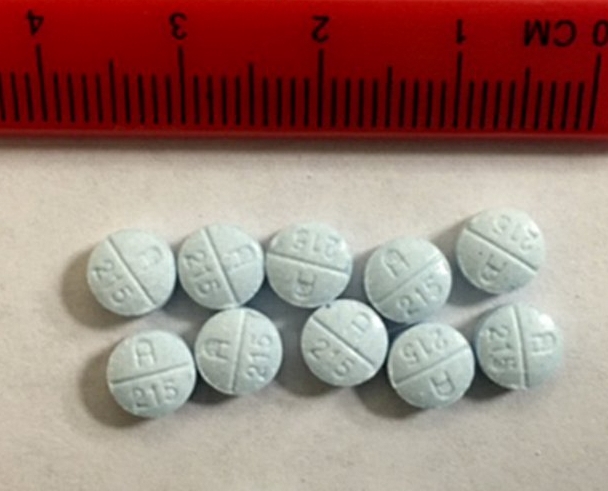
Most disturbingly, drug traffickers are learning how to manufacture counterfeit pain medication with fentanyl. The DEA says the U.S. is being “inundated” with hundreds of thousands of these fake pills. It’s not just street addicts being victimized by the fentanyl scam. Some are pain patients who turned to the black market for relief because they could no longer get opioid prescriptions legally.

“Fentanyls will continue to appear in counterfeit opioid medications and will likely appear in a variety of non-opiate drugs as traffickers seek to expand the market in search of higher profits. Overdoses and deaths from counterfeit drugs containing fentanyls will increase as users continue to inaccurately dose themselves with imitation medications,” the DEA said in a report this summer.

counterfeit oxycodone

Pain patients predicted that illegal drug use would soar in a survey conducted by Pain News Network and the International Pain Foundation last October. Asked what would happen if the CDC guidelines were adopted, nearly 60% said pain patients would get their opioids through other sources or off the street. Another 72% said use of heroin and other illegal drugs would increase. And 78% predicted more patient suicides.

Could the CDC have seen this coming? In its urgency to get the guidelines adopted, the agency never took a hard look at the unintended consequences the guidelines could have:

"Concerns have been raised that prescribing changes such as dose reduction might be associated with unintended negative consequences, such as patients seeking heroin or other illicitly obtained opioids or interference with appropriate pain treatment. With the exception of a study noting an association between an abuse-deterrent formulation of OxyContin and heroin use… CDC did not identify studies evaluating these potential outcomes."

Myth #5: There are better alternatives than opioids

There are many different types of non-opioid medications, ranging from over-the-counter pain relievers like ibuprofen and acetaminophen to prescription drugs like Lyrica (pregabalin) and Neurontin (gabapentin). There are also several non-pharmacological treatments like acupuncture, massage, physical therapy, and cognitive behavioral therapy (CBT).

The CDC guidelines make it sound like these alternative treatments always work and are readily available to every patient:

"Many nonpharmacologic therapies, including physical therapy, weight loss for knee osteoarthritis, complementary and alternative therapies, psychological therapies such as CBT, and certain interventional procedures can ameliorate chronic pain. In particular, there is high-quality evidence that exercise therapy for hip or knee osteoarthritis reduces pain and improves function immediately after treatment.

Several nonopioid pharmacologic therapies (including acetaminophen, NSAIDs, and selected antidepressants and anticonvulsants) are effective for chronic pain. In particular, acetaminophen and NSAIDs can be useful for arthritis and low back pain. Selected anticonvulsants such as pregabalin and gabapentin can improve pain in diabetic neuropathy, post-herpetic neuralgia, and fibromyalgia."

But when we asked over 2,200 pain patients what they thought about these alternative treatments, most said they didn’t work. Three out of four patients said over-the-counter pain relievers “did not help at all” and 64% said the same about nonpharmacological treatments such as exercise and weight loss.

Non-opioid medications like Lyrica, Neurontin and Cymbalta fared a little better, with only about half of patients saying they did not help. But many also complained about side effects from the drugs, such as weight gain, anxiety and withdrawal symptoms.

Some patients are being coerced into treatments they don’t want, such as epidural steroid injections. Over a third of the patients recently surveyed by Lana Kirby, founder of Veterans and Americans United for Equality in Medical Care, said they have been told by a healthcare provider that they must have an operation or invasive procedure or they’ll no longer get opioids or be discharged from the practice.  

“Respondents are being threatened with pain care protocols that are not optimal, such as epidural injections and installation of durable medical equipment. If they refuse, their access to oral medications, even where they have been used impactfully, is systematically reduced or suspended,” said Terri Lewis, PhD, a patient advocate and researcher who analyzed the survey findings.

Over half the patients (57%) in that survey said they had been discharged by a doctor because they required opioid treatment. Of those who were discharged, only half were able to find a new physician.

Perhaps the most telling response in that survey is that half of the patients admit considering suicide as a way to end their pain.

“Patients increasingly report that they are harmed directly and indirectly as changes to their healthcare routines have resulted in limited access, reduced quality of healthcare interactions, and increased out of pocket cost,” said Lewis. “To a person, respondents report that they feel humiliated, degraded, shamed, and stigmatized by the loss of choice over their physician patient alliance and program of care.

"The regulatory changes have increased negative responses to them within their support system (treated like addicts, lack of care for emergencies, pharmacy hassles, and fear of physician). Many now acknowledge that their doctor’s appointment conversation is all about keeping the physician safe from DEA oversight or license restrictions as opposed to optimizing the consumer’s activity and functioning levels.”

In just five months, it is clear the guidelines are having a major impact on the pain community in the United States.  More people are suffering from untreated pain and more are dying from drug overdoses. Yet there is no sign the CDC has any intention to revise and clarify the guidelines or to dispel the myths that surround them.

13 Tips for Living with Gastroparesis

By Ellen Lenox Smith, Columnist

Few people understand what it’s like to live with gastroparesis – a digestive disorder that slows or stops the movement of food from the stomach to the intestine. Not being able to digest food and eliminate waste properly causes abdominal pain and bloating.

Gastroparesis can develop when the vagus nerve is damaged by an injury or illness and the stomach muscles stop working properly. In my case, it was triggered by Ehlers-Danlos syndrome.

The most extreme cases of gastroparesis lead to severe nausea, vomiting, and dehydration, when urgent care may be required at a medical facility so IV fluids can be given.

You can’t allow partially digested food to ferment and become toxic in your body. There are cases where death has resulted from not being treated.

I have been searching for answers for two years now. I had times when things seemed semi-normal. But for the past three months, I have been having on and off luck with elimination and wanted to share some tips I’ve learned that may help if you also suffer from gastroparesis.

1. Changing eating habits can sometimes help control the severity of gastroparesis symptoms. It is suggested to eat six small meals a day instead of three large ones. Less food makes it easier for the stomach to empty.

2. Chew food slowly and thoroughly while drinking at least 8-ounces of non-carbonated, sugar-free, caffeine-free fluid with each meal.

3. Walking or sitting for 2 hours after a meal -- instead of lying down -- may assist with gastric emptying.

4. Avoid eating high-fat foods, because fat slows digestion. Red meat, pork and fowl should be ground.

5. Avoid raw vegetables and fruits. They are more difficult to digest and the undigested parts may remain in the stomach too long. Oranges and broccoli, in particular, contain fibrous parts that do not digest well. Acceptable vegetables might include avocado, summer squash, zucchini, or mashed pumpkin.

6. A person with severe symptoms may have to turn to liquid or puréed food, which empty more quickly from the stomach. Puréed fresh or cooked fruits and vegetables can be incorporated into shakes and soups.

7. Some doctors recommend a gluten free diet. Even mild gluten intolerance can result in the development of thyroid imbalance, which could worsen gastroparesis.

8. Fermented food rich in lacto-fermented foods such as sauerkraut, kimchi, black garlic, and kefir can also improve digestion. Bone broth is very nutritious and healing for your gut, as it contains calcium, magnesium, phosphorus, sodium, potassium, glucosamine, chondroitin, and glycine to ease digestion and soothe inflammation.

9. Believe it or not, chewing gum can make a big difference too. The act of chewing produces saliva, which not only contains digestive enzymes but also stimulates muscular activity in the stomach and relaxes the pylorus, the lower part of the stomach. Chewing gum for at least 1 hour after meals is a very effective treatment of gastroparesis.

10.  High-fiber laxatives such as Metamucil that contain psyllium should be avoided.

11.  You might want to considering giving acupuncture a try. Needles are believed to restore healthy immune and neurological function while removing blocks in your life-force energy called ‘chi’.

12.  Colonics is also something to consider and what I have had to turn to weekly to eliminate waste. A colonic is the infusion of water into the rectum to cleanse and flush out the colon.

13.  There are medications that can help. I had amazing and quick results using metoclopramide, but unfortunately ended up reacting to it and had to stop. That was heartbreaking!

Living with gastroparesis is not easy and most people connected to you have no idea the sensations it is creating in your body. Remember that eliminating is a natural and necessary process. You must rid your body of those toxins and not allow them to ferment inside you.

I hope that one or more of these suggestions will help to improve the quality of your life.

Ellen Lenox Smith suffers from Ehlers Danlos syndrome and sarcoidosis. Ellen and her husband Stuart live in Rhode Island. They are co-directors for medical marijuana advocacy for the U.S. Pain Foundation and serve as board members for the Rhode Island Patient Advocacy Coalition.

For more information about medical marijuana, visit their website. 

The information in this column should not be considered as professional medical advice, diagnosis or treatment. It is for informational purposes only and represents the author’s opinions alone. It does not inherently express or reflect the views, opinions and/or positions of Pain News Network.

Study: Long Term Opioid Use Rare After Surgery

Pat Anson, Editor

It’s become a popular belief that many people become addicted to opioid pain medication after surgery. According to a recent national survey, one in ten pain patients believe they became addicted or dependent on opioids after they started taking them for post-operative pain.

But a large new study in Canada found that long term opioid use after surgery is extremely rare, with less than one percent of older adults still taking opioid pain medication a year after major elective surgery.

The study, published in the journal JAMA Surgery, looked at over 39,000 “opioid naïve” patients (no opioid prescriptions in the prior year) over age 65 who had a heart, lung, colon, prostate or hysterectomy surgery from 2003 to 2010.

One year after the surgery, only 168 of the surviving patients were still prescribed opioids – a rate of just 0.4 percent.

“Exposure to opioids is largely unavoidable after major surgery because they are routinely used to treat postoperative pain,” wrote lead author Hance Clarke, MD, Toronto Western Hospital.

In a previous study, Clarke and his colleagues looked at opioid use after major surgery and found that about 3% of patients were still taking opioids after three months. They decided to do this follow-up study to see how many were still being prescribed opioids 180 days, 270 days and 365 days after surgery. They found a steady decline in opioid use throughout the year.

“The estimate of 0.4% of patients continuing to receive opioids at 1 year is consistent with some limited available data,” Clarke wrote. “Our study thus provides reassurance that the individual risk of long-term opioid use in opioid-naive surgical patients is low.”

Earlier this year the American Pain Society (APS) released guidelines for postoperative pain care that encourage the use of non-opioid medications such as acetaminophen, non-steroidal anti-inflammatory drugs (NSAIDs), gabapentin (Neurotin) and pregabalin (Lyrica).  The APS also said epidural injections could be used for pain relief during some surgeries.

A survey of over 1,200 pain patients by Pain News Network and the International Pain Foundation found that two-thirds of patients believe that non-opioid medication “did not help at all” in the hospital. Another 60 percent said their pain was not adequately controlled in the hospital after a surgery or treatment.

Pain is Inevitable, But Suffering is Optional

By Rebecca May, Guest Columnist

Being a mom suffering with a chronic pain disorder is not for the faint of heart.  We need our own superhero: Super Sufferer. Able to clean up pain in a single bound!

The name might need some work.  I honestly am my own cheerleader, although I am a shadow of my former bad-ass self. But they say what doesn’t kill you makes you stronger.

I was lucky in the beginning, ten years ago. The pain started in my right arm. I could still run and dance.  Whoop it up and cause some harmless trouble.

Now, I fantasize about the thread count in my Egyptian cotton sheets. Netflix is my bestie, and I have been known to shake my pill bottles in the middle of the night just to make sure they are still there. 

The fear of withdrawal is intense. They say I am not addicted to the morphine, merely dependent. Well then, that should make me feel better, right? I am afraid that if people find out I need scary drugs to survive, they will think I am a fraud.

REBECCA MAY

What I have found is that these are my issues. Most people I share this personal information with have stories of their own. In fact, I end up knowing too much about their affected loved ones.

As chronic pain sufferers, we want to be understood. Doesn’t everyone? We will seek approval anywhere. If I catch the glance of a kind grocery clerk, they instantly become my new BFF. I have the routine and story down, including the long pauses for appropriate reactions. I turn to strangers because I don’t want to burden my family, especially my teenage kids.

I think all of us Super Sufferers have found ourselves in desperate situations. Like the 3:00 am online conversations with support group friends who also can’t sleep because of the never-ending pain.

Yet, after all the frustration, pain, and isolation, we are still here. It’s difficult to get any accurate number of suicides related to chronic pain, as many are from drug overdoses. People who seek me out either through articles or support groups are looking for someone who understands. Isolation and fear drive people to choose permanent choices.

Now that I am approaching mid-life as a chronic pain sufferer, I have to make some very difficult choices.

Do I continue to work?

The answer for me is as long as I am able. I tried staying at home. I watched Netflix until my eyes were sore. I gained weight and developed depression. I missed adult time and fresh air. After my permanent diagnosis, I thought the party was over. The truth is I just have to modify it. I installed hand bars, bought a cool cane and now I take my time.

What about exercise?

To be honest, I am not able to swing my arms and kick my knees to my chin anymore while African dancing. I can swim and do light cardio. I took up walking around the track with a friend. She knows that I may need to slow down.

What do I do for fun now?

There are people who are going to think you are faking -- that is all of them. They are not your problem. I still do most of the things I did before, with the exception of dancing and running. I love going to the movies, swimming, museums, and grabbing coffee with friends.

Set your own pace. It is okay to cancel plans. Just remind your friends that today it isn’t the best day for you. 

Rebbeca May suffers from Kienbock's disease, Complex Regional Pain Syndrome, adrenal fatigue, fibromyalgia, sleep apnea, and reproductive issues. She lives in the Pacific Northwest with her family.

Pain News Network invites other readers to share their stories with us.  Send them to:  editor@PainNewsNetwork.org

The information in this column should not be considered as professional medical advice, diagnosis or treatment. It is for informational purposes only and represents the author’s opinions alone. It does not inherently express or reflect the views, opinions and/or positions of Pain News Network.

DEA: No Schedule Change for Marijuana

By Pat Anson, Editor

After weeks of rumors about a major change in policy, the U.S. Drug Enforcement Administration has announced that it will not reclassify marijuana as a Schedule II controlled substance, a move that would have essentially made medical marijuana legal in all 50 states.

Marijuana will remain classified as Schedule I drug – along with other illegal drugs such as heroin and LSD – meaning it has “no currently accepted medical use.”

"This decision isn't based on danger. This decision is based on whether marijuana, as determined by the FDA, is a safe and effective medicine. And it's not," Chuck Rosenberg, acting administrator of the Drug Enforcement Administration told NPR.

The DEA did say it would loosen the rules to make marijuana more available for research, allowing researchers to register with the agency to “grow and distribute marijuana for FDA-authorized research.” Until now, only the University of Mississippi has held a license to grow marijuana for research purposes.

"As long as folks abide by the rules, and we're going to regulate that, we want to expand the availability, the variety, the type of marijuana available to legitimate researchers," Rosenberg told NPR. "If our understanding of the science changes, that could very well drive a new decision."

Although still technically illegal under federal law, 25 states and the District of Columbia have approved the use of medical marijuana.  Colorado and Washington have also legalized it for recreational use.

Earlier this summer, the Santa Monica Observer and the Denver Post published reports speculating that marijuana would soon be rescheduled. The Observer even set a date for the announcement – August 1st – and cited an unnamed “Los Angeles based DEA Attorney” as the source of the information.

The two stories fueled rampant speculation in blogs and on social media that a rescheduling of marijuana was imminent. Snopes.com even published its own take on the rumors, calling them “unproven.”

Canadians Can Grow Their Own

The DEA’s announcement came the same day Health Canada said it would allow Canadians to start growing their own marijuana when it updates regulations governing Canada’s medical cannabis program on August 24.

On that date, Canadians who have been authorized by their doctor to use cannabis for medical purposes will be able to produce a limited amount of cannabis or designate someone to produce it for them, provided they register with Health Canada.  Cannabis users will also continue to have the option of purchasing cannabis from one of the 34 producers licensed by Health Canada.

Additional information on how to register and legally purchase starting materials for marijuana cultivation will be available on Health Canada's website on August 24.