PROP Ends Affiliation with Phoenix House

By Pat Anson, Editor

Physicians for Responsible Opioid Prescribing (PROP), an influential and politically connected advocacy group that seeks to reduce opioid prescribing, is no longer directly affiliated with Phoenix House, which runs a nationwide chain of addiction treatment centers.

The Steve Rummler Hope Foundation is now the “fiscal sponsor” of PROP, which will allow PROP to collect tax deductible donations under the foundation’s 501 (c) (3) non-profit status. IRS regulations allow non-profits to form partnerships with like-minded organizations, allowing other groups to essentially piggyback off their non-profit status and collect donations.  

Like PROP, the foundation’s main goal is to reduce opioid prescribing. It is named after Steve Rummler, a Minnesota pain patient who became addicted to opioid medication while being treated for a back injury.

After several attempts at addiction treatment, Rummler relapsed and died of a heroin overdose at the age of 43.

“He struggled with the pain for a long time,” said Judy Rummler, Steve’s mother and chief financial officer of the foundation.  “He had what I think later was figured out to be some damage to the nervous system around his spinal cord because he had what he described as shooting electric shock-like sensations that would shoot up his back into his head and down his legs into his feet.”

Steve sought help from many doctors, but never received a treatable diagnosis. He started taking OxyContin for pain relief. 

“Once he was prescribed the opioids in 2005, then he didn’t care about getting answers anymore,” his mother said.

After Steve’s death in 2011, the Rummler family established the foundation with the goal of helping others who also struggle with chronic pain and addiction. It was PROP’s founder and chief executive, Andrew Kolodny, MD, who approached the foundation with the idea of joining forces.

“Basically as the fiscal sponsor we accept donations and we manage the funding. We don’t set any policy for him,” Judy Rummler told Pain News Network. “Obviously our missions are similar. We are very concerned about the overprescribing of opioids. Yet I know if my son were alive today he would probably be telling you what you hear from so many other pain patients; that he couldn’t live without them. But the problem was he died as a result of it.

“I know there are a lot of people who are going to be hurt by cutting back on the prescribing, but I just think a lot of them are addicted as my son was. Yet he would have been the first one to scream and yell about having his pills cutoff.”

The Rummler Foundation calls this tug-of-war between opioids and addiction “The Dilemma.” It advocates for wholesale change in the treatment of chronic pain, emphasizing “wellness rather than drugs” and the use of “a wide array of non-opioid options.”

Opioid medication should not be prescribed for chronic pain, according to Rummler.

“I would never say that it’s impossible for it to work for someone. I wouldn’t say that. But I would say there’s no evidence it would work. And it shouldn’t be prescribed that way,” she said.  “There are so many people dying. I hate to even use the term ‘abuse’ because I don’t think my son, really, I mean at the end he was an abuser, for sure. But it wasn’t abuse that got him addicted. It was the prescribing that got him addicted.”  

In addition to promoting awareness about opioid addiction, the Rummler Foundation sponsors prescriber education courses and provides free naloxone rescue kits to reverse the effects of opioid overdoses.

Links with PROP

The Rummler Foundation already has a lengthy association with PROP. Kolodny serves on the foundation’s medical advisory committee, as does Jane Ballantyne, MD, PROP’s president. The two groups have also participated together in several advocacy campaigns.

While PROP no longer considers itself “a program” of Phoenix House, Kolodny is still listed as the chief medical officer for the organization.

For several years, PROP lobbied the FDA, DEA and other federal agencies to reduce the prescribing of opioids with mixed success. Recently it played a significant role in the development of the CDC’s opioid guidelines, which discourage primary care physicians from prescribing opioids for chronic pain. Kolodny, Ballantyne and three other PROP officers and board members served on panels advising the CDC.

As Pain News Network has reported, Ballantyne and two other PROP board members are currently participating in CDC funded webinars to teach prescribers how to implement the guidelines. Those guidelines, which were released in March, have already had a significant impact on the pain community. In a recent survey, over two-thirds of patients said their opioid medication has been reduced or stopped by their doctor. About half said they have considered suicide as a way to end their pain since the guidelines were released. 

In addition to his new affiliation with the Rummler Foundation, Kolodny is working with the Los Angeles-based Media Policy Center in developing a documentary on opioids and addiction. PROP is listed as one of the partners in the project, along with the Semel Institute of Neurobiology and the Geffen School of Medicine at UCLA.

The Media Policy Center (MPC), which declined to comment for this story, states on its website that it hopes to release the documentary in November and eventually air it on PBS.

“The best way to prevent deaths and overdose is through education,” MPC says in a statement on its GoFundMe campaign. “Many people have the misconception that opioids, such as OxyContin, are safe because they are prescription drugs, however, they are very addictive and once people lose access to their prescriptions or can no longer afford the drug they may turn to drugs like heroin.”

PNN has learned that several prominent doctors in the field of pain management have been approached to participate in a “debate” with Kolodny for the program. All have declined because they fear the documentary will be biased.

Study Finds Racial Disparity in ER Opioid Prescriptions

By Pat Anson, Editor

Black patients who visit hospital emergency rooms with back and abdominal pain are significantly less likely to receive opioid prescriptions than white patients, according to a large new study published in PLOS ONE

The study, led by researchers at Boston University Medical Center, looked at data involving over 36 million emergency room visits in the U.S. from 2007 to 2011. No previous studies have examined racial disparities involving opioid prescriptions in ER settings.

The researchers found that opioids were prescribed for blacks at about half the rate for whites for vague “non-definitive conditions” that do not have an easy diagnosis -- such as back and abdominal pain.

No racial prescribing differences were found for ER visits involving fractures, kidney stones or toothaches – which are easier to diagnose.

The authors concluded that ER doctors may be relying on subjective cues such as race when deciding whether to prescribe opioids.

“These disparities may reflect inherent biases that health care providers hold unknowingly, leading to differential treatment of patients based on their race,” wrote co-authors Yu-Yu Tien of the University of Iowa College of Pharmacy and Renee Y. Hsia of the University of California at San Francisco.

“Healthcare providers carry inherent human biases, which can impact their prescription practices, especially in situations that do not lend themselves well to objective decisions. Racial-ethnic minority patients, especially non-Hispanic blacks presenting with vague conditions often associated with drug-seeking behavior, may be more likely to be judged as ‘a drug-seeker’ relative to a non-Hispanic white patient, presenting with similar pain-related complains.”

The authors noted that a recent study in JAMA found that prescription opioid abuse and addiction were actually more likely among whites than Hispanics and non-Hispanic blacks.

“In light of this, our findings raises a perplexing question as to whether it is non-Hispanic blacks who are being under-prescribed, or is it non-Hispanic whites who are being over-prescribed. Paradoxically, then, while non-Hispanic blacks do not benefit from bias, they might be inadvertently benefitting by receiving fewer opioid medications and prescriptions,” they wrote.

In their analysis of emergency room visits, the researchers also found that uninsured patients and those on Medicaid were less likely to receive an opioid for “non-definitive conditions” than those with private insurance.

A small study at the University of Virginia also found signs of racial bias involving pain care in a survey of white medical students. Researchers asked 222 medical students and residents a series of hypothetical questions about treating pain in mock medical cases involving white and black patients suffering pain from a kidney stone or leg fracture.  

Many of the students and residents were found to hold false beliefs, such as believing that black people's skin is thicker and that their blood coagulates faster than whites.  Half of those surveyed endorsed at least one false belief; and those who did were more likely to report lower pain ratings for black patients and were less accurate in their treatment recommendations for blacks.

New Rule Expands Access to Buprenorphine

By Pat Anson, Editor

This week marks the start of a major expansion in access to buprenorphine – a medication that is both widely praised for treating opioid addiction and also blamed for fanning the flames of abuse and diversion.

The Department of Health and Human Services (HHS) updated a federal rule, nearly tripling the number patients that can be treated with buprenorphine by an eligible physician.

Raising the limit from 100 to 275 patients is intended to give addicts greater access to buprenorphine, especially in rural areas where few doctors are certified to prescribe the drug. According to HHS, over two million people who are dependent on heroin and other opioids could benefit from buprenorphine treatment.

“For too long, addiction specialists like me have had to turn patients in need away from treatment that might save their lives, not because we don’t have the expertise or capacity to treat them, but because of an arbitrary federal limit,” said Dr. Jeffrey Goldsmith, President of the American Society of Addiction Medicine .

But critics of the rule change say there will be a price to pay.

“Buprenorphine is one of the most abused pharmaceuticals in the world,” warns Percy Menzies, president of Assisted Recovery Centers of America, which operates four addiction treatment clinics in the St. Louis area.

“Sales of buprenorphine formulations have exceeded $2 billion a year, but we have not had any lessening of heroin addiction. Increased access to buprenorphine and increased availability of potent heroin and heroin laced drugs like fentanyl will only exacerbate the problem.”

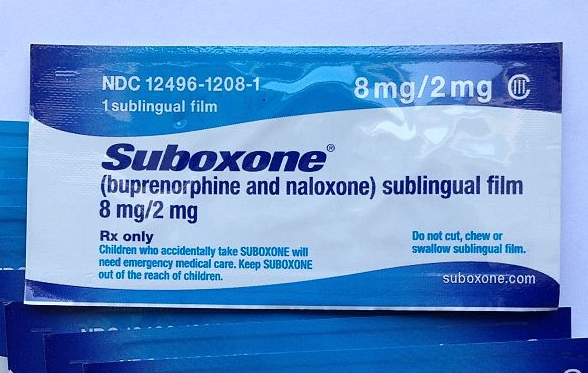
The problem with buprenorphine is that it’s an opioid that can be used to treat pain or addiction. When combined with naloxone, buprenorphine reduces cravings for opioids and lowers the risk of abuse. For many years the drug was sold exclusively under the brand name Suboxone, but it is now produced by several different drug makers and is sold in tablets, sublingual films and even an implant.

Addicts long ago discovered that buprenorphine can also be used to get high or to ease their withdrawal pains from heroin and other opioids. Buprenorphine is such a popular street drug that the National Forensic Laboratory Information System ranked buprenorphine as the third most diverted opioid medication in the U.S. in 2014. 

“Too many physicians erroneously believe that naloxone in the formulation makes the drug safe,” Menzies said in an email to Pain News Network. “Increasing the limit is definitely going to increase diversion. The majority of the physicians prescribing buprenorphine do not provide any comprehensive relapse prevention counseling, random drug testing, etc. In the absence of standards for treating addictive disorders, anything goes and will be no different than treating chronic pain.

“We saw the problem with prescription opioids when opioids were promoted as safe and non-abusable in the treatment of chronic pain. Very quickly the numbers grew into the tens of millions and the addiction exploded. The unintended victims were the patients in genuine chronic pain.”

Menzies uses buprenorphine as an initial treatment for opioid addiction in his clinics, but prefers another medication -- naltrexone -- for long-term maintenance therapy. He says doctors who rely on buprenorphine exclusively will, in effect, be sentencing their patients to lifetime use of the drug.     

"Financial Opportunity" for Doctors

HHS acknowledges there could be “unintended negative consequences” to increased prescribing of buprenorphine. One is diversion. Another is an increase in patient volume, physician profits and buprenorphine “pill mills” – which are already popping up in states like Florida. Patients typically pay cash for buprenorphine at those clinics and receive little or no addiction counseling or services.  

“This proposed rule directly expands opportunities for physicians who currently treat or who may treat patients with buprenorphine,” HHS said in an extensive analysis of the rule change. “We believe that this may translate to a financial opportunity for these physicians.”

HHS estimates the cost of treating new buprenorphine patients at up to $313 million in the first year alone. Many of the patients are low-income and the bills for treating them – about $4,300 annually for each patient – will often be covered by Medicaid. The additional cost of treating these patients, according to HHS, will be offset by the health benefits achieved by getting addicts into treatment, which the agency generously estimates at $1.7 billion.

The Obama administration asked Congress for nearly $1 billion in additional funding to help pay for addiction treatment, but didn’t get it in when Congress passed the Comprehensive Addiction and Recovery Act (CARA Act). The President reluctantly signed the bill into law anyway.

A little noticed provision of the CARA Act is that it expands access to buprenorphine even further. Currently only a trained and certified physician can prescribe buprenorphine, but CARA requires HHS to update its rules within 18 months to allow nurse practitioners and physician assistants to prescribe buprenorphine, provided they undergo training first.

How can buprenorphine diversion be prevented when access to it is rapidly increasing?

One solution proposed by Menzies is to change the classification of buprenorphine from a Schedule III controlled substance to a Schedule II drug – the same classification change that hydrocodone went through in 2014. Such a move would limit buprenorphine prescriptions to an initial 90-day supply and require patients to see a doctor for a new prescription each time they need a refill.

“We are caught between a rock and a hard place. We need to increase access to buprenorphine and it will lead to increased diversion and abuse, and therefore I am recommending changing the schedule,” Menzies said in his email to PNN.

“This is the psychotic state of affairs! No chronic condition/disease/disorder has ever been successfully treated with an addicting drug and we think we can do it for opioid addiction!”

Is ‘Malicious Actor’ Behind Fentanyl Overdoses?

By Pat Anson, Editor

The U.S. medical community is starting to pay more attention to the “burgeoning public health threat” posed by counterfeit prescription drugs made with illicit fentanyl.

And for the first time, public health researchers are suggesting that a “malicious actor” could be poisoning people intentionally with fake pills.

“The steep recent increase in overdose deaths and near-deaths nationwide involving fentanyl signals a new chapter in the epidemic of opioid use. Throughout the United States and Canada, seizures of pill presses, large quantities of active pharmaceutical ingredient in powder form, and counterfeit pills have been reported,” wrote Traci Green, PhD, Boston University School of Medicine, and Michael Gilbert, MPH, Epidemico Inc., in a research letter published in JAMA Internal Medicine.

“These highly potent pills could have been created by a malicious actor to intentionally poison consumers or attract the attention of law enforcement to redistributors.”

Green and Gilbert offered no evidence to support their theory, but said it was one of several "plausible hypotheses."

“I’m not going to really comment on speculation, because we deal in fact,” said DEA spokesman Rust Payne. “If you’re a drug trafficker, you don’t want to poison people. You want a regular customer base.”

Green and Gilbert were commenting on a case study also published in JAMA Internal Medicine that looked at 8 patients in the San Francisco area who were hospitalized late last year after ingesting fake alprazolam (Xanax) tablets that were later found to contain fentanyl. One victim was a baby boy just eight months old. All of the patients eventually recovered.

A few months later, 12 people died and dozens more were hospitalized in the Sacramento area after overdosing on fake Norco pills that were also made with fentanyl.

“This case series represents a burgeoning public health threat. Clinicians should be aware of the potential for further outbreaks and serious toxic effects associated with counterfeit prescription medications,” wrote lead author Ann Arens, MD, California Poison Control Center.

Fentanyl is a synthetic opioid 50 to 100 times more potent than morphine. It is prescribed legally in patches and lozenges to treat chronic pain, but illicitly manufactured fentanyl is fast becoming a scourge around the country. Since the fall of 2013, illicit fentanyl is blamed for over 5,000 deaths and the number of overdoses appears to be accelerating.

Illicit fentanyl was typically mixed with heroin to boost its potency but is now appearing in pill form, often disguised to look like pain medication such as Norco and oxycodone.

As Pain News Network has reported, the DEA recently issued a report saying the U.S. faced an unprecedented “fentanyl crisis” that was likely to grow worse. The agency blamed heavy consumer demand and the “enormous profit potential” of counterfeit medication.

But Green and Gilbert believe there could be a more sinister motive behind the overdoses, the “malicious actor” who wants to poison people.

“This hypothesis cannot be entirely ruled out by the evidence presented by Arens et al, but it is less likely because the quantity of fentanyl identified in the counterfeit alprazolam tablets was significantly greater than would be required to harm unwitting consumers,” they wrote.

The dangerous potency of the pills could also be accidental or the result of an inexperienced pill manufacturer, the two researchers said. 

That is the more likely scenario, according to the DEA’s Payne, who says the pill press operations seized so far have been amateurish.

“If you’re just cutting fentanyl in a tablet in a lab somewhere, in someone’s garage or warehouse, you may be putting way too much fentanyl into a pill than anybody can withstand. And so that is what is going on right now,” Payne told PNN.

Regardless of the motive, Green and Gilbert called for an aggressive expansion in public health surveillance programs to detect new trends in drug use.

“New surveillance approaches and rapid expansion of evidence-based interventions are the missing parameters needed to shift the curve of the epidemic of opioid use,” they said.

A Pained Life: The Insidiousness of Pain

By Carol Levy, Columnist

Nineteen years ago this November a major portion of my trigeminal neuralgia pain spontaneously disappeared.

Unfortunately, it is not the part that keeps me disabled (the eye usage and eye movement pain), but it was the worst of the pain – constant, spontaneous and the most feared. Pain that was triggered by the slightest touch; even the wisp of one hair brushing against the affected part of my face.

Every day since that wonderful moment in time I am thankful. I can stand under a shower. I can walk in the breeze. I can do all of the things that previously necessitated fear and constant surveillance.

Is it going to rain? Is there a breeze? Am I standing too close to someone and they can touch my face and trigger the pain?

Thousands of worries pummeled me, my attention focused on only one goal: to not be in a situation where the pain could be triggered by someone or something.

It is wonderful that the worry is gone. It is freeing that the conditions no longer exist.

And yet the fear repeatedly rears its ugly head.

Pain is insidious.

We know the enemy that we feel each day, every time we have to use the part of our body that creates and causes the pain.

The harm it secretly causes is not so easy to know. It is often quiet, a monster stealthily and underhandedly stalking us.

It wends its way thought our mind and brain, creating troughs of sensation memory, reminders of fear and worry. What set it off before might set it off again. What will set it off now?

It is easy to go there, even when we don't want to. It is not so easy to figure out how to reduce what fills it, much less empty it out.

Even after nearly two decades, I am repeatedly surprised by these fears. A breeze comes up and I freeze in place, someone brushes by me and I wince, gritting my teeth in anticipation of the pain.

And then. Whoosh. Oh, right. I don't have it anymore. I no longer need to be afraid.

It is a part of the effect of chronic pain that is rarely talked about. Researchers and lay people talk about the psychological implications or the emotional causes of chronic pain. They truly do not understand the long term effects of the pain on the parts of us that are hidden, maybe even from ourselves.

It does not have to be a spontaneous remission. It may be that a small portion of the pain is gone or maybe you find that you can do something you thought you physically could not, but now realize you can.

And yet the warning signal goes off in your head: Danger! Danger! Pain coming!

Stopping the alarm is hard to do. I know that for sure.

But looking inside ourselves -- searching, finding and destroying, if we can, that little voice that says, “Uh oh, pain ahead.”

Silencing that false alarm can go a long way towards removing one more obstacle in our search for a freer way of living with pain.

Carol Jay Levy has lived with trigeminal neuralgia, a chronic facial pain disorder, for over 30 years. She is the author of “A Pained Life, A Chronic Pain Journey.” 

Carol is the moderator of the Facebook support group “Women in Pain Awareness.” Her blog “The Pained Life” can be found here.

The information in this column should not be considered as professional medical advice, diagnosis or treatment. It is for informational purposes only and represent the author’s opinions alone. It does not inherently express or reflect the views, opinions and/or positions of Pain News Network.

PR Firm Hired to Boost CDC’s Image

By Pat Anson, Editor

The Centers for Disease Control and Prevention won’t disclose how much it is paying a Seattle-based public relations firm to provide research and analysis of the agency’s image in the pain community.

Nor will the CDC say why it hired the company – called PRR – as an image consultant.

After consulting with our procurement and grants office, CDC isn’t able to discuss the specifics of this contract because it is an active procurement,” said CDC spokesperson Courtney Leland in an email to Pain News Network.

A spokesperson for PRR also declined to say why the firm was hired. But a source at the company indicated the primary reason was to analyze why the CDC’s opioid prescribing guidelines were so poorly received in the pain community and to find out "where they’ve gone wrong.”

“They’ve heard a lot of outrage about this,” the source said. “And so they hired our firm to gauge those perceptions and talk to people and come back to them with an analysis of what those perceptions are.”

In recent weeks, PRR has been contacting “thought leaders” in the pain community to gauge their reaction to the CDC guidelines. This reporter was among those contacted and participated in a short telephone survey involving 10 questions, such as these:

“What about these guideline recommendations are worrisome to you and what about them are encouraging to you?” 

“Are these guideline recommendations a step in the right direction, in your opinion, or do you think the CDC is panicking?"

"Are these recommendations going to help solve the prescription opioid addiction problem?”

We gave PRR the names and contact information for about a dozen activists in the pain community who also wanted to participate in the survey. But we were later informed by PRR that the company “completed the required number of interviews, so we will not interview these individuals at this time.”

PRR handles communications, marketing and public relations for dozens of public and private organizations, including Starbucks, the Environmental Protection Agency, Waste Management, Nike, and the University of Washington. With offices in Seattle, Washington DC, Austin, TX, Norfolk, VA and Portland, OR, its services probably don’t come cheaply.

“To advance your vision and deliver meaningful results, we develop strategic marketing plans that can transform the marketplace, or an individual’s behavior. With multiple disciplines at our disposal, we can gather market intelligence and create strategic plans to achieve your goals,” PRR says on its website.

The CDC has been roundly criticized for its secrecy and lack of transparency in developing the opioid guidelines – which discourage primary care physicians from prescribing opioids for chronic pain. Since the guidelines were released in March, many pain patients have been taken off opioids or weaned to lower doses by their doctors. Others have been discharged by their doctors or coerced into more invasive pain treatments, such as spinal cord stimulators or epidural injections. 

A survey of pain patients released this week found that three out of four believe their pain is not being adequately controlled. Over half said they have contemplated suicide since the guidelines were released.

Virtually all of the nearly 2,000 patients surveyed – 97 percent – said they have never been addicted or required treatment for drug abuse. Reducing abuse and addiction are the primary goals of the CDC guidelines.  

Guidelines Webinar

The CDC also isn’t saying much about its decision to hire the University of Washington to help the agency conduct a series of training webinars this summer for healthcare providers to learn about the  guidelines. The agency did not say how much it is paying the university.

“Faculty and clinicians from the University of Washington School of Medicine were contracted to provide didactic and case-based training content and demonstrate and instruct providers on application of the Guideline in clinical settings,” Leland said. “University of Washington has had prior experience developing and disseminating clinical case studies to facilitate learning among clinicians on pain management for patients.”

Three of the four faculty members who have participated in the webinars are affiliated with Physicians for Responsible Opioid Prescribing (PROP), an organization that has lobbied the federal government for years to reduce opioid prescribing.

Jane Ballantyne, MD, is PROP’s president, and Mark Sullivan, MD, and David Tauben, MD, are PROP board members.

The fourth faculty member is James Robinson, MD, a professor of rehabilitation medicine who appears to have no association with PROP.  

“I believe in a rehabilitative approach to chronic pain,” Robinson is quoted as saying on the university’s website. “Key elements of this are empowering patients to optimize self-management of chronic pain disorders and encouraging them to take as much responsibility for self-management as is feasible.”

The University of Washington Medical Center received over $17.2 million last year for research, consulting, and grants from dozens of drug and medical device makers, many of which are involved in the field of pain management. Ballantyne, Sullivan and other faculty members at the university have previously played key roles in developing opioid regulations in the state of Washington, which has some of the toughest prescribing laws in the nation.

Since everyone chosen for the webinars appears to have a bias against opioid prescribing, we asked CDC why the agency was either unwilling or unable to have a more diverse panel of speakers. We were told CDC provides “timely, accurate, and credible information to clinicians.”     

“This webinar series was developed to be a continuing education training opportunity to increase clinicians’ knowledge and competencies on prescription drug overdose and offer evaluation and management strategies to help address the issue,” Leland said.

During a webinar held on Wednesday, the primary advice given to physicians was not to prescribe opioids for chronic pain and to taper patients off opioids if they’ve already started.

“A successful taper makes a patient much better able to function. And generally their experience is the pain level either doesn’t change or is actually improved,” Ballantyne said.

Survey: Opioids Reduced or Stopped for Most Patients

By Pat Anson, Editor

Over two-thirds of pain patients say their opioid medication has been decreased or stopped since the CDC adopted its opioid prescribing guidelines, according to a new survey that also found over half of the patients have considered suicide since the guidelines were implemented.

A total of 1,978 patients participated in the survey, which was conducted through social media and online support groups in recent weeks. The survey was designed by Lana Kirby, a Florida paralegal and chronic pain sufferer who became frustrated by difficulties she faced in obtaining opioid pain medication.

Although unscientific, the survey results are the first broad indication of the impact the CDC guidelines are having on both physicians and patients. Those guidelines, which discourage primary care doctors from prescribing opioids for chronic pain, are meant to be voluntary but are being widely implemented by many different prescribers, according to survey.

“To a person, respondents report that they feel humiliated, degraded, shamed, and stigmatized by the loss of choice over their physician patient alliance and program of care,” said Terri Lewis, PhD, a patient advocate and researcher who conducted an analysis of the survey.

“Many now acknowledge that their doctor’s appointment conversation is all about keeping the physician safe from DEA oversight or license restrictions as opposed to optimizing the consumer’s activity and functioning levels.”

"I am afraid to tell the doctor what I need," said one patient.

“My doctor said he is afraid of the DEA and CDC,” said another.

“My doctor said I cannot be cured so there is no point in treating me for pain,” wrote one patient.

"Because my doctor was arrested other doctors have refused to take on his patients for treatment," said another.

Over 68% of patients said their opioid pain medication has been decreased or discontinued since the  guidelines were released in March.  Nearly 45% were warned by their doctor that additional decreases will be necessary. And just over 50% said they had considered suicide as a way to end their pain.

“It is important to note that CDC’s guidelines are directed to primary care physicians with the suggestion that they should be cautiously and conservatively applied to chronic pain patients with complex needs. That message does not seem to have been received at the physician level, as both primary care and Board Certified pain management practitioners are uniformly applying extreme prescribing restrictions to the regimens of those who replied, even where they had been in long term successful treatment for extensive periods of time without difficulty,” said Lewis.

Other survey findings:

  • 75% of patients said they are not receiving adequate pain control
  • 57% said they had been discharge or abandoned by a doctor because they need opioid treatment
  • 44% said they had problems getting a prescription filled at a pharmacy
  • 90% said their pain levels, activities and social interactions have worsened
  • 97% said they have never been addicted or required treatment for drug abuse

Nearly four out of ten patients (39%) said they had been told by a doctor that they must have an operation or invasive procedure, or they will be discharged from the practice or have their medications reduced.

“Increasingly, respondents are being threatened with pain care protocols that are not optimal, such as epidural injections (or) installation of durable medical equipment. If they refuse, their access to oral medications, even where they have been used impactfully, is systematically reduced or suspended,” said Lewis.

The CDC has had very little to say about the impact of guidelines since their release. As Pain News Network has reported, a top CDC official recently wrote a letter to one patient saying the guidelines were only meant as a “guide” for primary care providers “as they work in consultation with their patients.”

“The Guideline includes a recommendation to taper or reduce dosage only when patient harm outweighs patient benefit of opioid therapy. The Guideline is not a rule, regulation, or law. It is not intended to deny access to opioid pain medication as an option for pain management. It is not intended to take away physician discretion and decision-making,” wrote Debra Houry,  Director of the CDC’s National Center for Injury Prevention, which oversaw the guidelines’ development.

The ‘Cone of Silence’ Returns to CDC

By Pat Anson, Editor

The Centers for Disease Control and Prevention drew a lot of criticism last year for its secrecy and lack of transparency while drafting its controversial opioid prescribing guidelines. 

Closed-door meetings were held by the “Core Expert Group” and other CDC advisory panels, which included hardly any experts in pain management, but did have several addiction treatment doctors and longtime critics of opioid prescribing.

The CDC’s penchant for secrecy on such an important public health issue was mockingly compared by Stephen Ziegler to Get Smart’s “Cone of Silence.”

But it was only when the agency was accused of bias, blatant violations of federal law, and a Congressional investigation was launched that CDC appointed a new expert panel to review the guidelines -- which were released in March essentially unchanged from the draft version.

The CDC apparently didn’t learn much from the experience.

This summer the agency has been holding a series of training webinars to educate healthcare providers about the guidelines -- and it invited as speakers some of the very same people who were removed from the first expert panel because they were perceived as being too biased.  

For example, this week’s webinar on the benefits and harms of opioid therapy was led by Jane Ballantyne, MD, who is president of Physicians for Responsible Opioid Prescribing (PROP), and Mark Sullivan, MD, who is a PROP board member.  PROP has lobbied the federal government for years to reduce opioid prescribing.

MARK SULLIVAN, MD

“We really don’t have good evidence of long term benefit from opioid therapy, but we do know it creates serious problems,” Sullivan advised the physicians and pharmacists listening to the webinar.

“We don’t want to be giving patients a month or multiple refills of opioids for acute pain problems, because that’s where long-term opioid therapy gets started and is difficult to discontinue.”

Last year Sullivan and Ballantyne co-authored a controversial article in the New England Journal of Medicine that claimed reducing pain intensity should not be the primary goal of doctors when treating chronic pain. They believe that other quality of life issues, such as better sleep, mood and physical function, are more important.

“It’s so easy for someone who’s been on opiates for a long time to believe they need the opiate, because if they stop taking it the pain gets worse,” said Ballantyne, who maintains that long-term opioid patients should be slowly tapered to lower doses or off opioids entirely.

“A successful taper makes a patient much better able to function. And generally their experience is the pain level either doesn’t change or is actually improved,” she said.

Both Sullivan and Ballantyne are employed as professors at the University of Washington School of Medicine, which according to a webinar disclaimer “received a contract payment” from the CDC.

Another professor at the University of Washington who participated in the webinars, David Tauben, MD, is also a PROP board member and served on the CDC's peer review panel for the guidelines.

Ballantyne, Sullivan and Tauben’s involvement with PROP are not disclosed in the disclaimer and some of their conflict of interest statements also appear incomplete.

JANE BALLANTYNE, MD

Sullivan’s disclaimer states he is “consulting with Chrono Therapeutics concerning development and testing of an opioid taper device,” but it fails to mention over $15,000 in consulting fees and travel expenses Sullivan received in 2015 from Pfizer, Janssen, Purdue Pharma, Roxane Laboratories or Teva Pharmaceuticals, according to a Medicare database.

No outside income from drug and medical device makers was reported for Tauben or Ballantyne in 2015, although Ballantyne did serve a few years ago as a paid consultant to Cohen Milstein Sellers & Toll, a law firm that specializes in antitrust litigation, including lawsuits against pharmaceutical companies over their opioid marketing practices.

The CDC disclaimer also fails to mention that the University of Washington Medical Center received over $17.2 million last year for research, consulting, and grants from dozens of drug and medical device companies, many of which are involved in the field of pain management and are directly impacted by the CDC guidelines. Ballantyne, Sullivan and other professors at the university played key roles in the development of opioid regulations in the state of Washington, which has some of the toughest prescribing laws in the nation.

Still, the CDC maintains that its planners reviewed the webinar content “to ensure there is no bias.”

Unanswered Questions

How much is the CDC paying the University of Washington and PROP activists to participate in its opioid webinars? Why is only one side of the opioid debate being offered by a federal health agency? We posed those questions to the CDC and have yet to get an answer. 

We’ve also been unable to learn from CDC how much the agency is paying a Seattle-based marketing firm called PRR, which is conducting a research and communications analysis about the impact of the prescribing guidelines. PRR handles marketing, research and public relations for dozens of government agencies.

“Yes, the CDC hired us to conduct this research but unfortunately that is all I can tell you at this time.  If you want to know more about the specifics of the study, it is best that you contact the CDC directly and they can answer your questions,” Katherine Schomer, a Research Group Account Director at PRR said in an email.

A source at PRR told Pain News Network that what the CDC really wants to know is why its opioid guidelines were so poorly received by the pain community and to find out "where they’ve gone wrong.”

“They’ve heard a lot of outrage about this, specifically from Pain News Network’s survey asking people with chronic pain how they felt about this. That in particular was something the CDC picked up on,” the source said. “And so they hired our firm to gauge those perceptions and talk to people and come back to them with an analysis of what those perceptions are.”

That survey by PNN and the International Pain Foundation was conducted last fall, months before the CDC guidelines were finalized and released. Even then, many pain patients realized how disastrous the guidelines would be for them. 

Nearly 90% of the 2,200 respondents said they were worried or very worried that they would be unable to obtain opioid pain medication if the guidelines were implemented. Large majorities also predicted the guidelines would have a chilling effect on physicians; that doctors would prescribe fewer opioids or none at all; that use of heroin and other illegal drugs would increase; and that there would be more suicides in the pain community. 

Virtually all of those predictions have come true, with many patients complaining they are being weaned or taken off opioids, despite years of taking the medications safely.  Hundreds of thousands of counterfeit pain medications laced with fentanyl have appeared on the black market, enough to kill dozens of people and for the DEA to warn the nation is in the midst of a “fentanyl crisis.” 

Most disturbing of all are anecdotal reports of patients committing suicide because they are unable to obtain pain medication.

All of this is happening in plain sight, as the CDC conducts biased webinars and pays for marketing studies to figure out “where they’ve gone wrong” -- and while the agency refuses to acknowledge publicly that its guidelines have been harmful to patients and are being implemented far too widely.

The Cone of Silence indeed.

‘Wakeup Call’ for Neurontin Abuse

By Pat Anson, Editor

A drug that is often prescribed as an alternative to opioid pain medication is increasingly being abused by patients, according to a small study that found one out of five patients taking the drug illicitly.

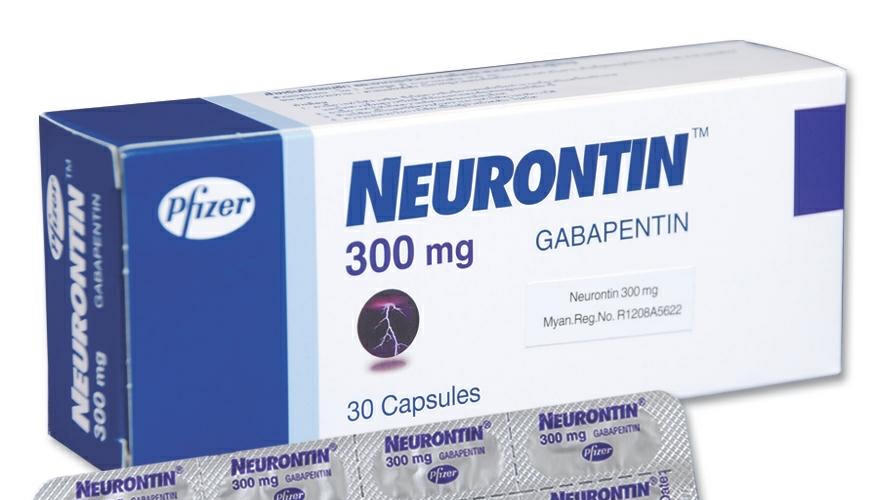
Gabapentin – which is sold by Pfizer under the brand name Neurontin -- is approved by the Food and Drug Administration to treat epilepsy and neuropathic pain caused by shingles.

It is also prescribed “off-label” for a variety of other conditions, including depression, migraine, fibromyalgia and bipolar disorder.

In a study of urine samples from 323 patients being treated at pain clinics and addiction treatment centers, 70 patients were found to be taking gabapentin without a prescription.

“The high rate of misuse of this medication is surprising and it is also a wakeup call for prescribers. Doctors don’t usually screen for gabapentin abuse when making sure patients are taking medications, such as opioids, as prescribed. These findings reveal that there is a growing risk of abuse and a need for more robust testing,” said Poluru Reddy, PhD, medical director of ARIA Diagnostics in Indianapolis, IN. Reddy presented his study at the annual meeting of the American Association for Clinical Chemistry in Philadelphia.

Researchers found that of those patients taking gabapentin illicitly, over half (56%) were taking it with an opioid, about a quarter (27%) with an opioid and muscle relaxant or anxiety medication, and the rest with other substances. The urine samples came primarily from pain clinics in Indiana, Arizona, and Massachusetts.

“Little information exists regarding the significance of Gabapentin abuse among clinical patients. Until recently, it was considered to have little potential for abuse however this review has shown that a significant amount of patients are taking Gabapentin without physician consent. This could be due to the fact that recent studies have revealed that Gabapentin may potentiate the ‘high’ obtained from other central nervous system acting drugs,” wrote Reddy.

"Patient safety is Pfizer’s utmost priority.  We strongly support and recommend the need for appropriate prescribing and use of all our medicines," a spokesperson for Pfizer said in an email to Pain News Network.

Gabapentin is not scheduled as a controlled substance and when taken alone there is little potential for abuse. But when taken with other drugs, such as opioids, muscle relaxants, and anxiety medications like Valium and Xanax, researchers say gabapentin can have a euphoric effect.

Between 2008 and 2011 the number of emergency room visits for misuse or abuse of gabapentin increased by nearly five times, according to the Drug Abuse Warning Network. Side effects from gabapentin include weight gain, dizziness, ataxia, somnolence, nervousness and fatigue.

Increased Prescribing of Gabapentin

A report by IMS Health found that 57 million prescriptions for gabapentin were written in the U.S. in 2015, a 42% increase since 2011.

Gabapentin is one of several medications being promoted by the Centers for Disease Control and Prevention as a "safer"  alternative to opioids.  The American Pain Society recently recommended that gabapentin be considered for post-operative pain relief.

But the growth in gabapentin prescribing is drawing scrutiny in the UK, where the Advisory Council on the Misuse of Drugs (ACMD) recommended earlier this year that gabapentin and pregabalin (Lyrica) be reclassified as Class C controlled substances, which would make them harder to obtain.

“Both pregabalin and gabapentin are increasingly being reported as possessing a potential for misuse. When used in combination with other depressants, they can cause drowsiness, sedation, respiratory failure and death,” said Professor Les Iverson, ACMD chairman, in a letter to Home Office ministers.

“Pregabalin causes a ‘high’ or elevated mood in users; the side effects may include chest pain, wheezing, vision changes and less commonly, hallucinations. Gabapentin can produce feelings of relaxation, calmness and euphoria. Some users have reported that the ‘high’ from snorted gabapentin can be similar to taking a stimulant.”

Gabapentin is "one of the most abused and diverted drugs” in the U.S. prison system, according to Jeffrey Keller, MD,  the chief medical officer of Centurian, a private company that provides prison healthcare services.

“Inmates show up at my jails all the time with gabapentin on their current medication list,” Keller wrote in Corrections.com. “It produces euphoria, a marijuana-like high, sedation, and, at high enough doses, dissociative/psychedelic effects. It works so well that it is used in the drug community to mellow out methamphetamine tweaking and to cut heroin. Since drug abusers know about these illicit uses of gabapentin on the streets, once they get to jail they often view gabapentin as an obtainable ‘jail substitute’ for their preferred drugs.

“Unfortunately, the abuse potential of gabapentin is not recognized much outside of jails and prisons. Community prescribers are generally unaware that gabapentin can be misused and (in my experience) are often incredulous and even disbelieving when told about ‘the dark side’ of gabapentin.”

Gabapentin (Neurontin) has a checkered history. Originally developed as a nerve drug, Pfizer agreed to pay $430 million in fines to resolve criminal and civil charges for illegally marketing Neurontin to treat conditions it was not approved for. According to some estimates, over 90% of Neurontin sales are for off-label uses.

In 1999, a Pfizer executive was so mystified by Neurontin’s popularity he called it the “snake oil of the twentieth century.”  

4 Tips to Avoid Chronic Pain’s Anxiety Trap

By Jennifer Martin, PsyD, Columnist

Am I ever going to get better?  Am I going to get worse?

What is in store for me next?

Is there anything I can do to make the pain go away?

How am I going to deal with this for the rest of my life?

How am I going to take care of my family?

Am I ever going to be able to be physically active again?

Am I going to be able to work or finish school?

These are just some of the questions that run through the minds of those with chronic pain.  For a lot of us, racing thoughts and anxiety are an unwelcome companion.  The fear and anxiety come at the most inopportune times and they envelope us.  Just when we think we have put the negative thoughts out of our mind, here they come again, like a wave crashing down and trapping us.

It is so important to take control of anxiety when you have chronic pain because anxiety can actually increase pain.  It is a vicious cycle that can spin out of control if not treated. 

Anxiety often times leads to poor sleep -- and poor sleep often leads to more pain the following day. 

Anxiety also leads to negative thoughts – and negative thoughts may lead to feelings of depression, isolation, and hopelessness. 

These feelings can lead to noncompliance in treatment or inactivity, which may increase pain.  Anxiety can cause muscle tension and an inability to relax, which also has the ability to increase pain. 

Do you see where I am going with this?  Anxiety and pain are closely related.

So, if you are suffering from anxiety and a chronic condition, what can you do?  Here are four tips to avoid or diminish anxiety:

1) Distract yourself as much as you can:  When you begin to notice anxious thoughts, tell yourself “STOP” and then focus your attention on something you enjoy.  Whether it is relaxing thoughts of the beach or an activity such as painting, talking with a friend, or watching TV, distraction will get your attention away from your anxious thoughts and onto something else.

2) Exercise:  Exercise does not have to be physically strenuous.  Take a 10 or 15-minute walk while listening to an iPod or book on tape.  Stretch for fifteen minutes.  Research some gentle yoga poses.  Anything you can find that works for you that does not increase your pain is great.  Exercise can do amazing things for your state of mind and those tense, anxious muscles.

3) Find help and support:  Support groups are wonderful places.  I always tell people, “You cannot really understand what it is like to have chronic pain or a chronic illness unless you have one.”

Having a chronic condition can feel extremely lonely, even in the most crowded places.  Support groups offer a non-judgmental atmosphere filled with people who have some understanding of what you are going through.

Individual therapy is also a great option, particularly if you don’t want to talk about what you are going through with friends, family or in a group of people.  It is a great place to learn additional tools and coping techniques to help deal with chronic pain and anxiety.

4) Breathe: Research different breathing techniques.  Learning to slow your breathing when you are experiencing anxiety will not only calm your mind, it will calm your body too, thus helping your pain.

If you have chronic pain and anxiety, start today and help yourself get help.  Even if it only helps your pain a little bit, isn’t it worth it?

Jennifer Martin, PsyD, is a licensed psychologist in Newport Beach, California who suffers from rheumatoid arthritis and ulcerative colitis. In her blog “Your Color Looks Good” Jennifer writes about the psychological aspects of dealing with chronic pain and illness. 

Jennifer is a professional member of the Crohn’s and Colitis Foundation of America and has a Facebook page dedicated to providing support and information to people with Crohn’s, colitis and other digestive diseases.

The information in this column should not be considered as professional medical advice, diagnosis or treatment. It is for informational purposes only and represents the author’s opinions alone. It does not inherently express or reflect the views, opinions and/or positions of Pain News Network.

Fake Norco Nearly Killed California Woman

By Pat Anson, Editor

An article published online in the Annals of Emergency Medicine shows just how easy it is for someone to be fooled – and nearly killed – by counterfeit pain medication.

It tells the story of an unnamed 41-year old California woman who treats her chronic back pain with regular doses of Norco, a prescription medication that combines acetaminophen and hydrocodone.

She was one of dozens of people who died or were hospitalized in northern California after ingesting counterfeit Norco bought on the street that was laced with illicit fentanyl – a synthetic opioid that is 50 to 100 stronger than morphine.

"Street Norco is almost indistinguishable from brand-name Norco in appearance but can be lethal," said lead author Patil Armenian, MD, of the University of California San Francisco-Fresno.

"This new street drug's toxicity led to an unexpected cluster of fentanyl deaths in California this spring. These deaths in our area combined with an emergency patient who was concerned about pill appearance and exceedingly sleepy after her usual dose of medication led to our investigation."

The woman in question suffers chronic pain from a herniated disc and normally buys the Norco illicitly, 2 to 3 tablets at a time. The article does not explain why she buys them off the street.

The woman felt sleepy and became unconscious within 30 minutes of taking three of the counterfeit tablets. She next remembered waking up in a hospital emergency room. She told hospital staff the pills had the markings of Norco, but were beige in color instead of the usual white.

A blood serum analysis revealed the woman had significant amounts of fentanyl and U-47700, another type of synthetic opioid. Neither drug is an ingredient in brand-name Norco.

“Toxic effects of these compounds are similar to those of other opioids, namely, miosis, respiratory depression, coma, and possible death. To our knowledge, this is the first reported opioid toxidrome case with confirmed serum concentration of U-47700,” said Armenian, adding that the woman was discharged from the hospital and has completely recovered.

“This case highlights that fentanyl-laced Norco is spreading to other regions and may contain psychoactive ingredients other than fentanyl, such as U-47700, prompting emergency providers to remain vigilant in their care.”

As Pain News Network has reported, the Drug Enforcement Administration is warning the U.S. faces an unprecedented “fentanyl crisis” that is growing worse as drug dealers ramp up production of counterfeit medication. Dozens of Americans have died this year after ingesting counterfeit versions of oxycodone, Norco and Xanax that are virtually indistinguishable from the real medications. Even a few milligrams of fentanyl can be fatal.

Fentanyl is legally prescribed in patches and lozenges to treat severe chronic pain, but the DEA said “hundreds of thousands of counterfeit prescription drugs” laced with illicit fentanyl are on the black market. The agency predicts more fake pills will be manufactured because of heavy demand and the “enormous profit potential” of fake medication.

Canada’s Fentanyl Crisis

Canada – which has been dealing with its own fentanyl crisis – may provide a preview of what’s in store for the U.S. Overdose deaths from fentanyl have reached such an urgent level that British Columbia Premier Christy Clark asked the federal government last week to restrict access to pill presses and to start screening “all small packages” entering the province for fentanyl. 

Earlier this year British Columbia declared a public health emergency and adopted new opioid prescribing guidelines that are even more stringent than those released by the Centers for Disease Control and Prevention.  

While the CDC’s guidelines are voluntary and intended only for primary care physicians, British Columbia’s guidelines are legally enforceable for all opioid prescribers because they set a “minimum standard of professional behaviour and ethical conduct.” The guidelines state that opioids should not be prescribed to treat headaches, fibromyalgia and low back pain.

In Ontario, the backlash against opioids has reached a point that palliative care doctors are worried they will no longer be able to give high doses to their patients – many of whom are dying from cancer and other chronic illnesses. Ontario’s Ministry of Health said public health plans next year would stop paying for high doses of hydromorphone, morphine and fentanyl patches.

“Our patients under palliative care deserve better than this,” Stephen Singh, MD, director of the Canadian Society of Palliative Care Physicians, told The Globe and Mail, adding that he was “appalled” by the government’s decision.

How Going Gluten-Free Changed My Life

By Lisa Ayres, Guest Columnist

I would like to share with readers my life-changing experience after eliminating gluten from my diet.

I had spinal implant surgery for spondylolisthesis about 24 years ago. For those who don’t know, spondylolisthesis is a defect in the spine that causes vertebra to slip to one side of the body. You can have spondylolisthesis without even knowing it. Someone may experience little to no pain and not know they have a “back issue.”

In my case, it got progressively worse as time went on.

After the surgery, I had physical therapy and even became certified in personal training to learn how to care for myself. I also took hydrocodone for pain, up to 3 tablets a day depending on my activities.

About 10 years ago, I also started having arthritis in my hands. They would throb after a few hours of gardening or similar use. I was told it was erosive arthritis. My toes also were affected and caused me a great deal of pain when I was on my feet without thick soled shoes.

My 24-year old daughter suffered from intestinal problems most of her life. After having pizza with friends one day, she came home with stomach cramps and was basically ill. I do a lot of research on issues that crop up in our lives and gluten intolerance kept popping up online as a clear possibility.

As a declaration of solidarity, and to make meals and shopping easier, I joined my daughter in going gluten and casein free. I found out that if one has gluten intolerance, they almost always have casein intolerance also. Casein is found in dairy products. 

LISA AYRES

It wasn’t easy for us to rid our diets of both gluten and casein, but to find out if my daughter’s illness was caused by them we had to start somewhere. On April 21, 2015, we cleared our diets and house of all gluten and casein products.

The first initial change was that my daughter appeared to get sicker. Stopping gluten is similar to stopping opioids for some people -- you go through a type of withdrawal. There are many websites, such as MentalHealthDaily.com, where you can learn more about gluten intolerance, withdrawal, and what you can and cannot eat. 

For 8 days she had severe joint pain and flu like symptoms. She said her joints felt worse than the pain she experienced when she broke her foot years before. But, her stomach discomfort began to subside almost immediately after giving up gluten and casein. By the ninth day the withdrawal symptoms vanished and she was feeling wonderful.

I didn’t have stomach problems caused by gluten, but my daughter and I live together and it would be not only unkind to eat restricted foods in front of her, it would be difficult to prepare separate meals, separate work areas, etc. So I changed my diet when she did. 

I had an unanticipated reaction. I had no withdrawal symptoms, but within 48 hours I had what can only be described as miraculous changes.

Due to the arthritis, my hands had a limited range of motion. My fingers were thick with swelling and I hadn’t been able to make a fist with my left hand in at least two years. My right hand also was swollen. The throbbing at night, sometimes without any particularly heavy use, was not only painful but depressing. Activities I had enjoyed were quickly running from my life. I was only 58-years old but felt decades older. The ongoing ache in my back was like an unwelcome guest that I could only get to leave with hydrocodone. 

But 48 hours after going gluten and casein free, I awoke, stretched, and moved my hands freely. My ring felt loose on my finger, the clench of my hands strong and flexible. 

This dietary change is a game changer for me. Plans I had put aside and tried to forget are now possible again. The pain in my back is now mainly managed with Tylenol and then only a couple of times a month. I have only taken hydrocodone twice since dropping gluten from my diet. My depression also has lessened. 

The systemic inflammation caused by the allergic reaction to gluten should not be ignored. A two week elimination diet is the best and only way to see if gluten really is the culprit. Tests currently are not accurate. 

My daughter had an emergency appendectomy and bowel re-section. It was advised by a gastroenterologist that she also get tested for celiac disease. Mind you, this is an experienced doctor.  They did an endoscopy on my daughter and the results were negative. However, the test results page included a disclaimer that if the patient had already cleared their system of gluten and there was no inflammation, the test wouldn’t be accurate for celiac or gluten sensitivity. 

The doctor didn’t tell us that eliminating gluten would “hide” her sensitivity. We only happened to have read the results ourselves. So the test wasn’t needed for her to know to avoid gluten!

Eliminating gluten and casein from your diet is the most accurate way to find out if you have an allergy or sensitivity to them.  I think many people aren’t aware that gluten and casein can cause such reactions. They hear how people are getting tested and clearing them from their diets, but when the results are negative, it feeds into the belief that being gluten-free is just a fad

If you are in pain, remember that gluten causes systemic inflammation which is pressing on sore joints and everything else in your body. You owe it to yourself to be as pain free as possible.

Lisa Ayres lives in South Florida. She suffers from spondylolisthesis, arthritis, and is gluten and casein intolerant.

Pain News Network invites other readers to share their stories with us.  Send them to:  editor@PainNewsNetwork.org

The information in this column should not be considered as professional medical advice, diagnosis or treatment. It is for informational purposes only and represents the author’s opinions alone. It does not inherently express or reflect the views, opinions and/or positions of Pain News Network.

Study Depicts Half of Americans as Rx Abusers

 By Pat Anson, Editor

Over half of Americans “misused” their prescription drugs last year, according to a new report by a drug testing company that appears to draw several broad and misleading conclusions about the use of opioid pain medication.

Quest Diagnostics analyzed drug testing data from over 3 million patients and found that 54% had some type of prescription drug misuse in 2015 – down from 63% in 2011.

"The key takeaway from this massive, nationally representative analysis is that despite some gains, a large number of patients use prescription drugs inappropriately and even dangerously," said co-researcher Harvey W. Kaufman, MD, senior medical director for Quest Diagnostics.

"The CDC's recent recommendations to physicians to carefully weigh the risks and benefits of opioid drug therapy are a step in the right direction, but clearly more needs to be done to address this public health crisis."

The term “misuse” should be taken with a grain of salt, because it does not mean patients were abusing or addicted to prescription drugs – only that they did not take them as directed.

In 2015, for example, the study found that over half (55%) of the patients who had “inconsistent” test results did not have a prescribed drug in their system – meaning they no longer felt a need to take a medication, didn’t like the drug’s side effects, forgot to take it, or simply couldn’t afford it. It could also mean the drug was ineffective. the wrong drug was prescribed or the doctor made an incorrect diagnosis. There are literally dozens of reasons someone could stop taking a drug.

But patients who had no drugs detected – legal or illegal – were still classified in the “misuse" category.

Nevertheless, while acknowledging there were “methodology limitations” to the study, Quest made some sweeping conclusions about it in a press release, claiming that “the majority of American adults taking opioids and other commonly prescribed medications use them in ways that put their health at risk.”

But according to the study, opioids were not the most commonly misused class of medication. Depending on the age of the patient, that distinction went to amphetamines, benzodiazepines and marijuana. Opiates were the second most likely class of drugs to be misused by adults – but again that includes many patients who did not take opioids that were prescribed or had no drugs at all in their system.

This way of slicing the data has long been used by drug testing companies to make the abuse of opioids appear worse than it is and to justify more testing.

A similar study by Ameritox in 2012 found that nearly a third of older patients did not have a prescribed opioid detected in their urine -- and that was also considered misuse.

“This population has a risk of medication misuse and illicit drug use that warrants attention,” said Harry Leider, MD, who was then Chief Medical Officer of Ameritox. “This data provides a compelling rationale for routinely monitoring medication use in older patients on chronic opioids.”

Ameritox sponsored a study that same year claiming that patients should be drug tested at least four times annually if a doctor believes they are at risk misusing opioids.  The study was approved even though “there currently is a limited evidence base to support the expert panel’s recommendations.”

Guidelines adopted by the CDC earlier this year were also based on weak evidence. They recommend that physicians should use urine drug testing before starting opioid therapy and should re-test patients at least once annually.

As Pain News Network has reported, “point-of-care” urine drug tests that are widely used in doctors’ offices are wrong about half the time – frequently giving false positive or false negative results for drugs like marijuana, oxycodone and methadone.

According to one estimate, drug testing has grown into a lucrative $4 billion dollar a year industry -- “liquid gold” as some have called it – that is projected to reach $6.3 billion by 2019. The competition between drug screening labs is intense and several companies have been fined by the federal government for giving illegal kickbacks to physicians. Last year, Millennium Health agreed to pay $256 million to the federal government to settle fraud and kickback charges. The company later filed for chapter 11 bankruptcy protection.

How to Connect When You Have No Connection

By Barby Ingle, Columnist

A friend of mine who is going through a rough time physically and financially has shared a thought about the people who get left behind.

We often assume that everyone is online. The truth is about 16% of American adults do not use the internet and most of them are elderly, disabled and in households with incomes of less than $30,000, according to a study by Pew Research.

What can those who have limited or no access to the online world do to stay e-connected? I did a little research and found some ways that may be helpful.

As an Extreme Time Cheater, I like to save time, effort, and energy. Although I have internet access at home, living with chronic pain still limits my life and resources. For instance, if my internet service were to go down, I don’t have a vehicle to get to a library and I’d be out of luck. My living situation is very rural and isolated.  

One of the things I would miss immediately is the ability to Google a location, fact or a phone number. When phone books come to the house from our phone company, I typically put them in the recycle bin, but I will keep my next phone book for the time when I may actually need it.

When it comes to groceries, I typically order them online to save time. Some delivery services have a fee, so I use Safeway because they offer free delivery on orders over $100. When there is a charge it is typically $5 to $10, which is very reasonable. They also let customers call in their orders if they don’t have internet access, and they don’t allow their delivery drivers to accept tips. I have my driver bring the groceries right into my kitchen. 

Next time you are at a doctor’s office or hospital, check to see if they have any support groups for people with your condition or chronic pain in general. Even if you can’t keep up with the group online, you can see them at local meetings. Having someone to connect with on an emotional level that is going through similar life challenges is really important when you are isolated most of the time. 

You can keep a hand written calendar to keep track of doctor appointments and life events on paper. Back before the internet I would take blank paper and a straight edge and make my own calendars to stay organized.  

When it comes to phone numbers, who memorizes them these days? But if you lose your cell phone service, what can you do? I keep a written notebook of all of the phone numbers and addresses in my cell phone so that if I ever lose it, I have a backup in writing and can still make a call to family or friends when needed.

Finally, advocacy. We often ask, “Where are all of the pain patients?” Why aren’t more people involved in advocacy efforts? I would venture to say that a large number are physically and financially limited, and many do not have that e-connection we all covet. How do we reach them and how can they help spread the word about chronic pain and its effects on society?

People with internet access should speak up for those who can’t be heard, recognizing the commonalities that we all share. Offline advocates can look at more traditional strategies, such as setting up a meeting at your legislator’s office or speaking to a local support group. Offline advocating is just as important as sharing a tweet or blog, or posting a comment online. 

Remember that not everyone is plugged into the chronic pain community online. Those who are not still need support, education, and assistance. They also need to have their voices heard. Let’s pay more attention and start listening to those who are currently e-voiceless.  

Barby Ingle suffers from Reflex Sympathetic Dystrophy (RSD) and endometriosis. Barby is a chronic pain educator, patient advocate, and president of the International Pain Foundation. She is also a motivational speaker and best-selling author on pain topics.

More information about Barby can be found at her website.

The information in this column should not be considered as professional medical advice, diagnosis or treatment. It is for informational purposes only and represents the author’s opinions alone. It does not inherently express or reflect the views, opinions and/or positions of Pain News Network.

‘No Opioids’ Hospital Gets Poor Medicare Rating

By Pat Anson, Editor

A New Jersey hospital touted for its policy of prescribing few opioid painkillers has received poor ratings from Hospital Compare, a Medicare website that tracks the quality scores of hospitals.

The one star overall rating for St. Joseph’s Regional Medical Center in Paterson, NJ puts it in the bottom 3 percent of hospitals nationwide.

St. Joseph rated below the national average on safety, complications, readmissions and deaths, patient experience, timeliness of care, and payment and value of care. The hospital was rated as average for mortality, effectiveness of care, and efficient use of medical imaging.

St. Joseph, which has one of the busiest emergency rooms in the nation, has received international attention for its Alternatives to Opiates program, which emphasizes treatments such as non-opioid pain relievers, trigger point injections, nerve blocks, music therapy and laughing gas (nitrous oxide). Opioid pain medication is only given as a last resort to ER patients.

St. Joseph’s opioid policy has been featured by CNN, The New York Times, National Public Radio, The Guardian and Agency French Presse (AFP). The hospital says it has received inquiries from around the world about its non-opioid alternatives.

"If you can sleep, if you can walk, then pain is not going to be your enemy. That's what our goal is, to make you functional in pain, not to eliminate it completely," St. Joseph’s Mark Rosenberg, MD, told AFP.

Medicare this week revised its Hospital Compare ratings for over 3,600 hospitals to make them more understandable and accessible to the public. Medicare bases its rating on 64 different quality measures and summarizes them into a unified rating of one to five stars. You can see how your own hospital is rated by clicking here.

“We have received numerous letters from national patient and consumer advocacy groups supporting the release of these ratings because it improves the transparency and accessibility of hospital quality information. In addition, researchers found that hospitals with more stars on the Hospital Compare website have tended to have lower death and readmission rates,” Medicare said in a statement.

St. Joseph is one of 133 hospitals in the country given a one-star rating. Sixteen percent of hospitals received two stars, 38% received three stars, 20% received four stars and only about 2% received the highest rating of five stars. There wasn’t enough data to give the remaining hospitals a rating.

The American Hospital Association unsuccessfully lobbied to block the new ratings from being released, saying they unfairly penalized teaching hospitals and those that serve low-income areas.

Patient Satisfaction Surveys

In Medicare patient satisfaction surveys, conducted before St. Joseph’s opioid policy went into effect, patients generally gave the hospital below average ratings on issues such as pain care. Only 68 percent of patients said their pain was “always” well controlled at St. Joseph, and only 69 percent said they would definitely recommend the hospital.

Medicare recently announced that it would revise the pain questions on patient surveys, after politicians and anti-opioid lobbying groups complained that they promote opioid overprescribing. A Medicare funding formula requires hospitals to prove they provide quality care through patient surveys. The formula rewards hospitals that provide good care and are rated highly by patients, while penalizing those that are not. 

Critics claimed that three pain questions in the survey -- known as the Hospital Consumer Assessment of Healthcare Providers and Systems survey (HCAHPS) -- encourage doctors to overprescribe opioid pain medication to boost their hospital's scores.

Medicare officials said there was no evidence of that, but they would develop alternative questions about pain care for the survey. Public comments on the proposed change will be accepted until September 6, 2016. You can submit a comment by clicking here.