12 Great Gifts of Knowledge About Chronic Pain

By Pat Anson, Editor

Still looking for a special gift for a loved one over the holidays? If they live with chronic pain -- or if you have pain and want a friend or relative to have a better understanding of what you're going through -- here are 12 books that would make great gifts.

These and other books can be found in our Suggested Reading section. I recently added new books about kratom and medical cannabis, along with a novel based on a true story about a pain physician whose reputation and practice were ruined by prosecutors.

Click on the book's cover to see price and ordering information. Pain News Network receives a small amount of the proceeds -- at no additional cost to you -- for orders placed through Amazon.

Kratom Book by Katharine Gideon

In this beginner's guide to kratom, Katharine Gideon explains how the leaves of a tree that grows in southeast Asia have been used for centuries as a natural remedy to manage pain and depression. She explains the different strains of kratom and how they can be used in capsules, extracts, teas and powders to treat a variety of medical conditions.


Cannabis for Chronic Pain by Rav Ivker, DO

Dr. Rav Ivker is a family physician and holistic healer who learned about the pain relieving benefits of medical marijuana while treating his own severe case of shingles. He offers step by step instructions on the benefits and appropriate use of medical marijuana to treat arthritis, back pain, migraines, fibromyalgia and other chronic pain conditions.

Back in Control by David Hanscom, MD

Spine surgeon Dr. David Hanscom has helped hundreds of back pain sufferers by teaching them how to calm their central nervous systems without the use of drugs or surgery. Hanscom shares the latest developments in neuroscience research and his own personal history with pain, which at one point led him to consider suicide.


Pain on Trial by J.Z. Gassko

J.Z. Gassko bases this novel on the true story of a well-respected doctor whose reputation and practice were ruined by overzealous prosecutors. The book describes the complex world of pain management and how the "relentless war" against opioid addiction impacts both patients and medical professionals.


Crooked: Outwitting the Back Pain Industry by Cathryn Jakobson Ramin

Investigative journalist and back pain sufferer Cathryn Jakobson Ramin spent six years looking at the pros and cons of surgery, opioids, chiropractic care, epidural steroid injections and other types of treatment for back pain. Her conclusion? You're better off with a structured exercise program. 


The Painful Truth by Lynn Webster, MD

Pain specialist Dr. Lynn Webster shares the inspirational stories of patients struggling with chronic pain, and examines the benefits and risks of opioid medication, the importance of caregivers, and how patients can have fulfilling lives even in the worst pain situations. The Painful Truth offers a path toward awareness, hope and healing.


A Nation in Pain by Judy Foreman

Award-winning health journalist Judy Foreman spoke with doctors, scientists, policy makers and patients for her sweeping account of the chronic pain crisis in America. Foreman examines possible solutions -- such as better pain education in medical schools -- and the misguided demonization of opioid medication and pain sufferers.


Drug Dealer, MD by Anna Lembke, MD

Stanford psychiatrist Anna Lembke -- a board member of Physicians for Responsible Opioid Prescribing (PROP) -- looks at the origins of the opioid epidemic and the role played by drug makers in promoting the use of opioid pain medication. Lembke says the healthcare system is broken and focuses too much on pills, procedures and patient satisfaction over wellness.


The Opioid-Free Pain Relief Kit by Beth Darnall, PhD

Pain psychologist Beth Darnall offers ten simple steps to relieve pain without the use of opioids, including ways to "quiet" pain through meditation and stress reduction. The book includes an innovative 20-minute CD that uses binaural sound technology to help listeners relax and "deamplify" pain signals.


No Grain, No Pain by Peter Osborne

An expert on gluten sensitivity and food allergies, Dr. Peter Osborne explores how a grain-heavy diet can cause chronic pain by triggering an autoimmune system response. He offers a 30-day, grain-free diet plan to help readers "heal yourself from the inside out."


Noah the Narwhal by Judith Klausner

Author Judith Klausner, who grew up with chronic migraines, wrote this children's book to help kids cope with headache pain. It tells the story of Noah, a narwhal whale, who suffers from daily bouts of chronic pain. “My head feels like it’s full of sea urchins," Noah says.


Paindemic by Melissa Cady, DO

Osteopathic physician Melissa Cady believes opioids should not be a first-line treatment for chronic pain, and that there are many other unnecessary and risky interventions that provide little benefit. She advocates an "antiPAIN lifetstyle" that focuses initially on physical therapy and exercise.

Genetics Play Significant Role in Post-Surgical Pain

By Pat Anson, Editor

An important new study has confirmed that a patient’s genes really do play a role in determining whether they develop chronic pain after surgery.

Researchers in China collected blood samples from 1,152 surgical patients to look for genetic variations in 54 "pain-related" genes which have been associated with pain sensation. Patients were then contacted a year later to see if they had chronic post-surgical pain.

A surprising number – one out of five patients – still experienced pain at the wound site, and 33 percent of them said their pain was severe.  Patients with pain also reported problems with their overall health, as well as daily activities such as mood, walking, relations with others, sleep, and quality of life.

Aside from genetic factors, the study also found patients younger than 65, males, and those with a prior history of chronic pain were at increased risk. The study is published online in the journal Anesthesiology.

"Our study not only shows there are common genetic variations among people that may help to identify whether they are at high-risk for developing chronic pain after surgery, but it also helps explain why only a fraction of patients ever even experience persistent pain," said lead researcher Matthew T.V. Chan, MD, at the Chinese University of Hong Kong.

"Until now, the genetic variations associated with chronic post-surgical pain have not been well identified."

One genetic variation in particular - a gene found in the nervous-system called brain-derived neurotrophic factor (BDNF) - was found to be most frequently associated with chronic post-surgical pain. Researchers confirmed the finding in a study on laboratory mice.

The researchers also found that genetic variations account for a higher percentage of chronic post-surgical pain (between 7 percent and 12 percent) than other risk factors such as age, sex, smoking history or anesthesia technique (between 3 percent and 6 percent).

Chronic post-surgical pain is one of the most common and serious complications after surgery. Previous studies have found that chronic pain was common after abdominal hysterectomies (25.1%) and heart or lung surgery (37.6%).

“Considering that more than 230 million surgeries are performed each year worldwide, the data would imply that millions of patients will continue to suffer wound pain, months to years after their surgery,” researchers said.

The study comes at a time when many U.S. states have adopted or are enacting laws that would limit the supply of opioid medication to just a few days for acute short-term pain. Minnesota, for example, is close to adopting strict guidelines that would limit the dose and supply of opioids to three days for acute pain and seven days after a major surgery.

Teen Misuse of Rx Opioids at Historic Lows

By Pat Anson, Editor

Misuse of opioid pain medication by American teenagers is at an historic low, according to a nationwide survey that also found prescription painkillers have become increasingly harder for teens to obtain.

Nearly 44,000 students in 8th, 10th or 12th grade were questioned about their drug use in the University of Michigan’s annual Monitoring the Future (MTF) survey. Overall, the number of teens drinking, smoking and abusing drugs is at the lowest level since the 1990’s, although marijuana use spiked upward in 2017.

While the so-called opioid epidemic continues to make national headlines, misuse of prescription painkillers by teenagers has been steadily falling for over a decade.

The survey found that 4.2% of 12th graders used “narcotics other than heroin” in the past year, down from 9.4% in 2002.

Only 35.8% of high school seniors said the drugs were easily available in the 2017 survey, compared to more than 54 percent in 2010.

“We’re observing some of the lowest rates of opioid use that we have been monitoring through the survey. So that’s very good news,” said Norah Volkow, MD, director of the National Institute on Drug Abuse. "The decline in both the misuse and perceived availability of opioid medications may reflect recent public health initiatives to discourage opioid misuse to address this crisis."

The misuse of the painkiller Vicodin continues a decade long decline, falling to 2.9% of high school seniors in 2017. That’s down from 10.5% of seniors in 2003. Similar declines were reported in the misuse of OxyContin.

Marijuana use by teenagers rose by 1.3% to 24 percent in 2017, the first significant increase in seven years.

“This increase has been expected by many,” said Richard Miech, lead investigator of the study. “Historically marijuana use has gone up as adolescents see less risk of harm in using it. We’ve found that the risk adolescents see in marijuana use has been steadily going down for years to the point that it is now at the lowest level we’ve seen in four decades.”

For the first time, the survey asked students about vaping.  Nearly 28 percent of high school seniors said they had used a vaping device in 2017. A little over half said the mist they inhaled was "just flavoring," about a third said they inhaled nicotine, and 11% said they vaped marijuana or hash oil.

After years of steady decline, binge drinking appears to have hit bottom. Nearly 17 percent of 12th graders said they had five or more alcoholic drinks in a row sometime in the last two weeks. That’s a lot, but it's down from 31.5% in 1998.

ER Safety Tips for Ehlers-Danlos Syndrome Patients

By Ellen Lenox Smith, Columnist

People living with Ehlers-Danlos Syndrome (EDS) are often afraid to go to a hospital emergency room, due to a lack of understanding in the ER staff on how to safely care for them. I myself recently had another negative experience, one that almost killed me.

In the process of being admitted, after passing out over and over due to low blood pressure, things went terribly wrong. While being transferred from the ambulance to the hospital stretcher, my hip was dislocated. This dislocation was unintentional, but avoidable, as it was a direct result of the rough manner in which the transfer was managed.

On top of this, they gave me no IV fluids for several hours, which should have been the first thing done to help elevate my blood pressure. Complicating matters even further, no food was brought to my room that I could safely eat and metabolize for the two days I was there.

And then, when a nurse thought I had stopped breathing, she compressed my chest to stimulate my heart, even though I was wearing two medical bracelets warning I shouldn’t be given chest compressions. Three months later, I am still paying for these mistakes.

As a result of my traumatizing and life threatening experience, I sent a letter to the hospital in the hopes of never having another EDS patient experience what I did. I was shocked to receive a call that resulted in the hospital taking me up on my offer to meet with their doctors and nurses to help them understand how to properly handle us.

To prepare for this meeting, I asked other EDS patients to submit suggestions to enhance my program. I hope that this list will be helpful to both patients and hospital staff.

How to Treat Ehlers-Danlos Patients

  • Consider having a generic EDS protocol for staff to get a quick understanding of this condition with new patients.
  • Put notes or a bulletin board or patient chart to share information and keep the patient safe from shift to shift.
  • Be cautious, for EDS is an “invisible condition” so remember to do no harm. Understand that touching and moving us can create more problems, so listen to the patient. Tread lightly using chest compressions, because our ribs sublux, dislocate and break easily. Allow EDS patients to position themselves safely before any procedure.
  • Subluxations are a real thing. Don't just take a quick x-ray and tell us, "It's nothing, you're fine.” When a joint feels wrong, there's an injury worth finding some relief for.
  • Because we bruise easily, don’t rush to judgement with EDS children before reporting abuse.
  • If someone arrives with an ID warning bracelet, please read and respect what is says!
  • If a patient has low blood pressure, elevate their bed to a 30% angle. Hook up IV fluids quickly and approve the patient’s BP medication in time for their next dose. Consider using a PICC line if the IV does not hold.
  • Many EDS patients are drug reactive, so respect if a DNA drug test has been done or listen to what medications have not worked in past. Pain relief is difficult to achieve with EDS so please believe the person.
  • Some of us use compounded medications that need to be accepted in place of what you have in stock in the pharmacy. Some also use supplements, so please respect the use of them. Many are using the Cusack Protocol supplement routine.
  • If a patient is using cannabis for pain control, consider allowing CBD use in the hospital in an oil, tincture, topical or pill form.
  • Many of us are food reactive, so send your dietician to the room to meet the patient and create a safe meal plan.
  • If a patient sleeps with CPAP or BPAP mask, be sure that it gets brought in and worn during sleep.
  • Have on staff a physical therapist that can use manual energy techniques for re-alignment or allow an EDS manual therapist on the floor.
  • If there is a need to draw blood, use a butterfly or small pediatric needle.
  • If there is a need for intubation, be careful with movement of the neck and use small equipment. If an EDS patient presents with a neck fusion, do intubation using the fiber optic glidescope.
  • If stitches are needed, try to using natural products over synthetic.
  • Many of us have wound healing issues, so please be careful with the choice of tape and its removal. Some of us have skin that is fragile and easily tears.
  • All types of EDS are at increased risk for scary vascular events. Any sudden or severe chest or abdominal pain needs a scan to rule out an aneurysm or another serious condition.

If surgery is needed, be sure to have your anesthesiologist do a pre-op interview before any procedures. Be careful about joint positioning and manipulation when performing anesthesia. Yes, that "jaw thrust maneuver" may make intubation easier or more comfortable, but it's not worth the months of rehab from a dislocated jaw.

Please reassure your orthopedic residents that we'd prefer to avoid surgery, too. Having them share their fears out loud that they don't want to operate on EDS patients because “that'll just make things worse" may be true, but it's not helpful. Nobody wants to feel like an untouchable leper. Instead, please focus on what you can do to help. It might be as simple as helping to reposition the joint to a more neutral spot, and then bracing or splinting it there to give things a rest before starting physical therapy

Ehlers-Danlos can be a very painful, isolating and heartbreaking condition to live with. We would love to come to a hospital for emergency help and not be afraid to be sent home in worse shape. Let’s all work to educate the medical field and improve the future for us all coping with this condition. May this list be a start for you!

Ellen Lenox Smith suffers from Ehlers Danlos syndrome and sarcoidosis. Ellen and her husband Stuart are co-directors for medical marijuana advocacy for the U.S. Pain Foundation and serve as board members for the Rhode Island Patient Advocacy Coalition.

For more information about medical marijuana, visit their website.

The information in this column should not be considered as professional medical advice, diagnosis or treatment. It is for informational purposes only and represents the author’s opinions alone. It does not inherently express or reflect the views, opinions and/or positions of Pain News Network.

Enthusiasm for Medical Marijuana Ahead of Science

By Roger Chriss, Columnist

There is a tsunami of enthusiasm for medical cannabis. Rolling Stone is touting “medical pot” as the best hope to fight the opioid crisis. Newsweek has introduced the world to the “father of marijuana research” and even offered suggestions for using cannabis in holiday cooking.

But underlying all this cannabis coverage are confusing claims about the efficacy of medical marijuana for chronic pain and other conditions.

Although still in its infancy, the science behind medical cannabis is growing rapidly.  ClinicalTrials.gov lists 139 research studies underway. PubMed.gov lists 5,615 articles about “medical cannabis” and over 25,000 articles about “marijuana.” By comparison, PubMed lists only 112 articles about kratom.

The results of these thousands of studies involving scores of medical conditions are mixed, with an extensive list and reviews of clinical studies available on Cannabis-Med.org.  

The National Academy of Science released “The Health Effects of Cannabis and Cannabinoids” report in January 2017, stating that there is “evidence to support that patients who were treated with cannabis or cannabinoids were more likely to experience a significant reduction in pain symptoms.”

But a review article from September 2017 called "Cannabinoids in Pain Management and Palliative Medicine" concluded that public perceptions about the effectiveness of cannabis in providing pain relief “conflicts with the findings.”

"There is limited evidence for a benefit of THC/CBD spray in the treatment of neuropathic pain. There is inadequate evidence for any benefit of cannabinoids (dronabinol, nabilone, medical cannabis, or THC/CBD spray) to treat cancer pain, pain of rheumatic or gastrointestinal origin, or anorexia in cancer or AIDS," German and Canadian researchers reported.

This apparent contradiction is often a result of limited research findings. Studies on medical cannabis are usually small-scale, preliminary, methodologically poor and statistically underpowered, and thus of limited value for drawing general conclusions.

The biggest issue in many studies is the lack of a good placebo for marijuana, as described in a recent JAMA Internal Medicine article: “Many trial subjects can distinguish between active cannabis and placebo.” This means that blinding subjects to obtain unbiased results is difficult, which makes the findings insufficient to get FDA approval as a medication.

"Unfortunately, there are almost no uses of medical marijuana that have been subjected to the kind of rigorous testing you'd want for a pharmaceutical," says Dr. Kenneth Mukamal, associate professor of medicine at Harvard-affiliated Beth Israel Deaconess Medical Center.

But there is progress. As the JAMA Internal Medicine study noted, “Some of the strongest evidence is for neuropathic pain, spasticity associated with multiple sclerosis, and anorexia in the setting of serious illness.”

A recent phase III clinical trial supports this.  Nearly 250 patients with moderate to severe neuropathic pain from multiple sclerosis saw “clinically relevant” reductions in pain intensity due to dronabinol, a synthetic marijuana derivative.

Marijuana Not Risk Free

Studies are also showing that medical cannabis is not risk-free. Some media reports state that there is no known instance of a fatal overdose involving marijuana. This is accurate, but fatal overdose is not the only measure of risk for a substance. Non-fatal toxicity, including cannabinoid hyperemesis syndrome (recurring nausea, vomiting and stomach pain), and other side effects are not trivial risks.

“Chronic effects of cannabis use include mood disorders, exacerbation of psychotic disorders in vulnerable people, cannabis use disorders, withdrawal syndrome, neurocognitive impairments, cardiovascular and respiratory and other diseases,” researchers warned in a 2014 article in the journal Current Pharmaceutical Design.

Research on the long-term effects of daily marijuana use is also limited. Fortunately, the National Institutes of Health is sponsoring major research on medical cannabis, including a 5-year study to see if medical cannabis reduces opioid use in adults with chronic pain. Similar efforts are underway at the UCLA Cannabis Research Initiative and elsewhere.

Therefore, it is premature to assume that medical cannabis is a thoroughly understood substance that will safely solve all chronic pain problems. Chronic painful conditions are complex, and the treatments that work for one condition may be contraindicated for another. Moreover, not everyone tolerates cannabis, just as not everyone tolerates NSAIDs or opioids. And a person’s medical condition and treatment plan may or may not be able to accommodate cannabis.

Medical cannabis has the potential to become another resource for pain management. It is showing promise for some neuropathic pain disorders, but does not seem to be as effective for visceral or rheumatic pain. In time, we will know how to use medical cannabis safely and reliably. But the present enthusiasm is running ahead of the science, and conclusions are preceding analysis.

Roger Chriss lives with Ehlers Danlos syndrome and is a proud member of the Ehlers-Danlos Society. Roger is a technical consultant in Washington state, where he specializes in mathematics and research.

The information in this column should not be considered as professional medical advice, diagnosis or treatment. It is for informational purposes only and represents the author’s opinions alone. It does not inherently express or reflect the views, opinions and/or positions of Pain News Network.

Painkillers Raise Risk of Obesity and Hypertension

By Pat Anson, Editor

Commonly prescribed painkillers such as opioids and gabapentinoids  -- a class of pain medication that includes Lyrica and Neurontin – significantly raise the risk of obesity and high blood pressure, according to a large new study published in PLOS ONE.

British researchers analyzed health data on over 133,000 people, comparing the Body Mass Index (BMI), waist circumference, blood pressure and sleeping habits of patients taking pain relievers to those who did not. The study is believed to be the largest to look at the effects of painkillers on overall health.

“In the last two decades there has been a significant increase in the number of people being prescribed both opioid and non-opioid medications to treat chronic pain,” said lead author Sophie Cassidy, PhD,  a research associate at the Institute of Cellular Medicine, Newcastle University. “We already know that opiates are dependency-forming but this study also found patients taking opiates have the worst health. Obesity rates are much higher and the patients reported sleeping poorly.”

Those taking opioids were 95% more likely to be obese, 82% more like to have a “very high” waist circumference and 63% more likely to have hypertension compared to the control group.  

“There could be a number of possible mechanisms by which opioids might be associated with weight gain. Sedation might decrease physical activity and therefore reduce energy expenditure, those in our cohort taking opiates were less active, and those taking both opiates and other sedative drugs were the least active. Opioids have also been shown to alter taste perception with a craving for sugar and sweet foods described,” Cassidy wrote.

“These results add further weight to calls for these chronic pain medications to be prescribed for shorter periods.”

Patients who took gabapentinoids were also more likely to be obese, have a bigger waist and higher blood pressure compared to those not taking the drugs.

Gabapentinoids are commonly prescribed as alternatives to opioids to treat neuropathy, shingles and fibromyalgia, although many patients complain about side effects such as weight gain, depression and anxiety.

As PNN has reported, gabapentinoids are also coming under scrutiny because they are increasingly being abused. Lyrica (pregabalin) and Neurontin (gabapentin) are being reclassified as controlled “Class C” substances in the UK, following a spike in the number of deaths involving the medications.

Last week, the West Virginia Board of Pharmacy designated gabapentin as a “drug of concern,” after overdoses in the state involving gabapentin rose from 36 deaths in 2012 to 106 in 2016.  Ohio, Pennsylvania and Kentucky have also reported increases in fatal overdoses involving gabapentin.

FDA Head Tweets New Warning About Kratom

By Pat Anson, Editor

The head of the Food and Drug Administration is warning again about the marketing of kratom and other dietary supplements to treat opioid addiction – calling them “health fraud scams.”

“FDA believes strongly people addicted to opioids should have access to safe and effective, approved treatments for addiction. Unfortunately, unscrupulous vendors are trying to capitalize on opioid epidemic by illegally marketing products for these purposes,” FDA commissioner Scott Gottlieb, MD, warned on Twitter Friday.

Gottlieb was reacting to a story in The New York Times about the marketing of dietary supplements like “Opiate Detox Pro,” a blend of vitamins and amino acids said to have “amazing benefits” in reducing opioid withdrawal symptoms. 

Similar claims are made about kratom by websites such as HowtoQuitHeroin.com, which was founded by Jorge Fernandez, a recovering heroin addict.

“Kratom works. Kratom helps. It can help you to quit heroin. It can help you to quit Suboxone. It can help you to quit Oxycontin. And believe it or not, it can even help you to quit Methadone as well,” Fernandez claims.

Kratom is not approved by the FDA as a treatment for opioid addiction or any other health condition. But because kratom is classified as a dietary supplement, it’s not held up to the same regulatory standards as pharmaceutical drugs -- as long as vendors don’t make any misleading claims about its health benefits. That’s when the FDA can intervene by seizing kratom products or prohibiting their sale.

“They’re marketing products as dietary supplements with unproven claims about ability to treat addiction; or as all-natural alternatives to opioids. Health fraud scams like these can pose serious health risks,” Gottlieb tweeted. “FDA will continue to act when it learns of the deceptive sale or advertising of products that claim to effectively treat opioid use disorder, but which have not been proven safe and effective for these purposes.”

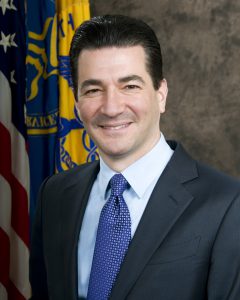
SCOTT GOTTLIEB, MD

Although Gottlieb didn’t specifically name kratom as one of those “health fraud scams,” there’s little doubt that’s one of the supplements he was referring to. Last month the FDA issued a public health advisory about kratom, warning that it was addictive and linked to dozens of overdose deaths.

“The FDA knows people are using kratom to treat conditions like pain, anxiety and depression, which are serious medical conditions that require proper diagnosis and oversight from a licensed health care provider,” Gootlieb said at the time.

“I understand that there’s a lot of interest in the possibility for kratom to be used as a potential therapy for a range of disorders. But the FDA has a science-based obligation that supersedes popular trends and relies on evidence.”

Kratom comes from the leaves of a tree that grows in southeast Asia, where it has been used for centuries for its medicinal properties. The leaves are usually ground up to make tea or turned into powder and used in capsules. Most kratom users say the herb has a mild analgesic and stimulative effect, similar to coffee.

In a survey of 6,150 kratom users last year by Pain News Network and the American Kratom Association, most said they used kratom as a treatment for chronic pain, depression or anxiety. But a fair number -- nearly 10 percent -- said the primary reason they used kratom was to treat opioid addiction.

“Kratom is the one thing that has kept me from using opiates and other illegal substances. I've been able to stay clean for 3 years now. It's given me my life back,” one survey respondent wrote.

“Kratom is the only reason I was finally able to end my addiction to hydrocodone. It is nowhere near as potent as hydrocodone, and you can't overdose” said another.

“It has saved my life. I am a mother of four and have anxiety, depression, acute back pain, and I am an opioid addict. It has kept all these at bay for me,” one woman wrote. “I want to be there for my children, but the sad truth is I know I can't live with these conditions and not find something. It's a sad day when I have to turn to the streets again to have any kind of life.”

“I've had several friends who have died from heroin overdose if they knew about kratom they may still be alive today,” wrote another kratom user.

Last year, the Drug Enforcement Administration attempted to list kratom’s two active ingredients as Schedule I controlled substances, which would have made it a felony to possess or sell kratom. The DEA suspended its plan after a public outcry and lobbying campaign by kratom supporters, saying it would wait for a medical evaluation and scheduling recommendation for kratom from the FDA. Although the FDA has warned the public about using kratom, its full report and recommendations have yet to be released.

12 Myths About Opioid Pain Medication

By Ryle Holder, PharmD, Scott Guess, PharmD, and Forest Tennant, MD, Dr. P.H.

Myth #1: Above 100mg of morphine equivalence, opioid pain medications are ineffective. NONSENSE! They have no ceiling in most patients and may remain effective at dosages in the thousands.

Myth #2: All pain patients who take over 100mg of morphine equivalence are diverting or selling part of their prescription allotment. NONSENSE! Most patients who have a bad enough pain problem to need this much opioid don't usually want to part with it.

Myth #3: All patients who use the "Holy Trinity" of an opioid, benzodiazepine, and muscle relaxant are either selling their drugs or will shortly overdose. NONSENSE! The original "Holy Trinity" was a simultaneous ingestion of a combination of the short-acting drugs hydrocodone (Norco), alprazolam (Xanax), and carisoprodol (Soma). A different, long-acting drug from either of these 3 classes (opioid, benzodiazepine, muscle-relaxant) markedly lowers the risk. So does taking the drugs separately.

Many severe, centralized pain patients have to take a drug from the 3 classes and do it safely and effectively. In other words, they take the drugs "as prescribed."

Additionally the “Holy Trinity,” originally called the “Houston Cocktail,” is a term coined by law enforcement. Addicts tend to use monosyllabic terms to refer to their poison of choice; “Holy Trinity” has too many syllables.

Myth #4: Centralized, intractable pain doesn't exist. NONSENSE! Much research documents that pain from an injury or disease may cause glial cell activation and neuroinflammation, which may destroy brain and spinal cord tissue. Multiple, high dose drugs may be needed to prevent tissue damage and control the immense pain that this condition may produce. As inflammation develops, the overall stress on all organ systems increases dramatically, occasionally to a life-threatening level.

Myth #5: The risks of an opioid dosage over 100mg of morphine equivalence are too great to prescribe opioids above this level. NONSENSE! If a severe, chronic pain patient can't find control with opioid dosages below 100mg or with other measures, the benefit of the high dose far outweighs the risks.

Myth #6: Overdoses occur even if opioids and other drugs are taken as prescribed. NONSENSE! If this even happens, it is extremely rare. Overdose victims often take alcohol, marijuana and other drugs in combination, but opioids and the prescribing doctors are always blamed.

Myth #7: There are no "proven" benefits to long-term opioid therapy. NONSENSE! Simply talk to someone who has taken them for 10-20 years. Never has there been, nor will there ever be, a double-blind, placebo-controlled study to provide "evidence." Opioids are a last resort when all else fails. Opioids in doses >100mg have improved quality of life and prevented death in some instances.

Myth #8: Chronic, severe or intractable pain is just a nuisance that doesn't warrant the risk of opioids. NONSENSE! Severe pain has profound detrimental effects on the cardiovascular, immune, endocrine (hormone) and neurologic systems. Pain must be controlled or pain patients may die of stroke, heart attack, adrenal failure or infections due to a suppressed immune system.

Myth #9: Genetics has no effect on the need for a high opioid dosage. NONSENSE! Bigger and heavier people need a higher dose of medications (just add 1 drop of food coloring to a 1 gallon bucket and then a 5 gallon bucket and observe). It is well documented that some genetic variations impede opioid metabolism to the active form of the drug, or increase the speed the body excretes the opioid. Both metabolic variations will require a higher dosage.

Myth #10: All pain patients can get by on standard opioid dosages under 100mg. NONSENSE! There are persons who are outliers with all disease conditions such as heart failure, diabetes and asthma. Same with pain. A few unfortunate individuals will always require high dosages. Remember our friend the bell curve? What if YOU were on the extreme end?

Myth #11: All patients started on opioids some time ago can just suddenly stop opioids. NONSENSE! Once a person is on high dose opioids they don't dare suddenly stop, because sudden withdrawal may cause hypertension, tachycardia, adrenal failure, and sudden heart stoppage. Some patients who have stopped too suddenly have committed suicide because they had no way to control pain. Montana reports that 38% of all suicides in the state are pain patients, many of them undertreated.

Myth #12: There are plenty of alternatives to opioids. NONSENSE! Common pain problems are generally mild to moderate and respond to a variety of non-opioid treatments. Unfortunately, there are some severe, intractable pain patients who can only control their pain with opioids.

Forest Tennant is a pioneer in pain management who operates a pain clinic for intractable pain patients in West Covina, CA. His clinic was recently raided by DEA agents.

Ryle Holder is a Georgia pharmacist and patient of Dr. Tennant. Scott Guess operates an independent pharmacy  and clinic in Atascadero, CA that specializes in pain management.

This column was distributed by Families for Intractable Pain Relief, a project of the Tennant Foundation.

The information in this column should not be considered as professional medical advice, diagnosis or treatment. It is for informational purposes only and represents the author’s opinions alone. It does not inherently express or reflect the views, opinions and/or positions of Pain News Network.

How to Fight Step Therapy

By Barby Ingle, Columnist

With opioid medication becoming harder and harder to obtain, I want to put out some reminders of other access to care issues that we have had for many years. These challenges can’t be overlooked as we combat the fake news media on the opioid crisis and the lack of news coverage of the chronic pain epidemic.

Health insurance companies often find ways to delay or deny pain care, using step therapy, prior authorization, medication claw back, and poorly run clinical trials to keep their own costs down.

Step therapy is a tool that insurers use to control spending by requiring patients to try certain medications first before using more expensive drugs to treat whatever ails them. These “fail first” requirements mostly affect the care of chronically ill patients. Studies show that nearly 60% of commercial insurance companies use some form of step therapy. And three out of four large companies offer employees insurance plans that use step therapy practices.

Requiring patients to try less effective medication delays access to the best treatment and allows some diseases to progress. This lack of proper and timely care denies patients the drugs they need when they need them, and allows insurance companies to practice medicine without a license.

Many patients can’t afford to wait or forgo needed medications. As these patients physically deteriorate, it only adds to future healthcare costs and increases the risk of non-compliance and self-medication.

Currently there are laws protecting patients from step therapy in over a dozen states, including California, Connecticut, Iowa, Illinois, Indiana, Kentucky, Louisiana, Maryland, Missouri, Mississippi, New York, Washington and West Virginia. But even in these states, there are often holes in the law that need to be addressed. In California, for example, the law only relates to fail first exceptions and uniform prior authorization forms.

Various groups such as the New Mexico Fail First Awareness Coalition, Minnesota Coalition on Step Therapy, Illinois Pain Alliance, Indiana Pain Alliance, International Pain Foundation, Kansas Affordable Access to Medication Coalition and others are working on pending legislation to stop step therapy practices in Florida, Georgia, Massachusetts, Maine, Minnesota, New Mexico, Ohio, Oregon, Rhode Island, Texas, Utah and Virginia.

There is also a step therapy bill in Congress sponsored by Rep. Brad Wenstrup of Ohio called the “Restoring the Patient’s Voice Act of 2017.” It requires insurers to have a clear and speedy process for patients to request an exception to the step therapy protocol.  In cases where the life and health of a patient are jeopardized by step therapy, the request must be granted no later than 24 hours after it is received.

For all of these state and federal efforts, the pain community needs patients to share their stories of how insurance practices have harmed them or denied them medication that is helpful.

What can you do? If you have already experienced step therapy and found it delayed your care, I suggest you speak out about the impact it has had on you. Talk to your congressional representatives and let them know how it has affected you.

An easy way to do this advocacy work is to call 1-844-872-0234 and wait for the automated message. Press 1 and enter your 5-digit zip-code. This will connect you to the office of a U.S. senator for your state. After the call concludes, it will automatically connect you to your other senator and then your representative in the House. Sometimes a live person will answer or you could be instructed to leave a message.

Craft a personalized message, such as “Good morning. My name is (name), and I am a constituent from (city, state). I am a chronic pain (patient, caregiver, family member or provider). I am asking for your support to help the pain community by supporting step therapy legislation for people in pain living in our state. Thank you.”

It is a simple way to become an advocate and make a difference. I hope that you will find it in you to be a cheerleader of hope, and fight for access to proper and timely care for yourself and others in the pain community.

Barby Ingle lives with reflex sympathetic dystrophy (RSD), migralepsy and endometriosis. Barby is a chronic pain educator, patient advocate, and president of the International Pain Foundation. She is also a motivational speaker and best-selling author on pain topics.

More information about Barby can be found at her website. 

The information in this column should not be considered as professional medical advice, diagnosis or treatment. It is for informational purposes only and represents the author’s opinions alone. It does not inherently express or reflect the views, opinions and/or positions of Pain News Network.

Study Advocates Guidelines for Postoperative Pain

By Pat Anson, Editor

Patients recovering from gallbladder surgery need only about a third of the opioid painkillers that are prescribed to them, according to a small new study that could lay the groundwork for new national guidelines on treating postoperative pain.

Researchers at the University of Michigan looked at prescribing data on 170 people who had their gallbladders surgically removed in a laparoscopic cholecystectomy and found that the average patient received an opioid prescription for 250mg morphine equivalent units. That's about 50 pills.

But when the researchers interviewed 100 of those patients, the amount of opioid medication they actually took after their surgeries averaged only 30mg, or about 6 pills. The remaining pills were often left sitting in their medicine cabinets for years.

"For a long time, there has been no rhyme or reason to surgical opioid prescribing, compared with all the other efforts that have been made to improve surgical care," says lead author Ryan Howard, MD, a resident in the U-M Department of Surgery who began the study while attending the medical school.

"We've been overprescribing because no one had ever really asked what's the right amount. We knew we could do better."

When U-M surgical leaders heard about the findings, they gave Howard and his colleagues permission to develop a new prescribing guideline that recommended just 15 opioid pills for gallbladder patients.

Five months later, the average prescription for the first 200 patients treated under the guideline dropped by 66 percent -- to 75mg morphine equivalent units. Requests for opioid refills didn't increase, as some had feared, but the percentage of patients getting a prescription for “safer” non-opioid painkillers such as acetaminophen or ibuprofen more than doubled.

Interviews with 86 of the patients who received the smaller prescriptions showed they had the same level of pain control as those treated before -- even though they took fewer opioid painkillers. A new education guide for patients counseled them to take pain medication only as long as they have pain, and to reserve the opioid pills for pain that's not controlled by ibuprofen or acetaminophen.

"Even though the guidelines were a radical departure from their current practice, attending surgeons and residents really embraced them," said U-M researcher Jay Lee, MD. "It was very rewarding to see how effective these guidelines were in reducing excess opioid prescribing."

Researchers estimate that implementing the new guideline has kept more than 13,000 excess opioid pills out of circulation in the year since the rollout began. Their findings were published in JAMA Surgery.

U-M researchers have expanded on their efforts by developing prescribing guidelines for 11 other common surgeries, including hysterectomies and hernia repair. They believe the guidelines could serve “as a template for statewide practice transformation” and could be adopted nationally as well.   

It’s a common misconception that many patients become addicted to opioid medication after surgery. According to a recent national survey, one in ten patients believe they became addicted or dependent on opioids after they started taking them for post-operative pain. But a recent study in Canada found that long term opioid use after surgery is rare, with less than one percent of older adults still taking opioid pain medication a year after major elective surgery.

Another fallacy is that leftover pain medication is often stolen, sold or given away. The DEA says less than one percent of legally prescribed opioids are diverted.

Many patients are dissatisfied with the quality of pain care in hospitals. In a survey of over 1,200 patients by Pain News Network and the International Pain Foundation, 60 percent said their pain was not adequately controlled in a hospital after a surgery or treatment. And over half rated the quality of their hospital pain care as either poor or very poor.

When Is Pain Not Pain?

By Carol Levy, Columnist

Pain is not pain.” So says my new pain management doc. And he's right.

My main pain right now, the pain that keeps me disabled with trigeminal neuralgia, is from eye movement. Anything that requires sustained eye usage for more than 15 minutes results in horrific pain.

If I tell myself (what I think most of us tell ourselves when we are doing what we know will hurt later) just five more minutes, just four more emails or just one more chapter; I end up with horrific eye pain and become nauseated.  It is all I can do to walk the 20 steps to my bedroom and lie down.

It can get so bad that I often end up laying on my bed for 2 to 3 hours; working to not move my eyes and forcing them to stay completely still, an almost impossible task. I wait and wait, and wait some more, for it to calm down.

“Oh my God!” I cry out to my empty apartment. “The pain is so bad. I don't know what to do!”

Sometimes pain meds help by taking the edge off, but the wait for them to kick-in is excruciating. “When will this stop?” I demand to the air. “Why can't someone fix this for me!”

The answer never changes. Total silence.

My new pain management specialist starts appointments with the question we all know only too well: “What does the pain feel like?”

I think about it.  I visualize how my eye feels and what physically happens when it is bad.

“It feels like pulling against the skin and a pushing of the eye against the lids, sometimes burning. Sometimes, it feels like if I could just shut the eye hard enough, which I never can, that would help,” I tell him.

After all those words, I realize there is one word I have not used: Pain!

We all know what pain is. It's the feeling you get when you break a bone, stub your toe, cut yourself, or eat ice cream against a bad tooth. That is what most people think of as pain.

What I feel, what many of us in chronic and intractable pain feel, is not “pain.” Not in any normal or accepted sense of the word.

Why do we not see new pain treatments, outside of the usual drugs and opioids?

It could be because the medical and research community is not studying or addressing our pain.

Carol Jay Levy has lived with trigeminal neuralgia, a chronic facial pain disorder, for over 30 years. She is the author of “A Pained Life, A Chronic Pain Journey.” 

Carol is the moderator of the Facebook support group “Women in Pain Awareness.” Her blog “The Pained Life” can be found here.

The information in this column should not be considered as professional medical advice, diagnosis or treatment. It is for informational purposes only and represent the author’s opinions alone. It does not inherently express or reflect the views, opinions and/or positions of Pain News Network.

Former California Lawmaker Charged in Wife’s Suicide

By Pat Anson, Editor

A former California lawmaker has been charged with helping his wife -- who suffered from chronic back pain -- commit suicide last year.

Steven Clute allegedly provided his wife Pamela with a handgun so she could kill herself. He is charged with felony aiding a suicide and will be arraigned tomorrow. Medically assisted suicide is legal in California for terminally ill patients, but suicide by firearm is not permitted.

Pamela Clute was 66 when she killed herself on the morning of August 21, 2016 at the couple’s home in Palm Desert. According to the Desert Sun, her husband found his wife with a gunshot wound and called 911, telling the dispatcher she suffered from severe pain and wanted to end her life.

"Steven said he had given Pamela the revolver as an option to end the pain she was going through based on a previous discussion they had about using the revolver as an option," an arrest declaration released Monday said.

It is not clear what new evidence emerged since the suicide or why the Riverside County District Attorney waited over a year to file charges.

PAMELA CLUTE

Friends and acquaintances of the Clutes said there were rumors of a suicide but didn’t know the cause of Pamela’s death until recently, according to The Press Enterprise. The autopsy report now says she died from a gunshot wound.

steven clute

Pamela Clute was a well-known math professor at the University of California, Riverside. Her husband is a former Navy pilot who served in the California state assembly from 1982 to 1992. The couple had been married for 40 years.

Defense lawyer Virginia Blumenthal told the Associated Press that Clute, who is 69, would plead not guilty at his arraignment.

"You have to understand that everyone around here knows how much in love he was with her," said Blumenthal, who was friends with the Clutes. "They were always together. They were very much in love with each other."

The case is similar to the sad story of Jay Lawrence, a chronic pain sufferer who committed suicide earlier this year with the help of his wife Meredith after his opioid pain medication was cutback.

“I bought the gun that Jay used -- and yes, we talked about the ramifications of that action,” Meredith Lawrence wrote in a PNN guest column. “We went to the park where we had renewed our vows in 2015.  We talked in the car for a while, and then we sat in the same place we had cut our wedding cake.  I was holding his hand when he pulled the trigger.”

Meredith was arrested and charged under Tennessee’s assisted suicide law. She pleaded guilty to a reduced charge of reckless endangerment and is currently on probation.

“I know Jay wanted me to put his story out there.  I know he wanted people to know what it was like to live with the pain he lived with daily. When the doctor took away Jay’s medications, they took away his quality of life. That was what led to his decision,” Meredith wrote.

“Something has to be done to wake up the doctors, insurers and regulators to make them see pain patients as real people. People with husbands, wives and children that love them.”

Can Kellyanne Conway Solve the Opioid Crisis?

By Mark Maginn, Columnist

U.S. Attorney General Jeff Sessions announced last week that White House counselor Kellyanne Conway has been appointed to lead initiatives in the Trump Administration against the opioid crisis currently sweeping the country.

That’s right, President Trump’s former campaign manager and spinner of alternative facts has become the new “opioid czar” – although she is generally thought of inside and outside of the Washington beltway as someone as little acquainted with facts as her employer. 

Appointing a political shill who cares nothing about facts to such a high profile position strains credulity and places millions of pain sufferers and their doctors in jeopardy of more harassment and arrests.

KELLYANNE CONWAY (GAGE SKIDMORE PHOTO)

Ms. Conway is a professional resident of what candidate Trump called the “swamp” he pledged to drain. And now this denizen of the Capital’s reptilian power structure is to be in charge of initiatives alleviating the opioid epidemic. 

This is a position that requires the ability to gather experts together in order to devise wise and humane policies to help those in terrible pain and those who become addicted to opioid drugs such as OxyContin and, of course, heroin.

To add gravitas to the strained credulity of this outrageous appointment, we have none other than “opioid policy expert” and the founder of Physicians for Responsible Opioid Prescribing (PROP) weighing in.

"It is a positive sign. She is a high-profile figure in the administration, showing the administration takes this seriously,” Dr. Andrew Kolodny told BuzzFeed.

It appears that in Kolodny’s brand of myopia, possessing a “high-profile” is evidence of seriousness. Kolodny perpetuates the notion that notoriety equals intellect, organizational ability and tact.

Those who applaud this sad appointment apparently do not take this so-called opioid epidemic with anything approaching the seriousness it requires. Conway’s appointment will likely lead to more of the same stupid drug policy of harassing pain doctors and jailing patients desperate for pain relief. No serious policies can be expected.

For example, after nearly a year in office, the Trump administration has failed to name anyone to head the White House Office of National Drug Control Policy. It also has yet to fund or propose a strategy for the overdose crisis, which President Trump declared a public health emergency in October. Does this look like an administration serious about the causes and treatment of drug addiction and drug overdose deaths?

Conway’s lack of candor and veracity is likely to lead to disastrous policies affecting millions of us. 

She infamously coined the phrase “alternative facts” in defense of then-Press Secretary Sean Spicer’s false statements about the size of the crowd at Trump’s inauguration. Conway later defended the President’s travel ban on mostly Muslim countries by making reference to the “Bowling Green Massacre.” She cited this fictitious terrorist massacre as evidence in support of the president’s travel ban on Muslims. 

The use of lies and half-truths by Conway should have been enough to disqualify her.

Can we believe that Conway will look to the ravages of poverty, the destruction of good middle class jobs, the collapse of education, the increasing wealth gap, and the epidemic of loneliness that I see in my office daily with patients suffering from various forms of depression and despair? No, certainly not. That would require long term financial commitment to jobs, healthcare, education, and housing.

Our current War on Drugs has led to the incarceration of millions of Americans of color. We now have more of our citizens in prison than any other nation. Yet Attorney General Sessions has created a new unit in the DEA that is solely charged with “investigating and prosecuting health care fraud related to prescription opioids.”

This indicates more law enforcement and pressure on doctors prescribing opioids for those of us who depend on these medicines simply to live. That is exactly the wrong policy. 

People of privilege like Ms. Conway and her boss, our President, are not capable of looking beyond their own wealthy horizons and seeing the lonely precincts of a depressed and despairing nation.

We need real, clear-eyed and honest people to bring us real, clear-eyed and honest help.

Mark Maginn lives with chronic back pain. He is a licensed mental health and social worker who spent 18 months working in New York City with survivors of the 9/11 terrorist attacks. Mark now has a private practice in psychotherapy in Chicago, where he specializes in working with people in intractable pain. 

The information in this column should not be considered as professional medical advice, diagnosis or treatment. It is for informational purposes only and represents the author’s opinions alone. It does not inherently express or reflect the views, opinions and/or positions of Pain News Network.

Medical Marijuana Will Not Cure the Opioid Crisis

By Roger Chriss, Columnist

There is a strong push underway to utilize medical marijuana as an alternative to opioid pain medications.

“There’s a large group of patients who have chronic pain who rely on opioids,” Dr. Charles Bush-Joseph recently told the Chicago Tribune. “Those are the patients who would benefit from medical cannabis.”

Indeed, medical marijuana and synthetic forms of cannabis are showing promise in treating chronic pain and related disorders. Recent research has shown that the marijuana-based medication dronabinol is effective in the management of neuropathy in multiple sclerosis. Similarly, another novel cannabidiol made by GW Pharmaceuticals has been found to help manage treatment-resistant epilepsy.

But while medical marijuana is showing potential in treating many medical problems -- including chronic pain conditions -- it will not have a significant impact on the rate of opioid addiction or overdoses.  

Media reports from outlets like Big Think erroneously associate the opioid crisis with chronic pain management and misinterpret recent studies on opioid overdose rates in states with legal medical cannabis.

In fact, chronic pain management is not a significant causal factor in the opioid crisis. The National Institute on Drug Abuse estimates that between 8 and 12 percent of people on long-term opioid therapy develop some form of opioid use disorder.  A Cochrane review put the number even lower – with less than 1% of chronic pain patients becoming addicted.

In other words, people who need opioid pain medication are rarely the ones who become addicted and reports of doctor-shopping pain patients are greatly exaggerated.  It is also clear from recent reports by the CDC that the prescribing of opioid pain medication has been dropping steadily since 2010 and that the main drivers of the opioid crisis are now heroin and illicit fentanyl.

Moreover, research only shows an association, not a causal relation, between legal medical cannabis and opioid overdose rates. A recent study from the University of New Mexico showed that people with chronic musculoskeletal pain preferentially used medical cannabis over opioid analgesics. But this result is only preliminary and small-scale, and is unrelated to opioid addiction or overdose.

A 2014 study in JAMA also found an association between medical marijuana laws and a decline in opioid overdose mortality rates. But the authors of the study were careful to note that “our findings apply to states that passed medical cannabis laws during the study period and the association between future laws and opioid analgesic overdose mortality may differ.”

Recent data from Colorado, which legalized medical cannabis in 2000, shows the number of newborns in the state addicted to opioids jumped 83 percent from 2010 to 2015, a result that suggests rising levels of opioid use. Similarly, significant increases in fatal overdoses involving opioids are emerging in Washington state, where medical marijuana has been legal since 1998.

Opioid overdoses are also increasing in other states that recently legalized cannabis, although the increase is most likely caused by heroin and illicit fentanyl, not opioid pain medication.

Medical cannabis has been mentioned as potentially helpful in treating opioid addiction. But a small new observational study from Washington State University concludes that cannabis use by patients in an addiction treatment program may actually strengthen the relationship between pain, depression and anxiety.

"For people who are using cannabis the most, they have a very strong relationship between pain and mood symptoms, and that's not necessarily the pattern you'd want to see," said lead researcher Marian Wilson, PhD, of the Washington State University College of Nursing. "You would hope, if cannabis is helpful, the more they use it the fewer symptoms they'd see."

About two-thirds of the 150 patients surveyed by Wilson said they had used marijuana in the past month.

"Some are admitting they use it just for recreation purposes, but a large number are saying they use it to help with pain, sleep, and their mood," Wilson said. "We don't have evidence with this study that cannabis is helping with those issues."

None of this is meant to downplay the potential of cannabis in pain management or other areas of medicine. Medical cannabis has long been recognized for its use in treating chemotherapy-induced nausea, in loss of appetite due to end-stage cancer, and in treating pain in disorders like multiple sclerosis. More research will help clarify what else medical cannabis may be able to do.

But the legalization of medical cannabis is not going to cure the opioid crisis. Instead, the excessive and uncritical enthusiasm for it in some recent media reports and research publications is creating unrealistic expectations. These expectations could be used to justify reductions in pain medications that are working, complicating the lives of people with intractable pain disorders for no good reason.

If medical cannabis works, let's use it. But let’s make sure we’re using it for the right reasons.

Roger Chriss lives with Ehlers Danlos syndrome and is a proud member of the Ehlers-Danlos Society. Roger is a technical consultant in Washington state, where he specializes in mathematics and research.

The information in this column should not be considered as professional medical advice, diagnosis or treatment. It is for informational purposes only and represents the author’s opinions alone. It does not inherently express or reflect the views, opinions and/or positions of Pain News Network.

Canada’s ‘Deeply Flawed’ Opioid Guideline

By Pat Anson, Editor

Just six months after adopting an opioid prescribing guideline modeled after the CDC's guideline in the United States, they’re already having second thoughts in Canada.

An editorial published in the Canadian Medical Association Journal says the guideline is “deeply flawed,” may have contributed to several deaths, and has created “a climate of fear” among doctors and patients.

Like the opioid guideline released by the Centers for Disease Control and Prevention in 2016, the Canadian version strongly recommends that patients not receive opioid doses in excess of 90mg morphine equivalents daily (MED), and that patients receiving a higher dose by tapered to the “lowest effective dose” or stop getting opioids altogether.

“The Guideline neglects to warn physicians that tapering can put patients at high risk for overdose, because patients will lose tolerance, experience distressing withdrawal symptoms, and turn to other sources for their opioid,” warns lead author Meldon Kahan, MD,  director of addiction treatment at Women’s College Hospital in Toronto.

Kahan helped write Canada’s 2010 opioid guideline, which recommended a much higher ceiling of 200mg MED.  He says the current guideline fails to address addiction or how to treat opioid use disorder with medications such as buprenorphine and methadone.

“By not discussing these treatments, the Guideline encourages physicians to manage opioid addiction through tapering, which is usually ineffective and sometimes dangerous,” wrote Kahan.

“The Guideline is contributing to a climate of fear around opioid prescribing. We are aware of several instances of death following rapid tapering or abrupt discontinuation. The Guideline needs extensive revision to ensure patient safety; until this is done, the medical community and medical regulators must not use the Guideline as the standard for opioid prescribing.”

Over 50 clinicians, academics, patients and “safety advocates” helped draft the Canadian guideline. Among them were three board members of Physicians for Responsible Opioid Prescribing (PROP), an anti-opioid activist group that played a key role in drafting the CDC guidelines: PROP Vice-President Gary Franklin, MD, Mark Sullivan, MD, and David Juurlink, MD.

One major difference between the Canadian guideline and the CDC’s is that the latter is only intended for primary care physicians, while Canada’s guideline applies to all prescribers, including family physicians, pain specialists and nurse practitioners.

Nearly 1 in 5 Canadians suffer from chronic pain and Canada has the highest rate of opioid prescribing outside the United States. Opioid prescribing peaked in the U.S. in 2010, but prescriptions are still trending upward in Canada. A report released last week by the Canadian Institute for Health Information shows that the total number of opioid prescriptions rose by nearly seven percent between 2012 and 2016, although fewer pills are being prescribed.

Opioid overdoses are soaring in Canada, as they are in the United States, but increasingly the deaths involve illegal opioids such as heroin and illicit fentanyl, not prescription painkillers.

Minnesota’s Tough New Guideline

Canada may be having second thoughts about its guideline, but Minnesota appears close to adopting even tougher rules for prescribers – which would arguably be the most draconian anywhere in the United States.

The draft guidelines released last week by the Minnesota Opioid Prescribing Work Group (MOPWG) would limit new opioid prescriptions for acute, short-term pain to just three days’ supply and a total of no more than 100mg MED – meaning the average daily dose would be less than 34mg MED.

Treatment for acute pain that lasts longer – for up to 45 days – would be limited to a total of 200mg MED every 7 days. Prescriptions would also have to be obtained weekly.

Daily doses for chronic pain lasting longer than 45 days would be limited to 90mg MED – if a patient is able to get them at all. The guideline specifically discourages doctors from prescribing opioids for fibromyalgia, migraine, “uncomplicated” back pain, and just about every other chronic pain condition. It also strongly recommends that  doctors discuss tapering with patients on long term opioid therapy, "regardless of their risk of harm."

“Opioid analgesics should not be used to manage chronic pain. There is very limited shorter-term evidence on the efficacy of opioids for chronic pain management and a growing body of evidence of significant harm associated with use,” the MOPWG said in a statement.

The MOPWG was chaired by Chris Johnson, MD, an outspoken critic of opioid prescribing who is a board member of PROP, as well as the Steve Rummler Hope Foundation.

“If pain doctors still think these medicines are effective, then they have a lot of explaining to do and their competence and professionalism deserve to be challenged,” Johnson said a few months ago.

If opioids are prescribed long term, Minnesota's guidelines recommend that doctors evaluate a patient’s mental health, as well as any history of physical or emotional trauma. The guidelines claim that patients with a history of trauma are more likely to develop chronic pain.

“Patients with chronic pain tend to report higher rates of having experienced traumatic events in their past, compared to people without chronic pain. A traumatic event is an event (or series of events) in which an individual has been personally or indirectly exposed to actual or threatened death, serious injury or sexual violence,” the guideline states.  

“Traumatic events illicit a number of predictable responses, including anxiety, physiological arousal and avoidance behaviors. A growing body of evidence finds that individuals who have experienced trauma may develop a persistently aroused or reactive nervous system. When confronted with an acute injury or pain following a surgical procedure, people whose nervous systems are already in a state of persistent reactivity due to a past trauma may be more likely to transition for acute to chronic pain.”

If adopted, Minnesota’s draft guideline would only apply to patients covered by the state’s Medicaid programs. However, they are expected to influence all prescribers, as well as insurance company policies and state regulatory boards. The guideline is available for public review and comment for the next 30 days.