Medicare Patients Face New Rx Opioid Rules in 2019

By Pat Anson, PNN Editor

The Centers for Medicare and Medicaid Services (CMS) will implement new safety rules on January 1 that could make it harder for over a million Medicare beneficiaries to get prescriptions filled for high doses of opioid pain medication. Prescriptions for opioid “naïve” patients – those who are new to opioids -- will also be limited to an initial 7-day supply, regardless of dose.

The new rules, which are modeled after the 2016 CDC opioid guideline, are intended to reduce the risk of opioid abuse and addiction. They only apply to patients enrolled in Medicare’s Advantage and Part D prescription drug programs, and exempt patients in palliative and hospice care or those being treated for “active” cancer-related pain.

But patients and advocates fear the rules give too much power to insurers and pharmacies, and could result in widespread confusion or patients being denied medications they’ve taken safely for years.

“I am concerned, just as happened with the CDC Guideline, the new CMS rules starting January 1 will be totally misinterpreted, misunderstood, and possibly weaponized to deny patients opioid pain meds,” says Rick Martin, a retired Las Vegas pharmacist disabled by chronic back pain. 

In recent weeks, Martin says he’s spoken with three pharmacists at major chains in the Las Vegas area and none of them had been briefed about the new CMS rules or how they will be implemented by insurers. 

“Maybe the sponsors (insurers) are so overwhelmed, nothing will happen after January 1 or maybe some obscure person in the basement is waiting to install a computer program that will kick in January 1 and nobody will be expecting it. That would be utter chaos,” said Martin. 

CMS contracts with dozens of private insurers to provide health coverage to about 54 million Americans through Medicare and nearly 70 million in Medicaid. CMS policy changes often have a sweeping impact throughout the U.S. healthcare system because so many insurers and patients are involved. 

‘Safety Edit’ for High Dose Prescriptions

Starting January 1, Medicare insurers will adopt drug management programs (DMPs) designed to flag patients who are deemed high risk – such as those who take opioids with anti-anxiety benzodiazepines or get opioid prescriptions from more than one doctor.

Any opioid prescription at or above 90 MME (morphine milligram equivalent) will trigger an automatic “safety edit” requiring pharmacists to talk with the prescribing doctor about the appropriateness of the dose. If satisfied with the explanation or if a prior authorization was already granted, the pharmacist could override the safety edit and fill the prescription. About 1.6 million Medicare beneficiaries met or exceeded a dose of 90 MME in 2016.

Insurance companies can impose their own “hard edit” for patients getting 200 MME or more, which will require pharmacists to contact the insurer before filling a prescription.  Insurers will also be given greater authority to identify patients at high risk of addiction and can even require they use “only selected prescribers or pharmacies.”

The bottom line for patients is that pharmacists and insurers – not doctors -- could be the final arbiters of whether a prescription is appropriate and should be filled.

“If you get opioids from multiple doctors or pharmacies, your plan may talk with your doctors to make sure you need these medications and that you’re using them safely,” a Medicare advisory tells patients.

“If your Medicare drug plan decides your use of prescription opioids and benzodiazepines isn’t safe, the plan may limit your coverage of these drugs. For example, under its DMP your plan may require you to get these medications only from certain doctors or pharmacies to better coordinate your health care.”

“The process they decided on -- having pharmacists confer with prescribers -- is really a good idea in the abstract, but in practice it's going to be very burdensome,” says Bob Twillman, PhD, Executive Director of the Academy of Integrative Pain Management. 

“I think that the mandated phone conversations between pharmacists and prescribers will turn out to be such a time-consuming endeavor that many prescribers will decide just to prescribe a low enough dose that those phone calls aren't triggered. The net effect, in many cases, I think, will be to encourage prescribers to drop their doses below that threshold.”

If a prescription is rejected by an insurer or pharmacist, patients have the option of paying for the medication in cash and/or filing an appeal.

“CMS officials have confirmed that Medicare prescription drug coverage involvement is limited to payment for medications. If a patient receives a denial of coverage, the patient has the right to pay out-of-pocket for that medication. A Medicare denial only applies to financial coverage. It has no authority to deny the prescription itself,” says Andrea Anderson, Executive Director of the Alliance for the Treatment of Intractable Pain (ATIP). 

ATIP is encouraging patients denied medication to contact a little-known CMS agency called the Beneficiary and Family Centered Care-Quality Improvement Program, where they can file an appeal or make a complaint.   

Medicare patients can also be proactive by talking with their doctor and pharmacist about the new rules before getting a prescription filled. They can also seek a prior authorization from their insurer to avoid the delays of a safety edit at the pharmacy.

Should Rx Opioids Be Limited for Cancer Patients?

By Pat Anson, PNN Editor

At a time when many chronic and acute pain patients are losing access to opioid medication, patients suffering from cancer pain are treated differently. They’re usually exempt from opioid guidelines that typically focus on limiting prescriptions for “noncancer pain.”

But some oncologists are starting to question whether opioids should be routinely prescribed to cancer patients.

“As an oncologist, I cannot help but reflect on that qualifier. It suggests that a cancer diagnosis gives us permission to prescribe opioids with impunity. Patients with cancer can become addicted, like anyone else. Yet oncologists use these potent, seductive drugs freely, perhaps without sufficient regard for the risk of dependence and abuse,” writes Alison Loren, MD, in an op/ed published in The New England Journal of Medicine.

“Treating patients who are terminally ill from cancer is an important indication for these drugs. But what about patients with cancer who aren’t dying, the ones we hope to cure? Woven into our language about the opioid epidemic is an implication that oncologists can hand out opioids as if there were no tomorrow. But for many people with cancer, there is now indeed a tomorrow.”

Loren, who is a professor at the Perelman School of Medicine at the University of Pennsylvania, says many patients whose cancer was once thought incurable are living for a decade or longer. Thanks to advances in cancer treatment, there are more than 15 million cancer survivors in U.S. and their ranks are growing

“With this progress comes new challenges. Especially poignant — albeit rare — is the one I face when I see a patient who is cancer-free but addicted to medications I’ve prescribed,” wrote Loren. “I am responsible for this predicament, and it feels monstrously cruel — second only to allowing the dependence to continue. Sometimes, like those with ‘noncancer pain,’ our patients veer into abuse.”

A new study by researchers at the University of Colorado School of Medicine found signs of opioid abuse in a small percentage of cancer patients. Out of 811 patients given opioids after treatment for oral or oropharynx (neck) cancer, 68 patients (7%) were still using opioids six months later.

"You shouldn't need opioids at the six-month point," says Jessica McDermott, MD, an investigator at the CU Cancer Center. “We felt like (opioid misuse) was a long term problem for some of our head and neck cancer patients, but didn’t know how much of problem.”

McDermott doesn’t advocate taking opioids away from cancer patients, but says doctors should know which patients are more at risk of opioid misuse, such as those having a previous opioid prescription or a history of smoking and alcohol use.

"If a patient needed opioids for pain, I wouldn't keep them away, but especially if they have risk factors, I might counsel them more about the risks of addiction and misuse, and keep an eye on it," McDermott says.

Loren would take opioids away from a cancer patient at risk of misuse. She shared the story of a leukemia patient with a long history of substance abuse who was found dead in her hospital bed.

“Her leukemia was in remission. The possibility that she may have overdosed haunts me,” Loren wrote. “Oncologists are accustomed to giving opioids, but we must also be comfortable taking them away, and sometimes giving them in limited doses or not at all.”

One Third of Knee Surgery Patients Still Have Pain

By Liz Szabo, Kaiser Health News

Danette Lake thought surgery would relieve the pain in her knees.

The arthritis pain began as a dull ache in her early 40s, brought on largely by the pressure of unwanted weight. Lake managed to lose 200 pounds through dieting and exercise, but the pain in her knees persisted.

A sexual assault two years ago left Lake with physical and psychological trauma. She damaged her knees while fighting off her attacker, who had broken into her home. Although she managed to escape, her knees never recovered. At times, the sharp pain drove her to the emergency room. Lake’s job, which involved loading luggage onto airplanes, often left her in misery.

When a doctor said that knee replacement would reduce her arthritis pain by 75 percent, Lake was overjoyed.

“I thought the knee replacement was going to be a cure,” said Lake, now 52 and living in rural Iowa. “I got all excited, thinking, ‘Finally, the pain is going to end and I will have some quality of life.’”

But one year after surgery on her right knee, Lake said she’s still suffering.

“I’m in constant pain, 24/7,” said Lake, who is too disabled to work. “There are times when I can’t even sleep.”

Most knee replacements are considered successful, and the procedure is known for being safe and cost-effective. Rates of the surgery doubled from 1999 to 2008, with 3.5 million procedures a year expected by 2030.

But Lake’s ordeal illustrates the surgery’s risks and limitations. Doctors are increasingly concerned that the procedure is overused and that its benefits have been oversold.

DANETTE LAKE (khn photo)

Research suggests that up to one-third of those who have knees replaced continue to experience chronic pain, while 1 in 5 are dissatisfied with the results. A study published last year in the BMJ found that knee replacement had “minimal effects on quality of life,” especially for patients with less severe arthritis.

One-third of patients who undergo knee replacement may not even be appropriate candidates for the procedure, because their arthritis symptoms aren’t severe enough to merit aggressive intervention, according to a 2014 study in Arthritis & Rheumatology.

“We do too many knee replacements,” said Dr. James Rickert, president of the Society for Patient Centered Orthopedics, which advocates for affordable health care, in an interview. “People will argue about the exact amount. But hardly anyone would argue that we don’t do too many.”

Although Americans are aging and getting heavier, those factors alone don’t explain the explosive growth in knee replacement. The increase may be fueled by a higher rate of injuries among younger patients and doctors’ greater willingness to operate on younger people, such as those in their 50s and early 60s, said Rickert, an orthopedic surgeon in Bedford, Ind. That shift has occurred because new implants can last longer — perhaps 20 years — before wearing out.

Yet even the newest models don’t last forever. Over time, implants can loosen and detach from the bone, causing pain. Plastic components of the artificial knee slowly wear out, creating debris that can cause inflammation. The wear and tear can cause the knee to break. Patients who remain obese after surgery can put extra pressure on implants, further shortening their lifespan.

The younger patients are, the more likely they are to “outlive” their knee implants and require a second surgery. Such “revision” procedures are more difficult to perform for many reasons, including the presence of scar tissue from the original surgery. Bone cement used in the first surgery also can be difficult to extract, and bones can fracture as the older artificial knee is removed, Rickert said.

Revisions are also more likely to cause complications. Among patients younger than 60, about 35 percent of men need a revision surgery, along with 20 percent of women, according to a November article in the Lancet.

Yet hospitals and surgery centers market knee replacements heavily, with ads that show patients running, bicycling, even playing basketball after the procedure, said Dr. Nicholas DiNubile, a Havertown, Pa., orthopedic surgeon specializing in sports medicine. While many people with artificial knees can return to moderate exercise — such as doubles tennis — it’s unrealistic to imagine them playing full-court basketball again, he said.

“Hospitals are all competing with each other,” DiNubile said. Marketing can mislead younger patients into thinking, “‘I’ll get a new joint and go back to doing everything I did before,’” he said. To Rickert, “medical advertising is a big part of the problem. Its purpose is to sell patients on the procedures.”

Rickert said that some patients are offered surgery they don’t need and that money can be a factor.

Knee replacements, which cost $31,000 on average, are “really crucial to the financial health of hospitals and doctors’ practices,” he said. “The doctor earns a lot more if they do the surgery.”

Ignoring Alternatives

Yet surgery isn’t the only way to treat arthritis.

Patients with early disease often benefit from over-the-counter pain relievers, dietary advice, physical therapy and education about their condition, said Daniel Riddle, a physical therapy researcher and professor at Virginia Commonwealth University in Richmond.

Studies show that these approaches can even help people with more severe arthritis.

In a study published in Osteoarthritis and Cartilage in April, researchers compared surgical and non-surgical treatments in 100 older patients eligible for knee replacement.

Over two years, all of the patients improved, whether they were offered surgery or a combination of non-surgical therapies. Patients randomly assigned to undergo immediate knee replacement did better, improving twice as much as those given combination therapy, as measured on standard medical tests of pain and functioning.

But surgery also carried risks. Surgical patients developed four times as many complications, including infections, blood clots or knee stiffness severe enough to require another medical procedure under anesthesia. In general, 1 in every 100 to 200 patients who undergo a knee replacement die within 90 days of surgery.

Significantly, most of those treated with non-surgical therapies were satisfied with their progress. Although all were eligible to have knee replacement later, two-thirds chose not to do it.

Tia Floyd Williams suffered from painful arthritis for 15 years before having a knee replaced in September 2017. Although the procedure seemed to go smoothly, her pain returned after about four months, spreading to her hips and lower back.

She was told she needed a second, more extensive surgery to put a rod in her lower leg, said Williams, 52, of Nashville.

“At this point, I thought I would be getting a second knee done, not redoing the first one,” Williams said.

Other patients, such as Ellen Stutts, are happy with their results. Stutts, in Durham, N.C., had one knee replaced in 2016 and the other replaced this year. “It’s definitely better than before the surgery,” Stutts said.

Inappropriate Surgeries

Doctors and economists are increasingly concerned about inappropriate joint surgery of all types, not just knees.

Inappropriate treatment doesn’t harm only patients; it harms the health care system by raising costs for everyone, said Dr. John Mafi, an assistant professor of medicine at the David Geffen School of Medicine at UCLA.

The 723,000 knee replacements performed in 2014 cost patients, insurers and taxpayers more than $40 billion. Those costs are projected to surge as the nation ages and grapples with the effects of the obesity epidemic, and an aging population.

To avoid inappropriate joint replacements, some health systems are developing “decision aids,” easy-to-understand written materials and videos about the risks, benefits and limits of surgery to help patients make more informed choices.

In 2009, Group Health introduced decision aids for patients considering joint replacement for hips and knees.

Blue Shield of California implemented a similar “shared decision-making” initiative.

Executives at the health plan have been especially concerned about the big increase in younger patients undergoing knee replacement surgery, said Henry Garlich, director of health care value solutions and enhanced clinical programs.

The percentage of knee replacements performed on people 45 to 64 increased from 30 percent in 2000 to 40 percent in 2015, according to the Agency for Healthcare Research and Quality.

Because the devices can wear out in as little as a few years, a younger person could outlive their knees and require a replacement, Garlich said. But “revision” surgeries are much more complicated procedures, with a higher risk of complications and failure.

“Patients think after they have a knee replacement, they will be competing in the Olympics,” Garlich said.

Danette Lake once planned to undergo knee replacement surgery on her other knee. Today, she’s not sure what to do. She is afraid of being disappointed by a second surgery.

Sometimes, she said, “I think, ‘I might as well just stay in pain.’”

Kaiser Health News, a nonprofit health newsroom whose stories appear in news outlets nationwide, is an editorially independent part of the Kaiser Family Foundation.

How Chronic Pain Led Me to Illegal Drugs

(Editor's note: This column was written by someone I've known for several years and consider a friend. The author is intelligent, college educated and works full time. They also have a progressive and incurable chronic pain condition. Like a growing number of pain patients who are undertreated or have lost access to pain care, my friend has turned to illegal drugs for pain relief. For obvious reasons, we are not disclosing the author's name.) 

For me, it started with borrowing a couple hydrocodone pills from my uncle, who’d just had surgery and didn’t finish his prescription.  

Technically illegal? Yes. Illegal illegal? Not really. That’s what I told myself.

I run out of pain pills early every month — because they are prescribed to take one every six hours and only last about three. So I was happy to have a few more to get through those last few days before my refill.  

I always need more though, because the pain is always there. So I started to swap pills with my cousin, who also has chronic pain.  “Here, take 10 of mine today,” I’d offer.  

Then a few days later, I’d go back with, “Okay, now I need to borrow some pills from you. Maybe just five to get me through until my next refill?”  

I know she would never consider those drug deals. She would never consider herself a dealer. She goes to church for goodness sake. 

Eventually, I started to pay a little cash for 5mg pills from a friend of a friend, because it seems only fair to give him something in return.

I guess that’s about as “drug deal” as drug deals get. Here is money for you in exchange for drugs for me. There’s no way to really argue that.   

But it still didn’t feel like a drug deal. He’s doing me a favor, so I’m doing him a favor. We’re working professionals. We’re not meeting in a dark alley. Nobody has a gun on them. We’re just helping each other.

Then I started buying marijuana to see if it would help with the pain.  I felt like marijuana was easier to get than my monthly pain pill prescription. And as long as I had the money, I could get as much as I wanted.  

I bought it from an old high school friend, who has a quiet house in the country and always invites me over for dinner. It felt more like buying homemade jewelry than buying homemade drugs. And she’d send me home with marijuana edibles that didn’t seem all that different than any other muffins my friends would bake for me.  

Recreational marijuana isn’t legal where I live, but it is in a lot of other places, so it’s still easy to justify this one to myself. My state is just a little behind. We’ll catch up. And soon buying an eighth won’t be much different than buying a pack of cigarettes.  

The marijuana doesn’t help me much other than putting me to sleep, so I hardly ever buy it. But if it did work — if it helped anywhere close to the way hydrocodone does — I would become a regular customer.  

Since I didn’t like it or use that much, I ended up selling some leftover marijuana to a friend’s uncle. That’s about when I officially became a dealer myself, I suppose.  

And now, I’m regularly buying extra hydrocodone from the local drug dealer. I meet up with him in the alley behind his apartment. He does not make drug dealing look glamorous. He never has enough money for his phone bill, he always needs a ride, and I’m pretty sure he uses the money I give him to buy heroin.  

I tell myself that most people would do what I was doing if they were enduring the kind of daily, debilitating chronic pain that I have. It’s either this or suicide.  

I try to get my doctor to increase my prescription and hold my breath every time they drug test me. So far, I’ve always passed. And so far, my prescription has yet to last me until the end of the month.  

All these illegal drugs get expensive. $10 for one 10mg hydrocodone. You can whip through $300 a week easily. Hydrocodone is more expensive than heroin and even harder to get.  

Sometimes I wonder if I should just take the leap and buy $20 worth of heroin, which would be more potent than $400 worth of hydrocodone pills. I know where I can get it now, thanks to my new connections to the local dealer.  

But so far, I’ve resisted. Not worth the possible side effects. Not worth the hassle. And not worth the potential legal issues. If I buy hydrocodone, I can slip them into one of my pill bottles with a legitimate label and the cops would have a hard time proving they weren’t mine. Heroin is a little more difficult to hide. 

I know some heroin users and they aren’t like the ones in the movies. They aren’t shooting up in dark alleys. They’re doing it in the morning to combat chronic pain. They’re doing it so they can go to work. They’re doing it because their legitimate doctor cut them off. They’re doing it so they can live their lives.  

And that’s what I'm doing, too. I bought 10 hydrocodone this morning, because I needed something to get me through the work day. Without opioid pain medication, I wouldn’t even be able to check my emails.  

I don’t know what the solution is, but I do know that when you’re in pain, you’ll do anything to make it stop. And as long as the only way to make it stop comes down to buying illegal drugs or killing myself, I’ll keep choosing illegal drugs — and pray that it doesn’t lead to me accidentally killing myself.  

The information in this column should not be considered as professional medical advice, diagnosis or treatment. It is for informational purposes only and represents the author’s opinions alone. It does not inherently express or reflect the views, opinions and/or positions of Pain News Network.

Precautions Needed for Medical Cannabis

By Roger Chriss, PNN Columnist

Medical cannabis continues to thrive. Older Americans are flocking to cannabis dispensaries and more states are considering legalization or adding approved indications.

But there is relatively little information about the potential risks and pitfalls of medical cannabis. The New York Times reports that “researchers are uneasy about the fact that older people essentially are undertaking self-treatment, with scant guidance from medical professionals."

There are three broad categories of precautions that people who are using or considering medical cannabis should be aware of.

Product Quality and Reliability

Reliably sourcing a high-quality cannabis product can be difficult. Product labels are often inaccurate. A 2015 survey of cannabis edibles in Seattle, San Francisco and Los Angeles found that only 13 of the 75 products tested (17%) had labels that accurately indicated their THC content.

More recent testing in California found that about a quarter of the cannabis-infused cookies, candies and tinctures failed safety tests because of improper labeling or because they contained pesticides.

One lab in Sacramento was even found to be falsifying test results. A spokesman for the California Cannabis Industry Association said it's an open secret in the industry that companies have been paying for favorable test results.  

States from Massachusetts to Nevada are also seeing problems with pesticides, mold and heavy metals contaminating medical-grade cannabis.

DRUG POLICY ALLIANCE

Interactions and Contraindications

Cannabis consists of over 100 cannabinoids, as well as other physiologically active substances. This makes for a lot of possible drug interactions. Drugs.com lists 129 major and 483 moderate interactions that cannabis can have with medications such as acetaminophen, codeine, fentanyl, hydrocodone, pregabalin and oxycodone.

Moreover, cannabis has been found to reduce thyroid stimulating hormone (TSH) levels. For people with thyroid disease, artificially suppressed TSH can affect medication decisions. Similarly, cannabis reduces platelet aggregation, a problematic and even risky issue for people with bleeding disorders or low platelet counts.

A new review in Current Opinion in Neurology found that cannabis exacerbates tinnitus (ringing of the ears), a common problem for older people and people with Meniere’s disease or Charcot-Marie-Tooth disease.

Tolerance and Withdrawal

Cannabis tolerance may be a clinically significant issue. A new study on CBD oil for seizure management found that cannabidiol loses its effectiveness in treating epilepsy. About one-third of patients in the study stopped taking CBD because of a lack of benefits or side effects like sleepiness and gastrointestinal trouble.

“CBD is a good option for children and adults with certain kinds of epilepsy, but as with anti-epileptic drugs (AEDs), it can become less effective over time and the dose may need to be increased to manage the seizures,” said lead author Shimrit Uliel-Sibony, MD, head of the pediatric epilepsy service at Tel Aviv Sourasky Medical Center.

Also important is withdrawal. Recent research on cannabis withdrawal in a group of chronic pain patients found that about two-thirds reported at least one moderate or severe withdrawal symptom. Withdrawal symptoms included sleep difficulties, anxiety, irritability and appetite disturbance.

In sum, there are important issues to address when using or considering medical cannabis. Unfortunately, knowledgeable physicians are hard to find and high-quality cannabis is difficult to obtain reliably. It is hoped that this will change soon so that medical cannabis can be used safely and effectively.

Roger Chriss lives with Ehlers Danlos syndrome and is a proud member of the Ehlers-Danlos Society. Roger is a technical consultant in Washington state, where he specializes in mathematics and research.

The information in this column should not be considered as professional medical advice, diagnosis or treatment. It is for informational purposes only and represents the author’s opinions alone. It does not inherently express or reflect the views, opinions and/or positions of Pain News Network.

Nerve Stimulator Approved for Cluster Headache

By Pat Anson, PNN Editor

A neuromodulation device that stimulates a key nerve in the neck has been cleared by the U.S. Food and Drug Administration as a treatment for the prevention of cluster headache.

The handheld device – called gammaCore – is the first and only product cleared by the FDA for the prevention of cluster headache. It has already been cleared for the relief of pain caused by cluster headaches and migraines.

Cluster headaches are a series of short but extremely painful headaches that can occur every day for weeks and months at a time. They strike suddenly and subside quickly, but are so severe they’ve been called “suicide headaches.” Men are more likely to get cluster headaches than women. The cause is unknown and there is no cure. Recommended treatments for cluster headaches are limited to oxygen and triptan. 

“The FDA clearance of gammaCore for adjunctive use for the preventive treatment of cluster headache has the potential to help the approximately 350,000 Americans impacted by this debilitating condition often referred to as a ‘suicide headache,’” said Frank Amato, CEO of electroCore, the maker of gammaCore.

“We are pleased that cluster headache patients now have a FDA-cleared option, and one that is both safe and effective, especially given the difficulty in treating cluster headache and the limitations of current treatments.”

gammaCore is available by prescription only but can be self-administered by patients. It sends a mild electric charge to the vagus nerve in the neck, which stimulates the nerve while reducing pain. It’s recommended that the gammaCore be used twice daily to prevent cluster headache and reduce its severity.

ELECTROCORE IMAGE

The $600 device also has regulatory approval for the treatment of cluster headache, migraine and medication overuse headache in the European Union, South Africa, India, New Zealand, Australia, Colombia, Brazil, Malaysia, and Canada. 

Potential Treatment for Lupus

The vagus nerve is the longest cranial nerve in the body, running from the base of the brain through the neck, heart, lungs and abdomen. In addition to cluster headache, scientists think vagus nerve stimulation (VNS) could be useful in treating a variety of chronic pain conditions.

FEINSTEIN INSTITUTE FOR MEDICAL RESEARCH

In a small pilot study at the Feinstein Institute for Medical Research, researchers found that VNS significantly reduced pain and fatigue associated with lupus, an autoimmune disease that damages joints, skin and internal organs. Musculoskeletal pain is one of the most common lupus symptoms, affecting up to 95 percent of patients.

Feinstein researchers used an experimental device to stimulate the vagus nerve through the ear. Lupus patients who were treated with the device for five minutes daily had a significant decrease in pain and fatigue after just five days.

“Previous studies at the Feinstein Institute have found that under certain conditions, stimulating the vagus nerve can reduce inflammation,” Timir Datta-Chaudhuri, PhD, wrote in an email to PNN.

“With inflammation being a factor in many conditions, the vagus nerve could be used as a therapeutic target for conditions beyond lupus, and potentially for pain, when inflammation is a contributing factor. In fact, this discovery has been used in the past to develop bioelectronic devices which have been tested in clinical trials in Europe and shown to be effective in reducing the joint pain and inflammation in rheumatoid arthritis.”

Datta said there are plans to continue testing the device in clinical trials. If the results are positive, the Feinstein Institute would seek to partner with other labs and companies to create a device for wider use.

Stop Shaming Pain

By Mia Maysack, PNN Columnist

I've encountered and witnessed shaming several times in the pain community. It’s as if there was a contest to compare one pain to another.

I once shared a personal experience online about a specific treatment option and got ripped apart by people who disagreed.

Then came a debate pertaining to how to properly label my specific head pain. Due to the fact I have cluster headaches, yet also live in a constant state of migraine, I've used the term “migraine clusters.” That caused offense and was deemed incorrect. No one debating me came up with a proper label for my never-ending pain, so I'm still trying to figure that one out.

There are also questionable looks and inquiries about my health, because I don't have a wheelchair, visible cast or a gushing wound.

I've also encountered others describing their ailments, only to cut themselves off by saying, “Oh, but it's nothing like what you endure!"

Our experiences don’t have to be the same for them to be valid. That's a mind frame the world as a whole could do well to adopt.

There have been times I've partied in my own pity for far too long, but I've since learned that serves no positive or productive purpose past a certain point. Visit those feelings and then send them on their way. Don't allow them to unpack and live in your brain. I'm not preaching, this is just as much a reminder to myself as anyone else.

We as human beings have all been through something that has changed us. A large portion of my life has been dedicated to the medical field. Nothing gave me a rush quite like having a full floor of patients that were well taken care of.  I used my career for a long time as a means of distraction from my own pain, because how couldn’t one get over themselves while constantly surrounded by people who have it much worse than you?

Newsflash to us all:  Whether in a hospital or walking around a park, there’s no possible way to know what someone is going through, feeling or what their circumstances have been up until the point your paths might cross.

We are all faced with hardships, some more than others, but pain is pain. Each individual is at a different place in their journey and each personal experience is unique.  This is a remarkable thing, because it provides a golden opportunity for us to learn from one another -- as opposed to having a ridiculous and unnecessary divide as we cater to the “I am offended” epidemic our world seems to be inching closer to by the day.

As an advocate and a person, my intent is never to cause insult. However, I am also not afraid to use my voice in an effort to get important conversations started. 

Having a difference of opinion is acceptable, but disrespect or tearing one another down is absolutely not.  Could we all at least agree that there's enough suffering already happening in our lives? Why contribute to it with each other? 

Mia Maysack lives with chronic migraine, cluster headaches and fibromyalgia. Mia is the founder of Keepin’ Our Heads Up, a Facebook advocacy and support group, and Peace & Love, a wellness and life coaching practice for the chronically ill.

The information in this column should not be considered as professional medical advice, diagnosis or treatment. It is for informational purposes only and represents the author’s opinions alone. It does not inherently express or reflect the views, opinions and/or positions of Pain News Network.

12 Patients Sickened by Contaminated Stem Cells

By Pat Anson, PNN Editor

At least a dozen patients undergoing stem cell therapy developed bacterial infections after being injected with unapproved stem cell products, according to the Food and Drug Administration. Most of the patients were being treated for chronic back and joint pain.

All 12 patients were hospitalized, but there were no deaths. Seven of the infections were in Texas, four in Florida and one was in Arizona.  CDC investigators found E. coli bacteria in unopened vials at two of the stem cell clinics where the patients were treated.   

All of the patients received stem cells derived from umbilical cords that were initially processed by Genetech, a San Diego stem cell manufacturer.  The stem cells were recalled in October and the FDA sent a warning letter to Genetech last month saying its donor selection, manufacturing and safety standards were deficient.

“In this case, the company’s failure to put in place appropriate safeguards may have led to serious blood infections in patients,” FDA Commissioner Scott Gottlieb, MD, said in a statement.

This week the FDA also sent letters to 20 other stem cell providers warning them that the agency would step up its enforcement of guidelines for cell-based regenerative medicine. The FDA has long taken a dim view of newer stem cell therapies that have not undergone clinical testing, but said it would use “enforcement discretion” as long as a new treatment does not pose a significant safety risk.

“The letters we’re issuing today to manufacturers, health care providers and clinics around the country are a reminder that there’s a clear line between appropriate development of these products and practices that sidestep important regulatory controls needed to protect patients. Time is running out for firms to come into compliance during our period of enforcement discretion,” Gottlieb said.  

Gottlieb has previously warned of “unscrupulous actors” in the stem cell industry that deceive patients with “dangerously dubious products.” Critics have complained the agency's "go slow" approach to regnerative medicine has delayed the development of promising new treatments for autoimmune diseases, cancer, diabetes, neuropathy, back pain and other illnesses.  

Feds Urge Doctors to Co-Prescribe Naloxone    

By Pat Anson, PNN Editor

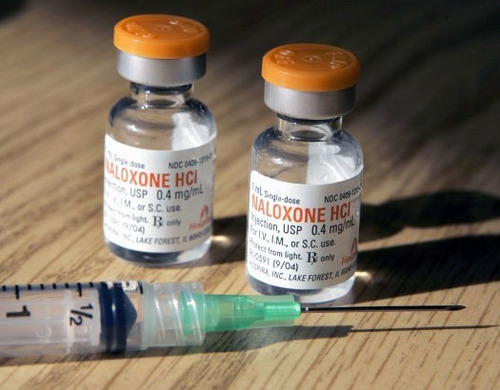
Pain patients taking relatively modest doses of opioid medication should be co-prescribed naloxone, according to a recommendation released this week by the U.S. Department of Health and Human Services.

Naloxone is an overdose recovery drug administered by injection or nasal spray that rapidly reverses the effects of an opioid overdose. It has been credited with saving thousands of lives, although recently there has been controversy over a company exploiting demand for the drug by raising the cost of its naloxone injector over 600 percent.

“Given the scope of the opioid crisis, it’s critically important that healthcare providers and patients discuss the risks of opioids and how naloxone should be used in the event of an overdose,” said Adm. Brett Giroir, MD, assistant secretary for health and senior advisor for opioid policy at HHS.

“Co-prescribing naloxone when a patient is considered to be at high risk of an overdose, is an essential element of our national effort to reduce overdose deaths and should be practiced widely.”

But the “guidance” released by HHS could involve millions of patients who are not necessarily at high risk and have been taking opioids safely for years.  It urges doctors to “strongly consider” prescribing naloxone to patients under these circumstances:

  • Patients prescribed opioids at a dose of 50 morphine milligram equivalents (MME) or more per day

  • Have respiratory conditions or obstructive sleep apnea (regardless of opioid dose)

  • Have been prescribed benzodiazepines (regardless of opioid dose)

  • Have a mental health or non-opioid substance use disorder such as excessive alcohol use

  • Are receiving treatment for opioid use disorder

  • Have a history of illegal drug use or prescription opioid misuse

The HHS guidance was issued days after an FDA advisory committee voted 12 to 11 in favor of adding language to opioid warning labels recommending that naloxone be co-prescribed.  Some panel members objected to the labeling because of the additional cost involved and because it does not address deaths caused by illicit opioids, which account for the vast majority of opioid overdoses.

The guidance notes that most health insurance plans, including Medicare and Medicaid, will cover at least one form of naloxone. For patients without insurance, the guidance suggests contacting a state or local program that may supply naloxone for free or at low cost.

Naloxone costs only pennies to make and syringes containing generic versions of the drug typically cost about $15 each. But formulated and branded versions that have a more sophisticated delivery system are much pricier. According to Health Care Bluebook, a package of two nasal sprays of naloxone sold under the brand name Narcan will cost about $135.  Evzio, a kit that contains two auto-injectors of naloxone, retails for about $3,700.   

A recent U.S. Senate report found that Kaleo, a privately-owned drug maker, jacked up the price of Evzio by over 600% to “capitalize on the opportunity” of a “well established public health crisis.” As a result, the report estimates the U.S. government paid over $142 million in excess costs to Kaleo for prescriptions covered by Medicare.  

The new HHS guidance mirrors that of the 2016 CDC opioid guideline, which encourages physicians to consider prescribing naloxone to pain patients on “higher opioid dosages” of 50 MME or more.

“I’m personally against it, because I don’t think most patients who require opioids for pain management are at risk of overdose,” said Andrea Anderson, Executive Director, Alliance for the Treatment of Intractable Pain (ATIP).  “I also don’t think naloxone helps unless you’re with other people, which makes more sense for those who are using illicit opioids rather than those who rely on opioids for routine pain relief. 

“I don’t think the government should require patients to buy medications for which they do not have a proven need. This sounds like another one of those good ideas in theory but poor in practice.”

Why U.S. Biologic Drugs Are So Expensive

By Sarah Jane Tribble, Kaiser Health News

Europeans have found the secret to making some of the world’s costliest medicines much more affordable, as much as 80 percent cheaper than in the U.S.

Governments in Europe have compelled drugmakers to bend on prices and have thrown open the market for so-called biosimilars, which are cheaper copies of biologic drugs made from living organisms. The brand-name products — ranging from Humira for rheumatoid arthritis to Avastin for cancer — are high-priced drugs that account for 40 percent of U.S. pharmaceutical sales.

European patients can choose from dozens of biosimilars, 50 in all, which have stoked competition and driven prices lower. Europe approved the growth hormone Omnitrope as its first biosimilar in 2006, but the U.S. didn’t follow suit until 2015 with cancer-treatment drug Zarxio. 

Now, the U.S. government stops short of negotiating and drugmakers with brand-name biologics have used a variety of strategies — from special contracting deals to overlapping patents known as “patent thickets”— to block copycat versions of their drugs from entering the U.S. or gaining market share.

As a result, only six biosimilars are available for U.S. consumers.

European countries don’t generally allow price increases after a drug launches and, in some cases, the national health authority requires patients to switch to less expensive biosimilars once the copycat product is proven safe and effective, said Michael Kleinrock, research director for IQVIA Institute for Human Data Science.

From $50 to $1,300 a month

If Susie Christoff, a 59-year-old who suffers from debilitating psoriatic arthritis, lived in Italy, the cost of her preferred medicine would be less than quarter of what it is in the U.S., according to data gathered by GlobalData, a research firm.

Christoff tried a series of expensive biologics before discovering a once-a-month injection of Cosentyx, manufactured by Swiss drugmaker Novartis, worked the best.

Without the medicine, Christoff said, her fingers can swell to the size of sausages.

SUSIE CHRISTOFF (KAISER HEALTH NEWS PHOTO)

“It’s 24/7 constant pain in, like, the ankles and feet,” said Christoff, who lives in Fairfax, Va. “I can’t sleep, [and] I can’t sit still. I cry. I throw pillows. It’s just … awful.”

At first, Christoff’s copay for Cosentyx was just $50 a month. But when a disability led her to switch to a Medicare Advantage plan, her out-of-pocket costs ballooned to nearly $1,300 a month — more than three times her monthly car loan.

Christoff, with the help of her rheumatologist, Dr. Angus Worthing, tried Enbrel, Humira and other drugs before finding Cosentyx, the only drug that provides relief. Christoff’s case is “heartbreaking,” Worthing said.

Novartis declined to respond to questions about Cosentyx’s price. Instead, like other pharmaceutical companies, Novartis says it offers patient assistance programs for those who can’t afford the drug. Christoff said she doesn’t qualify for financial assistance.

Like other biologics, Cosentyx costs thousands of dollars per month. The annual cost of Christoff’s treatment runs about $65,000 in the U.S. In Italy, where competition and price negotiations play a bigger role, it would run about $15,000, according to GlobalData.

In England, Dr. Christopher Griffiths, a lead researcher at the National Institute for Health Research who treats patients with Cosentyx, said the National Health Service would pay about 10,000 pounds, or less than $13,000.

And those drastic price differences are true even though there is no biosimilar version of Cosentyx yet available in Europe, and might not be for years.

The cost of the drug is taking a toll on Christoff. This past summer, her progressive disease made it difficult to enjoy the annual family vacation with her three grown children and their kids in Virginia Beach, Va.

“I can’t get down on the sand to play with my kids without help. I can’t get up without help,” Christoff recalled. “I’m not ready to stop trying. But I’m also not ready to go through my entire retirement fund to walk.”

Unlike Cosentyx, rival drugs — Humira, Enbrel and Remicade — all face biosimilar competition in Europe. Only Remicade has competition from a lower-cost biosimilar in the U.S., and Humira isn’t expected to have a copycat competitor in the U.S. market until 2023. Humira, made by AbbVie, is the world’s top-selling drug.

In late October, Wall Street analyst Ronny Gal at Sanford C. Bernstein & Co. noted that AbbVie agreed to drop Humira’s price by 80 percent in one Nordic country to combat biosimilar competition. During the company’s quarterly conference call, AbbVie chief executive Richard Gonzalez said the drug’s discount was as low as 10 percent and as high as 80 percent across the continent, with the highest discounts in Nordic countries.

“These are markets where it’s ‘winner takes all’ across the entire… category, so includes Remicade and Enbrel as well,” Gonzalez said in November, adding that Nordic countries represent about 4 to 5 percent of overall revenue in AbbVie’s international business.

Concerned about how much biologics cost the U.S. health system and patients, Food and Drug Administration Commissioner Scott Gottlieb announced an “action plan” this summer that included tapping the Federal Trade Commission for help, saying he was “worried” about the biosimilar market.

“The branded drug industry didn’t build its success by being business naive; they are smart competitors,” Gottlieb told an audience full of advocates, industry insiders and researchers at the Washington, D.C.-based Brookings Institution in July. “But that doesn’t mean we need to embrace all of these business tactics or agree with them and think they are appropriate.”  

Rebate Traps

One of these business tactics involves so-called rebate traps, in which financial deals are cut to make sure patients can get only a biologic, not a biosimilar. International drugmaker Pfizer alleged in a September 2017 lawsuit that exclusionary contracts created by Johnson & Johnson prevented use of its biosimilar by health insurers, hospitals and clinics.

Johnson & Johnson’s wildly successful biologic Remicade, the brand-name version of infliximab, produced $6.3 billion in worldwide in 2017. Pfizer launched its copycat drug, Inflectra, in the U.S. in October 2016, noting in the announcement that it would price the drug at a 15 percent discount to Remicade’s wholesale price.

Still, health systems such as Geisinger Health, based in Pennsylvania, say they have had difficulty switching to the less expensive alternative.

“J&J has done a really good job of entrenching themselves in the market,” said Jason Howay, manager of formulary services at Geisinger.

The health system ultimately decided it wanted to switch all adults to Pfizer’s biosimilar, saying it provided the same quality of treatment. But Johnson & Johnson had “bundled” the prices of other drugs with Remicade. So if Geisinger stopped using Remicade on adult patients, J&J could stop providing discounts on other drugs, such as those used for cardiology, Howay explained. “It weaves a very tangled web.”

A spokeswoman for Janssen, Johnson & Johnson’s main pharmaceutical subsidiary, says the drugmaker does offer “more attractive contract terms” to buyers who use a wider range of J&J medicines. “Our contracting approach has always prioritized access for patients and their providers,” Meredith Sharp says.

Geisinger negotiated with biosimilar maker Pfizer and won still lower prices to make up for lost savings on the other J&J drugs. It’s now transitioning all adult patients to the less expensive biosimilar.

Kaiser Health News, a nonprofit health newsroom whose stories appear in news outlets nationwide, is an editorially independent part of the Kaiser Family Foundation.

U.S. Pain Foundation Suspends Fundraising

By Pat Anson, PNN Editor

The U.S. Pain Foundation, which is under investigation for financial irregularities and the misuse of funds by its former CEO, has stopped soliciting donations.

In a statement posted on U.S. Pain’s website, interim CEO Nicole Hemmenway said the Connecticut-based non-profit has “ceased soliciting funds.” For many charities this is a key time of year for fundraising, but as PNN has reported, U.S. Pain’s registration with the Connecticut Department of Consumer Protection, which regulates charities in the state, has expired. Without an active registration, U.S. Pain cannot legally solicit donations in Connecticut.

(Update: U.S. Pain’s charitable solicitation registration was renewed by the Connecticut Department of Consumer Protection on January 4, 2019) 

In her statement, Hemmenway said U.S. Pain would renew its registration once its delinquent tax returns – known as 990 Returns – for 2016 and 2017 are filed.  She blamed former CEO Paul Gileno for the long delay in filing them.

“The delay in filing the 2016 and 2017 Returns can be attributed to inaccurate and incomplete financial records maintained by the former CEO. The delayed preparation of the 990 Returns in turn delayed the renewal of our charitable solicitation registration in the state of Connecticut, which expired as of November 30,” she said.

“We are cooperating with the Connecticut Department of Consumer Protection, which has not opened a formal investigation into U.S. Pain. Once the 990 Returns are available, we anticipate the registration will be renewed. In the interim, we have ceased soliciting funds. In addition to working with the Department of Consumer Protection, we initiated a meeting regarding the former CEO’s actions with the Office of the Connecticut Attorney General.”

NICOLE HEMMENWAY

To be clear, Hemmenway and U.S. Pain’s board of directors did not contact Connecticut Attorney General George Jepsen’s office until this month, when they became aware that PNN was planning to publish stories about the foundation’s delinquent tax returns and other questionable activities.

Hemmenway and the board have been aware of Gileno’s alleged embezzlement for some time. An internal audit found evidence of “financial irregularities” and possible criminal acts several months ago. The board requested and received Gileno’s resignation on May 29.

On September 5th, Gileno confessed in an email that he “took money from US Pain for my personal use.” The email was sent to over a dozen key leaders at U.S. Pain, including board members Ellen Lenox Smith, Wendy Foster and Suzanne Stewart. Stewart resigned from the board soon afterward, saying she felt “kept in the dark about many things.”

Only recently has any of this been brought to the attention of law enforcement, or U.S. Pain’s members, volunteers and donors.

(Update: In a December 20 press release, U.S. Pain said the financial irregularities were discovered in April and that “appropriate authorities” were notified in early June. Hemmenway has not responded to a request to identify who or what agency was contacted. PNN has been unable to verify any contact between U.S. Pain and law enforcement until early December.)

“It does seem like they will blame it all on me which makes me sad but I guess their legal counsel thought it was the best route for them to take no responsibility and to ignore all of the good I have done and the lives I have changed,” Gileno said in an email to PNN.

“I guess they don’t want to discuss that they all were part of US Pain for over 8 years and Nicole was Vice President since we changed from CT Pain Foundation to US Pain Foundation in January 2011. I took responsibility for any mistakes and worked to rectify it ASAP so the organization I created and founded could continue to help others. I did not hide this and it seems they only brought this out because you discovered it and pressed them.” 

PAUL GILENO

PNN has asked Hemmenway if the audit found evidence that others besides Gileno misused donated funds. She has not responded to that and other questions, such as how much money was misappropriated, what it was spent on, and for how long the misuse occurred.

“We did not previously comment on these matters on the advice of counsel, due to the ongoing investigation,” Hemmenway said in her statement.

U.S. Senator Wants Audit Details

U.S. Senator Ron Wyden (D-OR), the ranking member of the Senate Finance Committee, also wants to know if others are involved.

In a letter sent to Hemmenway yesterday,  Wyden asked for a copy of the audit and a detailed accounting of whether “any other employees, contractors, board members, volunteers or people otherwise associated with the foundation (have) been implicated in the misuse of funds.”

Wyden also asked for an explanation of why U.S. Pain’s membership was grossly inflated and how a $2.5 million donation from Insys Therapeutics, a controversial drug maker under criminal investigation, was spent on a prescription co-pay program called Gain Against Pain. As PNN has reported, Gileno and Hemmenway — who is board chair — disagree on whether the board even authorized the co-pay program.

“There are conflicting accounts of when the foundation’s board of directors was made aware of Gain Against Pain. Please clarify when the foundation’s board learned of the program’s existence, and when it learned of funding from Insys,” Wyden asked. “Were there any conditions connected to any of the donations from Insys to the foundation or the Gain Against Pain program?”

As Stat News has reported, Wyden and other senators have questioned the relationship that Insys and other drug makers have with patient advocacy groups, saying their donations present a conflict of interest. Over the years healthcare companies have donated several million dollars to U.S. Pain.

In a letter sent yesterday to Health and Human Services Secretary Alex Azar, Wyden suggested that it may be inappropriate for Cindy Steinberg, U.S. Pain’s National Director of Policy and Advocacy, to continue serving on a federal pain management advisory board because of “the legal and financial control issues faced by the U.S. Pain Foundation.”

As PNN has reported, Wyden himself has accepted donations from industries that he helps regulate. According to OpenSecrets, Wyden has received over $2.5 million in campaign donations over the last five years from individuals or PACs affiliated with healthcare and insurance companies.

Study Finds Rx Opioids Provide Limited Pain Relief

By Pat Anson, PNN Editor

Prescription opioids relieve pain, improve physical functioning and help people with chronic pain sleep. But the improvements are small and come with side effects such as vomiting.

Those are the findings from a new meta-analysis (a study of studies) published in the Journal of the American Medical Association (JAMA). Researchers at McMaster University in Canada reviewed 96 clinical trials involving over 26,000 participants who received either prescription opioids or a placebo.

The findings do little to resolve the debate over the safety and effectiveness of opioids.

"Despite widespread use, there is not enough known about the benefits and harms of opioids for chronic non-cancer pain," said lead author Jason Busse, DC, a researcher with the DeGroote Institute for Pain Research and Care at McMaster University.

"We found that, compared to a placebo, 12 per cent more patients treated with opioids will experience pain relief, 8 per cent more will notice an improvement in their physical functioning, and about 6 per cent more will find improvement in their sleep quality.”

One expert questioned the designs of the studies used in Busse’s analysis. Because most participants received a relatively low dose of opioids, it’s not surprising such a small number experienced pain relief, according to Stephen Nadeau, MD, a research advisor for the Alliance for the Treatment of Intractable Pain (ATIP).      

“With few exceptions, doses of opioids achieved were low (median dose 45 MME), trials were short, and opioids were rapidly titrated,” said Nadeau, a neurologist at the VA Medical Center in Gainesville, Florida.

“Because the study designs in all but a handful of studies did not remotely emulate clinical practice, it cannot be inferred that the results of this analysis are applicable to management of the general population of patients requiring opioid management of moderate to severe chronic nonmalignant pain.”

None of the opioid studies reviewed by Busse and his colleagues lasted longer than six months and many were considered low-to-moderate quality evidence. But the same thing could be said about virtually every pain reliever on the market. There is no good quality evidence proving that acetaminophen, pregabalin, ibuprofen, gabapentin or any other non-opioid pain medication is safe or effective long-term.

But opioid critics were quick to focus on the Busse study as proof that opioids should rarely be prescribed for pain.

“The findings reported by Busse et al illustrate that most patients who are prescribed opioids for the treatment of chronic noncancer pain will not benefit from those drugs,” wrote Michael Ashburn, MD, and Lee Fleisher, MD, in a JAMA editorial. “Given the clear risk of serious harm, opioids should not be continued without clear evidence of a clinically important benefit.”

But the only significant side effect the Busse study found was a 6% risk of vomiting. The study drew no conclusions about opioids increasing the risk of addiction, overdose and death – although Busse says those risks should not be overlooked.

“Given their risks, modest benefits, and the comparable effectiveness of alternatives, our results support that opioids should not be first line therapy for chronic non-cancer pain," said Busse, a chiropractor who was the lead author of Canada’s opioid prescribing guideline.

The study was funded by the Canadian Institutes of Health Research and Health Canada.

Human Rights Watch: CDC Guideline Needs Revision

By Pat Anson, PNN Editor

Federal and state efforts to reduce opioid prescribing have harmed pain patients across the country and caused many doctors to arbitrarily cutoff or taper patients who need opioid medication, according to a new report from Human Rights Watch.

“Not Allowed to Be Compassionate” -- a 99-page report by the New York based non-profit -- highlights the many unintended consequences of the 2016 CDC opioid guideline, which discourages doctors from prescribing opioids for chronic pain. The report recommends the CDC revise the guideline to explicitly state that patents should not be involuntarily tapered off opioids and that some patients may require high doses.

“Many individuals with chronic pain are being involuntarily tapered from essential medicines that are vital to their daily functioning, depriving them of their right to health,” the report found.

“Health care providers in some cases are even turning away such individuals, insurance companies and programs are refusing coverage, and state governments are preventing physicians from using their medical judgement to provide appropriate care.”  

Although voluntary and only intended for primary care physicians, the CDC guideline has been widely adopted by regulators, law enforcement and insurance companies, with little or no effort made to measure its impact on pain patients and the quality of their care.

One of the most surprising things Human Rights Watch learned, according to researcher Laura Mills, is how little the government knows — or is willing to say — about cutbacks in opioid prescribing.  

“We went into this report hoping we’d be able to find some data. And what we found is, if there is data, none of it has been published,” Mills told PNN. “We don’t know how many people committed suicide. We don’t know how many people are alive or dead within a year of tapering. We don’t know how many people are hospitalized.

“And that’s a huge risk because essentially we’re letting dramatic policy changes take effect very quickly. Many of these may be justified, but we aren’t measuring in real time what’s happening. At least none of these organizations are doing it in a way that’s public.”

‘Agonizing Pain Like Torture’

The report tells the story of Maria Higginbotham, a Seattle-area woman with an aggressive form of degenerative disc disease. Multiple surgeries not only failed to relieve her pain, they left her with adhesive arachnoiditis, a chronic inflammation of spinal nerves.

Although bedridden and in constant pain, Higginbotham’s doctor is planning to reduce her dose of opioid medication by 75 percent to comply with the CDC guideline.  

“I’m 57 years old and I’m almost completely bedridden due to agonizing pain like torture,” Higginbotham said. “I cannot hold my 15-month-old grandson. I cannot hold my beloved dogs, I can’t bend over to touch them. I cry out in my sleep because I can’t find a way to get comfortable.

“I can barely get myself off of my toilet. Sometimes I have to get off the couch by getting on my hands and knees and pulling myself up because I can’t stand up it hurts so badly.”  

Higginbotham’s doctor told Human Rights Watch he had no choice but to cut her opioid dose, even though he knows the medication is helping her. 

“There’s a lot of talk in the pain medicine world that if you do not get people down to 90 morphine equivalents, you set yourself up for a liability, especially if something were to happen to that patient,” he said. “We still feel like we’re vulnerable to being held liable for patients if they’re over that guideline limit, even when you know they’re not addicted and they’re benefiting (from opioids).”  

You can learn more about Maria Higginbotham and the Human Rights Watch report in this video:

Right to Health

Although the consequences to pain patients like Maria Higginbotham have been “catastrophic,” Human Rights Watch stopped short of calling them a human rights violation.  International law gives cancer and palliative care patients a right to pain management, but it is less clear about non-cancer pain. Chronic pain patients may have a “right to health,” but they don’t have a right to opioids.

“While opioid analgesics are the cornerstone of cancer pain management, these medications do not play a central role in chronic pain management and are, indeed, controversial. The available evidence suggests that effective treatment of chronic pain requires a multidisciplinary approach, using pharmacological and non-pharmacological tools,” the report found.

“Nonetheless, the right to health clearly applies to chronic non-cancer pain patients, as does the prohibition of torture, cruel or degrading treatment or punishment, and some of the same broad principles that apply to pain management for palliative care patients apply to chronic non-cancer pain patients.” 

In addition to a revision of the CDC guideline, Human Rights Watch is calling for better insurance coverage of alternative pain therapies and a new system of metrics that measure not just “crude reductions in opioid prescribing,” but also a patient’s quality of life and quality of pain care.

Can Hypnosis Help Relieve Chronic Pain?

By Pat Anson, PNN Editor

Two new studies suggest that hypnotherapy can relieve pain for some patients with irritable bowel syndrome (IBS), complex regional pain syndrome (CRPS) and other chronic pain conditions.

The first study, published in The Lancet medical journal, involved nearly 500 IBS patients who were recruited from 11 hospitals in the Netherlands. IBS is a common condition characterized by repeated attacks of stomach pain, cramps, diarrhea and constipation.

Study participants were randomly assigned to one of three groups: individual hypnotherapy, group hypnotherapy, or support sessions that included dietary advice and education about IBS.  The hypnotherapy sessions were designed to reduce pain and discomfort from IBS.

After three months, 41% of the people in individual hypnotherapy and 33% of those in group hypnotherapy reported adequate relief, compared to less than 17% of those in education and support sessions.   

The results from group hypnotherapy were even better after 9 months. Nearly half the patients in that group reported relief from IBS symptoms.

“The trial finding that hypnotherapy works better than educational support adds evidence to previous studies showing that hypnotherapy may have a helpful effect,” the UK’s National Health Service said in a review of the Dutch study. “The finding that group hypnotherapy works about as well as individual hypnotherapy is interesting, as this means many people could be treated by the same therapist at the same time, which could reduce waiting times and the cost of treatment.

“It also demonstrates that unfortunately, even with the best care, IBS can still be a difficult condition to treat. Half or more people receiving hypnotherapy still gained no symptom relief.”

Hypnosis and CRPS

Another hypnosis study, recently reported by Japanese researchers at the World Congress of Pain, involved 121 patients with refractory chronic pain – also known as intractable pain – who agreed to hypnotherapy either biweekly or in monthly 60 minute sessions. The patients all had chronic conditions that were difficult to treat, such as CRPS, phantom limb pain, neuropathic pain and cancer pain.

Researchers found that 71% of the patients reported pain relief during the hypnosis sessions. And for many of them, the analgesic effect continued after the session ended.

“These patients have all undergone multidisciplinary pain treatment, including medication, physiotherapy and CBT (cognitive behavioral therapy),” Miyuki Mizutani, PhD, a clinical psychologist at Aichi Medical University, told Pain Medicine News. “And ultimately, they did not respond completely to those treatments. So we believe the untreatable part of the pain can be treated by hypnosis.”

Hypnotherapy even works for patients with CRPS, although they often require more hypnosis sessions before having an analgesic effect.

“I’ve now been performing hypnosis for 18 years, and have found it very effective in those patients, though it can be difficult to administer in chronic pain,” Mizutani said. “It takes time, and complete remission is not very common. However, our experience is that repeated analgesic experiences can lead to long-term improvements in chronic pain.”

Puppy Medicine

By Jennifer Hochgesang, Guest Columnist  

I was miserable. My trigeminal neuralgia pain from multiple sclerosis was still uncontrolled, leaving me mostly housebound. I had also just been diagnosed with vestibular migraines, which cause vertigo. Sometimes the vertigo was so extreme I was unable to walk, the world moving like a drunken carnival ride that never stopped even when my eyes were closed.  

And while the trigeminal neuralgia (TN) was on the right side of my mouth, I had just gotten ulcers out of nowhere on the left side. Anytime I drank something I felt a blind searing pain that took minutes to subside.

I was just barely pushing through, not sure how much more I could take. But I had an appointment to see a puppy at a nearby animal shelter.

I have had dogs all my life. Each one has been a part of the family and amazing creatures: loving, smart, playful and giving. My last dog, Aequoris, passed away two years ago and her sister Zola a little before that. I needed time before getting another dog. But as I went through this year in the worst pain of my life, I started to slowly think about getting a dog again.

But I had many questions to ask myself: Was I well enough to care for a dog? Could I afford a vet? Would the dog get enough exercise? Did I have help for the times I was too sick to care for it? Were there walking services in my area or boarding services if I had to go to the hospital? Would pet insurance cover those situations? Would my family members want a dog and be willing to help?

Even as I answered all those questions on the way to the shelter, I almost cancelled. I just felt so physically awful and it was hard to think of enjoying a puppy.   

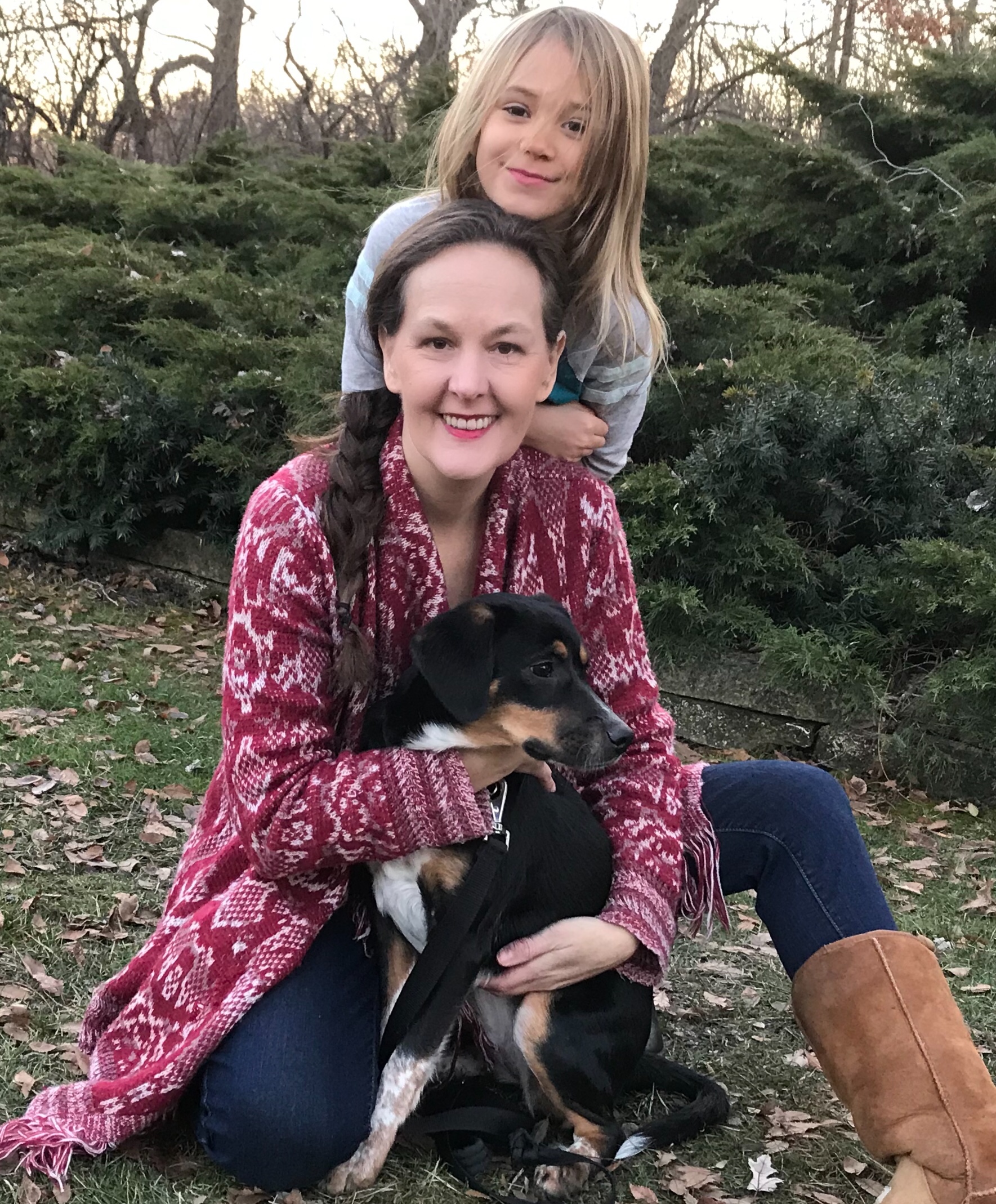
When we got there, they put us in a small room so we could meet the puppy and get to know her a little. She was an 11-week old rescue from a litter of five. They said she was a Spaniel mix, but really they had no idea what breed she was.

When they brought her in, my first thought was that she was pretty funny looking. Then she actually ran up to me and kissed me right on the left side of my mouth, the one that doesn’t have my TN. It was like she knew! I couldn’t believe it!

I held her and smelled that sweet puppy smell. She wasn’t funny looking after all. She was beautiful. She had dots of brown over her eyes, silky black fur down her back, and fawn-like legs with spots everywhere.

We played and I fell in love within seconds. I watched her play, moving like a little infant excited with the world. I laughed as she tried to catch a ball and fell, and was so moved when she came to me for comfort.

Suddenly I realized I wasn’t in as much pain! Holding her, rubbing her soft fur and watching her jump around just did something for me – like it was medicinal. She was helping me. I knew at that moment she would bring that gift to me and in return I would do whatever I could to make sure she was cared for: vet visits, exercise, training and love. I named her Sasha: helper of womankind.

Sasha is now almost six months old. She is crazy smart and learned sit, down, and up in the air the first day. I have also started working with a trainer so she doesn’t touch the right side of my face and set off a TN attack.

I can have Sasha off leash in the backyard and throw the ball for her to catch with my 7-year-old daughter, who thankfully runs like crazy with her.

But she still rings the bell to go outside seven times an hour and tries to eat my socks no matter how many times I say no. She grabs tissues and runs so fast, dodging furniture and ducking under and over until you want to pull your hair out.

But then you leave the room for one second and come back to find her butt wiggling, tail thumping on the floor, and plaintively whinnying, “I’m so happy to see you. I missed you so much.”

Sasha has the sweetest face and when she lays next to you with her head curled in your lap letting you pet her, looking up at you -- it’s just pure love.

Is it a coincidence that in the past five weeks I’ve finally found the food triggers for my trigeminal neuralgia? I’ve stopped eating dairy, citrus, chocolate, caffeine and sugar. My pain has gone down so much. It’s like night and day since I got Sasha. I still need to work with a nutritionist to make sure I’m eating the right foods, but for now this is working for me.

Sasha is still a baby so I haven’t expected her to do much more than be a cute furball. But one day while I was working on my iPad, she came and positioned herself right in my lap. I had to move her over a little so I could work. She still stuck like glue to the left side of my body with her head on my leg or arm throughout the day. I thought she was just tired.

Then slowly my TN pain began to increase, until I had a really awful volley of attacks every few minutes. Sasha moved closer and closer to my face as the pain got worse. During one brutal attack she kissed me on the left side and I was so thankful. She actually understood I was in pain and where it was. She knew when it was getting worse. And all she wanted was to heal and comfort me.  

As I write this, Sasha is sitting right here next to me chewing on a rawhide pretzel. She brought seven toys up on the couch in case she gets bored with the pretzel and wants me to throw something. I take a break from writing to pet her and sometimes she will turn over and give me her belly to rub. Soon she’s going to get up and ring that bell to go outside in the light snow.

She is just the most beautiful thing.

Jennifer Hochgesang lives in Illinois. Jennifer has multiple sclerosis, trigeminal neuralgia and vestibular migraines.

The information in this column should not be considered as professional medical advice, diagnosis or treatment. It is for informational purposes only and represents the author’s opinions alone. It does not inherently express or reflect the views, opinions and/or positions of Pain News Network.