
A Patient–Provider Playbook to Improve Diagnosis of Autoimmune Diseases

By Tara Bruner

Millions of people across the United States experience joint pain, fatigue, or stiffness. These symptoms are commonly associated with autoimmune diseases such as rheumatoid arthritis (RA), which affect about 4.6% of the U.S. population. Diagnosing autoimmune conditions remains difficult, with studies indicating that up to 76% of patients receive at least one incorrect diagnosis before the underlying cause is identified.

Such delays in diagnosis can be frustrating and take a toll on both physical and mental health. Delays can also result in significant harm, as conditions like RA may cause irreversible joint damage if not treated promptly. However, advances in diagnostic technology and increased patient engagement are beginning to improve outcomes.

Why Rheumatic Diseases Are Hard to Diagnose

Rheumatic diseases include autoimmune and inflammatory disorders affecting the joints, muscles, tendons, and ligaments. Their early signs frequently resemble common health issues, such as the natural effects of aging, everyday stress, or minor aches and pains. This overlap often leads to the misdiagnosis of symptoms, complicating early detection. Autoimmune diseases don’t follow a script – and vague, shifting symptoms often defy simple explanations.

RA is also frequently confused with other conditions, including osteoarthritis, fibromyalgia, and depression. Research shows that about 20% of patients diagnosed with RA initially receive an incorrect diagnosis. On average, the interval between symptom onset and accurate diagnosis spans about 12 months or longer.

Limited access to rheumatology specialists, particularly in rural or underserved areas, can further delay evaluation. Primary care providers may initially adopt a conservative approach to treatment, recommending rest or symptomatic treatment before pursuing advanced diagnostics. This inadvertently extends the diagnostic timeline.

Collectively, these factors result in many patients being undiagnosed or misdiagnosed for extended periods, during which ongoing inflammation may cause progressive and potentially irreversible joint damage.

The Role of Early Testing

Selecting the right diagnostic test at the right time is crucial to shortening the often lengthy and frustrating journey toward an accurate diagnosis. Fortunately, recent advances in testing have expanded the tools available to healthcare provider, but a timely diagnosis still hinges on informed, collaborative discussions between patients and providers.

A productive clinical visit begins with patients clearly sharing their symptom history. This includes when symptoms began, their frequency, severity, morning stiffness, flare-up patterns, and any noticeable changes over time.

This firsthand context from patients helps providers determine which tests are most appropriate, such as those for rheumatoid factor (RF); anti-cyclic citrullinated peptide (anti-CCP) antibodies; and Inflammatory markers like C-reactive protein (CRP) and erythrocyte sedimentation rate (ESR).

Tests such as Thermo Fisher’s EliA™ autoimmunity assays provide clinicians with extra insight to support more precise diagnoses and can help tailor treatment recommendations. The assays monitor a wide range of autoimmune diseases by detecting and measuring antibodies in a patient's blood. These tests can aid in the diagnosis of conditions like RA, celiac disease, and thyroid disorders.

Providers should explain to patients what each test measures, what the results might indicate, and how those results will shape the treatment plan. Patients should be encouraged to ask questions about the purpose and limitations of testing, as well as next steps – whether that’s additional tests, follow-up appointments, or referrals to specialists like rheumatologists.

Because autoimmune diseases often present with vague or overlapping symptoms, test results alone may not be definitive. That’s why providers rely heavily on patient-reported symptom changes, triggers, and how those symptoms affect everyday life --- general insights that can help uncover patterns lab results might miss.

It’s important to note that even when test results rule out certain conditions, that information is still considered valuable. It narrows the diagnostic focus and helps maintain momentum toward finding answers. When there are cases of uncertainty or slow progress, seeking a second opinion is reasonable and sometimes essential.

Ultimately, effective diagnosis is a joint effort: patients contribute lived experience, while providers bring clinical expertise. This shared decision-making builds trust, accelerates diagnosis, and leads to earlier, more targeted treatment, which improves both short- and long-term outcomes.

Women Face Greater Diagnostic Delays

RA disproportionately affects women, who constitute nearly 80% of all cases. Despite this high prevalence, women are significantly more likely to be misdiagnosed or experience delays in receiving appropriate care. In fact, a study examining healthcare misdiagnoses  found that approximately two-thirds of those who reported being misdiagnosed were women, highlighting a systemic issue of diagnostic disparities.

The typical symptoms of fatigue, joint pain, and general discomfort are frequently dismissed in women or attributed to stress or hormonal changes, rather than recognized as signs of an underlying autoimmune condition. Hormonal fluctuations, particularly during childbearing years, can mask or mimic autoimmune symptoms, making timely diagnosis even more challenging.

These diagnostic delays can lead to serious consequences for women, including permanent joint damage, decreased mobility, and long-term physical impairment. Emotional distress caused by being dismissed or misunderstood exacerbates the overall disease burden and negatively impacts quality of life. Delays often result in the need for more intensive and costly treatments.

Recognizing and validating unexplained symptoms in women is crucial for a timely diagnosis and appropriate intervention, ultimately improving outcomes.

Advocating for Patients as Partners in Diagnosis

An accurate diagnosis doesn’t happen through testing alone. It requires patients to speak up, track patterns, push for clarity, and challenge delays.

Patients are not passive participants in their care. They are the key to faster, more accurate diagnoses. By documenting symptoms, asking hard questions, and refusing to accept vague answers, patients can help uncover critical insights that standard labs don’t reveal.

What changes outcomes is a patient who actively engages, and a provider who listens to them without bias or assumptions. Together, they form a partnership that prioritizes answers over assumptions and action over wait-and-see.

Clear communication, persistent advocacy, and a refusal to be dismissed – these are not optional. They are the foundation of faster diagnoses and better care.

The process to achieve faster autoimmune diagnosis requires patients to receive proactive primary care tests and to maintain open dialogue with their doctors.

The patient's personal understanding of their medical experience should receive equal recognition as well. The active involvement of patients, combined with advanced diagnostics, will enhances rheumatic disease treatment and produce superior long-term results.

Tara Bruner is a Physician Associate and Manager of Clinical Education for Thermo Fisher Scientific.
Rx Opioids Are Not a Cure… and Neither Is Anything Else

By Neen Monty

They deliver it like it’s some kind of mic drop.

“Opioids are not a cure,” they say.

But here’s the important thing: Almost nothing in medicine is a cure.

Insulin doesn’t cure diabetes. But it keeps people alive.

Methotrexate and Xeljanz don’t cure rheumatoid arthritis. They slow down disease progression though.

Intravenous immunoglobulin is not a cure for Chronic Inflammatory Demyelinating Polyneuropathy. But it slows down the demyelination of my nerves.

Prednisone is not a cure for autoimmune disease. But it reduces inflammation, which improves pain and quality of life.

Anti-inflammatories do not cure inflammatory arthritis, but they decrease pain, increase function and improve quality of life.

Metformin, thyroxine, even chemotherapy in many cases… none are cures.

They manage symptoms, reduce harm, and improve quality of life.

That’s medicine’s job.

Medicine is not purely about curing disease. In fact, it’s rarely about curing disease. That does not mean that all the wonderful things that medicine can do are worthless.

So why is pain relief held to a higher standard than every other kind of treatment?

Why are opioids dismissed simply because they don’t cure the underlying disease that causes the pain?

Pain relief is not a moral failing. It’s medicine doing what it’s meant to do: Alleviate suffering and restore function.

That’s what opioids do. Alleviate suffering, restore function and improve quality of life. Those are good things.

If you can move again, sleep again, think clearly again, participate in life again, isn’t that a good thing?

But no. Dismiss opioids because they’re not a cure.

Such a stupid point of view.

Now that we’ve shown that chronic pain patients hardly ever become addicted or overdose on their pain medication, people are really reaching for reasons to demonize opioids. Saying that opioids are not a cure is reaching pretty hard.

Opioids reduce pain temporarily. I am under no illusions. And I do wish there was a cure for my diseases. I really do. But there is no cure. There is only palliative treatment -- with opioids.

And so many people would like to take that pain relief away from me. People who have never experienced severe pain at 1am. So severe that sleep is impossible. So constant that it happens every night. And all day, every day.

Except for the few hours when I have pain medication to reduce that pain – while not curing it.

Opioids don’t cure pain any more than insulin cures diabetes. They treat a symptom. A devastating symptom – severe pain - that profoundly affects function and quality of life.

Reducing that pain, even temporarily, is not a failure.

That’s a treatment working.

It’s the best treatment we’ve got for severe pain, acute or chronic.

To say “opioids are not a cure” is to fundamentally misunderstand what they’re for.

You know, those glasses you wear won’t cure your shortsightedness. Let’s take your glasses away. They’re not a cure!

That wheelchair won’t cure paralysis. You don’t need a wheelchair.

We don’t apply this logic to any other condition or treatment. Only pain. Only opioids.

We don’t tell people with heart failure to throw away their meds because they don’t “fix” the heart.

We don’t tell people with asthma to stop their inhalers because they don’t “cure” the lungs.

We treat to relieve symptoms, to restore life and dignity, because that’s the ethical duty of medicine.

Relief of suffering is an outcome. Improved function is an outcome. But a cure is wishful thinking.

So the next time someone says, “Opioids are not a cure,” remember that neither is anything else we use to keep people alive, moving, and human.

And that’s okay. Because that’s the best we can do, in many situations.

Because the goal of medicine isn’t always to cure. It’s to care.

Neen Monty is a patient advocate in Australia who lives with rheumatoid arthritis and Chronic Inflammatory Demyelinating Polyneuropathy (CIDP), a progressive neurological disease that attacks the nerves.

Neen is dedicated to challenging misinformation and promoting access to safe, effective pain relief. She has created a website for Pain Patient Advocacy Australia to show that prescription opioids can be safe and effective, even when taken long term. You can subscribe to Neen’s free newsletter on Substack, “Arthritic Chick on Chronic Pain.”

Eli Lilly Abandons Another Experimental Non-Opioid Pain Reliever 

By Crystal Lindell

Eli Lilly's experimental non-opioid pain medication – named LY3857210 – had lackluster results in clinical trials, the latest setback for Big Pharma in developing alternatives to opioid analgesics.  

The pharmaceutical company told Fierce Biotech that the oral medication, which is a P2X7 inhibitor, "did not meet our high internal bar for success and is being removed from the pipeline for pain."

P2X7 inhibitors are being studied for their potential to relieve chronic pain and cancer-related pain by inhibiting inflammation and nerve signaling. 

But when Lilly tested LY3857210 in Phase 2 trials on patients with osteoarthritis and diabetic neuropathic pain, it performed no better than a placebo in relieving pain. 

The company originally purchased licensing for the drug from Asahi Kasei Pharma in 2021 for $20 million. The Japanese pharmaceutical company had already put the drug through Phase 1 testing when Eli Lilly stepped in.

Although it did not prove to be helpful for pain, Lilly said they were still exploring other uses for it.

In August of this year, Lilly also halted development of mazisotine, another non-opioid pain medication it was developing. Mazisotine blocks pain signals in peripheral nerves, but also had disappointing results in Phase 2 trials.

Lilly is still focused on finding non-opioid pain treatments. In May of this year, the company acquired SiteOne Therapeutics in a deal worth as much as $1 billion. At the time, SiteOne said it was “dedicated to the development of safe and effective pain therapeutics without the significant addiction potential and side effects of opioids.”

SiteOne had been working on a new class of non-opioid medications that target sodium channels in the peripheral nervous system to treat pain and other nerve conditions. Blocking pain signals in peripheral nerves before they reach the brain means the drug theoretically is less likely to lead to addiction or overdoses.

But that approach to pain relief has had mixed results. In August, Vertex Pharmaceuticals halted development of a drug called VX-993 after disappointing results in clinical trials.VX-993 is another non-opioid that blocks pain signals in peripheral nerves, but when given to patients recovering from bunionectomy surgery, it was only slightly more effective than a placebo.

VX-993 is similar to Journavx (suzetrigine), a non-opioid developed by Vertex that also works on peripheral nerves. Journavx was approved by the FDA in January to treat moderate to severe acute pain, despite results in clinical trials that showed it was no more effective than Vicodin.

Middle-Aged Adults Increasingly Identify as Cannabis Consumers

By Pat Anson

Cannabis use continues to grow among older Americans, according to a new study that found nearly one in five middle-aged adults consumed cannabis within the past year.  

The study by researchers at Columbia University is based on data from the 2022 Health and Retirement Study — a nationwide survey of older adults.

Researchers reported that 18.5% of adults aged 50 to 64, and 5.9% of adults over the age of 65 acknowledged using cannabis products. The findings are consistent with previous studies that found rising percentages of middle-aged and older adults consuming marijuana products. Smoking was the primary way used to consume cannabis in both groups.

About 25% of middle-aged adults and 20% of older adults said they used cannabis for medical purposes. Over 75% of respondents in both age groups supported the medical use of cannabis, but researchers sounded a note of caution about its growing acceptance.

“Cannabis use among both middle-aged and older U.S. adults is higher than previously reported in state and national-level studies, with many engaging in cannabis behaviors associated with increased harm. Greater public health and clinical efforts are needed for tailored prevention and intervention strategies,” Columbia researchers reported in the American Journal of Preventive Medicine.

While cannabis use is growing for therapeutic purposes, most medical organizations still frown on it. The American College of Physicians (ACP) recently released a new guideline that recommends against the use of medical cannabis for most patients with chronic noncancer pain.

The ACP said physicians should warn patients that the harms of cannabis use outweigh their potential benefits. Medical cannabis may produce small improvements in pain, function and disability, but the ACP warns it could lead to addiction and cognitive issues, as well as cardiovascular, gastrointestinal and pulmonary problems.

A large study in the UK recently found that cannabis use may actually benefit older adults by slowing the aging of brains and improving cognitive function. Normal aging typically involves a gradual decline in cognitive abilities, but when researchers compared the cognitive performance of cannabis users and non-users, they found that cannabis users had better cognitive function and had brain characteristics “typically associated with younger brains.“  

“It is not surprising that a growing percentage of adults consider cannabis to be a viable option in their later years,” said Paul Armentano , Deputy Director of NORML, a marijuana advocacy group.

“Many middle-aged and older adults struggle with pain, anxiety, restless sleep, and other conditions that cannabis products can mitigate. Many older adults are also well aware of the litany of adverse side effects associated with available prescription drugs, like opioids or sleep aids, and they see medical cannabis as a practical and potentially safer alternative.”

A recent analysis found that medical cannabis is most effective for managing neuropathic pain, but doesn’t work as well for migraine, headache and acute pain. The report by Green Health Docs, a company that connects patients with licensed medical marijuana doctors, is based in part on a survey of 1,450 patients who use medical cannabis.

The vast majority (86%) of those surveyed reported moderate-to-significant pain improvement. Many patients were able to reduce or stop using opioids and other prescribed analgesics once they started using medical cannabis.

Cutting Off SNAP Benefits Will Hurt People With Chronic Pain

By Crystal Lindell

The only thing worse than chronic pain is chronic pain with hunger. 

But that’s exactly the situation we are about to plunge millions of Americans into if SNAP benefits don’t go out in November. 

The food stamp program — more formally called the Supplemental Nutrition Assistance Program (SNAP) — provides money for groceries to those with a low income. And it looks to be one of the many casualties of the current federal government shutdown. 

The U.S. Department of Agriculture confirmed this week that they will not use emergency funds to cover November disbursements. So unless the government reopens or the Trump administration changes its mind, about 42 million low-income people won’t have enough money to buy all the food they need. 

And make no mistake, cutting off SNAP benefits in November will hurt people with chronic pain. While most people might not connect food aid with chronic pain, there is a significant overlap.

According to the CDC, over half of disabled Americans (52.4%) have chronic pain, while the most recent USDA data show that nearly four in five (79%) SNAP households includes a child or adult with a disability. Those households receive 83% of SNAP benefits.

But the statistics don’t tell the full story. There are many people who are in too much pain to work full-time jobs that would pay enough to cover their household expenses — yet they are not disabled enough to qualify as fully “disabled” by government standards.

Those people often rely on government programs like SNAP to make ends meet. 

There are a lot of people who think that too many people get SNAP, and that cutting off benefits or adopting tougher work requirements will cause a needed reset. 

But my experience is that not enough people get SNAP. In fact, I would support expanding the program to help as many “disabled but not technically disabled” people as possible. 

The number one thing I hear people say when they complain about programs like SNAP is essentially: “It’s not fair. I need it and don’t get it. Therefore fewer people should get it.”

But in reality, the conclusion should be the opposite. If you need a government aid program and can’t get it, the solution should be to expand access to that program – not to cut the program off for others. 

The average SNAP recipient gets $177 per month in food aid. Would you be able to buy enough food to survive on less than $6 a day?

I also worry that if SNAP benefits end next month, they might not ever go out again. Once you upend a social program, it’s easy to continue on that path. 

I believe it’s a sign of our deep cultural rot that cutting off SNAP is even a possibility. It’s telling that an anonymous donor volunteered to give the government $130 million dollars to fund military pay during the shutdown, but no such donor has appeared to contribute to SNAP aid. 

Our priorities have skewed so far in the wrong direction, that we now spend billions on the military to protect citizens we can’t even feed. What is even the point of that?

My hope is that society will prove me wrong – and that the moral rot I fear is still fresh enough to be hacked off. Push back from voters and advocacy groups could pressure the government to find a way to go forward with the November SNAP disbursement. 

Only time will tell whether America still values feeding people as much as it claims to want to protect them. 

Tramadol Revisited: Some Patients Say It Helps Relieve Pain

By Pat Anson

A recent study that found tramadol was only slightly effective in relieving chronic pain – but not worth the side effects – is stirring some debate.

The Danish study analyzed findings from 19 clinical trials of tramadol involving over 6,500 patients, and found that the synthetic opioid was not only ineffective for many patients, it may raise the risk of heart disease and perhaps even cancer.

“The potential harms associated with tramadol use for pain management likely outweigh its limited benefits,” researchers reported in the journal BMJ Evidence Based Medicine.

That conclusion is being disputed by John Bumpus, PhD, a Professor of Chemistry and Biochemistry at the University of Northern Iowa.

“In my view, the authors’ analysis and evidence base are far too sparse and fragile to justify the conclusion that harms likely outweigh benefits. Their claims appear overstated and are not supported by the biomedical literature and the underlying data,” Bumpus told PNN.

Bumpus reviewed several studies on his own, including one that found a high dose of tramadol provided “good” pain relief to 74% of cancer patients. The same study found tramadol “satisfactory” for 10% of cancer patients and “inadequate” for about 16% of them.

That wide variability in response, according to Bumpus, is likely due to the individual metabolism of each patient. The effectiveness of tramadol depends on whether they have variations in a gene (CYP2D6) that helps convert tramadol to a metabolite that binds to mu opioid receptors in the brain, resulting in pain relief. 

Another study estimated that 0.5–6.5% of patients are “poor metabolizers” of tramadol, 10–44% are “intermediate metabolizers” and only 43–67% are “normal metabolizers.” Poor and intermediate metabolizers are likely to experience little pain relief from tramadol.

‘It’s the Only Thing That’s Working’

Over the years, many PNN readers have told us tramadol didn’t give them any pain relief. But some say it works for a wide variety of pain conditions.

“I am one who receives adequate pain relief from tramadol. It's all I took, besides ibuprofen, when my pain was being treated, and it was especially effective if I took half a dose on top of regular dose of ibuprofen. After surgery, I took a whole dose of tramadol as prescribed, with adequate pain relief,” one reader said.

“I have autoimmune arthritis and take tramadol so that I can numb the pain to be able to sleep,” another reader wrote.

“It’s the only thing that’s working for my pain. Hydrocodone didn’t even touch it. Oxycodone works only if I add tramadol,” another pain patient told us.

“It does help cut the pain down for me quite a bit. Does it take it all away? No it does not. And some types of pain it doesn’t even touch,” said a woman with arthritis, fibromyalgia and degenerative disc disease. “My sleep has improved quite a bit also since being back on it. But you have to keep it in your system for it to help. You can’t really take it just whenever.”

“It most definitely takes the edge off of my peripheral neuropathy. I have a neurostimulator implant too, but by the end of the day my pain is worse and that’s when I take tramadol,” another patient wrote.

If tramadol is only effective in about half of patients, should it be used at all? Bumpus says it should. Just because tramadol is a “weaker” opioid doesn’t make worthless.

“Tramadol’s analgesic potency is approximately one-tenth that of morphine. Interestingly, this is one reason it is often prescribed first, consistent with the principle of using the lowest effective opioid dose,” Bumpus said.

“For patients whose pain is not adequately controlled, stronger opioids (e.g., oxycodone, hydrocodone) or combination agents (e.g., acetaminophen/oxycodone 325/5 mg) may be appropriate. Thus, for patients who do not respond to tramadol, the remedy is straightforward. They should consult their healthcare provider and consider another medication or alternative therapy.”

That may not be an option for some patients, who have doctors that are only willing to prescribed tramadol and other less risky opioids. The DEA classifies tramadol as a Schedule IV controlled substance in the United States, meaning it has “a low potential for abuse.” Oxycodone and hydrocodone, on the other hand, are Schedule II drugs, meaning they have a “high potential for abuse.”

Bumpus also disputes the notion that tramadol raises the risk of heart problems, pointing out that coronary heart disease (0.45%) and chest pain (0.32%) occurred in less than one percent of patients on tramadol, which is not considered a statistically significant risk.

“The claim… that tramadol’s potential harms outweigh its benefits is not supported by the numerical data presented. Across thirteen clinical trials, tramadol was consistently found to be an effective and generally safe analgesic for chronic pain,” Bumpus said. “Taken together, the available evidence supports tramadol as a reasonable option for appropriately selected patients, provided it is used with good clinical judgment and proper monitoring.”

Although tramadol is the only opioid that some doctors will prescribe for pain, its use is actually declining in the United States. In 2023, over 16 million prescriptions were written for tramadol, down from 25 million a decade earlier.

Opioid Prescribing Falls in Canada, But Are Patients Better Off?

By Pat Anson

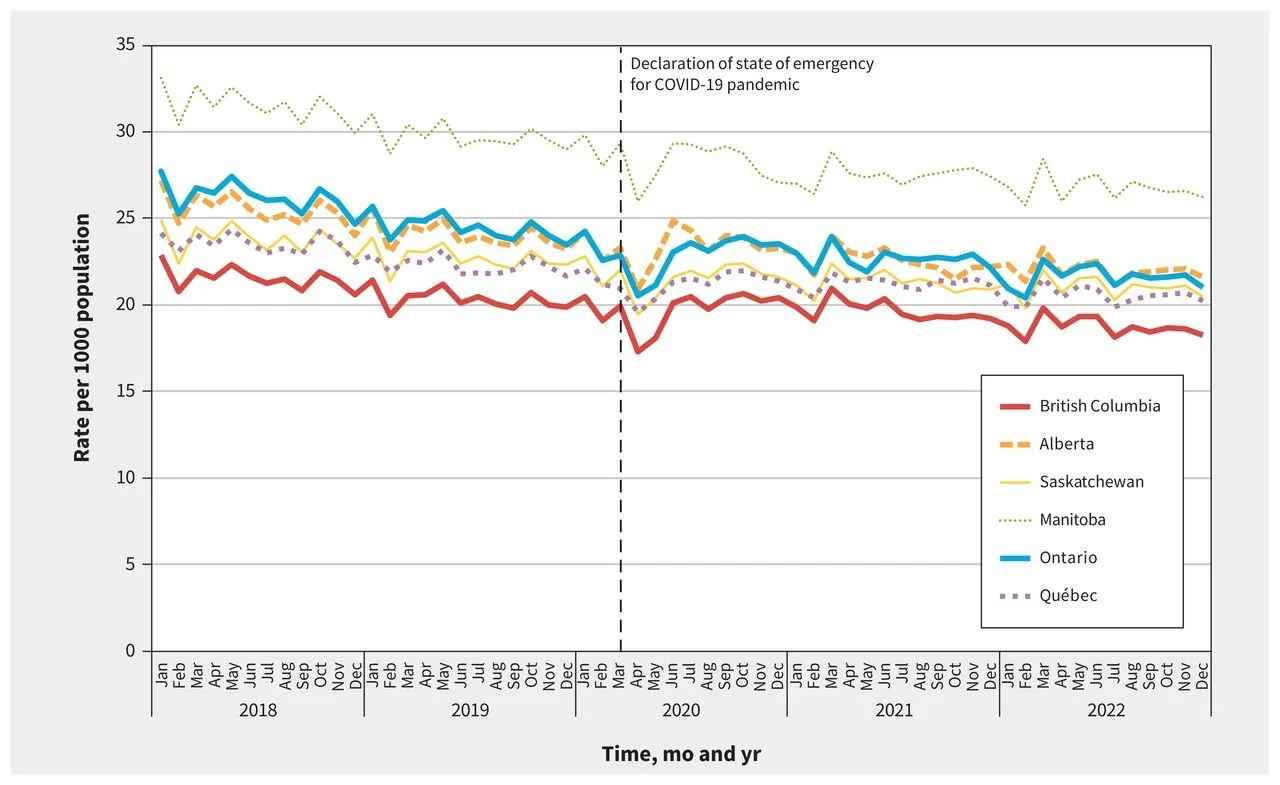
The number of patients prescribed opioids for pain in Canada has fallen over 11% in recent years, according to a new study published in the Canadian Medical Association Journal (CMAJ). The decline reflects trends in the U.S. and other Western nations, which adopted stronger guidelines to discourage opioid prescribing nearly a decade ago.

Like most studies of its kind, the new research only looked at the number of opioid prescriptions that were dispensed, and did not evaluate the health or quality of life of Canadian patients after access to opioids was reduced, or whether their pain improved using non-opioid pain therapies.

In 2022, about 1.8 million Canadians began taking an opioid to manage pain for the first time, 8% less than when the study period began in 2018.

“Our study provides valuable information on the progressive decline of prescription opioid dispensing for pain and high-dose initiations among new users, as well as the types of opioids prescribed and important geographic differences in these trends across Canada,” wrote lead author Nevena Rebić, PhD, a clinical researcher at Unity Health Toronto.

“Our findings suggest that national efforts to promote opioid stewardship and safer opioid prescribing for acute and chronic noncancer pain over the past decade have had an impact.”

“High-dose initiations” were defined as daily dosages that are above Canada’s recommended dose of 50 morphine milligram equivalents (MME) or lower. Less than 20% of new prescriptions in Canada exceeded 50 MME. Over half of the opioid prescriptions were for codeine.

Patients most likely to be prescribed an opioid were females, older adults, rural residents, and those living in lower-income areas.

Manitoba consistently had the highest rate of opioid prescribing, while British Columbia had the lowest among the six provinces that were studied. The lower rate in BC is somewhat surprising, given the province’s reputation as the being the epicenter of the “opioid crisis” in Canada.

Monthly Rate of Opioid Prescribing in 6 Canadian Provinces

SOURCE: CMAJ

Rebić and her colleagues cautioned that “ongoing monitoring is needed” to ensure that pain patients are not left suffering from inadequate pain management, rapid opioid tapering or discontinuation, or that they turn to street drugs for relief. The authors acknowledge that has occurred “in some cases,” without exploring the severity of the problem.

“If the (opioid) pain prescribing is better, then why do we still get letters from patients in extreme pain telling us they were cut off, tapered or refused medical care?” asks Marvin Ross of the Chronic Pain Association of Canada (CPAC), which has long criticized Health Canada and the authors of Canada’s medical guidelines for discouraging the use of opioids.

Ross said the new analysis of opioid prescriptions was “a waste of time, money and effort,” and called the researchers “inane pill counters” who lack clinical experience with patients.

“The purpose of prescribing a pill is to help the patient get better or to ameliorate their symptoms, so saying we prescribed 10% fewer pills tells you nothing about that. To focus on the number says nothing about achieving prescribing goals unless you begin from the bias that prescribing any of it is bad,” Ross told PNN in an email. 

In a commentary on the study also published in CMAJ, an anti-opioid activist claimed that addiction and other potential harms of opioids are being overlooked by Canadian doctors who still prescribe them too freely.

“Most clinicians have seen first-hand how well opioids can work when first given. But they are at their pharmacologic best in the initial days of treatment. Continue them for weeks, months, or years and the calculus becomes progressively less favourable,” wrote David Juurlink, MD, a clinical internist at Sunnybrook Research Institute, and a member of Physicians for Responsible Opioid Prescribing (PROP).

“In this way, opioids transition from effective analgesics to drugs required primarily to stave off a withdrawal syndrome they themselves created.”

According to a recent analysis by Health Canada, only 18% of fatal opioid overdoses in Canada in early 2025 involved a pharmaceutical opioid. The vast majority of deaths were linked to illicit fentanyl, fentanyl analogues, and other illicit opioids such as heroin.

California Leads Crackdown on Kratom and 7-OH

By Pat Anson

California isn’t waiting for the federal government to classify a potent synthetic form of kratom as an illegal drug. In fact, it’s going a step further.

The California Department of Public Health (CDPH) is warning consumers that products containing kratom or the alkaloid 7-hydroxymitragynine – known as 7-OH -- are illegal to sell or manufacture in the state. In recent months, six fatal overdoses linked to 7-OH have been reported in Los Angeles County, although alcohol, medication and illicit substances were also involved in those deaths.

7-OH occurs naturally in kratom in trace amounts, but some retailers are selling concentrated synthetic versions of 7-OH that boost its potency as a pain reliever and mood enhancer.

In July, the FDA said it would ask the DEA to classify 7-OH as an illegal Schedule One controlled substance, but specifically noted that the move was “not focused on natural kratom leaf products.” 

California health officials are focused on both, claiming natural kratom and 7-OH cannot legally be marketed or sold in the state as drugs, dietary supplements or food additives. In recent weeks they’ve been removing kratom and 7-OH products from retail outlets and manufacturing locations across California.  ​

“We are still finding kratom and 7-OH products for sale in gas stations, smoke shops, online and other retailers. While these products are sometimes marketed as natural remedies, they are dangerous and can result in fatal overdoses,” Dr. Erica Pan, CDPH Director and State Public Health Officer, said in a statement. “The best way to protect yourself is to avoid using 7-OH and kratom-related products.”  

7-HOPE Alliance, a nonprofit that advocates for continued sales of 7-OH, calls the crackdown “unlawful” because there is no California or federal law that bans kratom or 7-OH.

“This is government overreach at its worst,” Jackie Subeck, founder of 7-HOPE Alliance, said in a statement. “When the FDA is already under fire from both Democrats and Republicans for politicizing science, from vaccines to dietary supplements, it’s reckless for California to take cues from them without peer-reviewed evidence and taking action that will put lives at risk.”

Alabama, Arkansas, Indiana, Rhode Island, Vermont and Wisconsin have already classified natural kratom as a controlled substance. Dozens of cities, counties and local jurisdictions have also banned its sale. In August, Florida classified synthetic 7-OH as an illegal controlled substance.

Ohio’s governor recently sought to have all forms of kratom and 7-OH banned in his state, but postponed action after reportedly getting a call from HHS Secretary Robert F. Kennedy Jr.

In 2016, the DEA and FDA tried unsuccessfully to classify 7-OH and the kratom alkaloid mitragynine as illegal drugs, only to drop those efforts after a public outcry. A top federal health official later said the FDA withdrew its scheduling request because of “embarrassingly poor evidence & data” about the harms posed by kratom.

“Policymakers across the spectrum have questioned whether the current FDA can be trusted to put science over politics,” said Subeck. “Californians deserve the medical freedoms that they were promised. Not fear campaigns and knee-jerk bans.”

Kratom and 7-OH are not even mentioned in the DEA’s 2025 National Drug Threat Assessment, an annual report that highlights threats to public health posed by illicit drugs.

Kratom products are usually sold as powders, tablets, shots, capsules and gummies. Consumers typically take them to relieve pain, anxiety, depression or withdrawal symptoms from other substances.

Critics call kratom “gas station heroin” and often claim it’s an opioid. But kratom actually comes from a tropical tree native to southeast Asia that belongs in the same botanical family as coffee. Natural opioids are derived from poppy plants, not kratom.

Like coffee, cheese, chocolate and many other food items, kratom acts on nerve receptors in the brain that trigger the release of endorphins and other “feel good” hormones that relieve pain naturally and have other opioid-like effects. Kratom’s effects are usually mild, depending on the amount consumed.

COVID mRNA Vaccines May Help the Immune System Fight Cancer

By Adam Grippin and Christiano Marconi

The COVID-19 mRNA-based vaccines that saved 2.5 million lives globally during the pandemic could help spark the immune system to fight cancer. This is the surprising takeaway of a new study that we and our colleagues published in the journal Nature.

While developing mRNA vaccines for patients with brain tumors in 2016, our team, led by pediatric oncologist Elias Sayour, discovered that mRNA can train immune systems to kill tumors – even if the mRNA is not related to cancer.

Based on this finding, we hypothesized that mRNA vaccines designed to target the SARS-CoV-2 virus that causes COVID-19 might also have anti-tumor effects.

So we looked at clinical outcomes for more than 1,000 late-stage melanoma and lung cancer patients treated with a type of immunotherapy called immune checkpoint inhibitors. This treatment is a common approach doctors use to train the immune system to kill cancer. It does this by blocking a protein that tumor cells make to turn off immune cells, enabling the immune system to continue killing cancer.

Remarkably, patients who received either the Pfizer or Moderna mRNA-based COVID-19 vaccine within 100 days of starting immunotherapy were more than twice as likely to be alive after three years compared with those who didn’t receive either vaccine.

Surprisingly, patients with tumors that don’t typically respond well to immunotherapy also saw very strong benefits, with nearly fivefold improvement in three-year overall survival. This link between improved survival and receiving a COVID-19 mRNA vaccine remained strong even after we controlled for factors like disease severity and co-occurring conditions.

To understand the underlying mechanism, we turned to animal models. We found that COVID-19 mRNA vaccines act like an alarm, triggering the body’s immune system to recognize and kill tumor cells and overcome the cancer’s ability to turn off immune cells. When combined, vaccines and immune checkpoint inhibitors coordinate to unleash the full power of the immune system to kill cancer cells.

Curing the Incurable

Immunotherapy with immune checkpoint inhibitors has revolutionized cancer treatment over the past decade by producing cures in many patients who were previously considered incurable. However, these therapies are ineffective in patients with “cold” tumors that successfully evade immune detection.

Our findings suggest that mRNA vaccines may provide just the spark the immune system needs to turn these “cold” tumors “hot.” If validated in our upcoming clinical trial, our hope is that this widely available, low-cost intervention could extend the benefits of immunotherapy to millions of patients who otherwise would not benefit from this therapy.

Unlike vaccines for infectious diseases, which are used to prevent an infection, therapeutic cancer vaccines are used to help train the immune systems of cancer patients to better fight tumors.

We and many others are currently working hard to make personalized mRNA vaccines for patients with cancer. This involves taking a small sample of a patient’s tumor and using machine learning algorithms to predict which proteins in the tumor would be the best targets for a vaccine. However, this approach can be costly and difficult to manufacture.

In contrast, COVID-19 mRNA vaccines do not need to be personalized, are already widely available at low or no cost around the globe, and could be administered at any time during a patient’s treatment.

What’s Next

Our findings that COVID-19 mRNA vaccines have substantial anti-tumor effects bring hope that they could help extend the anti-cancer benefits of mRNA vaccines to all.

In pursuit of this goal, we are preparing to test this treatment strategy in patients with a nationwide clinical trial in people with lung cancer. People receiving an immune checkpoint inhibitor will be randomized to either receive a COVID-19 mRNA vaccine during treatment or not.

This study will tell us whether COVID-19 mRNA vaccines should be included as part of the standard of care for patients receiving an immune checkpoint inhibitor. Ultimately, we hope that this approach will help many patients who are treated with immune therapy, and especially those who currently lack effective treatment options.

This work exemplifies how a tool born from a global pandemic may provide a new weapon against cancer and rapidly extend the benefits of existing treatments to millions of patients. By harnessing a familiar vaccine in a new way, we hope to extend the lifesaving benefits of immunotherapy to cancer patients who were previously left behind.

Adam Grippin, MD, is a Physician Scientist in Cancer Immunotherapy at The University of Texas MD Anderson Cancer Center. He receives funding from the National Cancer Institute, the American Brain Tumor Association, and the Radiological Society of North America. Grippin is an inventor of patents related to mRNA therapeutics that are under option to license by iOncology.

Christiano Marconi is a PhD candidate in Immunotherapy at the University of Florida. He receives funding from the UF Health Cancer Center.

This article originally appeared in The Conversation and is republished with permission.

Government Shutdown Highlights Absurd Cost of Health Insurance

By Crystal Lindell

Health insurance has gotten so expensive that it almost makes sense to ask, “Is it worth the price?”

Insurance is sold to consumers through a “worst-case scenario” framework. Companies tell people they have to have health insurance or risk disaster.

“What if you suddenly need millions of dollars in ICU care? You need to have our health insurance to pay that bill!” is how they frame it.

Naturally, the insurance companies follow that up with, “If we are saving you millions of dollars in medical expenses, then tens of thousands of dollars for your policy is actually quite a bargain, right?”

“Tens of thousands of dollars” might seem like an exaggeration if you haven’t been paying close attention to health insurance prices lately, but it’s not.

According to data recently released by KFF, a health policy nonprofit, family premiums for employer-sponsored health insurance reached an average of $26,993 this year.

Their data shows that workers pay $6,850 of that out of their own paychecks. As such, that’s the price most people associate with their plans.

But in reality, employees are paying the full $26,993, because every penny that companies spend on your health insurance is a penny that could be in your paycheck instead. Hiding those costs behind “employer contributions” is just a neat trick insurance companies use to hide the real price you’re paying.

And if you’re buying insurance on the Affordable Care Act (ACA) marketplace, then the real cost of your plan is hidden in a different way: behind federal subsidies. Some of those subsidies will expire at the end of the year, and it’s forcing people to confront just how expensive insurance has gotten. 

The ACA subsidies are at the heart of why our federal government is currently shut down. Democrats want them to continue, and Republicans do not.

The potentially devastating effects of ending them for the 24 million people currently enrolled through the ACA are becoming apparent. Open enrollment for 2026 coverage begins Nov.1, and people have to make their decisions soon.

The Washington State Standard reports that individual insurance in that state bought through the ACA are set to rise an average of 21% next year. 

As of now, the subsidies save ACA enrollees an average of $1,330 per year, according to Washington Gov. Bob Ferguson’s office. For seniors, those savings jump to more than $1,900 annually.

Going Without Coverage

NBC News reports that some people are planning to forego health insurance, rather than pay higher prices. They shared the story of Arkansas residents Ginny Murray and her husband, Chaz. The couple plans to drop coverage and pay out of their own pocket if an unexpected illness strikes.

“Our plan is to keep putting the money we’re already paying towards health care in savings,” Ginny explained. “And really just hoping that we don’t have a stroke or we don’t have a heart attack.”

It’s a plan I myself adopted years ago after getting laid off and deciding to make a go of it as a freelancer who does odds and ends on the side to survive. When I tried to look into health insurance plans, I quickly realized that it was much cheaper to just pay cash out of pocket for my doctor appointments and prescriptions.

Especially since even if I pay for insurance, deductibles and co-pays mean I could still end up with thousands of dollars of medical debt. 

Yes, I live under the constant fear that I will be one of the people that health insurance companies warn about. That someday I will find myself in the ICU in need of millions of dollars of care that I can’t pay for.

But it’s a risk I have to take at this stage of my life because I just cannot afford to buy my own health insurance, even with the ACA subsidies. 

Last I checked, I did not qualify for Medicaid, although that too brings its own set of problems. Currently my primary care doctor is across the state line at the closest university hospital to my house. He’s well equipped to handle the chronic, complex health problems that I face But if I got onto Medicaid in my state, I may not be able to see him anymore.

Mine is just one story among millions who are trying to figure out how to pay for their health care under a private health insurance system where companies have every incentive to raise prices to eternal heights.

That’s why, in reality, we should be striving for more than just some ACA subsidies for health insurance. Medical expenses and health insurance costs should not constantly loom over people’s heads. 

We could be implementing universal Medicare at the very least. A program like Medicare for All would be life changing for me. I’m sick, but not sick enough for disability. And since I am only 42, I can’t get Medicare yet.

It doesn’t have to be that way. What if I could get the same health insurance my grandma has? Why do I have to wait until I’m 65 to do that? Why is 65 the arbitrary number?

Other developed countries have better alternatives, such as universal healthcare coverage, than the current U.S. system. We should have better access to health insurance too – or at least something more affordable.

When It Comes to Physical Activity, Resilience Outweighs Chronic Pain

By Pat Anson

It’s not uncommon for someone with chronic pain to reduce their physical activity and become more sedentary. Believing that movement will make pain worse can even lead to kinesiophobia – an irrational fear of physical activity.

But some people with chronic pain are able to remain physically active and cope with their pain – what’s known as pain resilience. Is that because they have less pain or more resilience?

A new study, published in PLOS One, suggests that resilience predicts physical activity more than pain does, and that boosting resilience should be a part of pain management. 

Researchers at the University of Portsmouth in the UK surveyed 172 adult volunteers suffering from mild-to-moderate chronic pain. Their goal was to understand how pain resilience affects the relationship between pain and movement.  

Participants were asked about their pain levels, what kind of physical activities they engaged in, and if they agreed or disagreed with a series of statements such as:

  • “I am afraid that I might injure myself accidentally.”

  • “My pain would probably be relieved if I were to exercise.”

  • “When faced with pain I avoid negative thoughts.”  

  • “When faced with pain I get back out there.”

Based on their answers, participants were given scores that ranked their resilience and kinesiophobia levels, which were then compared to their physical activity.

Researchers found that pain resilience predicts physical activity more strongly than pain intensity.

“We suspected resilience plays a major role, and this study helped confirm that,” said lead author Nils Niederstrasser, PhD, Senior Lecturer in Psychology at the University of Portsmouth.

“What we found is that it's not how much pain you're in that determines whether you stay physically active -- it's how you think about and respond to that pain, indicating that how individuals respond to and think about pain matters more than their actual pain sensitivity.”

Niederstrasser and his colleagues believe that treatments focused on building resilience could help chronic pain patients become more physically active. 

“People with greater resilience can maintain a positive attitude and push through discomfort, and this psychological factor is a better predictor of physical activity than pain intensity itself,” said Niederstrasser. “This is a significant shift from historically focusing on negative factors like fear of movement, to understanding the power of positive psychological resilience in managing chronic pain." 

This research builds on another study by Niederstrasser, which found that regular exercise and weight management can reduce pain levels, and may help prevent acute pain from becoming chronic.

Previous studies have found that being physically active boosts pain tolerance, and that light or moderate activities can have a protective effect against certain types of pain.  

Does Having Chronic Pain Mean I’ll Die Young?

By Crystal Lindell

This morning I got news that someone I knew had passed away.

I describe him as “someone I knew” because my connection to Rich is difficult to explain. He was my fiancé’s, late-mom’s, long-time boyfriend. Basically, my step-father-in-law. Ish.

After battling a bad cold, which may or may not have been COVID, he had an aneurysm and then spent a couple weeks in the ICU before passing away last night.

It’s the kind of news that’s both expected and painfully shocking.

He was too young. Just 58 years old. But his short life had been hard on him and his body. He had spent years doing manual labor and treating his pain with multiple types of medications. 

So, in retrospect, if you had asked me for a prediction, I would have told you that I never expected Rich to live to see old age.

But I didn’t really expect him to die at 58 either.

Since 2020, nine people I knew have died. Two long-time friends, my cousin, my dad, my aunt, my step-dad, my fiancé’s mom, my former boss, and now, Rich.

My fiancé Chris and I got engaged in December 2020 and he’s still my “fiancé” in large part because the onslaught of death seemed to freeze my brain in such a way that made it impossible to plan a wedding.

And now, a quarter of our would-be guest list is dead.

Many of the dead were very young. My age. All of them were too young. None of them made it to their 70s.

I can’t help but consider my own mortality. And it’s made me realize something I had been trying to avoid: People who develop severe chronic pain at 29, like I did, often don’t live long enough to be considered old. And when they do, they are the exception to the rule.

Even if the pain itself isn’t terminal, everything else will surely have an easier time taking me out. It’s not like I’m in peak disease-fighting shape. 

Not to mention all the damage that taking pills for breakfast every morning must be doing to my organs.  

The thing about the kind of nebulous chronic pain that I have is that I never got to have one of those movie-scene conversations in a doctor’s office where they clearly explain how dire my situation is. I suspect those conversations are reserved for illnesses that show up on blood work and CT Scans.

My pain has always been something only I could feel, and nobody else could see or test.

As such, my doctors have always been some mix of hopeful and dismissive about my ailment. They’d tell me that maybe I’d magically get better one day, while also telling me that they couldn’t find anything wrong with my ribs. 

And none of them have ever spoken directly to me about the many ways that chronic pain and my eventual diagnosis with Ehler-Danlos Syndrome might shorten my life expectancy. Technically, neither one is supposed to on its own. 

That doesn’t mean they can’t though. And I suspect the doctors know this, given the fact that they are willing to prescribe me the kind of opioid regime most people don’t ever go off of.

These days, I’m known among my loved ones as having “a lot of health issues,” while among my acquaintances I’m known as “the one who writes about her chronic pain online.”

So someday, when they all get the news of my death, I’m sure none of them will be too shocked. People aren’t surprised when someone like me, with a rare disease that causes chronic pain, dies young. They’re surprised when we don’t.

There was a time, in my early days with chronic pain, when I prayed for death. A time when I could not imagine spending years of my life with stabbing rib pain.

But over the years I came to accept it, and learned to manage it as much as medication would allow.

I’m 42 now, and a few years ago I started letting my gray roots grow out. 

After being surrounded by so much death, I saw them now as my silver trophy. My prize for making it to my 40s — a privilege that some of my late friends never got to experience.

How lucky am I to have lived long enough to have gray hair?

How lucky am I to be old enough for wrinkles? To have reached the age where I’m now slowly losing my ability to read small print? To be alive to complain about how hard it is to stand up, now that my body is aging.

How fortunate am I? How fantastic for me.

I can only hope that I make it much, much longer. Maybe another 42 years, if I’m truly lucky. But if not, I have faced my own mortality. I can see clearly just how fragile it is. And I’m okay with that.

I will spend my days baking, caring for loved ones, and writing. I will focus on all the things I would be focused on if I had ever gotten to have one of those somber doctor office conversations about my health. All the things that everyone realizes truly matter in life — right when they are about to run out of life themselves.

So even if I’m not OK, I will be OK.

Brittle Bones Aren’t Just a Woman’s Problem

By Paula Span, KFF Health News

Ronald Klein was biking around his neighborhood in North Wales, Pennsylvania, in 2006 and tried to jump a curb. “But I was going too slow — I didn’t have enough momentum,” he recalled.

As the bike toppled, he thrust out his left arm to break the fall. It didn’t seem like a serious accident, yet “I couldn’t get up,” he said.

At the emergency room, X-rays showed that he had fractured both his hip, which required surgical repair, and his shoulder. Klein, a dentist, went back to work in three weeks, using a cane. After about six months and plenty of physical therapy, he felt fine.

But he wondered about the damage the fall had caused. “A 52-year-old is not supposed to break a hip and a shoulder,” he said. At a follow-up visit with his orthopedist, “I said, ‘Maybe I should have a bone density scan.’”

As Klein suspected, the test showed he had developed osteoporosis, a progressive condition, increasing sharply with age, that thins and weakens bones and can lead to serious fractures. Klein immediately began a drug regimen and, now 70, remains on one.

Osteoporosis occurs so much more commonly in women, for whom medical guidelines recommend universal screening after age 65, that a man who was not a health care professional might not have thought about getting a scan. The orthopedist didn’t raise the prospect.

But about 1 in 5 men over age 50 will suffer an osteoporotic fracture in their remaining years, and among older adults, about a quarter of hip fractures occur in men.

When they do, “men have worse outcomes,” said Cathleen Colón-Emeric, a geriatrician at the Durham VA Health Care System and Duke University and the lead author of a recent study of osteoporosis treatment in male veterans.

“Men don’t do as well in recovery as women,” she said, with higher rates of death (25% to 30% within a year), disability and institutionalization. “A 50-year-old man is more likely to die from the complications of a major osteoporotic fracture than from prostate cancer,” she said.

(What’s “major”? Fractures of the wrist, hip, femur, humerus, pelvis or vertebra.)

In her study of 3,000 veterans ages 65 to 85, conducted at Veterans Affairs health centers in North Carolina and Virginia, only 2% of those assigned to the control group had undergone bone-density screening.

“Shockingly low,” said Douglas Bauer, a clinical epidemiologist and osteoporosis researcher at the University of California-San Francisco, who published an accompanying commentary in JAMA Internal Medicine. “Abysmal. And that’s at the VA, where it’s paid for by the government.”

But establishing a bone health service — overseen by a nurse who entered orders, sent frequent appointment reminders and explained results — led to dramatic changes in the intervention group, who had at least one risk factor for the condition.

Forty-nine percent of them said yes to a scan. Half of those tested had osteoporosis or a forerunner condition, osteopenia. Where appropriate, most of them began medications to preserve or rebuild their bones.

“We were pleasantly surprised that so many agreed to be screened and were willing to initiate treatment,” Colón-Emeric said.

After 18 months, bone density had increased modestly for those in the intervention group, who were more likely to stick to their drug regimens than osteoporosis patients of either sex in real-world conditions.

The study didn’t continue long enough to determine whether bone density increased further or fractures declined, but the researchers plan a secondary analysis to track that.

The results revive a longtime question: Given how life-altering, even deadly, such fractures can be, and the availability of effective drugs to slow or reverse bone loss, should older men be screened for osteoporosis, as women are? If so, which men and when?

‘It Can’t Be Osteoporosis — I’m a Guy’

Such issues mattered less when life spans were shorter, Bauer explained. Men have bigger and thicker bones and tend to develop osteoporosis five to 10 years later than women do. “Until recently, those men died of heart disease and smoking” before osteoporosis could harm them, he said.

“Now, men routinely live into their 70s and 80s, so they have fractures,” he added. By then, they have also accumulated other chronic conditions that impair their ability to recover.

With osteoporosis testing and treatment, “a man could see a clear-cut improvement in mortality and, more importantly, his quality of life,” Bauer said.

Both patients and many doctors still tend to regard osteoporosis as a women’s disease, however. “There’s a bit of a Superman idea,” said Eric Orwoll, an endocrinologist and osteoporosis researcher at Oregon Health & Science University.

“Men would like to believe they’re indestructible, so a fracture doesn’t have the implication that it should,” he added.

One patient, for example, for years resisted entreaties from his wife, a nurse, to “see someone” about his visibly rounded upper back.

Bob Grossman, 74, a retired public school teacher in Portland, blamed poor posture instead and told himself to straighten up. “I thought, ‘It can’t be osteoporosis — I’m a guy,’” he said. But it was.

Another obstacle to screening: “Clinical practice guidelines are all over the place,” Colón-Emeric said.

Professional associations like the Endocrine Society and the American Society for Bone and Mineral Research recommend that men 50 and older who have a risk factor, and all men over 70, should seek screening.

But the American College of Physicians and the U.S. Preventive Services Task Force have deemed the evidence for screening of men “insufficient.” Clinical trials have found that osteoporosis drugs increase bone density in men, as in women, but most male studies have been too small or lacked enough follow-up to show whether fractures also declined.

The task force’s position means that Medicare and many private insurers generally won’t cover screening for men who haven’t had a fracture, though they will cover care for men diagnosed with osteoporosis.

“Things have been stalled for decades,” Orwoll said.

So it may fall to older men themselves to ask their doctors about a DXA (pronounced DECKS-ah) scan, widely available at $100 to $300 out-of-pocket. Otherwise, because osteoporosis is typically asymptomatic, men (and women, who are also undertested and undertreated) don’t know their bones have deteriorated until one breaks.

“If you had a fracture after age 50, you should have a bone scan — that’s one of the key indicators,” Orwoll advised.

Other risk factors: falls, a family history of hip fractures, and a fairly long list of other health conditions including rheumatoid arthritis, hyperthyroidism and Parkinson’s disease. Smoking and excessive alcohol use increase the odds of osteoporosis as well.

“A number of medications also do a number on your bone density,” Colón-Emeric added, notably steroids and prostate cancer drugs.

When a scan reveals osteoporosis, depending on its severity, doctors may prescribe oral medications like Fosamax or Actonel, intravenous formulations like Reclast, daily self-injections of Forteo or Tymlos, or twice-annual injections of Prolia.

Lifestyle changes like exercising, taking calcium and vitamin D supplements, stopping smoking, and drinking only moderately will help but aren’t sufficient to stop or reverse bone loss, Colón-Emeric said.

Although guidelines don’t universally recommend it, at least not yet, she would like to see all men age 70 and up be screened, because the odds of disability after hip fractures are so high — two-thirds of older people will not regain their prior mobility, she noted — and the medications that treat it are effective and often inexpensive.

But informing patients and health care professionals that osteoporosis threatens men, too, has progressed “at a snail’s pace,” Orwoll said.

Klein remembers attending a seminar to instruct patients like him in using the drug Forteo. “I was the only male there,” he said.

KFF Health News is a national newsroom that produces in-depth journalism about health issues.

Cannabis Reduces Use of Opioids by Cancer Patients

By Pat Anson

The opening of cannabis dispensaries is associated with a significant decline in opioid prescriptions, according to a large new study that suggests cannabis is effective for cancer pain and reduces the need for opioids.

Researchers analyzed the health records of over 3 million commercially insured patients enrolled in Optum, the health services arm of UnitedHealth Group, and focused on those who had a cancer diagnosis.

Cancer patients who lived in states with medical or recreational cannabis dispensaries had significantly lower rates of opioid prescriptions, a lower daily supply of opioids, and fewer prescriptions per patient.

Although the study did not look at a cause-and-effect relationship between cannabis and relief from cancer pain, researchers say their findings suggest that cannabis can be an effective substitute for opioids.

Cancer pain is one of the most commonly approved conditions for medical cannabis, but there has been limited research on whether cannabis is an effective analgesic for cancer pain.

“Results of this study suggest that cannabis may serve as a substitute for opioids in managing cancer-related pain, underscoring the potential of cannabis policies to impact opioid use,” researchers reported in JAMA Health Forum.

“While opioids remain the recommended treatment for cancer pain, these patients may benefit from cannabis availability for adjuvant therapy. Further, cannabis use may reduce opioid use more among patients with cancer whose pain is not well managed with opioids or who experience negative effects of opioid use.”

Researchers believe cancer patients with lower pain levels are more likely to substitute cannabis for opioids once cannabis becomes an option.

Although opioid use by cancer patients is lower in states where medical and recreational cannabis are legal, the most significant reductions were in states with medical cannabis dispensaries. The rate of patients with opioid prescriptions was over 24% lower where there was access to a medical dispensary, while the daily supply of opioids was nearly 10% lower and the number of prescriptions per patient was over 5% lower.

Smaller reductions in opioid prescribing were associated with recreational cannabis dispensaries.   

Although cancer patients are exempt from most medical guidelines that discourage the use of opioids, many were still cutoff from opioids or had their doses reduced by doctors. A recent study found a 24% decline in opioid prescribing to Medicare patients with cancer after the CDC’s 2016 opioid guideline was released.

Last year, the FDA shutdown a special program that supplied potent fentanyl lozenges and tablets to patients suffering from severe cancer pain. The FDA decision came after it was notified by Teva Pharmaceutical that it would no longer make fentanyl lozenges or tablets.

It could become even harder for some cancer patients to obtain opioids. VA researchers recently proposed that cancer patients no longer be exempt from VA and Department of Defense guidelines that discourage the prescribing of opioids for chronic pain. The researchers said cancer patients were living longer and were at risk of “persistent opioid use.”    

Where Pain Research Is Headed and Why I’m Hopeful

By Dr. Lynn Webster

If you live with pain, you’ve probably heard promises that “something better is coming.” At this month’s Pain Therapeutics Summit in San Diego, you could see that promise taking shape. For two days, clinicians, scientists, companies and advocates compared notes on what’s working, what’s not, and what’s next.

Threaded through much of it was the National Institutes of Health’s Helping to End Addiction Long-Term (HEAL) Initiative -- an NIH-wide push launched in 2018 to accelerate better pain care and reduce opioid-related harms.

HEAL exists because of the opioid crisis; Congress gave NIH an initial $500 million in fiscal year 2018 to jump-start a coordinated research plan, and the NIH has since invested several billion dollars to keep the effort moving. In other words, HEAL is a rare silver lining: a tragedy spurring a sustained, practical response.

(The HEAL Initiative was not directly hit by any funding cuts in 2025. However, the Trump administration has proposed cutting the NIH budget by 40% next year, which could potentially impact HEAL funding.)

Since its launch, HEAL has grown into a national engine for discovery. NIH reports a cumulative investment approaching $4 billion, supporting more than 2,000 projects across all 50 states, and helping advance 40-plus new drugs and devices to FDA investigational status.

This is a sign that the pipeline is broader and closer to patients than it has been in years. Think of HEAL as scaffolding: trial networks, shared data standards, and coordinated teams that help good ideas climb faster from lab to bedside.

A decade ago, analgesic research often looked like isolated bets. Today, it feels more like a coordinated campaign. That doesn’t guarantee success, but it raises the odds that something useful will reach doctors and patients.

Just as important, what’s coming isn’t a single “miracle drug” but a wider toolkit. You’ll see more non-opioid medicines designed around the biology of different pain types; safer use of existing tools that can lower the need for higher doses when opioids are used; devices and neuromodulation approaches that calm overactive nerves or brain circuits; smarter drug delivery systems that make treatments last longer or act locally at lower doses; and digital health that captures how people actually live -- including their sleep, activity, and pain flares -- so that care decisions track real life, not just clinic visits.

The studies themselves are changing, too. Many people don’t have just one pain condition; they have overlapping problems. Newer trials are beginning to mirror that reality and to focus on outcomes you can actually experience -- walking farther, sleeping better, and participating more in life -- rather than only chasing a number on a pain scale.

Researchers are also building better signposts, such as biomarkers and other objective measures, to predict who will benefit from which therapy and who may be at risk of long-term pain after injury or surgery.

Signposts aren’t a substitute for what people tell us about their pain. In research and development, objective measures help compare treatments and identify who is most likely to benefit. Once a therapy reaches the clinic, those measures become guides, not verdicts, and should be read alongside the patient’s narrative so that care reflects how the person actually lives and feels.

HEAL has made these shifts a priority by funding large, practical datasets and endpoints that regulators and payers can use.

Here’s the clear-eyed part: many of the drugs and devices discussed at meetings like this will not make it past the investigational stage. That’s how science works. But when trials are well designed and data are shared, today’s misses can more quickly lead to tomorrow’s wins -- and the lessons won’t vanish into a file drawer.

Some analgesic candidates will cross the finish line, and even modest gains -- better sleep, fewer flares, less brain fog, or an extra hour of activity -- can change a life. Across millions of people, small wins add up to something transformative.

What does this mean if you’re living with pain right now? Expect more choices and more personalization. Conversations with your clinician may start to include options that didn’t exist a few years ago, and you may hear about clinical studies built around everyday life rather than rigid clinic schedules. If a trial is a good fit, participating in one will help move the field forward.

Most of all, there’s a reason for hope that is grounded in real progress, not hype.

None of this happened by accident. The NIH HEAL Initiative has been the engine behind much of it -- steady funding, coordination, and a focus on solutions that reach the bedside. Keeping that engine running is how promising ideas become practical relief.

Lynn R. Webster, MD, is a pain and addiction medicine specialist and serves as Executive Vice President of Scientific Affairs at Dr. Vince Clinical Research, where he consults with pharmaceutical companies.

Dr. Webster is the author of the forthcoming book, “Deconstructing Toxic Narratives -- Data, Disparities, and a New Path Forward in the Opioid Crisis,” to be published by Springer Nature. Dr. Webster is not a member of any political or religious organization.
