
Is the DEA Overreaching Its Authority?

By Lynn Webster, MD, PNN Columnist 

The U.S. Department of Justice (DOJ) does not have the legal authority to determine which health care activities constitute a “legitimate medical purpose.” However, an increasing number of prescribers have been subjected to DOJ criminal investigations that operate under an expanded interpretation of federal law.

In 1970, Congress passed and President Nixon signed into law the Controlled Substances Act (CSA). In its broadest sense, the CSA regulates every aspect of controlled substances, from production to delivery, distribution, prescribing, possession and use. The CSA’s impact is far-reaching, touching many different sectors of our society, including healthcare, pharmaceuticals, law enforcement, politics, and state and federal judiciaries.

According to the CSA, a prescription for a controlled substance “must be issued for a legitimate medical purpose by an individual practitioner acting in the usual course of his professional practice.” This statutory language is at the root of the issue. But who decides what is a legitimate medical purpose?

The Drug Enforcement Administration (DEA) is the branch of the DOJ that is tasked with enforcing the controlled substances laws and regulations of the United States.

In the context of trying to address the opioid crisis, the DEA has taken a proactive approach in determining which medical practices have a legitimate medical purpose and which do not. This hands-on approach is in direct contravention with the CSA. 
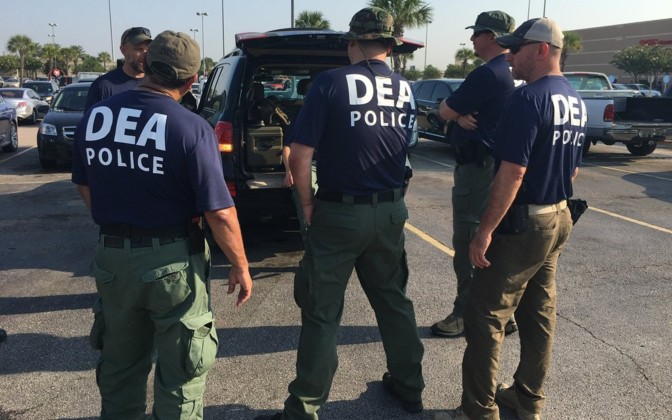
The DEA is effectively preempting state law as it relates to the regulation of controlled substances. In Gonzales v. Oregon, the U.S. Supreme Court ruled in 2006 that the authority to determine a legitimate medical purpose rests with state governments.

This means it is state lawmakers, not federal officials, who should regulate the practice of medicine. Medical boards are established by the authority of each state to protect the health, safety and welfare of patients through proper licensing and regulation of physicians and other practitioners.

If a doctor engages in an obviously nefarious activity, such as selling or trading prescriptions for sex or money, then that doctor is not in any way prescribing for a legitimate or legal medical purpose under the CSA. Remedies for this conduct would be within the authority of the DOJ, as well as state regulators.

The key phrases -- "legitimate medical purpose" and "in the usual course of a professional practice" -- are not defined in the CSA. This omission, unfortunately, has invited conjecture about the meaning of the phrases in recent years. The only way the phrase "legitimate medical purpose" would have any legal meaning would be if the concept of an "illegitimate medical purpose" were defined by the CSA -- and it is not.

Moreover, the words "legitimate" and "medical" are redundant. The practice of medicine is inherently legitimate, according to the CSA. The phrase "legitimate medical purpose" can be reduced to "medical purpose" without changing its meaning.

Any practice that is medical is legitimate and should be deemed consistent with the CSA regulation. The CSA, in other words, precludes the possibility that doctors who prescribe high doses of opioids have behaved criminally based only on the level of doses they prescribe.

Standard of Care

The DOJ is now using deviation from the “standard of care” to determine whether or not practitioners have a legitimate medical purpose to prescribe opioids. A standard of care is generally considered the customary or usual practice of the average physician.

In an attempt to address the opioid problem, the DOJ has hired medical experts who claim that any deviation from standard of care amounts to practicing without a legitimate medical purpose. In some instances, the government's experts have even used the CDC opioid guideline’s dose recommendation as a test of whether or not the prescribing of opioids has a legitimate medical purpose.

Using deviations from "standard of care" as criteria for compliance with the CSA is in direct conflict with the Supreme Court ruling in Gonzalez v Oregon, which found that the Attorney Generalis not authorized to make a rule declaring illegitimate a medical standard for care and treatment of patients that is specifically authorized under state law.”

Even substandard treatment by providers is not necessarily criminal behavior and should rarely involve prosecution by the DOJ. This is supported by a 1983 statement in a DEA newsletter that declares acts of prescribing or dispensing controlled substances lawful when they are done within the course of a provider’s professional practice. Even if a physician's behavior reflects the grossest form of medical misconduct or negligence, it is nevertheless legal.

The information provided in the newsletter isn't an opinion. It's the law.

Unquestionably, prescribers should be held to a high standard of care at all times. However, it is the responsibility of state medical boards to hold them to that standard. It is not the DOJ's role to determine the quality or boundaries of the practice of medicine.

 Lynn R. Webster, MD, is a vice president of scientific affairs for PRA Health Sciences and consults with the pharmaceutical industry. He is a former president of the American Academy of Pain Medicine and the author of “The Painful Truth.”

You can find Lynn on Twitter: @LynnRWebsterMD. 

The information in this column should not be considered as professional medical advice, diagnosis or treatment. It is for informational purposes only and represents the author’s opinions alone. It does not inherently express or reflect the views, opinions and/or positions of Pain News Network.


Cancer Patient's Rite Aid Video Goes Viral   

By Pat Anson, PNN Editor

April Doyle was frustrated and angry when she left a Rite Aid pharmacy Monday in her hometown of Visalia, California. A pharmacist there had once again refused to fill her prescription for opioid pain medication, so she got into her car and tearfully recorded a video that she uploaded to Twitter.

“I’m frustrated and that’s why I’m crying,” Doyle said, looking into her cell phone camera. “I’ve had a hard time getting my pain pills filled from them.”

Doyle’s story is a familiar one to millions of pain sufferers, who often have trouble getting their opioid prescriptions filled at pharmacies across the country. But her story is a bit different. The 40-year old single mom has Stage 4 terminal breast cancer that has metastasized into her lungs, spine and hip.  Doyle’s oncologist wrote a prescription for Norco — an opioid medication — to relieve some of her pain.  

“And when you have metastatic cancer in your bones, you need it.  Because sometimes the pain is so much you can’t even function. And I just want to function. I want to be able to go to work and I want to be able to sleep. And I want to be able to do things with my child.  I just want it not to hurt all the time,” Doyle said.

Within days, Doyle’s 6-minute video would go viral on Twitter and Facebook, where it’s been viewed over 200,000 times.  She’d also get apologies from a Rite Aid vice-president, the store manager and the pharmacist who refused to fill her prescription.

Doyle was no stranger at that Rite Aid store. It’s right around the corner from her house and she’s been shopping there for 20 years. It’s where she’s been getting her prescriptions filled for chemotherapy, anti-depressants and anti-nausea drugs — all written by her oncologist. But Rite Aid always seemed to have trouble filling that prescription for Norco. 

“I have to take 20 pills a day just to stay alive,” Doyle explains in the video. “Every time I take my pain pill prescription there, they give me the runaround. They don’t have enough in stock or they need me to come back tomorrow because they can’t fill it today. Or something stupid. It’s always something and it’s always some stupid excuse.”

Federal and state prescribing guidelines – and those of insurers – specifically exempt cancer pain from restrictions on opioid medication.  But some cancer patients still get turned away at pharmacies. According to Doyle, the Rite Aid pharmacist told her he was worried about being fined or even losing his job if he filled her opioid prescription.   

Some of that caution is understandable. Rite Aid and other major pharmacy chains were recently added as defendants in opioid lawsuits filed by the firm of Simmons Hanly Conroy. In the current climate of opioid hysteria and litigation, every step of the drug supply chain, from manufacturers to wholesalers to retailers is under scrutiny. Billions of dollars are at stake. Caught in the middle are pharmacists and patients like April Doyle.

“It’s not right. I’m not a criminal. I’m not a drug addict. I don’t even take them as often as my doctor says to take them. It’s not fair,” she said.

Astonished at Reaction

Doyle has been shocked at the response her video has gotten from the pain community. And surprised at how common her story is. Hundred of people left comments on Doyle’s Facebook page after watching her video.

“Stop giving your money to Rite Aid! You deserve dignity and great customer service,” one supporter wrote. “This whole opioid epidemic is making it impossible for those who medically need the meds. We all have our own story to share. This has to stop!”

“It’s hard to be sick and have people who don’t understand what you’re going through judge you,” said another supporter. “I hope you can find a pharmacy that will treat you with dignity and the compassion you deserve.”

“I know this oh too well trying to get my mom’s scripts filled when she was battling cancer running from store to store feeling and looking like a junkie. It was the most horrible part of it all!”  said another.

 “It’s astonishing the reaction it has gotten. I had no idea this was so common. It’s actually kind of sad how common it is,” Doyle told PNN. “It really struck a nerve with what’s apparently a big problem. I’m just dumbfounded by it.”

A Rite Aid spokesman said he could not comment on Doyle’s case.

“At Rite Aid, we are committed to providing high-quality care to all of our customers and patients. Rite Aid is not able to provide additional detail due to patient privacy,” Chris Savarese, Rite Aid Director of Public Relations said in an email.

Although the company has apologized to Doyle, she does not intend to go back to her neighborhood Rite Aid.

“I have decided to find a locally owned mom and pop pharmacy that really wants the business,” she said.

Is Fentanyl a Weapon of Mass Destruction?

By Lynn Webster, MD, PNN Columnist

Usually we think of bombs, missiles, rockets and dangerous chemicals as weapons of mass destruction (WMD). However, the military website Task & Purpose recently reported that James McDonnell, who heads the Department of Homeland Security’s WMD division, wants to classify fentanyl as a WMD.

McDonnell proposed this in a February memo to then-DHS Secretary Kirstjen Nielsen. The drug’s “high toxicity and increasing availability” make it “attractive to threat actors seeking nonconventional materials for a chemical weapons attack,” according to the memo.

There isn’t much evidence for classifying fentanyl as a WMD, but McDonnell’s suggestion could still find support for reasons that have more to do with politics than science.

According to federal law, weapons that can kill or severely injure "through the release, dissemination, or impact of toxic or poisonous chemicals, or their precursors" fall into the category of weapons of mass destruction.

McDonnell thinks fentanyl fits the definition. It is not clear that he is correct. And he neglected to mention that fentanyl has a legitimate medical use, too.

History of Fentanyl

Fentanyl is a powerful synthetic opioid typically prescribed to patients in acute pain or during surgeries. According to data from the National Center for Health Statistics, 48 million surgical inpatient procedures were performed in the United States in 2009. Most of those procedures involved administering fentanyl intravenously as an analgesic. 

Fentanyl was developed in 1960 by Belgian chemist Dr. Paul Janssen. The patent for fentanyl was obtained under his company name, Janssen Pharmaceutica. Fentanyl was first approved by the Food and Drug Administration in 1968 and introduced into the marketplace as an analog for Demerol, with plans that it would be used only for palliative care.

In 1978, I coauthored with my professor mentor, Dr. T.H. Stanley, a manuscript titled “Anesthetic Requirements and Cardiovascular Effects of Fentanyl” that described the use of high dose fentanyl for cardiac anesthesia.

The anesthetic technique we described allowed patients to undergo coronary artery bypass and valve replacement surgery more safely and with greater success because of fentanyl's unique pharmacologic properties. The technique was considered a seminal event in anesthesia for cardiac surgery.

Since the publication of that paper, millions of people have successfully undergone heart operations. The advance of using fentanyl in anesthesia may have helped some of those patients survive their heart operations.

It wasn’t until the late 1980s that testing was done for delivering fentanyl through a transdermal patch for the treatment of cancer-related pain and noncancer chronic pain. Later, oral transmucosal delivery of fentanyl was made available for cancer breakthrough pain. Each of these new uses of fentanyl exposed millions of Americans to the drug without evidence of an inordinate degree of harm if it was used as directed.

In contrast, nonpharmaceutical fentanyl has caused enormous harm. But as illicit use of the drug proliferates, so do myths about its dangers. McDonnell’s memo fits into an overarching narrative that bestows almost magical properties on fentanyl.

What's Behind the Fentanyl Panic?

The opioid crisis is real and the use of illicit fentanyl is often lethal. But mischaracterizing the effects of fentanyl may be only a political maneuver. 

In New York Magazine, Sarah Jones wrote about a 2017 Bloomberg News story that claimed fentanyl “is so potent that even a small amount — the equivalent of a few grains of salt — can be lethal.” 

“This isn’t really true,” wrote Jones. “You can’t get high or become ill simply by touching fentanyl, but police departments often claim otherwise. They report dramatic, but varied, symptoms that don’t mesh with established scientific evidence about fentanyl and the way it’s absorbed by the human body.” 

As Jones points out, Homeland Security’s WMD division has experienced a decline in funding because of the Trump administration’s focus on immigration and building a wall at the border. One way to reclaim some of that money for the WMD division is to build a case against fentanyl. 

Other drugs, such as ricin, pose greater risks and are probably more lethal than fentanyl as WMD’s. However, the word "fentanyl" packs a far larger emotional punch than ricin does because of the public's familiarity with it.  

WMDs are meant to kill the maximum number of people is the shortest amount of time. On the other hand, fentanyl -- even when it is laced with heroin -- is not intended to kill people. Drug cartels want to make money. Their goal isn't to murder their customers

Protecting Access to Legitimate Fentanyl 

The opioid crisis is now largely driven by nonpharmaceutical fentanyl and fentanyl analogs, not prescription fentanyl. Solving the opioid problem will require greater efforts to reduce the illegal production and distribution of illicit fentanyl. 

Could fentanyl be weaponized and used to attack citizens? Maybe, but not easily.  

The Pentagon realized the harm that an opioid attack could cause when the Russian military used aerosolized carfentanil -- a highly potent fentanyl analog --  against terrorists who had taken over a theater in Moscow in 2002. The drug killed dozens of innocent hostages and their captors, and it put the U.S. on notice that opioids could be weaponized.  

Before we classify fentanyl as a WMD, we need to know what that would mean for its legitimate use during surgery, or for cancer and chronic pain patients. Access to the medication for the treatment of pain must be part of the calculus in assessing if a relatively safe and effective drug should be classified as a WMD. 

Lynn R. Webster, MD, is a vice president of scientific affairs for PRA Health Sciences and consults with the pharmaceutical industry. He is a former president of the American Academy of Pain Medicine and the author of “The Painful Truth.”

You can find Lynn on Twitter: @LynnRWebsterMD. 

The information in this column should not be considered as professional medical advice, diagnosis or treatment. It is for informational purposes only and represents the author’s opinions alone. It does not inherently express or reflect the views, opinions and/or positions of Pain News Network.

What Next for CDC Opioid Guideline?

By Pat Anson, PNN Editor

The pain community is reacting with a fair amount of skepticism to efforts by the CDC to address the widespread misuse of its 2016 opioid prescribing guideline.

A CDC commentary published Wednesday in The New England Journal of Medicine warns against the “misapplication” of the guideline, which has resulted in hard dosing limits, forced tapering and the medical abandonment of thousands of chronic pain patients.

Although the guideline strongly recommends that daily doses of opioids not exceed 90 MME (morphine milligram equivalent), the guideline’s three co-authors say their advice was misinterpreted and that the guideline “does not address or suggest discontinuation of opioids already prescribed at higher dosages.”

A CDC media statement this week also claimed “the guideline does not support abrupt tapering or sudden discontinuation of opioids.” 

That was surprising news to Rob Hale, a Missouri man with late-stage Ankylosing Spondylitis, a degenerative and incurable form of arthritis.  Like many other pain patients, Hale’s relatively high dose of opioid medication was significantly reduced soon after the guideline’s release.  As a result, he is now bedridden.

“This is amazing news, if they really intend to follow through with it,” said Hale in an email. “God, I hope this is the beginning of a turnaround in prescribing policies.  I just feel for the hundreds of us who gave up and took their lives or died as a result of the last 3 years of cruelty.”

Saving Face

Why the CDC is acting now is unclear. Reports of patient harm began circulating soon after the guideline’s release in March 2016, and have only accelerated as insurers, pharmacies, states and practitioners adopted the guideline as mandatory policy. In a recent PNN survey of nearly 6,000 patients, over 85 percent said the guideline has made their pain and quality of life worse. Nearly half say they have considered suicide.

“I regard this CDC statement to be an effort to save face and maintain political dominance on an issue into which CDC improperly inserted itself under the influence of Andrew Kolodny and PROP,” said patient advocate Richard “Red” Lawhern, referring to the founder of the anti-opioid activist group Physicians for Responsible Opioid Prescribing.

“The statement fails to engage with the underlying issues which render the Guidelines fatally flawed.  It fails to acknowledge the essential repudiation of the entire guideline concept by the American Medical Association, plus multiple prominent medical professionals.” 

“The CDC guidelines have been as harmful as predicted, and the silence over 3 years has been criminal. The ‘Who me?’ response is just as evil as the ignorant abuse of power that led to the crisis in the first place,” said Mark Ibsen, MD, a Montana physician whose license was suspended by the state medical board for “overprescribing” opioids. A judge overturned the board’s ruling.  

“Those who give a weak ‘mea culpa’ for misinterpretation of the guidelines are, in short, lying. The deaths of thousands of abandoned pain patients, including 6 of mine who lost access (to opioids), are on their hands,” Ibsen said. 

PNN asked a CDC spokesperson if the agency had received new information about patients being harmed by the guideline and received a vague response.  

“We have heard concerns from partners and stakeholders about policies and practices that are inconsistent with the 2016 Guideline and sometimes go beyond its recommendations. The misapplication of the Guideline can risk patient health and safety,” Courtney Lenard said in an email. “CDC authored this commentary to outline examples of misapplication of the Guideline, and highlight advice from the Guideline that is sometimes overlooked but is critical to safe and effective implementation of the recommendations.” 

The response was also vague when we asked if CDC would be directly contacting insurers, pharmacies and states to warn them about misapplying the guideline.

“CDC has engaged payers, quality improvement organizations, state health departments, and federal partners to encourage implementation of recommendations consistent with the intent of the Guideline,” said Lenard, citing a mobile app and a pocket guide to opioid tapering as examples of CDC outreach.

The agency also sent out a Tweet.

Lenard gave no indication that a revision of the guideline was imminent. She said the CDC was working with the Association of Healthcare Research and Quality (AHRQ) to evaluate “new scientific evidence” about the benefits and harms of opioids.  

“Results of these reviews will help CDC decide whether evidence gaps have been addressed and whether the Guideline should be updated or expanded for chronic or acute pain prescribing,” Lenard wrote. 

Undoing the Damage

The American Medical Association – which took a stand against the “inappropriate use” of the guideline last year -- released a statement saying the CDC needed to work more closely with insurers.

“The guidelines have been misapplied so widely that it will be a challenge to undo the damage. The AMA is urging a detailed regulatory review of formulary and benefit design by payers and PBMs (pharmacy benefit managers),” said AMA President-elect Patrice Harris, MD.

“The CDC’s clarification underscores that patients with acute or chronic pain can benefit from taking prescription opioid analgesics at doses that may be greater than the guidelines or thresholds put forward by federal agencies, state governments, health insurance companies, pharmacy chains, pharmacy benefit managers and other advisory or regulatory bodies.”

Dr. Ibsen said the Drug Enforcement Administration was “the other elephant in the room” because it has weaponized the CDC guideline to demonize and prosecute doctors for prescribing high opioid doses. 

“Arresting and punishing doctors who treat the sickest pain patients. Civil asset forfeiture as used in dealing with criminal drug dealers. Equate physicians with a license to practice as equal to or below said criminal drug dealers,” said Ibsen, listing some of the tactics used by prosecutors.

“Charge physicians with one felony for every Rx they write, making absurdly dramatic charging documents and headlines against doctors who are left with no income or assets to defend themselves in a contaminated jury pool. Charge doctors with murder for prescribing medications to patients who fail to follow the directions.”

It’s not just the DEA. The National Association of Attorneys General recently declared that the dose and duration of opioid prescriptions should not be decided by doctors and that the CDC guideline should essentially be treated as law.

“As a matter of public safety, there is simply no justification to move away from the CDC Guideline to encourage more liberal use of an ineffective treatment,” warns a letter signed by 39 state and territory attorney generals. “As Attorneys General of states with high rates of prescription drug abuse among our youth, policy makers and prescribers must be encouraged to continue to pursue laws and practices that reduce the high volume of opioids in our communities.”

“The standard of care is now determined by prosecutors and juries,” says Ibsen.

Pain Clinics Ordered Unnecessary Urine Drug Tests

By Fred Schulte, Kaiser Health News

A Tennessee-based chain of pain clinics that abruptly shut down last summer faces five whistleblower lawsuits accusing it of defrauding Medicare and other health insurers by billing for hundreds of unnecessary urine drug tests and other dubious health services, newly unsealed court records show.

The federal suits target Tennessee-based Comprehensive Pain Specialists, also known as Anesthesia Services Associates, PLLC, and several of its physician owners. At its peak, CPS ran 60 pain clinics in 12 states, according to the suits, as well as a lucrative urine-testing lab in Brentwood, Tenn. CPS closed with no warning in July, leaving patients in several states distressed and scrambling to find a new source of narcotic pain medicines.

In federal court filings unsealed in Nashville this week, federal prosecutors said they would take over the urine-testing allegations and sue several CPS owners, including co-founding anesthesiologists Peter Kroll and Steven Dickerson. Dickerson is a Republican state senator representing Nashville.

Kroll could not be reached for comment Wednesday. Dickerson did not respond to an email or a phone message left at his legislative office.

It is not clear whether the whistleblowers, who include former CPS doctors and other employees, would pursue several allegations against the company that the federal government declined to join in. CPS, in an unrelated court filing in December, said the company had terminated all of its employees and that debts “greatly exceed its assets.”

Once among the largest pain management groups in the Southeast, CPS crumbled amid financial woes that included nearly a dozen civil suits alleging unpaid debts, and a criminal investigation that ensnared its former chief executive, John Davis. Davis, 41, was convicted this month in federal court in Nashville on health care fraud charges. He is to be sentenced later this year.

CPS was the subject of a November 2017 investigation by Kaiser Health News that scrutinized its Medicare billings for urine drug tests. Medicare paid the company at least $11 million for urine screenings and related tests in 2014, when five of CPS’ medical professionals stood among the nation’s top such Medicare billers. One nurse practitioner working at a CPS clinic in Cleveland, Tenn., generated $1.1 million in urine-test billings that year, according to Medicare records analyzed by KHN.

Kroll, who also served as CPS’ medical director, said at the time that the tests were justified for patient safety and to reduce chances the pills might be sold on the black market. Kroll billed Medicare $1.8 million for urine tests in 2015, the KHN analysis of Medicare billing records found.

Kroll in an interview with KHN at the time said that he and fellow anesthesiologist Dickerson came up with the idea for the pain clinics over a cup of coffee at a Nashville Starbucks in 2005.

One of the whistleblower suits alleging unnecessary urine tests was first filed under seal in 2016 by Suzanne Alt, a doctor who worked in the company’s pain clinics in Troy, Mo., and Keokuk, Iowa, from May 2014 to March 2015. She alleged CPS doctors were “strongly encouraged to order full-panel urine drug screens on each patient, every time, despite the patient’s history, compliance and risk.”

She also said that the company’s electronic medical records “made it extremely difficult to order anything less than the full panel.” Alt said she was told the Tennessee lab did about 600 of these screens daily. Another whistleblower said he toured the lab with CPS executives and observed an “overpowering and unpleasant smell of urine.” In response, a CPS executive said, “To me, it smells like money,” according to the suit.

“They were making a killing,” said Birmingham, Ala., attorney Don McKenna, who represents Alt in the case.

Another of the whistleblowers, former CPS anesthesiologist Cynthia Niendorff, alleged that the company billed Medicare about $754 for each additional urine test, even though earlier results had come back negative. She said CPS grossed approximately $6 million per month from the urine-testing lab and said about 20% of this amount was suspect, according to the suit.

Mary Butner, a former insurance specialist for CPS in Gallatin, Tenn., alleged that CPS charged some patients $1,500 for a drug test to measure blood levels of medication and $400 for a drug test designed to detect illegal drugs — charges that the suit called “grossly inflated and disproportional to the actual costs.” She also alleged that CPS would fill prescriptions for patients whose drug tests detected the presence of illegal drugs, or showed that they were not taking their medication as directed.

Butner also accused medical director Kroll of approving prescriptions for back braces when it was “clearly medically unnecessary,” including some people who had injuries to a knee or elbow.

Kaiser Health News (KHN) is a national health policy news service. It is an editorially independent program of the Henry J. Kaiser Family Foundation which is not affiliated with Kaiser Permanente.

CDC: Opioid Guideline Should Not Be Used to Taper Patients

By Pat Anson, PNN Editor

The Centers for Disease Control and Prevention has taken its first concrete step to address the widespread misuse and misapplication of its opioid prescribing guideline.

In a commentary published in The New England Journal of Medicine, the guideline’s authors say the agency does not support abrupt tapering or discontinuation of opioid medication, and that the guideline’s recommendation that daily doses be limited to no more than 90 MME (morphine milligram equivalent) should only be applied to patients who are starting opioid therapy.

“Unfortunately, some policies and practices purportedly derived from the guideline have in fact been inconsistent with, and often go beyond, its recommendations,” wrote Deborah Dowell, MD, Tamara Haegerich, PhD, and Roger Chou, MD. “A consensus panel has highlighted these inconsistencies, which include inflexible application of recommended dosage and duration thresholds and policies that encourage hard limits and abrupt tapering of drug dosages, resulting in sudden opioid discontinuation or dismissal of patients from a physician’s practice.”

The co-authors also noted that the guideline “does not address or suggest discontinuation of opioids already prescribed at higher dosages,” nor does it seek to deny opioids to patients with cancer, sickle cell disease or recovering from surgical procedures.

The CDC’s clarification was cheered by patient advocates, who have been calling on the agency to address the suicides, patient abandonment and other unintended consequences of the guideline for over three years.

“The statement from the CDC is a long-awaited, robust clarification that has come at a critical time. They clearly defined that its Guideline cannot and should not be invoked to justify the forced reduction or denial of opioid pain medication to patients who use opioids to manage their long-term pain,” said Andrea Anderson, a patient advocate with the Alliance for the Treatment of Intractable Pain (ATIP).

The CDC’s controversial guideline was released in March 2016 as a voluntary set of recommendations meant to discourage primary care physicians from prescribing opioids for chronic non-cancer pain. But the guideline was quickly adopted by states, insurers, pharmacies, practitioners and even law enforcement agencies, who saw it as a mandatory policy that all physicians should follow to reduce rates of opioid addiction and overdose.

Reports soon began surfacing of patients being forcibly tapered off opioids or being abandoned by doctors who no longer wanted to treat them. Within months of the guideline’s release, CDC was warned by its own public relations consultants that “doctors are following these guidelines as strict law” and that some patients “are now left with little to no pain management.”

In PNN’s recent survey of nearly 6,000 patients, over 85 percent said the guideline has made their pain and quality of life worse. Nearly half say they have considered suicide because their pain is poorly treated. Many are hoarding opioids because they fear losing access to the drugs and some are turning to other substances – both legal and illegal – for pain relief.

‘Unintended Harms’

Not until this month did CDC acknowledge that its guideline was causing patient harm.

“CDC is working diligently to evaluate the impact of the Guideline and clarify its recommendations to help reduce unintended harms,” CDC Director Dr. Robert Redfield wrote in an April 10 letter to a group of healthcare professionals. who had asked the agency to make a “bold clarification” of the guideline.

Redfield’s letter was sent the day after the Food and Drug Administration warned doctors not to abruptly taper or discontinue opioids. The FDA said it had received reports of “serious harm” to patients, including withdrawal, uncontrolled pain, psychological distress and suicide.    

“The clarification is an essential beginning because it is the CDC guideline that has been used by law enforcement agencies to surveil doctors and by major insurers and pharmacies in ways that deny pain patients access to opioid analgesia,” said Kate Nicholoson, a civil rights attorney and pain patient.  

It is the CDC guideline that has been used by law enforcement agencies to surveil doctors and by major insurers and pharmacies in ways that deny pain patients access to opioid analgesia.
— Kate Nicholson, Civil Rights Attorney

“Given the harms suffered by pain patients, a muscular, public-facing clarification from the CDC was needed. We hope that this action and the warning the FDA issued last week against abrupt tapering of pain patients will mark a beginning in protecting the rights of patients who use opioid medication appropriately to manage pain.” 

But other patient advocates wonder why it took so long for the CDC to act.

“It's gratifying to see CDC admit that its guideline is being misinterpreted and misapplied, as many of us have been warning for some time,” said Bob Twillman, PhD, former Executive Director of the Association of Integrative Pain Management. “It's a bit puzzling to me why it has taken them three years to do so, when many of us, myself included, told them within days of the guideline's issuance that these things were going to happen.

“Unfortunately, we've spent the past three years watching three dozen states violate CDC's stated intent that the guideline not be legislated, not to mention the untold numbers of insurance companies, health care systems, private practices, and pharmacy chains that have created a whole population of opioid refugees by misusing the guideline. Serious harms, including patient deaths, have resulted, and there is virtually no evidence that the intended effect of reducing prescription opioid overdose deaths has occurred, while overall opioid overdose deaths continue to climb rapidly.”

The New England Journal of Medicine is a respected publication with a wide reach among healthcare professionals, but it is not clear what CDC will do to caution states, insurers, pharmacies and law enforcement agencies about their misuse of the guideline.

“Unless Congress and the Executive Branch tell the DEA (and by association, state drug enforcement authorities and prosecutors) to stand down from persecuting doctors, I don't see any useful impact for this statement at all,” Richard “Red” Lawhern, PhD, of ATIP wrote in an email. “Doctors will continue to leave pain management and to desert their patients until they can be assured they will not be sanctioned, so long as they act in good faith to treat pain and manage their patients.” 

In recent months, federal prosecutors in Wisconsin and several other states sent letters to hundreds of physicians warning them that their opioid prescribing practices exceed those recommended by the CDC. The doctors were identified through data-mining of prescription drug monitoring programs (PDMPs), which have been weaponized to target physicians. 

“Practitioners were identified where they prescribed on average 90 MMEs (or more) per patient per day. That’s the threshold where the CDC and the Wisconsin Medical Examining Board say there is no real evidence to suggest that above that amount has any better effect on chronic pain,” a DOJ spokesperson told PNN.  

Just last week, a DEA task force charged dozens of doctors and other healthcare providers with illegal opioid prescribing. Prosecutors say more criminal cases are in the pipeline. 

"We have hyper-accurate data at the DEA and other agencies in the federal government where we are able to (use) that data and we can sort of pinpoint where these pills are being over-prescribed just by the population center in which they're being prescribed," said Jay Town, a federal prosecutor in Alabama.  "There are more doctors out there, there are more people working in clinics, and physicians’ offices, or pharmacies, or in compounding pharmacies, that we still have ongoing investigations or beginning investigations.” 

‘Achieve Widespread Adoption’ 

The CDC may have finally acknowledged the “unintended harms” caused by the guideline, but the data-mining and wholesale adoption of its recommendations are exactly what the agency outlined in a 2015 CDC memo obtained by PNN:   

“Efforts are required to disseminate the guideline and achieve widespread adoption and implementation of the recommendations in clinical settings. CDC is dedicated to translating this guideline into user-friendly materials for distribution and use by health systems, medical professional societies, insurers, public health departments, health information technology developers, and providers, and engaging in dissemination efforts.  

Activities such as development of clinical decision support in electronic health records to assist providers’ treatment decisions at the point of care, identification of mechanisms that insurers and pharmacy benefit plan managers can use to promote safer prescribing within plans, and development of clinical quality improvement measures and initiatives to improve prescribing and patient care.”

Can the CDC undo all the harm its “user-friendly materials” have caused over the last three years? Will states be advised to rollback their laws and regulations? Will insurers and pharmacies be told to stop limiting the dose of opioid prescriptions? And what about the patients who committed suicide? The CDC did not respond to a request for comment.

“That no one at CDC anticipated that the guideline would be misinterpreted and misapplied in this way is hard to swallow,” said Twillman. “I would have hoped that they would be vigilant for such occurrences, and taken action swiftly and effectively when they became apparent.”

What It’s Like to Be Forcibly Tapered Off Fentanyl

By Emily Ullrich, Guest Columnist

Although I have been on this chronic intractable pain, illness and medical refugee train for nearly a decade, I’ve been lucky to have the love and support my husband, family and wonderful people around the world that I've met through this shared anguish. They lift me up and allow me to lift them, when I can.

Right now, I'm holding onto them in utter panic, because they’re all that I have left.

About four years ago, I met a palliative care doctor, who had taken the time to read my 3-page health history. I take that paperwork with me to every visit to the ER or new doctor, so they can fully understand the things that I have tried, what worked, and what made things worse. No doctor had ever looked at it, until she did.

She approached me with zero judgment, and 100% sympathy and empathy. She actually cared about what I'd been through. I broke down sobbing, because I could finally let my guard down. I told her how my husband had to take a day off from work every month to drive me five hours and three states away, to see the only doctor I could find who was willing to treat my complicated needs. She told me I could see her instead. That was a tremendous gift.

Last year I began to sense that there was growing pressure on her about prescribing high doses of opioids, so I asked if I should worry about her cutting my meds or passing me off to another doctor. She reassured me that she would do no such thing.

Then came my visit one month later. I knew something was awry, because there was a case worker present for my appointment. My suspicions were confirmed when I was told the dose of my fentanyl patch would be tapered significantly lower. I was thrown into a tailspin.

With my doctor’s help and willingness to prescribe the meds and dosages that I needed, I had been able to achieve about a 4/10 on the pain scale, daily. I was able to participate in life again and do things that I love, like cooking, getting dressed up to go on a date with my husband, and other things that healthy people take for granted.

I was furious and traumatized that I was going to have to give up living my life. I still am.

On my next visit to see my doctor, she dropped another bomb. She told me that I had to choose between anti-anxiety meds and pain meds. Ironically, she was the one who put me on a higher dose of Xanax to help me cope with anxiety and insomnia. I felt betrayed.

I would not wish the hell of abruptly and simultaneously tapering off fentanyl and Xanax on anyone.  Even when I had a higher dosage, I still had pain flares that were not properly controlled. But since the taper began, I now have them daily.

I want this to be very clear: Fentanyl is a necessary medicine for many people with high pain levels. I have tried every other extended release medication known and none even touched my pain.

Fentanyl has gotten a bad reputation and patients who take it live with heavy stigma because the media usually report on fentanyl overdoses without distinguishing between illicit fentanyl and properly prescribed legal fentanyl.  

I would like to make a plea to the media: Stop the ignorant reporting and do your due diligence. By not distinguishing between legal and illicit fentanyl, you are causing even more strife for those of us who need the relief that only fentanyl medication brings.

I have still not gotten a clear reason for my doctor's decision to force a taper on me. I fear if I prod too much, she will totally cut me off or advise me to see someone else. This is making the struggle even worse, because even though we still have a pleasant relationship, I'm hurt and confused about this. I suspect it is being forced upon her.

As I wrote this, I had to take breaks for hours, sometimes days, because my pain is escalating to such a level that anxiety and insomnia are ravaging my mind and body. I have been in withdrawal (which, by the way, does not mean I am addicted to my medication, it means I'm physically dependent on it) for about four months.

As my medicine has been tapered, my life has crumbled. I get about two hours of sleep every five days. At times I get uncontrollable head shaking, leg kicking, arm flailing and vocal ticks. My pain gets so bad that I develop a full-body rash and migraines that last for days.

I don't know what is real and what my brain has concocted. I hold nonsensical conversations, like my grandparents did when they developed dementia. It is embarrassing and terrifying.

One night, while counting down the minutes until I could take my next dose of meds, I passed out from pain and anxiety, which scared my husband so bad that he called 911.

I hope that insurers, pharmacies and especially government officials who are infringing on doctors' ability to treat their patients, might read this and see that forcing tapers on patients is dangerous. There have already been many suicides because of them.

A gap is growing between many doctors and their patients. We know this is not “What's best for us.” It is actually a twisted way to make more money off the sick and vulnerable, forcing us to replace a medicine that is effective and safe when used responsibly with drugs that are ineffective, expensive and dangerous.

Emily Ullrich lives with Complex Regional Pain Syndrome (CRPS), chronic pancreatitis, endometriosis,  interstitial cystitis, migraines, fibromyalgia, osteoarthritis, anxiety, insomnia, depression, and other chronic illnesses. She is also a writer, filmmaker, activist, advocate, philanthropist and comic. As she is able, Emily devotes her time and energy fighting for pain patients’ rights.

The information in this column should not be considered as professional medical advice, diagnosis or treatment. It is for informational purposes only and represents the author’s opinions alone. It does not inherently express or reflect the views, opinions and/or positions of Pain News Network.

Fentanyl May Be Classified as Weapon of Mass Destruction

By Pat Anson, PNN Editor

The Trump Administration is considering labeling fentanyl as a weapon of mass destruction, according to an internal Homeland Security memo obtained by the military news website Task & Purpose.

"Fentanyl's high toxicity and increasing availability are attractive to threat actors seeking nonconventional materials for a chemical weapons attack," wrote James McDonnell, a DHS assistant secretary, in a February 22, 2019 memo to then-DHS Secretary Kirstjen Nielsen.

According to the memo, the FBI considers fentanyl “a viable option for a chemical weapon attack by extremists or criminals.”  The idea of labeling fentanyl a weapon of mass destruction (WMD) is also under consideration by the Department of Defense.

“Within the past couple years, there has been reinvigorated interest in addressing fentanyl and its analogues as WMD materials due to the ongoing opioid crisis,” McDonnell wrote.

DEA IMAGE

Fentanyl is a synthetic opioid, 50 to 100 more potent than morphine, that is legally prescribed to treat severe chronic pain. In recent years, bootleg versions of fentanyl and its chemical cousins have flooded the black market, where they are often added to heroin and cocaine to boost their potency or used in the manufacture of counterfeit medication.

According to the CDC, fentanyl is involved in more overdoses than another drug and was linked to 18,835 drug deaths in 2016.

Most of the black market fentanyl is produced by drug labs in China and then smuggled into the U.S. from Mexico or shipped through the mail.  

Designating fentanyl as a WMD would enable Homeland Security to increase funding for sensors and other technology that can detect fentanyl being smuggled in vehicles, packages and shipping containers.

A WMD expert told Task & Purpose the idea of fentanyl being used as a weapon was a “fringe scenario” because there are dozens of toxic chemicals that can be easily weaponized.

"It reads like somebody is laying the administrative background for trying to tap into pots of money for detecting WMD and decontaminating WMD," said Dan Kaszeta. "It's an interdepartmental play for money, that's all it is."

An unnamed senior defense official quoted by Task & Purpose was also skeptical.

"Anybody with a college level degree in chemistry can manufacture chemical weapons agents," the defense official said. “I cannot see any scenario where a nation-state would use fentanyl on the battlefield, or for that matter, a terrorist using a really toxic chemical like fentanyl in an attack when they could just sell it for funding the purchase of firearms and explosives or steal an industrial chemical instead.”

China recently agreed to ban all “fentanyl-related substances” by listing them as controlled substances. The move is meant to close a loophole that allowed drug labs to make novel variations of fentanyl that are not technically illegal.

Fentanyl Myths

While fentanyl is a scourge on the black market, drug experts say it’s not nearly as hazardous as it is often portrayed. Reports of first responders becoming severely ill after skin contact with fentanyl are likely the result of panic attacks.

“One of the issues with this dramatization of fentanyl toxicity is that it further stigmatizes substance users as contagious and dangerous. That can potentially delay care to those who need prompt rescue and treatment,” emergency medicine physicians Lewis Nelson, MD, and Jeanmarie Perrrone, MD, wrote in STAT News.

There is no documented evidence of responders becoming ill after skin contact with fentanyl.
— Health Canada

“There is clear evidence that passive exposure to fentanyl does not result in clinical toxicity. Descriptions of the signs and symptoms of those who have supposedly experienced passive toxicity vary widely. They include dizziness, blurry vision, pallor, weakness, sweatiness, high blood pressure, chest pain, heart palpitations, anxiety, and occasionally seizure-like activity. These findings are usually transient and resolve on their own, often far faster than would be expected, and are incompatible with the known duration of the drug’s effect.”

A fact sheet released by Health Canada also dispels some of the myths about fentanyl, telling first responders that skin exposure is “extremely unlikely to immediately harm you” and “there is no documented evidence of responders becoming ill after skin contact with fentanyl.”

Fentanyl has been used in at least one terrorist incident —- by law enforcement. In 2002, Russian police pumped an aerosol version of fentanyl into a Moscow theater where terrorists were holding hundreds of hostages. The gas inadvertently killed 117 of the hostages.

60 Arrested in Latest Crackdown on Rx Opioids

By Pat Anson, PNN Editor

Sixty people in five states face charges of illegal opioid prescribing and healthcare fraud in the latest federal crackdown on opioids. The arrests are the first since the Justice Department established an opioid strike force last year to concentrate on drug crimes in the Appalachian region.

The defendents include 31 doctors, 7 pharmacists, 8 nurse practitioners and 7 other licensed medical professionals.

“The opioid epidemic is the deadliest drug crisis in American history, and Appalachia has suffered the consequences more than perhaps any other region,” Attorney General William Barr said in a statement. 

“But the Department of Justice is doing its part to help end this crisis. One of the Department's most promising new initiatives is the Criminal Division's Appalachian Regional Prescription Opioid Strike Force, which began its work in December.  Just four months later, this team of federal agents and 14 prosecutors has charged 60 defendants for alleged crimes related to millions of prescription opioids.” 

The charges involve over 350,000 opioid prescriptions and over 32 million pills. A federal prosecutor claimed that was the equivalent of a dose of opioids for every man, woman and child in Ohio, Kentucky, Tennessee, West Virginia and Alabama.

In one case, a doctor and several pharmacists are accused of operating a pill mill in Dayton, Ohio. Over a two-year period, the pharmacy dispensed over 1.75 million pills. 

In Kentucky, a doctor operating a pain management clinic allegedly provided pre-signed, blank prescriptions to office staff who then used them to prescribe controlled substances when he was out of the office. 

And in Tennessee, a doctor who called himself the “Rock Doc” allegedly prescribed dangerous combinations of opioids and benzodiazepines, sometimes in exchange for sexual favors.

“Reducing the illicit supply of opioids is a crucial element of President Trump’s plan to end this public health crisis,” Health and Human Services Secretary Alex Azar said in a statement.  “It is also vital that Americans struggling with addiction have access to treatment and that patients who need pain treatment do not see their care disrupted, which is why federal and local public health authorities have coordinated to ensure these needs are met in the wake of this enforcement operation.”

A DOJ press release provided a list of hotlines, websites and other resources where effected patients can get addiction treatment. None of them, however, appear to offer pain management.

Pain patients are often the forgotten victims in law enforcement crackdowns on healthcare providers. Dawn Anderson, for example, a double amputee and diabetic, died last month in “sheer agony” because she was no longer able to get opioid medication from a pain management doctor who stopped practicing medicine after he was accused and convicted of healthcare fraud.    

Most Overdoses Don’t Involve Rx Opioids

The Appalachian region – and West Virginia in particular – has been ground zero in the opioid crisis. But a new study by researchers at West Virginia University shows just how much the crisis has shifted away from prescription opioids.

Researchers analyzed over 8,800 drug-related deaths in West Virginia from 2005 to 2017 and found that deaths involving fentanyl soared by 1,325% over that period.

From 2005 to 2014, prescription opioids were involved in almost 60% of drug related deaths in West Virginia, but from 2015 to 2017 they were only involved in about 30% of drug deaths.

West Virginians are now twice as likely to die from fentanyl than they are from oxycodone. Deaths linked to fentanyl, heroin, alcohol, alprazolam (Xanax) and cocaine outnumber those from oxycodone or any other opioid pain reliever.

Fentanyl and its analogs are synthetic opioids 50-100 stronger than morphine. They’ve become a scourge on the black market, where they are frequently mixed with heroin and cocaine to boost their potency or used in the manufacture of counterfeit medication.

Reducing the supply of prescription opioids and locking up doctors isn’t going to solve the fentanyl problem.

"One of the proven ways to reduce overdoses is to decrease the number of people who are addicted and using. But with fentanyl, you could halve the number of addicts in West Virginia, and the overdose rate could still go up because the strength of the drug coming in is so much stronger and can vary widely from one day to the next," said Gordon Smith, MD, an epidemiologist in the West Virginia School of Public Health. "This is an absolute quandary."

West Virginia's increase in fentanyl-related deaths is part of a national trend. As the CDC reported, deaths from fentanyl overdoses spiked across the United States in 2015 and are still climbing. West Virginia leads the nation in fentanyl-related deaths and has the highest per capita rate of overdose deaths overall.

When Will Forced Tapering of Opioids End?

By Lynn Webster, MD, PNN Columnist

“Larry” recently wrote to me asking for advice. He describes himself as "virtually crippled totally" after having his opioid medication cutback.

"I am being forced tapered and the PA I now have will not budge one inch on the weaning, as he calls it. I hate him. I have never had a more callous doctor in my life," Larry wrote.

"What does one do in my situation? Blow my brains out? A[n] intentional overdose? I have two beautiful dogs that depend on me and a son who needs me. I have to stay here on planet Earth although I want out of here so bad I beg God to kill me every morning noon and night. It is my daily prayer."

Unfortunately, Larry is only one of many patients who are struggling to be heard by their providers. Physicians are under government pressure to adhere to the CDC’s 2016 opioid prescribing guideline.

Although the CDC designed its guideline as voluntary, government agencies interpreted it as a mandate instead. The Drug Enforcement Administration has pursued doctors who prescribe a level of opioids that exceeds the guideline's recommended daily limit of 90 MME (morphine milligram equivalent), even when no patients have been harmed.

According to Maia Szalavitz, writing for Tonic, Dr. Forest Tennant was one of the few physicians who still were willing to prescribe high-dose opioids for the sickest pain patients. The DEA raided his California office and home, allegedly because the agency had reason to believe some of his patients were selling their medication.

There simply was no evidence of that. But as a result of the raid, Dr. Tennant retired from clinical practice.

Szalavitz wrote that the raid "terrifies pain patients and their physicians, who fear that it could lead to de facto prohibition of opioid prescribing for chronic pain and even hamper end-of-life care."

Dr. Mark Ibsen in Montana had his license suspended by the state medical board for allegedly overprescribing opioids. According to Dr. Ibsen, the DEA warned him "he was risking his livelihood and could end up in jail if he kept prescribing." A judge later overturned the board’s decision.

As Dr. James Patrick Murphy, a Kentucky-based pain and addiction specialist, told the Courier-Journal, "many well-intended doctors are unfairly arrested 'all the time' in the hunt for those who recklessly contribute to patients' addictions and fatal overdoses."

As of this writing, The American University Law Journal plans to publish an alarming article by Michael Barnes, JD, about the raids on America’s top physicians.

Although few physicians are incarcerated for prescribing high dosages of opioids, many of them are threatened with losing their licenses to practice medicine. Doctors and pharmacists told a POLITICO survey that they felt enormous pressure to limit their prescriptions for painkillers. Their fear of the consequences of noncompliance with the CDC guideline exceeded their responsibility to treat patients with severe pain.

Second Thoughts About CDC Guideline

On April 1, the attorneys general of 39 states and territories wrote a letter on behalf of the National Association of Attorneys General to Dr. Vanila Singh of the U.S. Department of Health and Human Services. The letter expressed concern with the draft report of the Pain Management Best Practices Inter-Agency Task Force, which recommends changes in the CDC guideline to end the forced tapering of patients.

The attorneys general said "it is incomprehensible that officials would consider moving away from key components of the CDC guideline." Additionally, they expressed their hope that the report would be revised "to clearly state that there is no completely safe opioid dose."

Yet on April 9, the Food and Drug Administration issued a medical alert warning doctors not to abruptly discontinue or rapidly taper patients on opioid medication, because it was causing “serious harm” to patients, including uncontrolled pain, psychological distress and suicides.

Now it seems the CDC may be moving in the same direction.

Dr. Daniel Alford, a Professor of Medicine at Boston University, wrote a letter to the CDC asking it to address the misapplication of its guideline with a "public clarification." He was writing on behalf of Health Professionals for Patients in Pain, and 300 healthcare professionals signed his letter.

The CDC's response, published on April 10, echoed the FDA's statement. CDC Director Dr. Robert Redfield observed that the CDC guideline "offered no support for mandatory opioid dose reductions in patients with long-term pain." He reinforced the fact that the guideline was voluntary and that doctors should use their knowledge of their patients to determine which dosages were appropriate for them.

Dr. Redfield wrote that “CDC is working diligently to evaluate the impact of the Guideline and clarify its recommendations to help reduce unintended harms." And he agreed that "patients suffering from chronic pain deserve safe and effective pain management."

STAT News points out that the overzealous enforcement of the CDC guideline was indeed causing patients harm. "Denying opioids to patients who have relied on them — sometimes for years — may cause some to turn to street drugs, thereby increasing their risk of overdose," STAT warned.

According to The Washington Post, "Many patients have claimed that long-term use of the drugs is all that stands between them and unrelenting pain, and that they can take the medication without becoming dependent or addicted."

The CDC and the FDA now admit the guideline has been misapplied and mainstream media outlets are beginning to pick up the story. The question is: Will the DEA stop pursuing doctors who treat pain patients with levels of opioids that exceed the guideline's recommendations?

For Larry and other pain patients who have been forcibly tapered, the answer may be a matter of life and death.

Lynn R. Webster, MD, is a vice president of scientific affairs for PRA Health Sciences and consults with the pharmaceutical industry. He is a former president of the American Academy of Pain Medicine and the author of “The Painful Truth.”

You can find Lynn on Twitter: @LynnRWebsterMD. 

The information in this column should not be considered as professional medical advice, diagnosis or treatment. It is for informational purposes only and represents the author’s opinions alone. It does not inherently express or reflect the views, opinions and/or positions of Pain News Network.

CVS Fined $535,000 for Filling Forged Opioid Prescriptions

By Pat Anson, PNN Editor

CVS Pharmacy has agreed to pay a $535,000 fine to resolve allegations that several of its Rhode Island stores filled dozens of forged prescriptions for Percocet, a potent opioid painkiller. It’s the latest in a series of fines the nation’s largest pharmacy chain has paid for violations of the Controlled Substances Act.

According to DEA investigators, CVS pharmacists filled 39 forged prescriptions for Percocet between 2015 and 2017 even though they “knew or had reason to know that the prescription in question was invalid or unauthorized.”

In a settlement agreement with the Department of Justice, CVS agreed to pay the fine while making no admission of any liability or wrongdoing. The company said it wanted to avoid the expense and uncertainty of going to trial. In return, the DOJ agreed to drop all civil or criminal prosecution of the case.

“DEA registrants like CVS have a corresponding responsibility to dispense controlled substances in accordance with the Controlled Substance Act,” said DEA Special Agent in Charge Brian Boyle. 

“Pharmacies put patients at risk when they dispense Schedule II narcotics, which have the highest potential for abuse, without a valid and legal prescription.  Today’s settlement demonstrates DEA’s commitment to work with our law enforcement and regulatory partners to ensure that these rules and regulations are followed.”

It’s not the first time CVS has been accused of lax or fraudulent behavior involving opioid medication.

In 2017, CVS agreed to pay a $5 million fine to settle allegations that several of its pharmacies in California failed to detect thefts of the opioid painkiller hydrocodone.

In 2016, CVS agreed to pay a $3.5 million fine to resolve allegations that 50 of its pharmacies in Massachusetts and New Hampshire filled forged prescriptions for opioids. One forger signed a dentist’s name on 131 prescriptions for hydrocodone and had them filled at eight different CVS stores.

And in 2015, CVS paid a $22 million fine after two of its pharmacies in Florida were found to be routinely filling bogus prescriptions for painkillers, including some for customers as far away as Kentucky.

All of these cases were settled out of court.

In 2018, CVS angered pain patients when it began to limit the initial dose of opioids to 7 days’ supply for customers enrolled in CVS Caremark health plans. For both acute and chronic pain patients, CVS said daily doses of opioids should not exceed 90 MME (morphine milligram equivalent) and patients would be required to use immediate release formulations. CVS said it was making the CDC opioid guideline the “default approach” to prescribing opioids.

Last week, CDC Director Dr. Robert Redfield acknowledged for the first time the agency’s voluntary guideline was causing “unintended harms” and that patients should only be tapered to lower doses “if a patient would like to taper.”  

“The Guideline does not endorse mandated or abrupt dose reduction or discontinuation, as these actions can result in patient harm,” Redfield said. “The Guideline includes recommendations for clinicians to work with patients to taper or reduce dosage only when patient harm outweighs patient benefit of opioid therapy.”

Nothing in the guideline empowers pharmacists to set dose limitations. CVS operates 9,700 pharmacies and 1,100 walk-in medical clinics nationwide

Biden: ‘A Little Pain Is Not Bad’

By Pat Anson, PNN Editor

Former Vice-President Joe Biden, who appears close to announcing a run for president in 2020, may want to think twice about the message he’s sending to a large group of voters: chronic pain patients.

While speaking Thursday as part of a panel on the opioid crisis at the University of Pennsylvania, Biden said too many doctors “willy-nilly overprescribed” opioid pain relievers.

"A little pain is not bad," said Biden. “A lot of people can get addicted within five days.”

FORMER VICE-PRESIDENT JOE BIDEN

“We got here, I believe in part, because of the greed of the drug companies and the irresponsibility of them and, quite frankly, a lack of sufficient responsibility on the part of the medical profession,“ Biden said, adding that 215 million prescriptions for opioids were written in 2016.

“We desperately need people with chronic pain to have this access, but you cannot convince me anywhere near that is the case,” he said.

The 76-year old former senator also expressed regret about being a co-sponsor of the 1988 Anti-Drug Abuse Act, which created tougher sentencing guidelines for crack cocaine. Critics say the law sent a disproportionate share of African-Americans and other minorities to prison.

"The big mistake was us buying into the idea that crack cocaine was different from the powder cocaine, and having penalties ... it should be eliminated," Biden said, according to Delaware Online. “I’m sorry I didn’t know more about behavior.”

Biden’s knowledge about the opioid crisis appears dated. The vast majority of overdose deaths are now attributed to illicit fentanyl, heroin and other black market opioids, not pain medication. The number of opioid prescriptions has also been declining for several years and now stand at their lowest level since 2003.

Prescription opioids are not particularly risky if used responsibly, according to a recent study of over half a million Medicare patients who were prescribed the drugs. Over 90 percent had a negligible risk of an overdose. Even among “high risk” patients on high opioid doses, the risk of an overdose is less than two percent.  

A major review of studies on long term opioid therapy found that only 0.27% of patients were at risk of opioid addiction, abuse or other serious side effects. In another large study, The British Medical Journal reported that only 3% of opioid naïve patients (new to opioids) continued to use the drugs 90 days after a major elective surgery.

Biden’s advice to pain sufferers that “a little pain is not bad,” is reminiscent of a statement by former Attorney General Jeff Sessions, who told a Florida audience in 2018 that "people need to take some aspirin sometimes and tough it out.”

You can watch the opioid panel discussion on YouTube by clicking here.

CDC Director Says Agency Will ‘Clarify’ Opioid Guideline

By Pat Anson, PNN Editor

CDC Director Robert Redfield, MD, has for the first time suggested that his agency may be preparing to make changes to its controversial opioid prescribing guideline.

“CDC is working diligently to evaluate the impact of the Guideline and clarify its recommendations to help reduce unintended harms,” Redfield wrote in an April 10 letter to Health Professionals for Patients in Pain (HP3). 

Redfield was responding to a March 6 letter from HP3 signed by over 300 healthcare professionals urging the CDC to make a “bold clarification” of the voluntary guideline, which has been implemented as a mandatory policy by many insurers, pharmacies, states and practitioners. As a result, many chronic pain patients have been denied or forcibly tapered off opioid medication and become disabled or bedridden. Some have turned to alcohol and illegal drugs for pain relief.

The situation has become so dire, the Food and Drug Administration issued an unusual warning this week cautioning doctors not to abruptly discontinue or rapidly taper patients on opioid medication. The FDA said it had received reports of “serious harm” to patients, including withdrawal, uncontrolled pain, psychological distress and suicide.    

ROBERT REDFIELD, md

“The Guideline does not endorse mandated or abrupt dose reduction or discontinuation, as these actions can result in patient harm,” Redfield said in his letter, which was released a day after the FDA warning. “The Guideline includes recommendations for clinicians to work with patients to taper or reduce dosage only when patient harm outweighs patient benefit of opioid therapy.”

Redfield has been CDC director for a little over a year. The letter is his most extensive public comment to date on the opioid guideline, which was only intended for primary care physicians treating chronic, non-cancer pain. Redfield emphasized that doctors and patients should collaborate on tapering plans, but only “if a patient would like to taper.”

“The Guideline also recommends that that the plan be based on the patient’s goals and concerns and that tapering be slow enough to minimize opioid withdrawal,” Redfield said.

“We are so grateful to the CDC for its essential clarification,” said Sally Satel, MD, of the American Enterprise Institute and Yale University, who helped draft the HP3 letter. “Now it’s time for the federal, state, and non-governmental institutions that have invoked the CDC’s authority to push some traumatic changes to care to reverse course.”

‘Closing the Barn Door’

But critics wonder why it took the CDC three years to acknowledge that the guideline has been widely implemented beyond its initial intent.

“I find it striking that, while CDC has made statements from time to time about their intent that the guideline not be turned into legislation and regulations, this is the boldest statement they've made yet, and it's coming only after more than 35 states have legislated some part of the guideline, not to mention actions by payers,” said Bob Twillman, PhD, former Executive Director of the Association of Integrative Pain Management.

“If they truly did not anticipate that this was going to happen, then they were incredibly naive, because many of us made public statements predicting these outcomes at the time the guideline was released. I know there are some patient advocates who hope this will lead to the unwinding of some of the legislation, but I think that's a very long-term project. In other words, it's a bit like closing the barn door after the horse has already escaped.”

When it released its opioid guideline in 2016, the CDC pledged to evaluate its intended and unintended consequences and said it would make changes to the recommendations if needed. Redfield’s letter contains a 3-page enclosure that summarizes the agency’s efforts to evaluate the impact of the guideline. A careful reading of the enclosure, however, shows that most of the studies underway are not being conducted by the CDC itself and that they focus primarily on whether the guideline has been successful in reducing opioid prescriptions — not whether patients are being harmed by it.

“Honestly, I don't think it's such a bad thing that CDC is supporting outside work to assess the impact of the guideline. Having independent researchers who may not be as likely to feel a need to defend the guideline can only be helpful,” said Twillman.

“I sense this is a political delaying action to avoid having to admit that CDC was fundamentally wrong,” said Richard “Red” Lawhern, PhD, Director of Research for the Alliance for the Treatment of Intractable Pain (ATIP). “The Director of CDC letter has doubled down on several ‘initiatives’ which appear to assume that the original assumptions and declarations of the guidelines were correct -- which they weren't, and for which there is abundant published proof that they weren't.”

Lawhern wrote an open letter to Redfield this week, calling for CDC guideline to be revoked, not just clarified, because many of its key assumptions about the addictive potential of prescription opioids are wrong.

In PNN’s recent survey of nearly 6,000 patients, over 85 percent said the guideline has made their pain and quality of life worse. Nearly half say they have considered suicide because their pain is poorly treated. Many patients are hoarding opioids because they fear losing access to them and some are turning to other substances – both legal and illegal – for pain relief.

CDC: Guideline ‘Not Intended to Deny Any Patients Opioid Therapy’

By Pat Anson, PNN Editor

A top official with the Centers for Disease Control and Prevention says the agency’s controversial opioid guideline was never intended to deny prescription opioids to chronic pain patients.

Deborah Dowell, MD, is one of the co-authors of the 2016 guideline and the chief medical officer for the CDC’s National Center for Injury Prevention and Control. In a February 28th letter made public this week, Dowell attempted to dispel the widespread belief that the guideline is a mandatory policy for all pain patients.  

“The Guideline is not intended to deny any patients who suffer with chronic pain from opioid therapy as an option for pain management. Rather, the Guideline is intended to ensure that clinicians and patients consider all safe and effective treatment options for payments,” Dowell wrote. “CDC encourages physicians to continue to use their clinical judgement and base treatment on what they know about their patients, including the use of opioids if determined to be the best course of treatment.”

Dowell’s letter was addressed to three medical associations – the American Society of Clinical Oncology (ASCO), American Society of Hematology (ASH) and the National Comprehensive Cancer Network – which were concerned that the CDC guideline was being misapplied by insurers to patients with cancer and sickle cell disease.

In February, the three groups sent a joint letter to Dowell asking the CDC to release an immediate clarification that the guideline was not intended for patients in active cancer treatment.

“Although the CDC guideline clearly states that the guideline is not intended to apply to this population, many payers are still inaccurately applying the CDC guidelines to patients in active (cancer) treatment,” the letter said.

Dowell responded a few days later with her own letter -- stating that the guideline was never intended to deny “any patients” opioid medication, but that alternate pain therapies should be considered.

Her letter also noted that two clinical practice guidelines for cancer pain (here and here) have been published or updated since the release of the CDC guideline.

“This clarification from CDC is critically important because, while the agency’s guideline clearly states that it is not intended to apply to patients during active cancer and sickle cell disease treatment, many payers have been inappropriately using it to make opioid coverage determinations for those exact populations,” ASCO Chief Executive Officer Clifford Hudis, MD, said in a statement.

“People with sickle cell disease suffer from severe, chronic pain, which is debilitating on its own without the added burden of having to constantly appeal to the insurance companies every time a pain crisis hits and the initial request is denied,” said ASH President Roy Silverstein, MD. “We appreciate CDC’s acknowledgement that the challenges of managing severe and chronic pain in conditions such as sickle cell disease require special consideration, and we hope payers will take the CDC’s clarification into account to ensure that patients’ pain management needs are covered.”

The CDC guideline is voluntary and only intended for primary care physicians treating chronic non-cancer pain. But after its release in March 2016, the guideline quickly metastasized throughout the U.S. healthcare system and became a mandatory policy for many insurers, pharmacies, states and practitioners.

‘Even Cancer Patients Suffer’

Many cancer patients who responded to PNN’s recent survey on the CDC guideline said they were denied opioid medication or not given enough for pain control.

“I'm fighting cancer a second time and I'm not being properly medicated, can't find a pain management (doctor) that will take me on. I have days where I am suffering and have no quality of life!” one patient wrote. 

“I'm a brain cancer patient and the CDC guideline has scared every doctor and oncologist in Connecticut. Even cancer patients suffer and they don't care because that's the law,” another said. 

“I was told two weeks ago that I have lung cancer and still cannot get anything for pain,” wrote another patient. 

“I had to go a year without pain meds and I am a stage 4 head and neck cancer survivor. The sudden withdrawal almost killed me,” said one patient. “Thank God I found a pain management doctor that understands head and neck cancer and the devastating effects it leaves forever. But even he is limited.” 

“I went through 6 weeks of chemo and radiation. My treatment caused muscle and joint pain that on some nights and days are so bad I wish I would have never survived my cancer. They have me on gabapentin. It is okay but does not stop the pain,” wrote another cancer survivor.

None of this is news to the CDC. Within months of the guideline’s release, CDC was warned by its own public relations consultants that “some doctors are following these guidelines as strict law” and that some patients “are now left with little to no pain management.” In a joint letter to the CDC, hundreds of healthcare providers also warned the agency that within a year of the guideline’s release “there was evidence of widespread misapplication” of its recommendations.

But except for an occasional letter -- like the one from Dowell -- there has been no systematic, publicized effort by the CDC to remind insurers, pharmacies and providers that the guideline is voluntary and exempts cancer patients. The agency has also failed to keep its pledge to study the impact of the guideline on patients and to revise it in future updates.

FDA Warns About Fast Opioid Tapers

By Pat Anson, PNN Editor

The U.S. Food and Drug Administration issued an unusual warning Tuesday cautioning doctors not to abruptly discontinue or rapidly taper patients on opioid pain medication.

The agency said in a statement it had received reports of “serious harm in patients who are physically dependent on opioid pain medicines suddenly having these medicines discontinued or the dose rapidly decreased.” The harm includes withdrawal symptoms, uncontrolled pain, psychological distress and suicide.

The FDA gave no details on cases of patient harm but said it was tracking them and would require changes on opioid warning labels to help instruct physicians on how to safely decrease opioid doses.

“Rapid discontinuation can result in uncontrolled pain or withdrawal symptoms. In turn, these symptoms can lead patients to seek other sources of opioid pain medicines, which may be confused with drug-seeking for abuse. Patients may attempt to treat their pain or withdrawal symptoms with illicit opioids, such as heroin, and other substances,” the FDA said.

In recent years, there have been an increasing number of anecdotal reports of pain patients committing suicide or turning to illegal drugs for pain relief. It is not clear why the FDA decided to act now, just days after the departure of former FDA commissioner Scott Gottlieb, MD.

In PNN’s recent survey of nearly 6,000 patients, over 80 percent said they had been taken off opioids or had their dose reduced. Nearly half said they had considered suicide because their pain is poorly treated and many were turning to other substances – both legal and illegal – for pain relief.

  • 11% obtained opioid medication from family, friends or black market

  • 26% used medical marijuana for pain relief

  • 20% used alcohol for pain relief

  • 20% used kratom for pain relief

  • 4% used illegal drugs (heroin, illicit fentanyl, etc.) for pain relief    

Last December, over a hundred healthcare professionals warned in a joint letter to the Department of Health and Human Services that forced opioid tapering has led to “an alarming increase in reports of patient suffering and suicides” and called for an urgent review of tapering policies at every level of healthcare.

“This is a large-scale humanitarian issue,” the letter warns. “New and grave risks now exist because of forced opioid tapering.” 

Federal agencies widely differ on opioid tapering recommendations. The Centers for Disease Control and Prevention recommend a "go slow" approach, with a "reasonable starting point" being 10% of the original dose per week. Patients who have been on opioids for a long time should have even slower tapers of 10% a month, according to the CDC.

The Department of Veterans Affairs recommends a taper of 5% to 20% every four weeks, although in some cases the VA suggests an initial rapid taper of 20% to 50% a day “if needed.”

In its warning, the FDA cautioned doctors that no standard opioid tapering schedule exists that is suitable for all patients.

When you and your patient have agreed to taper the dose of opioid analgesic, consider a variety of factors, including the dose of the drug, the duration of treatment, the type of pain being treated, and the physical and psychological attributes of the patient,” the FDA said. “Create a patient-specific plan to gradually taper the dose of the opioid and ensure ongoing monitoring and support, as needed, to avoid serious withdrawal symptoms, worsening of the patient’s pain, or psychological distress.”

The FDA urged patients and doctors to report side effects from opioid discontinuation and rapid tapers at druginfo@fda.hhs.gov or to call 855-543-DRUG (3784) and press 4.