
DEA Issues Fentanyl Alert

By Pat Anson, Editor

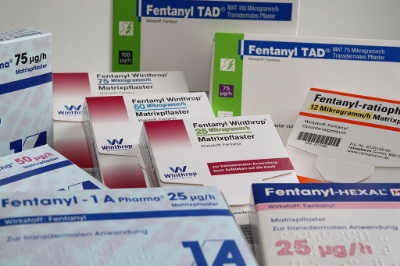
The U.S. Drug Enforcement Administration has issued a nationwide alert about the abuse and diversion of fentanyl – a potent opioid analgesic that recreational drug users are increasingly combining with heroin.

“Drug incidents and overdoses related to fentanyl are occurring at an alarming rate throughout the United States and represent a significant threat to public health and safety,” said DEA Administrator Michele M. Leonhart. “Often laced in heroin, fentanyl and fentanyl analogues produced in illicit clandestine labs are up to 100 times more powerful than morphine and 30-50 times more powerful than heroin.”

In the last two years, the DEA has seen a significant increase in fentanyl-related drug seizures, particularly in the northeast and California. While most of the seized fentanyl appears to be coming from illegal drug labs run by Mexican drug cartels, some of it is being diverted.

Over 6.5 million legal prescriptions for fentanyl were written in the U.S. in 2014, often in the form of transdermal patches used to treat chronic pain.

“Fentanyl patches are abused by removing the gel contents from the patches and then injecting or ingesting these contents. Patches have also been frozen, cut into pieces and placed under the tongue or in the cheek cavity for drug absorption through the oral mucosa. Used patches are attractive to abusers as a large percentage of fentanyl remains in these patches even after a 3-day use,” the DEA said in a statement. 

The DEA warning comes on the heels of another government report warning about a surge in heroin related deaths. This month the Centers for Disease Control and Prevention reported the death rate from heroin overdoses in the U.S. nearly tripled between 2010 and 2013. Over 8,200 Americans died of heroin overdoses in 2013.
The sharp increase in heroin deaths coincided with a crackdown on prescription drug abuse and pill mills dispensing painkillers. Some health officials have called opioids a “gateway drug” to heroin, and claimed pain patients are switching to heroin because it is now cheaper and easier to get – even though there is scant evidence to support that claim.

According to the National Institutes of Health, only about 5% of patients taking opioids as directed for a year end up with an addiction problem. And in a 2014 study of urine drug screens collected from over 171,000 chronic pain patients, Ameritox says it detected heroin in just 1.3% of the samples.

“The initial entry of heroin was no doubt in response to the over-use of prescription opioids. Now it is occurring because of the influx of cheap heroin,” said Percy Menzies, president of Assisted Recovery Centers of America, which operates four addiction treatment clinics in the St. Louis, Missouri area.

“The two strongest factors contributing to addiction are price and access. Mexican farmers have lost their marijuana market in the U.S. and have switched to growing the poppies and these poppies are being converted into heroin by the drug cartels. This is immensely profitable and we are going to see a steep increase in heroin addiction as more and more heroin is smuggled into the U.S.

“The U.S. has to curb its appetite for prescription opioids and we have to find better treatments for chronic pain,” Menzies wrote in an email to Pain News Network. “To add insult to injury, the new avenue for using heroin is coming from the medications used to treatment opioid addiction - methadone and buprenorphine. The sale of buprenorphine formulations is around $2 billion and patients are using these medications to sustain their heroin addiction.

“Our addiction to opioids comes from three sources - prescription opioids, heroin and prescription opioids to treat opioid addiction. Until we drastically curtail these three sources, the addiction is going to be alive, well and thriving.


Blood Test Could Detect Early Osteoarthritis

By Pat Anson, Editor

British researchers are close to developing a blood test that would detect osteoarthritis in its early stages, a development that could lead to diagnosis and treatment of the disease years before joint damage occurs.

Osteoarthritis is a progressive joint disorder caused by painful inflammation of soft tissue, which leads to thinning of cartilage and joint damage in the knees, hips, fingers and spine. The World Health Organization estimates that about 10% of men and 18% of women over age 60 have osteoarthritis.

Researchers at the University of Warwick’s Medical School have identified a biomarker linked to both rheumatoid and osteoarthritis. Diagnostic blood tests already exist for rheumatoid arthritis (RA), but the newly identified biomarker could lead to one which can diagnose both RA and osteoarthritis (OA).

“This is a remarkable and unexpected finding. It could help bring early-stage and appropriate treatment for arthritis which gives the best chance of effective treatment,” said lead researcher  Naila Rabbani, PhD.

“This discovery raises the potential of a blood test that can help diagnose both RA and OA several years before the onset of physical symptoms."

Rheumatoid arthritis is a chronic autoimmune disease in which the body’s own defenses attack joint tissues, causing swelling, inflammation and bone erosion. About 1% of adults worldwide suffer from RA.

Rabbani’s research focused on citrullinated proteins (CPs), a biomarker suspected to be present in the blood of people with early stage rheumatoid arthritis. It had previously been established that patients with RA have antibodies to CPs, but it was not thought that this was the same for those with OA.

However, the Warwick researchers found for the first time increased CPs levels in both early-stage OA and RA.

They then produced an algorithm of three biomarkers; CPs, anti-CP antibodies, and a bone-derived substance called hydroxyproline.

Using the algorithm the researchers found that with a single test they could potentially detect and discriminate between the two types of arthritis in their early stages, before joint damage has occurred. The test correctly identified 73% of the people with eary OA and 57% of the people with early RA.

“It has been long established that the autoimmunity of early-stage RA leads to antibodies to CPs, but the autoimmunity, and hence antibodies, are absent in early-stage OA. Using this knowledge and applying the algorithm of biomarkers we developed provides the basis to discriminate between these two major types of arthritis at an early stage,” said Rabbani.

“Detection of early stage-OA made the study very promising and we would have been satisfied with this only – but beyond this we also found we could detect and discriminate early-stage RA and other inflammatory joint diseases at the same.

The research is published online in Nature Scientific Reports.

My Life with Arachnoiditis

By Tom Bresnahan, Guest Columnist

Let me tell you briefly about my past before I describe the hell I live with every day.

Before moving to Florida in 2000, I owned and operated a 6 store Domino's Pizza franchise in Tacoma, Washington. I served as an elected fire commissioner, belonged to two search and rescue groups, and was trained and certified as a swift water rescue technician. As you can see, I'm no couch potato.

tom bresnahan

tom bresnahan

After selling my business and moving to Florida I decided to pursue a career in healthcare, something I had wanted to do for many years. I went back to school and received a degree in Radiological Technology.

While attending school I fell off of a roof, damaged my back, and required surgery. In 2003, I had a triple fusion of my lumbar region performed by a local orthopedic surgeon. Everything went well and I went on to work as cardiac catheter technician, a fast paced, adrenaline junkie’s dream job! I took a lot of calls and enjoyed the challenge of working with a team trying to save the life of someone having a heart attack. 

In 2009, I started to have sciatica pain in my right leg. It was interfering with my work, so I went back to the doctor who had performed my surgery. He suggested a series of epidural steroid injections. He said they were extremely safe and could eliminate my pain.

When I arrived for my first injection, I reminded the nurse to tell the doctor of the “outpouching” I had on my spinal cord. This is known as a pseudomeningoceale. It was caused when the doctor doing my first back surgery performed a laminectomy and didn't take the right steps to keep the pouch from forming. When I discovered this on an MRI and asked him about it, I was told that it was completely normal and that I shouldn't be concerned. 

The image on the right shows the pouch as a white mass on my spine.

The first steroid injection had no effect, so a few months later I went in for a second. Again I reminded the nurse about the outpouching. This message was never shared with the doctor, although he should have looked at my chart prior to the procedure.  The injection was given and within hours my pain became elevated. I called the doctor and was told this is normal and not to be concerned.

Over the next several days my pain increased, and it was difficult to concentrate and perform my job. I was seen again by the doctor and he scheduled a discogram, a test is to see if a disk is ruptured or torn. It is a very painful test. The results came back stating I had a torn disk above the level of my first surgery. The doctor said I would need another fusion. 

I went in for surgery on September 8, 2009. By then the pain was quite bad and I was looking for anything to give me some relief. After I was partially sedated the doctor came in and told my wife that this surgery would most likely not help with my pain. I was nearly out and she didn't know what to do, so in I went for what would be a totally unnecessary procedure. 

As the pain medication from surgery wore off, the pain was so bad it made me scream out loud. This went on for months! My wife took me to the ER and back to the doctor’s office, where I was told, “We don't know what’s wrong." 

I couldn't work and after being out for 90 days I was terminated. I was devastated that I was losing a job I loved and spending every moment in horrific pain.  I finally went to see a neurosurgeon who ordered a myelogram, an image of my spine that was performed at the hospital where I had worked.

The neurosuregon, who I had worked with on several occasions, did the test. Afterward he came into the recovery room and said, "Tom, you're screwed!" 

I laughed thinking he was joking. 

“You have a condition known as Adhesive Arachnoiditis,” the doctor told me. “You're going to be in pain the rest of your life!" 

I was shocked and couldn't believe this was happening. He told me the nerves within my spine were all clumped together. He said over time scar tissue would form and probably make the pain worse and cause things like bladder and bowel dysfunction. And there was no cure.

The test was done and I learned my fate on Dec 31, 2009. Happy New Year!   

Over the next few months I went through many medications, trying to get the pain under control. The drugs did very little to help. I also ordered copies of the dictations from all of the procedures I had done by my surgeon. On the dictation done for my last injection the surgeon stated, "I did get withdrawal so I repositioned the needle and did 4 injections.” 

The "withdrawal" was spinal fluid. He had punctured my spinal cord, yet continued to inject the steroid Depo-Medrol into my spine. When I confronted him at what was to be my last appointment, he told me, "You would have a hard time proving it!" 

Since that time I've been through the 5 stages of grief, with anger being the hardest to overcome.  I was determined to find a fix, but eventually realized there was none. 

I came close to ending my life on two occasions. My wife of 3 years told me, "I didn't sign up for this!" We divorced shortly after that. 

I have spent the last 2 years trying to effect a change and educating people on the dangers of epidural steroid injections. I have tried to help others with Arachnoiditis find medications, support and the faith to continue on each day.

I have a phrase that I tell those who feel the desire to end their pain and their life, "As long as we are breathing there is hope!" 

The pain has gotten worse over the last 2 years. I have had episodes of not being able to move my legs when I wake up in the morning. This alone will scare a person terribly! My legs go numb if I sit for more than 15 minutes.  The pain now extends into my arms and hands. 

Because this condition affects the nervous system I have developed an internal thermostat problem. I will feel cold and actually shiver in a room that is 76 degrees. At other times I will break into a sweat that's so bad I'm drenched within a few minutes, to the point that I have to change shirts. I can't tell you how many times I've lain in bed screaming because the pain is so bad. 

I have never in my life been one to take it easy, yet I've had people actually tell me, "It couldn't be that bad!" 

This is demoralizing, frustrating and depressing. Steroid injections are a band aid at best and the destroyer of life at worst. Please help us put a stop to these injections that are causing so many to suffer so much!

I want to thank you for taking the time to read my story. I pray every night that if we can stop anyone else from ending up with this hellish pain then I will feel that I have made a difference. 

Tom Bresnahan lives in Florida. He is a patient advocate and activist with the Arachnoiditis Society for Awareness and Prevention.

Pain News Network invites other readers to share their stories with us. 

Send them to:  editor@PainNewsNetwork.org.

The information in this column should not be considered as professional medical advice, diagnosis or treatment. It is for informational purposes only and represents the author’s opinions alone. It does not inherently express or reflect the views, opinions and/or positions of Pain News Network.

Survey: Two-Thirds of Patients Unable to Get Hydrocodone

By Pat Anson, Editor

About two-thirds of pain patients say they were no longer able to obtain hydrocodone after the opioid painkiller was reclassified by the U.S. government from a Schedule III medication to a more restrictive Schedule II drug, according to the results of a new survey.

Many patients who had been taking hydrocodone at the same dose for years said their doctor would no longer prescribe the painkiller. Over a quarter (27%) said they had suicidal thoughts after being denied a prescription for hydrocodone.

The survey of over 3,000 patients was conducted online by the National Fibromyalgia & Chronic Pain Association (NFMCPA) and the findings presented this week at the annual meeting of the American Academy of Pain Medicine. An abstract of “Hydrocodone Rescheduling: The First 100 Days” can be found here.

Hydrocodone was rescheduled by the Drug Enforcement Administration in October of last year to combat an “epidemic” of prescription drug abuse. The rescheduling limits patients to an initial 90-day supply and requires them to see a doctor for a new prescription each time they need a refill. Prescriptions for Schedule II drugs also cannot be phoned or faxed in by physicians.

The reclassification quickly made a drug that was once the most widely prescribed pain medication in the country – at nearly 130 million prescriptions each year – to one of the hardest to get.

Other key findings of the survey:

  • 88% of respondents believe the change to Schedule II denies pain patients the right to adequate pain care.
  • 75% believe the change will not prevent prescription drug abuse.
  • 72% believe the change is harmful to pain patients.
  • 18% said it led to a "worsened relationship" with their doctor.
  • 30% reported "issues" with their pharmacy filling prescriptions.

Patients also reported higher expenses due to increased doctor’s visits, higher co-pays, greater transportation costs to visit the doctor and multiple pharmacies, and lost income due to inability to work because of pain.

The survey is believed to be the first to report on the experiences of pain patients treated with hydrocodone since the rescheduling took effect. The respondents were overwhelmingly female, which reflects the demographics of fibromyalgia and many other chronic pain conditions.

Hydrocodone isn’t the first pain medication to be in short supply. A report released last month by the Government Accountability Office (GAO) faults the DEA for poor management and “weak internal controls” of the quota system under which controlled substances are produced and distributed.

Between 2001 and 2013, the GAO said there were 87 “critical” shortages of drugs containing controlled substances, over half of them pain relievers. The vast majority of drug shortages lasted over a month and some dragged on for years. An oral solution of oxycodone was difficult to obtain for eight and a half years.

“The shortcomings we have identified prevent DEA from having reasonable assurance that it is prepared to help ensure an adequate and uninterrupted supply of these drugs for legitimate medical need, and to avert or address future shortages. This approach to the management of an important process is untenable and poses a risk to public health,” the report states.

Patients Deserve to Know the Truth about Cymbalta

By Crystal Lindell, Columnist

Look, yes, Cymbalta probably saved my life. But it also sucks. So, I’m not surprised people are suing Eli Lilly, the makers of the drug. 

I can still remember talking to a nurse over the phone at the Mayo Clinic’s pain rehab program when she mentioned Cymbalta. It was the same pain program my insurance company would eventually deny, prompting the Mayo Clinic to ask for $35,000 up-front, and prompting me to laugh in their faces and instead buy a $7 Yoga DVD at Best Buy and hope for the best. 

Anyway, yeah, the nurse. She was all, “Oh! Cymbalta is a WONDERFUL drug! So many people love it! And it works so well! That’s a great drug to go on when you go off opioids!”  

But all I could think was, “Obviously you have never been on Cymbalta or opioids or had chronic pain, because Cymbalta sucks.”

cymbalta3.jpg

I always tell people I was tricked into starting the drug. 

My doctor, whom I really do love, put me on it about a year and a half ago. He brought it up at my first appointment with him -- the same appointment I also decided to confess that I was having suicidal thoughts daily. He told me he was putting me on Cymbalta because it had been shown to help with pain. I’d later find out that was only half the reason. 

When I went to a follow-up appointment, the doctor asked if  Cymbalta had helped with my pain at all. And because my pain is stronger than the U.S. military, it hadn’t. But, then came the reveal. 

“Well, how’s your mood?” he asked, slowly.  

“Actually, better,” I replied, realizing that had been his secret plan all along. 

But you know what? I can sincerely tell you that I didn’t want to kill myself anymore. I mean, I still thought about it, but the drug had sort of diluted the thoughts, and made them less of a legitimate option and more of a fleeting idea I had in passing. 

And I totally get why my doctor did what he did. Because when someone is suicidal, it just makes sense that staying alive is the one and only goal. So, in the beginning I was fine with whatever worked — and it just so happened that Cymbalta is what worked for me. 

Until it didn’t. 

Cymbalta was able to keep the suicidal thoughts away, but it also kept a lot of other thoughts away too. Like my creative thoughts, my writing thoughts and, honestly, my sex thoughts. The drug straight up slaughtered my sex drive.  

It also made me so tired. Like, sleep-for-16-hours-a-day tired. Yes, it had help from all the other drugs I’m on, but I can clearly tell you that the fatigue is worse than it was before I started taking Cymbalta.

So, a couple months ago I tried to go off it. I chose the only method I knew and cut it out cold turkey. Within just two days, my writing voice came back like the great flood. And I was getting turned on by my boyfriend again. I even got to see and understand 8 a.m. again for the first time in like a year. 

All was well with the world. Except when suddenly it wasn’t. Because Oh. My. God. The withdrawal symptoms from Cymbalta were hell. 

Less than a week after my last pill, I was getting so dizzy that I seriously thought I had a new disease. Then, there was this thing called the brain zaps, that I didn’t understand until they happened to me. In short, it literally felt like my brain was being, well, zapped by electricity. 

There was also nausea and vertigo and just an overall feeling of falling off a skyscraper. 

I can honestly tell you that going off Cymbalta was worse than going off any opioid I’ve ever been on. At least with opioids it only takes like 18 hours to get out of your system, and when it’s over, it’s over. Cymbalta lingered. It took it’s time with me. It gradually poured on the withdrawal symptoms in a tortuous piling on. 

So, a week after I went off it, I went back on it.

Apparently though, I’m not the only one staring down at a lifetime of daily Cymbalta doses. According to the Internet, (always a reliable source) there’s a possible class action lawsuit being brought against Eli Lilly.

“Studies show that between 50% and 78% of Cymbalta users experience antidepressant withdrawal symptoms after discontinuing the drug. Yet the drug label misleadingly states that Cymbalta withdrawal symptoms occur in only 1% to 2% of cases,” claims attorney Steven D. Gacovino.

You can read more about it here.

Now, I literally have no idea how legit this whole thing is. Can you really fill out a form on a random website and be part of  a class action lawsuit? I have no idea. But I can tell you that I totally submitted the form. 

If nothing else, doctors should be telling their patients about this. They should have a conversation that goes something along the lines of, “Hey, this drug might quell your suicidal thoughts, but you’re never going to be able to go off of it. I mean, you will, but it will be hell. You’ll probably get vertigo and brain zaps and you may not be able to stand up without falling over. Also, there’s no telling how long those withdrawal symptoms are going to last.”

If nothing else, patients deserve to know the truth. I deserved to know the truth.

Crystal Lindell is a journalist who lives in Illinois. She loves Taco Bell, watching "Burn Notice" episodes on Netflix and Snicker's Bites. She has had intercostal neuralgia since February 2013.

Crystal writes about it on her blog, “The Only Certainty is Bad Grammar.”

The information in this column should not be considered as professional medical advice, diagnosis or treatment. It is for informational purposes only and represent the author’s opinions alone. It does not inherently express or reflect the views, opinions and/or positions of Pain News Network.

Can Viagra Treat Diabetic Neuropathy?

By Pat Anson, Editor

An experimental animal study suggest that sildenafil, an erectile dysfunction drug commonly known by the brand name Viagra, may be effective in relieving symptoms of peripheral neuropathy in men with long-term diabetes. The study is published online in PLOS ONE.

Diabetic peripheral neuropathy causes nerves to send out abnormal signals. Patients feel pain, tingling or burning sensation in their toes, feet, legs, hands or arms. Nearly 26 million people in the U.S. have diabetes and about half have some form of neuropathy, according to the American Diabetes Association. 

In previous animal studies, researchers at Henry Ford Hospital in Detroit found that sildenafil improved blood supply to the sciatic nerve and relieved symptoms of neuropathy. However, it was not known if this therapeutic effect held true for long-term peripheral neuropathy, because the diabetic mice used in the previous experiments were relatively young - 16 weeks old.

"Generally, young diabetic animals with an early stage of peripheral neuropathy are used to investigate various drug treatments," said Lei Wang, MD, the Henry Ford neuroscientist who led the research. "But patients with diabetes who are enrolled in clinical trials often are older and have advanced peripheral neuropathy.

To mimic clinical trials in which diabetes patients have advanced peripheral neuropathy, Wang and his colleagues chose male mice with type II diabetes that were 36 weeks old, roughly equivalent to middle age in humans.

In one group, 15 diabetic mice were treated with an oral dose of sildenafil/Viagra every day for eight weeks. A control group of 15 age-matched diabetic mice were treated daily with the same amount of saline.

Researchers found after a battery of nerve and function tests on both groups of mice that sildenafil markedly improved sensory function after six weeks of treatment.

“Treatment of diabetic mice at age 36 weeks with sildenafil significantly increased functional blood vessels and regional blood flow in the sciatic nerve,” said Wang. “Functional analysis showed that the sildenafil treatment considerably improved motor and sensory conduction velocities in the sciatic nerve and peripheral thermal stimulus sensitivity compared with the saline treatment.

“These findings provide new insights into mechanisms underlying the neurological dysfunction of long term diabetic peripheral neuropathy and may lead to the development of a sildenafil therapy for long term diabetic peripheral neuropathy.”

Since becoming available in 1998, Viagra has been found to relieve several other conditions beside erectile dysfunction, such as jet lag and altitude sickness. Some professional athletes also believe that Viagra enhances their performance by opening their blood vessels and increasing oxygen supply to their muscles.


Imaging for Back Pain Often Doesn't Help Older Adults

By Pat Anson, Editor

Spending thousands of dollars on CT scans or MRI’s is often a waste of time and money for older adults with low back pain, according to a large new study published in JAMA.

Researchers at the University of Washington in Seattle say older adults with lower back pain who had spine imaging within six weeks of visiting a primary care doctor had pain and disability over the following year that was no different than other patients who did not have advanced imaging.

“Among older adults with a new primary care visit for back pain, early imaging was not associated with better one-year outcomes. The value of early diagnostic imaging in older adults for back pain without radiculopathy is uncertain,” said Jeffrey G. Jarvik, MD, a professor of radiology in the UW School of Public Health, who studies the cost effectiveness of treatments for patients with low back pain.

Jarvik and his colleagues studied over 5,200 adults aged 65 or older who had a new primary care visit for back pain at three U.S. health care systems. They followed up with the patients 12 months later, comparing pain and disability for those who received early imaging with those who did not. The imaging included radiographs (X-rays), computed tomography (CT scans) and magnetic resonance imaging (MRI) of the lumbar or thoracic spine.

Among the patients studied, 1,174 had early radiographs and 349 had early MRI/CT. At 12 months, neither the early radiograph group nor the early MRI/CT group differed significantly from controls on measures of back or leg pain-related disability.

When to image older adults with back pain remains controversial. Some guidelines recommend that older adults undergo early imaging because they are more likely to have serious underlying medical conditions, such as cancer or infections.

The American College of Radiology recommends early imaging with MRI for patients older than 70 with back pain, as well as patients older than 50 with osteoporosis. European guidelines say patients older than 55 with back pain should have imaging.

However, Jarvik says there is no strong evidence to support those guidelines.

“Despite the lack of evidence supporting routine imaging for older adults with back pain, guidelines commonly recommend that older patients with back pain undergo imaging,” he wrote. "Our study results support an alternative position that regardless of age, early imaging should not be performed routinely.”

Jarvik says adverse consequences from early imaging are more likely in older adults because they can lead to unnecessary treatments, including steroids injections and surgery.

Early imaging for lower back pain is not recommended for people at any age, according to the Choosing Wisely campaign, an initiative of the ABIM Foundation to encourage physicians and patients to make better choices about their healthcare treatment.

Most people with lower-back pain feel better in about a month whether they get an imaging test or not. In fact, those tests can lead to additional procedures that complicate recovery,” Choosing Wisely states on its website.

“A study that looked at 1,800 people with back pain found that those who had imaging tests soon after reporting the problem fared no better and sometimes did worse than people who took simple steps like applying heat, staying active, and taking an OTC pain reliever. Another study found that back-pain sufferers who had an MRI in the first month were eight times more likely to have surgery, and had a five-fold increase in medical expenses.”

According to HealthCareBlueBook.com, an MRI of the lower back can range from $880 to $1,230, and a CT scan from $1,080 to $1,520.


A Pained Life: Is Chronic Pain One Disease or Many?

By Carol Levy, Columnist

When someone asks to join the online chronic pain support group I administer, they are asked what brings them to the group. Most often the reply is along the lines of, "I have fibro, CRPS, neuropathies, migraines, spinal issues, etc." 

The naming is usually long, and sad to read. 

Even after doing this for many years it still surprises me when the reply is a laundry list of diagnoses.

It is silly for me to continue to be taken aback. It is the very rare person who names only one illness. 

There has been a lot of discussion surrounding the issue of childhood trauma and abuse as being a progenitor for chronic pain. I have my arguments with that theory. I also wonder if we lose sight of other possible originators of chronic pain disorders in our, and the research community's, willingness to hop on the “abuse as cause” train.  

I googled, "Chronic pain patients have multiple chronic pain disorders. Why?" The search came up with a number of websites for treatment, but nothing about research that addresses the question. Is there a biological reason, a chemical cause, or maybe genetic issues that cause a body to develop these combinations of diseases?

Often people with cancer in one part of the body see it metastasize to other areas.  My simplistic understanding is that a cancer cell gets loose and travels, spreading the disease.

Diabetics have the risk of eye and skin complications, kidney disease, neuropathy and other problems as a direct result of the diabetes, even when they have been managing the illness very well. The diabetes itself is the trigger for the body processes that cause the side effects. 

Is there a similar mechanism in chronic pain disorders? Does the presence of one condition set off a process that allows other pain disorders to take root? Does the body lose some of its defenses or ability to fight off other pain disorders? 

I am not a medical person. I have no idea if this is nothing more than the personal woolgathering thoughts of someone who thinks we, as a group, are in desperate need of answers.

We already clamor for more research into treatments for our pain. We need to also send out a clarion call for more research into what causes these disorders. This call needs to include looking outside of the box, maybe seeing chronic pain illnesses as a cluster of ailments rather than individual disorders that are distinct and separate from one another. 

We need researchers who can see past a name, who can look at chronic pain and ask the opposite of the Sesame Street song One of These Things (Is Not Like The Others).”

All of these things are like the others, but what about these things are all the same?

Carol Jay Levy has lived with trigeminal neuralgia, a chronic facial pain disorder, for over 30 years. She is the author of “A Pained Life, A Chronic Pain Journey.”  Carol is the moderator of the Facebook support group “Women in Pain Awareness.” Her blog “The Pained Life” can be found here.

The information in this column should not be considered as professional medical advice, diagnosis or treatment. It is for informational purposes only and represent the author’s opinions alone. It does not inherently express or reflect the views, opinions and/or positions of Pain News Network.

Fed Report Blames DEA for Painkiller Shortages

By Pat Anson, Editor

Poor oversight by the U.S. Drug Enforcement Agency has led to a sharp increase in shortages of some prescription drugs – including many opioid painkillers – according to a new government study that calls the shortages “a risk to public health.”

The lengthy report by U.S. Government Accountability Office (GAO) faults the DEA for “weak internal controls” and poor management of the quota system under which controlled substances are produced and distributed.

Between 2001 and 2013, the GAO said there were 87 “critical” shortages of drugs containing controlled substances, over half of them pain relievers. There were also shortages of anti-anxiety medications, sedatives, and stimulants. All of the drugs belong to a class of medications that affect the central nervous system and are used to treat seizures, manage anxiety, and relieve pain.

The vast majority of drug shortages lasted over a month and some dragged on for years. An oral solution of oxycodone was in short supply over the course of four different shortages, with a combined duration of over eight and a half years.

“While we cannot establish a causal relationship between shortages of drugs containing controlled substances and DEA’s management of the quota setting process, the shortcomings we have identified prevent DEA from having reasonable assurance that it is prepared to help ensure an adequate and uninterrupted supply of these drugs for legitimate medical need, and to avert or address future shortages. This approach to the management of an important process is untenable and poses a risk to public health,” the report states.

The shortages have only grown worse in recent years, according to many pain patients, physicians and pharmacists, who say controlled substances such as hydrocodone are increasingly difficult to obtain in some parts of the country.

The DEA has blamed major pharmacy chains such as CVS and Walgreens for some of the shortages, claiming the companies made a “business decision” not to fill as many prescriptions for opioids, after they were fined tens of millions of dollars for violating rules for dispensing controlled substances.

But even small, independent pharmacies have complained that controlled substances are harder to obtain. In a 2013 survey of over 1,000 pharmacists, the National Community Pharmacists Association (NCPA) found that most had experienced delays of at least one week in obtaining shipments of painkillers and other controlled substances.

“Community pharmacists repeatedly cited having their supplies or shipments of controlled substances abruptly shut off by their wholesalers, which may have done so due to perceived pressure, intimidation or a lack of clear guidance from law enforcement officials, such as the Drug Enforcement Administration,” said B. Douglas Hoey, CEO of NCPA, which represents over 23,000 independent pharmacies.

Under federal rules, the manufacture and distribution of controlled substances is regulated by the DEA under a quota system to discourage diversion, while the Food and Drug Administration regulates what conditions the medications can be taken for. Drug manufacturers are required every year to apply to the DEA for quotas to make their drugs, but according to the GAO the DEA rarely responds in timely manner.

“Manufacturers who reported quota-related shortages cited late quota decisions as causing or exacerbating shortages of their drugs,” the GAO said.

The DEA and FDA are supposed to work together when shortages of controlled substances develop, but according to the GAO they do not have a “sufficiently collaborative relationship” and even “disagree about what constitutes a shortage.”

The inter-agency rivalry has at times led to finger pointing.

“DEA officials also said that they do not believe FDA appropriately validates or investigates the shortage information it posts on its website and that posting this information encourages manufacturers to falsely report shortages to obtain additional quota. However, FDA reports that it takes steps to investigate and confirm the shortages on its website,” the GAO report states.

The GAO recommended the DEA perform periodic data checks to better manage the quota process, improve the processing of quota applications, and do a better job coordinating with the FDA on how to handle drug shortages when they develop.

Surveys Find Most Americans Not Worried About Painkiller Risks

By Pat Anson, Editor

Health officials, regulators and politicians have been warning for years about the so-called epidemic of prescription drug abuse in the U.S. But two new surveys show that most Americans are not as concerned about the abuse of pain medications and don’t want the government to restrict access to them.

A survey of over 1,000 Americans by the National Safety Council found that only 1 in 5 (19%) consider prescription pain medication a serious safety threat. Two-thirds of those taking opioids are not worried about side effects and only 12% are concerned about addiction.

The survey found broad support for opioids among those who take the medications.

  • 78% believe opioids are the fastest way to treat pain.
  • 71% believe opioids are the “best overall solution” for pain.
  • 69% believe opioids are the “most appropriate solution” for pain.
  • 52% believe opioids are safer than other pain medications.
  • 42% wrongly believe it is legal to share opioids with family and friends.

"Forty-five people die every day from overdosing on prescription painkillers," said Deborah A.P. Hersman, president and CEO of the National Safety Council. "These medications are federally controlled substances and gateway drugs to heroin. Sharing drugs is never worth the risk, especially when non-addictive, over-the-counter pain relievers are often better options."

A second survey of 1,600 Americans, conducted by the non-profit Alliance for Aging Research, found an overwhelming majority opposes the government restricting access to medication that contains acetaminophen -- the world’s most widely used over-the-counter (OTC) pain reliever.

Over 50 million people in the U.S. use acetaminophen each week for pain and fever – many not knowing the medication has long been associated with liver injury and allergic reactions such as skin rash. Over 50,000 emergency room visits each year in the U.S. are blamed on acetaminophen overdoses, including 25,000 hospitalizations and 450 deaths.

The Food and Drug Administration has considered requiring a doctor’s prescription for acetaminophen products such as extra-strength Tylenol.  But the vast majority of survey participants disagree with the concept of restrictions.

  • 75% of those under age 60, and 70% of respondents over age 60, believe the FDA should not require a doctor's prescription to buy extra-strength Tylenol or an equivalent store brand.
  • 52% of those under age 60, and 45% over age 60, believe that requiring a prescription will make it more difficult to obtain safe pain medications.
  • Only 11% of those under age 60, and 19% over age 60, would go to a doctor for a prescription for acetaminophen.
  • 77% of those under age 60 and 68% of those over 60 prefer consumer education to government restriction as a way to protect people from acetaminophen overdose.

"The aging of our population means that more Americans will be faced with persistent pain," says Cynthia Bens, Vice President of Public Policy for the Alliance for Aging Research. "Potential barriers to OTC medication access may have unintended health consequences for seniors who rely on OTC pain relievers that contain acetaminophen to reduce their pain and maintain their quality of life."

The survey also offered insights into the amount of pain people experience:

  • More than 18% of respondents age 60 and over have bad or severe pain, while 37% have daily pain.
  • 70% of those aged 60 and over use OTC pain medication.
  • For those under age 60, bad or severe pain is experienced by 15%, while 25% experience daily pain.
  • 81% of those under age 60 use an OTC pain medication.

The FDA recommends taking no more than 4,000 mg of acetaminophen in a 24-hour period. In 2011 the agency asked drug makers to limit acetaminophen to 325 mg per tablet or capsule. The FDA also required a “Boxed Warning” label – the agency’s strongest warning – which is used to call attention to serious risks.

Lyrica Fails in Study of Juveniles with Fibromyalgia

By Pat Anson, Editor

Lyrica, a blockbuster drug widely prescribed to treat chronic pain in adults, works no better than a placebo in treating juveniles with fibromyalgia, according to the results of a new study released by Pfizer (PFE). Lyrica is Pfizer’s top selling drug with annual worldwide sales of over $5 billion.

The double-blind Phase IV trial was conducted to fulfill a post-marketing study required by the Food and Drug Administration after Lyrica was approved for the management of fibromyalgia in adults in 2007. The generic name of Lyrica is pregabalin, which was originally developed as an anti-epileptic drug.

“The primary endpoint of the study was not achieved as there was not a statistically significant difference between pregabalin and placebo in mean pain score,” Pfizer said in a statement.

A total of 107 adolescents (ages 12-17 years) were enrolled in the 15-week study at multiple centers across the U.S., Europe and Asia. It was the first large study on the efficacy and safety of Lyrica in juveniles with fibromyalgia.

The National Institutes of Health estimates that about 5 million Americans suffer from fibromyalgia, a poorly understood disorder characterized by deep tissue pain, fatigue, headaches, mood swings and insomnia.

In the study, Lyrica was administered twice daily, starting at 75 mg/day and then increasing to up to 450 mg/day, depending on the tolerability and response of the patient. The most common side effects in the study were dizziness, nausea, headache, increased weight and fatigue. Many other patients who take Lyrica complain of similar symptoms.

"Pfizer is committed to better understanding the full clinical profile of our approved medicines in pediatric and adolescent patients. This study advances the understanding of this patient population," said Steve Romano, MD, senior vice president of Global Medicines Development for Pfizer. "These results do not change the established benefit of Lyrica for its approved indications, including fibromyalgia in adults."

In addition to fibromyalgia, Lyrica is approved by the FDA to treat chronic pain associated with epilepsy, shingles, diabetic peripheral neuropathy, and spinal cord injury. The drug is also prescribed “off label” to treat lumbar spinal stenosis, the most common type of lower back pain in older adults.

Researchers Say Brain Processes Pain Emotionally

By Pat Anson, Editor

Many chronic pain sufferers resent being told their pain is “all in your head” or that they’re being too emotional about their pain.

But tests conducted by German researchers suggest that the human brain begins to shift from sensory to emotional processing of pain after just a few minutes of painful stimuli.

Scientists at Technische Universität München (TUM) in Munich enrolled 41 people in a study to measure brain activity as they were exposed to painful heat stimulation of a hand. Participants wore a cap with 64 electrodes that measured nerve cell activity in the brain throughout the experiment. The electroencephalograms (EEGs) made it possible to pinpoint which nerve cells respond to pain.

Participants were then given painful heat stimuli to the hand for ten minutes, with the intensity of the heat varying throughout the experiment. The test subjects were asked to continuously assess the level of their pain on a scale of one to a hundred with the other hand using a slider.

"We were absolutely amazed by the results. After just a few minutes, the subjective perception of pain changed. For example, the subjects felt changes in pain when the objective stimulus remained unchanged. The sensation of pain became detached from the objective stimulus after just a few minutes," said Markus Ploner, MD, a professor for human pain research at the TUM School of Medicine.

Previous studies have shown that brief pain stimulation is predominantly processed by sensory areas of the brain that process signals from nerves in the skin. However, in the heat experiment with longer-lasting pain, the EEGs showed that emotional areas of the brain became active.

"If pain persists over a prolonged period of time, the associated brain activity shows that it changes from a pure perception process to a more emotional process. This realization is extremely interesting for the diagnosis and treatment of chronic pain where pain persists for months and years," explained Ploner.

A second experiment showed that it is not just the duration, but also the anticipation of pain that affects perception. Twenty test subjects were given different intensities of painful laser pulses on two areas of the back of the hand. The participants then verbally rated how strong they perceived the pain to be.

In a second round of testing, the subjects were again given the same stimuli, but this time with two creams applied to both hand areas. Although neither cream contained an analgesic, the subjects were told that one of the creams had a pain-relieving effect.

Researchers found the cream had a placebo effect.

"The subjects assessed the pain on the skin area with the allegedly pain-relieving cream as significantly lower than on the other area of skin," said Ploner.

In addition to feeling less pain, the EEGs showed that nerve cells triggered a different pattern of brain activity.

"Our results show how differently our brain processes the same pain stimuli. Systematically mapping and better understanding this complex neurological phenomenon of 'pain' in the brain is a big challenge, but is absolutely essential for improving therapeutic options for pain patients," added Ploner.

OxyContin Still Being Abused by Addicts

By Pat Anson, Editor

Drug addicts are still finding ways to snort and inject OxyContin, five years after the painkiller was reintroduced in an abuse deterrent formula.

Researchers at Washington University School of Medicine in St. Louis surveyed almost 11,000 opioid abusers at 150 drug-treatment facilities and found that over a quarter of them still abused the painkiller, even though the new formulation of OxyContin is harder to crush or liquefy. Their study is being published in JAMA Psychiatry.

The abuse-deterrent formulation of OxyContin was introduced by Purdue Pharma in 2010, at a time when the painkiller was widely being abused. Nearly half of patients entering drug treatment facilities that year for opioid abuse said they had used OxyContin to get high at least once in the previous 30 days.

Two years later, after the abuse-deterrent formulation was introduced, the percentage of opioid abusers entering rehab who used OxyContin had fallen to 26 percent.

"We found that the abuse-deterrent formulation was useful as a first line of defense. OxyContin abuse in people seeking treatment declined, but that decline slowed after a while," said senior investigator Theodore J. Cicero, PhD, a professor of neuropharmacology in psychiatry.

"The newer formulations are less attractive to abusers, but the reality is -- and our data demonstrate this quite clearly -- it's naïve to think that by making an abuse-deterrent pill we can eliminate drug abuse. There are people who will continue to use, no matter what the drug makers do, and until we focus more on why people use these drugs, we won't be able to solve this problem."

The findings are not unexpected, according to a prominent pain physician.

“No one should expect that ADF's (abuse deterrent formulations) are not going to be abused.  They will.  Some ADF's will be more effective in deterring certain methods of abuse like injecting or snorting.  People who want to abuse can just take more orally or with enough effort can overcome the ADF technology,” said Lynn R. Webster, MD, a past president of the American Academy of Pain Medicine and vice president of scientific affairs at PRA Health Sciences.

“As long as an opioid has rewarding properties a certain part of society will seek them out for abuse.  This is why we need to be realistic about what an ADF can accomplish.  We need to decrease the demand and eventually replace the type of opioids that produce liking with drugs that are not as rewarding but more effective.”   

Researchers say about a third of the addicts who still abused OxyContin had found a way to inhale or inject it. The rest took the painkiller orally. Even more worrisome, almost half of the drug abusers surveyed in 2014 reported they had used heroin in the 30 days before they entered treatment.

"Some people found ways to get around the abuse-deterrent formulation so that they could snort or inject it, and others simply swallowed the pills," Cicero explained. "But many people switched to heroin, and that's a major concern."

Cicero says 70% of the addicts who stopped using OxyContin and switched to other drugs were using heroin.

“Abuse-deterrent formulations can have the intended purpose of curtailing abuse, but the extent of their effectiveness has clear limits, resulting in a significant level of residual abuse. Consequently, although drug abuse policy should focus on limiting supplies of prescription analgesics for abuse, including ADF technology, efforts to reduce supply alone will not mitigate the opioid abuse problem in this country,” Cicero wrote in the study.

“We agree with Dr. Cicero that abuse-deterrent formulations are a valuable public health tool that must be part of any comprehensive approach to combatting prescription drug abuse. The report parallels other studies that show reformulated OxyContin is associated with a reduction in abuse,” said David Haddox, MD, V.P. of health policy at Purdue Pharma.  

“The product’s label states that OxyContin has physical and chemical properties expected to make abuse via injection difficult and to reduce abuse via snorting. The label also states that abuse of OxyContin by these routes, as well as the oral route, is still possible.

Many pain patients with legitimate prescriptions for OxyContin say the abuse deterrent formulation is not as effective at providing pain relief as the old one. Others complain about side effects such as gastrointestinal problems.

Abuse deterrent technology is a key part of the Food and Drug Administration’s efforts at combatting the so-called epidemic of prescription drug abuse. Over 16,500 deaths in the U.S. were linked to opioids in 2010.

According to the National Institutes of Health, only about 5% of patients taking opioids as directed for a year end up with an addiction problem.


Counseling and Behavioral Therapy Help Vets in Chronic Pain

By Pat Anson, Editor

An innovative two-step program that combines analgesics with deep breathing, relaxation techniques and counseling significantly reduced pain levels in U.S. military veterans who suffer from chronic pain, according to a new study at a VA Medical Center.

Researchers at the Roudebush VA Medical Center in Indianapolis, the Regenstrief Institute and the Indiana University School of Medicine studied 241 veterans who returned from deployments in Iraq and Afghanistan. Findings from the ESCAPE trial -- short for Evaluation of Stepped Care for Chronic Pain – are being published in JAMA Internal Medicine.

It is a critical health issue among veterans, many of whom had multiple, often lengthy deployments. Many have significant long-term pain. We know that medications alone are only modestly successful in helping them; current pain treatments haven't made much of a dent,” said Matthew Blair, MD, the study’s lead investigator and an associate professor of medicine at Indiana University.

A recent study found that nearly half of the American soldiers deployed to Iraq and Afghanistan return home to the U.S. in chronic pain, and about one in seven were using opioid pain relievers. Although pain is a common condition, researchers say no intervention studies had been conducted on the best ways to treat chronic pain in these veterans.

“The absence of studies is concerning because chronic pain may prove even more disabling in veterans of recent conflicts than in veterans of previous eras owing to the high combat intensity,” said Bair, who served for eight years as a U.S. Army physician.

The veterans in the ESCAPE study suffered from moderate to severe chronic pain in the back, knee, neck or shoulder for at least three months. Veterans with substance or abuse problems were excluded from the study, as were those with suicidal thoughts, active psychosis or schizophrenia.

In the first phase of ESCAPE, patients were given 12 weeks of pain medication, ranging from acetaminophen to opioids. Because analgesics may not relieve pain sufficiently when used alone, the veterans were educated about self-management strategies such as goal setting, problem solving, deep breathing and relaxation techniques. Patients were also encouraged to minimize bed rest, return to normal activities, and perform stretching and strengthening exercises.

Step two involved 12 weeks of cognitive behavioral therapy that included psychological counseling for both pain and depression. Nurse care managers consulted with veterans over the telephone, helping them counter negative thoughts – such as helping them understand that while they may not be able to perform the same physical activities they enjoyed before deployment, a substitute activity like swimming might be achievable and decrease their pain.

Those who received the two-step ESCAPE program saw improvement in their function and a decrease in pain severity and pain interference -- how pain interferes with their mood, physical activity, work, relationships, sleep and enjoyment of life.

“The decrease in pain severity and 30 percent improvement in pain-related disability we achieved in the ESCAPE study are clinically significant, and we found that improvement lasted for at least nine months," said Blair.

Researchers say the ESCAPE program could be duplicated to treat chronic pain at other VA medical centers and other large health care systems outside the VA. However, implementing the program in smaller community settings or in private settings may be challenging.

"This is an important, methodologically rigorous study that underscores the value of psychobehavioral treatment in chronic pain,” said Beth Darnall, PhD, a pain psychologist and author of Less Pain, Fewer Pills. “Cognitive-behavioral therapy and the use of relaxation strategies work exceedingly well within the context of a comprehensive pain management program, and when the techniques are used regularly.”

Darnall recommends the same techniques used in the VA study in her own private practice.

“It’s important for people to know that the results from psychobehavioral skills build over time.  In other words, use them daily and your results will unfold and strengthen over the course of weeks and months,” she wrote in an email to Pain News Network.

Time for a More Rational Cannabis Policy

By Lynn R. Webster, MD, Guest Columnist

Individuals who suffer from severe chronic pain are caught in a double bind. Opioids contribute to the enormous societal harms of unintentional overdose, diversion and addiction, and data on their long-term effectiveness are conflicting and inadequate. But for patients who are helped by opioids, policies and regulations to address societal harms are, in some cases, impeding access to treatment, making it difficult even to find a knowledgeable physician. The need for safer and more effective analgesics has never been greater.

Answers do not lie in pitting one serious disease (i.e., chronic pain) against another (i.e., addiction) but in seeking scientific breakthroughs that lead to serious analgesic benefits without addictive properties or risk for respiratory depression. Rigorous research of cannabinoids has the potential to unlock a medicinal benefit on a societal scale. But committing to the necessary research requires rethinking how we classify cannabinoids as a controlled substance.

Inching Toward Safer Pain Treatments

Tetrahydrocannabinol (THC) produces the “high” effect associated with marijuana. On its own, cannabidiol (CBD) displays a plethora of actions including anticonvulsive, sedative, hypnotic, antipsychotic, anti-inflammatory and neuroprotective properties, and is believed to have fewer undesirable psychoactive effects than THC. Practically speaking, harnessing the potential medicinal benefits of marijuana without these unwanted effects would be a long-awaited breakthrough for science. Despite many strictures, scientists -- largely from other countries -- are inching closer to the finish line with products that could replace opioids in some instances.

On this point, we must speak cautiously and with a clear understanding: The current literature is weak at best. For example, Sativex, an oral spray composed of CBD and delta-9-THC currently on the market in Europe, Canada and Mexico, did not meet its primary end point of statistical difference from placebo for relief of cancer pain in an initial Phase III trial. Research in this area is in a nascent stage, and the ultimate conclusions are uncertain. But conclusive evidence requires rigorous study at a far faster pace and greater volume than is currently possible. Therein lies the problem.

Sadly, research is stymied due, in large part, to a federal and state regulatory structure that hamstrings researchers from gaining access to legal supplies of THC/CBD for scientific purposes. To study cannabis in the United States, scientists must comply with the Controlled Substances Act of 1970, which classifies cannabinoids as a Schedule I drug. Scheduling is controlled by the Drug Enforcement Administration (DEA), and Schedule I drugs are deemed to have no medicinal value and a high potential for abuse. 

Because of this, a researcher must pass through a gauntlet of onerous and time-intensive requirements to gain access to cannabinoids. The requirements to secure a license with the DEA, to register with the FDA, and to comply with a long checklist of rules from the National Institute on Drug Abuse to obtain research-grade cannabis all conspire to make the process protracted and costly.

Yet the patchwork of public policy on marijuana is anything but consistent: 23 states and the District of Columbia have now legalized marijuana use in some form. Furthermore, public opinion is evolving to erase some of the historical stigma surrounding marijuana use.

Marathon runners have recently been using marijuana-infused balms and edible marijuana to treat pain and swelling. In a climate where it is now possible to ask in the pages of “Men’s Fitness,” “Does pot make you a better athlete?” the current classification of marijuana under Schedule I doesn’t make sense. Why define a substance as having no medical value when the evidence and the laws of many states now say otherwise? Reclassifying cannabinoids to Schedule II could help expand research opportunities and determine appropriate indications.

More importantly, rescheduling cannabinoids will not necessarily open the floodgates to irresponsible use. The American Society of Addiction Medicine warns that marijuana is not benign but a psychoactive drug with risks for abuse and addiction and subject to a risk–benefit profile discussion with patients in clinical settings. Rightly, Schedule II drugs are recognized as having a high potential for abuse and dependence and are heavily regulated. Thus, rescheduling would still recognize risks associated with cannabinoids in recreational use, while accepting that the potential medicinal benefits could help people suffering from a variety of diseases, including chronic pain. Given that opioids have significant risks as a medical treatment, including life-threatening respiratory depression, and have fueled a nationwide prescription drug abuse crisis, research to explore new pathways to analgesia-like cannabis would point us in a new and, we hope, better direction.

We cannot afford to wait. With more than 100 million Americans suffering from chronic pain annually—affecting more people than diabetes, heart disease, stroke and cancer combined, according to the Institute of Medicine—public policymakers must recognize and reschedule this potentially therapeutic modality.

Lynn R. Webster, MD, is Past President of the American Academy of Pain Medicine, and vice president of scientific affairs at PRA Health Sciences. He is a Pain Medicine News editorial board member and author of a forthcoming book, “The Painful Truth.” His blog can be found at lynnwebstermd.com. He lives in Salt Lake City. Follow him on Twitter @LynnRWebsterMD, Facebook and LinkedIn.

This column is republished with permission of Pain Medicine News.

The information in this column should not be considered as professional medical advice, diagnosis or treatment. It is for informational purposes only and represent the author’s opinions alone. It does not inherently express or reflect the views, opinions and/or positions of Pain News Network.