Power of Pain: The Benefits of a Positive Attitude

By Barby Ingle, Columnist

Mental health can be disrupted when living with a chronic illness -- even more so when it involves chronic pain. Anxiety, depression, isolation, and feelings of hopelessness and helplessness can increase to dangerous levels -- particularly for people who have been suffering with a pain condition for a long period of time.

There are going to be good and bad days, and if this is a bad day for you, remember to focus on the good times, good feelings, and positive past and future experiences. It is very important for you and your family to recognize the symptoms of diminished emotional well-being and take action.

Depression and thoughts of suicide are common among chronic pain patients – so it is helpful to create a strategy to get through the rough times. Chronic pain patients learn over time that they can better cope and adjust to both physical and psychological problems with the help and support of spiritual guidance, family and therapists. Creating an arsenal of tools, such as spirituality, physical modalities and meditation, are all ways to better your situation. 

Chronic pain is not understood very well, and there are physicians and psychiatrists who believe that it is all in our heads or that people just complain for the sake of workmen’s compensation or personal injury cases. If we are seen as malingering patients who just won’t go away, doctors who don’t understand chronic pain may find it difficult to look for any other diagnosis other than psychological.

With the loss of independence and function, it is hard for many patients to accept their changing life. Be sure to surround yourself with a team who is on your side, or you will be in a fight with long-term health consequences that you will have trouble winning.

It is important to maintain a healthy lifestyle, including getting enough sleep, exercise, and eating healthy foods.

Patients with chronic pain typically lead a more sedentary lifestyle, making them at greater risk for developing other medical problems, such as cardiovascular disease, diabetes and osteoporosis. The risk for these conditions is heightened with inactivity. 

Creating a positive attitude starts with being inspired. Begin by finding an interest or hobby you can become involved with and will enjoy. A few suggestions are joining a non-profit cause, solving puzzles, writing a journal, joining or starting a support group, or even starting a blog.

Creating a purpose can assist with your self-esteem and confidence. Just because you are disabled does not mean you are not worth anything. I have learned that every person has value. Believing in yourself and your abilities, choosing happiness and thinking creatively is good motivation when it comes to accomplishing your goals.

Learn to expect success when you are going through your daily activities. It might take you longer or you may need to use more constructive thinking to achieve success, but it is possible.

Negative situations are bound to appear, but when you are looking for solutions and displaying self-esteem and confidence, you will also attract other people to participate in helping you accomplish your needs and goals. Try looking at failure and problems as blessings in disguise. Doing so will help solutions find you. Seize the opportunities in everyday life. Using your outings to inform others about your condition and finding pleasure in minor accomplishments are ways to increase your power of positive thinking.

There are great benefits to having a positive attitude. Staying optimistic will give you more energy, happiness and lower your pain levels. Achieving goals is a great motivator for positive thinking. Success is achieved faster and more easily through positive thinking, and it will inspire and motivate you and others. I have found that when I am letting the pain get the better of me, it comes across to others as disrespect and brings those around me down. 

Staying calm and positive creates an atmosphere for greater inner strength and power. You can also create better communication with a calm positive attitude, which will assist you in working with your doctors and caretakers. When you take life one task at a time and approach each challenge with optimism, it leads to fewer difficulties encountered along the way and increases your ability to overcome problems.  As my father always says when I am having a bad day, “Tomorrow will be a better day.”

No matter the challenges of today, they will pass, and in retrospect they will not seem as bad as time moves on. The challenges may just turn out to be a bump that looked like a mountain at the time. Try displaying a positive attitude, and the moods of others and the challenges of life will become easier to deal with.

Choosing to be happy starts with you. No person or thing can make you happy and positive. It is a skill you have to practice and develop when living with chronic pain. When you are able to live in a happy, positive and optimistic light, your life will become a life worth the ups and downs that come with it.

Barby Ingle suffers from Reflex Sympathetic Dystrophy (RSD) and endometriosis. Barby is a chronic pain educator, patient advocate, and president of the Power of Pain Foundation. She is also a motivational speaker and best-selling author on pain topics.

More information about Barby can be found at her website.

The information in this column should not be considered as professional medical advice, diagnosis or treatment. It is for informational purposes only and represents the author’s opinions alone. It does not inherently express or reflect the views, opinions and/or positions of Pain News Network.

Childhood Trauma Linked to Adult Migraine

By Pat Anson, Editor

Children who witness domestic violence between their parents are significantly more likely to experience migraine headaches as adults, according to a large new study published in the journal Headache.

Researchers at the University of Toronto examined a nationally representative sample of over 12,000 women and 10,000 men who participated in the 2012 Canadian Community Health Survey-Mental Health. About 6.5% of the men and 14.2% of the women experienced migraine, which is consistent with prior research.

Participants were asked if they had experienced three types of childhood trauma: physical abuse, sexual abuse or if they witnessed parental domestic violence.

"We found the more types of violence the individual had been exposed to during their childhood, the greater the odds of migraine. For those who reported all three types of adversities -- parental domestic violence, childhood physical and sexual abuse -- the odds of migraine were a little over three times higher for men and just under three times higher for women" said Sarah Brennenstuhl, PhD, first author of the study.

Researchers said the most surprising finding was the link between migraines and parental domestic violence. Even after accounting for variables such as age, race, and socioeconomic status, men and women who had witnessed parental domestic violence had 52% and 64% higher odds of migraine compared to those who did not see their parents fighting.

"The cross-sectional design of our study does not allow us to determine if the association between early adversities and migraines is causative, but our findings do underline the importance of future prospective studies investigating the long-term physical health of children exposed to parental domestic violence,” said co-author Esme Fuller-Thomson, professor and Sandra Rotman Endowed Chair at University of Toronto's Factor-Inwentash Faculty of Social Work.

Previous research by Fuller-Thomson has found that depression and thoughts of suicide are more likely among individuals with migraine.

The risk of depression and suicide ideation is about twice as high for those who experience migraine. Individuals with migraine who are under the age of 30 had six times the odds of depression compared to migraineurs aged 65 and over.

Migraine is thought to affect a billion people and about 36 million adults in the United States, according to the American Migraine Foundation. It affects three times as many women as men. In addition to headache pain and nausea, migraine can also cause vomiting, blurriness or visual disturbances, and sensitivity to light and sound. About half of people living with migraine are undiagnosed.

The month of June is Migraine Awareness Month.

Survey Finds Doctors Need More Addiction Education

By Pat Anson, Editor

Many primary care physicians -- the top prescribers of opioid pain medication in the United States – lack a basic understanding of how the drugs can lead to abuse and addiction, according to a new survey by the Johns Hopkins Bloomberg School of Public Health. The survey was conducted by several longtime critics of opioid prescribing practices who advocate tighter restrictions on painkillers.

The survey of over 500 practicing internists, family physicians, and general practitioners was conducted by mail in early 2014. Primary care physicians treat over half of the chronic pain patients in the U.S. and prescribe most of the pain medication.

The survey results, reported in the Clinical Journal of Pain, found that nearly half the physicians incorrectly believe that abuse-deterrent pills – which are harder to crush or liquefy for snorting or injecting – are less addictive than their standard counterparts. .

"Physicians and patients may mistakenly view these medicines as safe in one form and dangerous in another, but these products are addictive no matter how you take them," says study leader G. Caleb Alexander, MD, an associate professor in the Bloomberg School's Department of Epidemiology and co-director of the school's Center for Drug Safety and Effectiveness.

“Opioids serve an important role in the treatment of some patients. However, our findings highlight the importance of patient and provider education regarding what abuse-deterrent products can and cannot do. When it comes to the opioid epidemic, we must be cautious about overreliance on technological fixes for what is first and foremost a problem of overprescribing."

Every primary care physician who was surveyed thought that prescription drug abuse was a problem in their communities. Large majorities also supported efforts to reduce abuse, including patient contracts, urine drug testing, databases that monitor opioid prescribing, and greater restrictions on the marketing and promotion of opioids.

About a third of the doctors incorrectly reported that the most common route of prescription drug abuse is by means other than swallowing pills. Numerous studies have shown that most drug abuse is through oral ingestion, followed by snorting and injection.

Interestingly, one third of the physicians (33%) believed that efforts to reduce opioid abuse have had a chilling effect on pain management practices, and were preventing legitimate pain patients from gaining access to appropriate treatment.

Despite that finding, Alexander said further efforts are needed to combat opioid abuse, saying “doctors continue to overestimate the effectiveness of prescription pain medications and underestimate their risks.”

"For the sake of making a dent in an epidemic of injuries and deaths, we have to find ways to make changes. Too many lives are at stake to stick with the status quo," he said.

Two of the co-authors of the study are Andrew Kolodny, MD, and Stefan Kruszewski, MD. Kolodny is president of Physicians for Responsible Opioid Prescribing, a group that has lobbied Congress and petitioned the Food and Drug Administration to limit access to opioids. Kruszewski has served as an expert witness in multiple lawsuits against pharmaceutical companies.

Their research was supported by the Robert Wood Johnson Public Health Law Research Program and the Lipitz Public Health Policy Award at Johns Hopkins Bloomberg School of Public Health.

The Centers for Disease Control says over 16,000 Americans die annually from painkiller overdoses, an estimate that dates back to 2010. Most of those deaths also involved alcohol or other drugs.

Several recent studies suggest the tide of opioid abuse has turned in the U.S.

Dispensing of opioid pain medication and painkiller overdoses have declined substantially since 2010, according to a recent study published in JAMA Internal Medicine.

The number of prescriptions filled in the U.S. for hydrocodone has also declined, the first concrete evidence that restrictions on hydrocodone prescribing that were adopted in 2014 are starting to have an impact. Hydrocodone is no longer the most widely filled prescription in the U.S.

The National Institutes of Health estimates that only about 5 percent of pain patients become addicted to opioids after using them as directed for a year.

Study Finds ‘Moderate' Evidence Marijuana Treats Pain

By Pat Anson, Editor

The American Medical Association, the nation’s largest medical group, still officially considers medical marijuana “a dangerous drug and as such is a public health concern."

But studies being published this week in JAMA, the AMA’s official journal, highlight the slim but growing body of evidence that cannabis can be used to treat pain – as well as the lack of standards regulating medical marijuana in states where it is legal.

In a review of nearly 80 clinical trials involving over 6,400 patients, researchers found “moderate-quality evidence” that cannabinoids –  chemically active compounds in marijuana – are effective in treating chronic neuropathic pain and cancer pain, as well as muscle spasms and stiffness caused by multiple sclerosis.

There was “low-quality evidence” suggesting that cannabinoids are effective in treating sleep disorders, weight loss, Tourette syndrome, and symptoms of nausea and vomiting caused by chemotherapy; and “very low-quality evidence” for treating anxiety.

Some of the side-effects associated with medical marijuana were dizziness, dry mouth, nausea, fatigue, somnolence, euphoria, vomiting, disorientation, drowsiness, confusion, loss of balance, and hallucination.

"Further large, robust, randomized clinical trials are needed to confirm the effects of cannabinoids, particularly on weight gain in patients with HIV/AIDS, depression, sleep disorders, anxiety disorders, psychosis, glaucoma, and Tourette syndrome are required. Further studies evaluating cannabis itself are also required because there is very little evidence on the effects and AEs (adverse events) of cannabis," the authors write.

An accompanying editorial in JAMA also called for more research and lamented the lack of evidence supporting the legalization of medical marijuana in 23 U.S. states and the District of Columbia.

"If the states' initiative to legalize medical marijuana is merely a veiled step toward allowing access to recreational marijuana, then the medical community should be left out of the process, and instead marijuana should be decriminalized," wrote Deepak Cyril D'Souza, MD, and Mohini Ranganathan, MD, of the Yale University School of Medicine.

"Conversely, if the goal is to make marijuana available for medical purposes, then it is unclear why the approval process should be different from that used for other medications… Since medical marijuana is not a life-saving intervention, it may be prudent to wait before widely adopting its use until high-quality evidence is available to guide the development of a rational approval process."

The Trouble with Edibles

A second study published in JAMA looked at marijuana edibles – cookies, brownies, candies and other foods containing cannabis – that are being sold at dispensaries in Los Angeles, San Francisco and Seattle.

An estimated 16% to 26% of cannabis patients consume edibles. Many are essentially homemade products that vary from dispensary to dispensary.

Researchers found that many of the edibles had lower amounts of THC (tetrahydrocannabinol) – the active ingredient in marijuana that makes people “high” – than their labels indicated. Over half had significantly higher amounts of THC, putting patients at risk of unintended side-effects.

Of the 75 edible products that were analyzed in a laboratory, only 17% were accurately labeled with THC, 23% were “overlabeled” and 60% were “underlabeled.” The greatest likelihood of obtaining an underlabeled edible was in Seattle.

A little over half (59%) of the edibles tested had detectable levels of cannabinoids.

"Edible cannabis products from 3 major metropolitan areas, though unregulated, failed to meet basic label accuracy standards for pharmaceuticals," the authors write. "Because medical cannabis is recommended for specific health conditions, regulation and quality assurance are needed."

The lack of regulation was highlighted last year in Colorado – where both medical and recreational use of marijuana is legal. A brand of brownie mix, Rice Krispy treats and candy made with cannabis was recalled after inspectors found the edibles contained marijuana that had been “cleaned” in a washing machine.

How Chronic Pain Ruins You Financially

By Crystal Lindell, Columnist

I was already living paycheck to paycheck before I got sick. I mean, rent in the Chicago suburbs doesn’t pay itself and journalism isn’t the lucrative job I think it used to be back when Clark Kent got into the business.

But then, I woke up one day with horrible pain in my ribs and my bank account somehow got even worse. Is there a number below zero? Because that’s about where I like to keep my balance.

I’m not telling you this in an attempt to solicit any type of personal donations. I just want the world to know what those dealing with chronic pain are actually dealing with financially. I want to give a voice to all of those people out there who are too sick to take a shower and, as a result, are too broke to upgrade their tacos to supreme.

I can still remember the first time I went to pick up a name-brand prescription at the local Walgreens, and being completely horrified by the fact that they wanted a freaking $50 co-pay. That’s a tank of gas. Or a cell phone bill. Or like three dresses at Kohl’s during a good sale.

Now, I’d kill to get all my drugs for $50.

I’m an American. I have insurance. I have a job. You wouldn’t think getting some random pain in my ribs would completely ruin me financially.

It has.

There are the co-pays for the doctor visits and the drugs; the money I owe before my deductible each year for the MRIs and the ER visits; and the vain attempt to find cures from snake oil salesmen offering alternative medicine that’s never covered by medical insurance.

I have so many medical bills that I can’t even keep track of how much I owe which doctor anymore.  Let’s just say, it’s “a lot.”

But it’s not just the medical bills that have to me too broke to buy fresh fruit on the regular.

It’s kind of hard to keep a job, when you literally don’t know from day to day if you’re going to be able to get out bed.

I’ve been very lucky in that my full-time job has been extremely accommodating, allowing me to mostly work from home and even take breaks during the day as needed. I know that if I had any other job, I would have had to file for disability a while ago.

That doesn’t mean I haven’t lost anything though. Back when I was healthy, I was able to maintain a side job as a part-time youth leader. I had to walk away from that when it became obvious that I couldn’t be sure I’d be able to get out of bed and make it to church most Sunday mornings. And when I resigned, I also gave up $10,000 a year.

Now, I’m barely making enough to make ends meet.

I spent the entire second week of June with $0.00 in my bank account.

And I can’t exactly go looking for a new job to make up for that $10,000 pay cut. I mean, where else am I going to work that allows me to make my own hours and write feature stories in my pajamas on the couch?

So, I’m stuck. I’m stuck in job I can barely hold onto that only pays me barely enough to eat on a daily basis.

When you’re well, it seems like you’re constantly hearing about fundraisers for sick people. Someone, somewhere always seems to be walking for cancer, or hosting a fancy ball for MS, or doing an ice bucket challenge for ALS.

But there are no fundraisers for people like me. Nobody does a 5K for chronic pain — maybe because most people with chronic pain are too sick to walk 3.1 miles.

I think there’s also still a lot of stigma associated with chronic pain. A sort of, “Well if you would just give up gluten and go to a chiropractor, you’d get better, so it’s kind of your fault.”

I get it, I mean watching someone lay on the couch all day with an illness nobody can see doesn’t exactly scream, “I’m super sick.” It’s easy for people to assume you’re just too lazy to get better. After all, if it’s just a matter of will power, then they don’t have to worry about the same fate becoming them.

And, I’ve noticed that people never like to use the word “sick” to describe chronic pain. They much prefer, “I’m in pain,” to “I’m sick.” It’s a way of separating those suffering with daily pain from the “truly sick.”

The thing is, having chronic pain does make you sick. It’s an all-encompassing chronic illness just like any other all-encompassing chronic illness. And it steals little pieces of your life in exactly the same way.

Sometimes, when I’m in really bad pain, when I’m literally so sick that I can’t even get to the bathroom, I think about a world where I would be forced to apply for disability. But then, I’d be even more broke than I am now.

I’m not sure what you’ve heard, but Social Security isn’t exactly paying people with bags of gold. Everyone I know who’s living on disability payments is barely living. It’s not exactly the kind of life I thought I’d end up with back when I got my freaking master’s in journalism.

But I guess that’s the thing about chronic pain. It completely destroys everything about your life that you thought you’d end up with. It wipes out all your hopes and dreams, and makes you start all over with nothing. And then, it sends you a hurricane just to make sure you got the message.

Being broke all the time only makes it that much worse.

Crystal Lindell is a journalist who lives in Illinois. She loves Taco Bell, watching "Burn Notice" episodes on Netflix and Snicker's Bites. She has had intercostal neuralgia since February 2013.

Crystal writes about it on her blog, “The Only Certainty is Bad Grammar.”

The information in this column should not be considered as professional medical advice, diagnosis or treatment. It is for informational purposes only and represent the author’s opinions alone. It does not inherently express or reflect the views, opinions and/or positions of Pain News Network.

Opioid Abuse Takes Back Seat to Cost at Medicare

By Pat Anson, Editor

The U.S. Food and Drug Administration calls the development of abuse deterrent opioids a “priority” in combatting the so-called epidemic of prescription painkiller overdoses.

But when it comes to Medicare coverage of opioids, new research shows that lowering the cost of painkillers is a bigger priority for the federal government than discouraging abuse.

The study by Avalere, a health analytics research firm, found that Medicare Part D coverage of abuse deterrent OxyContin is falling rapidly. From 2012 to 2015, OxyContin coverage fell from 61% to 33% of Medicare Part D plans. In addition, one quarter of Part D plans now require prior authorization for OxyContin. 

In contrast, a generic version of OxyContin (oxycodone hydrochloride) that has no abuse-deterrent properties is covered by all Medicare Part D plans – and prior approval for it is only needed in 0.3% of Part D plans.

“While prescription opioid abuse continues to be a priority for public health experts and lawmakers, coverage for these products by Part D plans is limited and plans are increasingly favoring lower-cost generic products on their formularies,” said Caroline Pearson, senior vice president at Avalere.

“Policymakers seeking to limit opioid abuse will have to balance the desire for greater access to abuse-deterrent opioids with the increased costs of such medications to public programs and private payers.”

OxyConin was reformulated by Purdue Pharma in 2010 to make it harder for addicts to crush or liquefy for snorting and injecting. In 2014, the FDA approved three other opioids with abuse deterrent properties and in April of this year issued guidance to drug makers strongly encouraging them to develop more.  

“The science of abuse-deterrent medication is rapidly evolving, and the FDA is eager to engage with manufacturers to help make these medications available to patients who need them,” said FDA Commissioner Margaret Hamburg, MD. “We feel this is a key part of combating opioid abuse.”

But combating opioid abuse apparently takes a back seat to price, not only for Medicare but private insurers and the drug makers that developed abuse deterrent formulations.

According to the Healthcare Bluebook, a website that estimates the market price of medications, the “fair price” for a 60-day supply of OxyContin 20mg is $316.

A 60-day generic version of oxycodone -- without abuse deterrence -- retails for just $78.

“It will be important for policymakers to monitor and consider the implications of these trends,” the Avalere study says, warning that abuse-deterrence formulations may be pricing themselves out of the market.

“The potential increase in costs due to new innovations may be a barrier to policies that increase the coverage of abuse-deterrent opioids, especially in public programs, despite potential long-term public health savings associated with lower levels of opioid abuse. While the greater number and quality of abuse-deterrent options—both brand and generic—can support competition, reduce cost, and increase plan coverage, the potential of abuse-deterrent technologies may not be fully realized as long as non–abuse deterrent alternatives have less restrictive insurance coverage.”

Funding for the Avalere study came from Pfizer. Avalere says it maintained “full editorial control” over its content.

Over 16,500 deaths in the U.S. were linked to opioid overdoses in 2010, according to the CDC. The government estimates that over 400,000 seniors are  “misusing” pain medication.

According to the National Institutes of Health, only about 5% of patients taking opioids as directed for a year end up with an addiction problem.

New Drugs Could Relieve Neuropathy Pain

By Pat Anson, Editor

After more than a decade of study, researchers at Boston Children’s Hospital are close to developing a new class of non-narcotic drugs that relieve chronic nerve pain by targeting a protein that enhances pain and inflammation.

Their findings, reported in the journal Neuron, could lead to new treatments for diabetic peripheral neuropathy, post-herpetic neuralgia, and inflammatory diseases like rheumatoid arthritis. Current treatments provide meaningful pain relief in only about 15 percent of patients.

"Most pain medications that have been tested in the past decade have failed in Phase II human trials despite performing well in animal models," notes Clifford Woolf, MD, PhD, director of Boston Children's F.M. Kirby Neurobiology Center and a co-senior investigator on the study. "Here, we used human genetic findings to guide our search from the beginning."

Previous research by Woolf and his colleagues found that people with variants of the gene for GTP cyclohydrolase (GCH1) -- about 2 percent of the population -- are at markedly lower risk for chronic pain. GCH1 is needed to synthesize the protein tetrahydrobiopterin (BH4), and people with GCH1 variants produced less BH4 after a nerve injury. This suggested that BH4 regulates pain sensitivity.

To test their theory, researchers took a "reverse engineering" approach in genetic experiments on mice.  First they showed that mice with severed sensory nerves produce excess BH4, created by the injured nerve cells and by macrophages-- immune cells that infiltrate damaged nerves and inflamed tissue.

Mice that were genetically engineered to make excess BH4 had heightened pain sensitivity even when they were uninjured. Conversely, mice that were genetically unable to produce BH4 had lower pain hypersensitivity after a peripheral nerve injury.

"We then asked, if we could reduce production of BH4 using a drug, could we bring about reduction of pain?" said Alban Latremoliere, PhD, also of Boston Children's Kirby Center, who led the current study.

The answer was yes. The researchers blocked BH4 production using a specifically designed drug that targets sepiapterin reductase (SPR), a key enzyme that makes BH4. The drug reduced the pain hypersensitivity induced by nerve injury and without any detectable side effects.

Because BH4 plays an important role in the brain and blood vessels, the goal of any treatment would be to dial down excessive BH4 production, but not eliminate it entirely. Latremoliere showed that blocking SPR still allowed minimal BH4 production through a separate pathway and reduced pain without causing neural or cardiovascular side effects.

"Our findings suggest that SPR inhibition is a viable approach to reducing clinical pain hypersensitivity," says Woolf. "They also show that human genetics can lead us to novel disease pathways that we can probe mechanistically in animal models, leading us to the most suitable targets for human drug development."

A Pained Life: When Habits Hurt

By Carol Levy, Columnist

I am a creature of habits, some of them bad. Not the “I can't stop eating chocolate”  kind of bad,  but bad in that I don’t always follow my own advice.

For example, I have a bad neck and as a result lifting something heavy often leaves me with worse neck pain. Every time I lift something heavy, I hesitate and think, “You need to put on the neck brace first. You really need to do that.”

Then I get annoyed and tell myself putting on the neck brace would be too much trouble.

The fact that I leave the brace out on the dresser and it is easily accessible makes no difference. My neck is held together with clamps and screws. How can a neck held together with a bunch of metal not be able to pick up anything, no matter what it is?

The fallacy of that thought is proven each time I move something heavy. But I don't heed myself and I pick it up anyway. Bad habit #1.

Then comes bad habit #2. The neck brace is supposed to help hold up my neck. But even when I wear it, I fight it. A good example is what happens when I take out the trash

The containers are a little ways away from my apartment. I do not want to have to make a number of trips (there is always a minimum of 2 large bags and more often 3). At least one is filled with cat box litter and is always heavy. The extra weight turns me into a turtle. I automatically scrunch up my shoulders and lower my neck as I lift the bags, feeling that somehow makes me stronger.

It doesn't, of course. And once I am finished my neck hurts horribly and the pain exhausts me.

So why don't I learn my lesson? Why do I fight doing a really simple thing that will help me?

One reason is denial and the other is looking at the short term rather than the long. I have to make the decision to accept what I can and cannot do -- sometimes just out of sheer stubbornness -- if I want help myself and reduce the pain when and where I can.

It is a lesson so hard to learn because it comes out of an acceptance of our limitations. At the end of the day, it is not the physical things that I do or refuse to do that cause the pain. It is my refusal to accept. Then I’m not a turtle but an ostrich, keeping my head in the sand.

I wish they had a neck brace for that.

Carol Jay Levy has lived with trigeminal neuralgia, a chronic facial pain disorder, for over 30 years. She is the author of “A Pained Life, A Chronic Pain Journey.” 

Carol is the moderator of the Facebook support group “Women in Pain Awareness.” Her blog “The Pained Life” can be found here.

The information in this column should not be considered as professional medical advice, diagnosis or treatment. It is for informational purposes only and represent the author’s opinions alone. It does not inherently express or reflect the views, opinions and/or positions of Pain News Network.

Doctors Prescribing Opioids for Migraine Despite Risks

By Pat Anson, Editor

Physicians are still prescribing opioid painkillers or barbiturates to treat migraine, even though frequent use of the drugs can make headaches worse and raise the risk of addiction.

Over half the patients who visited a headache center in New York City said they had been prescribed opioids and/or barbiturates, according to a new study presented at the annual scientific meeting of the American Headache Society. About 20 percent of the 218 patients surveyed, most of whom had a migraine diagnosis, said they were still taking the drugs.

"Headache specialists are often in a difficult position when patients request opioids or increasing quantities of barbiturates," said lead author Mia Minen, MD, Director of Headache Services at NYU's Langone Medical Center. "Although many patients find these effective, they are known to contribute to headaches related to medication overuse."

Minen and her research team identified which physicians were prescribing the drugs and found the most frequent first prescribers of opioids were emergency room physicians, while general neurologists were the most frequent first prescribers of barbiturates. Primary care physicians were also identified as first prescribers.

"Taken as a whole, these data provide a useful snapshot of the wide variety of physician specialties that might benefit from additional education on the appropriate use of opioids and barbiturate-containing medications in patients with headaches," said Minen.

Opioids and barbiturates should only be used as a last resort to treat migraine, according to the American Board of Internal Medicine's "Choosing Wisely" campaign. The campaign recommends the first medications for migraine should be either over-the-counter pain relievers or a class of prescription drugs called triptans that are made specifically for migraine.

"This study underscores the fact that prescribers may not be aware of best practices in migraine care,” said Beth Darnall, PhD, a pain psychologist, clinical associate professor at Stanford University and author of Less Pain, Fewer Pills.

“Problems arise when ‘crisis solutions’ are applied as the de facto treatment for daily management of pain. Patients may believe that opioids are beneficial but they lead to worse migraine and headache pain, and are not considered appropriate first-line treatment for these conditions. If possible, patients should seek a specialized evaluation with a board certified specialist to ensure they receive medications that will help them in the long run.”

Darnall called opioids and benzodiazepines “a dangerous combination of medications,” and said they should be avoided or combined only under close medical supervision.

The problem extends far beyond the borders of the United States. According to the recently released Global Burden of Disease Study, the number of headaches caused by medication overuse has risen by 120% since 1990. Medication overuse headache is the 18th leading cause of disability worldwide.

New “Landmark” Class of Migraine Drugs Being Developed

Meanwhile, clinicians and researchers at the American Headache Society’s annual meeting are reportedly excited about a new class of drugs called Calcitonin Gene-Related Peptide (CGRP) monoclonal antibodies, which are showing promise in treating high-frequency episodic migraine and chronic migraine. Research studies on CGRP are being presented at the meeting, which draws more than 1,000 migraine specialists from around the world.

"This development is a transformative moment in migraine treatment," said Peter Goadsby, MD, who is chief of the UC San Francisco Headache Center and one of the world's leading headache treatment experts. "Up till now, migraine patients have had limited choices for preventive treatment. Now four pharmaceutical companies are showing positive results in human trials targeting CGRP mechanisms."

The new drugs appear to reduce elevated levels of the peptide known as calcitonin gene-related peptide, which is a key driver of migraine pain. Versions of anti-CGRP therapies are being tested by Alder Pharmaceuticals, Amgen, Eli Lilly and Teva Pharmaceuticals.

Teva reported that in a Phase II clinical study its CGRP therapy achieved a significant reduction in the number of headache hours after one week, with more than half of patients experiencing a 50% or greater reduction in headache frequency.

Amgen’s research showed showed that its anti-CGRP product also reduced the number of migraine days by 50% in about half the treated patients after 12 weeks.

"The potential of these new compounds is enormous and gives us real hope that effective specific treatments for migraine may be on the near horizon," said Goadsby. "The development of CGRP antibodies offers the simple, yet elegant and long awaited option for migraine patients to finally be treated with migraine preventives; it's a truly landmark development."

There has not been a new class of anti-migraine drugs since the development of triptans in the early 1990s.

Migraine is thought to affect a billion people and about 36 million adults in the United States, according to the American Migraine Foundation. It affects three times as many women as men. In addition to headache pain and nausea, migraine can also cause vomiting, blurriness or visual disturbances, and sensitivity to light and sound. About half of people living with migraine are undiagnosed.

The month of June is Migraine Awareness Month.

Chronic Fatigue Patients ‘Disrespected and Rejected’

By Pat Anson, Editor

An independent panel convened by the National Institutes of Health is calling for major changes in the way the healthcare system treats people suffering from chronic fatigue – a complex and poorly understood disorder that affects an estimated one million Americans, most of them women.

Myalgic Encephalomyelitis/Chronic Fatigue Syndrome (ME/CFS) is characterized by extreme fatigue, chronic pain, impaired memory, insomnia, and other symptoms that do not improve with rest.  Many of the symptoms overlap with other diseases and disorders -- including fibromyalgia, depression, and inflammation – making a correct diagnosis even more difficult.

There is also a stigma often associated with chronic fatigue.

“Both society and the medical profession have contributed to ME/CFS patients feeling disrespected and rejected. They are often treated with skepticism, uncertainty, and apprehension and labeled as deconditioned or having a primary psychological disorder,” the panel states in its final report.

“ME/CFS patients often make extraordinary efforts at extreme personal and physical costs to find a physician who will correctly diagnose and treat their symptoms while others are treated inappropriately causing additional harm.”

Although the economic burden of chronic fatigue is estimated at between $2 billion and $7 billion annually, the panel said there has been “minimal progress” in improving the state of science for ME/CFS over the last 20 years. There are no pathogens linked to chronic fatigue, no diagnostic tests and no known cures.

"We need to learn more about the cellular and molecular mechanisms of this disease and how immunologic, neurologic, and other factors contribute to ME/CFS," said Carmen Green, MD, the panel’s chair and professor of anesthesiology, obstetrics and gynecology, and health management and policy at the University of Michigan Schools of Medicine and Public Health.

"We need to fund more studies that can be easily reproduced, and we must gain a better understanding of how ME/CFS affects people and their families in terms that are clinically meaningful to them. In addition, we need to have a greater understanding of the impact of ME/CFS across the life span, especially in underserved and vulnerable populations."

What little research that has been done has focused on Caucasian, middle-aged women.  The panel said new studies need to include children, minorities, men, patients living in rural areas, and those who are homebound.

To address these knowledge gaps, the panel is calling for more research and opportunities for new investigators to study ME/CFS. It also called for the creation of a repository of biological samples from chronic fatigue patients (e.g., serum, whole blood, RNA, DNA) to support new studies.

In addition, the panel recommended new educational training courses to help health care providers diagnose and treat ME/CFS.

"ME/CFS exists, and despite the absence of a clear definition, an estimated one million Americans are affected by it," said Green. "In order to develop primary prevention strategies and effective drug treatments, there needs to be a clear understanding of its causes and the populations it affects."

Much of the information gathered by the panel came during a public workshop and public comment period in December of last year. The five member panel, which included Penney Cowan of the American Chronic Pain Association, operated as an independent commission. Its final report is not a policy statement of the NIH or the federal government, and there are no guarantees its recommendations will be funded or acted upon.

Value of Arthroscopic Knee Surgery ‘Inconsequential’

By Pat Anson, Editor

Arthroscopic knee surgery on older adults has become a routine procedure in North America and Europe – with over 850,000 arthroscopies performed every year to relieve knee pain in the UK and the United States alone.

But a new study published in the The BMJ questions the evidence behind the procedure and calls the benefit of knee surgery “inconsequential.” The article is part of The BMJ's “Too Much Medicine” campaign, which highlights the waste of resources and potential harm caused by unnecessary medical care.

“The small inconsequential benefit seen from interventions that include arthroscopy for the degenerative knee is limited in time and absent at one to two years after surgery,” the report says. “Taken together, these findings do not support the practice of arthroscopic surgery for middle aged or older patients with knee pain with or without signs of osteoarthritis.”

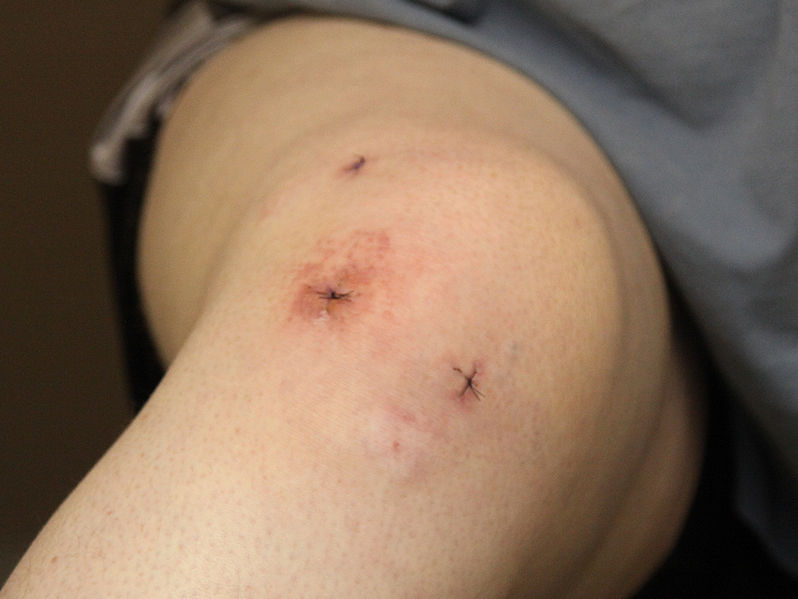
Knee arthroscopies are a type of “keyhole” surgery in which the surgeon makes a small incision in the knee and inserts a tiny camera and instruments to diagnose and repair damaged ligaments or torn meniscus. Many specialists are convinced of the benefits of the surgery.

But when researchers in Denmark and Sweden reviewed 18 studies on arthroscopic knee surgery, they found that half were of poor quality or lacked a placebo control. The other nine studies found that the surgery provided pain relief for up to six months, but without any significant benefit in physical function.

Risks associated with arthroscopic knee surgery, although rare, include deep vein thrombosis (DVT), infection, pulmonary embolism, and death.

"It is difficult to support or justify a procedure with the potential for serious harm, even if it is rare, when that procedure offers patients no more benefit than placebo," argues Professor Andy Carr from Oxford University’s Institute of Musculoskeletal Sciences in an accompanying editorial.

With rates of knee surgery at their current level, Carr says thousands of lives could be saved and DVTs prevented each year if the procedure was discontinued or diminished.

“We may be close to a tipping point where the weight of evidence against arthroscopic knee surgery for pain is enough to overcome concerns about the quality of the studies, confirmation bias, and vested interests. When that point is reached, we should anticipate a swift reversal of established practice,” Carr wrote.

The BMJ study is not the first to question the value of arthroscopic knee surgery.  A 2014 report by a German health organization found the procedure provides no benefit to patients with osteoarthritis, and does not relieve pain any better than physical therapy or over-the-counter pain medications.

Another large study in Australia also questions the value of arthroscopic knee surgery, finding there was no significant benefit for osteoarthritis patients.

The American Medical Society for Sports Medicine (AMSSM) lists arthroscopic knee surgery as one of five procedures that are not always necessary in the Choosing Wisely campaign. The AMSSM advises physicians to avoid recommending knee arthroscopy as a treatment for patients with degenerative meniscal tears.

Depending on insurance, hospital charges and the surgeon, arthroscopic knee surgery costs about $4,000.

Nasal Spray Approved for Migraine in Children

By Pat Anson, Editor

The U.S. Food and Drug Administration has approved a nasal spray for the treatment of migraine in pediatric patients, the second migraine drug the agency has approved in the last month for patients 12 years of age and older.

About one in five teens suffer from migraine, but treatment options for them have been very limited compared to adults.

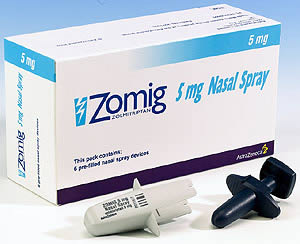
Zomig nasal spray was first approved by the FDA in 2003 for the treatment of migraine in adults. It provides pain relief in as little as 15 minutes, with most patients obtaining some relief in about two hours.

The FDA’s approval came after the agency reviewed safety and efficacy data from clinical trials demonstrating that Zomig was significantly more effective than placebo in relieving headache pain and other migraine symptoms in pediatric patients. It also had a safety profile similar to that in adults.

Zonig is the first prescription nasal spray approved for migraine in children. The most common adverse reaction to Zomig in pediatric patients during clinical trials was an unusual taste.

"Treatment options have been limited for pediatric patients and we are pleased with FDA's decision and look forward to bringing migraine relief to pediatric patients by making Zomig Nasal Spray available to this 'school age' patient population," said Fred Wilkinson, President and CEO of Impax Laboratories, which obtained the U.S. commercial rights to Zomig products from AstraZeneca in 2012. Impax has since lost exclusive rights to Zonig tablets and is focused on the nasal spray.

The recommended starting dose for Zomig in pediatric patients is 2.5 mg. The dosage can be adjusted on an individual basis, but should not exceed 5 mg in a single dose or a maximum daily dose of 10 mg in any 24 hour period.

Last month the FDA approved the migraine drug Treximet for pediatric patients 12 years of age and older.. Treximet is the first approved combination drug for migraine to contain sumatriptan and naproxen, a non-steroidal anti-inflammatory drug (NSAID). Sumatriptan is a triptan that works in the brain by reducing vascular inflammation. 

Like Zomig, Treximet had already been on the market for several years to treat migraine in adults.

Migraine is thought to affect a billion people worldwide and about 36 million adults in the United States, according to the American Migraine Foundation. It affects three times as many women as men. In addition to headache pain and nausea, migraine can also cause vomiting, blurriness or visual disturbances, and sensitivity to light and sound. About half of people living with migraine are undiagnosed.

The month of June is Migraine Awareness Month.

Do You Want More Pain Medication?

By Pat Anson, Editor

The question sounds so simple.

An emergency room doctor asks a patient in pain, “Do you want more pain medication?"

If the patient says “yes,” an intravenous injection of the opioid painkiller hydromorphone is given.

Thirty minutes later, the question is asked again. If the patient is still in pain, another injection is provided -- and another after that and another after that.

In all, up to four injections of hydromorphone are given within four hours if the patient asked for them.

That simple protocol – far different than what many chronic pain patients experience in a hospital emergency room -- resulted in satisfactory pain control in 99 percent of ER patients participating in a new study published in the Annals of Emergency Medicine.

Over 200 patients in acute pain were involved in the study, which was designed to individualize pain treatment at Montefiore Medical Center in the Bronx, NY, one of the busiest emergency rooms in country.

Almost all of the patients were satisfied with their pain treatment: 67 percent reported being very satisfied and 29 percent said they were satisfied. About half asked for just one injection. Only two patients asked for all four injections.

"Our pain protocol is a departure from the more traditional ways of assessing pain relief, which typically use the visual analog scale or the numerical rating scale. Instead, our use of a non-numerical, simple yes/no question offers patients the ability to decide for themselves whether their pain is adequately controlled, said lead author Andrew Chang, MD, of the Department of Emergency Medicine at Montefiore Medical Center.

“We initially had concerns that a protocol in which patients could receive as much as 4 mg hydromorphone simply by requesting it when asked might facilitate drug-seeking behavior. However, we found no evidence to support this concern.”

Patients in chronic pain or those who had used opioids in the past 7 days were excluded from the study because the research only focused on patients in acute, short-term pain.

Readers who posted comments to earlier stories we’ve done about emergency room pain care often express frustration with the treatment they received. Some were denied opioid analgesics. Even one doctor lamented the quality of ER pain care.

“I dread the day when I need to get ER help. Sadly, most of us physicians don't know it all. And, so far as pain care goes, it seems to have become medical care by committee. Caring for patients as individuals seems to have slipped their minds,” wrote Michael.

How have you been treated in emergency rooms?

Should chronic pain patients have been included in this study?

Power of Pain: Take Charge of Your Pain Care

By Barby Ingle, Columnist 

When it comes to living the best life you can, everyone has choices. There are even more choices for those who face a chronic illness. The patient can either let the disease run them or they can sort through the system and take control of their disease.

Coping with a chronic condition takes hope and self-awareness. You can make it through the toughest of situations. I know because if I can do it, anyone can.

Your first goal should be getting a correct diagnosis. If you need to go to multiple providers, take the time to do it to help prevent your health from deteriorating. Each provider has their specialty as well as treatment options with which they are comfortable. But that does not always mean they have the right plan for you or that another option won’t work. If you are not comfortable with the ones offered by your current provider, find a doctor who you trust to try different treatment options.

Getting organized is very important. It will take work in the beginning, but it gets easier as you go. You will save yourself from more pain by being organized in your approach to treating your chronic medical issue.

It can be very aggravating to deal with a kidney stone or torn ligament, but at least there is an end in sight. You can get back to a “normal life” once the stone passes or the bone break heals. Other conditions such as heart failure, diabetes, Lyme disease, multiple sclerosis, Reflex Sympathetic Dystrophy (RSD), arthritis, osteoporosis, and neuropathy can be more of a challenge and usually last a lifetime.

Take charge of your disease instead of letting it rule you. Some doctors, friends, and even family may say, “Just live with it” or “Get used to it.” But you are the one who lives with this chronic condition. You can learn to manage life around the symptoms and problems, without losing yourself.

For the person in pain there is usually a loss in quality of life. This can be due to financial burdens, loss of social support and  depression. Being depressed can result in isolation, loss of self-esteem, and self-worth.

It is important to recognize that we need support as patients. We need positive attitudes and must recognize there will be life changes. Some will be easier, such as changing your diet or beginning a physical therapy routine. Others will be more difficult, such as having to sever ties to a family member or friend who is hindering your recovery. We also need support from our healthcare providers.

Most of all, we need to recognize that we are responsible for ourselves and that successful treatment may result in necessary lifestyle changes that only we can provide to ourselves.

We all deserve to have our pain taken seriously. To have the pain managed instead of under-treated, untreated, or over-treated is an important aspect of successful outcomes. Pain must be managed effectively and in a timely manner. The underlying condition needs to be addressed while the pain is being managed.

Remember, every patient is different and doctors only know what they have been exposed to in their schooling and continuing education classes. For example, if they are a regular attendee at a pain education conference they may skip the class on multiple sclerosis or Lyme disease because they have a greater interest in migraines. As a patient it is up to you to become the chief of staff of your medical team.  Develop a strong team willing to help, learn, and treat you.

Chronic pain is a disease in itself. Our medical system needs to recognize this and change its practices to prevention, instead of just treating the person after they’ve become ill. For example, we should teach children about good posture and body alignment, and have them practice it. This can help them keep the habit throughout adulthood, cutting down on back issues and conditions that lead to the need for chronic care.

We must be mindful to get the proper healthcare professionals on our team. The goal is to receive effective relief, and be able to organize and manage all aspects of life. Finding good healthcare and support systems will lower the number of hospital visits, the amount of time spent in the hospital, unnecessary trips to the emergency room, repeated tests, and inadequate treatments. All of which contribute to the high costs of healthcare. 

Barby Ingle suffers from RSD and endometriosis. Barby is a chronic pain educator, patient advocate, and president of the Power of Pain Foundation. She is also a motivational speaker and best-selling author on pain topics.

More information about Barby can be found at www.barbyingle.com and at www.powerofpain.org.

The information in this column should not be considered as professional medical advice, diagnosis or treatment. It is for informational purposes only and represents the author’s opinions alone. It does not inherently express or reflect the views, opinions and/or positions of Pain News Network.

There is No 'Epidemic' of Painkiller Overdoses

By Ken McKim

There is no "epidemic" of opioid overdoses. If 16,000 deaths in a year is an epidemic, then we really need to focus on the pandemic that is the over 100 million people in the U.S. who suffer from chronic pain.

For example, car crash fatalities in 2013 claimed more lives than opioid overdoses (there were 30,057 fatal motor vehicle crashes in the United States in 2013 in which 32,719 deaths occurred according to IIHS). As this qualifies as an epidemic by some people's twisted logic, I suggest we handle reducing car crash fatalities in the same manner that we regulate the prescribing of painkillers.

Effective immediately, you will have to own your car for two months before you can get a license to drive it. To obtain a driver's license, you must first establish a history with the DMV by visiting them at least two times per month for two months, paying $40 per visit during the two-month period you are waiting to get approved for your license.

Once you have your driver's license, you will only be able to purchase gasoline at particular gas station with a signed fuel-certificate from the DMV, which will allow you to purchase what the DMV thinks is an adequate supply of gas for a 30-day period.

For each new 30-day supply of gasoline you must obtain a new fuel certificate from the DMV, which will require another $40/five-hour appointment at the DMV.

If you try to take your DMV fuel-certificate to a different gas station than you normally use, your fuel-certificate may be refused and your name entered into a national database as someone guilty of "fuel seeking behavior."

Additionally, you will not be able to refill your gas supply after 3PM on Fridays, weekends or holidays. Your gas allotment must last for the full 30-day time-frame specified by the DMV. If you run out of gas before that 30-day period is up, you will not be able to get another fuel-certificate until the 30-day calendar period has ended. So remember, you should not be driving anywhere except to and from work, with possibly a once a week trip to the grocery store.

NOTE: Asking for more than your allotted fuel allowance will also constitute "fuel seeking behavior" and the DMV may choose to no longer see you.

The DMV also reserves the right to randomly smog check your vehicle at any time. If your vehicle fails the smog inspection, your driver's license will immediately be revoked.

NOTE: You must pay the cost of the smog inspection yourself.

I'm sure this will result in an immediate drop in automobile deaths. You're welcome.

This column is republished with permission from Ken McKim’s website, “Don’t Punish Pain.”

Ken began advocating for pain patients when his wife was diagnosed with Crohn’s disease – and he came to realize that the chronically ill were often stigmatized by society. That realization led him to make a 32-minute video called "The Slow Death of Compassion for the Chronically Ill"

Ken has a series of other informative videos on You Tube.