What’s Killing Middle-Aged White Americans?

By Pat Anson, Editor

A quiet epidemic of chronic pain, suicide, alcohol abuse and drug overdoses has killed a “lost generation” of nearly half a million middle aged white Americans in the last 15 years, according to a startling new study by Princeton University researchers.

Using data culled from a variety of sources and reports, researchers found a disturbing increase in the death rate for whites aged 45 to 54. Between 1999 and 2013, the mortality rate for middle aged whites rose by 2% annually, a reversal from previous decades when their death rate declined by an average of 1.8% a year.

The spike in mortality is estimated to have led to the early deaths of 488,500 white Americans, a figure comparable to the number of deaths caused by the AIDS epidemic.

 “This change reversed decades of progress in mortality and was unique to the United States; no other rich country saw a similar turnaround,” researchers Anne Case and Angus Deaton wrote in the study published in the Proceedings of the National Academy of Sciences. “This increase for whites was largely accounted for by increasing death rates from drug and alcohol poisonings, suicide, and chronic liver diseases and cirrhosis.”

No other race or ethnic group saw such an increase in mortality. African-Americans, Hispanics and those aged 65 and older continued to see their mortality rates fall.

The rising death rate for middle-aged whites was accompanied by declines in physical health, mental health and employment, as well as increases in chronic joint pain, neck pain, sciatica and disability.

It also coincided with a sharp increase in the prescribing of opioid pain medication, and seems likely to fuel a chicken and egg debate over which came first.

“The epidemic of pain which the opioids were designed to treat is real enough, although the data here cannot establish whether the increase in opioid use or the increase in pain came first. Both increased rapidly after the mid-1990s. Pain prevalence might have been even higher without the drugs, although long-term opioid use may exacerbate pain for some, and consensus on the effectiveness and risks of long-term opioid use has been hampered by lack of research evidence,” wrote Case and Deaton.

“Pain is also a risk factor for suicide. Increased alcohol abuse and suicides are likely symptoms of the same underlying epidemic, and have increased alongside it, both temporally and spatially.”

“The findings are astonishing, and a testament to the enormous toll opioids are taking in the U.S.,” said David Juurlink, MD, who heads the Division of Clinical Pharmacology and Toxicology at the University of Toronto. “It is very difficult to argue against cause-and-effect here. In my view it is a damning indictment of the widespread use of opioids for chronic pain, and should cause prescribers and patients alike to reflect on the role of these drugs, which have essentially no evidence behind them.”

Juurlink, who is a board member of Physicians for Responsible Opioid Prescribing (PROP), is advising the Centers Disease for Disease Control and Prevention (CDC) about its draft guidelines for the prescribing of opoids. He says it’s no coincidence that deaths in middle-aged whites rose just as opioid prescribing increased.

“It is an unarguable fact that opioids play a causal role in a good many of these deaths. People have drunk alcohol to excess for millenia, and have taken benzodiazepines needlessly for decades. And yet we see a striking surge in poisoning deaths coincident with surging opioid sales,” Juurlink wrote in an email to Pain News Network.

“As for suicide, you can put me on the record as speculating that opioids trigger suicide in some patients, and perhaps quite a high number. I raise this point because it's sometimes asserted that opioids can prevent suicide in patients with chronic pain. There is no evidence that this is true, but there are ample grounds to assert that they might in fact be a component cause.”

Another recent study published in JAMA found that drug overdose deaths associated with opioids nearly doubled in the last decade, rising from 4.5 deaths per 100,000 people in 2003 to 7.8 deaths per 100,000 in 2013.

But others says opioids are the not the cause of rising deaths, but more a symptom of a deeper problem.

“I can tell you absolutely that opioids do not lead this dysfunction.  Abuse, addiction, disability, and suicide are symptoms of a failing healthcare system,” says Terri Lewis, PhD, a rehabilitation specialist and patient advocate. “This population of white Americans has also been largely uninsured or underinsured.  They turn to self medication practices that involve alcohol because that is what is available.  Their acute care is often dependent on emergency room services where there is no continuity or recovery model in place.”

Deaths Hit Least Educated Hardest

The Princeton study found that death rates related to drugs, alcohol and suicides rose for middle-aged whites at all education levels, but the largest increases were seen among those with the least education. For those with a high school degree or less, deaths caused by drug and alcohol poisoning rose fourfold; suicides rose by 81 percent; and deaths caused by liver disease and cirrhosis rose by 50 percent.

“All cause” mortality rose by 22% for this least-educated group. Those with some college education saw little change in overall death rates, and those with a bachelor's degree or higher actually saw death rates decline.

The researchers speculated that financial stress may have played a role in the rising death rate. Median household incomes of whites began falling in the late 1990s, and wage stagnation hit especially hard those with a high school or less education.

“These were folks who were also disproportionately represented in the downturn of the economy and loss of jobs from rural communities,” says Lewis. “When the economy failed, their disability and reduced level of functioning did not allow them to migrate into other locations or jobs – their educational levels and physical limitations simply imposed too much of a barrier.  The loss of employment put many onto the disability roles.” 

The rise in mortality occurred in all regions of the U.S., although suicide rates were marginally higher in the South and West than in the Midwest and Northeast. In each region, death by way of accidental drug and alcohol poisoning rose at twice the rate of suicide.

In all age groups researchers said there were marked increases in deaths related to drug and alcohol poisoning, suicide and chronic liver disease and cirrhosis. The midlife group differed only in that the number of deaths was so large that it changed the direction of their overall mortality.

If that trend is not reversed, researchers warn, there will be an enormous cost to the healthcare system. 

“A serious concern is that those currently in midlife will age into Medicare in worse health than the currently elderly. This is not automatic; if the epidemic is brought under control, its survivors may have a healthy old age. However, addictions are hard to treat and pain is hard to control, so those currently in midlife may be a ‘lost generation’ whose future is less bright than those who preceded them,” they said.


Low Levels of Vitamin D Linked to Fibromyalgia

By Pat Anson, Editor

Some recent studies are highlighting the importance of the "sunshine vitamin" -- Vitamin D -- in maintaining overall health, as well as possible links to fibromyalgia, rheumatoid arthritis and other chronic conditions.

Low levels of serum vitamin D were found in over 1,800 fibromyalgia patients with chronic widespread pain, according to the results of a meta-analysis (a study of studies) published in the journal Pain Physician.

Researchers at National Taiwan University Hospital found a “positive crude association” between chronic widespread pain and hypovitaminosis D, which is caused by poor nutritional intake of Vitamin D, inadequate sunlight exposure or conditions that limit Vitamin D absorption.

The most severe type of hypovitaminosis D causes general body pain, especially in the shoulder, rib cage, lumbar and pelvic regions.

A number of previous studies have explored the association between hypovitaminosis D with widespread musculoskeletal pain, including fibromyalgia, but the results were inconclusive. Fibromyalgia is a poorly understood disorder that is characterized by deep tissue pain, fatigue, depression and insomnia.

According to the Vitamin D Council, low levels of Vitamin D could be the result of fibromyalgia, rather than the cause of the disease.

Vitamin D helps control levels of calcium and phosphate in the blood and is essential for the formation of strong bones and teeth. Vitamin D also modulates cell growth, improves neuromuscular and immune function, and reduces inflammation

Sources of Vitamin D include oily fish and eggs, but it can be difficult to get enough through diet alone. Ultraviolet rays in sunlight are a principal source of Vitamin D for most people.

sunlight.jpg

Taking Vitamin D supplements can improve exercise performance and lower the risk of heart disease, according to the findings of a small study at Queen Margaret University in Scotland presented at the Society for Endocrinology annual conference in Edinburgh.

Researchers gave 13 healthy adults Vitamin D supplements or a placebo daily for a period of two weeks.

The adults supplemented with Vitamin D had lower blood pressure compared to those given a placebo, as well as lower levels of the stress hormone cortisol in their urine. Previous studies suggest that Vitamin D can block the action of an enzyme which is needed to make cortisol.

A fitness test found that the group taking vitamin D could cycle 6.5km (about 4 miles) in 20 minutes, compared to just 5km at the start of the experiment. Despite cycling 30% further, the Vitamin D group showed lower signs of physical exertion.

"Our pilot study suggests that taking vitamin D supplements can improve fitness levels and lower cardiovascular risk factors such as blood pressure", said Dr. Raquel Revuelta Iniesta, co-author of the study. "Our next step is to perform a larger clinical trial for a longer period of time in both healthy individuals and large groups of athletes such as cyclists or long-distance runners.”

Around 10 million people in England have low vitamin D levels. On average, one in ten adults has low levels of vitamin D in summer, compared to two in five in winter. Because people with darker skin are less efficient at using sunlight to make vitamin D, up to three out of four adults with dark skin are deficient in winter.

"Vitamin D deficiency is a silent syndrome linked to insulin resistance, diabetes, rheumatoid, and a higher risk for certain cancers,” said lead author Dr. Emad Al-Dujaili. "Our study adds to the body of evidence showing the importance of tackling this widespread problem.”

Danish researchers recently reported that exposure to sunlight may delay the onset of multiple sclerosis (MS). Patients who spent time in the sun every day during the summer as teenagers developed the disease later in life than those who spent their summers indoors.

Therapy Helps Chronic Pain Sufferers Sleep

By Pat Anson, Editor

British researchers say cognitive behavioral therapy can effectively treat insomnia in chronic pain patients – reducing their pain, fatigue and depression. But the therapy works best when delivered in person.

Cognitive behavioral therapy (CBT) is a form of psychotherapy, in which a therapist works with a patient to reduce unhelpful thinking and behavior. Poor sleep habits and insomnia have long been known to aggravate chronic pain conditions.

Researchers at the University of Warwick analyzed 72 studies involving over 1,000 patients who suffered from insomnia and chronic pain, and found that CBT was “moderately or strongly effective” in treating insomnia. The study has been published in the journal Sleep.

"This study is particularly important because the use of drugs to treat insomnia is not recommended over a long period of time, therefore the condition needs to be addressed using a non-pharmacological treatment,” said lead researcher Dr. Nicole Tang of the University of Warwick’s Department of Psychology.

"Poor sleep is a potential cause of ill health and previous studies suggest it can lead to obesity, diabetes, stroke, coronary heart disease - even death. Insomnia can also increase the risk of depression, anxiety and substance misuse. It is also a major problem for those suffering pain that lasts longer than three to six months and that is why we looked at this group.”

The most popular CBT strategies included education about good sleeping habits, such as a regular sleeping patterns and avoiding stimulus before going to bed.

Researchers found there was a mild to moderate decrease in pain immediately after therapy, as well as a decrease in depression. But CBT was not as effective when delivered electronically - either over the phone or via the Internet.

"We found little evidence that using therapies delivered either by phone or computer benefitted insomniacs. The jury is still out on the effectiveness of using automated sleep treatments. We found that, at the moment at least, delivering therapies personally had the most positive effect on sleeplessness," said Tang.

Several previous studies have found that getting a good night’s sleep helps reduce sensitivity to pain.

Researchers in Norway measured pain sensitivity in more than 10,000 adults and found a strong link between pain and insomnia. Patients with severe insomnia and chronic pain were twice as likely to pull their hands out of cold water early – a standard test to measure pain – than people who had neither condition.

A small 2012 study at Wayne State University found that people who had 10 hours of sleep a night had less sensitivity to pain in a heat test.

Heroin: The Coming Tsunami

By Percy Menzies, Guest Columnist

The unintended consequences of legalization of marijuana in several states, coupled with the political unrest in the Afghanistan, Pakistan and Burma, are combining to create a heroin epidemic of a magnitude that has never before been seen in the United States.

Non-medical use of marijuana is legal in Colorado and Washington, and medical use of the drug is legal in 23 states. States are developing plans to grow marijuana in their respective counties to meet the expected demand for medicinal marijuana.

With the availability of legal marijuana growing nationwide, demand for Mexican marijuana is drying up. So, Mexican farmers are switching to opium, the easy-to-grow crop that is used to produce heroin.

More Mexican heroin is being smuggled every year into the United States, hidden in vehicles or carried across the border in backpacks. The number of heroin seizures along the southwest border has quadrupled since 2008, according to the Drug Enforcement Agency.

As the supply increases, heroin is becoming cheaper and more available than ever before.

Exacerbating the problem is that Afghanistan and Burma, which together produce 90 percent of the world's heroin supply, have borders that are insecure, making smuggling into Iran, India, China, Thailand, Pakistan, the former Soviet Republics and Russia relatively easy.

With the availability of legal marijuana growing nationwide, demand for Mexican marijuana is drying up. So, Mexican farmers are switching to opium, the easy-to-grow crop that is used to produce heroin.

More Mexican heroin is being smuggled every year into the United States, hidden in vehicles or carried across the border in backpacks. The number of heroin seizures along the southwest border has quadrupled since 2008, according to the Drug Enforcement Agency.

As the supply increases, heroin is becoming cheaper and more available than ever before.

Exacerbating the problem is that Afghanistan and Burma, which together produce 90 percent of the world's heroin supply, have borders that are insecure, making smuggling into Iran, India, China, Thailand, Pakistan, the former Soviet Republics and Russia relatively easy.

As a result, there are 1.6 million heroin addicts in Afghanistan, which translates to 5.3 percent of the population – one of the highest heroin addiction rates in the world. There are 1.8 million heroin addicts in Pakistan. Heroin is so ubiquitous in parts of Afghanistan and Pakistan that it is easier to find than life-saving medications.

Burma's Shan State is its main area for heroin production, and it is regaining its notoriety as part of the Golden Triangle. The heroin is smuggled from Burma primarily into three countries, China, India and Thailand.

Drug traffickers are becoming bolder, and rather than relying on land routes, they are increasingly shipping heroin through sea routes to lightly patrolled coasts in African, where it is then distributed to Europe, and eventually North America.

During the past 18 months, the Combined Maritime Forces, a partnership of 30 seafaring nations including the U.S., Canada and Saudi Arabia, has seized 4,200 kilograms of heroin traveling on that route, according to the Wall Street Journal.

It is simple economics: as supply goes up, price goes down. As price goes down, use goes up.

Heroin use in the United States has already reached a new high since people addicted to prescription opiates switch to heroin because it's so much cheaper. Street prices range from $5 to $10 for one button of heroin, good for one use, compared to $50 or more for one tablet of a prescription opiate.

Heroin addiction has been growing steadily in the United States for more than a decade, and overdose deaths more than doubled from 2010 to 2012, according to the Centers for Disease Control and Prevention report released in October.

The U.S. is unprepared for the coming tsunami. We were caught unprepared for the “man-made” addiction to prescription pain medications. Heroin quickly became the “generic” version for the prescription opioids and may well become the primary drug of choice.

The treatment of opioid addiction is further complicated by the fact that the two most widely used medications to treat opioid addiction, methadone and buprenorphine, are abusable and their use is restricted. The widespread use of buprenorphine has inadvertently contributed to increased addiction.

We have a lot of work to do, especially in the area of prevention and offering evidence-based treatment programs. It's not going to be enough to just expand needle exchange programs and distribute Narcan (naloxone) kits that can reverse opioid overdoses. Few patients, policymakers, medical and law enforcement professionals are aware of treatment options, especially the class of non-addicting medications like naltrexone (a drug closely related to naloxone) that protect patients from relapsing.

We need to aggressively combat this problem by educating people on the danger of heroin addiction and by offering viable treatments options for those addicted to heroin.

Percy Menzies is the president of the Assisted Recovery Centers of America, a treatment center based in St Louis, Missouri.

He can be reached at: percymenzies@arcamidwest.com

The information in this column should not be considered as professional medical advice, diagnosis or treatment. It is for informational purposes only and represents the author’s opinions alone. It does not inherently express or reflect the views, opinions and/or positions of Pain News Network.

Study Finds ‘Notable Downturn’ in Opioid Abuse

By Pat Anson, Editor

A “notable downturn” in the abuse of opioid pain medication in the United States is being overshadowed by a sharp rise in heroin use, according to a large new study outlined in a letter to the New England Journal of Medicine.

In the nationwide study of over 15,000 patients being treated for addiction, the number of addicts who abused opioids alone fell from 70% in 2010 to less than 50% in 2014.

At the same time, however, researchers at Washington University School of Medicine in St. Louis found that many addicts were using heroin and opioids concurrently. Forty-two percent said they had taken heroin and prescription opioids within a month of entering treatment, up from nearly 24 percent in 2008.

"We see very few people transition completely from prescription opioids to heroin; rather, they use both drugs," said lead author Theodore J. Cicero, PhD. "There's not a total transition to heroin, I think, because of concerns about becoming a stereotypical drug addict."

The use of heroin alone – although still relatively low -- more than doubled from 2008 to 2014, from 4.3% to 9% of the addicts under treatment.

Heroin has spread beyond inner cities into suburban and rural areas, according to Cicero. His research also found regional variations in the use of heroin and prescription opioids.

"On the East and West coasts, combined heroin and prescription drug use has surpassed the exclusive use of prescription opioids," Cicero said. “This trend is less apparent in the Midwest, and in the Deep South, (where) we saw a persistent use of prescription drugs -- but not much heroin.”

The study did not make clear how many of the addicts were legitimate pain patients who took opioids to relieve their pain or whether they were recreational users who started taking opioids to get high.

Cicero says a crackdown on "pill mills" and doctors overprescribing opioids has made it harder to get the drugs. For those who are addicted, heroin has become the new drug of choice.

"If users can't get a prescription drug, they might take whatever else is there, and if that's heroin, they use heroin," he said.

Heroin is more accessible and cheaper today, said Percy Menzies, president of Assisted Recovery Centers of America, which operates four addiction treatment clinics in the St. Louis area.

“Political events triggered the present heroin problem. 90% of the world's heroin comes from just three countries - Afghanistan, Burma and Mexico. The Afghan and Burmese heroin was a perfect cash crop for insurgency groups and the heroin addiction spread rapidly in countries bordering Afghanistan and Burma. Mexico is a bigger problem for us because farmers in that country have switched to growing the poppy,” said Menzies in an email to Pain News Network.

Opioids aren’t the only “gateway” drug to heroin, according to Menzies. He believes the increasing use of buprenorphine (Suboxone) to treat addiction is fueling the heroin epidemic because addicts have found they can use the drug to ease systems of withdrawal.

“We are seeing more and more patients getting exposed to heroin and it is going to get worse. Sadly, the heroin addiction is being sustained by buprenorphine preparations,” Menzies said.

Menzies has more to say about buprenorphine, marijuana legalization, and "the coming tsunami" in heroin use in this guest column.

Study Finds Doctors Order Too Many Imaging Tests

By Pat Anson, Editor

Doctors are still ordering too many imaging tests for low back pain and headache, according to an early study of the effectiveness of the Choosing Wisely campaign, a national effort to reduce the number of unnecessary medical treatments and procedures.

In an analysis of seven clinical services with questionable benefit to patients, published in JAMA Internal Medicine, researchers found that the use of five procedures either increased or stayed the same; while there were only slight declines in the use of two others.

CT and MRI imaging tests for simple headache decreased from 14.9 percent to 13.4 percent, while cardiac imaging for patients with no history of heart problems dropped from 10.8 percent to 9.7 percent.

The prescribing of nonsteroidal anti-inflammatory drugs (NSAIDs) increased from 14.4% to 16.2% for hypertension, heart failure or chronic kidney disease. Testing for human papillomavirus (HPV) in young women also rose, from 4.8% to 6%.

Imaging tests for low back pain (53.7%), pre-operative chest x-rays (91.5%), and antibiotics for sinusitis (91.5%) remained stubbornly high.

The study was based on a database of insurance claims from 2013 for about 25 million members of Blue Cross and Blue Shield health plans.

“It remains an open question whether clinicians or consumers at large are aware of specific Choosing Wisely recommendations or have changed their attitude toward unnecessary tests and procedures,” wrote Ralph Gonzalez, MD, in a commentary published in JAMA Internal Medicine.

“In a fee-for services system, most delivery systems continue to get paid for tests and drugs. Payers are able to pass on these costs to employers and patients, creating a vicious cycle.”

The Choosing Wisely campaign was launched in 2012 by the ABIM Foundation (American Board of Internal Medicine) with the goal of reducing waste and unnecessary medical tests and treatments. It has grown to include a list of hundreds of frequently used procedures that have little value or may, in fact, be risky.

“Most people with lower-back pain feel better in about a month whether they get an imaging test or not. In fact, those tests can lead to additional procedures that complicate recovery,” Choosing Wisely states on its website.

“A study that looked at 1,800 people with back pain found that those who had imaging tests soon after reporting the problem fared no better and sometimes did worse than people who took simple steps like applying heat, staying active, and taking an OTC pain reliever. Another study found that back-pain sufferers who had an MRI in the first month were eight times more likely to have surgery, and had a five-fold increase in medical expenses.”

The Choosing Wisely campaign also discourages doctors from performing epidural steroid injections if a patient doesn’t show signs of improvement after one injection. A number of prominent pain doctors have told Pain News Network the shots are overused, with some patients getting dozens of injections.  

New Setback for Medical Marijuana Spray

By Pat Anson, Editor

A British drug maker has announced more disappointing results from clinical studies on the use of a medical marijuana spray to treat cancer pain.

GW Pharmaceuticals (NASDAQ: GWPH) said results from two new Phase III studies showed that its Sativex oral spray worked no better than a placebo in treating cancer pain. That was the same finding the company reported in January from an earlier study involving nearly 400 patients in the United States, Mexico and Europe.

However, patients in the U.S. did show “statistically significant improvement” in their pain levels when Sativex was taken along with an opioid pain medication. GW and its partner, Otuska Pharmaceutical, have requested a meeting with the U.S. Food and Drug Administration to explain that finding. Sativex is getting a “fast track” review from the agency as a treatment for cancer pain.

"In light of the missed primary endpoint in the first trial earlier this year, these additional results are not a surprise. Nevertheless, we are encouraged by data across the trials which consistently show positive outcomes for U.S. patients when analysed as a separate cohort," said Justin Gover, GW's Chief Executive Officer.

image courtesy of gw pharmaceuticals

image courtesy of gw pharmaceuticals

"We believe that this finding may provide important guidance in determining the optimal target patient population for Sativex and look forward to a discussion with the FDA on a potential path forward."

Sativex is composed primarily of two cannabinoids, CBD and THC, which are administered in an oral spray. Sativex is already being sold in Europe, Canada and Mexico to treat muscle tightness and contractions caused by multiple sclerosis. Canada also allows Sativex to be used for the treatment of neuropathic pain and advanced cancer pain.

The spray is not currently approved for use in the U.S. for any condition. It is estimated that over 400,000 cancer patients in the U.S. suffer from pain that is not well controlled by opioid pain medications.

"While the results overall have been disappointing, and not necessarily wholly consistent with clinical experience, nonetheless they suggest that Sativex may have a useful role in the treatment of certain subgroups of patients with advanced cancer pain who have exhausted opioid treatments," stated Dr. Marie Fallon, Professor of Palliative Care, University of Edinburgh and a principal investigator in the Phase III program.

"In particular, the U.S. patients enrolled in this program showed a useful therapeutic benefit whereas results in European patients were generally not favorable. These U.S. patients were less frail, hence the Sativex intervention was subjected to less ‘noise,’ providing clearer results and valuable guidance in determining the optimal target patient population for Sativex. This is a patient population with a significant unmet need and I believe that this important observation for Sativex warrants further investigation."

Cancer patients in all three studies were given Sativex or a placebo spray 3-to-10 times a day over a 5-week period. Patients remained on opioid therapy during the studies. Sativex was well tolerated, with the only side effects in some patients being dizziness and somnolence.

GW is developing other cannabis-based medicines to treat epilepsy, glioma, ulcerative colitis, type-2 diabetes, and schizophrenia.

Wear, Tear & Care: Emotional Insight App

By J.W. Kain, Columnist

Biofeedback is probably the closest thing to having actual superpowers. To quote the Mayo Clinic, it’s “a technique you can use to learn to control your body’s functions, such as your heart rate” by using electrical sensors to "receive information (feedback) about your body (bio).”

In theory, this can help you learn to control things like muscle relaxation, which often helps to lessen pain.

What if you want to go deeper than that, though?

In my own experience as a chronic pain patient, I’ve come to realize that much of pain -- or rather, the compounding of pain -- is emotionally derived. It can be stress from work, an argument with a spouse, dreading a rent payment, or anything else that thrills against your nerves. How does one separate the emotional aspect of pain from the physical? How do you know when you’re being your own worst enemy?

You look inward.

Somehow my father stumbled across the Emotional Insight app and sent it my way. I was very curious, as it seemed comparable to biofeedback. But how did it work without wires and electrical sensors? The price tag surprised me -- $49.95 for the app -- and so I reached out to the makers of the program, Possibility Wave, to ask if I could take it for a test drive.

Soon enough I found myself Skypeing with the delightful Garnet Dupuis, one of the founders of Possibility Wave and the creator of the app. He hails from Canada but now lives in Thailand with his wife, and I could hear the sounds of the jungle when we spoke. Suffice it to say he is a cool guy.

When processing experiences, Mr. Dupuis said, “It’s helpful to say it to somebody. A person begins a process of self-reflection even just by talking into a mirror.”

When asked how this relates to the app, Dupuis told me that it does exactly what it says on the tin: It provides emotional insight. “Something about declaration” helps people come to terms with things, he says.

In other words, just talk it out.

Clients have reported as much progress and growth in two to three app sessions as they would achieve in one to two years of actual therapy. As Dupuis says, “these are like quick spiritual experiences.” He calls Emotional Insight a form of “neurofeedback,” which made more sense to me; when I played with the app, I found it had nothing to do with the body and everything to do with the mind. Even so, “it’s a little bit like exercise,” Dupuis said -- as in, the more you work at it, the more you can discover about yourself.

This app is all about sharing information. Technically speaking, improvements could be made; there is so much data that at times the app freezes, and talking out loud can be impractical. That is when I realized this app was not made to be used on a train while traveling somewhere or while standing in line at the bank. This is literally a pocket therapist, but the therapist is the user.

It surprised me constantly, like a shrewd psychic, but in reality I was only talking with myself. Not only does it make you type out a problem, but it makes you repeat it aloud. This irritated me until I realized that I was resisting saying it out loud, because somehow, saying it out loud is harder.

When you open the app, you have three choices in terms of sessions. I chose “Spontaneous Insight.” You are prompted to speak aloud and identify the issue you want to explore.

This is when it becomes stranger. The voice analysis program does not pick up words you say; rather, it picks up the tones in which they were said and matches it to certain emotional responses. So if I say, “I regret the loss of the person I used to be,” it brings back three “clues” regarding the emotions behind my speech: longing, gladness, uneasiness.

The app brought up the fact that I am a workaholic. Considering I have a full-time job and still do things on the side, I would say that’s accurate. It told me to compose an “I” sentence with one of those clues. Somehow I came up with: “I’m glad my pain is getting worse because I’m a workaholic.” What? I am in no way glad about having pain, but I also know that I will run and run and run like the Energizer Bunny until I die, because I refuse to let my pain dictate my life.

By insisting that I don’t need help and that I can function like other people, I am making myself worse. It will take an outside force to make me stop. I have to admit to myself that I am not like other people anymore. I can’t do everything that I used to do. I have to mourn that loss and begin again.

Then the app essentially asks: “What are you going to do about it?”

I was squirming now, uncomfortable with what I was saying. “I need to stop working so hard in order to deal with my pain.”

The app then plays Sonic Signatures and the Crystalline Strategy, which I honestly do not understand. They are coded sound signatures that represent certain remedies, and you are supposed to listen to them a few times each day in order to reinforce what you have learned. It sounds like a whole store full of wind chimes and the signals of a lost radio station. There is a YouTube video that explains these “sound drops” (like herbal tinctures for your ears, if you will).

“The app never tells you what to do,” Mr. Dupuis said to me in our Skype chat. “It guides you, but you have to declare it to yourself.” That being said, the app is as enlightening an experience as you make it. For me, it brought up several things I have been avoiding; it was a strange experience, because I like to think that I face my problems directly. However, I learned that this is very far from the truth. 

Mr. Dupuis was intrigued that I am a columnist for a pain-related publication and that I wanted to use the app in this way. “Everybody hurts in one way or another,” he said.

Pain can compound for a variety of reasons. This app is a way for people to face what is haunting them, whatever that ghost might be.

J. W. Kain is an attorney in the Greater Boston area who also works as a writer and editor in her spare time.  She has chronic back and neck pain after two car accidents.

You can read more about J.W. on her blog, Wear, Tear, & Care.  

The information in this column should not be considered as professional medical advice, diagnosis or treatment. It is for informational purposes only and represents the author’s opinions alone. It does not inherently express or reflect the views, opinions and/or positions of Pain News Network.

FDA Approves New Opioid Film Patch

By Pat Anson, Editor

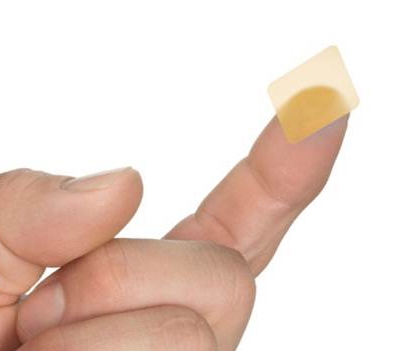
The U.S. Food and Drug Administration has approved a new delivery system for the treatment of chronic pain – the first of its kind to use an oral film patch containing buprenorphine.

The film patch – which will be sold under the brand name Belbuca -- was jointly developed by Endo International (NASDAQ: ENDP) and BioDelivery Sciences (NASDAQ: BDSI). It’s expected to become available early next year.

image courtesy biodelivery sciences

image courtesy biodelivery sciences

Belbuca is designed to dissolve in the mouth, delivering buprenorphine through the inside lining of the cheek and into the bloodstream faster than conventional pills or skin patches. Buprenorphine is a weaker acting opioid that has long been used to treat both addiction and chronic pain.

“Belbuca provides a unique approach for chronic pain management, combining the proven efficacy and established safety of buprenorphine with a novel buccal film delivery system that adds convenience and flexibility," said Richard Rauck, MD, Director of Carolinas Pain Institute in Winston Salem, NC.

"For both opioid-naïve and opioid-experienced patients who require around-the-clock treatment and for whom alternative treatment options are inadequate, Belbuca offers appropriate, consistent pain relief and a low incidence of typical opioid-like side effects.”

Because the film delivers buprenorphine into the bloodstream faster than conventional methods, lower doses are needed to treat pain. Belbuca will be available in seven different dosage strengths, allowing for flexible dosing every 12 hours.

FDA approval of Belbuca was based on two Phase III studies involving over 1,500 patients with moderate to severe chronic low back pain. Patients who used Belbuca reported “statistically significant improvement” in pain relief over a 12-week period, compared to a placebo. The most common adverse reactions to Belbuca were nausea, constipation, headache, vomiting, fatigue, dizziness, somnolence, diarrhea, dry mouth, and upper respiratory tract infection.

Buprenorphine is a Schedule III controlled substance, which means it has a lower abuse potential than many other opioids. It may also be easier to get a prescription for than Schedule II drugs such as hydrocodone.

“If you’re going to use an opioid, I think based on its classification, Belbuca really does offer some significant benefits,” said Dr. Mark Sirgo, President and CEO of BioDeliversy Sciences.

“There are two areas this product will be used for. Those that are stepping up from a Motrin-like drug, a non-steroidal anti-inflammatory, that no longer controls their chronic pain. Those are good candidates for Belbuca. And in those that may already be on a Schedule II product such as Vicodon, one of the oxycodone products or morphine products, where a physician may feel more comfortable using a buprenorphine product than a Schedule II opioid."

Sirgo says Belbuca is also less likely to abused than a pill, because the film patches are difficult to grind or liquefy for snorting or injecting.

PROP Founder Calls Opioids ‘Heroin Pills’

By Pat Anson, Editor

The founder of an advocacy group that seeks to reduce the prescribing of opioid pain medication is calling the drugs “heroin pills” and says patients may not be able to trust doctors who prescribe them.

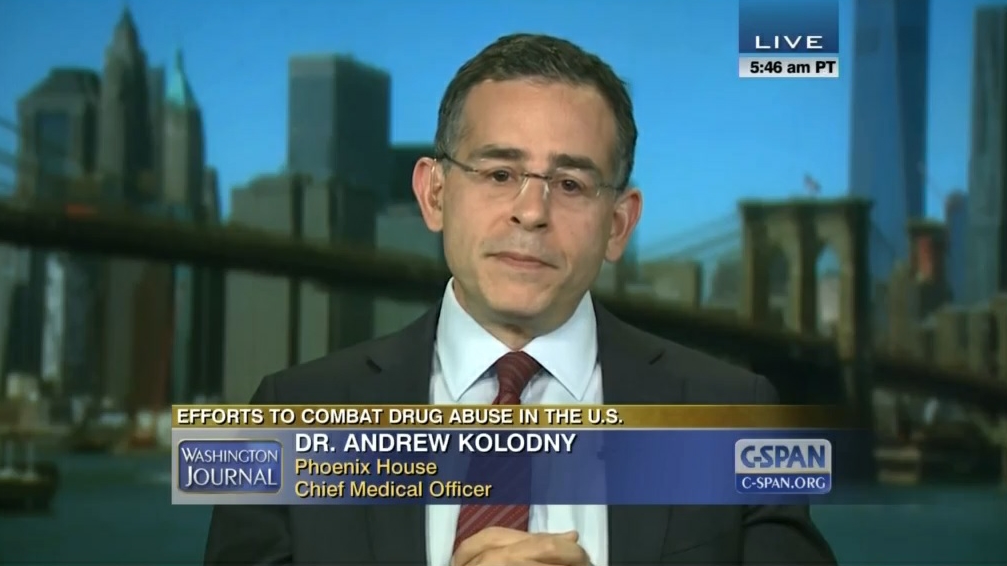
Andrew Kolodny, MD, Executive Director of Physicians for Responsible Opioid Prescribing, appeared on C-SPAN this weekend to speak about the Obama administration’s efforts to combat prescription drug abuse and the increasing use of heroin. He also answered calls from viewers, including one woman who recently started taking a pain medication for arthritis and was worried about becoming addicted.

“In general, if someone’s calling me and asking me about this medication, as a physician my inclination would be to tell you to listen to your doctor and to trust your doctor,” Kolodny told the woman.

“Unfortunately when it comes to opioids, we’re in a situation where many of the prescribers have very bad information about these drugs, they’re really underestimating how addictive and how risky they are and overestimating how helpful they can be.  So I wish I could tell you that you should trust your doctor and talk to your doctor about this, but that may not be the case. This is a really difficult situation. We have doctors even prescribing to teenagers and parents not recognizing that the doctor has just essentially prescribed the teenager the equivalent of a heroin pill.”

Kolodny also compared opioid pain medication to heroin during an addiction conference Friday at the University of Richmond.

“When we talk about opioid painkillers we are essentially talking about heroin pills,” Kolodny said, according to a story in the Richmond Times Dispatch.

He told the conference opioids were “very important medications” to ease suffering at the end of life or after major surgery, but were often not appropriate for chronic pain.

“The bulk of the U.S. opioid consumption is not for end-of-life care or acute pain. The bulk is for common chronic conditions where leading experts who study them say opioids are more likely to harm patients than help them.”

On C-SPAN, Kolodny said many patients taking opioids for chronic pain mistakenly believe the drugs are helping them, when “the vast majority of them are not doing well.”

“What may be happening for many of them is that the opioid is actually treating withdrawal pain. They may not really be getting pain relief when you’re on a consistent dose over a very long period of time,” Kolodny said.

Kolodny and Physicians for Responsible Opioid Prescribing (PROP) are drawing new attention because of a significant role the organization appears to be playing in the drafting of opioid prescribing guidelines by the Centers for Disease Control and Prevention (CDC). As Pain News Network has reported, at least five PROP board members, including Kolodny, are on CDC advisory panels that are developing the guidelines. A link to PROP literature recommending “cautious, evidence-based opioid prescribing” can also be found -- unedited -- on the CDC’s website.

PROP President Jane Ballantyne, MD, and Vice-President Gary Franklin, MD, are both members of the CDC’s Core Expert Group, and board member David Tauben, MD, is on the CDC’s peer review panel. All three were heavily involved in developing restrictive opioid prescribing guidelines in Washington state.

Kolodny and PROP board member David Juurlink, MD, are members of a “Stakeholder Review Group” that is also providing input on the CDC guidelines.

Those guidelines recommend that “non-pharmacological therapy” and non-opioid pain relievers be used to treat chronic pain. Lower doses and quantities of opioids are recommended for acute pain. A complete list of the guidelines can be found here.

The CDC is currently revising the guidelines to meet a January deadline, using "rapid reviews" of clinical evidence “to address an urgent public health need.” The agency blames opioid pain medication for the overdose deaths of over 16,000 Americans annually.

Many pain patients are worried they won’t be able to obtain opioids if the guidelines are adopted. In an online survey of over 2,000 patients by Pain News Network and the Power of Pain Foundation, 95 percent said the guidelines and other government regulations discriminate against them. Most patients also said non-opioid pain relievers didn’t work for them and that their insurance usually didn’t cover therapies like acupuncture, massage and chiropractic care.  

In a conference call last week with stakeholders, CDC officials said the guidelines are being modified to emphasize that they are mostly intended for new patients and that patients currently taking opioids will still have access to the drugs.

“We do need a better answer for these 10 to 12 million Americans who are already on opioids,” Kolodny said on C-SPAN. “We’ll need a compassionate way of helping that population. I think what might be a little easier to do is to prevent what I would call ‘new starts.’ We need to get the medical community to understand that for most patients with chronic pain, long term opioids may not be safe or effective. And let’s avoid getting patients stuck on these medications, medications that are highly addictive.”

Kolodny said existing patients should have easier access to addiction treatment.

“One of the most effective medications for opioid addiction is a drug called buprenorphine or Suboxone,” said Kolodny, who is chief medical officer for Phoenix House, a non-profit that operates addiction treatment clinics.

“Unfortunately there are federal limits on the number of patients a doctor can treat with this medicine. And what we’re seeing is in parts of the country, like West Virginia and Appalachia, and in communities that have been hit very hard, you have doctors who have maxed out on the number of patients they can treat, which is a maximum of one hundred. And there are patients on waiting lists for this medication who are actually dying of overdoses while waiting on this list to be able to get buprenorphine.”

Ironically, buprenorphine is an opioid that is used to treat both addiction and pain. Although praised by Kolodny and other addiction specialists as a tool to wean addicts off opioids, some are fearful the drug is overprescribed and misused. Many addicts have learned they can use buprenorphine to ease their withdrawal symptoms and some consider it more valuable than heroin as a street drug.

Over three million Americans with opioid addiction have been treated with buprenorphine.  According to one estimate, about half of the buprenorphine obtained through legitimate prescriptions is either being diverted or used illicitly.

Researchers Say Chronic Pain Changes Brain Chemistry

By Pat Anson, Editor

A new study by UK researchers raises an intriguing question: Does chronic pain change brain chemistry and make pain more tolerable?

The answer is yes, according to a small study at the University of Manchester. Researchers there used Positron Emission Tomography imaging (PET scans) to measure the spread of opioid receptors in the brains of 17 arthritis sufferers and nine healthy control subjects

When they applied heat to the skin of study participants to induce pain, researchers found that the more opioid receptors they had, the higher their ability was to withstand pain. The number of opioid receptors was highest in arthritis sufferers, suggesting their brain chemistry had changed in response to chronic pain.

"As far as we are aware, this is the first time that these changes have been associated with increased resilience to pain and shown to be adaptive,” said Dr. Christopher Brown. "Although the mechanisms of these adaptive changes are unknown, if we can understand how we can enhance them, we may find ways of naturally increasing resilience to pain without the side effects associated with many pain killing drugs."

image courtesy of university of manchester

image courtesy of university of manchester

It’s been known for a long time that we have receptors in our brains that respond to natural endogenous opioids such as endorphins. Those same receptors also respond to opioid pain medications.

Some people seem to cope better with pain than others, and knowing more about their resilience and coping mechanisms may lead to the development of new ways of treating pain.

"This is very exciting because it changes the way we think about chronic pain,” said Anthony Jones, a professor and director of the Manchester Pain Consortium. "There is generally a rather negative and fatalistic view of chronic pain. This study shows that although the group as a whole are more physiologically vulnerable, the whole pain system is very flexible and that individuals can adaptively upregulate their resilience to pain.

"It may be that some simple interventions can further enhance this natural process, and designing smart molecules or simple non-drug interventions to do a similar thing is potentially attractive."

Researchers at Stanford University in California have also been studying this subject, trying to learn why some chronic pain sufferers are more resilient to pain.

I think this study emphasizes some very important points about pain resilience,” said Dr. Drew Sturgeon, a fellow in the Stanford University Pain Management Center and Stanford Systems Neuroscience and Pain Laboratory. “If you think about chronic pain as something that poses a constant challenge and requires frequent adaptation, it makes sense that we would see changes in the brain that correspond with this process.  We see it frequently from a psychological standpoint, where people are able to learn and develop better strategies for coping with pain and reduce their fear and negative thoughts about pain after dealing with it for a while.”

Sturgeon and his colleagues say resilience may also stem from an enhanced ability to enjoy the rewarding parts of life – which makes it easier to cope with pain.  

“The idea would be that if a person had more opioid receptors available they would be more sensitive to the good stuff in life, and therefore more motivated by pleasurable experiences, such as spending time with friends, exercising -- rewards that get us back on the road to living a meaningful life,” said Beth Darnall, PhD, a pain psychologist, clinical associate professor at Stanford University and author of Less Pain, Fewer Pills.

“Theoretically, people who are known to be resilient probably have more endogenous opioids -- or they have made choices in life to optimize their experience of endogenous opioids and therefore have honed an internal reward system.”

Whatever the cause of resilience, many patients hope further studies will uncover new ways of treating pain.

"As a patient who suffers chronic pain from osteoarthritis, I am extremely interested in this research. I feel I have developed coping mechanisms to deal with my pain over the years, yet still have to take opioid medication to relieve my symptoms,” said Val Derbyshire. “The notion of enhancing the natural opiates in the brain, such as endorphins, as a response to pain, seems to me to be infinitely preferable to long term medication with opiate drugs.”

The University of Manchester study is being published in Pain, the official journal of the International Association of the Study of Pain.

Power of Pain: NERVEmber

By Barby Ingle, Columnist  

In a few short days Nerve Pain Awareness month begins – a global movement known in the pain community as NERVEmber.

I began the NERVEmber project in 2009 as a way to bring more attention to chronic nerve pain conditions such as Reflex Sympathetic Dystrophy (RSD/CRPS) and diabetic neuropathy. The term NERVEmber is derived from the burning pain people with neuropathy feel, combined with the month of November. 

The Power of Pain Foundation hosts the official NERVEmber project events each year. Since its inception, tens of thousands of nerve pain patients and organizations have signed on to help promote NERVEmber and bring awareness to the 150 plus conditions that have nerve pain as a symptom.  

The color orange is the international color for chronic pain awareness, which also fits right in with the fall colors we typically see.

Our largest spotlight throughout the month shines on RSD, which is one of the most painful conditions known to mankind. Yet, like many chronic pain conditions, RSD is misunderstood, mistreated and often misdiagnosed. 

Each day during the month of NERVEmber the Power of Pain Foundation will present an awareness task that we can all participate in. This year we are also giving away over $1,000 in prizes -- available to anyone who registers to participate and uses special hashtags on social media, completes daily tasks, and hosts or attends an event. The more you participate in official NERVEmber events, the more chances you have to win!

You can bring more awareness to conditions like RSD, CRPS and diabetes by posting every day in NERVEmber using social media tags on your posts such as @powerofpain and #PaintTheWorldOrange. Using these tags will earn participants chances to win some great prizes.

The Power of Pain Foundation and the #NERVEmber project is also supporting the #CRPSdayofaction, #RSDdayofaction, @theproject3x5’s, #OrangeInitiative,  #ColorTheWorldOrange, and #ColourTheWorldOrange. 

Official events include tasks shared on social media, wearing t-shirts, Paint the World Orange, and educational series.

The daily calendar of events are available here on the NERVEmber webpage.

One of our newest additions to the project is #painPOP. We are asking people to get involved by popping a balloon and challenging others to do the same or make a donation to help the Power of Pain Foundation continue our education, awareness and access to care programs.

We are asking participants to text, post or say something similar to, “I have the NERVE to be HEARD!"

We will also be posting educational videos on YouTube and our website. Watching videos and commenting on them gives participants more ways to win great prizes. For #PaintTheWorldOrange, we ask participants to post their #NERVEmber pictures on social media and to share your pics as you #PaintTheWorldOrange. Be sure to hashtag it #NERVEmber #PaintTheWorldOrange to increase awareness and your chances to win POP prizes.

Participants are also invited to create graphics of their own using #NERVEmber and #PaintTheWorldOrange. Don’t forget to WEAR ORANGE all month long! You can upload your orange photos to help us paint the world.

Tens of thousands have participated in past years from around the world and we are expecting even more this year. Don’t miss out on being part of a movement to make a difference.

For more information on NERVEmber visit http://powerofpain.org/nervember

Barby Ingle suffers from Reflex Sympathetic Dystrophy (RSD) and endometriosis. Barby is a chronic pain educator, patient advocate, and president of the Power of Pain Foundation. She is also a motivational speaker and best-selling author on pain topics.

More information about Barby can be found at her website.

The information in this column should not be considered as professional medical advice, diagnosis or treatment. It is for informational purposes only and represents the author’s opinions alone. It does not inherently express or reflect the views, opinions and/or positions of Pain News Network.

CDC Updates Opioid Prescribing Guidelines

By Pat Anson, Editor

The U.S. Centers for Disease Control and Prevention (CDC) is “still revising and making lots of changes” to its controversial draft guidelines for opioid prescribers, according to a source who listened to a CDC conference call today updating “stakeholders” about the guidelines.

But CDC officials gave few specifics on what modification have been made, and said the dozen guidelines will remain under a strict embargo until they are released in January.

“Overall, they tried hard to give the sense that they really listened and responded to our comments. But, of course, all they did was talk in generalities about changes that have been made, and we won’t see it again until it’s published,” the source told Pain News Network.

The draft guidelines ignited a storm of controversy in the pain community when they were released last month. The CDC is recommending “non-pharmacological therapy” and non-opioid pain relievers as preferred treatments for chronic non-cancer pain. Smaller doses and quantities of opioids are recommended for patients in acute or chronic pain.  A complete list of the guidelines can be found here.

A survey of over 2,000 pain patients by Pain News Network and the Power of Pain Foundation found that many are worried about losing access to opioid pain medications if the guidelines are adopted. Nearly 93 percent believe the guidelines would be more harmful than helpful to pain patients. Many also believe they will not decrease the use of illegal drugs but actually increase them, causing even more addiction and overdoses.

On today’s call, CDC officials said their most important goal was to maintain access to opioids for pain patients. They also emphasized that the guidelines are voluntary for primary care physicians, who treat the vast majority of pain patients. Language such as “usually” and “whenever possible” are being added to a number of guidelines to give prescribers more flexibility, according to the source.

One guideline that has raised serious concern would put an upper limit on opioid prescribing to a daily dose of 90 mg of morphine equivalent. One stakeholder during the call said that threshold was “arbitrary” and “perhaps dangerous.” CDC officials said the language in that guideline was modified extensively to emphasize that is intended for new patients, not patients who are already taking opioids at or above that dosage level.

The CDC said it received over 1,200 comments on the guidelines during a 48 hour window when it accepted comments from stakeholders and the public last month.  Although as many as 11.5 million Americans are on long term opioid therapy, public participation has been minimal in the guidelines development. Only two patient advocacy groups were included among the dozens of stakeholders and special interests invited to listen to today's conference call. A complete list of the stakeholders will be listed at the end of this article.

The CDC’s update came as the Obama Administration announced new efforts aimed at addressing prescription drug abuse. Over 40 organizations representing doctors, dentists, nurses, physical therapists and educators announced that over half a million of their members would  complete opioid prescriber training in the next two years. In addition, several media outlets, the National Basketball Association, Major League Baseball and other companies said they would donate millions of dollars for public service announcements about the risks of prescription drug misuse.

Call for Congressional Investigation

Meanwhile, the American Academy of Pain Management (AAPM) is urging the House Energy and Commerce Committee to look into how the CDC developed the opioid guidelines. In a letter to committee chairman Rep. Fred Upton (R-MI), the AAPM said the process used in developing the guidelines was “deeply flawed” by secrecy and a lack of transparency, as well as potential conflicts of interest with many of the outside advisers the CDC consulted with.  

“We urge you to strongly encourage CDC to withdraw this draft guideline and, should they decide to start over, to engage in a process that is more transparent and inclusive of the needs and views of all clinicians and patients—both those with pain and those who misuse opioid pain relievers,” wrote Bob Twillman, PhD, Executive Director of AAPM.

“Unless these questions are adequately addressed, the organizations with clinicians who strive to treat chronic pain, and in fact do so with opioids, will not support them but will, by necessity, be forced to actively oppose them.”

Washington Post Calls Guidelines “Promising”

Secrecy surrounding the CDC guidelines has been one reason they haven’t gotten much coverage in the mainstream news media. One example is the Washington Post, which has yet to run a story on the guidelines or the controversy surrounding their development.

But that oversight didn’t stop the Post’s editorial board from weighing in on the issue. In an editorial headlined “The CDC’s promising plan to curb America’s opioid dependence,” the Post said the guidelines would turn opioid prescribing “in an appropriately more cautious direction.”

The editorial also dismissed a letter from the American Cancer Society opposing the guidelines, saying its concerns about cancer patients being denied pain relief were “overstated.”

“It’s true, as the cancer society letter notes, that the CDC guidelines are more than mere suggestions and will influence ‘state health departments, professional licensing bodies or insurers.’ That is precisely why they can be so beneficial,” the Post said.

“Until now, government, medicine and the private sector have too often underestimated the risks, individual and societal, of widespread opioid prescription. The CDC has the prestige and authority to correct the balance. After incorporating valid comments from the cancer society and other interested parties, the CDC plans to publish in early 2016, and we see no reason to delay.”

CDC's Stakeholder Review Group:

American Academy of Neurology; John Markman, MD
American Academy of Pain Medicine; Edward C. Covington, MD
American Academy of Pain Management; Bob Twillman, PhD
American Academy of Pediatrics; Roger F. Suchyta, MD, FAAP
American Academy of Physical Medicine and Rehabilitation; Christina Hielsberg
American Cancer Society; Mark Fleury, PhD
American Chronic Pain Association; Penney Cowan
American College of Medical Toxicology, David Juurlink, BPharm, MD, PhD
American College of Obstetrics and Gynecology; Gerald “Jerry” F. Joseph, Jr, M.D.
American Geriatrics Society; Mary Jordan Samuel
American Hospital Association; Ashley Thompson
American Medical Association; Barry D. Dickinson, PhD
American Pain Society; Gregory Terman MD, PhD
American Society of Anesthesiologists; Asokumar Buvanendran, M.D.
American Society of Addiction Medicine; Beth Haynes, MPPA
American Society of Hematology; Robert M. Plovnick, MD, MS
American Society of Interventional Pain Physicians; Sanford M. Silverman, MD
Physicians for Responsible Opioid Prescribing; Andrew Kolodny, MD

Jumping from Fire into Work Comp Nightmare

By Ron Angel, Guest Columnist

I was injured on July 1, 2001 while fighting fire for the U.S. Forest Service in Tok, Alaska.

At the end of a long day, we were setting up camp and I was carrying heavy packs which weighed about 100 pounds.  While walking I felt pain radiating from my neck and through my shoulders. After a restless night, I woke up the next day with a stiff neck and more pain. 

Every day for the next two weeks it got steadily worse and spread down my right arm. At the end of the first week I went into a local clinic where the doctor knew right away that I had blown out a disc in my neck. He prescribed Percocet for my pain.

After I returned home, the pain continued to worsen and I ran out of Percocet; so I went to the ER in Sandpoint, Idaho. They refused to give me narcotics for pain and gave me Neurontin instead, which did nothing for pain relief.

The pain continued to increase and it was more than I could handle. It was an 11 on a 10 scale so I walked into my doctor’s office in tears and showed him I was unable to lift my arm. He set me up for an MRI, which showed I had a herniated disc and two bulging discs.

Ron Angel

Ron Angel

I had submitted a claim to the Department of Labor’s Office of Workers’ Compensation (OWCP) immediately after returning from Alaska. I tried to get OWCP to help me, but was mostly unable to contact them. When I did get a hold of someone, they had no sympathy and were extremely adversarial. 

I consulted with a neurosurgeon and he said I needed surgery immediately. I called my health insurance, but they said it was work related so they would not cover it. I still had no response from federal OWCP. 

After not being able to sleep for nine days due to the pain, I could no longer take it. I got my pistol and had it on my lap. I called Blue Cross Blue Shield and told them that if they didn't help me I was going to kill myself immediately. They begged me not to and said they would cover the costs and deal with Federal OWCP. I had my lifesaving neck surgery on August 9, 2001.

I finally received a letter from OWCP dated Oct. 16, 2001 telling me they decided to accept my claim. I would have been dead had I not had the surgery to relieve my neck and arm pain. 

Federal OWCP does not accept back injuries, brain injuries or heart injuries for a settlement, but if an injury of one of them affects an accepted body part they will pay a settlement for the loss of use. Due to the loss of strength, mobility and the continuing pain, they rated my right arm a 23% loss.

During a follow up with the surgeon in 2004 he noticed that I had some movement of an adjacent disc that was causing me some discomfort. He said this is common with fusion patients and that we should just monitor it. If it started to cause me more problems he would have to go back in and fuse the next segment. This is called adjacent segment disease and it occurs in about 25 percent of fusion patients.

I am now retired and a couple of months ago I began to lose strength in my right arm, which I can't raise above my shoulder.  Pain is now radiating from my shoulder down to my elbow. I would rate my pain at a level of 4 today.  I contacted OWCP for authorization to get a new MRI, but they informed me that due to the lack of activity they had closed my case in 2013.

I explained they should have provided notification because my surgeon had said that eventually I would need another fusion. They told me that since they closed it, I will have to file another work comp claim for a re-occurrence of the injury. 

In order to re-open my claim, OWCP requires a narrative from the doctor that states the new symptoms are connected to my original injury in 2001. They also require all of my medical records since 2001, five other requirements for the doctor, and three pages of questions that I have to answer. 

My surgeon says the bulge in my disc is severe and another fusion is necessary, but he won’t provide a statement to OWCP because he is tired of dealing with them. He said he has another patient who has been trying for approximately two years to get his claim reopened, unsuccessfully. He doesn't have time to play their games. 

Since my doctor will not give me a statement, the only way I can get it fixed is if my health insurance will cover it. I'll be responsible for 20% of the cost!  This could have been avoided if OWCP had contacted me before arbitrarily closing my case. 

Now it looks like I get to go through the same trials to fight for my next fusion, which OWCP claims was not caused by the original injury. It looks like my bureaucratic nightmare with federal work comp is starting all over again.    

Ron Angel lives in Idaho.

Pain News Network invites other readers to share their stories with us.

Send them to:  editor@PainNewsNetwork.org.

The information in this column should not be considered as professional medical advice, diagnosis or treatment. It is for informational purposes only and represents the author’s opinions alone. It does not inherently express or reflect the views, opinions and/or positions of Pain News Network.

Mourning the Loss of a Life Once Had

By Jennifer Martin, PsyD, Columnist

Being diagnosed with a chronic condition is a loss.  In fact, it is comprised of many losses. 

It may be a loss of the person we used to be.

It may mean a loss of independence.

It may mean a loss of dreams and goals.

It may mean a loss of some of the people in our lives who we thought were close.

It is the loss of the life we once had.

For many of us with chronic conditions, living with pain or illness means daily medications, injections, surgery, physical therapy, and weekly or monthly doctor appointments.  Not to mention living with constant pain. 

These are things we could never have dreamed of before our diagnosis. We are forced into a life-long journey that is strange, painful and full of new challenges.

We now need to try to figure out how to help our family and friends understand what we are going through, while we ourselves try to decipher what it means for our future.  We need to figure out how to balance work, family, kids, taking care of a home, and hobbies – all now with pain, fatigue and frustration. 

Often times, depression and anxiety step in when we realize that the life we once had is now gone and that our future is filled with the unknown.  The mourning process begins.

It is important at this point to allow ourselves to experience the mourning process.  There is no one-size-fits-all when it comes to grief and mourning.  Cry, scream, and yell if you have to.  Talk to a friend or therapist if it would help.  Start journaling.  Write a letter to your pain and rip it up or burn it.  It doesn’t matter what you do -- just do something!  And then, at some point, it is important to try and live a new normal.

Finding a new normal means weaving our way, however slowly, through the new challenges we face daily.  Do some research and find a great doctor who you trust.  Research the medications you are being prescribed.  Find what works for you, whether it’s hot/cold packs, a heating pad, medications, rest, a support group, yoga, acupuncture, meditation, or light exercise.

Plan for the future as best you can:  Set new goals and make a plan to reach them.  Do what you can each day.  Talk with your family and friends about what you need from them and work on being comfortable accepting help.

Having a chronic condition, however painful, uncomfortable, horrible, scary and unfair, doesn’t mean you can’t be happy again.  But in order to be happy it is important to mourn the loss of who you were and slowly put the pieces of your puzzle back together.

Jennifer Martin, PsyD, is a licensed psychologist in Newport Beach, California who suffers from rheumatoid arthritis and ulcerative colitis. In her blog “Your Color Looks Good” Jennifer writes about the psychological aspects of dealing with chronic pain and illness. 

Jennifer is a professional member of the Crohn’s and Colitis Foundation of America and has a Facebook page dedicated to providing support and information to people with Crohn’s, Colitis and Digestive Diseases, as well as other types of chronic pain.

The information in this column should not be considered as professional medical advice, diagnosis or treatment. It is for informational purposes only and represents the author’s opinions alone. It does not inherently express or reflect the views, opinions and/or positions of Pain News Network.